 Complete Gardening
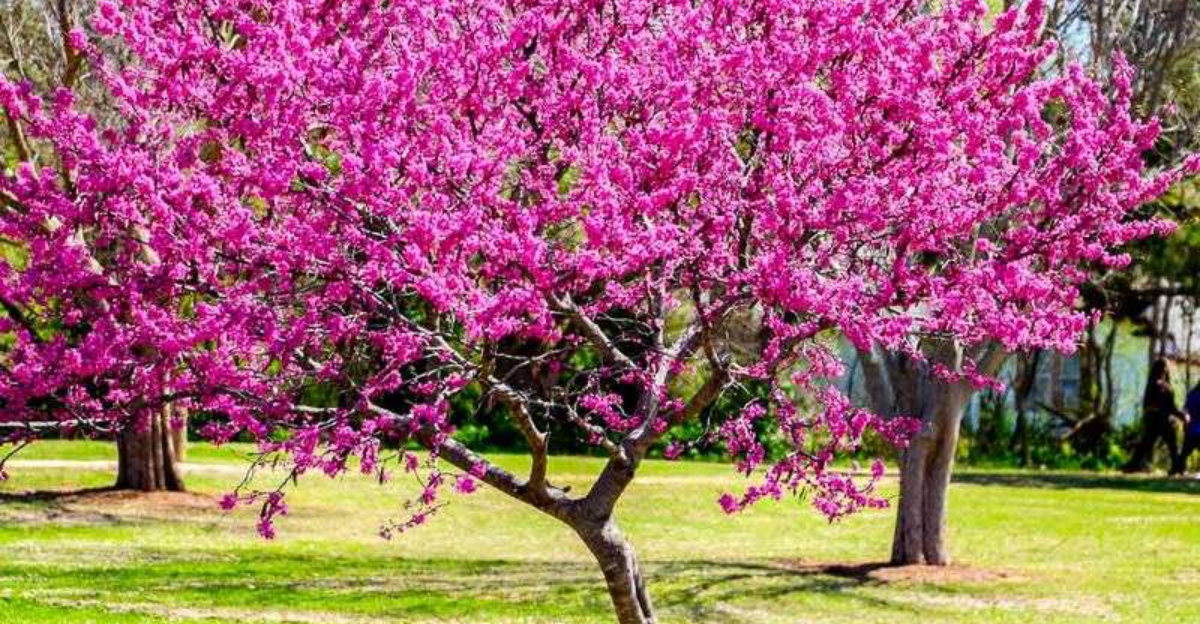
Gardening in windy conditions can be challenging, but certain plants thrive where others fail. These hardy species will add beauty and resilience to your yard, no matter the gusts.
1. Silver Buffaloberry
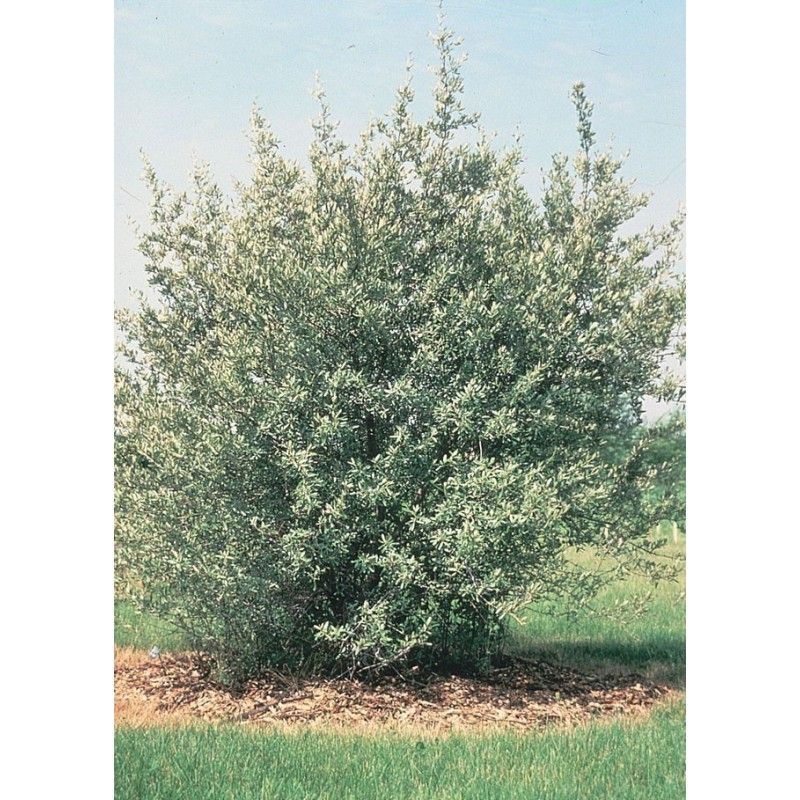
With its thorny branches and silver-green leaves, the Silver Buffaloberry stands resilient against the fiercest winds.
This robust shrub brightens your garden with tiny yellow flowers in spring, transforming into striking red berries by autumn. The leaves shimmer like distant stars under the sun’s gaze.
This plant not only survives but thrives in windy conditions, making it an ideal choice for exposed gardens. Its dense foliage also provides excellent cover for wildlife, adding a touch of wilderness to your landscape.
Fun fact: The berries are edible and have been used in traditional Native American recipes.
2. Sea Buckthorn
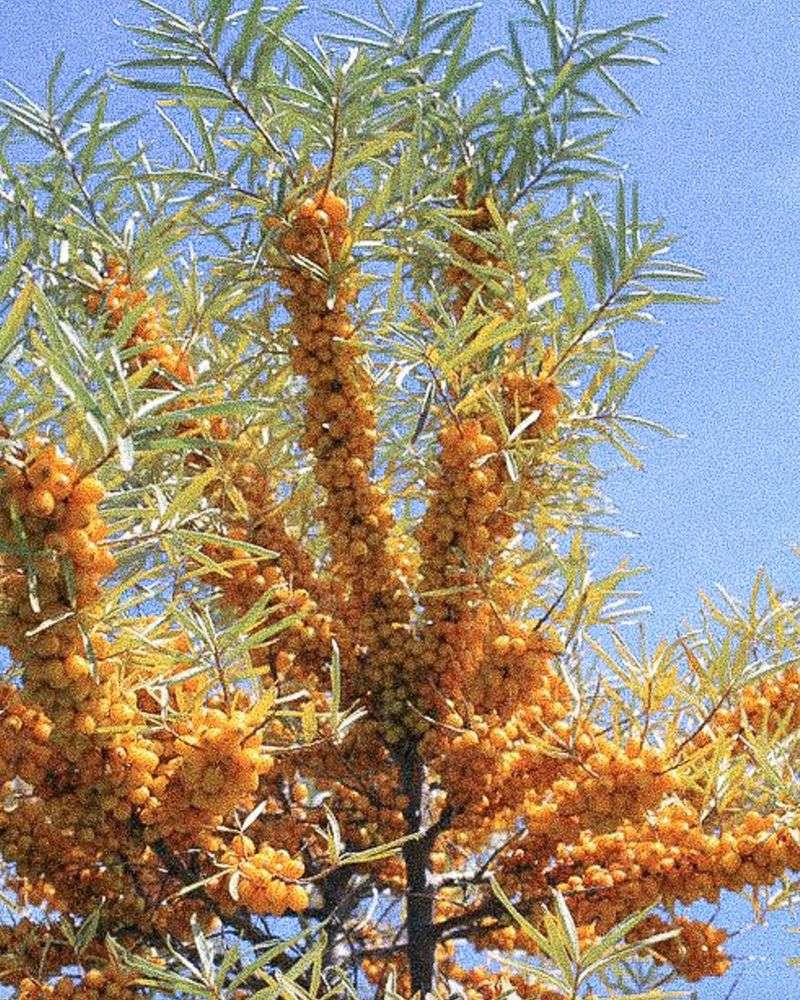
Sea Buckthorn, with its bright orange berries and silvery foliage, stands as a pillar of vibrancy in windy gardens. Its roots delve deep, anchoring it firmly even in the harshest of gusts. The berries, rich in vitamin C, add a splash of color and are a favorite among garden birds.
The plant’s adaptability to coastal winds makes it ideal for seaside gardens, where other plants might falter.
Did you know? Sea Buckthorn has been used for centuries in traditional medicine, revered for its healing properties and nutritional benefits.
3. Russian Sage
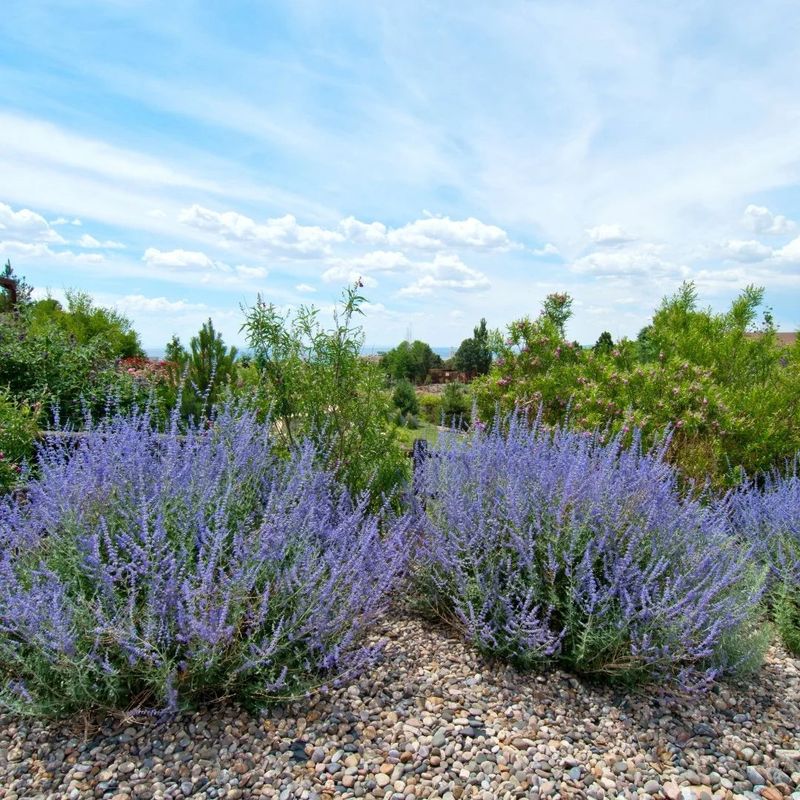
Russian Sage dances gracefully in the wind, with its silver-gray stems and lavender-blue flowers. This perennial is tough, thriving where others struggle, its aromatic foliage adding a spicy scent to the breeze.
Perfect for adding a touch of elegance to your wind-swept garden, it requires minimal care once established. Its long blooming season stretches from midsummer to autumn, ensuring continuous color.
Its name might be misleading as it’s not a true sage, but Russian Sage is a member of the mint family, making it a robust choice for challenging environments.
4. Japanese Barberry
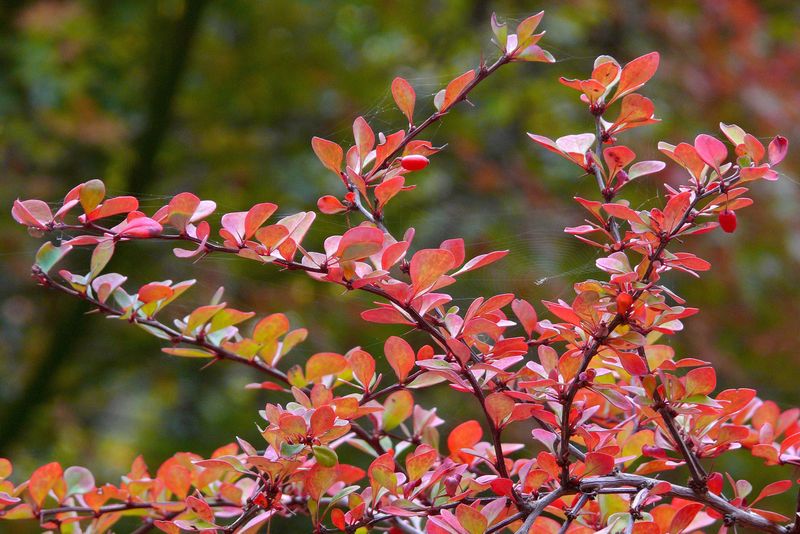
Japanese Barberry stands defiantly against the wind with its spiny branches and vibrant red leaves. This deciduous shrub adds a splash of color even in the bleakest conditions, with its bright berries providing winter interest.
Tough and adaptable, it requires little maintenance and can withstand both drought and cold, making it perfect for areas exposed to wind.
Fun fact: Japanese Barberry is often used in traditional gardens in Japan, valued for its aesthetic appeal and resilience.
5. Yucca
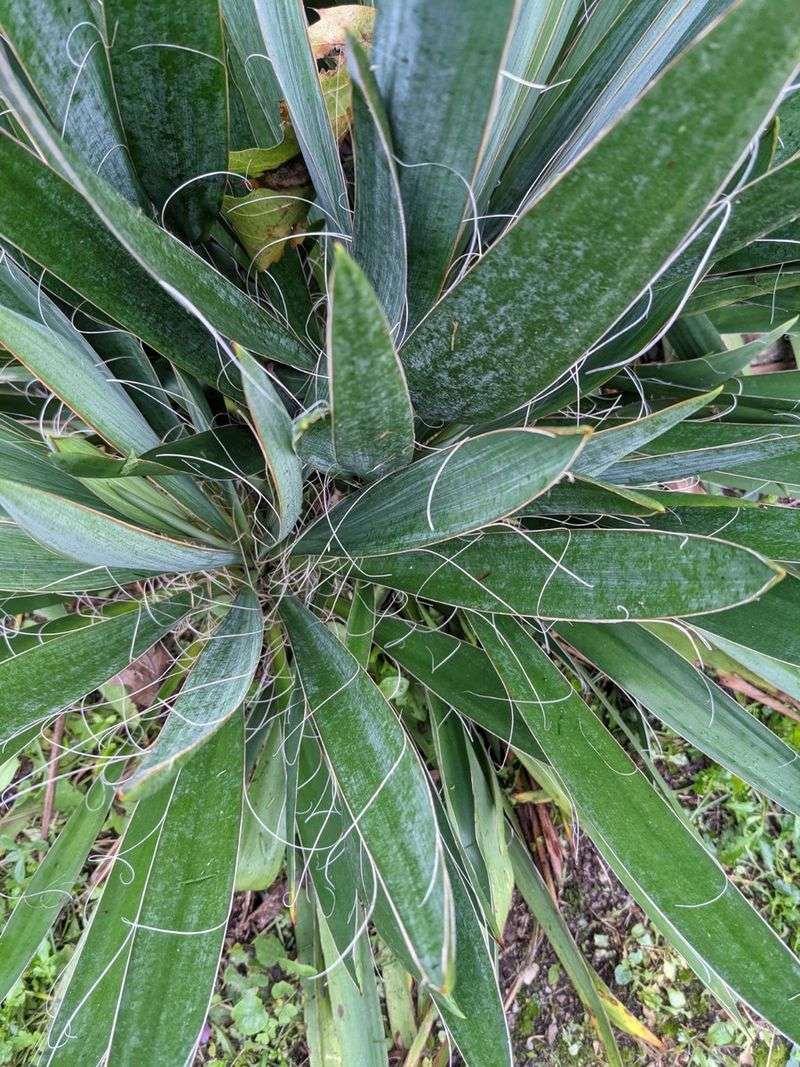
With its sword-like leaves reaching skyward, the Yucca is a symbol of endurance in windy conditions. Its tough, architectural form provides structure and interest, while its towering flower spikes add drama.
This drought-tolerant plant is as hardy as they come, making it an excellent choice for gardens exposed to harsh winds.
The Yucca is not just a visual marvel; historically, its fibers have been used to make rope and baskets, highlighting its practical value.
6. Mountain Mahogany

Mountain Mahogany brings a touch of rugged beauty to any windy garden. With its twisted branches and small, elliptical leaves, it stands strong against harsh winds.
This evergreen shrub is not only wind-resistant but also drought-tolerant, thriving in rocky, well-drained soils. It’s perfect for adding texture and depth to a landscape where others might fail.
Its hard, dense wood is highly valued, often used in crafting bows and tools by indigenous cultures.
7. Sand Cherry
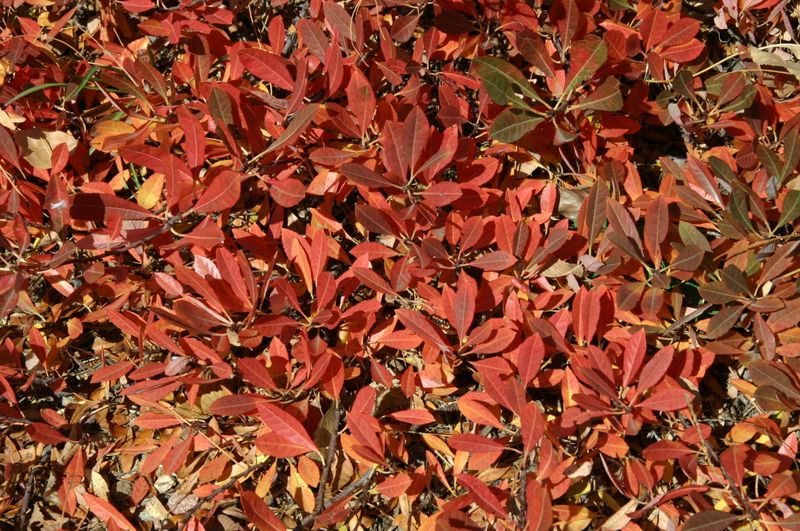
The Sand Cherry offers an enchanting blend of beauty and resilience, with its dark purple leaves and delicate pinkish-white blooms. It flourishes in windy conditions, its robust nature making it a staple in challenging landscapes.
This deciduous shrub is perfect for adding color and contrast, with its leaves turning a stunning red in the fall.
Its adaptability and striking appearance make it a popular choice for gardeners seeking to enhance their windy yards.
8. Redbud
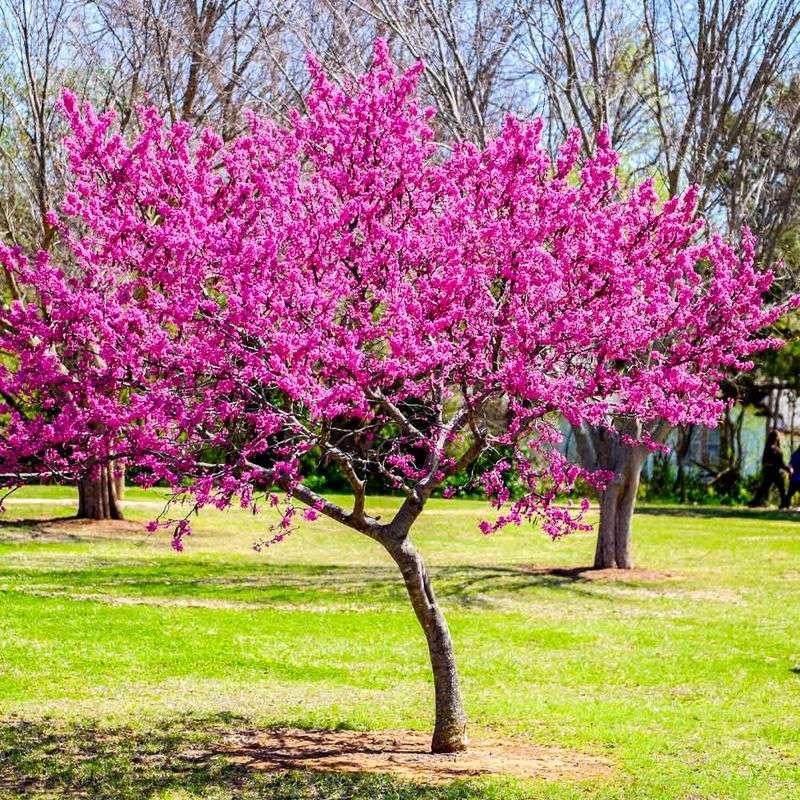
Redbud trees, with their heart-shaped leaves and vibrant pink flowers, are a delightful addition to any windy garden. These trees are hardy and can withstand the challenges posed by harsh winds.
In spring, their branches are adorned with clusters of pink flowers, creating a spectacular display. As a bonus, the flowers are edible, adding a unique touch to salads.
The Redbud’s ability to thrive in less-than-ideal conditions makes it a reliable choice for exposed gardens.
9. Lilac
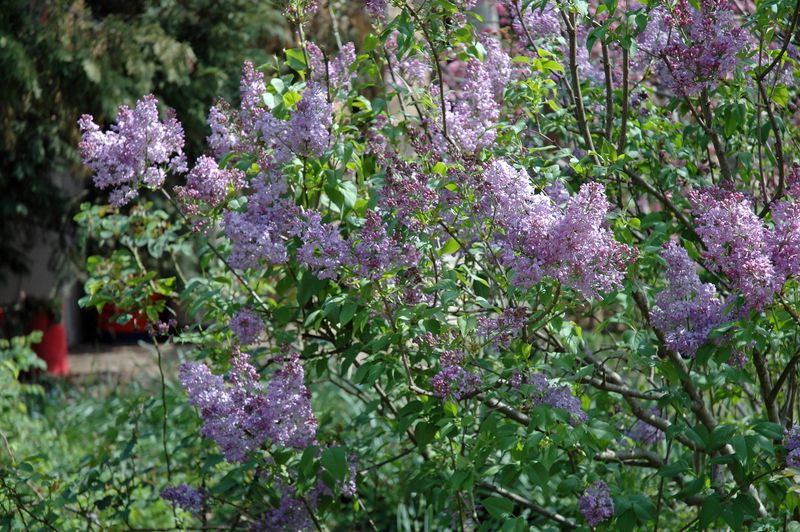
Lilacs bring a burst of fragrance and color to windy gardens with their clusters of purple, pink, or white flowers. These hardy shrubs are known for their resilience and ability to thrive where others might struggle.
Their intoxicating scent is a hallmark of spring, and their lush foliage provides shelter and privacy.
Lilacs are not just beautiful but easy to care for, making them a popular choice for gardeners looking to brighten up blustery spots.
10. Holly

Holly is a classic choice for windy gardens, with its glossy green leaves and bright red berries providing year-round interest. This evergreen shrub is synonymous with winter, adding color and cheer even in the coldest months.
Its tough, spiny leaves deter pests and withstand harsh winds, making it a reliable choice for exposed areas.
Holly is also steeped in tradition, often used in holiday decorations and symbolizing hope and resilience.
11. Juniper
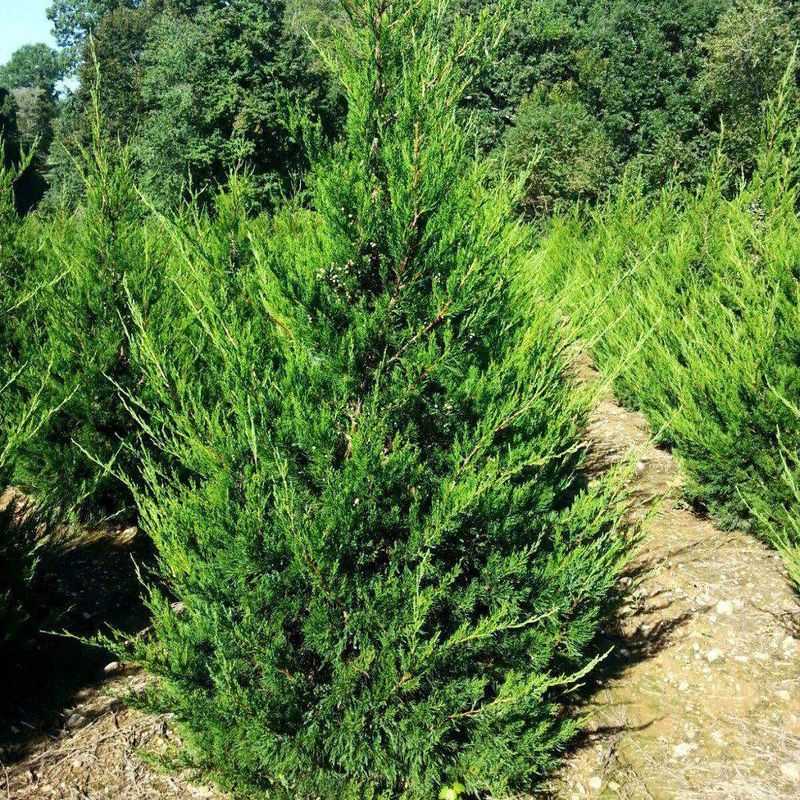
Juniper, with its blue-green foliage and rugged appearance, is a stalwart presence in windy gardens. Its twisted trunks and branches add character, while its dense foliage provides shelter and privacy.
This hardy plant thrives in poor, rocky soils where others might fail, making it ideal for challenging landscapes.
Juniper’s berries are used in gin production, adding a touch of culinary interest to this resilient shrub.
12. Elderberry
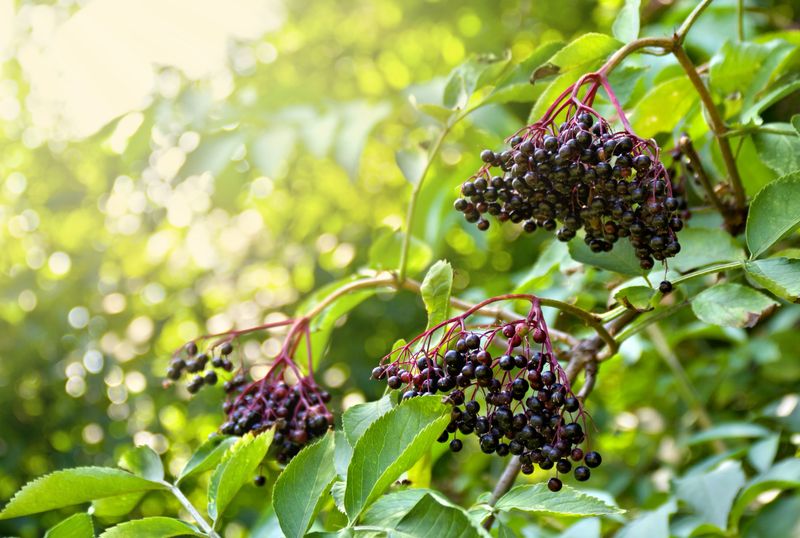
Elderberry bushes bring a touch of wild elegance to windy gardens with their clusters of white flowers and dark berries. These hardy shrubs thrive in challenging conditions, offering both beauty and utility.
The berries are not only decorative but can be used in jams, wines, and traditional remedies.
Elderberries are often associated with folklore and magic, adding an air of mystery to your garden.
13. Cotoneaster
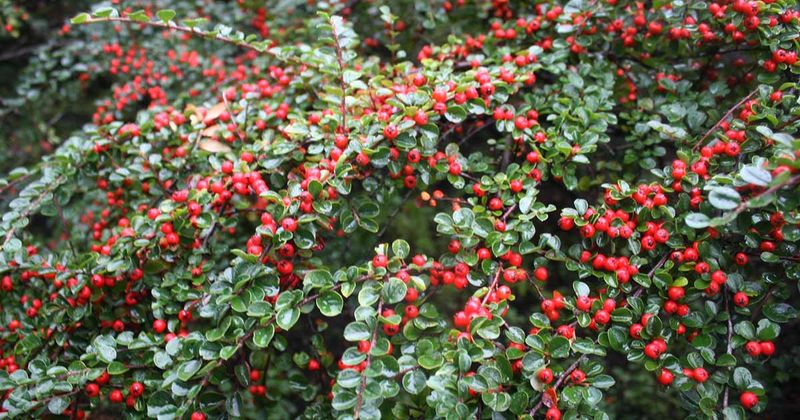
Cotoneaster is a resilient choice for windy gardens, with its small, glossy leaves and bright red berries adding charm and color. This low-maintenance shrub is perfect for ground cover and erosion control in blustery areas.
Its dense foliage provides habitat for wildlife, making it a valuable addition to any garden.
Cotoneaster is not only tough but also versatile, thriving in various soil types and conditions.
14. Oregon Grape
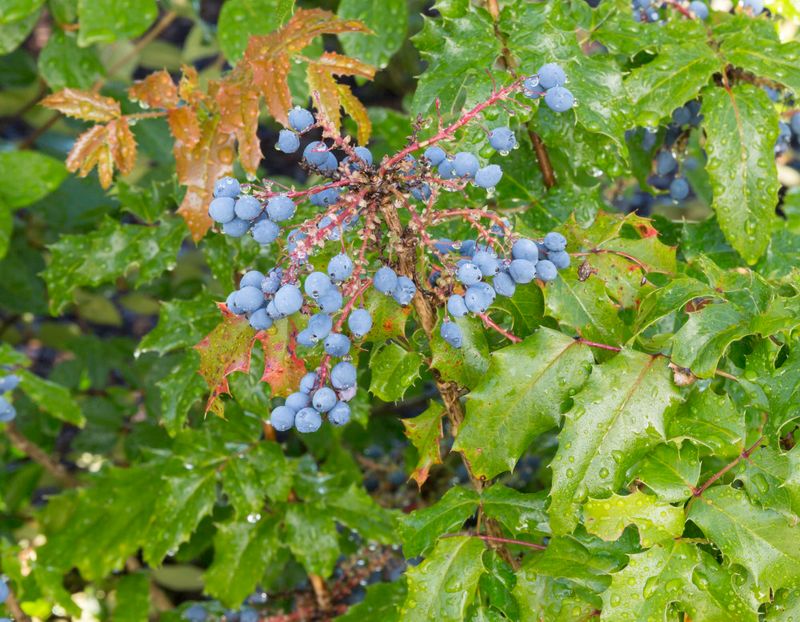
Oregon Grape stands out in windy gardens with its holly-like leaves and clusters of bright yellow flowers. This evergreen shrub adds year-round interest and is perfect for woodland gardens exposed to wind.
Its blue-black berries are not only decorative but edible, often used in jellies and sauces.
The plant’s resilience and beauty make it a favorite for gardeners seeking to add color and texture to blustery spots.
15. Sumac
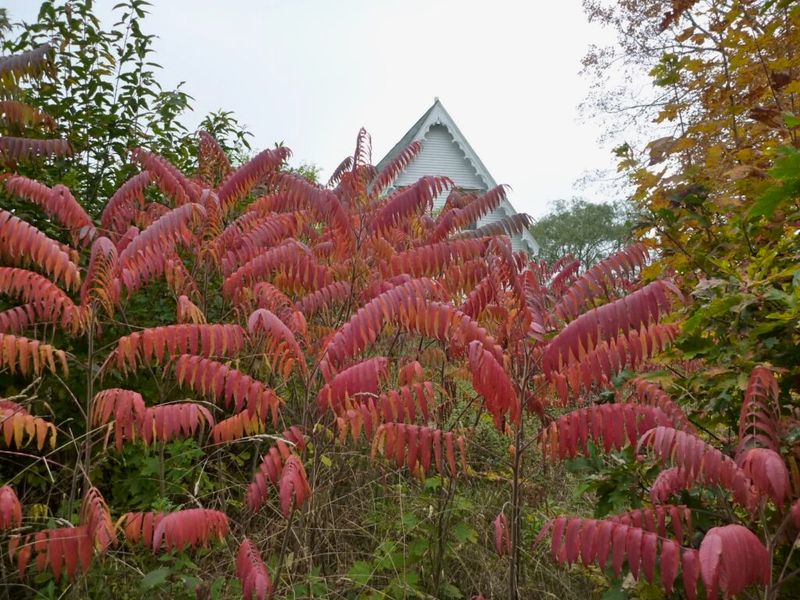
Sumac brings a fiery touch to windy gardens with its vibrant red foliage and clusters of red berries. This hardy shrub thrives in exposed conditions, its stunning autumn color making it a standout choice.
Easy to grow and maintain, Sumac is ideal for adding drama and interest to challenging landscapes.
Its berries are often used in Middle Eastern cuisine, adding a tangy flavor to dishes.
16. Serviceberry
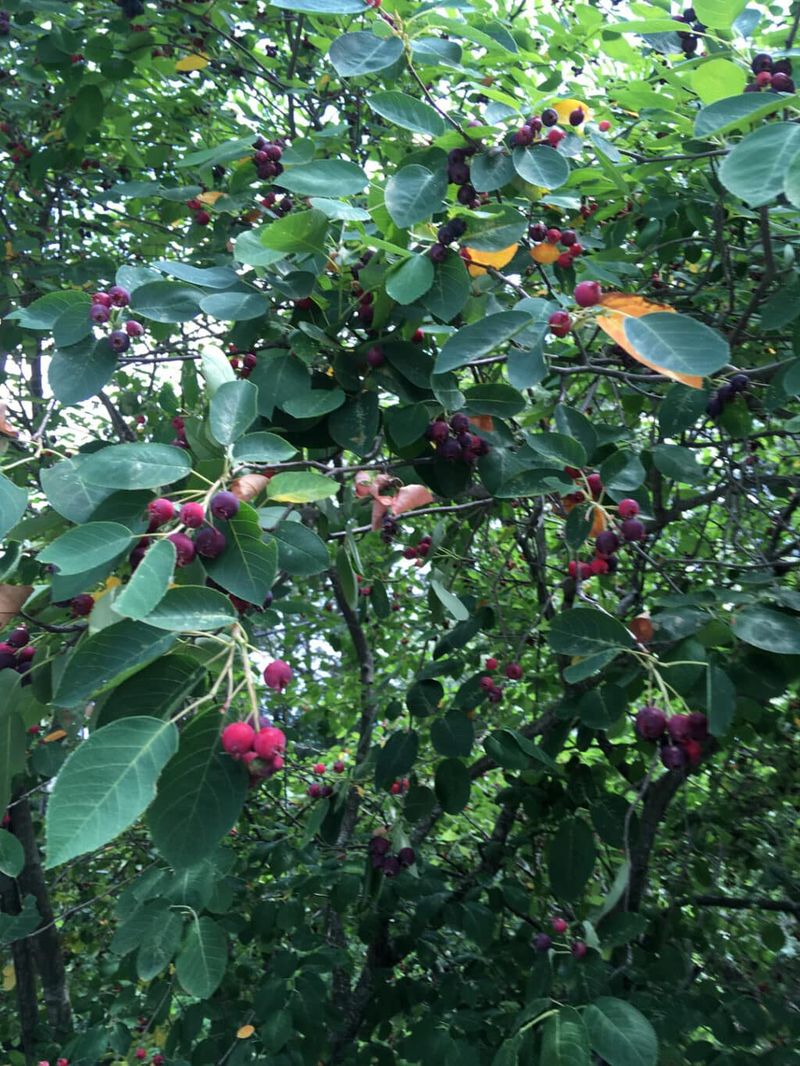
Serviceberry trees are a lovely addition to windy gardens, with their white spring flowers and purple-black berries. These trees are not only beautiful but hardy, thriving in less-than-ideal conditions.
The berries are edible, often used in pies and jams, providing a sweet treat for both humans and wildlife.
Serviceberry trees are perfect for adding elegance and utility to wind-swept gardens.
17. Bayberry
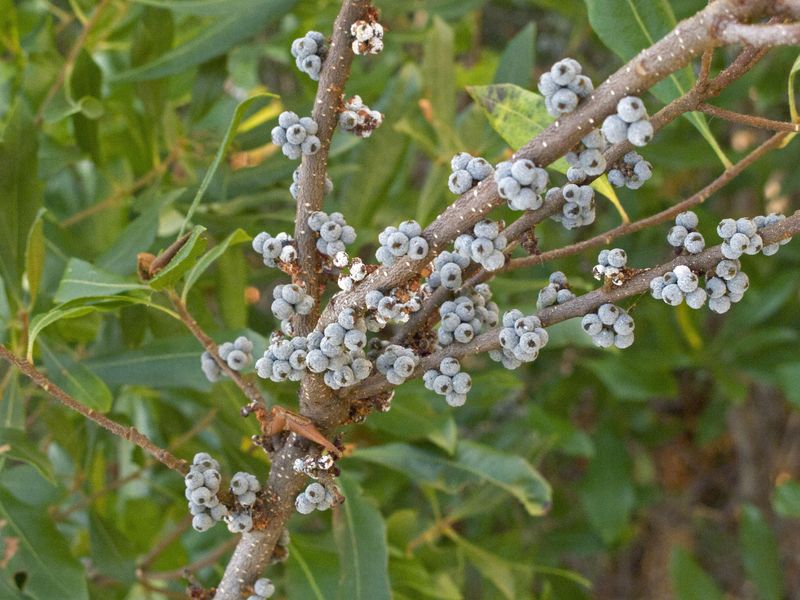
Bayberry bushes are a resilient choice for windy gardens, with their aromatic green leaves and grayish-white berries. These hardy shrubs are well-suited to coastal conditions, where other plants might struggle.
Their berries are often used in candle-making, adding a touch of tradition and utility.
Bayberry’s toughness and unique fragrance make it a popular choice for gardeners seeking to enhance blustery landscapes.
18. Forsythia
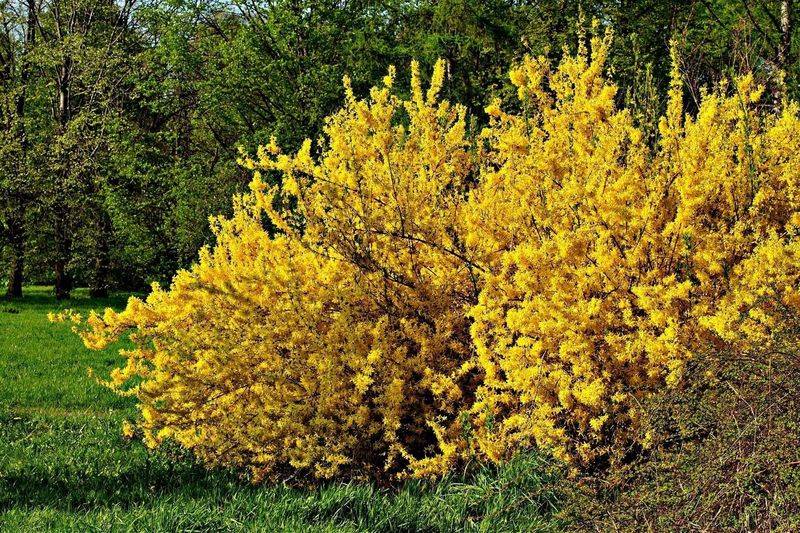
Forsythia bushes are a sight to behold in spring, with their bright yellow flowers adding a splash of color to windy gardens. These tough shrubs are known for their early blooms, signaling the arrival of warmer weather.
Forsythia is easy to care for, thriving in various soil types and conditions, making it a reliable choice for exposed areas.
Its vibrant flowers and hardy nature make it a favorite for gardeners looking to brighten up blustery spots.
19. Boxwood

Boxwood hedges bring classic elegance to windy gardens with their dense, evergreen foliage. These hardy shrubs are perfect for creating formal borders and topiaries, their compact growth making them ideal for shaping.
Boxwoods are tough, withstanding both wind and drought, making them a reliable choice for exposed areas.
Their timeless appeal and resilience make them a favorite for gardeners seeking to add structure and sophistication to their landscapes.
20. Fountain Grass
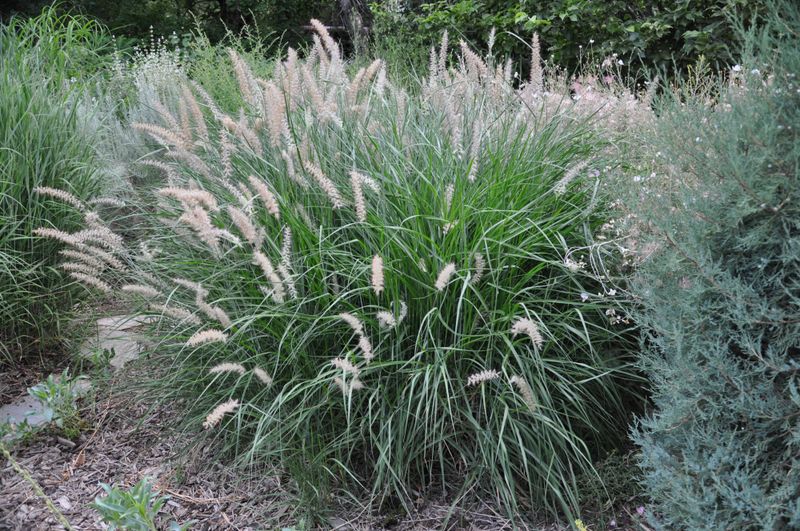
Fountain Grass adds a touch of grace to windy gardens with its arching green leaves and feathery plumes. This ornamental grass is not only beautiful but tough, thriving in challenging conditions.
Its swaying plumes create a sense of movement and elegance, enhancing the visual appeal of blustery landscapes.
Fountain Grass is low-maintenance and drought-tolerant, making it a practical choice for gardeners seeking to add texture and interest to wind-swept areas.