 Complete Gardening
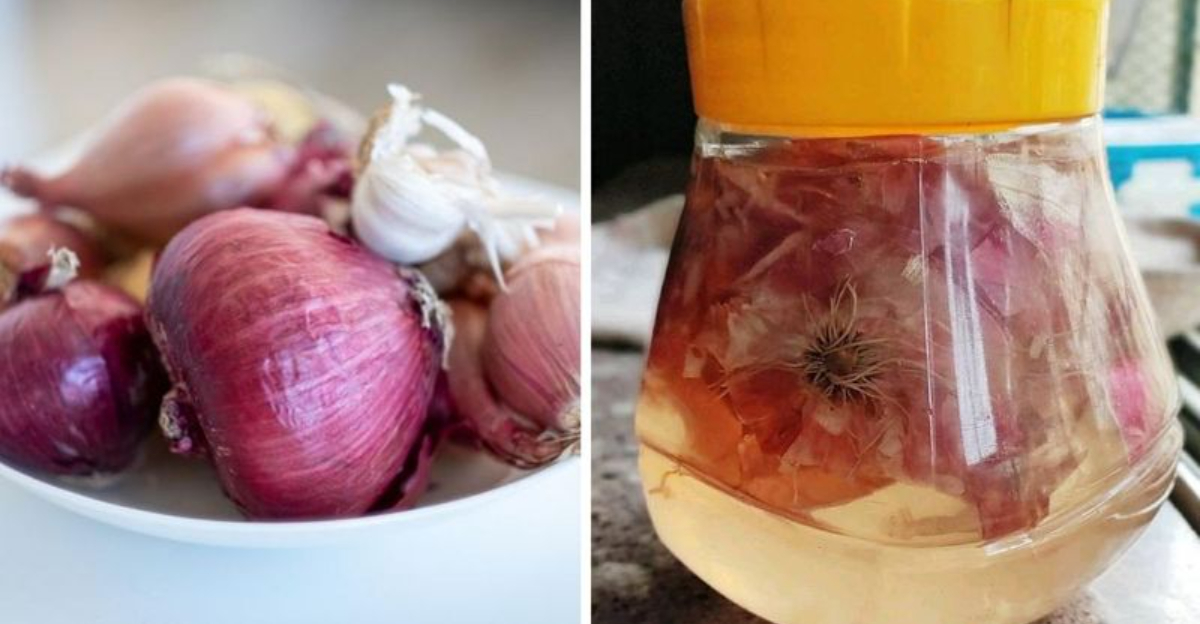
Plants, like any living beings, sometimes require a little unusual care to thrive. Discover these 20 unconventional yet effective methods to breathe new life into your ailing green companions. From household items to peculiar tricks, each method promises to revive your plant’s health in a surprising way.
1. The Beer CPR Method

Have you ever thought about sharing your beer with a plant? Mixing flat beer with water in a 1:1 ratio and watering your plant can work wonders. The yeast and sugars in beer stimulate microbial activity in the soil, reviving the plant’s health. This method, though unconventional, has been surprisingly effective for many plant enthusiasts. Just be sure the beer is flat, as carbonation might do more harm than good. This quirky method can be a lifesaver for certain plants, especially when regular watering doesn’t suffice. Who knew beer could be a gardener’s secret weapon?
2. Bury a Rusty Nail (For Yellow Leaves)
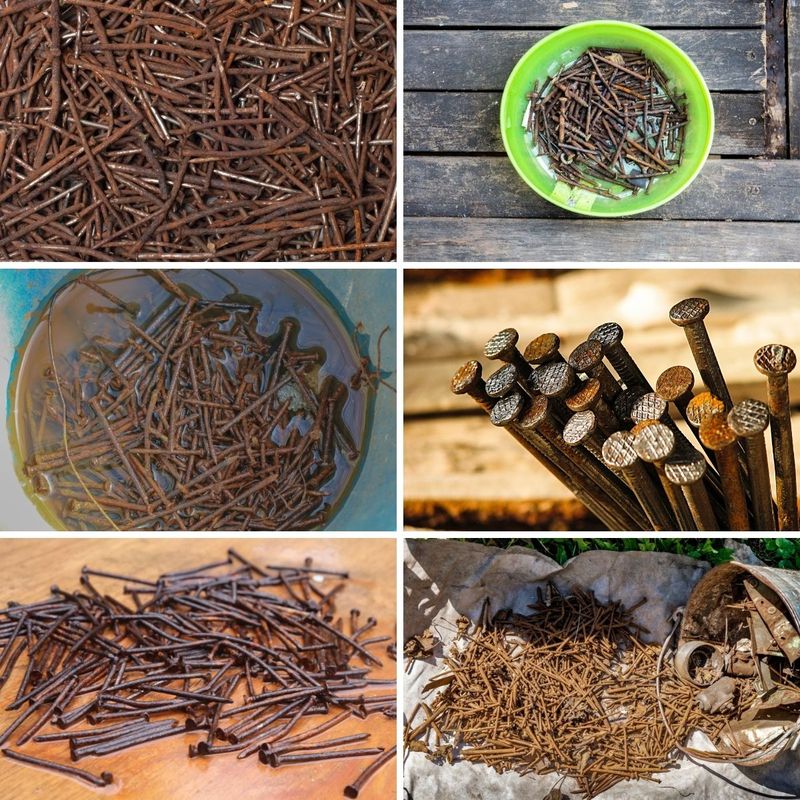
An old gardening trick involves using a rusty nail to save plants with yellowing leaves. Simply bury a rusty nail in the soil near the plant’s roots. As the rust breaks down, it releases iron into the soil, combating chlorosis caused by iron deficiency. This method provides an easy and natural solution for gardeners facing this common issue. While it may seem strange, the results can be quite rewarding. Your plant gains much-needed iron and gradually regains its vibrant green color. Watch as the transformation breathes new life into your previously struggling plant.
3. Eggshell Tea for Calcium Boost
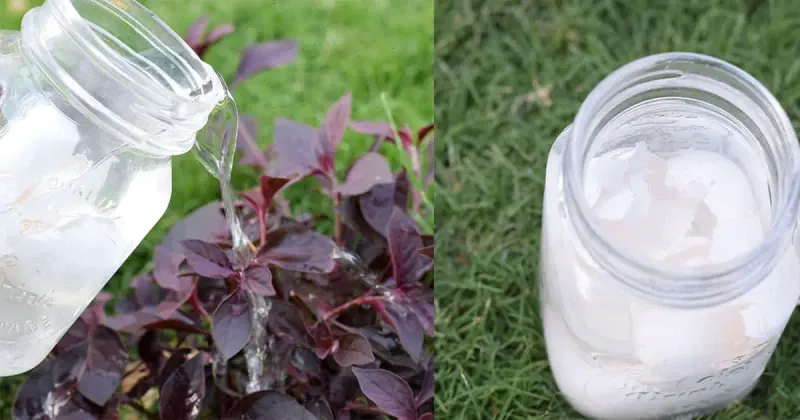
For a calcium boost, try creating a simple eggshell tea for your plants. Soak crushed eggshells in water for 24 hours, then use it to water the plants. This method supplies calcium, essential for preventing blossom-end rot, especially in tomatoes and peppers. The slow release of nutrients from the eggshells enriches the soil naturally. Gardeners have found this an effective solution for calcium-deficient plants, turning kitchen waste into a valuable resource. Transform your plant care routine with this eco-friendly and efficient technique. No one will guess your secret ingredient is yesterday’s breakfast.
4. The Banana Peel Fertilizer
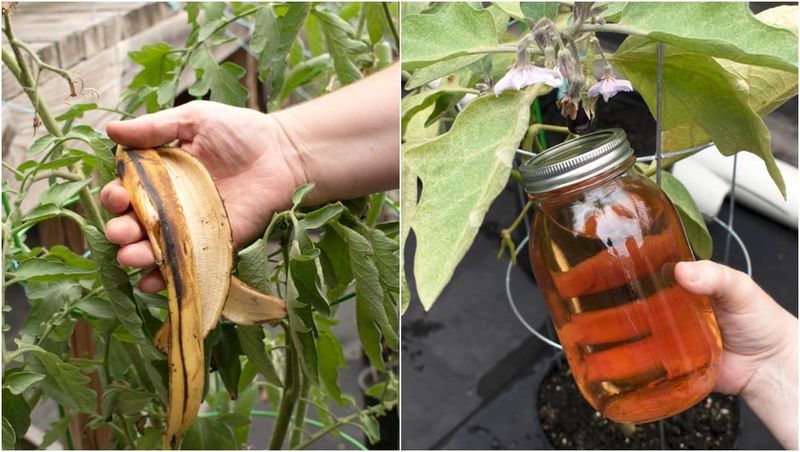
Banana peels aren’t just for compost; they can directly benefit your plants too. Either bury a banana peel in the soil or soak it in water to create a potassium-rich “tea.” Potassium strengthens the plant’s roots and enhances drought resistance, making this fertilizer particularly beneficial for plants facing tough conditions. The organic matter slowly decomposes, releasing nutrients over time. Many gardeners swear by this method for its simplicity and effectiveness. Who knew that something as simple as a discarded banana peel could make such a significant difference in your garden’s health?
5. Aspirin Water for Stressed Plants
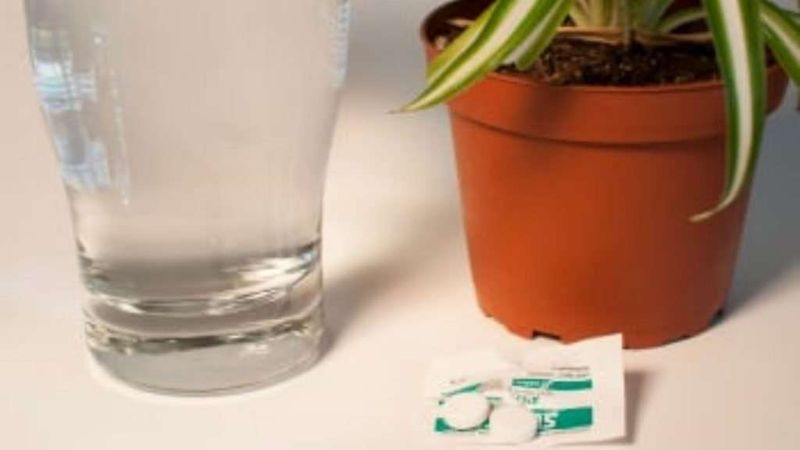
Aspirin isn’t just for headaches—it can help stressed plants too. Dissolve one aspirin tablet in a liter of water, and either spray or water your plant with the solution. Salicylic acid, the active ingredient, boosts the plant’s immunity, making it especially useful for plants in shock after repotting. This surprising method has been effective for various plants, alleviating stress and promoting resilience. It’s an unexpected, yet logical, crossover from human to plant medicine. Try this pharmacy-inspired remedy next time your plant seems stressed, and watch it bounce back with renewed vigor.
6. Cinnamon as a Natural Antifungal
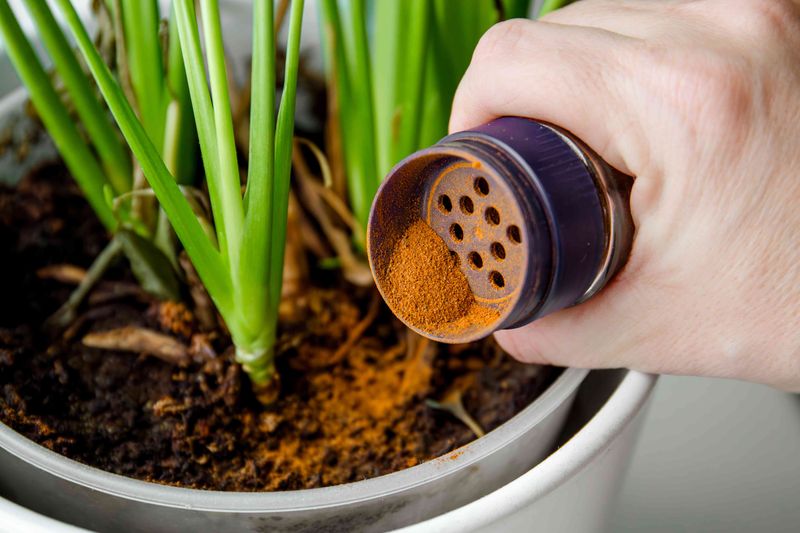
Spice up your plant care routine with a dash of cinnamon. Sprinkle cinnamon on the soil or any stem wounds to combat mold and root rot. This fragrant spice has natural antifungal properties, promoting plant healing and protecting against disease. It’s a home remedy that’s both simple and aromatic, offering a pleasant scent while benefiting your plants. Many gardeners appreciate cinnamon for its dual role as a spice rack staple and plant savior. Embrace this sweet-smelling solution to maintain your garden’s health and charm, turning a kitchen staple into a gardening ally.
7. The Ice Cube Orchid Trick
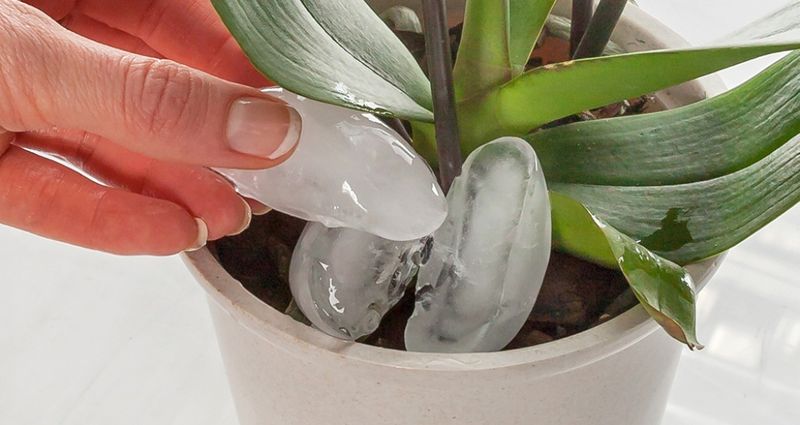
For orchid enthusiasts, the ice cube trick provides a clever watering solution. Place one or two ice cubes on the orchid’s soil weekly instead of traditional watering. The slow melting process ensures perfect hydration without the risk of overwatering, a common issue for orchid care. This method is particularly appealing to those who struggle with watering precision, offering a simple yet effective way to nourish these delicate plants. By controlling water release, this trick ensures orchids receive just the right amount, helping maintain their elegant blooms without fuss.
8. Hydrogen Peroxide for Root Rot
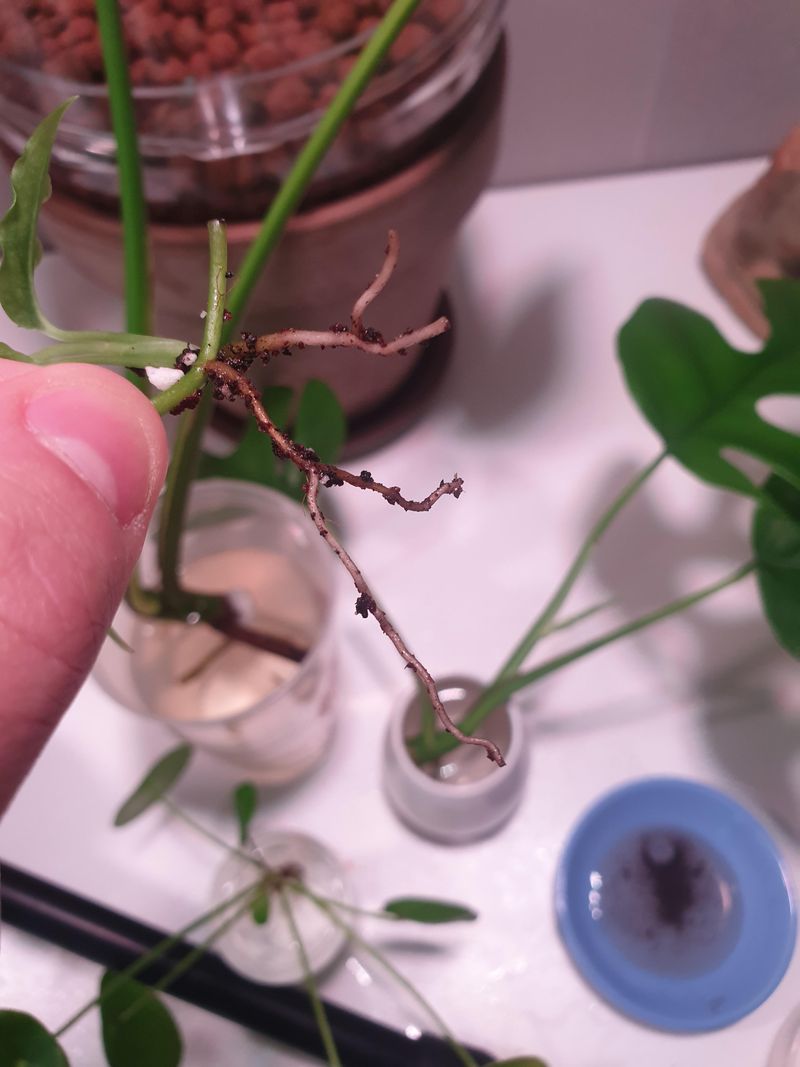
Hydrogen peroxide isn’t just a disinfectant for cuts; it can also revitalize plants suffering from root rot. Mix one teaspoon of 3% hydrogen peroxide in a cup of water and drench the soil. This mixture oxygenates the roots and kills anaerobic bacteria, allowing the plant to recover from overwatering issues. Gardeners have found this method remarkably effective for rescuing plants on the brink of death. It’s a surprising application of a household staple, breathing new life into plants that seemed beyond saving. Consider this a lifeline for your ailing green companions.
9. Talk (or Sing) to Your Plant

Engage in a daily chat with your plant. Spend five minutes talking or singing near it, and you might notice a difference. CO₂ from your breath can aid photosynthesis, while vibrations from your voice may promote growth. This quirky practice has been a topic of debate, yet many plant lovers report positive results. Whether it’s the carbon dioxide or the care they feel, plants often respond to this attention. Make it a ritual, and you might find it as therapeutic for yourself as it is beneficial for the plant. Who doesn’t enjoy a good conversation?
10. The Potato Propagation Hack

For those looking to propagate struggling plants, try the potato hack. Insert a dying plant’s stem into a potato before replanting it in soil. The potato retains moisture, providing a nurturing environment for the stem to regenerate roots. This unconventional method has gained popularity among gardeners for its simplicity and effectiveness. While it might sound odd, the results speak for themselves, offering new growth and vitality to plants that seemed doomed. It’s an innovative use of a kitchen staple, proving that sometimes the simplest solutions are the most ingenious.
11. Coffee Grounds for Acid-Lovers
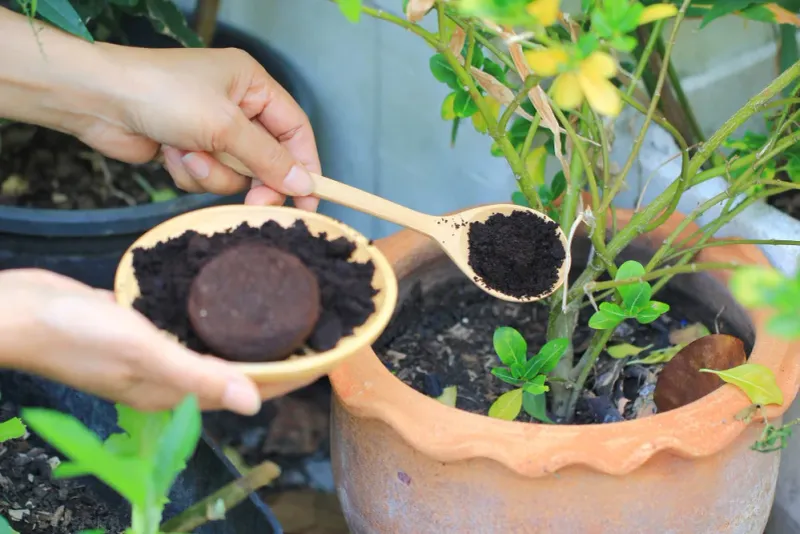
Coffee grounds, typically discarded, hold hidden potential for acid-loving plants. Sprinkle used grounds on the soil around plants like roses, blueberries, and ferns. The grounds lower soil pH and add nitrogen, promoting healthier growth for these specific plants. This eco-friendly method recycles kitchen waste into a valuable resource for gardeners. Many have found success using coffee grounds to enhance soil acidity and nutrient levels naturally. It’s an effective strategy that combines sustainability and practicality, turning a morning ritual into a gardening advantage. Enjoy your coffee while your garden reaps the benefits.
12. Epsom Salt for Magnesium Boost
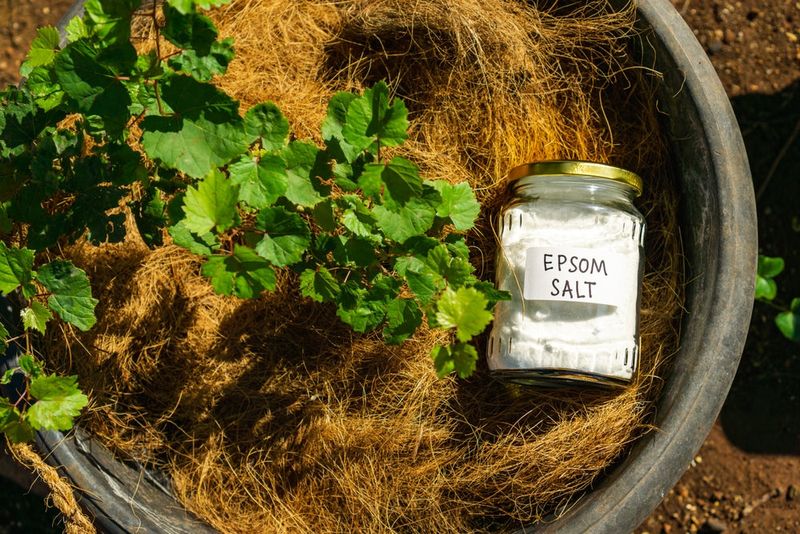
Epsom salt, known for its soothing baths, also offers a magnesium boost for plants. Dissolve one tablespoon in a liter of water and apply monthly. This solution prevents yellowing between leaf veins, a sign of magnesium deficiency. Gardeners appreciate this straightforward method for its effectiveness and simplicity. By enriching the soil with magnesium, Epsom salt promotes healthier, greener plants. It’s an unexpected yet practical use for a common household item, providing a quick fix for nutrient deficiencies. Try this monthly ritual to keep your plants in tip-top shape.
13. The “Shower Revival” Method
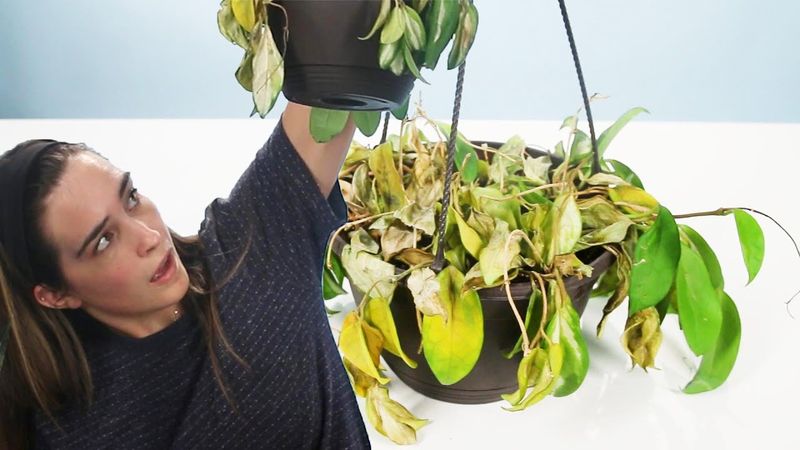
Revitalize your plants with a refreshing shower. Place them in a lukewarm shower for about five minutes. This process mimics rain, evenly hydrating the soil and removing dust from leaves. It’s an effective way to rejuvenate plants that have been neglected or stressed. Gardeners love this method for its simplicity and visible results, restoring plants to their natural vigor. It’s a spa day for your green friends, offering them a breath of fresh air and moisture. Embrace this rejuvenating ritual to maintain a lush, healthy indoor garden.
14. Milk Spray for Fungal Issues
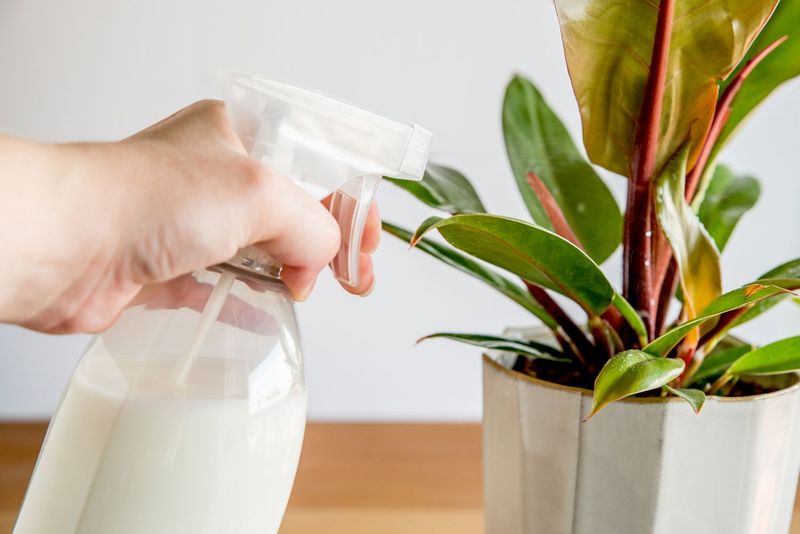
Milk isn’t just for cereal; it can help fight fungal issues in plants. Mix one part milk to two parts water and spray on the leaves. Lactoferrin in milk combats powdery mildew, making this an effective natural remedy. Gardeners appreciate the simplicity and safety of this method, offering an eco-friendly alternative to chemical fungicides. It’s a surprising crossover from kitchen to garden, utilizing a staple in a novel way. This approach not only addresses fungal problems but also nurtures the plant’s overall health. Keep your plants free from mildew with this dairy delight.
15. The “Plastic Bag Greenhouse”
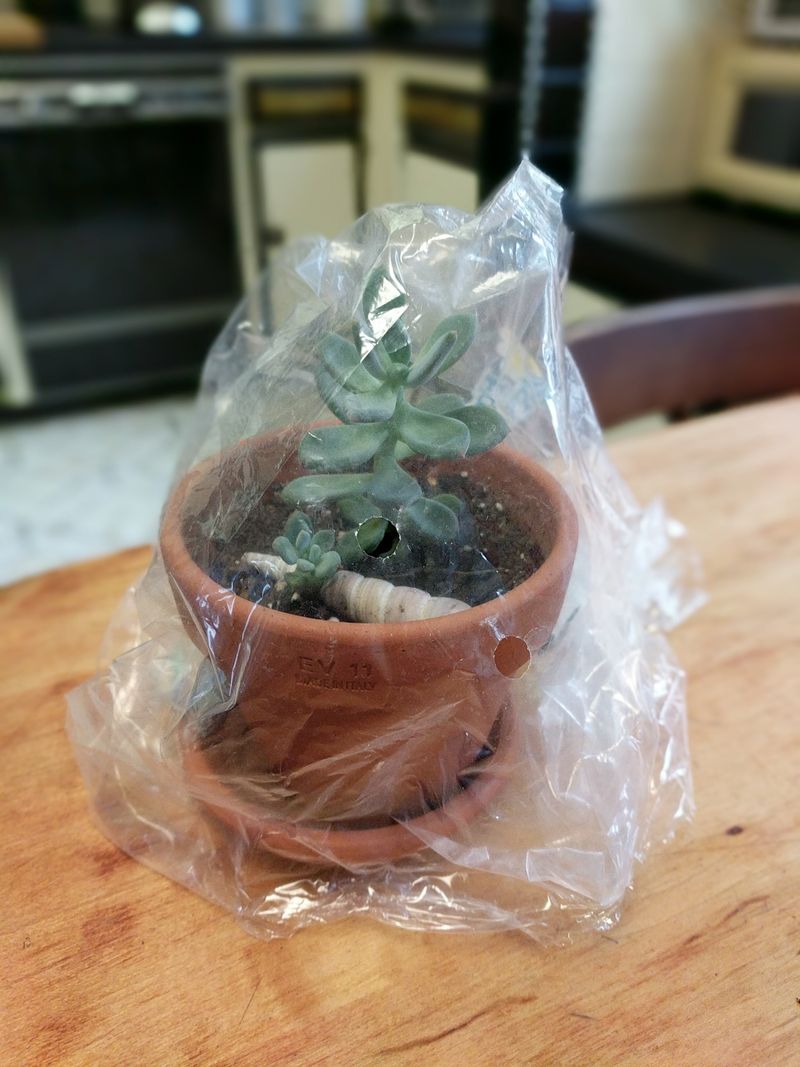
Trap moisture for your plant with a makeshift greenhouse. Cover a dying plant with a clear plastic bag to increase humidity. This method is particularly effective for dehydrated plants, helping them recover by retaining moisture. The bag acts as a mini greenhouse, creating an ideal environment for revival. Despite its simplicity, this technique can make a significant difference, especially for plants prone to drying out. Many gardeners have turned to this method as an emergency measure, finding it incredibly useful in times of need. Give your plant a humidity boost with ease.
16. Chamomile Tea for Damping-Off
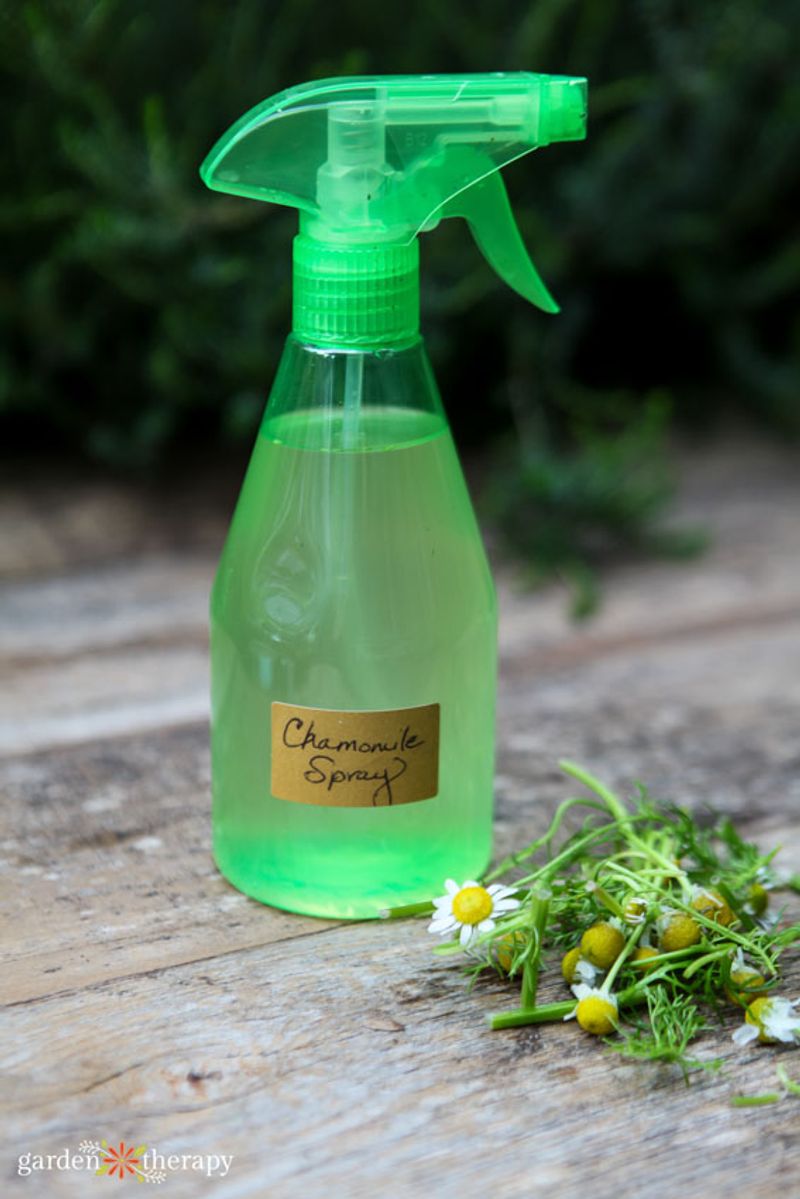
Chamomile tea isn’t just soothing for humans; it helps protect seedlings from damping-off. Water seedlings with cooled chamomile tea to take advantage of its natural antifungal properties. This gentle method provides a protective barrier, ensuring young plants grow strong and healthy. Gardeners value this approach for its effectiveness and gentle nature, offering peace of mind during the vulnerable seedling stage. It’s a simple yet powerful way to nurture your plants from the start. Enjoy a cup of chamomile tea while your seedlings benefit from its calming properties.
17. Matchstick Sulfur Trick
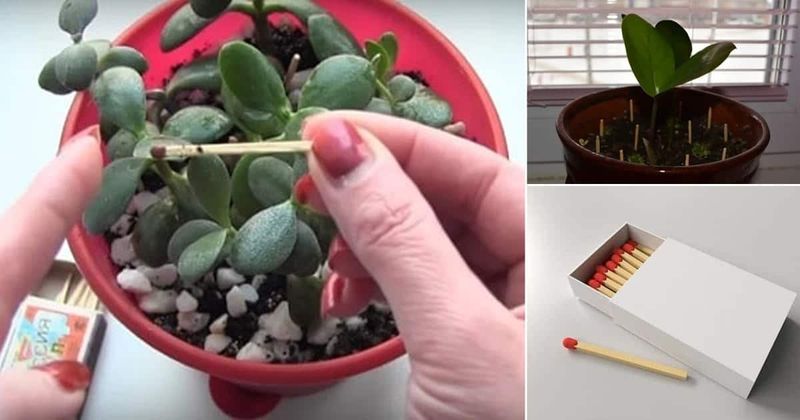
Use matchsticks to add sulfur to your soil. Bury 3-4 matches head-down in the soil around your plant. The sulfur helps deter pests and slightly lowers soil pH. This method offers a straightforward way to enhance plant resilience, especially in pest-prone areas. Gardeners find this approach both practical and resourceful, utilizing everyday items for plant health. The matchstick trick is particularly beneficial for those seeking eco-friendly pest control solutions. It’s a clever use of a common household item, turning a simple match into a gardening asset.
18. The Onion Peel Fertilizer
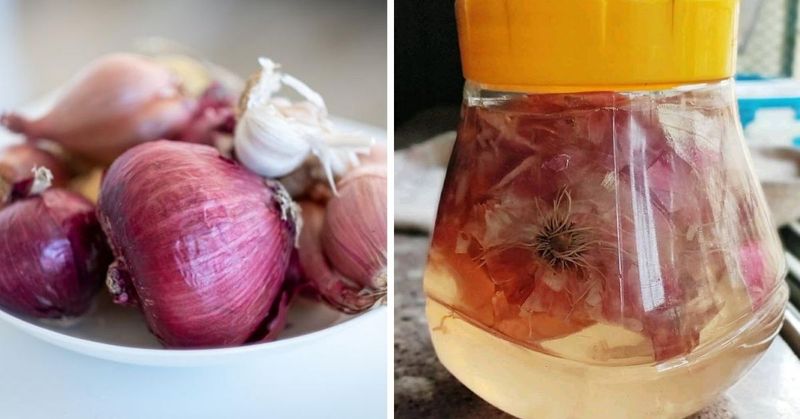
Transform kitchen waste into plant nourishment with onion peel fertilizer. Boil onion peels in water, cool, and use the liquid to water plants. Rich in quercetin, this homemade fertilizer promotes growth and vitality. Gardeners appreciate the sustainability of this method, turning what would be waste into a valuable resource. The onion peel solution offers a natural way to feed your plants, enhancing their growth without chemical additives. It’s an eco-friendly alternative that benefits both your garden and the environment. Nourish your plants with this simple, effective remedy.
19. Toothpaste for Aphids
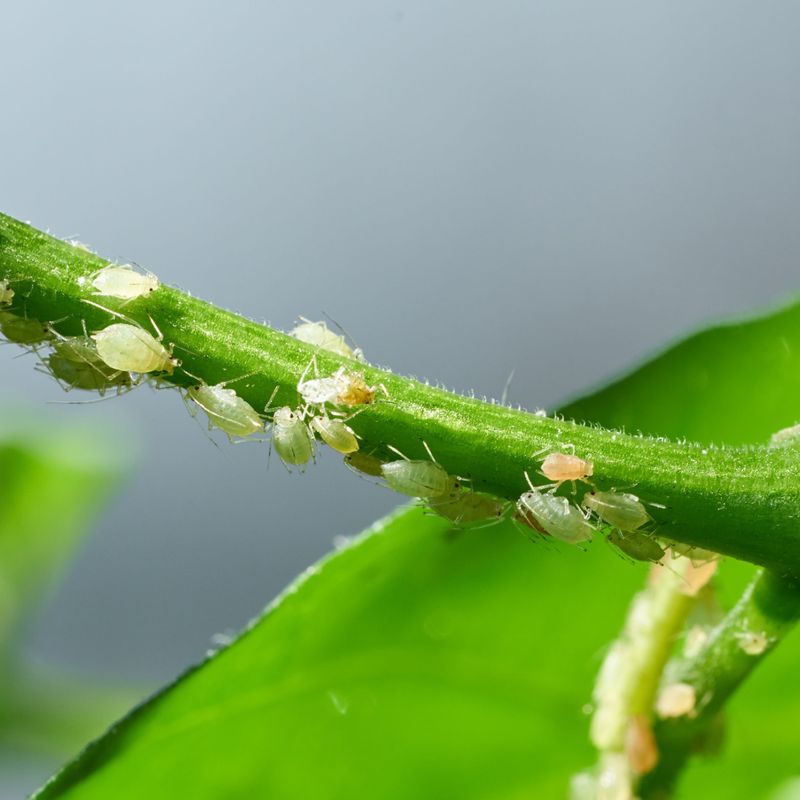
Toothpaste isn’t just for teeth; it repels aphids too. Dab a bit of white, non-gel toothpaste on stems infested with these pests. The peppermint oil in the toothpaste acts as a natural repellent, keeping aphids at bay. This method offers a quick and accessible solution for gardeners facing pest problems. It’s an innovative application of a bathroom staple, providing an eco-friendly way to protect your plants. Many gardeners have adopted this approach, finding it both effective and convenient. Combat aphid invasions with this minty fresh trick, saving your plants with ease.
20. The “Whiskey Wake-Up” (For Orchids)

Even orchids enjoy a little pick-me-up. Add one teaspoon of whiskey to a cup of water and use it to water your orchid once. The alcohol acts as a shock to dormant orchids, encouraging them to rebloom. This method has intrigued many orchid enthusiasts, offering a novel way to stimulate growth. While it may seem odd, the results can be delightful, breathing new life into your orchids. It’s a playful twist on plant care, combining curiosity with results. Give your orchids a wake-up call with this spirited remedy, and enjoy their vibrant blooms.