 Complete Gardening
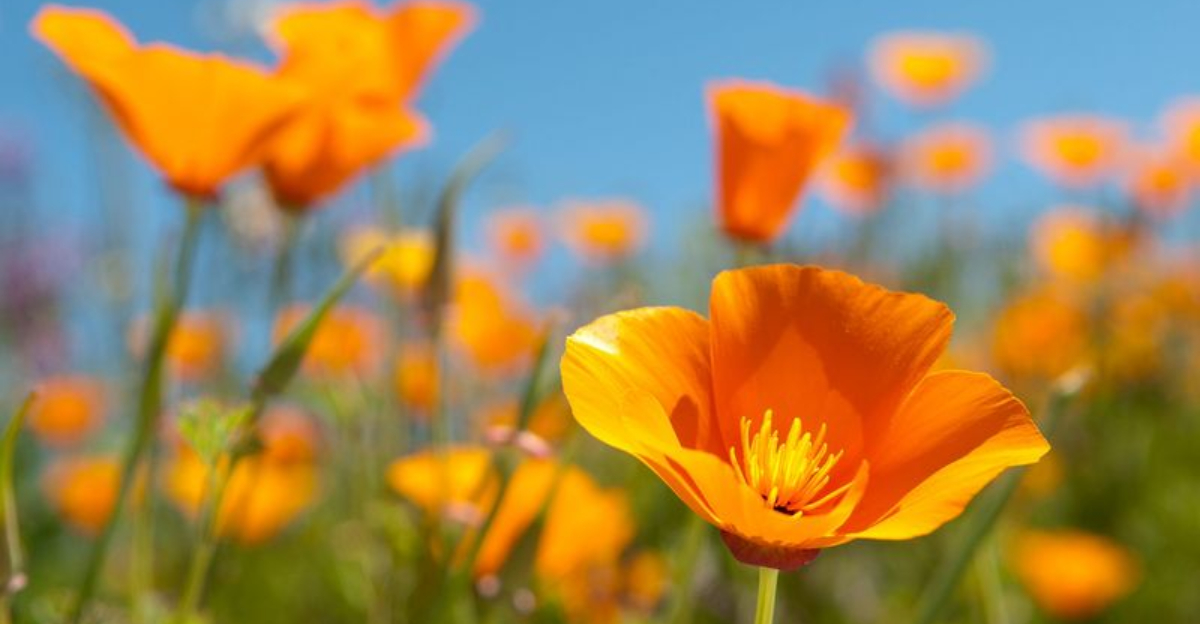
Winter sowing is an exciting gardening method that allows gardeners to get a head start on the growing season. In February, when the world is still blanketed in frost and snow, we turn our attention to the resilient charm of wildflowers.
These blooms not only bring vibrant colors to our gardens but are also vital for supporting local ecosystems.
Let’s explore the 20 wildflowers we’re sowing this winter, each with its unique charm and benefits, making them perfect additions to any garden.
1. Black-eyed Susan
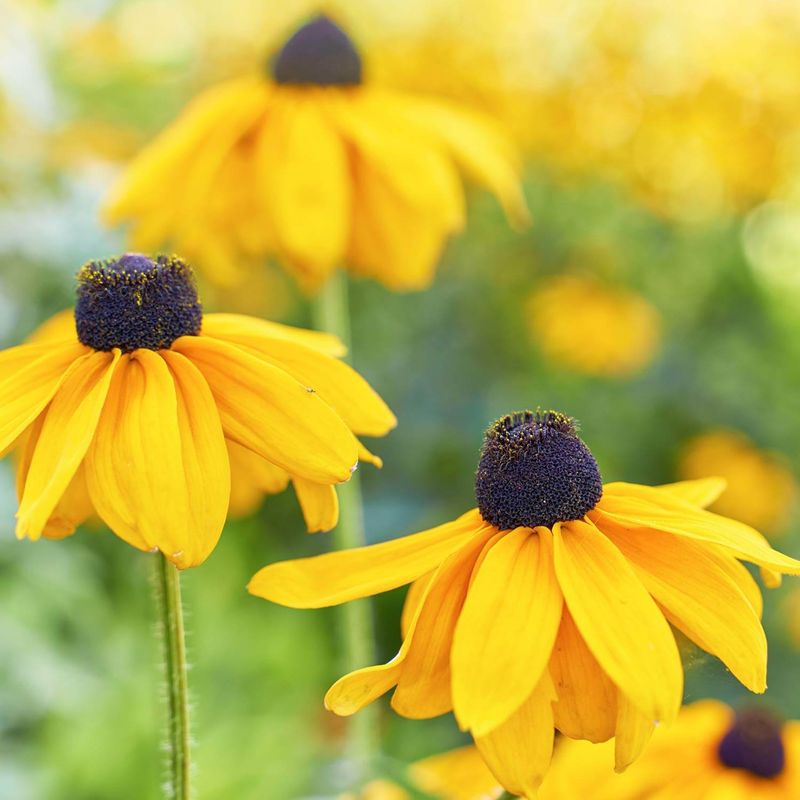
Black-eyed Susan is a staple in many gardens, known for its striking yellow petals and dark center. These flowers bloom from late summer to fall, attracting butterflies and bees.
They are hardy and can withstand varying weather conditions, making them perfect for winter sowing. The seeds require cold stratification, which mimics winter conditions, to germinate successfully.
For gardeners, Black-eyed Susans offer a splash of color and a source of nectar for pollinators. Their ability to thrive in poor soil adds to their appeal, making them a favorite among wildflower enthusiasts.
2. Lupine
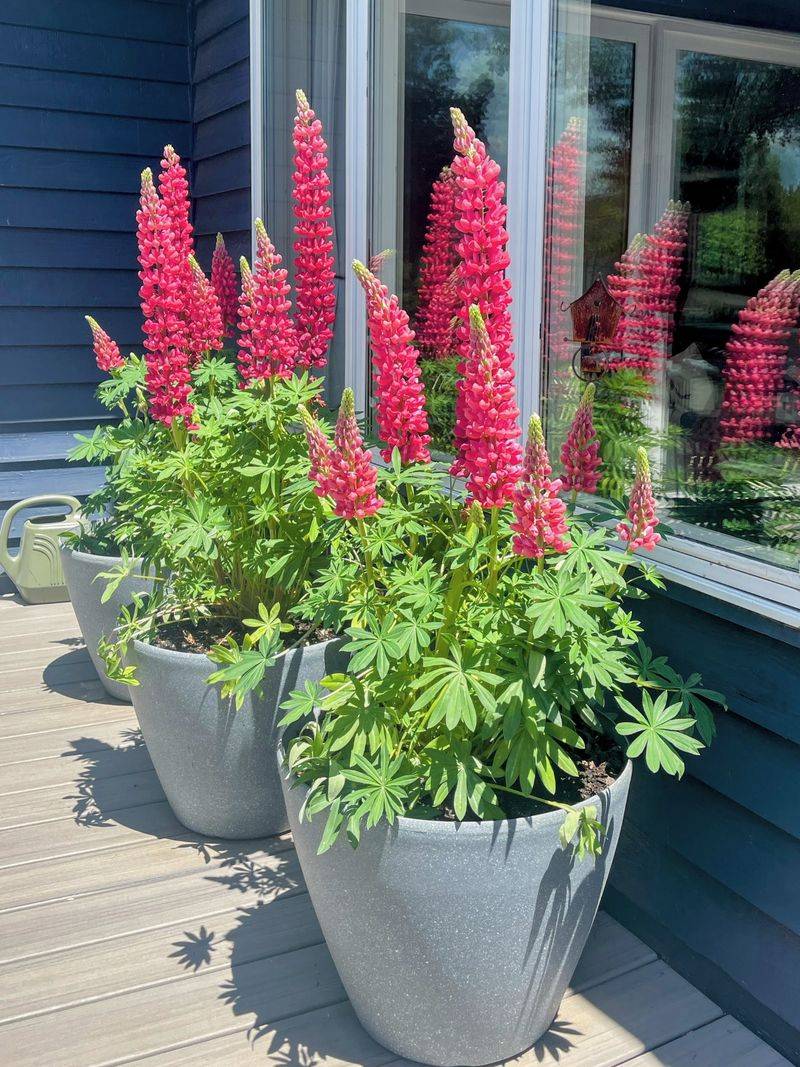
Lupines are known for their tall, spiky blooms that come in a variety of colors including purple, pink, and blue. They are a favorite for adding height and drama to garden beds.
These wildflowers are particularly suited for winter sowing as their seeds benefit from a cold period to break dormancy. This process ensures a robust and vibrant bloom come spring.
In addition to their beauty, lupines improve soil health by fixing nitrogen. This makes them not only a visual delight but also beneficial for the environment, supporting a wide range of pollinators.
3. Purple Coneflower
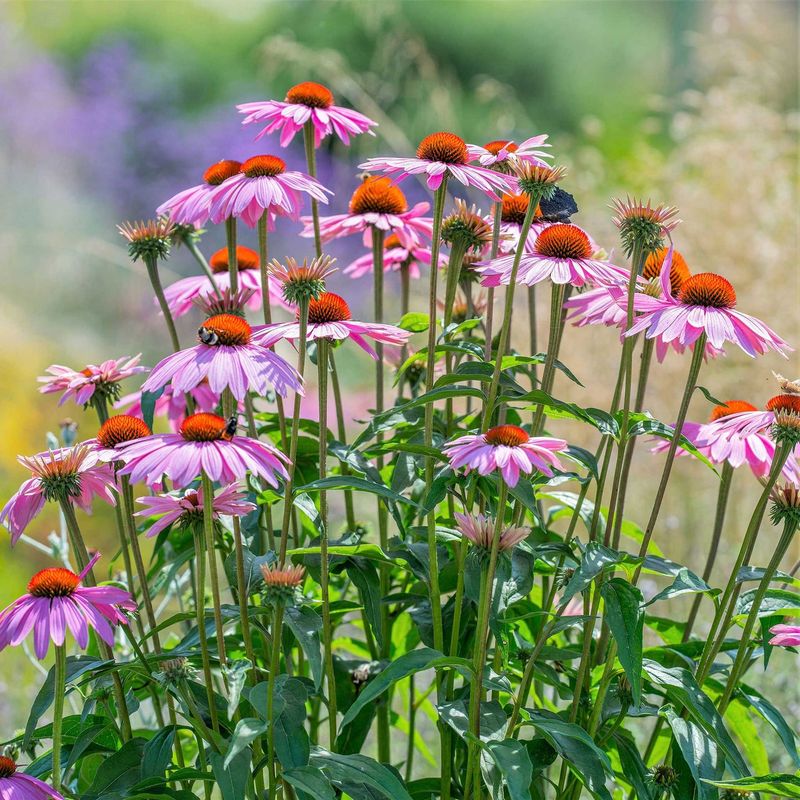
Purple Coneflowers, with their showy pink petals and distinctive orange centers, are a gardener’s delight. They bloom throughout summer and are known for their long-lasting flowers.
These hardy perennials are perfect for winter sowing, as they require cold stratification to trigger germination. Planting them in February ensures they establish well by spring.
Purple Coneflowers are more than just beautiful; they provide nectar for butterflies and are known to have medicinal properties. Their ability to attract beneficial insects makes them a valuable addition to any garden.
4. Wild Columbine
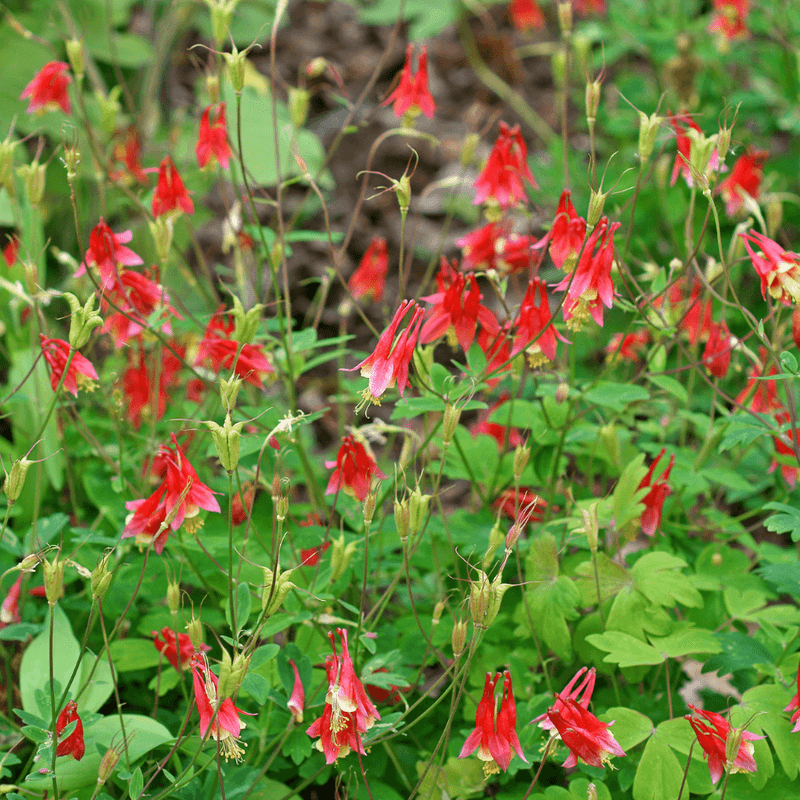
Wild Columbine is a delicate beauty, with nodding red and yellow flowers that attract hummingbirds and bees. It blooms in late spring, adding a touch of elegance to shaded garden areas.
Winter sowing is ideal for Wild Columbine as the seeds need a period of cold to germinate effectively. This method ensures that the plants are well-established by the time the warmer weather arrives.
This wildflower thrives in partial shade and well-drained soil, making it a versatile choice for various garden settings. Its unique flower shape and vibrant colors make it a standout feature in any landscape.
5. Shasta Daisy
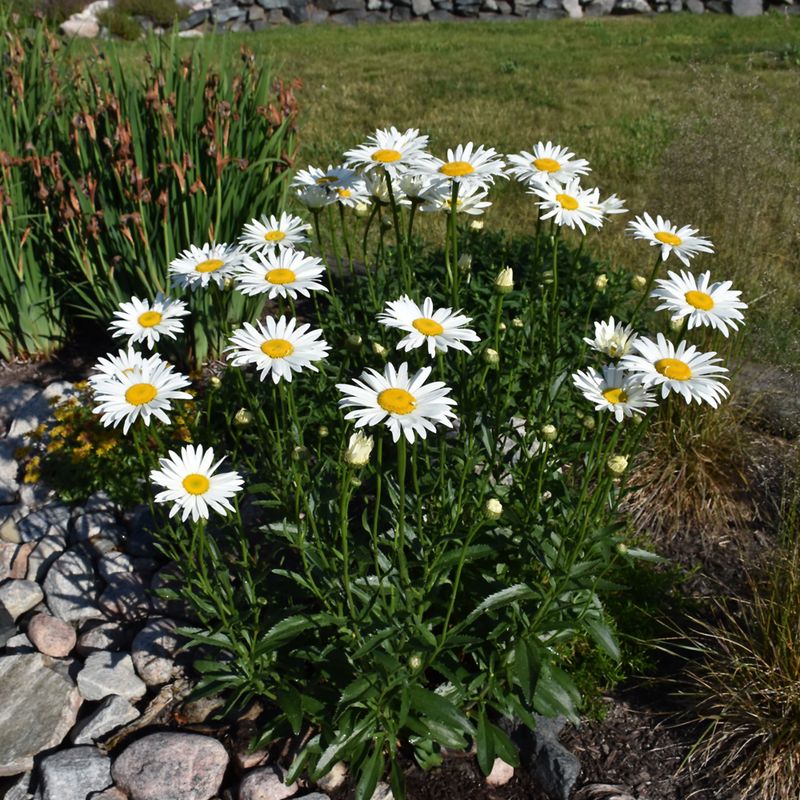
Shasta Daisies bring a classic, cheerful vibe to any garden with their large white petals and bright yellow centers. Blooming from early summer to fall, they are a favorite among gardeners.
These perennials are well-suited for winter sowing, as they require cold stratification to break seed dormancy. Sowing them in February can lead to lush growth and prolific flowering.
Shasta Daisies are not only visually appealing but also attract butterflies and other pollinators. Their easy-going nature makes them adaptable to various soil types, ensuring they thrive in different garden environments.
6. Coreopsis
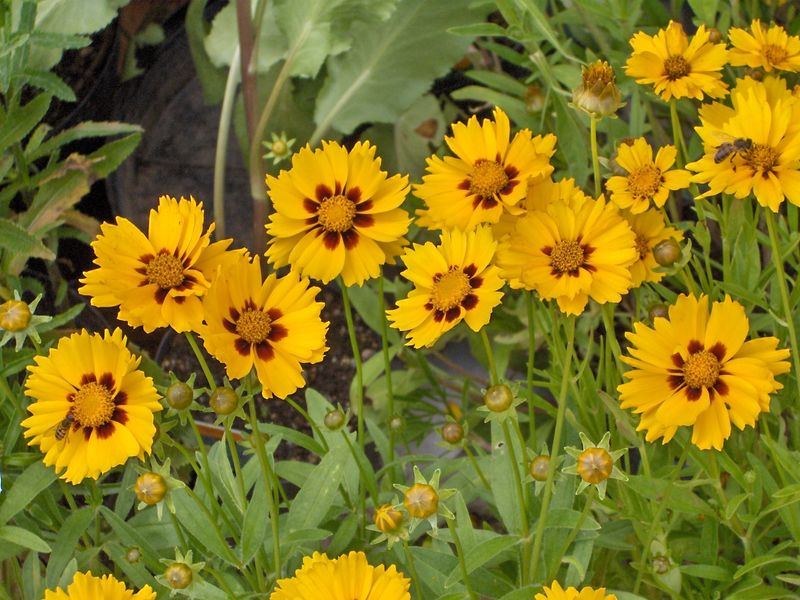
Coreopsis, also known as tickseed, boasts bright yellow flowers that add a splash of sunshine to any garden. These drought-tolerant perennials bloom from early summer to fall.
Winter sowing is particularly beneficial for Coreopsis, as the cold period helps break seed dormancy, leading to successful germination. February is an ideal time to start these seeds outdoors.
These wildflowers are not only beautiful but also attract bees and butterflies. Their ability to thrive in poor, sandy soils makes them a versatile choice for gardeners looking to add color and life to their landscapes.
7. California Poppy
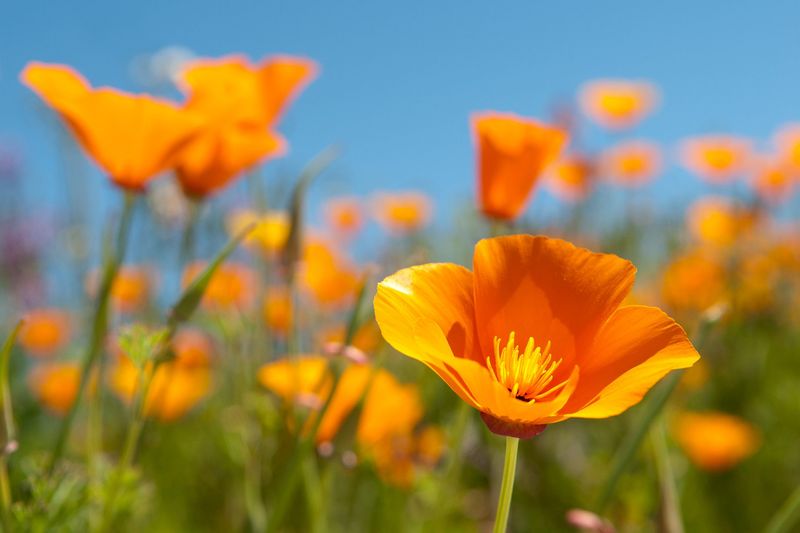
California Poppies are known for their vibrant orange blooms that open during the day and close at night. These annuals are a symbol of resilience and natural beauty.
Winter sowing is particularly beneficial for California Poppies, as the seeds require cold stratification to germinate. Sowing them in February ensures a strong start for the growing season.
In addition to their eye-catching appearance, California Poppies are drought-tolerant and require minimal care. They thrive in well-drained soil and full sun, making them an ideal choice for gardeners seeking low-maintenance blooms.
8. Bachelor’s Button
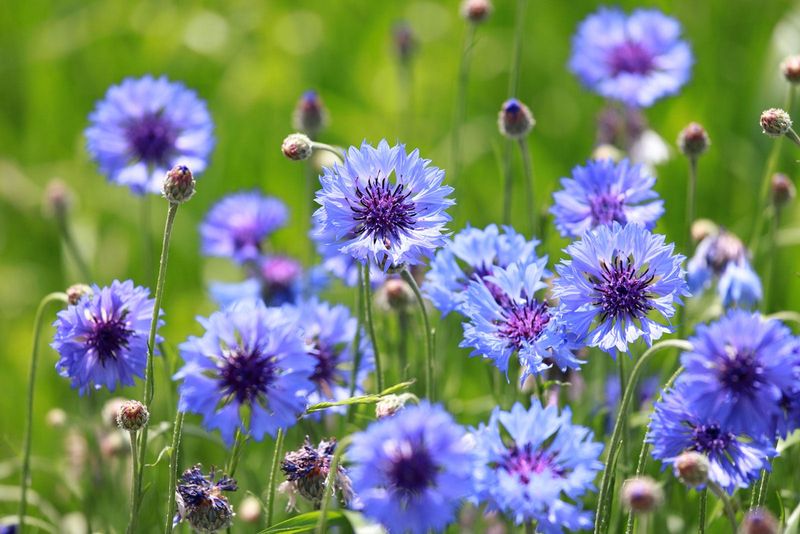
Bachelor’s Buttons, or Cornflowers, are known for their striking blue flowers that sway gracefully in the breeze. These annuals are a charming addition to any garden.
Winter sowing suits Bachelor’s Buttons well, as the cold helps the seeds germinate more effectively. By February, these seeds are ready to take on the upcoming growing season.
Beyond their beauty, Bachelor’s Buttons attract beneficial insects like bees and butterflies. Their ability to thrive in poor soils makes them a resilient choice, providing color and life in diverse garden settings.
9. Foxglove
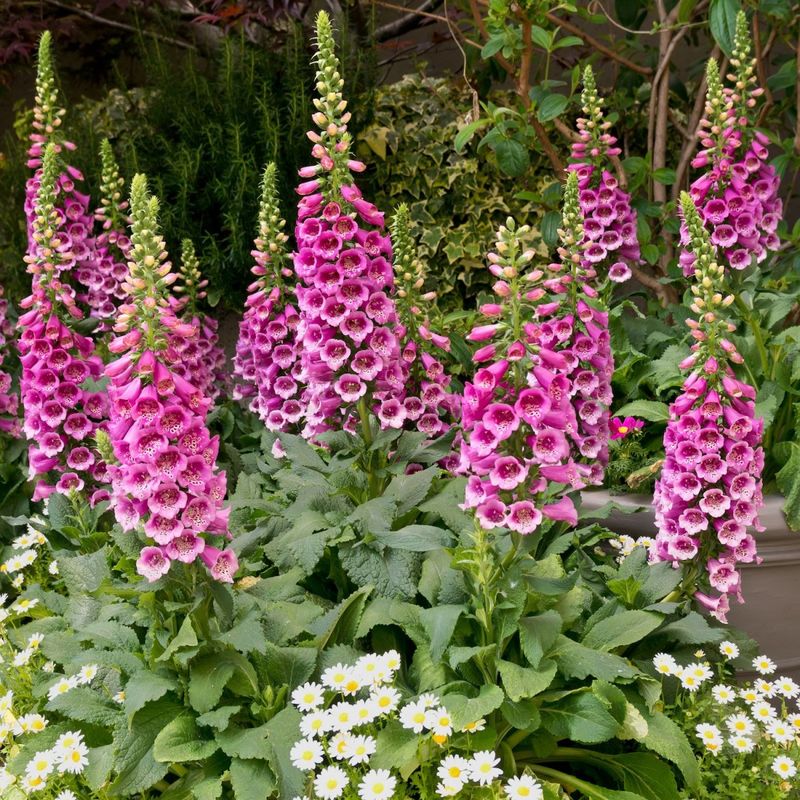
Foxgloves are renowned for their tall spikes of tubular flowers, ranging from pink to purple. These biennials add height and elegance to garden landscapes.
Winter sowing is ideal for Foxgloves, as their seeds require cold stratification to break dormancy. Sowing them in February gives them a head start for a robust spring growth.
While stunning in appearance, Foxgloves are also known for their medicinal properties. However, they are toxic if ingested, so planting them with care is advised. Their ability to attract pollinators adds to their garden value.
10. Larkspur
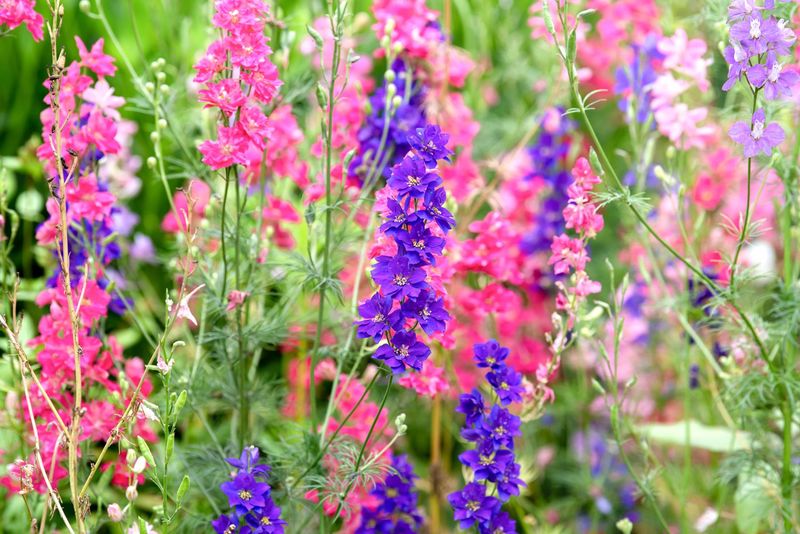
Larkspur, with its tall spikes of delicate flowers, comes in shades of blue, purple, and sometimes pink. These annuals are perfect for adding vertical interest to garden beds.
Winter sowing is highly effective for Larkspur, as the cold helps the seeds germinate. By February, sowing these seeds ensures a vibrant display by late spring.
Larkspur is not only beautiful but also beneficial for attracting pollinators like bees and butterflies. Their ability to grow in various soil conditions makes them a versatile choice for gardeners seeking to enhance their landscapes.
11. Snapdragon
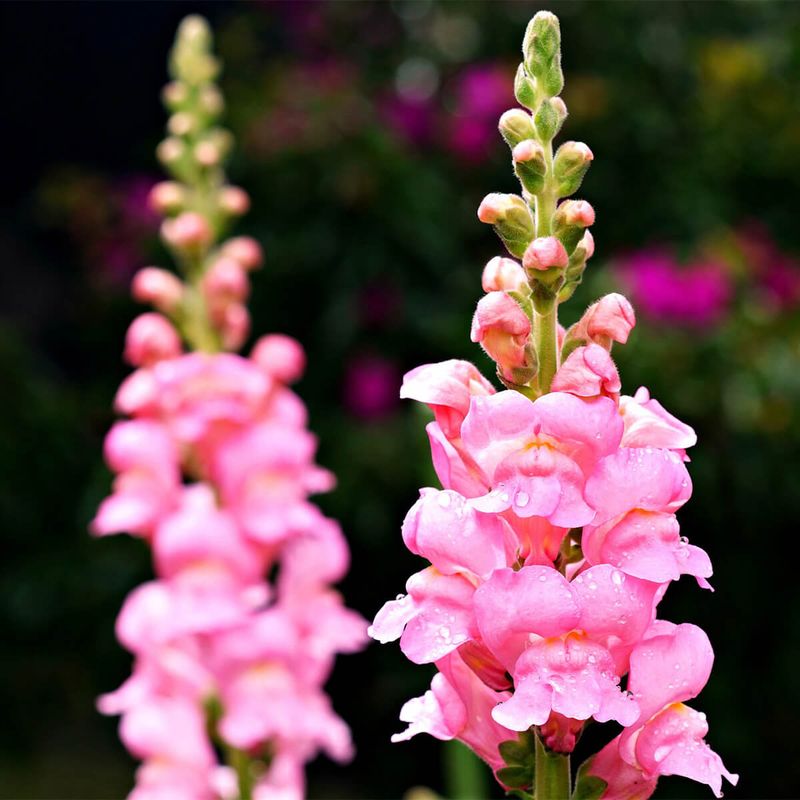
Snapdragons are known for their vibrant, dragon-like blooms that come in an array of colors including pink, orange, and yellow. They bring a playful charm to any garden.
Winter sowing is particularly beneficial for Snapdragons, as the seeds require a cold period to germinate. Sowing them in February ensures robust growth by spring.
Snapdragons are not just visually appealing; they also attract pollinators like bees and butterflies. Their versatility allows them to thrive in a variety of soil conditions, making them a popular choice for gardeners looking to add color and life to their gardens.
12. Bee Balm
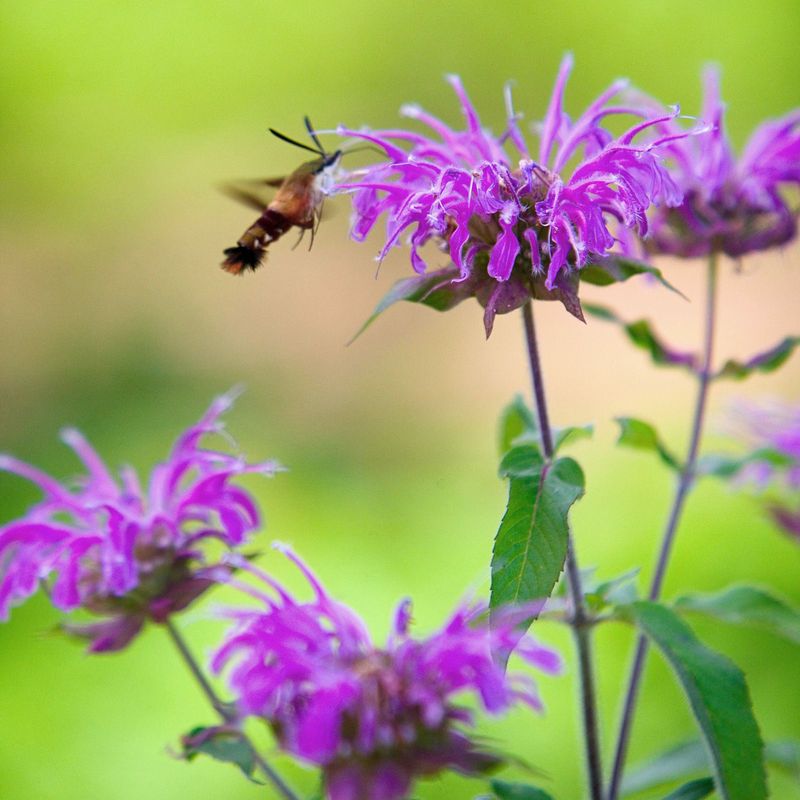
Bee Balm, also known as Monarda, is famous for its spiky, red blooms that attract hummingbirds and bees. These perennials add a splash of color and a sweet fragrance to gardens.
Winter sowing is ideal for Bee Balm, as the seeds benefit from cold stratification. By sowing them in February, gardeners ensure a healthy start for the growing season.
Not only does Bee Balm offer visual appeal, but it also has medicinal properties. Its ability to attract pollinators and thrive in various soil types makes it a valuable addition to any garden.
13. Cosmos
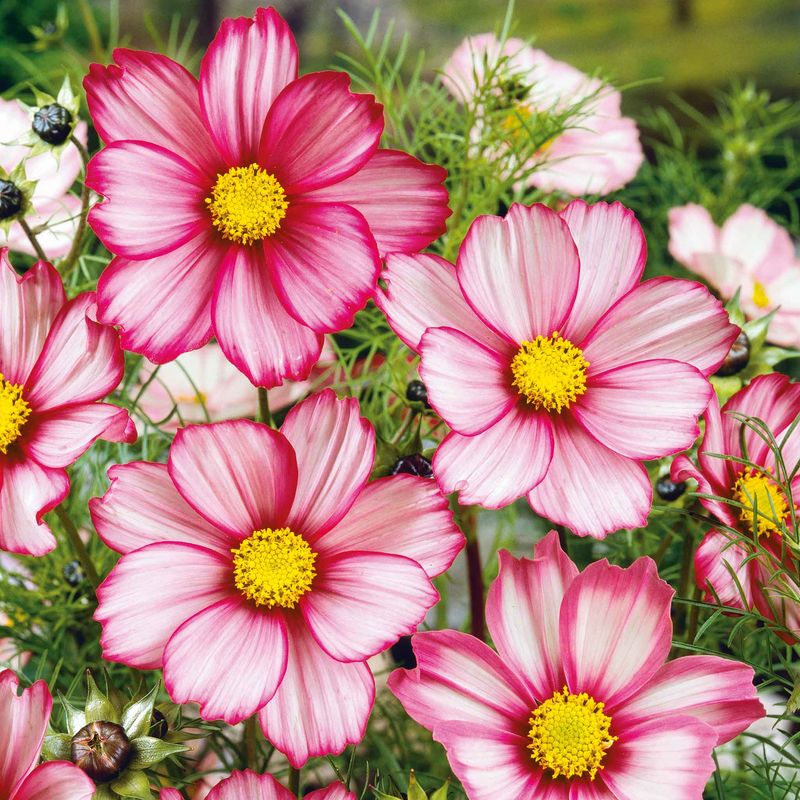
Cosmos are beloved for their airy, daisy-like blooms that sway gently in the breeze. These annuals come in shades of pink and white, adding a touch of elegance to gardens.
Winter sowing is particularly effective for Cosmos, as the cold period helps the seeds germinate. Sowing them in February sets the stage for a spectacular summer display.
Beyond their beauty, Cosmos are drought-tolerant and easy to grow, making them perfect for beginner gardeners. They attract beneficial insects and thrive in well-drained soils, enhancing the ecological balance of garden spaces.
14. Yarrow
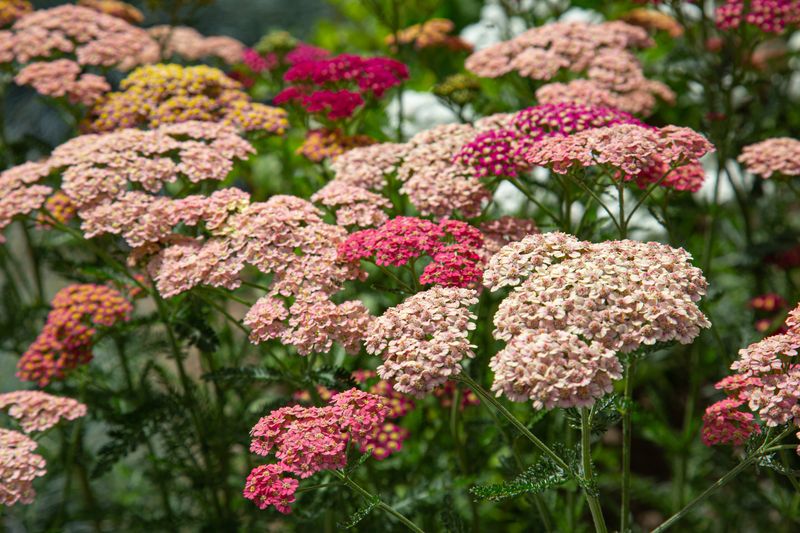
Yarrow is a hardy perennial known for its flat-topped clusters of yellow flowers. It blooms throughout the summer and is a favorite for pollinators.
Winter sowing is beneficial for Yarrow, as the seeds require cold stratification to germinate. Sowing them in February ensures they establish well for the warmer months.
Apart from its ornamental value, Yarrow is known for its medicinal properties, believed to have anti-inflammatory benefits. Its ability to attract beneficial insects and thrive in poor soils makes it a practical and attractive choice for gardeners.
15. Milkweed
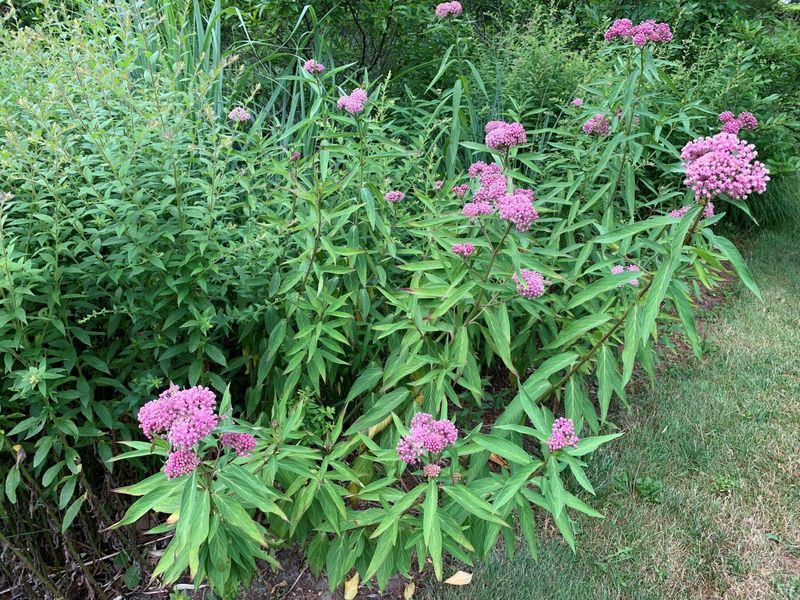
Milkweed is celebrated for its role in supporting monarch butterflies, providing essential habitat for their larvae. Its pink and orange blooms also add beauty to any garden.
Winter sowing is perfect for Milkweed, as the seeds require a cold period to break dormancy. February is an ideal time to sow these seeds for a thriving spring garden.
Besides being a critical resource for monarchs, Milkweed is drought-tolerant and thrives in various soil conditions. Its ability to attract a range of pollinators makes it a valuable addition to any ecologically minded garden.
16. Gaillardia
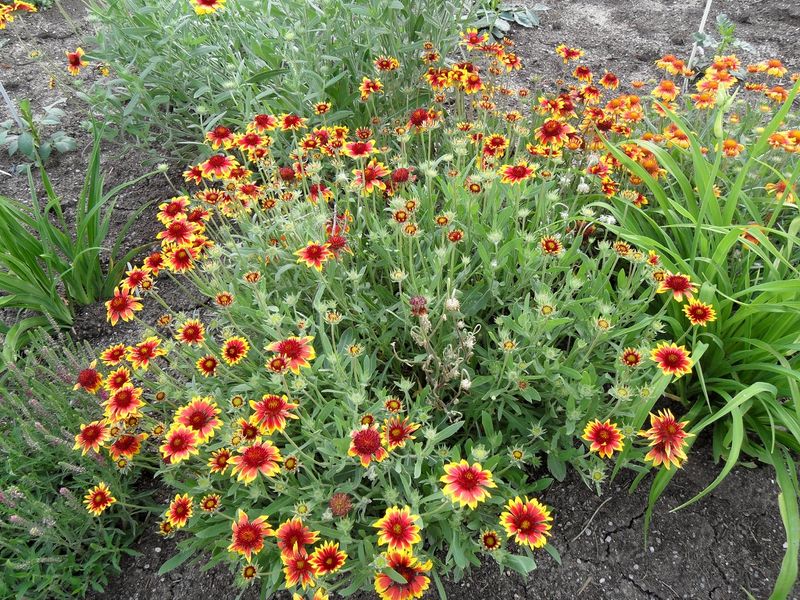
Gaillardia, or Blanket Flower, is known for its vibrant red and yellow blooms that resemble a sunset. These perennials add warmth and color to garden beds.
Winter sowing is particularly beneficial for Gaillardia, as the seeds require cold stratification. February sowing ensures a head start for the growing season.
Beyond their stunning appearance, Gaillardia is drought-tolerant and attracts bees and butterflies. Their ability to thrive in poor soils makes them a resilient choice for gardeners looking to add vibrant color to their landscapes.
17. Zinnia
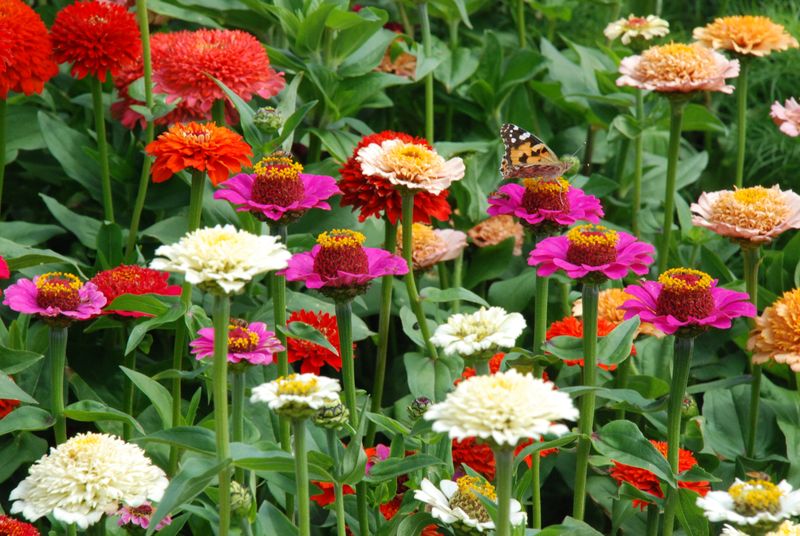
Zinnias are beloved for their bold, colorful blooms that come in a wide range of hues including red, pink, and yellow. These annuals are a favorite for adding a splash of color to gardens.
Winter sowing is effective for Zinnias, as the seeds benefit from a cold period to germinate. Sowing them in February ensures a vibrant display come summer.
Zinnias are not only beautiful but also attract pollinators like butterflies and bees. Their ability to thrive in a variety of soil conditions makes them a versatile choice for gardeners seeking to enhance their garden’s aesthetic appeal.
18. Blue Flax (Linum perenne)
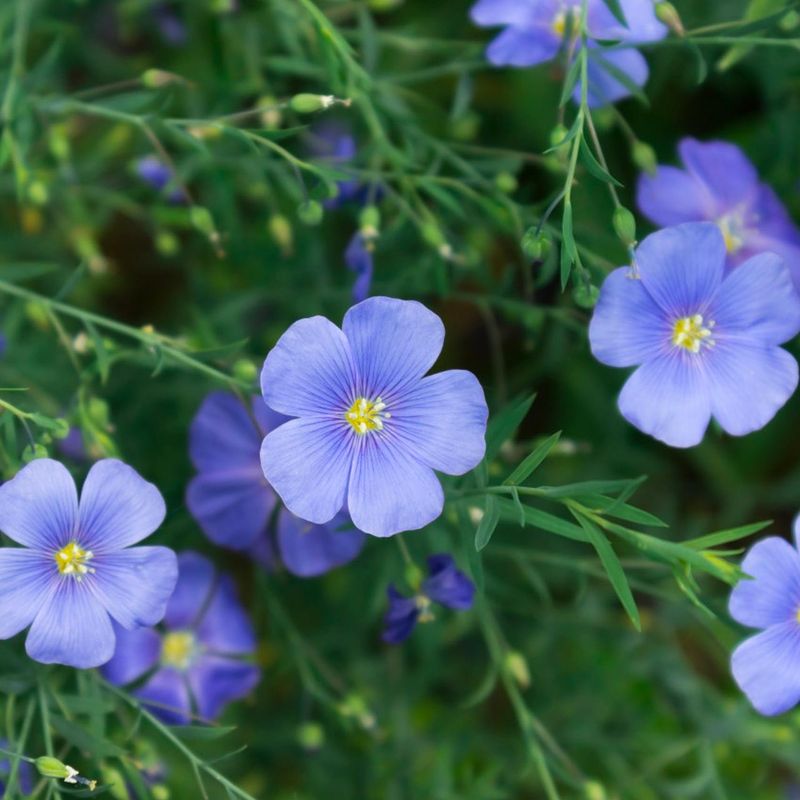
Blue Flax is celebrated for its stunning sky-blue petals and delicate appearance. These flowers bloom profusely, creating a sea of blue that captivates the eye. The slender stems and fine foliage give it an airy feel, perfect for naturalistic garden settings.
Adaptable to various soil types, Blue Flax prefers full sun and can tolerate dry conditions.
This resilient wildflower not only beautifies your garden but also attracts bees and butterflies, supporting local pollinators. It’s an excellent choice for creating a biodiverse garden haven.
19. Sunflower
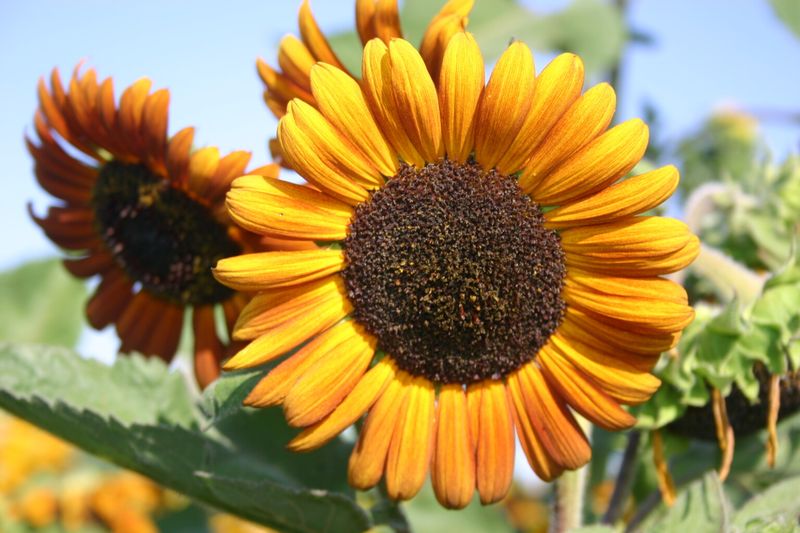
Sunflowers are iconic for their towering heights and cheerful, yellow blooms. These annuals are a favorite for adding vertical interest and bright color to gardens.
Winter sowing is an effective method for sunflowers, as the seeds require a cold period to germinate. Sowing them in February ensures robust growth by summer.
Beyond their beauty, sunflowers are known for attracting pollinators like bees and birds. Their seeds provide food for wildlife, and their ability to thrive in various soil types makes them a popular choice for gardeners looking to add life and color to their gardens.
20. Sweet Pea
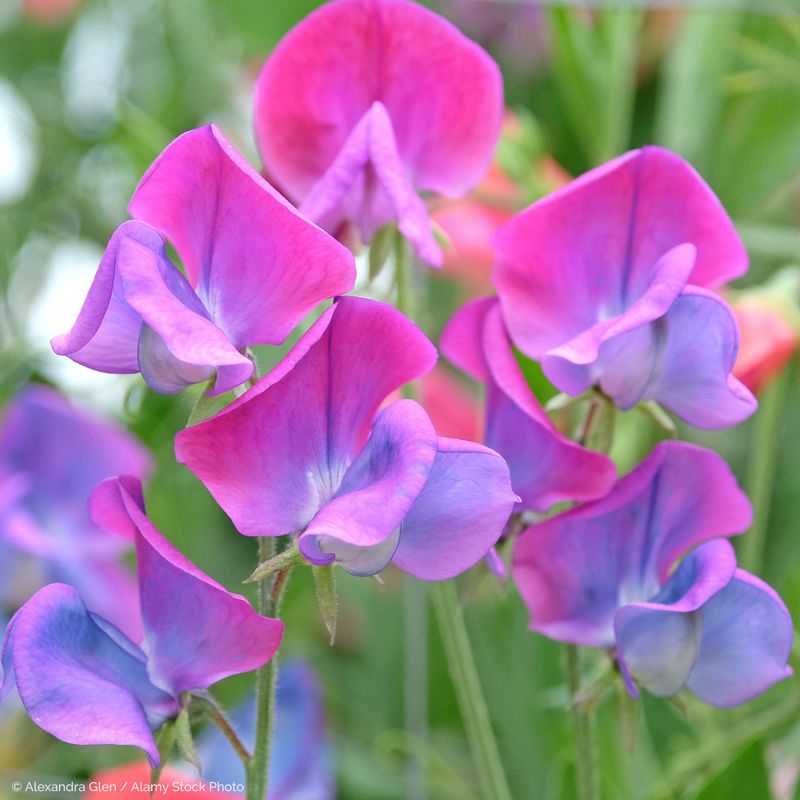
Sweet Peas are cherished for their fragrant, delicate blooms that come in shades of pink, purple, and white. These climbing annuals add a romantic touch to any garden.
Winter sowing is particularly beneficial for Sweet Peas, as they require cold stratification to germinate. February is the perfect time to start these seeds for a fragrant spring garden.
In addition to their intoxicating scent, Sweet Peas attract pollinators and make excellent cut flowers. Their ability to climb and provide vertical interest makes them a versatile choice for gardeners looking to enhance their garden’s charm and fragrance.