 Complete Gardening
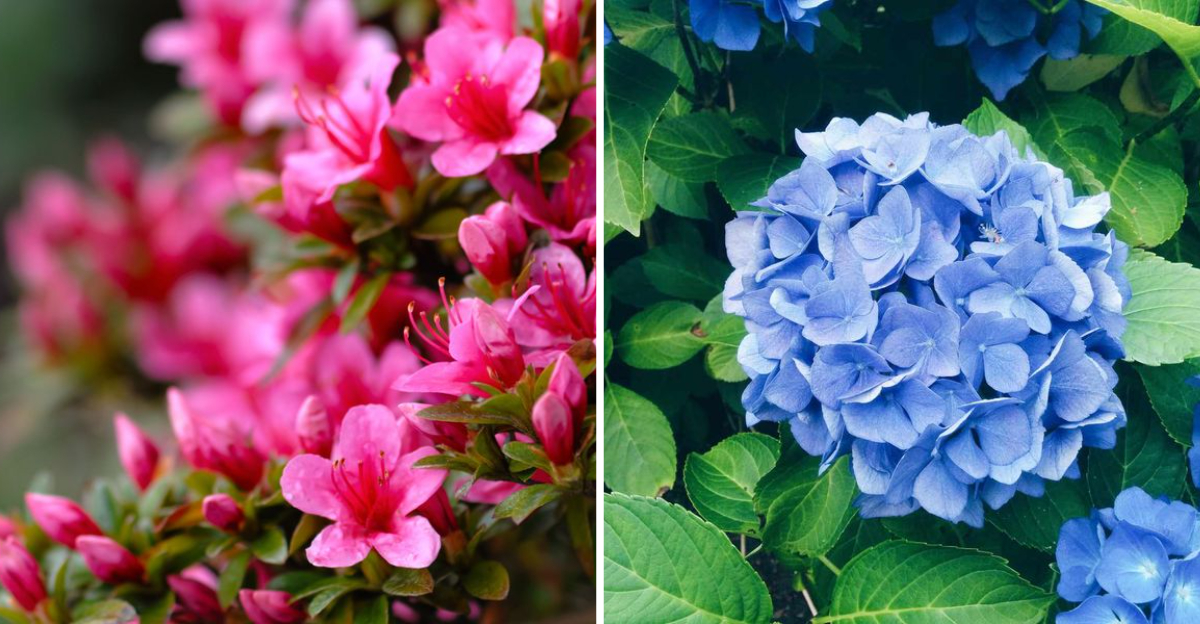
Coffee grounds are an excellent natural fertilizer for plants that thrive in acidic soil. Rich in nitrogen and other essential nutrients, coffee grounds can enhance the soil’s acidity and provide a boost to plants that prefer a lower pH level. In this blog post, we explore 21 plants that will absolutely love the addition of coffee grounds to their growing environment. From vibrant azaleas to delicious blueberries, these plants will not only thrive with coffee grounds but will also add beauty and functionality to your garden.
1. Azalea
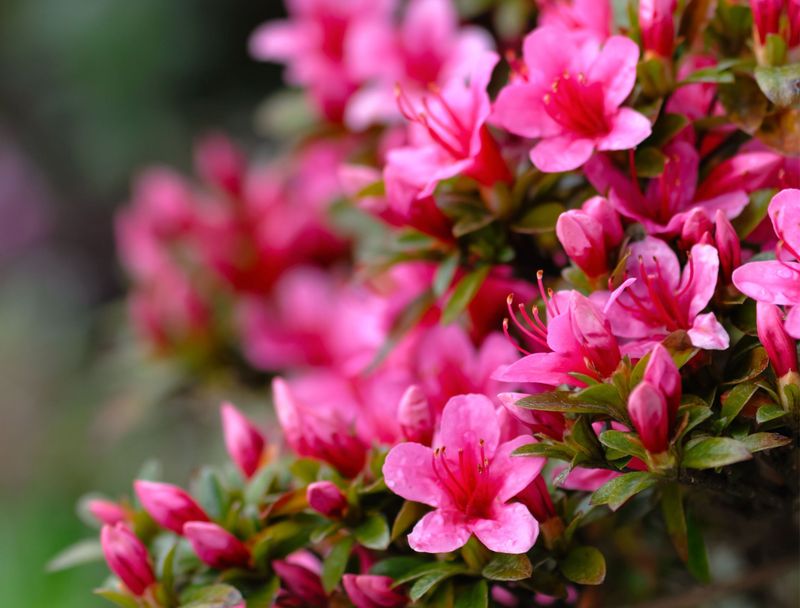
Did you know azaleas adore acidic soil? These stunning shrubs, with their vibrant blooms, thrive when coffee grounds are added to their soil. The nitrogen-rich grounds help to maintain the soil’s acidity, ensuring the azalea’s roots are perfectly nourished.
Azaleas come in a variety of colors, adding a splash of brightness to any garden. Whether in a pot or planted in the ground, they flourish when treated with care. A quirky fact: in Japan, azaleas are celebrated in festivals for their breathtaking beauty.
Using coffee grounds can ensure your azaleas bloom brighter than ever.
2. Blueberry
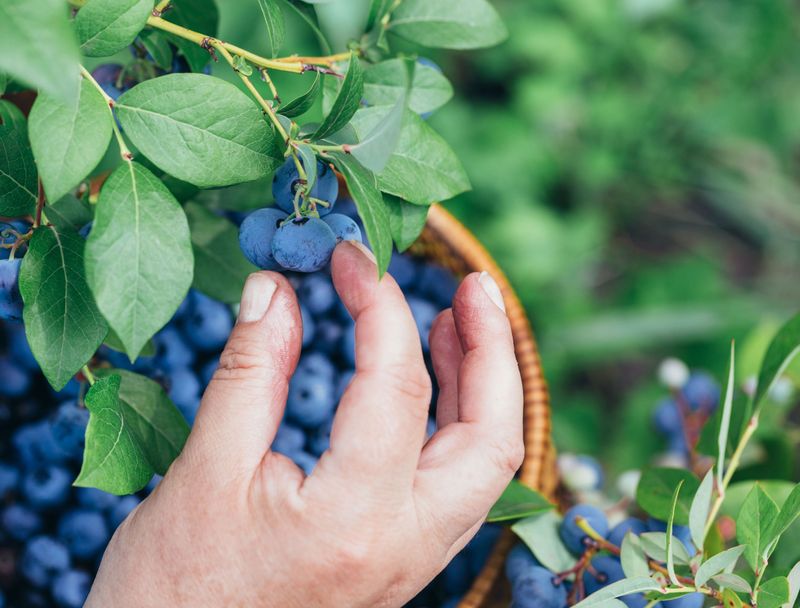
Blueberries are not just delicious; they crave acidic conditions to produce their best fruit. Coffee grounds provide the perfect pH balance, allowing these berries to flourish.
Adding coffee grounds to your blueberry plants can boost both plant growth and fruit yield. The rich aroma of the grounds also acts as a natural pest deterrent, making it a fantastic organic choice.
A fun tidbit: blueberries have been cultivated for over a century in North America, cherished for their sweet taste and health benefits.
3. Gardenia
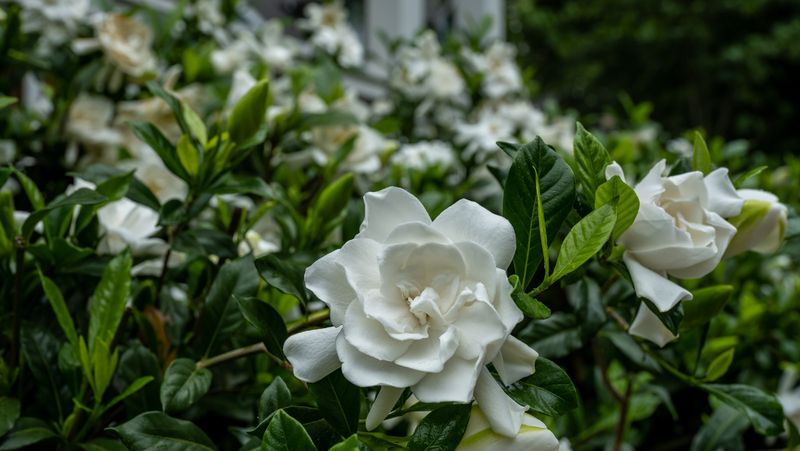
Gardenias, with their intoxicating fragrance and creamy white blooms, love acidic soil. Coffee grounds can be a gardener’s secret weapon to keep these beauties thriving.
The grounds enhance the soil’s texture and nutrient content, contributing to more robust blooms and lush foliage. Regular application can prolong flowering and maintain the gardenia’s health.
Interesting fact: gardenias are often associated with secret love and were a favorite in Victorian gardens for their elegance and scent.
4. Rhododendron
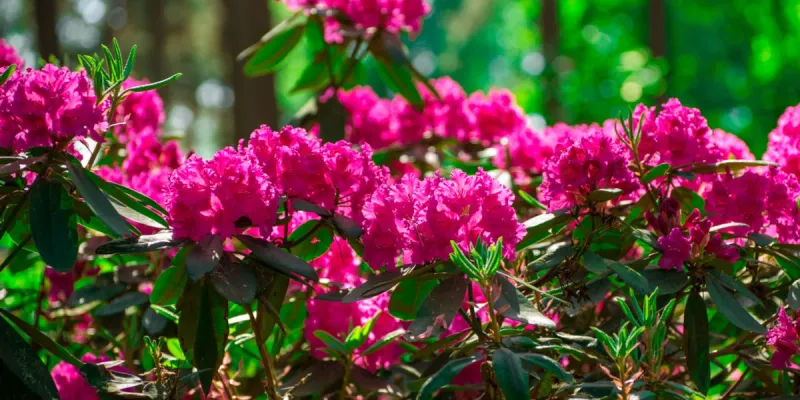
Rhododendrons flourish in acidic environments, making coffee grounds an ideal companion. These majestic bushes boast enormous clusters of flowers that can transform any landscape.
Incorporating coffee grounds into the soil can boost the rhododendron’s bloom size and color intensity. Their resilience and beauty make them a popular choice for avid gardeners.
Did you know? Rhododendrons are celebrated in art and literature, symbolizing caution due to their toxic nature.
5. Hydrangea
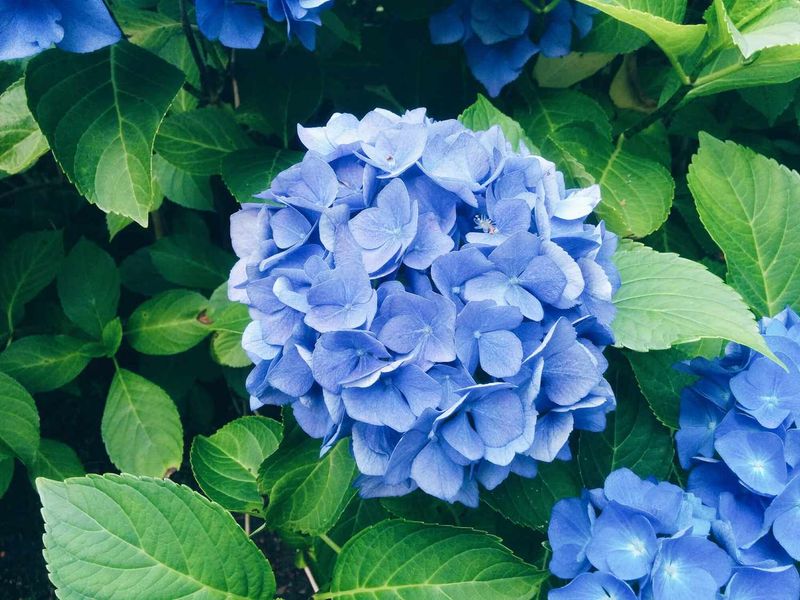
Hydrangeas are unique in that they can change color based on soil pH. Coffee grounds can influence this, turning hydrangeas a dazzling blue.
These showy flowers thrive in acidic soil, and the addition of coffee grounds can ensure vibrant, healthy blooms. Regular applications can enhance blooming and maintain the plant’s vigor.
Fun fact: the Victorians used hydrangeas to convey heartfelt emotions, making them popular gifts.
6. Camellia
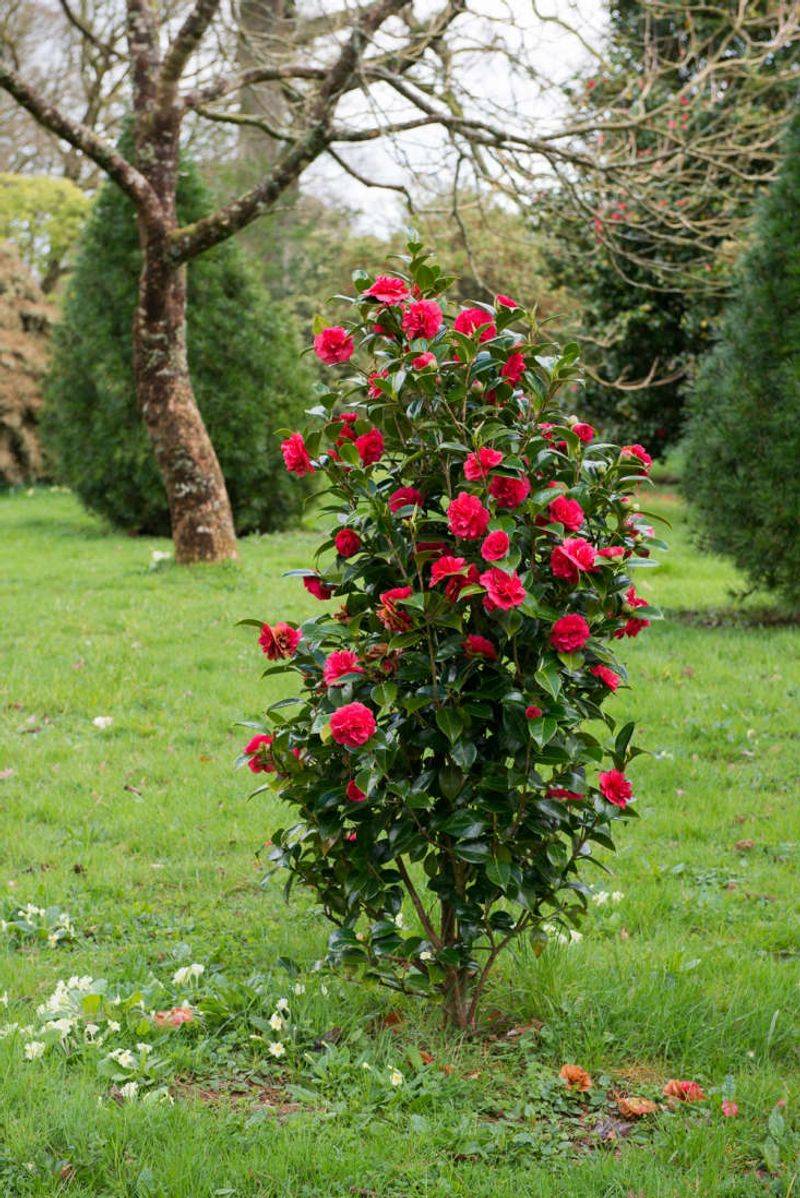
Camellias, with their striking blooms and glossy foliage, love acidic soils. Coffee grounds can enhance their growing conditions, leading to more spectacular flowers.
The grounds provide essential nutrients that promote healthy growth and abundant flowering. Regular use can keep camellias looking lush and vibrant throughout the seasons.
Did you know? Camellias are native to Asia and have been cultivated for centuries, often symbolizing admiration and perfection in floral language.
7. Holly

Holly bushes, with their festive appearance, thrive in acidic soil. Coffee grounds can contribute to maintaining the right pH, ensuring these iconic plants stay healthy.
Rich in nitrogen, coffee grounds promote lush, green foliage and the production of those signature red berries. They also help to deter pests, keeping holly bushes in pristine condition.
A charming fact: holly has been a traditional symbol of Christmas, representing peace and goodwill.
8. Ferns

Ferns, with their delicate fronds and ancient lineage, are fond of acidic conditions. Coffee grounds can provide the ideal environment for these graceful plants to thrive.
Incorporating coffee grounds into the soil can enhance soil moisture retention and nutrient levels, supporting the fern’s growth. Their intricate foliage is a perfect addition to shaded areas.
Did you know? Ferns are among the oldest plant species on earth, with fossil records dating back over 360 million years.
9. Gardenia
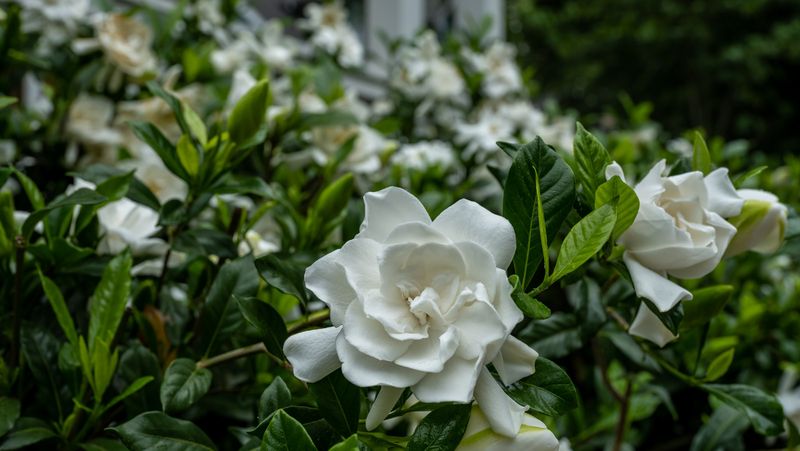
Gardenias, with their intoxicating fragrance and creamy white blooms, love acidic soil. Coffee grounds can be a gardener’s secret weapon to keep these beauties thriving.
The grounds enhance the soil’s texture and nutrient content, contributing to more robust blooms and lush foliage. Regular application can prolong flowering and maintain the gardenia’s health.
Interesting fact: gardenias are often associated with secret love and were a favorite in Victorian gardens for their elegance and scent.
10. Rhododendron
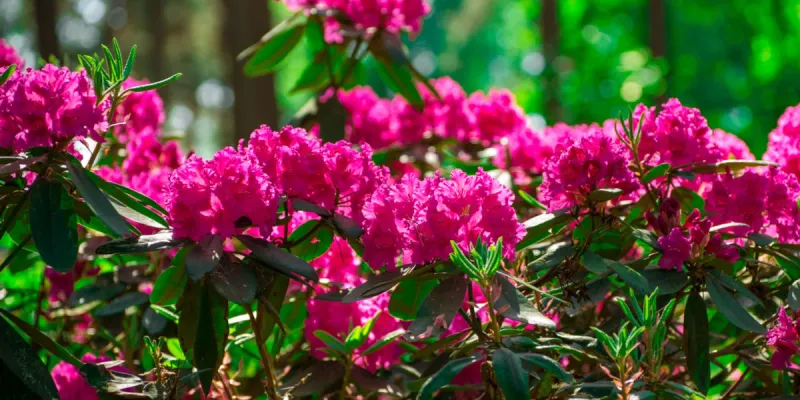
Rhododendrons flourish in acidic environments, making coffee grounds an ideal companion. These majestic bushes boast enormous clusters of flowers that can transform any landscape.
Incorporating coffee grounds into the soil can boost the rhododendron’s bloom size and color intensity. Their resilience and beauty make them a popular choice for avid gardeners.
Did you know? Rhododendrons are celebrated in art and literature, symbolizing caution due to their toxic nature.
11. Cranberry
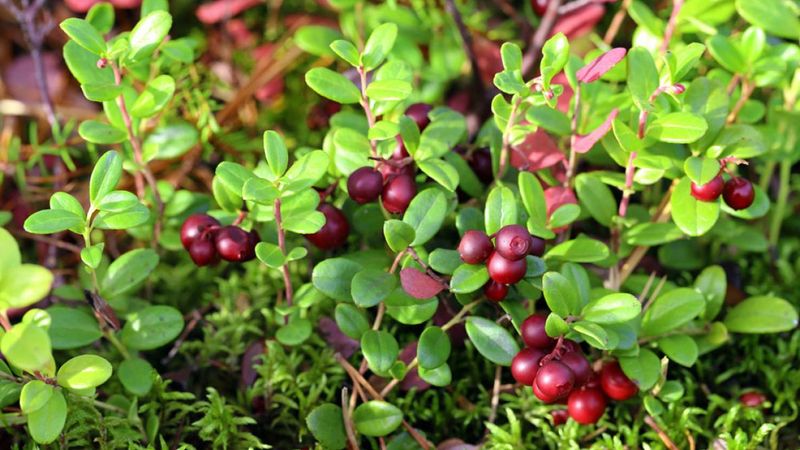
Cranberries, known for their tart flavor, thrive in nutrient-rich, acidic soils. Coffee grounds can aid in maintaining these conditions, ensuring a healthy yield.
Adding coffee grounds encourages robust plant growth and aids in moisture retention, essential for cranberry development. Their vibrant berries are a holiday favorite.
A fun fact: cranberries are one of the few fruits native to North America, cherished by Native Americans for their medicinal properties.
12. Beggonia
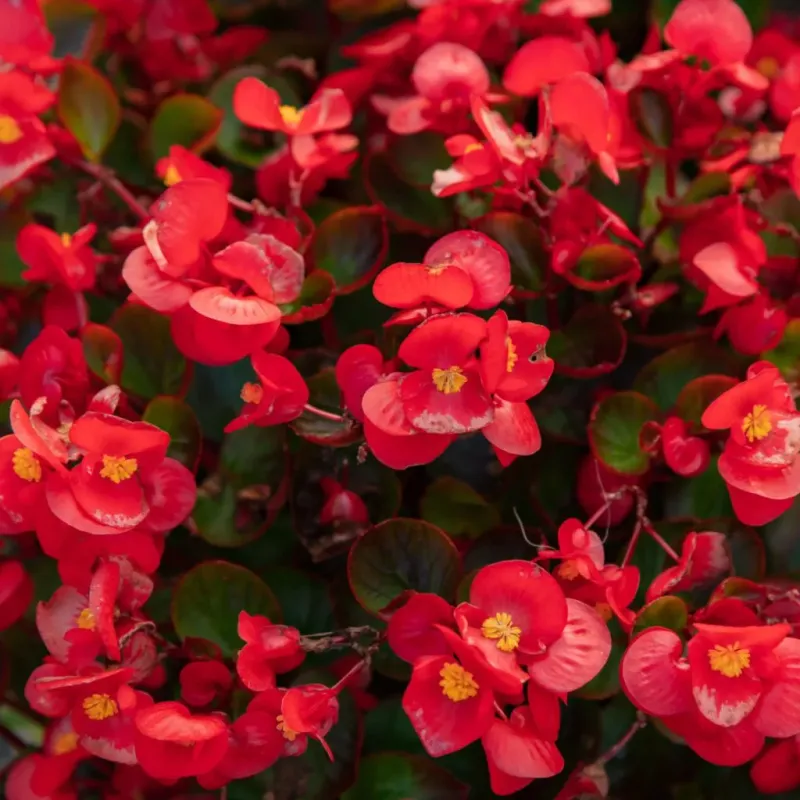
Begonias are beloved for their colorful blooms and preference for acidic soil. Coffee grounds can enhance their growing conditions, promoting vibrant flowers.
The grounds contribute to improved soil drainage and nutrient availability, ensuring begonias flourish in both pots and garden beds. Their bright blossoms are sure to captivate.
Did you know? Begonias were named after Michel Bégon, a French patron of botany, in the 17th century.
13. Pieris
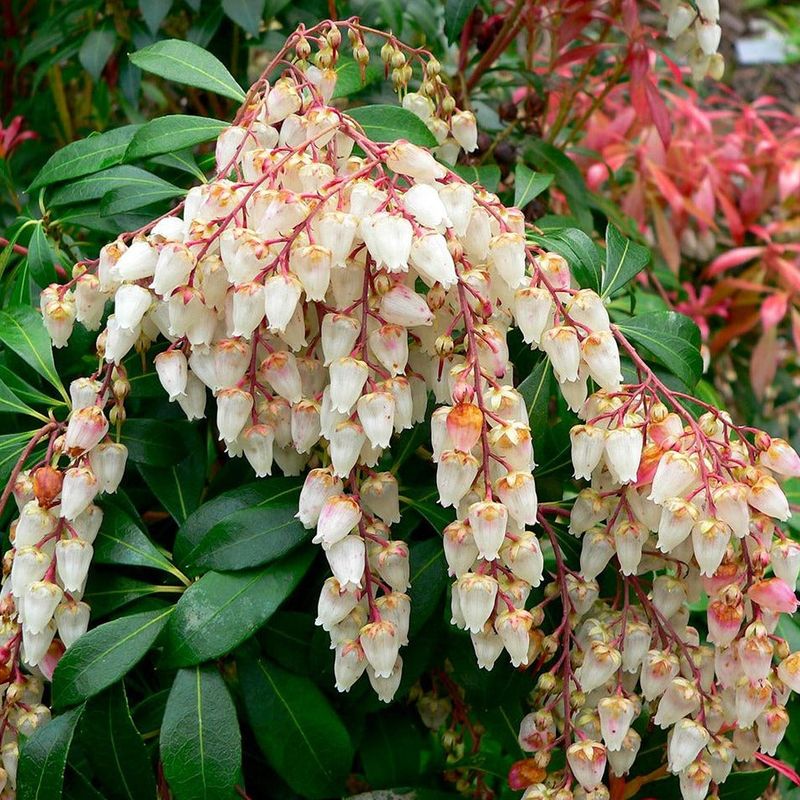
Pieris, with its elegant cascading flowers, loves the acidity that coffee grounds provide. These shrubs add grace to any garden with their delicate blooms.
Applying coffee grounds enriches the soil, promoting healthy root development and flowering. The blend of pinkish-red new growth and white bells is captivating.
Did you know? Pieris is also known as the “lily-of-the-valley bush” due to its similar floral appearance.
14. Magnolia
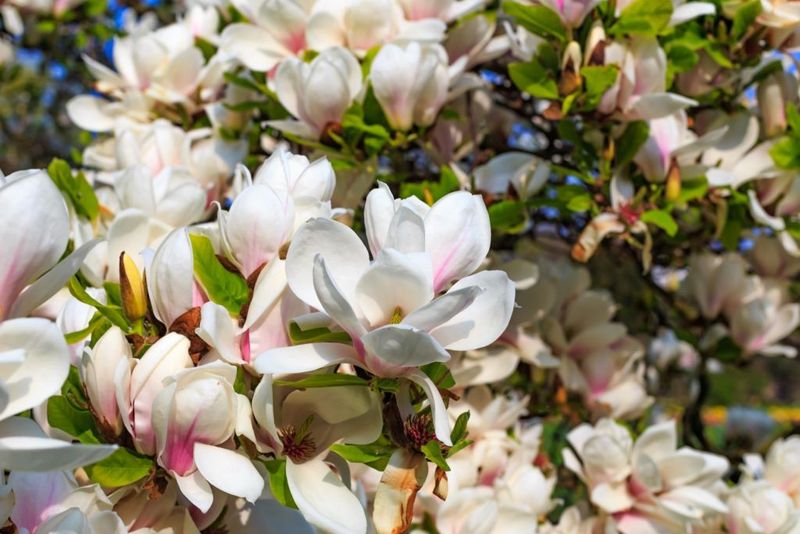
Magnolias, with their grandiose blooms, prefer slightly acidic soil. Coffee grounds help maintain the ideal conditions for these trees to thrive.
The added nutrients from the grounds support the magnolia’s growth, resulting in more magnificent flowers and healthy foliage. These trees are a southern garden staple.
A delightful bit of trivia: magnolias are ancient plants, existing before bees, and rely on beetles for pollination.
15. Lupine
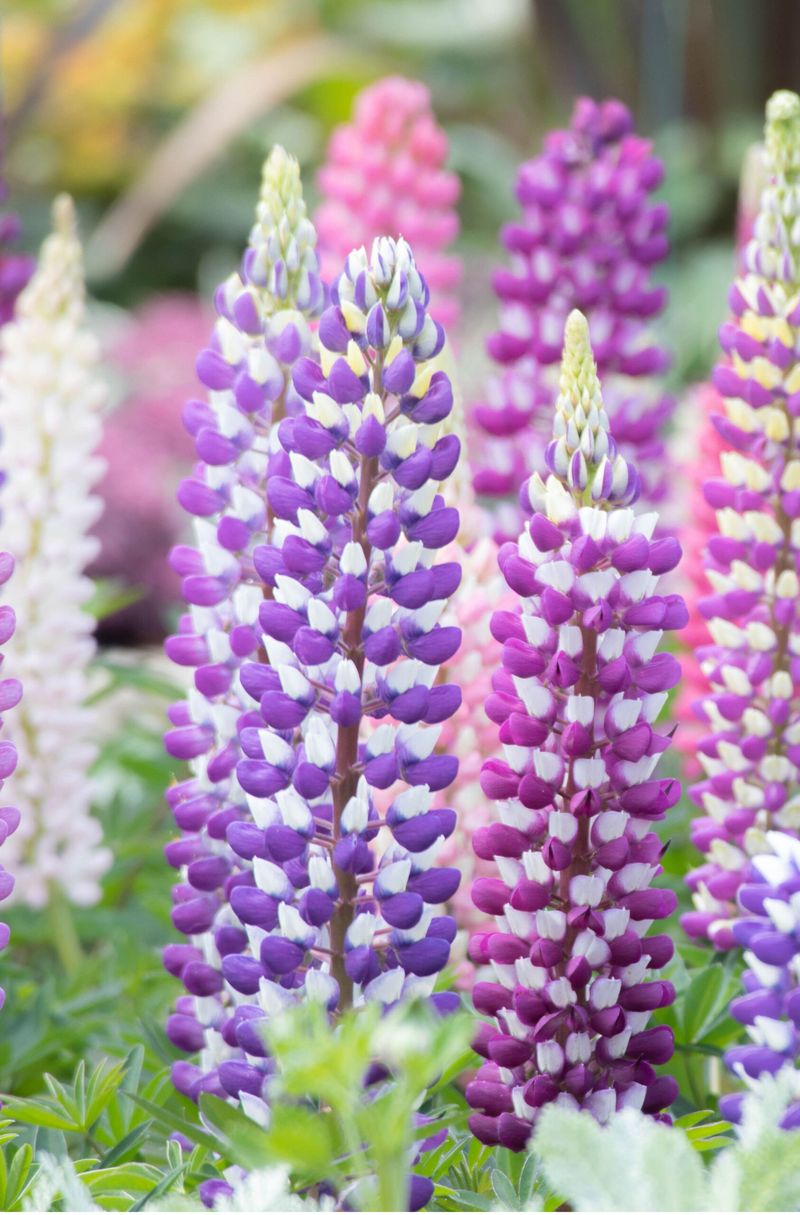
Lupines, known for their tall, colorful flower spikes, thrive in acidic soils. Coffee grounds can enrich the soil, providing the nutrients needed for their impressive blooms.
Incorporating coffee grounds can enhance the lupine’s ability to fix nitrogen, benefiting surrounding plants as well. Their striking presence is a sight to behold.
Fun fact: lupines have been used in traditional medicine and as a food source by indigenous peoples for centuries.
16. Heathers
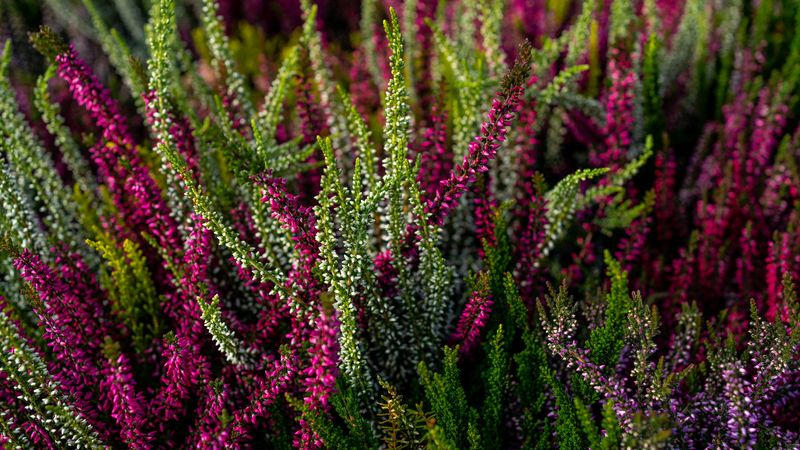
Heathers thrive in acidic conditions, often found in wild, coastal areas. Coffee grounds can replicate these conditions, aiding in their unique growth needs.
The grounds improve soil texture and moisture retention, crucial for heather’s success. Their tiny purple blossoms sway gently with the wind, adding charm to rugged landscapes.
Did you know? Heather is often associated with Scottish heritage and is a symbol of good luck in local folklore.
17. Golden Shrimp Plant
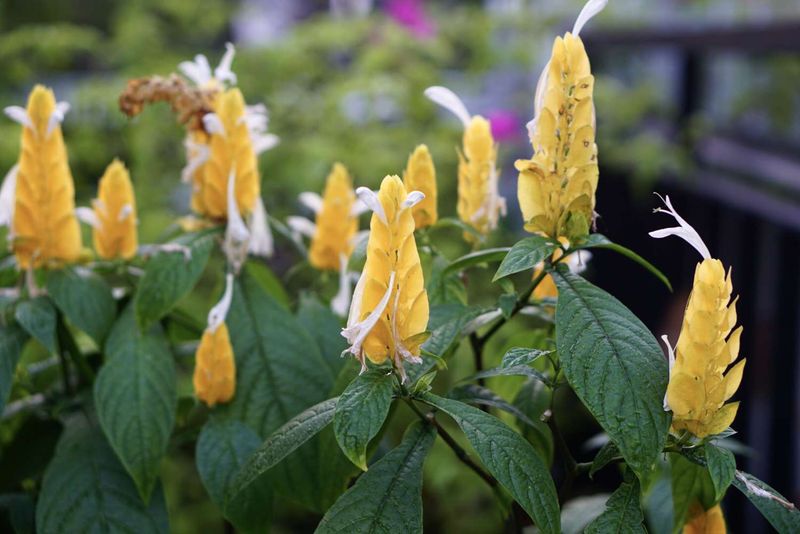
The golden shrimp plant, with its striking yellow bracts, loves acidic soil conditions. Coffee grounds can enhance the vibrant colors that make it a tropical favorite.
Adding coffee grounds ensures the soil remains nutrient-rich, supporting lush growth and extended blooming periods. Its exotic appearance makes it a garden standout.
A quirky tidbit: the plant gets its name from its shrimp-like bracts, attracting hummingbirds and butterflies.
18. Oakleaf Hydrangea
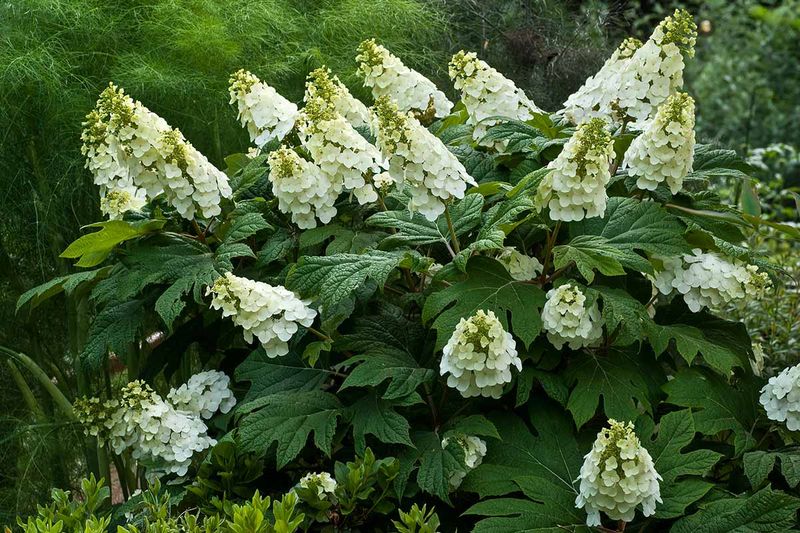
Oakleaf hydrangeas, named for their distinctive leaves, thrive in acidic soils. Coffee grounds can enhance their growth, leading to spectacular cone-shaped blooms.
Regular application of coffee grounds supports healthy root systems and vibrant foliage. These shrubs are prized for their seasonal color changes and charming presence.
Did you know? Oakleaf hydrangeas are native to the southeastern United States, adapting to a variety of garden settings.
19. Kalmia
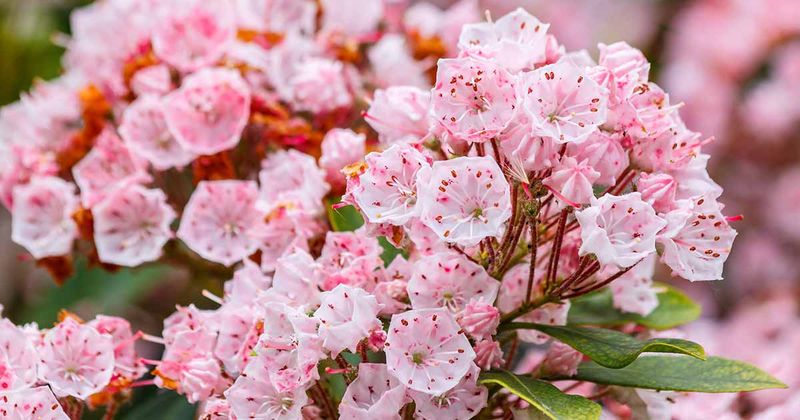
Kalmia, also known as mountain laurel, thrives in acidic environments. Coffee grounds can assist in maintaining the ideal soil conditions for these stunning shrubs.
Incorporating coffee grounds supports robust flowering and healthy foliage, ensuring Kalmia remains a garden highlight. Their star-shaped blooms are truly captivating.
Did you know? Kalmia is the state flower of Connecticut, celebrated for its beauty and resilience.
20. Gardenia
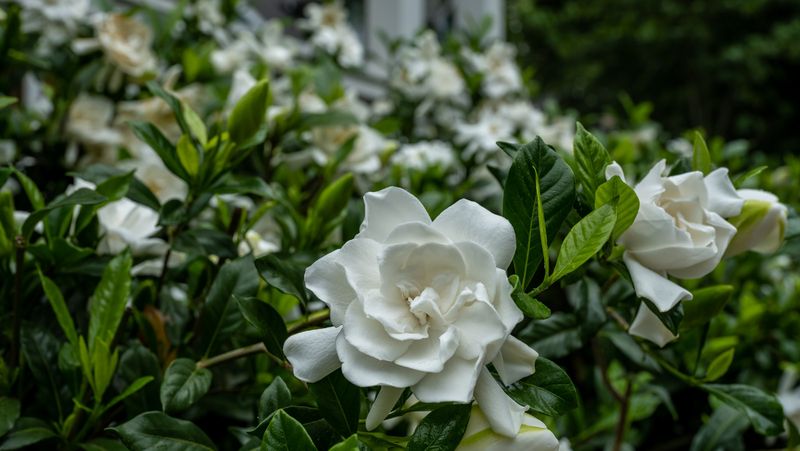
Gardenias, with their intoxicating fragrance and creamy white blooms, love acidic soil. Coffee grounds can be a gardener’s secret weapon to keep these beauties thriving.
The grounds enhance the soil’s texture and nutrient content, contributing to more robust blooms and lush foliage. Regular application can prolong flowering and maintain the gardenia’s health.
Interesting fact: gardenias are often associated with secret love and were a favorite in Victorian gardens for their elegance and scent.
21. Rhododendron
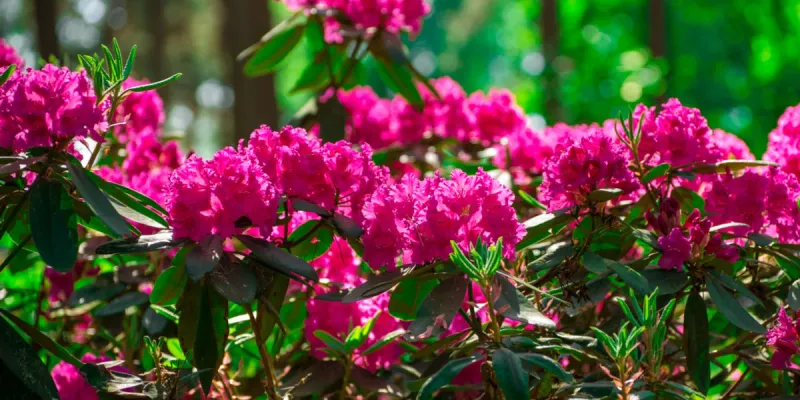
Rhododendrons flourish in acidic environments, making coffee grounds an ideal companion. These majestic bushes boast enormous clusters of flowers that can transform any landscape.
Incorporating coffee grounds into the soil can boost the rhododendron’s bloom size and color intensity. Their resilience and beauty make them a popular choice for avid gardeners.
Did you know? Rhododendrons are celebrated in art and literature, symbolizing caution due to their toxic nature.