 Complete Gardening
When imagining a lush, green lawn, one often envisions a seamless carpet of grass. However, blending unexpected plants into your lawn can enhance its beauty and add unique textures.
From flowering ground covers to aromatic herbs, these additions can transform a simple green space into a vibrant, dynamic garden.
Let’s explore 25 unexpected plants that complement grass lawns perfectly, offering both visual appeal and practical benefits.
1. White Clover
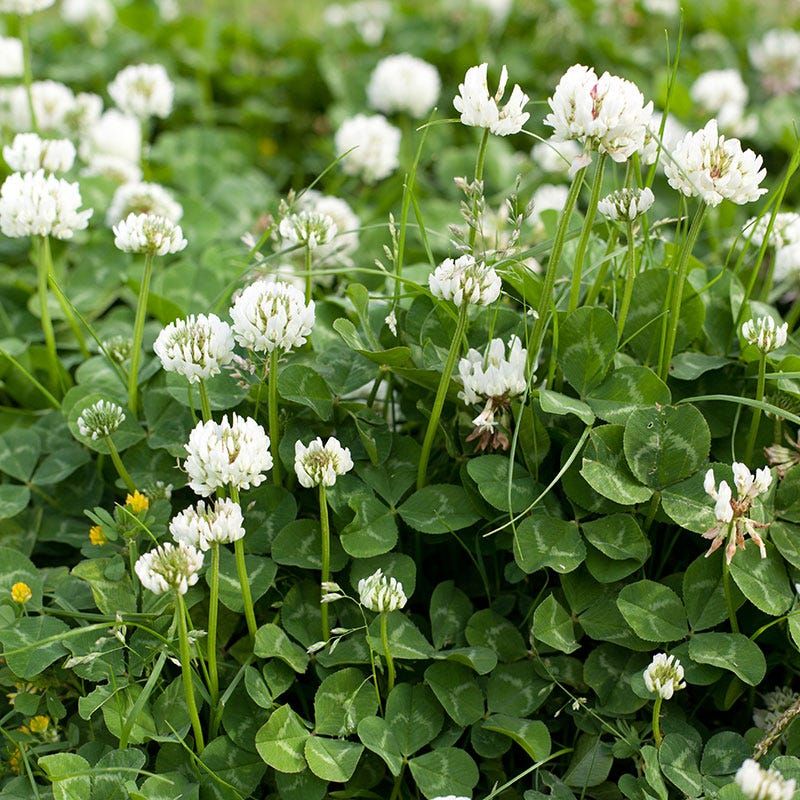
White clover is often spotted as a resilient companion for grass. With its trifoliate leaves and charming white blossoms, it adds a whimsical touch to lawns. White clover enriches soil by fixing nitrogen, promoting healthier grass growth.
A favorite among pollinators, it supports local biodiversity. Its soft texture invites bare feet to tread gently across its surface.
Its ability to thrive with minimal maintenance makes white clover a low-effort yet high-reward choice for homeowners seeking a natural, lush green space.
2. Chamomile
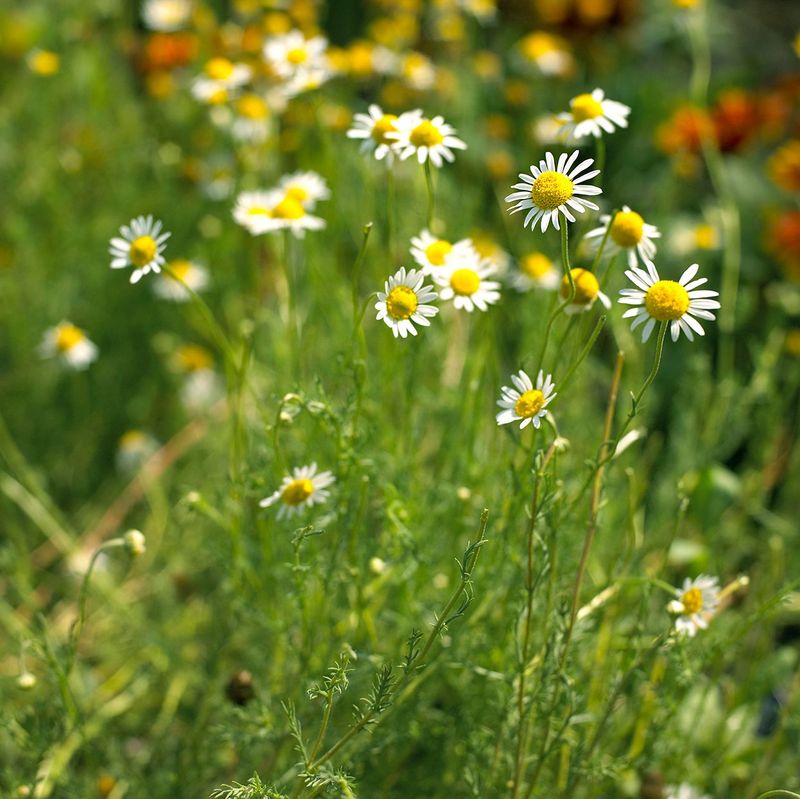
Chamomile isn’t just for tea; it’s a charming addition to grassy areas. Its small, white flowers resemble tiny daisies, adding a delicate aesthetic to lawns. Known for its calming properties, chamomile also emits a relaxing aroma.
This plant thrives in sunny spots and is surprisingly resilient, tolerating foot traffic while providing a soft ground cover.
As it grows, chamomile enhances soil health, making it not only beautiful but beneficial. Integrating chamomile into your lawn offers both visual delight and environmental advantages.
3. Corsican Mint
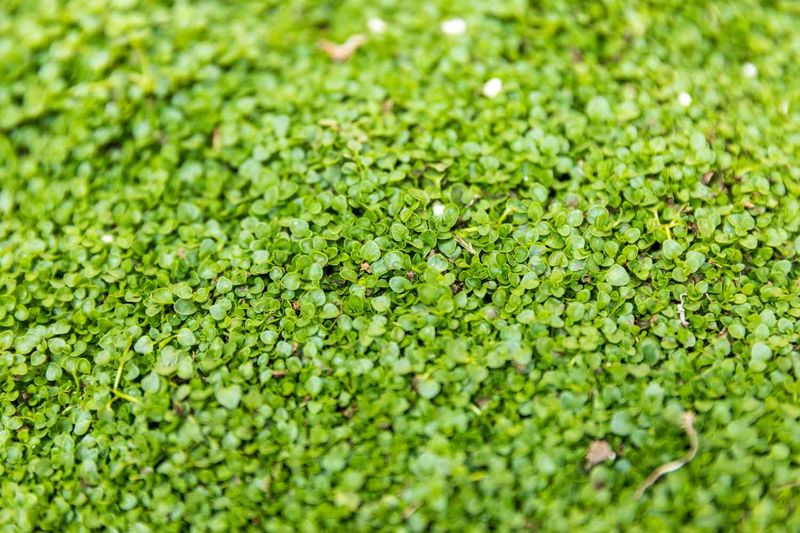
Corsican mint might be tiny, but its impact is grand. With its compact, lush green leaves, it creates a soft carpet-like effect on lawns. Known for its delightful minty fragrance, it’s a sensory treat when trod upon.
Corsican mint prefers partial shade and moist conditions, making it perfect for shaded garden spots. Its creeping nature allows it to fill gaps between stones or along pathways effortlessly.
Besides its visual charm, Corsican mint serves as a natural pest deterrent, adding practicality to its list of benefits.
4. Ajuga
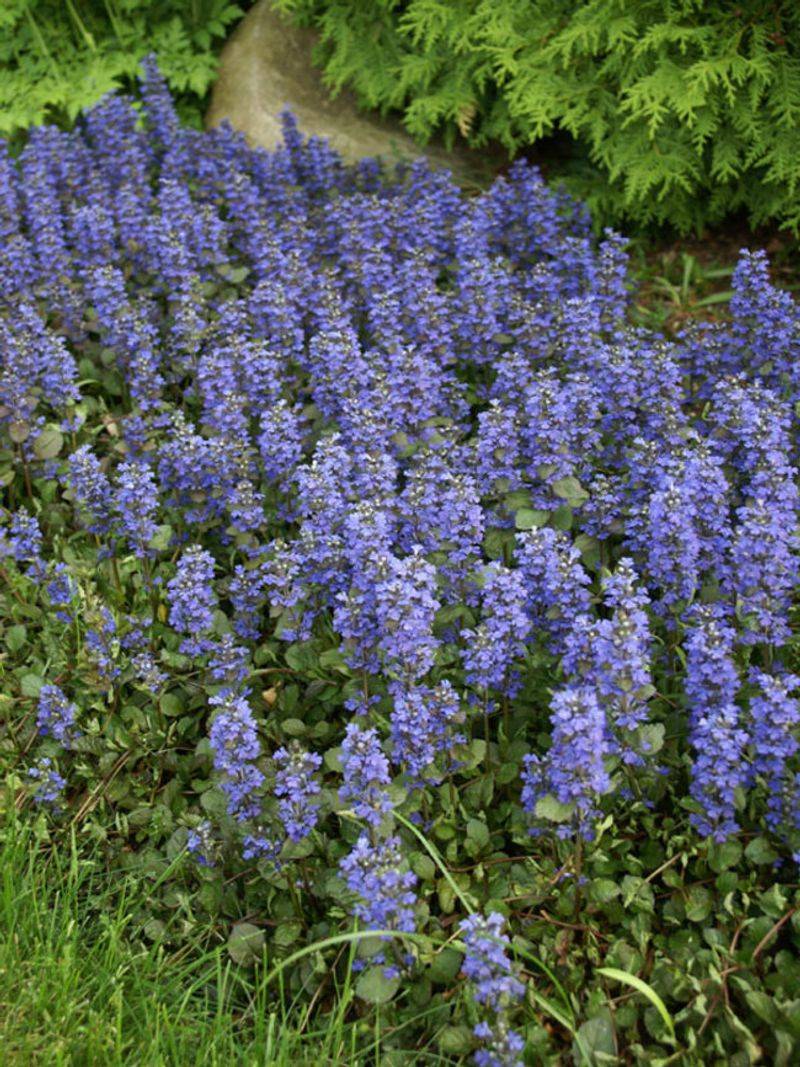
Ajuga, also known as bugleweed, is a versatile ground cover that pairs beautifully with grass. Its glossy, dark leaves provide a rich contrast, while its vibrant blue flower spikes add an unexpected pop of color.
Ajuga thrives in both sun and shade, perfect for diverse garden landscapes. Its dense foliage suppresses weeds, offering a natural solution to lawn maintenance.
Ajuga’s adaptability and visual appeal make it an excellent choice for any lawn enthusiast looking to break the monotony of green with bursts of color.
5. Dichondra
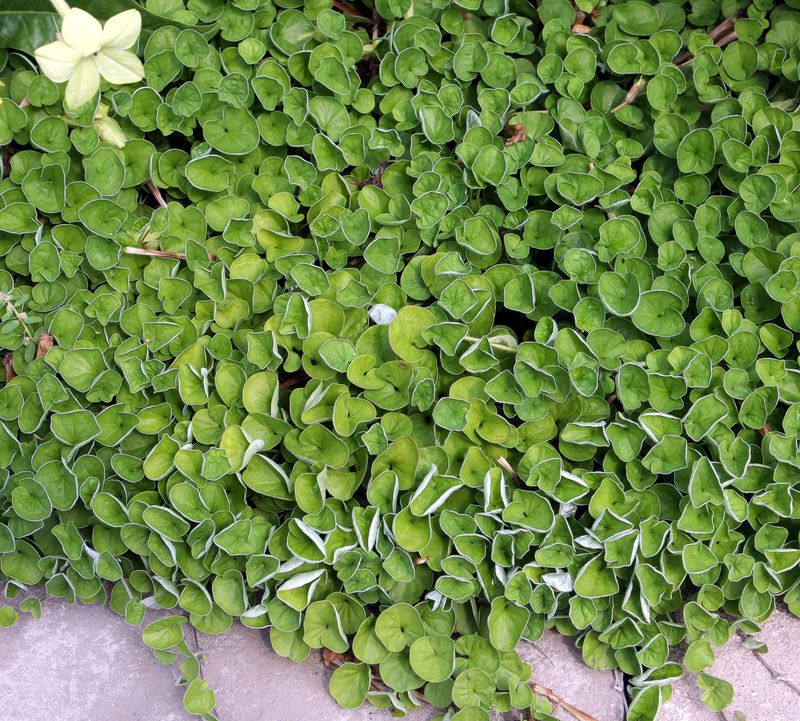
Dichondra’s soft, circular leaves make it a standout addition to any lawn. This hearty ground cover creates a sea of green, offering a unique texture compared to traditional grass.
Dichondra thrives in warm climates and requires minimal care, making it an easy choice for busy homeowners. Its ability to withstand drought conditions while maintaining vibrant growth is commendable.
Plant it as an alternative to grass in areas where a softer, more lush ground cover is desired, allowing for barefoot strolls and natural beauty.
6. Creeping Thyme
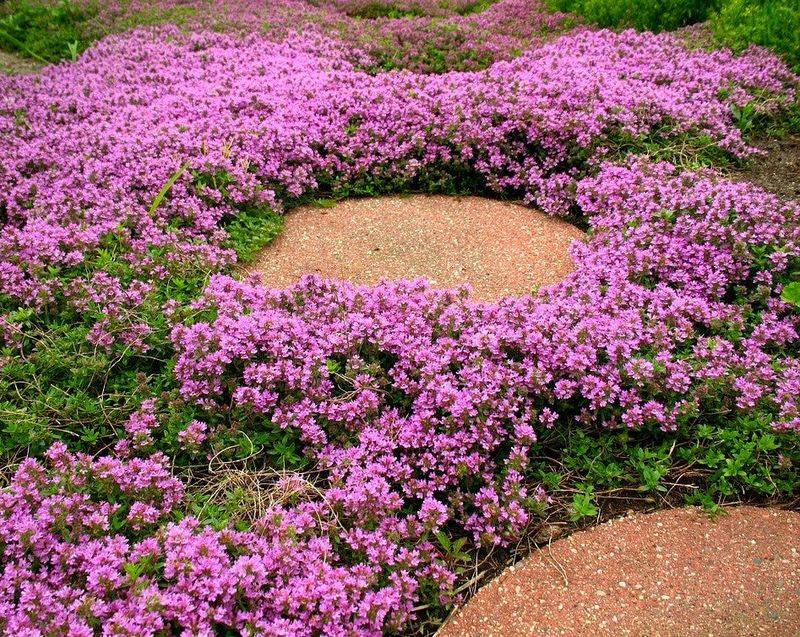
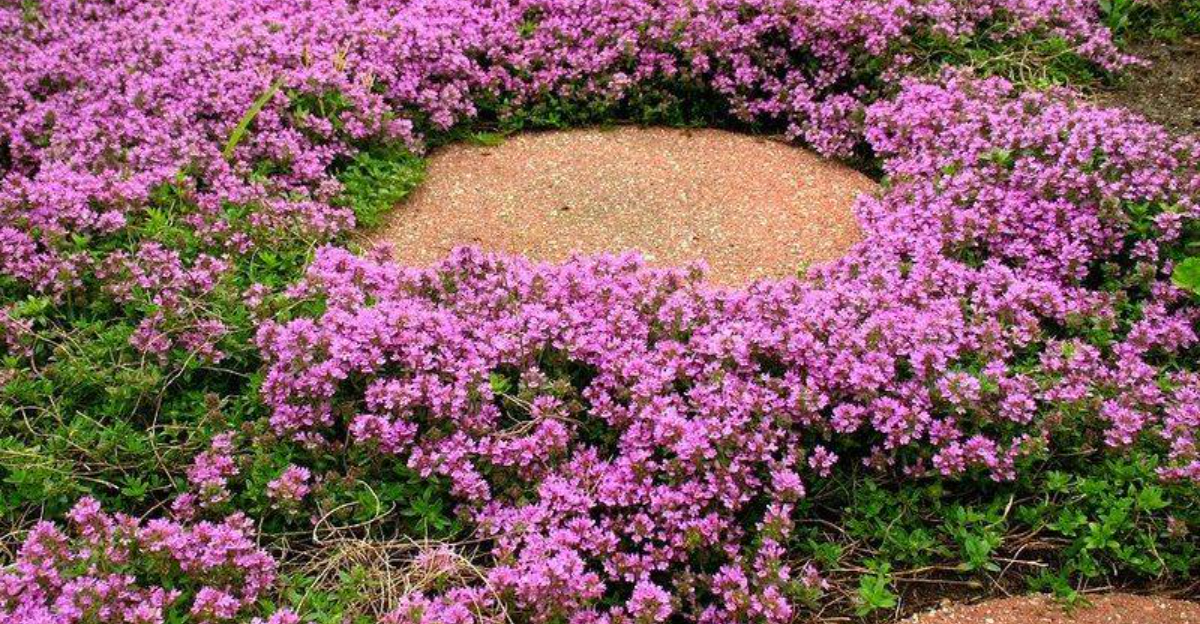
Creeping thyme is a delightful addition to any lawn. Its fragrant aroma drifts through the air as it blooms with tiny purple flowers. This hardy plant not only adds a splash of color but also fills your space with a soothing scent.
Plant it between stepping stones or allow it to weave through your grass for a touch of cottage charm. Creeping thyme is drought-resistant, making it an eco-friendly choice.
Its resilience underfoot means it can withstand light foot traffic, perfect for lively garden paths or playful children’s laughter.
7. Yarrow
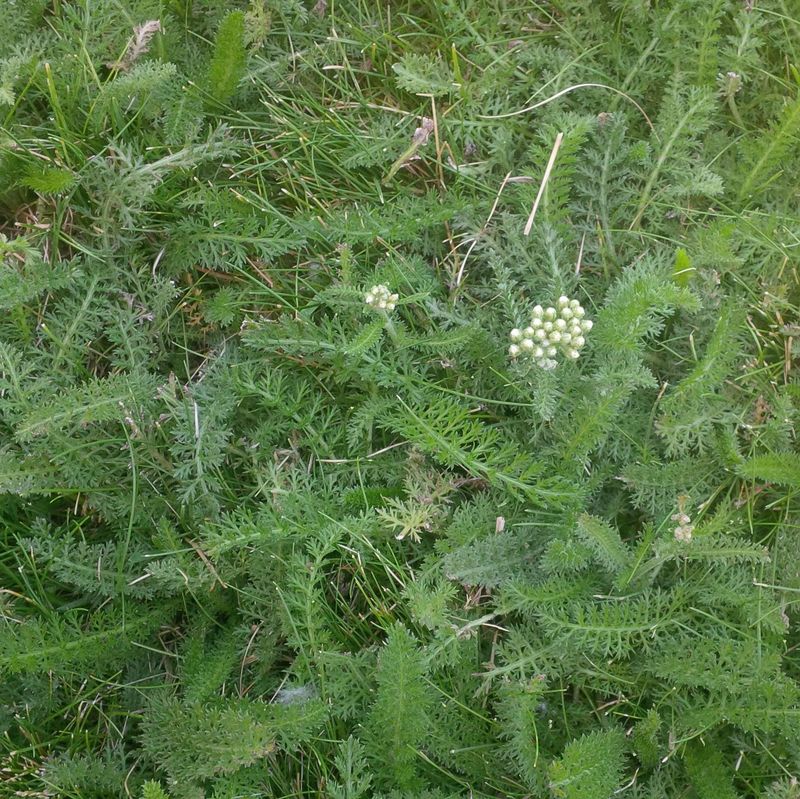
Yarrow brings a splash of sunshine to any lawn with its cheerful clusters of yellow flowers. This drought-tolerant plant is perfect for areas with low water availability, thriving where other plants might falter.
Its feathery foliage adds texture and interest, blending seamlessly with grass. Yarrow attracts beneficial insects, promoting a healthy garden ecosystem.
Its medicinal properties, used in herbal remedies, add an extra layer of appeal for those interested in natural health solutions. Incorporate yarrow for both beauty and functionality.
8. Sweet Alyssum
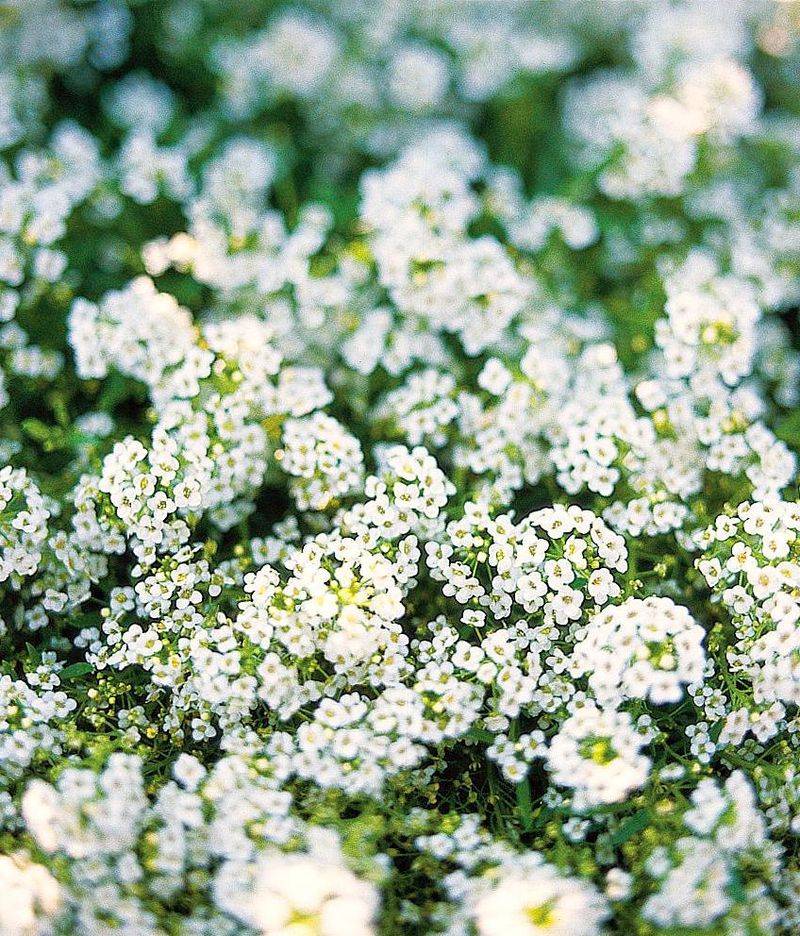
Sweet alyssum is a charming plant that enhances lawns with its clusters of tiny, fragrant white flowers. Its low-growing nature makes it ideal for edging or filling spaces between garden stepping stones.
Sweet alyssum thrives in sunny to partially shaded areas, offering flexibility in garden design. Its sweet fragrance attracts pollinators, supporting your local ecosystem.
This plant’s ability to reseed and spread ensures a continuous display of blooms, providing a seamless and dynamic addition to grassy areas.
9. Sedum
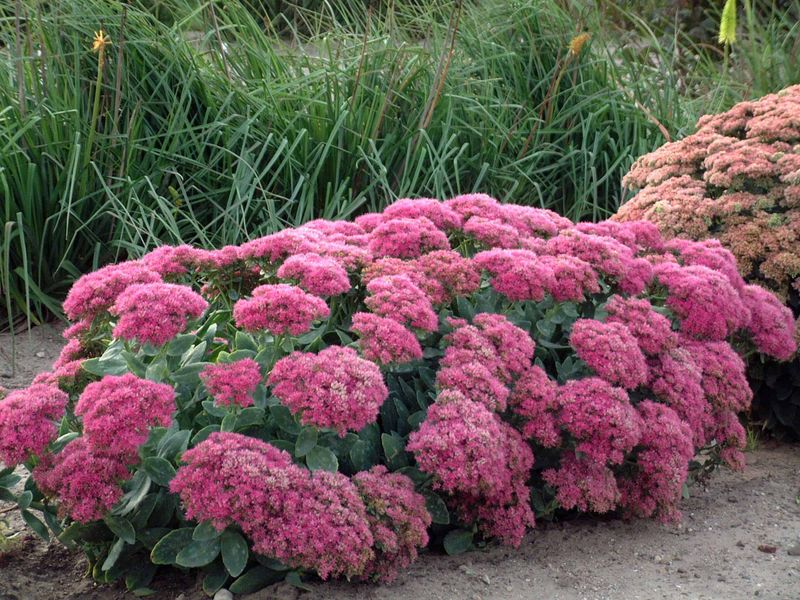
Sedum, with its succulent-like leaves and star-shaped flowers, adds a distinct texture to lawns. It thrives on neglect, making it an excellent choice for low-maintenance gardens.
Sedum’s ability to store water in its leaves allows it to flourish in dry conditions, a boon for water-conscious gardeners. Available in various colors and shapes, it offers versatility in design.
Whether you choose trailing varieties or upright stems, sedum’s unique appearance and drought resilience make it a smart addition to any lawn.
10. Oregano
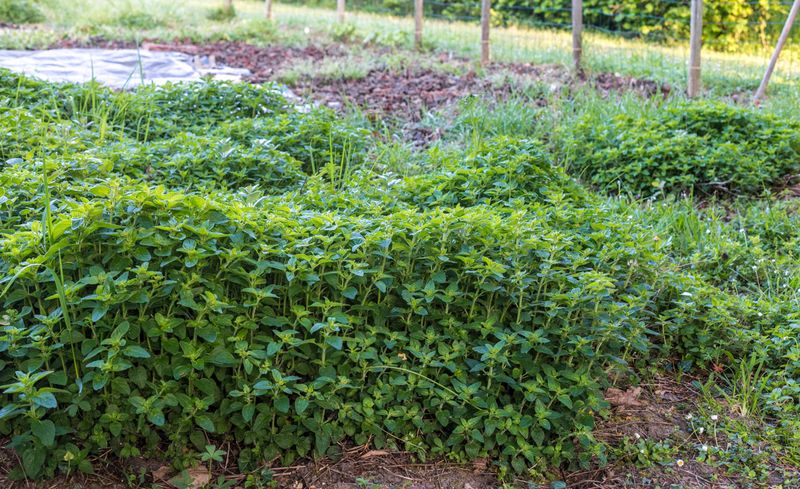
Oregano isn’t just for the kitchen; it’s a delightful addition to lawns. This aromatic herb boasts bushy green foliage and tiny purple flowers, adding both beauty and scent to garden spaces.
Oregano thrives in sunny conditions and is remarkably drought-tolerant, perfect for eco-friendly landscaping. Its dense growth habit helps suppress weeds, reducing maintenance efforts.
Beyond its visual and aromatic appeal, oregano is a culinary treasure, providing fresh herbs at your fingertips. Bring a Mediterranean touch to your lawn with oregano.
11. Bugleweed
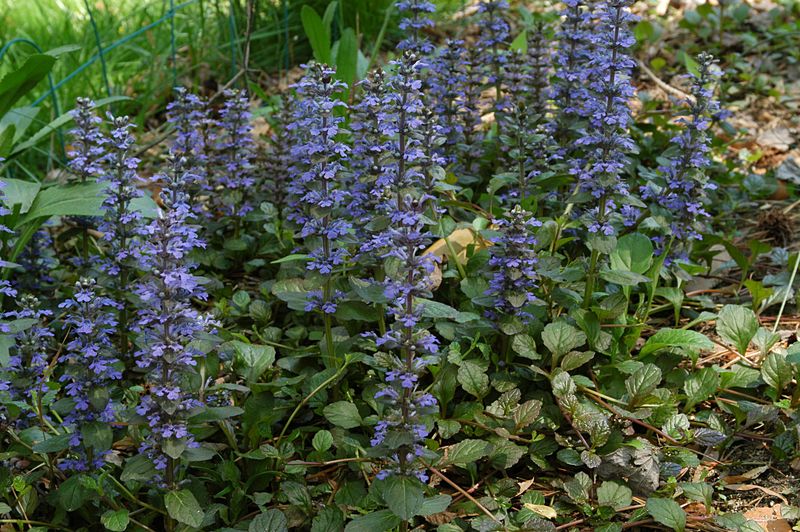
Bugleweed, or ajuga, offers a stunning visual contrast with its dark green leaves and vibrant blue flower spikes. This hardy ground cover thrives in a variety of conditions, from sun-drenched areas to shaded spots.
Bugleweed’s dense foliage helps suppress weeds, making it an attractive and practical choice for lawns. Its ability to quickly spread provides a lush, colorful carpet that pleases both the eye and the gardener’s workload.
Consider bugleweed if you’re aiming for a lawn that stands out and requires minimal maintenance.
12. Lawn Daisy
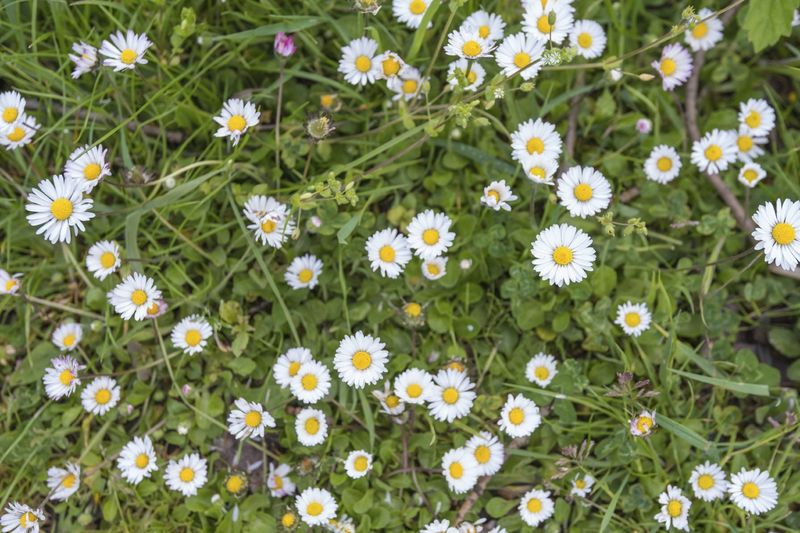
Lawn daisies are a classic choice for adding charm to grassy areas. Their cheerful white petals and yellow centers create a picturesque scene reminiscent of childhood summers.
These hardy flowers require little care, thriving in both sunny and partially shaded spots. Lawn daisies attract pollinators, supporting biodiversity in your garden.
Their ability to withstand mowing makes them an ideal companion for grass, maintaining their joyful presence without overtaking the lawn. Embrace nostalgia and natural beauty with lawn daisies.
13. Creeping Jenny
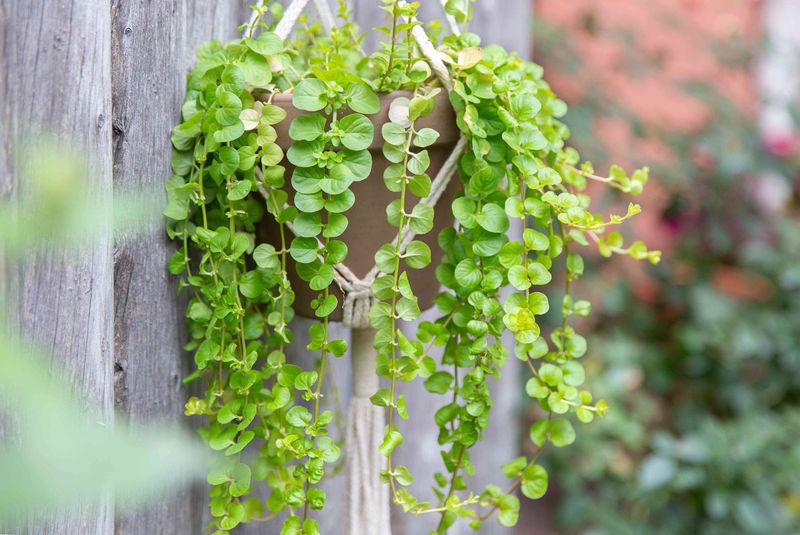
Creeping Jenny, with its vibrant yellow-green leaves, makes an eye-catching addition to any lawn. This hardy ground cover cascades beautifully across surfaces, creating a lush, carpeted effect.
Creeping Jenny thrives in moist conditions and is perfect for areas prone to dampness. Its trailing growth habit allows it to fill spaces gracefully, enhancing garden design.
Besides its visual appeal, it serves as excellent erosion control, stabilizing soil on slopes or near water features. Transform your lawn into a tapestry of green with creeping Jenny.
14. Sea Thrift
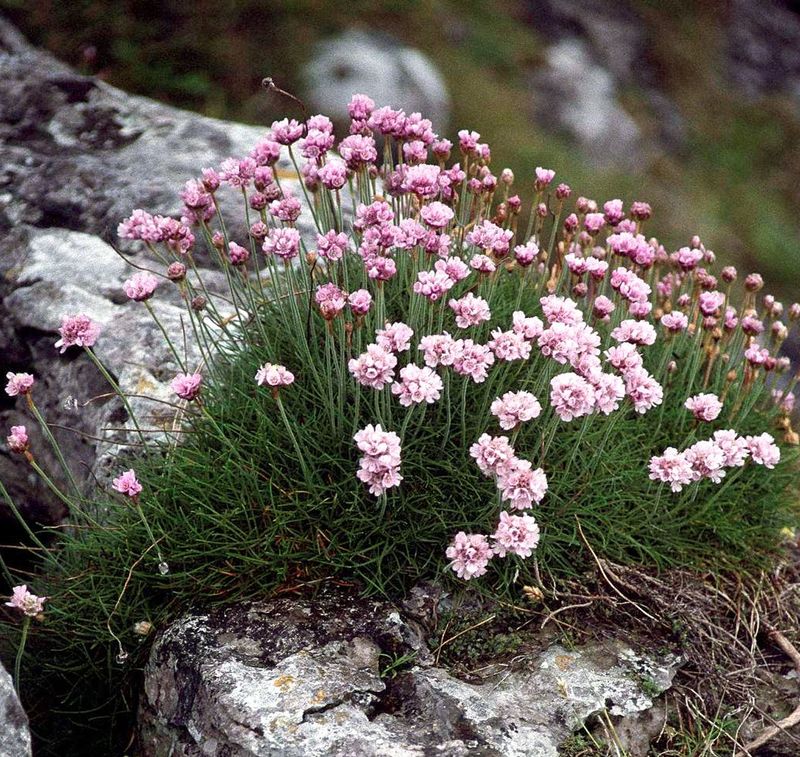
Sea thrift, with its tufted pink flowers and grass-like foliage, adds a coastal flair to lawns. This hardy plant thrives in poor soil conditions, making it a low-maintenance choice for challenging areas.
Sea thrift’s compact growth habit and vibrant blossoms provide a splash of color that stands out against traditional grass. Its resilience against salty air makes it ideal for seaside gardens or areas with exposure to ocean breezes.
Embrace a beachside aesthetic with sea thrift, perfect for adding a seaside charm to your lawn.
15. Self-Heal
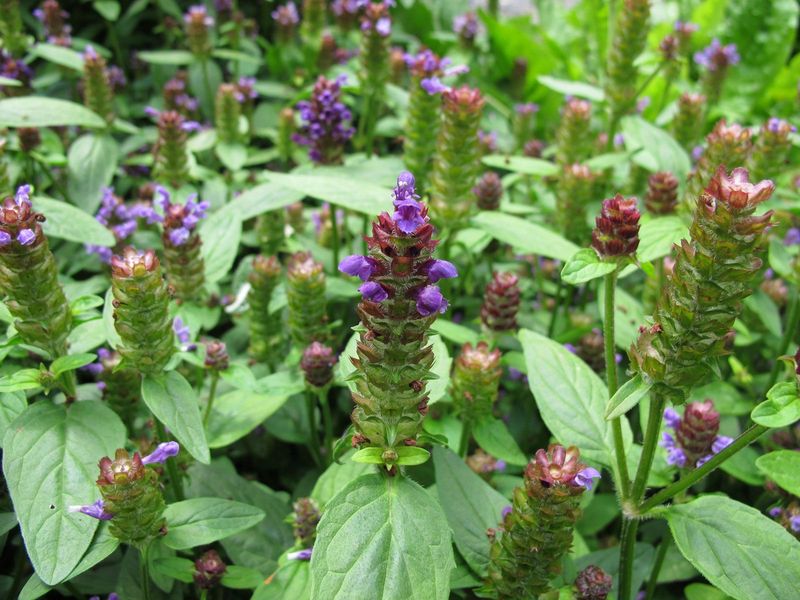
Self-heal is a versatile herb that adds a wildflower feel to lawns. Its purple flower spikes rise elegantly above the grass, creating a picturesque meadow effect. Known for its medicinal uses, self-heal also supports pollinators, enhancing garden biodiversity.
This adaptable plant thrives in various soil conditions, requiring minimal maintenance. Its ability to spread quickly makes it ideal for naturalizing areas within lawns, offering both visual interest and practical benefits.
Incorporate self-heal to infuse your lawn with natural beauty and healthful properties.
16. Catmint
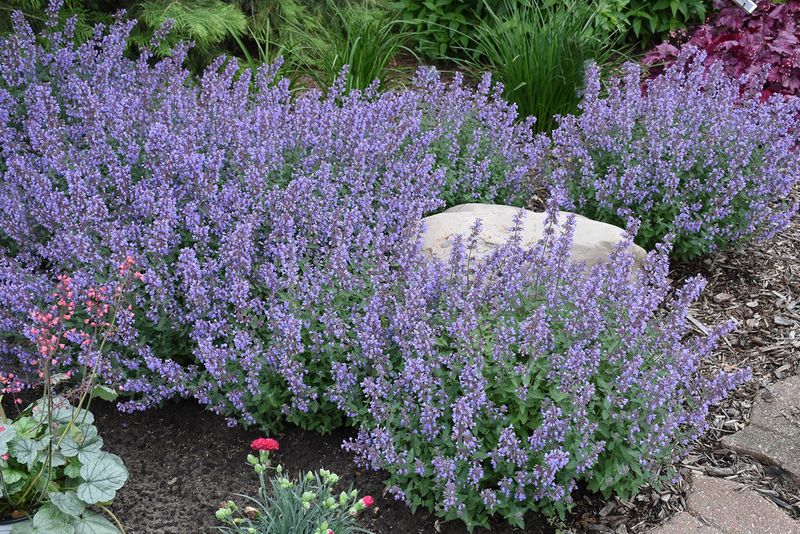
Catmint, with its aromatic gray-green foliage and lavender blue flowers, adds a touch of whimsy to lawns. This hardy perennial thrives in sunny borders, attracting bees and butterflies with its abundant blooms.
Catmint’s drought tolerance makes it a water-wise choice for sustainable gardening. Its sprawling growth habit allows it to fill spaces gracefully, creating a cohesive garden design.
Besides its visual charm, catmint can be used in teas, offering both aesthetic and practical benefits. Enhance your lawn with the delightful presence of catmint.
17. Irish Moss
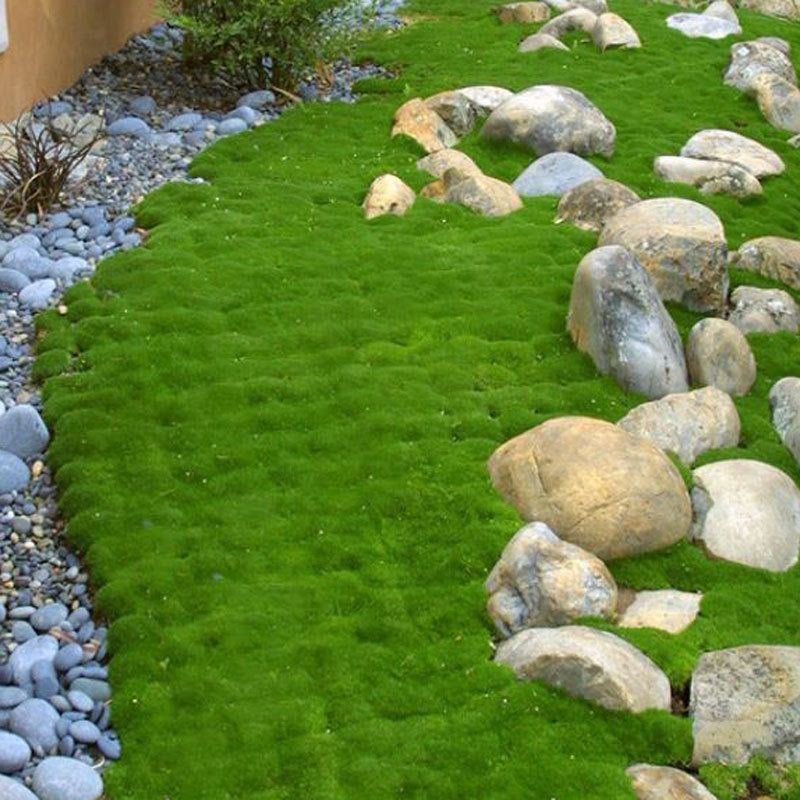
Irish moss, with its bright green, spongy texture, creates a luxurious carpet underfoot. This low-growing plant thrives in cool, moist conditions, perfect for shaded garden areas.
Irish moss fills gaps between stones or along pathways with ease, adding elegance to any landscape. Its ability to suppress weeds makes it a practical choice for low-maintenance lawns.
Beyond its visual appeal, Irish moss offers a soft, inviting surface for barefoot strolls, enhancing sensory experiences in garden spaces. Add a touch of Ireland’s lushness to your lawn.
18. Roman Chamomile
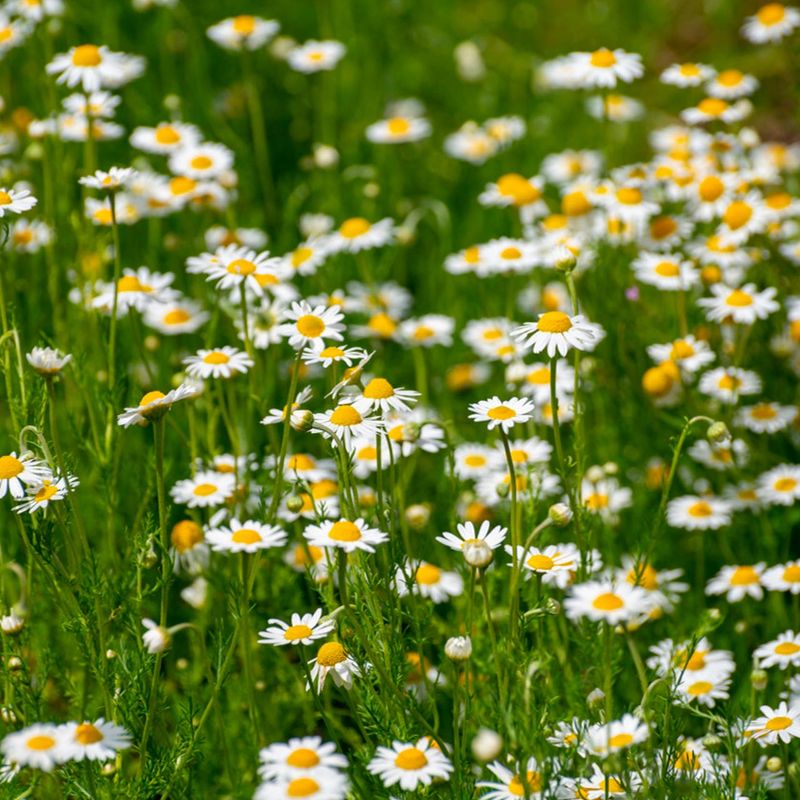
Roman chamomile, with its small, daisy-like flowers, brings a serene beauty to lawns. Known for its calming properties, this fragrant plant thrives in sunny spots, adding both aesthetic and aromatic appeal.
Roman chamomile’s resilience under foot traffic makes it suitable for pathways and gathering areas. Beyond its visual charm, it enhances soil health and deters pests, offering multiple benefits to gardeners.
Incorporating Roman chamomile into your lawn adds a touch of tranquility and natural wellness, making your garden a peaceful retreat.
19. Creeping Phlox
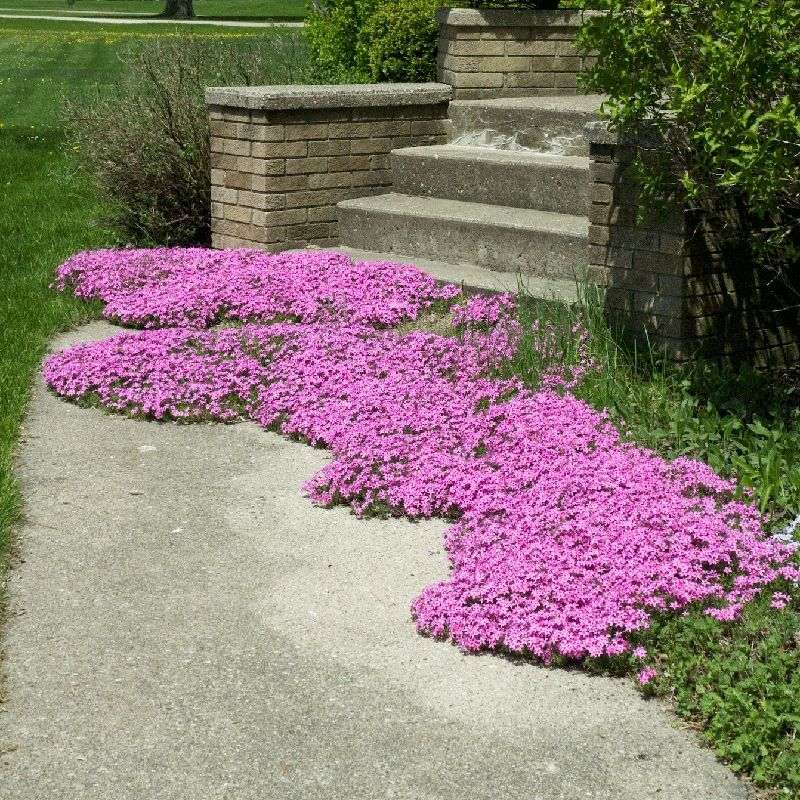
Creeping phlox is a vibrant ground cover that adds a tapestry of color to lawns. Its mat-forming habit and abundant blooms in shades of pink, purple, and white create a stunning display.
Creeping phlox thrives in sunny locations, perfect for borders or rocky areas. Its ability to attract pollinators and suppress weeds makes it a practical choice for gardeners.
Besides its visual appeal, creeping phlox offers a soft, fragrant carpet that delights both the eyes and the senses. Transform your lawn into a floral masterpiece with creeping phlox.
20. Vinca Minor
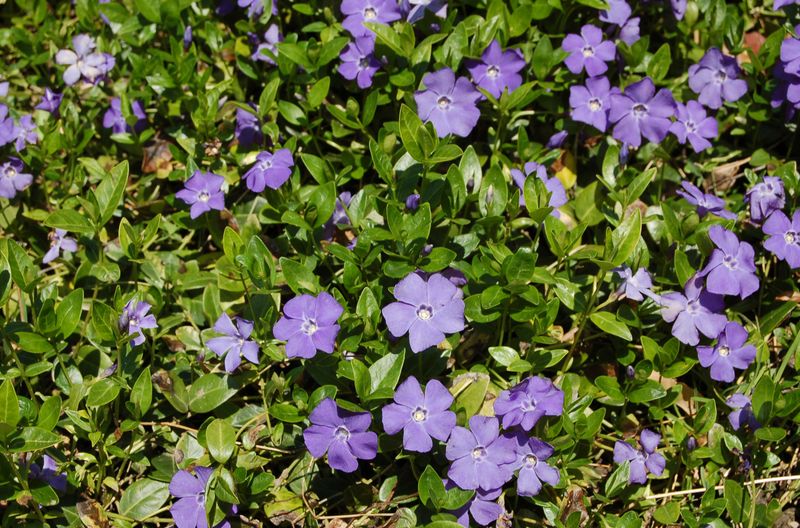
Vinca minor, or periwinkle, is an elegant ground cover that thrives in shaded areas. Its glossy evergreen leaves create a lush backdrop, while its periwinkle blue flowers add a pop of color.
Vinca minor’s ability to suppress weeds and tolerate drought makes it a low-maintenance choice for busy gardeners. Its trailing growth habit allows it to fill spaces gracefully, providing a cohesive and polished look.
Beyond its visual charm, vinca minor supports biodiversity by attracting pollinators. Elevate your lawn’s elegance with vinca minor.
21. Lamb’s Ear
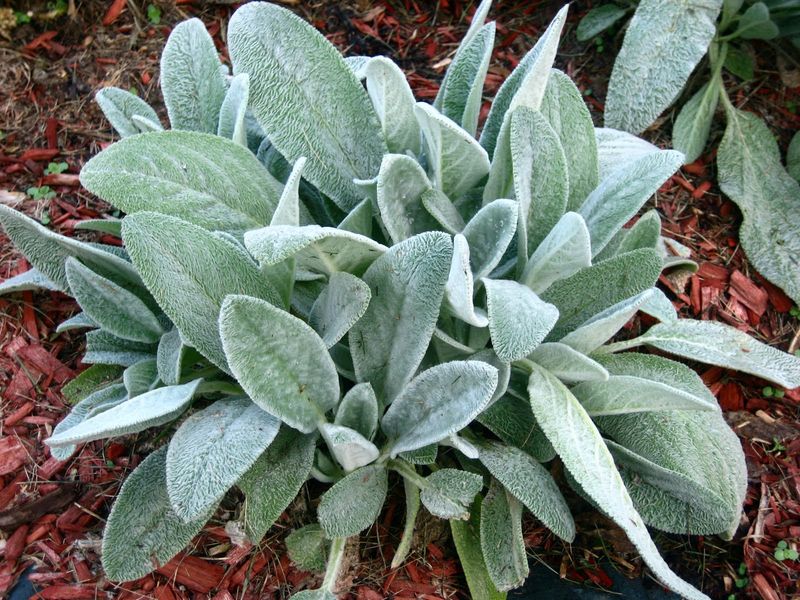
Lamb’s ear is renowned for its soft, silvery foliage that adds both texture and visual interest to lawns. This hardy perennial thrives in sunny spots, offering drought resistance and low maintenance.
Lamb’s ear’s velvety leaves create a tactile experience, inviting touch and interaction. Its ability to spread quickly allows it to fill spaces effectively, creating a cohesive garden design.
Besides its aesthetic appeal, lamb’s ear serves as a natural pest deterrent. Incorporate lamb’s ear to add dimension and sensory delight to your lawn.