 Complete Gardening
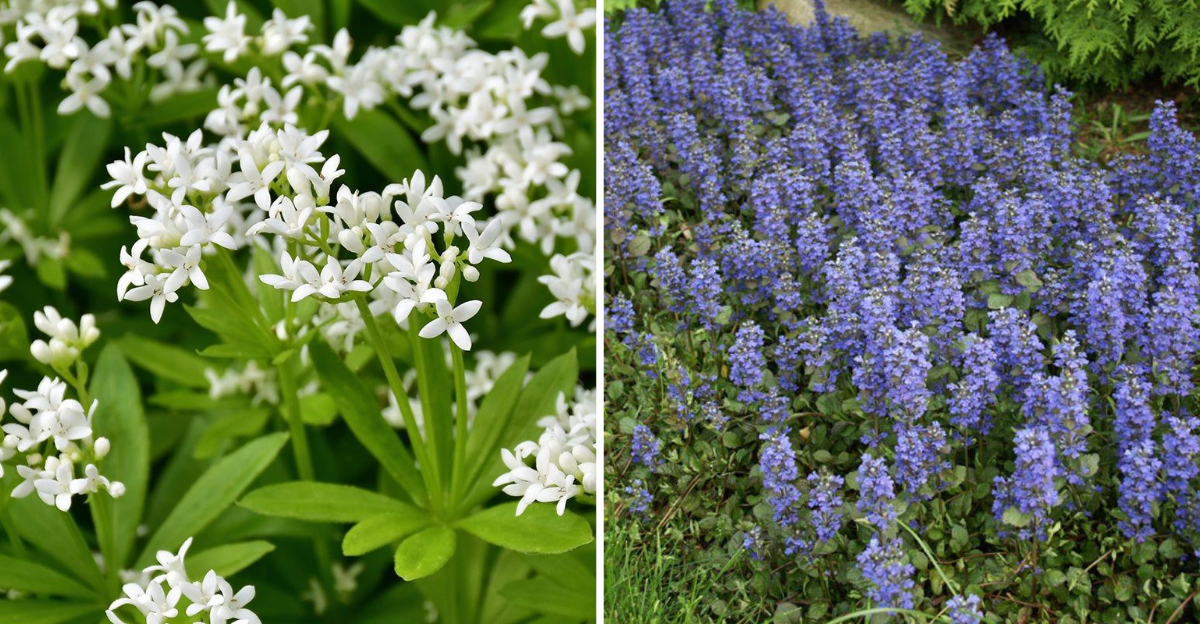
Enhance the beauty of your garden by exploring these 22 exquisite ground covers that thrive beneath trees and shrubs. These plants not only add aesthetic appeal but also offer practical benefits such as weed suppression and soil conservation. Discover their unique characteristics and learn how each can contribute to a vibrant landscape.
1. Ajuga
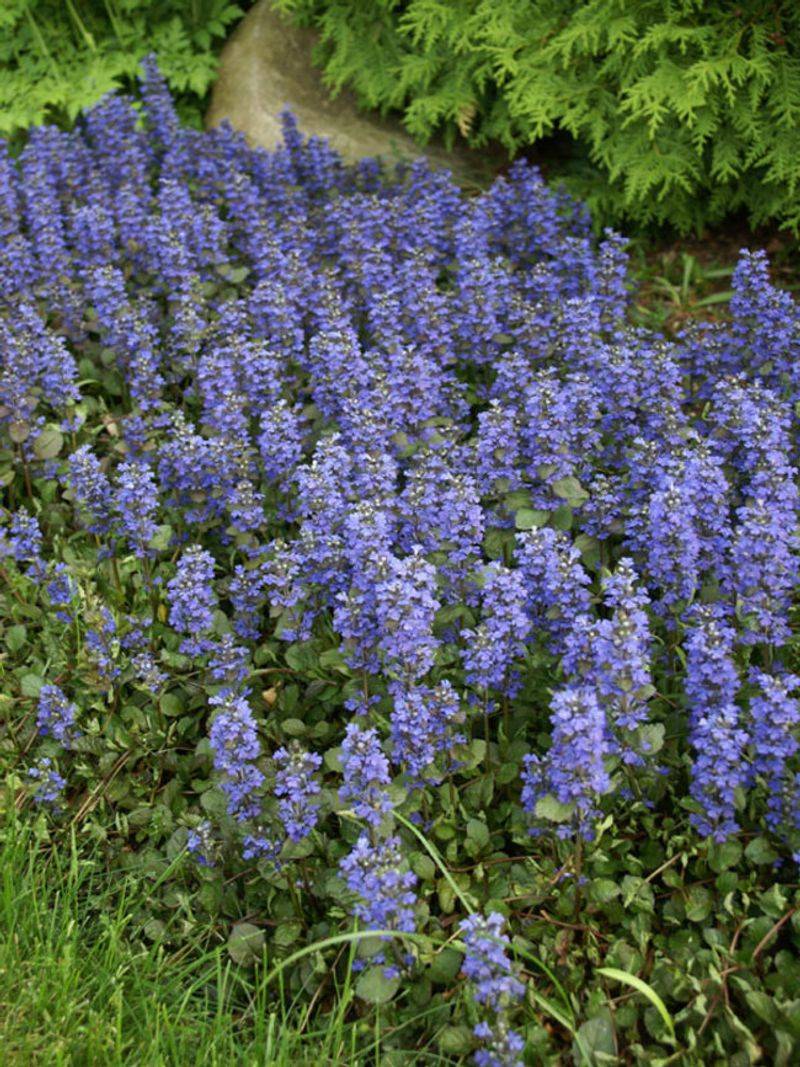
Ajuga, commonly called bugleweed, is a vibrant ground cover that thrives in shady areas. Its striking blue flowers create a stunning carpet effect, making it a favorite among gardeners seeking low-maintenance beauty.
The plant’s ability to suppress weeds while conserving soil moisture adds practical value to its ornamental appeal. Ajuga’s glossy leaves provide year-round interest, transitioning from deep green to bronze or burgundy in the cooler months.
With a fast-growing habit, Ajuga quickly fills in bare spots, offering a lush and colorful ground cover option that brightens any shaded garden corner.
2. Creeping Jenny
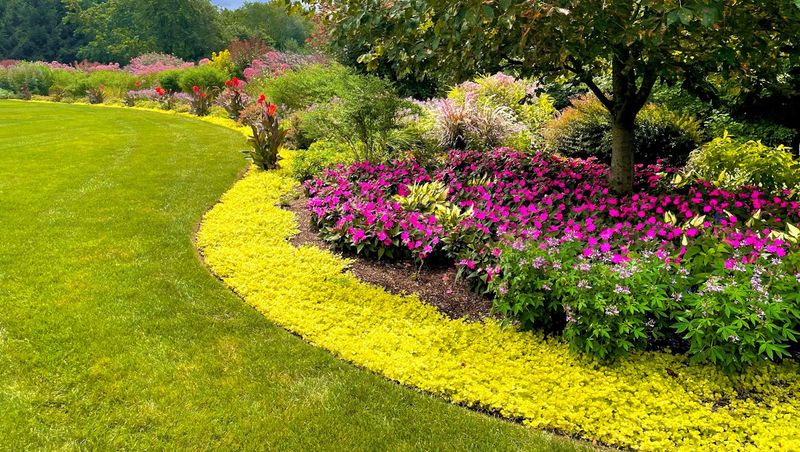
Creeping Jenny, or Lysimachia nummularia, is known for its charming, cascading foliage that ranges from bright green to golden yellow. Its cheerful appearance is perfect for adding a touch of whimsy to shaded areas.
This resilient ground cover is particularly effective in moist soil, often seen draping gracefully over rocks or borders. In spring, it surprises with small, cup-shaped yellow flowers that add to its visual appeal.
Creeping Jenny’s ability to trail along paths or walls makes it a versatile choice, adapting beautifully to various garden styles and designs.
3. Sweet Woodruff
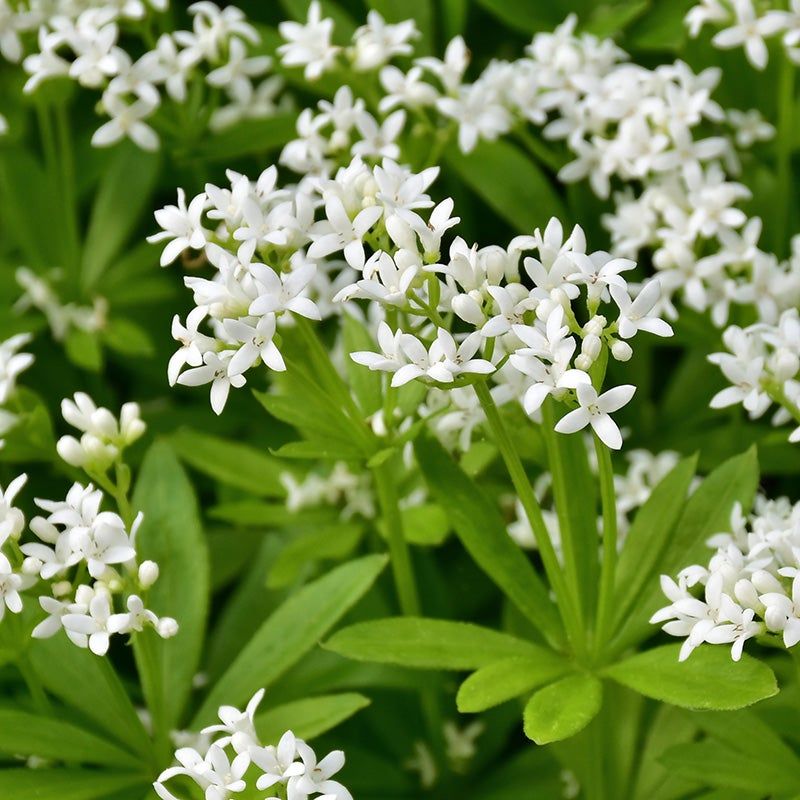
Sweet Woodruff, scientifically known as Galium odoratum, enchants with its lush, emerald green leaves and delicate white blossoms. Its sweet fragrance adds an aromatic layer to its visual charm, making it a garden favorite.
This ground cover thrives in moist, shaded areas, where it forms dense mats that suppress weeds and protect soil. Sweet Woodruff’s flowers bloom in late spring, adding a gentle elegance to any shaded garden setting.
Beyond its beauty, Sweet Woodruff has a historical role in herbal medicine, adding an intriguing layer to its garden presence.
4. Periwinkle
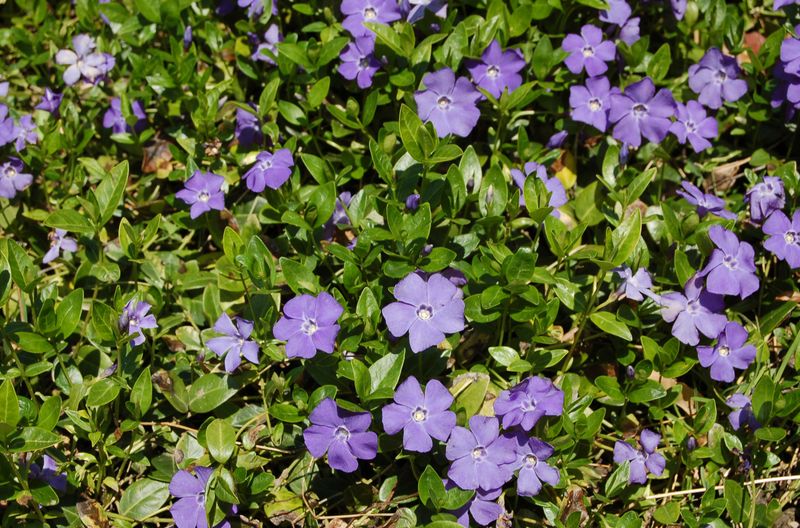
Periwinkle, or Vinca minor, captivates with its glossy, evergreen leaves and charming periwinkle-blue flowers. This hardy ground cover is ideal for shaded slopes, where it forms a dense mat that prevents soil erosion.
Its long-lasting blooms appear in spring and continue sporadically throughout the year, offering lasting color. Periwinkle’s low-growing habit and adaptability to various soil types make it a versatile choice for challenging garden areas.
With a rich history as a symbol of immortality, Periwinkle adds both beauty and cultural depth to any landscape.
5. Lungwort
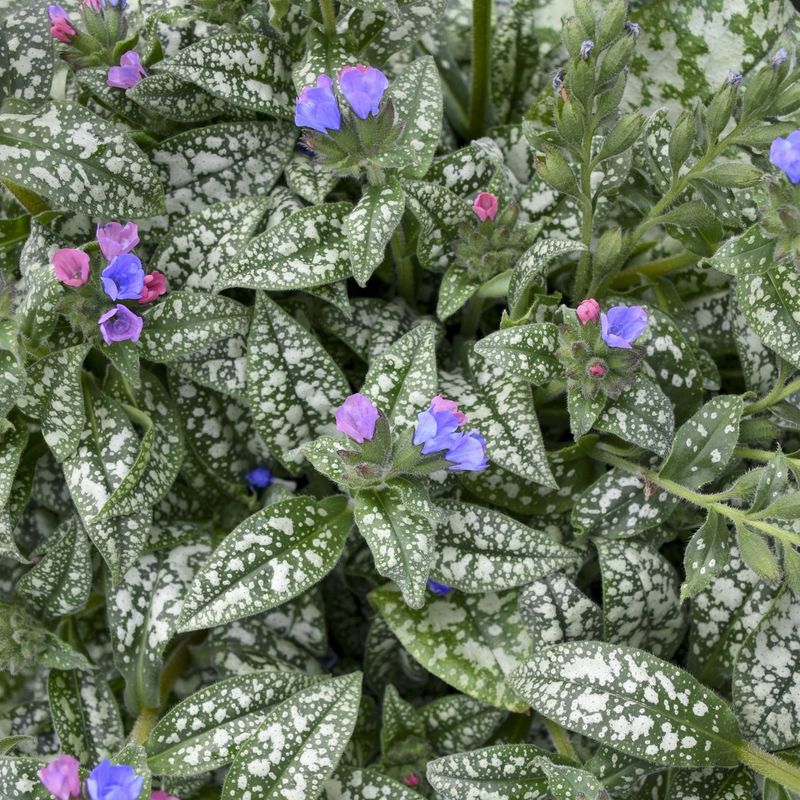
Lungwort, or Pulmonaria, is celebrated for its uniquely speckled foliage and vibrant clusters of pink and blue flowers. Its early spring blooms bring much-needed color to shaded gardens, attracting hummingbirds and bees.
Lungwort’s leaves remain attractive throughout the growing season, offering a spotted, silvery appearance that adds texture and interest. This ground cover thrives in rich, moist soil and provides excellent weed suppression.
Named for its historical use in treating lung ailments, Lungwort adds both horticultural beauty and historical intrigue to garden settings.
6. Barrenwort
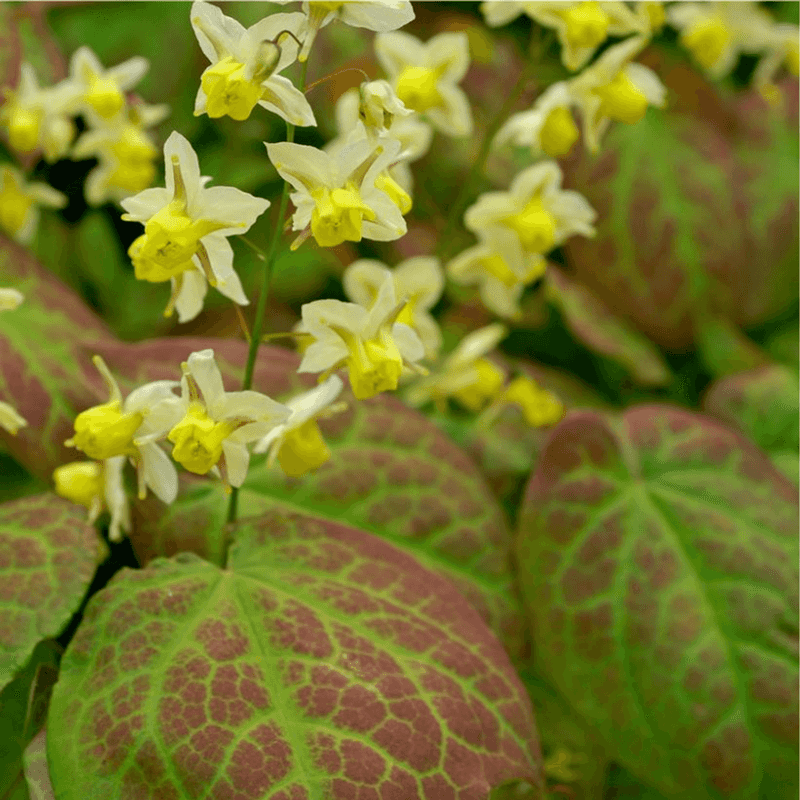
Barrenwort, known as Epimedium, captivates with its heart-shaped leaves and dainty flowers that range from yellow to pink. This charming ground cover is perfect for adding a delicate touch to shaded garden beds.
Its foliage changes color with the seasons, providing a dynamic display of reds, oranges, and greens. Barrenwort thrives in dry, shaded areas, making it an ideal choice for challenging spots under trees.
Aside from its beauty, Barrenwort has a storied past in traditional medicine, adding a layer of intrigue to its garden allure.
7. Lamium
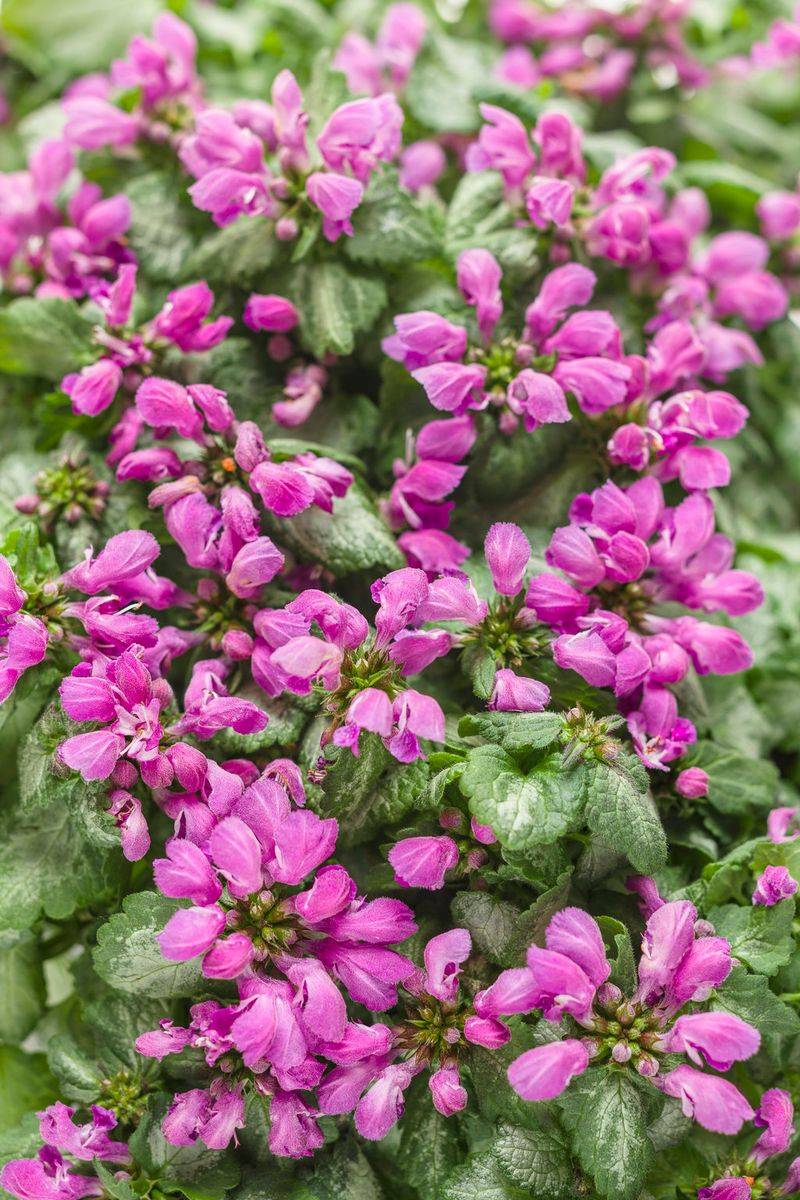
Lamium, or dead nettle, is renowned for its silver-patterned foliage and charming clusters of pink, white, or purple flowers. This ground cover thrives in the dappled shade of trees, offering a splash of color and texture.
The plant’s spreading habit quickly fills gaps, suppressing weeds and conserving moisture. Lamium’s semi-evergreen nature ensures year-round interest, with its vibrant blooms appearing in late spring.
Beyond its visual appeal, Lamium is an excellent choice for pollinator gardens, attracting bees and butterflies with its nectar-rich flowers.
8. Heuchera
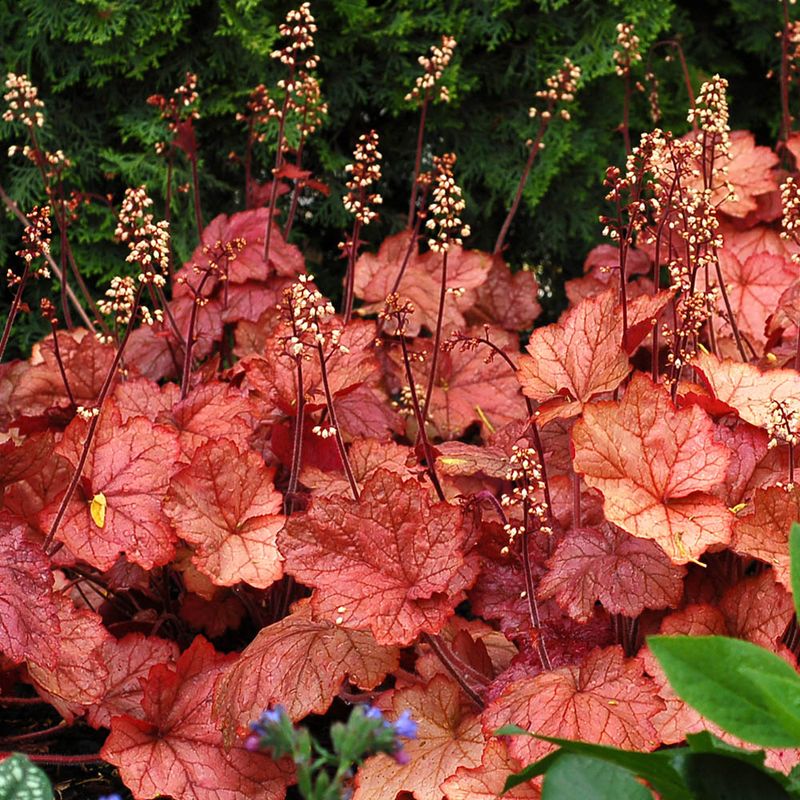
Heuchera, known as coral bells, dazzles with its striking foliage that ranges from burgundy to lime green. Its delicate, bell-shaped flowers add a touch of elegance to shaded areas.
This ground cover is prized for its ability to adapt to various soil types while thriving in partial shade. Heuchera’s foliage provides year-round interest, making it a favorite for adding texture and color to garden borders.
In addition to its beauty, Heuchera is known for its resilience, withstanding diverse weather conditions while maintaining its ornamental allure.
9. Wild Ginger
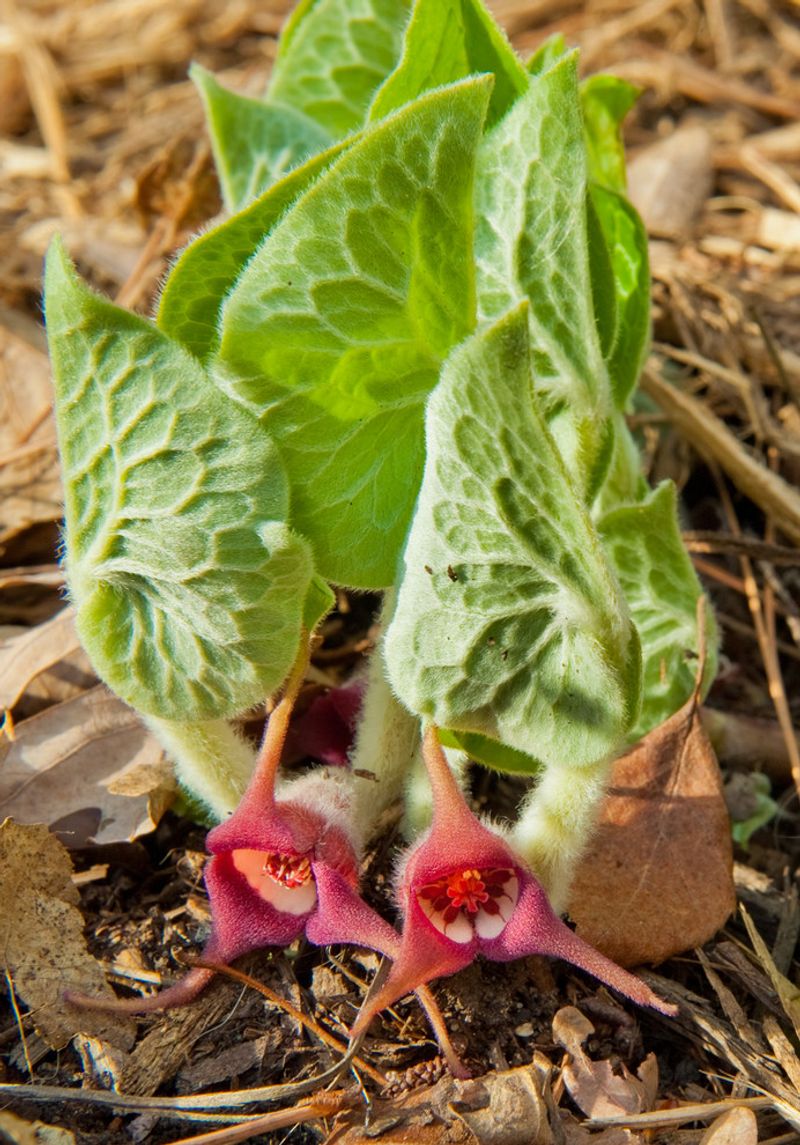
Wild Ginger, or Asarum canadense, is a captivating ground cover with heart-shaped leaves and subtle maroon flowers that hide beneath the foliage. This plant thrives in shaded, woodland settings, creating a lush carpet of greenery.
Its leaves are velvety to the touch, adding a tactile dimension to its visual appeal. Wild Ginger is not only beautiful but also serves practical purposes, such as erosion control and providing habitat for native insects.
Historically, Wild Ginger was used by Native Americans for medicinal purposes, enriching its role in natural landscapes.
10. Pachysandra
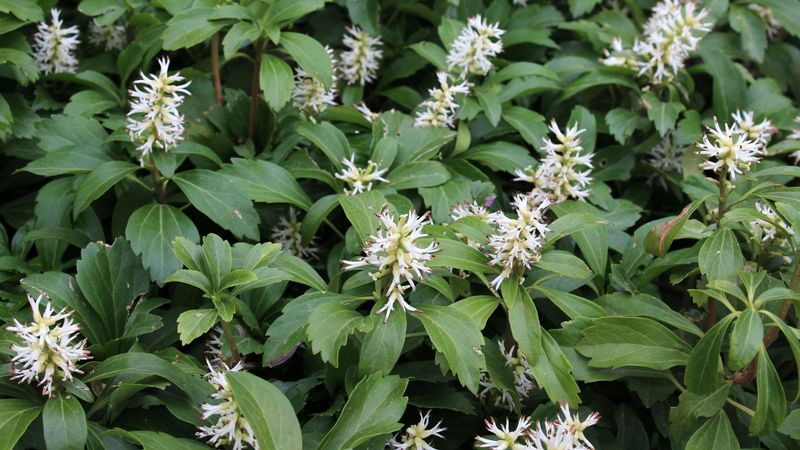
Pachysandra, scientifically known as Pachysandra terminalis, is celebrated for its glossy, evergreen leaves and spikes of small white flowers. This ground cover is ideal for creating a lush, green carpet in shaded garden areas.
Its dense growth habit effectively suppresses weeds, while its adaptability to various soil types makes it a versatile choice for gardeners. Pachysandra’s year-round foliage provides consistent interest, even in the depths of winter.
With its origins in Japanese gardens, Pachysandra adds an exotic touch and tranquility to any landscape design.
11. Hellebore
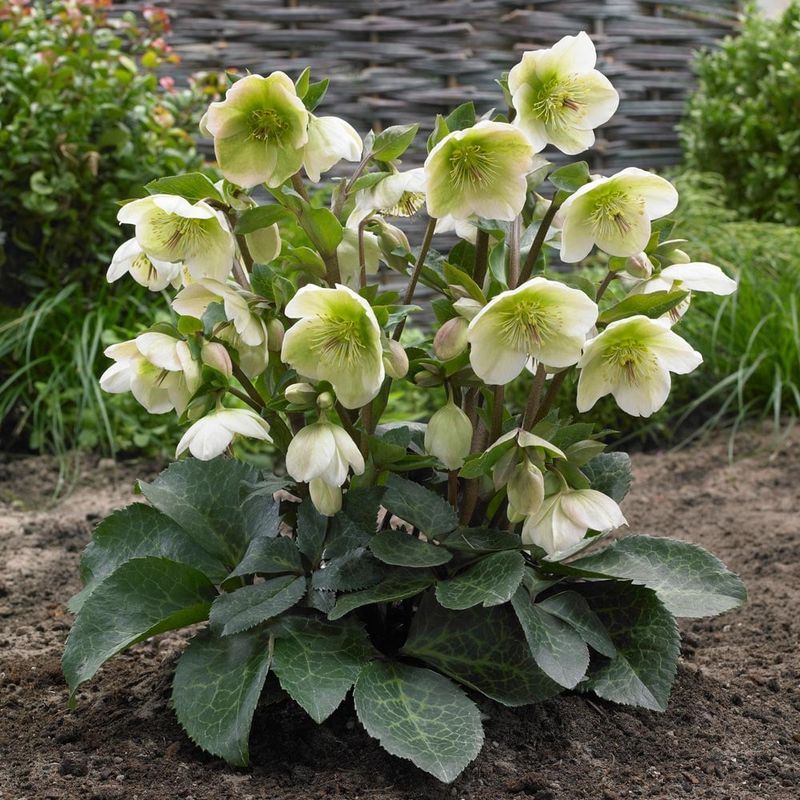
Hellebore, often called Lenten rose, enchants with its elegant flowers that bloom from late winter to early spring. Available in hues ranging from white to deep purple, these flowers offer a welcome burst of color in shaded gardens.
The plant’s leathery, evergreen leaves provide a textured backdrop to its blooms, ensuring year-round visual interest. Hellebore thrives in rich, well-drained soils, making it a resilient choice for challenging garden spots.
Beyond its beauty, Hellebore has a folklore history, once believed to ward off evil spirits, adding mystique to its presence.
12. Hosta
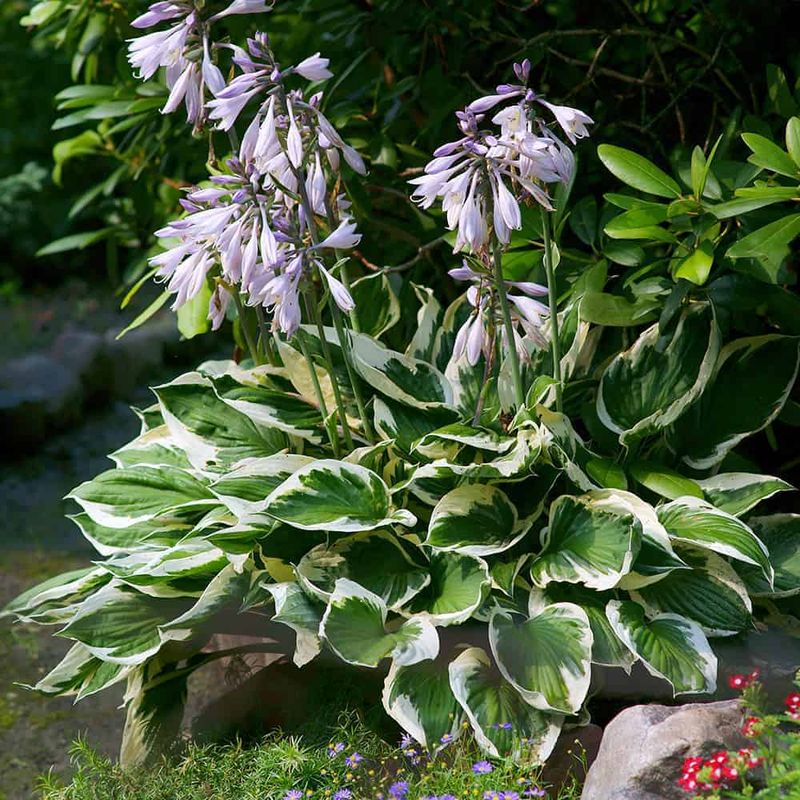
Hosta is renowned for its wide, variegated leaves that range from deep green to gold. This ground cover thrives in shaded areas, creating a striking foliage display that brightens the garden floor.
Its leaves provide a lush, tropical appearance, while its delicate lavender or white flowers add a touch of color in midsummer. Hostas are known for their easy care and adaptability to various soil conditions.
Beyond their beauty, Hostas are favored for their ability to suppress weeds, making them a practical choice for low-maintenance landscapes.
13. Liriope
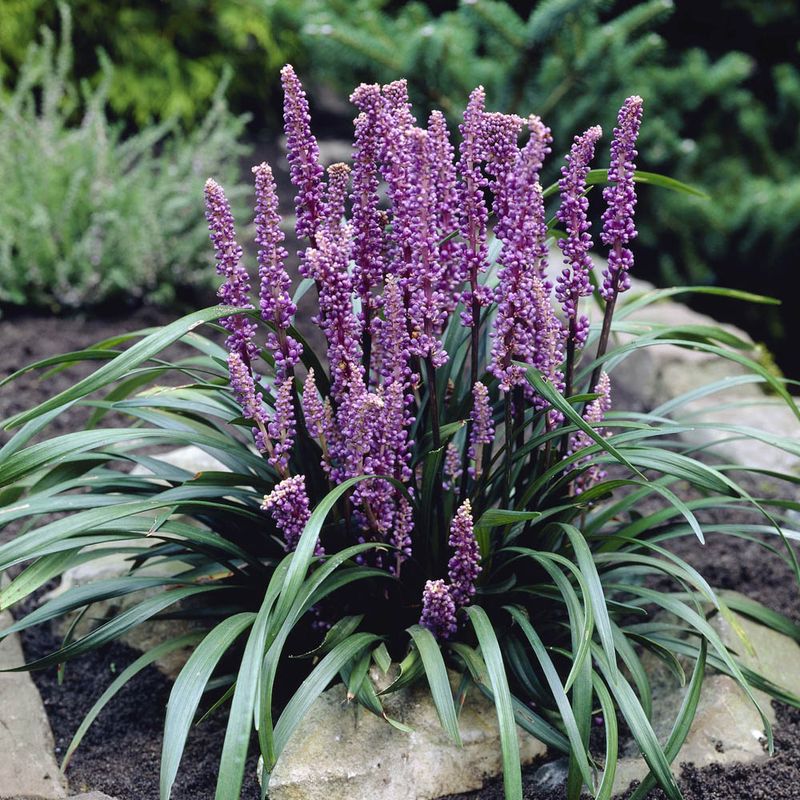
Liriope, often referred to as lilyturf, is a versatile ground cover with grassy foliage and striking purple flower spikes. This plant thrives in shaded garden borders, offering texture and color from late summer into fall.
Liriope’s dense growth habit makes it an excellent choice for weed suppression, while its adaptability to different soil types enhances its appeal. Its evergreen leaves provide year-round interest, ensuring a vibrant garden display even in the cooler months.
Beyond its ornamental use, Liriope serves well in erosion control, adding practicality to its beauty.
14. Brunnera
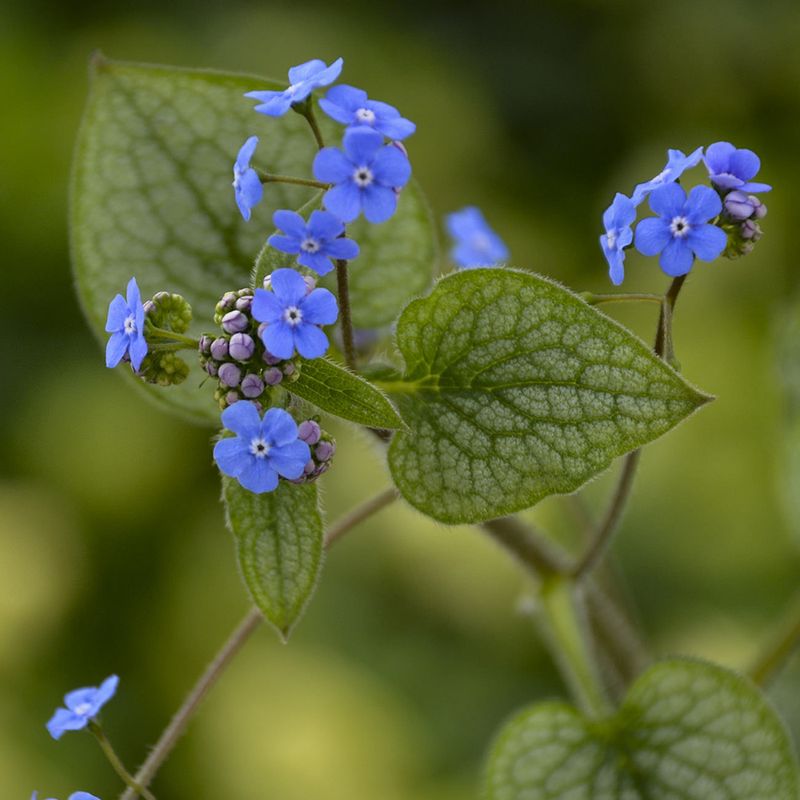
Brunnera, or Siberian bugloss, captivates with its heart-shaped, silver-patterned leaves and clusters of tiny blue flowers. This ground cover thrives in the dappled shade of woodland gardens, adding a touch of whimsy and elegance.
Its blooms appear in early spring, resembling forget-me-nots, and offer a delightful contrast to the plant’s lush foliage. Brunnera’s ability to withstand cold temperatures makes it a resilient choice for various climates.
Beyond its beauty, Brunnera provides excellent ground cover for moisture retention, enhancing the garden’s ecological balance.
15. Goldenstar
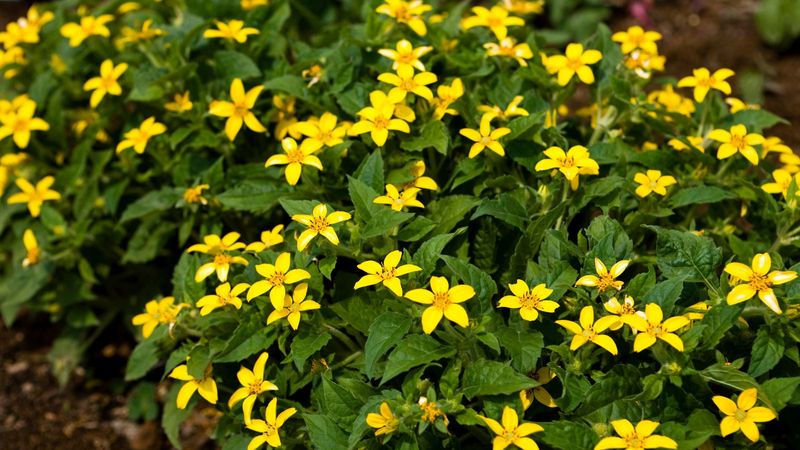
Goldenstar, known as Chrysogonum virginianum, is a charming ground cover with bright yellow, star-shaped flowers that bloom in spring. Its cheerful blossoms enliven shaded areas, creating a vibrant contrast against its green foliage.
This plant thrives in moist, well-drained soil, spreading slowly to form a dense mat that suppresses weeds. Goldenstar’s low-growing habit and resilience to various soil conditions make it an excellent choice for woodland gardens.
Its historical use in traditional medicine adds an intriguing aspect to its garden presence, enriching its story.
16. Mazus
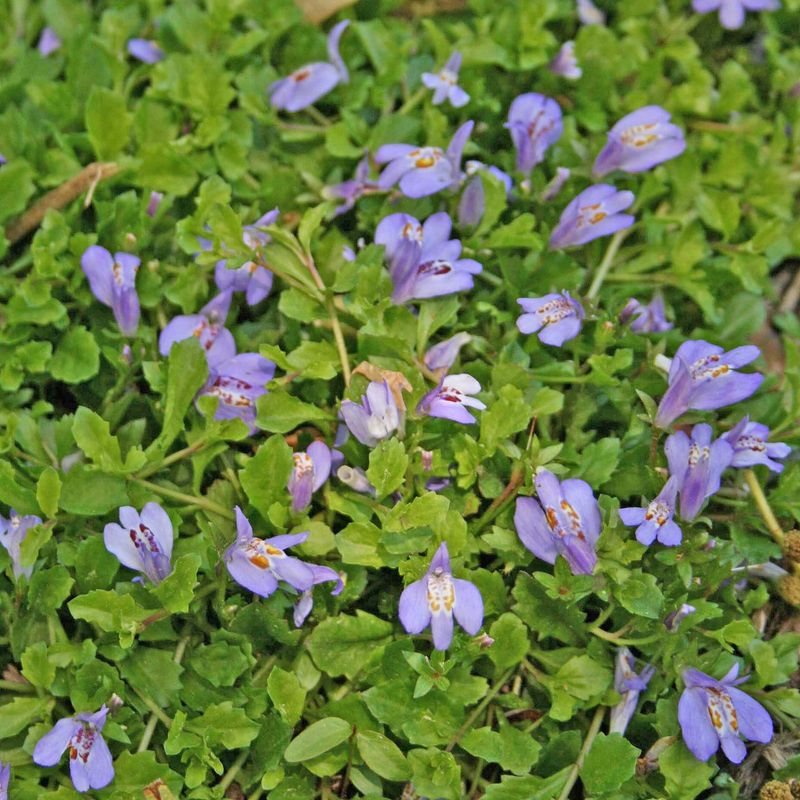
Mazus, or Mazus reptans, is a delightful ground cover known for its small, purple flowers and lush green foliage. This plant thrives in shaded rock gardens, where its spreading habit forms a soft, colorful carpet.
Mazus is ideal for filling gaps between stepping stones or cascading over rocks, adding a whimsical touch to garden paths. Its flowers bloom from spring through early summer, attracting pollinators and adding visual interest.
Beyond its beauty, Mazus is resilient and low-maintenance, making it a practical choice for busy gardeners seeking effortless charm.
17. Hardy Geranium
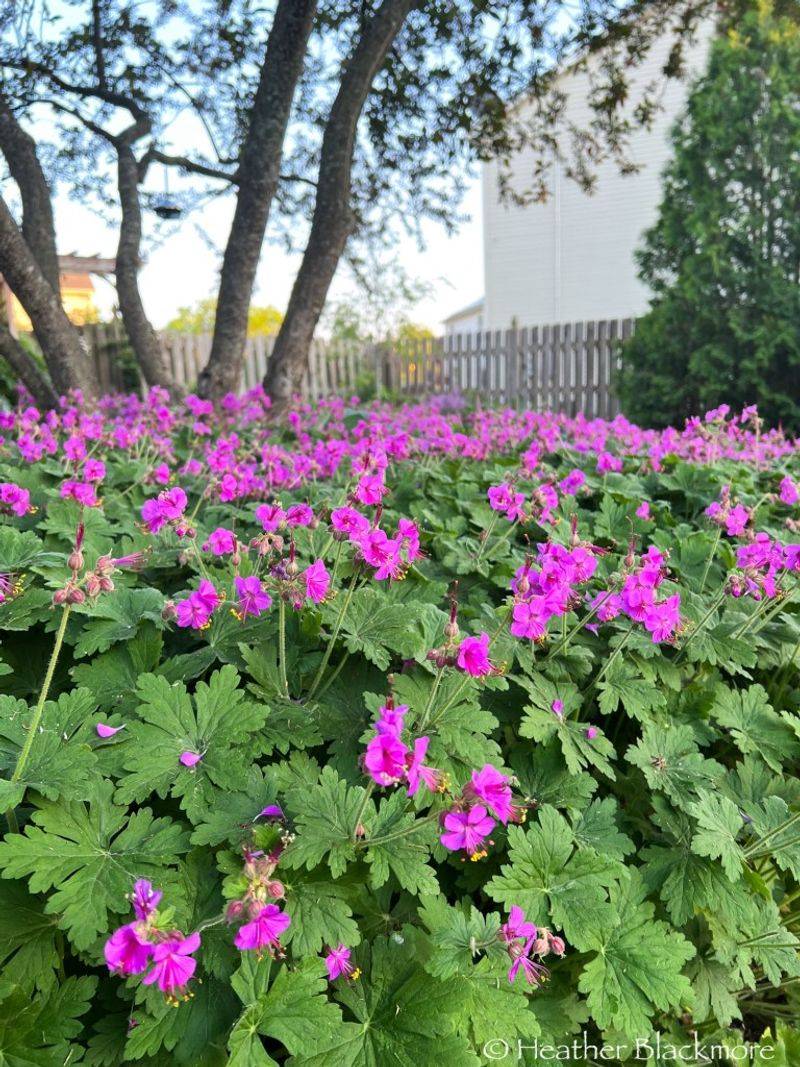
Hardy Geranium, or Geranium macrorrhizum, enchants with its aromatic foliage and delicate pink flowers. This ground cover thrives in shaded areas, offering a burst of color and fragrance to garden spaces.
Its foliage emits a pleasant scent when crushed, adding a sensory dimension to its visual appeal. Hardy Geranium is known for its resilience, withstanding various soil conditions and temperatures.
Beyond its ornamental value, this plant plays a role in natural pest control, making it a beneficial addition to environmentally conscious gardens.
18. Japanese Spurge
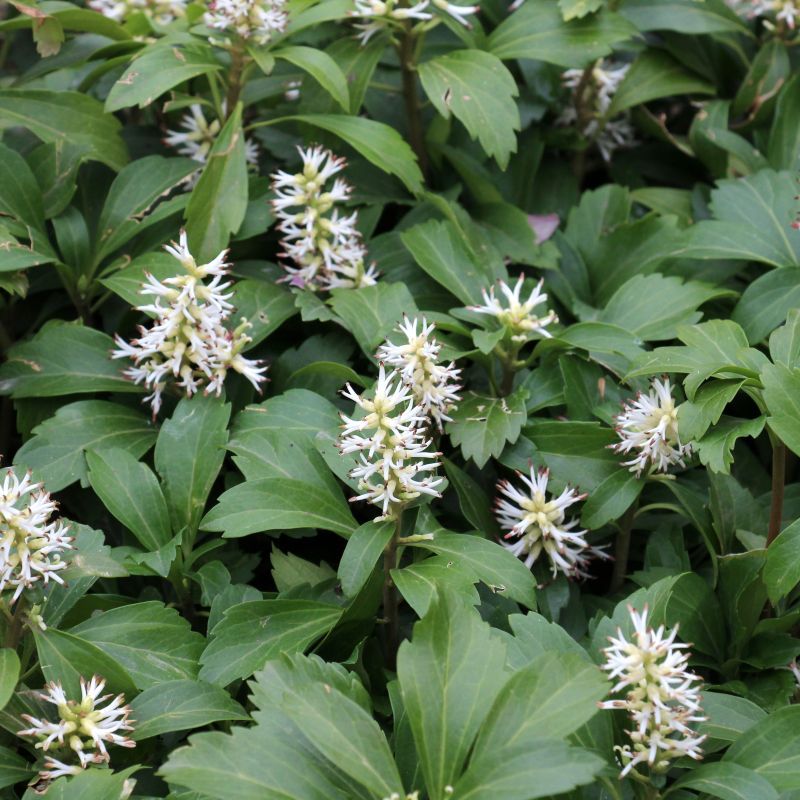
Japanese Spurge, or Pachysandra terminalis, is known for its lush, evergreen foliage and delicate white flower spikes. This ground cover is ideal for creating a serene, green carpet in shaded garden areas.
Its dense growth habit effectively suppresses weeds, while its adaptability to various soil types makes it a versatile choice for gardeners. Japanese Spurge’s foliage provides year-round interest, even in the depths of winter.
With its origins in Japanese gardens, this plant adds an exotic touch and tranquility to any landscape design, enhancing its cultural depth.
19. Foamflower
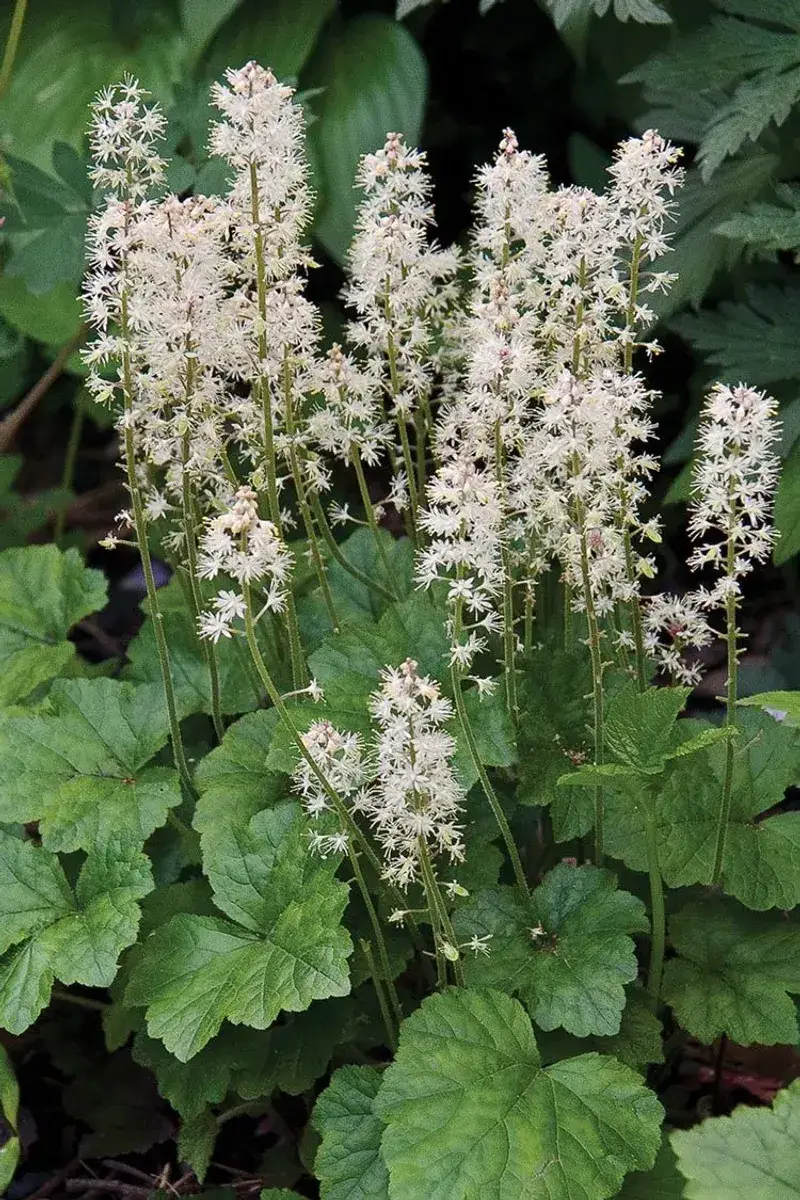
Foamflower, scientifically known as Tiarella cordifolia, captivates with its feathery white flowers and heart-shaped, lobed leaves. This ground cover thrives in woodland settings, adding a delicate touch to shaded garden areas.
Its flowers bloom in spring, creating a frothy display that lives up to its name. Foamflower’s foliage remains attractive throughout the year, offering a carpet of green with hints of red or bronze in fall.
Beyond its beauty, Foamflower is valued for its ability to attract beneficial insects, supporting a balanced garden ecosystem.
20. Wintergreen
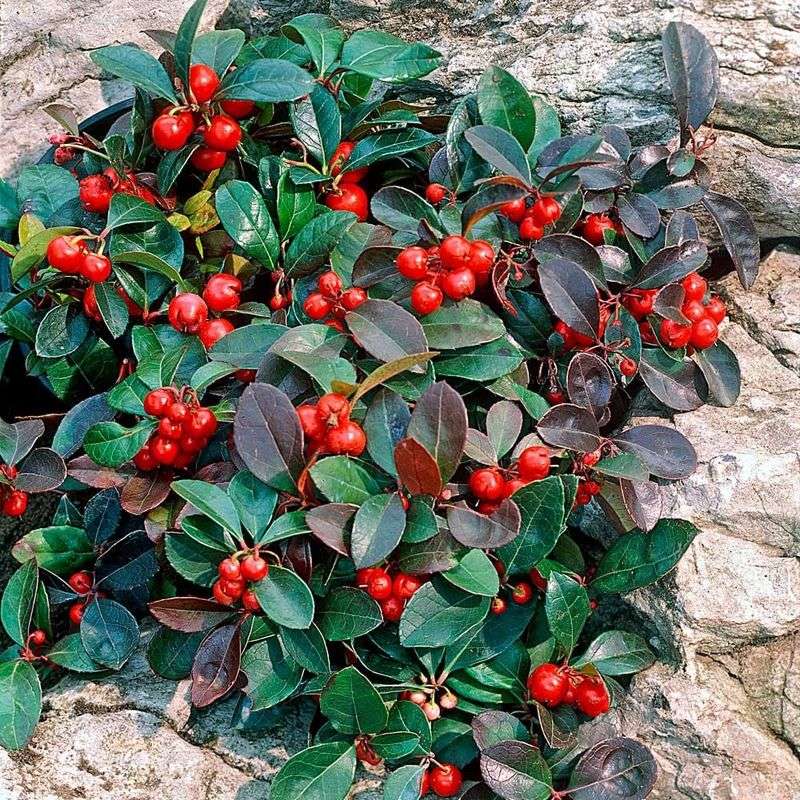
Wintergreen, or Gaultheria procumbens, is treasured for its shiny green leaves, red berries, and dainty white flowers. This evergreen ground cover thrives in shaded, acidic soils, offering both beauty and practicality.
Its berries not only add visual interest but also provide food for wildlife, making it a valuable addition to natural landscapes. Wintergreen’s foliage emits a minty scent when crushed, adding an aromatic dimension to garden spaces.
Historically, Wintergreen was used for medicinal purposes, enriching its role in garden settings with cultural significance.
21. Yellow Archangel
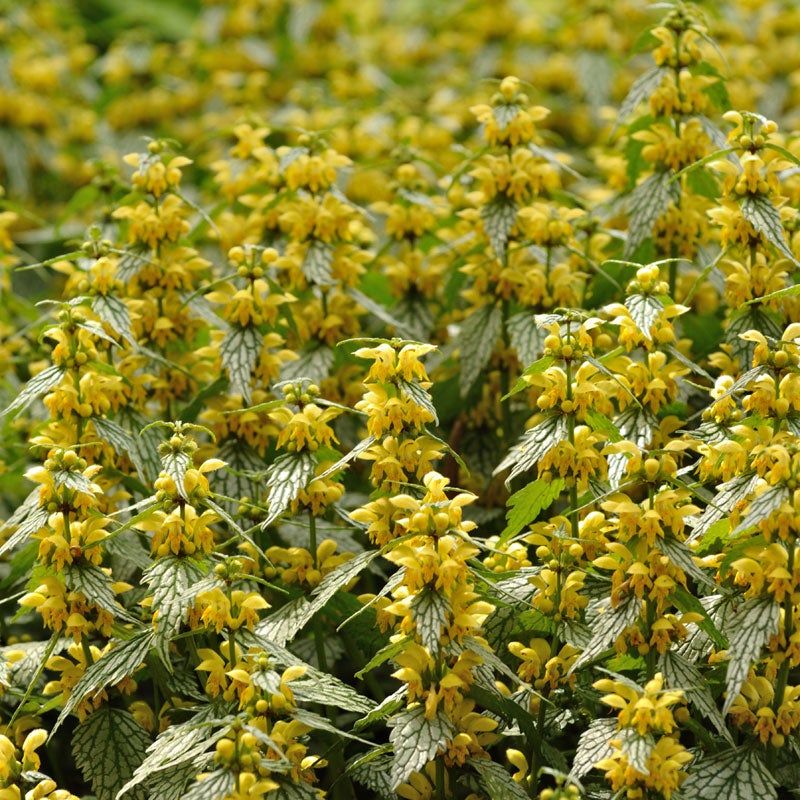
Yellow Archangel, known scientifically as Lamium galeobdolon, enchants with its bright yellow flowers and variegated leaves. This ground cover thrives in shaded areas, where its vibrant blooms add color and interest.
Its spreading habit makes it effective at covering ground quickly, suppressing weeds, and retaining soil moisture. Yellow Archangel’s foliage remains vibrant throughout the growing season, offering year-round appeal.
Besides its beauty, this plant is appreciated for its resilience and ease of care, making it a favorite for gardeners seeking low-maintenance elegance.
22. Snowdrop Anemone
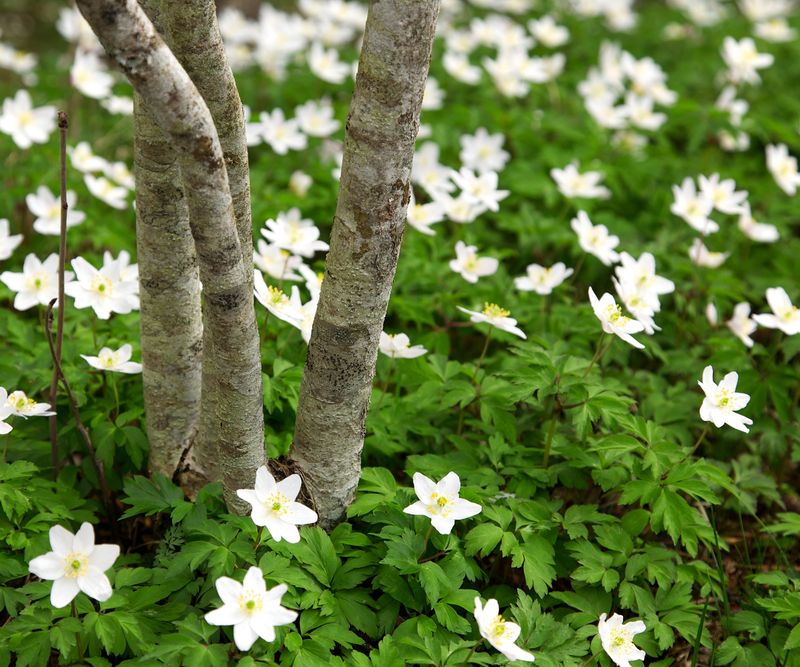
Imagine the serene sight of Snowdrop Anemone, with its delicate white blossoms nodding cheerfully in the breeze. Nestled beneath the shade of towering trees, this plant thrives where others falter.
Its blossoms appear in spring, offering one of nature’s first signs of renewal. The foliage, a rich green tapestry, persists through the seasons, creating a carpet of beauty.
Did you know? These charming anemones are often associated with good luck and protection. Their ability to flourish in shady spots makes them a gardener’s secret treasure.