 Complete Gardening
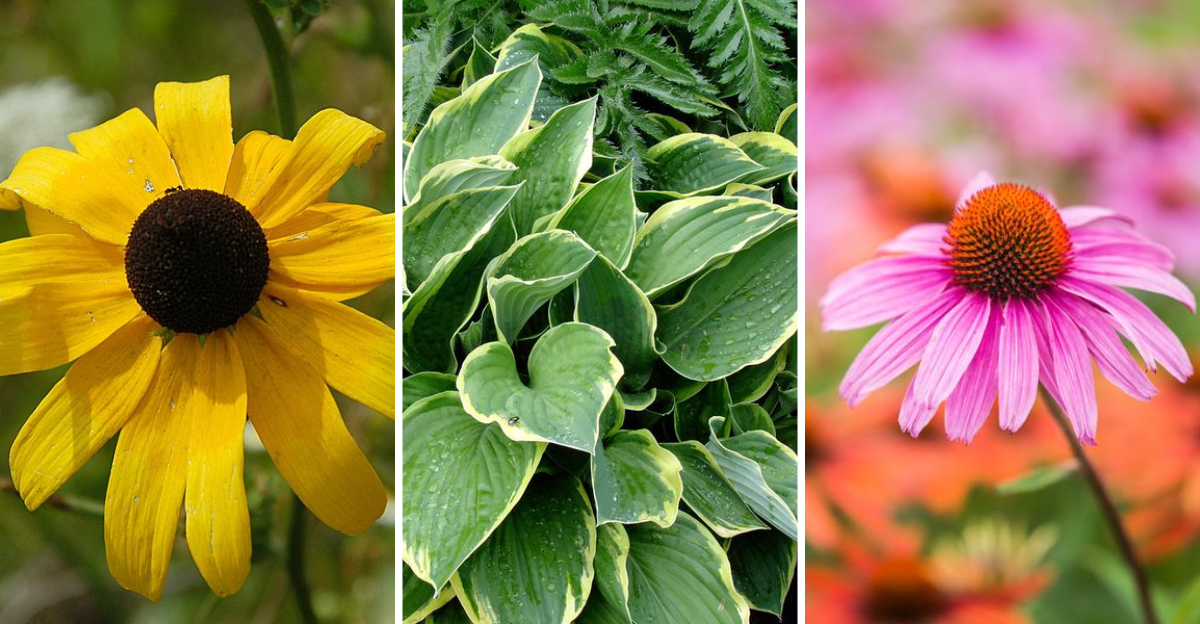
Imagine planting a flower once and watching it return year after year, looking better each time. That is exactly what perennials do, and the best part is that many of them practically take care of themselves.
Whether you are a beginner gardener or just someone who wants a beautiful yard without spending every weekend outside, low-maintenance perennials are your best friends. Get ready to discover 22 amazing plants that will reward your garden with color, texture, and life season after season.
Black-Eyed Susan
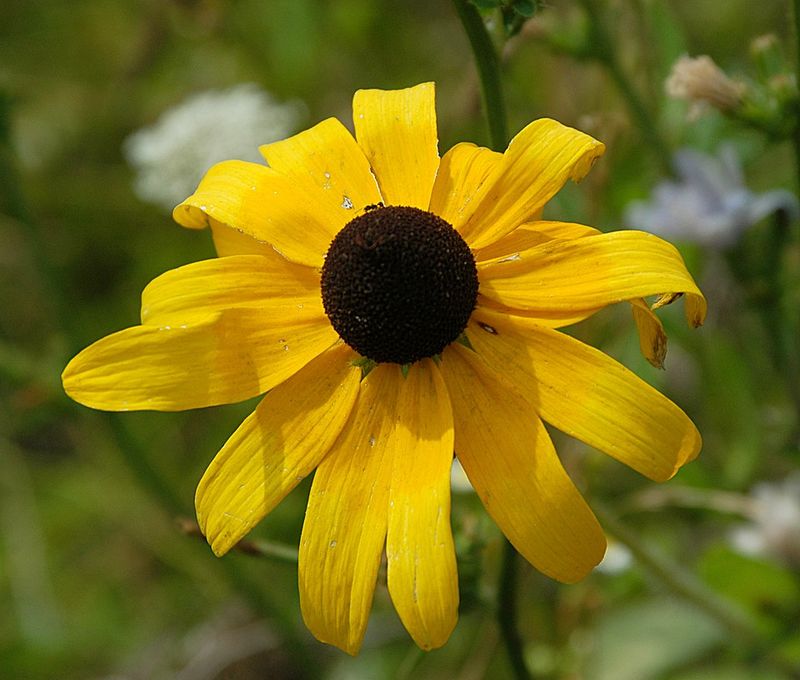
Few flowers bring as much cheerful energy to a garden as the Black-Eyed Susan. Those bold yellow petals surrounding a deep brown center are impossible to miss from across the yard.
They thrive in full sun and tolerate dry spells like a champ.
Plant them once and they will self-seed, spreading naturally each year. Butterflies and bees absolutely love visiting them, making your garden a buzzing little ecosystem all summer long.
Coneflower (Echinacea)
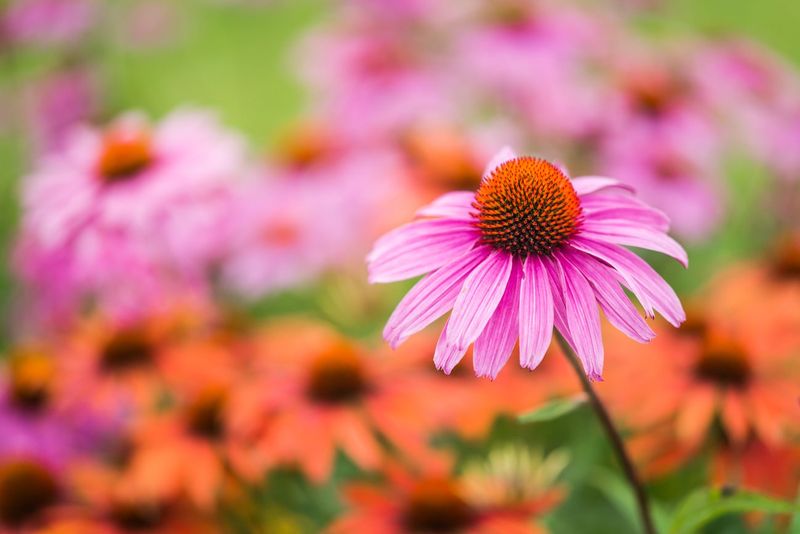
Coneflowers are basically the superheroes of the perennial world. They handle heat, drought, and poor soil without so much as a complaint.
Their spiky, dome-shaped centers surrounded by drooping purple petals give them a look that stands out in any garden.
Beyond their beauty, they attract goldfinches in the fall when birds feed on the seed heads. You can also leave the stems standing through winter to give your garden structure during the colder months.
Hostas
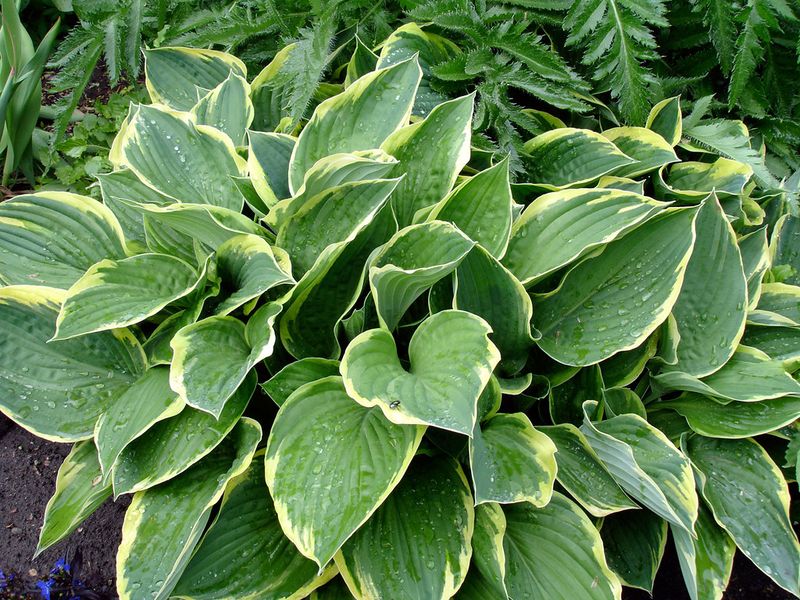
Hostas are the undisputed champions of shady spots. Most plants struggle without sunlight, but hostas genuinely prefer to live beneath trees and along north-facing walls.
Their enormous, textured leaves come in shades of deep green, blue-green, and creamy white.
Once established, they spread slowly into impressive clumps that look professionally landscaped. Slugs can be a nuisance, but a simple barrier of crushed eggshells around the base keeps those pests at bay without any chemicals.
Daylily
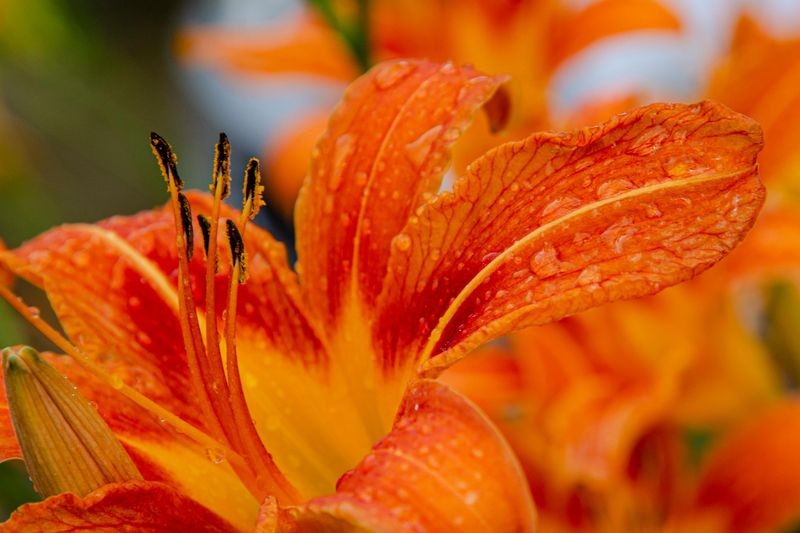
Each daylily bloom only lasts a single day, but the plant produces so many buds that you will enjoy weeks of nonstop color. They are practically indestructible, tolerating poor drainage, drought, and neglect that would kill most other plants.
Gardeners have been passing divisions of daylilies between neighbors for generations.
They multiply quickly, so every few years you can dig up a clump and share it with friends. Orange, pink, red, yellow, and purple varieties make mixing and matching genuinely fun.
Lavender
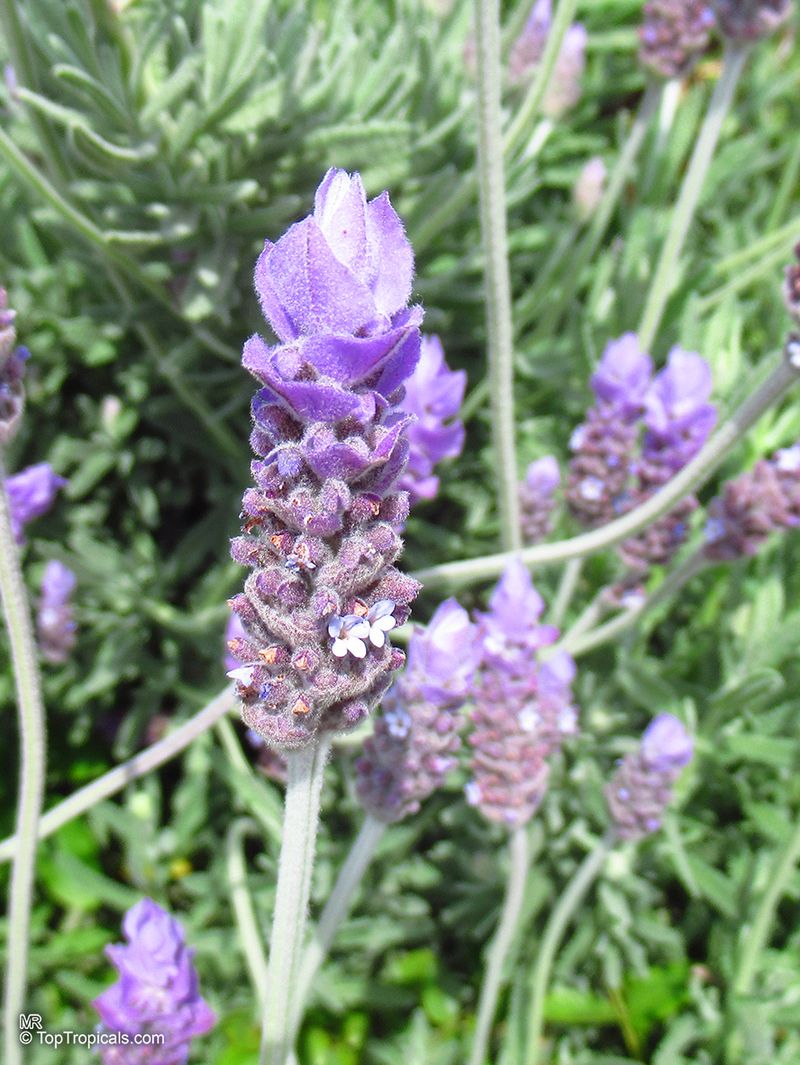
Walking past a lavender plant in full bloom is one of those small joys that never gets old. The silvery foliage and tall purple spikes look elegant in any garden, and the fragrance is absolutely calming.
Plant it in well-drained soil with plenty of sun and it will reward you for decades.
Lavender is also a powerhouse for pollinators, drawing bees by the dozens on warm afternoons. Trim it lightly after flowering to keep it bushy and prevent it from getting woody and scraggly.
Sedum (Stonecrop)
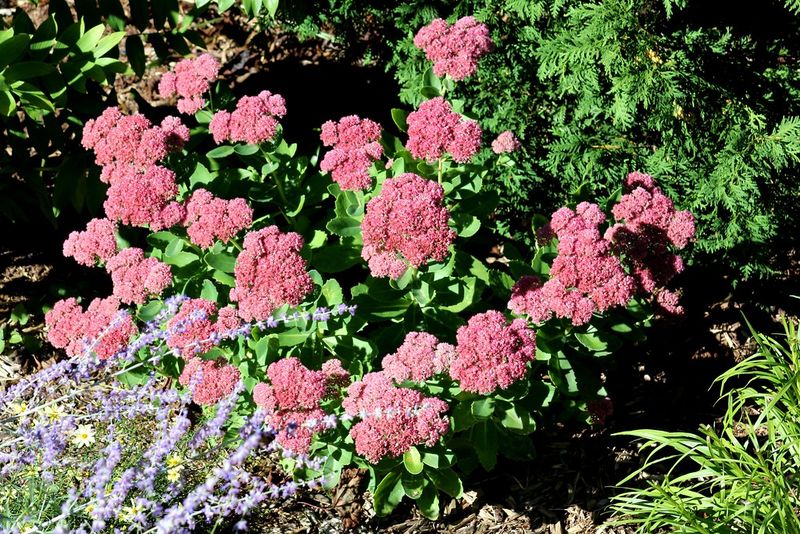
Sedum is the plant you grow when you want something that truly asks for nothing. Also called stonecrop, it stores water in its thick, fleshy leaves, making it nearly impossible to kill through neglect or drought.
It looks tidy from spring through fall and even holds interest in winter when the dried seed heads turn copper-brown.
The flat-topped flower clusters are magnets for late-season butterflies. Autumn Joy is the most popular variety and earns every bit of its glowing reputation among gardeners.
Russian Sage
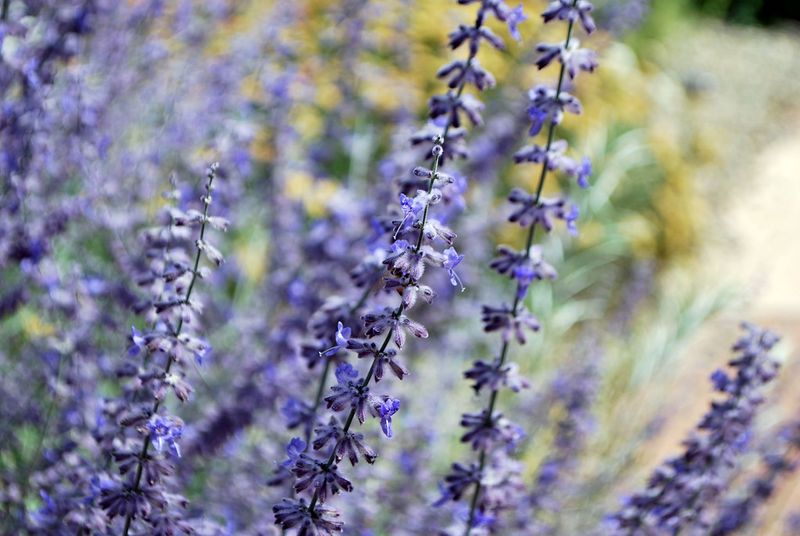
Russian sage looks like something straight out of a dream garden. Its long, wispy stems covered in tiny lavender-blue flowers create a hazy, romantic effect that softens any harsh garden edges.
Despite its delicate appearance, this plant is surprisingly tough and thrives in hot, dry conditions with minimal watering.
It pairs beautifully with ornamental grasses and yellow flowers like rudbeckia. Cut it back hard in early spring and it will shoot back up stronger and fuller than the year before.
Peonies
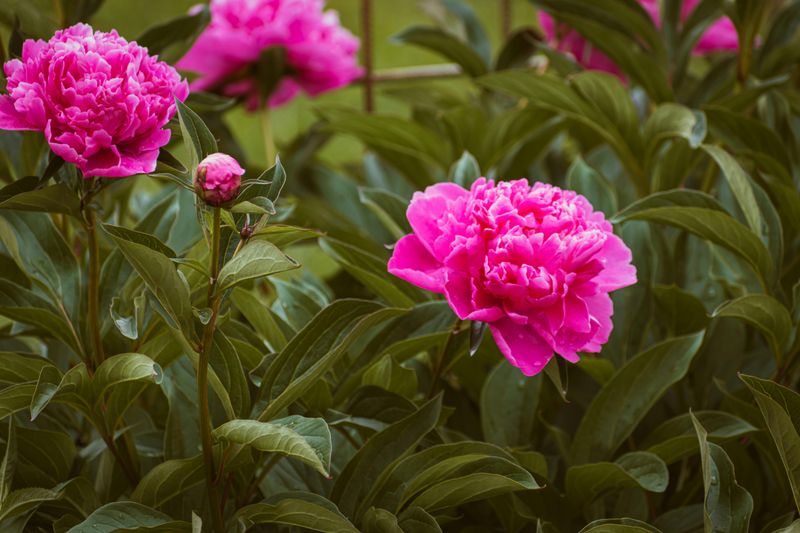
There is something almost old-fashioned and magical about peonies. Their enormous, ruffled blooms and intoxicating fragrance make them the crown jewels of the spring garden.
Plant them once in a sunny, well-drained spot and they will bloom reliably every single year, sometimes for 50 years or more without needing to be moved.
The key trick is planting them shallow. Burying the eyes more than two inches deep will cause them to grow leaves but skip the flowers entirely, which is a frustrating mistake easily avoided.
Salvia
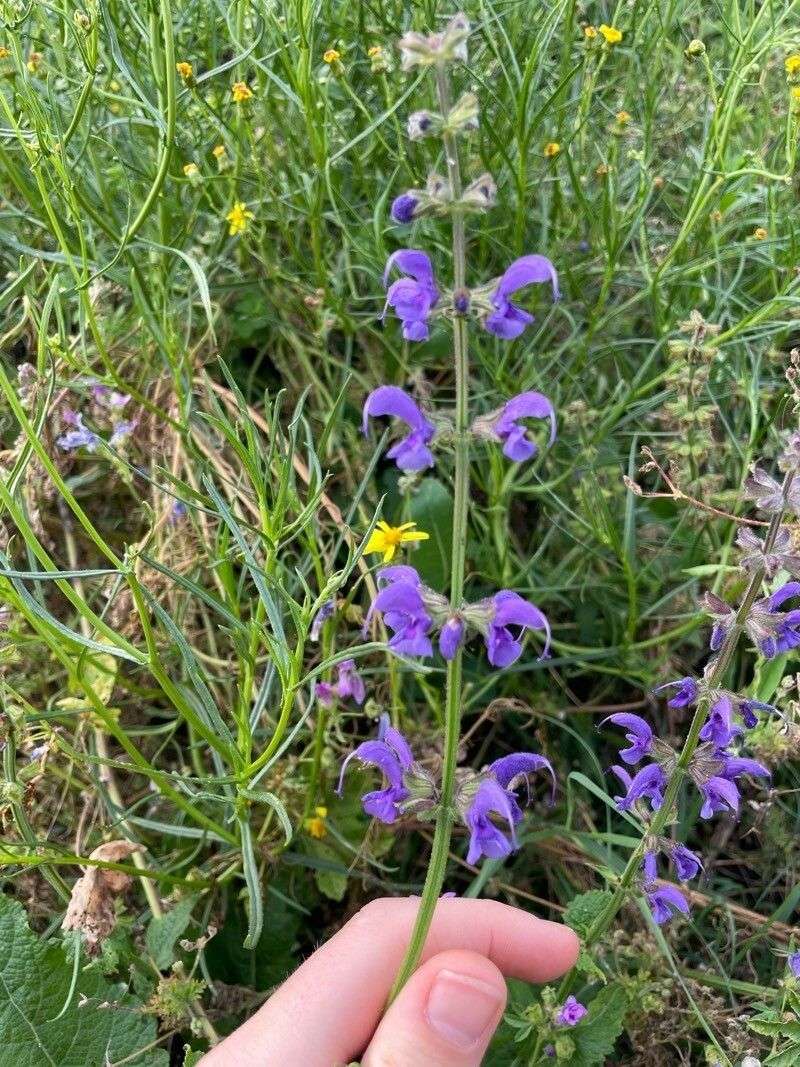
Salvia punches way above its weight class in the garden. The deep blue and violet flower spikes look incredibly striking, and the whole plant smells wonderfully herbal when you brush against it.
Hummingbirds treat salvia like an all-you-can-eat buffet throughout the summer months.
It handles heat and dry soil without missing a beat, which makes it perfect for busy gardeners who cannot water every day. Cutting it back after the first flush of blooms encourages a second round of flowers before frost arrives.
Catmint (Nepeta)
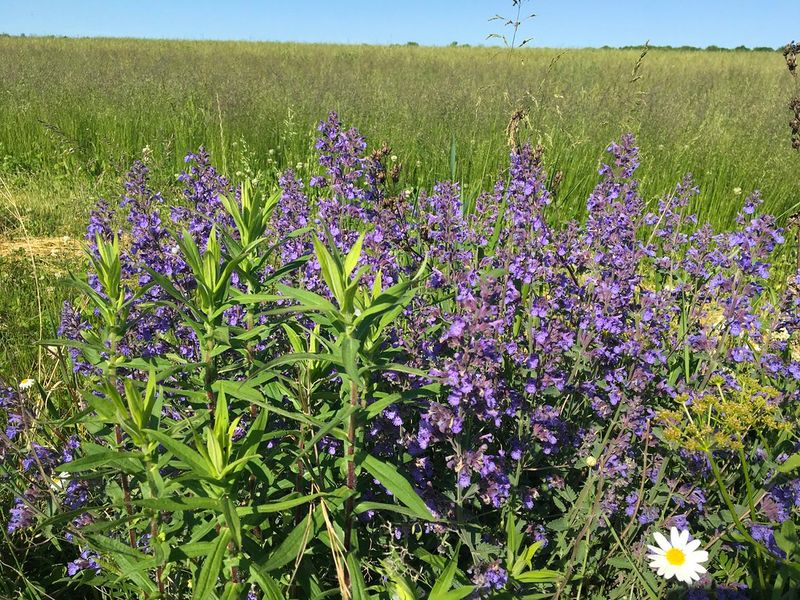
Catmint is one of those plants that looks effortlessly beautiful no matter where you put it. Its soft mounds of gray-green foliage and clouds of lavender-blue flowers tumble gracefully over garden path edges all summer long.
Despite the name, most cats show only mild interest in it compared to their obsession with catnip.
Shear the whole plant back by half after the first flush of blooms and it will rebound with fresh flowers within a few weeks. It is an incredibly forgiving plant that rewards minimal effort generously.
Coreopsis (Tickseed)
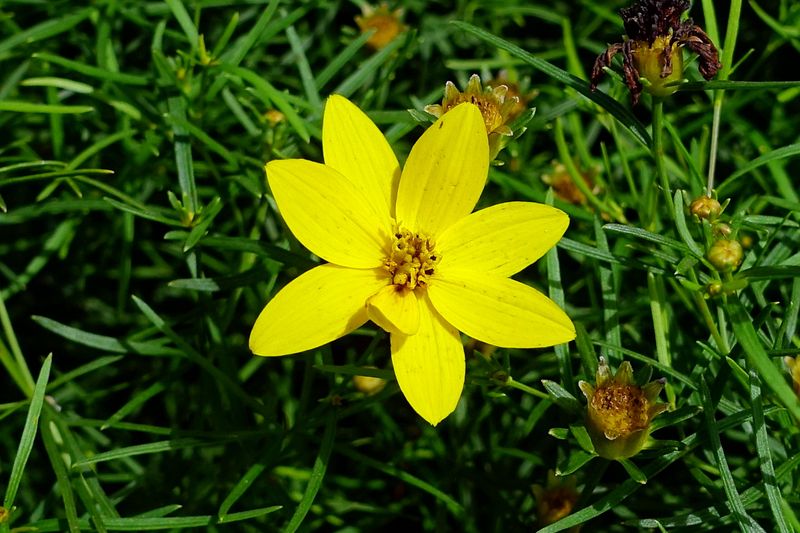
Coreopsis earned its nickname tickseed because the seeds look like tiny insects, but do not let that put you off. The flowers themselves are pure sunshine, producing cheerful yellow or pink daisy-like blooms from late spring all the way through fall.
Few perennials offer that kind of long season without constant deadheading.
Coreopsis thrives on neglect and actually blooms best in lean, dry soil. Overwatering or fertilizing too heavily causes floppy stems and fewer flowers, so the lazy gardener approach genuinely works best here.
Bleeding Heart
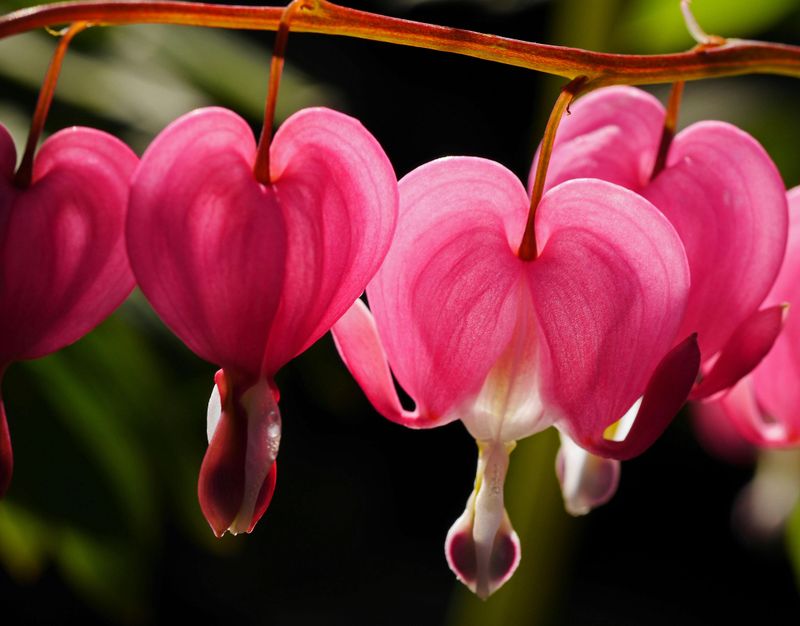
Bleeding heart is one of the most romantic-looking plants in the entire garden. Those delicate, dangling heart-shaped flowers in pink and white hang from arching stems like tiny pendants on a necklace.
They thrive in shaded spots where other flowering plants often struggle to perform well.
Here is one useful thing to know: the foliage dies back completely in summer heat, which is totally normal. Planting hostas or ferns nearby fills in the gap beautifully and keeps the garden looking full all season long.
Yarrow
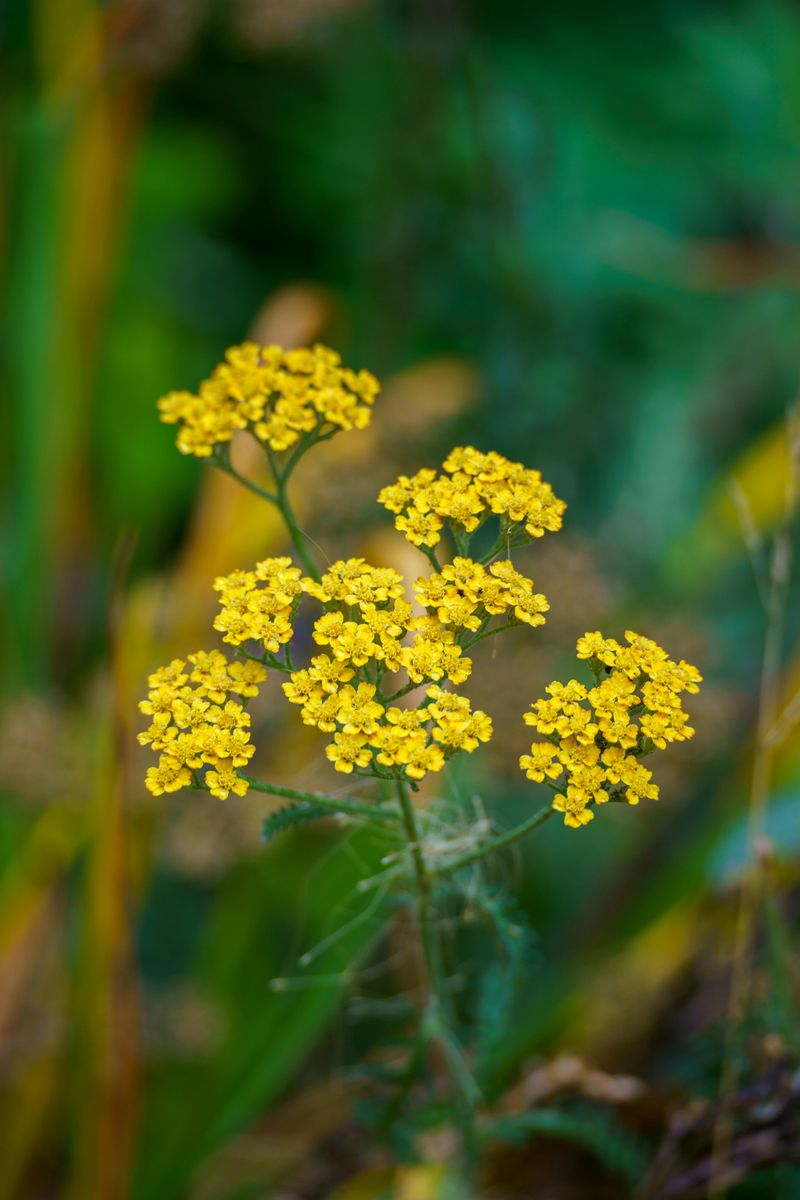
Yarrow has been growing wild in fields and roadsides for thousands of years, which tells you everything you need to know about its toughness. The flat-topped flower clusters come in yellow, white, pink, and red, and they hold their color beautifully even when dried for indoor arrangements.
Plant it in full sun and forget about regular watering.
It spreads steadily over time, filling gaps in garden borders without becoming truly invasive. Dividing the clumps every three years keeps it vigorous and prevents the center from dying out.
Ornamental Grasses
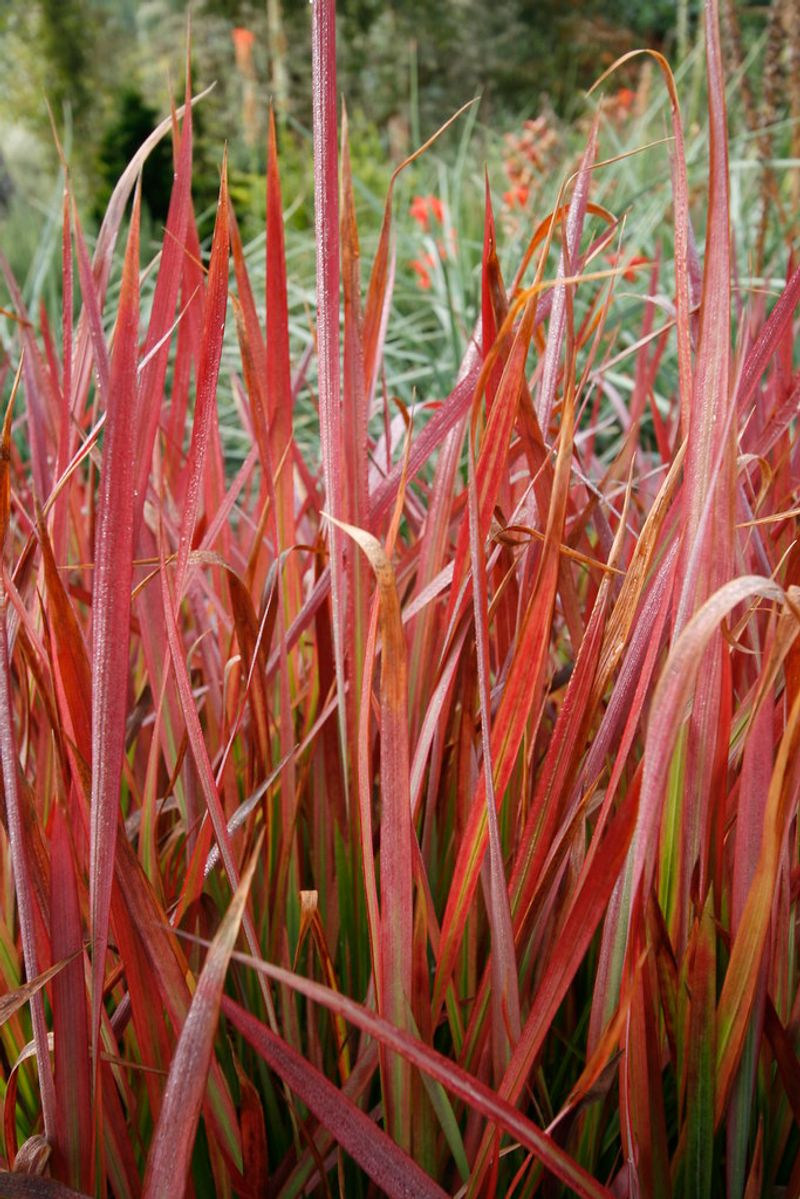
Ornamental grasses bring movement and drama to the garden in a way that almost no flowering plant can match. When the wind blows through tall miscanthus or Karl Foerster feather reed grass, the whole planting comes alive with a gentle, rustling sound.
They look stunning from spring through winter without any special care.
Cut them back to about six inches from the ground in late winter before new growth appears. That single annual chore is basically all they ask for in return for a full year of beauty.
Astilbe
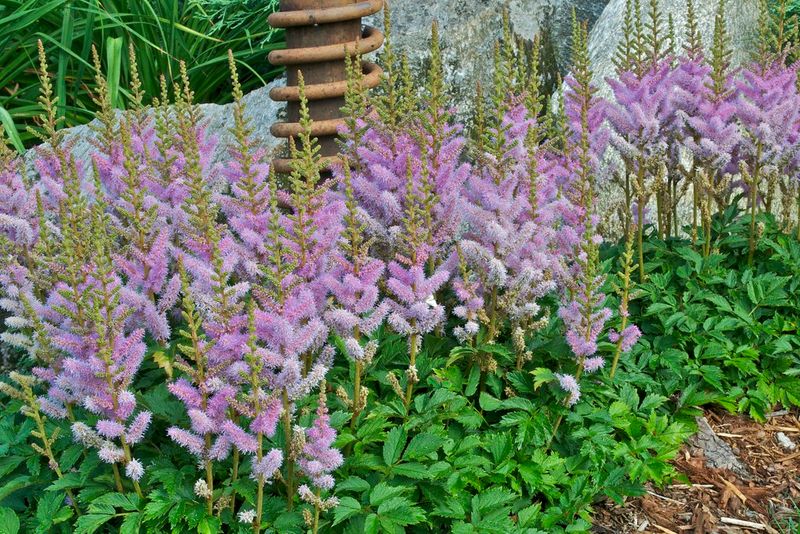
Astilbe is proof that shady gardens do not have to be boring. Those fluffy, feather-like plumes of pink, red, purple, and white flowers light up dim corners of the garden from early to midsummer.
They prefer consistently moist soil, making them ideal for spots near a downspout or low area where water collects naturally.
Even after the flowers fade, the dried plumes remain attractive for months. Pairing different varieties that bloom at slightly different times extends the color show across a longer stretch of the season.
Baptisia (False Indigo)
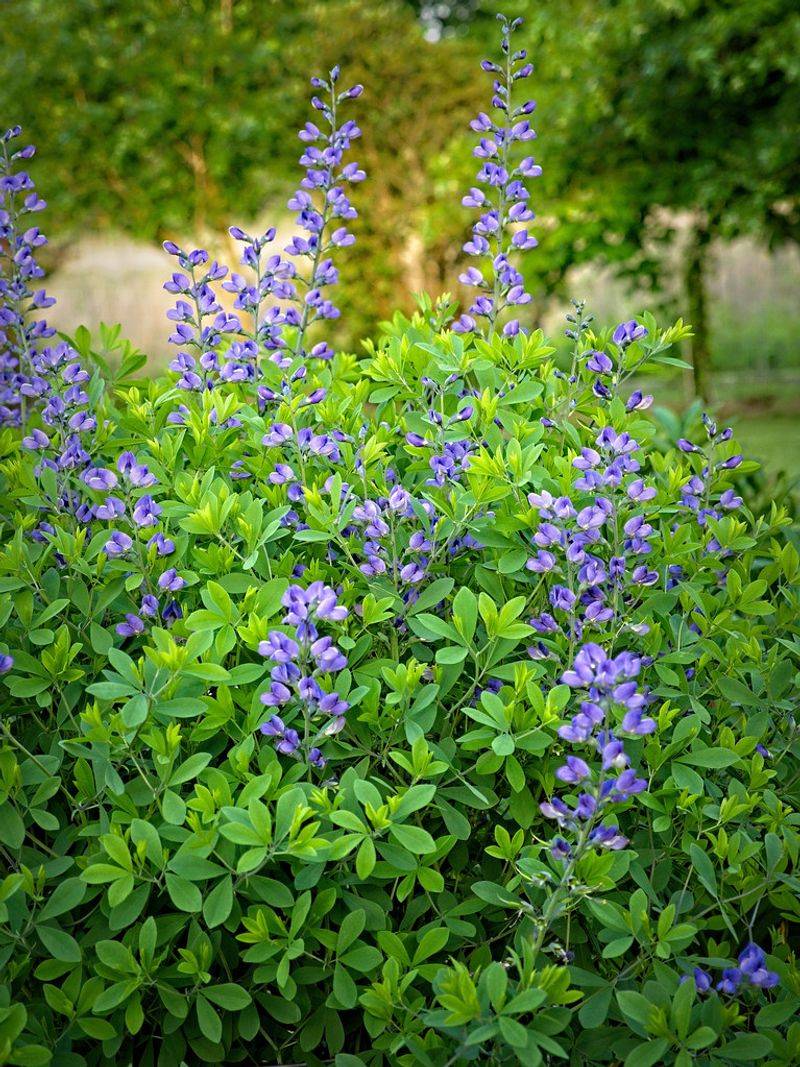
Baptisia is the slow starter that becomes the star of the show. It takes two or three years to establish itself, but once it does, this plant becomes a magnificent, shrub-like specimen that blooms with tall indigo-blue flower spikes every spring.
The blue-green foliage stays attractive all season even after the flowers finish.
Because its deep taproot makes transplanting difficult, choose its permanent home carefully from the start. The payoff for that patience is a plant that literally improves every single year without ever needing division or fussing.
Rudbeckia (Gloriosa Daisy)
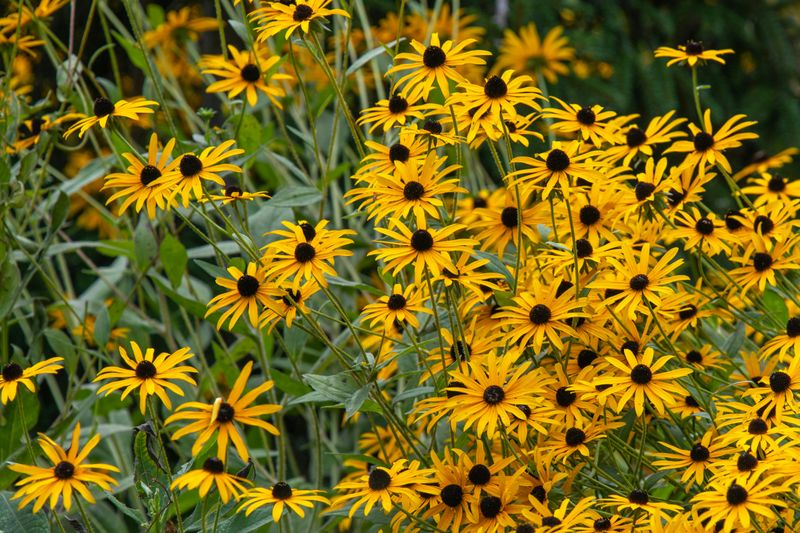
Rudbeckia is the flower equivalent of a warm hug on a late summer afternoon. Those large, golden-yellow daisy blooms with velvety dark centers appear right when many other perennials are winding down, giving the garden a second wind heading into fall.
They naturalize readily, spreading into cheerful drifts over several seasons.
Birds go wild for the seed heads once the petals drop, so resist the urge to deadhead everything. Leaving a few spent flowers standing feeds goldfinches and other songbirds well into the colder months.
Creeping Phlox
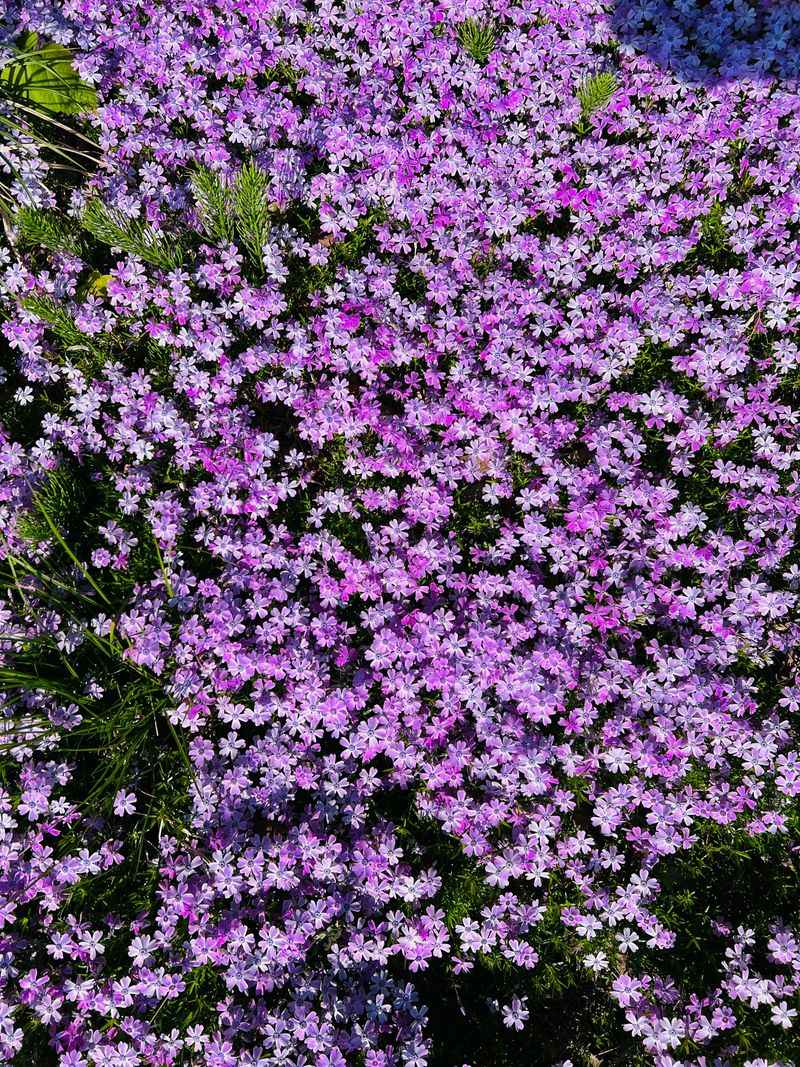
Every spring, creeping phlox puts on one of the most spectacular shows in the entire gardening world. The plants completely disappear under a dense carpet of pink, purple, lavender, or white flowers for several weeks.
Planted along a slope or tumbling over a stone wall, it looks absolutely breathtaking from a distance.
After blooming, the evergreen foliage remains neat and tidy throughout the rest of the year. A light trim after flowering keeps it compact and encourages even denser blooming the following spring season.
Cimicifuga (Bugbane)
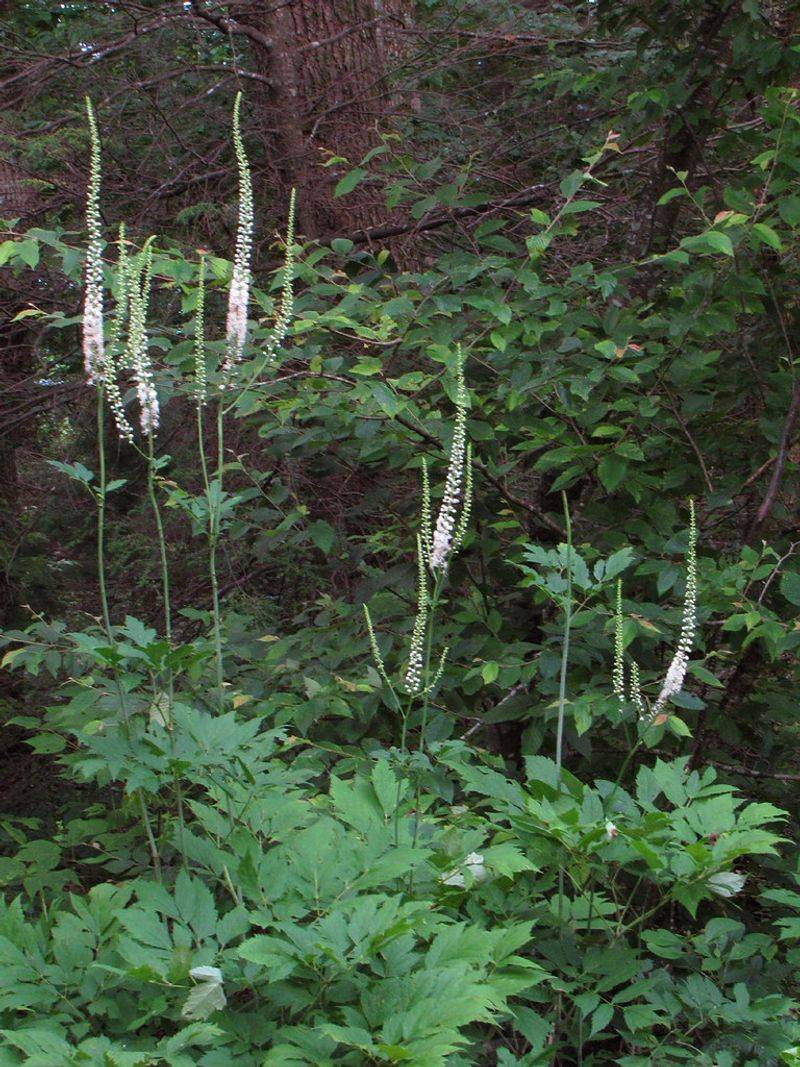
Bugbane sounds like something you would want to avoid, but this plant is genuinely one of the most jaw-dropping perennials for shady spots. Its tall, slender white flower spikes shoot up dramatically above deep purple-black foliage in late summer and fall, when most shade plants have already finished for the year.
The flowers carry a subtle, sweet fragrance that carries through the evening air. It thrives in moist, humus-rich soil and grows slowly into an impressive clump that improves noticeably with each passing year.
Agastache (Hyssop)
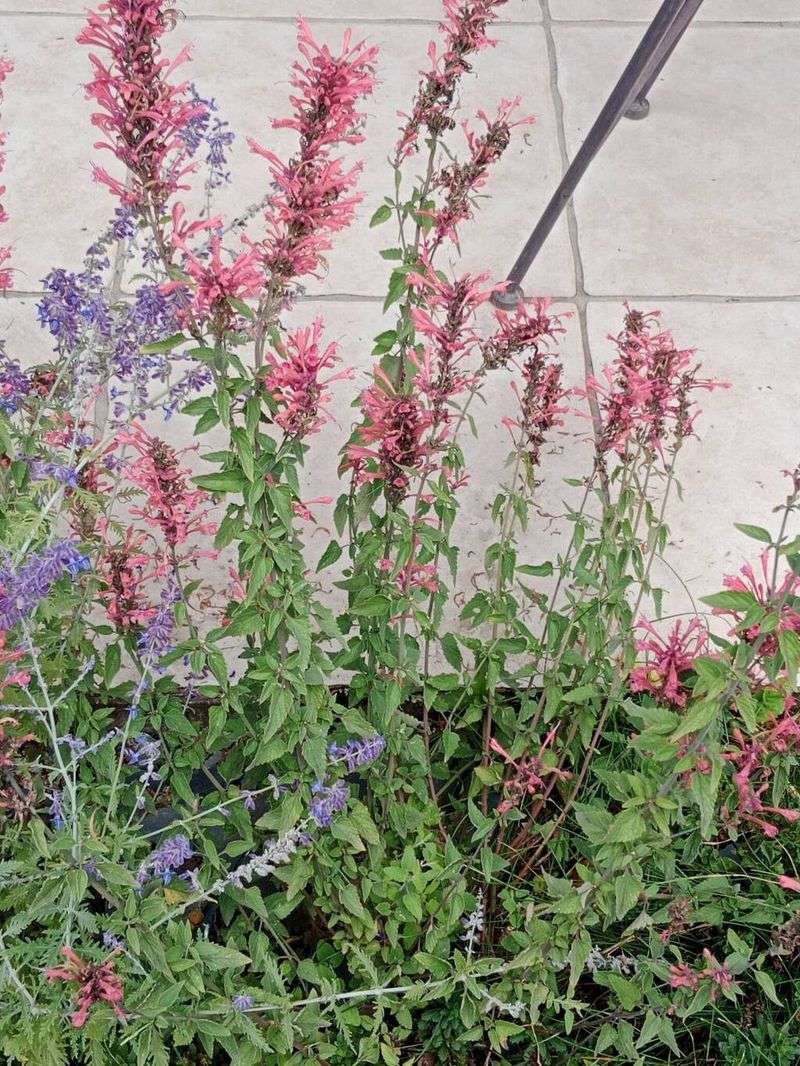
Agastache smells like licorice and looks like a hummingbird magnet, because that is exactly what it is. The tall, dense flower spikes in shades of orange, purple, and pink bloom for months during summer and fall, drawing pollinators from seemingly out of nowhere.
It handles heat and drought with impressive resilience.
The anise-scented foliage deters deer, making it a smart choice for gardens where wildlife browsing is a constant problem. Short-lived in colder climates, it self-seeds generously, so new plants always appear to replace any that do not survive a harsh winter.
Hellebore (Lenten Rose)
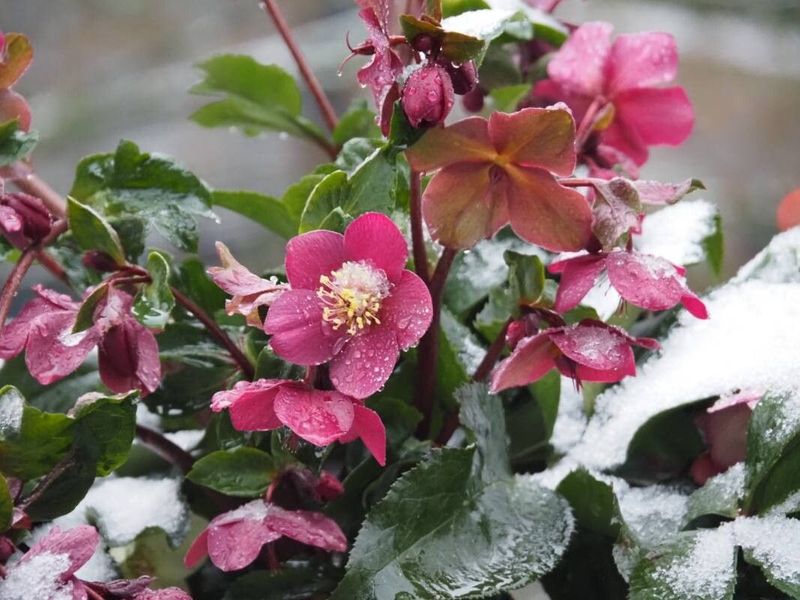
Hellebores bloom when almost nothing else dares to, pushing up their nodding flowers through late winter snow and frozen ground. That alone makes them extraordinary.
The blooms in shades of cream, pink, burgundy, and near-black last for weeks, brightening the garden during its most barren stretch of the year.
Once planted in a shaded, well-drained spot, hellebores largely take care of themselves for years. They self-seed quietly around the original plant, gradually forming a colony that gets more beautiful and abundant with every passing season.
Veronicastrum (Culver’s Root)
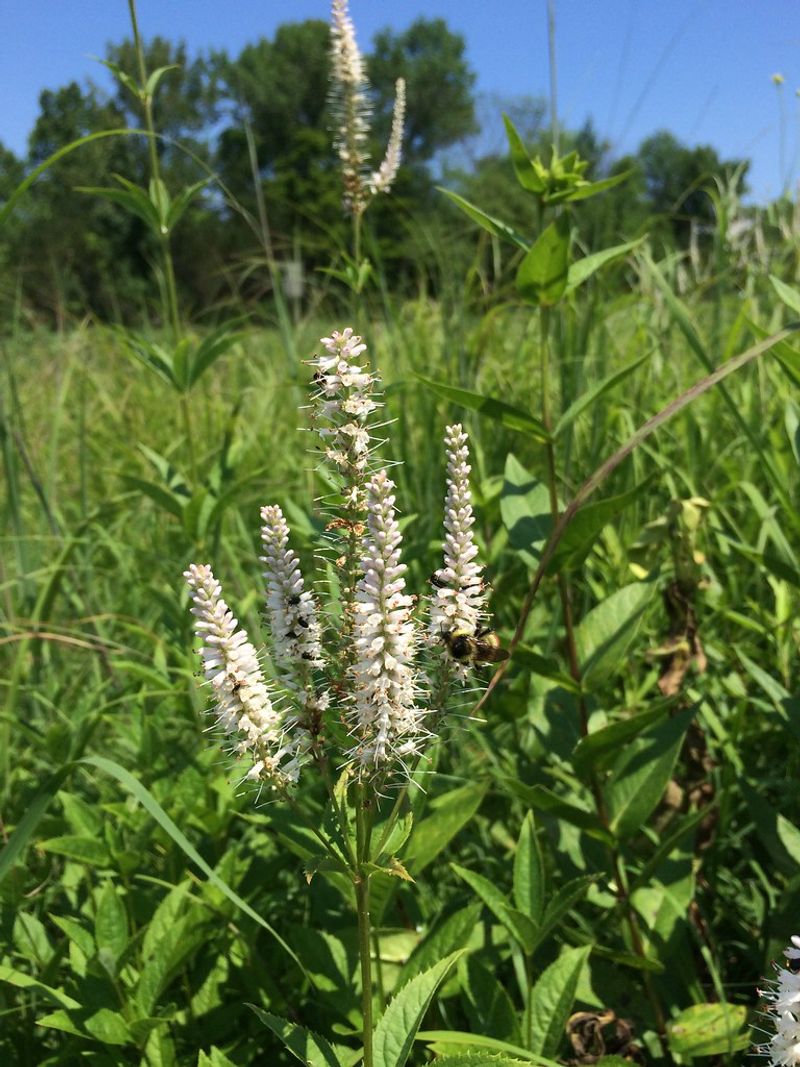
Veronicastrum is the tall, stately plant that makes every other perennial around it look more organized. Growing up to six feet tall, its candelabra-like arrangement of slender white or pale lavender flower spikes creates an architectural statement that is hard to match.
It thrives in moist, sunny spots and never needs staking despite its impressive height.
Native to North American prairies, it supports an enormous variety of native bees and beetles. The seedheads that follow the flowers are equally attractive and provide winter interest long after the growing season ends.