 Complete Gardening
While plants can bring beauty and serenity to our surroundings, certain varieties could pose unexpected risks when grown too close to your house. From structural damage to attracting pests, these plants might cause more harm than good. In this feature, we explore 22 such plants, each with its unique quirks and potential issues, offering insights on why they might be better suited further from your home.
1. Bamboo
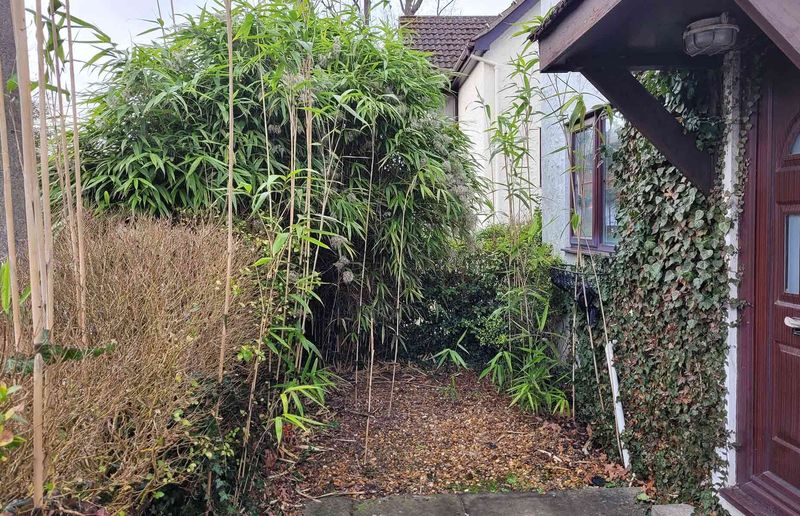
Bamboo, with its rapid growth, evokes an exotic feel. However, its aggressive root system can penetrate foundations. This plant’s resilience to diverse conditions makes it a favorite, yet it doesn’t always play nice with human habitats. Planting bamboo too close to your home can lead to unwanted invasions beneath floors or through walls. Did you know? Bamboo can grow over a foot a day in the right conditions, symbolizing strength and rapid growth. Ensure it’s kept at a distance to maintain peace between nature and your living space.
2. English Ivy

English Ivy, with its classic charm, offers a sense of nostalgia and timeless beauty. Its ability to climb and cover surfaces is both a boon and a bane. While it can create a picturesque facade, it can also damage brickwork and shingles. This plant’s tenacity is unmatched, growing where many other plants can’t. If left unchecked, it can harbor moisture against walls, leading to mold and decay. Its storied past includes uses in ancient rituals, yet modern gardeners must respect its power. Keep it controlled and distant.
3. Wisteria
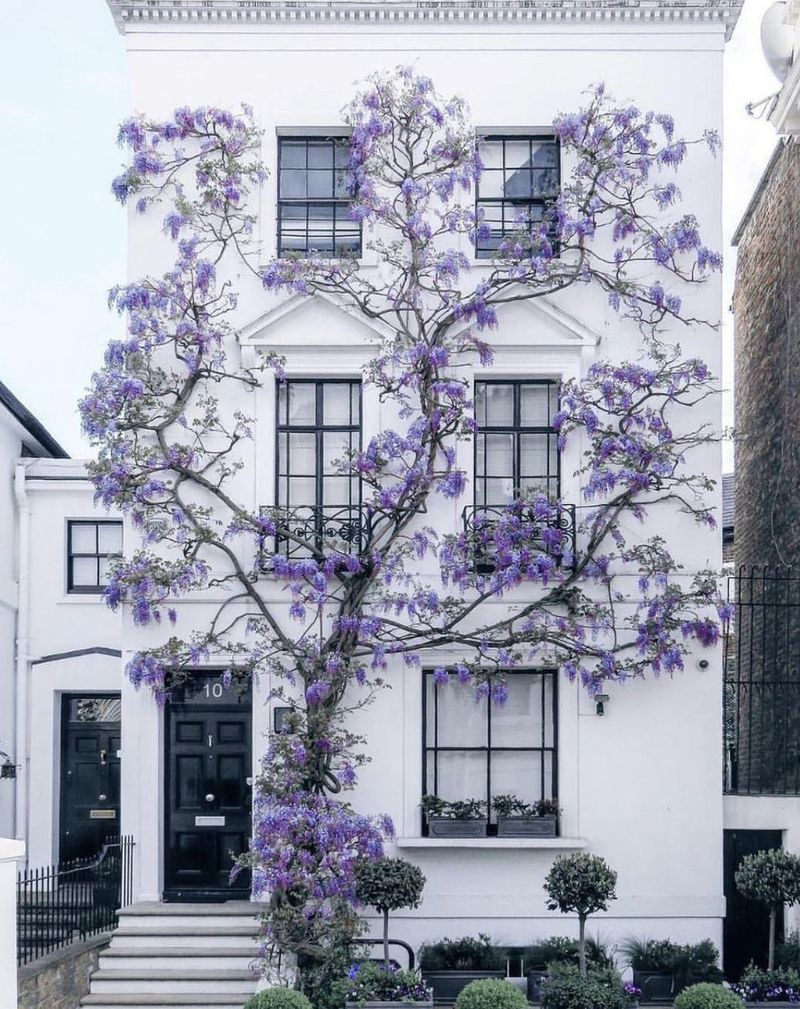
Wisteria, with its cascading purple blooms, tells tales of romance and mystery. Yet, beneath its beauty lies a determined invader. With twisting vines and woody trunks, wisteria can overpower structures, warping gutters or trellises. Historically revered in Asian cultures for its beauty and symbolism, wisteria demands respect in landscaping. Its growth is vigorous, often requiring frequent prunings. Keep this beauty in check by planting it away from fragile structures, allowing its beauty to shine without causing chaos.
4. Japanese Knotweed

Japanese Knotweed, often dubbed the ‘bully’ of the plant world, is relentless. Its strength lies in its ability to grow through concrete, causing havoc with its underground rhizomes. Originating from East Asia, this plant was initially admired for its resilience and ornamental appeal. A small patch can quickly become an unstoppable force, making it essential to plant it far from foundations and pathways. Given its history of taking over landscapes, it’s a challenge for even the most dedicated gardeners.
5. Tree of Heaven
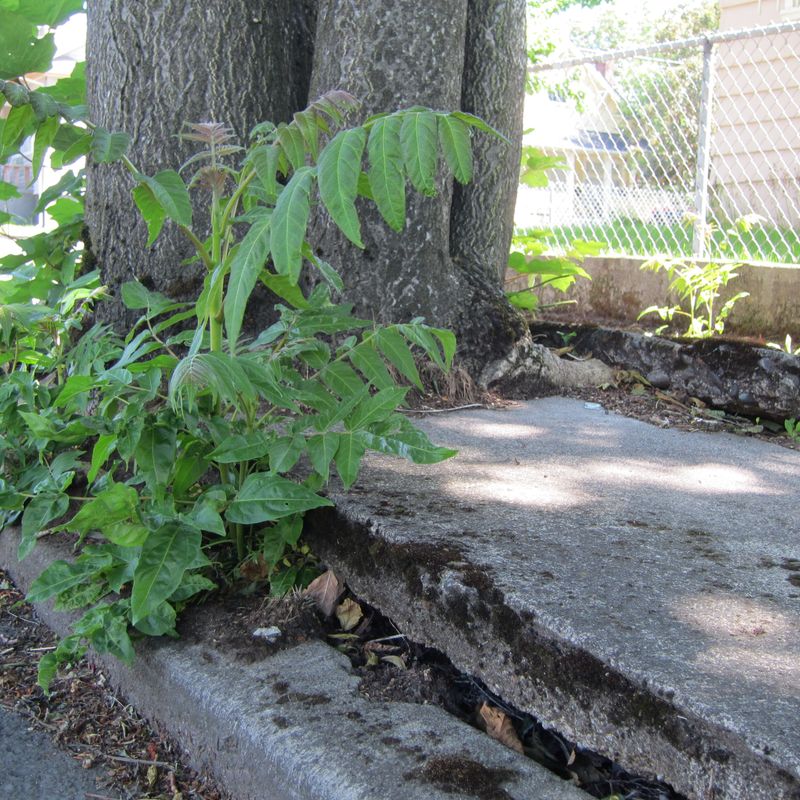
The Tree of Heaven, with its lofty name, exudes an air of mystery. Yet, its invasive nature and strong scent can be overpowering. This tree’s adaptability is impressive, thriving in polluted areas where others fail. However, its deep roots can disrupt underground utilities. Its origins trace back to China, where it’s used in traditional medicine. Homeowners should be wary, as it can quickly outcompete native species. Planting far from homes ensures that this heavenly tree doesn’t become a hellish problem.
6. Poplar Trees
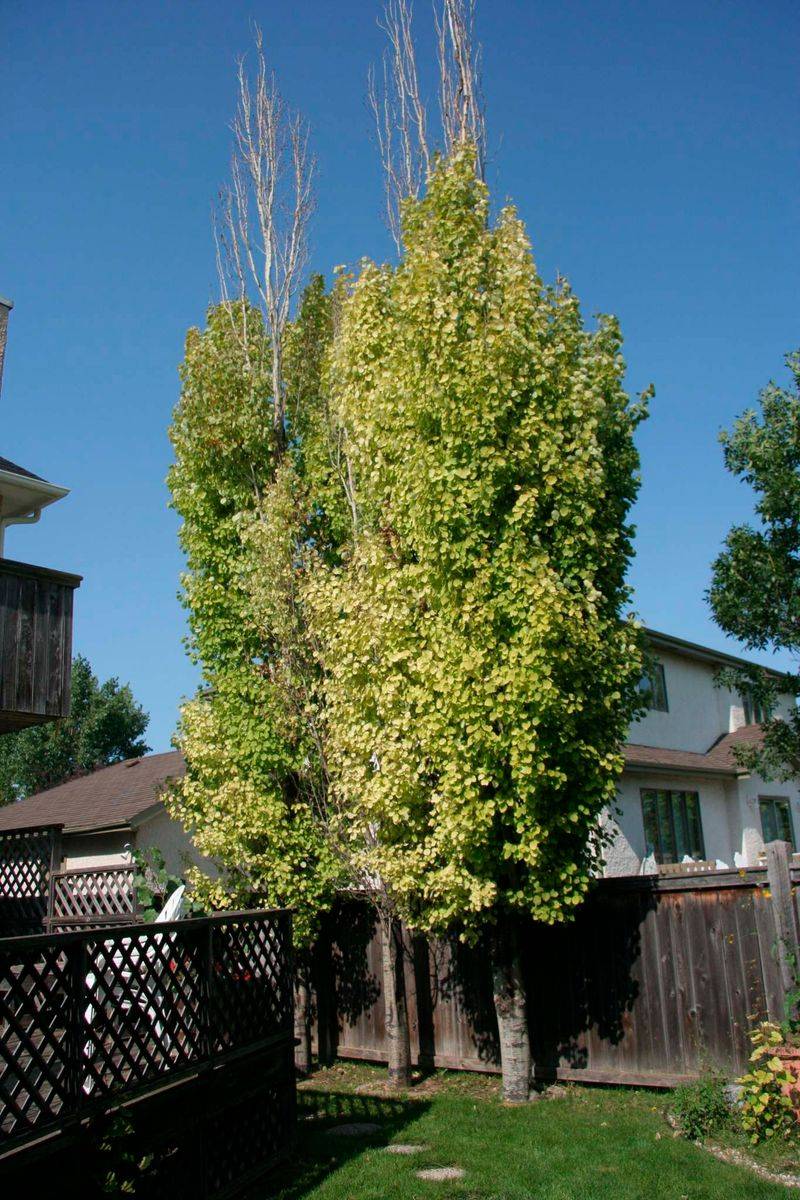
Poplar trees, with their towering presence, often symbolize grandeur. Yet, their rapid growth and extensive root systems can be troublesome. While they’re excellent windbreaks, their roots can infiltrate plumbing and foundations. Historically used in shipbuilding, these trees are both strong and flexible. Their beauty is undeniable, but they demand space. Planting them too close to homes can lead to unexpected and costly repairs. A respectful distance keeps their majesty intact without inviting unwanted issues.
7. Silver Maple
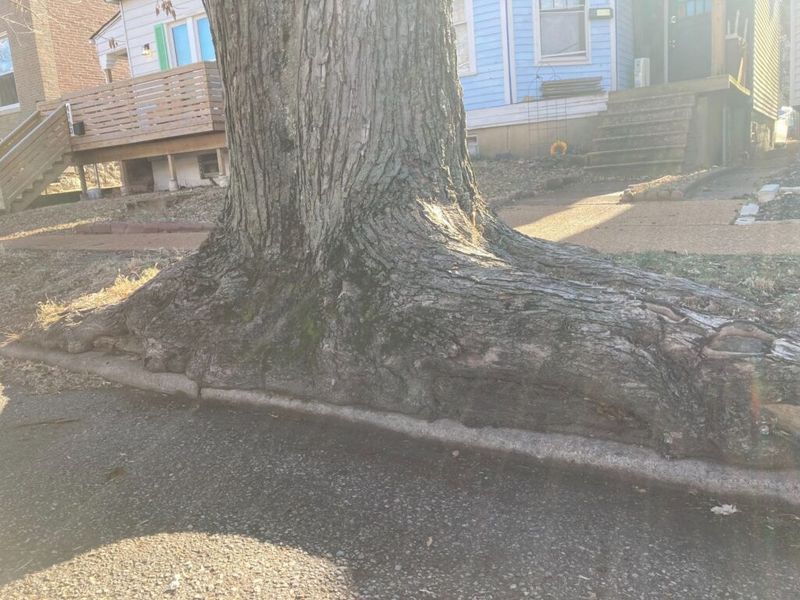
Silver Maples, with shimmering leaves that dance in the wind, are captivating. Their rapid growth and towering height make them favorites for shade, yet their branches can be brittle. These trees, native to North America, have a history intertwined with local ecosystems. Unfortunately, their roots are unforgiving, often seeking moisture in places they shouldn’t. Planting them too close to homes can risk structural damage. Appreciating their beauty from a distance ensures your home remains safe while enjoying their natural grace.
8. Black Walnut
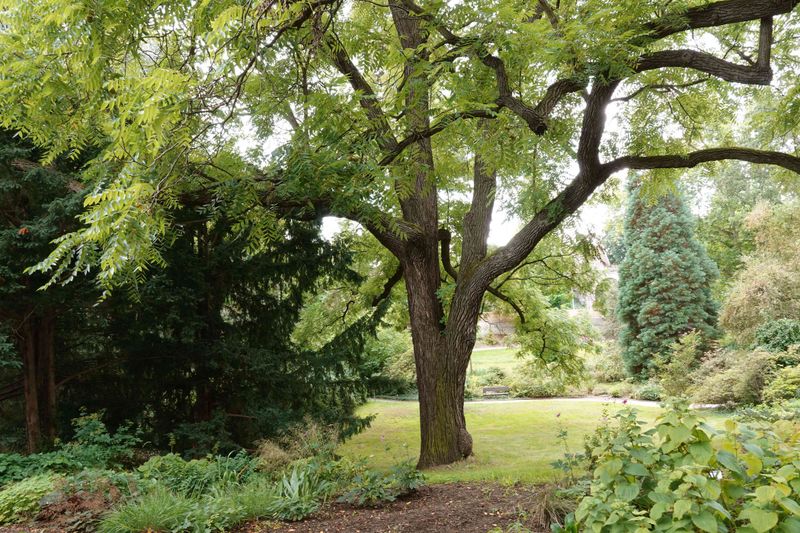
The Black Walnut, with a trunk as sturdy as a fortress, is both majestic and daunting. Known for its valuable wood and delicious nuts, it holds a dark secret. The tree produces juglone, a compound toxic to many surrounding plants, creating a barren landscape underneath. Originating in North America, its history is deeply tied to indigenous cultures. While its presence offers shade and sustenance, its allelopathic nature can harm garden diversity. Keeping it at bay ensures a harmonious garden without unexpected challenges.
9. Magnolia
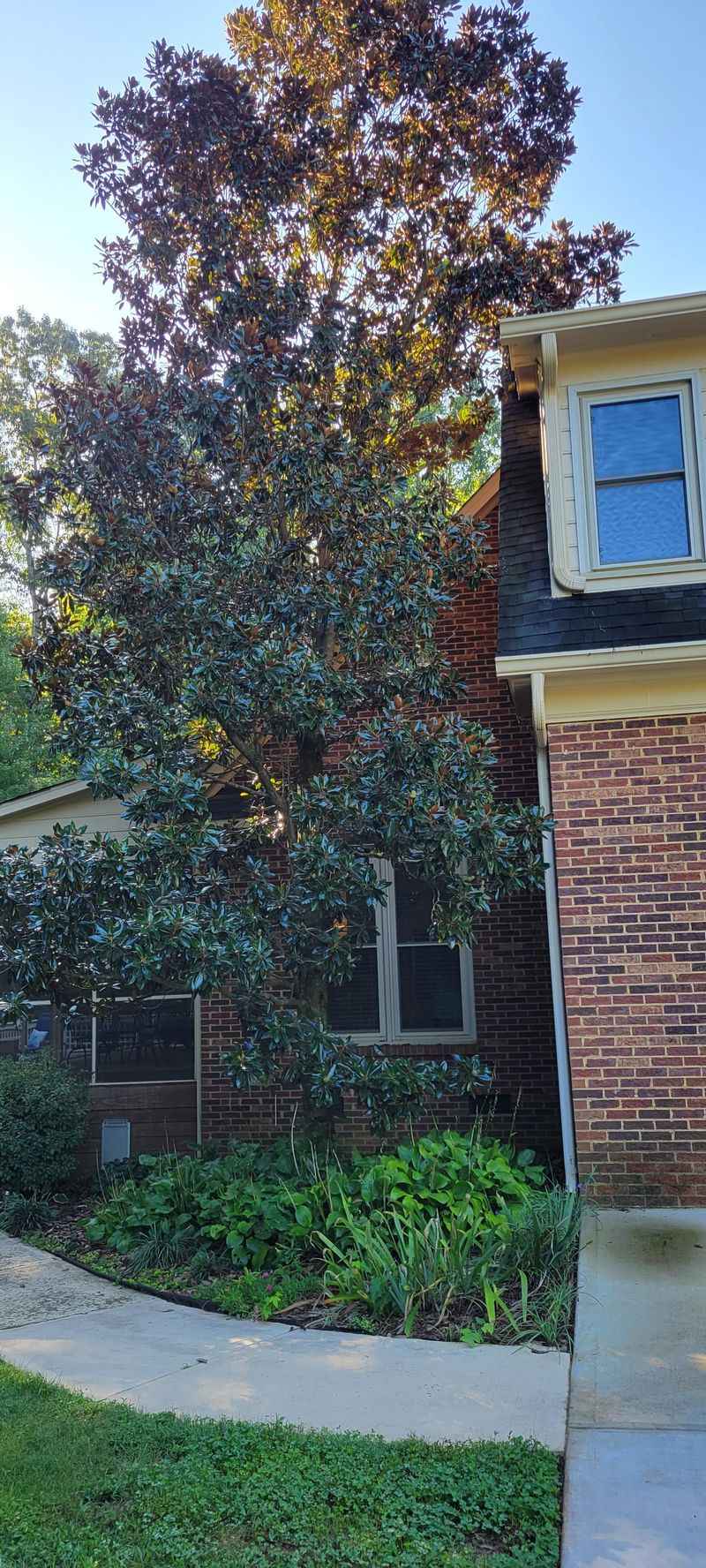
Magnolias, with blossoms as grand as a Southern debutante’s ball, embody elegance. Their flowers, often fragrant, captivate the senses. However, their roots can be as expansive as their blooms. Originating from ancient lineages, magnolias are among the oldest flowering plants. Their roots, though shallow, spread wide, potentially lifting pavements or invading pipes. Planting them close to your home risks damage over time. Enjoying their beauty from afar allows you to appreciate their allure without compromising your home’s integrity.
10. Mulberry
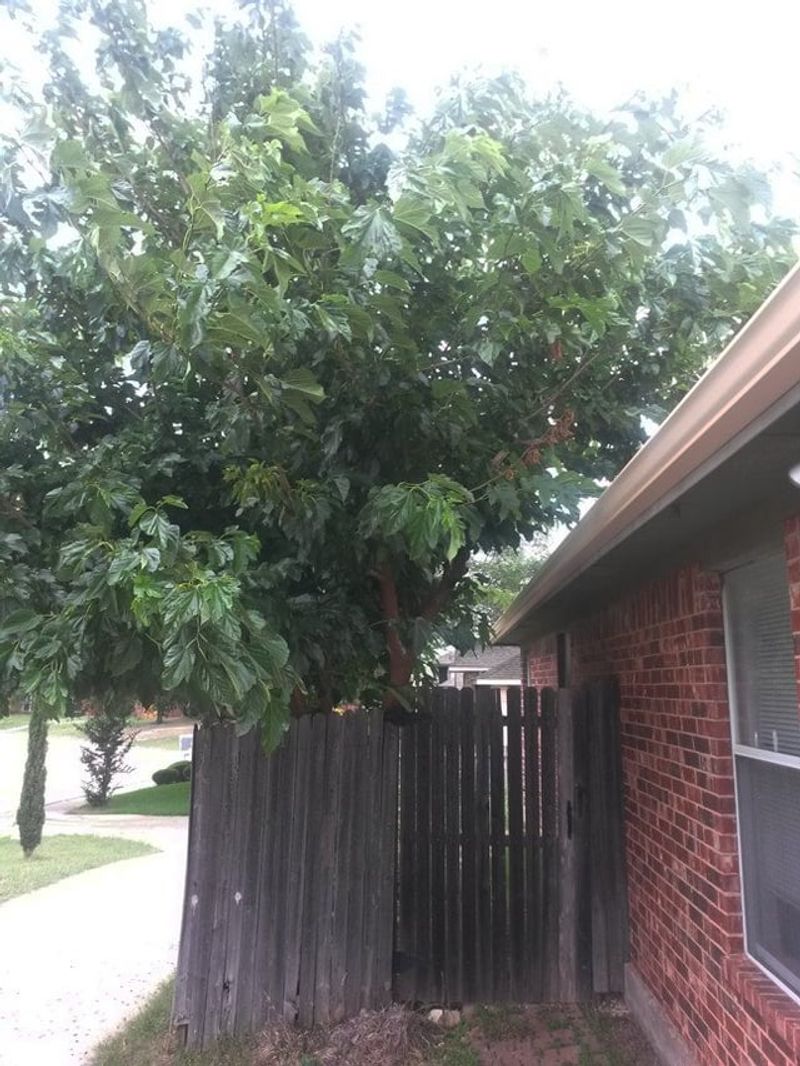
Mulberry trees, with leaves that hosted the silk industry’s silkworms, are entwined with history. Their berries are a delight for both humans and birds. Yet, their roots can be unruly, seeking water far and wide. In ancient cultures, mulberries symbolized wisdom and patience. Their rapid growth can overshadow nearby plants, and their roots often invade foundations. Planting them a safe distance away ensures their bounty can be enjoyed without the risk of structural complications. A careful garden design respects the mulberry’s power.
11. Giant Hogweed
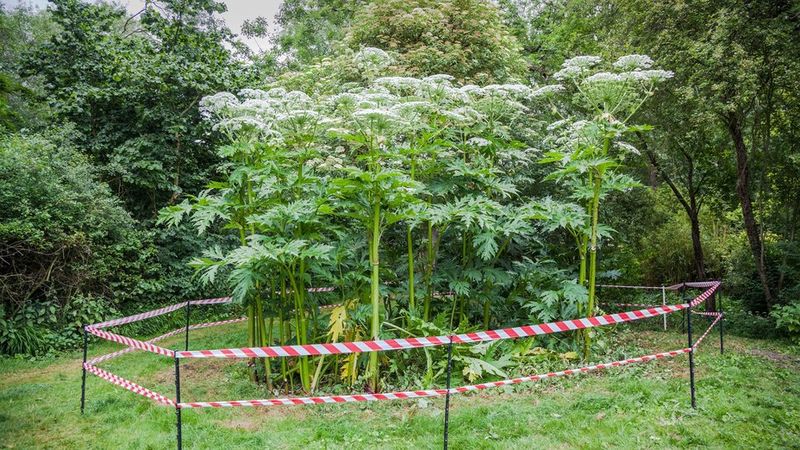
Giant Hogweed stands as a botanical behemoth with its towering, fearsome stature. Its sap, however, is a hidden danger, causing severe skin irritation upon contact. Originating from the Caucasus region, it was once prized for its architectural beauty. Its invasive nature quickly became apparent, spreading across landscapes and overshadowing native flora. Keeping this plant far from homes is essential, preventing accidental contact and potential health hazards. Admiring its grandeur from a distance ensures safety while appreciating its unique form.
12. Oleander
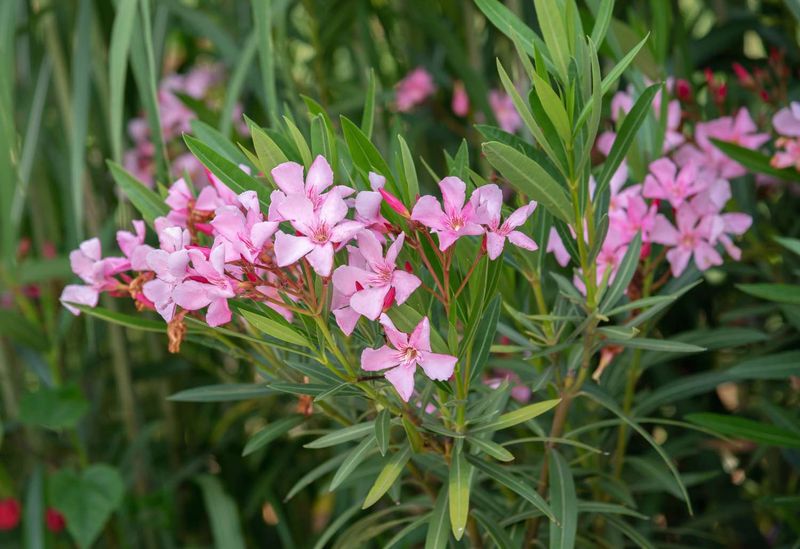
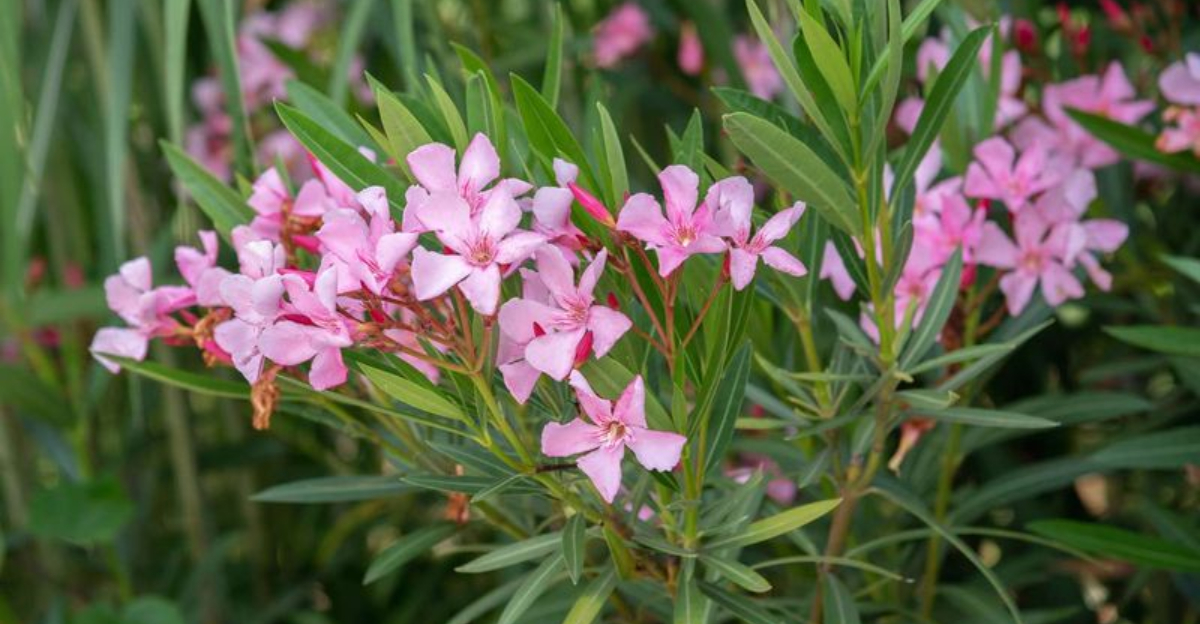
Oleander, with blooms as vibrant as a painter’s palette, radiates Mediterranean charm. Yet, every part is highly toxic, posing a risk to pets and children. Originating from regions with rich histories, it has decorated gardens for centuries. Its resilience in dry conditions makes it a popular choice, but caution is key. Planting it away from living spaces reduces accidental ingestion risks. Its captivating beauty is best enjoyed in safe spaces, where its colorful display adds flair without fear.
13. Eucalyptus

Eucalyptus trees, with their peeling bark and aromatic leaves, evoke thoughts of the Australian outback. Favored for their essential oils, they tower over landscapes with grace. However, their height is matched by their thirst, with roots seeking deep and wide for water. In regions prone to drought, their presence can drain vital groundwater. Historical uses include traditional Aboriginal remedies, celebrating its versatility. Planting them far from homes ensures their majestic forms don’t deplete local resources or damage structures.
14. Weeping Willow

The Weeping Willow, with branches cascading like a gentle waterfall, is synonymous with serene landscapes. However, its roots are as adventurous as its branches, seeking water with fervor. Originating from China, it symbolizes grace and melancholy. While its presence evokes tranquility, its roots can invade pipes and foundations. Planting near homes can lead to costly repairs. By allowing it space near water features, its beauty can be appreciated without compromising the integrity of your property.
15. Sycamore
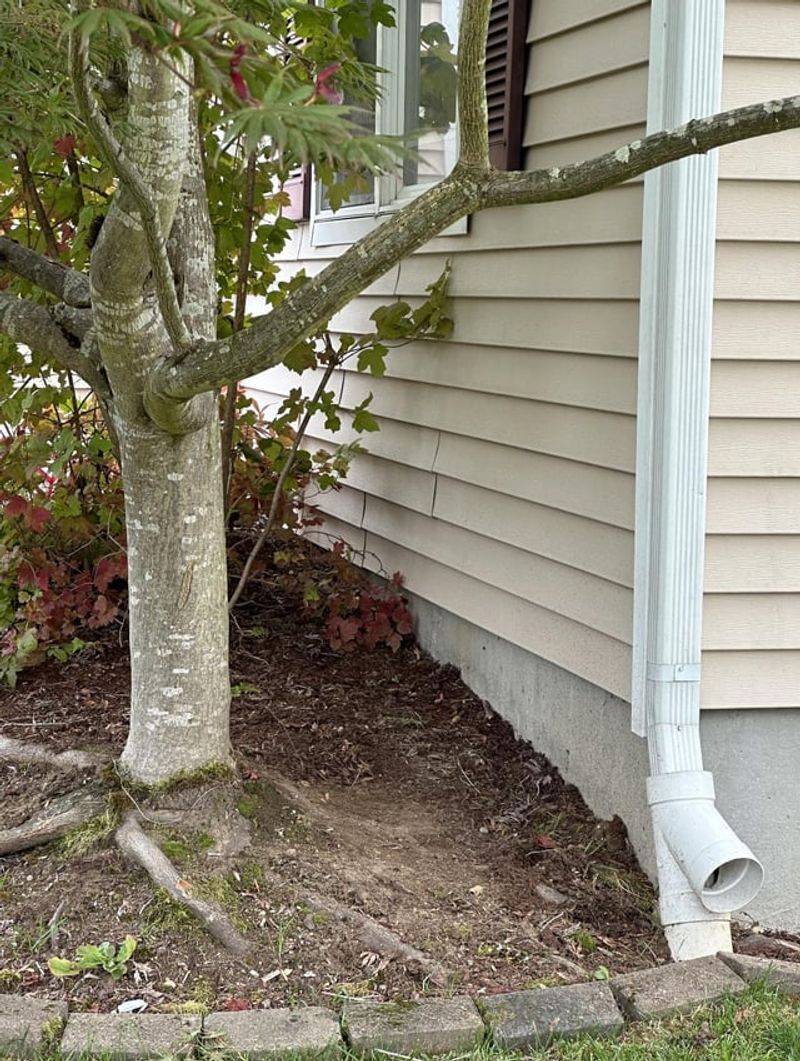
Sycamores, with their broad canopies and mottled bark, are urban favorites. Their robust nature provides shade, yet their branches can be brittle. In history, they served as landmarks and meeting points. Their roots are tenacious, often disrupting sidewalks and plumbing. Planting them too close to homes risks structural challenges. A respectful distance ensures they continue to serve as natural shelters without causing damage. Their historical presence in cityscapes is a testament to their resilience and majesty.
16. Mimosa Tree
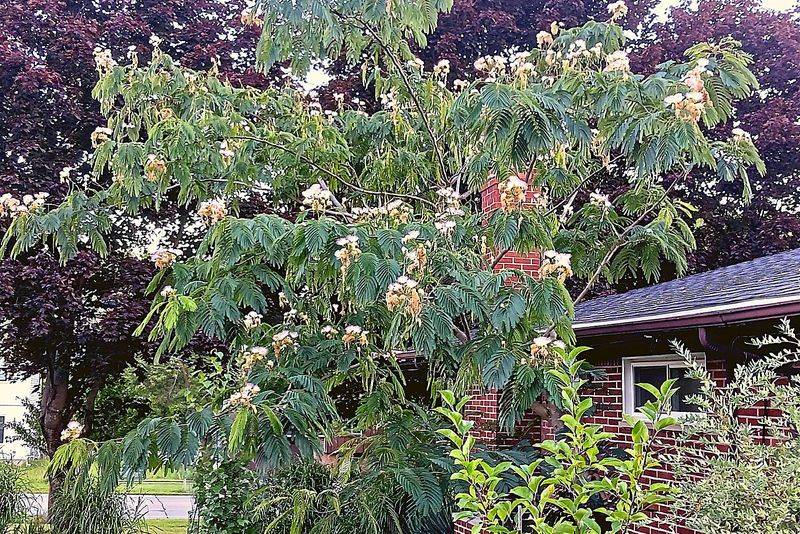
Mimosa trees, with flowers as delicate as a butterfly’s touch, capture attention. Their rapid growth and airy leaves create dappled sunlight beneath. However, they can be invasive, spreading across gardens. Originating from Asia, they’ve been used in traditional medicines. Their seeds are prolific, often taking over areas unchecked. Planting them a safe distance away ensures their beauty doesn’t overshadow native species. Their presence, when controlled, adds a touch of whimsy without overwhelming the landscape.
17. Boxwood
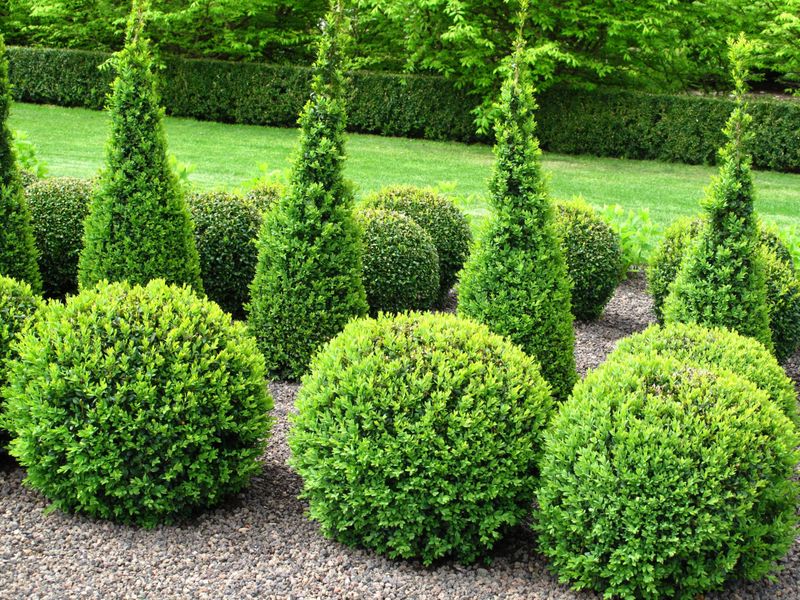
Boxwoods, with their neat, clipped appearance, offer sophistication to gardens. Often used in formal designs, they exude elegance. Yet, their dense foliage can harbor pests and diseases, threatening nearby plants. Historically used in topiary art, they demand careful maintenance. Planting them too close to homes can lead to mold due to limited airflow. By spacing them adequately, their charm enhances landscapes without inviting unwanted problems. Their rich history in garden design speaks to their timeless appeal.
18. Rhododendron
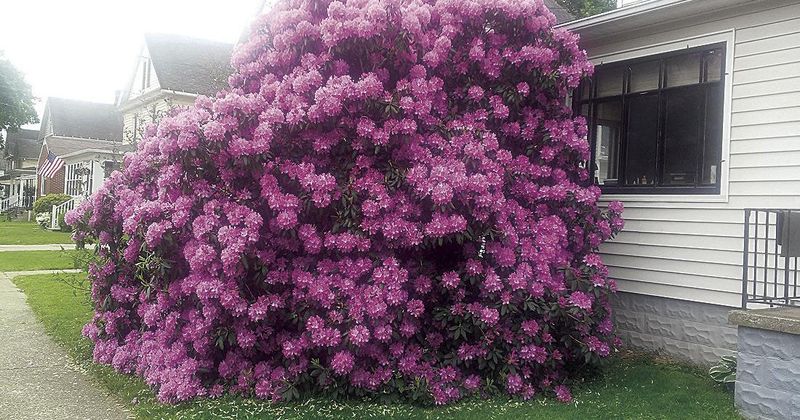
Rhododendrons, with blooms as bold as an artist’s dream, brighten gardens with their vivid hues. Their evergreen leaves provide year-round interest. However, their dense growth can overshadow other plants, and their roots can spread wide. Originating from Asia, they hold cultural significance in many regions. Planting them too close to homes risks moisture buildup against walls. Allowing them space lets their beauty shine without compromising structural integrity. Their presence in gardens is a nod to nature’s colorful spectrum.
19. Privet
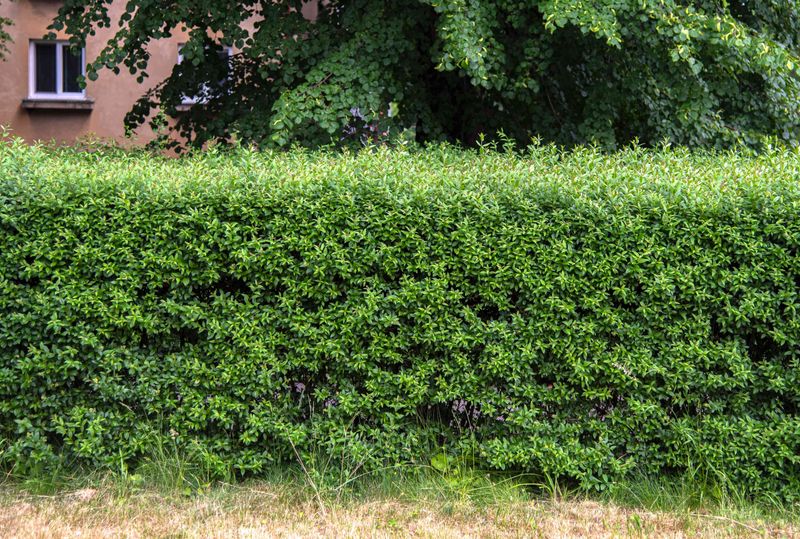
Privet hedges, with neat, orderly growth, promise privacy. Yet, their rapid spread can quickly turn invasive. Originating from Europe, they have been staples in garden design for centuries. While they create natural boundaries, their roots can encroach on foundations. Placing them too close to homes risks structural issues. Ensuring a safe distance allows them to serve their purpose without becoming a problem. Their longstanding role in creating garden boundaries highlights their historical importance.
20. Cherry Laurel
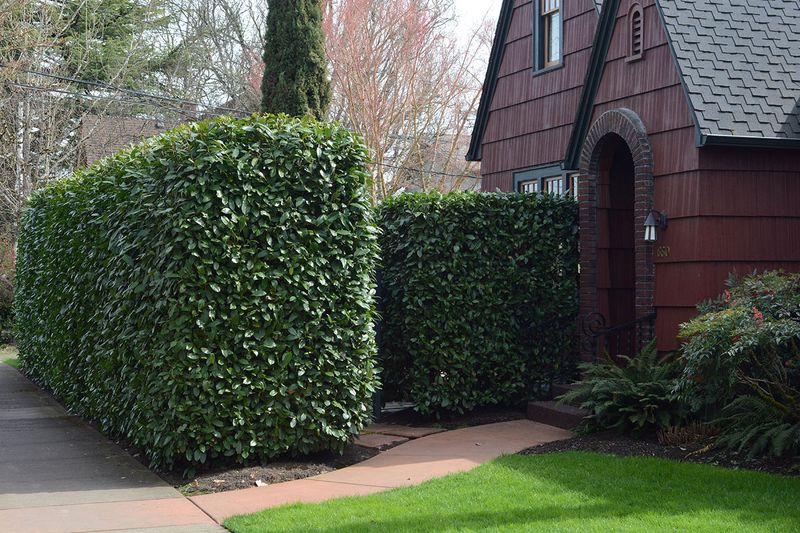
Cherry Laurels, with glossy leaves and fragrant flowers, offer a touch of luxury. Their rapid growth provides quick privacy screens. However, every part of the plant is toxic if ingested. Originating from regions with lush histories, they have adorned gardens for ages. Their roots can be aggressive, seeking out moisture. Planting them away from structures ensures their beauty doesn’t pose risks. By respecting their power, you can enjoy their allure without compromising safety.
21. Leyland Cypress
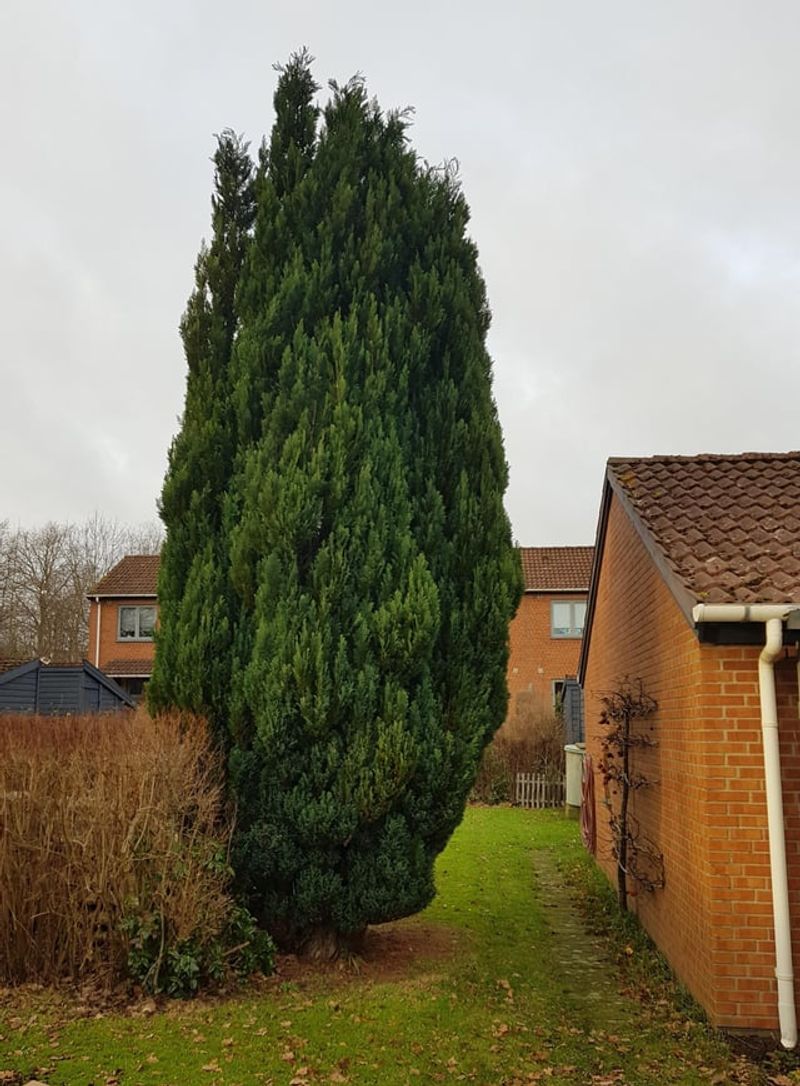
Leyland Cypress, with its dense, towering presence, offers unmatched privacy. Their rapid growth is both a blessing and a bane. With roots that spread wide, they can disrupt nearby structures. Originating from hybridization, they symbolize modern horticultural advancements. While they serve as excellent windbreaks, planting them too close to homes risks root interference. Allowing space ensures they continue to protect without causing harm. Their role in modern landscapes is a testament to their effectiveness and adaptability.