 Complete Gardening
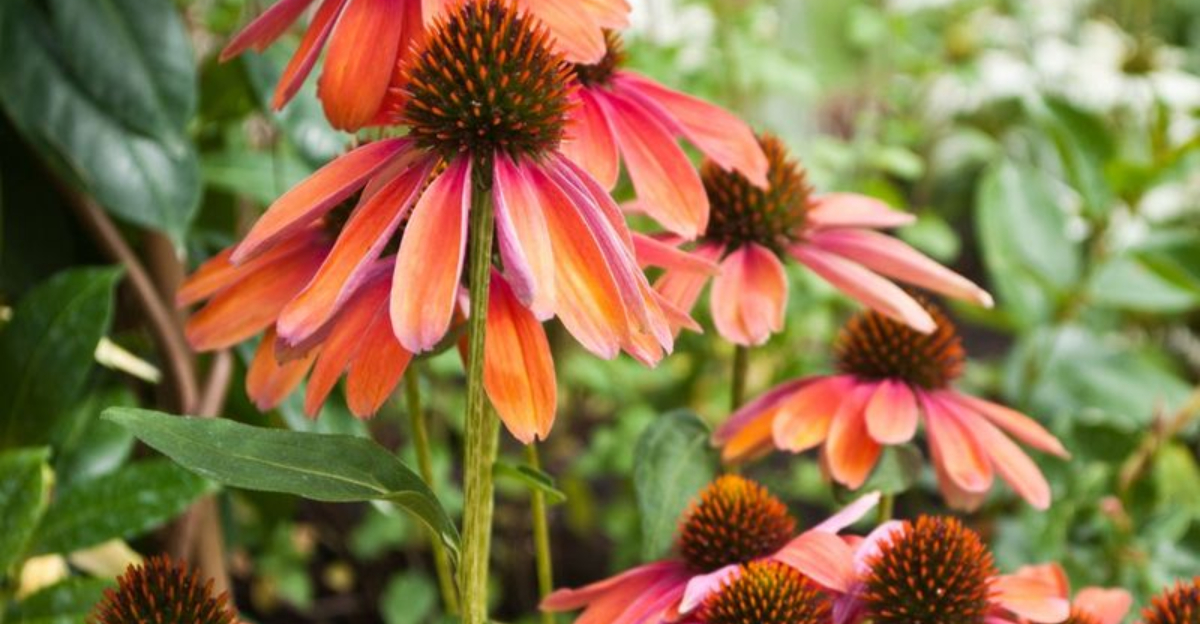
Gardening on clay soil can be a challenge, but with the right plants, a lush and thriving garden is possible. Discover 27 remarkable plants that not only tolerate but also thrive in tough clay soil conditions. From vibrant perennials to fragrant shrubs, these plants will transform your garden into a beautiful oasis, even in the most challenging soil. Embrace this selection of resilient plants and let your garden flourish, regardless of the soil type.
1. Daylily (Hemerocallis)
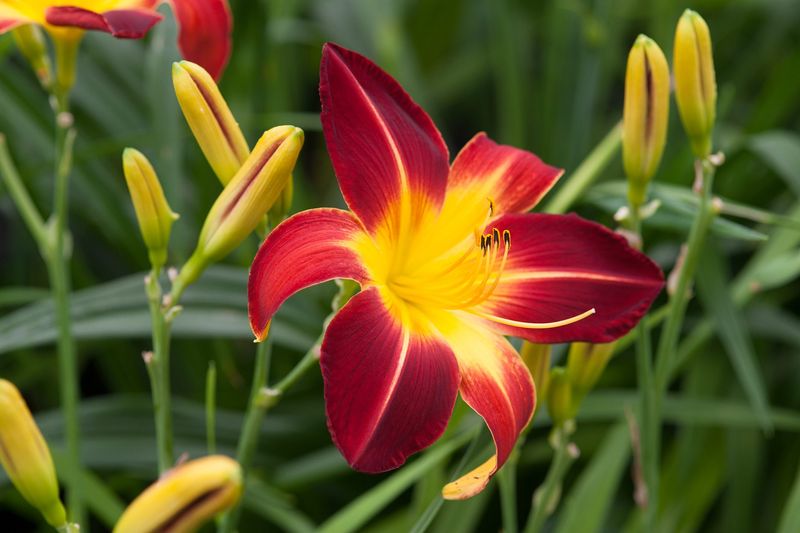
The daylily, with its stunning array of colors, is a beacon of resilience. Thriving in clay soil, it blooms beautifully, bringing life to any garden. Each flower lasts a single day but is quickly replaced, ensuring a vibrant display throughout the season.
Beloved for its hardiness, this plant requires minimal care. Once established, it tolerates drought and thrives in sunny spots. Its lush foliage adds texture to the landscape, creating a verdant setting.
Did you know? Despite its name, the daylily isn’t a true lily but belongs to a separate family known for their robustness.
2. Bee Balm (Monarda)
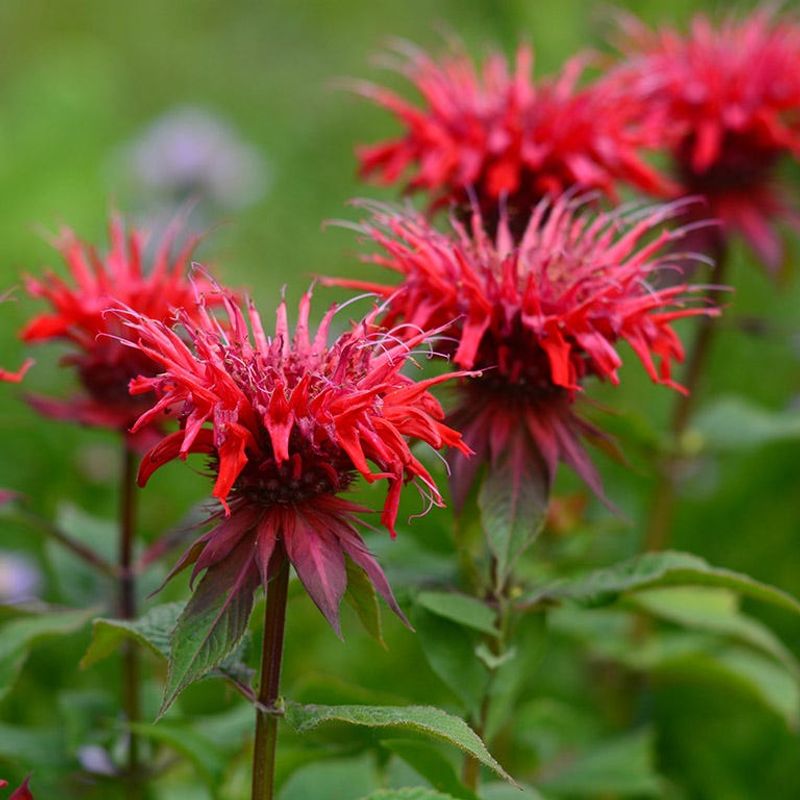
Bee Balm, with its vibrant, tubular flowers, invites pollinators to your garden. Its striking pinks and purples add a splash of color to clay-heavy soils, thriving where others may fail.
This plant’s aromatic foliage doubles as a natural remedy, offering both beauty and utility. It loves the sun and rewards gardeners with a spectacular summer bloom.
Fun fact: Bee Balm was named after its ability to soothe bee stings. Its historical use by Native Americans further enhances its appeal, making it both a practical and ornamental choice for any garden.
3. Sedum (Stonecrop)
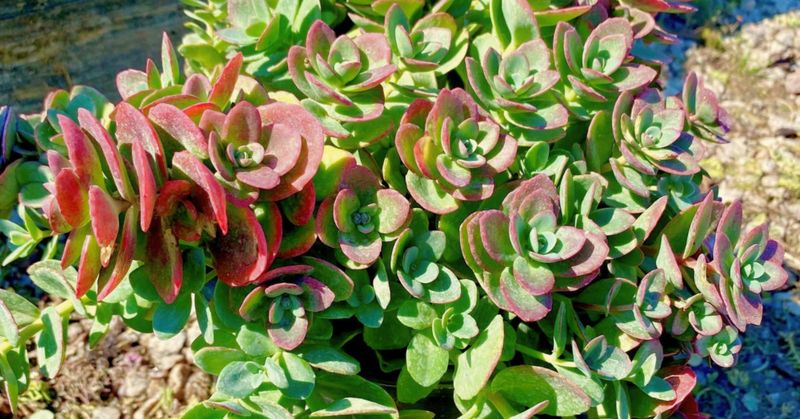
Sedum, often referred to as stonecrop, is the epitome of low-maintenance gardening. Its succulent leaves and star-shaped flowers are perfectly suited for clay soil.
This plant is a master of survival, storing water in its thick leaves, allowing it to endure dry spells. It thrives in sunny spots and is ideal for ground cover, reducing erosion on clay-heavy terrains.
Did you know? Sedum’s resilience has made it a popular choice for green roofs, showcasing its ability to flourish in challenging conditions, adding both beauty and functionality to landscapes.
4. Black-eyed Susan (Rudbeckia)
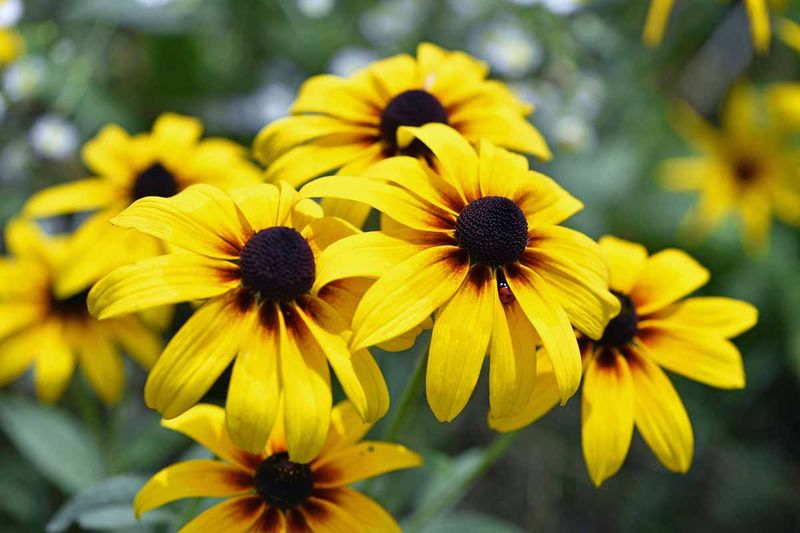
Black-eyed Susan, with its cheerful yellow blooms, brings sunshine to any garden. Well-suited for clay soil, it brightens spaces with its vibrant display.
This perennial favorite attracts butterflies and bees, contributing to a thriving ecosystem. It requires little maintenance, making it a top choice for both novice and seasoned gardeners.
Trivia: Named after a character from an old English poem, Black-eyed Susan symbolizes justice. Its robust nature and historical roots make it both an ornamental delight and a nod to garden heritage.
5. Switchgrass (Panicum virgatum)
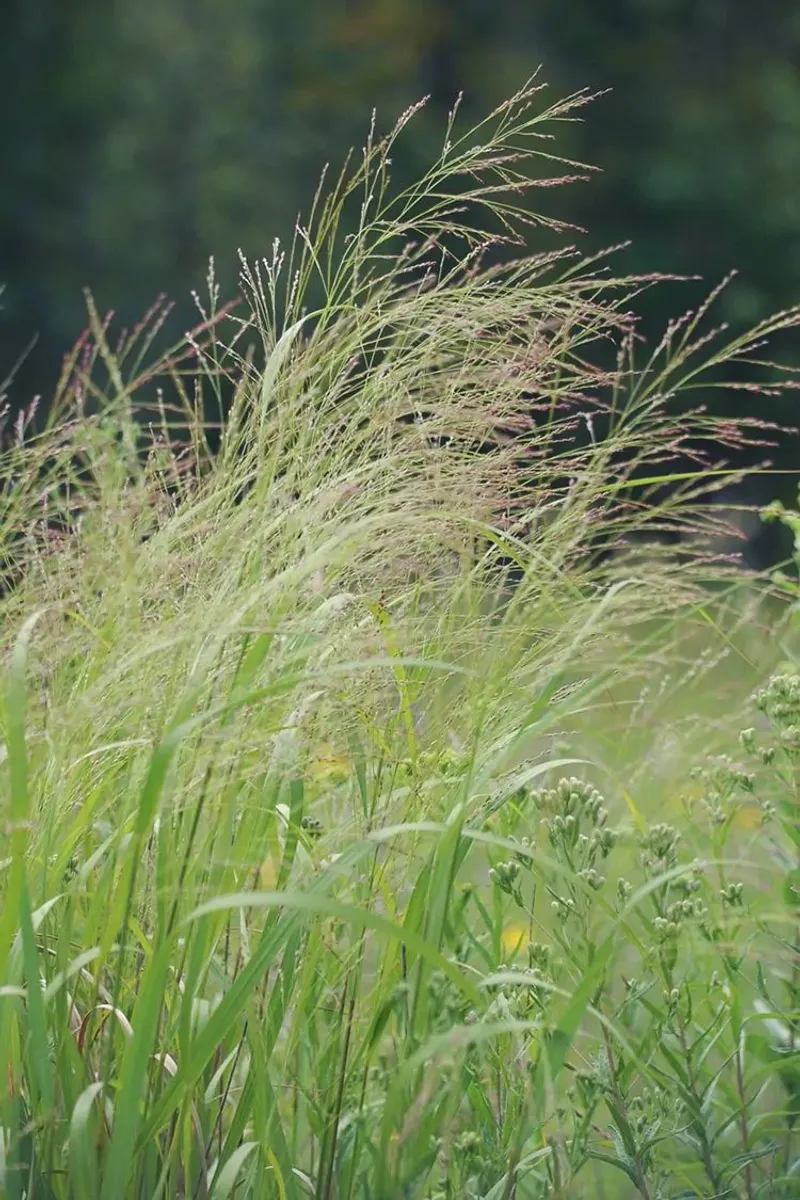
Switchgrass, a native prairie grass, dances gracefully in the wind. Its feathery plumes add elegance and movement to clay soil gardens.
Resilient and adaptable, switchgrass thrives in poor soils and requires minimal water once established. Its deep roots help stabilize the soil, reducing erosion and improving garden health.
Interesting fact: Switchgrass is being explored as a biofuel source due to its rapid growth and environmental benefits. Its dual role as a garden feature and potential energy crop highlights its versatility and sustainability.
6. Yarrow (Achillea millefolium)
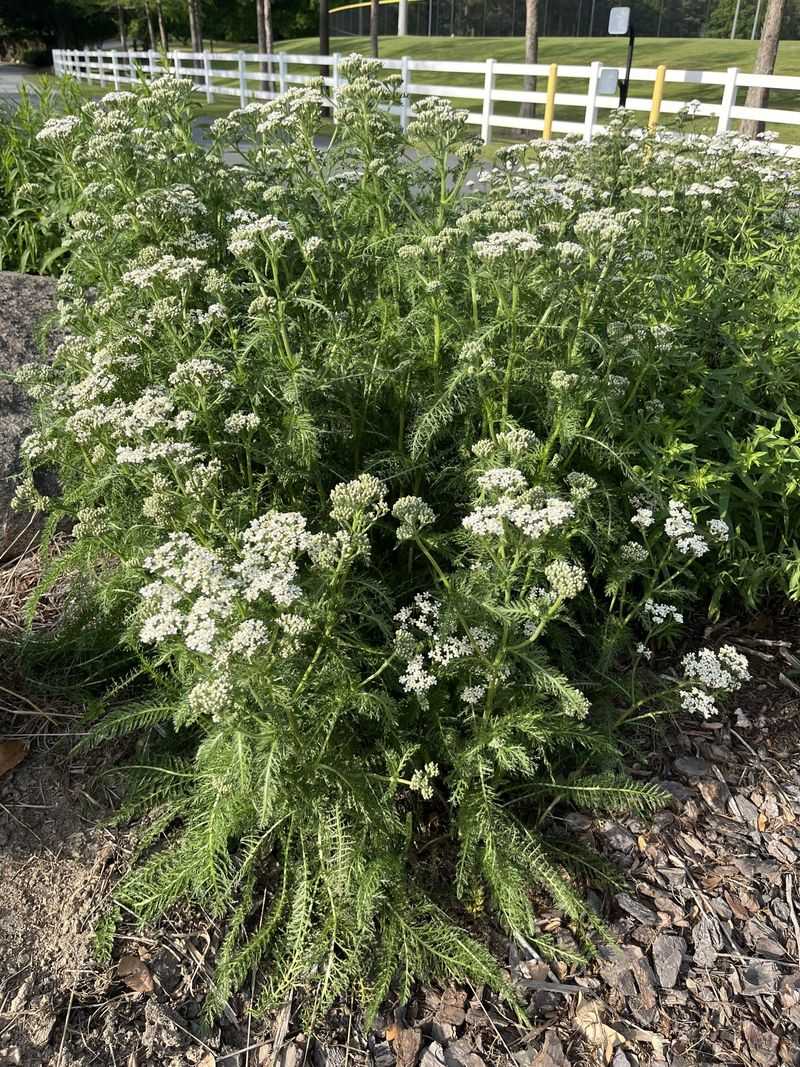
Yarrow, with its flat-topped clusters of flowers, is a gardener’s joy. Flourishing in clay soil, it offers a tapestry of colors from white to vibrant reds and pinks.
This drought-tolerant plant thrives in full sun, reducing garden upkeep. Its leaves, known for their medicinal properties, add an extra layer of appeal.
Did you know? Yarrow is named after Achilles, the Greek hero, who is said to have used it to treat his wounds. This historical connection adds depth to its already rich garden presence.
7. Coneflower (Echinacea)
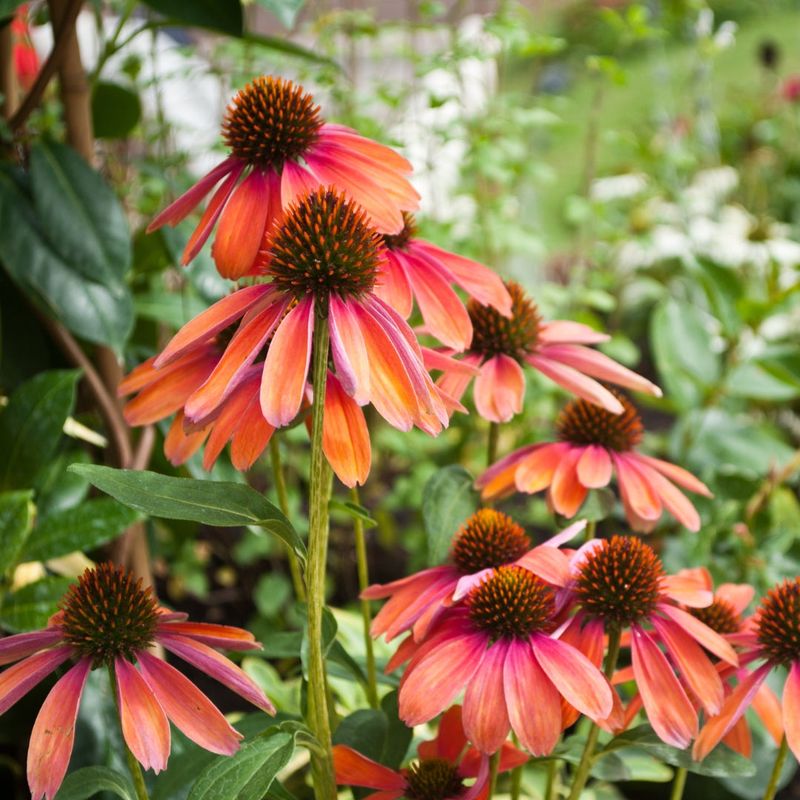
Coneflower, known for its daisy-like appearance, is a striking addition to clay-heavy gardens. Its central cone and bright petals attract butterflies and bees, ensuring a lively ecosystem.
Resilient and undemanding, coneflowers withstand harsh conditions, offering beauty with minimal care. Their long blooming season provides continuous color.
Fun fact: Used by Native Americans for its medicinal properties, coneflower is more than just a pretty face. Its historical significance adds to its allure, making it a cherished garden staple.
8. Russian Sage (Perovskia atriplicifolia)
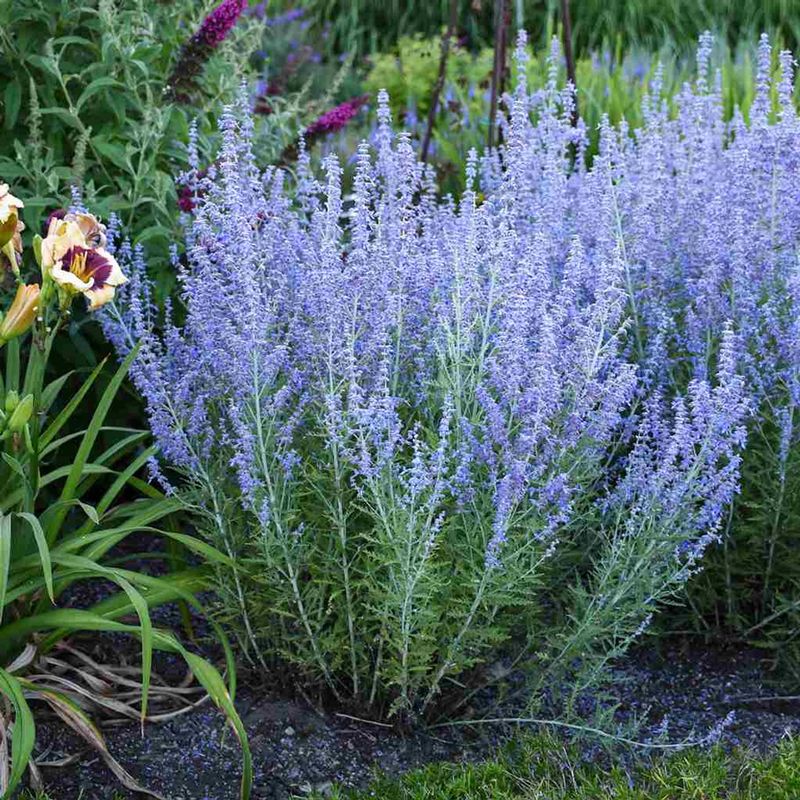
Russian Sage, with its aromatic silver foliage and lavender-blue flowers, is a standout in clay soil gardens. Its airy texture and long blooming season create visual interest and depth.
This hardy plant thrives in sunny spots and requires minimal maintenance. Its drought resistance makes it a sustainable choice for eco-friendly gardening.
Trivia: Despite its name, Russian Sage is not a true sage but belongs to the mint family. This intriguing detail adds a touch of mystery to its already captivating presence.
9. Blazing Star (Liatris spicata)
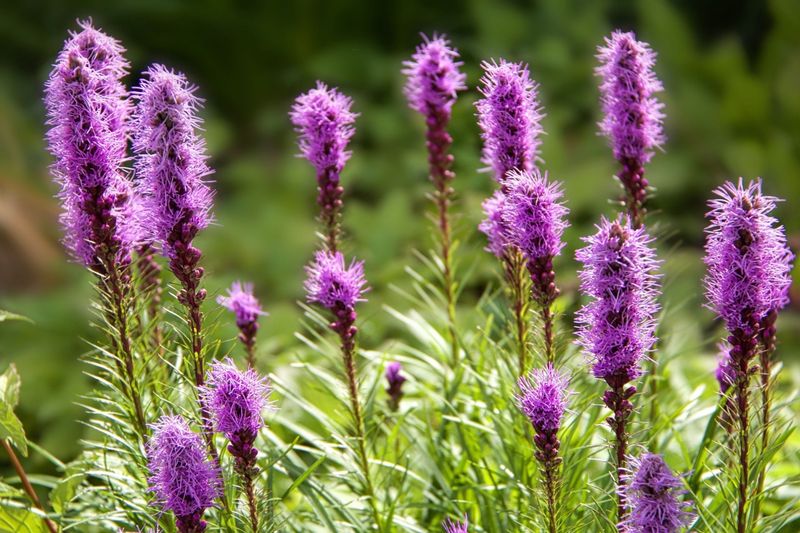
Blazing Star, with its tall, spiky blooms, introduces vertical elegance to clay soil gardens. Its vivid purple flowers attract pollinators, enhancing garden biodiversity.
This plant is as resilient as it is beautiful, requiring little care once established. It thrives in full sun, making it perfect for adding height and drama to landscapes.
Fun Fact: Also known as gayfeather, Blazing Star is a favorite in butterfly gardens, and its unique structure adds both beauty and function to its surroundings.
10. Goldenrod (Solidago)
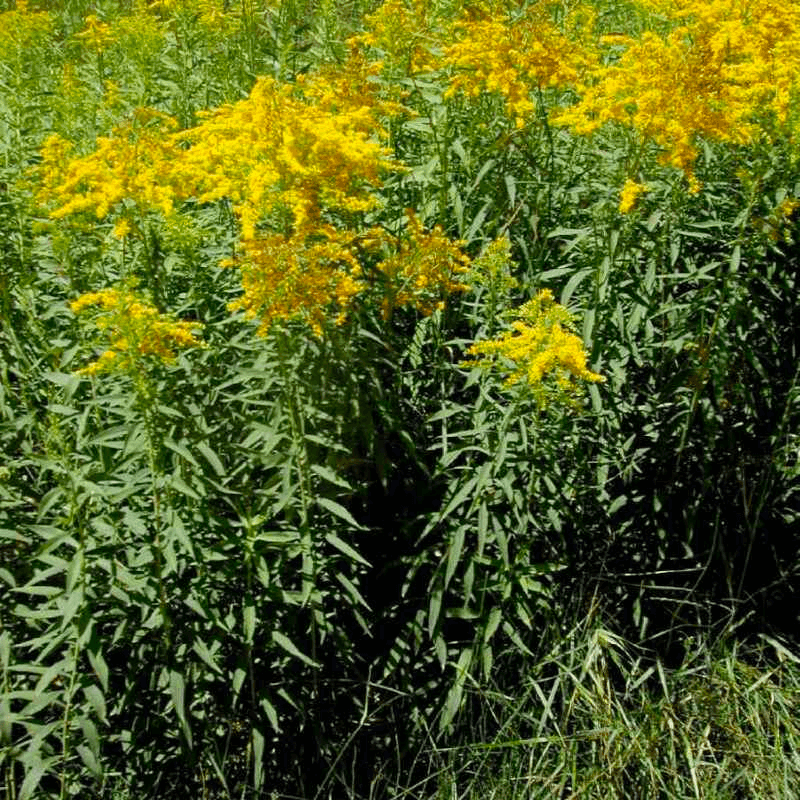
Goldenrod, with its golden-yellow plumes, brightens up clay-heavy gardens. Known for its late-season blooms, it provides color when other flowers fade.
Resilient and adaptable, goldenrod thrives with minimal care, making it ideal for busy gardeners. Its nectar-rich flowers support pollinators, contributing to a healthy ecosystem.
Did you know? Goldenrod is often mistaken for causing hay fever, but it’s actually ragweed that’s to blame. This common misconception shouldn’t deter you from adding this vibrant plant to your landscape.
11. Joe Pye Weed (Eutrochium purpureum)
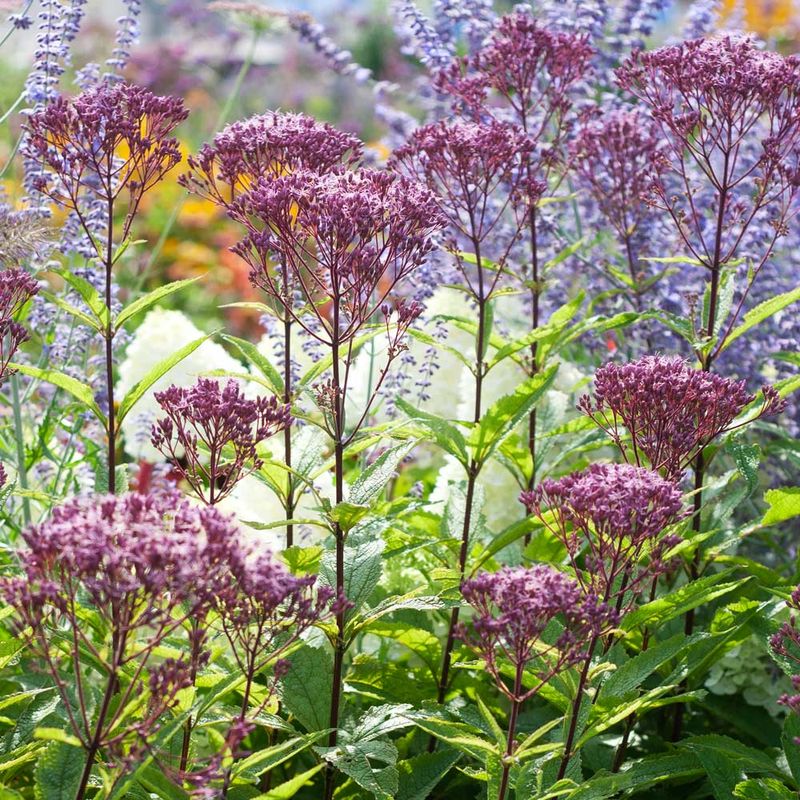
Joe Pye Weed, with its towering presence and clusters of purple-pink flowers, is an eye-catching addition to clay soil gardens. It thrives in moist conditions, offering both height and color.
This plant is a pollinator magnet, attracting butterflies and bees with its sweet scent. Its robust nature ensures it stands tall throughout the growing season.
Interesting tidbit: Named after a Native American herbalist, Joe Pye Weed was used to treat fevers. Its medicinal history adds an intriguing layer to its ornamental appeal.
12. Hollyhock (Alcea rosea)
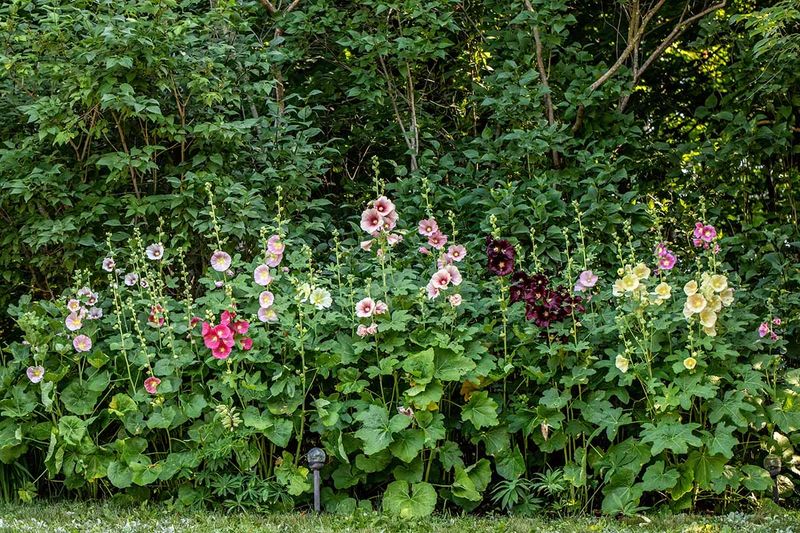
Hollyhocks, with their towering spikes and large, colorful blooms, bring old-world charm to clay soil gardens. They create vertical interest and are perfect for cottage-style landscapes.
These biennials are easy to grow and require little maintenance. Their long blooming season ensures a vibrant display throughout summer, attracting butterflies and hummingbirds.
Did you know? Hollyhocks have a long history in gardens, dating back to ancient Egypt. Their timeless appeal and historical significance make them a cherished addition to any garden setting.
13. Wild Geranium (Geranium maculatum)
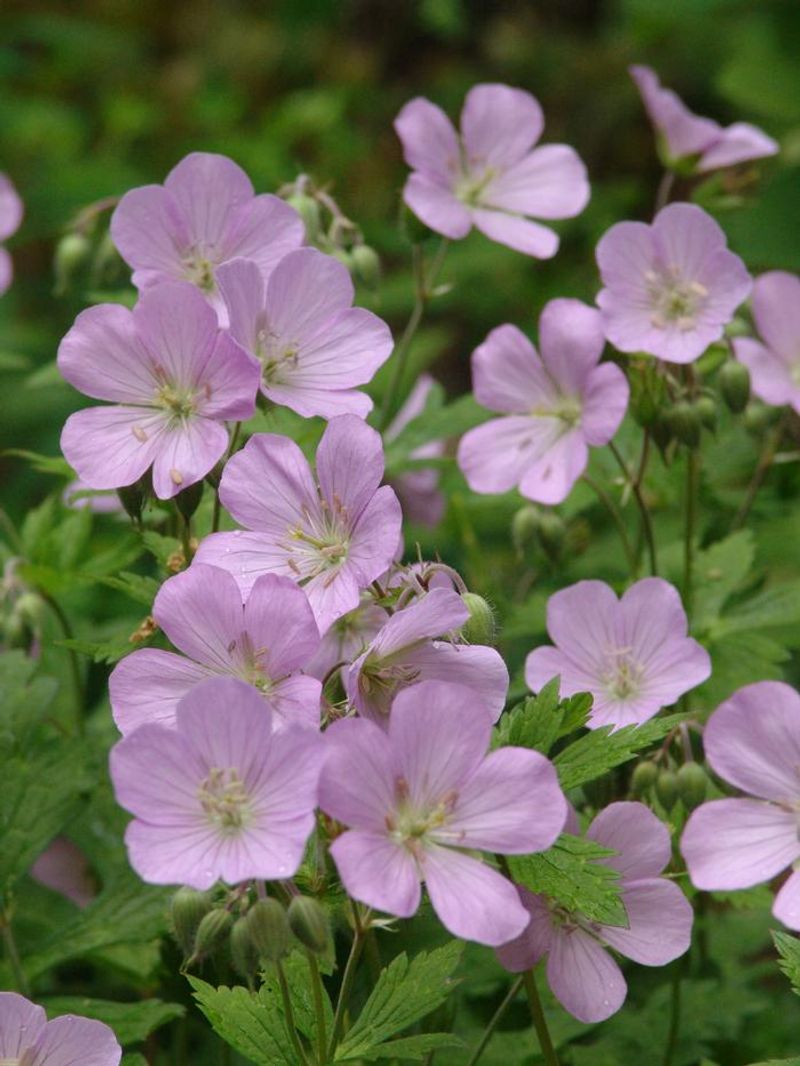
Wild Geranium, with its delicate pink petals, adds a touch of softness to clay soil gardens. Known for its ability to thrive in tough conditions, it provides a gentle splash of color.
This perennial is loved for its low maintenance and natural beauty. Its foliage provides ground cover, reducing soil erosion and enhancing garden aesthetics.
Fun fact: Also known as cranesbill due to the shape of its seed pods, Wild Geranium is a favorite among native plant enthusiasts and is perfect for naturalistic garden settings.
14. Butterfly Weed (Asclepias tuberosa)
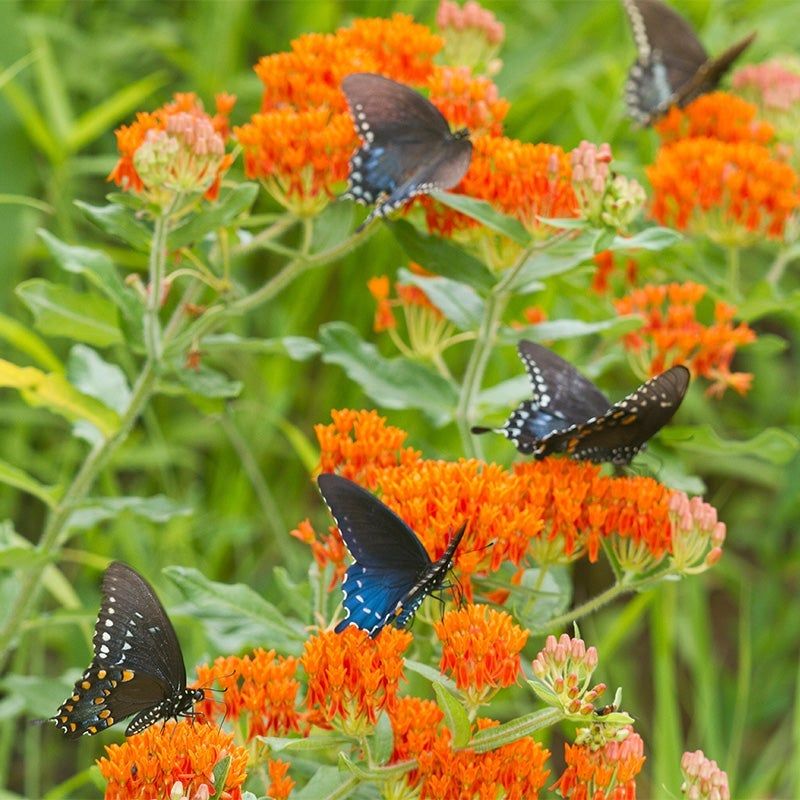
Butterfly Weed, with its bright orange blossoms, is a beacon for butterflies, especially monarchs. Thriving in clay soil, it adds vibrant color and supports wildlife.
This native perennial is easy to grow, requiring minimal water once established. Its drought resistance makes it a sustainable choice for eco-conscious gardeners.
Did you know? Butterfly Weed is part of the milkweed family, essential for monarch larvae. This ecological importance, combined with its vivid beauty, makes it a must-have for wildlife-friendly gardens.
15. Coral Bells (Heuchera)
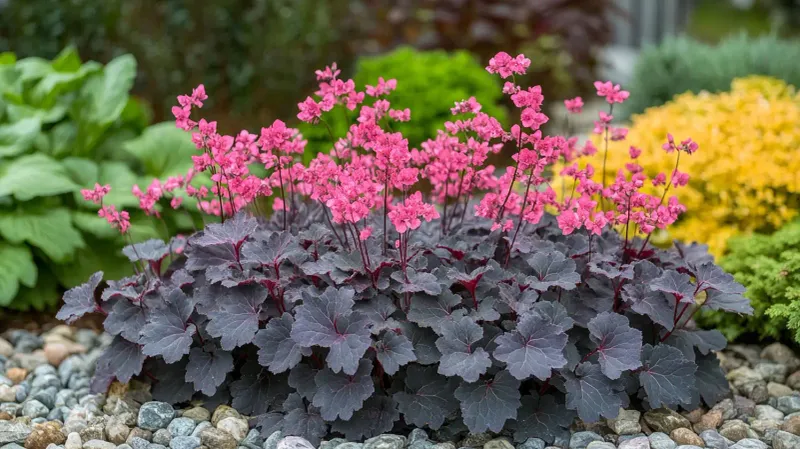
Coral Bells, known for their colorful foliage and delicate flower spikes, are a clay soil gardener’s delight. Their leaves come in a spectrum of colors, providing visual interest year-round.
These perennials thrive in partial shade and are perfect for adding texture and color to borders and containers. Their low-maintenance nature makes them a favorite among busy gardeners.
Fun fact: Coral Bells are named after their bell-shaped flowers, which add a whimsical touch to their surroundings. Their versatility and beauty make them a popular choice for diverse garden settings.
16. Hosta (Hosta spp.)
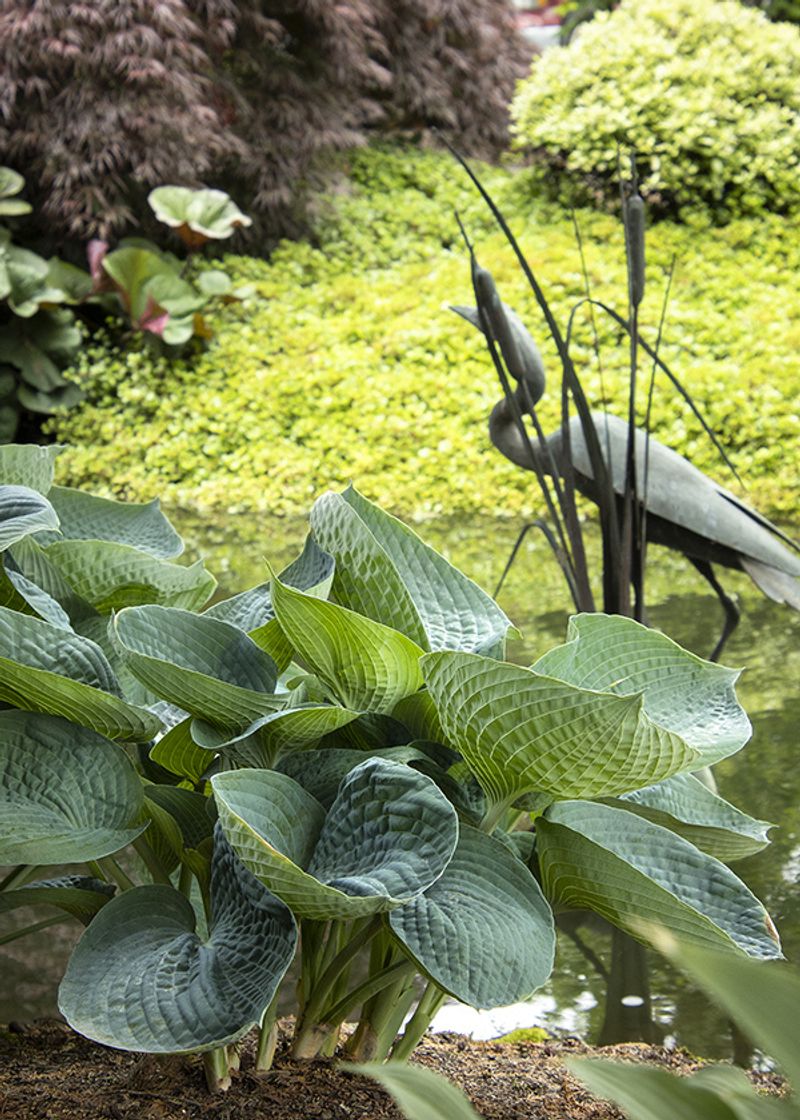
Hosta, with its broad, variegated leaves, brings lush greenery to shaded clay soil areas. Known for their hardiness, these plants thrive in difficult conditions, offering beauty with ease.
Their foliage provides a striking contrast in the garden, and their shade tolerance makes them ideal for low-light areas. Hostas require little maintenance, making them perfect for novice gardeners.
Did you know? Hostas are sometimes called “plantain lilies” and have been cultivated for centuries in Asia. Their timeless appeal and reliability make them a garden staple worldwide.
17. Astilbe (Astilbe spp.)
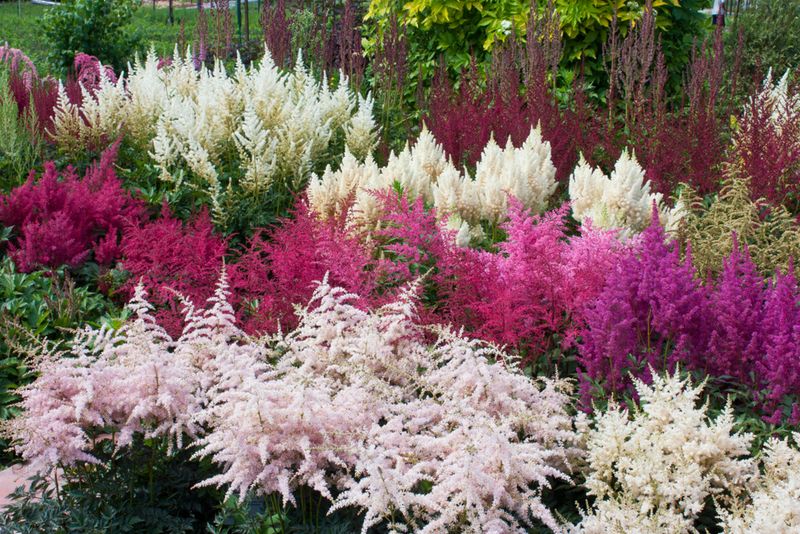
Astilbe, with its feathery plumes, adds elegance to clay soil gardens. Available in shades of pink, white, and red, these plants brighten shady areas with their colorful blooms.
Thriving in moist conditions, astilbe provides a splash of color and texture. Their fern-like foliage adds an extra layer of interest, making them a favorite for border plantings.
Trivia: Astilbe is sometimes referred to as “false goat’s beard” due to its plume-like flowers. This whimsical name reflects its unique appearance and the charm it brings to garden settings.
18. Japanese Anemone (Anemone hupehensis)
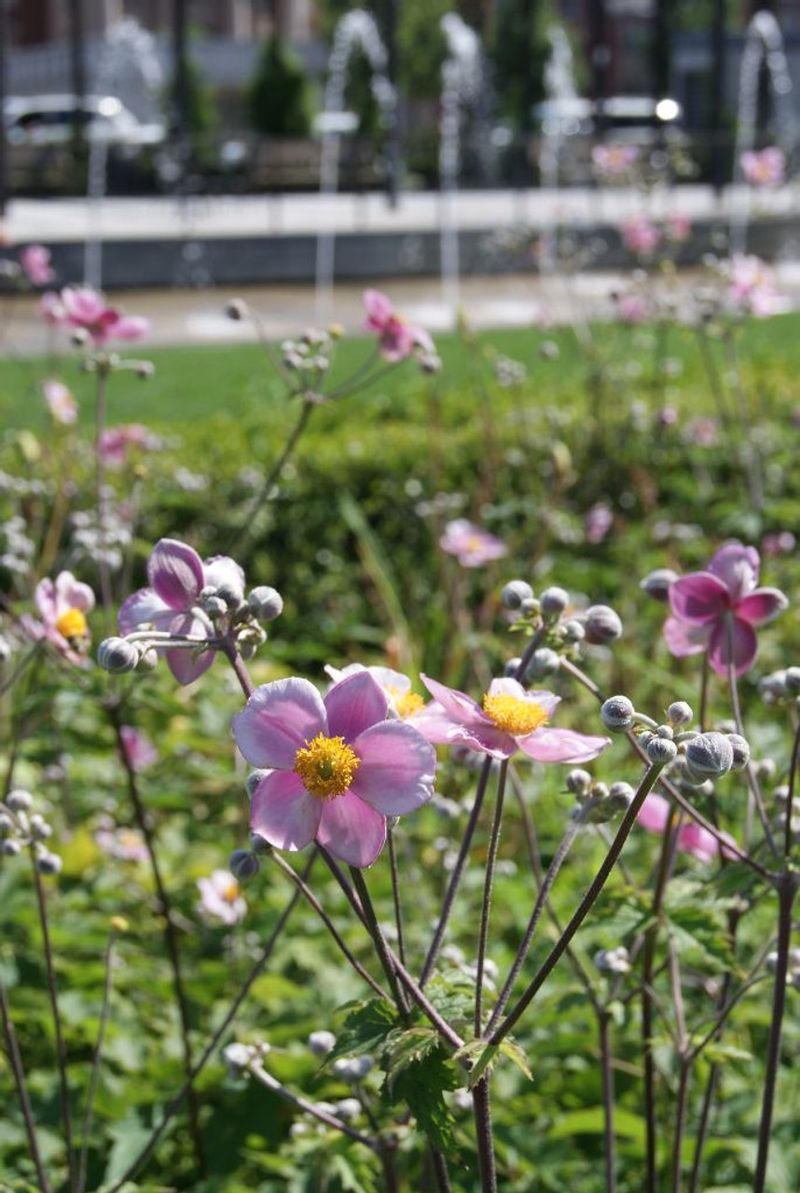
Japanese Anemone, with its graceful demeanor and delicate flowers, is a standout in late-season gardens. Thriving in clay soil, it offers blooms from late summer to fall, extending the garden’s vibrant season.
These perennials require minimal care and bring an airy elegance to borders and mixed plantings. Their ability to naturalize makes them a reliable choice for enduring beauty.
Fun fact: Despite its name, the Japanese Anemone is native to China but was popularized in Japanese gardens. This cross-cultural history enhances its appeal in global gardens.
19. Spirea (Spiraea spp.)
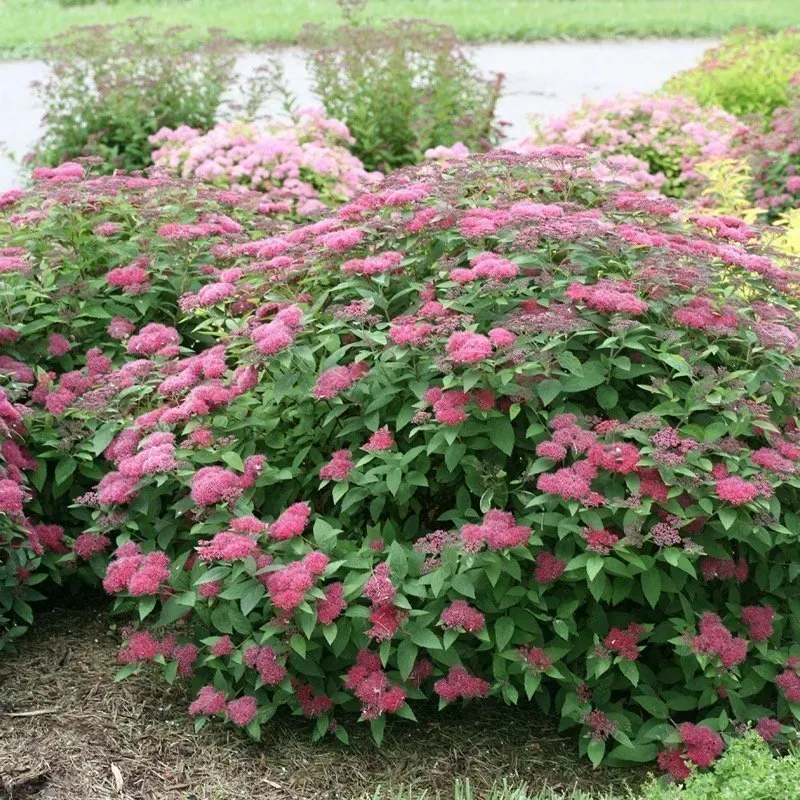
Spirea, with its cascading clusters of flowers, is a delight for clay soil gardens. Its long flowering season provides continuous color, making it a garden favorite.
These hardy shrubs are low-maintenance and drought-tolerant once established. They thrive in full sun, adding structure and beauty to landscapes.
Did you know? Spirea has been used historically in traditional medicine, although today it’s primarily valued for its ornamental appeal. This dual history adds to its charm and usefulness in garden designs.
20. Purple Coneflower (Echinacea purpurea)
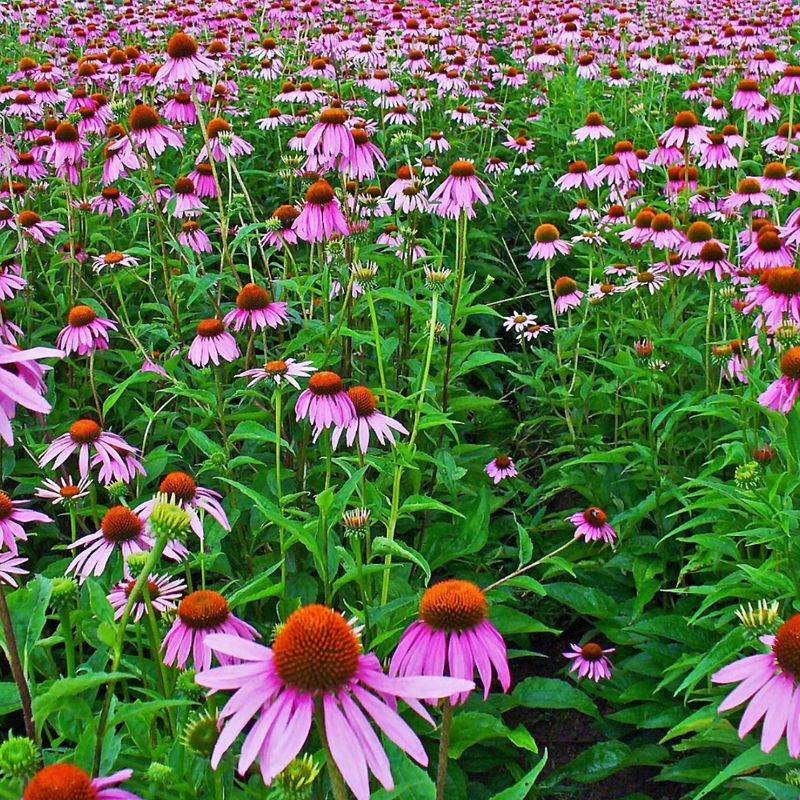
Purple Coneflower, a garden classic, thrives in clay soil with ease. Known for its medicinal properties, it’s a sturdy perennial that supports pollinators.
These flowers bring cheerful color and are a favorite for naturalistic landscapes. Their resilience ensures they bloom year after year, requiring little upkeep.
Trivia: Purple Coneflower was widely used by Native Americans to treat various ailments, highlighting its historical significance. Its dual role as an ornamental and medicinal plant makes it a valuable addition to any garden.
21. Cardinal Flower (Lobelia cardinalis)

Cardinal Flower, with its striking red spikes, is a magnet for hummingbirds. Thriving in moist clay soil, it adds vibrant color to water garden edges.
These native perennials are known for their dramatic presence and ecological benefits. They flourish in full sun to part shade, offering flexibility in garden design.
Did you know? Cardinal Flower is named after the bright red robes of Catholic cardinals, reflecting its vivid hue. This plant’s striking appearance and wildlife support make it a standout choice for dynamic gardens.
22. Lamb’s Ear (Stachys byzantina)
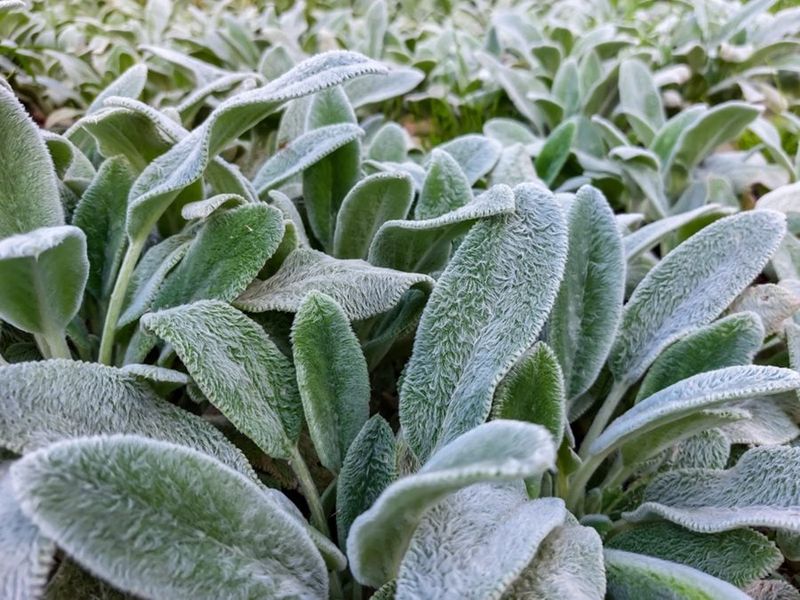
Lamb’s Ear, with its soft, silvery foliage, brings a tactile element to clay soil gardens. Known for its drought tolerance, it’s perfect for rock gardens and borders.
This perennial is loved for its unique texture and low maintenance. Its fuzzy leaves create a soothing visual contrast and are a delight to touch.
Fun fact: Lamb’s Ear gets its name from its velvety leaves, which resemble the texture of a lamb’s ear. This whimsical connection adds charm and intrigue to its presence in the garden.
23. Catmint (Nepeta)
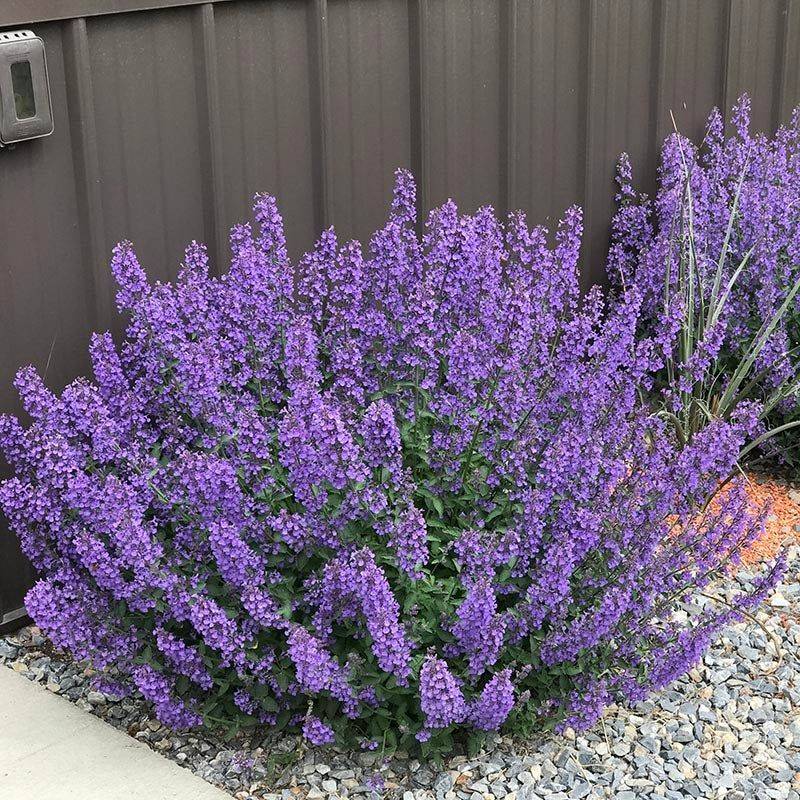
Catmint, with its aromatic foliage and lavender-blue flowers, is a favorite for clay soil gardens. Its sprawling habit and long blooming season create a sea of color.
This perennial is drought-tolerant and thrives in sunny spots, offering easy care and beauty. Its fragrant leaves are a bonus, adding sensory appeal to garden spaces.
Did you know? Catmint is closely related to catnip, but it’s less likely to attract cats. Its charm lies in its floral display and aromatic presence, making it a versatile choice for diverse gardens.
24. Fountain Grass (Pennisetum alopecuroides)
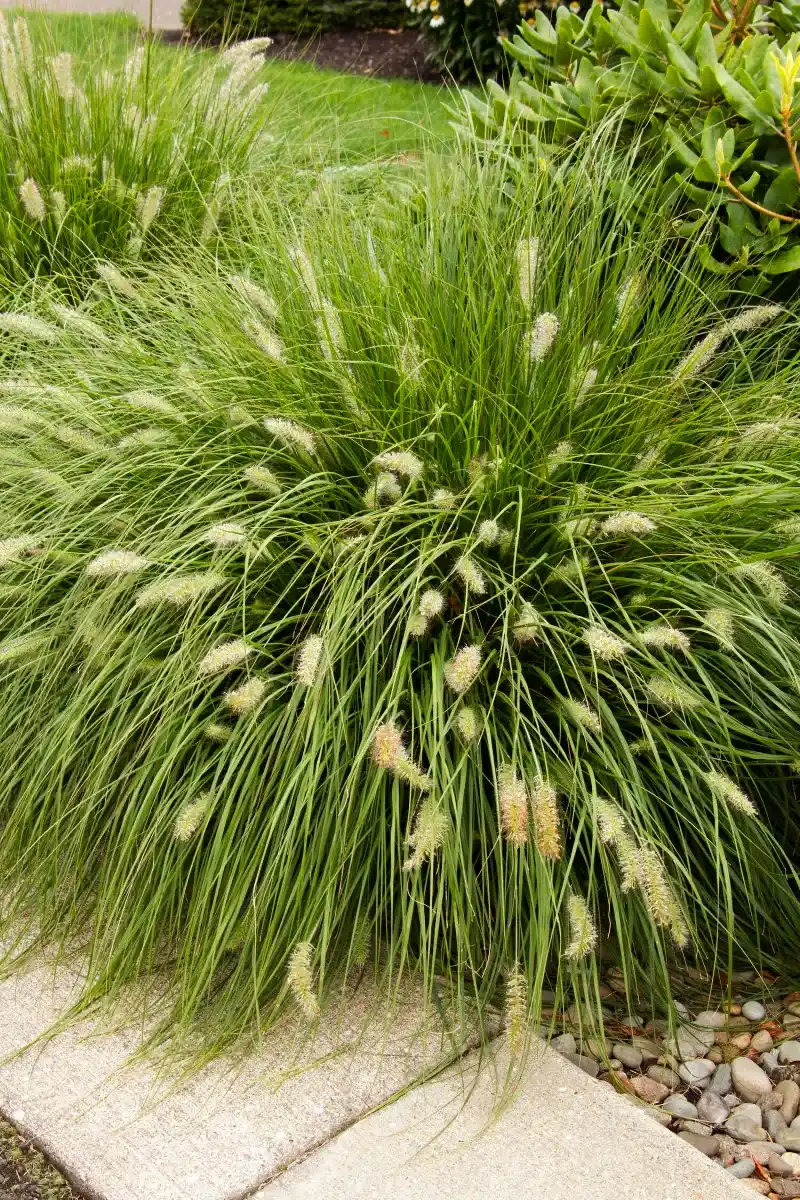
Fountain Grass, known for its graceful arching plumes, adds movement and texture to clay soil gardens. Its fluffy seed heads dance in the wind, creating visual interest.
This ornamental grass is low-maintenance and thrives in full sun, making it a practical choice for busy gardeners. Its ability to tolerate poor soils adds to its adaptability.
Fun fact: Fountain Grass is often used in landscape design for its dynamic presence and ability to soften hard edges. Its aesthetic appeal and resilience make it a preferred choice for modern gardens.
25. Coral Honeysuckle (Lonicera sempervirens)

Coral Honeysuckle, with its climbing vines and red tubular flowers, brings vertical interest to clay soil gardens. Perfect for trellises and fences, it adds vibrant color and attracts hummingbirds.
This native vine is hardy and low-maintenance, thriving in full sun to partial shade. Its long blooming season ensures continuous beauty throughout the growing season.
Did you know? Unlike its invasive cousin, Japanese honeysuckle, Coral Honeysuckle is native and eco-friendly, supporting local wildlife. Its vibrant display and ecological benefits make it a top choice for sustainable gardening.
26. Blanket Flower (Gaillardia)
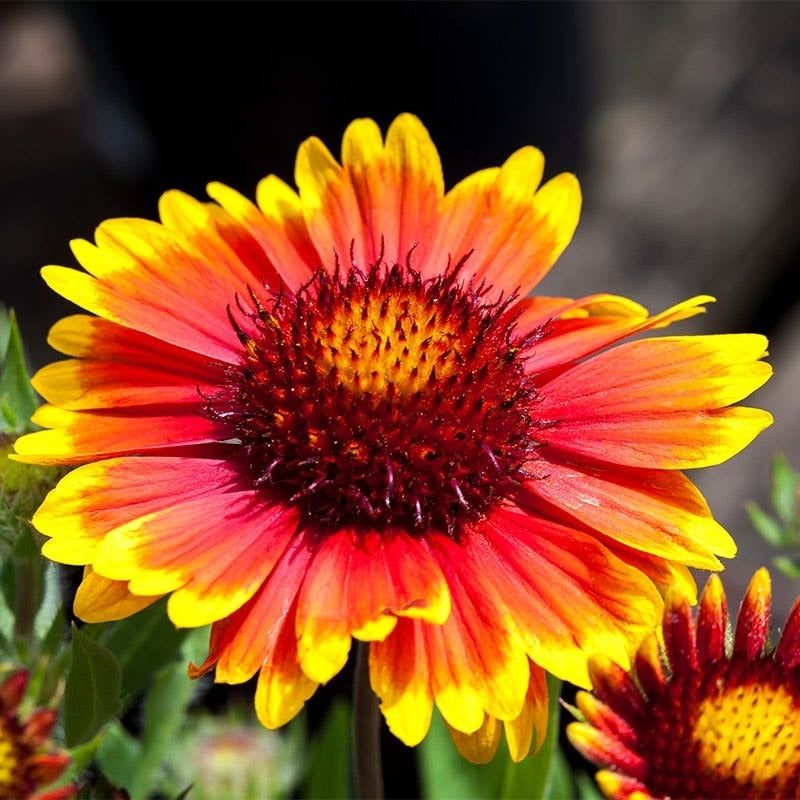
Blanket Flower, with its bold red and yellow blooms, brings warmth to clay soil gardens. Known for their long blooming season, these flowers provide continuous color and attract pollinators.
This perennial is drought-tolerant and thrives in sunny spots, offering vibrant beauty with minimal care. Its resilience makes it ideal for low-maintenance landscapes.
Trivia: Blanket Flowers are named for their resemblance to Native American woven blankets. This cultural connection and their striking appearance make them a cherished addition to diverse garden settings.