 Complete Gardening
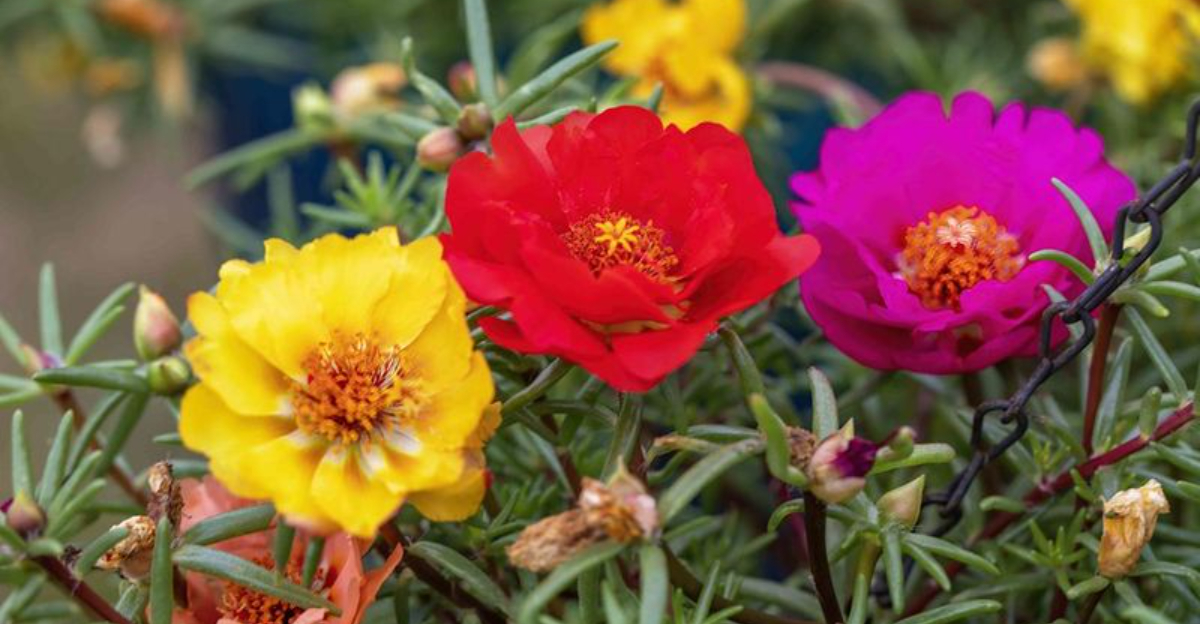
Explore a vibrant selection of front yard flowers that thrive even when water is scarce.
These 25 exceptional choices offer beauty, resilience, and environmental friendliness.
1. Blanket Flower (Gaillardia)
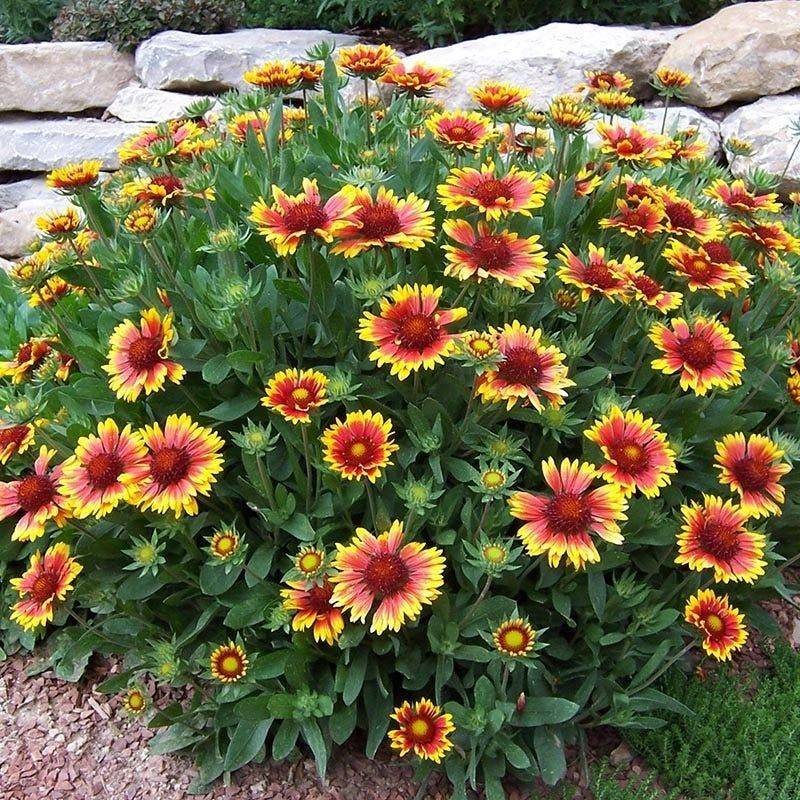
The Blanket Flower, known for its fiery red and yellow petals, brings an element of warmth to any garden. It relishes the sun and flourishes in dry, well-drained soil. This perennial is a favorite among gardeners for its long blooming season and low maintenance needs. Its vibrant hues create a striking contrast against green foliage, making it a standout choice for front yards. Did you know? Gaillardia is named after an 18th-century French botanist, M. Gaillard de Charentonneau.
2. Lavender (Lavandula)
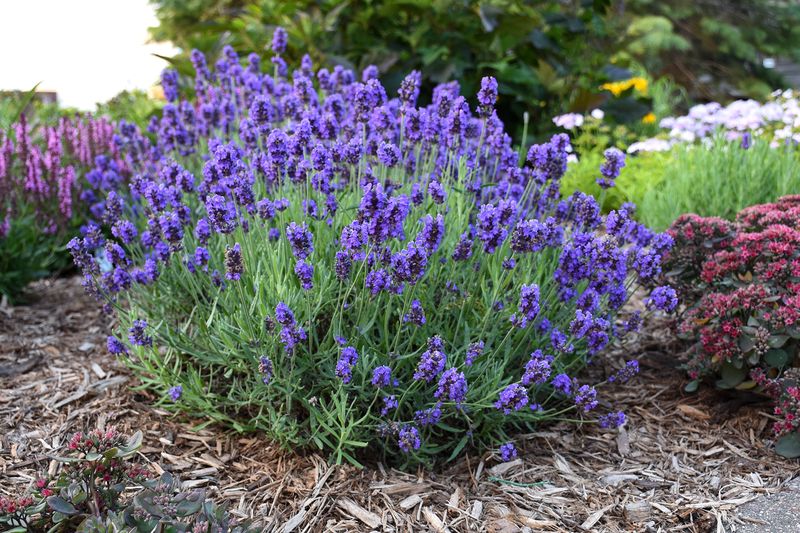
Lavender, with its fragrant purple spikes, is a quintessential choice for dry landscapes. Its soothing scent and hardy nature make it a beloved addition to gardens. This sun-loving plant thrives in poor soil, offering beauty and aroma without demanding much care. Whether planted en masse or as individual accents, Lavender’s timeless appeal endures. Fun fact: Ancient Egyptians used Lavender in their mummification process due to its preserving qualities.
3. Russian Sage (Perovskia atriplicifolia)
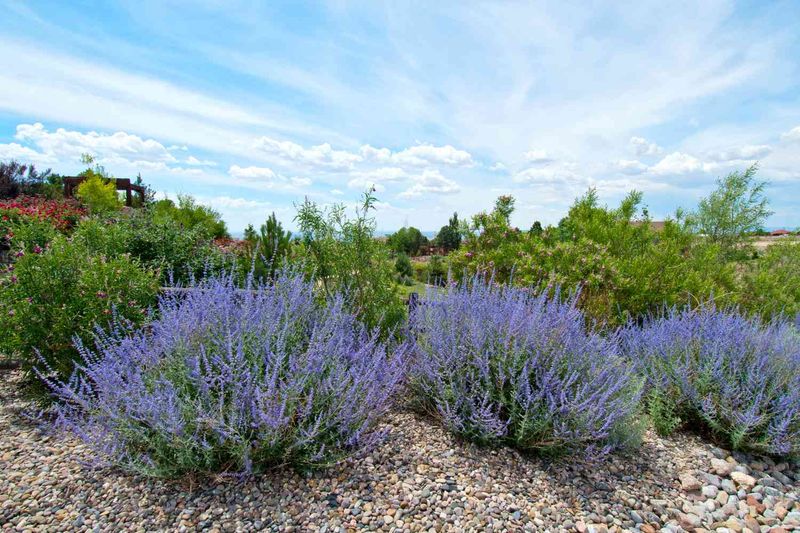
Russian Sage stands tall with its silvery foliage and airy purple flowers, creating a dreamy landscape. Loved by bees and butterflies, this plant thrives under the sun and requires minimal watering. Its delicate appearance belies its robust nature, making it perfect for challenging conditions. Not only does it serve as a pollinator haven, but its aromatic leaves also add an extra sensory dimension to your garden. Origin: Native to central Asia, this plant is revered for its resilience.
4. California Poppy (Eschscholzia californica)
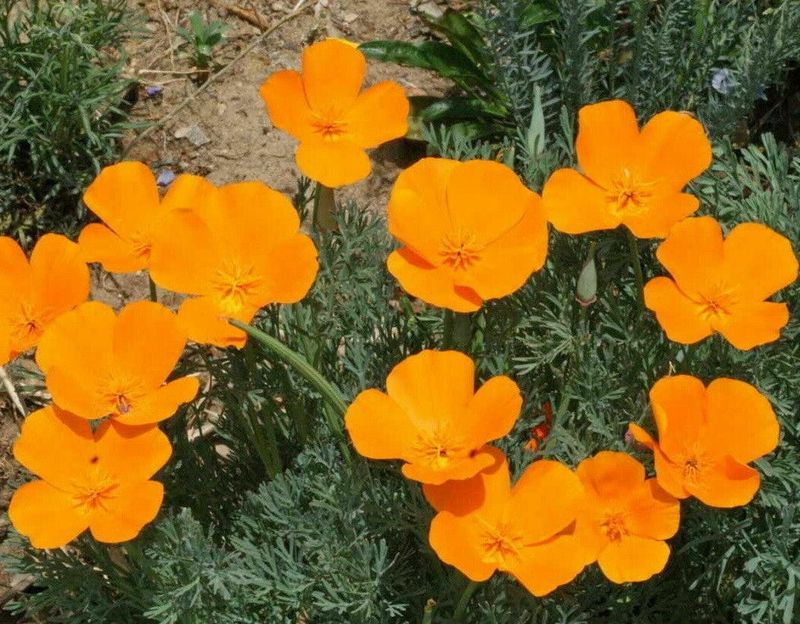
California Poppy, a symbol of the Golden State, dazzles with its bright orange blooms. This cheerful flower reseeds easily, thriving in poor soil and full sun. Its pop of color brightens any garden, attracting pollinators and delighting passersby. With minimal care required, it’s an ideal choice for low-maintenance landscaping. Did you know? The California Poppy is the official state flower of California, celebrated for its resilience and beauty.
5. Black-Eyed Susan (Rudbeckia hirta)
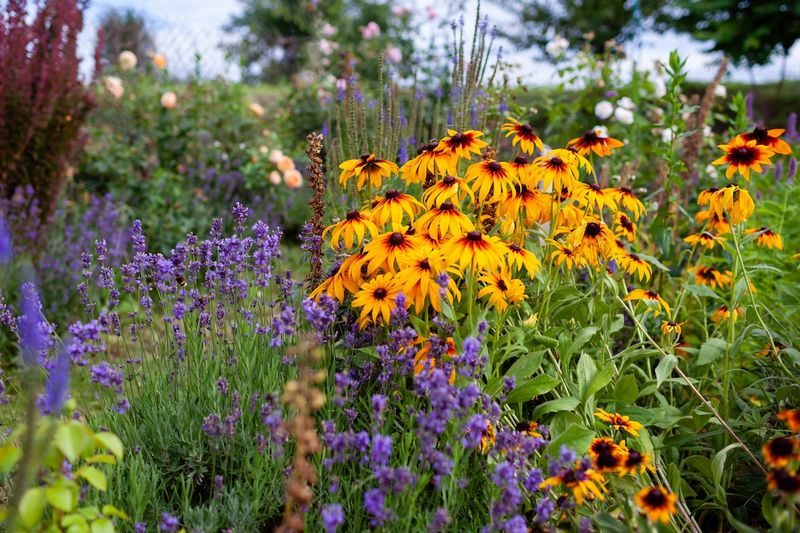
Black-Eyed Susan, with its classic golden petals and dark center, is a summer garden staple. This cheerful flower thrives in tough conditions, displaying resilience and a charming demeanor. Its sunny disposition makes it a favorite among gardeners and pollinators alike. Whether in large clusters or small patches, Black-Eyed Susan adds brightness and life to any landscape. Historical tidbit: Named after the heroine of an 18th-century English ballad, this flower symbolizes justice and encouragement.
6. Coneflower (Echinacea purpurea)

Coneflower stands proud with its bold, upright blooms in shades of purple, pink, and white. This pollinator favorite draws butterflies and bees, adding life and movement to your garden. Known for its medicinal properties, Echinacea is revered not only for its beauty but also for its health benefits. Its resilience and adaptability to various soil types make it a versatile choice for front yards. Fun fact: Native Americans used Echinacea for treating infections and wounds.
7. Yarrow (Achillea millefolium)
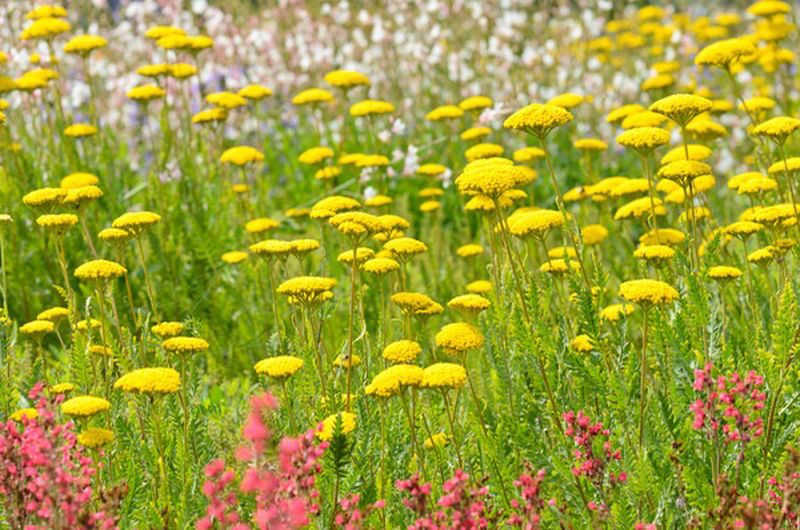
Yarrow’s flat-topped clusters come in a variety of colors, from sunny yellow to soft pinks and whites. Thriving in full sun and dry soil, it offers both beauty and practicality. Its feathery foliage adds texture, while its blossoms attract beneficial insects. Yarrow’s drought tolerance and hardiness make it a garden staple. Interesting fact: Its name derives from Achilles, the Greek hero, who supposedly used it to treat his soldiers’ wounds.
8. Coreopsis (Coreopsis spp.)
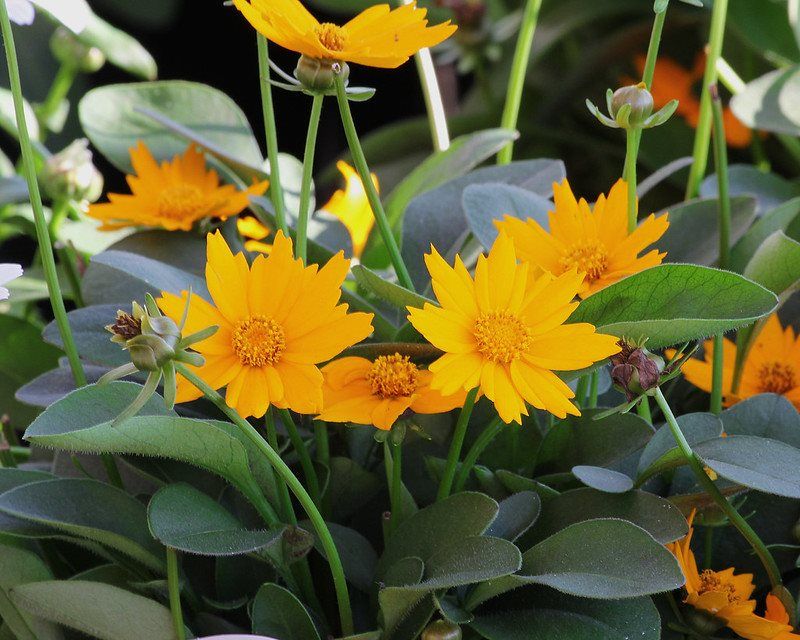
Coreopsis, with its sunny daisy-like blooms, brings cheer to any garden throughout summer. Known for its long-lasting color, it thrives in well-drained soil and full sun. This low-maintenance plant attracts butterflies and adds vibrant energy to landscape designs. Its ability to bloom continuously makes it a favorite among gardeners. Did you know? Coreopsis is the state wildflower of Florida, symbolizing joy and cheerfulness.
9. Verbena (Verbena rigida)
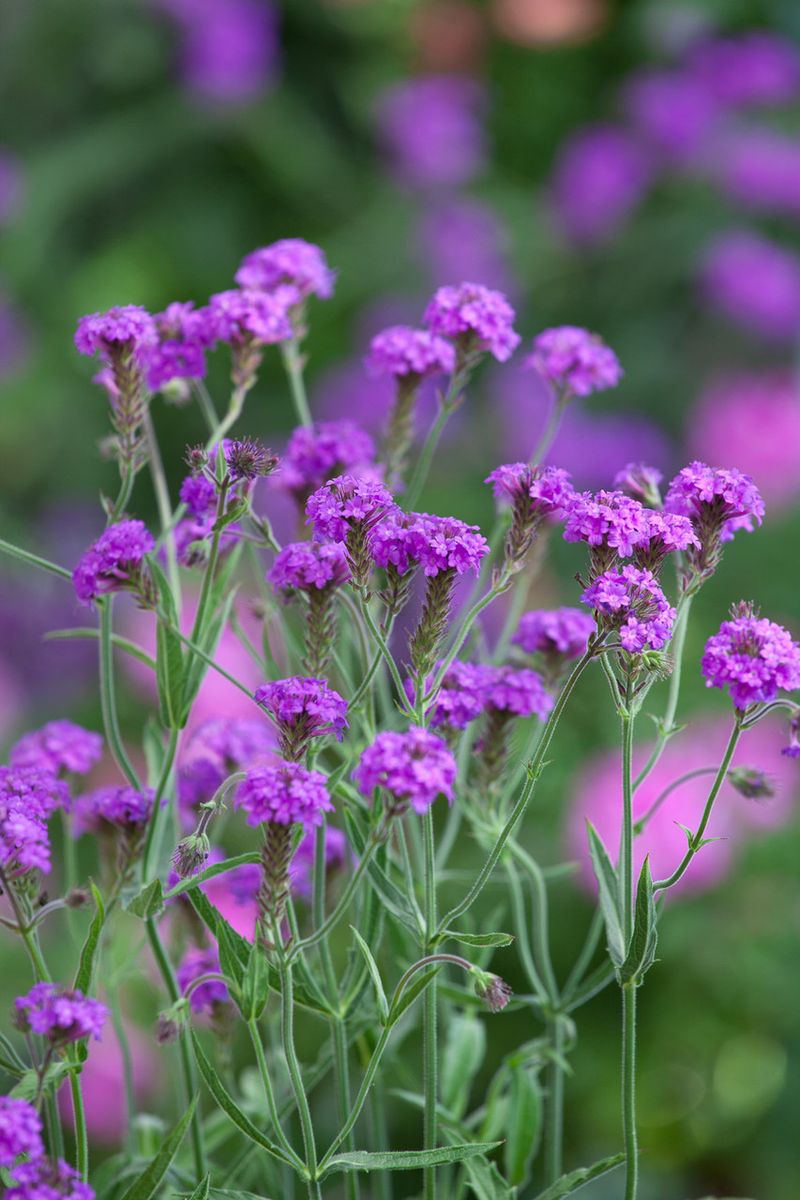
Verbena, known for its brilliant violet to magenta blooms, forms an enchanting groundcover. This plant’s low-growing nature makes it ideal for borders and containers. Heat and drought-tolerant, Verbena thrives in sunny spots, adding a splash of color with little effort. Its flowers attract butterflies, creating a lively and inviting garden space. Fun fact: In ancient times, Verbena was believed to have healing powers and was used in various rituals.
10. Sedum (Sedum spp.)
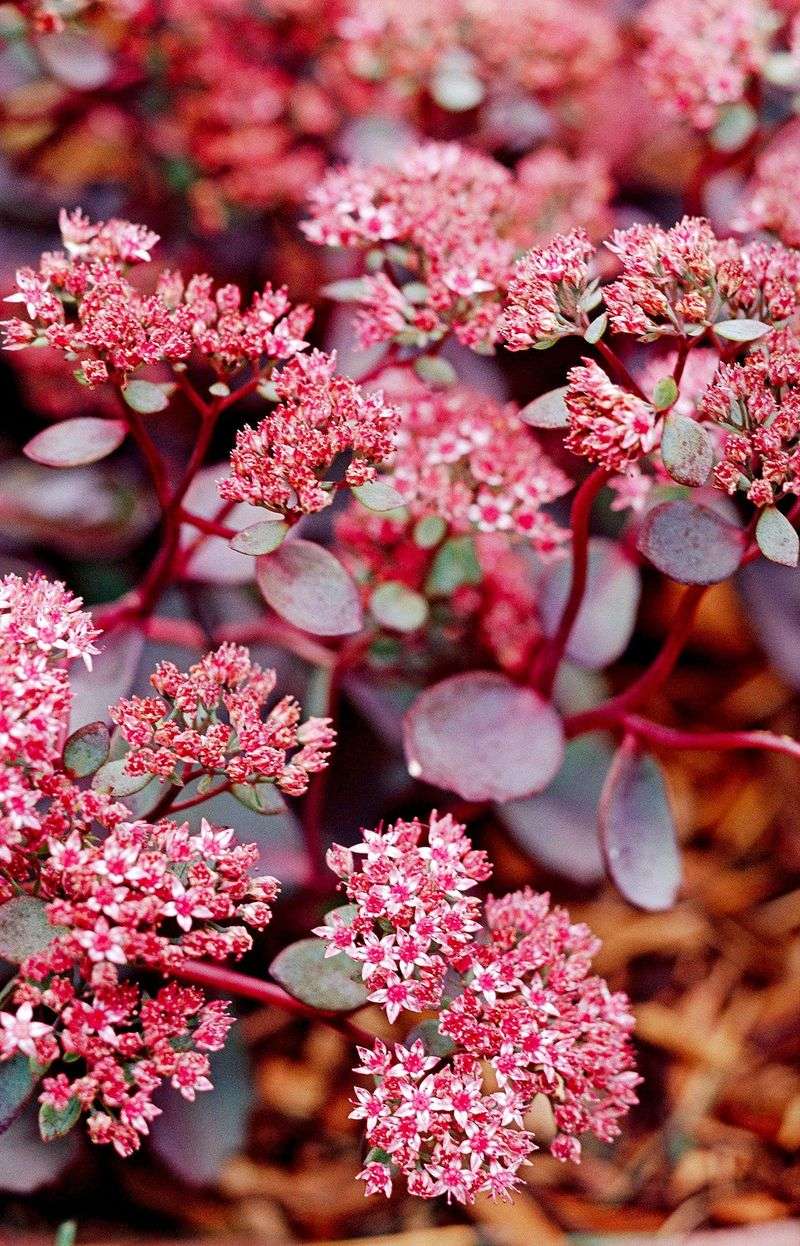
Sedum, with its succulent foliage and star-shaped flowers, is perfect for rock gardens. Its ability to store water makes it exceptionally drought-tolerant. This versatile plant comes in various shapes and colors, offering year-round interest. Its minimal care requirements and attractive appearance make it a popular choice for landscapes seeking sustainability and beauty. Did you know? Sedum is sometimes referred to as “stonecrop” because of its rocky habitat preference.
11. Penstemon (Penstemon spp.)
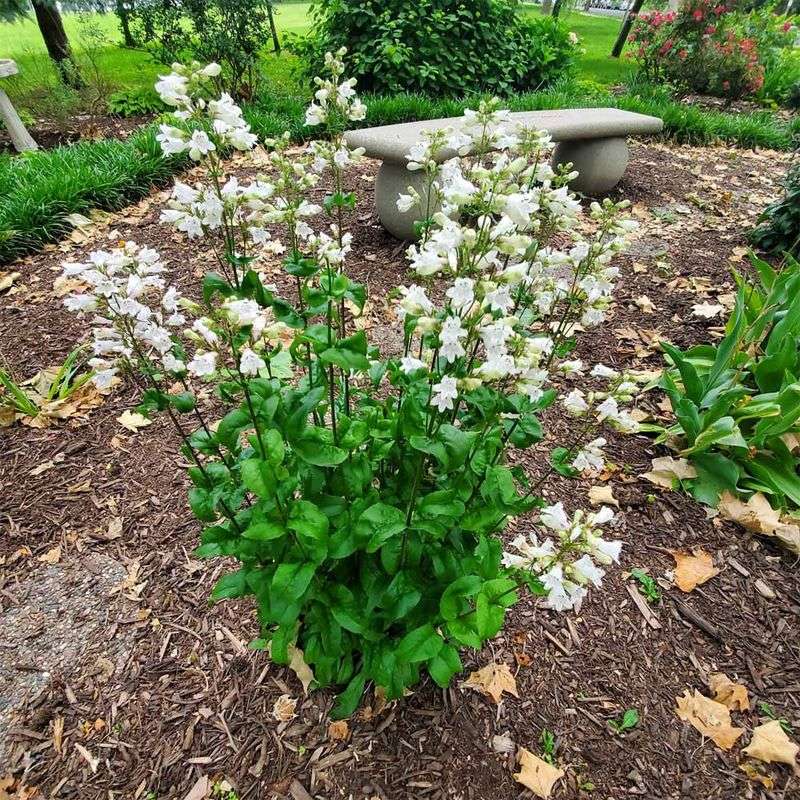
Penstemon’s tubular flowers come in a rainbow of colors, attracting hummingbirds and adding elegance to any setting. Known for its adaptability, it thrives in dry, well-drained soil. Its showy blooms and minimal water needs make it an excellent choice for gardeners seeking vibrant color with little fuss. Historical note: Native Americans used Penstemon for medicinal purposes, appreciating its versatility and beauty. The plant’s name comes from Greek, meaning “five stamens.”
12. Gazania (Gazania rigens)
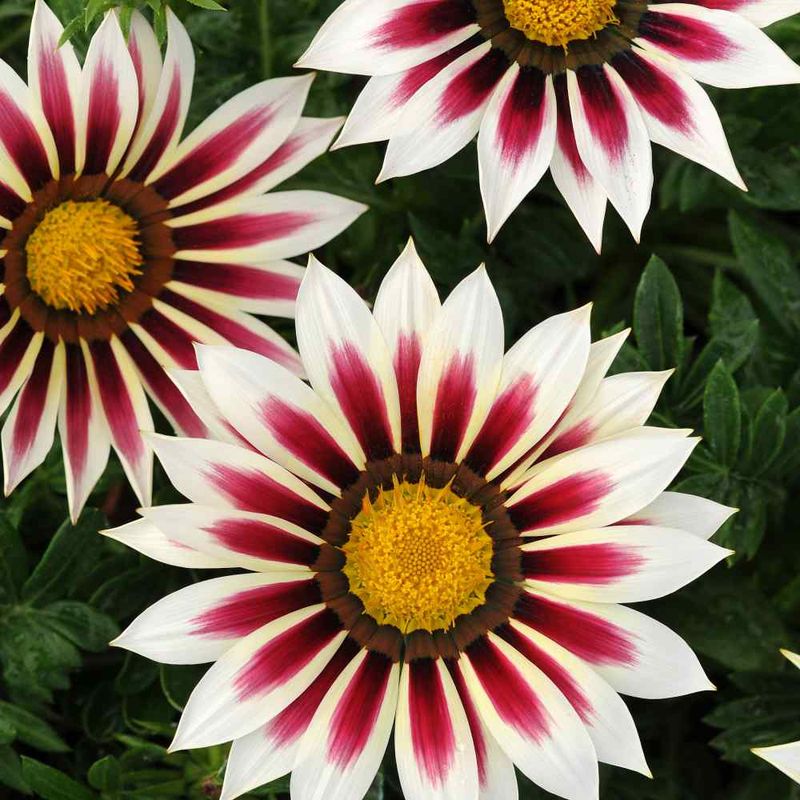
Gazania, with its daisy-like flowers, opens and closes with the sun, revealing vibrant colors during daylight. This unique characteristic, combined with its drought tolerance, makes it a charming addition to any garden. Its low-growing habit and striking appearance captivate gardeners and passersby alike. Perfect for borders and groundcovers, Gazania’s adaptability and beauty shine. Fun fact: Originating from South Africa, Gazania is often called the “treasure flower” for its shimmering blooms.
13. Beardtongue (Penstemon digitalis)
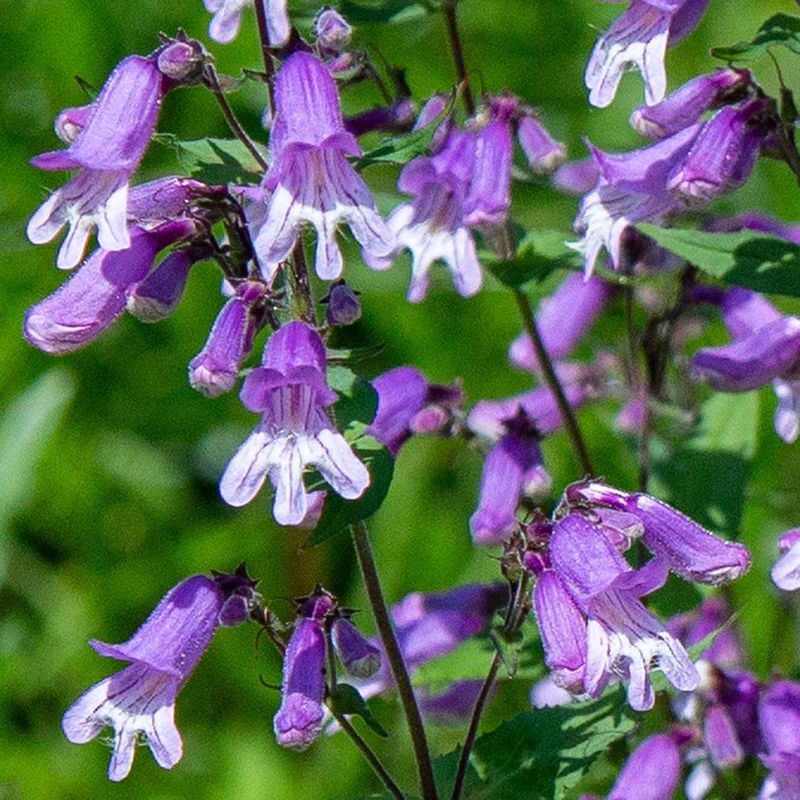
Beardtongue, with its elegant spires and tubular flowers, captivates with its understated beauty. Tolerant of dry conditions and poor soil, it is both resilient and graceful. This perennial’s subtle hues add a touch of refinement, blending seamlessly into various garden styles. Its long bloom period and minimal care requirements make it a gardener’s delight. Fun fact: The name “Beardtongue” refers to the tuft of hairs found on the plant’s stamen.
14. Catmint (Nepeta spp.)
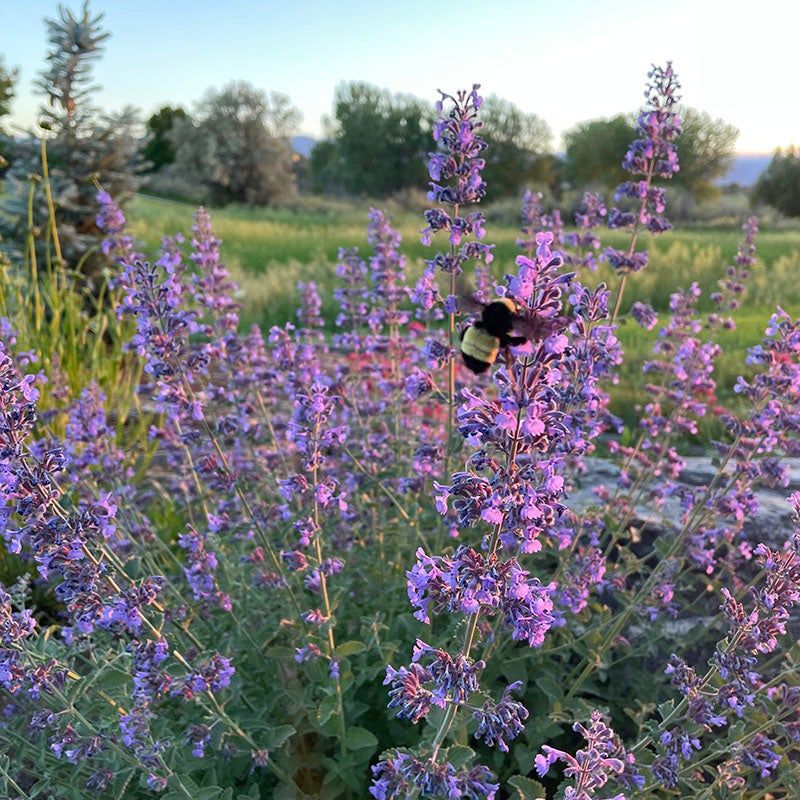
Catmint enchants with its lavender-blue flowers and fragrant gray-green leaves. Renowned for its hardiness, it thrives in heat and dry conditions, making it a staple in resilient gardens. This plant’s aromatic foliage deters pests while attracting pollinators, creating a lively environment. Its relaxed and sprawling growth habit adds a casual elegance to landscapes. Did you know? Catmint gets its name from its appeal to cats, who often find its scent irresistible.
15. Salvia (Salvia nemorosa)
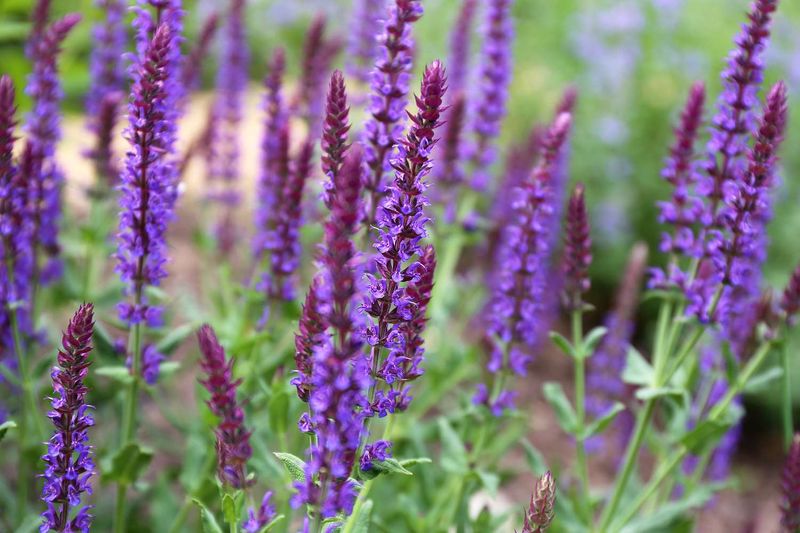
Salvia captivates with its striking purple to blue flower spikes, standing tall in gardens. This heat-tolerant plant performs beautifully with minimal water, making it ideal for sustainable landscapes. Its vibrant colors and aromatic leaves attract pollinators, enhancing biodiversity. Salvia’s upright growth and extended blooming season offer continuous visual interest. Fun fact: The name “Salvia” derives from the Latin word “salvare,” meaning “to heal,” reflecting its historical medicinal use.
16. Rock Rose (Cistus spp.)
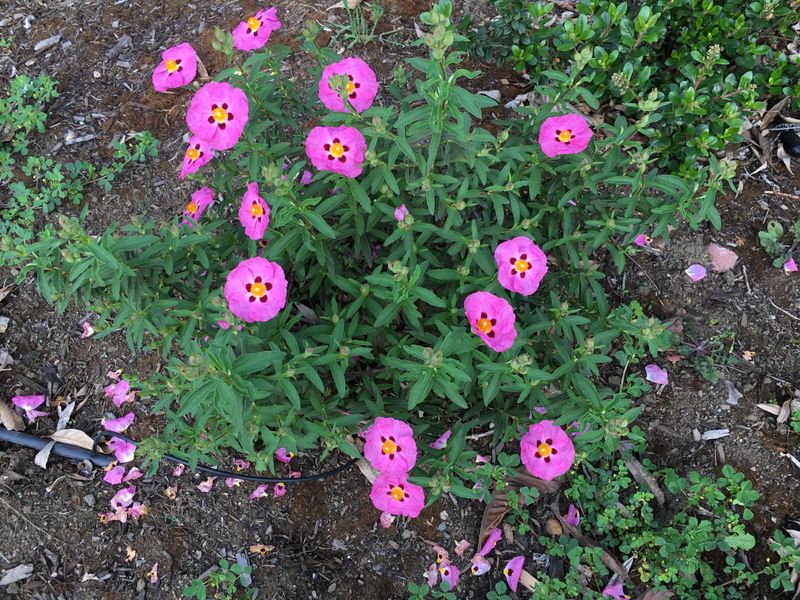
Rock Rose, with its delicate, rose-like flowers, thrives in rocky and dry conditions. Its ability to bloom profusely with little water makes it a valuable addition to xeriscapes. This evergreen shrub offers year-round greenery and seasonal splashes of color, enhancing any garden’s appeal. Its low-maintenance nature and drought resistance make it a favorite among water-wise gardeners. Historical note: Rock Rose has been used in traditional medicine, especially in the Mediterranean region.
17. Mexican Hat (Ratibida columnifera)
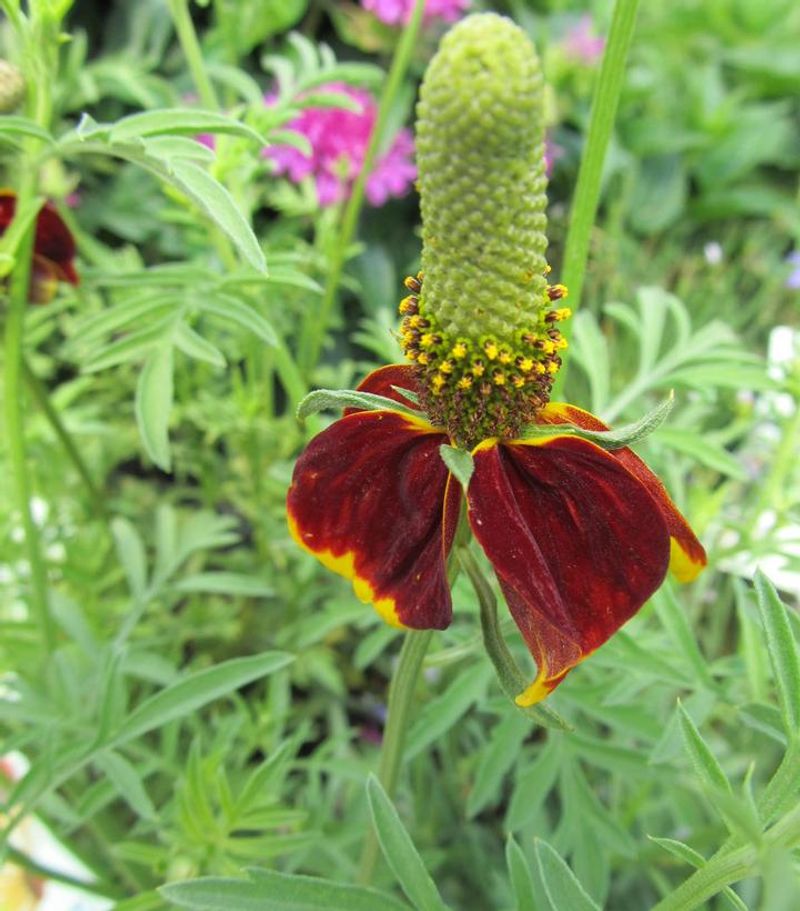
Mexican Hat, named for its whimsical, hat-shaped blooms, brings a playful touch to landscapes. Its deep red and gold colors stand out, creating visual excitement in gardens. This resilient plant thrives in poor soil and dry conditions, making it ideal for low-maintenance gardening. Its unique form attracts attention and adds a touch of whimsy to any setting. Fun fact: Indigenous peoples of North America used Mexican Hat for medicinal purposes, appreciating its healing properties.
18. Evening Primrose (Oenothera biennis)
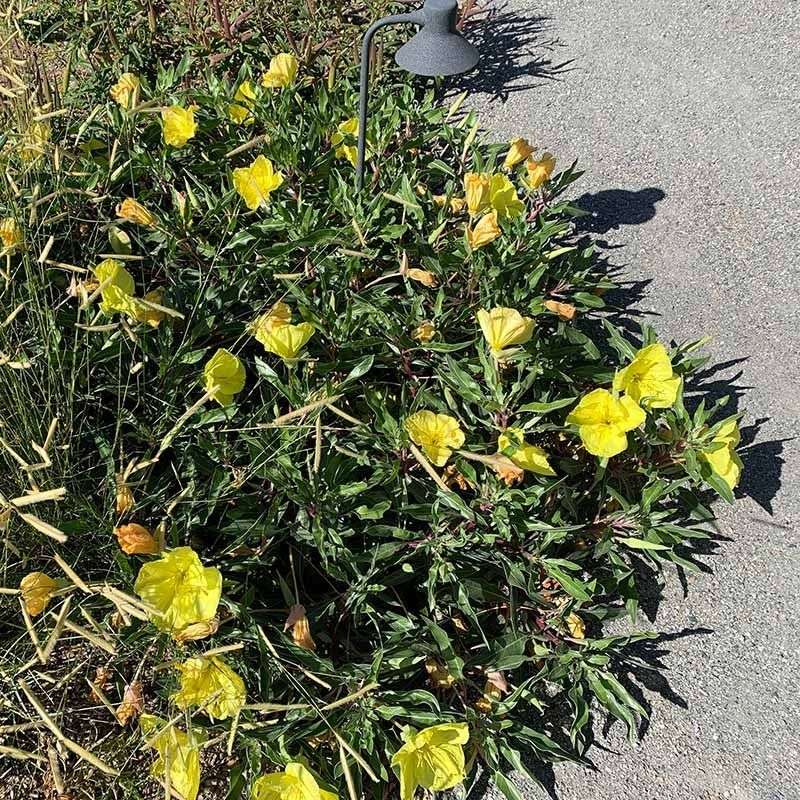
Evening Primrose enchants with its yellow blooms that open in the evening, adding a touch of magic to gardens. Its tolerance of poor soil and dry conditions ensures its survival in challenging environments. This biennial’s charming flowers and minimal care requirements make it a delightful addition to front yards. Historical tidbit: Evening Primrose oil, derived from its seeds, is valued for its health benefits, including skin and hormonal support.
19. Lantana (Lantana camara)
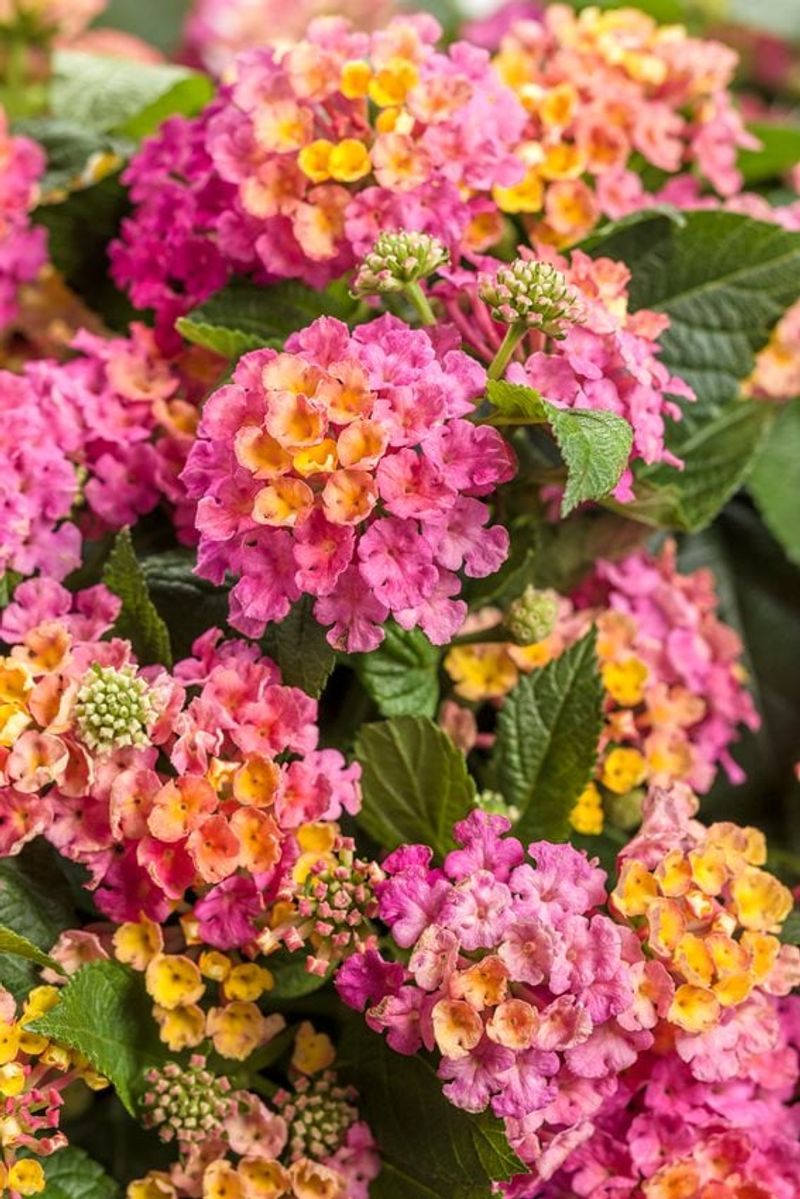
Lantana’s clusters of multicolored blooms bring a vibrant and tropical flair to gardens. Its ability to thrive in hot, dry climates makes it a standout choice for drought-prone areas. This hardy plant requires little maintenance while providing continuous color throughout the growing season. Lantana’s appeal to butterflies adds a lively dynamic to landscapes. Fun fact: In some regions, Lantana is considered invasive due to its vigorous growth, but its beauty remains undeniable.
20. Dusty Miller (Senecio cineraria)
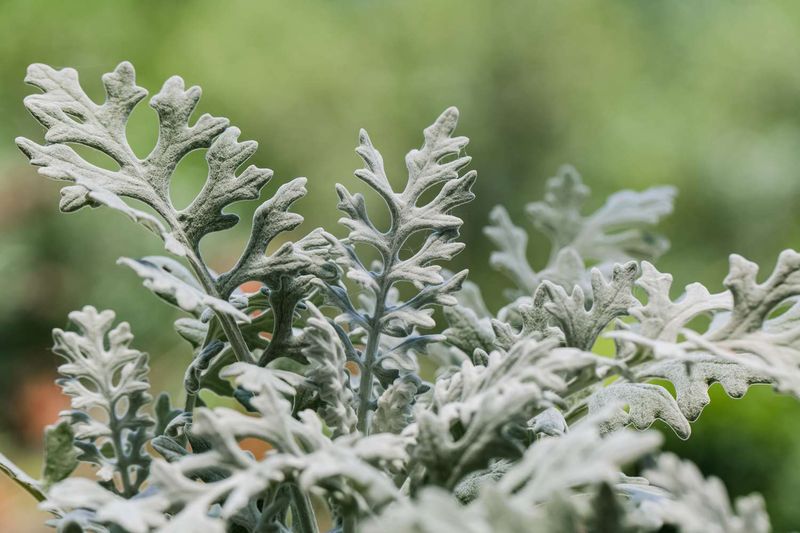
Dusty Miller, with its silvery foliage, offers a striking contrast against vibrant flowers. This plant’s drought tolerance and low maintenance make it a valuable addition to any landscape. Its unique texture and color add interest and depth, enhancing garden aesthetics. Dusty Miller is often used as an accent plant, creating defined borders and focal points. Interesting fact: Despite its delicate appearance, Dusty Miller can withstand harsh conditions, proving its resilience.
21. Zinnia (Zinnia elegans)
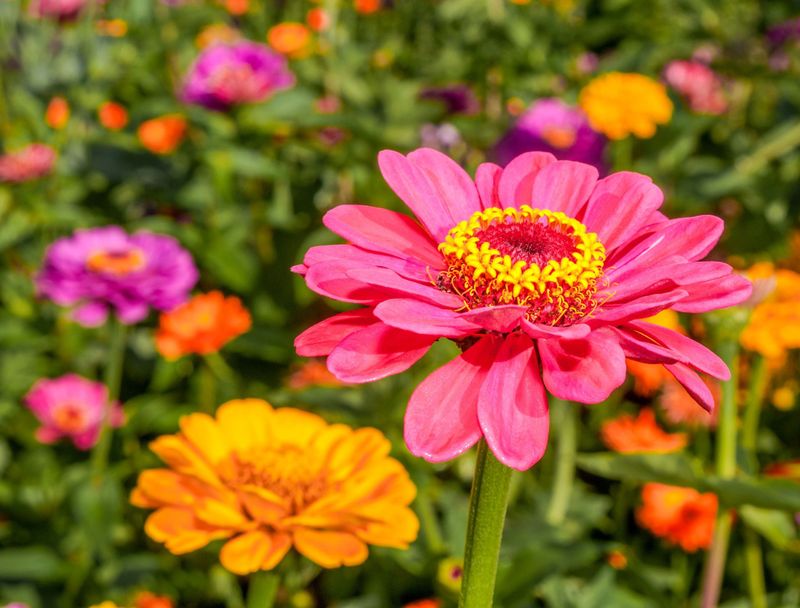
Zinnia delights with its bright, long-lasting blooms, offering a spectrum of colors and forms. This annual’s drought-tolerant varieties provide beauty with minimal effort, thriving in sunny locations. Zinnia’s adaptability and vibrant presence make it a favorite for borders, containers, and cut flower arrangements. Its appeal to pollinators, especially butterflies, enhances garden vitality. Fun fact: Zinnias are named after German botanist Johann Gottfried Zinn and symbolize lasting friendship.
22. Globe Thistle (Echinops ritro)

Globe Thistle captivates with its spiky blue flowers, adding architectural interest to gardens. Its robust nature allows it to thrive in dry, well-drained soil, offering beauty with little care. This perennial’s unique form and color attract pollinators, enhancing garden biodiversity. Globe Thistle’s striking appearance makes it a focal point in any landscape design. Did you know? The name “Echinops” comes from the Greek words for “hedgehog” and “face,” referring to its bristly flower heads.
23. Bougainvillea
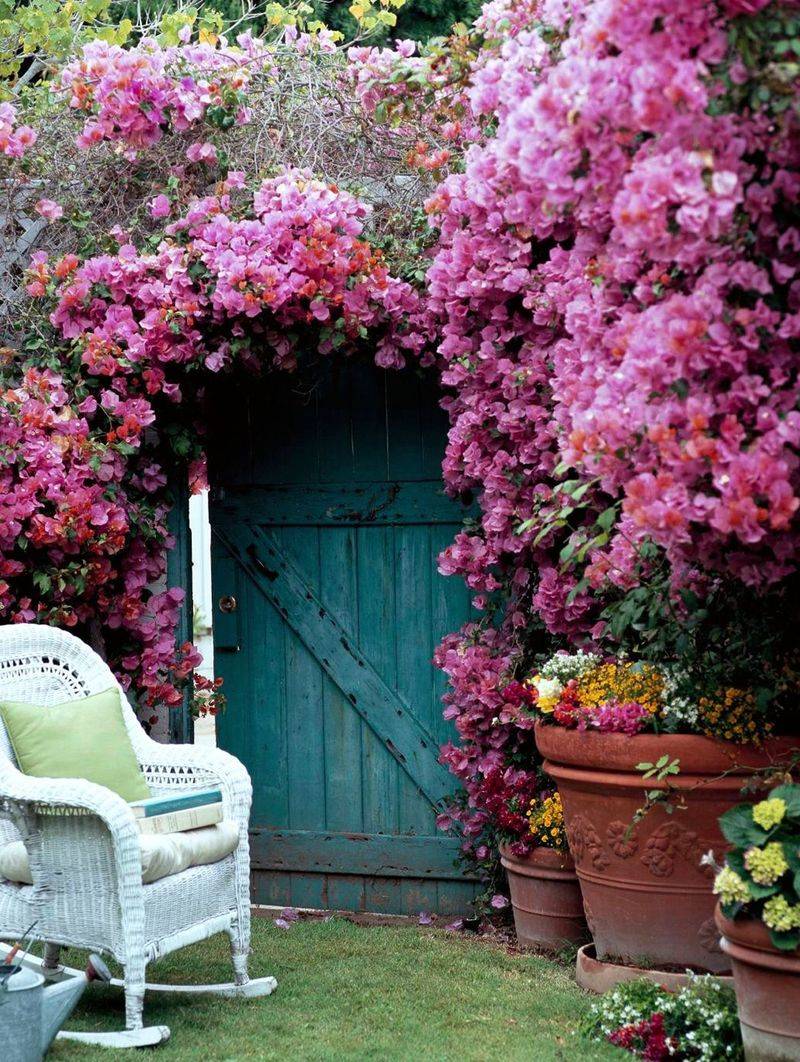
Bougainvillea, with its neon papery flowers, adds a dramatic splash of color and life to any setting. This climbing or shrubby plant thrives in heat and dry conditions, making it ideal for sunny gardens. Its vivid colors and vigorous growth create stunning backdrops and focal points. Bougainvillea’s ability to climb and cover spaces makes it a versatile landscaping choice. Fun fact: Bougainvillea is named after French explorer Louis Antoine de Bougainville, who discovered it in Brazil.
24. Portulaca (Portulaca grandiflora)
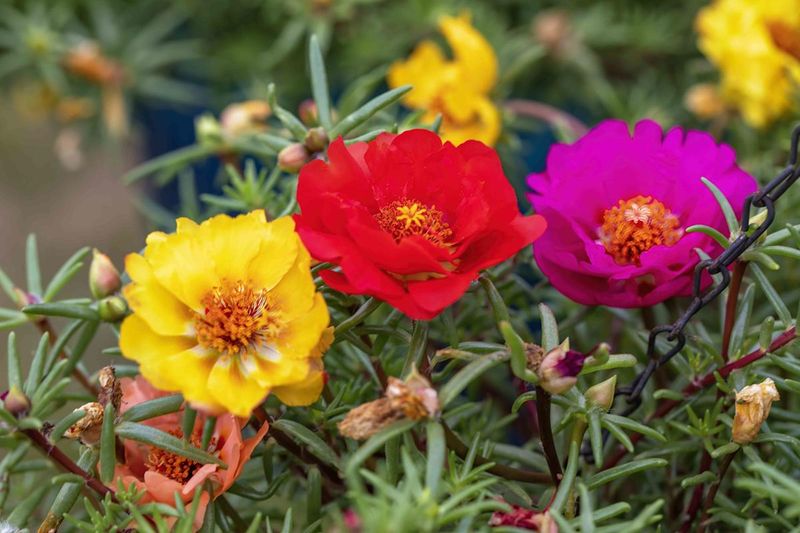
Portulaca’s succulent groundcover dazzles with its jewel-tone flowers that open in sunlight. Its drought tolerance and ability to thrive in poor soil make it a practical choice for water-wise gardens. This plant’s low-growing habit and vibrant blooms create an inviting and cheerful landscape. Portulaca’s resilience and beauty make it a favorite for rock gardens, borders, and containers. Did you know? Portulaca is often called “moss rose” due to its rose-like blooms and spreading habit.
25. Gaura (Gaura lindheimeri)
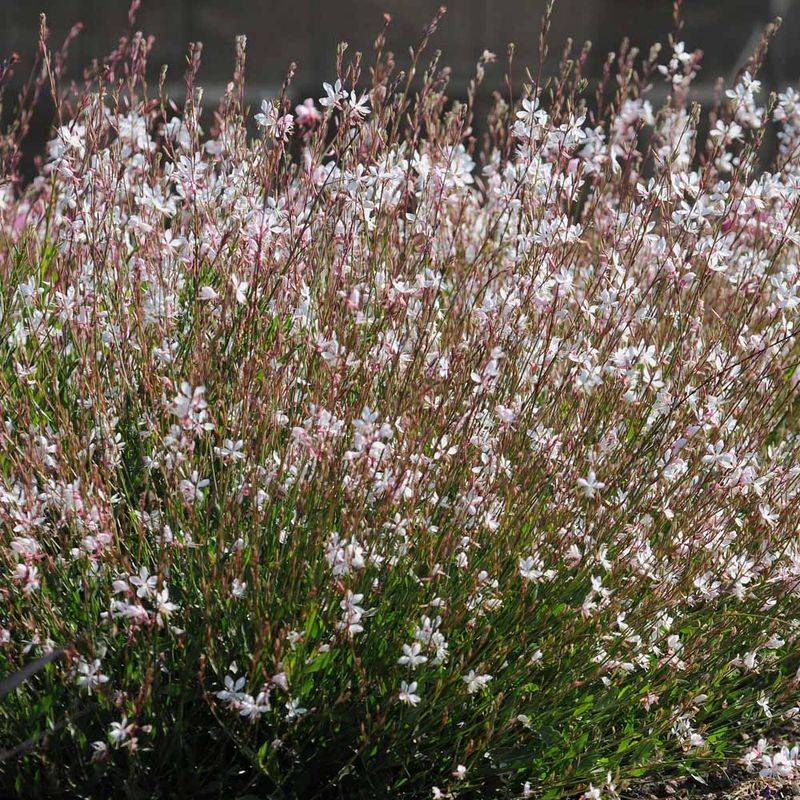
Gaura’s delicate white and pink blooms resemble butterflies dancing in the breeze. This plant’s graceful appearance and drought tolerance make it a cherished choice for gardens. It thrives in poor soil and full sun, offering continuous blooms with little maintenance. Gaura’s airy form adds movement and elegance to landscapes, enhancing garden aesthetics. Fun fact: Also known as “Whirling Butterflies,” Gaura is native to North America and symbolizes endurance and grace.