 Complete Gardening
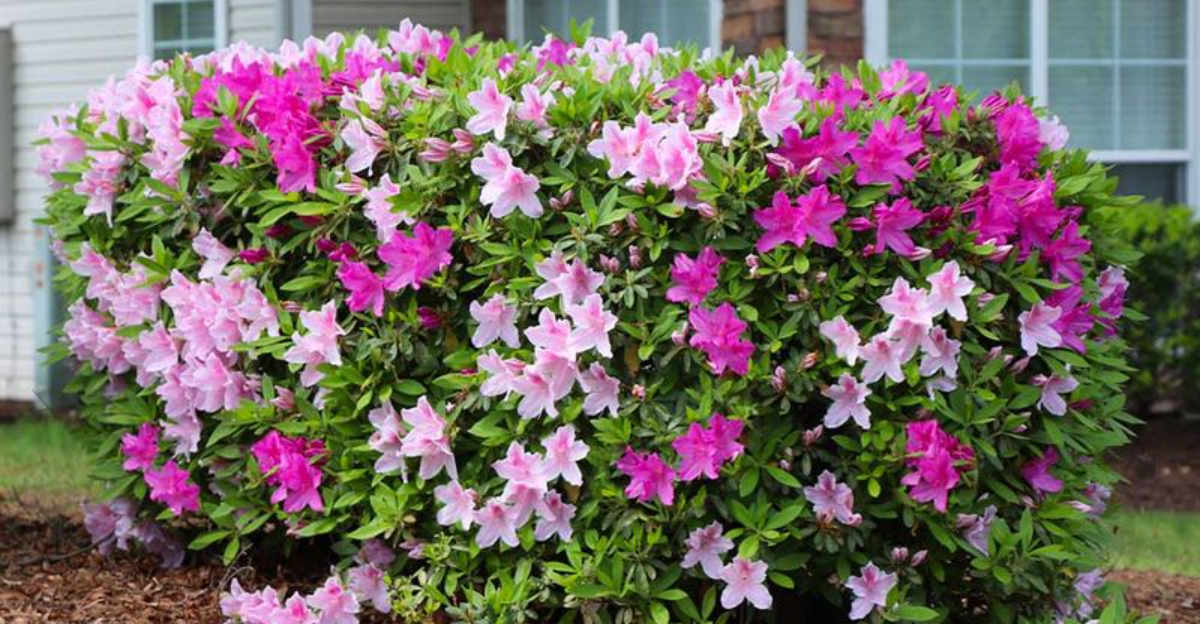
Enhancing the appearance of a small front yard can be a delightful challenge. With the right planting tricks, you can create the illusion of a spacious and inviting garden.
This guide explores 25 innovative methods that utilize vertical space, clever color choices, and strategic layouts to transform your limited area into a vibrant oasis.
Whether you’re dealing with a compact urban garden or a cozy suburban plot, these techniques will help you maximize space and beauty.
1. Use Vertical Plants
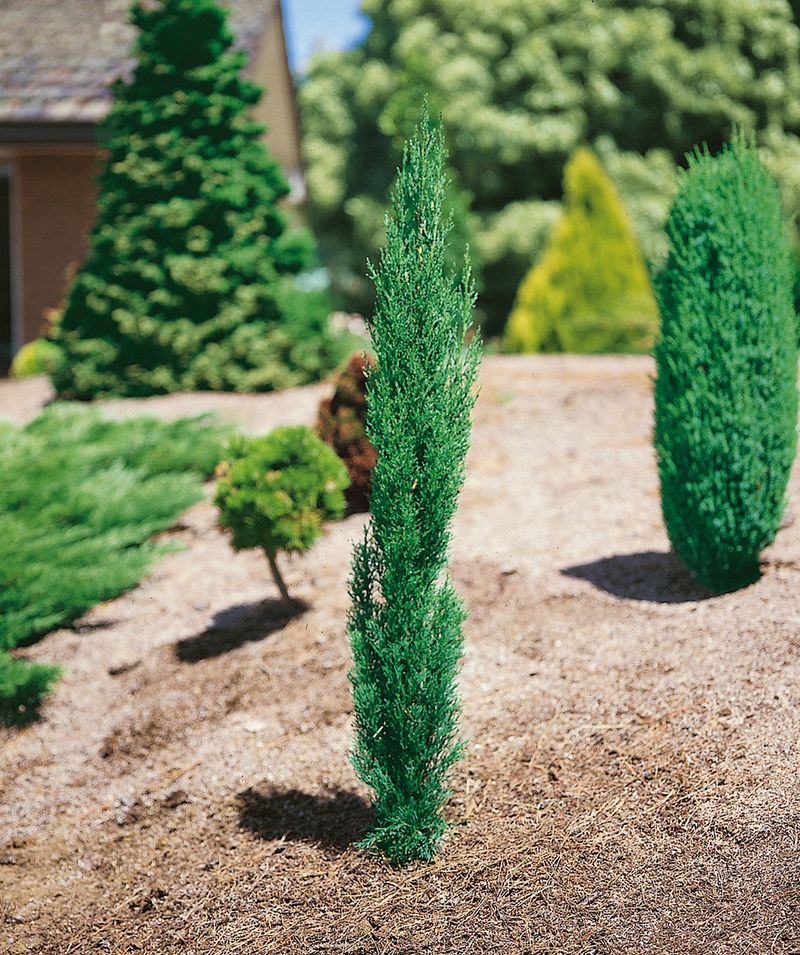
Imagine a front yard where the plants seem to reach for the sky. Tall, narrow plants like Italian cypress or ornamental grasses draw the eye upward, creating the illusion of height and space.
These vertical wonders not only save precious ground space but also introduce an elegant architectural element to your garden. With their commanding presence, they can make your small yard feel much grander.
Planted strategically, they can even serve as natural screens, adding privacy without shutting out the sunlight.
2. Layer with Depth
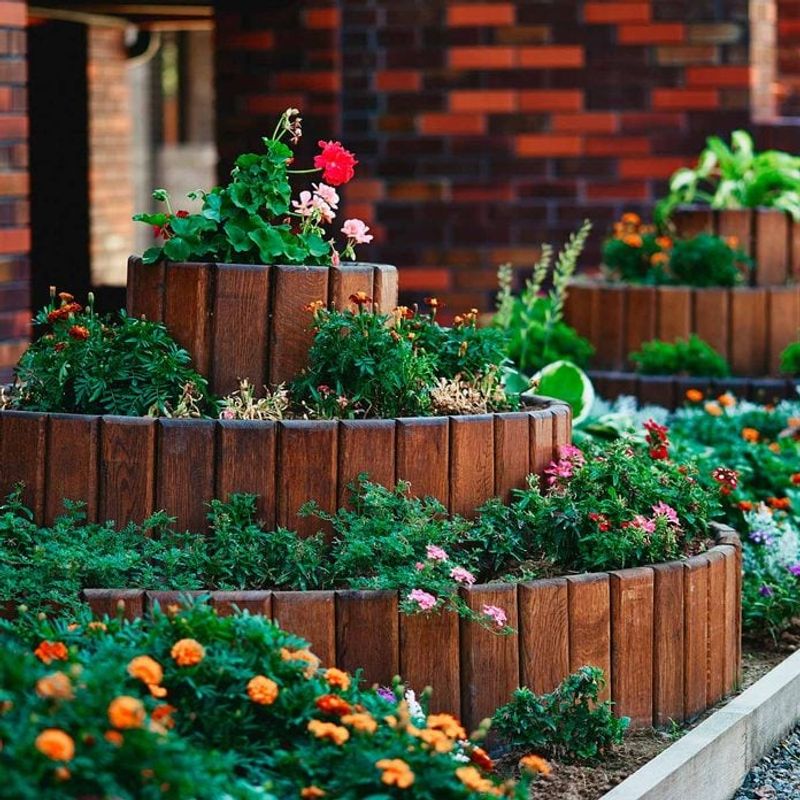
Imagine your garden as a painting, each plant a brushstroke in the masterpiece. By planting in tiers—low-growing groundcovers in front, medium-height shrubs in the middle, and taller plants in the back—you create depth and perspective.
This layering trick transforms a flat space into a textured wonderland. The varied heights invite the eye to explore different levels, making the yard appear more spacious and inviting.
It’s like having a mini forest in your front yard, where every layer reveals a new surprise.
3. Choose Light-Colored Foliage
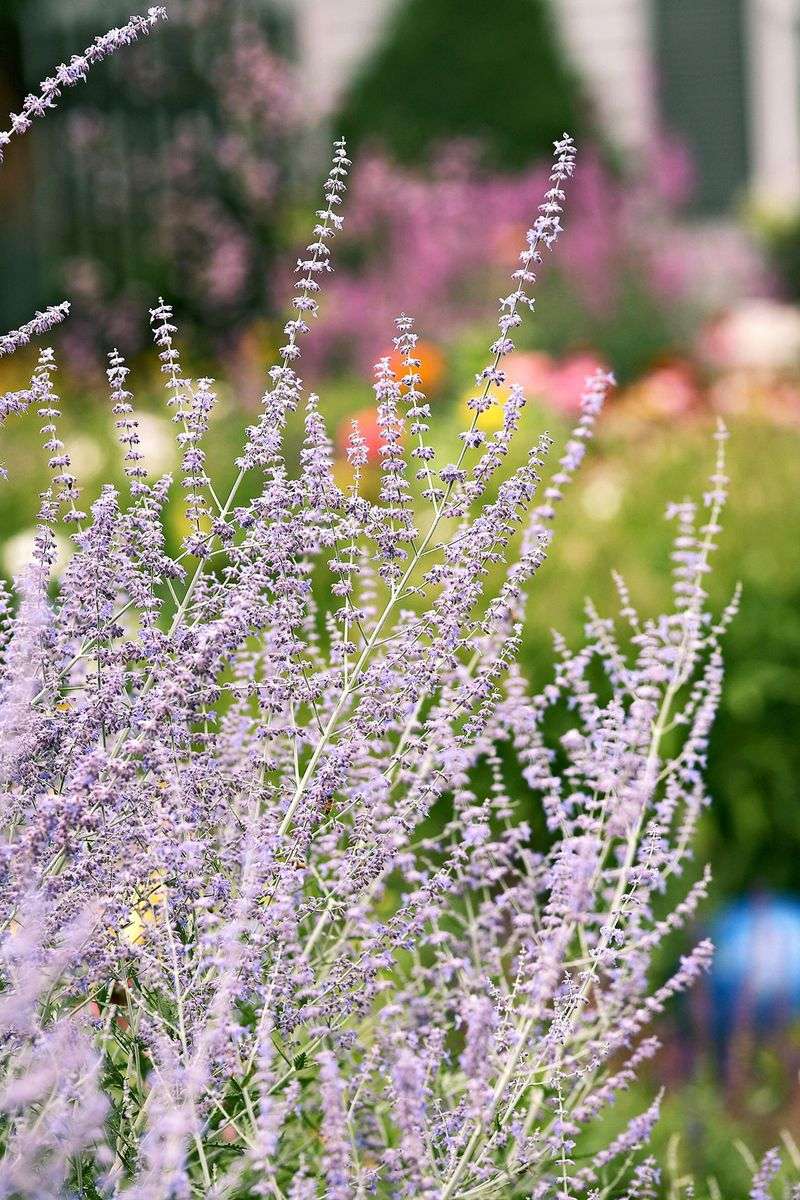
Light-colored foliage, like the delicate greens and silvers of lavender or dusty miller, reflects more light, making your garden feel airy and open. This trick brightens the space, giving a fresh, expansive feeling even in the smallest yards.
The shimmering leaves catch sunlight, casting gentle, dancing shadows that add to the sense of space. It’s like inviting the sun to play in your garden, where every ray creates a new pattern and every breeze whispers a secret. A light touch with these hues offers a big impact.
4. Stick to a Simple Color Palette
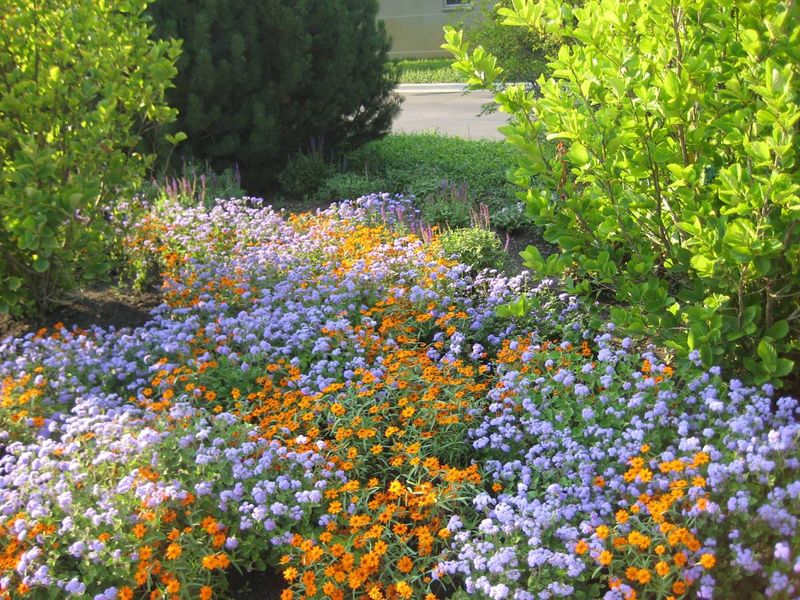
Imagine a garden where colors sing in harmony rather than compete for attention. Sticking to a simple color palette of 2–3 main hues can bring a sense of peace and elegance to your small front yard.
Too many colors can feel chaotic, but a cohesive scheme creates flow and makes the space feel organized. Whether you prefer soothing pastels or bold contrasts, keeping it simple allows each plant’s texture and form to shine.
It’s a symphony of simplicity, where less truly becomes more, and every bloom knows its place.
5. Add Climbing Vines
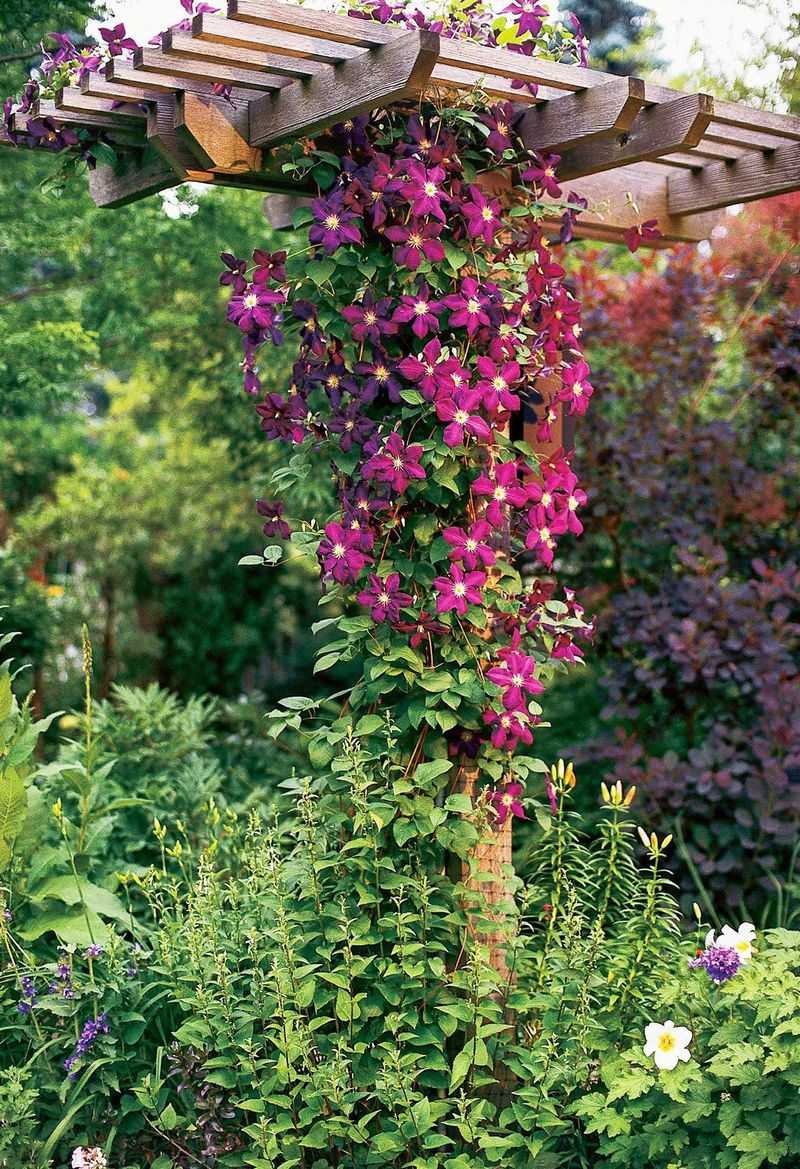
Picture a trellis draped with delicate vines, like clematis or star jasmine, adding vertical interest without consuming ground space. Climbing vines are the garden’s way of reaching for the stars, effortlessly expanding your yard’s dimensions.
These floral climbers add color and fragrance, transforming bare walls or fences into living canvases. They invite you to look up, drawing attention away from the limited footprint towards the infinite sky.
With each bloom, they weave a tapestry of beauty that dances in the breeze.
6. Create Curved Plant Beds
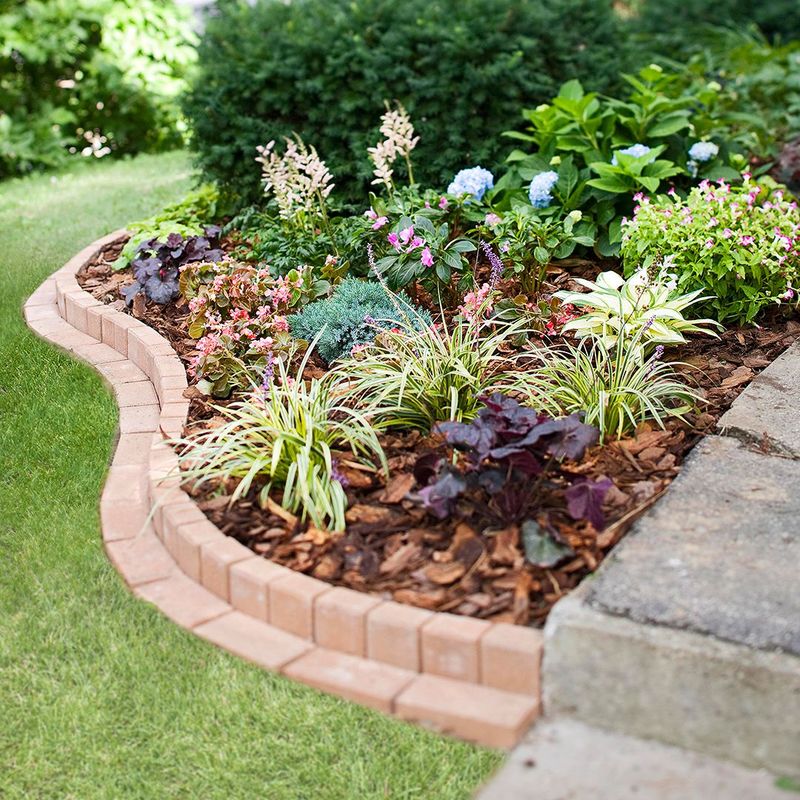
Curved plant beds introduce a sense of movement and softness to your garden, helping it feel larger and more dynamic. By avoiding rigid lines, these gentle arcs guide the eye naturally, creating an illusion of depth and spaciousness.
It’s like wandering through a serene landscape where every bend reveals a new vista. The curves invite exploration and interaction, turning a simple walk through the garden into an enchanting journey. In small spaces, where every detail counts, these elegant waves make all the difference.
7. Opt for Small Trees
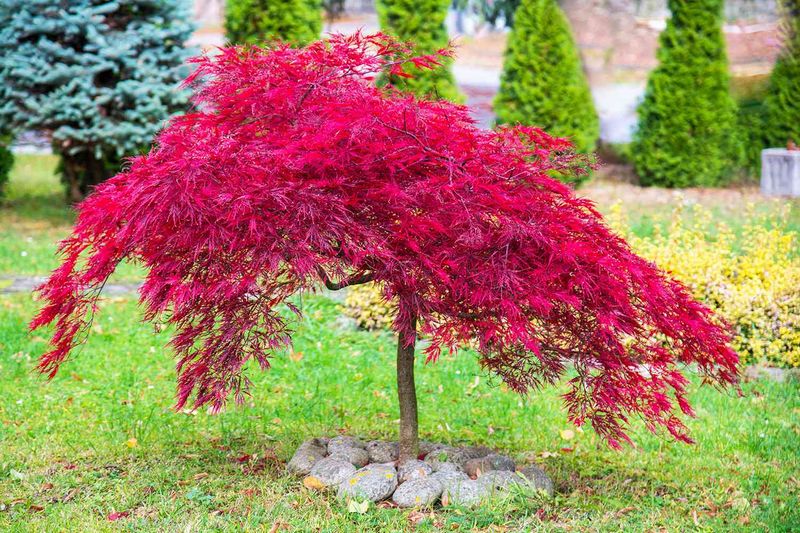
Compact or dwarf trees like dogwoods, redbuds, or Japanese maples bring structure and beauty without overwhelming your garden. These miniature giants provide shade and interest, allowing you to enjoy the benefits of trees without sacrificing space.
Their graceful forms and vibrant foliage add layers of color and texture, transforming a small yard into a picturesque retreat. Imagine sitting under a canopy of blossoms or vibrant leaves, where every branch tells a story of growth and renewal, a reminder that size isn’t everything.
8. Use Repeating Plant Patterns
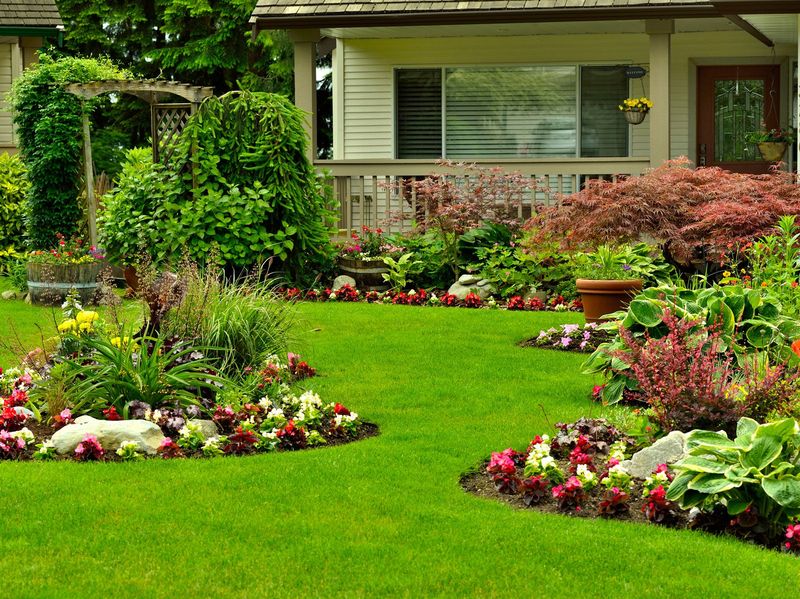
Repetition brings a sense of unity and rhythm to your garden, making it feel intentional and expansive. By repeating one plant or group across the space, you create a visual flow that guides the eye smoothly from one end to another.
It’s like hearing a favorite melody where each note resonates with familiarity and delight. This technique helps a small yard feel larger and more cohesive, turning it into a harmonious composition.
Every repeated pattern adds to the sense of balance and purpose, transforming chaos into calm.
9. Add a Focal Point
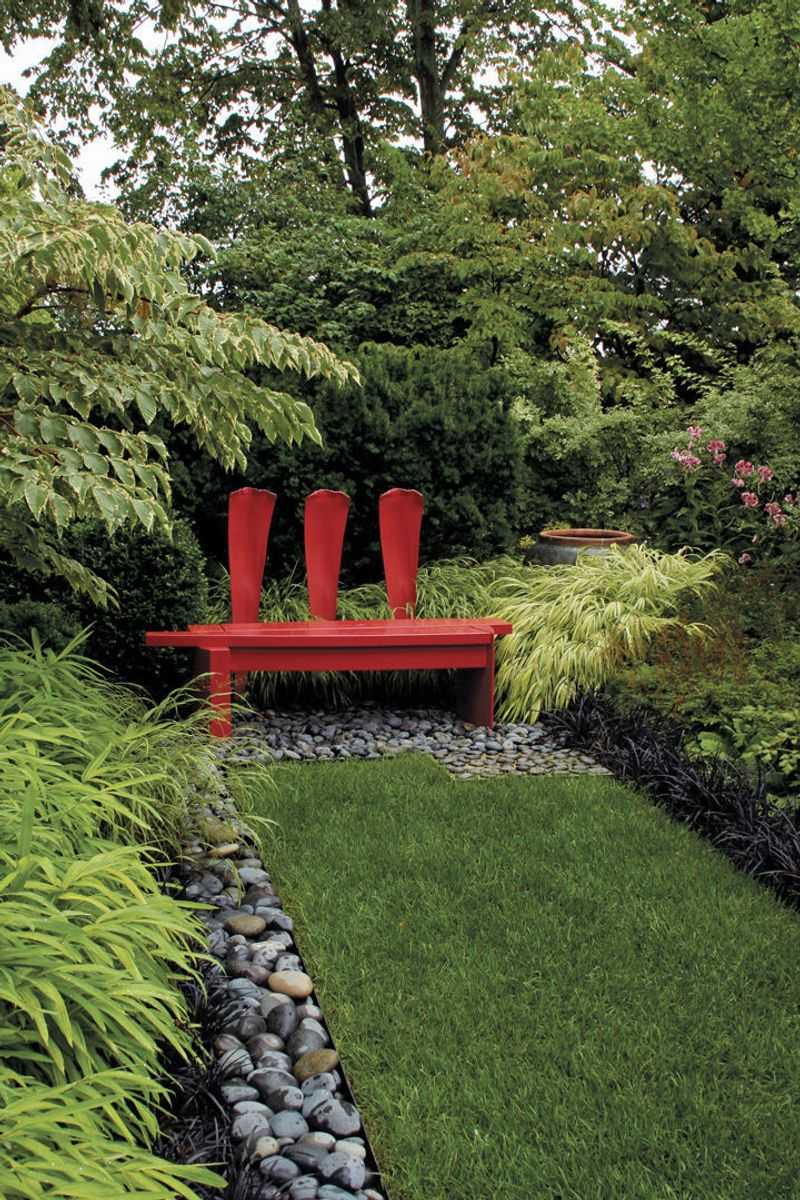
A strategic focal point, such as a statement plant, small sculpture, or birdbath, draws the eye and creates a sense of greater distance in your garden. This visual anchor invites exploration and curiosity, encouraging visitors to journey deeper into your yard.
It’s like placing a star at the end of a path, guiding the way with its allure. The focal point provides a destination for the eyes, making the space feel larger and more engaging.
It adds personality and charm, a unique element that turns a simple garden into a captivating story.
10. Frame with Low Hedges
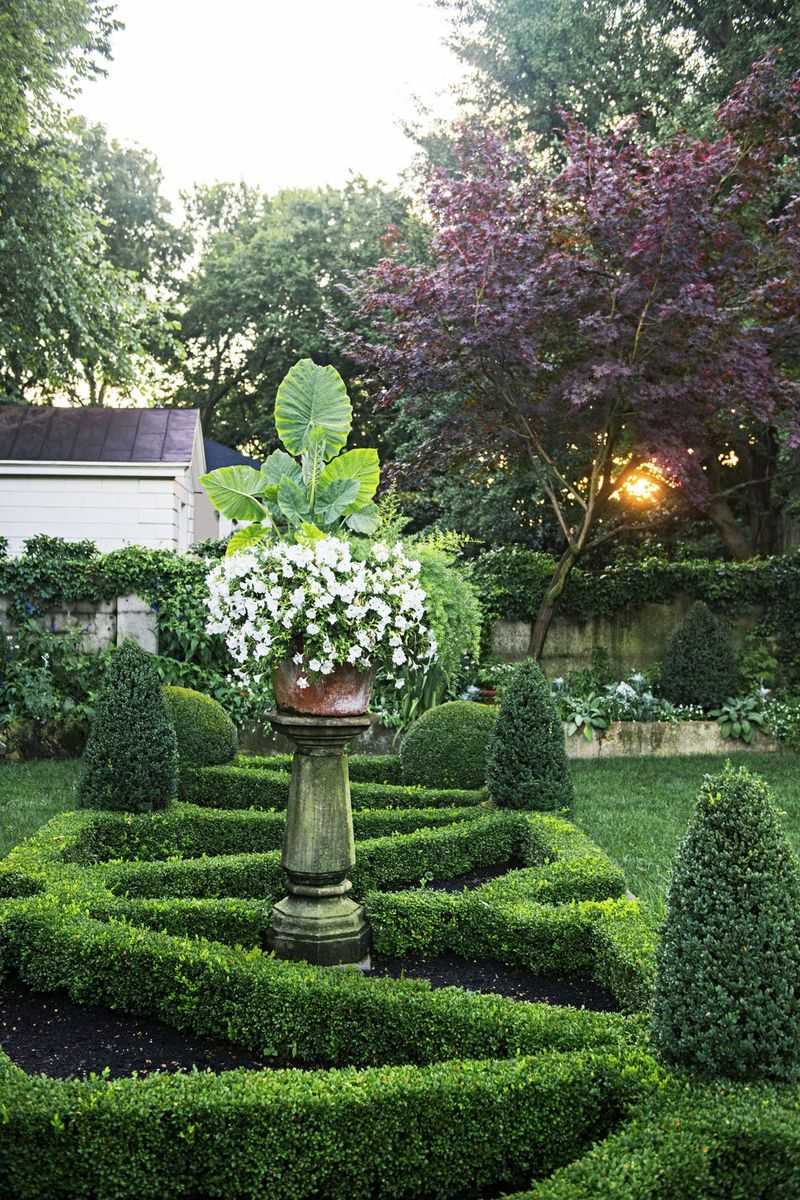
Imagine walking along a path neatly framed by low hedges of boxwood or dwarf hollies. These green borders define the space without closing it in, offering structure and elegance to your garden.
The clipped hedges create a sense of order and harmony, allowing the rest of the landscape to shine. It’s like having a green ribbon that ties the garden together, guiding visitors naturally through the space.
These tidy lines add depth and dimension, making a small yard feel both organized and inviting.
11. Incorporate Mirrored Planters
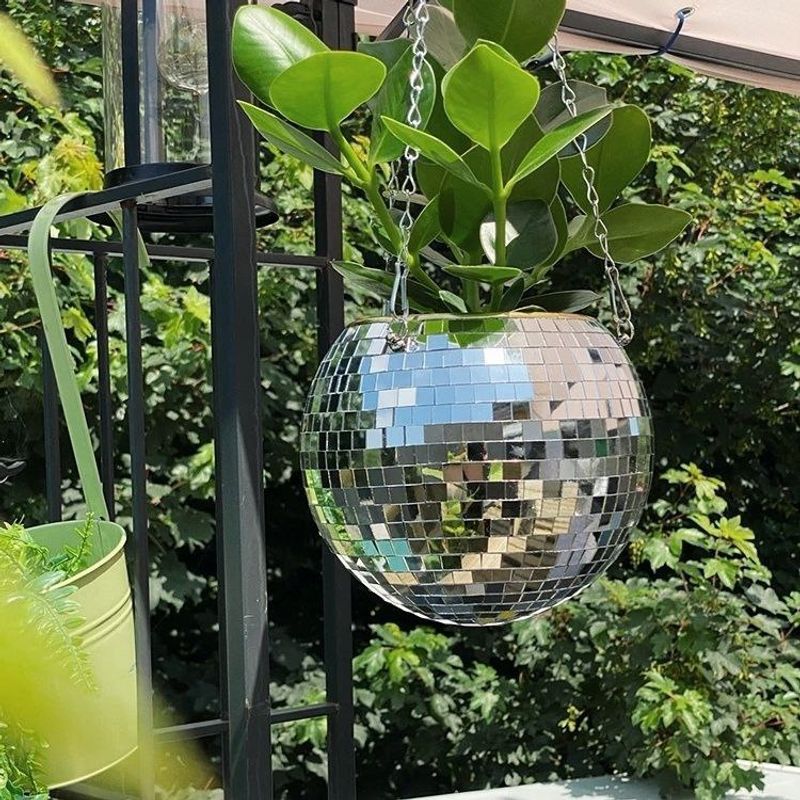
Mirrored planters and reflective surfaces add a touch of magic to your garden, creating the illusion of more space and light. These clever elements bounce sunlight and reflections around the yard, expanding its perceived dimensions.
It’s like having mirrors in a room, where every angle captures a new perspective. These shiny companions add sparkle and intrigue, turning a simple garden into a dazzling display.
Whether it’s a glazed pot or a reflective panel, these additions invite light to dance and play, transforming the ordinary into extraordinary.
12. Use Raised Beds
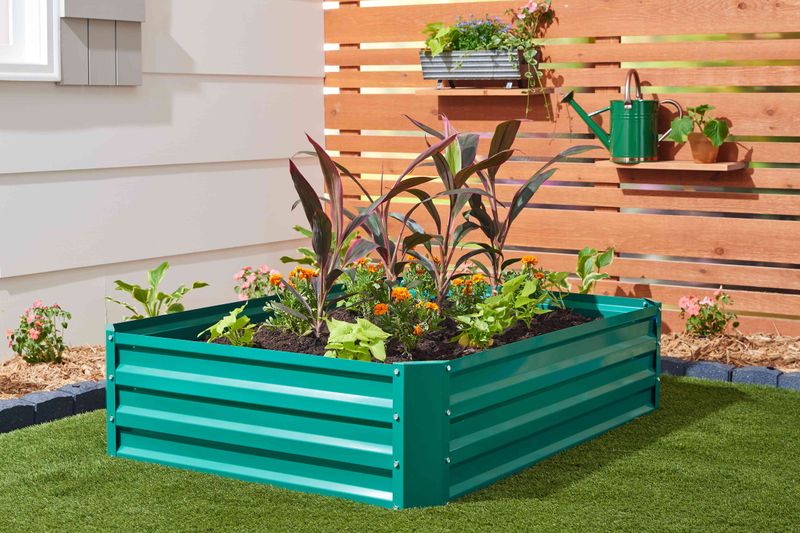
Raised beds bring structure and elevation to your garden, adding layers and depth to the landscape. These tiered planters create a sense of vertical space, transforming a flat yard into a multi-dimensional wonderland.
It’s like building terraces in a mountain, where each level has something new to offer. The raised beds allow for better drainage and soil control, making it easier to grow a wider variety of plants.
With this approach, your garden becomes a thriving tapestry of colors and textures, where every level whispers a new secret.
13. Plant on the Diagonal
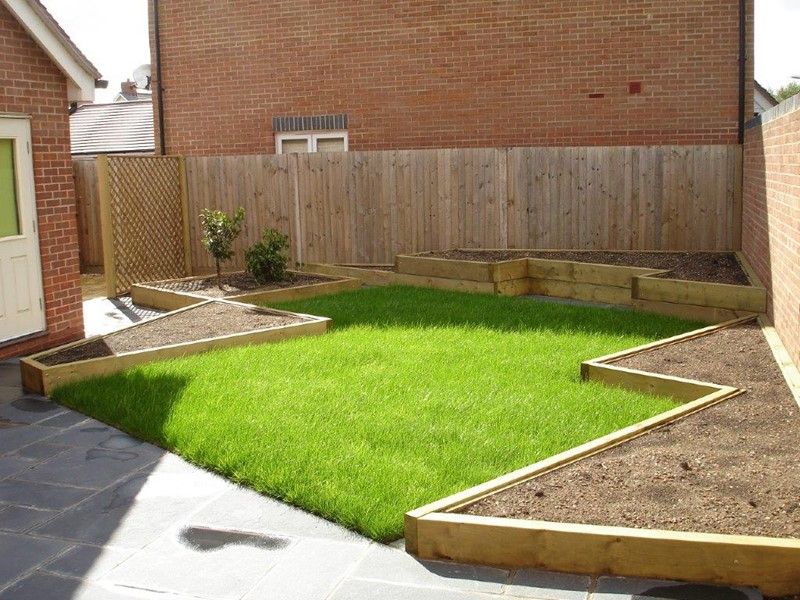
Planting on the diagonal guides the eye diagonally across your yard, tricking the brain into perceiving more space than there actually is. This innovative layout adds movement and intrigue, making a small garden feel dynamic and engaging.
It’s like walking through a cleverly designed maze, where every step unveils a new view. By breaking away from rigid lines, this approach encourages exploration and discovery.
The diagonal pattern turns a simple plot into an intriguing puzzle, where every angle invites a fresh perspective.
14. Go for Compact Shrubs
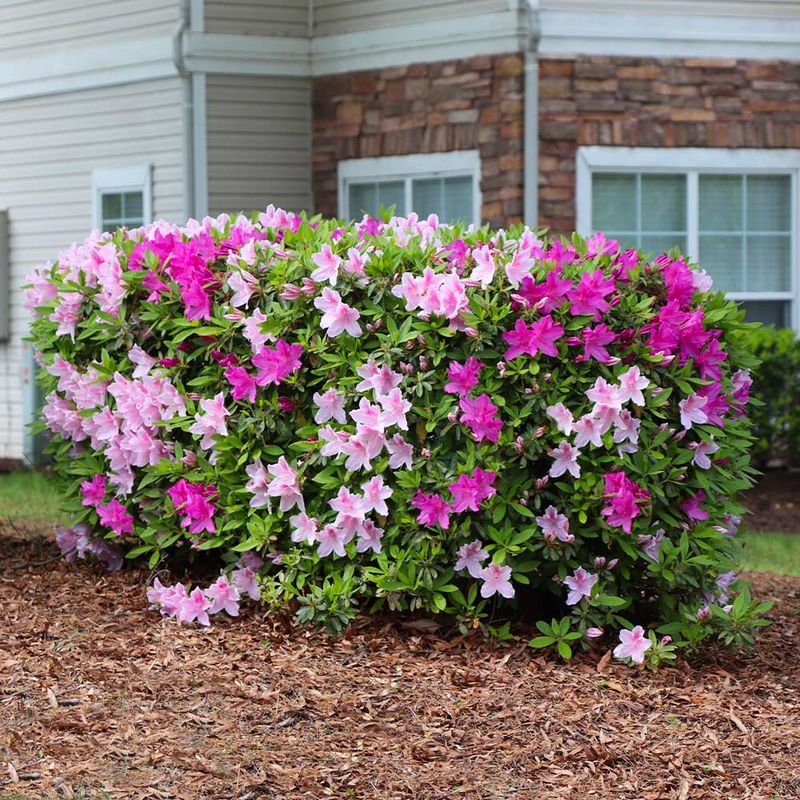
Compact shrubs like dwarf azaleas or boxwoods offer a tidy solution for small gardens, maintaining a clean and organized appearance. These slow-growing varieties provide structure and greenery without overwhelming the space.
It’s like having the perfect haircut, where every strand is in place, showcasing the beauty of simplicity. These petite powerhouses add texture and color, enhancing the garden’s charm without cluttering it.
With their gentle presence, they transform a small yard into a polished oasis, where every leaf knows its role.
15. Keep the Edges Clean
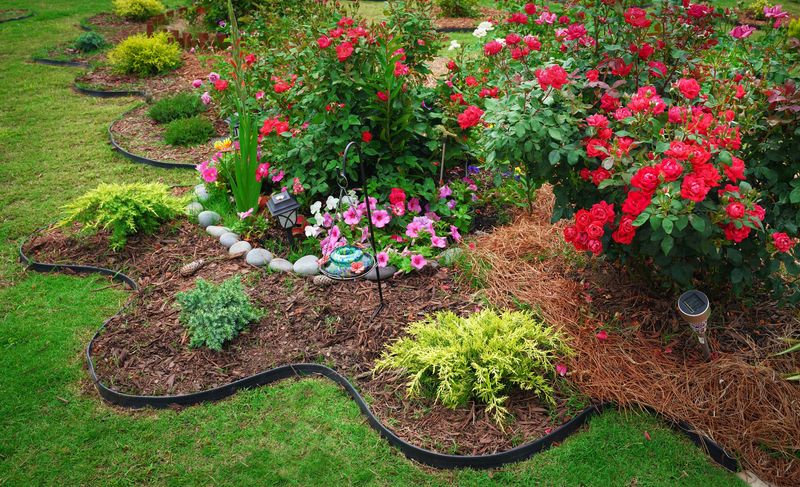
Defined planting edges and borders bring order and precision to your garden, making a small space feel neat and intentional. These crisp lines create a sense of structure, like the edges of a beautifully framed painting.
By keeping the edges clean, you avoid the cluttered, overgrown look that can make a small yard feel cramped. It’s a simple trick with a powerful impact, transforming chaos into calm.
The clean edges invite the eye to appreciate the beauty of every plant, where each contributes to the garden’s harmonious balance.
16. Choose Multi-Season Plants
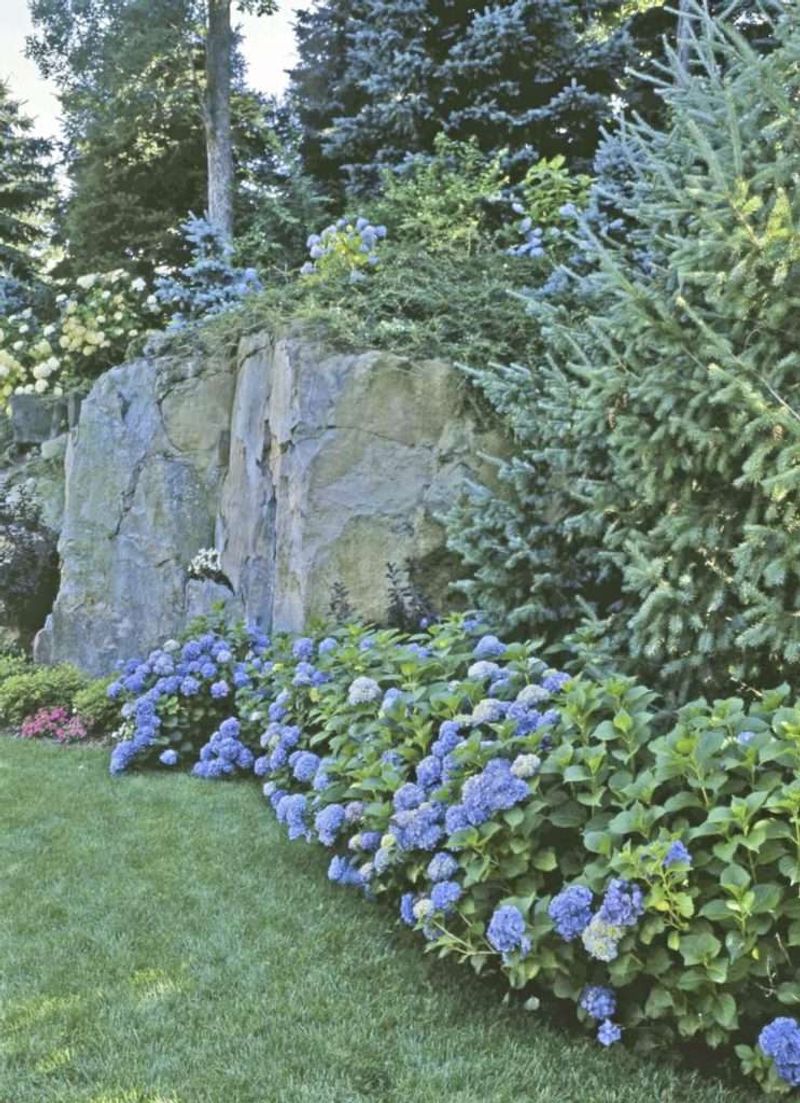
Multi-season plants like hydrangeas or evergreens ensure your garden stays lush and inviting all year round. These adaptable beauties offer color and interest through every season, keeping your space vibrant no matter the time of year.
It’s like having a wardrobe that never goes out of style, where every piece complements the other. With foliage that changes and blooms that persist, these plants create a garden that feels complete and alive, even in the depths of winter.
They transform your yard into a living tapestry of color and life.
17. Use Groundcovers Wisely
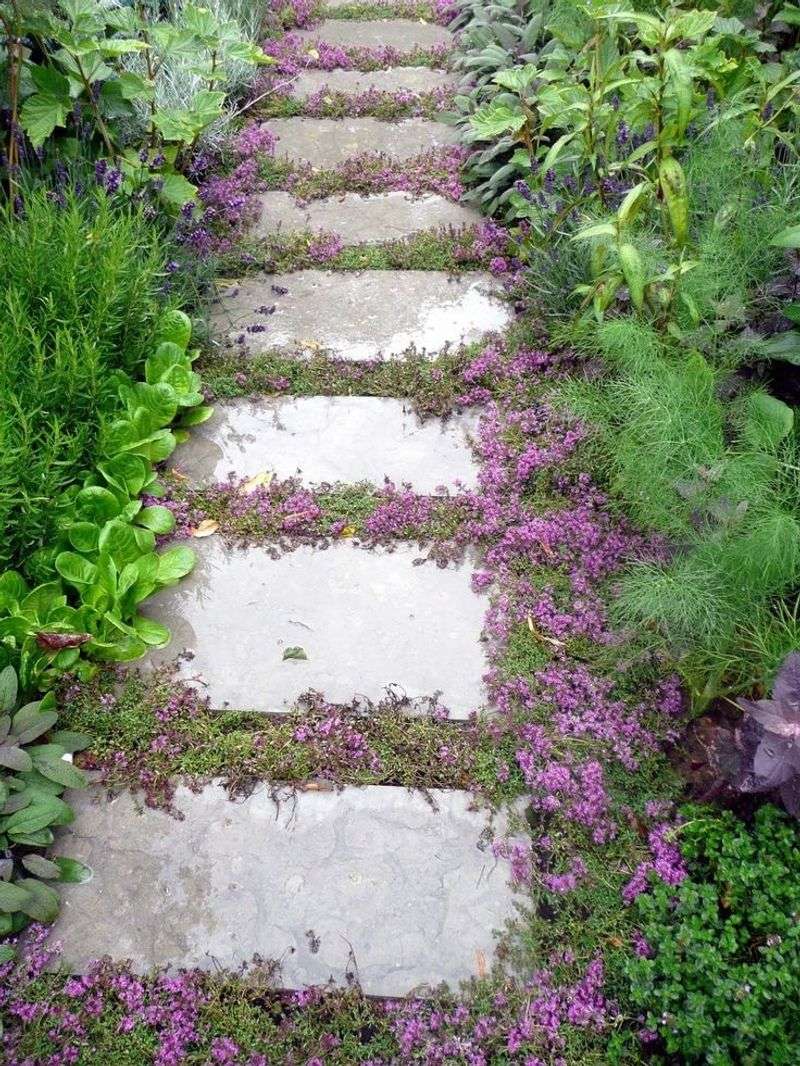
Low-growing groundcovers like creeping thyme or blue star creeper can soften hardscapes and add depth to pathways in your garden. These lush carpets of green provide a gentle transition between different elements, connecting paths with plantings.
It’s like laying a soft rug across a stone floor, where every step feels cushioned and inviting. These versatile plants add texture and color, turning a simple path into a verdant journey.
By choosing the right groundcovers, you create a harmonious flow that enhances the garden’s natural beauty.
18. Create a Living Wall
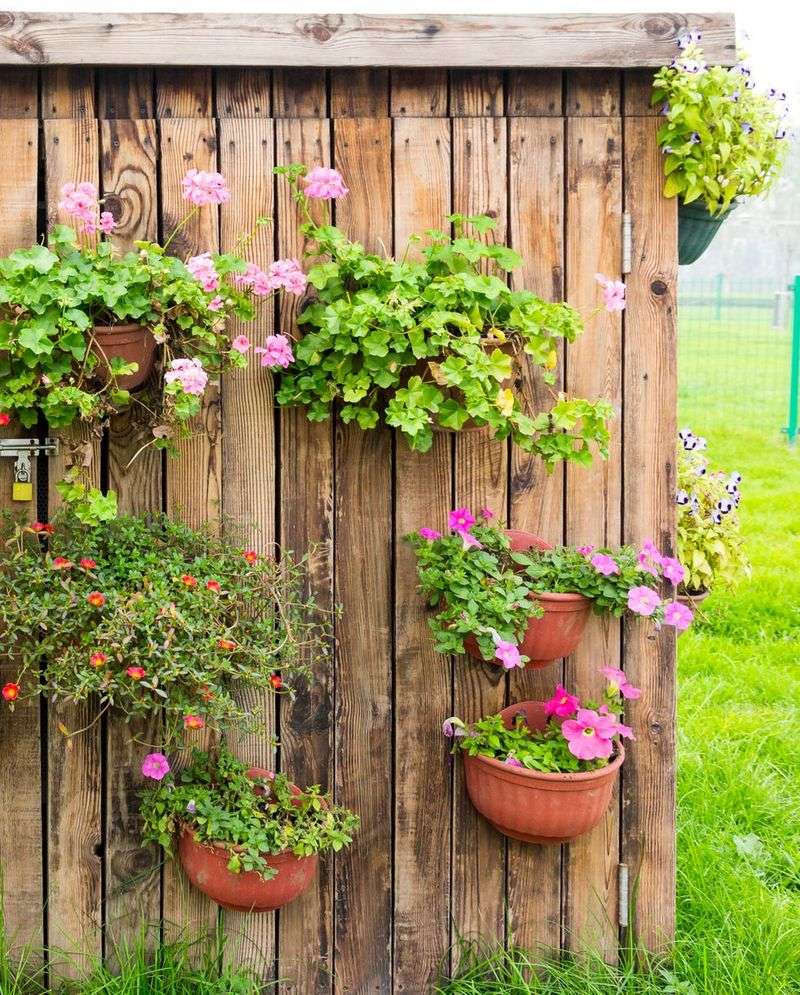
A living wall transforms bare fences or walls into lush vertical gardens, adding greenery without consuming floor space. This innovative approach turns vertical surfaces into living art, where every plant contributes to a vibrant tapestry.
It’s like having a painting that grows and changes with the seasons, inviting you to explore its ever-evolving beauty. The living wall brings nature to eye level, enhancing the sense of space and connection with the outdoors.
It’s a creative solution for small gardens, where every inch counts.
19. Use Planters in Varying Heights
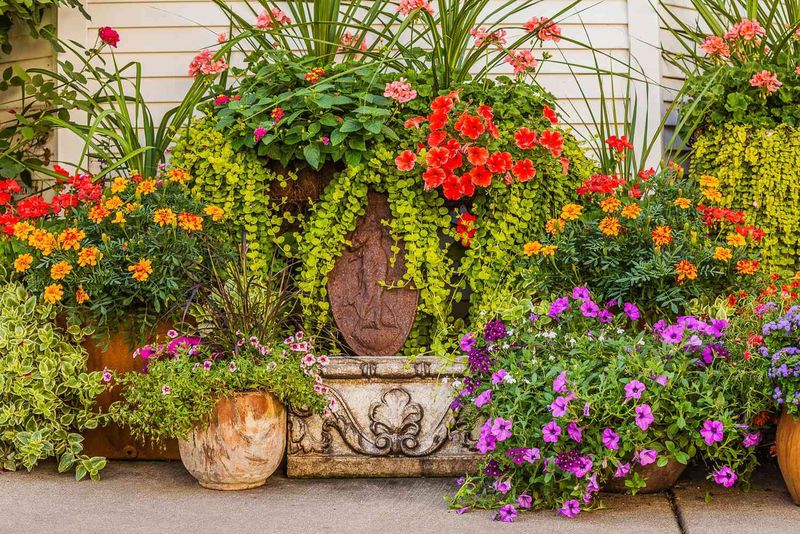
Grouping planters of varying heights adds dimension and interest to your garden, turning even the smallest corners into vibrant displays. These staggered arrangements create a sense of movement and depth, like a chorus of voices singing in harmony.
By mixing different sizes and shapes, you add visual intrigue and texture, transforming a flat space into a dynamic composition. It’s like playing with building blocks, where every combination offers a new perspective.
This playful approach invites creativity and exploration, making your garden a delightful puzzle waiting to be solved.
20. Keep Tall Plants to the Sides
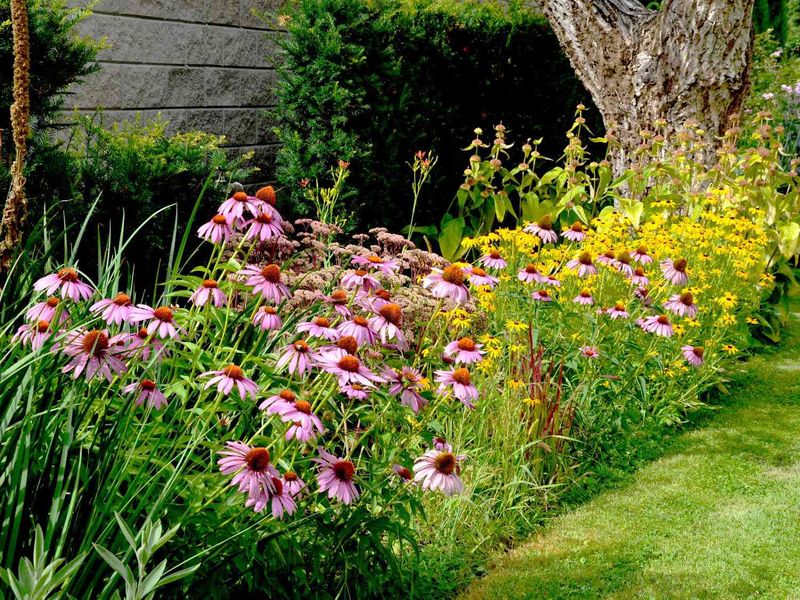
Anchoring taller plants or trees to the edges of your garden helps keep the center open and airy, creating a sense of spaciousness. This strategic placement draws attention outward, making the yard feel larger and more inviting.
It’s like having a frame around a painting, where the center remains free to captivate the viewer’s eye. The tall plants provide structure and definition, enhancing the garden’s overall design.
By balancing height with openness, you create a harmonious landscape that feels balanced and welcoming.
21. Plant Narrow Borders Along the Walkway
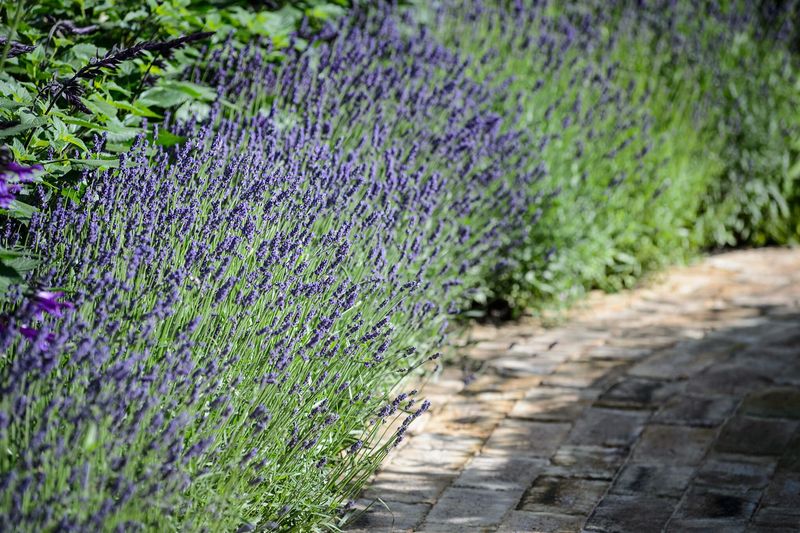
Slim flower borders along walkways or driveways define the space without overwhelming it, adding a delicate touch of color and elegance. These narrow plantings create a welcoming path, guiding visitors gently through the garden.
It’s like having a floral ribbon that leads the way, where every bloom adds a touch of joy. By keeping the borders narrow, you allow the garden to breathe, avoiding the cluttered look that can shrink a small space.
This thoughtful approach turns a simple path into a journey of delight, where every step reveals a new treasure.
22. Add Pops of Color at the Far End
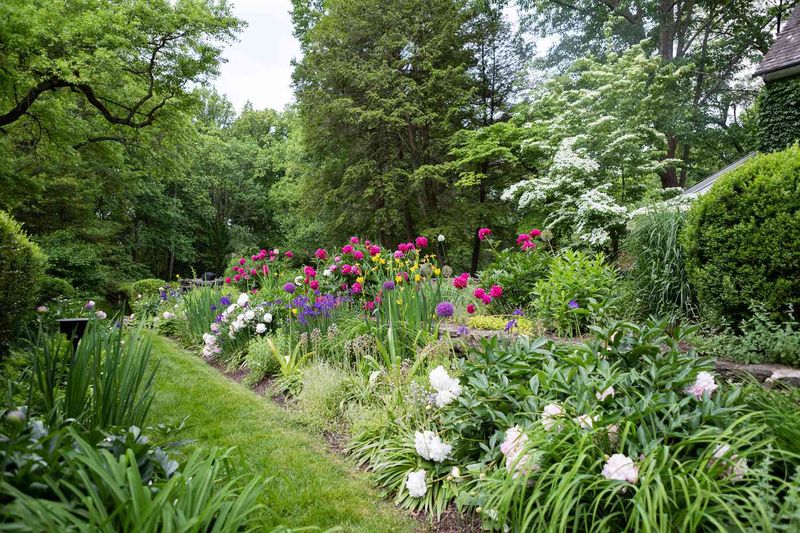
Bright flowers planted at the farthest point of your garden create a visual draw that leads the eye outward, enhancing the sense of space. This splash of color acts like a beacon, inviting exploration and curiosity.
It’s like placing a jewel at the end of a path, where its sparkle catches the eye and pulls you in. The vibrant blooms add energy and excitement, transforming a small yard into a lively oasis.
By directing attention outward, you expand the garden’s perceived dimensions, making it feel larger and more inviting.
23. Use See-Through Plants
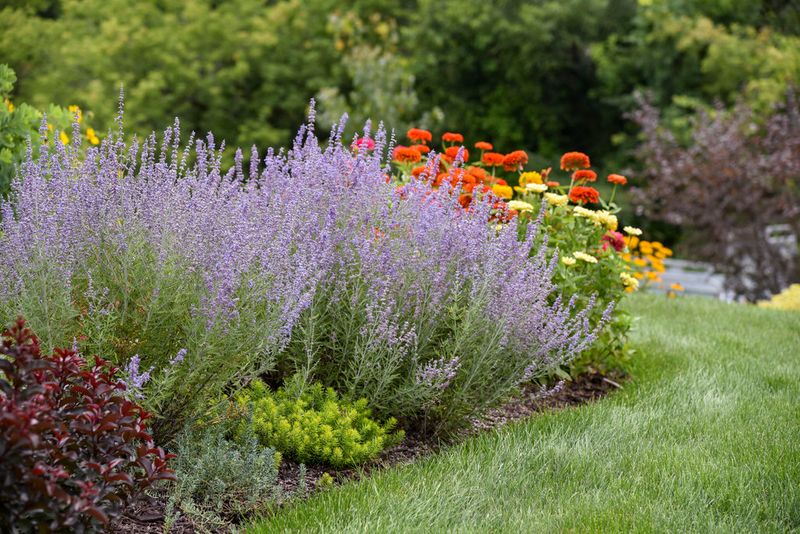
Airy plants like Russian sage or ornamental grasses create a sense of depth by allowing you to see beyond them. These see-through wonders add texture and movement without blocking the view, enhancing the garden’s openness.
It’s like having a sheer curtain that dances in the wind, where every breeze tells a new story. The delicate foliage and swaying stems invite curiosity and exploration, transforming a simple yard into a mystical landscape.
By offering glimpses of what’s beyond, these plants inspire wonder and delight, expanding the garden’s horizons.
24. Plant Around a Path
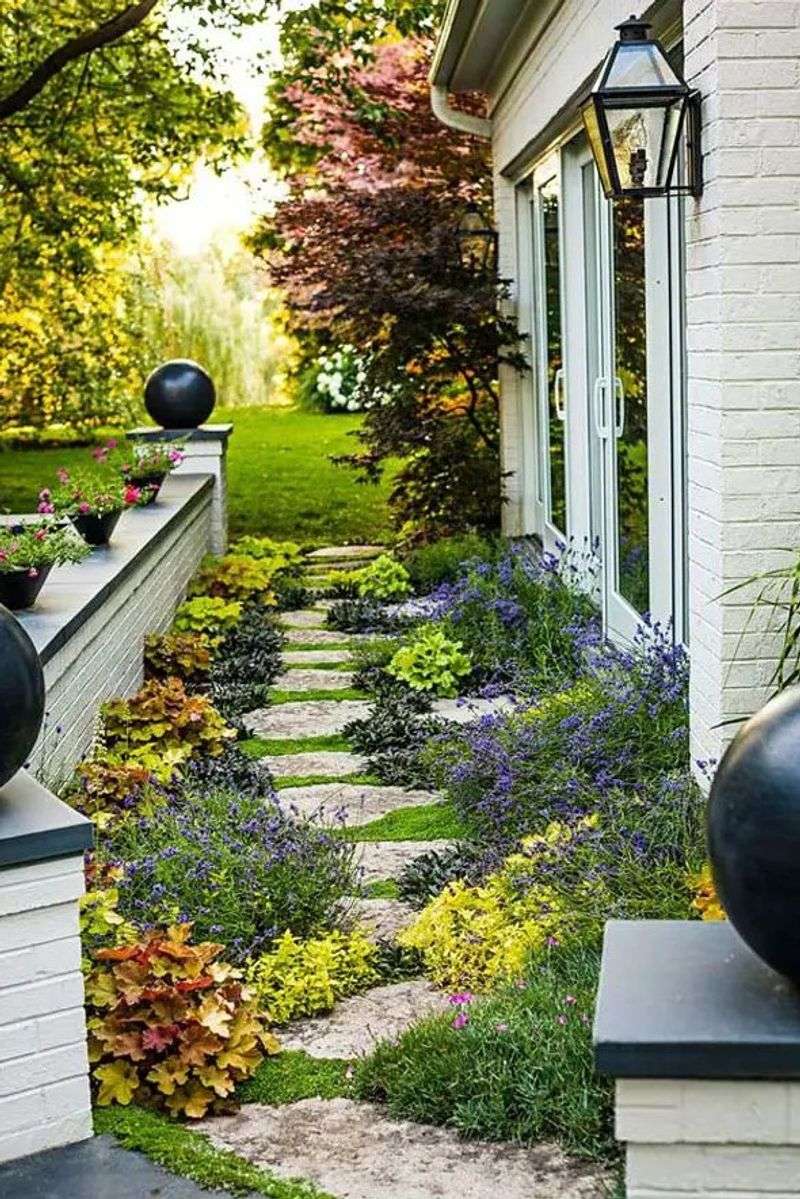
Winding pathways lined with plants create a journey effect, making your garden feel larger and more intriguing. These meandering trails invite exploration, turning a simple walk into an adventure where every bend reveals a new scene.
It’s like wandering through a forest, where every step offers a surprise and every corner holds a secret. By planting around the path, you add layers and depth, encouraging visitors to linger and discover.
This approach transforms a small yard into a captivating journey, where every turn offers a new delight.
25. Avoid Clutter
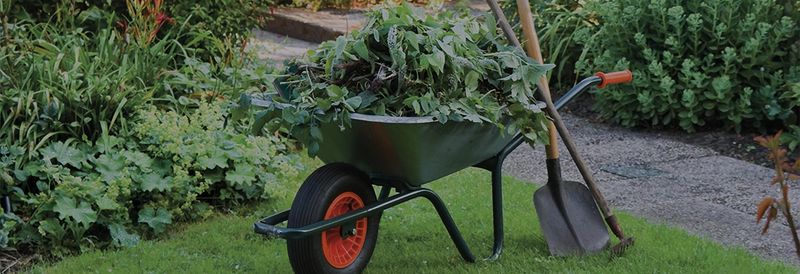
Avoid overplanting to keep your garden feeling spacious and inviting. Leaving breathing room between plants prevents the crowded look that can make a small space feel cramped.
It’s like editing a piece of writing, where every word and pause has its purpose. By giving plants room to grow and flourish, you create a balanced and harmonious landscape.
This minimalist approach turns a simple garden into a serene retreat, where every element has its place and every view offers tranquility. Less truly becomes more in a small space.