 Complete Gardening
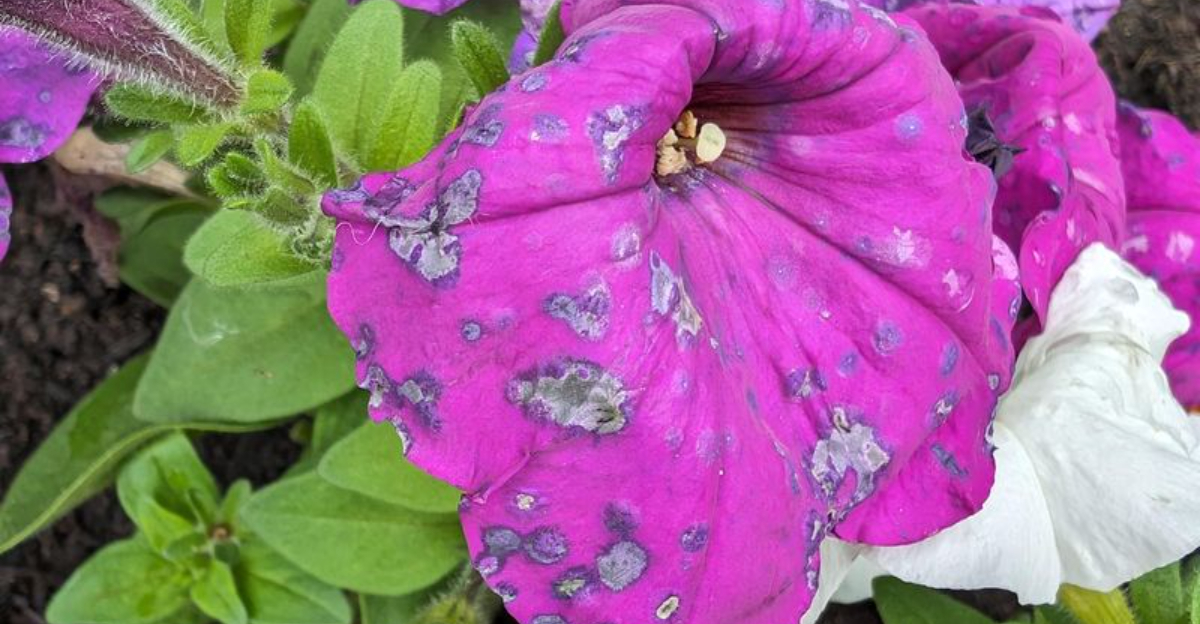
Spring rain can be a gardener’s blessing, but for some flowers, it’s a challenging season. Many beloved blooms struggle with the damp, leading to rot and other issues. However, there are resilient alternatives that thrive in these conditions. This guide explores 25 popular flowers that tend to struggle in spring rain and offers 25 tough alternatives to try instead. Discover how to keep your garden vibrant and healthy, even when the rains come pouring down.
1. Peonies
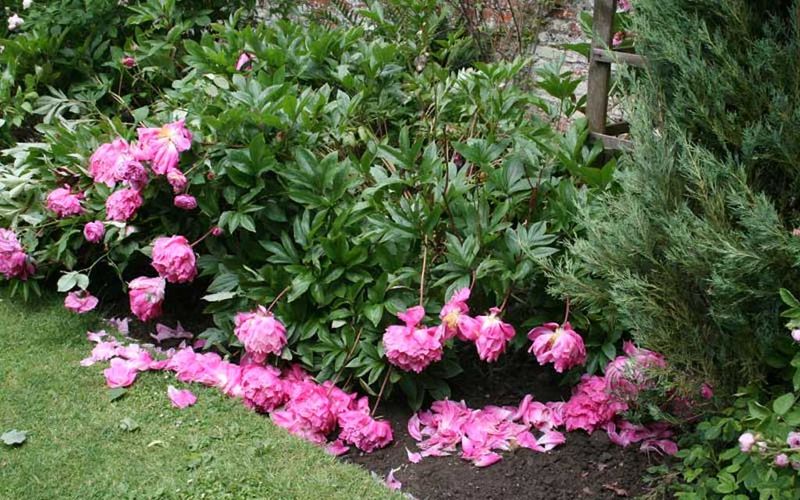
Peonies are celebrated for their lush, fragrant blooms that captivate the senses. Unfortunately, their large, heavy blossoms are prone to flopping when drenched by spring rain.
The combination of weighty petals and moisture leads to rot setting in quickly, causing disappointment for those anticipating a long bloom. Protecting peonies from rain often requires staking or overhead protection.
While stunning, these flowers require extra care to maintain their beauty during wet weather, challenging gardeners who prefer more resilient plants.
2. Pansies
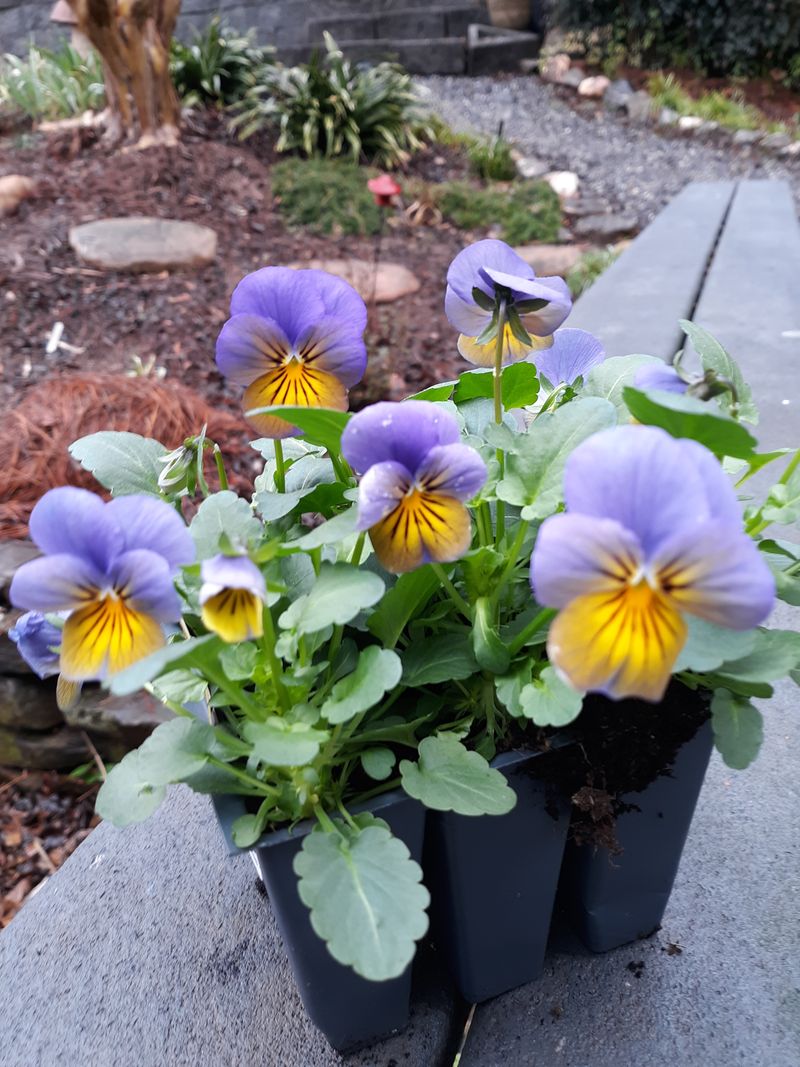
Pansies are vibrant and cheerful, often one of the first flowers to brighten gardens in early spring. However, their delicate petals are not robust against heavy spring rains.
The blooms can easily become bruised and waterlogged, losing their vibrant charm. Frequent rain can lead to a soggy appearance and can even cause the flowers to rot if not monitored carefully.
Gardeners may need to provide shelter or choose a more protected location in the garden to help pansies thrive during the rainy season.
3. Geraniums (Pelargoniums)
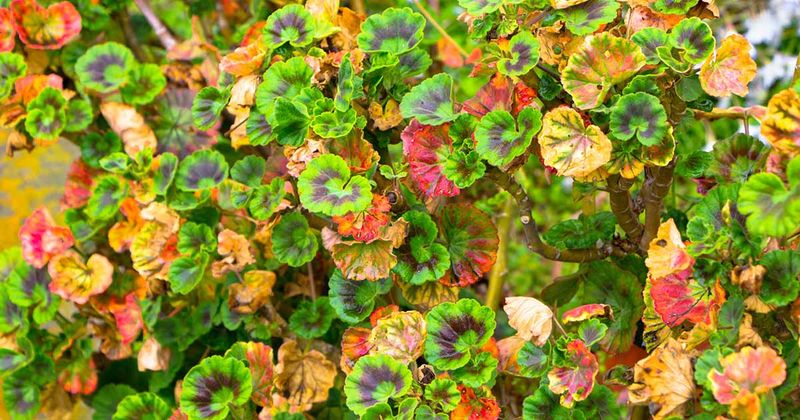
Geraniums, known for their bright clusters of flowers, are a staple in many gardens. However, spring rain can be their downfall. The flowers easily succumb to rot when exposed to excessive moisture.
Their lush foliage provides some protection, but the blooms themselves are often left vulnerable to the elements.
Gardeners often find themselves picking off damaged flowers to keep the plant looking tidy and healthy. Despite their hardiness in other conditions, geraniums require attention during the rainy season to prevent flower rot.
4. Impatiens
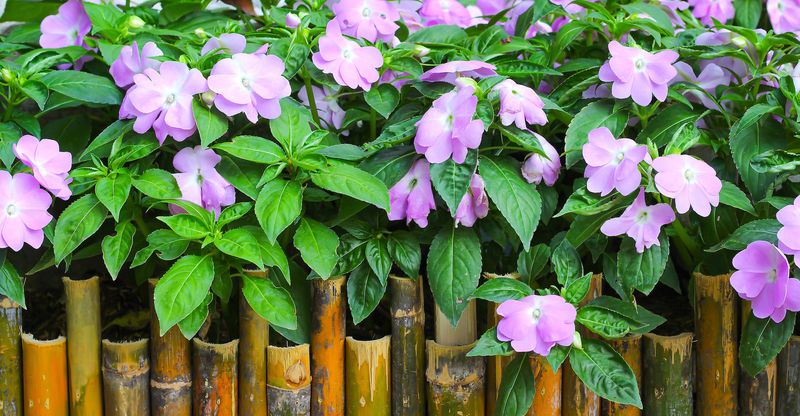
Impatiens are beloved for their vibrant colors and ability to brighten shady spots in the garden. Yet, they are not rain-friendly. Heavy and persistent rain can cause the flowers to become mushy and discolored.
The excessive moisture often leads to rot, especially if the plants are in poorly drained soil. Gardeners must remain vigilant to prevent decay and maintain soil drainage.
Despite their beauty and popularity, impatiens require careful attention during rainy spring days to keep them flourishing.
5. Begonias (wax and tuberous)
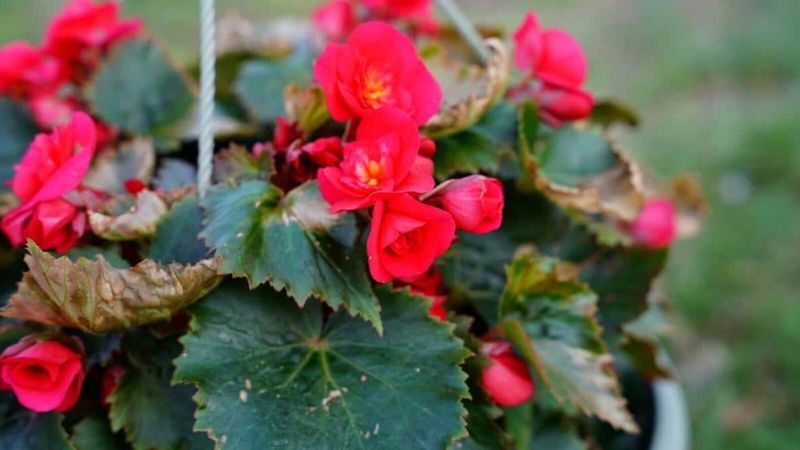
Begonias, especially the wax and tuberous varieties, bring a splash of color to any garden. Yet, they are susceptible to fungal issues in wet conditions.
The combination of rain and humidity creates an ideal environment for fungus to thrive, often leading to wilting leaves and discolored blooms. Gardeners must watch for signs of fungal infections and take preventive measures.
Despite their beauty, begonias can be high-maintenance during rainy periods, demanding extra care to prevent disease and keep them looking vibrant.
6. Petunias
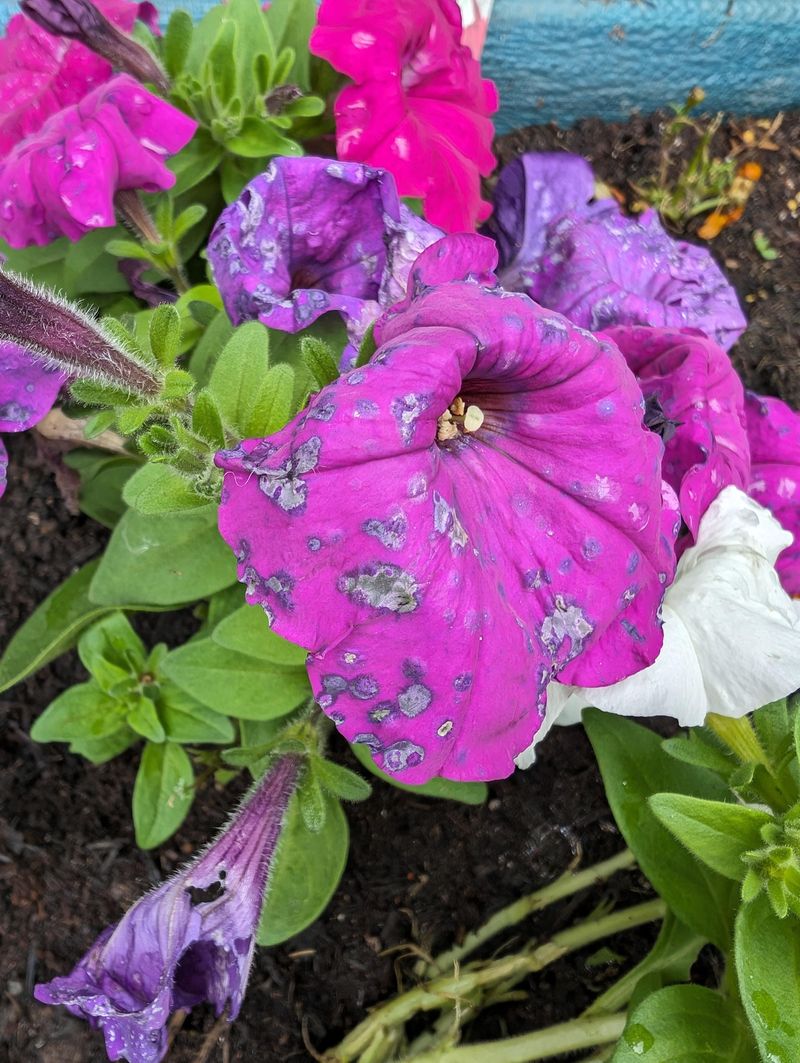
Petunias, with their showy and colorful blooms, are a gardener’s delight. However, they don’t fare well under heavy spring rains. The delicate petals and soft texture make them prone to damage when pelted by water drops.
In addition, their susceptibility to rot in overly damp conditions often leads to wilting and decay. Gardeners may find themselves constantly battling to keep petunias looking fresh and vibrant.
Despite their beauty, petunias demand constant attention and care during the rainy season, making them less ideal for low-maintenance gardens.
7. Tulips
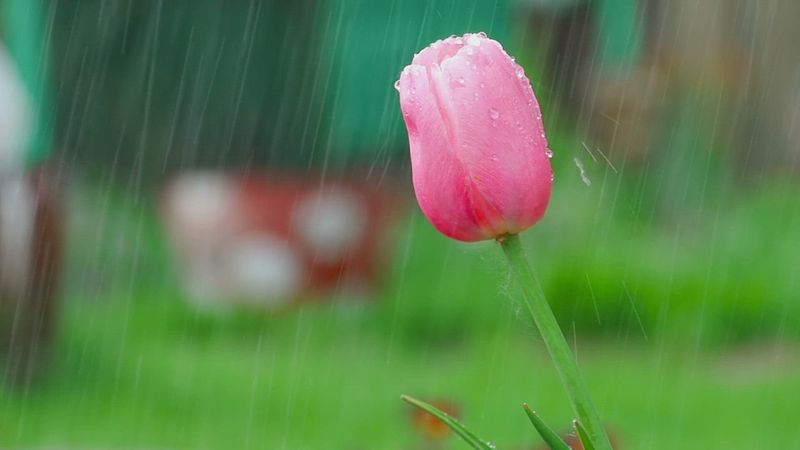
Tulips, with their classic and elegant blooms, are a spring favorite. However, they are not well-suited to withstand heavy rain and wind.
The delicate petals can easily fall and scatter, leaving gardens bare and lacking color. Wind exacerbates the problem, causing petals to drop before their time.
Gardeners often face disappointment as tulip blooms are cut short by adverse weather, making them a challenging choice for regions prone to spring storms.
8. Ranunculus
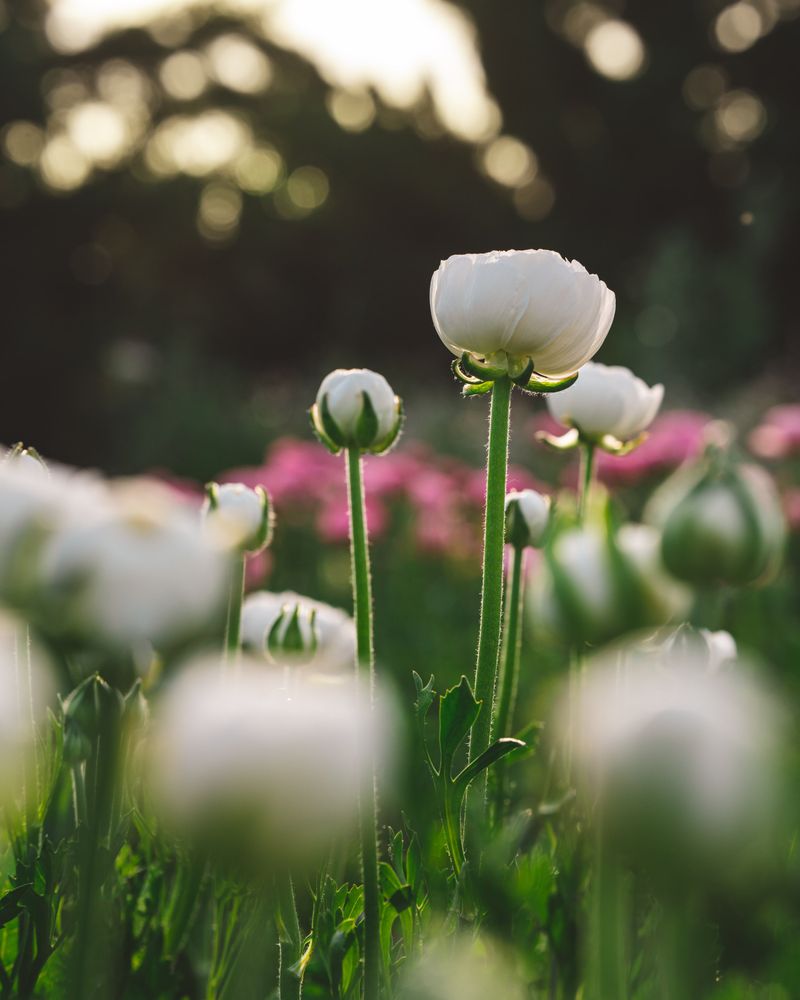
Ranunculus, known for their bright and layered petals, bring joy to many gardens. However, their delicate nature makes them vulnerable to damage from excessive moisture.
The petals can quickly brown at the edges when exposed to rain, and if the wet conditions persist, the blooms may not last long. Gardeners often need to ensure adequate drainage to prevent root rot.
While ranunculus are stunning, they require careful placement and monitoring during wet springs to stay in top condition.
9. Dahlias
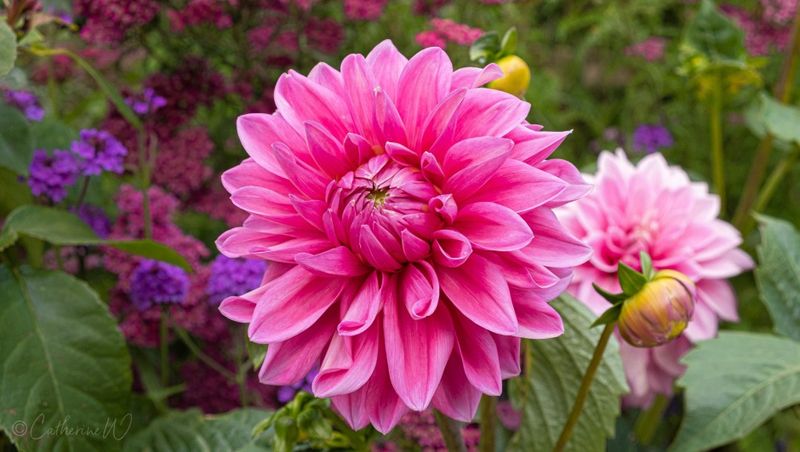
Dahlias are renowned for their intricate, colorful blooms that capture the eye. Despite their beauty, they are not rain-resistant. The delicate petals can become fragile and worn when exposed to heavy rainfall.
The constant wetness can lead to mold and rot, especially if the flowers are not given adequate space to dry. Gardeners need to provide proper air circulation and support to keep dahlias healthy during wet conditions.
Though they are a garden highlight, dahlias demand attentive care in rainy weather.
10. Snapdragons
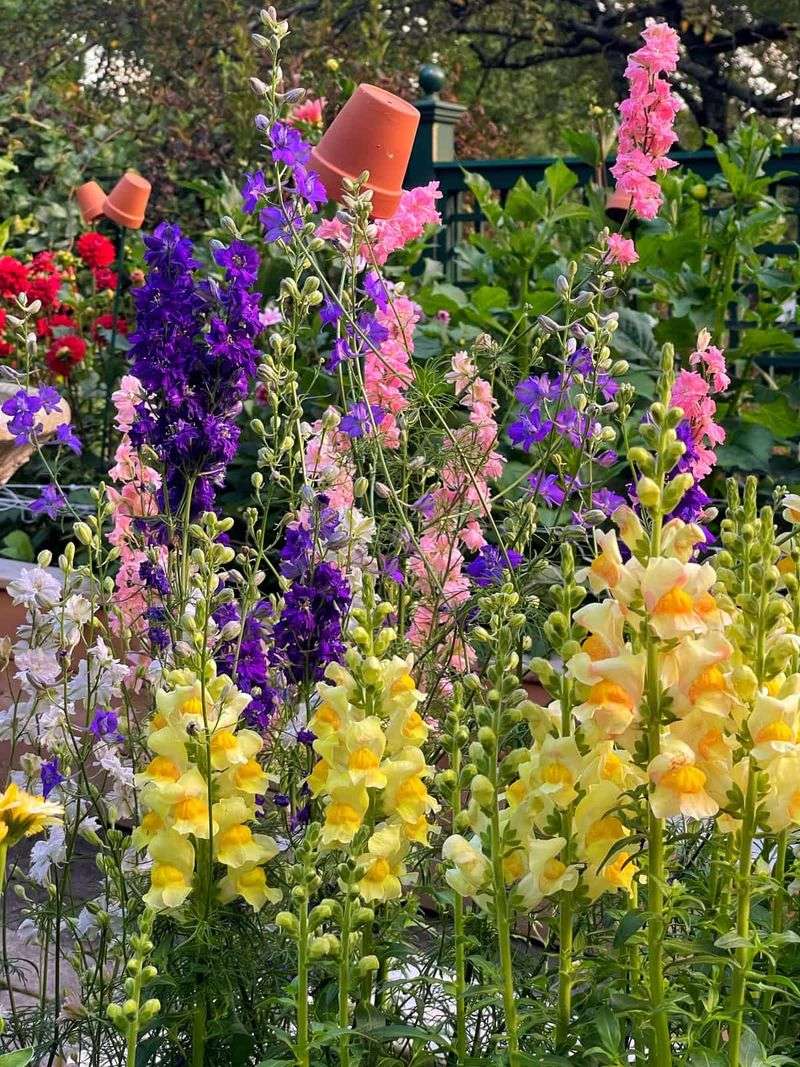
Snapdragons are loved for their tall, stately presence and vibrant colors. Unfortunately, spring rain can be unkind to these towering beauties.
Rain can knock over the tall stems, and the flowers themselves often become bruised and damaged. This can leave gardeners with a bedraggled display that needs attention to revive.
Snapdragons require staking or planting in sheltered areas to prevent rain damage, making them a bit tricky for those dealing with frequent spring showers.
11. Marigolds
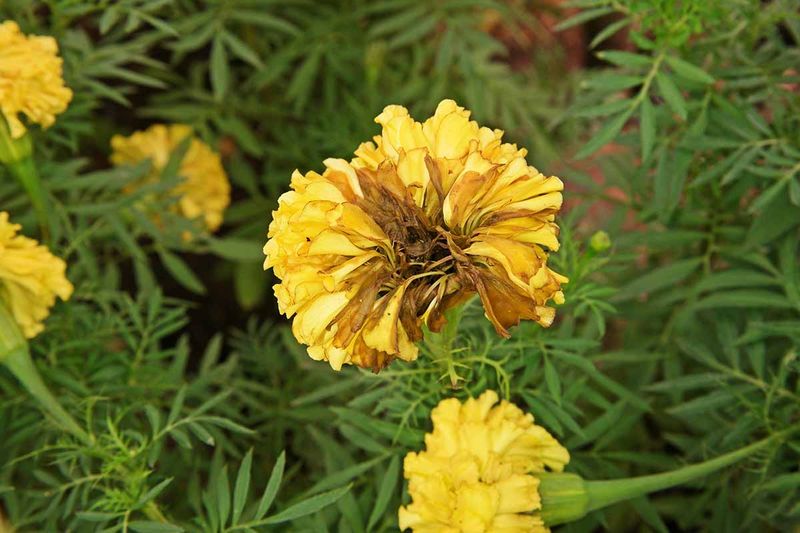
Marigolds are known for their sunny disposition and pest-repelling qualities. However, they are not immune to the challenges of spring rain. Wet conditions often lead to fungal diseases, causing spots and discoloration on leaves and flowers.
Gardeners must keep an eye out for signs of infection and act quickly to treat affected plants. Despite these challenges, marigolds can still share their cheerful blooms if given proper care.
A vigilant approach can keep these garden favorites looking their best in wet weather.
12. Daisies (Shasta)
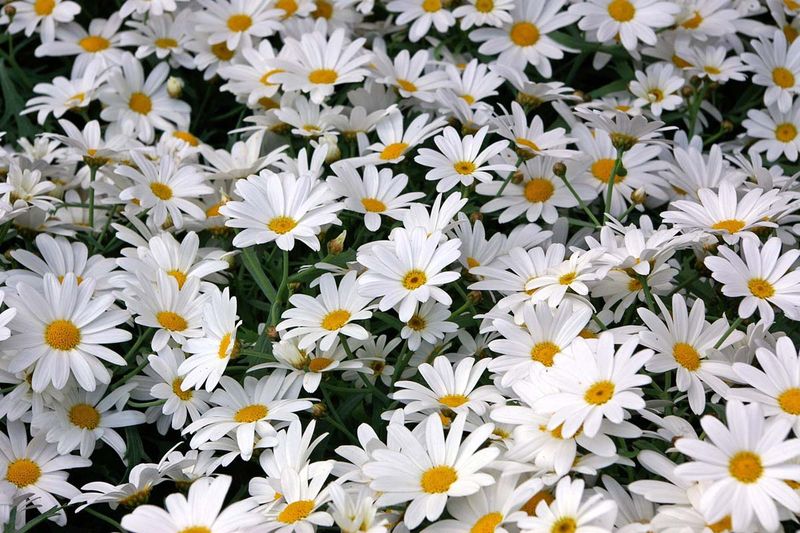
Shasta daisies, with their classic white petals and yellow centers, add a timeless charm to gardens. However, prolonged exposure to rain can lead to bloom breakdown.
The petals often become weakened, losing their structure and appeal. If not managed, the continuous rain can also lead to fungal growth, further deteriorating the flowers.
Gardeners need to keep watch and provide support to these daisies, ensuring they remain a bright spot despite the rain.
13. Lilies (Asiatic and Oriental)
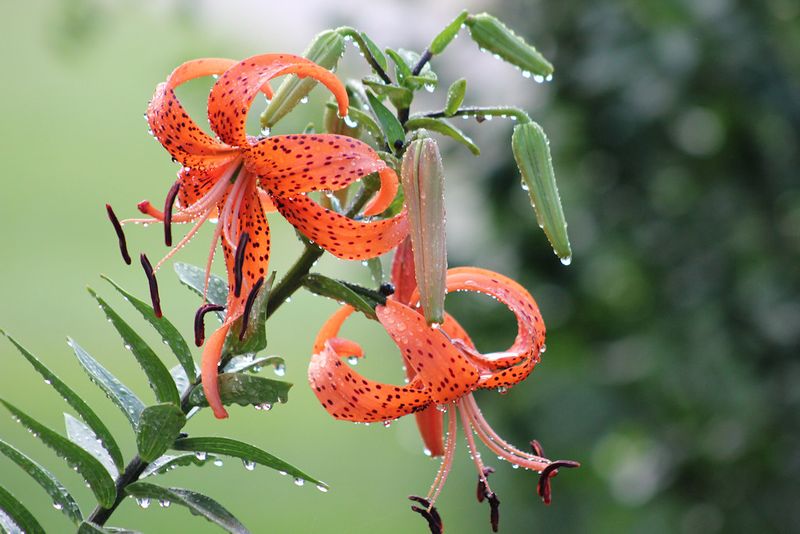
Lilies, whether Asiatic or Oriental, are known for their striking and fragrant blooms. Unfortunately, rain often leaves its mark on these flowers, with spots and damage marring their beauty.
The delicate petals succumb easily to water, losing their vibrant colors and structural integrity.
Gardeners must take care to shield lilies from excessive rain, perhaps by choosing a sheltered planting spot, to enjoy their blooms throughout the season.
14. Zinnias
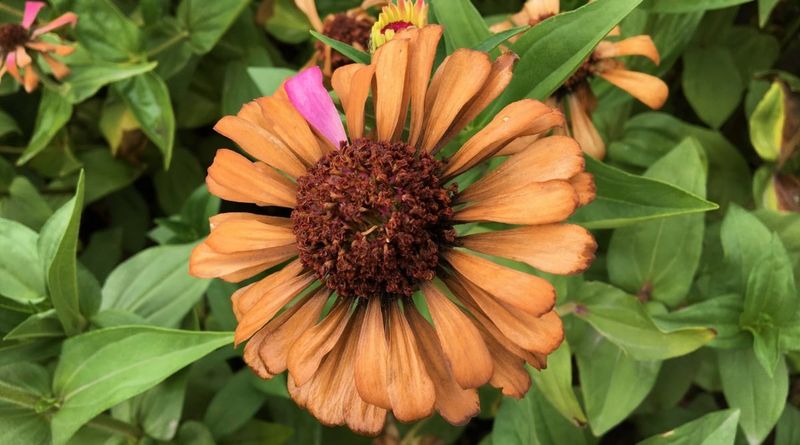
Zinnias are vibrant, bold, and ever-popular in sunny gardens. However, their appeal can quickly fade when faced with spring rain. The petals are prone to rot when wet, diminishing their bright display.
Even a short rain shower can affect their appearance, requiring gardeners to monitor and protect these flowers from excessive moisture.
Despite their easy-growing nature, zinnias demand attention during the rainy season to ensure they continue to light up the garden with color.
15. Cosmos
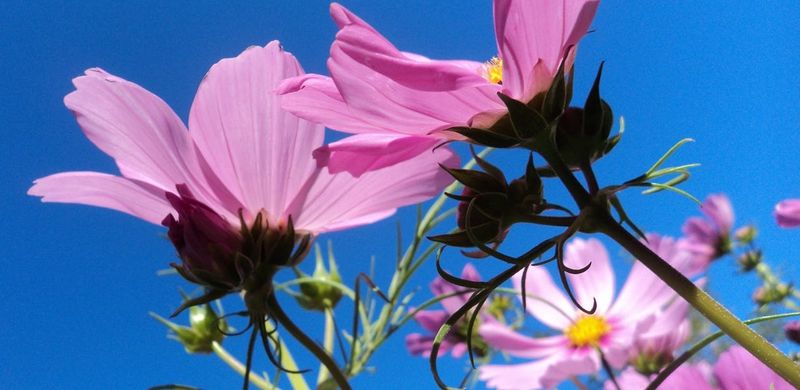
Cosmos, with their airy and graceful blooms, add a lighthearted touch to any garden. Yet, their delicate stems are easily broken by heavy rains, leaving a trail of scattered flowers.
This fragility requires gardeners to provide a sheltered environment or support to keep cosmos looking their best.
Despite their beauty, they can be a challenging choice in areas prone to spring showers, needing extra care to maintain their whimsical presence.
16. Verbena
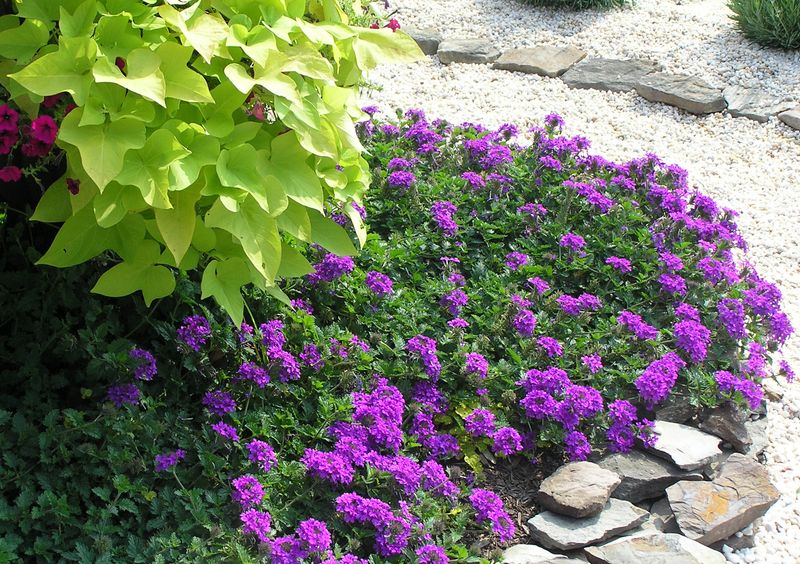
Verbena is a versatile and colorful choice for garden beds and containers. However, persistent rain can lead to sparse flowering and fungal issues.
The constant moisture often encourages the growth of mildew, which can weaken the plant and reduce its blooming potential.
Gardeners should ensure good air circulation and avoid overhead watering to keep verbena healthy and vibrant in wet conditions.
17. Carnations
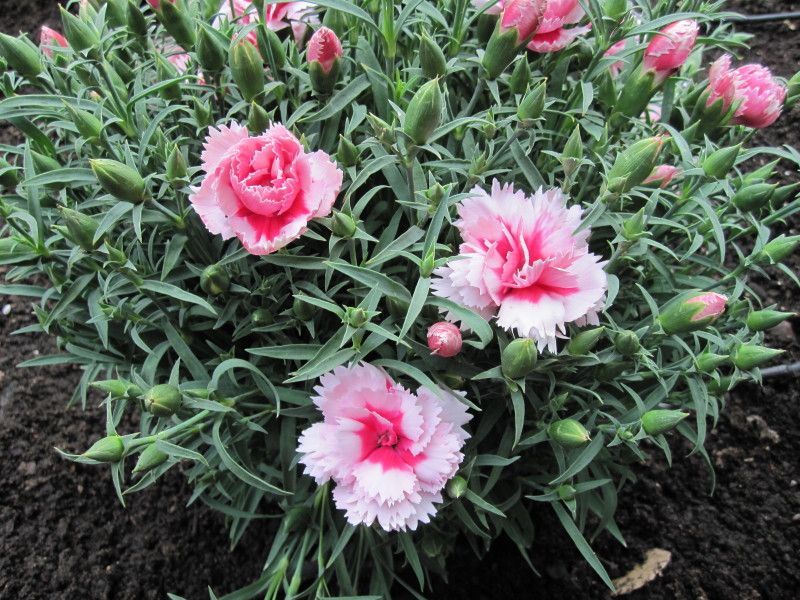
Carnations, known for their sweet fragrance and varied colors, face challenges in the rain. The petals can easily brown, and the flowers are prone to fungal infections.
Gardeners must be vigilant, regularly inspecting blossoms and removing any affected parts. Providing adequate air circulation can help mitigate these issues, ensuring carnations remain a fragrant and colorful addition to gardens despite the rain.
Careful attention during rainy spells is key to keeping these flowers at their best.
18. Garden Phlox
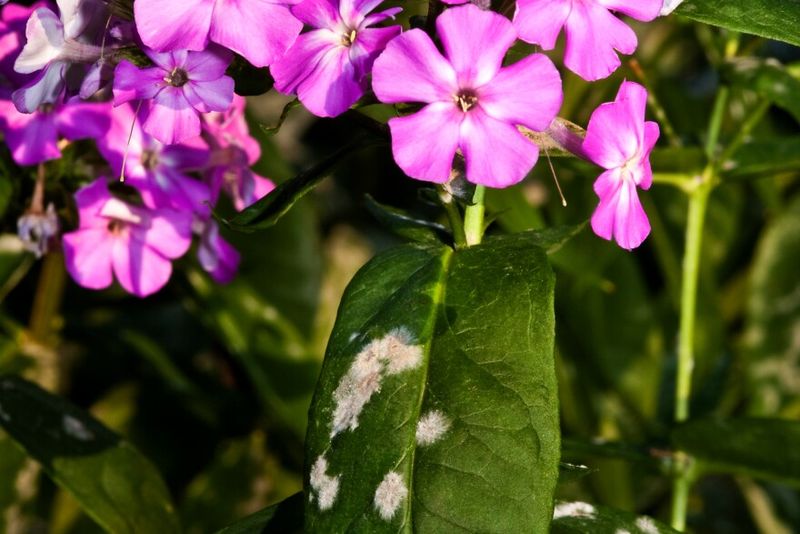
Garden phlox, with its clusters of vibrant flowers, is a summer staple. Yet, spring rains make it vulnerable to powdery mildew.
The moisture-loving mildew coats leaves and stems, diminishing the plant’s lush appearance. Regular monitoring and treating with fungicides can help protect these plants.
Despite their susceptibility, with attentive care, garden phlox can continue to provide a colorful display in the garden.
19. Asters
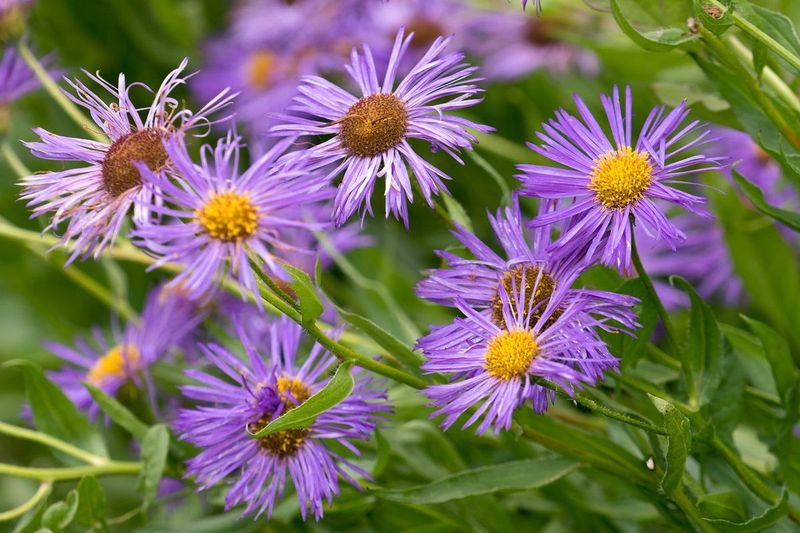
Asters bring late-season color to gardens, but rainy conditions pose a threat. They are susceptible to fungal infections, which can mar the appearance and health of the plant.
Frequent inspection and good air circulation help prevent these issues, allowing the asters to flourish even in damp conditions.
Despite the challenges, asters can remain a garden favorite with proper care and attention, ensuring their beauty persists through the rain.
20. Calendula
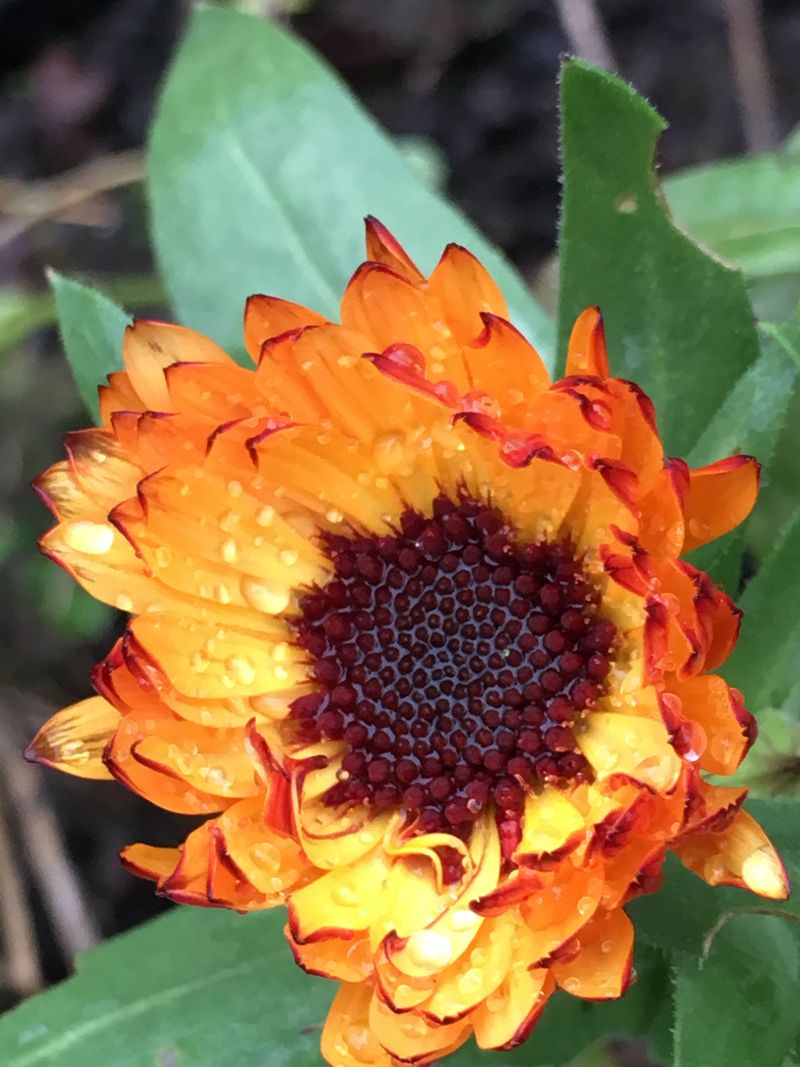
Calendula, with its cheerful orange and yellow blooms, is a garden favorite. However, persistent moisture often takes its toll, causing the flowers to become damaged and wilted.
To combat this, gardeners should ensure well-drained soil and remove any soggy flowers promptly. With attentive care, calendula can continue to brighten gardens despite the rain, providing a burst of color until the sun returns.
These flowers require watchful care during wet spells to maintain their sunny disposition.
21. Delphiniums
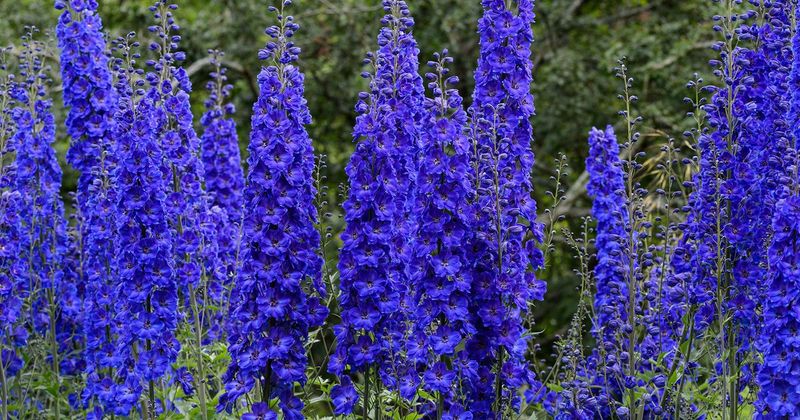
Delphiniums are admired for their towering, colorful spikes that add vertical interest to gardens. However, heavy rain can lead to their collapse, as the tall flower spikes struggle to withstand the weight of water.
Gardeners often need to stake or provide support to keep delphiniums standing tall. Despite their vulnerability, with some preparation, these flowers can continue to grace the garden with their majestic presence.
22. Nasturtiums
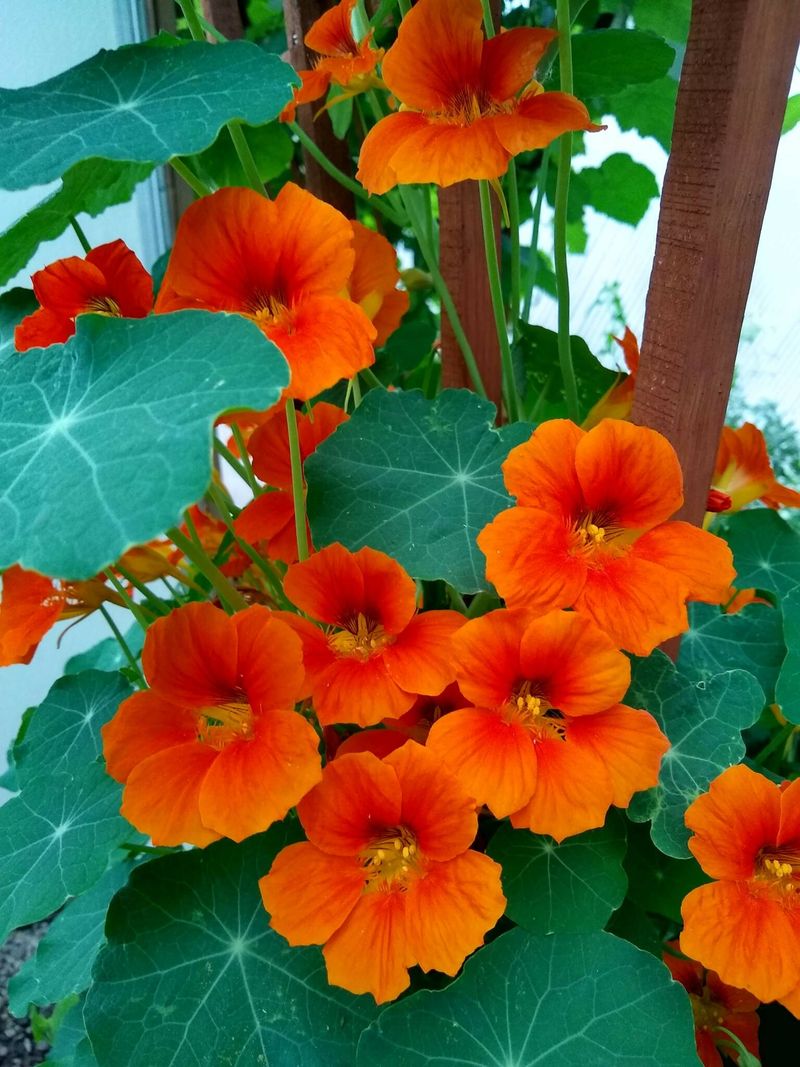
Nasturtiums, with their vibrant, peppery blooms, add a splash of color and a touch of spice to gardens. However, their delicate petals bruise and rot easily when soaked by rain.
To keep nasturtiums thriving, gardeners should provide good drainage and avoid overhead watering. Despite their challenges, when tended carefully, they continue to charm with their unique appeal.
23. Lupines
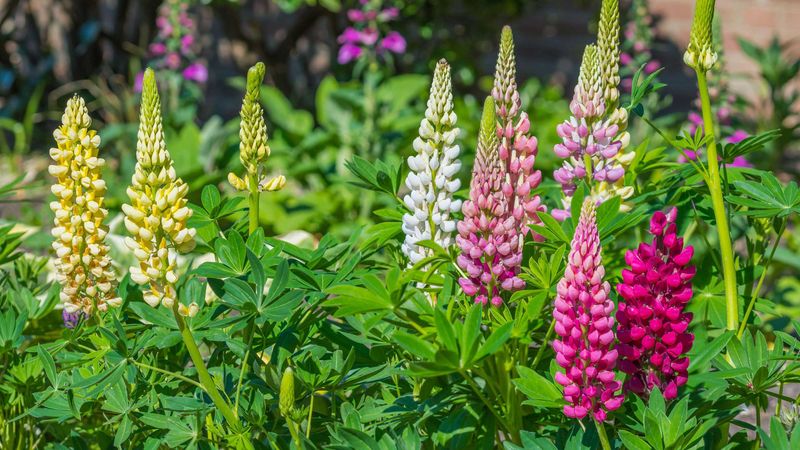
Lupines are adored for their towering spires and vibrant colors. However, they are susceptible to rot in wet conditions, affecting both flowers and foliage.
Ensuring proper drainage and avoiding overcrowding helps keep lupines healthy in rainy periods. Despite the risk, with attentive care, these flowers can continue to be a standout feature in any garden.
24. Sweet Peas
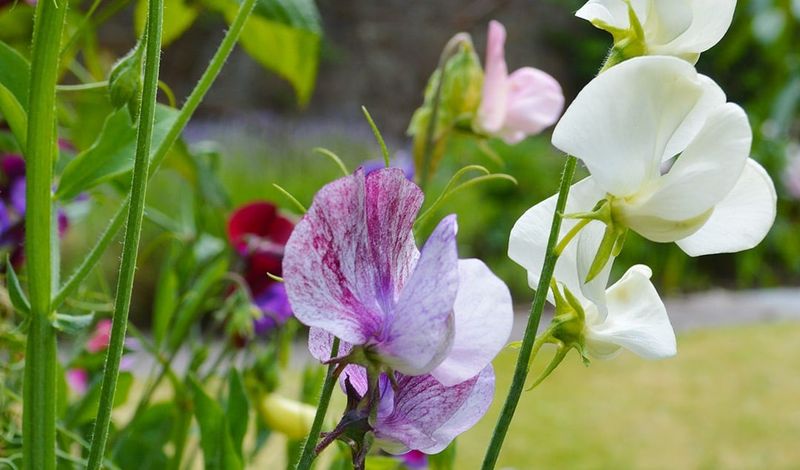
Sweet peas, with their delicate fragrance and charming blooms, are a favorite for many gardeners. Unfortunately, heavy spring rains can weaken their stems, causing the blooms to droop.
Staking and shelter can help preserve their beauty, allowing sweet peas to continue adding their gentle scent to the garden.
25. Fuchsias
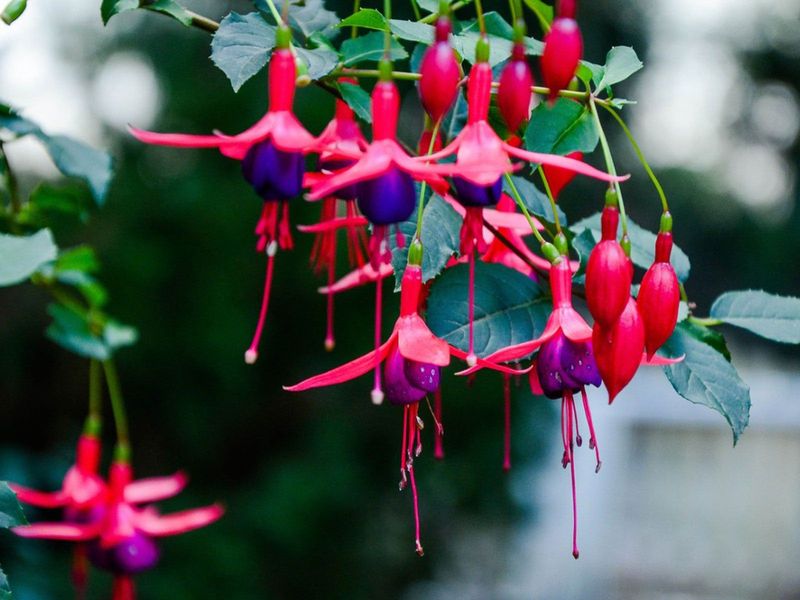
Fuchsias, often grown in hanging baskets, are loved for their unique, teardrop-shaped blooms. However, prolonged wet conditions can cause the flowers to wilt and drop.
Ensuring adequate drainage and sheltering from excessive rain can help fuchsias thrive despite their sensitivity. With care, they continue to add elegance to gardens and patios.
1. Coneflowers (Echinacea)
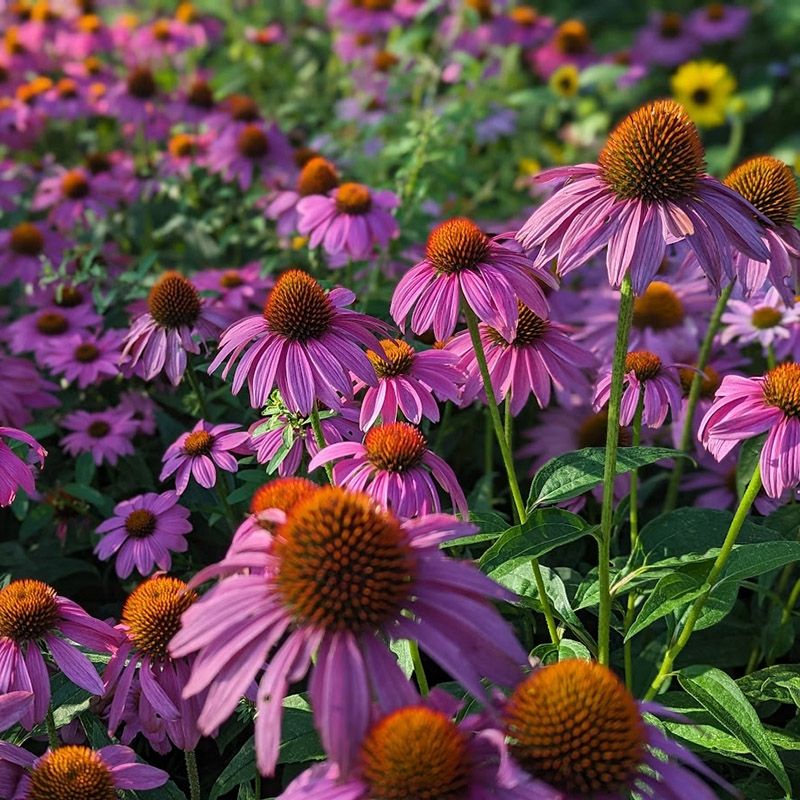
Coneflowers, or Echinacea, are a sturdy and reliable choice for rainy gardens. These tough blooms resist rain damage and fend off fungal diseases with ease.
Their vibrant petals remain unaffected by wet conditions, bringing a splash of color to the garden regardless of the weather. Coneflowers are perfect for gardeners seeking low-maintenance yet attractive plants that can withstand spring rains without a hitch.
2. Black-Eyed Susans (Rudbeckia)
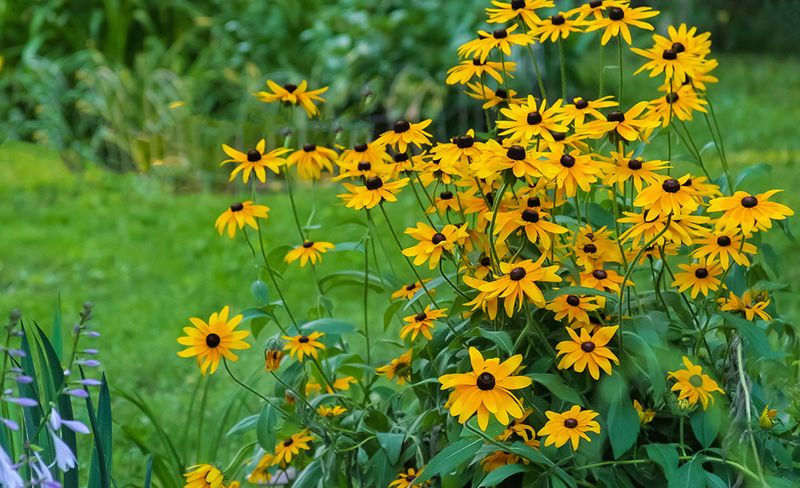
Black-Eyed Susans, or Rudbeckia, are hardy and durable, thriving in heavy rainfall. These cheerful blooms stand tall and resist both rain and wind, making them a reliable choice for wet gardens.
They require minimal care and continue to brighten gardens with their sunny faces even in adverse weather, offering a resilient and cheerful presence throughout the season.
3. Astilbe
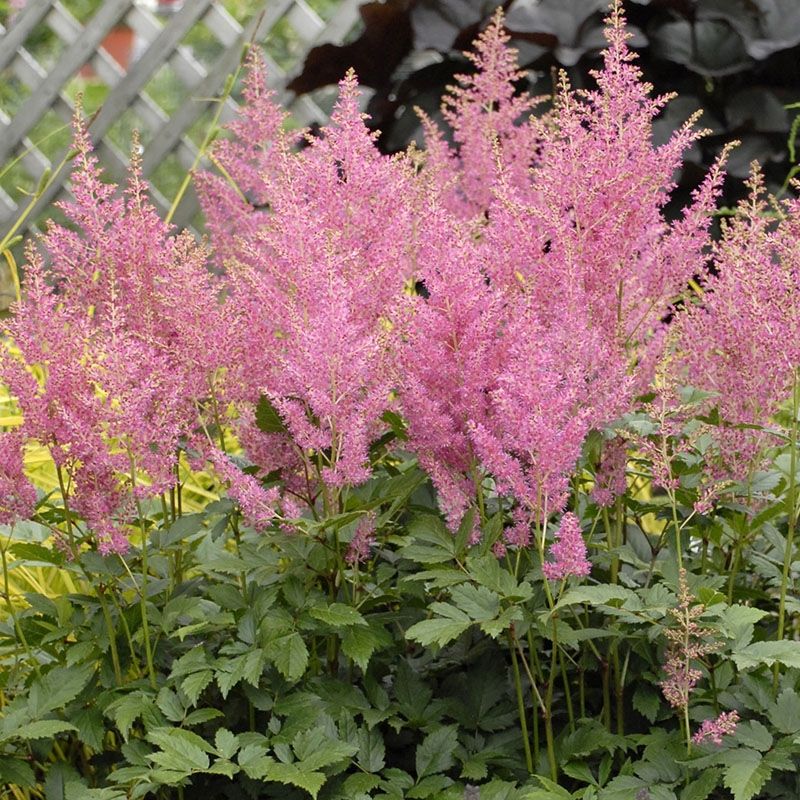
Astilbe, with its feathery plumes, is a rain-lover, thriving in moist conditions without drooping. These perennials add texture and color to gardens, flourishing even in shade.
With a preference for damp environments, astilbe remains unfazed by wet weather, making it an excellent choice for gardens subject to spring rains.
4. Daylilies
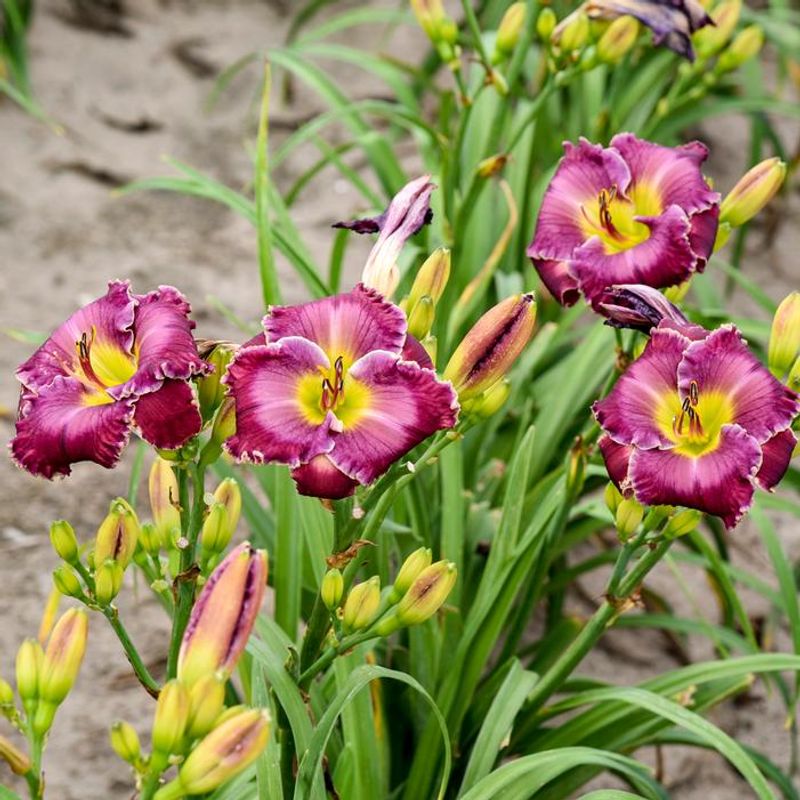
Daylilies are a gardener’s best friend in rainy weather. Their strong petals and rain-tolerant foliage ensure they remain beautiful despite heavy showers.
These resilient flowers are easy to care for and continue to brighten gardens with their diverse colors, offering a low-maintenance option for areas prone to spring rains.
5. Bee Balm (Monarda)
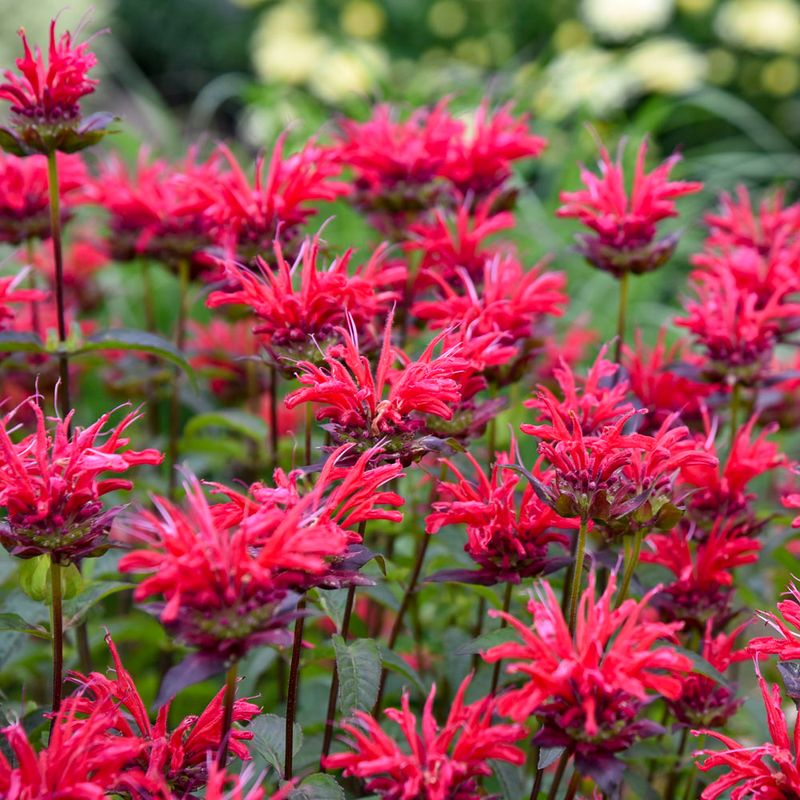
Bee Balm, or Monarda, is a sturdy perennial with blooms that stand resilient against rain. These vibrant flowers attract pollinators and add a burst of color to gardens.
Their resistance to rain-induced issues makes them a reliable choice for wet climates, allowing gardeners to enjoy their beauty without worry.
6. Cranesbill (Hardy Geranium)
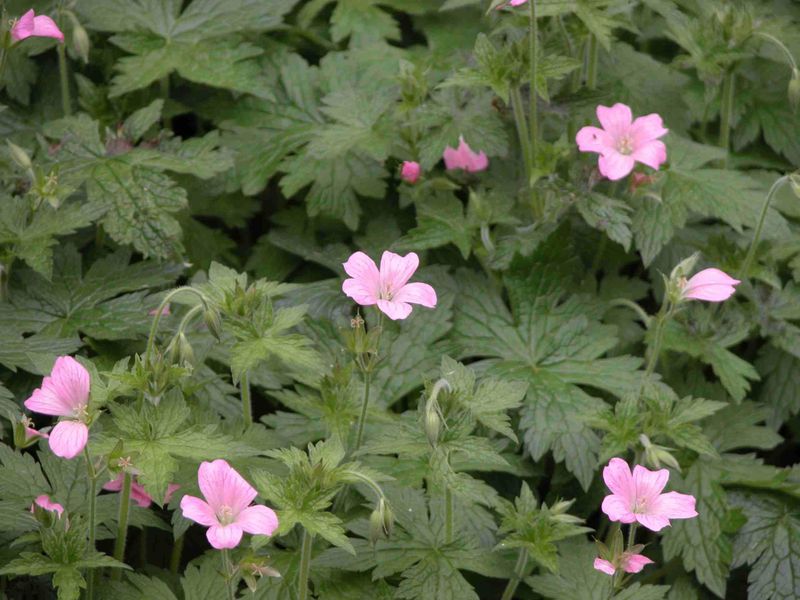
Cranesbill, or Hardy Geranium, is a tough and low-maintenance choice for gardens facing spring rains. These resilient plants withstand wet weather without losing their charm.
Their ability to thrive in rain-soaked gardens makes them a perfect choice for those seeking a reliable and easy-care addition to their landscape.
7. Hellebores (Lenten Rose)
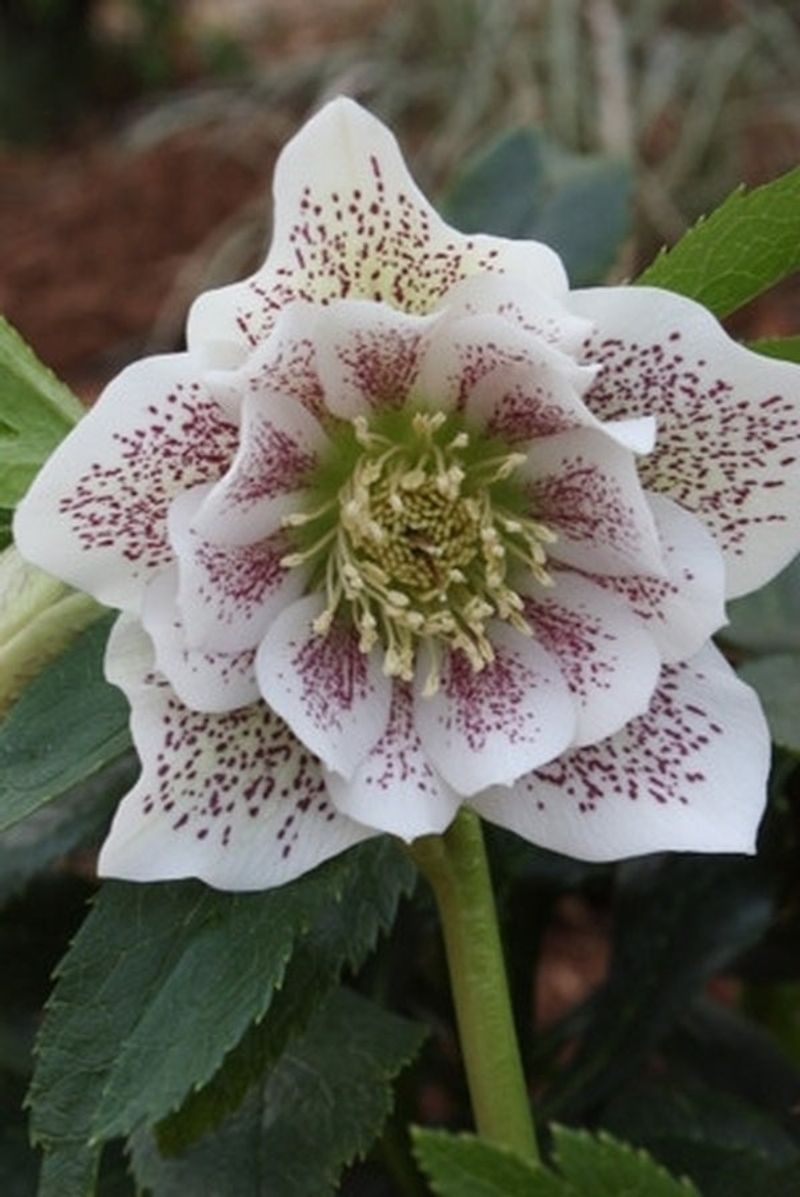
Hellebores, or Lenten Rose, are hardy flowers that resist rain damage, thriving in shaded, damp areas. Their early blooms bring color to gardens before many other plants awaken.
With a robust nature, hellebores are perfect for gardeners looking to add a touch of elegance without worrying about spring rains affecting their beauty.
8. Japanese Anemones
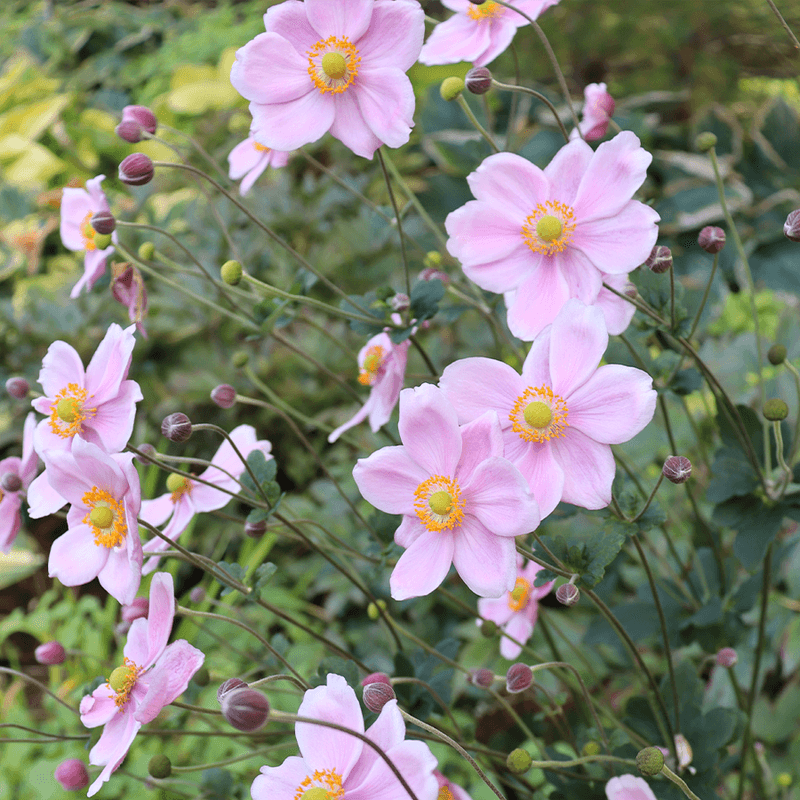
Japanese Anemones are known for their graceful blooms that hold up well in moisture. These perennials add elegance to gardens, thriving even in the rain.
Their ability to withstand wet conditions makes them a reliable choice for gardeners seeking beauty and resilience in one package.
9. Salvia
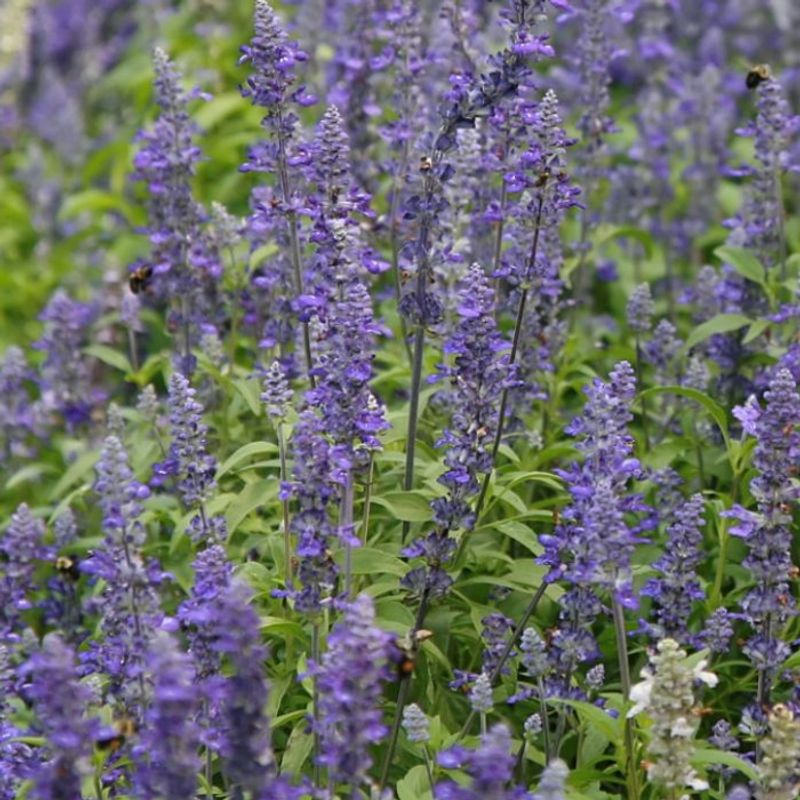
Salvia is a versatile and resilient choice for gardens facing frequent rain. These plants are resistant to moisture-induced diseases, maintaining their vibrancy and health despite wet conditions.
Salvias bring color and texture to gardens, thriving in both sun and partial shade, making them a reliable addition to any landscape.
10. Siberian Iris
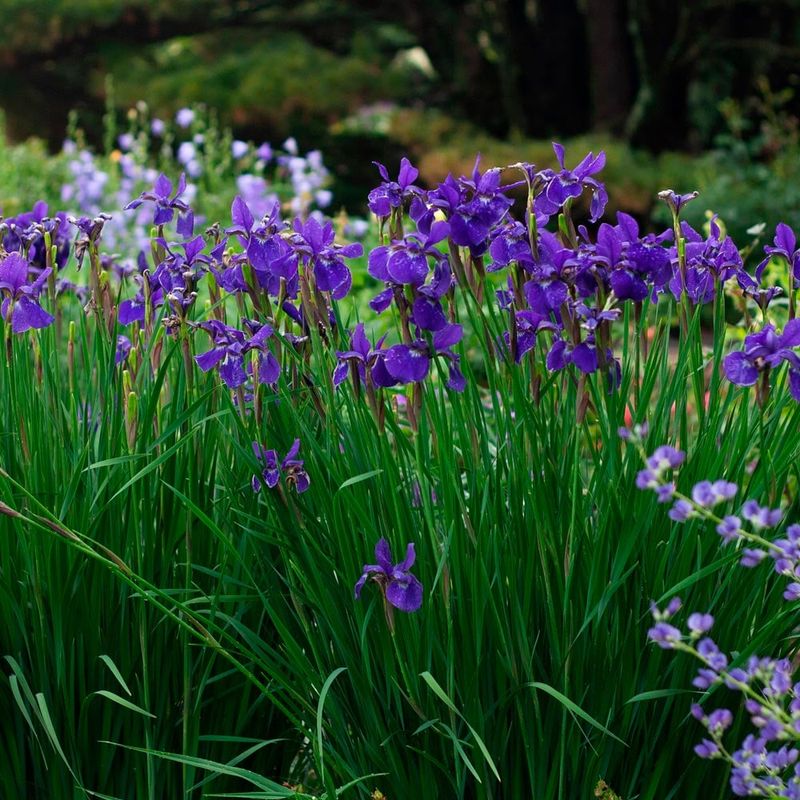
Siberian Iris is a perfect pick for gardens with heavy, wet soils. These elegant flowers thrive in damp conditions, offering a stunning display of color and form.
Their ability to flourish in less-than-ideal soil conditions makes them a valuable addition for gardeners facing frequent rain, providing beauty and resilience.
11. Yarrow (Achillea)
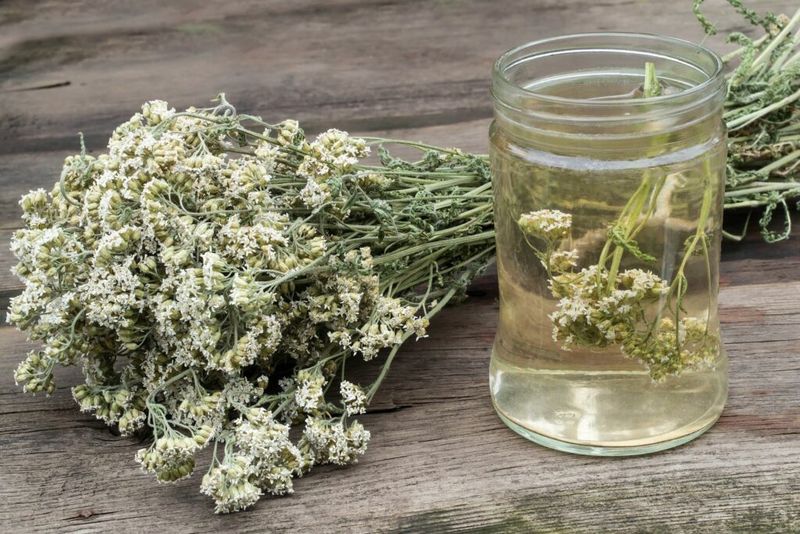
Yarrow, or Achillea, is known for its drought tolerance, but it also withstands heavy rainfall with ease. These blooms remain strong and vibrant, unaffected by wet conditions.
Yarrow’s resilience makes it a versatile choice for gardens, offering color and texture without the need for excessive care, even during rainy spells.
12. Gaillardia (Blanket Flower)
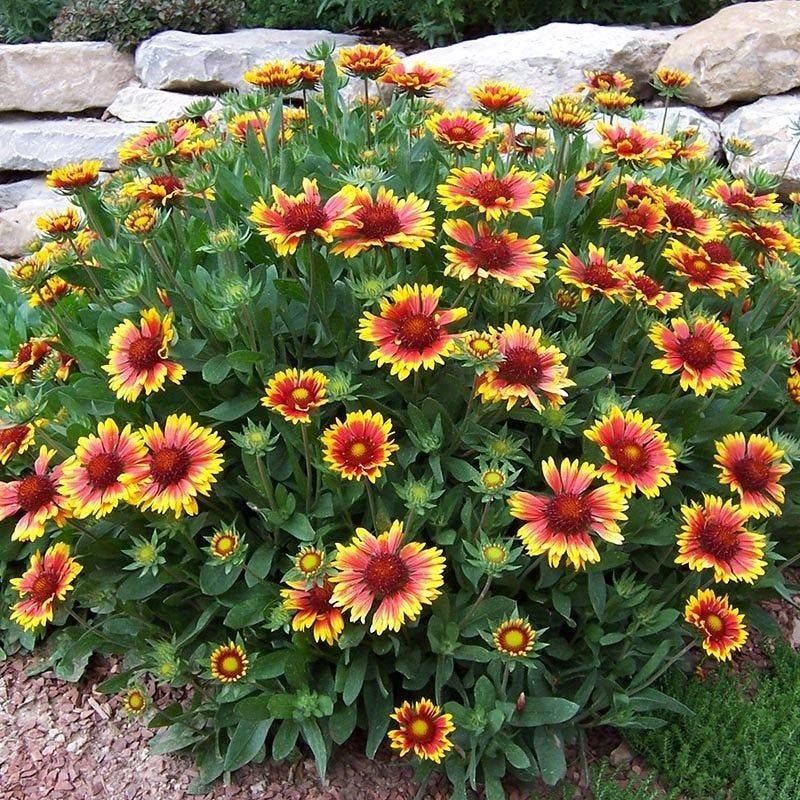
Gaillardia, or Blanket Flower, thrives in rainy climates, offering vibrant blooms that stand up to wet conditions. These hardy flowers bring warmth and color to gardens without requiring extensive care.
Their ability to flourish despite frequent rain makes them a favorite for gardeners seeking a reliable, low-maintenance option.
13. Foxglove (Digitalis)
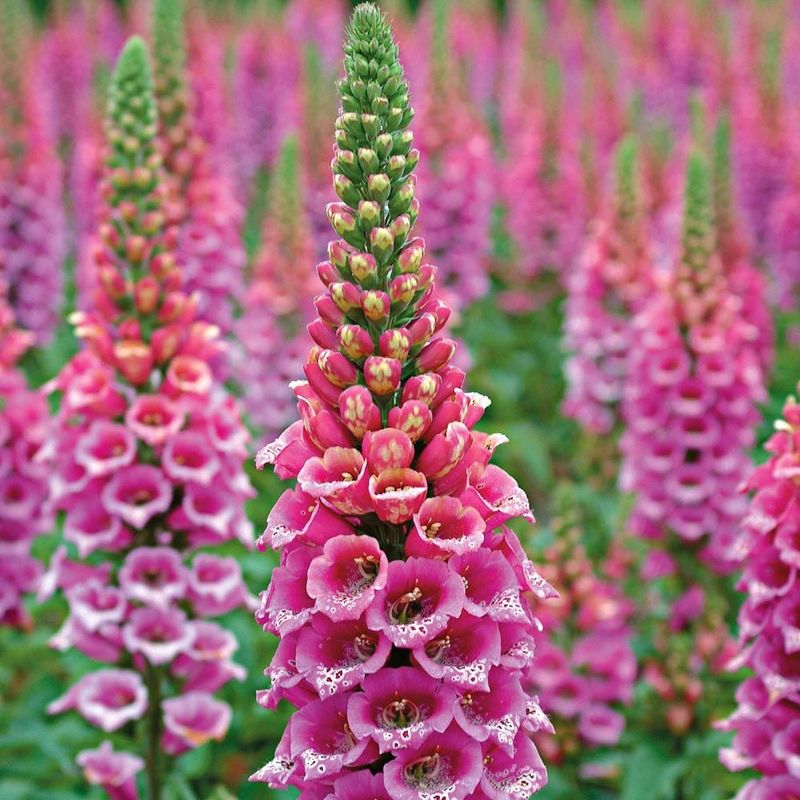
Foxglove, or Digitalis, is known for its upright blooms that resist collapse in rain. These towering flowers add drama to gardens, thriving even in wet conditions.
Their resilience makes them an excellent choice for gardeners looking to add height and interest while dealing with spring showers.
14. Heuchera (Coral Bells)
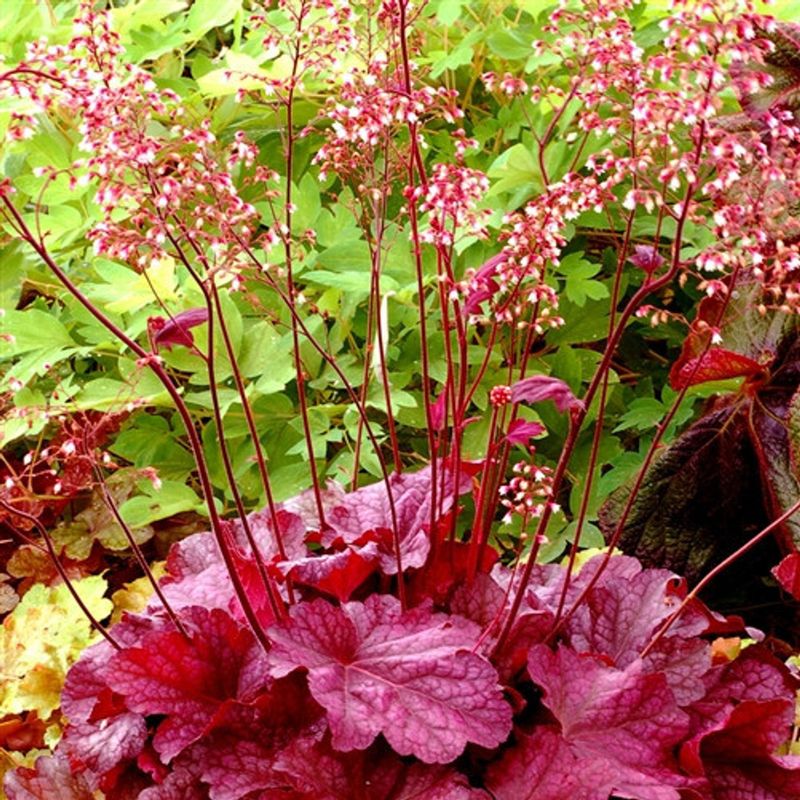
Heuchera, or Coral Bells, offers both colorful foliage and flowers that resist excess moisture. These versatile plants thrive in damp conditions, adding color and texture to gardens.
Heuchera’s ability to withstand wet weather makes it a valuable addition for gardeners looking to enhance their landscape without concern for rain-related issues.
15. Veronica (Speedwell)
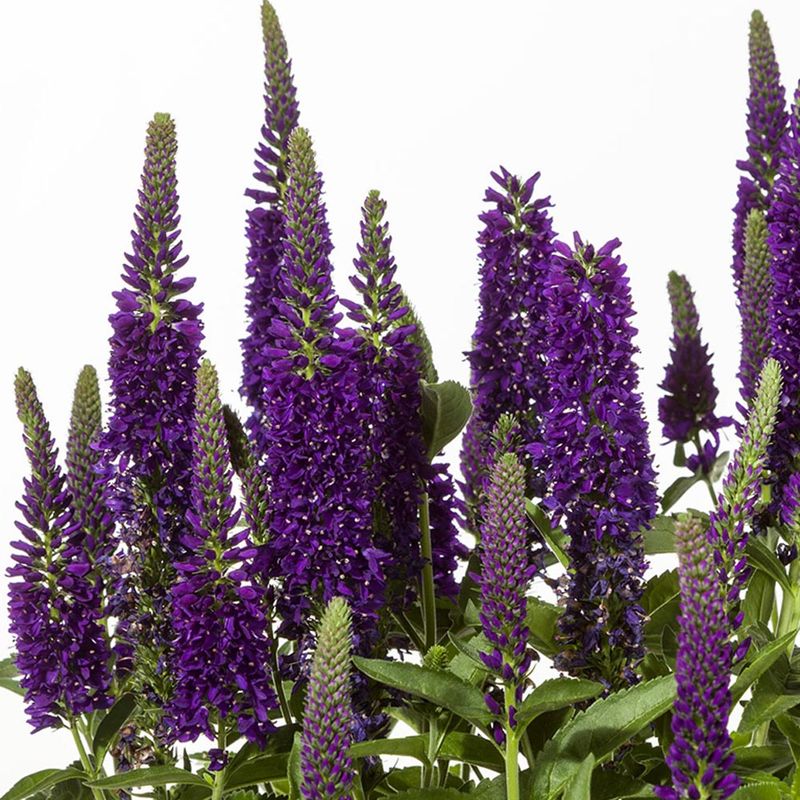
Veronica, or Speedwell, features hardy, compact blooms that are unaffected by rain. These resilient plants add a splash of color to gardens, thriving even in damp conditions.
Their low-maintenance nature and ability to withstand rain make them a reliable choice for gardeners seeking beauty without excessive care demands.
16. Sedum (Stonecrop)
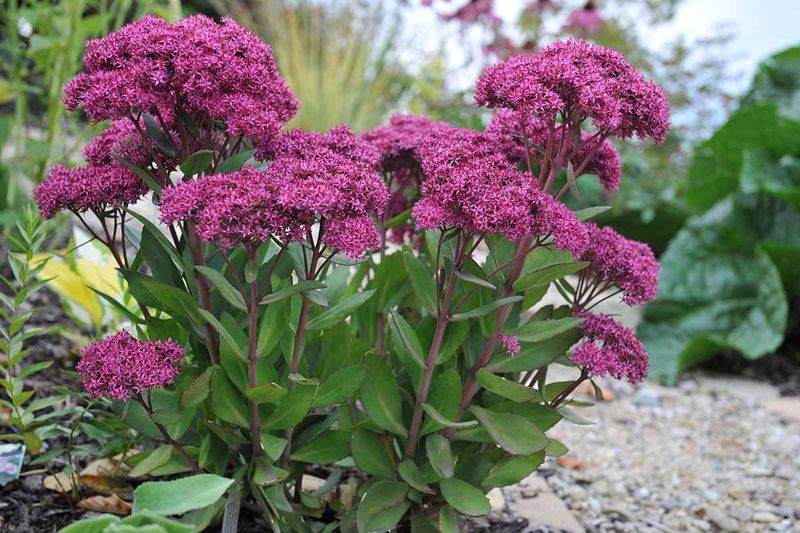
Sedum, or Stonecrop, is typically known for its drought tolerance, but it also holds up well in heavy rainfall. These succulents feature thick leaves that repel water, preventing rot and ensuring health.
Sedum’s versatility makes it a great addition to any garden, providing beauty and resilience in both dry and wet conditions.
17. Columbines (Aquilegia)
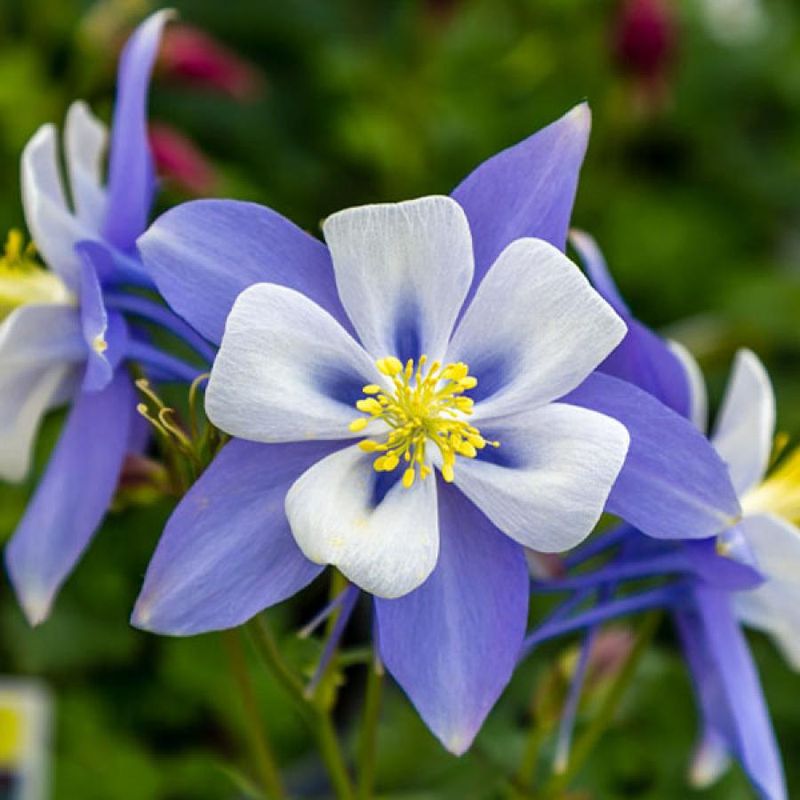
Columbines, or Aquilegia, gracefully handle wet conditions without succumbing to rot. Their delicate, nodding blooms add a touch of whimsy to gardens, even during rain.
Their resilience makes them an excellent choice for areas with frequent spring showers, providing beauty and charm with minimal care.
18. Coreopsis (Tickseed)
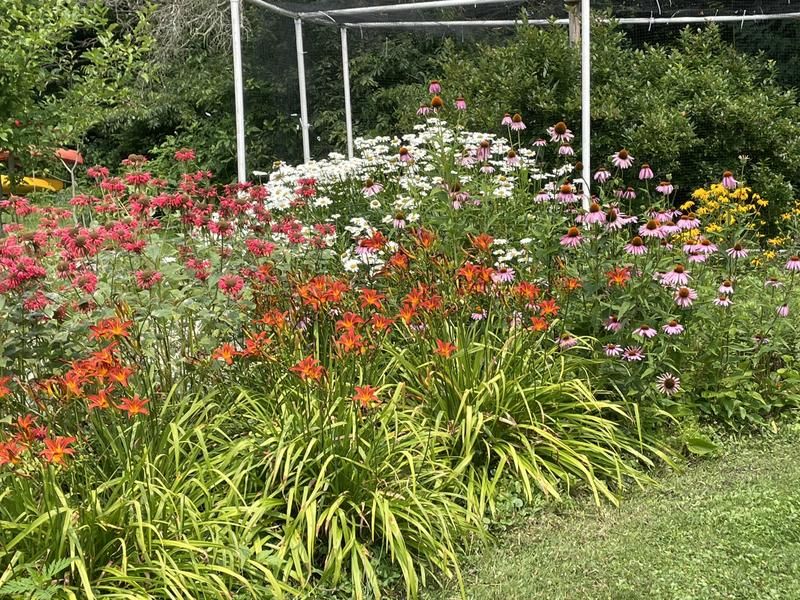
Coreopsis, or Tickseed, is vigorous and disease-resistant, maintaining its blooms even during heavy rain. These cheerful flowers offer a burst of color to gardens without requiring extensive care.
Their resilience and low-maintenance nature make them a favorite for gardeners seeking to add bright, sunny blooms to their landscape despite wet weather.
19. False Indigo (Baptisia)
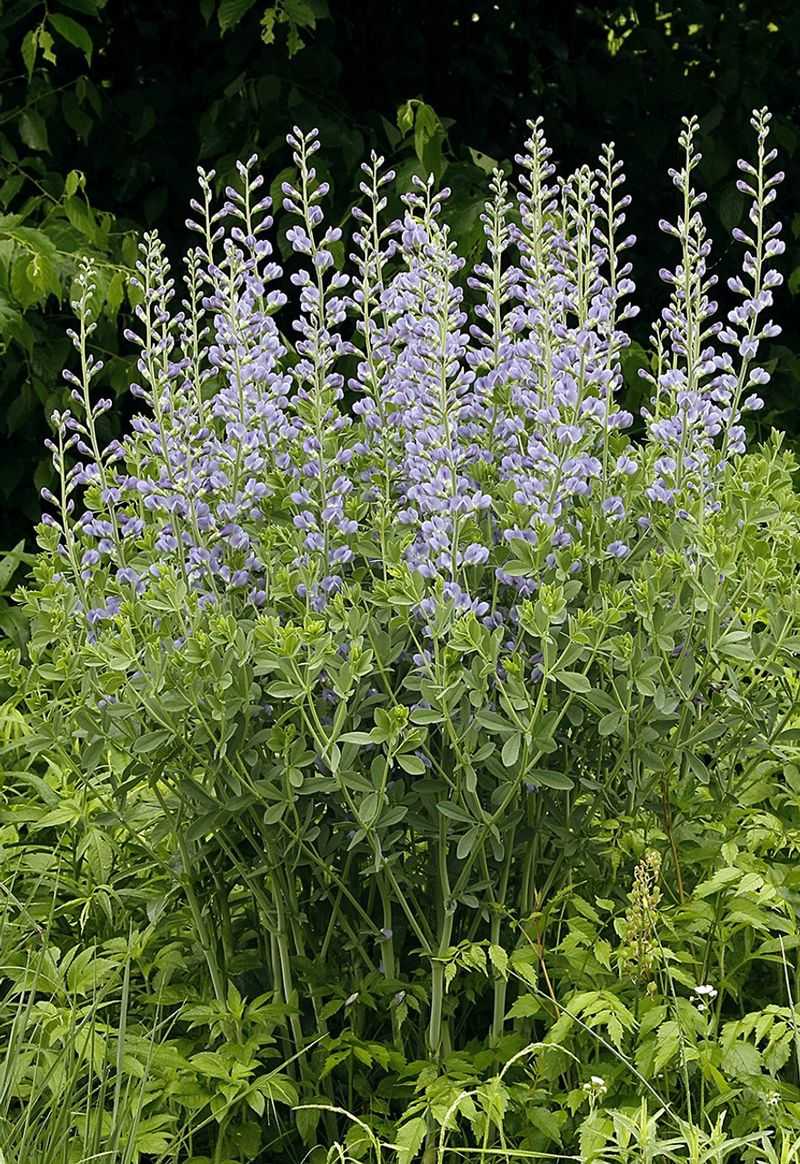
False Indigo, or Baptisia, is known for its tall, stately presence and vivid blooms. These plants stand resilient against heavy downpours, maintaining their beauty and structure.
Their ability to thrive in wet conditions makes them a reliable choice for gardeners seeking height and color in rain-prone areas.
20. Lady’s Mantle (Alchemilla mollis)
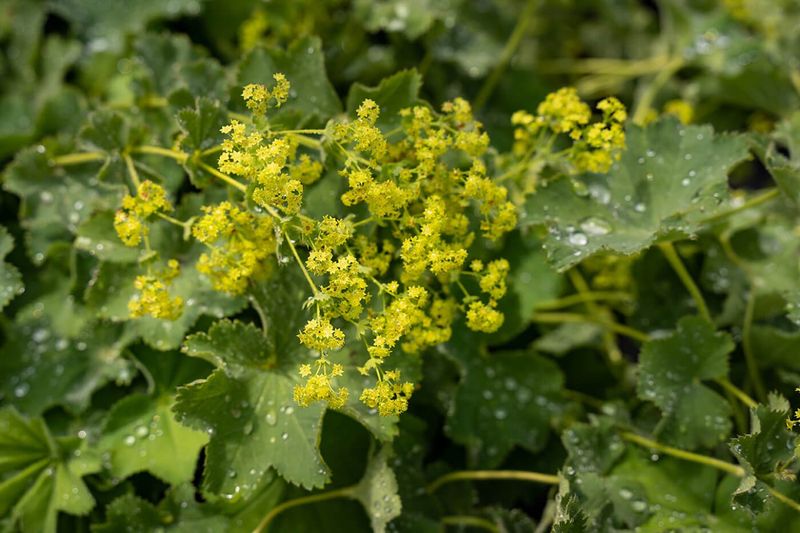
Lady’s Mantle, or Alchemilla mollis, thrives in consistently moist soil, making it a perfect choice for rain-soaked gardens. Its lush foliage and delicate blooms add elegance and texture to landscapes.
This plant’s adaptability to wet conditions makes it a reliable option for gardeners looking to enhance their garden’s beauty with minimal effort.
21. Hostas
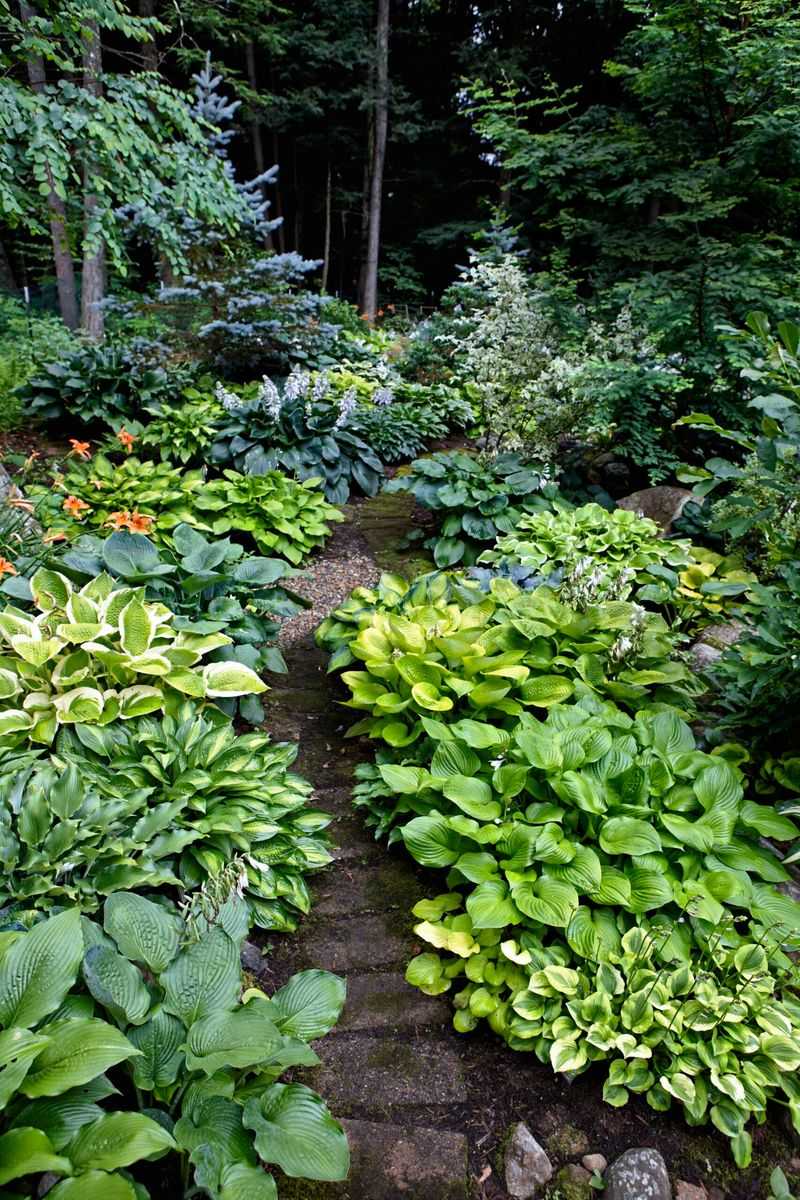
Hostas are known for their rain-resistant foliage and minimal flower damage, thriving in damp conditions. These shade-loving plants add lush greenery to gardens, requiring little care to maintain their beauty.
Their resilience to rain makes them an excellent choice for gardeners looking to add texture and color to shady, wet areas.
22. Canna Lilies
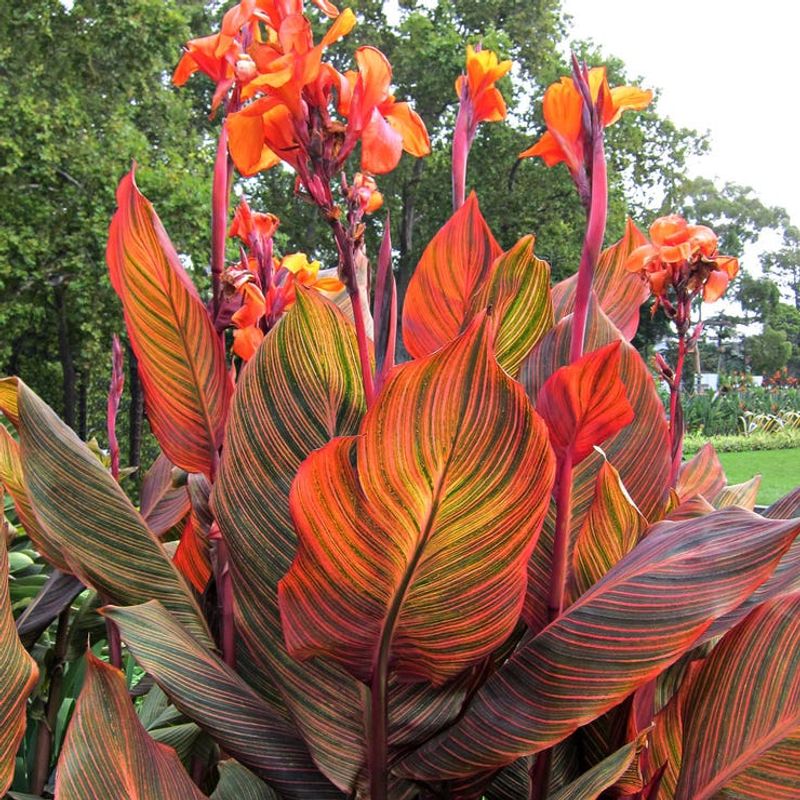
Canna Lilies are known for their bold, tropical appearance and sturdy nature. These plants stand firm in wet weather, with flowers and foliage that resist rain damage.
Their ability to thrive in damp conditions makes them a striking addition to gardens, offering color and structure without the worry of rain interference.
23. Japanese Primrose
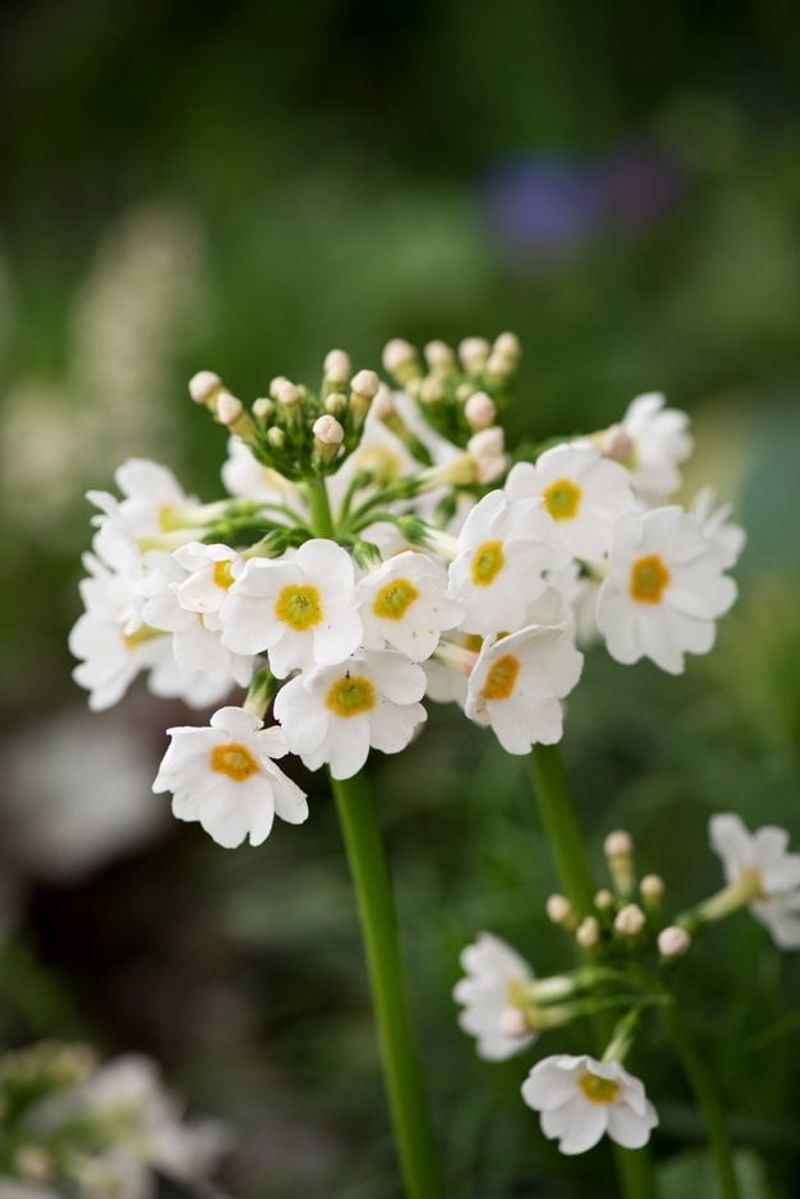
Japanese Primrose loves damp, moist conditions, making it a perfect fit for rain-prone gardens. These vibrant blooms add a splash of color to shaded and wet areas, thriving with minimal care.
Their adaptability to moisture makes them a reliable choice for gardeners seeking to add beauty and color without the challenges of rain-related issues.
24. Joe-Pye Weed
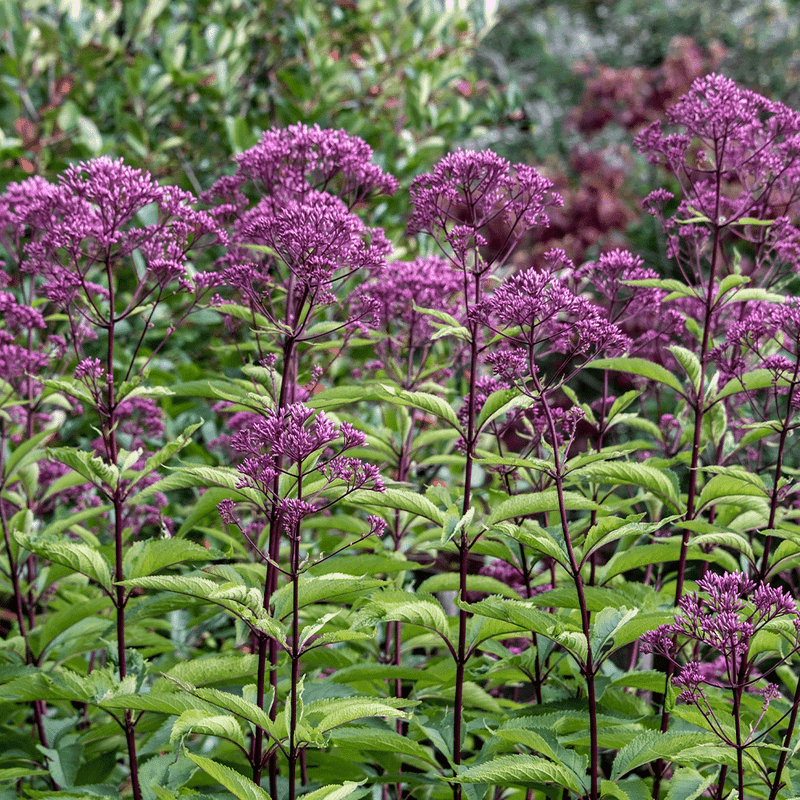
Joe-Pye Weed is ideal for wet, rainy environments, thriving where others might falter. Its tall, robust blooms add height and interest to gardens, attracting pollinators with ease.
This plant’s resilience to wet conditions makes it a valuable addition for gardeners seeking to enhance their landscape’s beauty and diversity.
25. Ligularia
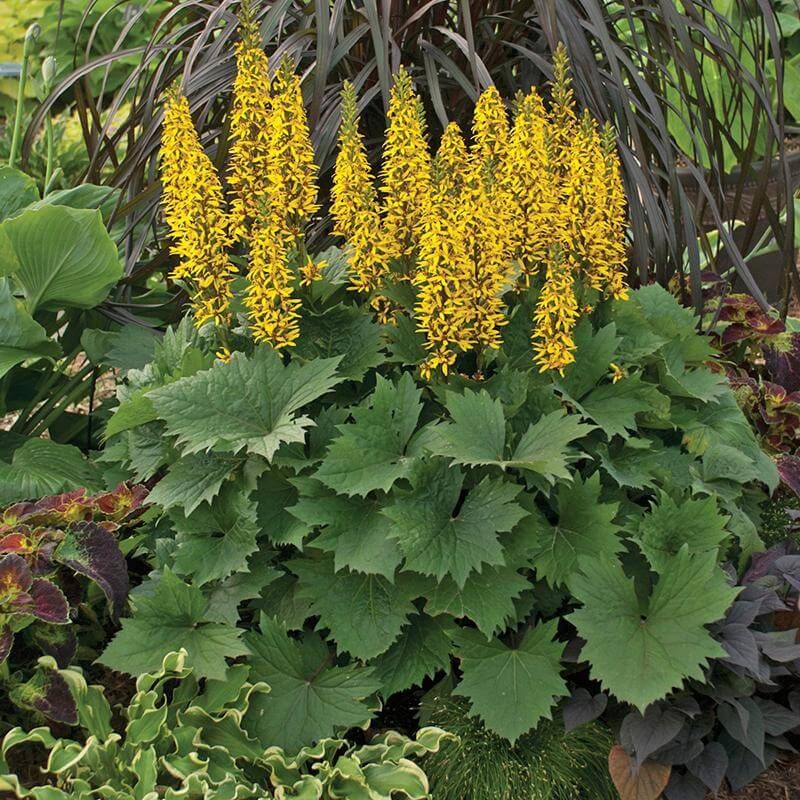
Ligularia features large, tough leaves and bright blooms that tolerate heavy rain beautifully. This plant thrives in damp conditions, adding bold color and texture to gardens.
Its ability to withstand wet weather makes it an excellent choice for gardeners looking to enrich their landscape with striking, low-maintenance plants.