 Complete Gardening
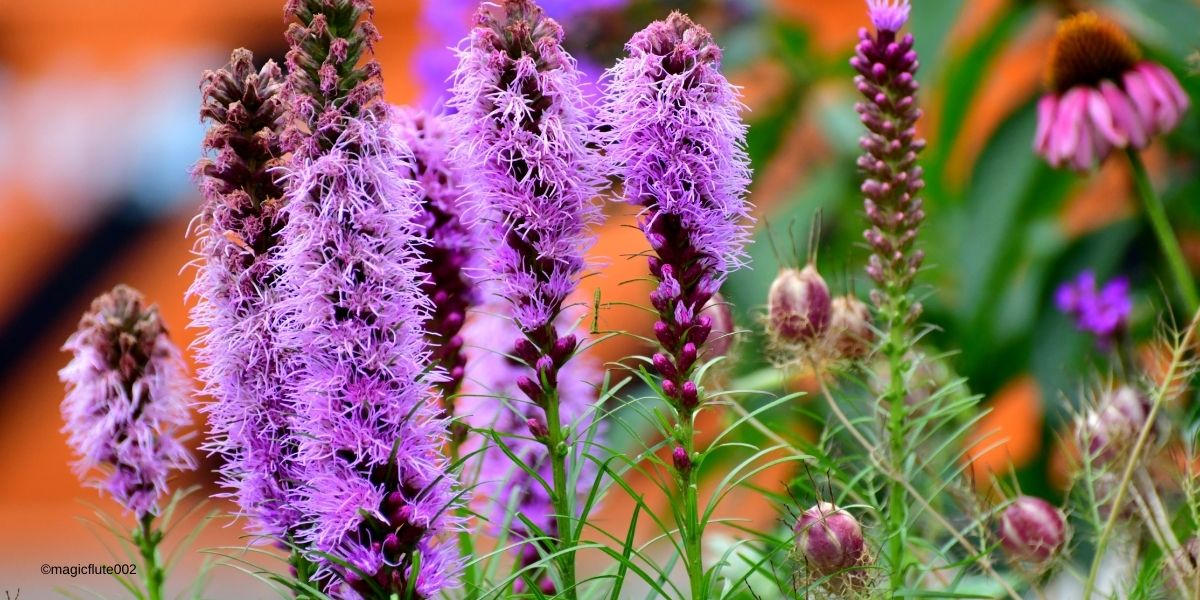
Blazing Star flowers, known for their striking spiky blooms, are a favorite among gardeners seeking to add vertical interest and vibrant color to their landscapes.
However, pairing them with the right companion plants can enhance their beauty and ensure a thriving garden ecosystem.
Here are 25 perennial companions that complement Blazing Star flowers beautifully, each bringing their own unique charm and benefits to the garden.
1. Purple Coneflower (Echinacea purpurea)
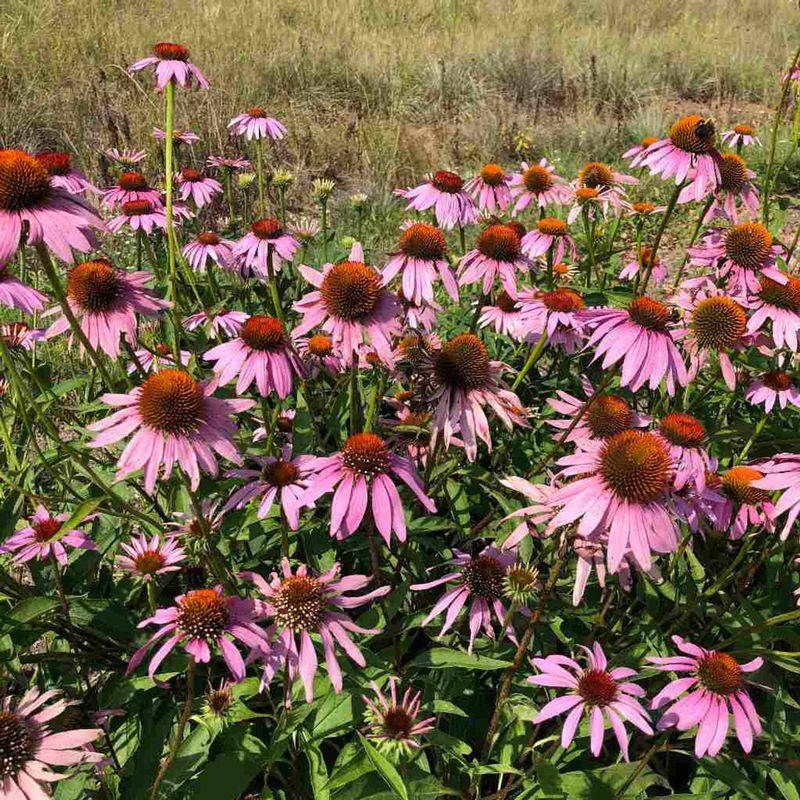
Purple Coneflower, or Echinacea purpurea, offers stunning purple petals surrounding a spiky, cone-shaped center that attracts pollinators. These flowers thrive in sunny spots and well-drained soil, making them perfect companions for Blazing Star.
Their sturdy stems and drought tolerance ensure they stand tall even in challenging conditions. Besides aesthetic appeal, these flowers are known for medicinal uses, adding practicality to their charm.
Planting them near Blazing Star can enhance the vertical interest in your garden while attracting beneficial insects and birds, promoting a healthy ecosystem.
2. Black-Eyed Susan (Rudbeckia fulgida or R. hirta)
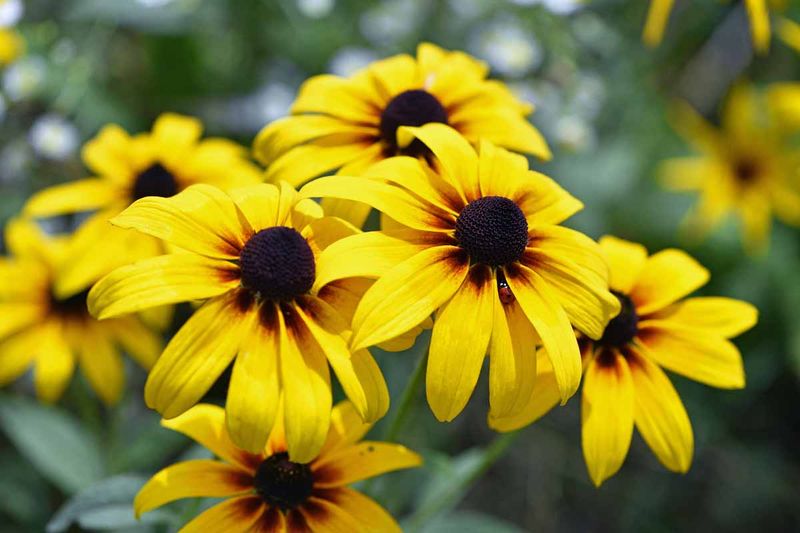
Black-Eyed Susan, with its cheerful yellow petals and dark brown centers, brings a burst of color that complements Blazing Star flowers. These robust perennials are hardy and adaptable, thriving in various soil types.
Their prolonged blooming season ensures continuous color in the garden, and they are excellent for attracting butterflies and bees. Their resilience to pests and diseases makes them low-maintenance, ideal for busy gardeners.
Pairing them with Blazing Star adds texture and vibrant hues, creating a visually appealing and pollinator-friendly garden space.
3. Blanket Flower (Gaillardia aristata)
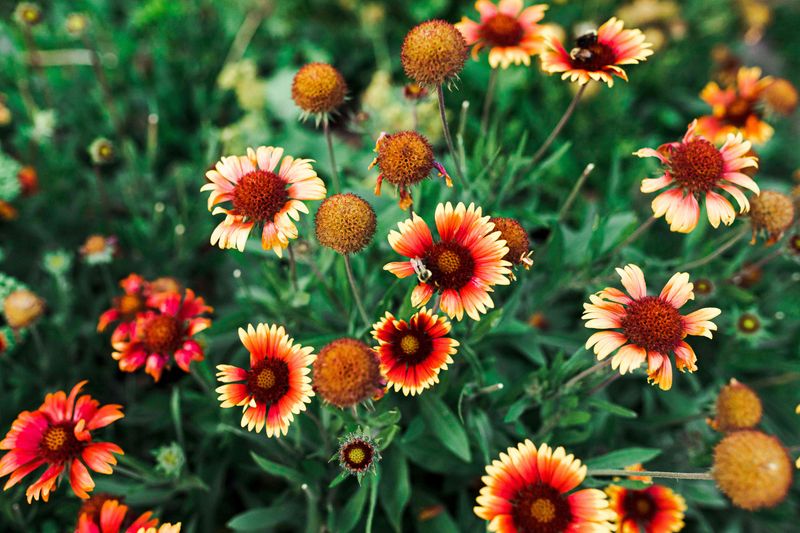
Blanket Flower, or Gaillardia aristata, is known for its fiery red and yellow blooms that provide a striking contrast to the purple hues of Blazing Star. These sun-loving perennials are easy to grow and drought-tolerant, thriving in well-drained soils.
Their long blooming period ensures a burst of color throughout the summer, attracting butterflies and bees with their vibrant petals. Blanket Flowers require minimal care, making them perfect for gardeners looking for low-maintenance beauty.
Planting them alongside Blazing Star creates a dynamic and colorful display, enhancing the garden’s visual appeal.
4. Salvia (Salvia nemorosa, e.g. ‘May Night’)
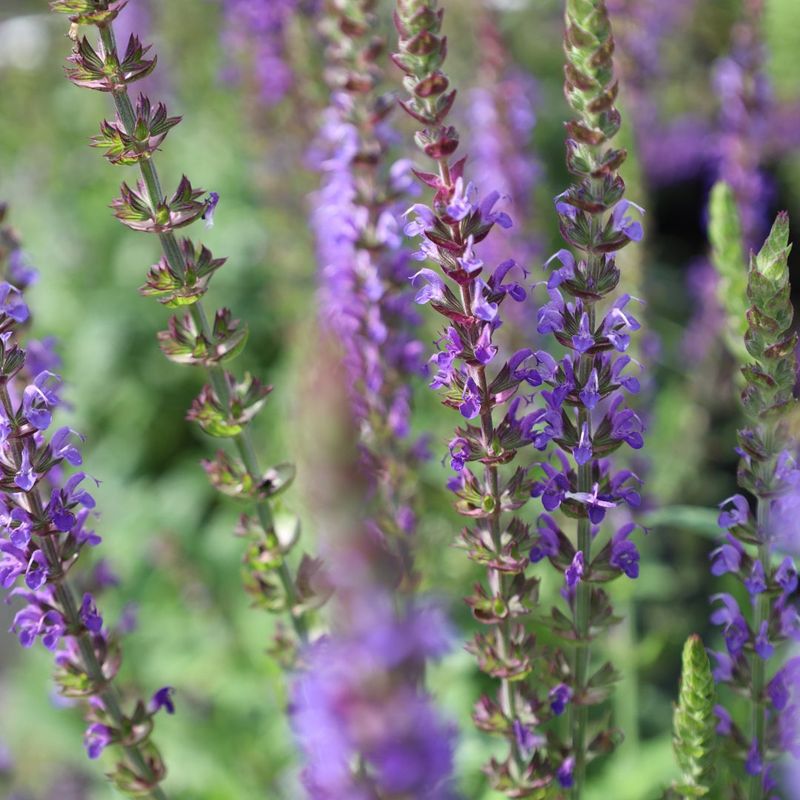
Salvia, particularly the ‘May Night’ variety, boasts deep purple flower spikes that complement the vertical structure of Blazing Star plants. Known for its aromatic foliage and long blooming season, Salvia attracts hummingbirds and butterflies, enhancing garden biodiversity.
These plants thrive in full sun and well-drained soil, offering a hardy and drought-tolerant option for garden enthusiasts. The rich purple hues of Salvia add depth and contrast to the bright colors of other perennials.
When planted with Blazing Star, Salvia creates a harmonious blend of textures and colors, making the garden more visually appealing.
5. Tickseed (Coreopsis verticillata, e.g. ‘Moonbeam’)
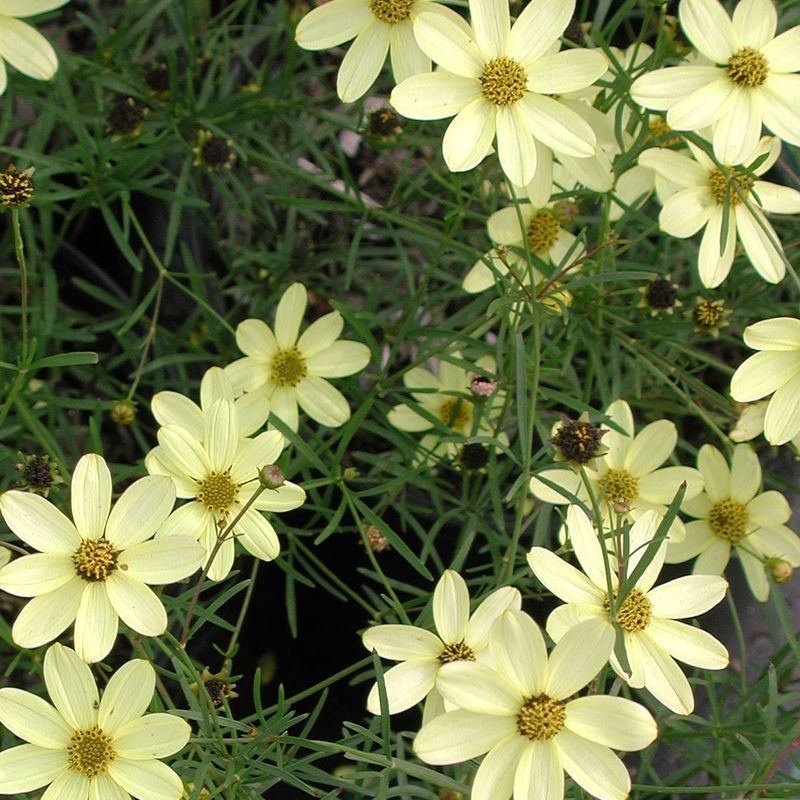
Tickseed, particularly the ‘Moonbeam’ variety, is cherished for its delicate, bright yellow blooms that dance atop slender stems. These flowers add a cheerful note to the garden and pair wonderfully with the bold spikes of Blazing Star.
Thriving in full sun, Tickseed is both drought-tolerant and low-maintenance, making it an ideal choice for gardeners seeking fuss-free beauty. Its long blooming period keeps the garden vibrant and lively, attracting butterflies and bees.
Paired with Blazing Star, Tickseed creates a dynamic and textured display, enhancing the garden’s visual interest and pollinator appeal.
6. Spike Speedwell (Veronica spicata)
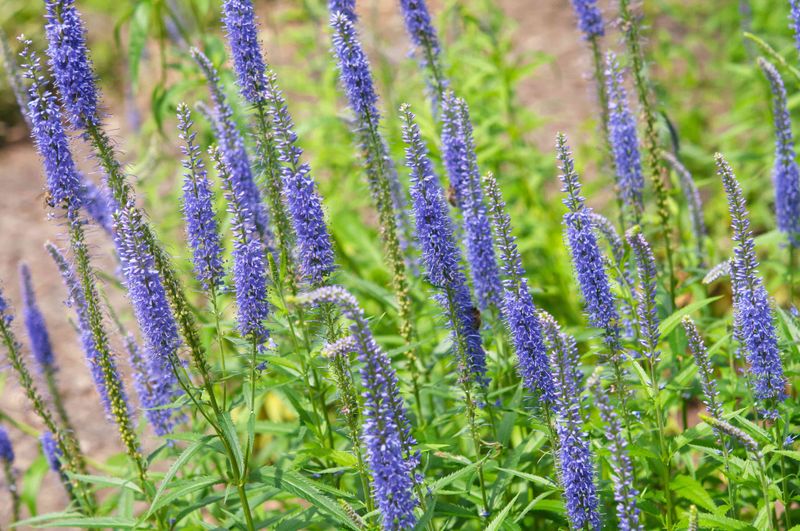
Spike Speedwell, or Veronica spicata, is a perennial favorite known for its tall spires of blue or purple flowers. These spikes harmonize beautifully with the vertical form of Blazing Star, adding height and color to the garden.
Thriving in sunny locations with well-drained soil, Spike Speedwell is both hardy and low-maintenance, making it a popular choice for gardeners. Its long blooming period ensures a splash of color throughout the growing season.
When planted alongside Blazing Star, Spike Speedwell enhances the garden’s structure and visual interest, creating a vibrant and pollinator-friendly environment.
7. Bee Balm (Monarda didyma)
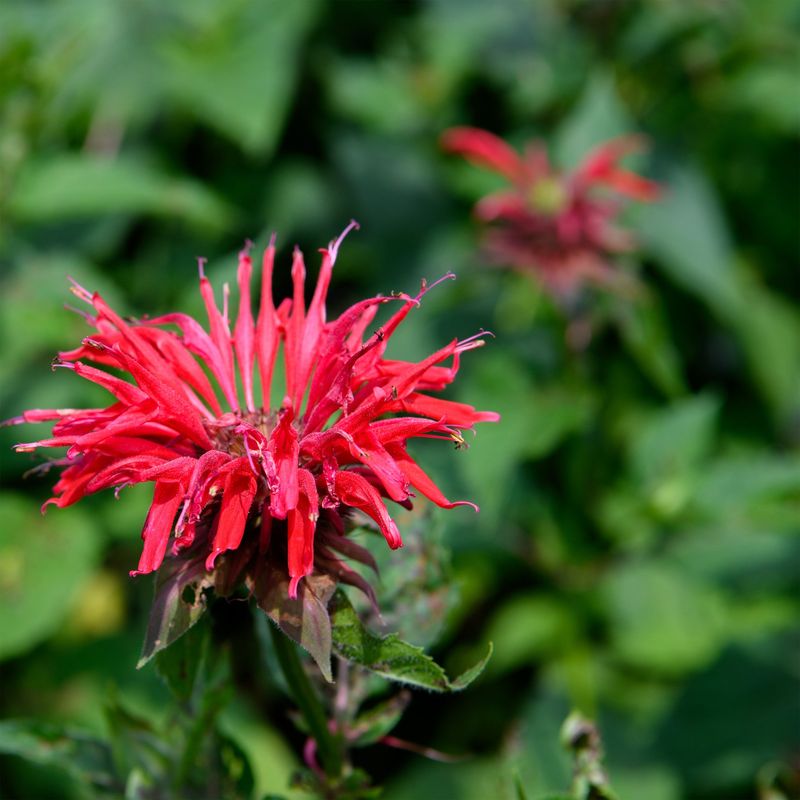
Bee Balm, known as Monarda didyma, is a striking perennial with clusters of tubular red or pink flowers. These blooms attract hummingbirds and bees, adding vitality to any garden.
Bee Balm thrives in sunny or partially shaded spots and prefers moist, well-drained soil. Its aromatic foliage and vibrant flowers make it a sensory delight, both visually and olfactorily.
When paired with Blazing Star, Bee Balm introduces a splash of color and fragrance, creating a lively and attractive garden area that supports pollinators and adds diversity.
8. Yarrow (Achillea millefolium, e.g. ‘Moonshine’)
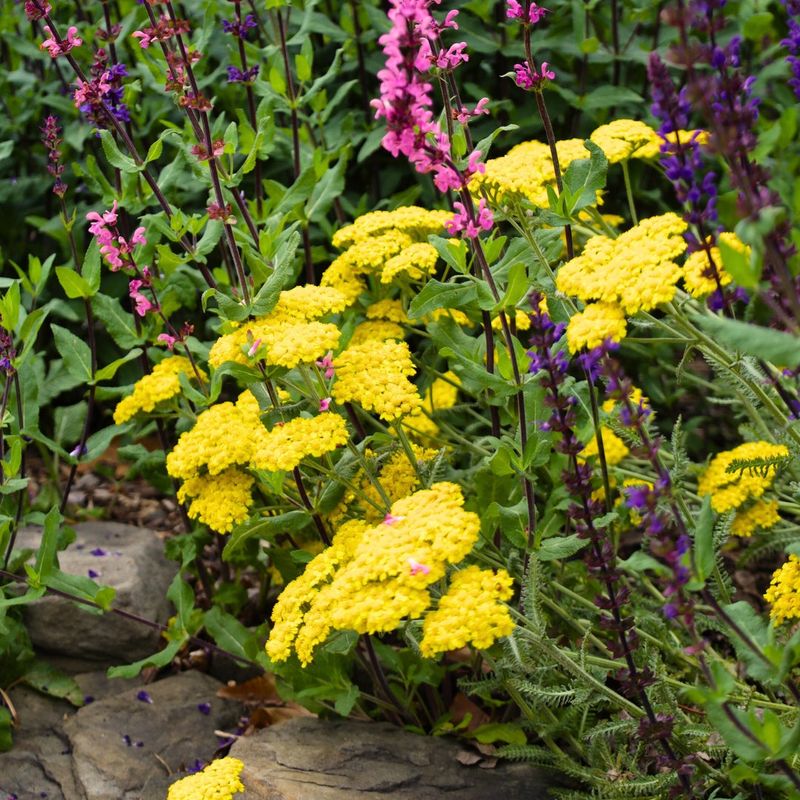
Yarrow, especially the ‘Moonshine’ variety, is known for its flat-topped clusters of bright yellow flowers. These blooms provide a striking contrast to the taller, spiky Blazing Star flowers.
Yarrow is a hardy perennial that thrives in full sun and well-drained soil, known for its drought resistance and low maintenance needs. It attracts beneficial insects, contributing to a healthy garden ecosystem.
Planted with Blazing Star, Yarrow adds texture and color variation, while its aromatic foliage offers an additional sensory experience. This combination enhances both aesthetic appeal and ecological benefits.
9. New England Aster (Aster novae-angliae)
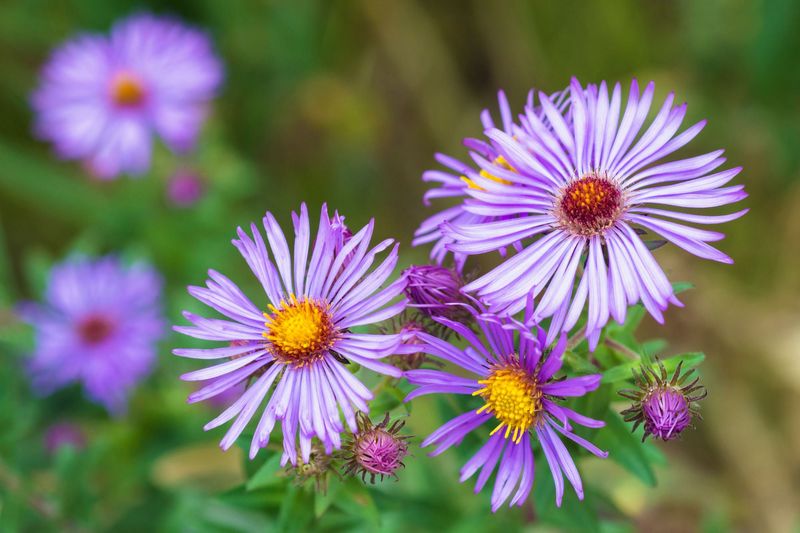
New England Aster, or Aster novae-angliae, is beloved for its daisy-like flowers in shades of purple and pink. These vibrant blooms appear in late summer to fall, complementing the Blazing Star’s flowering period.
This perennial thrives in sunny locations with moist, well-drained soil. It is attractive to butterflies, providing late-season nectar sources. New England Asters are easy to grow and maintain, making them perfect for enhancing garden biodiversity.
When combined with Blazing Star, these asters add late-season color and texture, creating a visually stunning and ecologically supportive garden.
10. Blue False Indigo (Baptisia australis)
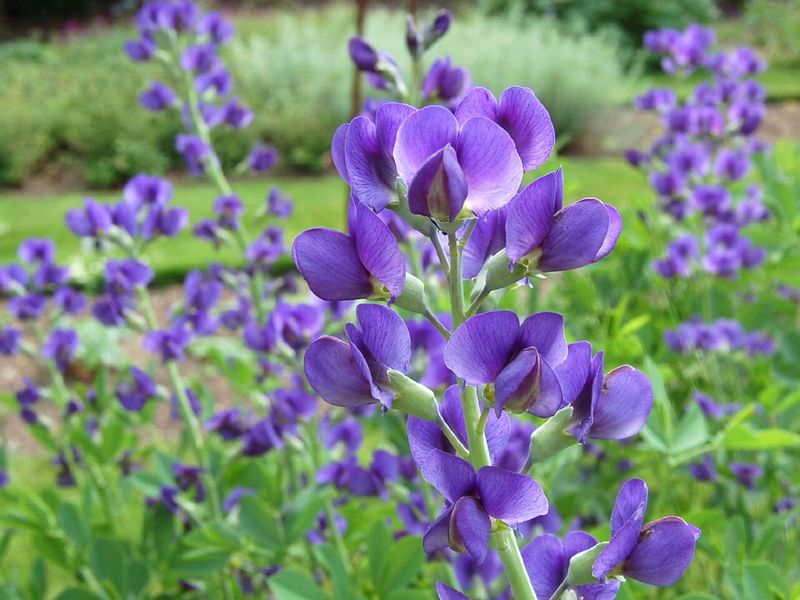
Blue False Indigo, known as Baptisia australis, is a perennial with striking blue pea-like flowers. Its upright form and rich green foliage provide a robust backdrop for the spiky blooms of Blazing Star.
Thriving in full sun and well-drained soil, Blue False Indigo is drought-tolerant and low-maintenance. It attracts pollinators, enhancing garden biodiversity.
When paired with Blazing Star, Blue False Indigo adds structural interest and a unique color palette. This combination creates a dynamic and visually appealing garden that supports a variety of pollinators and provides seasonal beauty.
11. Beardtongue (Penstemon digitalis, e.g. ‘Husker Red’)
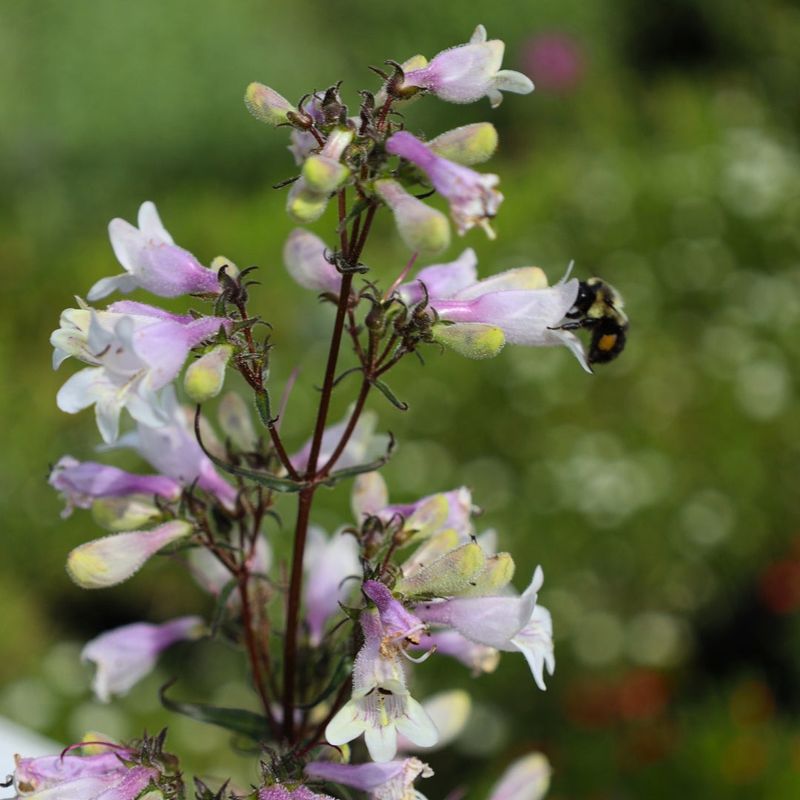
Beardtongue, particularly the ‘Husker Red’ variety, is known for its tubular white or pink flowers and attractive reddish foliage. These features provide a stunning contrast to the vibrant spikes of Blazing Star.
Thriving in sunny locations with well-drained soil, Beardtongue is drought-tolerant and easy to maintain. Its flowers attract hummingbirds and bees, contributing to a lively garden ecosystem.
When planted with Blazing Star, Beardtongue enhances the garden’s color and texture. This pairing creates a beautiful and pollinator-friendly environment, adding diversity and visual interest to the landscape.
12. Garden Phlox (Phlox paniculata)
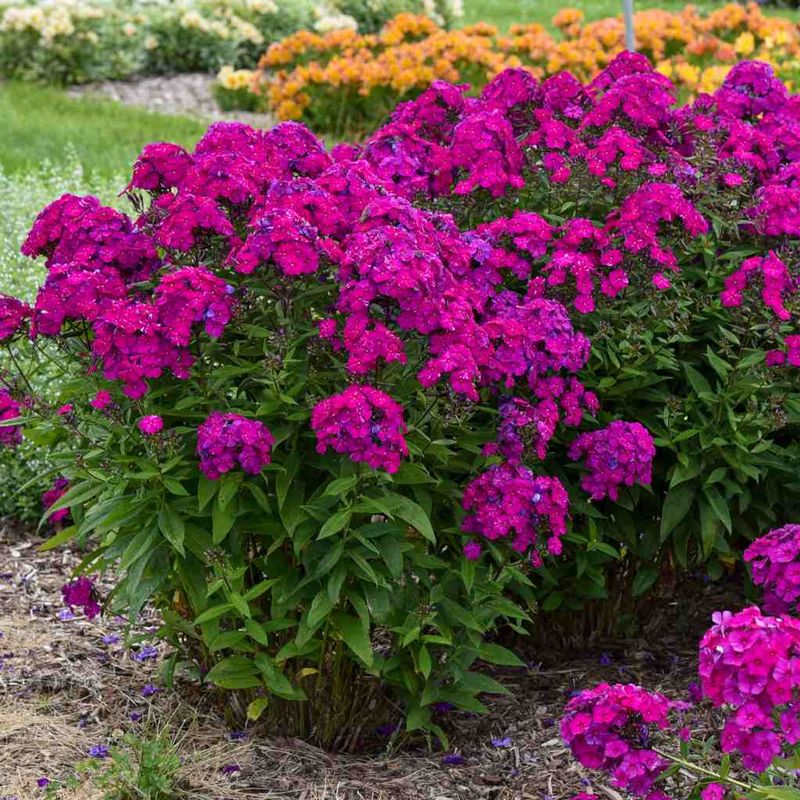
Garden Phlox, or Phlox paniculata, is a perennial favorite known for its fragrant clusters of pink or white flowers. These blooms add a soft, romantic touch to the garden, complementing the bold spikes of Blazing Star.
Thriving in sunny or partially shaded areas with moist, well-drained soil, Garden Phlox is easy to grow and maintain. Its scent attracts butterflies and hummingbirds, enhancing garden biodiversity.
When paired with Blazing Star, Garden Phlox introduces fragrance and color variation, creating a delightful sensory experience. This combination enriches the garden’s aesthetic appeal and ecological value.
13. Globe Thistle (Echinops ritro)
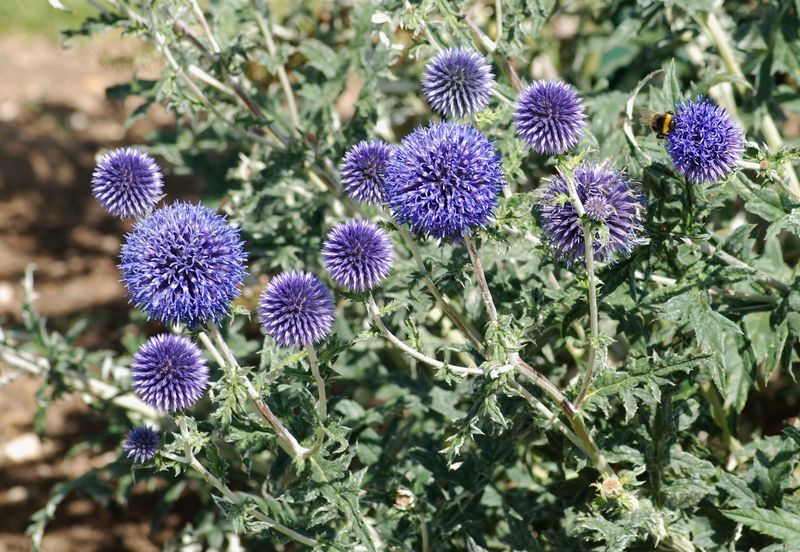
Globe Thistle, or Echinops ritro, is a unique perennial known for its spherical blue flower heads. These striking blooms add an architectural element to the garden, contrasting with the vertical spikes of Blazing Star.
Thriving in full sun and well-drained soil, Globe Thistle is drought-tolerant and low-maintenance. Its flowers attract pollinators, contributing to a healthy garden ecosystem.
When paired with Blazing Star, Globe Thistle adds structural interest and a cool color palette. This combination creates a visually arresting garden display, enhancing both aesthetic appeal and ecological benefits.
14. Butterfly Weed (Asclepias tuberosa)
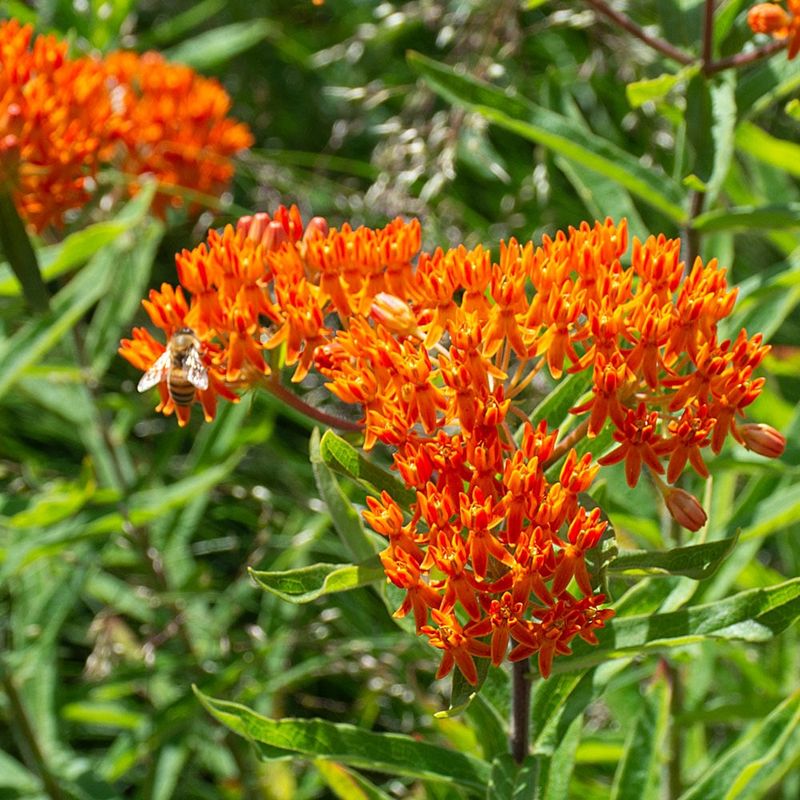
Butterfly Weed, or Asclepias tuberosa, is renowned for its vibrant orange blooms that attract a multitude of pollinators, including monarch butterflies. These flowers provide a lively contrast to the purple spikes of Blazing Star.
Thriving in full sun and well-drained soil, Butterfly Weed is drought-tolerant and requires minimal maintenance. Its deep taproots make it resilient in challenging conditions.
When planted with Blazing Star, Butterfly Weed enhances the garden’s color and pollinator appeal. This pairing creates a vibrant and dynamic landscape, supporting biodiversity and adding seasonal beauty.
15. Catmint (Nepeta x faassenii)
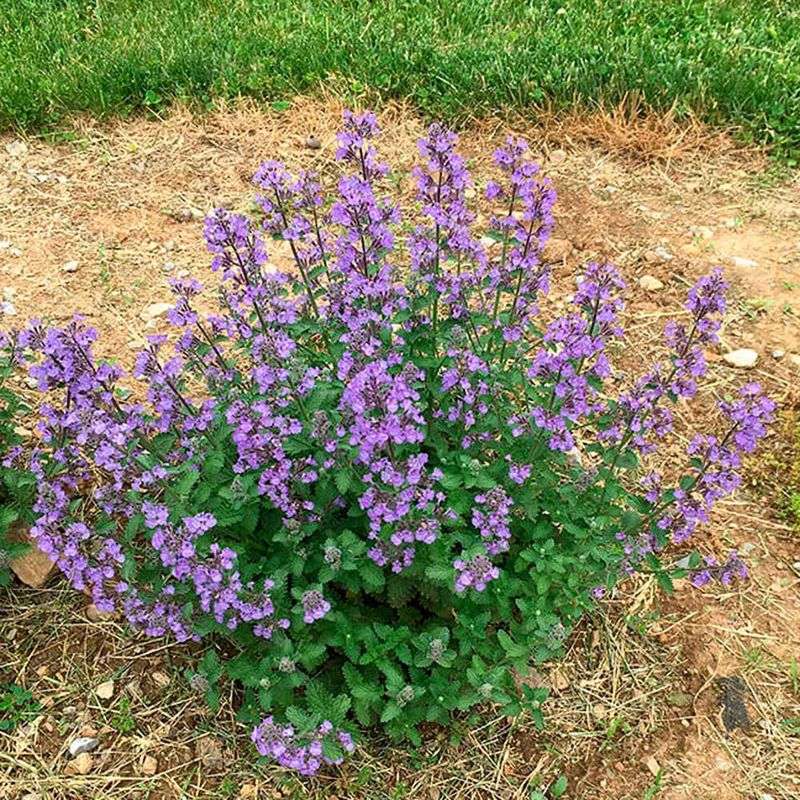
Catmint, known as Nepeta x faassenii, is a hardy perennial with clusters of purple or blue flowers. Its aromatic gray-green foliage adds sensory appeal, complementing the vivid spikes of Blazing Star.
Thriving in full sun with well-drained soil, Catmint is drought-tolerant and low-maintenance. It attracts bees and butterflies, promoting a lively garden ecosystem.
When paired with Blazing Star, Catmint adds color and fragrance, creating a soothing and attractive garden display. This combination enhances the garden’s aesthetic and ecological value, making it a delightful place for both people and pollinators.
16. Anise Hyssop (Agastache foeniculum)
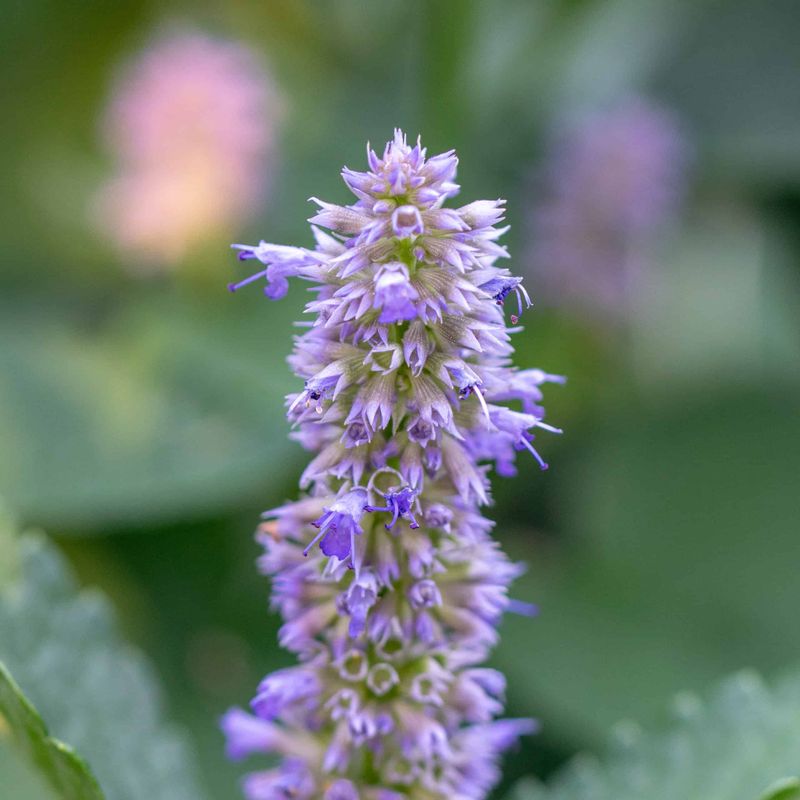
Anise Hyssop, or Agastache foeniculum, is celebrated for its spikes of purple flowers and fragrant foliage. These features provide a sensory delight that complements the striking form of Blazing Star.
Thriving in sunny locations with well-drained soil, Anise Hyssop is easy to grow and drought-tolerant. Its flowers attract bees and butterflies, enhancing garden biodiversity.
When planted with Blazing Star, Anise Hyssop adds fragrance and vertical interest. This pairing creates a vibrant and aromatic garden space, supporting pollinators and adding visual appeal to the landscape.
17. English Lavender (Lavandula angustifolia)
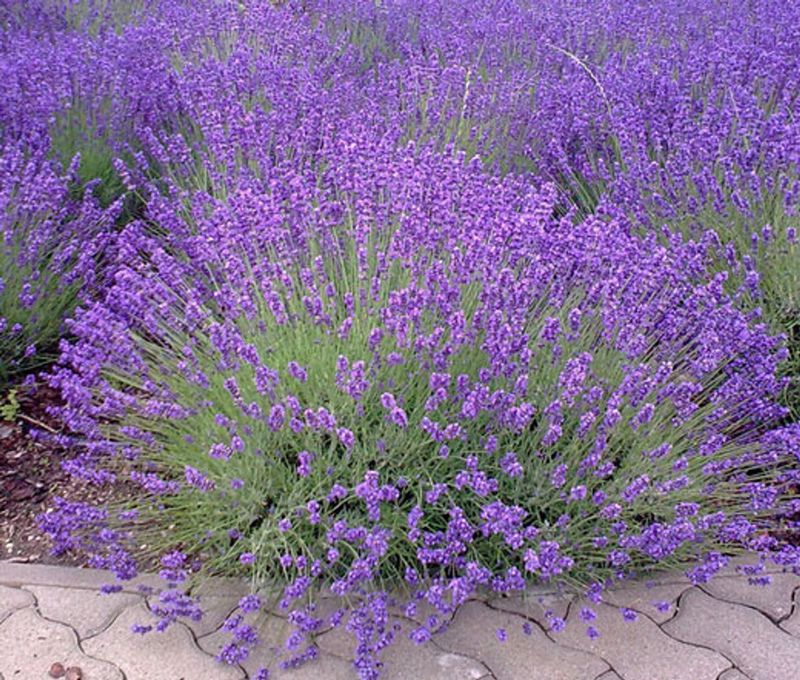
English Lavender, or Lavandula angustifolia, is a classic perennial known for its fragrant purple flower spikes. Its silvery-green foliage adds a soft contrast to the bold colors of Blazing Star.
Thriving in full sun and well-drained soil, English Lavender is drought-tolerant and low-maintenance, perfect for Mediterranean-style gardens. Its scent attracts bees and butterflies, promoting a thriving ecosystem.
When paired with Blazing Star, English Lavender introduces fragrance and texture. This combination creates a serene and visually appealing garden, enhancing both aesthetic and ecological value.
18. Perennial Sunflower (Helianthus x multiflorus)
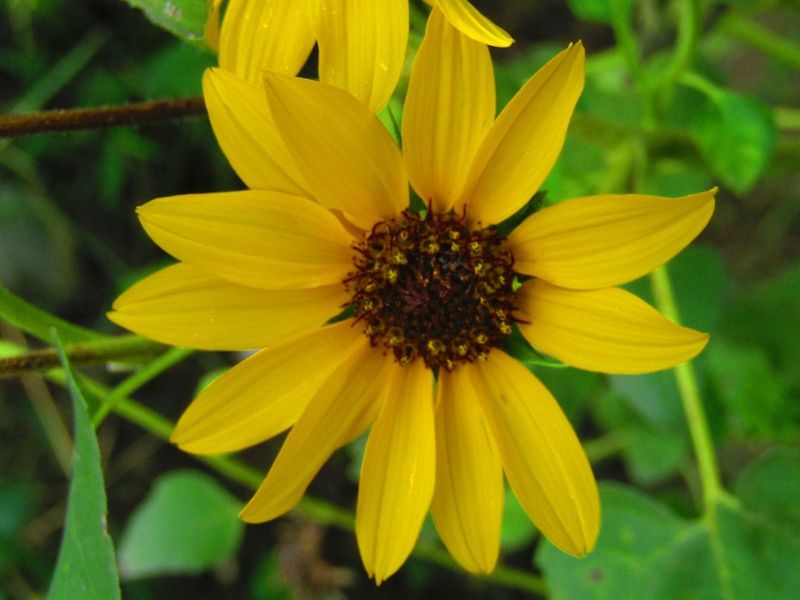
Perennial Sunflower, or Helianthus x multiflorus, is known for its large, sunny yellow blooms. These vibrant flowers add a cheerful note to the garden, complementing the vertical spikes of Blazing Star.
Thriving in sunny locations with well-drained soil, Perennial Sunflower is hardy and easy to grow. Its flowers attract pollinators, supporting garden biodiversity.
When planted with Blazing Star, Perennial Sunflower enhances the garden’s brightness and appeal. This pairing creates a joyful and dynamic landscape, providing visual interest and supporting a healthy ecosystem.
19. Stonecrop (Sedum spectabile or Hylotelephium spectabile)
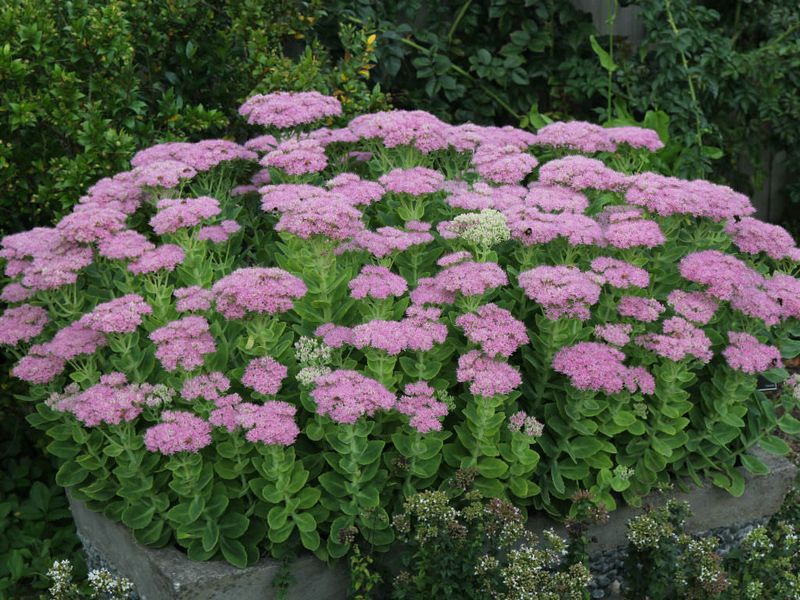
Stonecrop, or Sedum spectabile, is a hardy perennial with clusters of pink or white star-shaped flowers. Its succulent leaves add texture and resilience, complementing the spiky blooms of Blazing Star.
Thriving in full sun and well-drained soil, Stonecrop is drought-tolerant and low-maintenance. Its flowers attract butterflies, contributing to a lively garden ecosystem.
When paired with Blazing Star, Stonecrop adds color and texture variation. This combination creates a beautiful and functional garden, supporting pollinators and enhancing visual appeal throughout the growing season.
20. Russian Sage (Perovskia atriplicifolia)
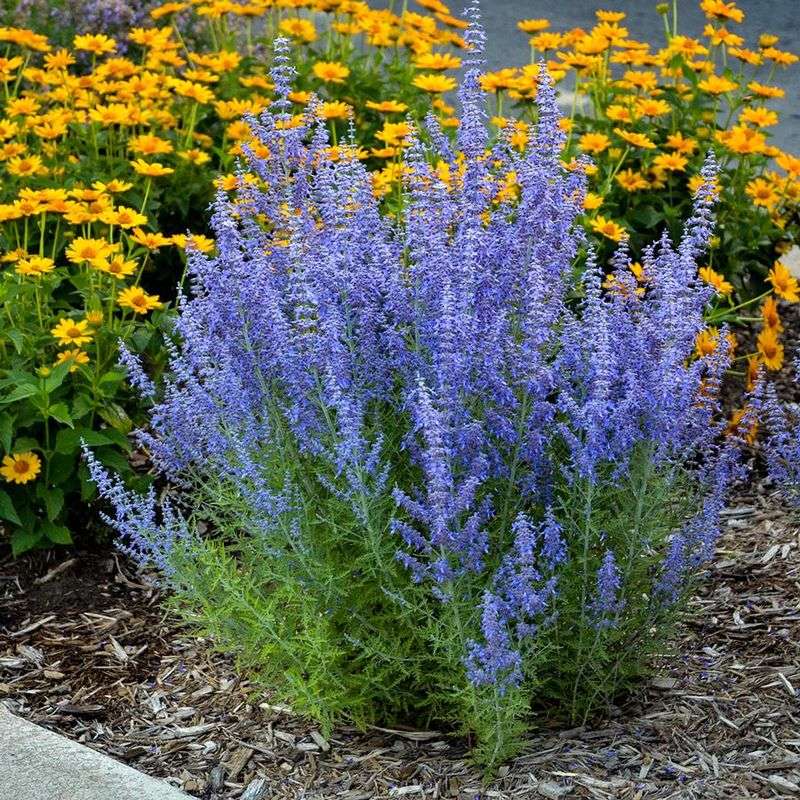
Russian Sage, or Perovskia atriplicifolia, is celebrated for its airy spikes of lavender-blue flowers and silvery leaves. These features add a soft, elegant touch to the garden, complementing the bold form of Blazing Star.
Thriving in full sun and well-drained soil, Russian Sage is drought-tolerant and easy to maintain. Its flowers attract bees, enhancing garden biodiversity.
When paired with Blazing Star, Russian Sage introduces a subtle color palette and texture. This combination creates a serene and visually appealing landscape, supporting pollinators and adding ecological value.
21. Gaura (Gaura lindheimeri, a.k.a. Bee Blossom)
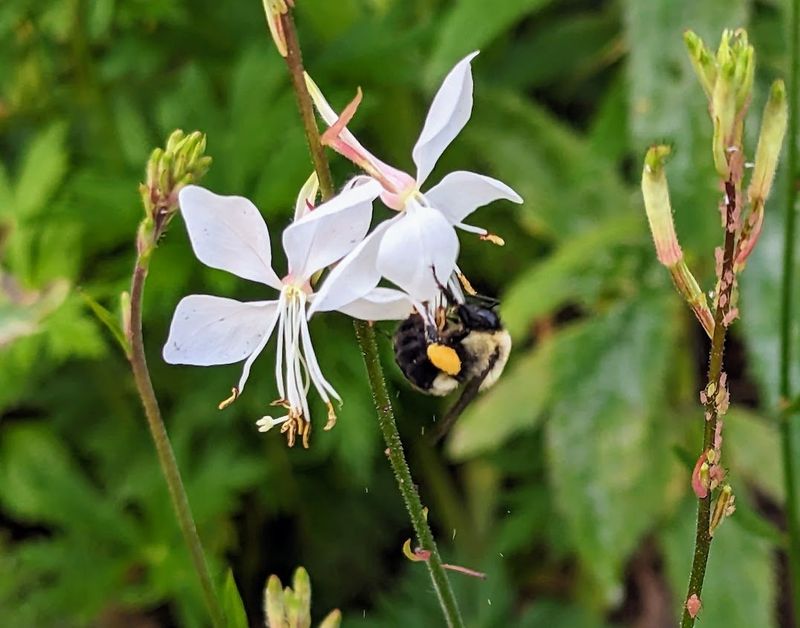
Gaura, also known as Bee Blossom, is a perennial with delicate white or pink flowers that flutter on tall, airy stems. These blooms create a light, ethereal effect, contrasting with the sturdiness of Blazing Star.
Thriving in full sun and well-drained soil, Gaura is drought-tolerant and low-maintenance. Its flowers attract butterflies, adding motion and life to the garden.
When paired with Blazing Star, Gaura adds a whimsical touch and movement. This combination creates a dynamic and enchanting garden space, enhancing both visual interest and ecological benefits.
22. Goldenrod (Solidago canadensis or S. rugosa)
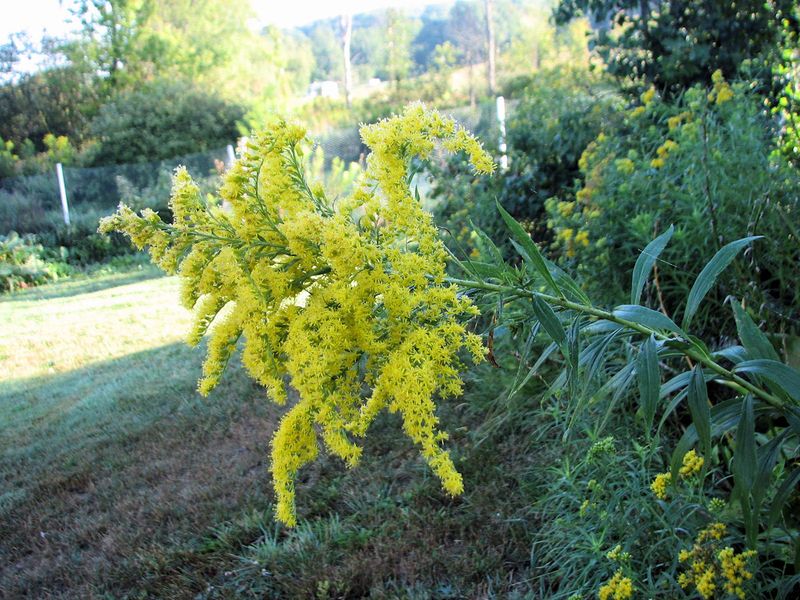
Goldenrod, known for its bright yellow flower clusters, provides a cheerful and vibrant display that complements the vertical spikes of Blazing Star. These perennials thrive in full sun and well-drained soil, exhibiting hardiness and resilience.
Goldenrod blooms in late summer to fall, attracting bees and butterflies, and adding valuable late-season color to the garden. Its minimal maintenance needs make it an ideal choice for busy gardeners.
Paired with Blazing Star, Goldenrod enhances the garden’s brightness and pollinator appeal, creating a lively and visually captivating landscape.
23. False Sunflower (Heliopsis helianthoides)
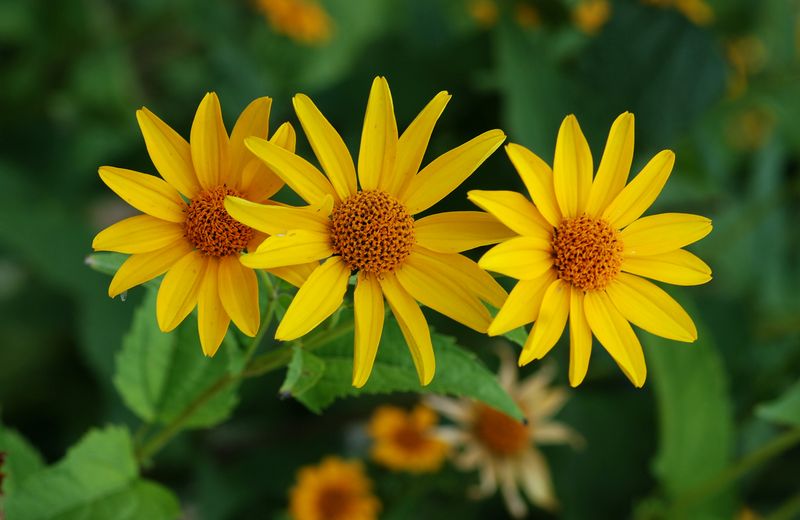
False Sunflower, or Heliopsis helianthoides, offers bright yellow daisy-like flowers that bring a sunny disposition to the garden. These blooms pair well with the vertical form of Blazing Star, creating a harmonious color palette.
Thriving in full sun and well-drained soil, False Sunflower is low-maintenance and drought-tolerant, attracting butterflies and bees to the garden.
When planted with Blazing Star, False Sunflower adds color and texture, enhancing the garden’s aesthetic and ecological value. This combination creates a joyful and dynamic landscape, supporting pollinators and providing seasonal beauty.
24. Sea Holly (Eryngium planum)
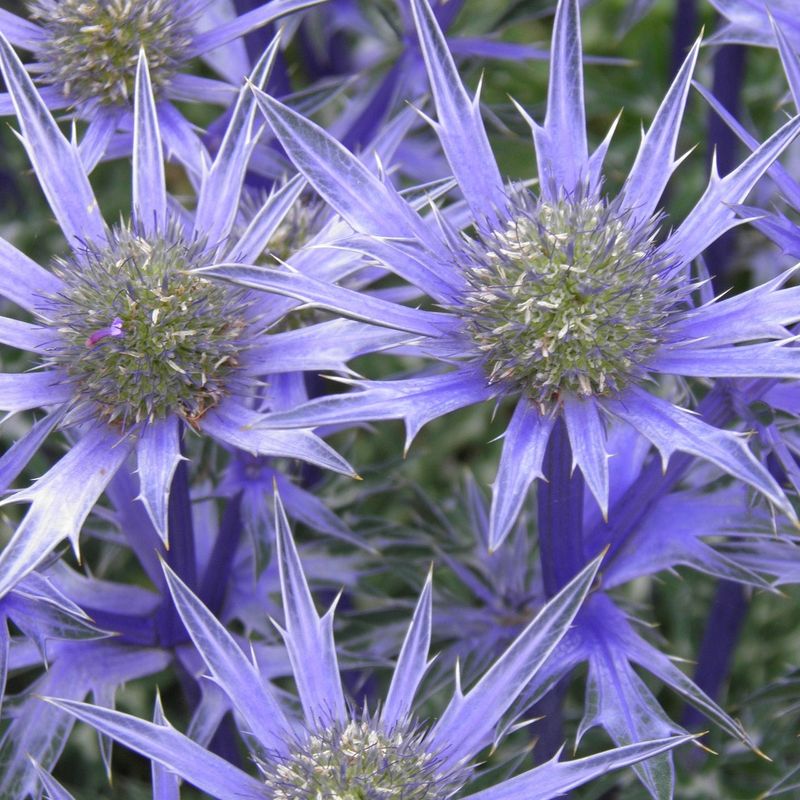
Sea Holly, or Eryngium planum, is a unique perennial with spiky blue flowers and silver-green foliage. These striking blooms add a structural and textural element to the garden, contrasting with the vertical spikes of Blazing Star.
Thriving in full sun and well-drained soil, Sea Holly is drought-tolerant and low-maintenance. Its flowers attract pollinators, contributing to a lively garden ecosystem.
When paired with Blazing Star, Sea Holly enhances the garden’s texture and color palette. This combination creates a visually arresting and functional landscape, supporting pollinators and adding ecological value.
25. Sweet William or Cheddar Pink (Dianthus species)
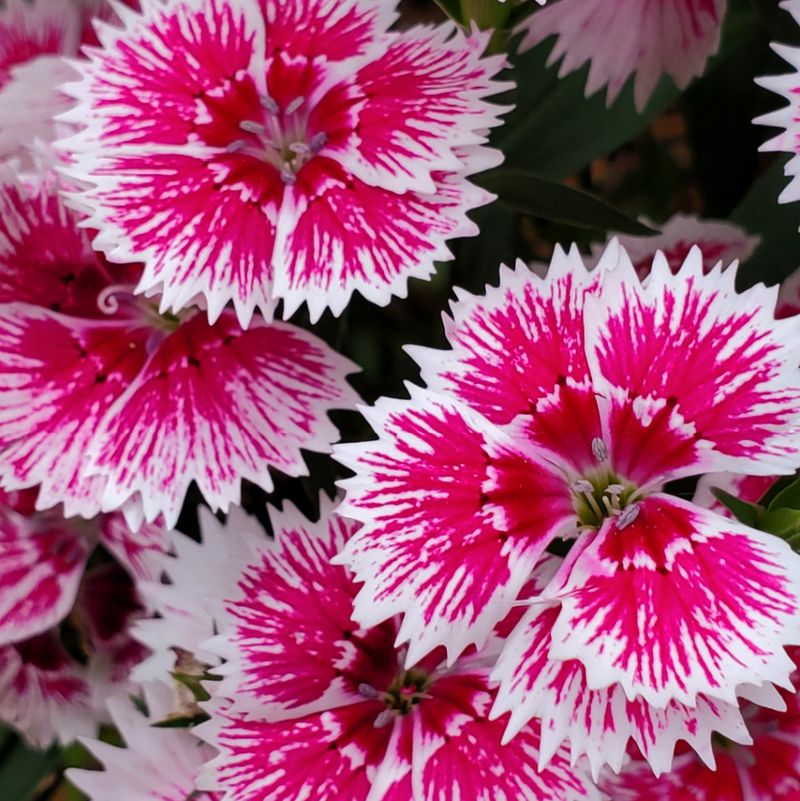
Sweet William, belonging to the Dianthus species, is known for its clusters of fragrant pink or red flowers. These blooms provide a charming and aromatic addition to the garden landscape, enhancing the bold form of Blazing Star.
Thriving in sunny areas with well-drained soil, Sweet William is easy to grow and maintain. Its fragrance attracts pollinators, supporting garden biodiversity.
When paired with Blazing Star, Sweet William adds fragrance and color, creating a delightful garden experience. This combination enhances the garden’s aesthetic appeal and ecological value, making it a welcoming haven for pollinators.