 Complete Gardening
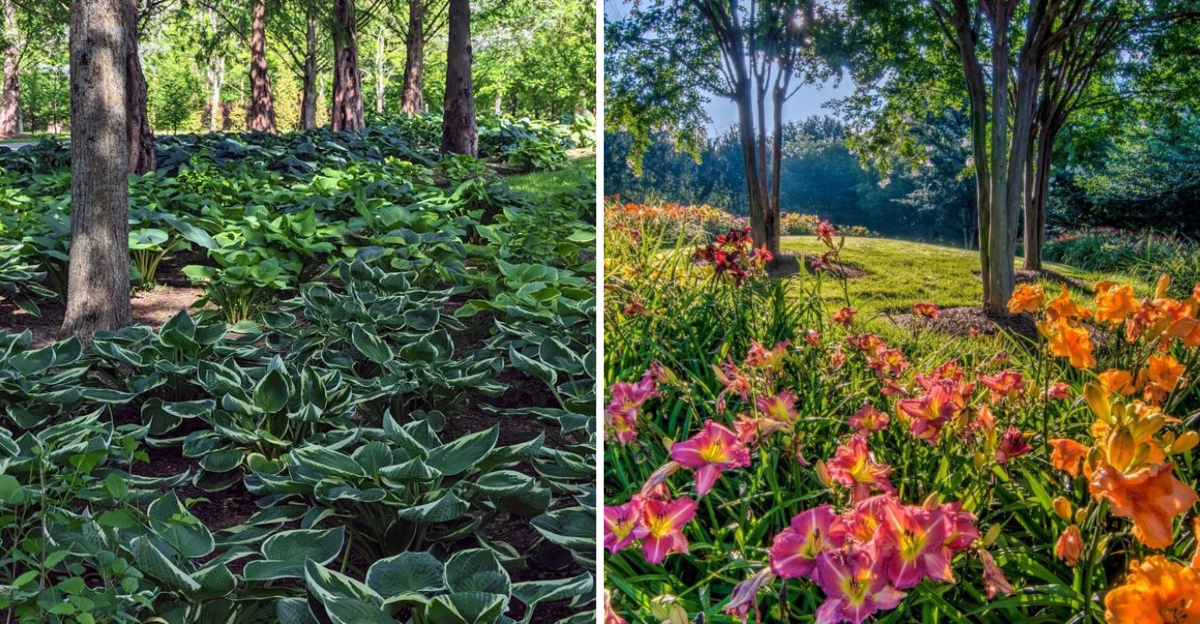
Gardening enthusiasts often seek plants that not only beautify their spaces but also require minimal effort to maintain. Perennials, with their ability to come back year after year, offer a rewarding gardening experience. This article explores 27 perennials known for their ability to multiply on their own, as well as a few more to consider for a lush and vibrant garden. Whether you’re a seasoned gardener or just starting out, these plants provide an excellent way to create a fuller garden with minimal hassle and maximum visual impact.
1. Daylilies
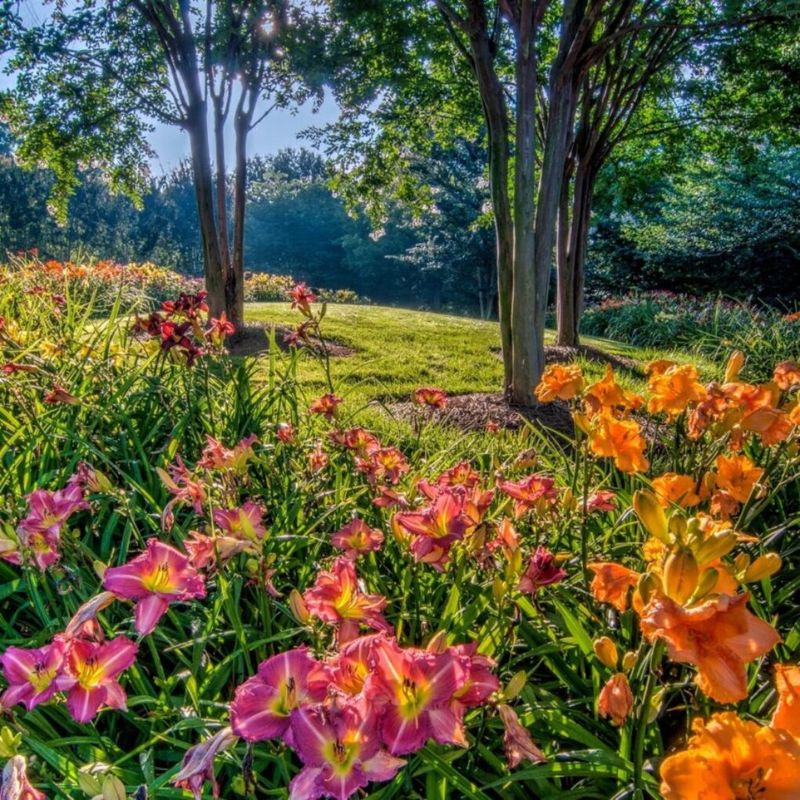
Daylilies are the epitome of resilience in the garden. With their stunning, trumpet-shaped flowers, they add a splash of color to any landscape. Each bloom lasts just a day, but the plant compensates by producing numerous buds throughout the season.
Easy to grow and maintain, daylilies thrive in various soil conditions. They are perfect for gardeners looking for low-maintenance options.
Fun fact: Daylilies have been used in traditional medicine for their supposed pain-relieving properties. Search for images of these beauties to inspire your gardening projects.
2. Hostas
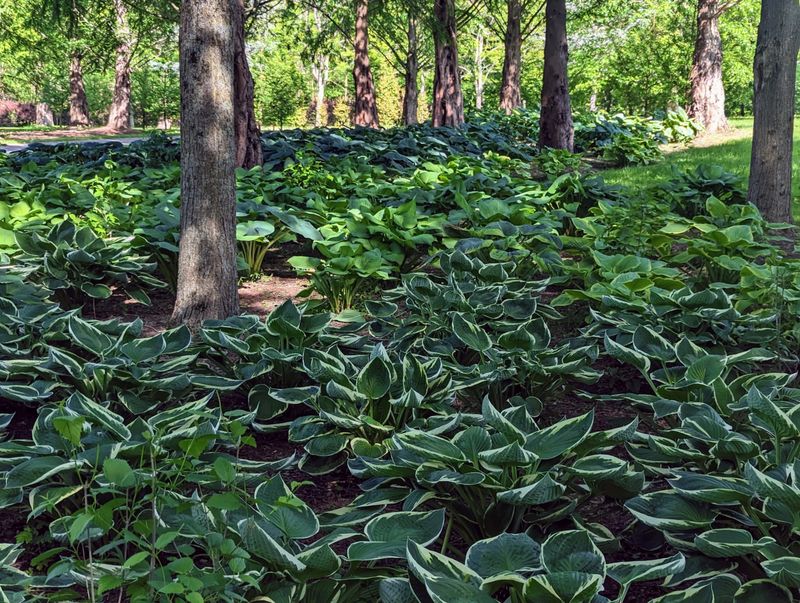
Hostas are the unsung heroes of shade gardens. Their large, lush leaves create a sense of tranquility and coolness. With a range of colors from deep green to variegated patterns, they offer visual interest even in low-light areas.
These plants are known for their ability to spread quickly, filling empty spaces with ease. Hostas require minimal care, making them a favorite for busy gardeners.
Did you know? Hostas are sometimes called “plantain lilies,” though they are not related to lilies. They bring life to shady spots beautifully.
3. Coneflowers
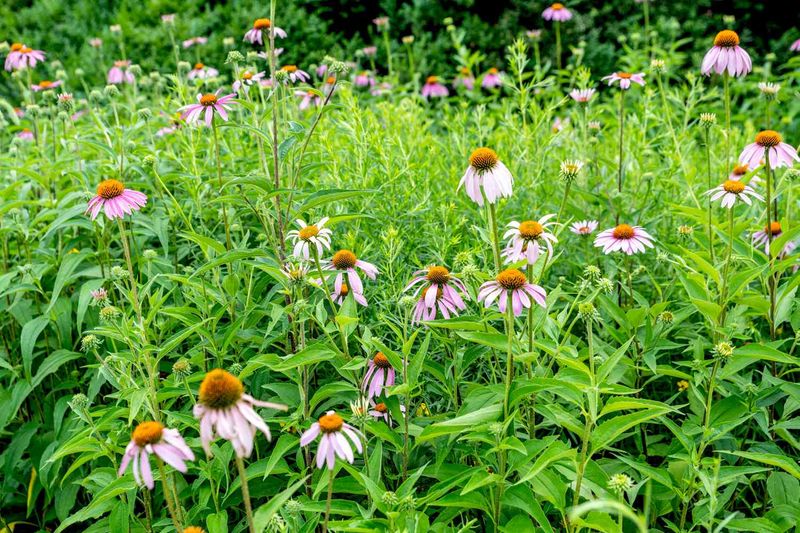
Coneflowers, with their daisy-like appearance, are a garden staple for attracting pollinators. Their vibrant petals and raised centers add dimension and charm to any garden space. Known scientifically as Echinacea, these flowers are not only beautiful but also medicinal.
They are drought-resistant and multiply effortlessly, making them a gardener’s dream. Coneflowers are perfect for creating a natural, wildflower look.
Interesting tidbit: Echinacea has been used in herbal remedies for centuries to boost the immune system. Discover their beauty with a quick image search.
4. Black-eyed Susans
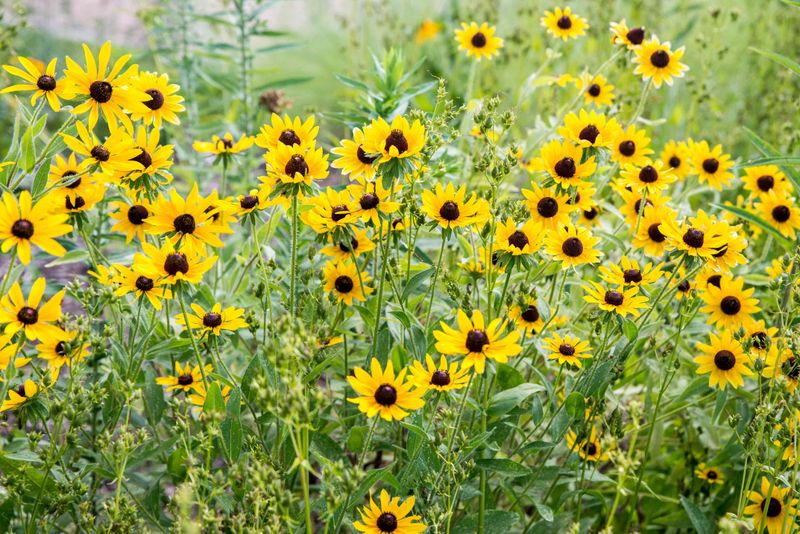
Black-eyed Susans are the cheerful sunflowers of the perennial world. With their bright yellow petals and dark centers, they bring a sunny disposition to any garden. These hardy plants are well-suited to a variety of conditions and multiply with ease.
They are great for adding continuous color throughout the summer and into the fall. Gardeners appreciate their low-maintenance nature and versatility.
Fun fact: Black-eyed Susans are the state flower of Maryland. Their sunny blooms are a symbol of joy and positivity in the garden.
5. Sedum
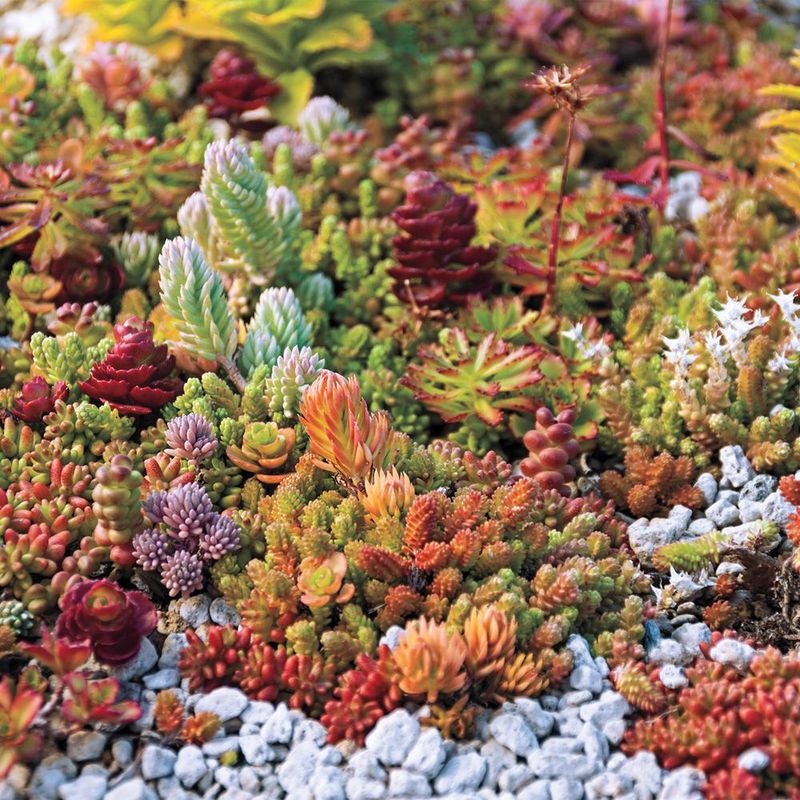
Sedum is the succulent of choice for many gardeners looking to add texture and interest. Known for their thick, fleshy leaves and clusters of star-shaped flowers, these plants are both drought-resistant and visually striking.
Sedum spreads easily, making it ideal for ground cover or rock gardens. Its ability to thrive in poor soil conditions is a bonus for those with challenging garden spots.
Did you know? Sedum is often used in green roofing projects due to its hardiness and low water requirements. Explore its versatility through images.
6. Lamb’s Ear
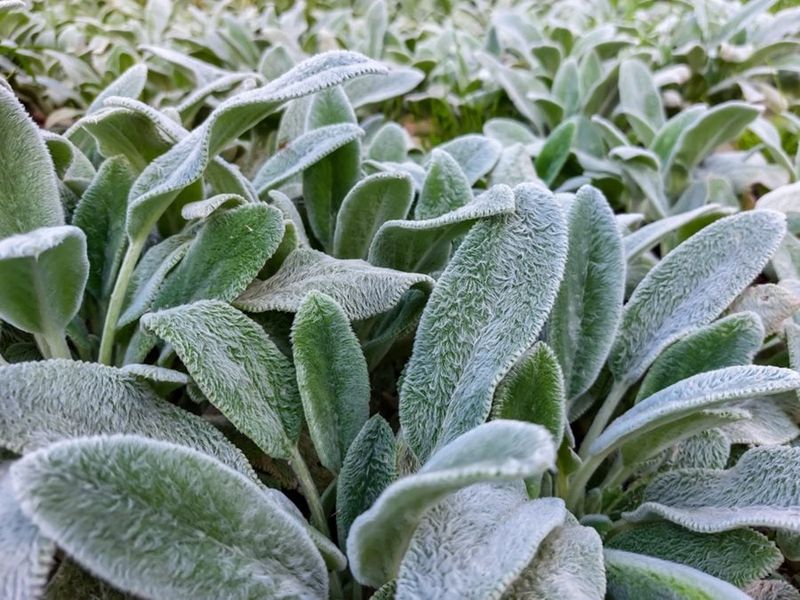
Lamb’s Ear is loved for its velvety, silvery leaves that invite touch and admiration. This plant is a favorite in sensory gardens due to its unique texture. As a ground cover, it spreads rapidly, creating a soft, carpet-like effect.
Lamb’s Ear prefers well-drained soil and sunny locations, making it a versatile addition to various garden types.
Interesting fact: The leaves of lamb’s ear have been used historically as bandages due to their softness and absorbency. Enrich your garden with this tactile delight.
7. Yarrow
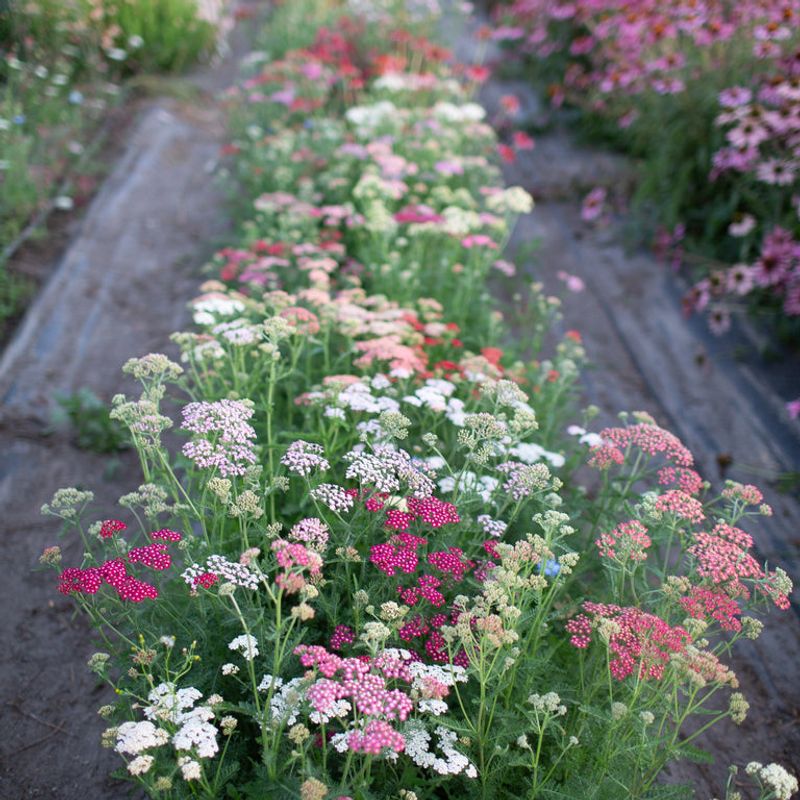
Yarrow is a perennial favorite among those who love a splash of color. Its clusters of tiny flowers come in a variety of shades and attract beneficial insects to the garden. Known for its hardiness, yarrow thrives in poor soil and requires minimal watering.
This plant spreads easily, filling garden spaces with its feathery foliage and vibrant blooms.
Fun fact: Yarrow has been used in traditional medicine for its purported healing properties, especially in wound care. Witness its charm through a beautiful image search.
8. Bee Balm
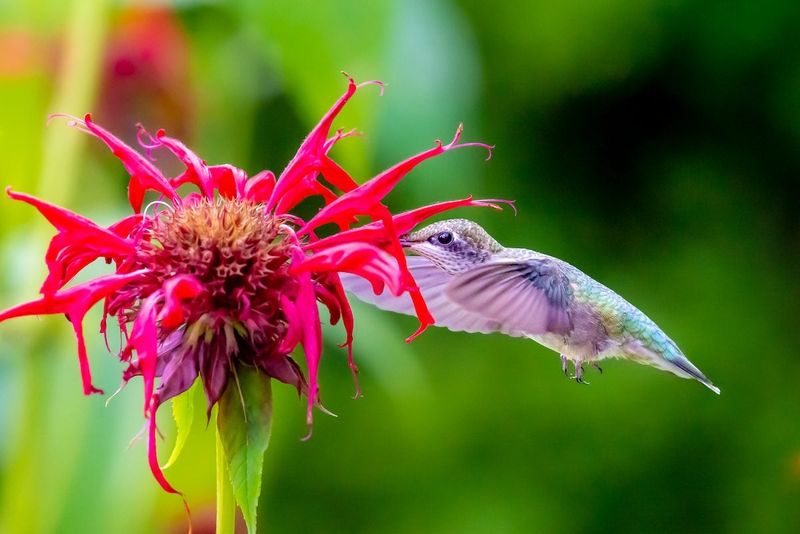
Bee balm is a vibrant addition to any garden, known for its striking red tubular flowers. These blooms not only add color but also attract hummingbirds and butterflies, making your garden a lively place.
This plant is perfect for filling in spaces, as it spreads quickly and thrives in sunny locations. Bee balm is a favorite for those who enjoy a mix of aesthetics and ecology.
Did you know? Bee balm is also known as Monarda and is part of the mint family. It offers aromatic leaves that are a delight to the senses.
9. Liriope
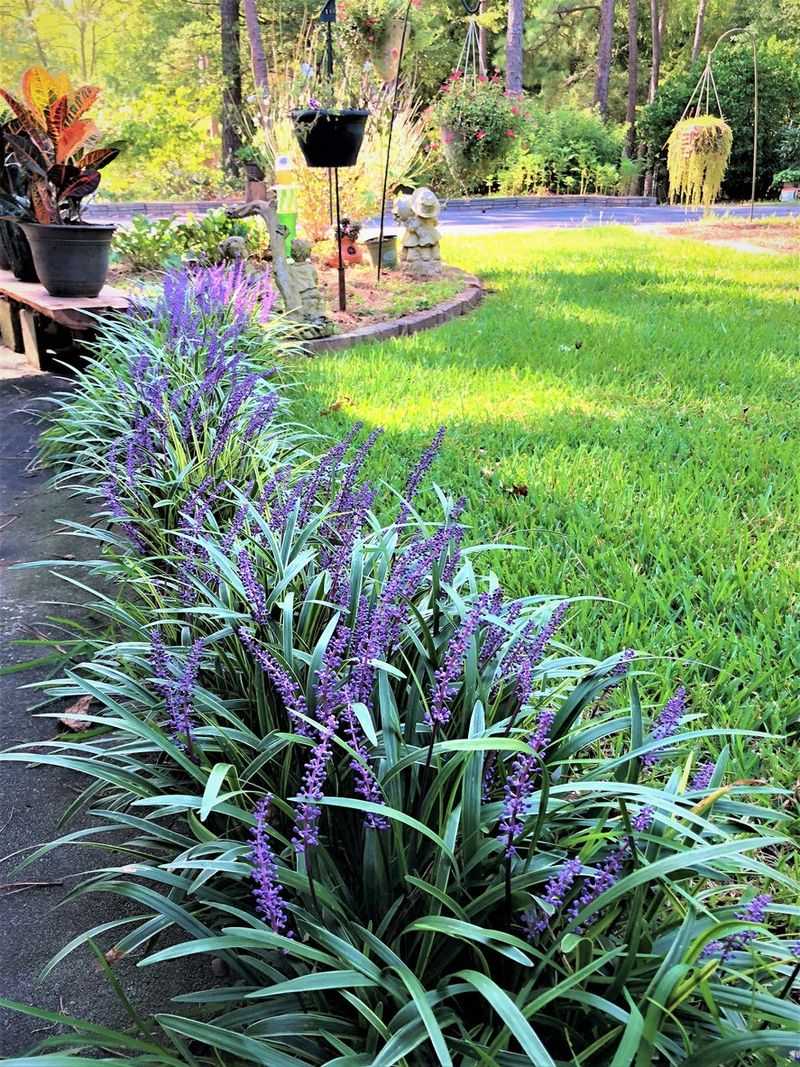
Liriope, often called lilyturf, is a grassy perennial that brings both texture and color to garden landscapes. Its dark green leaves and striking purple flower spikes create a beautiful contrast that catches the eye.
This hardy plant adapts well to various conditions, making it ideal for borders and ground cover. Liriope’s ability to multiply effortlessly makes it a staple in many gardens.
An interesting tidbit: Liriope is often used in Asian gardens for its aesthetic appeal and minimal care requirements. Explore its beauty through images.
10. Creeping Jenny
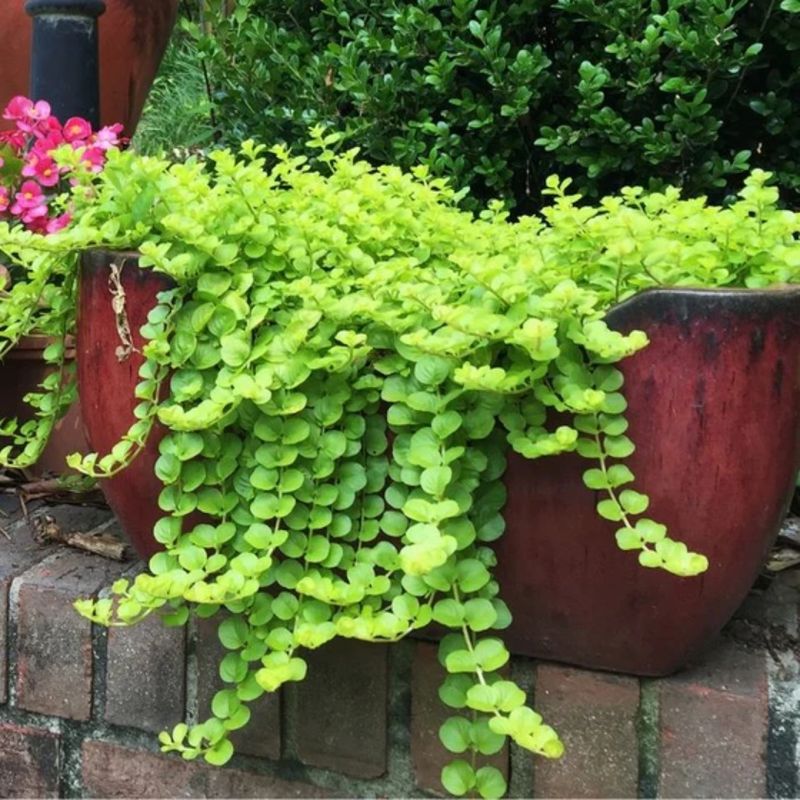
Creeping Jenny is the plant of choice for those seeking a touch of whimsy. With its vibrant, bright green leaves, it gracefully cascades over walls and containers. This perennial is both beautiful and resilient, spreading quickly to add a lush, green carpet to the garden.
It thrives in moist, well-drained soil and can handle both sun and partial shade.
Interesting fact: Creeping Jenny is often used in fairy gardens due to its charming appearance and ease of growth. Discover its cascading beauty with a quick image search.
11. Ajuga
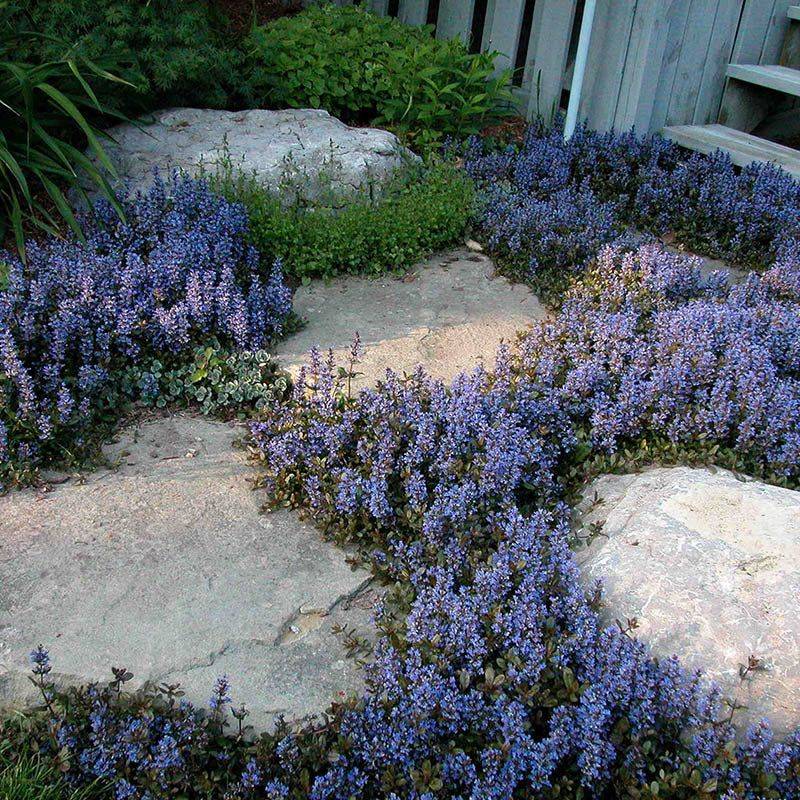
Ajuga, commonly known as bugleweed, is a versatile ground cover that adds elegance to any garden. Its dark leaves provide a stunning backdrop for its blue flower spikes that bloom in spring. This low-growing plant is perfect for edging pathways or filling in garden beds.
Ajuga spreads efficiently, making it ideal for gardeners looking to cover large areas with minimal effort.
Did you know? Ajuga leaves are sometimes used in herbal teas for their supposed health benefits. Explore its striking look through a quick image search.
12. Salvia
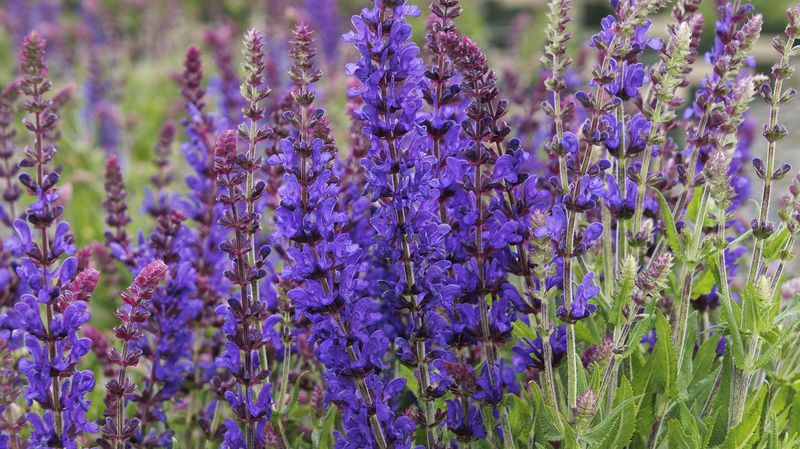
Salvia is a beloved perennial known for its vibrant purple blooms that attract pollinators. Its tall spikes add height and drama to any garden, making it a showstopper. Salvia is drought-tolerant and thrives in sunny conditions, requiring little maintenance once established.
These plants multiply readily, ensuring your garden will be abundant with color year after year.
Fun fact: Salvia is part of the sage family, and some varieties are used in cooking. Bring the buzz to your garden with these beautiful blooms.
13. Catmint
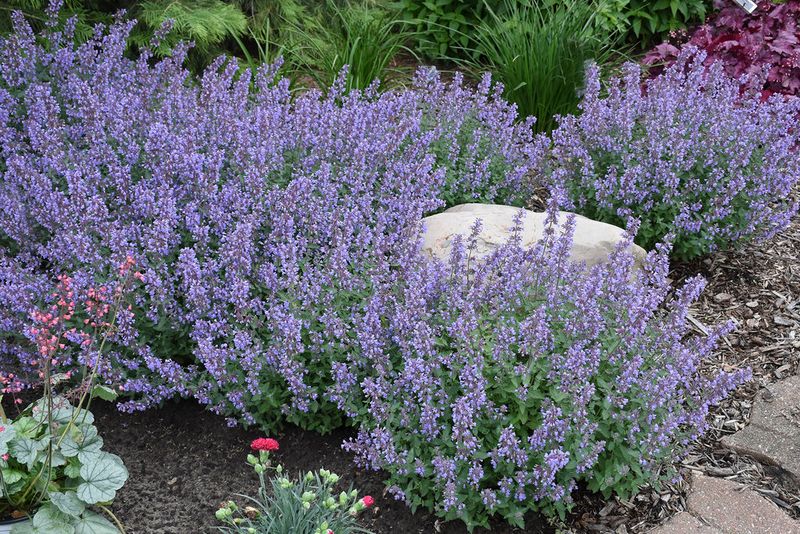
Catmint is the perfect plant for adding a touch of romance to your garden. Its soft, aromatic leaves and delicate purple flowers create a dreamy atmosphere. Catmint thrives in almost any soil type and is drought-resistant, making it a low-maintenance favorite.
This plant spreads quickly, providing beautiful ground cover and attracting pollinators.
Did you know? Catmint is related to catnip, and while similar, it doesn’t have the same intoxicating effect on cats. Imagine this beautiful plant in your garden with a quick image search.
14. Astilbe
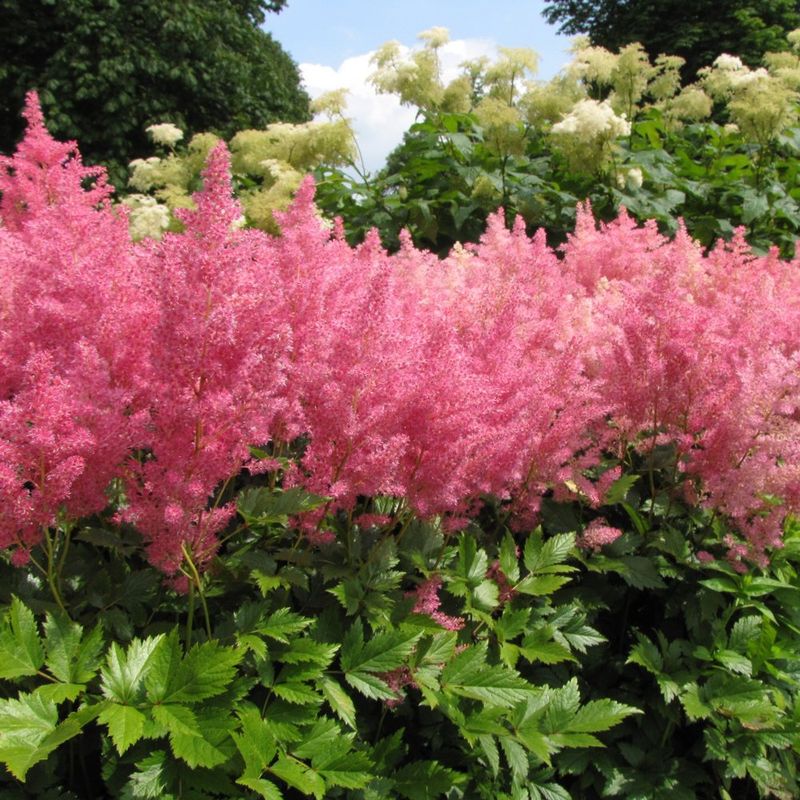
Astilbe, with its feathery plumes, brings elegance to any shaded garden area. Its pink and white flowers provide a soft contrast against its dark green foliage. This perennial thrives in moist soil and multiplies readily, adding fullness to garden beds.
Astilbe is perfect for creating a lush, woodland feel in your garden.
Interesting tidbit: Astilbe is often referred to as false goat’s beard due to its fluffy appearance. Add this ethereal beauty to your garden with an inspiring image search.
15. Russian Sage
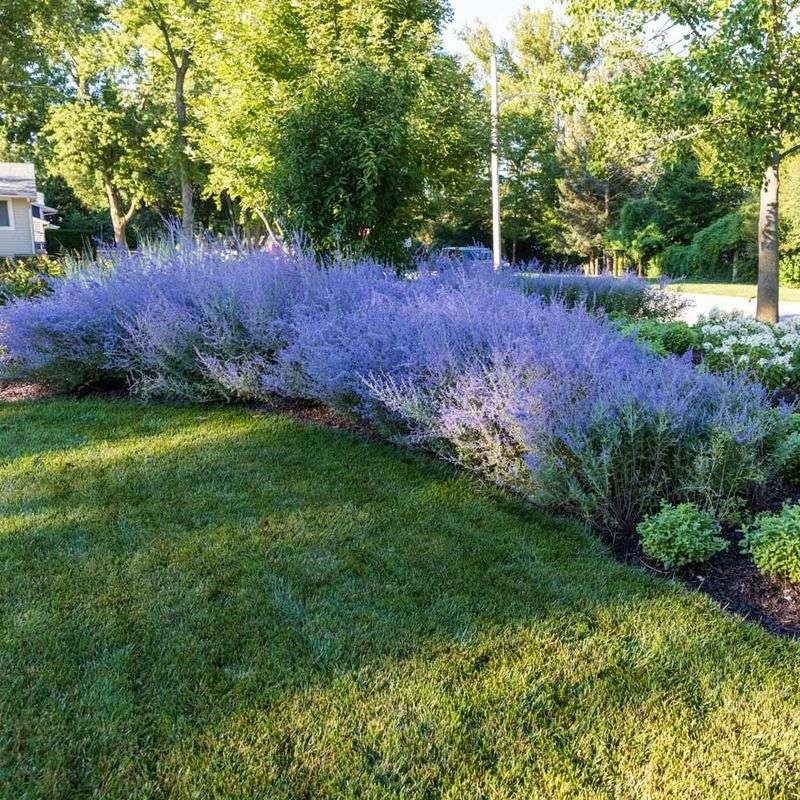
Russian sage offers a delightful mix of texture and color with its silvery leaves and pale purple flowers. This perennial is perfect for sunny, well-drained locations and requires little care.
Its tall, wispy stems add height and movement to the garden, creating a sense of wild beauty. Russian sage spreads easily, ensuring a full garden.
Fun fact: Despite its name, Russian sage is not a true sage but is loved for its aromatic leaves. Visualize its charm through an enlightening image search.
16. Coreopsis
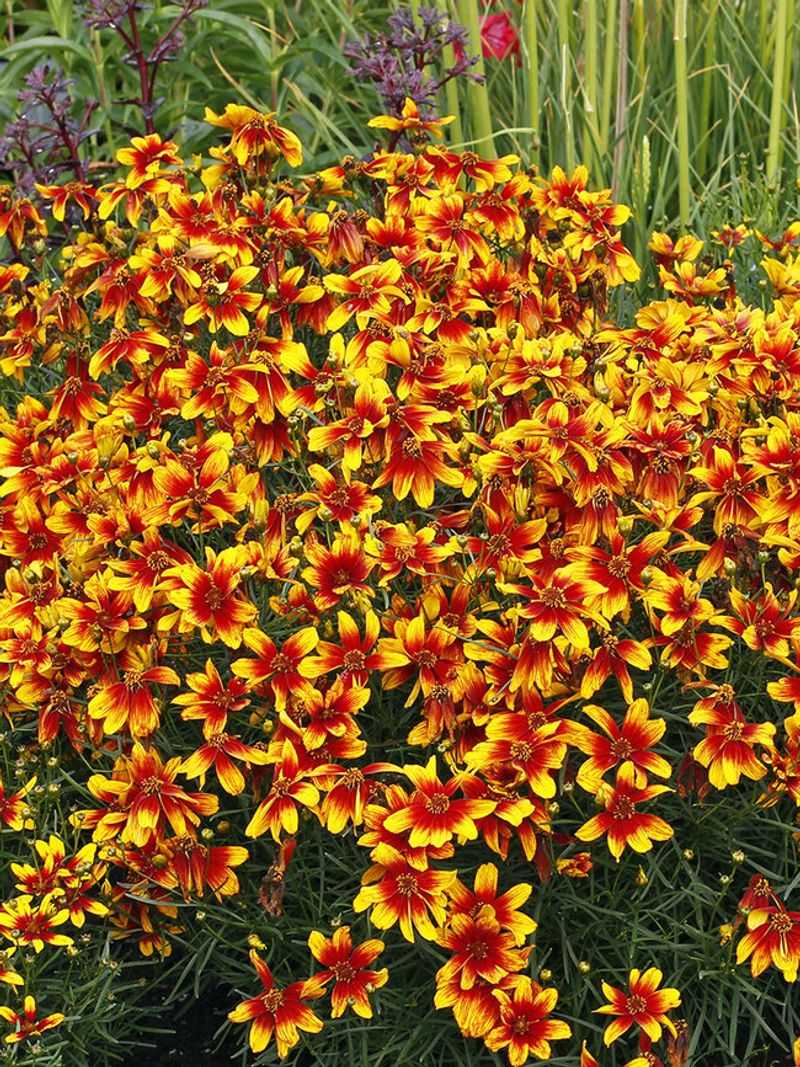
Coreopsis, affectionately known as tickseed, is a cheerful addition to any garden. Its bright yellow flowers bloom profusely, creating a sunny display throughout the summer. This perennial is easy to grow and care for, thriving in well-drained soil and full sun.
Coreopsis spreads quickly, allowing gardeners to enjoy its vibrant color without much effort.
Interesting tidbit: Coreopsis is the state wildflower of Florida, celebrated for its beauty and resilience. Explore its sunny charm with a quick image search.
17. Ferns
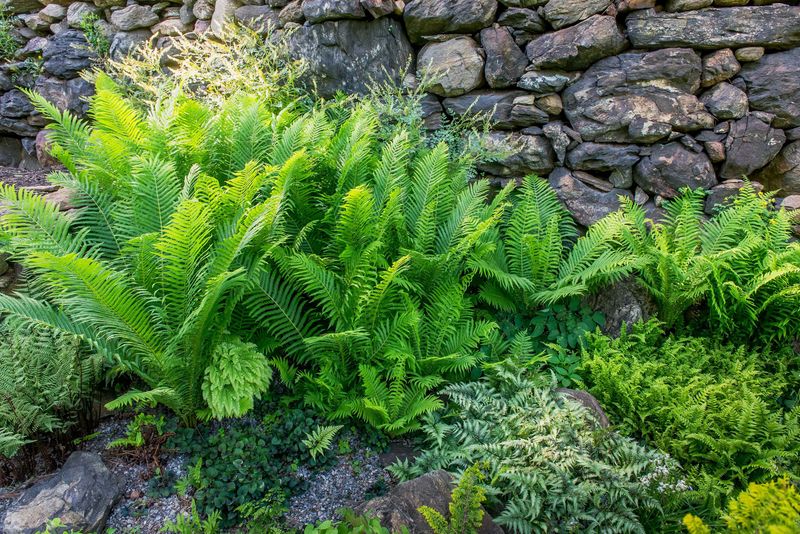
Ferns bring a touch of ancient beauty to gardens with their lush, green fronds. Perfect for shaded areas, they create a serene, woodland atmosphere. Ferns thrive in moist, well-drained soil and multiply easily, filling garden spaces with their graceful presence.
These plants are ideal for adding texture and depth to garden designs.
Did you know? Ferns have been around for over 350 million years, making them one of the oldest plant groups. Imagine their timeless beauty with a quick image search.
18. Iris
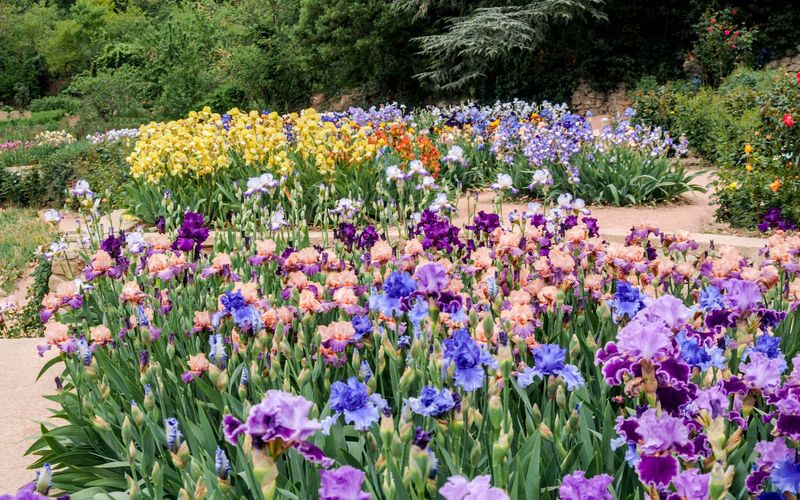
Irises are the divas of the garden world, celebrated for their spectacular blooms. With a dazzling array of colors, they bring drama and elegance to any space. Irises prefer sunny locations and well-drained soil, where they multiply effortlessly.
These perennials are perfect for adding vertical interest and a pop of color.
Fun fact: The iris is named after the Greek goddess of the rainbow, reflecting its wide color range. Envision their splendor with a vibrant image search.
19. Peonies
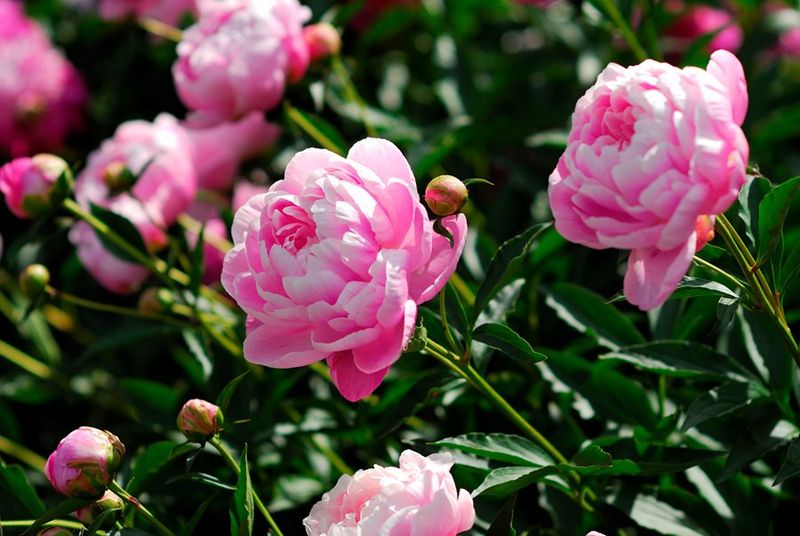
Peonies are the epitome of grace and beauty in any garden. With their large, sumptuous blooms and intoxicating fragrance, they captivate the senses. These perennials flourish in well-drained soil and full sun, rewarding gardeners with bountiful blooms each spring.
Peonies expand gradually, ensuring a fuller garden year after year.
Did you know? Peonies can live for over 100 years, making them a long-lasting addition to any garden. Experience their classic charm with an exquisite image search.
20. Lavender

Lavender is a timeless favorite, known for its soothing scent and delicate purple blooms. This perennial thrives in sunny, well-drained locations, providing both visual appeal and aromatic delight.
Lavender spreads gradually, creating a calming, Mediterranean atmosphere in the garden.
Interesting tidbit: Lavender oil is often used in aromatherapy for its relaxing properties. Picture its peaceful allure with a calming image search.
21. Phlox
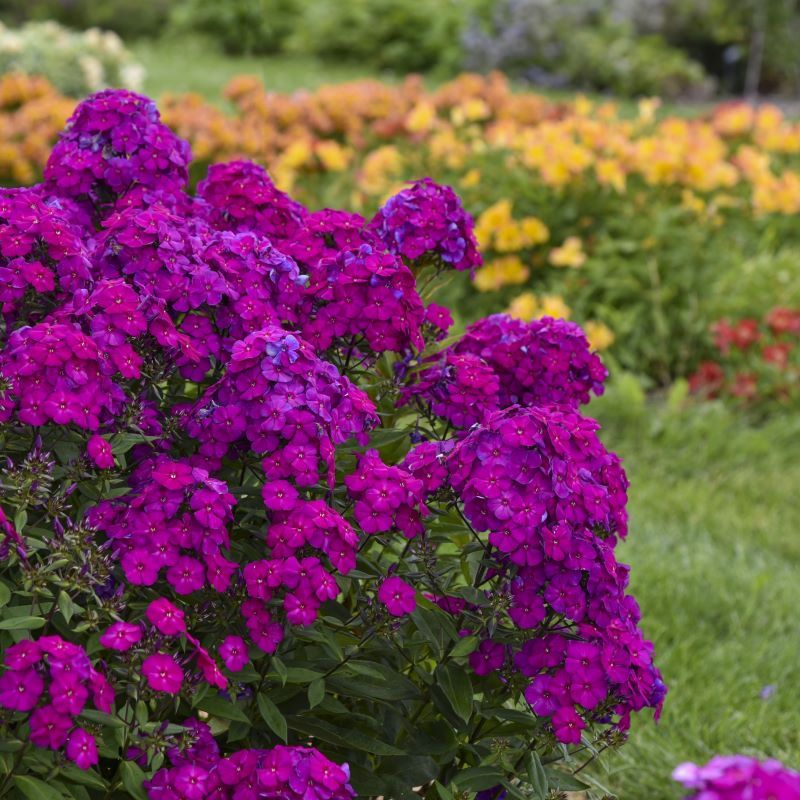
Phlox is cherished for its ability to blanket gardens with vibrant blooms. Its clusters of flowers come in a myriad of colors, offering a lively display throughout the growing season. Phlox is perfect for sunny spots and adapts well to various soil conditions.
This perennial multiplies easily, ensuring your garden remains full of life and color.
Fun fact: The word “phlox” comes from the Greek word for flame, reflecting its fiery appearance. Discover its beauty through a vibrant image search.
22. Hellebores
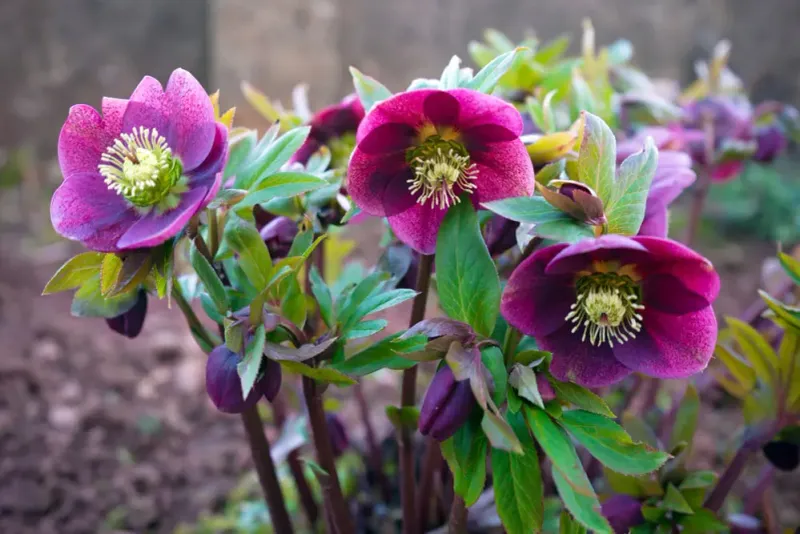
Hellebores, or “Lenten roses,” are a gardener’s delight, blooming in late winter to early spring. Their flowers emerge when most plants are still dormant, bringing color and life to the garden. Hellebores thrive in shaded areas and are known for their ability to spread easily.
These perennials are perfect for adding interest to winter landscapes.
Interesting tidbit: Hellebores have a rich folklore history, often associated with protection and healing. Explore their winter beauty with a captivating image search.
23. Japanese Anemone
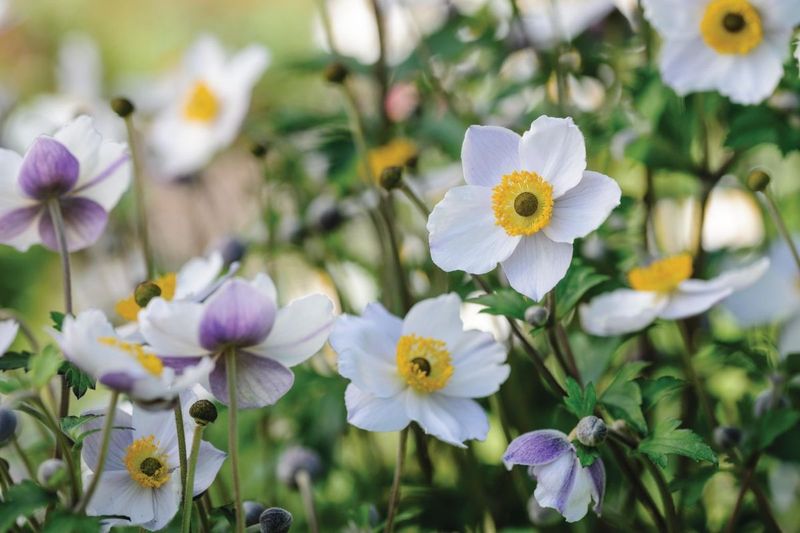
Japanese anemones bring an air of elegance to autumn gardens. Their delicate, cup-shaped flowers appear in late summer and continue into fall, providing a late-season burst of beauty. These perennials thrive in partial shade and well-drained soil, spreading gracefully over time.
Japanese anemones add movement and charm, making them a favorite among gardeners.
Fun fact: Despite their name, Japanese anemones originally come from China. Envision their grace with a serene image search.
24. Columbine
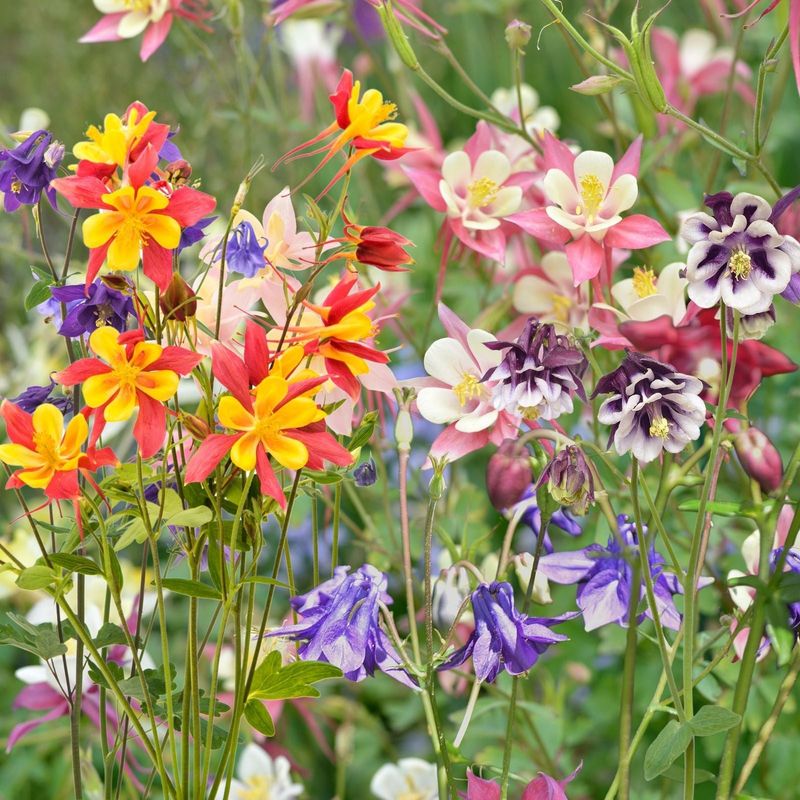
Columbine flowers are known for their unique, spurred petals, adding a whimsical touch to gardens. These perennials thrive in a variety of conditions, preferring well-drained soil and partial shade. Columbine flowers bloom in a range of colors, bringing life and intrigue to garden spaces.
Their ability to self-seed ensures a garden that’s full of surprises each year.
Did you know? Columbines are often associated with courage and endurance. Discover their whimsical appeal with a quick image search.
25. Heuchera
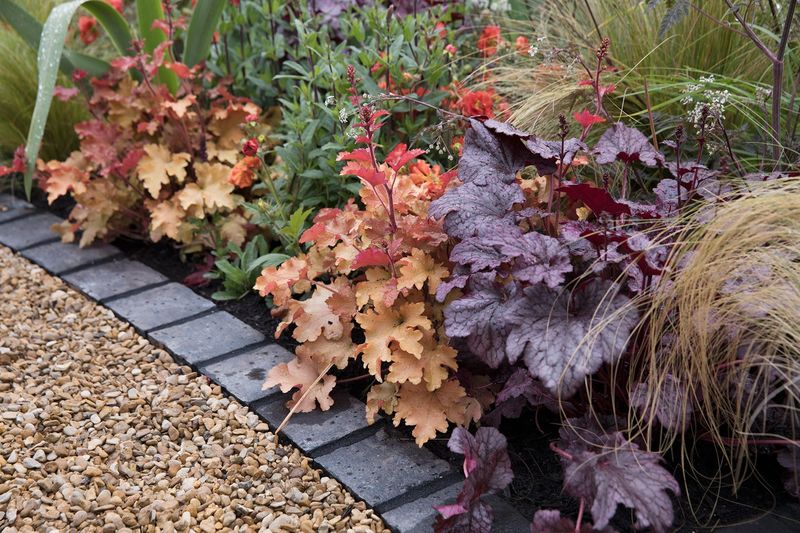
Heuchera, often referred to as coral bells, is prized for its vibrant foliage. The leaves come in a spectrum of colors, from deep burgundy to lime green, providing year-round interest. Heuchera thrives in shaded areas and adapts well to various soil types.
This perennial spreads easily, making it ideal for adding color to shady garden spots.
Interesting tidbit: Heuchera is named after Johann Heinrich von Heucher, an 18th-century German botanist. Envision its colorful display with an artistic image search.
26. Bergenia
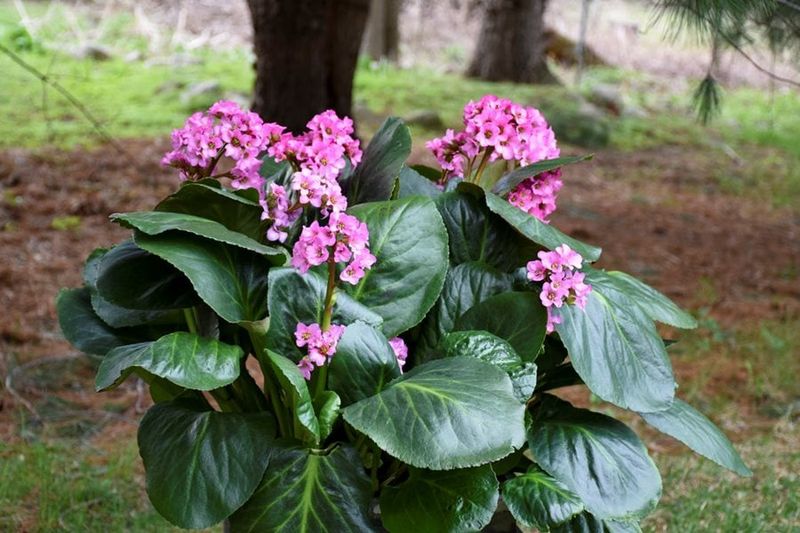
Bergenia, known for its large, glossy leaves and pink blooms, is a standout in any garden. Its bold foliage provides a striking backdrop for its delicate flowers. Bergenia thrives in shaded or partially shaded areas and adapts well to various soil conditions.
This plant spreads gradually, offering a lush, green presence throughout the year.
Fun fact: Bergenia leaves are sometimes referred to as “elephant ears” due to their size and shape. Discover this plant’s bold beauty with a striking image search.
27. Pulmonaria
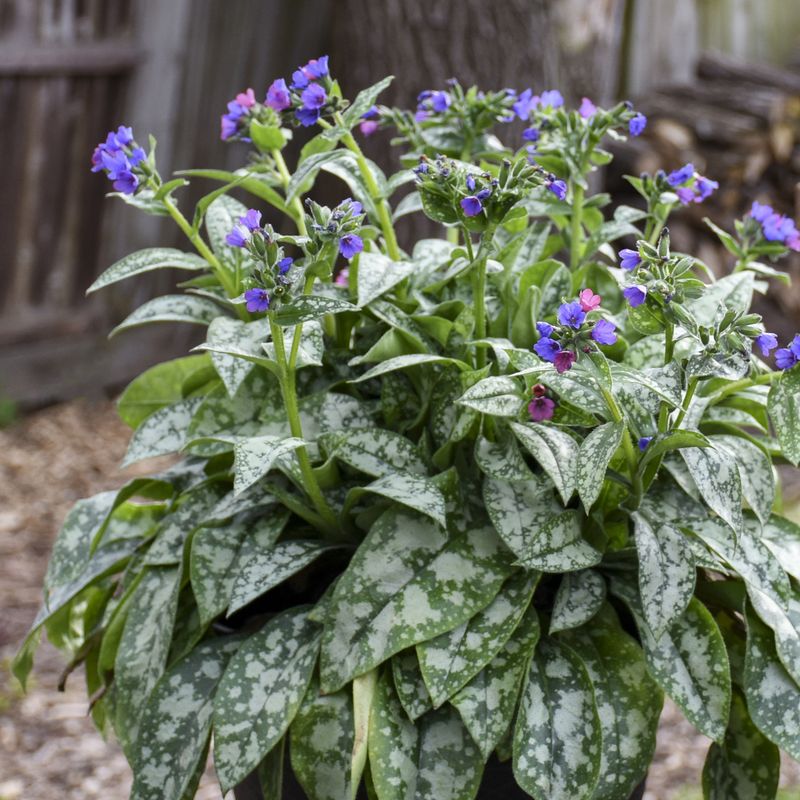
Pulmonaria, or lungwort, is a charming addition to any shaded garden. Known for its speckled leaves and delicate, bell-shaped flowers, it brings a touch of whimsy to garden spaces. Pulmonaria thrives in cool, moist conditions and multiplies readily.
This plant is perfect for adding texture and interest to shaded borders.
Interesting tidbit: Pulmonaria was historically used to treat respiratory ailments, inspired by its lung-like leaf pattern. Explore its unique beauty with a whimsical image search.
28. Baptisia
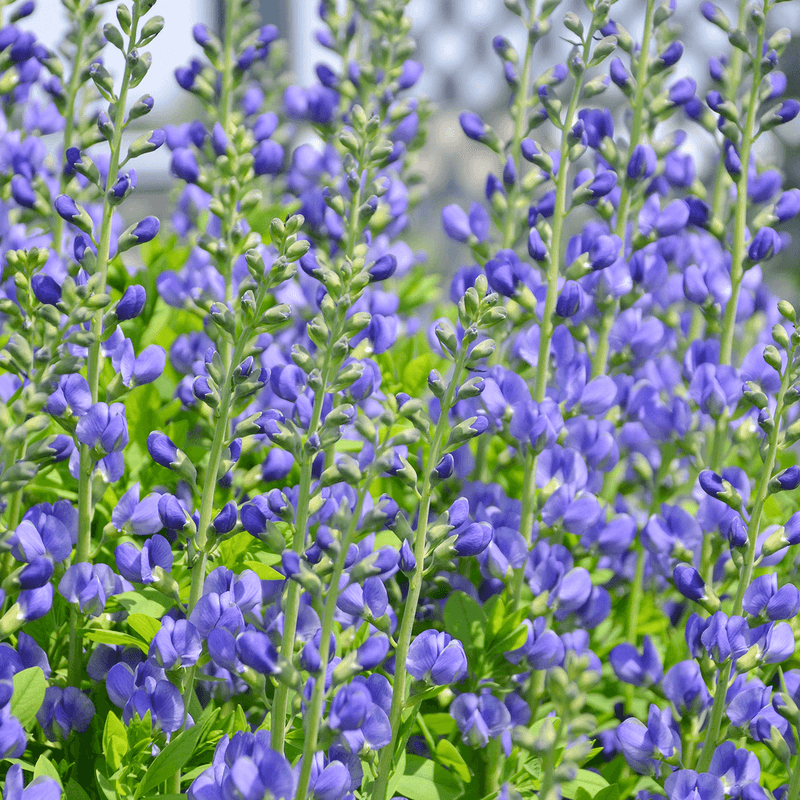
Baptisia, commonly known as false indigo, is a delight for any gardener seeking low-maintenance beauty. This perennial thrives in sunny locations, offering tall spikes of blue, purple, or white flowers in late spring. What makes Baptisia special is its slow but steady spread through rhizomes, creating a fuller garden over time.
Each year, its stems become woodier, adding structure and height. Baptisia’s deep green foliage stays attractive even after flowering, providing a lush backdrop. With its resilience to drought and pests, it’s perfect for gardeners seeking long-lasting elegance.
Fun fact: Native Americans used Baptisia as a dye, mimicking true indigo!
29. Gaura
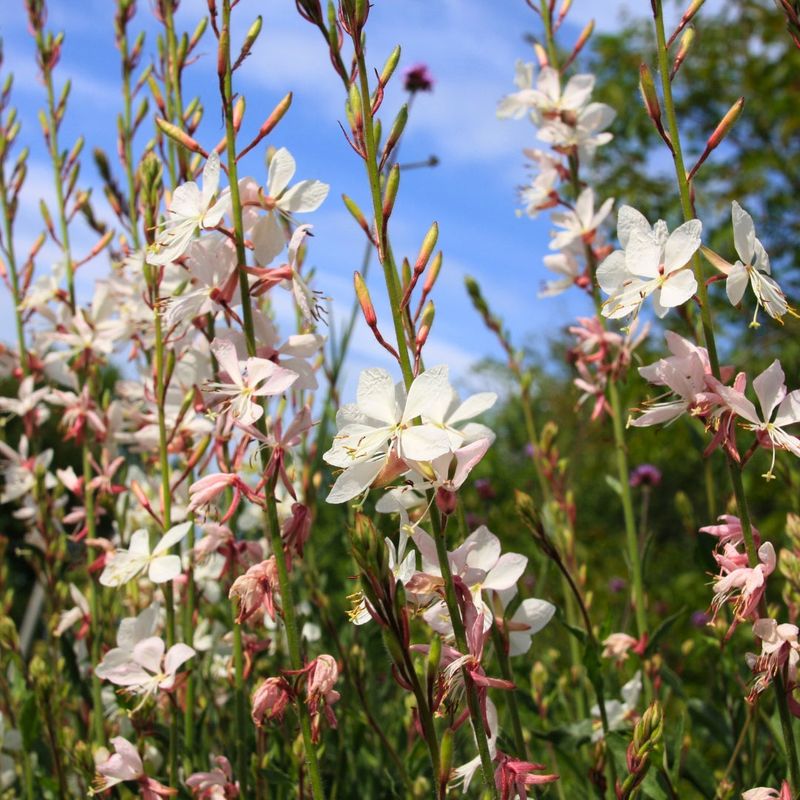
With its delicate, butterfly-like flowers, Gaura brings an enchanting touch to any garden. Its wiry stems seem to dance with the breeze, a charming sight as they sway with every gust. What sets Gaura apart is its ability to self-seed prolifically, ensuring new plants crop up each season to fill your garden with grace.
It blooms from late spring to early autumn, providing a long-lasting display of color. Gaura’s drought tolerance and adaptability make it a favorite among gardeners who desire beauty with minimal fuss.
An interesting tidbit: Gaura is sometimes called “wand flower” due to its airy, magical appearance.
30. Geum
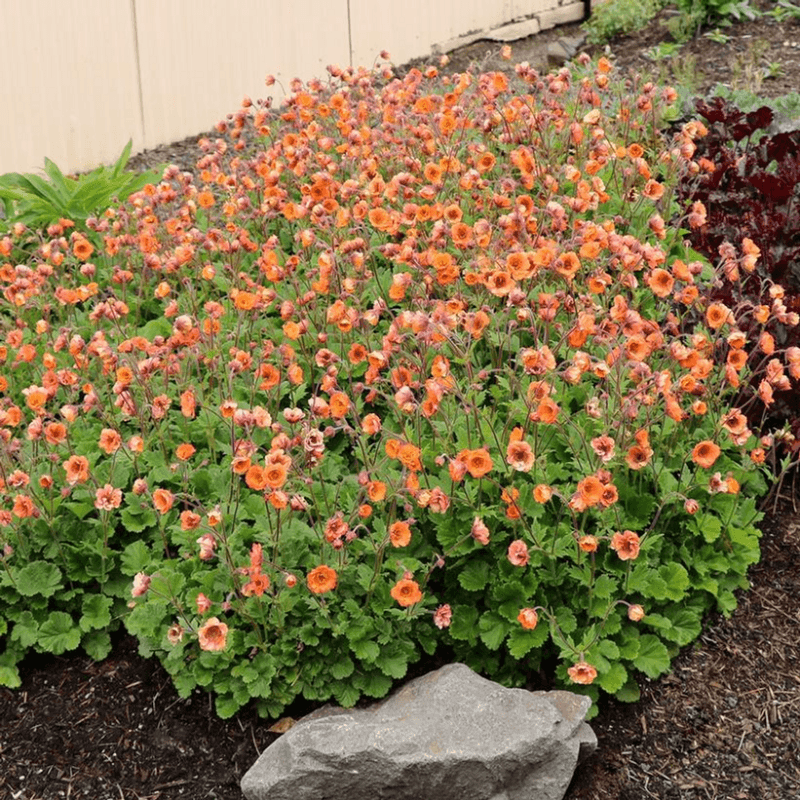
Geum is a vibrant perennial that promises a splash of color with its fiery orange and red blooms. Known for its cheerful demeanor, Geum brightens any garden corner from late spring through early summer. It spreads by clump division, gradually forming a more expansive display year after year.
Its soft, hairy leaves provide texture even when not in bloom, making it a versatile addition to any perennial border. Geum thrives best in well-drained soil and full sun, drawing in pollinators with ease.
Did you know? Geum is often called “avens,” a name that reflects its longstanding use in herbal medicine and lore.