 Complete Gardening
June’s unpredictable temperature swings can challenge even the most seasoned gardeners. Finding plants that can thrive in both heat and sudden cold snaps is essential for a successful garden. This guide explores twenty-eight resilient plants that are not only hardy but also add beauty and functionality to any garden setting.
1. Russian Sage (Perovskia atriplicifolia)
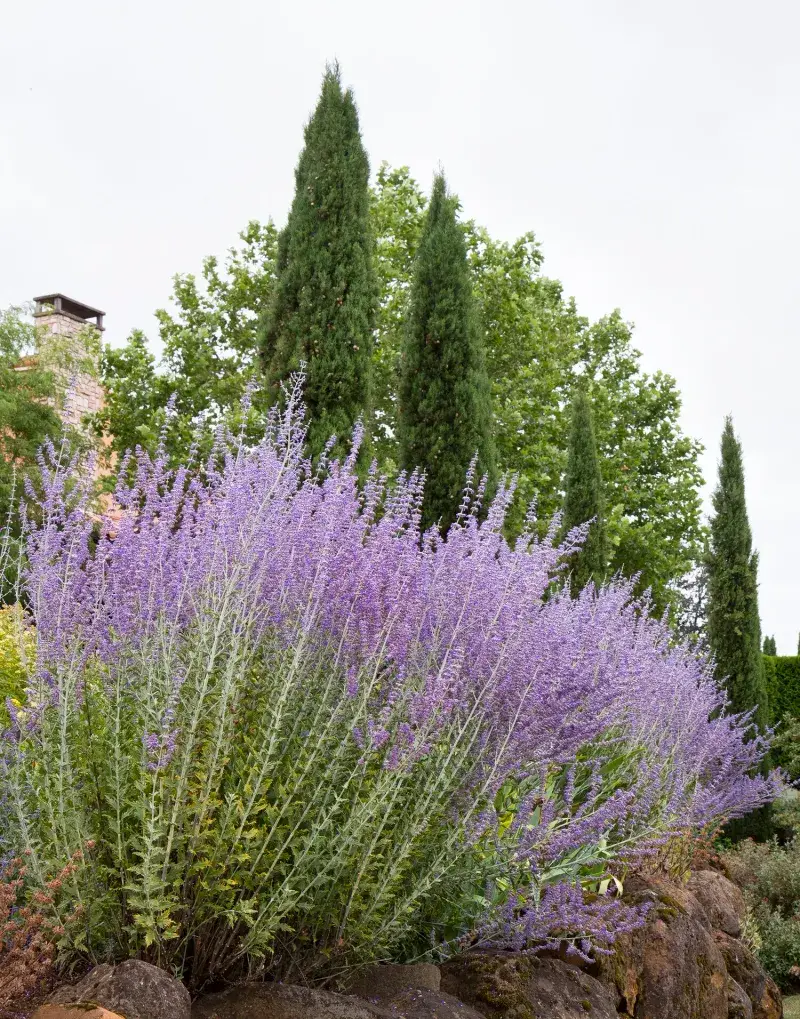
Russian Sage, with its robust stature, thrives in soaring heat and withstands sudden cold snaps. Its silvery leaves reflect the sun, keeping it cool and drought-resistant, making it ideal for fluctuating climates.
Gardeners appreciate its long-lasting blooms, which persist through the growing season, providing a constant splash of color. The plant is also deer-resistant, adding another layer of practicality.
With a perfume-like fragrance, Russian Sage not only attracts pollinators but also adds a sensory layer to the garden. It’s a plant of both utility and beauty, resilient in its elegance.
2. Sedum (Stonecrop) (Sedum spp.)
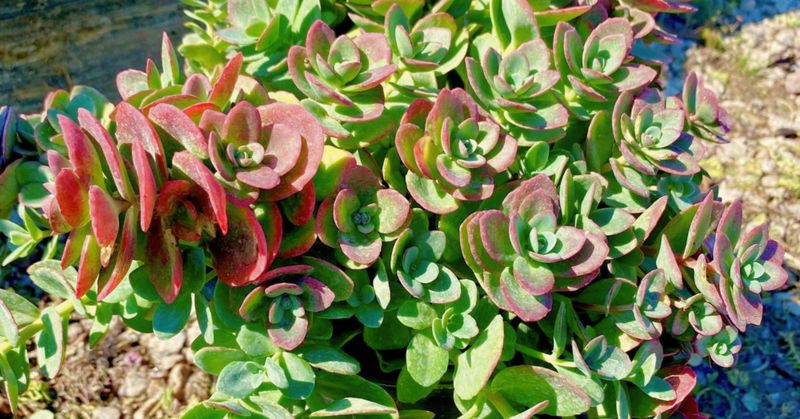
Sedum, commonly known as Stonecrop, is a succulent marvel that navigates June’s temperature swings with aplomb. Its water-storing leaves enable it to endure both heat and unexpected chills.
This low-maintenance plant requires minimal care, making it perfect for busy gardeners. It offers a mosaic of textures and colors, adding an architectural element to gardens.
Pollinators are drawn to its blooms, ensuring a lively ecosystem. Sedum’s easygoing nature and aesthetic appeal make it a favorite among gardeners seeking a resilient, attractive plant.
3. Yarrow (Achillea millefolium)
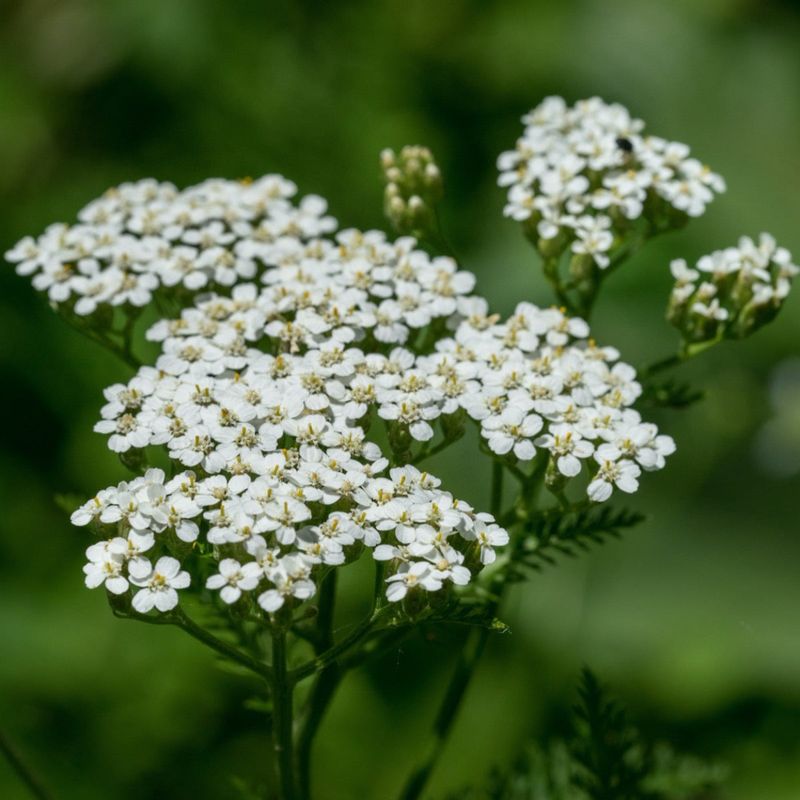
Yarrow, known for its medicinal properties, is a robust plant that thrives amidst June’s unpredictable weather. It withstands heat and drought with tenacity, while also surviving in poor soils.
The plant’s lacy leaves and clusters of flowers add a touch of whimsy to any garden. It attracts beneficial insects, promoting a healthier garden ecosystem.
Not just a pretty face, Yarrow’s historical use in medicine adds an element of intrigue. A plant of strength and beauty, it’s a gardener’s ally against nature’s whims.
4. Coneflower (Echinacea spp.)
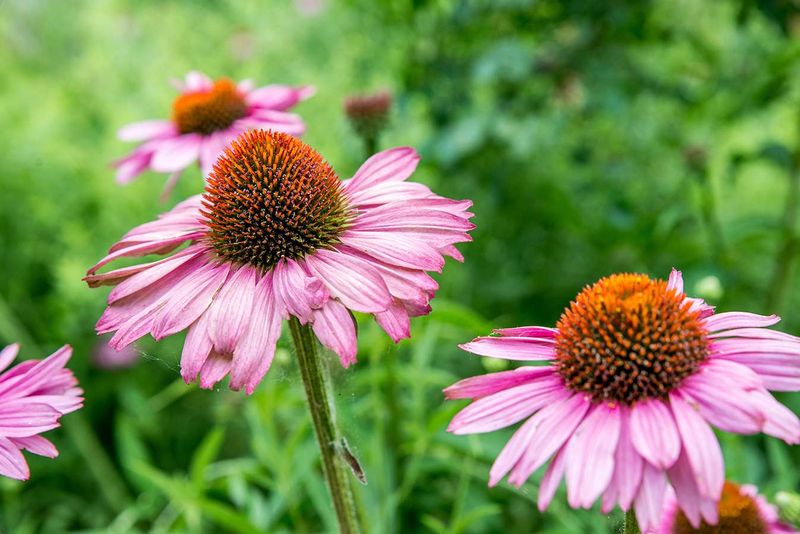
Coneflower, with its striking appearance, stands resilient against June’s temperature fluctuations. It is hardy in both heat and cold, exhibiting impressive drought resistance.
Gardeners adore its immune-boosting properties and its role in supporting pollinators. The vibrant flowers also serve as a striking focal point in gardens.
With its distinctive look and robust nature, Coneflower brings both visual appeal and ecological benefits, making it a cherished addition to any garden landscape.
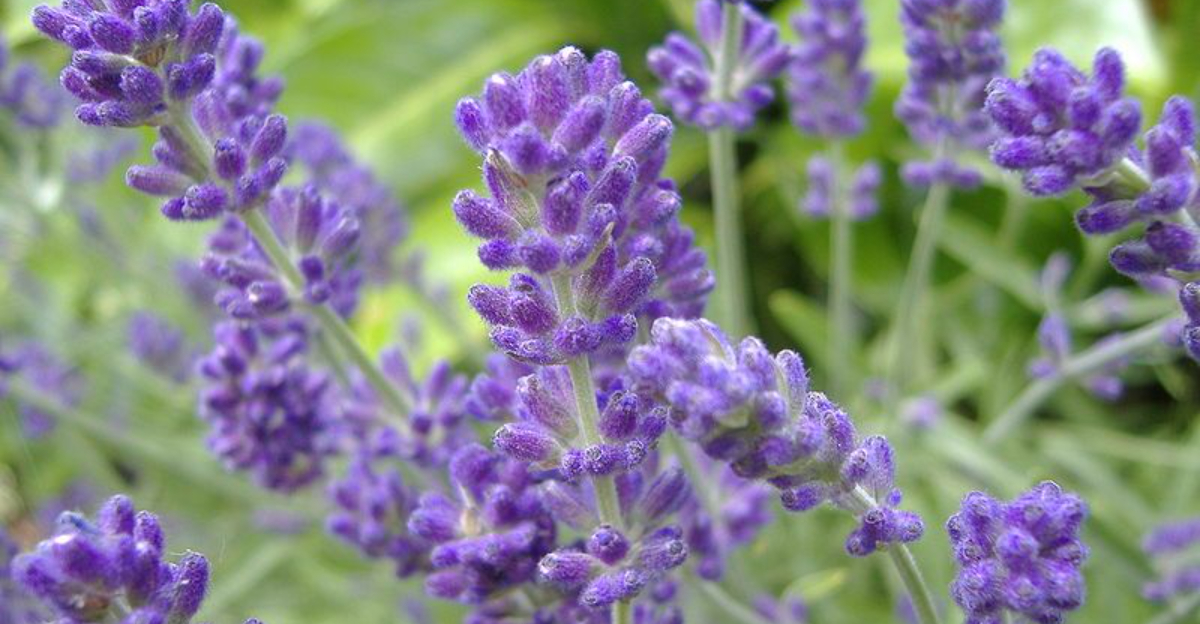
5. Lavender (Lavandula spp.)
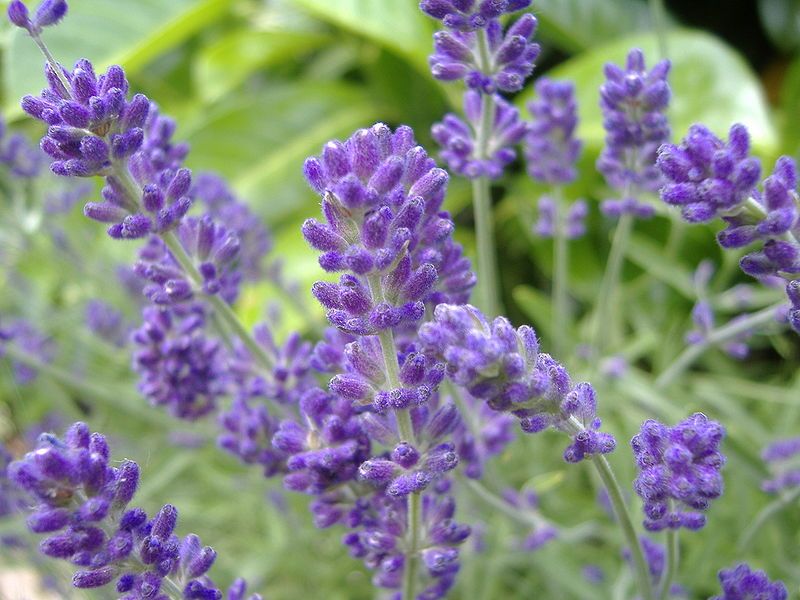
Lavender, with its iconic scent, stands as a stalwart against June’s volatile weather. Its drought-tolerant nature allows it to flourish even when the temperatures soar. Cool nights pose no threat as it embraces the chill with grace.
Beyond its weather-resistant qualities, lavender serves as a natural pest repellent while filling the air with its calming fragrance. Its vibrant purple hues are a visual delight in any garden.
Many gardeners cherish it not just for resilience but for its multifunctionality, offering both beauty and a sweet aroma. It’s a must-have in any climate-challenged garden.
6. Blanket Flower (Gaillardia spp.)
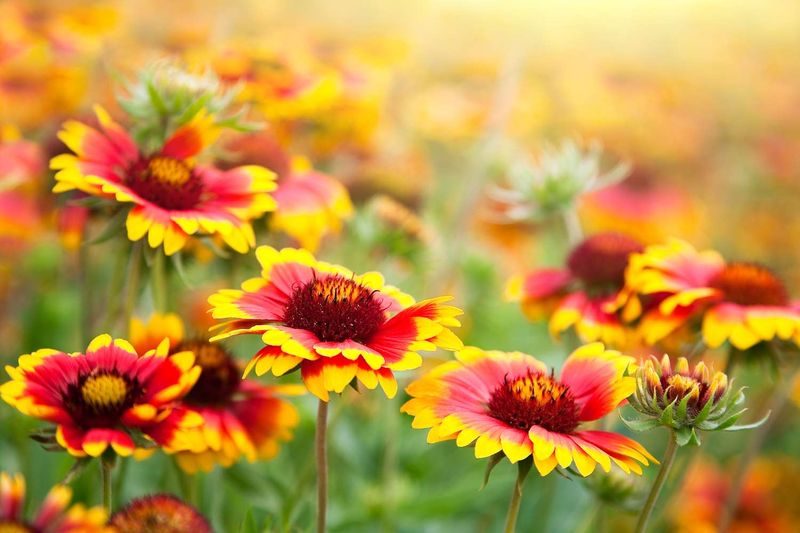
The Blanket Flower, known for its vibrant color palette, thrives in the heat and shrugs off dry spells with ease. Its nonstop bloom cycle ensures gardens remain lively throughout the summer months.
This hardy plant’s cheerful disposition adds a splash of brightness, captivating onlookers and garden enthusiasts alike. Its resilience is matched by its beauty.
Gardeners value its long-lasting flowers, which provide continuous color and charm. Blanket Flowers are a testament to nature’s ability to combine resilience with vivid beauty.
7. Daylily (Hemerocallis spp.)
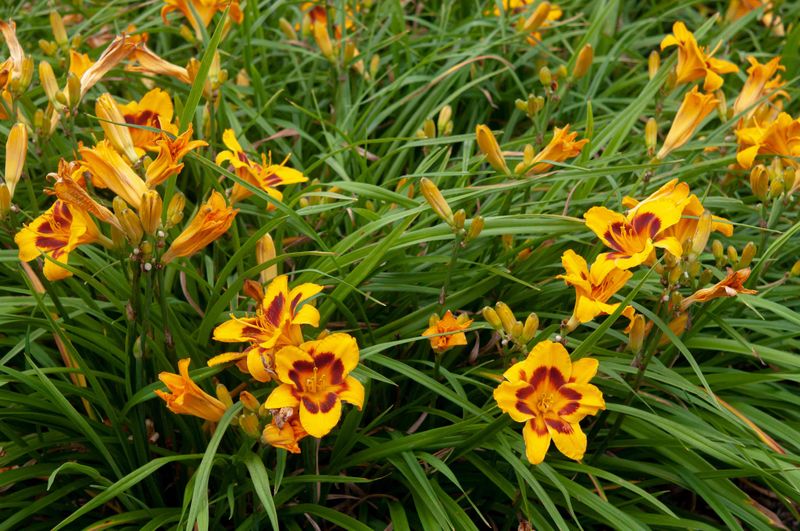
Daylilies, with their robust nature, are perfect for gardens facing June’s temperature swings. They handle both drought and fluctuating temperatures with grace, providing continuous blooms.
These edible flowers are not only aesthetically pleasing but also versatile, adding culinary interest to dishes. Gardeners enjoy their low-maintenance requirements, making them a staple in many gardens.
With a history rooted in various cultures, Daylilies offer more than just beauty. They are symbols of endurance and versatility, cherished by many garden enthusiasts.
8. Coreopsis (Coreopsis spp.)
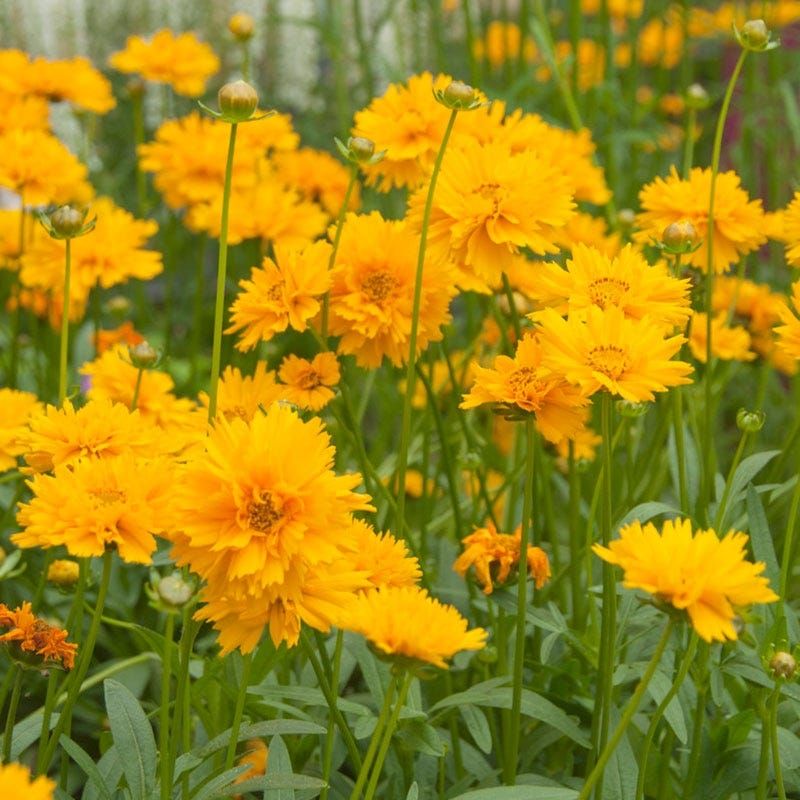
Coreopsis, often called Tickseed, is a sunny addition to any garden, thriving in heat and displaying remarkable drought tolerance. Its cheerful yellow blooms bring a touch of summer sunshine.
This hardy plant is beloved for its ability to bloom all season long, requiring minimal care. Its resilience makes it a favorite for gardeners seeking vibrant, low-maintenance options.
Coreopsis adds a joyful touch to gardens, blending resilience with vivid color. It’s a symbol of lasting summer beauty, captivating gardeners and wildlife alike.
9. Salvia (Salvia spp.)
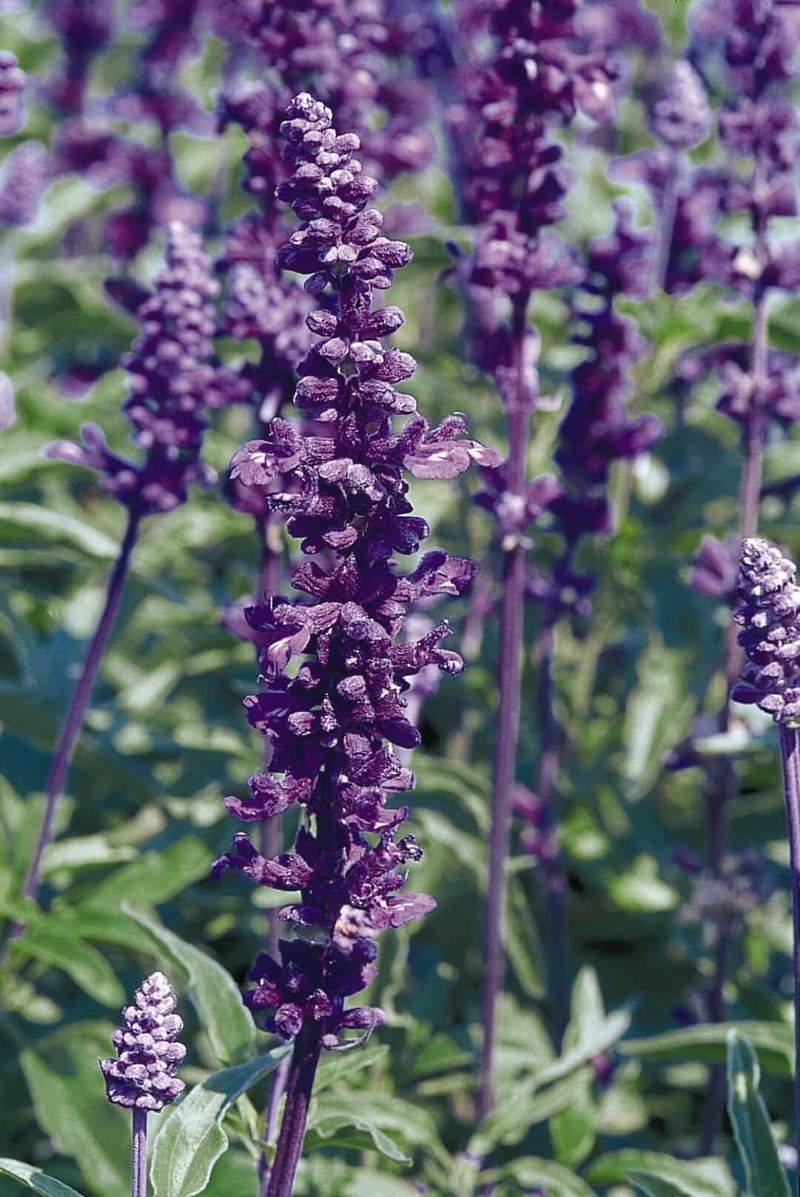
Salvia, with its tall, elegant spikes, thrives in the heat, making it a perfect candidate for gardens facing June’s erratic weather. It gracefully tolerates the cool nights, maintaining its vibrancy.
The plant’s allure extends to wildlife, attracting hummingbirds and repelling deer, providing both aesthetic and practical value.
With its captivating colors and hardy nature, Salvia is a garden staple, offering a dynamic blend of beauty and resilience. It’s a favored choice for those looking to enhance their garden’s vitality.
10. Catmint (Nepeta spp.)
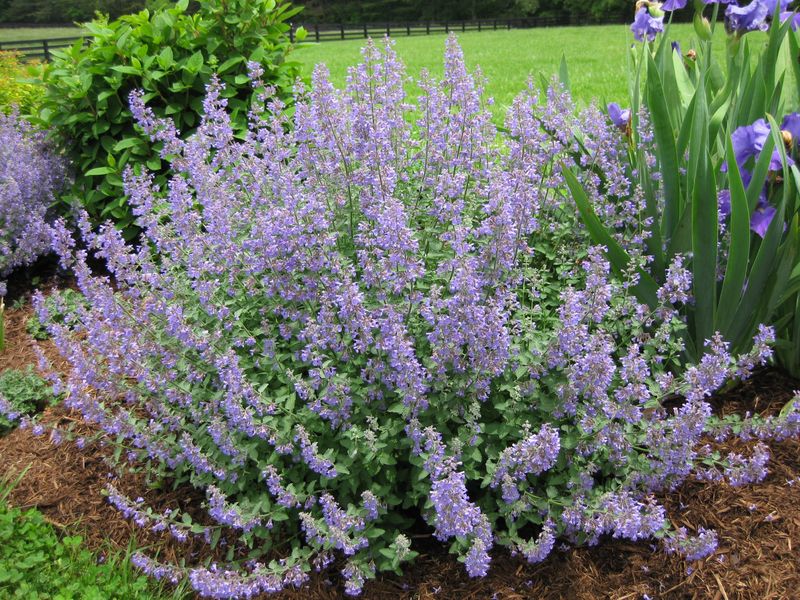
Catmint, known for its aromatic scent, is a resilient plant that thrives under June’s unpredictable weather conditions. It flourishes in both heat and cold, showing impressive drought resistance.
This plant is a favorite among feline friends, offering a calming influence on cats and humans alike. Its soft lavender blooms create a serene garden atmosphere.
Gardeners appreciate its easy-growing nature and its ability to attract beneficial insects. Catmint is a charming addition to any garden, blending beauty with resilience and offering a peaceful retreat.
11. Lamb’s Ear (Stachys byzantina)
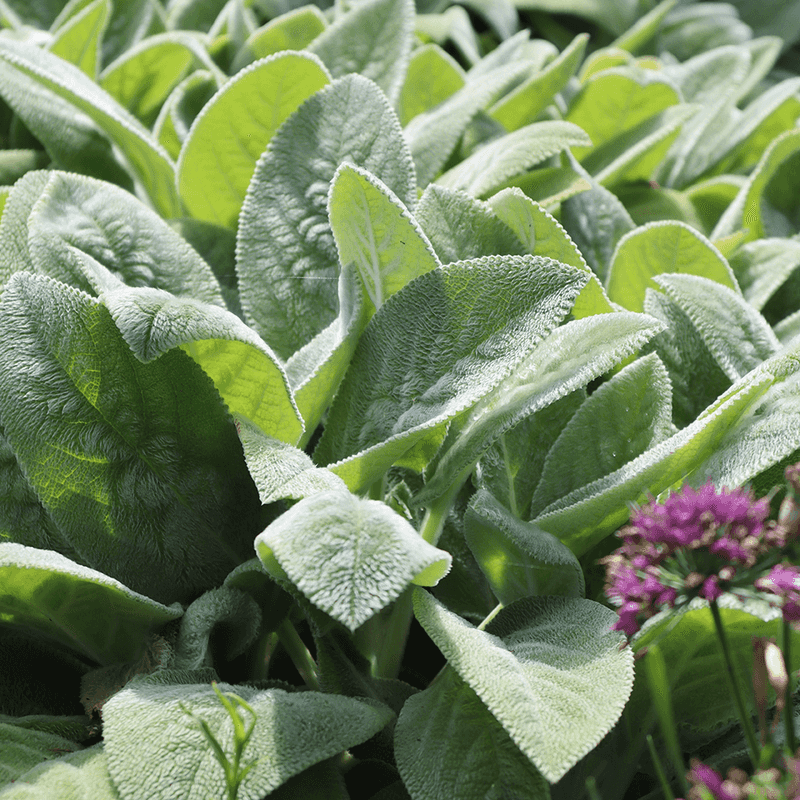
Lamb’s Ear, with its unique texture, stands resilient against June’s varying temperatures. Its fuzzy leaves reduce water loss, allowing it to thrive in both heat and cold.
This plant’s soft texture is not only a delight to touch but also adds visual interest to gardens. It’s a favorite among children, who enjoy its tactile appeal.
Beyond its aesthetic qualities, Lamb’s Ear is a hardy companion in any garden, offering both beauty and practicality. Its resilience and charm make it a beloved choice for gardeners.
12. Artemisia (Artemisia spp.)
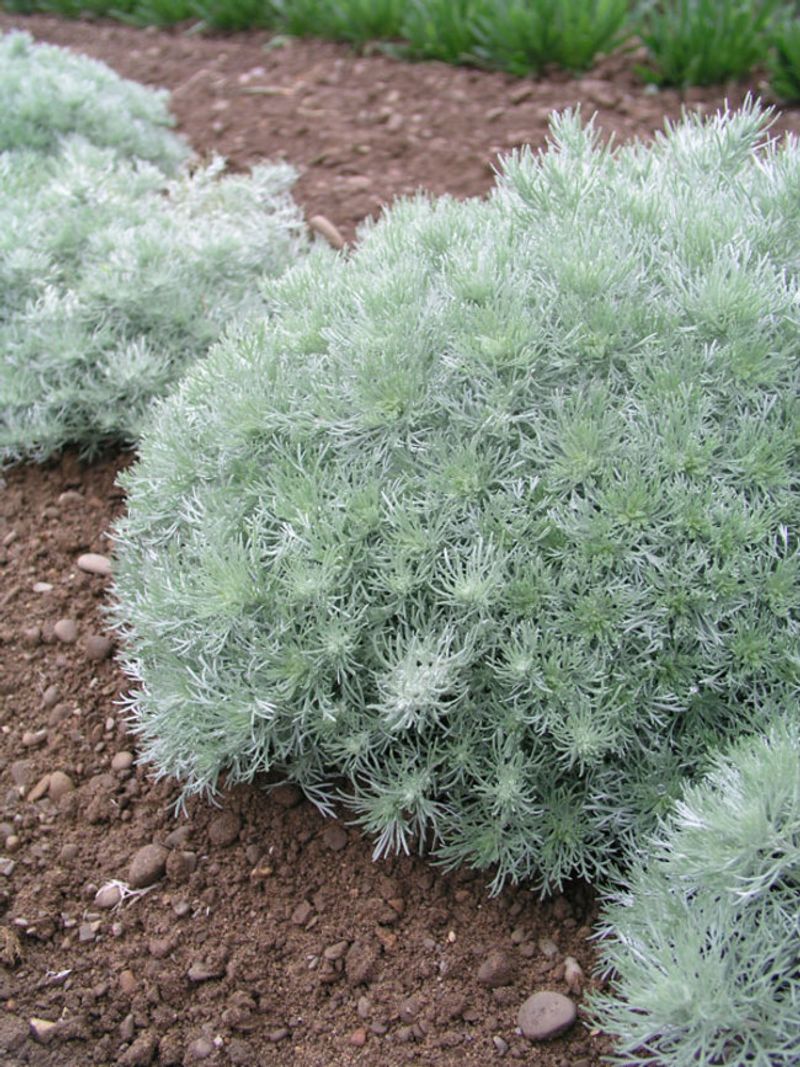
Artemisia, with its silver-toned foliage, is a standout in gardens, reflecting heat and showcasing drought resistance. This quality makes it perfect for enduring June’s unpredictable climate changes.
Gardens benefit from its ability to add contrast and texture, breaking the monotony of green foliage. Its aromatic leaves are an added bonus, repelling garden pests naturally.
This versatile plant’s resilience and striking appearance make it a valued addition to any garden. Artemisia offers both aesthetic allure and practical benefits, making it a gardener’s dream.
13. Verbena (Verbena spp.)
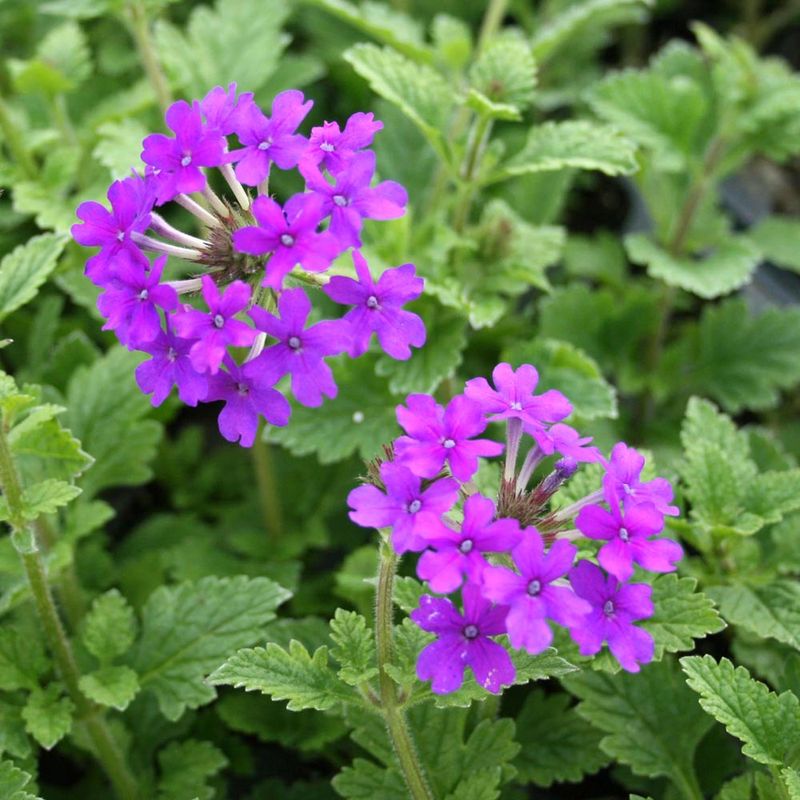
Verbena, with its vibrant clusters of flowers, is a heat-loving plant that gracefully navigates June’s temperature fluctuations. It continues to bloom despite brief cold snaps, ensuring a lively garden.
Gardeners appreciate its long bloom season, which keeps the garden colorful and inviting. Butterflies are frequent visitors, adding life and movement.
Verbena’s adaptability and vivid blooms make it a favorite for gardeners seeking to enhance their landscape with resilience and color. It’s a plant that brings joy and vitality to any garden setting.
14. Oregano (Origanum vulgare)
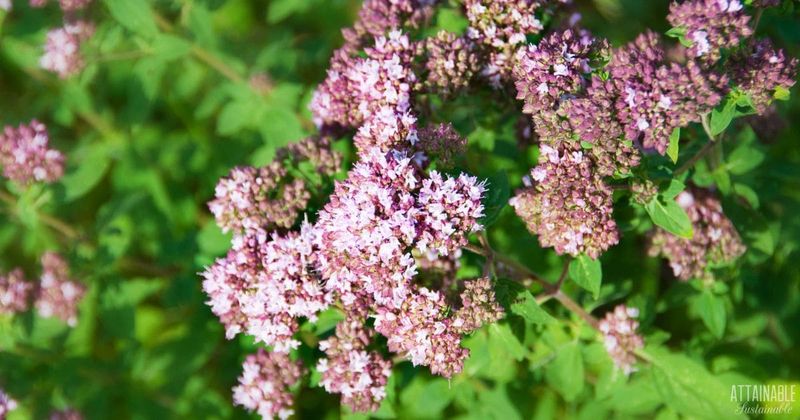
Oregano, a culinary staple, is a hardy plant that thrives in heat while tolerating cool nights. Its resilient nature makes it an ideal choice for gardens facing June’s temperature swings.
The plant’s lush, aromatic leaves offer both flavor and fragrance, enhancing any herb garden. Its pollinator-friendly flowers add ecological value.
Oregano’s dual role as a culinary herb and ornamental plant makes it a versatile addition to any garden. Its robust nature and delicious aroma make it a gardener’s favorite, promising both beauty and utility.
15. Thyme (Thymus spp.)
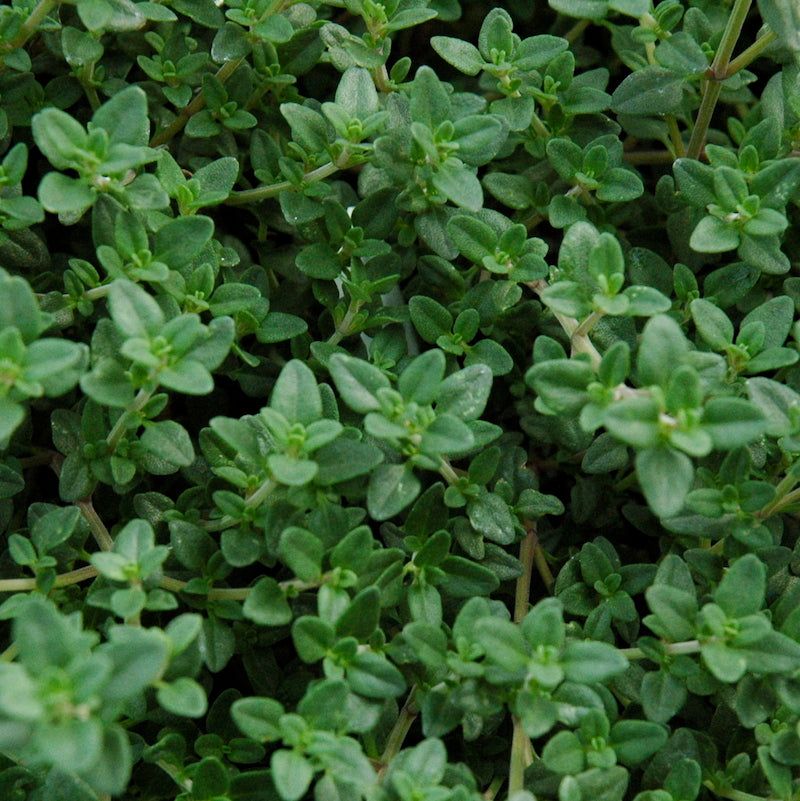
Thyme, with its aromatic presence, is a resilient plant that handles temperature swings with ease. It’s drought-resistant, making it perfect for June’s unpredictable weather.
This versatile herb serves as a great ground cover, adding visual interest with its lush greenery. Its culinary uses are well-loved, offering flavor to various dishes.
Thyme’s dual functionality as an herb and decorative plant makes it a treasured addition to gardens. Its resilience and aromatic charm provide both beauty and practicality, enriching any garden space.
16. Rosemary (Salvia rosmarinus)
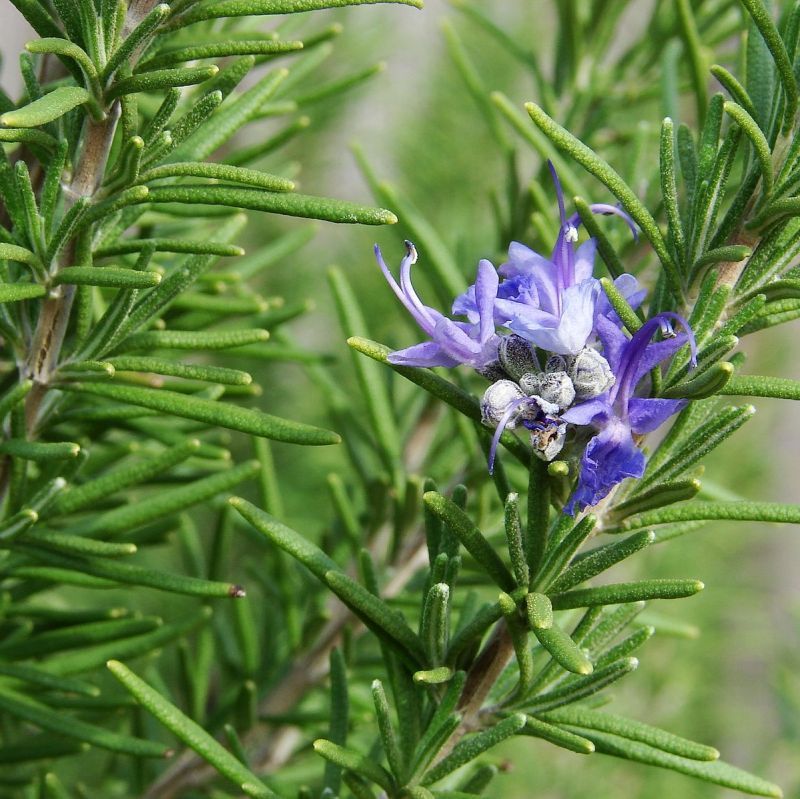
Rosemary, with its fragrant needle-like leaves, thrives in heat while tolerating cool nights when well-drained. Its robustness makes it an ideal choice for gardens in June’s varied climate.
The plant’s culinary appeal is matched by its ability to repel garden pests, adding practical value. Its blue flowers bring a touch of elegance to any garden setting.
Rosemary’s versatility as both a culinary herb and ornamental plant makes it a cherished garden staple. Its resilience and aromatic allure provide both beauty and utility, making it a gardener’s delight.
17. Sage (Salvia officinalis)
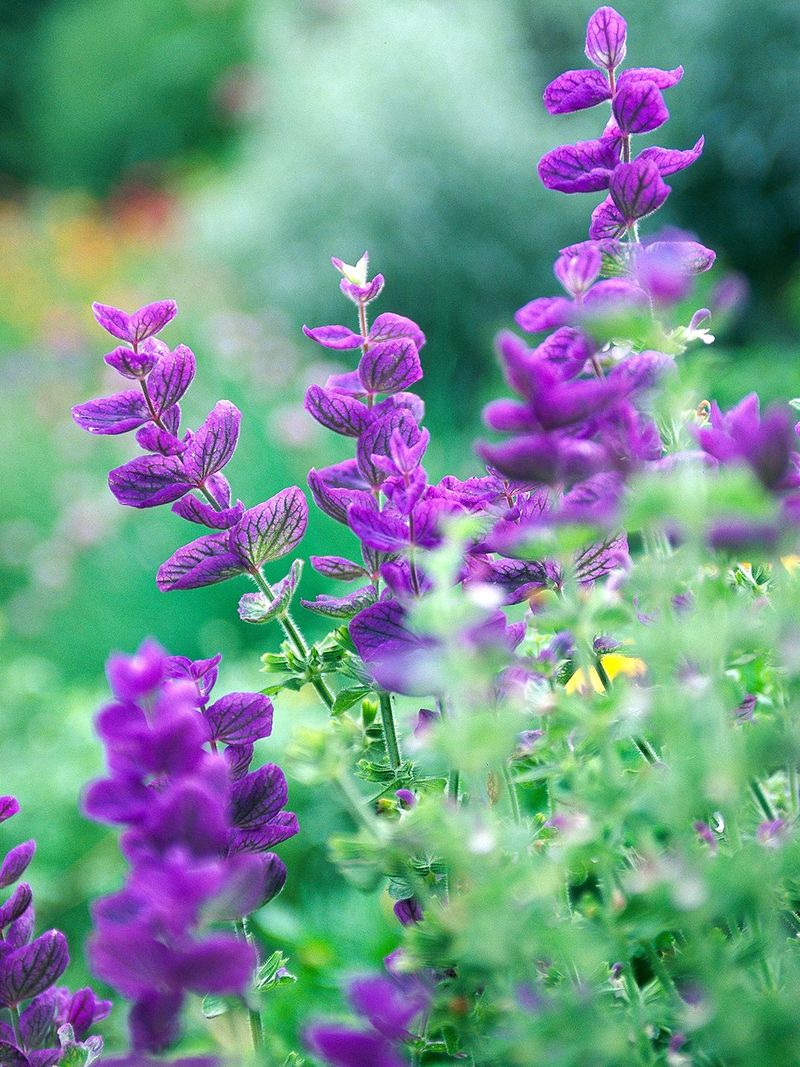
Sage, a plant of culinary and medicinal renown, thrives amidst June’s fluctuating temperatures. Its drought tolerance and hardy nature make it a reliable choice.
Gardeners value its soft, aromatic leaves, which add both flavor and fragrance to gardens. The plant’s purple flowers are a visual treat, enhancing garden aesthetics.
With its dual functionality and resilience, Sage is more than just an herb; it’s a garden companion. Its robust nature and versatile uses make it a favorite among gardeners, promising beauty and utility in equal measure.
18. Butterfly Weed (Asclepias tuberosa)
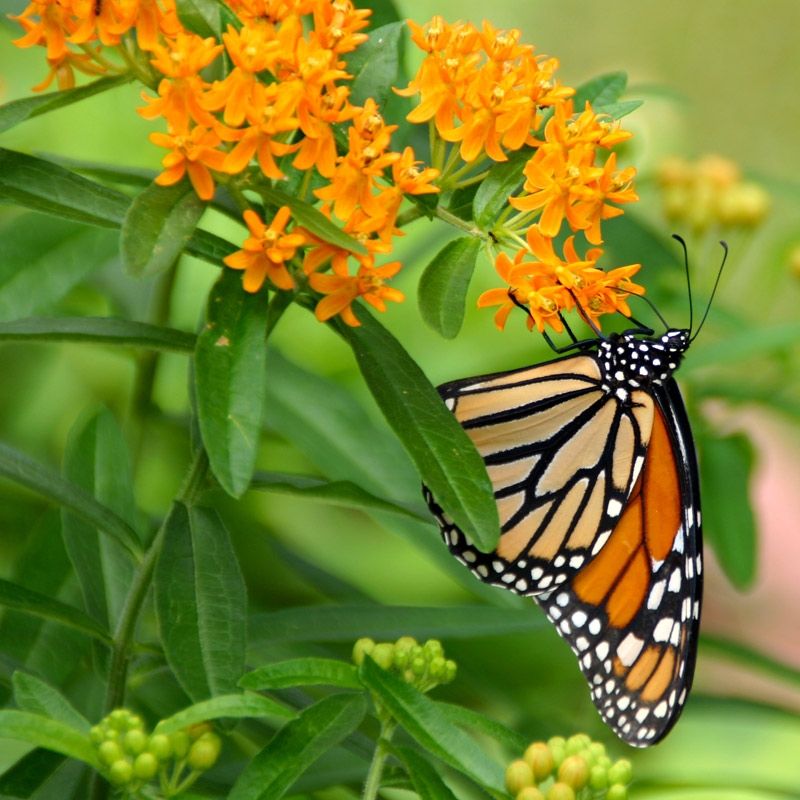
Butterfly Weed, native and resilient, stands firm against June’s heat and cold. Its drought resistance makes it a staple for gardens facing unpredictable weather.
The plant’s vibrant orange flowers are not just visually striking but also essential for monarch butterflies, supporting their lifecycle. Its role in ecology is as valuable as its aesthetic appeal.
Butterfly Weed is a symbol of resilience and ecological importance, offering both beauty and habitat. Its presence in gardens enriches biodiversity, making it a cherished plant for nature enthusiasts.
19. Black-Eyed Susan (Rudbeckia spp.)
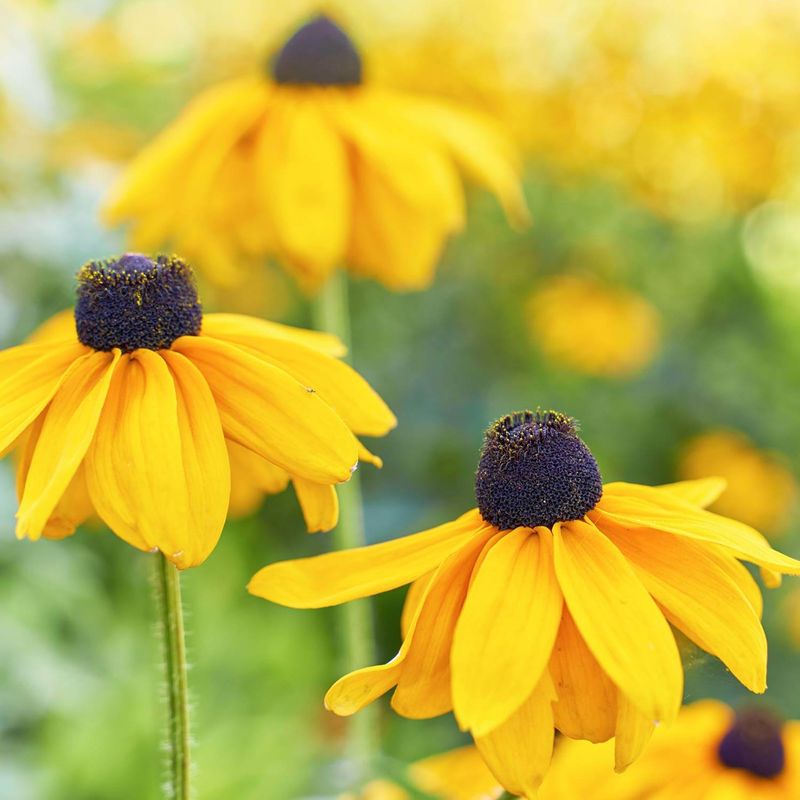
Black-Eyed Susan, with its sunny disposition, withstands June’s heat and manages brief cold snaps with ease. This tough plant is a garden staple, offering resilience and long-lasting blooms.
Its bright yellow flowers bring cheer and vibrancy to gardens, making them a favorite for cut flower arrangements. The plant’s ability to attract pollinators adds ecological value.
Black-Eyed Susan’s enduring nature and vivid beauty make it a symbol of summer’s warmth. It’s a plant that captivates both gardeners and wildlife, enriching any garden landscape.
20. Lantana (Lantana camara)
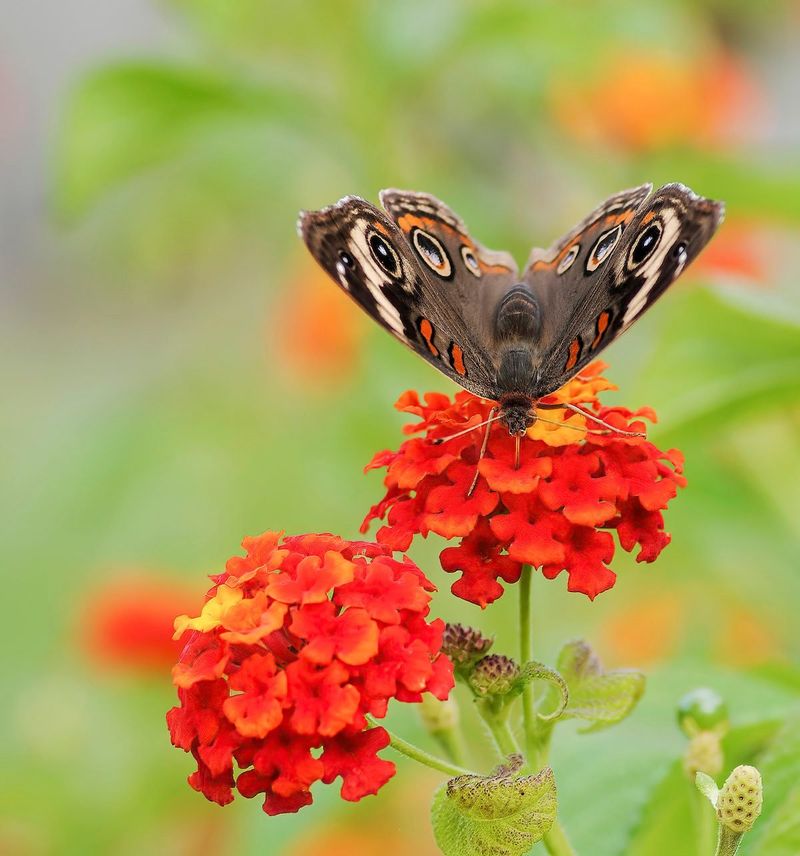
Lantana, with its colorful blooms, thrives in heat, displaying resilience against humidity and drought. Its adaptability makes it perfect for gardens experiencing June’s variable weather.
The plant’s vibrant flowers attract butterflies, adding life and movement to garden spaces. Its long bloom season ensures continuous color.
Lantana’s cheerful presence and hardy nature make it a popular choice for gardeners seeking a splash of color and vitality. It’s a plant that enriches garden aesthetics while offering ecological benefits.
21. Zinnia (Zinnia spp.)
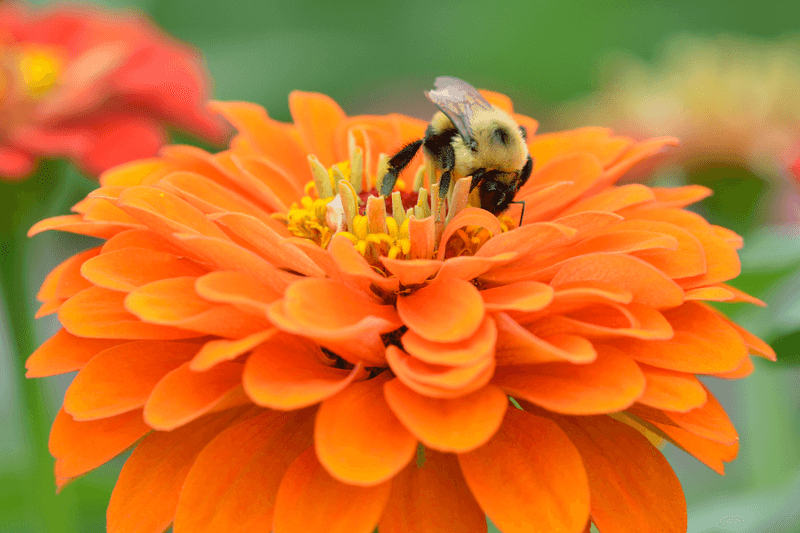
Zinnias, with their bright blooms, thrive in heat and recover swiftly from cool nights. They are easy to grow from seeds, making them accessible to gardeners.
The plant’s vivid flowers attract pollinators, creating a buzzing garden ecosystem. Zinnias offer a continuous display of color, brightening up garden spaces.
With their cheerful aesthetic and robust nature, Zinnias are a beloved addition to gardens. They symbolize resilience and beauty, making them a gardener’s delight and a pollinator haven.
22. Marigold (Tagetes spp.)
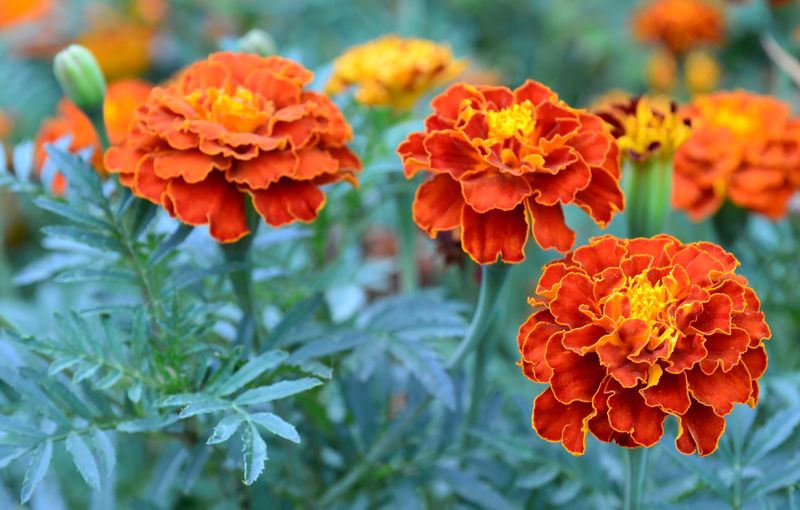
Marigolds, with their sun-loving nature, thrive in heat and withstand drought and light frost. Their resilience makes them ideal for gardens facing June’s unpredictable climate.
These flowers are known for repelling pests like nematodes, adding practical value to gardens. Their bright colors offer a visual feast, enlivening garden spaces.
Marigolds’ vibrant blooms and pest-repelling qualities make them a gardener’s ally. They are symbols of enduring beauty and utility, enriching any garden with their cheerful presence.
23. Moss Rose (Portulaca grandiflora)
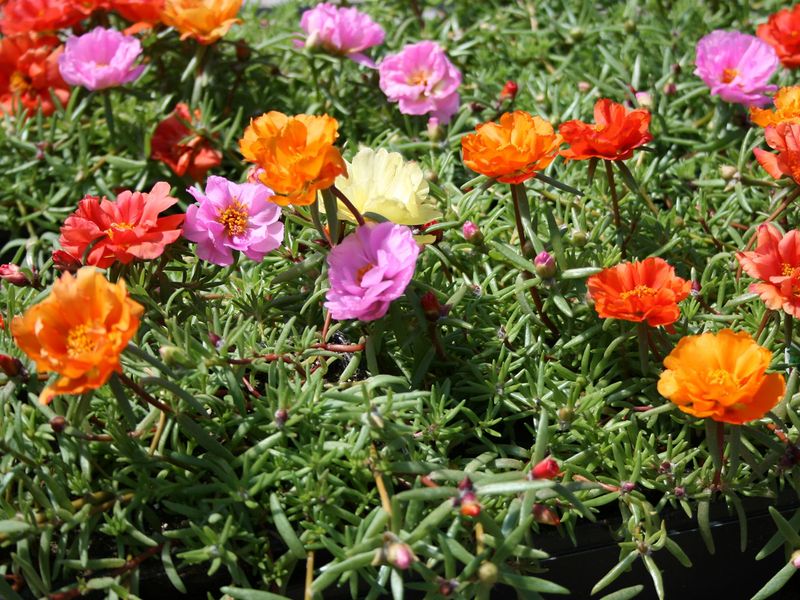
Moss Rose, with its succulent leaves, thrives in heat and shows remarkable drought resistance. This ability makes it perfect for gardens facing June’s temperature swings.
The plant’s bright, low-maintenance flowers offer continuous color, transforming garden spaces into vibrant displays. Its resilience is matched by its aesthetic appeal.
Gardeners appreciate Moss Rose for its easygoing nature and vivid flowers, making it a delightful addition to any garden. It’s a plant that combines toughness with beauty, enhancing garden aesthetics.
24. Agastache (Agastache spp.)
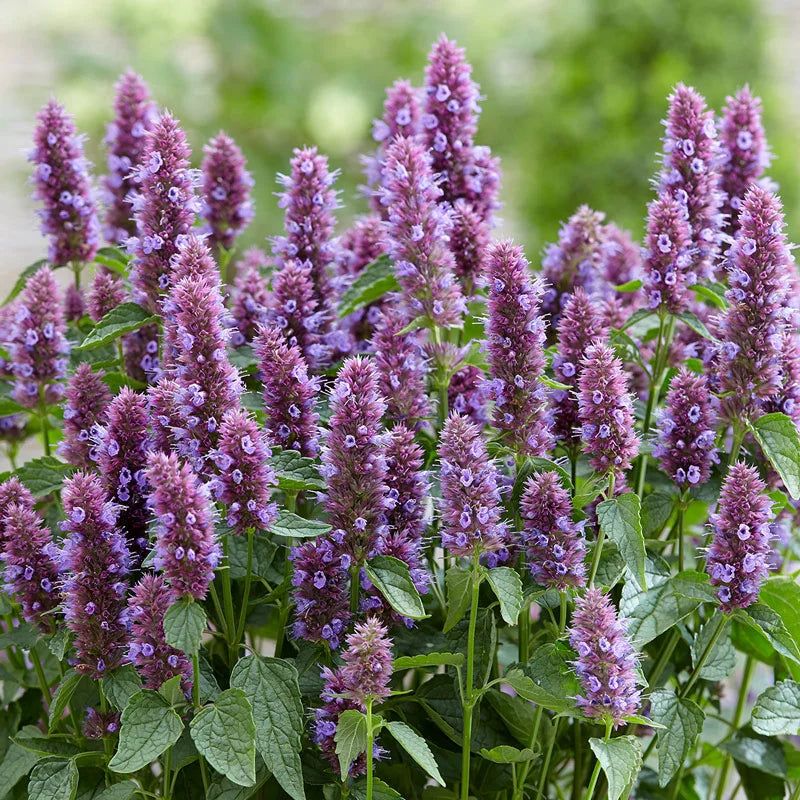
Agastache, known for its licorice scent, is a hardy plant that loves heat and handles cool nights well. Its drought-tolerant nature makes it ideal for June’s shifting temperatures.
The plant’s tall flower spikes attract hummingbirds, adding dynamic movement to gardens. Its aromatic presence enhances garden spaces with a fragrant allure.
Agastache’s resilience and sensory charm make it a favored choice for gardeners. It offers both ecological benefits and visual beauty, thriving in gardens with its vibrant presence.
25. Penstemon (Penstemon spp.)
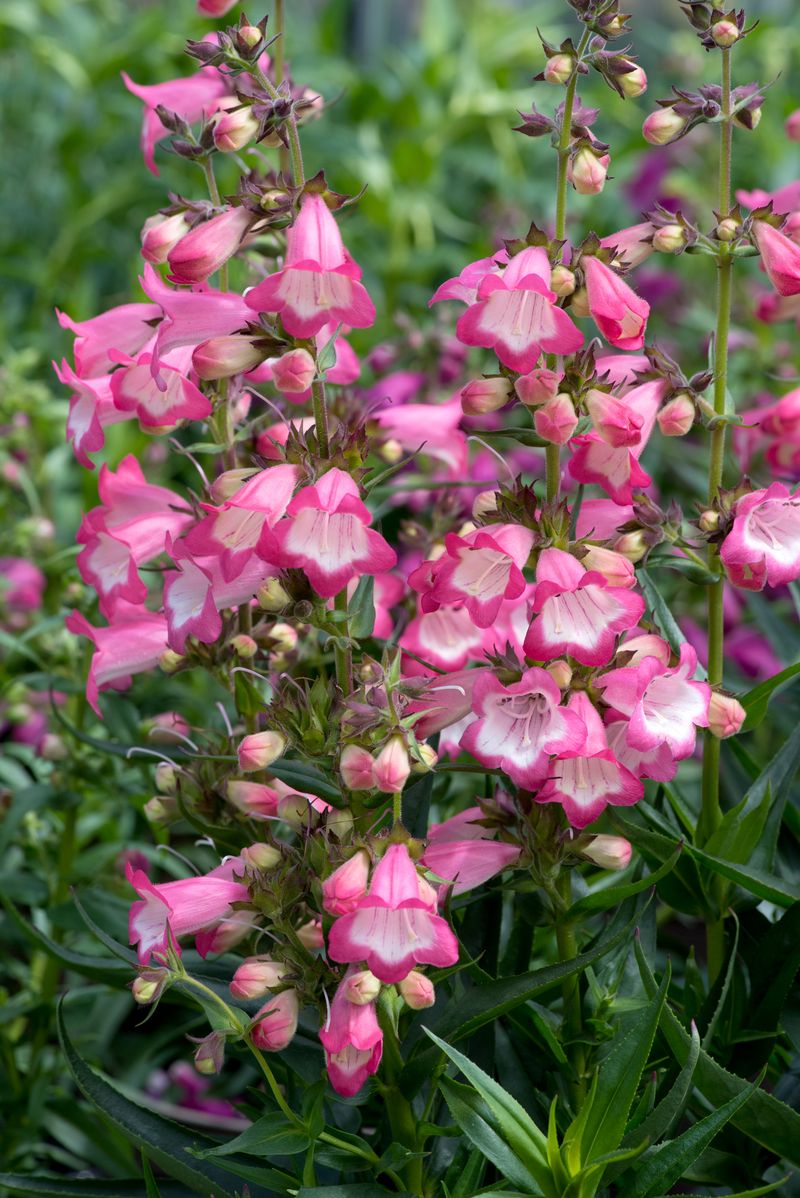
Penstemon, native and tough, navigates June’s temperature swings with ease. Its drought resistance and adaptability make it a reliable choice for any garden.
The plant’s tubular flowers are a magnet for hummingbirds, enriching the garden with both color and wildlife. Its natural beauty complements any landscape.
With its robust nature and ecological appeal, Penstemon is more than just a plant; it’s a garden asset. Its presence brings life and vibrancy, making it a cherished addition to any garden setting.
26. Euphorbia (Euphorbia spp.)
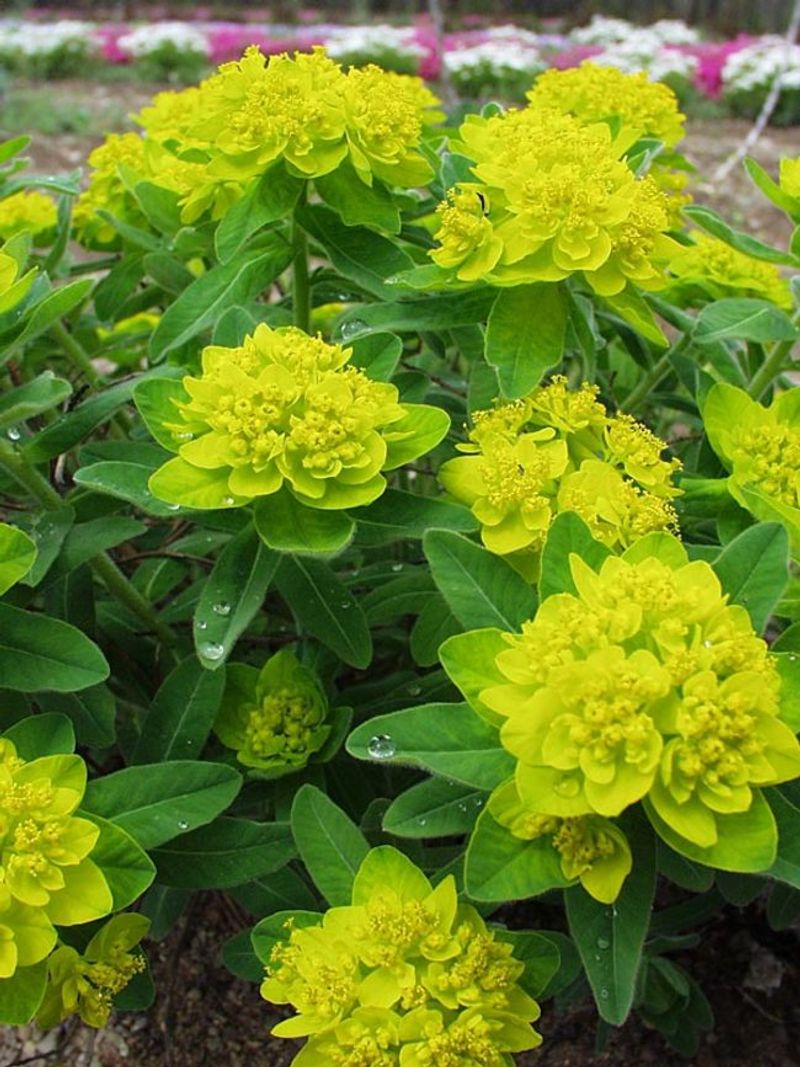
Euphorbia, with its distinctive texture, withstands both heat and cold, showcasing remarkable drought resistance. This quality makes it ideal for gardens facing June’s variable weather.
The plant’s unique appearance adds visual intrigue to gardens, while its deer-resistant nature provides practical benefits. Its small yellow flowers offer subtle color.
Euphorbia’s combination of resilience and aesthetic appeal makes it a gardener’s favorite. It enriches gardens with its unique texture and hardy nature, offering both beauty and utility.
27. California Poppy (Eschscholzia californica)
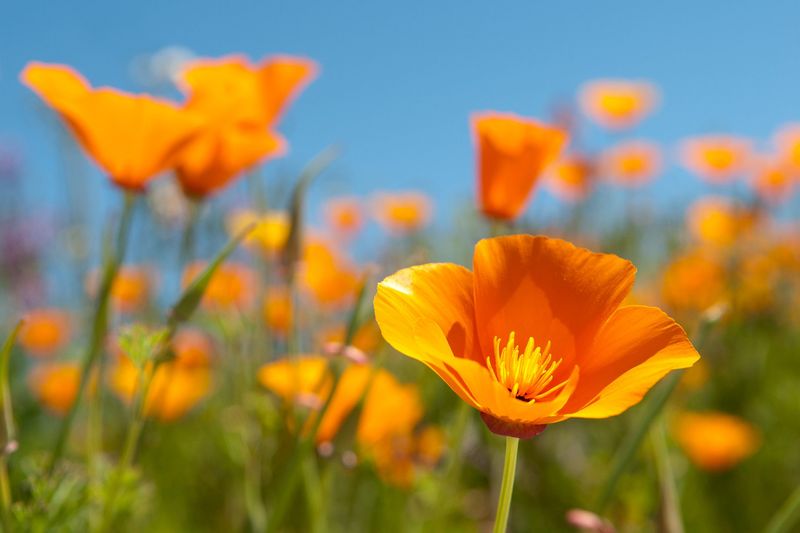
California Poppy, with its vibrant orange blooms, thrives in heat and shows impressive drought tolerance. Its resilience makes it perfect for gardens facing June’s fluctuating temperatures.
The plant’s self-seeding ability ensures continuous displays of color, making it a low-maintenance option for gardeners. Its beauty is matched by its ability to attract pollinators.
California Poppy’s striking appearance and hardy nature make it a beloved choice for gardeners. It symbolizes resilience and vibrant beauty, enriching any garden landscape with its cheerful presence.
28. Switchgrass (Panicum virgatum)
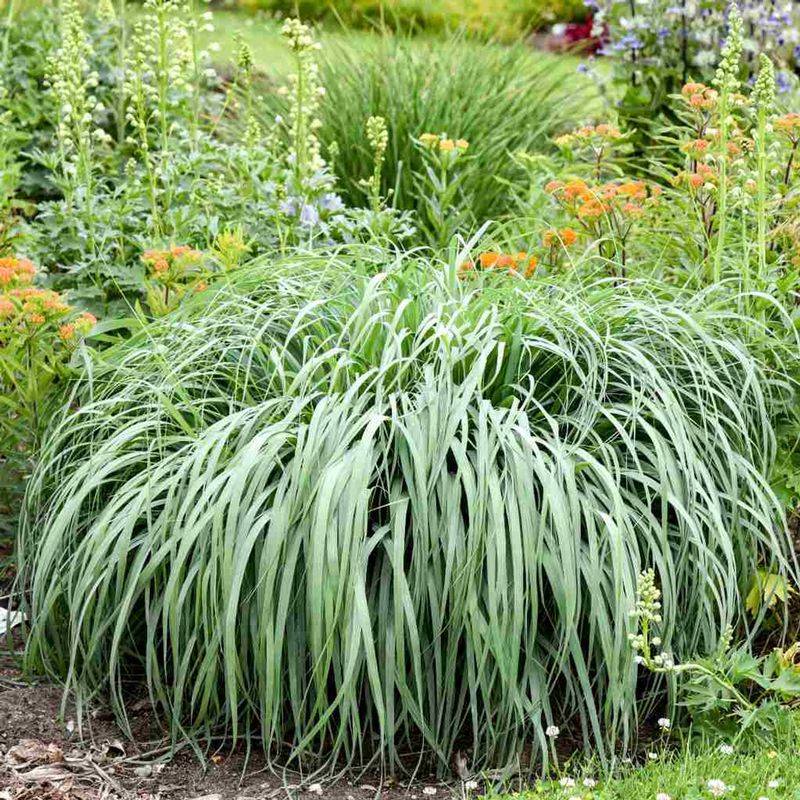
Switchgrass, a tough native grass, endures June’s temperature swings with fortitude. Its ability to withstand both heat and cold makes it an excellent choice for gardens facing climate challenges.
The plant’s feathery plumes add visual texture, while its robust nature provides erosion control. Its ecological role enhances garden biodiversity.
Switchgrass’s combination of resilience and ecological benefits makes it a valuable addition to gardens. It offers both beauty and practicality, enriching landscapes with its graceful presence.