 Complete Gardening
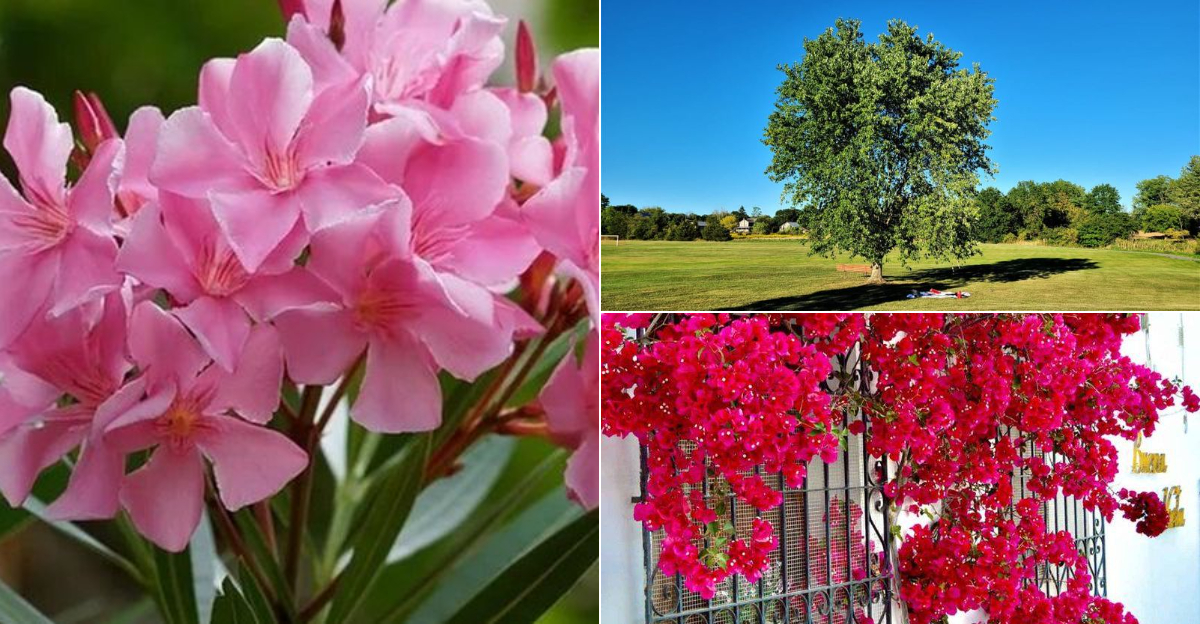
Gardening can be a delightful and fulfilling hobby, but it’s crucial to be mindful of the plants you choose to cultivate near your home. Certain species can lead to severe issues, from structural damage to health risks. In this comprehensive guide, we’ll explore 30 plants that, while beautiful or unique, should be kept at a distance from your house. Whether due to invasive roots, fire hazards, pest attraction, water demands, or toxicity, these plants present potential problems that are better avoided. Read on to make informed landscaping choices that protect your home and loved ones.
1. Willow
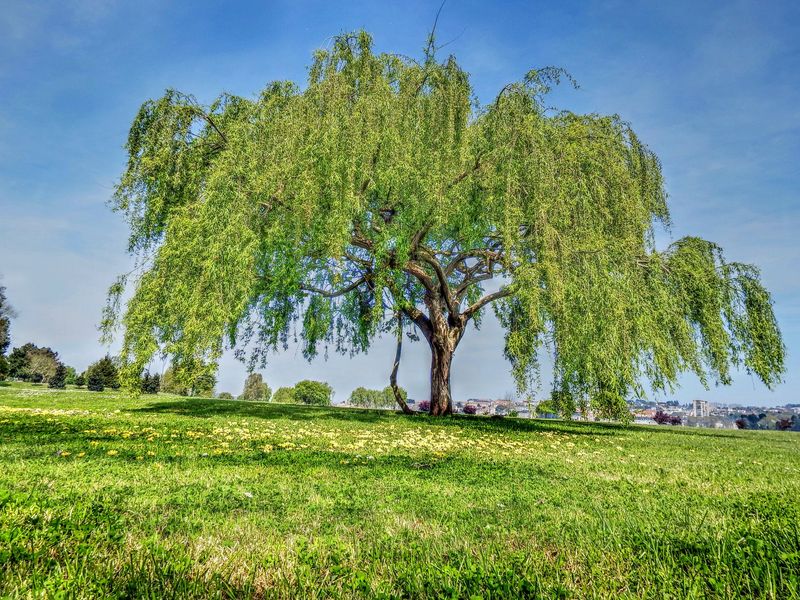
With its elegant, drooping branches, the willow tree might seem like a charming addition to any garden. However, its roots aggressively seek out water, often targeting sewer lines and causing substantial damage. Imagine roots penetrating pipes, leading to costly repairs! The allure of the willow’s beauty is overshadowed by its potential to compromise infrastructure. Positioned too close to homes, this tree can jeopardize foundations. These risks underscore the importance of strategic planting, emphasizing awareness over aesthetics. Its graceful appearance belies a hidden menace, lurking beneath the soil.
2. Poplar (Cottonwood)
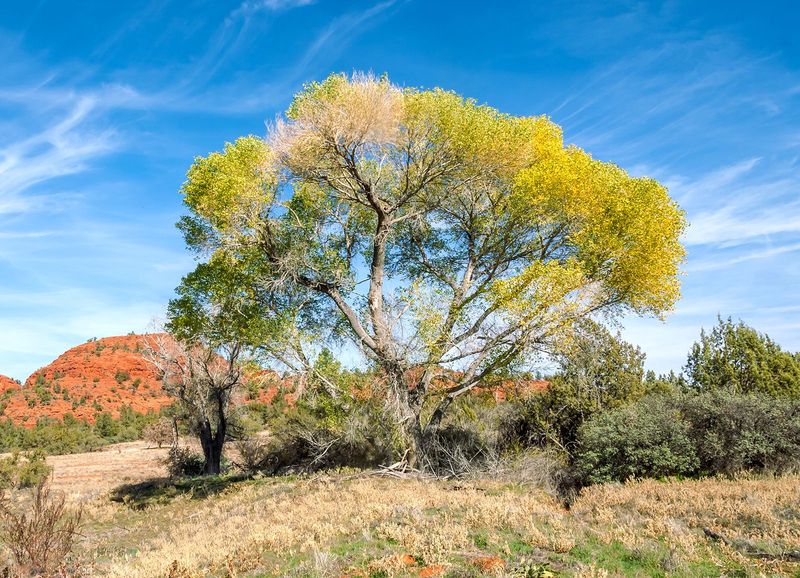
Poplar trees, particularly cottonwoods, are notorious for their rapid growth and root invasiveness. While their towering presence can provide ample shade, the roots can be highly destructive, damaging sidewalks and driveways. Cottonwoods demand space, and when planted too close to homes, they can pose a structural threat. Additionally, their fluffy seeds can be a nuisance, scattering widely with the wind. A cottonwood’s fast expansion and invasive roots make it a risky choice near residential areas. Its rapid growth may impress, but caution is advised for homeowners.
3. Silver Maple
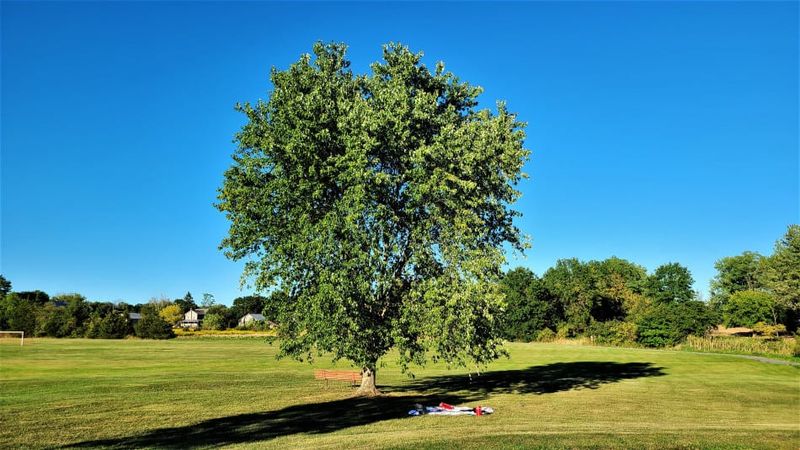
The silver maple is admired for its rapid growth and vibrant autumn foliage. However, it conceals a downside: its shallow roots have a propensity to buckle concrete surfaces, including paths and driveways. This can lead to uneven, hazardous walking areas. For homeowners, the inconvenience of constant maintenance and potential accidents overshadows its aesthetic appeal. When considering a silver maple, think about the long-term implications of its roots. This species requires careful consideration and placement away from structures. Its beauty is matched by the challenges it presents.
4. American Elm
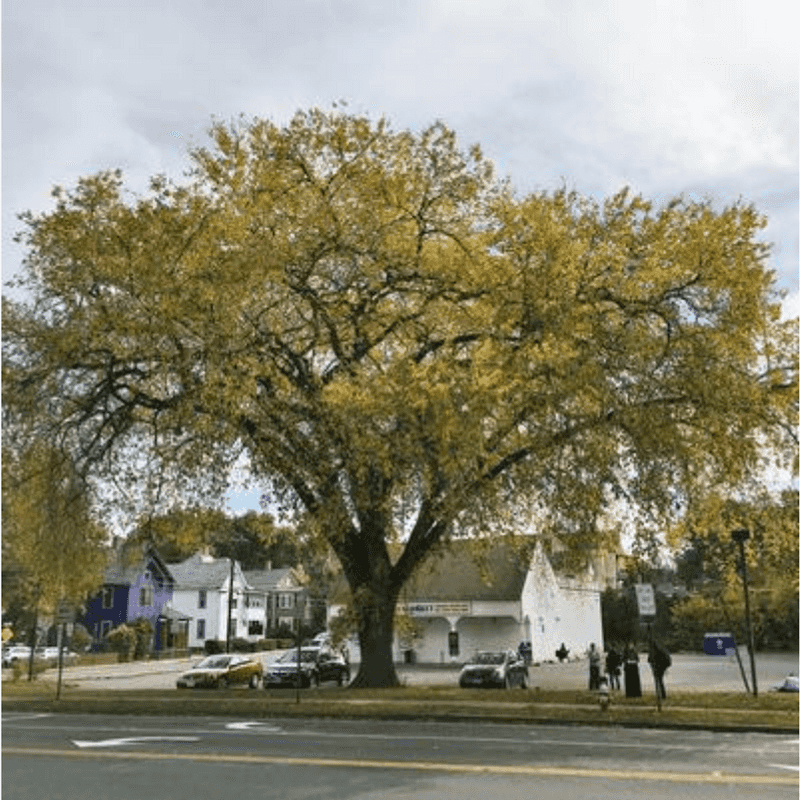
The American Elm is a majestic tree known for its classic shape and lush canopy. Yet, beneath this beauty lies an extensive root system eager to spread wide. These roots can disrupt underground utilities, causing costly and inconvenient interruptions. Despite its historical significance in American landscapes, the risks associated with its roots demand caution. In urban settings, the elm’s size and root spread can lead to complications. While its silhouette is iconic, prospective planters must weigh the potential for damage. The elm’s grandeur comes with responsibilities.
5. Mulberry
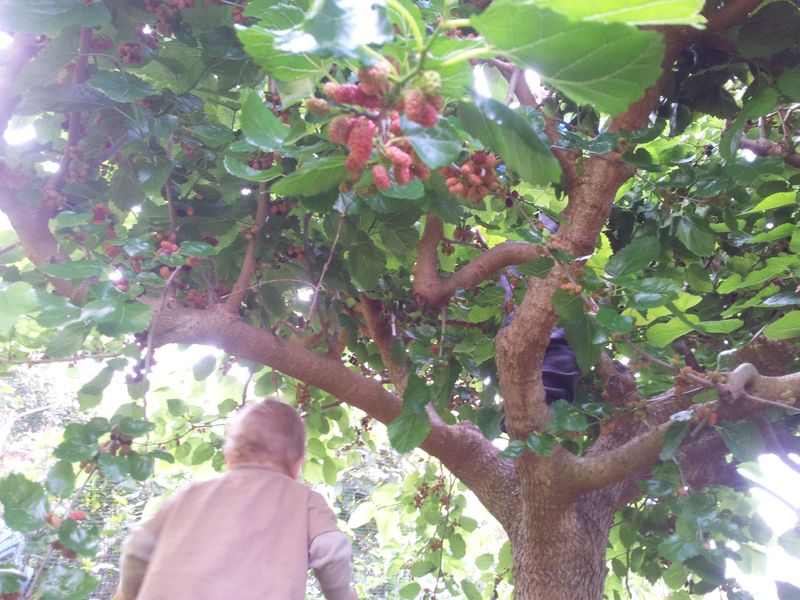
Mulberry trees are often cherished for their delicious fruit and fast growth. However, they are notorious for their roots, which can invade septic systems, leading to significant issues. The allure of homegrown mulberries is tempered by the potential for plumbing nightmares. Additionally, mulberries can stain pavements, leaving unsightly marks. Planting them near homes can bring more than just sweet berries; it can also bring maintenance headaches. When considering mulberries, distance from critical structures is key. They’re a delightful addition, but proximity matters.
6. Juniper
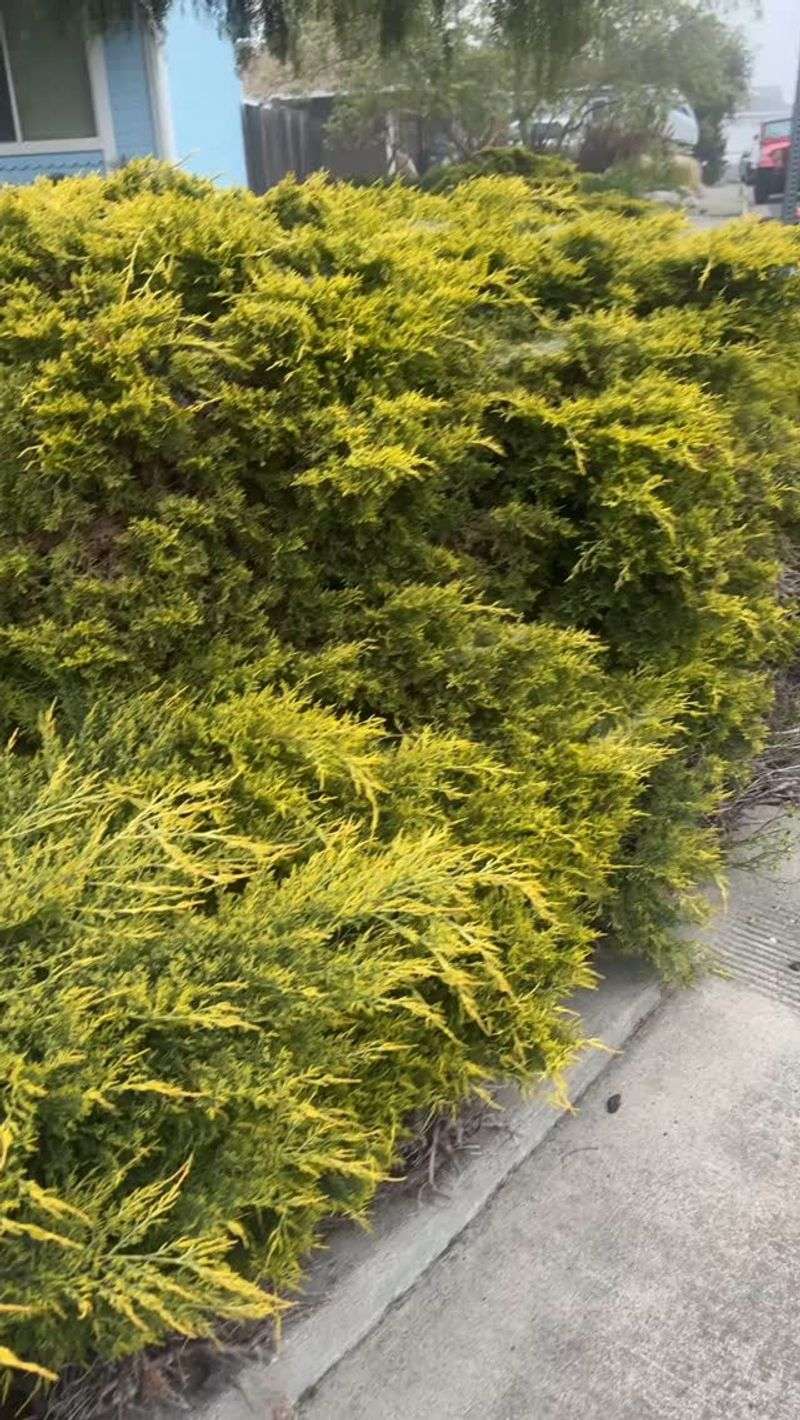
Juniper, an evergreen with a distinct aroma, serves as a staple in dry landscapes. Unfortunately, it is resin-filled and quick to ignite, making it a fire hazard in wildfire-prone areas. This plant’s presence near homes can elevate fire risks, especially during dry seasons. Though resilient and often used for hedges, the danger of rapid combustion can’t be ignored. In areas with stringent fire regulations, junipers require strategic placement. Their scent may be inviting, but caution is crucial. A beautiful landscape shouldn’t compromise safety.
7. Eucalyptus
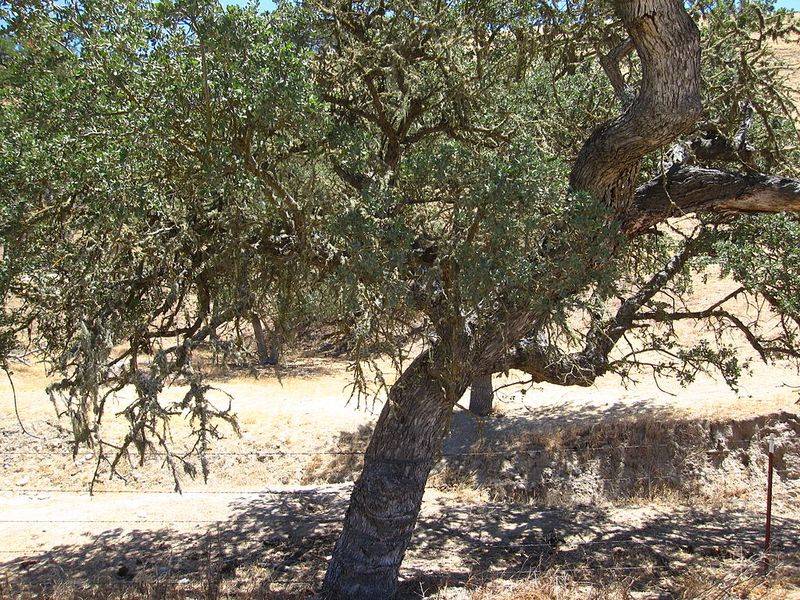
Eucalyptus trees, known for their aromatic leaves, bring a touch of the Australian outback to gardens. However, they drop oily, flammable bark and leaves, posing serious fire risks. In certain climates, this can create a combustible environment around homes. The fallen debris adds to the fire load, increasing the potential for ignition. Eucalyptus trees need ample space away from structures to mitigate these dangers. While their fragrance is comforting, in dry conditions, their fire-prone nature becomes a liability. Plant with care and caution in mind.
8. Pine Trees
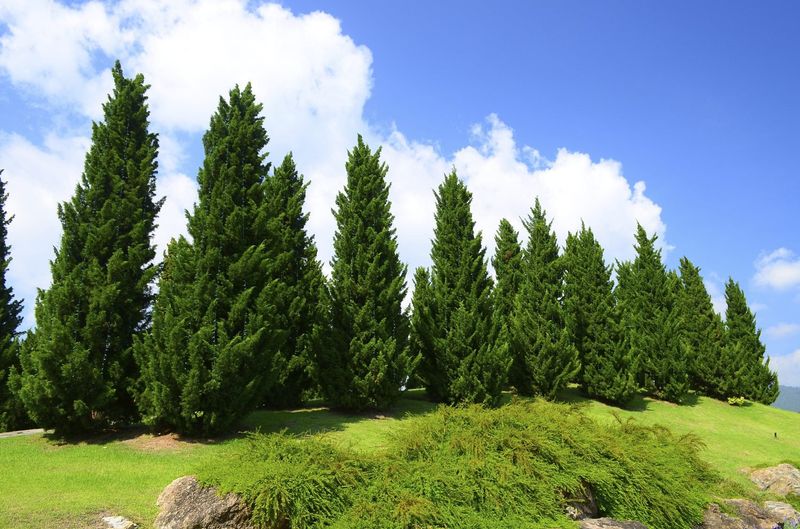
The pine tree, with its majestic cones and needles, is a symbol of forested regions. However, its sap is highly combustible, bringing an increased fire risk to surrounding areas. In dry climates, the presence of pine trees near homes can be particularly concerning. Their needles and fallen branches contribute to flammability. While their towering beauty is undeniable, the potential for fire cannot be overlooked. Proper management and distance from residences are essential. In fire-prone zones, their presence must be balanced with safety measures.
9. Italian Cypress

Italian cypress, with its stately, columnar form, adds elegance to landscapes. However, it acts like a “fire ladder” to roofs, especially when planted close to homes. In wildfire-prone regions, this can lead to disastrous outcomes. Their height and structure make them effective conduits for flames. While visually striking, their placement requires careful consideration to mitigate fire risks. A charming addition to Mediterranean-style gardens, these trees demand thoughtful positioning. Balance aesthetic desires with safety protocols to ensure a secure and beautiful environment.
10. Ivy (English or Boston)
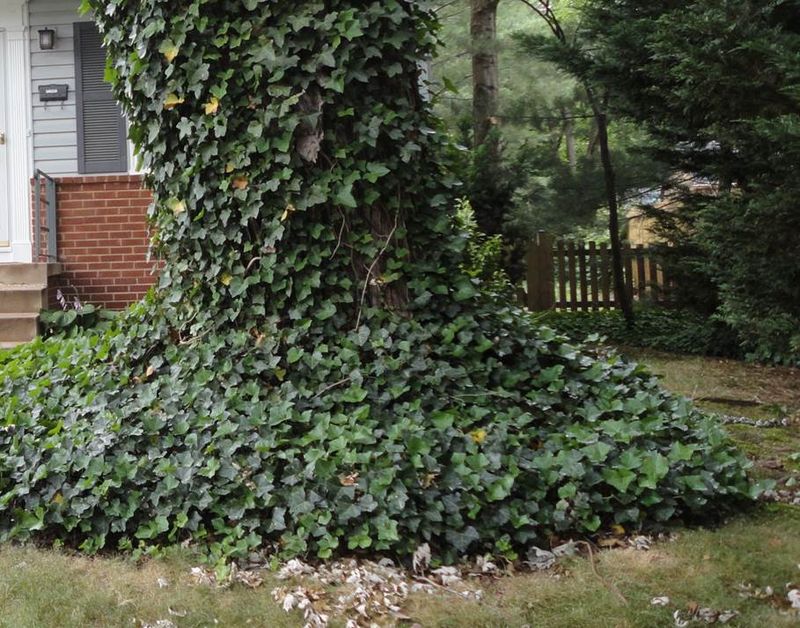
Ivy, whether English or Boston, brings a touch of old-world charm, covering walls with its verdant embrace. Yet, beneath its beauty lies a potential for harboring pests like rodents and termites. Its dense foliage provides shelter, inviting unwanted guests near homes. The enchanting appearance can quickly turn problematic if not managed. Constant vigilance and maintenance are crucial to keep these climbers in check. While ivy can transform a wall into a picturesque scene, it’s essential to consider the hidden inhabitants. Aesthetic allure should never outweigh practical concerns.
11. Palm Trees
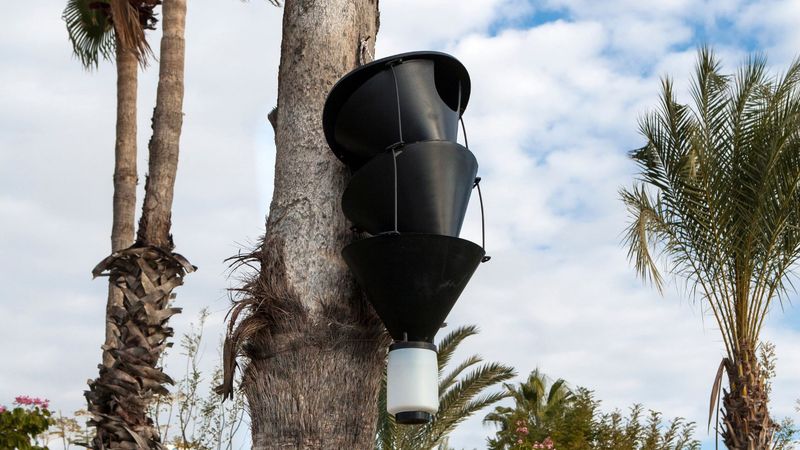
With their iconic silhouettes, palm trees evoke images of tropical paradise. However, they are known to attract pests like roaches and rats, especially in urban environments. The fallen fruit and fronds create a mess, offering sustenance to unwanted critters. While they bring a beachy vibe, their maintenance demands attention. Homeowners should consider the implications of these pests when planting palms near residences. Their exotic appeal comes with a price, requiring cleaning and vigilance. Embrace the tropical touch, but remain aware of the potential for nuisance.
12. Honeysuckle
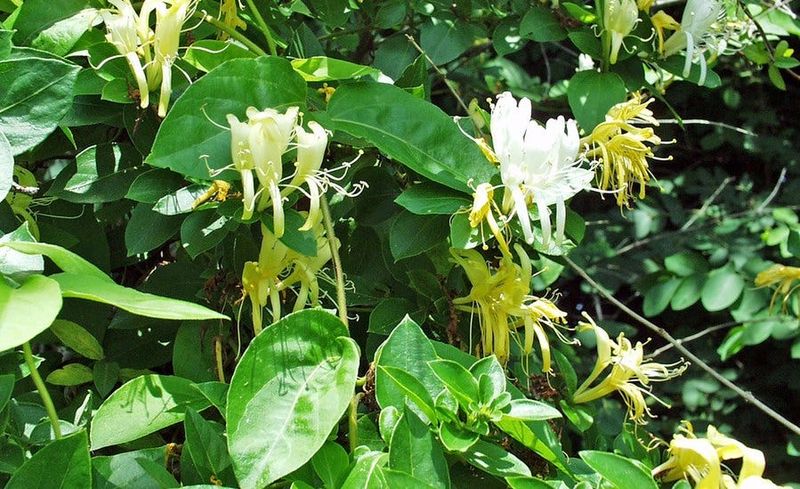
Honeysuckle, renowned for its sweet fragrance and delicate blossoms, can invite ants and aphids into gardens. As it climbs and spreads, the risk of pest infestation increases. While its scent is enchanting, the accompanying nuisances can be problematic. For those seeking to cultivate this vine, strategic placement and regular pest control are necessary. Its beauty lies in balance with its challenges. While honeysuckle enriches a garden with aroma and color, awareness of potential pests is crucial. Let its charm enhance, not hinder, your outdoor space.
13. Boxwood
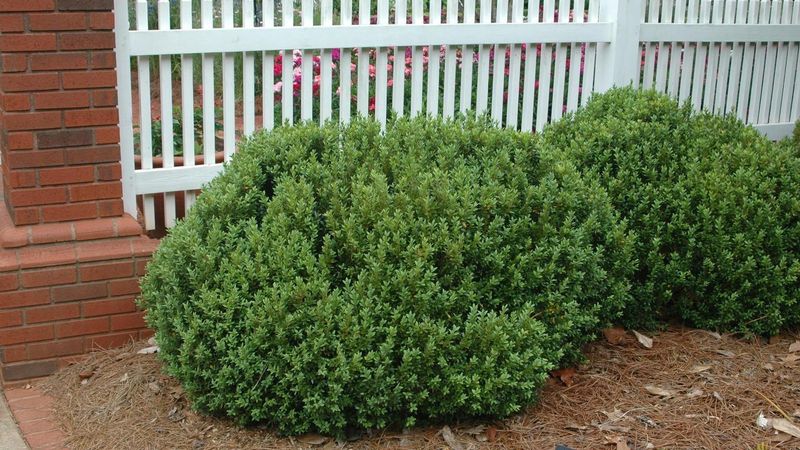
Boxwood, with its dense, evergreen leaves, shapes elegant hedges in formal gardens. However, it’s susceptible to mites and fungal diseases, which can lead to unsightly damage. While valued for its classic, orderly appearance, the maintenance demands can be high. Frequent monitoring for pests and disease is essential to preserve its health. Boxwood can transform a garden into a structured paradise, but vigilance is key to avoiding pitfalls. As a staple in landscape design, ensure its care is prioritized to sustain its lush beauty.
14. Bamboo
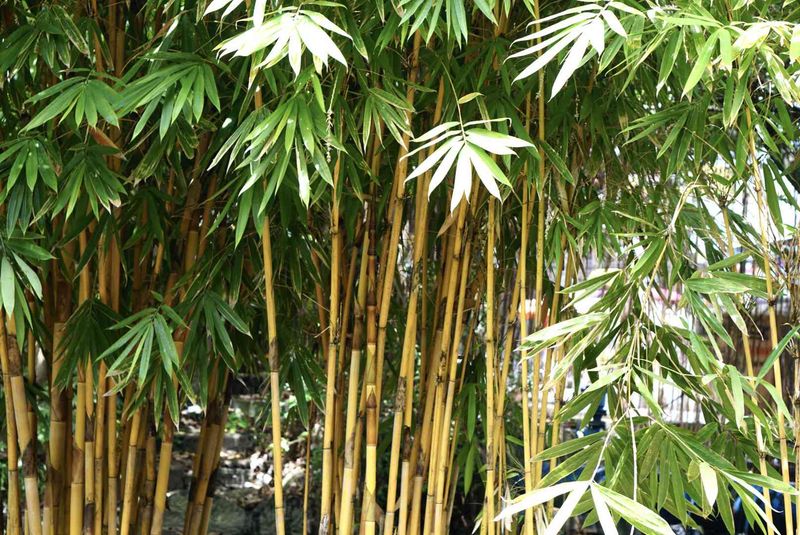
Bamboo, often celebrated for its rapid growth and versatility, demands constant watering, which can lead to structural complications. Its thirst for moisture can warp nearby structures, especially in foundation areas. While offering privacy and a unique ambiance, bamboo requires careful management to prevent water-related issues. It thrives on consistent hydration, challenging homeowners to balance beauty with practicality. Consider its placement to avoid unintended consequences. Bamboo’s allure is undeniable, but its water demands necessitate strategic planning. Elevate your garden thoughtfully with this striking plant.
15. Weeping Willow
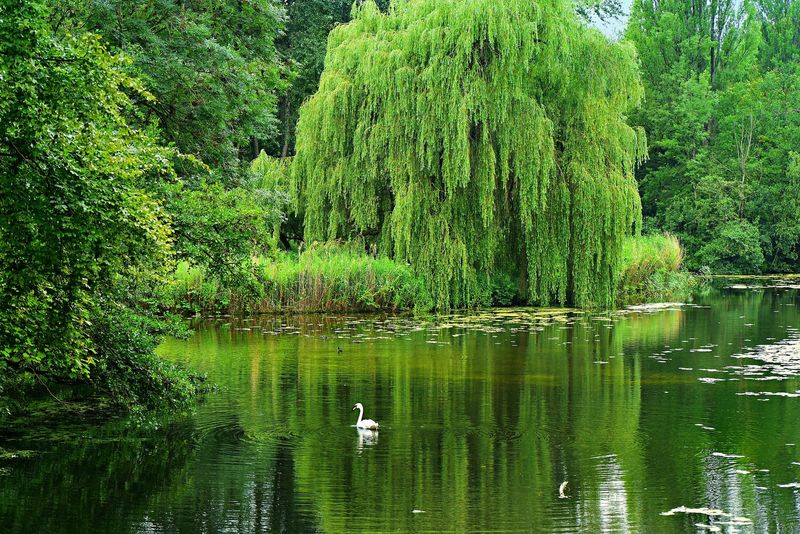
The weeping willow, with its graceful, arching branches, is a picturesque sight near water bodies. However, its propensity to drain soil moisture excessively can lead to foundation problems. This tree’s beauty is matched by its thirst, creating potential complications near homes. While its presence evokes serenity, the underlying issues of soil instability become apparent. Homeowners must consider the impact on their landscapes before planting. The weeping willow’s allure lies in its elegance, but its demands require careful consideration. Balance aesthetics with environmental understanding.
16. River Birch
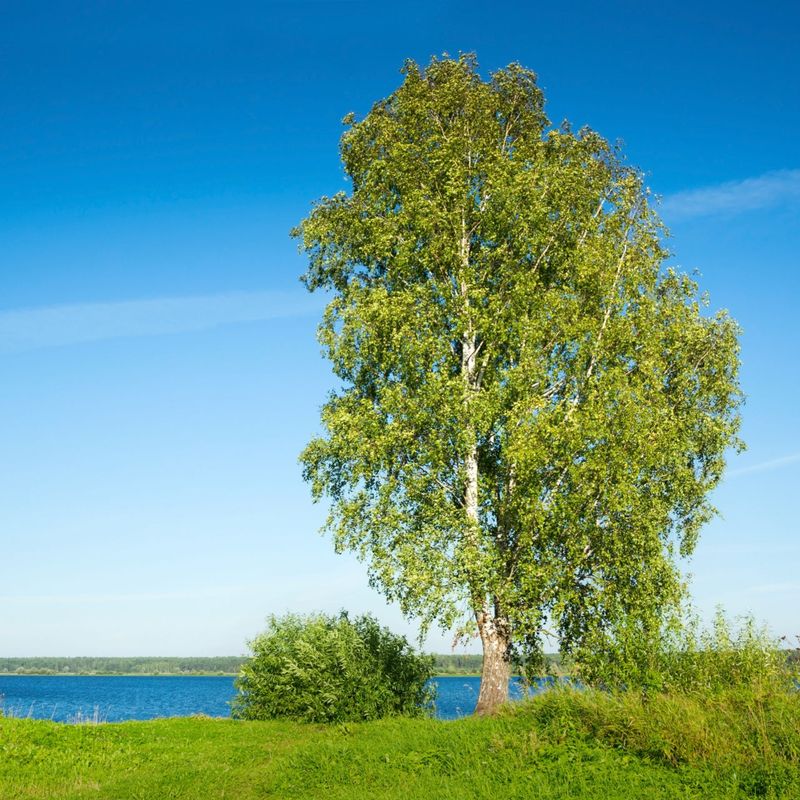
River birch, with its distinctive peeling bark, thrives in wet soil and is often found near streams. However, its love for moisture can spell trouble for nearby foundations. As it seeks water, it may compromise the ground stability around homes. The river birch’s striking appearance contrasts with the practical challenges it presents. Its placement demands consideration of environmental conditions and proximity to structures. This tree’s charm is undeniable, adding character to landscapes when positioned thoughtfully. For those who value its beauty, strategic planning is essential.
17. Hydrangea
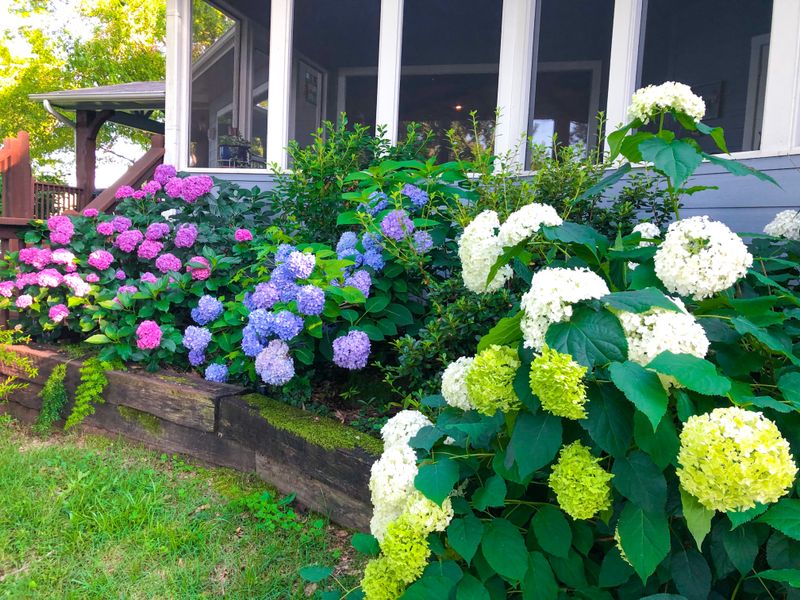
Hydrangeas are beloved for their voluminous blooms and vibrant colors, brightening any garden space. However, they require heavy watering, which can lead to increased moisture around foundations. This constant need for hydration can result in mold and structural issues. While their floral display is captivating, the maintenance demands are significant. Homeowners must weigh the aesthetic benefits against potential complications. Strategic placement and irrigation management are key to enjoying hydrangeas without detriment. Their beauty enchants, but awareness of water use is crucial for successful cultivation.
18. Fern
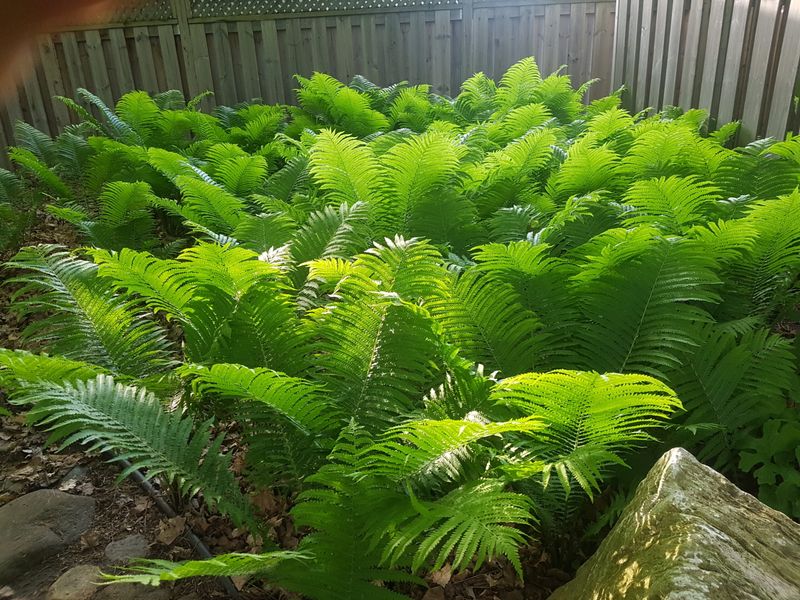
Ferns, with their delicate fronds and preference for damp, shady areas, create lush, verdant landscapes. However, their love for moisture can promote mildew and mold, particularly near home foundations. While ideal for creating a woodland aesthetic, the potential for structural issues must be considered. The tranquility they offer contrasts with the practical challenges of excess moisture. Homeowners should balance the desire for lushness with the risk of damp-related problems. Ferns bring a touch of serenity, but their placement demands thoughtful planning to prevent complications.
19. Wisteria
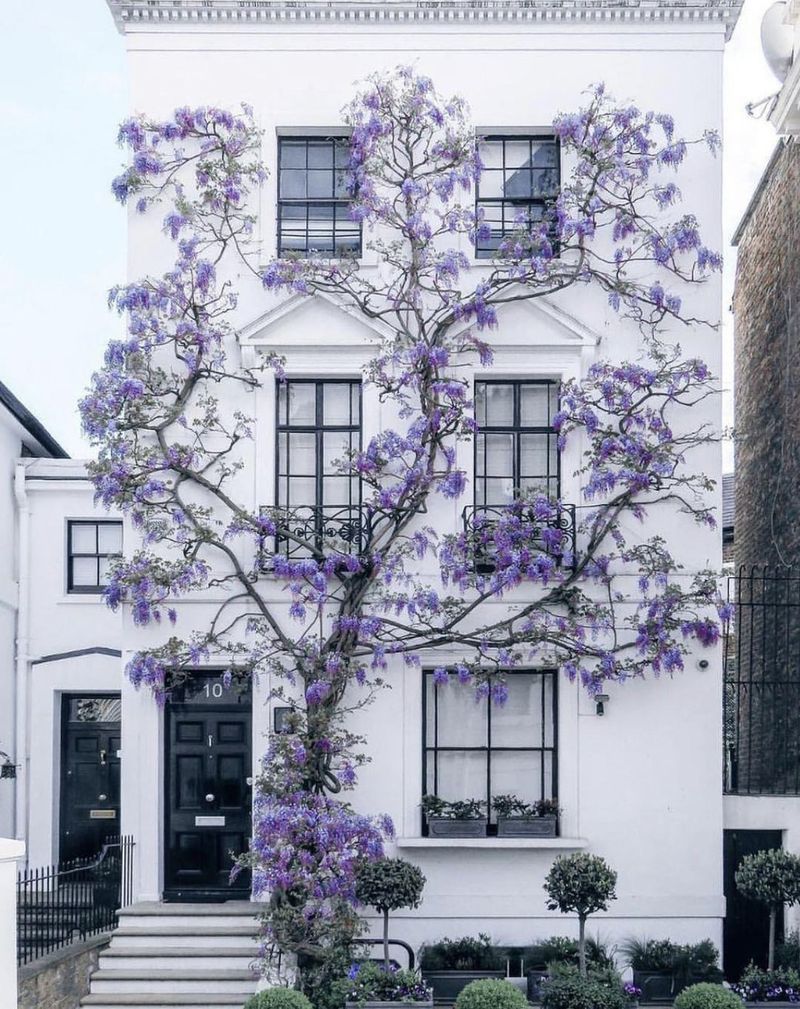
Wisteria, with its breathtaking purple flowers, is a sight to behold as it cascades over structures. However, its woody stems can crack mortar and damage gutters, presenting challenges for homeowners. While its romantic allure is undeniable, the potential for structural harm cannot be overlooked. Careful consideration of placement and supporting structures is essential. Its growth demands space and sturdy frameworks to flourish without causing damage. The beauty of wisteria lies in its ability to transform spaces, but strategic planning ensures its charm is enjoyed safely.
20. Trumpet Vine
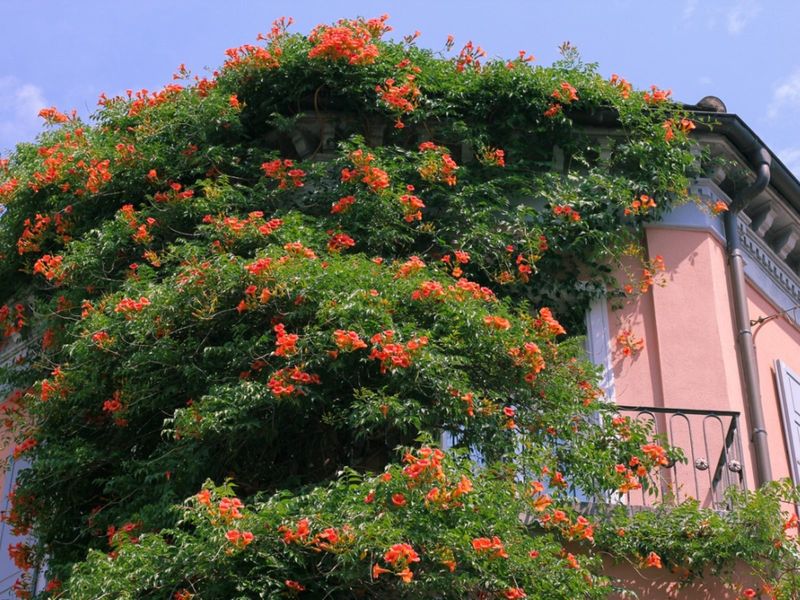
The trumpet vine, adorned with fiery orange blooms, is known for its aggressive growth and root system. Its ability to spread rapidly can lead to complications, particularly near structures. While it adds vibrant color to gardens, the maintenance demands are substantial. This plant’s rapid expansion requires vigilance to prevent encroachment on buildings. Homeowners should consider its placement carefully to avoid unintended damage. The trumpet vine offers a visual spectacle, but its management is crucial to prevent it from becoming a nuisance. Balance beauty with practicality in your garden.
21. Virginia Creeper
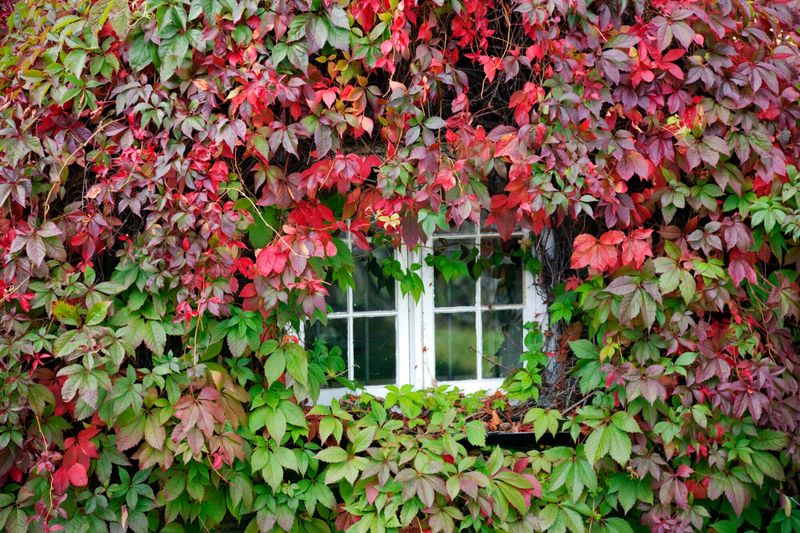
Virginia creeper, with its ability to stick to surfaces, brings a vibrant tapestry of green and red to walls. However, its adhesive nature makes it hard to remove, potentially damaging surfaces. While it offers an appealing aesthetic, the maintenance challenges can be daunting. Its tenacity in clinging to structures necessitates regular upkeep. For those seeking to enhance their homes with this vine, strategic placement is key. Virginia creeper adds seasonal interest, but awareness of its implications is crucial. Its beauty is matched by the responsibility it entails.
22. Bougainvillea
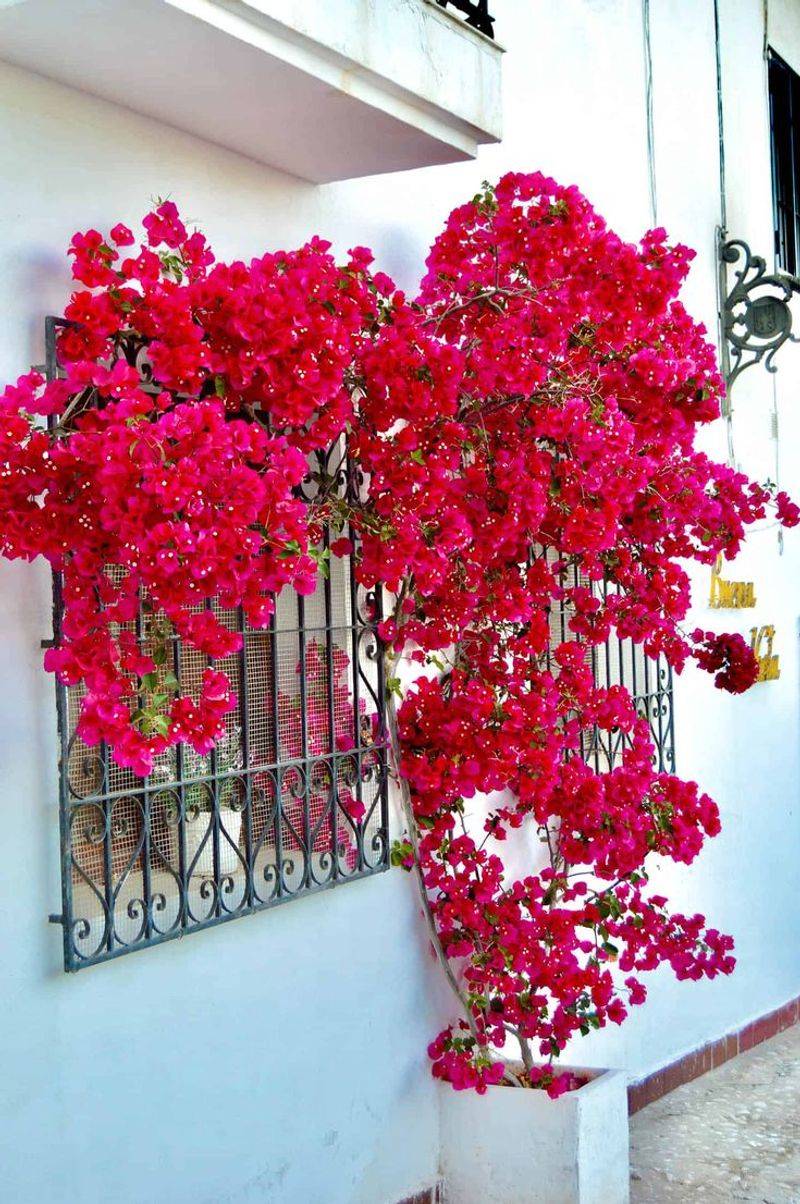
Bougainvillea, with its vivid magenta blooms, shines brightly in sunlit gardens. However, its thorns can damage walls and paint, making it a challenging plant for certain areas. This vibrant shrub requires careful consideration of its placement to avoid unintended harm. While its floral abundance captivates, the maintenance demands are significant. Homeowners should weigh the beauty against the potential for damage. Bougainvillea offers an exotic flair, but its thorns necessitate strategic planning. Embrace its vibrant display with mindful positioning to enjoy its full splendor.
23. Morning Glory
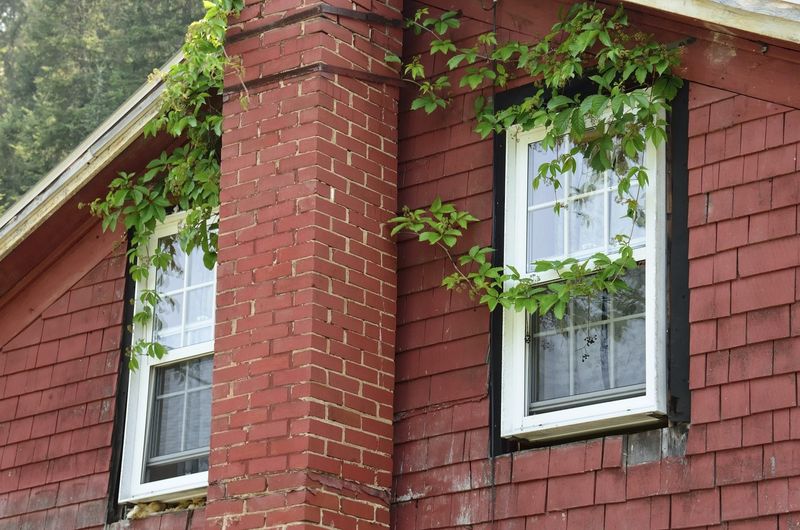
Morning glory, with its cheerful blue flowers, creates a charming scene as it entwines around supports. However, its vigorous growth can choke gutters and drains, causing practical issues for homeowners. While it offers a delightful display, the maintenance demands require diligence. Balanced pruning and strategic placement are necessary to prevent complications. Morning glory’s beauty is evident, but awareness of its growth habits ensures it enhances rather than hinders your garden. Its charm lies in its ability to flourish with care. Enjoy its vibrancy without compromising structure.
24. Oleander
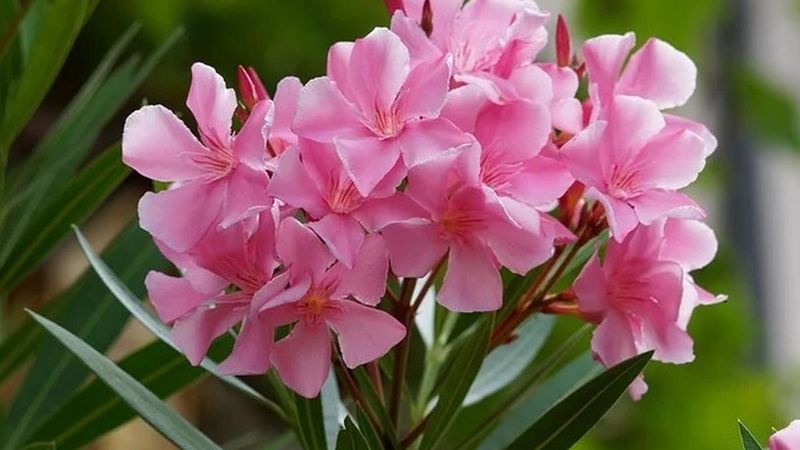
Oleander, with its abundant blooms and lush foliage, is highly toxic if ingested. This danger extends to both humans and pets, making it a risky choice for gardens near walkways or play areas. Its beauty masks a lethal potential, necessitating careful consideration of its placement. While it offers a visual feast, the risks require responsible planting. Oleander’s presence in the garden demands respect for its toxic nature. Appreciate its floral elegance from a safe distance to protect loved ones. Safety and beauty must coexist in harmony.
25. Foxglove
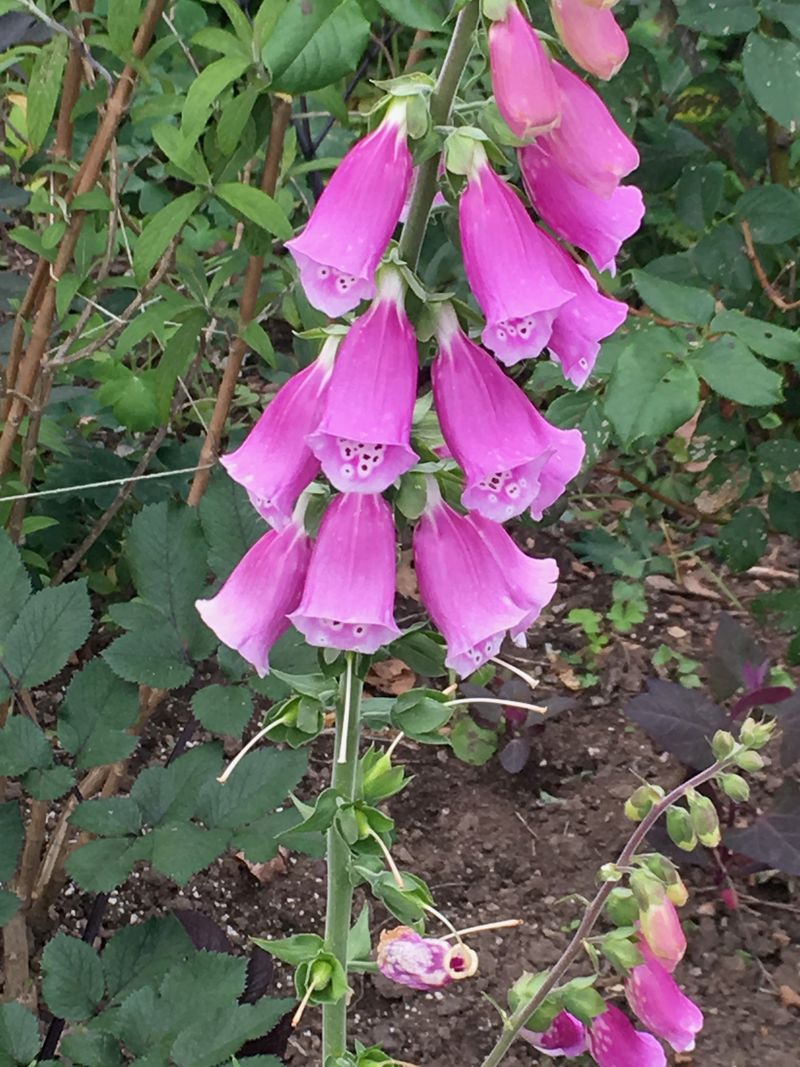
Foxglove, with its towering spikes of tubular flowers, stands as a beacon in cottage gardens. However, it contains deadly cardiac glycosides, posing significant risks if ingested. Its striking silhouette belies a potential hazard, especially in family gardens. While admired for its beauty, its toxicity demands caution. Responsible planting and education about its risks are essential for safety. Foxglove offers a majestic presence, but awareness of its dangers ensures it remains an admired, rather than feared, garden resident. Balance its allure with respect for its potent nature.
26. Castor Bean
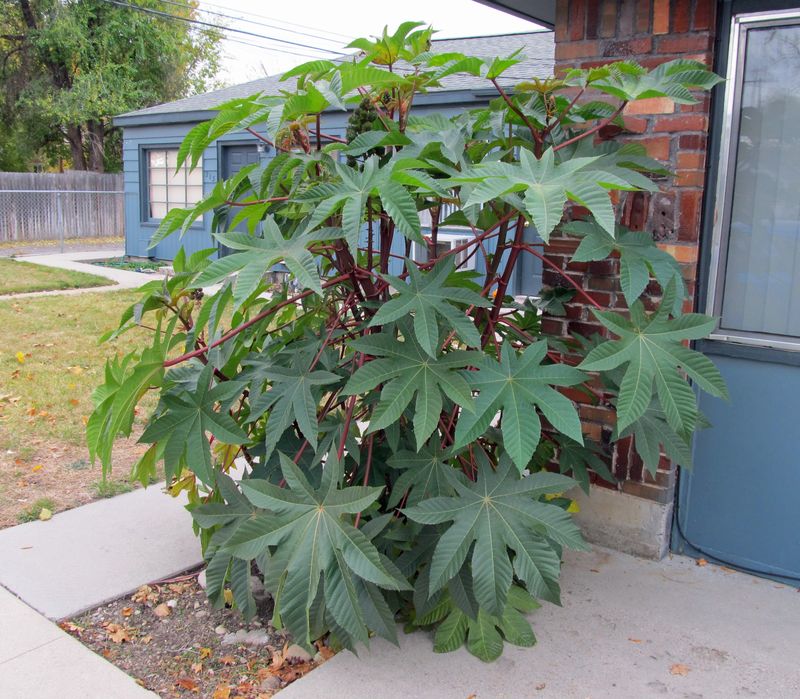
Castor bean plants, with their large, glossy leaves and spiky seed pods, add drama to gardens. However, the seeds contain ricin, a lethal toxin, posing serious risks. While the plant’s exotic appearance captivates, the hidden danger demands respect. It requires careful consideration, particularly in areas frequented by children or pets. The castor bean’s allure lies in its bold foliage, but its presence necessitates vigilance. Responsible gardeners must prioritize safety and awareness when cultivating this plant. Its beauty should never overshadow the potential for harm it represents.
27. Dumb Cane (Dieffenbachia)
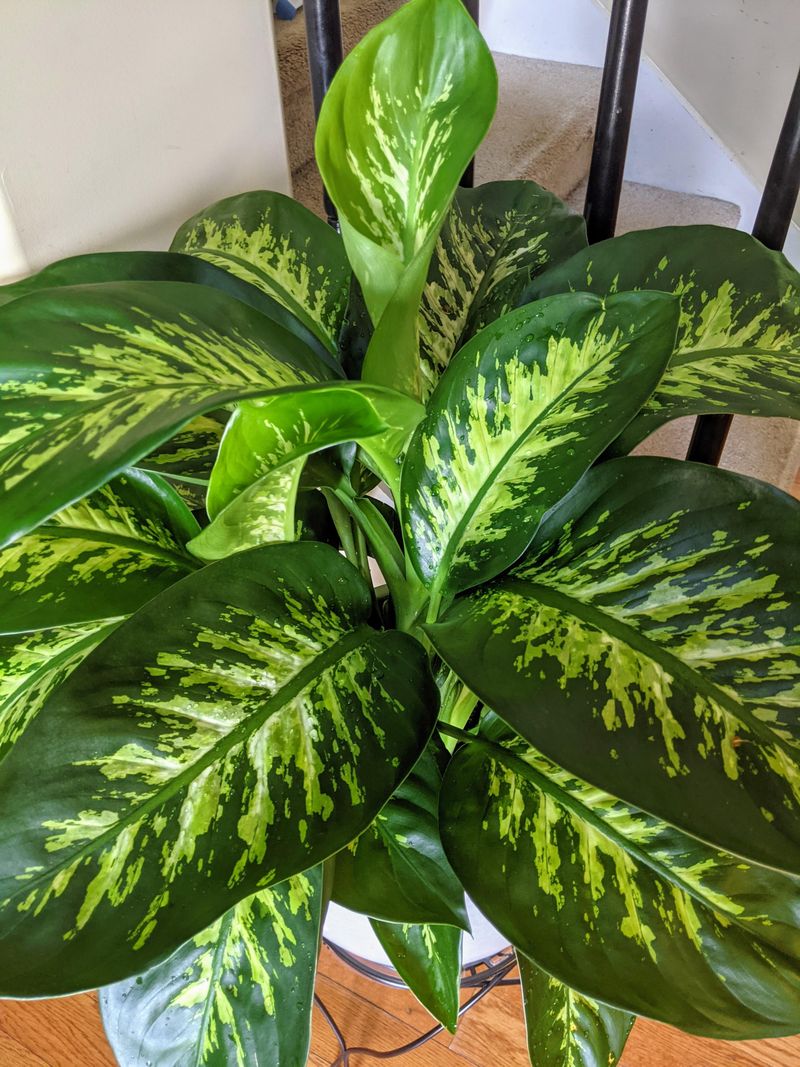
Dumb cane, known for its striking variegated leaves, is a popular indoor plant. However, it causes mouth swelling if ingested, posing risks to curious children and pets. Its lush foliage invites admiration, but awareness of its toxic properties is crucial. While it brings greenery to interiors, responsible placement and education about its dangers ensure safety. The allure of dumb cane lies in its decorative appeal, yet its potential risk must be respected. Keep it out of reach to enjoy its beauty without compromising health. Balance aesthetics with responsibility in plant care.
28. Lily of the Valley
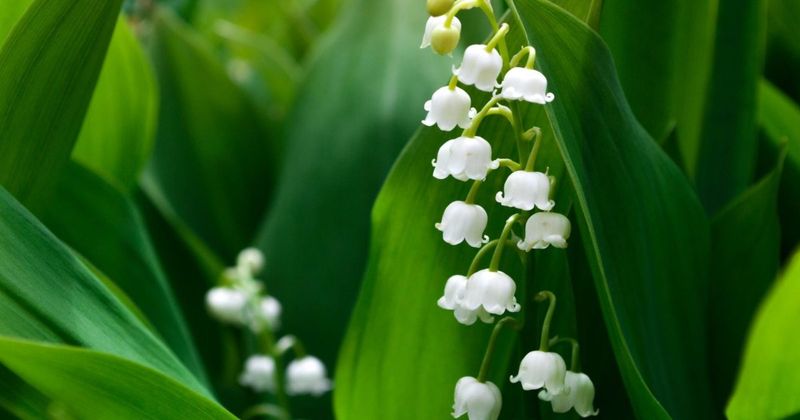
Lily of the valley, with its delicate, fragrant white flowers, is a quintessential woodland plant. However, it is toxic to pets and humans if ingested, requiring careful consideration in garden planning. Its enchanting appearance masks a serious risk, demanding respect and awareness. While its presence adds a touch of nostalgia, safety protocols must be in place. Lily of the valley offers a serene aesthetic, but its potential dangers necessitate responsible cultivation. Enjoy its beauty from a safe distance, ensuring it complements rather than compromises garden harmony.