 Complete Gardening
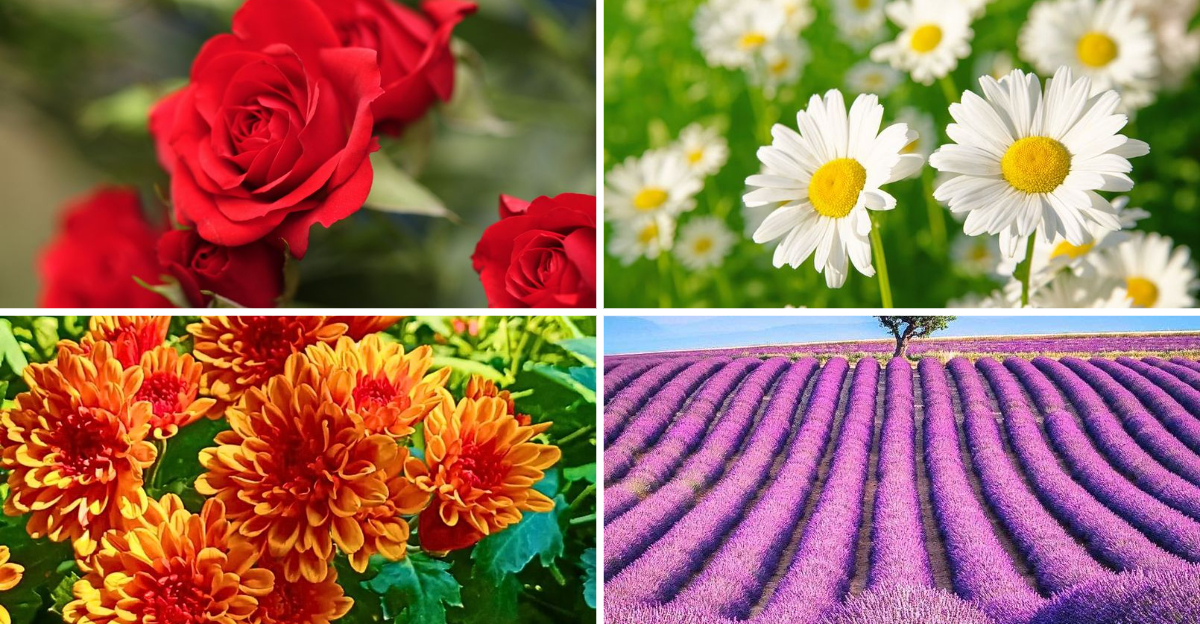
From classic roses to exotic blooms, flowers have been cherished symbols throughout history. Each flower carries a unique meaning, shaped by cultural lore and personal interpretations. This post delves into the fascinating world of floriculture, exploring 29 different flowers and the sentiments they represent. Whether you’re seeking a bloom to convey love, friendship, or mystery, you’ll discover intriguing insights and surprises in this floral journey.
1. Rose
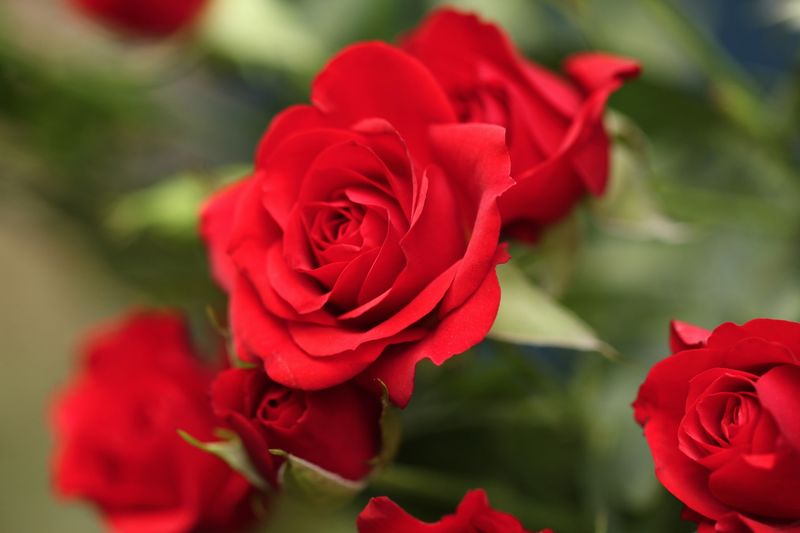
Roses have long been associated with love and beauty. The classic red rose speaks of deep passion, while white roses convey purity and innocence. Yellow roses are tied to friendship and joy. Did you know? In ancient Greece, roses were linked to Aphrodite, the goddess of love. Roses come in a vast array of colors, each with its own meaning. The diversity makes roses a versatile choice for any occasion. With their alluring fragrance and elegant petals, roses capture emotions like no other flower.
2. Lily
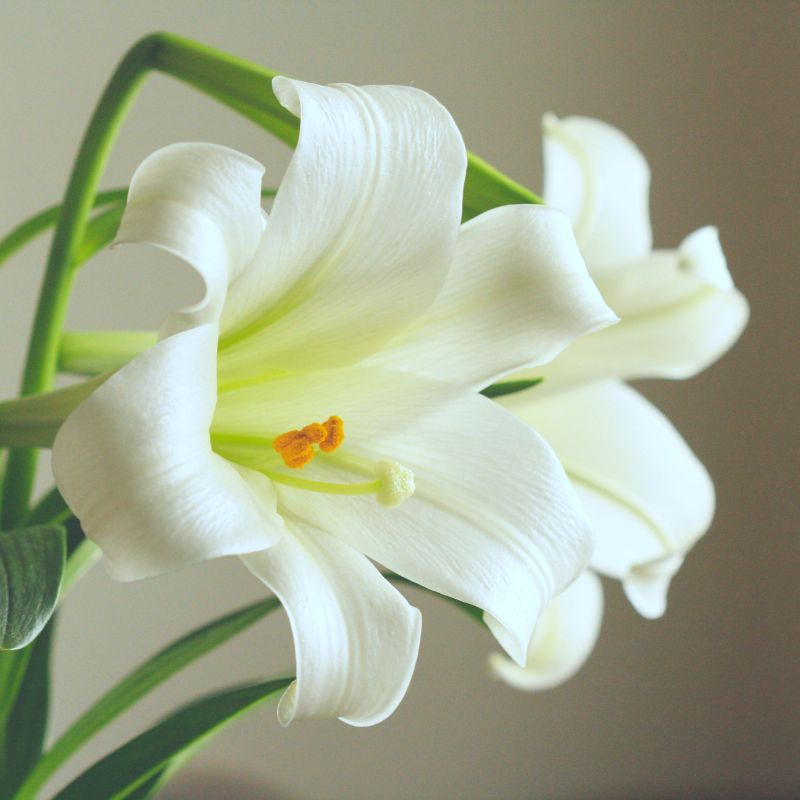
Lilies are often seen as symbols of purity and renewal. The white lily, in particular, represents virtue and hope. Historically, lilies have been used in ceremonies and celebrations. Their trumpet-shaped blossoms are a beacon of beauty and grace. Interestingly, some cultures associate lilies with motherhood and the Virgin Mary. The enchanting aroma of lilies adds to their ethereal charm. Lilies flourish in gardens worldwide, offering both aesthetic pleasure and symbolic depth.
3. Tulip
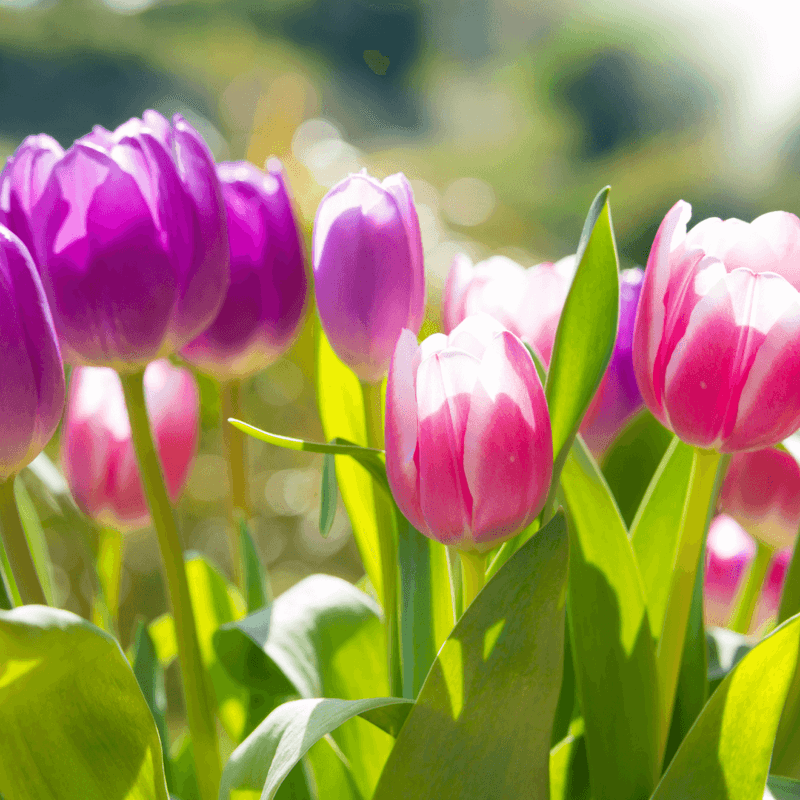
Tulips have enchanted people with their simplicity and elegance. Originating from Central Asia, they found fame in Holland, sparking ‘Tulip Mania’ in the 17th century. Red tulips declare love, while yellow signifies cheerful thoughts. With over 3,000 varieties, tulips have a color for every emotion. Their cup-shaped blooms and smooth leaves create a striking visual. Fun fact: Tulips can continue to grow after being cut, reaching for the light. They are a perfect springtime herald.
4. Orchid
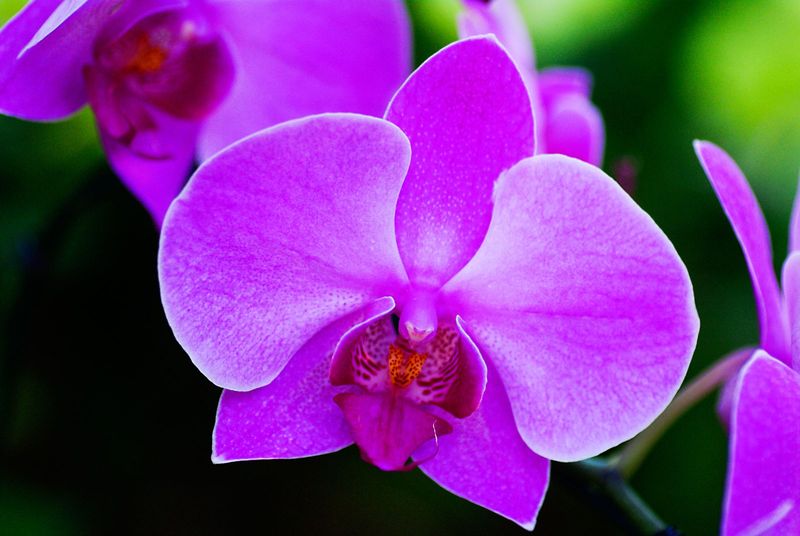
Orchids are synonymous with exotic beauty and sophistication. They have been cultivated for centuries, admired for their unique forms and colors. In Victorian times, orchids were a symbol of luxury and opulence. Today, they are often associated with strength and rare beauty. Orchids come in countless varieties, each with intricate patterns. The tropical allure of orchids makes them a favorite for special occasions. Their mystique continues to captivate flower enthusiasts worldwide.
5. Sunflower
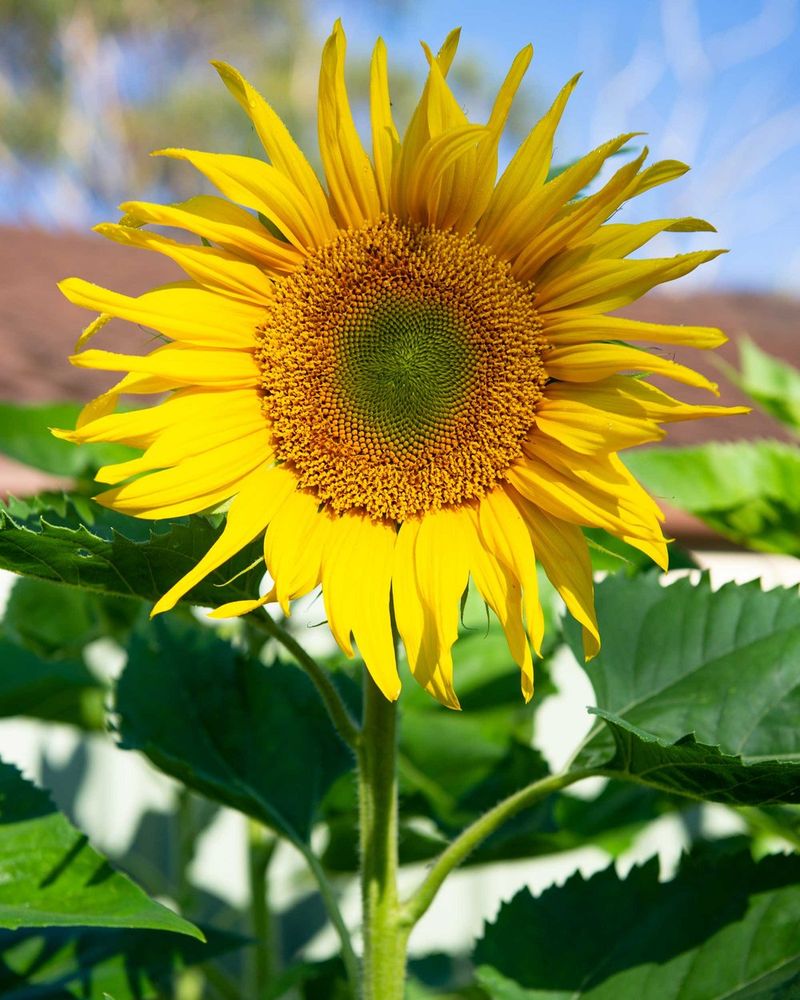
Sunflowers radiate happiness and positivity. Known for their towering height and sun-like appearance, they symbolize adoration and loyalty. Vincent van Gogh immortalized sunflowers in his famous paintings, highlighting their vibrant beauty. Did you know? Sunflowers can grow up to 12 feet tall and track the sun’s movement across the sky. Their seeds provide nutritious snacks and oil. Sunflowers are a cheerful addition to any garden or bouquet, spreading warmth and joy.
6. Daisy

Daisies are quintessential symbols of innocence and purity. Their playful appearance is often associated with childhood and simplicity. In Norse mythology, daisies are sacred to Freya, the goddess of love and beauty. The classic white petals and sunny yellow centers make daisies a delightful sight. They thrive in wild meadows and garden beds alike. Known for their resilience, daisies bloom in various conditions, bringing a touch of joy wherever they grow.
7. Lavender
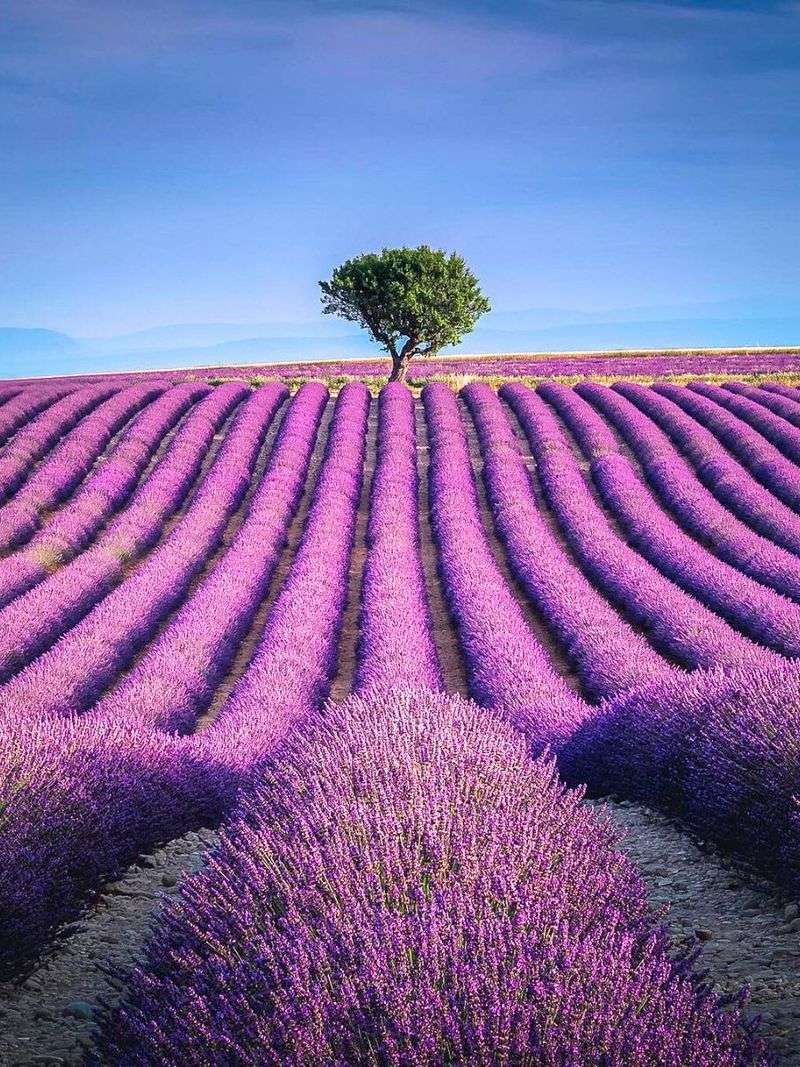
Lavender is cherished for its calming scent and vivid purple blooms. It represents tranquility and grace. Historically, lavender was used in baths and perfumes by ancient Romans. Its soothing fragrance is known to reduce stress and promote relaxation. Lavender fields are a visual treat, their purple hues creating a serene landscape. Whether in gardens or essential oils, lavender brings a sense of peace and well-being. Its versatility makes it a beloved choice for many.
8. Peony
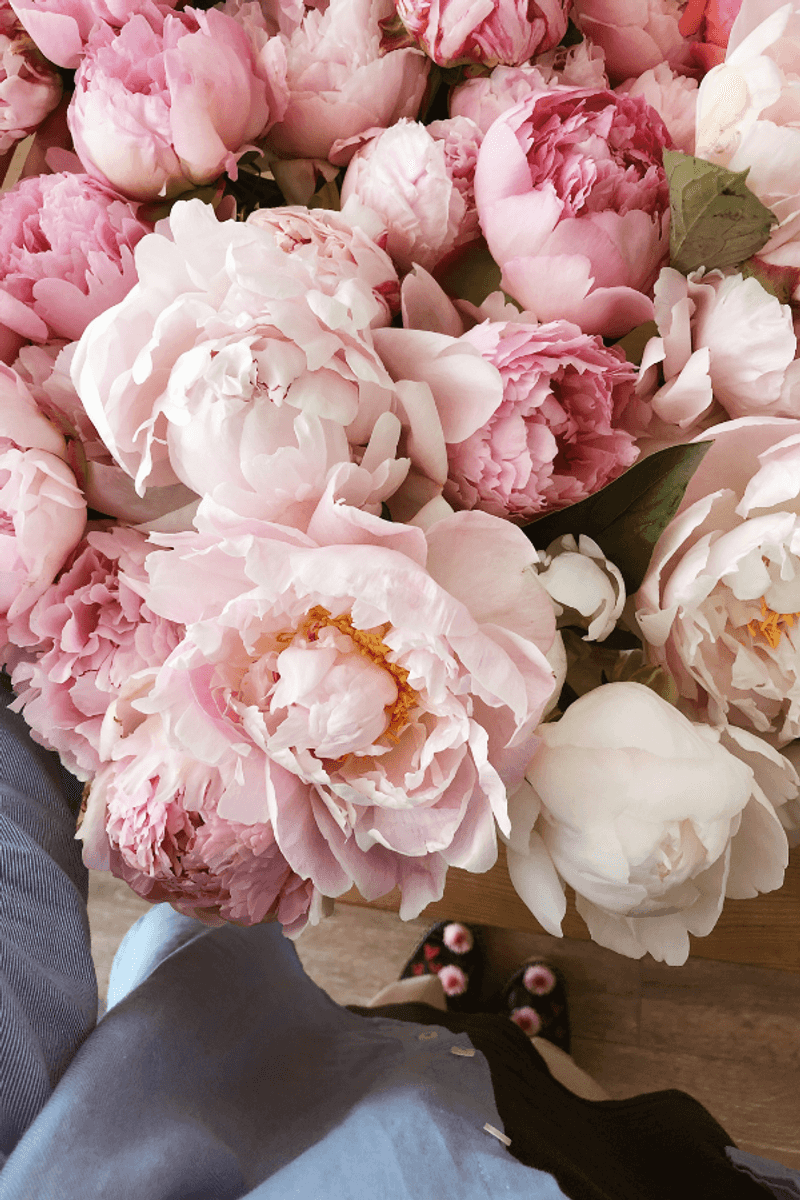
Peonies are symbols of prosperity, romance, and honor. In Chinese culture, they are often called the ‘king of flowers.’ Their lush blossoms and rich colors make them a favorite for weddings and celebrations. Peonies have a storied history, dating back thousands of years. They are known for their longevity, sometimes thriving for over a century. The opulent beauty of peonies adds a touch of elegance to any setting. They are cherished for their full, fragrant blooms.
9. Chrysanthemum
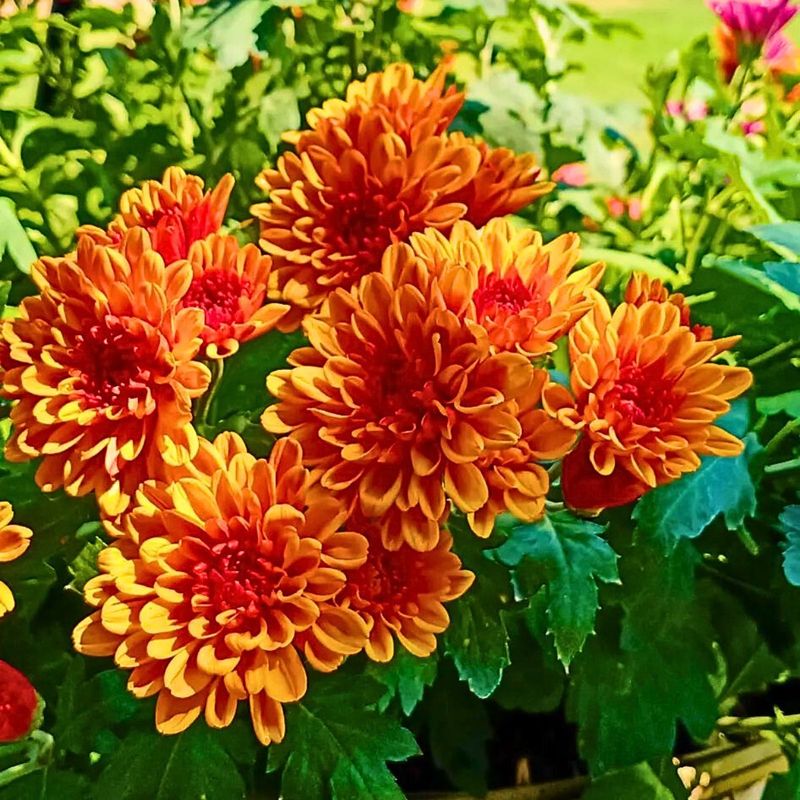
Chrysanthemums are symbols of joy and longevity. In Japan, they are a symbol of the emperor and the imperial family. Their diverse colors and shapes add vibrancy to gardens and floral arrangements. Chrysanthemums are celebrated for their autumn bloom, brightening gardens as other flowers fade. The resilience and beauty of chrysanthemums have made them a staple in cultural festivals. They are also associated with friendship and well-wishing, making them a thoughtful gift.
10. Iris
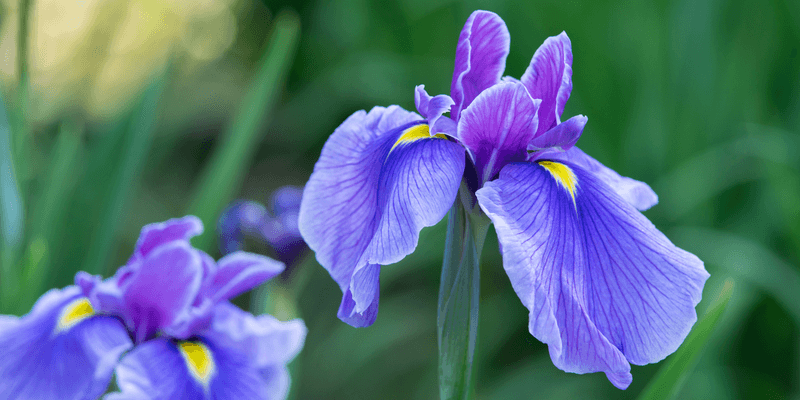
Irises are known for their striking appearance and rich symbolism. They represent faith, wisdom, and hope. In Greek mythology, Iris was the messenger of the gods, symbolizing the link between heaven and earth. The unique shape and vibrant colors of irises make them a standout in any garden. Their name is derived from the Greek word for rainbow, reflecting the variety of colors they come in. Irises add a touch of elegance and meaning to floral arrangements.
11. Jasmine
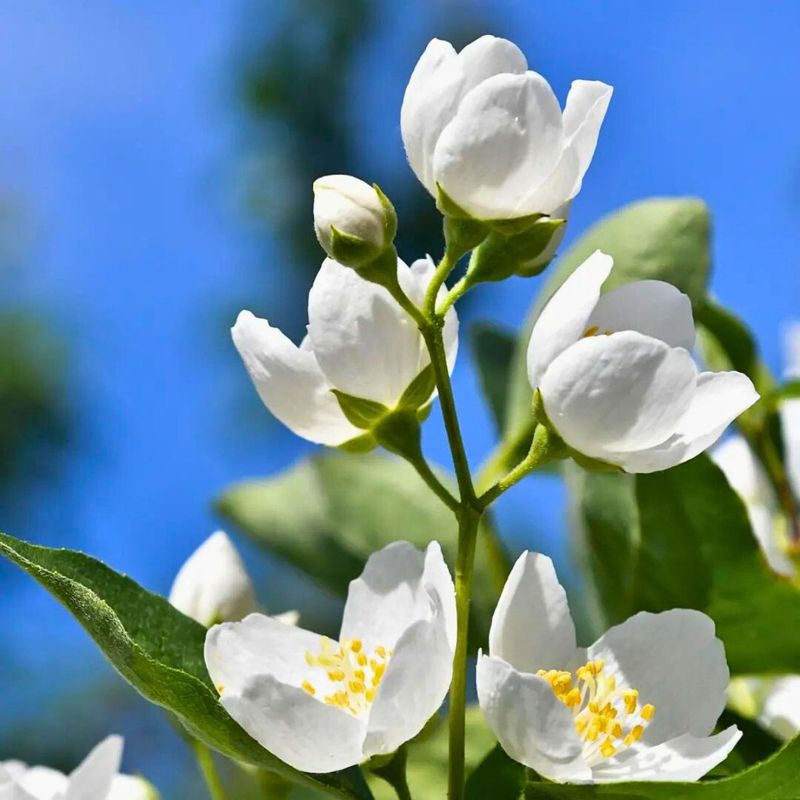
Jasmine is renowned for its enchanting fragrance and delicate white blossoms. It symbolizes love, purity, and beauty. In many cultures, jasmine flowers are used in ceremonies and celebrations. The intoxicating aroma of jasmine is often associated with romance and mystery. It’s no wonder jasmine is a popular choice for perfumes and essential oils. Night-blooming varieties add an enigmatic charm to any garden. The beauty of jasmine transcends borders, captivating hearts worldwide.
12. Carnation
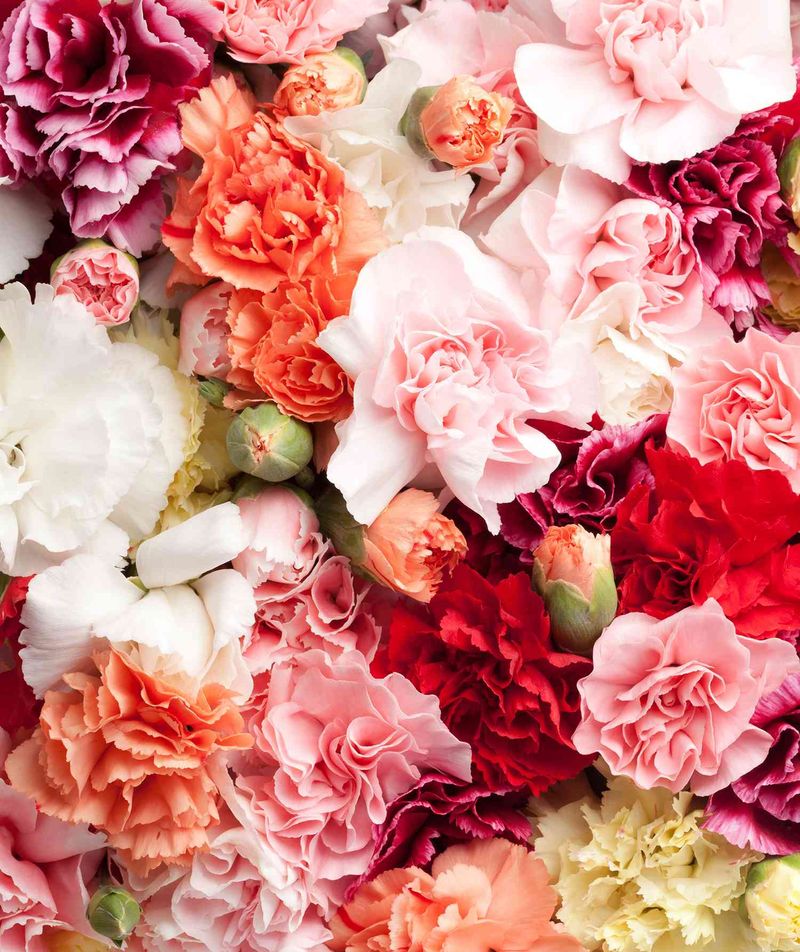
Carnations are beloved for their ruffled petals and wide range of colors. They symbolize fascination and distinction. Each color carries a different meaning: red for love, white for purity, and pink for gratitude. Carnations have a long history, dating back to ancient Greece and Rome. They are often used in bouquets and floral arrangements, adding texture and elegance. Did you know? Carnations are the birth flower for January. Their timeless appeal and versatility make them a flower of choice year-round.
13. Marigold
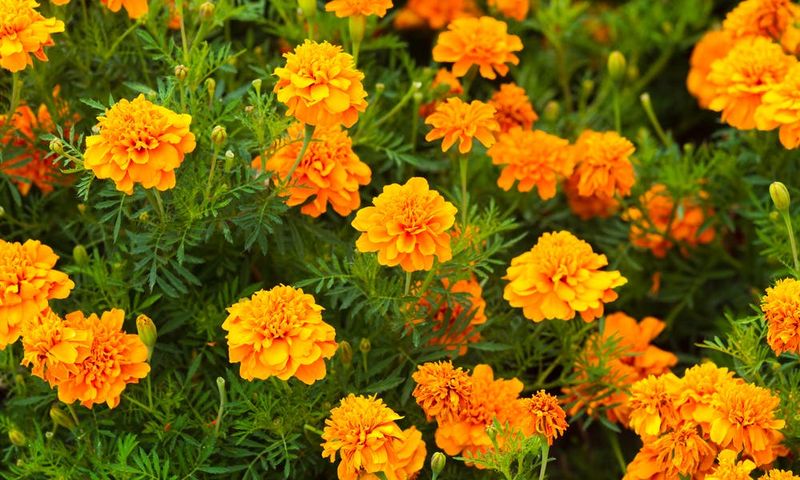
Marigolds are celebrated for their vibrant colors and resilience. They symbolize passion, creativity, and warmth. In many cultures, marigolds are used in festivals and religious ceremonies. Their bright hues add a festive touch to any setting. Marigolds are known for their ability to thrive in various conditions, making them a popular choice for gardens. Their distinct fragrance is both spicy and refreshing. Fun fact: Marigolds are often used in natural pest control, thanks to their strong scent.
14. Hydrangea

Hydrangeas are adored for their large, showy blooms and pastel hues. They symbolize gratitude, understanding, and heartfelt emotions. Originating from Asia, hydrangeas have captured the hearts of flower enthusiasts worldwide. Their ability to change color based on soil pH adds a unique twist to their beauty. Did you know? Blue hydrangeas represent apology, while pink signifies heartfelt emotion. Their versatility and charm make hydrangeas a popular choice for gardens and floral arrangements.
15. Violet
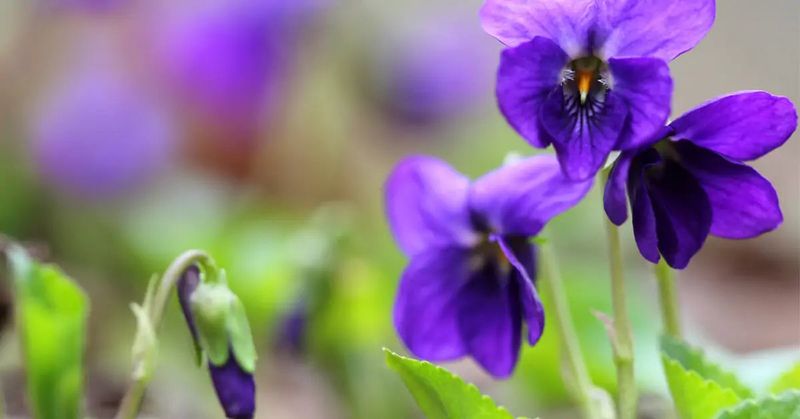
Violets are small but mighty, representing modesty and faithfulness. Their delicate blooms come in shades of purple, blue, and white. In ancient Greece, violets were associated with love and fertility. Their heart-shaped leaves and sweet fragrance add to their allure. Violets are often found in woodland areas, thriving in shaded conditions. With their understated beauty, violets convey a sense of humility and grace. They are a charming addition to any garden, offering a touch of elegance and depth.
16. Gardenia
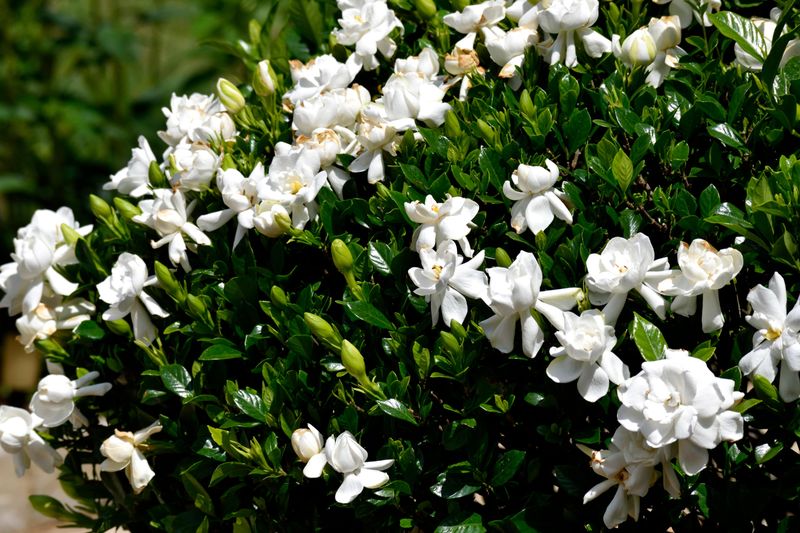
Gardenias are cherished for their exquisite fragrance and pristine white petals. They symbolize purity, love, and refinement. Historically, gardenias have been used in weddings and special occasions. Their intoxicating scent adds an air of romance and elegance. Gardenias require a warm climate to thrive, often found in Southern gardens. Did you know? Gardenias are native to tropical and subtropical regions. Their lush foliage and delicate blooms make them a favorite among gardeners and flower lovers alike.
17. Hibiscus
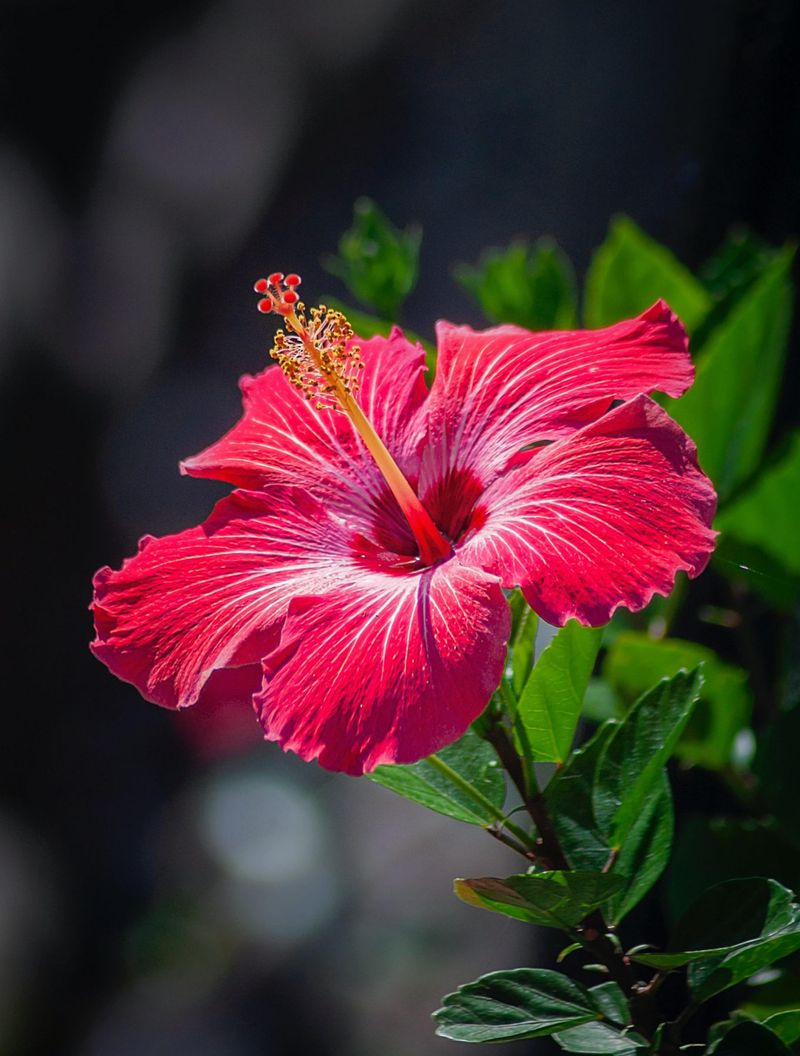
Hibiscus flowers are known for their bold colors and striking appearance. They symbolize passion, beauty, and hospitality. Often associated with tropical regions, hibiscus blooms are a common sight in exotic landscapes. Their large, trumpet-shaped flowers attract pollinators like butterflies and hummingbirds. Hibiscus is also used in herbal teas and traditional remedies. Fun fact: In Hawaii, the hibiscus is the state flower, representing the ‘aloha’ spirit. Their vibrant beauty adds a touch of paradise to any garden.
18. Poppy
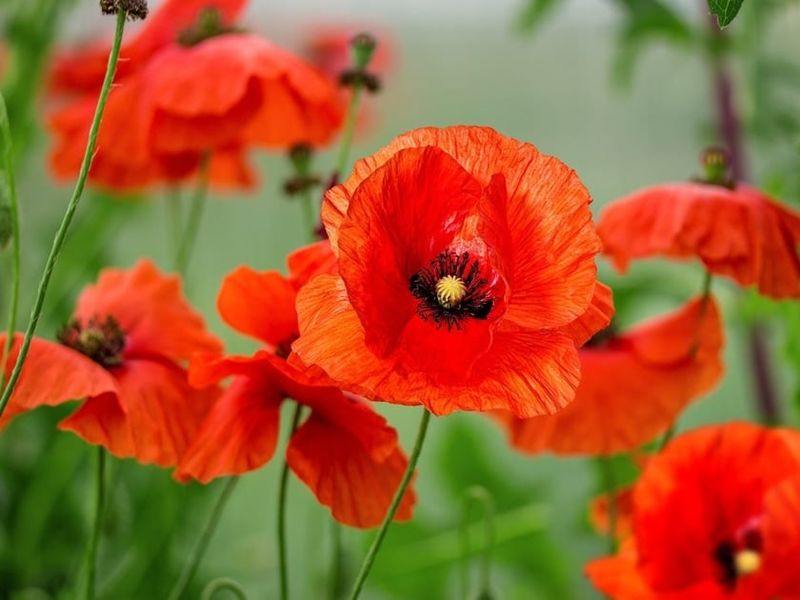
Poppies are often associated with remembrance and peace. Their delicate petals and vivid colors have inspired artists and poets for centuries. In many cultures, poppies are a symbol of sleep and eternal rest. Did you know? The red poppy is worn on Remembrance Day to honor fallen soldiers. Poppies thrive in open fields and gardens, adding a splash of color to the landscape. Their seeds are used in culinary dishes and baking. Poppies captivate with their poignant beauty and symbolic depth.
19. Lotus
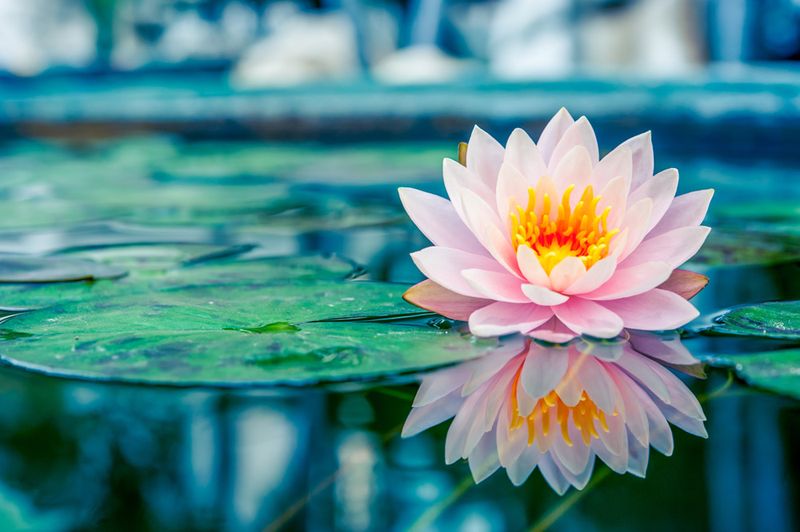
Lotus flowers are symbols of enlightenment, purity, and rebirth. They hold significant spiritual meaning in cultures around the world. The lotus’s ability to rise above murky waters and bloom into a beautiful flower is seen as a metaphor for overcoming adversity. In Buddhism, the lotus represents the path to enlightenment. The delicate petals and unique form of the lotus make it a captivating sight. Lotuses thrive in aquatic environments, adding an element of serenity and grace to ponds and water gardens.
20. Daffodil
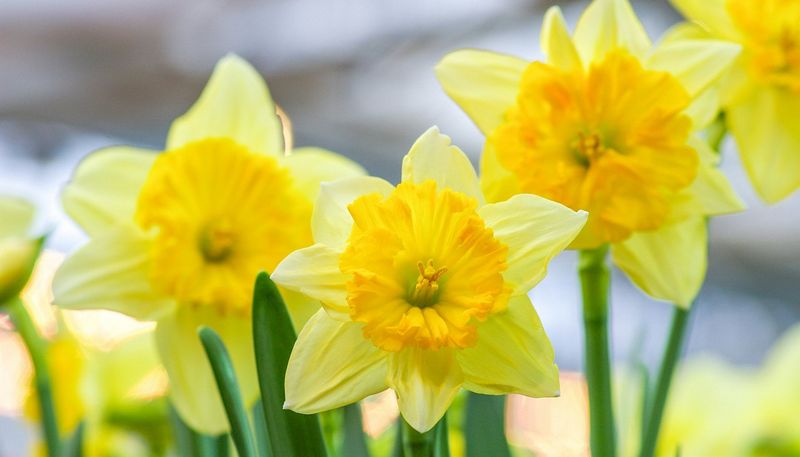
Daffodils are cherished as harbingers of spring, symbolizing new beginnings and hope. Their bright yellow blooms and trumpet-like shape announce the arrival of warmer days. In literature, daffodils are often associated with renewal and inspiration. Did you know? The daffodil is the national flower of Wales. These cheerful flowers thrive in a variety of environments, from wild meadows to cultivated gardens. Their uplifting presence and vibrant color make daffodils a beloved choice for springtime displays.
21. Magnolia
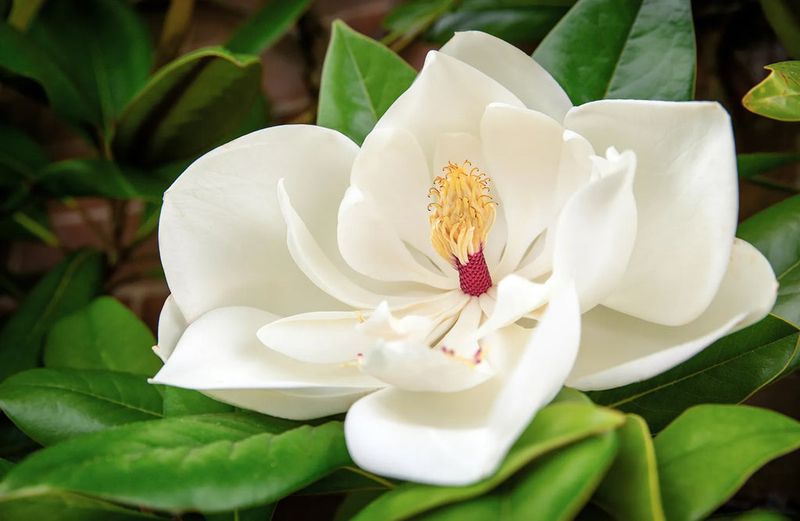
Magnolias are admired for their large, fragrant blossoms and glossy leaves. They symbolize dignity, perseverance, and nobility. In Southern culture, magnolias are often associated with hospitality and grace. The tree’s robust nature and timeless beauty have made it a favorite in gardens and parks. Did you know? Magnolia trees are ancient plants, dating back millions of years. Their resilience and elegance continue to captivate nature lovers and gardeners alike.
22. Lilac
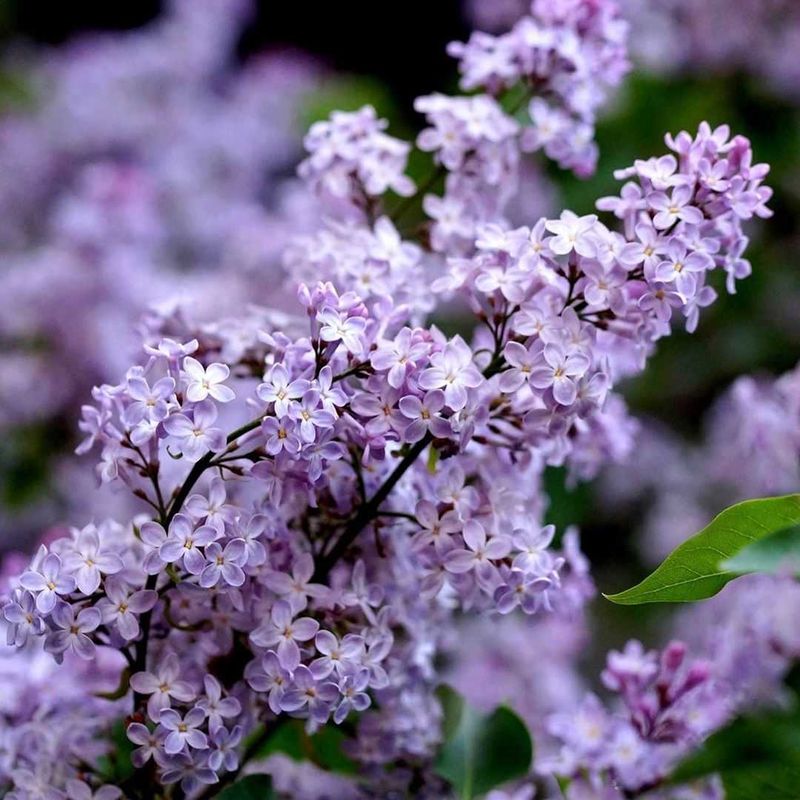
Lilacs are beloved for their intoxicating scent and delicate blooms. They symbolize first love and nostalgic memories. Often found in gardens and old homesteads, lilacs evoke a sense of timeless beauty. Their clusters of tiny flowers range in color from deep purple to soft lavender. Did you know? In Victorian times, lilac was worn by widows as a sign of mourning. Today, lilacs are cherished for their fragrance and the romantic ambiance they bring to any setting.
23. Sweet Pea
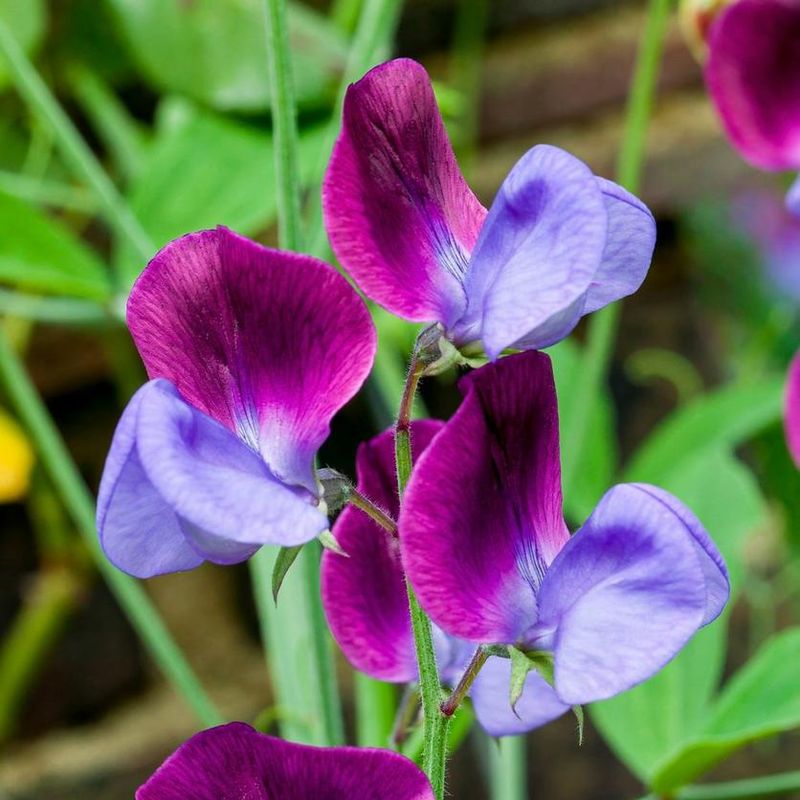
Sweet peas are known for their charming fragrance and delicate petals. They symbolize delicate pleasure and goodbyes. Originating from Sicily, sweet peas have become a staple in English gardens. Their climbing vines and pastel blooms add a whimsical touch to any garden. Did you know? Sweet peas are often given as a token of appreciation or farewell. Their sweet scent and romantic appearance make them a popular choice for weddings and floral arrangements.
24. Zinnia
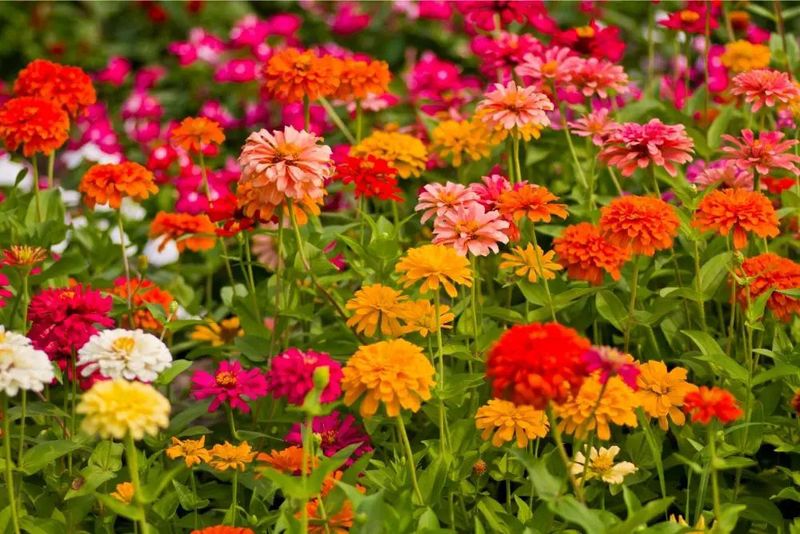
Zinnias are celebrated for their bright, cheerful blooms and resilience. They symbolize endurance, friendship, and lasting affection. Native to Mexico, zinnias thrive in sunny gardens and attract pollinators like bees and butterflies. Their diverse colors and shapes make them a favorite among gardeners. Did you know? Zinnias were one of the first flowers grown in space by NASA. Their bold presence and hardy nature add a splash of color to any landscape.
25. Forget-Me-Not
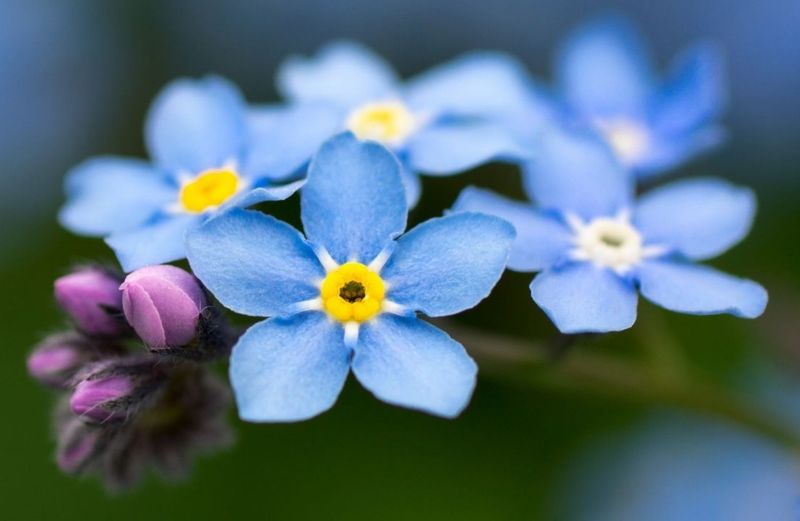
Forget-me-nots are cherished for their delicate blue flowers and heartfelt symbolism. They represent remembrance, love, and enduring connections. In folklore, forget-me-nots were believed to ensure loved ones would never be forgotten. Their small, star-shaped blooms thrive in shaded areas and woodland gardens. Did you know? Forget-me-nots are the state flower of Alaska. Their gentle presence and poignant meaning make them a beloved choice for sentimental occasions.
26. Snapdragon
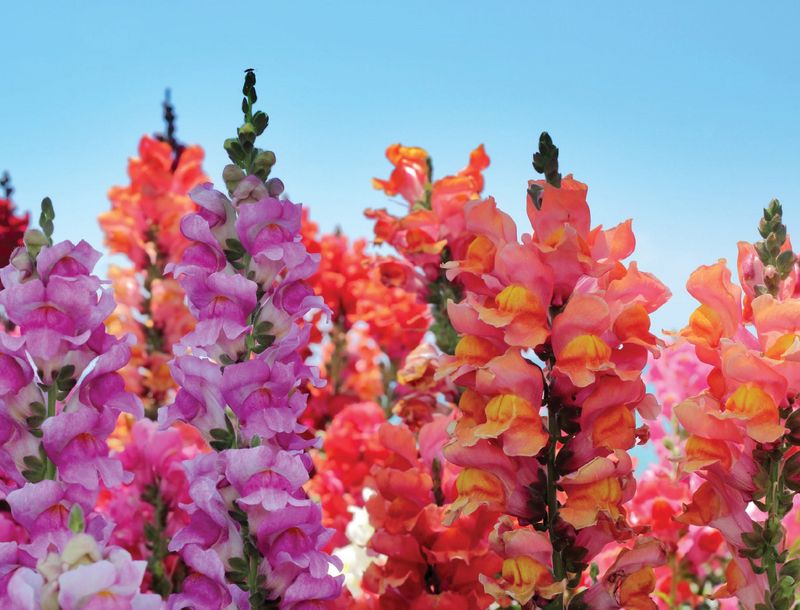
Snapdragons are known for their distinctive shape and vibrant colors. They symbolize grace, strength, and resilience. The name ‘snapdragon’ comes from the flower’s unique shape, which resembles a dragon’s mouth. When pinched, the flower opens and closes like a dragon’s jaw. Snapdragons are a popular choice for garden borders and arrangements, adding height and color. Did you know? Snapdragon flowers can tolerate cooler temperatures, making them a versatile garden addition. Their dynamic appearance and symbolism make them a garden favorite.
27. Anemone

Anemones are known for their striking colors and delicate petals. They symbolize anticipation, unfading love, and protection against evil. In Greek mythology, anemones are associated with the death of Adonis, representing a fleeting yet vibrant life. Their dainty blooms and fern-like foliage add a touch of elegance to gardens. Anemones thrive in various conditions, from woodland areas to sunny borders. Their vibrant hues make them a captivating choice for floral displays and garden designs.
28. Freesia
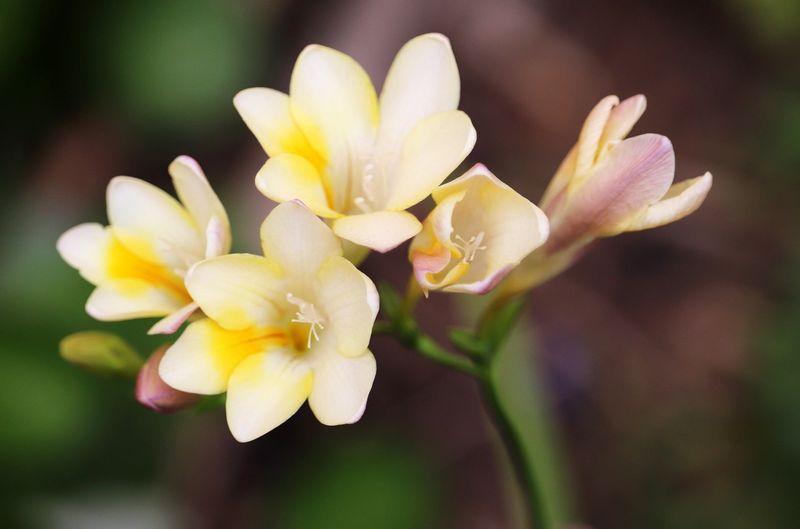
Freesias are cherished for their sweet fragrance and vibrant blooms. They symbolize innocence, friendship, and trust. Originating from South Africa, freesias are a popular choice for bouquets and floral arrangements. Their elegant form and pastel colors add a touch of sophistication to any setting. Did you know? Freesias are often used in perfumery due to their strong scent. Their cheerful appearance and pleasant aroma make them a favorite for springtime gardens and celebrations.
29. Bleeding Heart
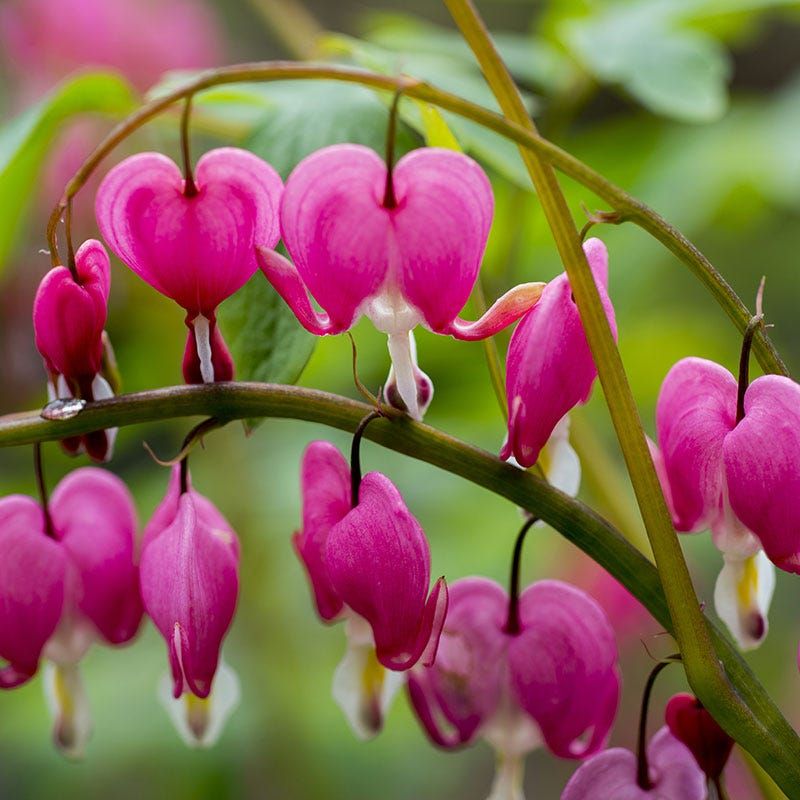
In the world of flowers, few evoke such poignant imagery as the bleeding heart. This whimsical bloom, with its heart-shaped petals, symbolizes deep love and compassion. Legend tells of a prince who created the first bleeding heart to win a lady’s love.
The flower’s distinctive look captures attention and stirs emotion. Its delicate pink and white petals dangle gracefully, resembling a heart dripping with tears. This delicate beauty thrives in shaded gardens, adding a touch of romance.
For anyone enchanted by its allure, the bleeding heart is a perennial favorite, offering a tender reminder of love’s enduring power.