 Complete Gardening
Transform your chaotic garden into a vibrant tapestry of color and flavor with these 30 fun crops. Each plant offers unique flavors, textures, and visual appeal, ensuring a wild and productive garden experience.
From quirky vegetables to striking flowers, these crops promise to engage all your senses. Read on to discover the delights that await your gardening adventure.
1. Zucchini
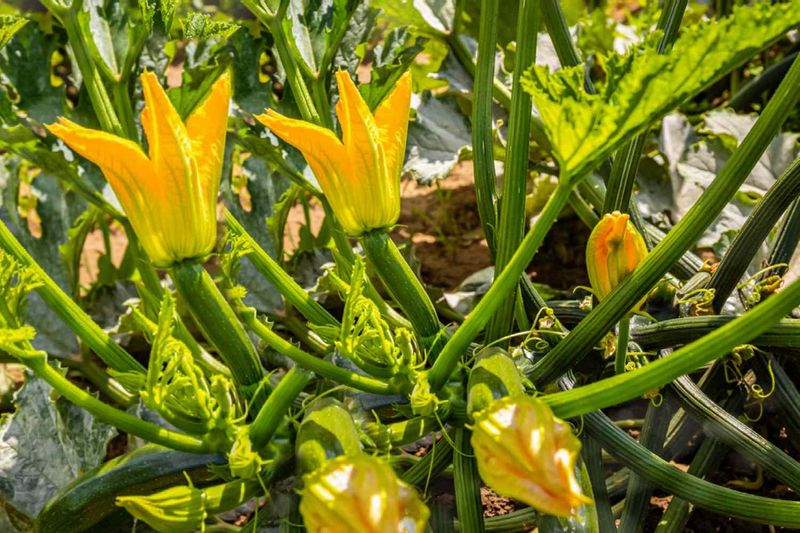
Zucchini grows rapidly, bringing life and abundance to any garden space. Its resilience and prolific nature make it a staple for gardeners. One day, you may find a small sprout, and the next, a sizable zucchini ready to harvest. This plant thrives with minimal care. In addition to its culinary versatility, zucchini’s broad leaves provide excellent ground cover, suppressing weeds and retaining soil moisture. A true workhorse in any garden setup.
2. Cherry Tomatoes
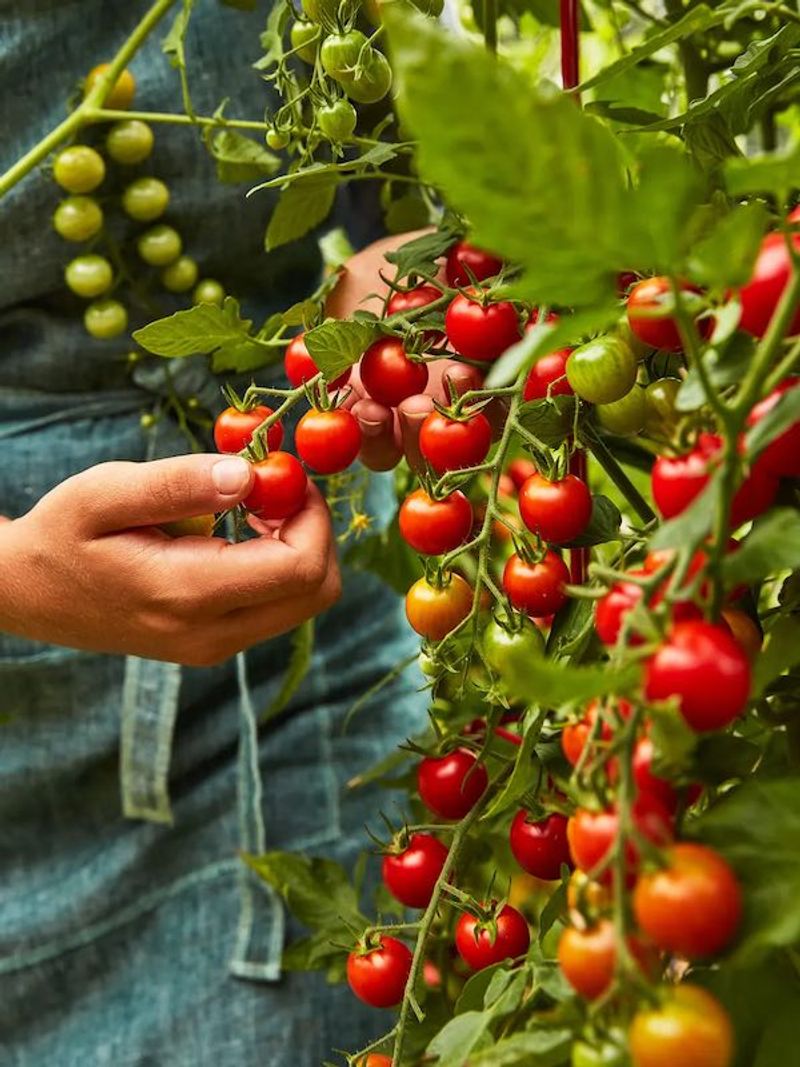
Sweet, poppable cherry tomatoes are the candy of the vegetable world. Their vibrant red hues and juicy textures make them irresistible. Whether you’re snacking directly from the vine or adding them to summer salads, their flavor is unmatched. Cherry tomatoes are also relatively easy to grow, often being one of the first plants to bear fruit in a garden. Their climbing nature adds vertical interest to your garden.
3. Cucamelons (Mouse Melons)
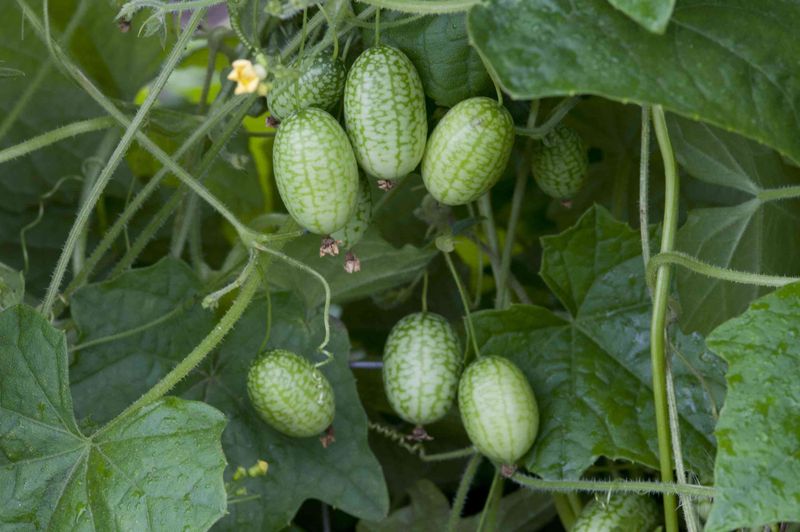
Cucamelons offer a delightful surprise. Though tiny, they pack a cucumber-citrus punch, bringing zest to your garden and dishes. These adorable grape-sized “melons” are novel additions, creating curiosity and conversation. Known for their easy growth, cucamelons thrive in sunny spots. Their vines can climb trellises, making them a space-efficient option. A charming and out-of-the-ordinary choice for adventurous gardeners.
4. Pattypan Squash
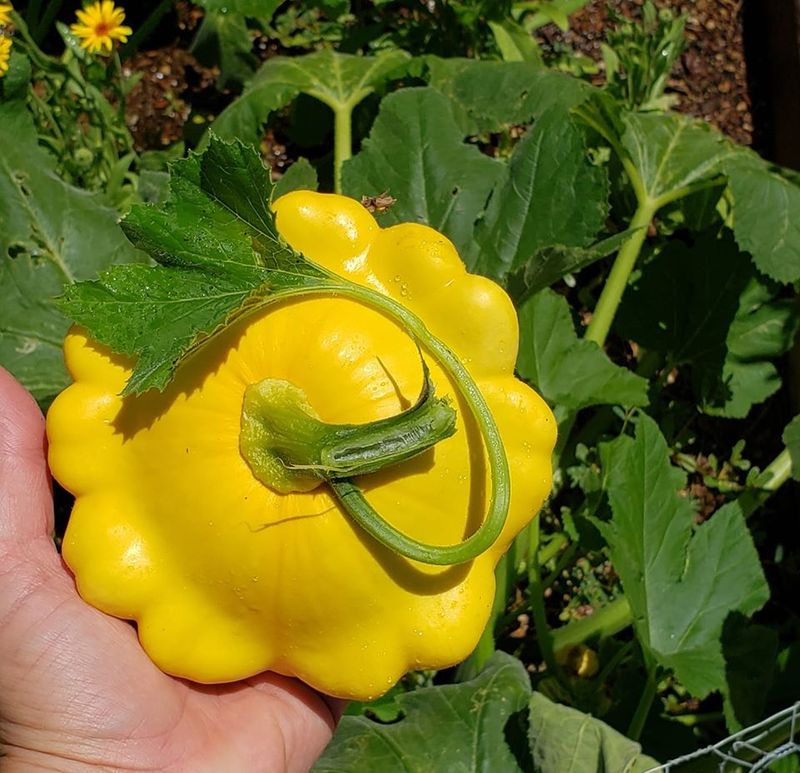
Pattypan squash, with its whimsical, UFO-like shape, adds fun to the gardening experience. Its bright colors of yellow and green offer visual delight and a flavorful treat. These squashes are best picked when small for tender flesh and a nutty taste. Known for their hardiness, pattypans can adapt to various garden conditions. This squash is as much a feast for the eyes as it is for the palate.
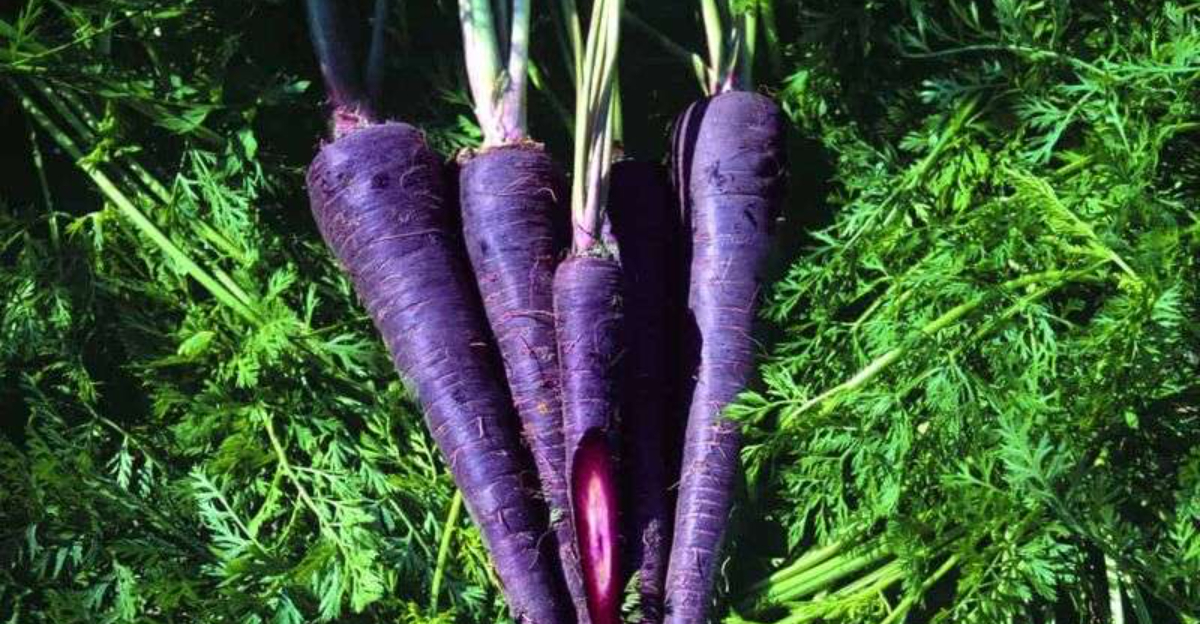
5. Purple Carrots
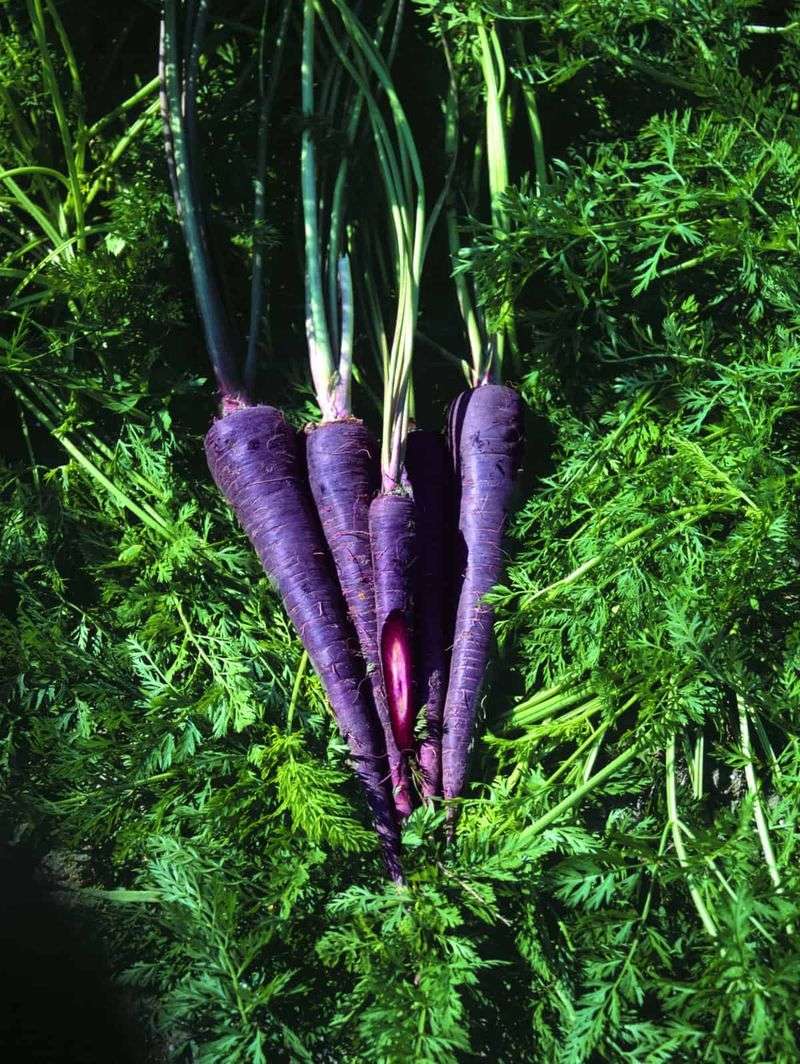
Purple carrots add a splash of color to traditional root vegetables. Their vibrant hue and sweet, earthy flavor make them a standout. Rich in antioxidants, they’re as nutritious as they are beautiful. Originally cultivated in the Middle East, purple carrots are now a global favorite. They thrive in well-drained soil, offering an unexpected twist to familiar culinary creations. Their striking appearance captivates gardeners and chefs alike.
6. Luffa Gourds
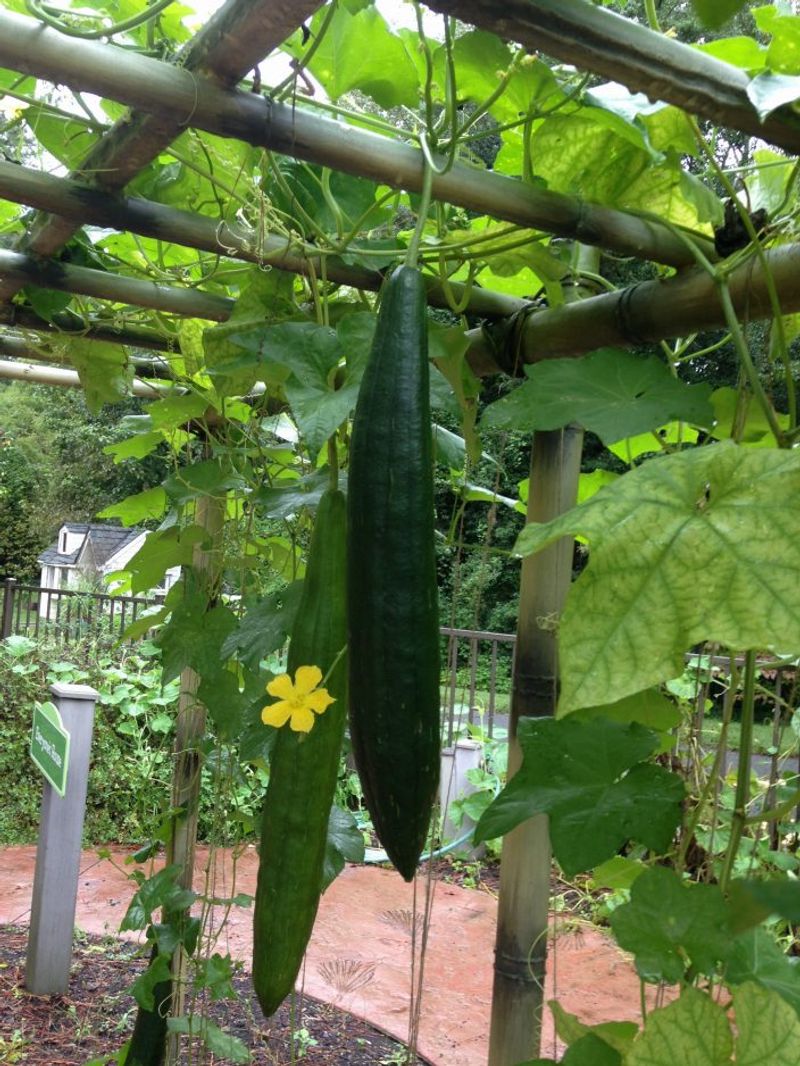
Luffa gourds pull double duty, being both edible when young and useful as natural sponges when matured and dried. Their versatility and intriguing lifecycle captivate gardeners. In warm climates, they flourish, covering trellises with vigorous growth. Luffas demand patience, as they take time to mature into sponges. Their unique contribution to sustainable living makes them a cherished addition to eco-friendly gardens.
7. Rainbow Chard
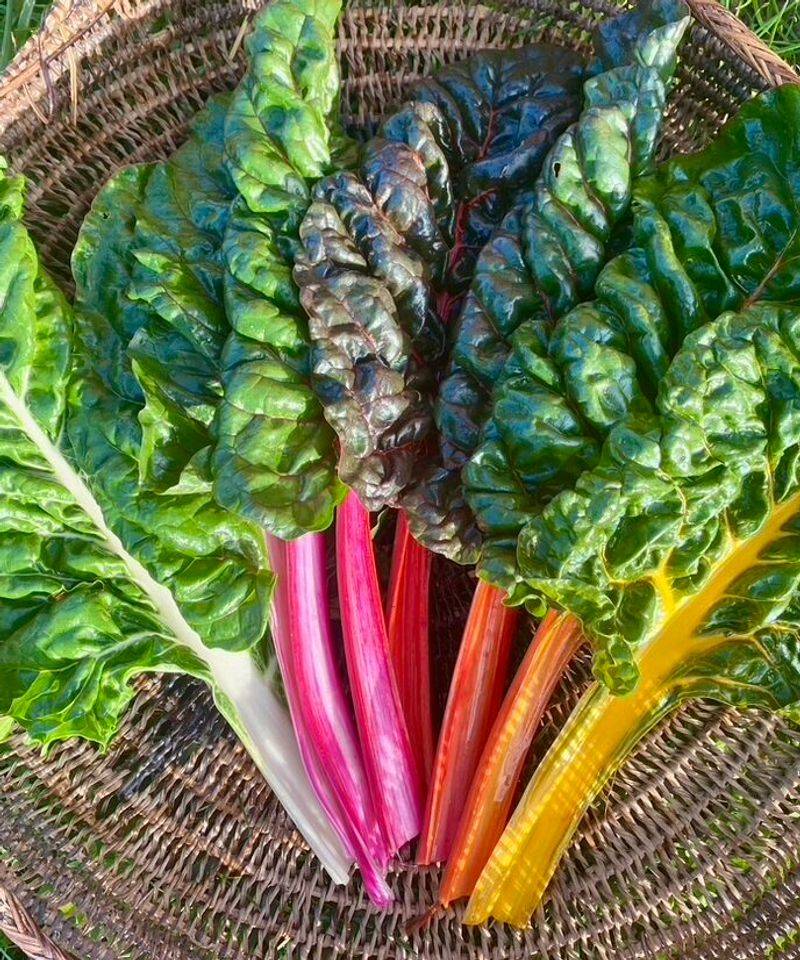
Rainbow chard dazzles with its spectacular array of stem colors. Reds, yellows, and pinks emerge from lush greens, creating a feast for the eyes. Easy to grow, it tolerates diverse climates, making it a reliable choice for many gardens. Beyond its visual appeal, it’s a nutritional powerhouse, rich in vitamins A, C, and K. Its mild flavor pairs well with a variety of dishes, making it a versatile culinary component.
8. Mini Pumpkins (‘Jack Be Little’)
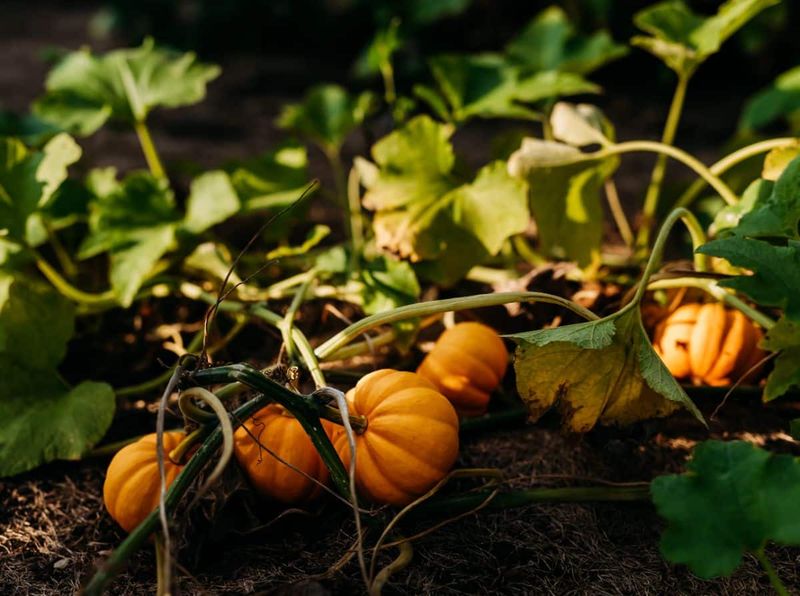
‘Jack Be Little’ mini pumpkins bring festive charm and versatility. Their compact size and classic shape make them perfect for decorations and cooking. These adorable pumpkins thrive in well-drained soil and full sun, offering an ideal harvest for Halloween or Thanksgiving. Despite their small stature, they captivate with their vibrant orange hue and sweet, mild flesh. Kids and adults alike enjoy their whimsical presence.
9. Red Noodle Beans

Red noodle beans command attention with their extraordinary length and vivid color. Often growing over a foot long, they add drama to any garden. These beans are not just visually stunning; they also offer a tender texture and sweet taste. Originally from Asia, they thrive in warm weather, requiring trellises for support. Their unique appearance and flavorful pods make them a must-have for adventurous gardeners.
10. Glass Gem Corn

Glass gem corn mesmerizes with its jewel-like kernels. Each ear is a work of art, showcasing a kaleidoscope of colors. While primarily ornamental, these striking ears can be ground into cornmeal. Originating from Native American breeding, glass gem corn tells a story of heritage and innovation. Growing like traditional corn, it requires full sun and ample space, rewarding gardeners with its stunning visual display.
11. Ground Cherries
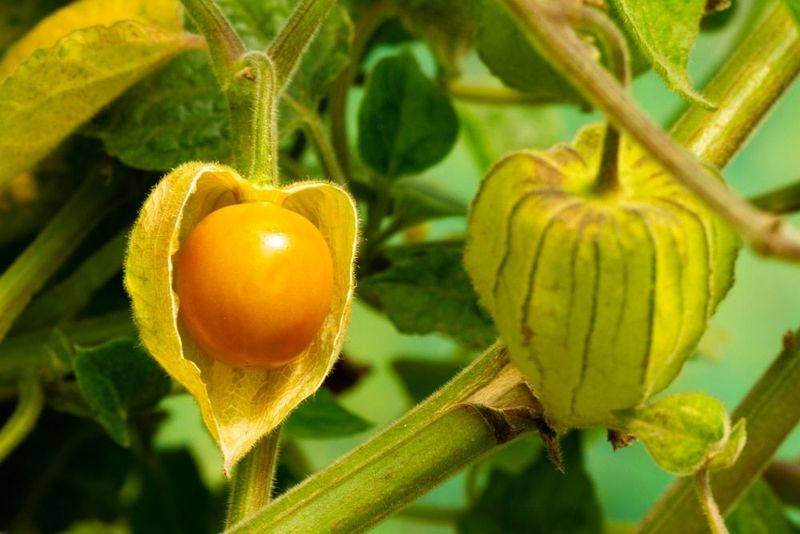
Ground cherries offer a sweet surprise wrapped in papery husks. These little fruits are like golden garden candies, bursting with a unique, tangy flavor. Their sprawling nature makes them excellent groundcover, suppressing weeds while bearing fruit. Originating from South America, they thrive in sunny spots and well-drained soil. Their delightful taste and ease of growth make them a gardener’s favorite for snacking and baking.
12. Strawberries
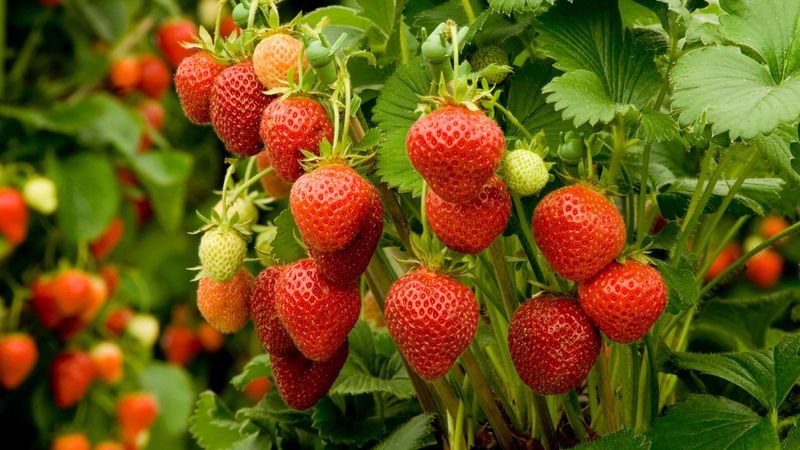
Strawberries are synonymous with summer sweetness. Their bright red fruits and lush greenery bring joy to any garden. Perfect for small spaces, they spread rapidly, forming a natural groundcover. These berries are easy to grow and offer a continuous harvest through the season. Their versatility in the kitchen—from desserts to preserves—makes them a favorite among gardeners and cooks alike. A timeless classic in any garden.
13. Watermelon (Mini Varieties)
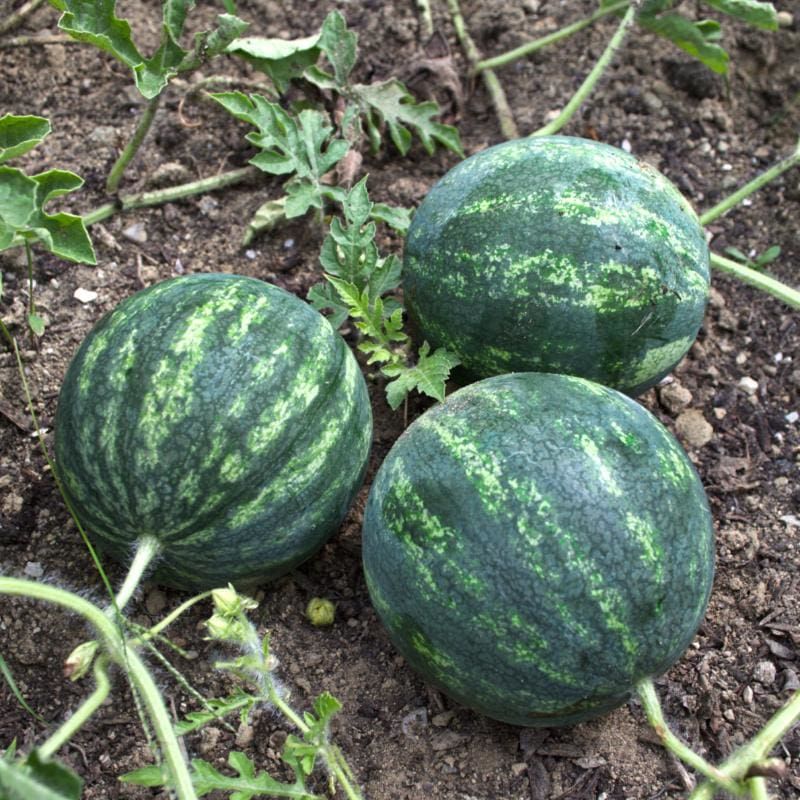
Mini watermelons bring the refreshing taste of summer to even the smallest gardens. Their compact size and sweet flesh make them a delightful treat. Perfect for limited spaces, these melons grow with vigor, producing fruits that are easy to handle and enjoy. Originating from Africa, watermelons love warm weather and full sun. Their juicy, crisp texture is a hit at picnics and barbecues, making them a cherished summer harvest.
14. Alpine Strawberries
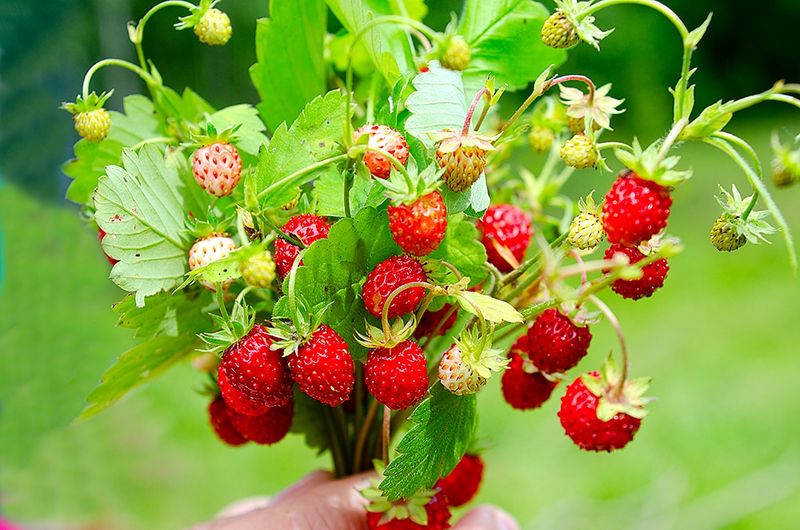
Alpine strawberries offer an aromatic twist to the traditional berry. These tiny fruits pack an intense flavor punch, with sweet, fragrant notes that captivate the senses. Unlike their larger counterparts, Alpine strawberries are everbearing, providing continuous harvests. They thrive in partial shade, making them perfect for woodland gardens. Their unique taste and charming appearance entice gardeners seeking a flavorful, low-maintenance option.
15. Yellow Pear Tomatoes
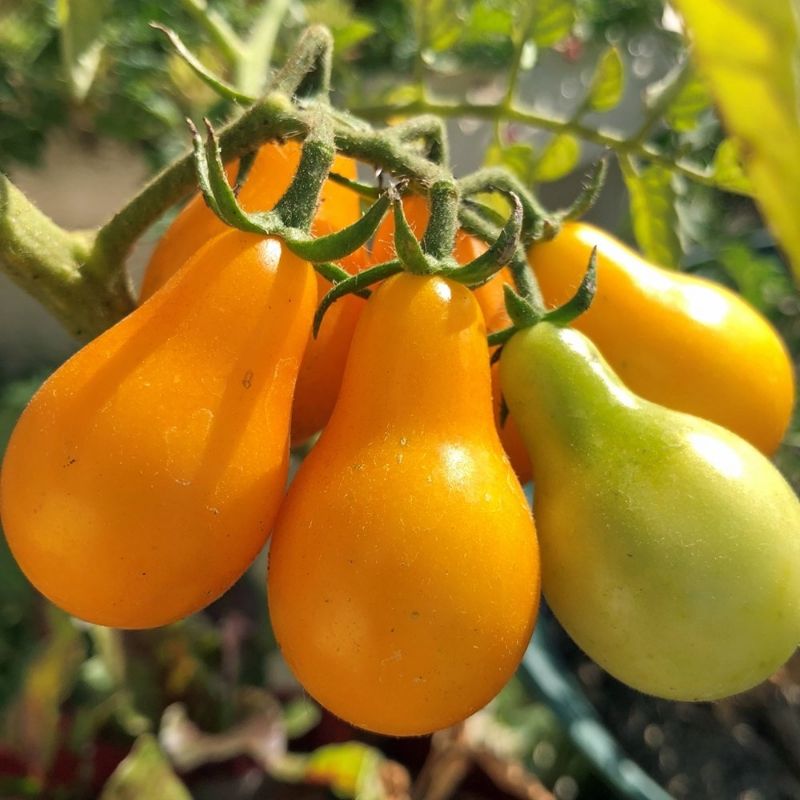
Yellow pear tomatoes charm with their sunny disposition. Resembling tiny, golden teardrops, these tomatoes bring a fruity sweetness and tangy zing to the table. Their indeterminate growth habit means they keep producing throughout the season. Sturdy and resilient, they thrive in diverse climates, adding vertical interest to garden spaces. Perfect for salads or snacking, these cheerful tomatoes offer both visual appeal and refreshing flavor.
16. Lemon Balm
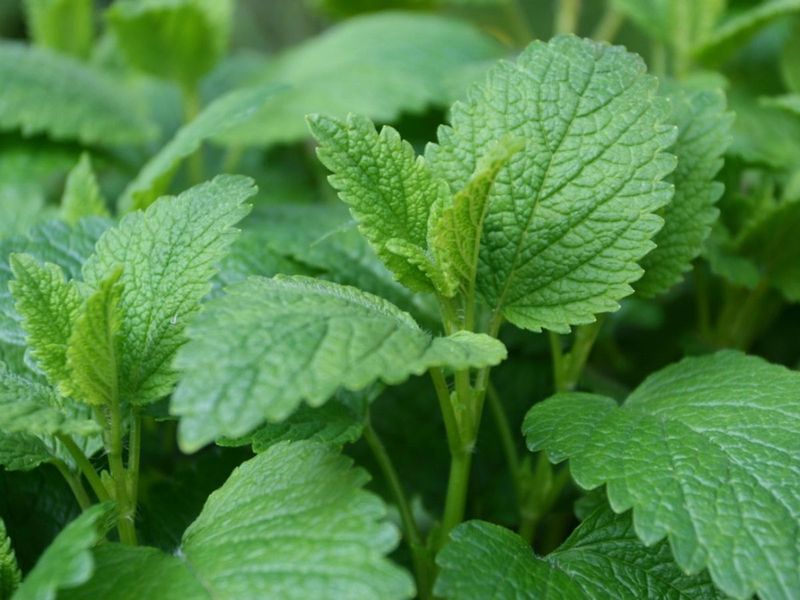
Lemon balm infuses gardens with a refreshing citrus aroma. This hardy perennial spreads with ease, attracting bees and beneficial insects. Its bright green leaves add a touch of tranquility, making it a favorite for tea lovers and herbalists. Lemon balm’s calming properties have been cherished since ancient times, offering both flavor and health benefits. Plant it in full sun or partial shade for a soothing garden presence.
17. Basil (Purple, Cinnamon, Lemon)
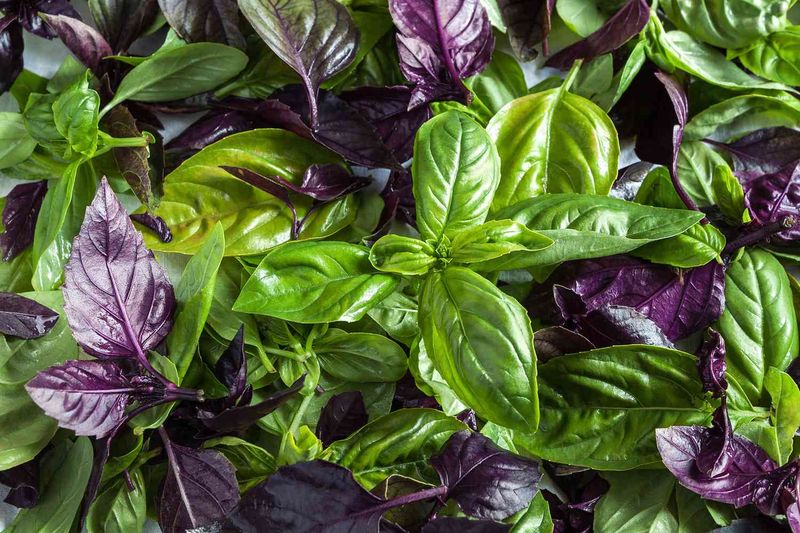
Basil brings a fragrant rainbow to the garden, with varieties like purple, cinnamon, and lemon offering unique aromas. Each type adds distinct flavors to culinary creations, from pesto to desserts. Their striking colors and scents delight both gardeners and chefs. Thriving in warm, sunny locations, basil attracts pollinators, enhancing your garden’s ecosystem. This aromatic herb embodies the essence of summer gardening.
18. Mint (In Containers!)
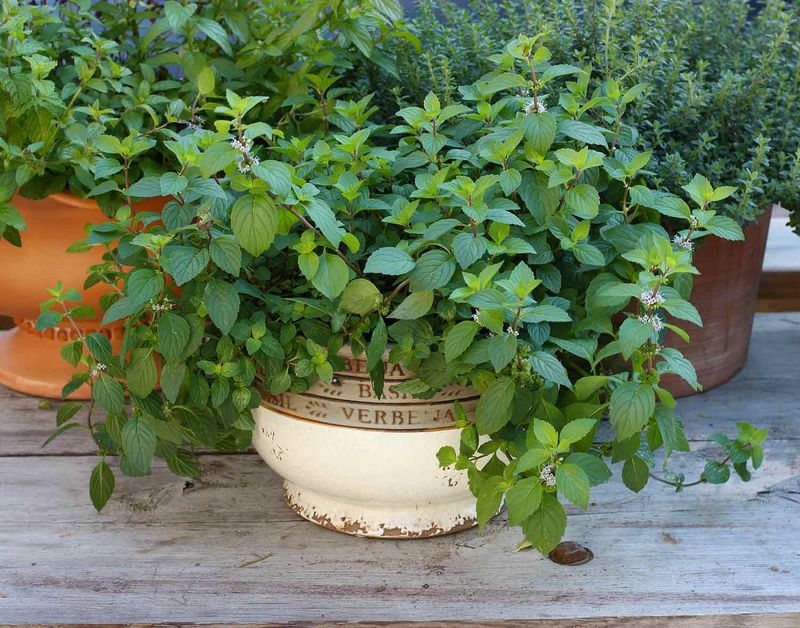
Mint, with its invigorating scent, is best contained to prevent garden invasion. Its rapid growth and resilience make it a staple herb for teas and culinary dishes. Mint supports pollinators, boosting biodiversity in your garden. Placing it in containers ensures manageability while still enjoying its benefits. Known for its cooling properties, mint has been used historically for its soothing effects, both in cuisine and medicine.
19. Nasturtiums
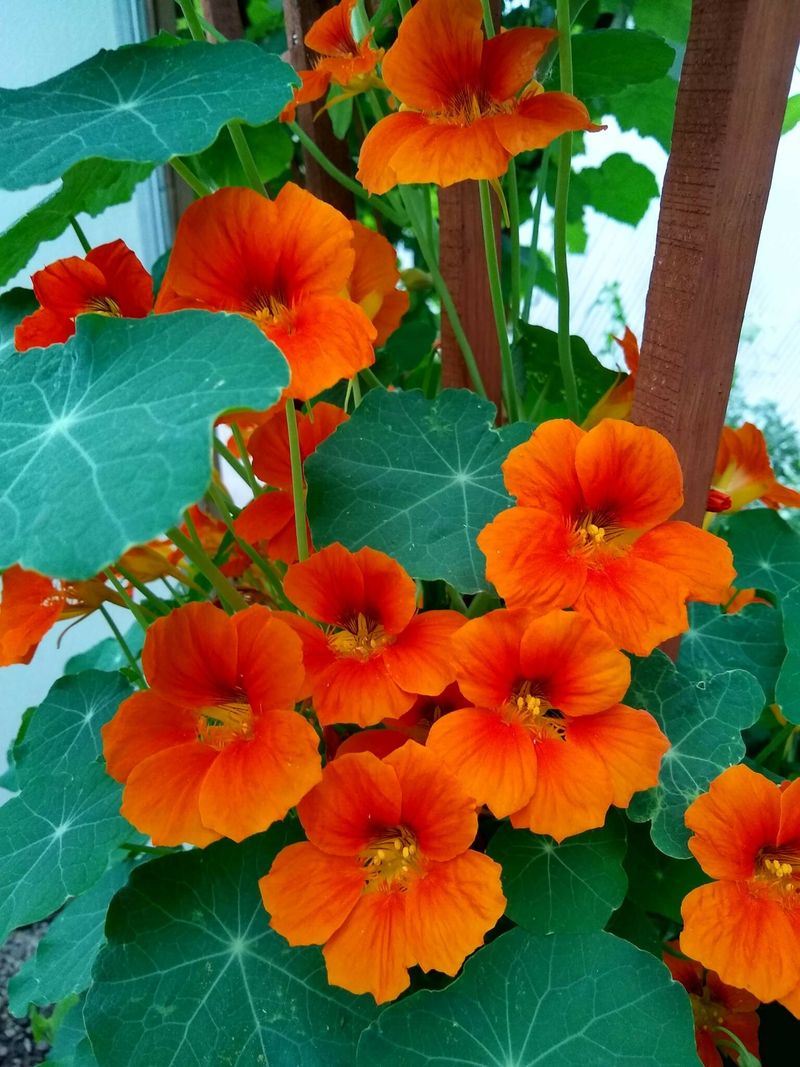
Nasturtiums offer a burst of color with edible blooms and leaves. Their peppery kick enhances salads and garnishes, providing both beauty and flavor. Easy to grow, these flowers thrive in poor soil and full sun, making them a gardener’s ally. Nasturtiums also deter pests, acting as a natural insect repellent. Their cheerful appearance and utility create an inviting, lively atmosphere in any garden setting.
20. Borage
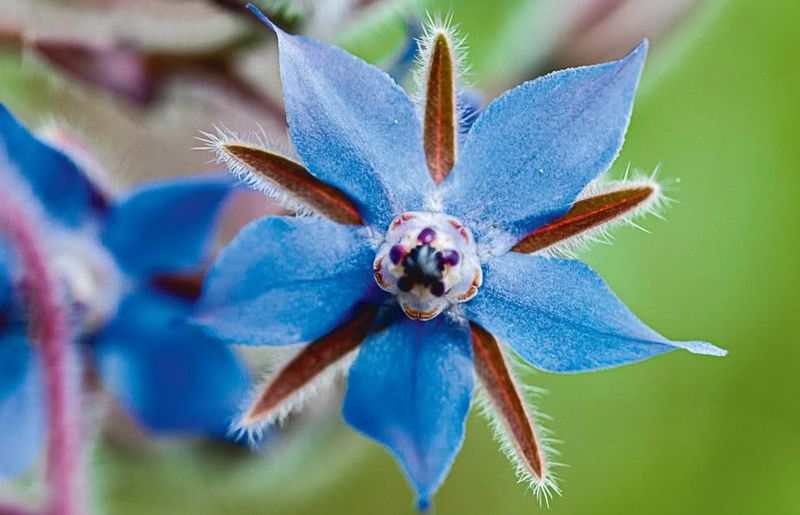
Borage attracts pollinators with its stunning blue star flowers. Known for cucumber-flavored leaves, this plant offers both visual appeal and culinary use. Borage grows vigorously, adding texture and interest to gardens. Its flowers are edible, often used as garnishes or in salads. Easy to cultivate, it thrives in sunny locations, supporting a diverse ecosystem. Historically, borage has been valued for its herbal properties and vibrant presence.
21. Calendula
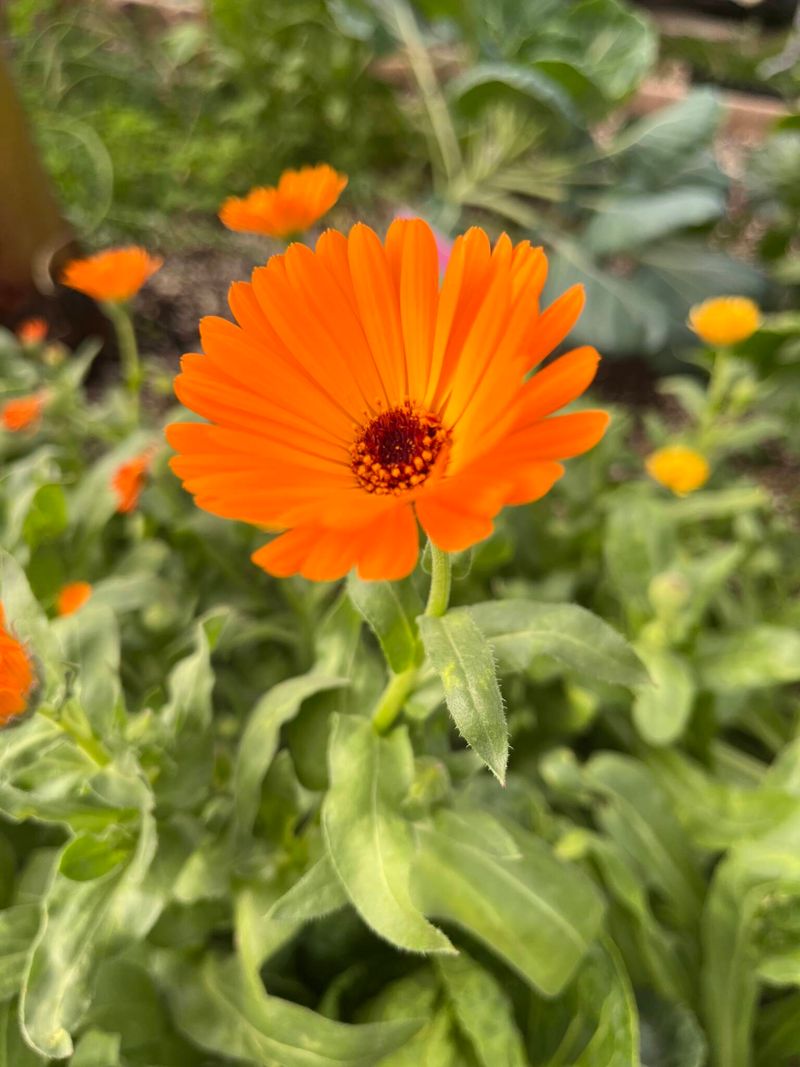
Calendula, with its bright petals, illuminates gardens with cheerful hues. These flowers are more than just pretty faces; they’re useful in teas and salves, offering soothing properties. Easy to grow, calendula thrives in full sun, making it a versatile addition to sunny spots. Historically used for medicinal purposes, it continues to charm with its simplicity and utility. A goldmine for gardeners seeking beauty and practicality.
22. Sunflowers (Mix Heights & Colors)
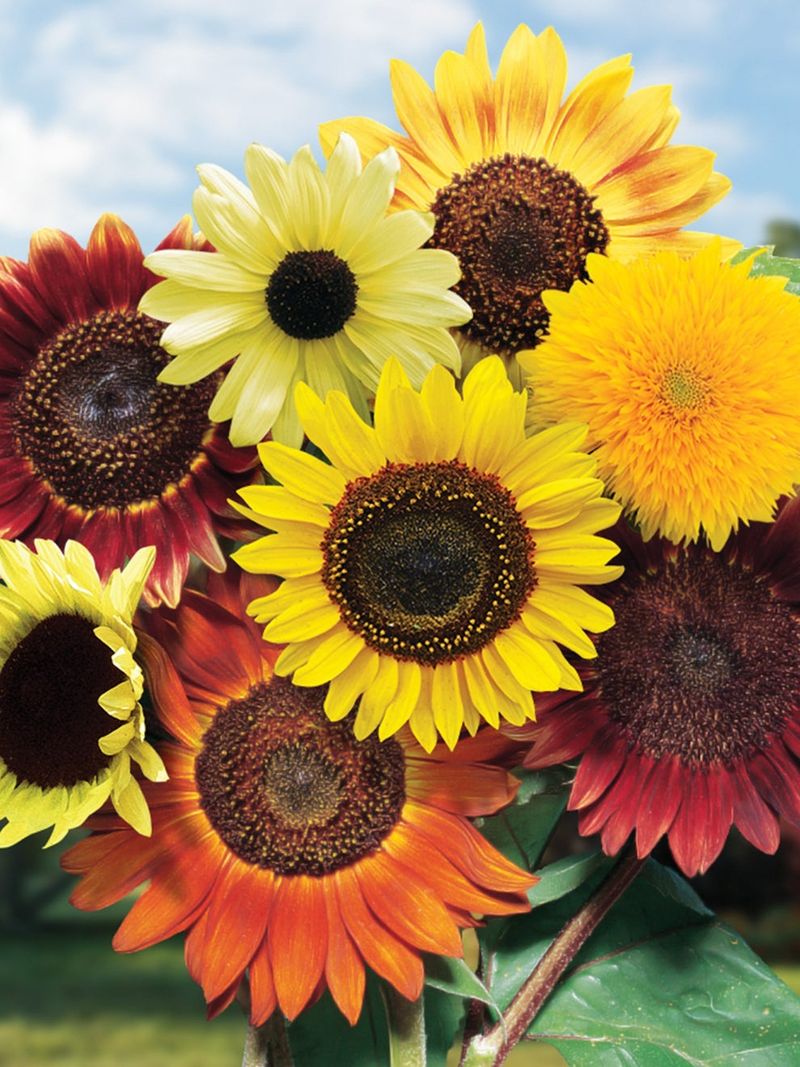
Sunflowers bring drama and joy, standing tall and vibrant. Mixing heights and colors adds diversity and visual interest, drawing attention and pollinators alike. Their seeds provide nourishment, while their towering forms create natural boundaries. Resilient and easy to grow, sunflowers thrive in sunny areas, embodying summer’s warmth and vitality. These majestic blooms capture the imagination and hearts of gardeners seeking bold, cheerful additions.
23. Zinnias
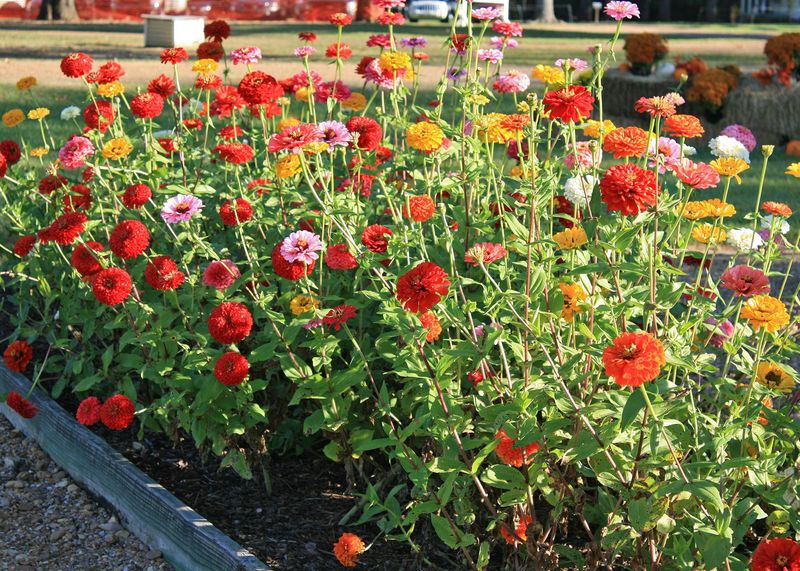
Zinnias explode with color, offering a long-lasting floral display. These easy-to-grow plants bloom profusely, ensuring continuous beauty throughout the season. Their vibrant palette ranges from soft pastels to vivid hues, appealing to gardeners and pollinators alike. Thriving in well-drained soil and full sun, zinnias are low-maintenance and versatile. They add a lively, playful vibe to any garden, making them a favorite for all ages.
24. Cosmos
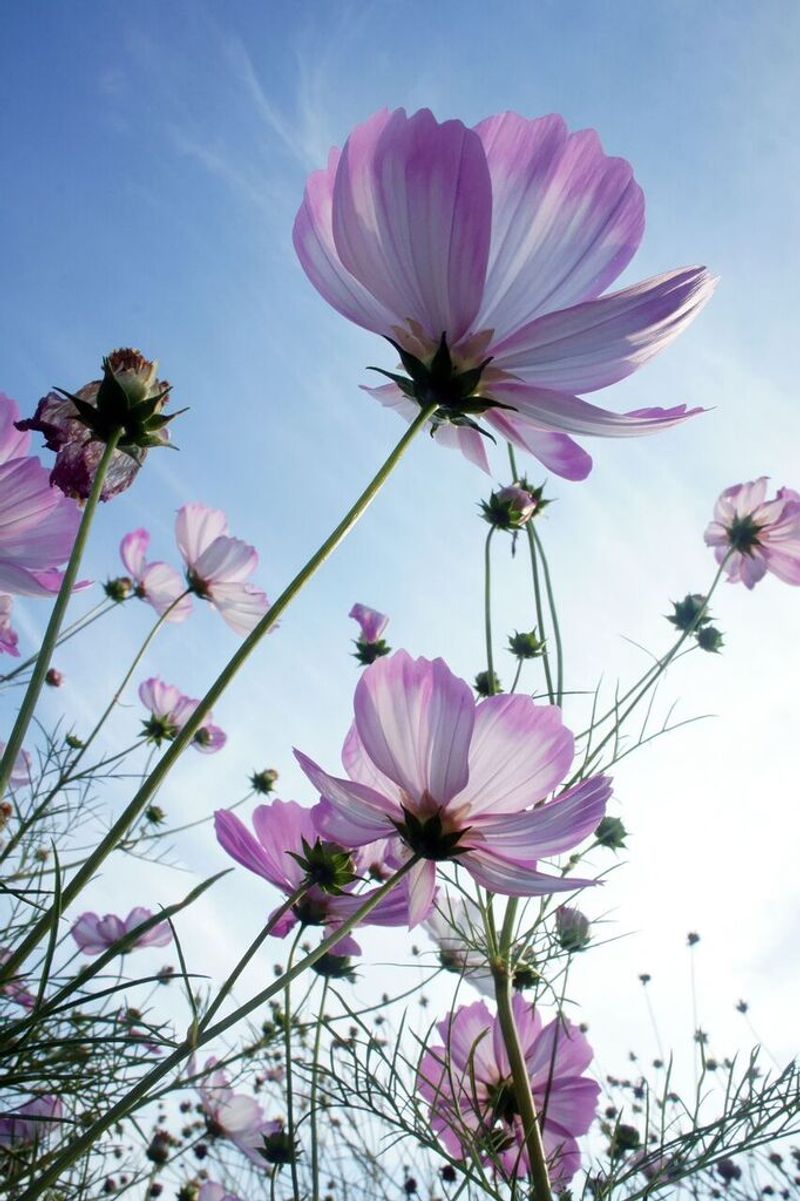
Cosmos bring an airy elegance to gardens, their delicate flowers swaying gracefully in the breeze. These flowers add height and wild beauty, with colors ranging from whites to vibrant pinks. Thriving in poor soil, cosmos are the perfect choice for low-maintenance beauty. Their carefree nature and long blooming period make them garden favorites. Cosmos attract beneficial insects, supporting a healthy gardening ecosystem with their gentle charm.
25. Marigolds
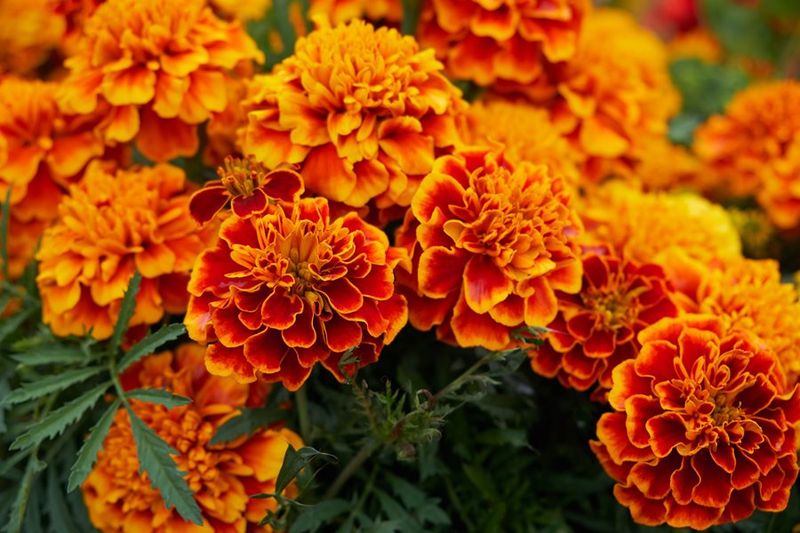
Marigolds offer more than just vibrant hues; they act as natural pest deterrents. These cheerful flowers brighten borders with their orange and yellow blooms. Easy to grow, marigolds thrive in full sun and poor soil. Their distinct scent wards off unwanted insects, protecting your garden naturally. Perfect for companion planting, marigolds support a balanced ecosystem. Their presence is a testament to the synergy between beauty and utility in gardening.
26. Okra (Red & Green Varieties)
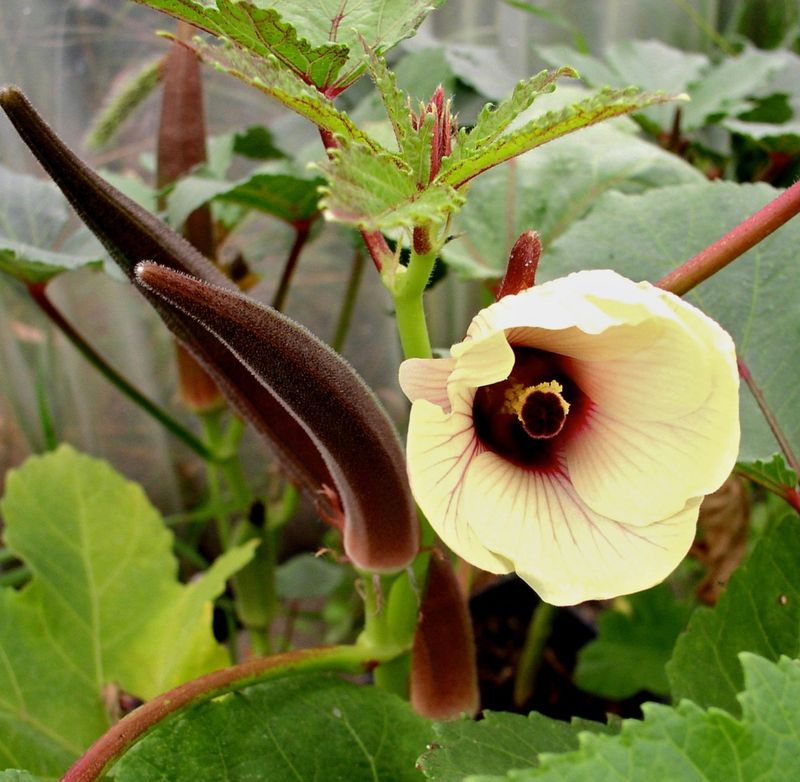
Okra’s striking appearance is matched by its utility. With both red and green varieties, these plants add visual interest and edible delight. Their hibiscus-like flowers precede long, slender pods used in diverse cuisines. Thriving in warm climates, okra requires sun and well-drained soil, rewarding gardeners with a bountiful harvest. Its unique texture and flavor make it a staple in Southern dishes and beyond. A plant of beauty and sustenance.
27. Amaranth
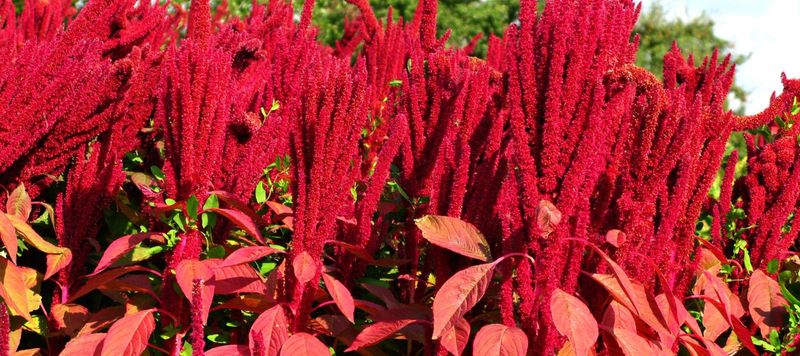
Amaranth stands tall and proud, with bold colors and edible parts. Known for its nutritional value, both its leaves and seeds are consumed widely. Its striking appearance makes it a focal point in any garden. Originating from Central America, amaranth has historical significance, revered by ancient civilizations. Thriving in warm conditions, it offers a harvest that’s as rich in history as it is in flavor and nutrition.
28. Tomatillos
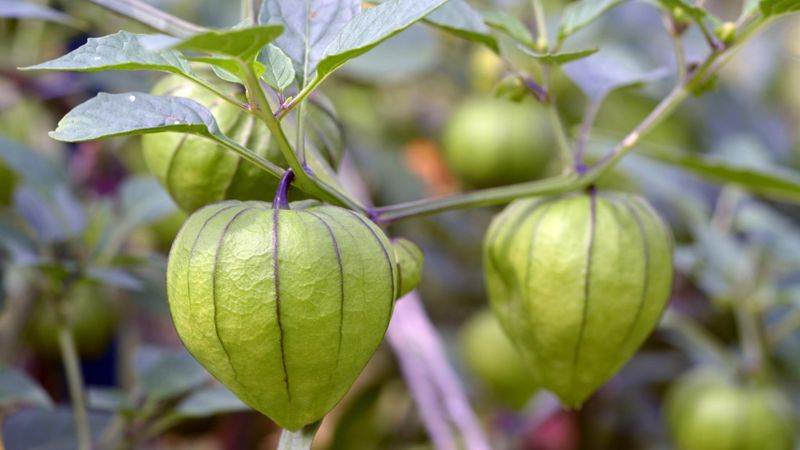
Tomatillos bring a tangy twist to gardens, with their lantern-like husks and vibrant fruit. A staple in Mexican cuisine, they add zest to salsas and sauces. These plants thrive in sunny positions, with their sprawling branches supporting abundant fruiting. Easy to grow, tomatillos attract beneficial insects, enhancing your garden’s health. Their intriguing appearance and culinary versatility make them a favorite among gardeners seeking unique flavors.
29. Malabar Spinach
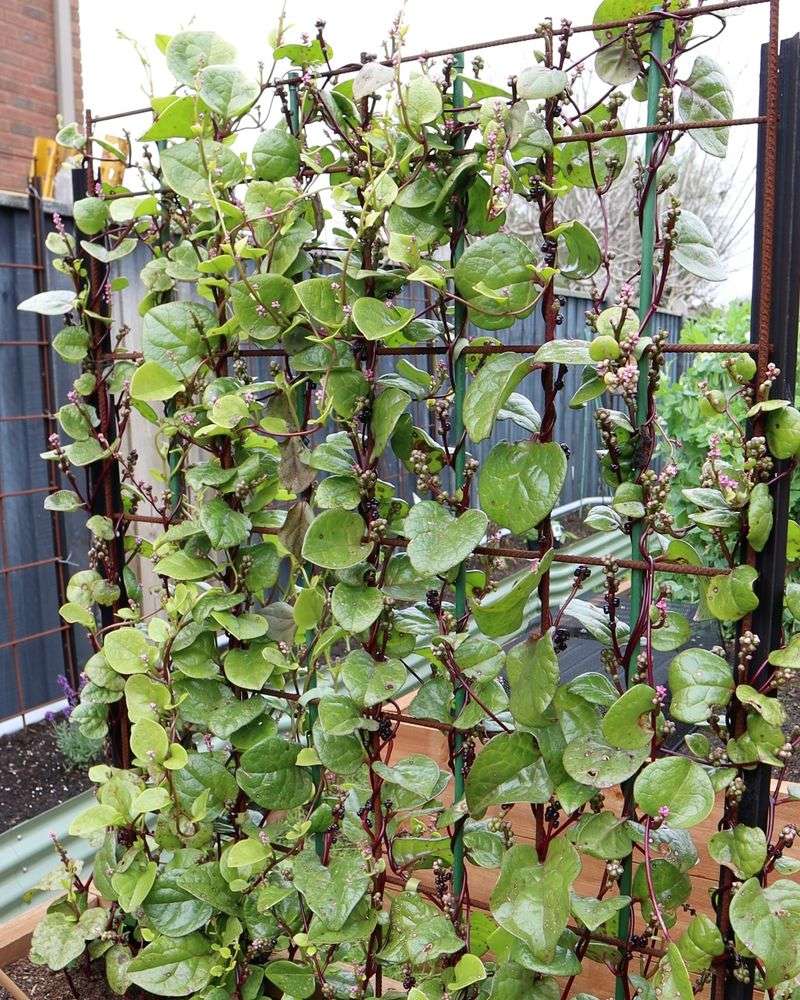
Malabar spinach adds a tropical twist to traditional greens. This climbing plant thrives in heat, offering glossy leaves and striking red stems. Its unique growth habit allows it to cover trellises, saving space while adding vertical interest. Perfect for soups and stir-fries, Malabar spinach provides a nutritious alternative to regular spinach. Originating from Asia, it’s a gardener’s solution to lush, heat-loving greens.
30. Dill
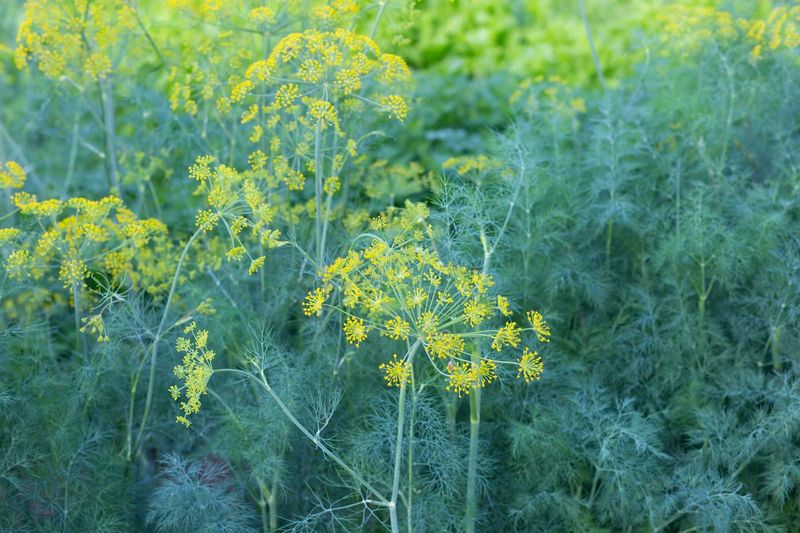
Dill’s feathery fronds bring a fragrant elegance to gardens. This aromatic herb is not only a culinary favorite but also a magnet for swallowtail butterflies. Easy to grow, dill thrives in full sun and well-drained soil. Its delicate appearance belies its robust flavor, enhancing dishes from pickles to fish. Dill’s historical use in both cuisine and medicine highlights its versatility, making it a cherished garden addition.