 Complete Gardening
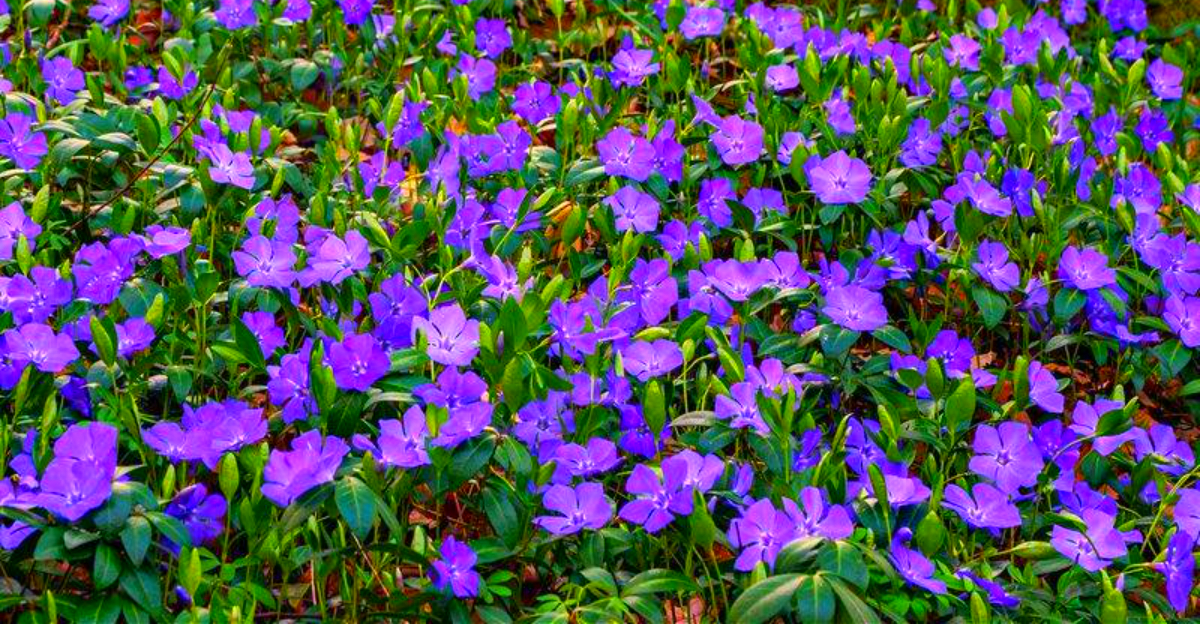
Every yard has those tricky dark spots where sunlight barely reaches, leaving homeowners scratching their heads about what to plant. These shadowy corners don’t have to remain bare and uninviting. With the right plant choices, you can transform these challenging areas into vibrant, colorful garden spaces that rival any sunny border.
1. Astilbe: Feathery Plumes of Pure Magic
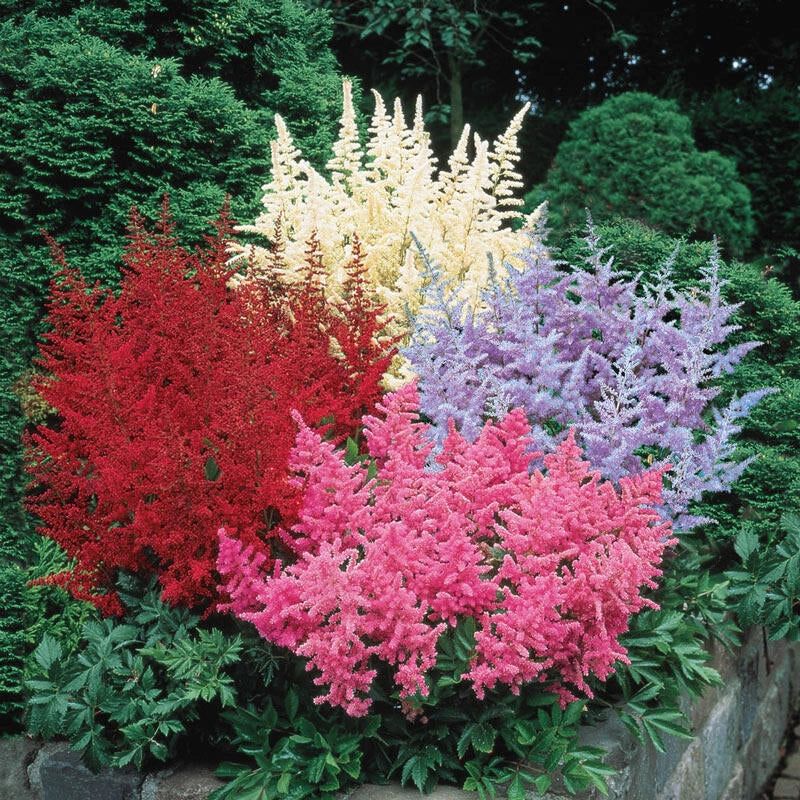
Astilbe transforms gloomy corners into fairy-tale gardens with its spectacular feathery flowers. These elegant perennials produce stunning plumes in pink, red, white, and cream that dance above fern-like foliage.
Rich, moist soil keeps these beauties thriving in partial to full shade. Deer tend to avoid them completely, making them perfect for woodland gardens.
Pollinators absolutely adore their nectar-rich blooms during late spring and early summer.
2. Japanese Forest Grass: Liquid Gold in Motion
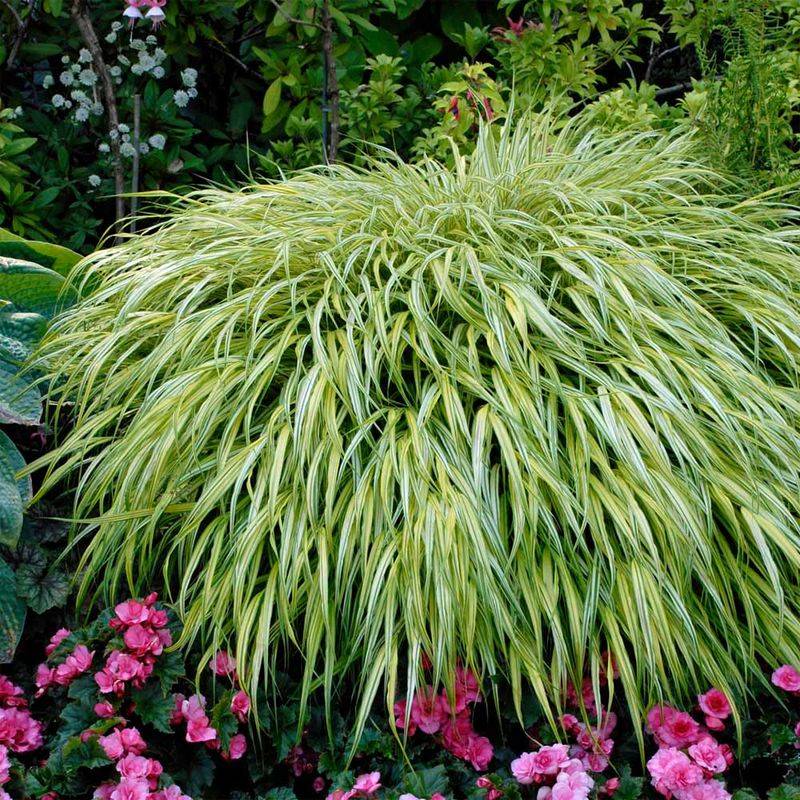
Hakonechloa macra flows like golden water through shaded landscapes, creating mesmerizing movement with every breeze. Its arching blades form soft, cascading mounds that catch and reflect available light beautifully.
This ornamental grass thrives in partial to full shade with well-draining, moist soil. The lime-green or golden foliage literally glows in dark spaces.
Winter interest continues as the grass turns bronze, providing year-round garden appeal.
3. Heuchera: Nature’s Stained Glass Windows
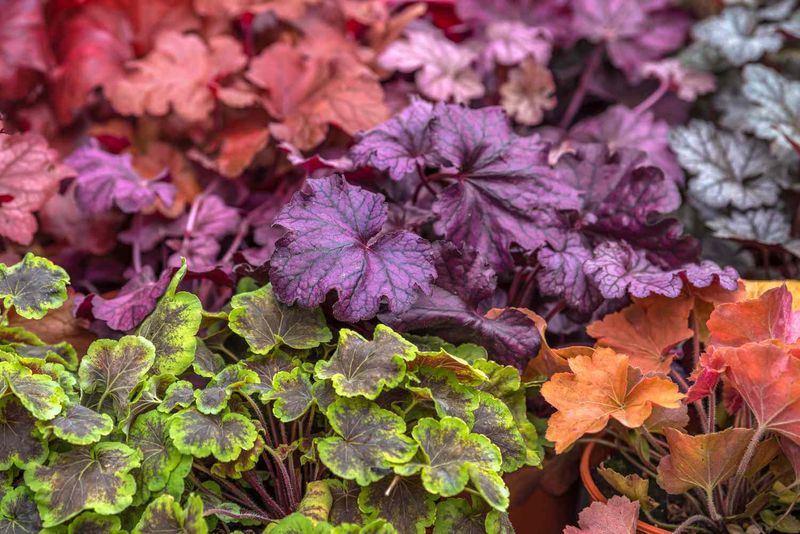
Coral bells paint dark corners with incredible leaf colors ranging from deep burgundy to bright lime green. These perennials offer more color variety than almost any other shade plant available.
Purple, bronze, silver, and green foliage creates stunning combinations throughout the growing season. Delicate flower spikes emerge in late spring, attracting hummingbirds with their nectar.
Once established, they handle drought surprisingly well while maintaining their vibrant appearance.
4. Bleeding Heart: Victorian Romance Revived
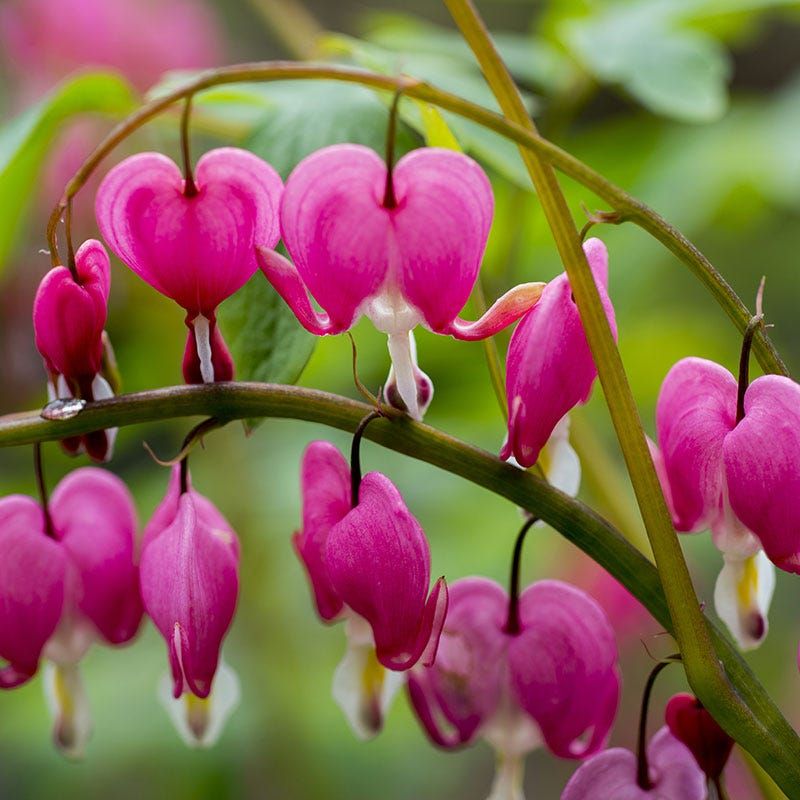
Dicentra spectabilis captures hearts with its dangling, perfectly heart-shaped flowers that seem almost too perfect to be real. These romantic blooms appear in spring, creating an enchanting display against soft green foliage.
Cool, shaded environments with moist, well-drained soil provide ideal growing conditions. The plant may go dormant after flowering but returns faithfully each year.
Pink, white, and red varieties offer options for every garden color scheme.
5. Foamflower: Woodland Carpets of Stars
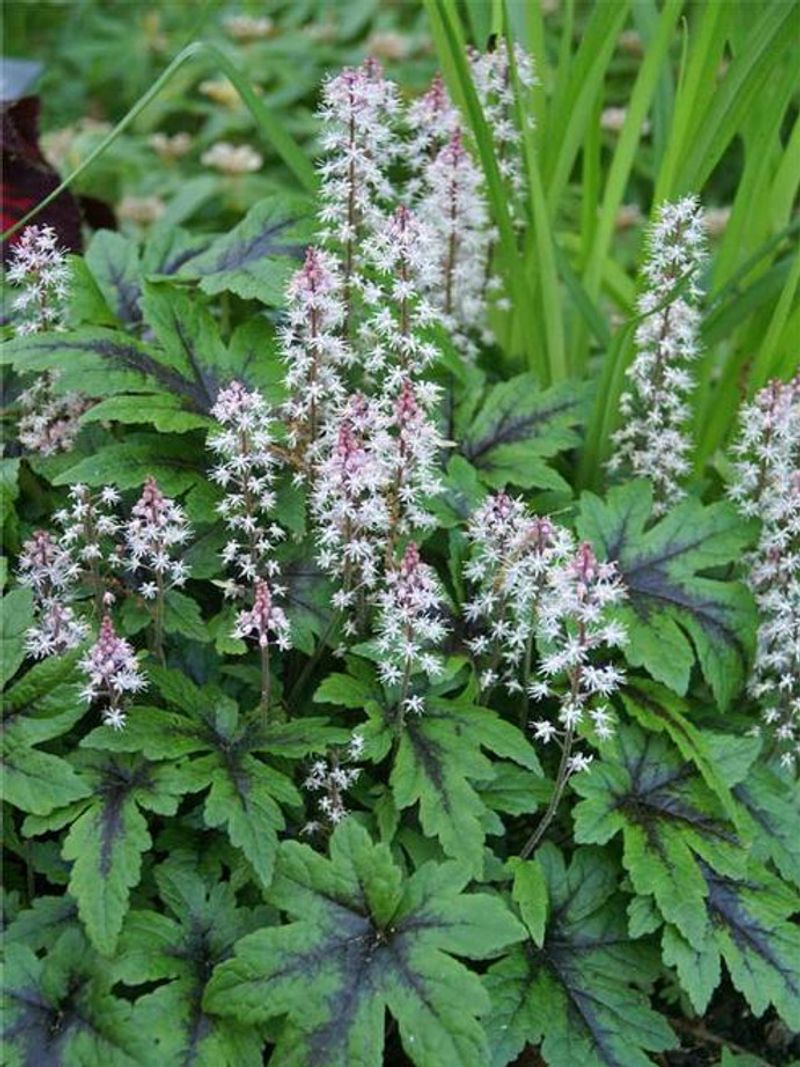
Tiarella cordifolia spreads like nature’s own carpet, producing clouds of tiny white or pink star-shaped flowers each spring. Heart-shaped leaves often feature intricate burgundy markings that persist throughout the season.
This native ground cover prefers partial to full shade with humus-rich, consistently moist soil. It spreads by runners but remains well-behaved and easy to control.
Excellent for naturalizing under trees or along shaded pathways where foot traffic is minimal.
6. Hosta: The Shade Garden’s Reliable Star
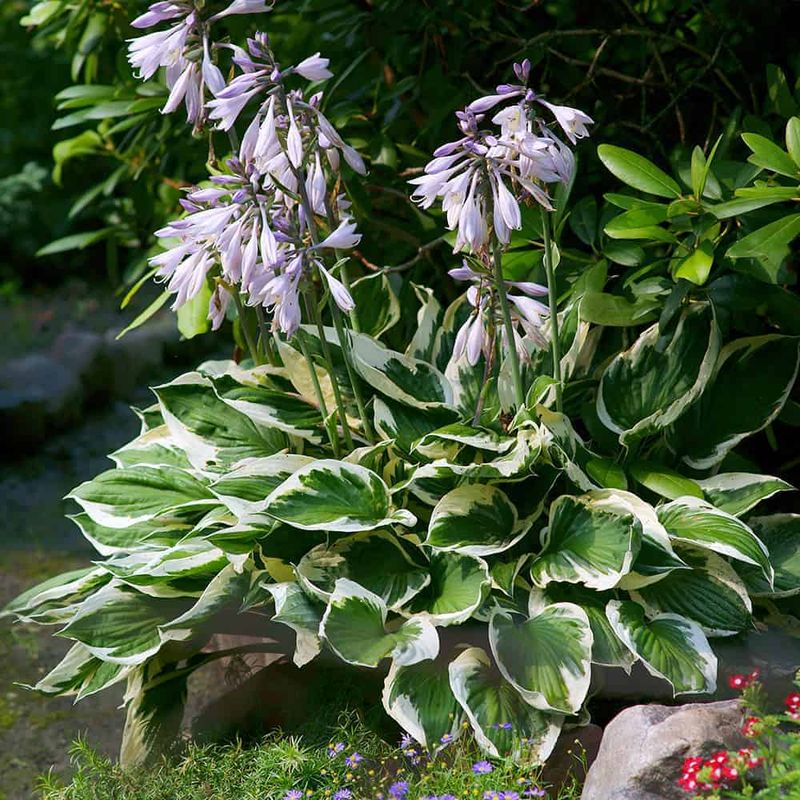
No shade garden feels complete without hostas, and for good reason – these leafy perennials offer incredible variety in size, color, and texture. From tiny miniatures to enormous specimens with dinner-plate-sized leaves, there’s a hosta for every space.
Blue, green, gold, and variegated varieties create stunning focal points or mass plantings. Fragrant white or purple flower spikes appear in summer.
Slugs can be problematic, but proper garden hygiene usually keeps them manageable.
7. Caladium: Tropical Drama for Temperate Gardens
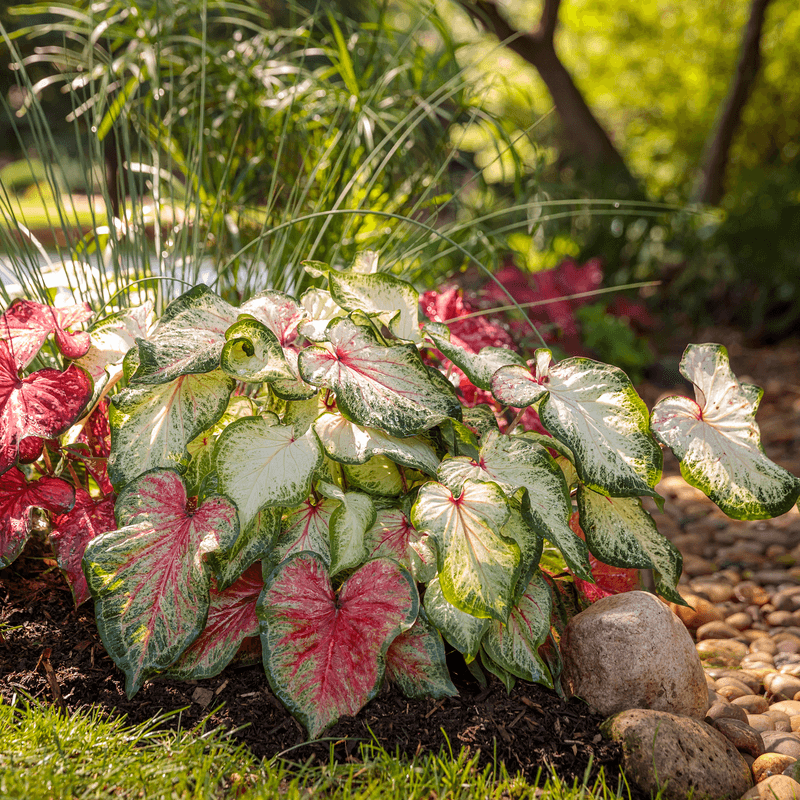
Caladium leaves rival any flower for pure visual impact, displaying heart-shaped foliage in combinations of pink, red, white, and green. These tropical beauties bring exotic flair to the most mundane shaded spaces.
Warm, humid conditions and rich, well-draining soil keep them thriving through summer. In cooler climates, treat them as annuals or lift tubers for winter storage.
Mass plantings create breathtaking displays that stop visitors in their tracks.
8. Lungwort: Spotted Beauty with Spring Charm
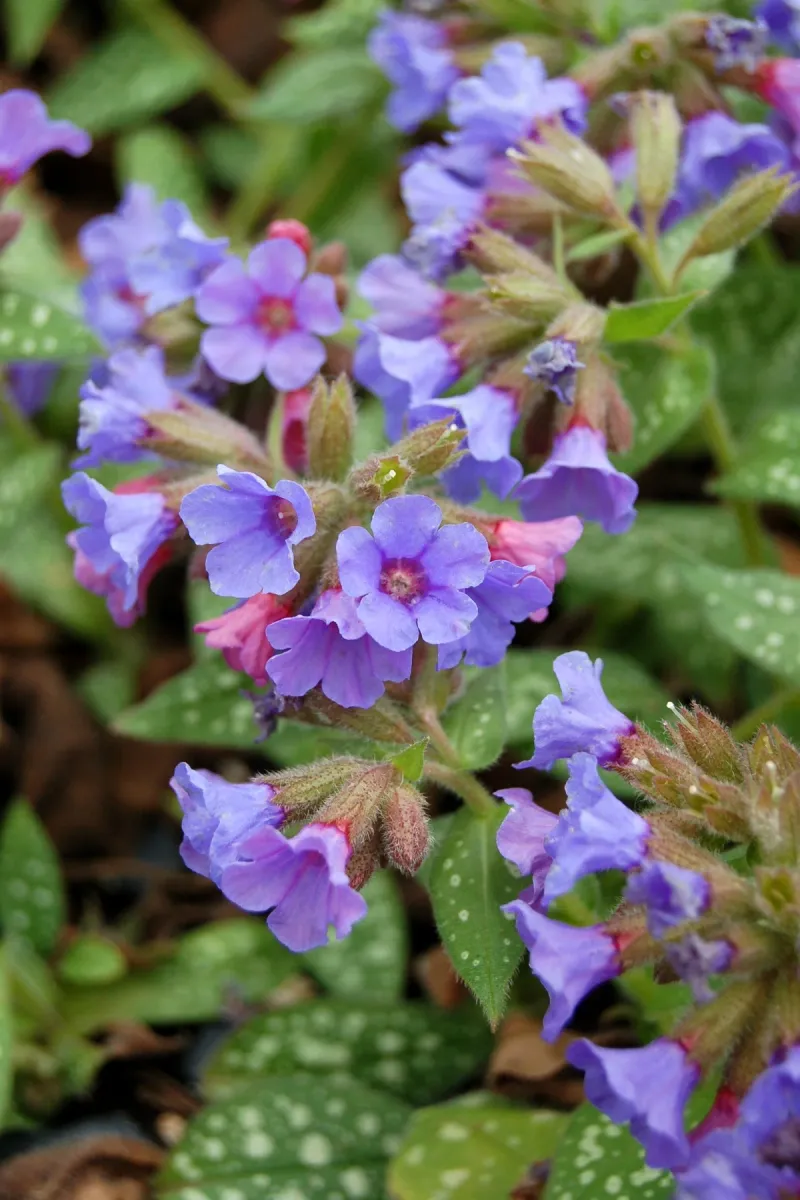
Pulmonaria gets its common name from its spotted, lung-shaped leaves, but don’t let that fool you – this plant is absolutely gorgeous. Spring brings clusters of pink, blue, or white tubular flowers that often change color as they age.
Silver-spotted foliage remains attractive long after flowers fade, providing season-long interest. Partial to full shade with consistent moisture creates ideal growing conditions.
Early pollinators depend on lungwort’s nectar when few other flowers are available.
9. Japanese Painted Fern: Metallic Magic
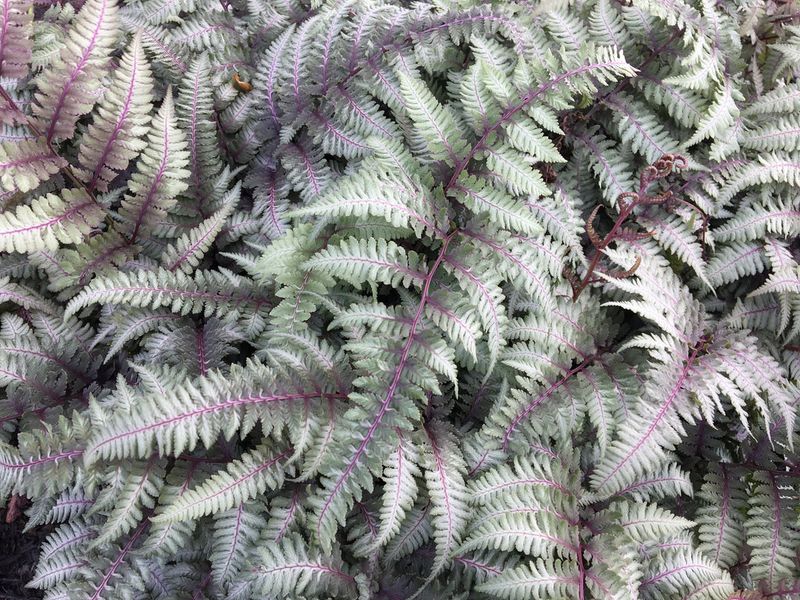
Athyrium niponicum brings an almost otherworldly quality to shade gardens with its silvery-gray fronds touched with burgundy and green. This stunning fern creates luminous pools of light in the darkest corners.
Unlike many ferns, painted ferns tolerate drier conditions once established, though they prefer consistent moisture. The metallic sheen intensifies in deeper shade.
Compact growth habit makes them perfect for small spaces or container gardens on shaded patios.
10. Brunnera: Forget-Me-Not’s Sophisticated Cousin
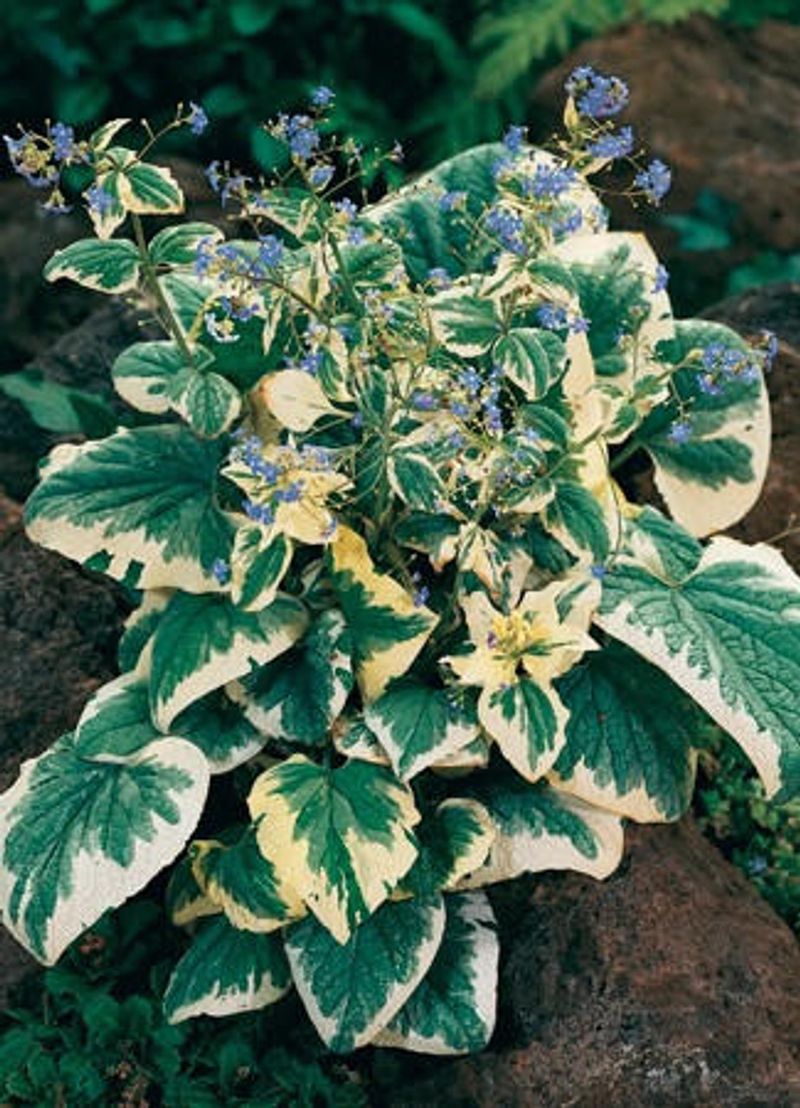
Brunnera macrophylla combines the charm of tiny blue forget-me-not flowers with large, heart-shaped leaves that steal the show. Variegated cultivars feature silver patterns or white edges that brighten shaded areas remarkably.
Spring flowers create clouds of delicate blue above emerging foliage. The leaves grow larger and more impressive as the season progresses.
Consistent moisture and rich soil keep these perennials looking their absolute best throughout the growing season.
11. Coleus: Annual Color That Never Quits
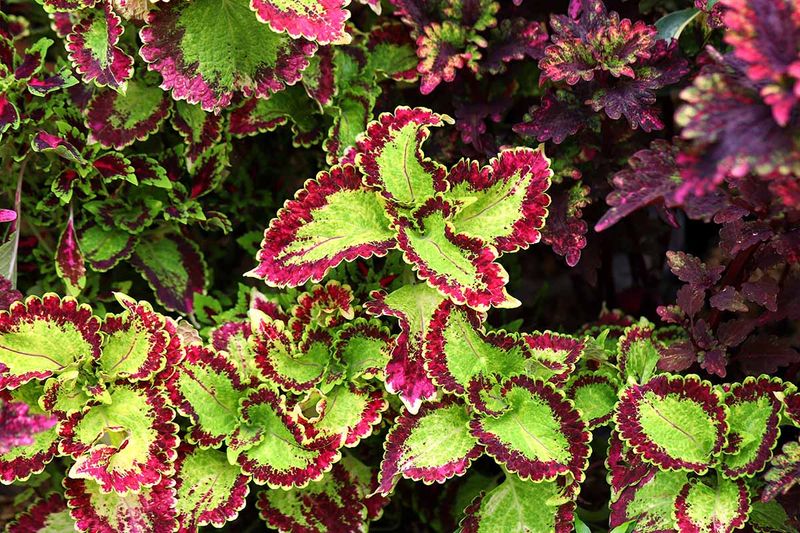
Modern coleus varieties have revolutionized shade gardening with their incredible leaf colors and patterns. From deep burgundy to bright lime green, these annuals provide non-stop color from planting until frost.
Heat and humidity don’t faze these tropical natives, making them perfect for challenging summer conditions. Pinch flower spikes to keep energy focused on foliage production.
Mix different varieties for stunning combinations that change throughout the season as plants mature.
12. Lamium: Silver Carpet with Purple Surprises
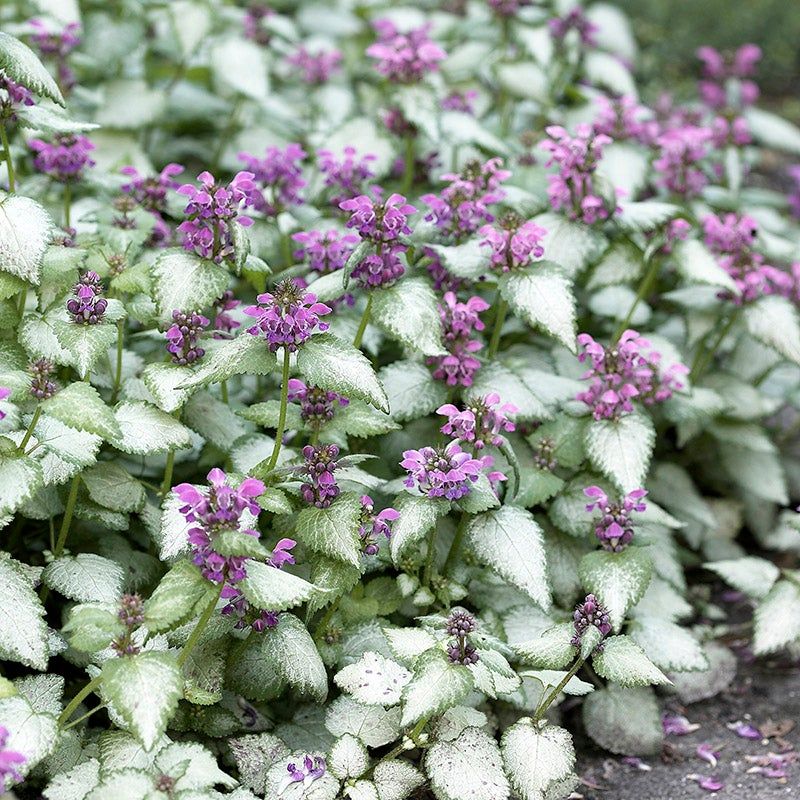
Dead nettle might have an unfortunate common name, but Lamium maculatum is very much alive with beauty. Silver-marked leaves create a glowing carpet effect, while purple, pink, or white flowers add seasonal interest.
This vigorous ground cover handles dry shade better than most plants, making it invaluable for difficult areas. It can spread aggressively, so choose your location carefully.
Evergreen in mild climates, providing year-round color and texture to shaded landscapes.
13. Begonia: Continuous Blooms in Challenging Spots
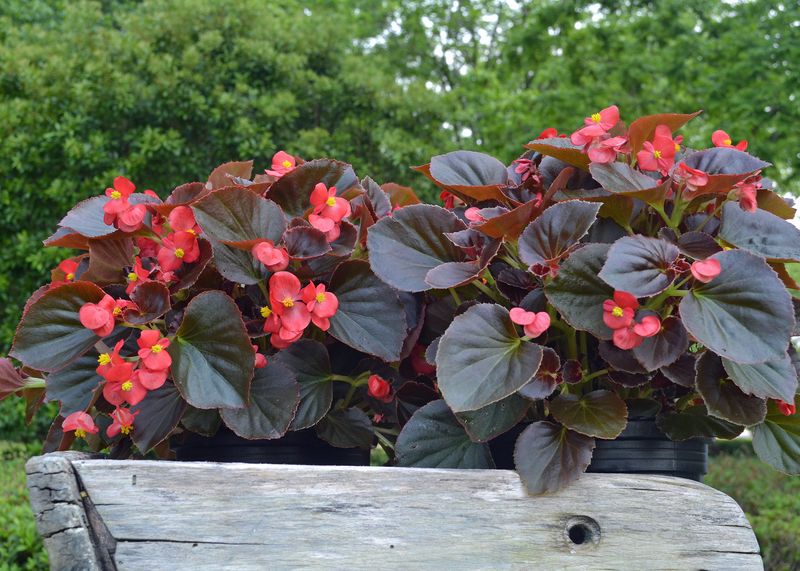
Wax begonias earn their place in shade gardens through sheer determination, blooming continuously from spring until frost without missing a beat. Their waxy leaves and flowers come in shades of pink, red, white, and coral.
These reliable annuals tolerate both sun and shade, making them perfect for areas with changing light conditions. Regular watering and occasional feeding keep them performing at their peak.
Bronze-leafed varieties add extra color dimension beyond their already impressive flower display.
14. Ajuga: Purple Spikes from Living Carpet
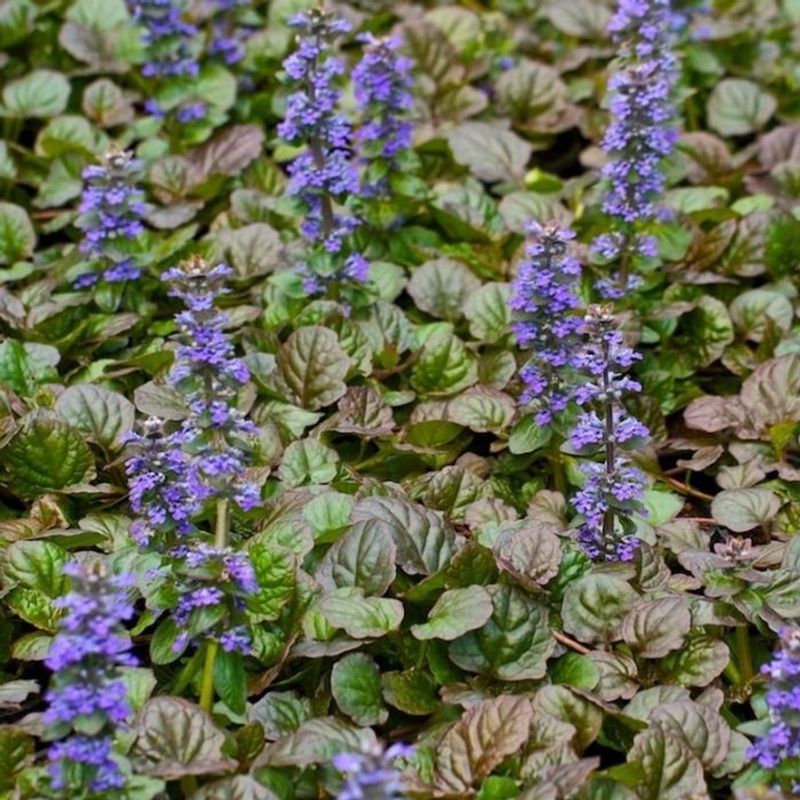
Bugleweed forms dense mats of colorful foliage topped with striking purple flower spikes that seem to glow in shaded conditions. Bronze, burgundy, and variegated leaf forms provide options for every garden design.
This aggressive ground cover quickly fills large areas, making it perfect for slopes or areas where grass won’t grow. Spring flower display attracts beneficial insects and early pollinators.
Extremely low maintenance once established, requiring only occasional division to prevent overcrowding.
15. Impatiens: Shade’s Most Cheerful Ambassador
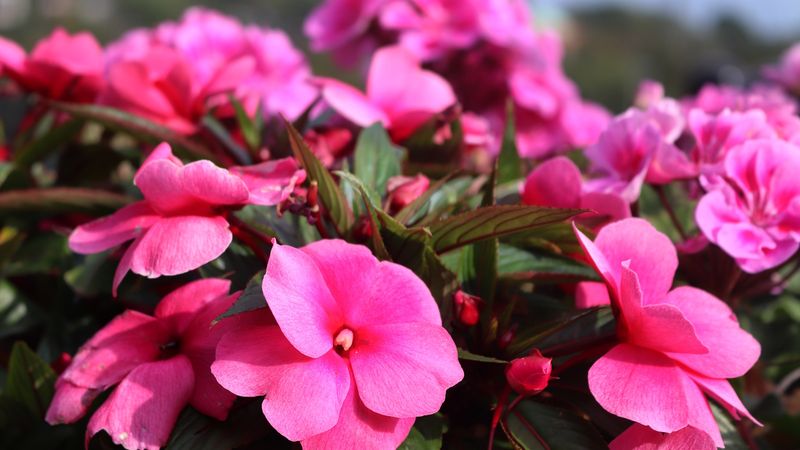
New Guinea and traditional impatiens bring pure joy to shaded spaces with their bright, cheerful faces in every color imaginable. These shade-loving annuals bloom prolifically without requiring deadheading or special care.
Consistent moisture keeps them happy, but they recover quickly from occasional wilting. New Guinea types offer larger flowers and more colorful foliage than traditional varieties.
Perfect for containers, hanging baskets, or mass plantings where immediate color impact is desired.
16. Pachysandra: The Ultimate Shade Survivor
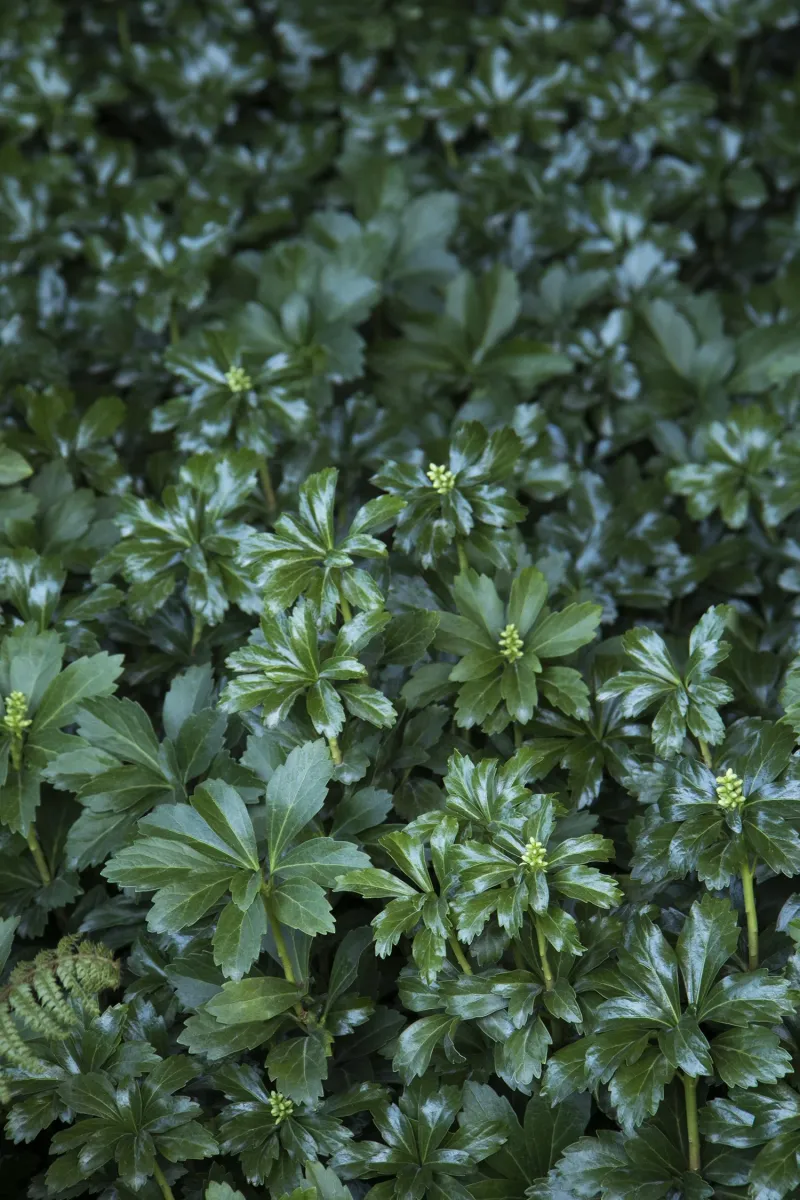
Japanese spurge creates the most reliable evergreen ground cover for deep shade, forming dense mats of glossy green leaves that look good year-round. Small white flower spikes appear in early spring before most other plants wake up.
Once established, pachysandra requires virtually no maintenance and tolerates root competition from large trees. It spreads by underground runners, eventually forming solid carpets.
Ideal for large areas where other plants struggle, providing consistent green coverage in challenging conditions.
17. Torenia: Wishbone Flowers with Velvet Petals
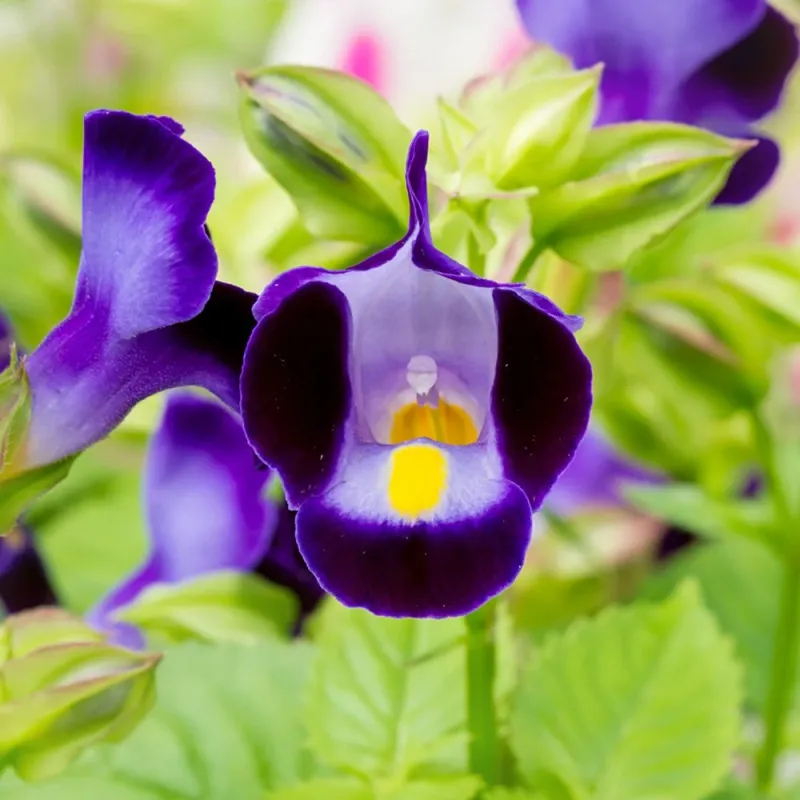
Wishbone flowers get their name from the tiny wishbone-shaped stamens visible in each bloom, but their velvety petals in purple, blue, and white create the real magic. These charming annuals bloom continuously in partial shade.
Compact, mounding habit makes them perfect for edging shaded borders or filling containers. They prefer consistent moisture but tolerate brief dry periods once established.
Cool weather actually improves their performance, making them excellent choices for spring and fall planting.
18. Ferns: Ancient Elegance for Modern Gardens
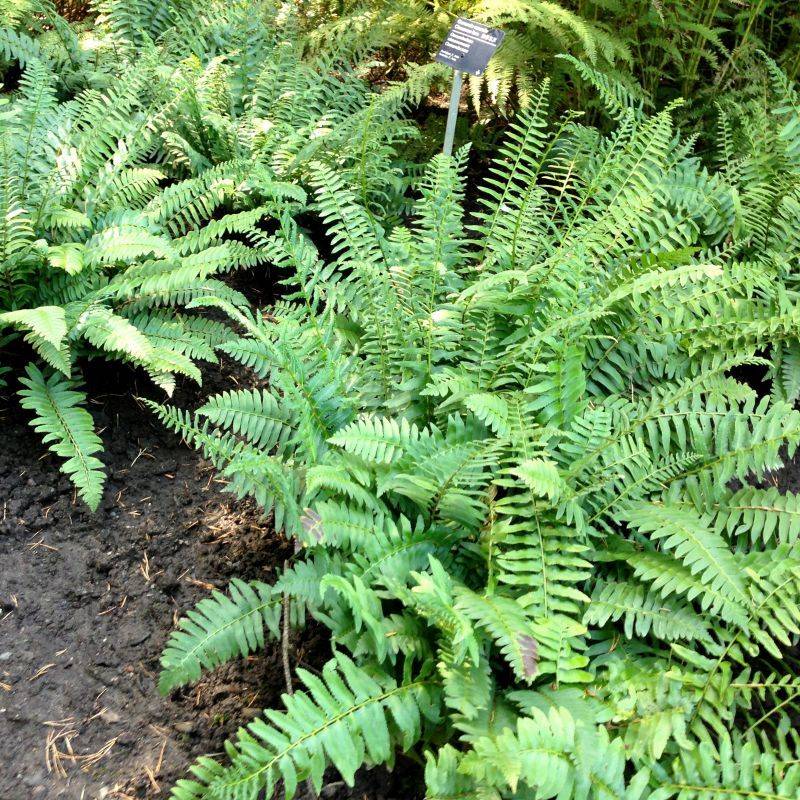
Christmas ferns, lady ferns, and royal ferns bring prehistoric elegance to contemporary shade gardens with their intricate fronds and varied textures. These ancient plants have perfected the art of thriving without direct sunlight.
Different species offer varying heights, textures, and seasonal interest, from delicate maidenhair to bold ostrich ferns. Most prefer consistent moisture and rich, organic soil.
Evergreen varieties provide winter structure while deciduous types offer seasonal change and renewal each spring.
19. Coral Bells: Color-Changing Chameleons
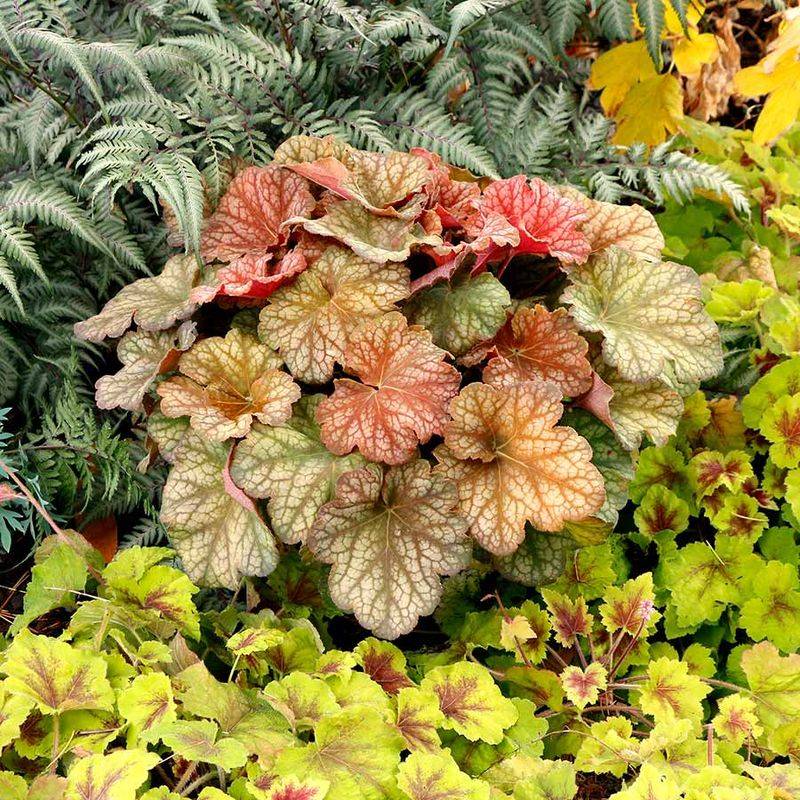
Modern heuchera breeding has produced varieties that change colors with the seasons, starting purple in spring, deepening to burgundy in summer, and finishing with orange tones in fall. These perennials never look the same twice.
Ruffled, smooth, or deeply lobed leaves provide textural interest beyond their amazing colors. Delicate flower wands attract hummingbirds and add vertical interest to low plantings.
Excellent drainage prevents crown rot, their only significant weakness in otherwise adaptable plants.
20. Wild Ginger: Woodland Floor Carpet
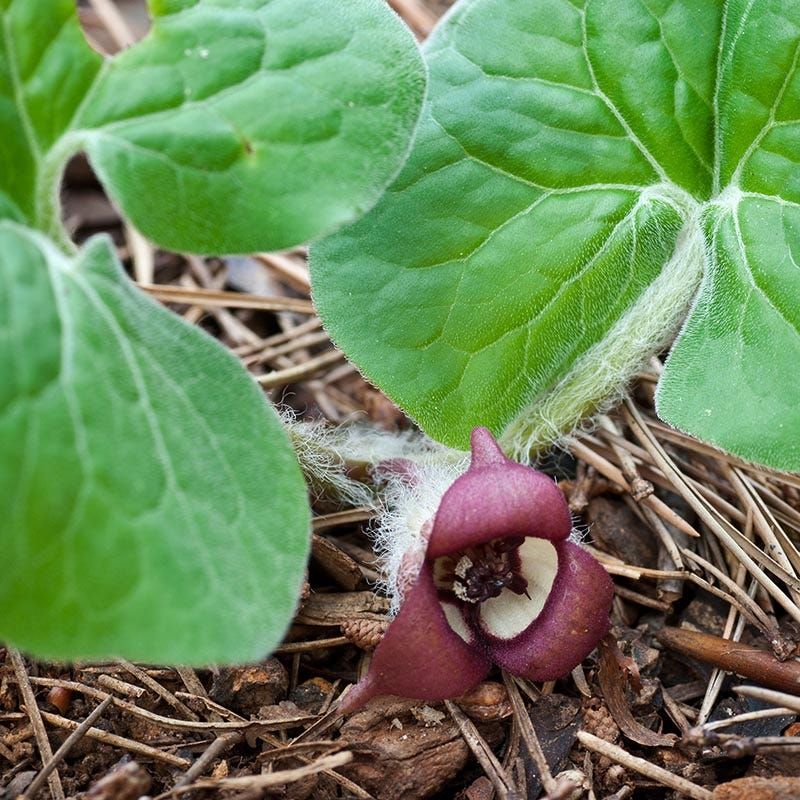
Asarum canadense creates living carpets under trees with its heart-shaped leaves that hide curious burgundy flowers near ground level. This native ground cover spreads slowly but steadily, forming colonies over time.
Deep shade and moist, rich soil provide ideal conditions for this woodland native. The flowers, though hidden, are fascinating purple-brown cups that attract specialized pollinators.
Completely deer-proof and virtually maintenance-free once established in appropriate conditions.
21. Ligularia: Bold Statements in Wet Shade
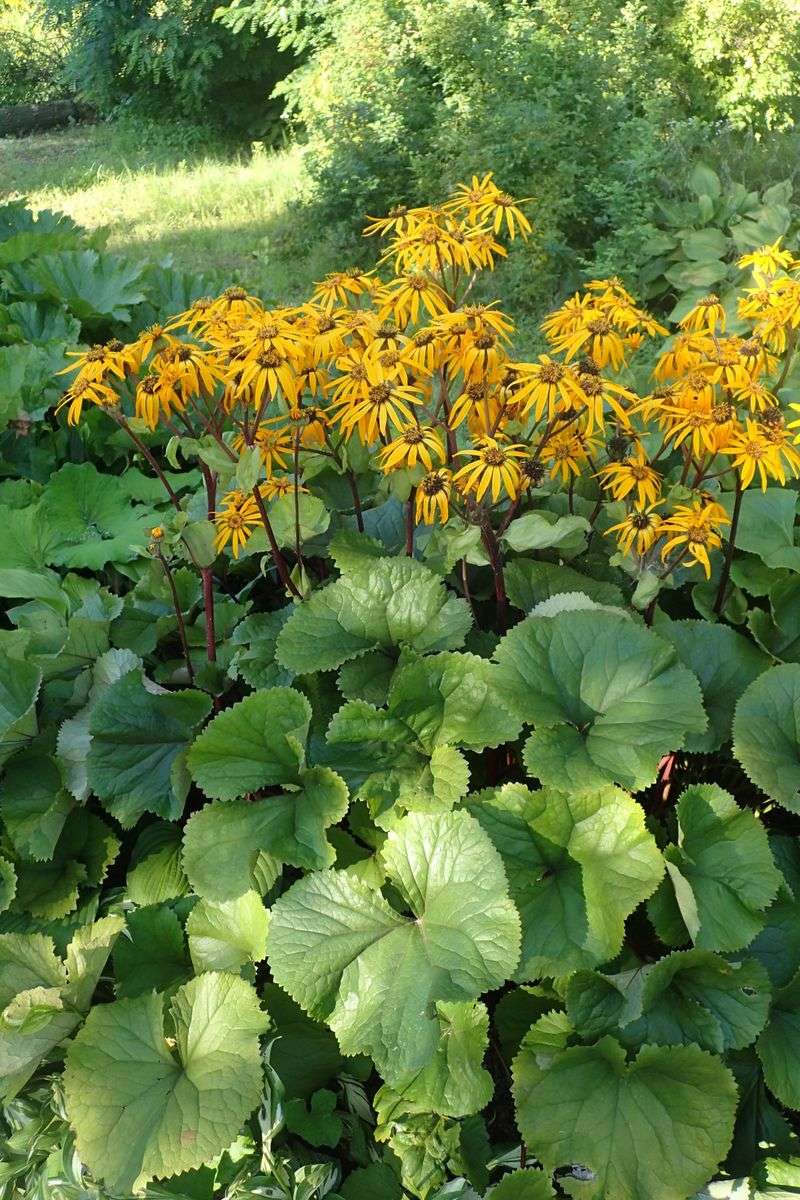
Leopard plant commands attention with enormous, rounded leaves and tall spikes of bright yellow daisy-like flowers that tower above the foliage. These dramatic perennials thrive where other plants would struggle with wet feet.
Consistently moist to wet soil conditions are essential for success. The large leaves may wilt in afternoon sun but recover quickly in shade.
Excellent for bog gardens, pond edges, or naturally wet areas where dramatic foliage impact is desired.
22. Beebalm: Fragrant Pollinator Magnets
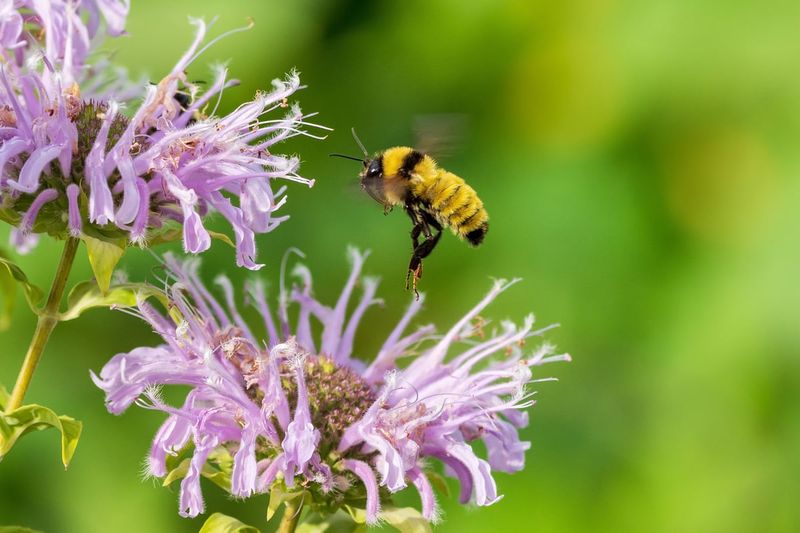
Wild bergamot brings prairie charm to woodland edges with its fragrant leaves and shaggy flower heads in pink, purple, or white. These native perennials attract more butterflies and bees than almost any other shade plant.
Partial shade and average moisture suit them perfectly, though they tolerate drier conditions than most shade plants. The aromatic foliage releases delightful scents when brushed against.
Excellent for naturalizing in wild areas or incorporating into more formal perennial borders.
23. Toad Lily: Orchid-like Exotic Beauty
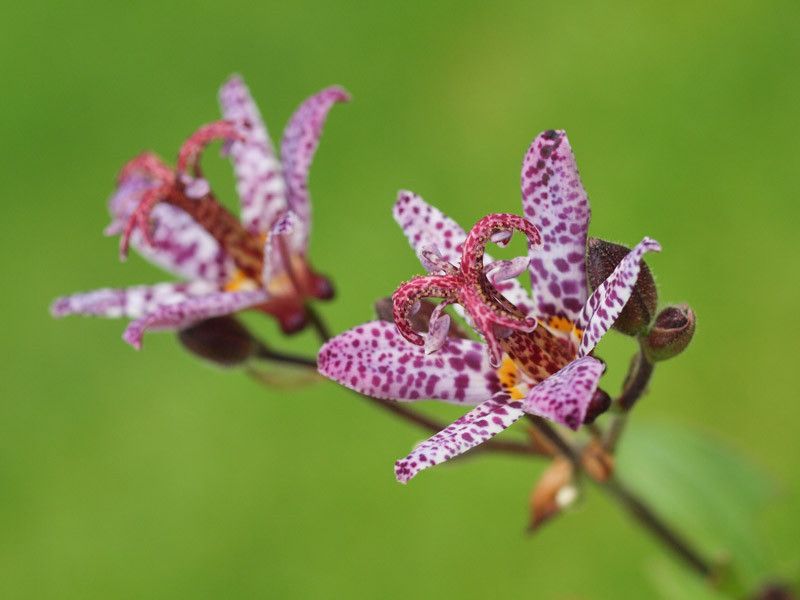
Tricyrtis hirta produces flowers so unusual they stop people in their tracks – spotted purple and white blooms that resemble tiny orchids perched along arching stems. These fall-blooming perennials extend the shade garden season significantly.
Moist, humus-rich soil and partial to full shade create ideal growing conditions. Late summer and fall blooming provides color when most shade plants are winding down.
Slugs appreciate them as much as gardeners do, so protective measures may be necessary.
24. Solomon’s Seal: Graceful Woodland Arches
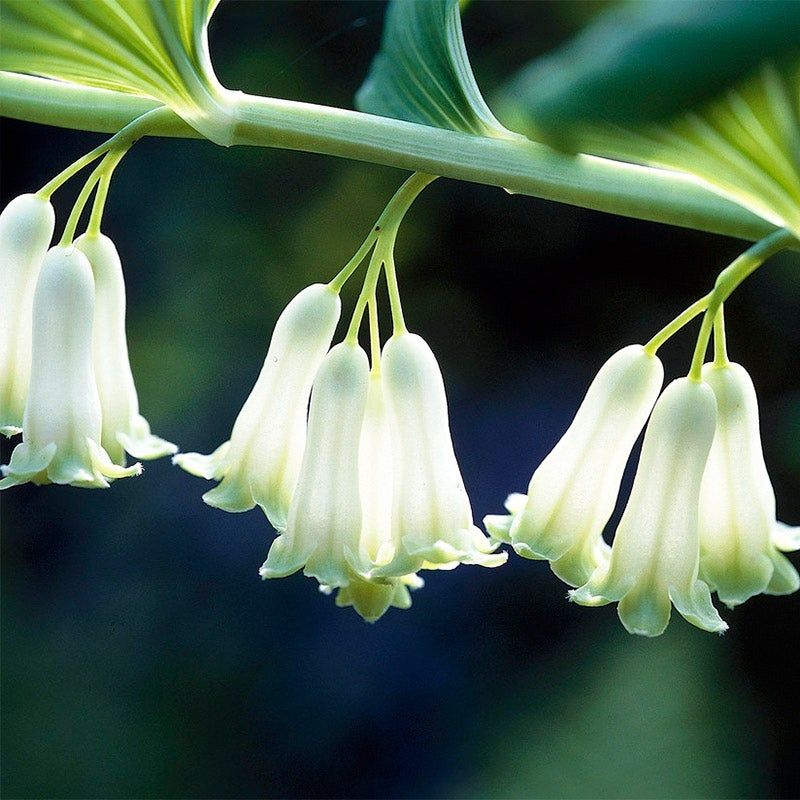
Polygonatum creates elegant arching stems lined with oval leaves and dangling white bell-shaped flowers that epitomize woodland grace. These native perennials form impressive colonies over time without becoming aggressive.
Blue berries follow the flowers, providing food for wildlife and additional ornamental interest. The stems remain attractive even after leaves drop, providing winter structure.
Extremely low maintenance once established, requiring only occasional division to share with friends.
25. Hellebore: Winter’s Brave Bloomer
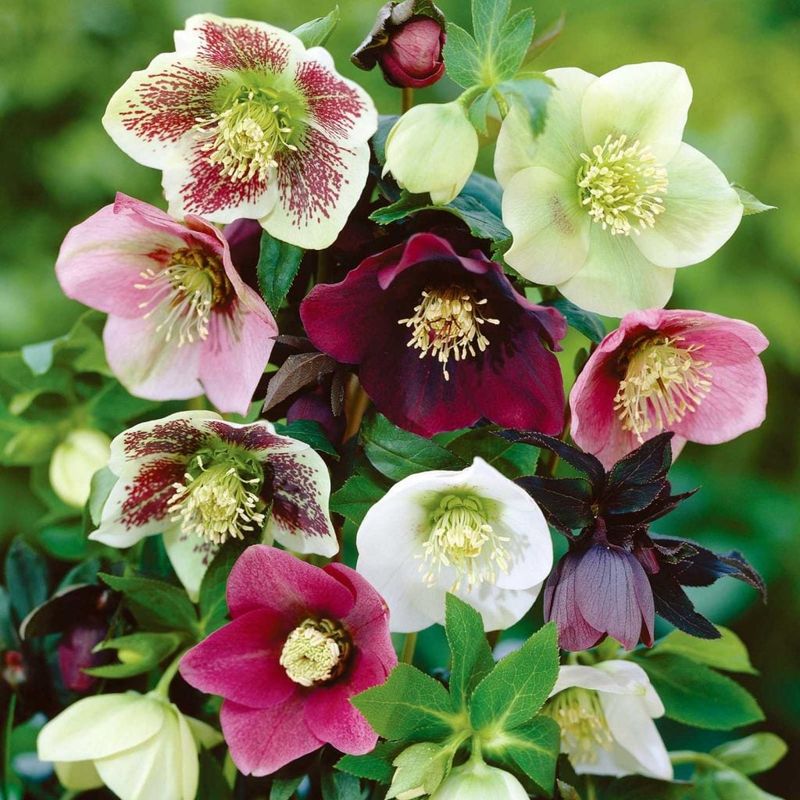
Christmas and Lenten roses bloom when snow might still cover the ground, producing cup-shaped flowers in white, pink, purple, or green that last for months. These evergreen perennials provide year-round structure and seasonal flowers.
Once established, they’re virtually indestructible and self-seed to create natural colonies. Deep shade and well-drained soil suit them perfectly.
Deer and rabbits avoid them completely, making them perfect for areas with wildlife pressure.
26. Vinca: Glossy Carpets with Starry Blooms
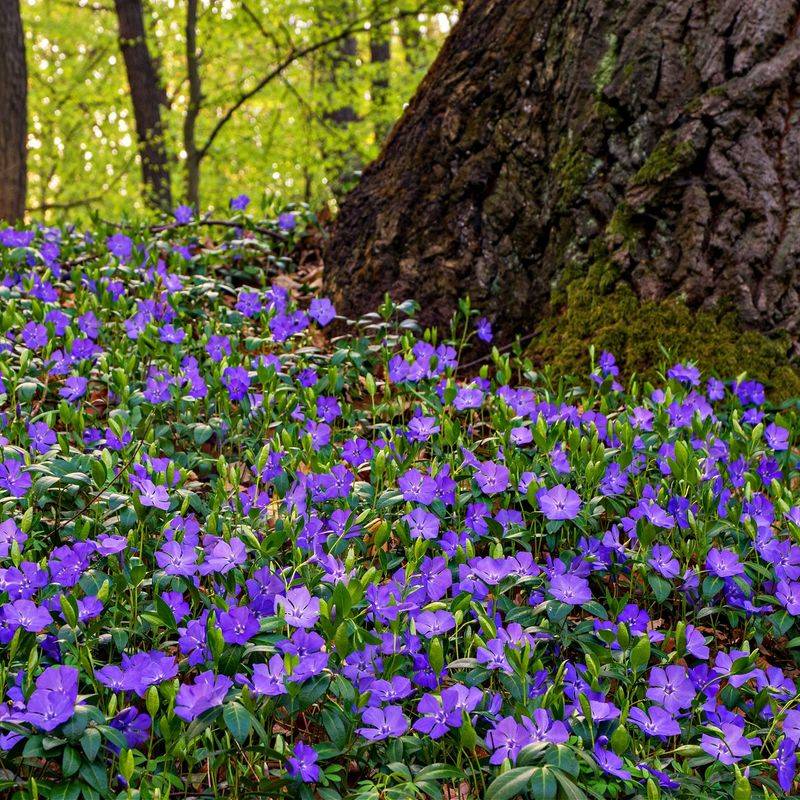
Periwinkle forms dense mats of glossy evergreen leaves topped with perky five-petaled flowers in blue, purple, or white throughout the growing season. This vigorous ground cover handles deep shade and dry conditions equally well.
Extremely aggressive spread makes it perfect for large areas but problematic in small spaces. Regular mowing or trimming keeps it tidy and promotes fresh growth.
Variegated forms add extra brightness to dark areas with their cream-edged leaves.
27. Astilboides: Giant Umbrella Drama
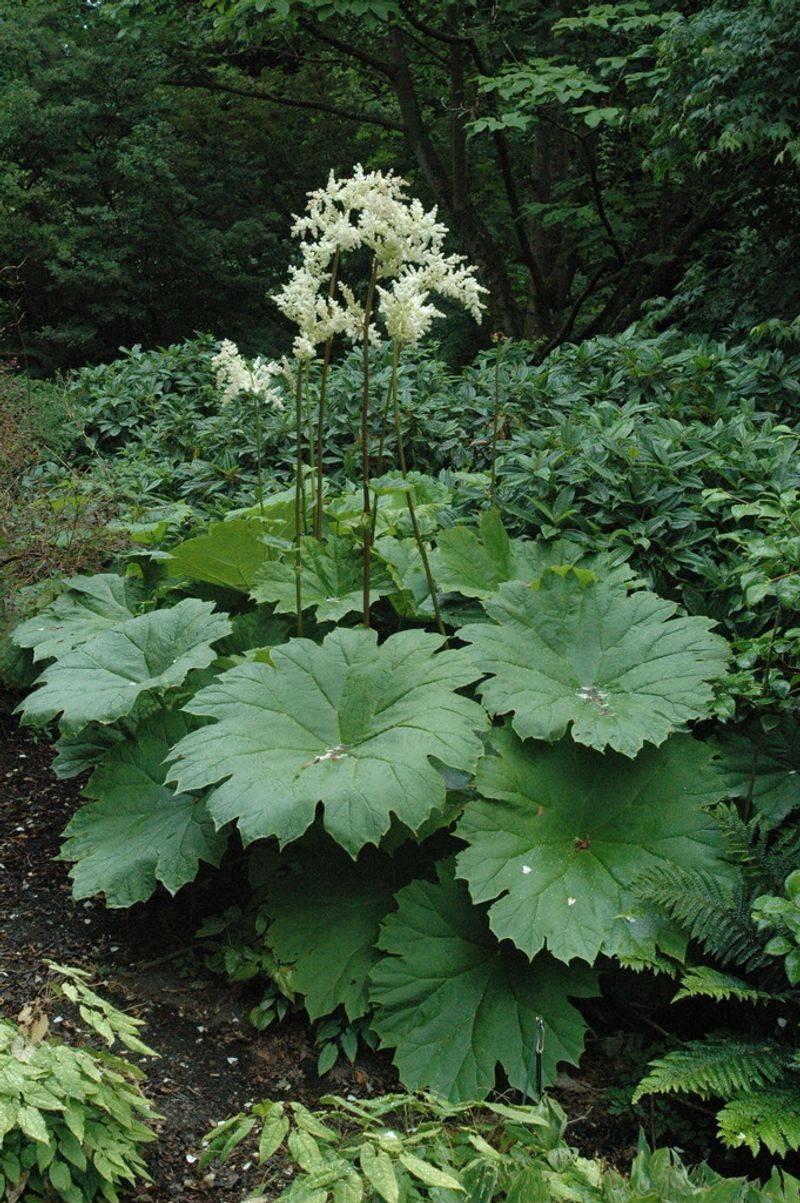
Astilboides tabularis commands attention with leaves so large they could serve as umbrellas, creating bold architectural statements in moist shade gardens. Tall plumes of creamy white flowers rise above the impressive foliage in summer.
Consistent moisture is absolutely essential for success with this dramatic perennial. The enormous leaves provide excellent contrast to fine-textured companions like ferns or astilbe.
Single specimens create instant focal points while mass plantings produce jungle-like effects.
28. Rodgersia: Bronze Beauty with Textured Leaves
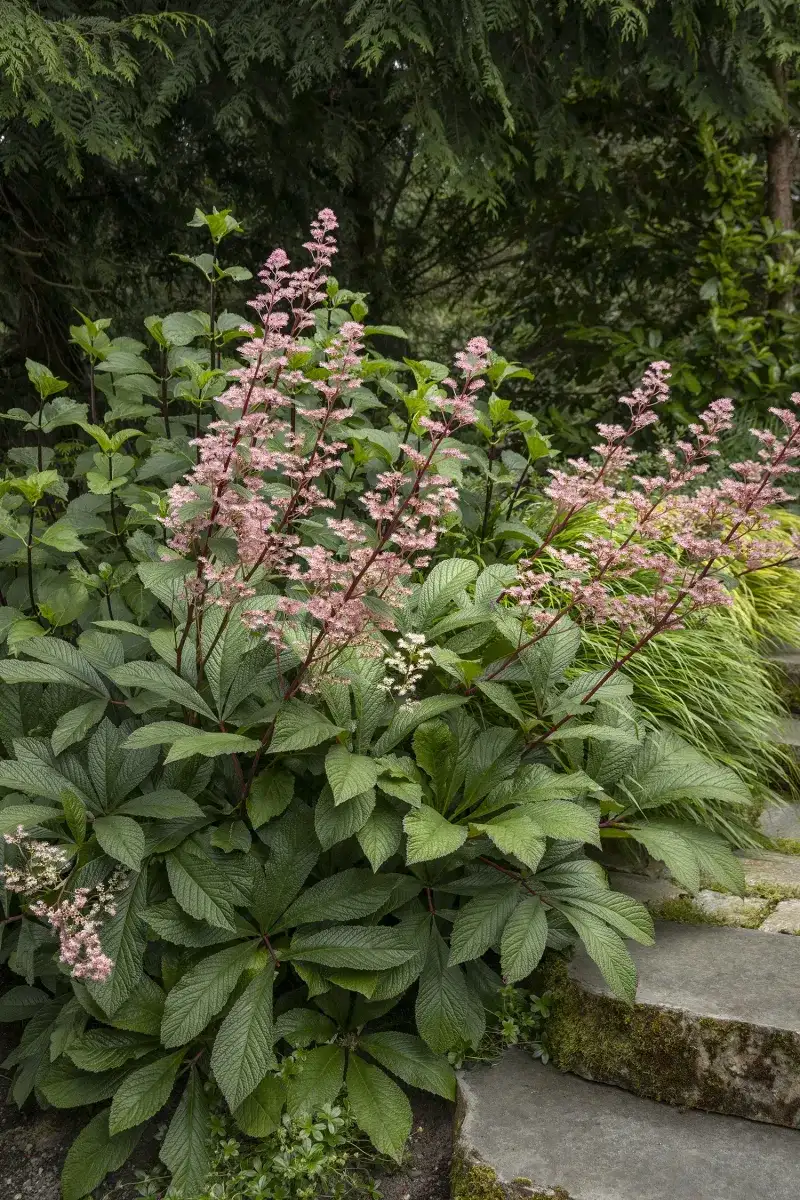
Rodgersia combines the best of both worlds with deeply textured, often bronze-tinted foliage and fluffy plumes of pink or white flowers that rival astilbe for impact. These substantial perennials create bold statements in moist shade.
Consistently wet soil produces the most impressive specimens, making them perfect for stream sides or bog gardens. Bronze new growth gradually turns green as leaves mature.
Excellent architectural plants that provide structure and seasonal interest from spring through fall.
29. Primula: Spring’s Cheerful Messengers
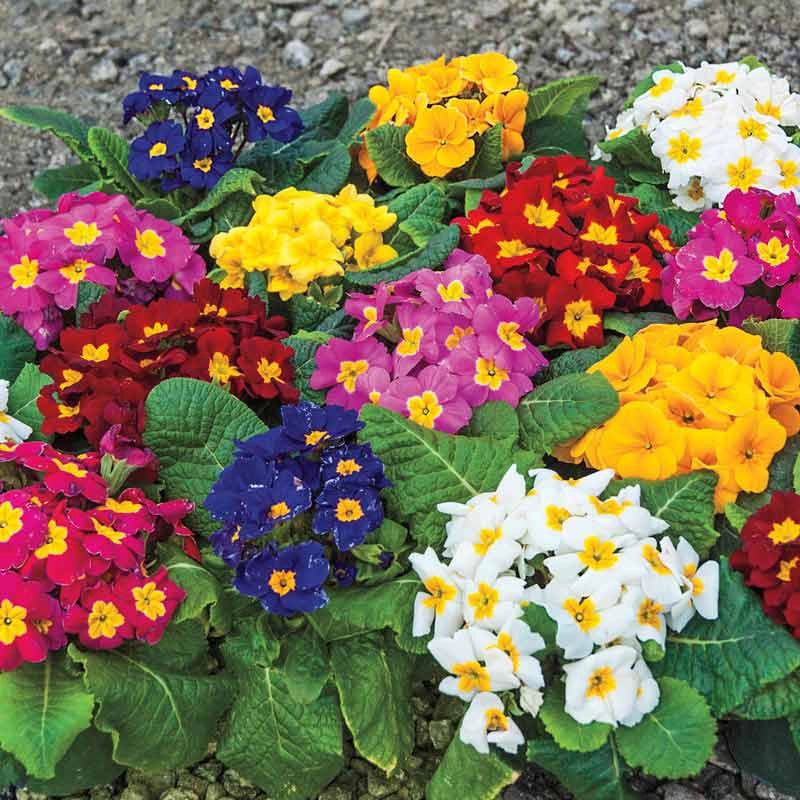
Primroses herald spring’s arrival with bright clusters of flowers in every color imaginable, from soft pastels to vibrant jewel tones. These charming perennials prefer cool, moist conditions and partial shade.
Candelabra types produce multiple tiers of flowers on tall stems, while others form low rosettes crowned with colorful blooms. Consistent moisture during growing season ensures best performance.
Many species naturalize readily, creating stunning displays that improve with age and spread.
30. Kirengeshoma: Yellow Wax Bells of Autumn
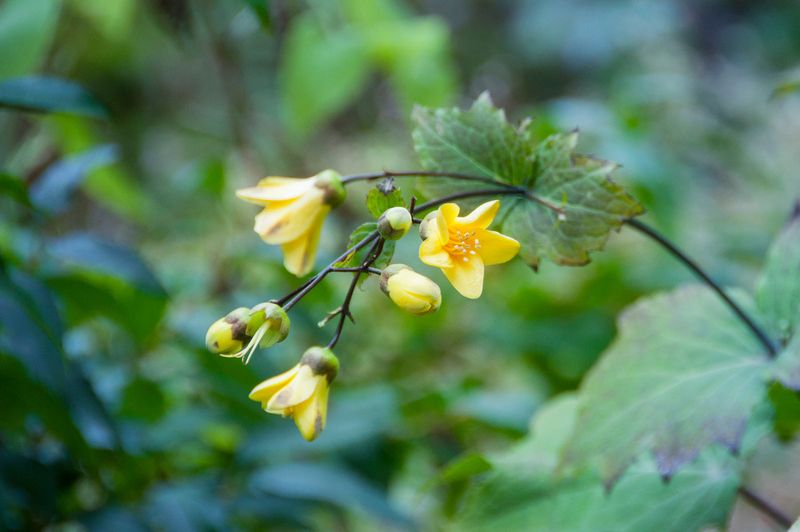
Kirengeshoma palmata produces pendulous yellow flowers that look like they’re made of delicate wax, dangling from dark stems above maple-like leaves. This rare Japanese native blooms in late summer when most shade plants are finished.
Cool, moist, humus-rich soil and protection from wind create ideal conditions. The unusual flowers and attractive foliage make this plant a conversation starter.
Slow to establish but long-lived once settled, eventually forming impressive clumps that increase in beauty with age.