 Complete Gardening
Gardens often brim with plants that captivate us with their beauty. However, some of these verdant wonders hide a more sinister side.
Whether it’s their invasive nature, toxic properties, or surprisingly aggressive growth patterns, these pretty plants can swiftly transform from delightful to dreadful.
In this post, we explore 30 such examples, each one a testament to the idea that beauty can indeed be deceiving.
1. Wisteria
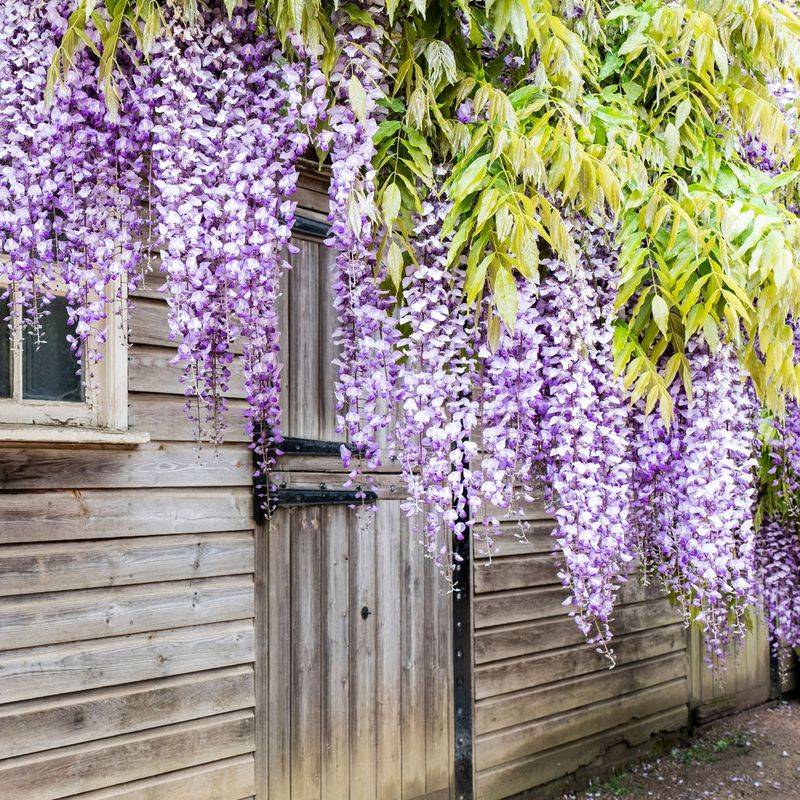
Wisteria’s cascading blooms are undeniably enchanting, draping over pergolas and walls with effortless elegance. But don’t let its beauty fool you. This plant grows with a vigor that can quickly overwhelm any garden space.
Its tendrils twist and wrap around anything in their path, choking out other plants and even damaging structures. Regular pruning is essential to keep its growth in check.
Without it, wisteria can become a garden tyrant, smothering everything in its reach and creating a tangled mess that’s hard to control.
2. Japanese Honeysuckle
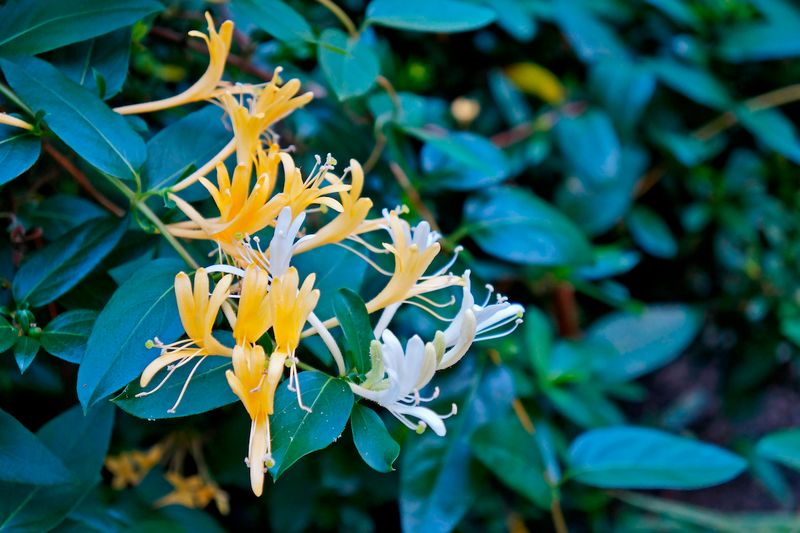
Japanese honeysuckle is as fragrant as it is fierce. Its sweet aroma lures gardeners in, while its rapid growth rate ensures it quickly takes over.
This vine can climb, sprawl, and smother nearby vegetation, making it a challenging guest in any garden. Native plants struggle for nutrients and light as honeysuckle blankets the ground. Controlling it requires vigilance; cutting and regular removal are necessary.
Despite its charm, this honeysuckle can transform a thriving garden into a monoculture, showcasing its monstrous side with remarkable speed.
3. Morning Glory
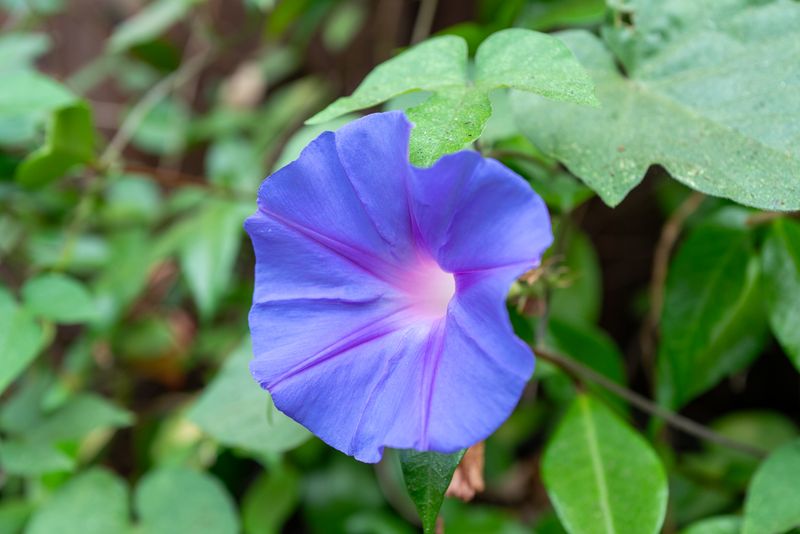
Morning glory’s vibrant flowers open with the sunrise, painting gardens in hues of blue and purple. Yet, behind this colorful display lies a tenacious invader.
These vines grow rapidly, winding around structures and plants alike, often suffocating less aggressive species beneath. Left unchecked, morning glory can cover an area in no time, creating a dense mat of foliage.
Regular trimming is crucial to prevent it from overtaking everything else. Its speed and determination make it a formidable garden monster in disguise.
4. English Ivy
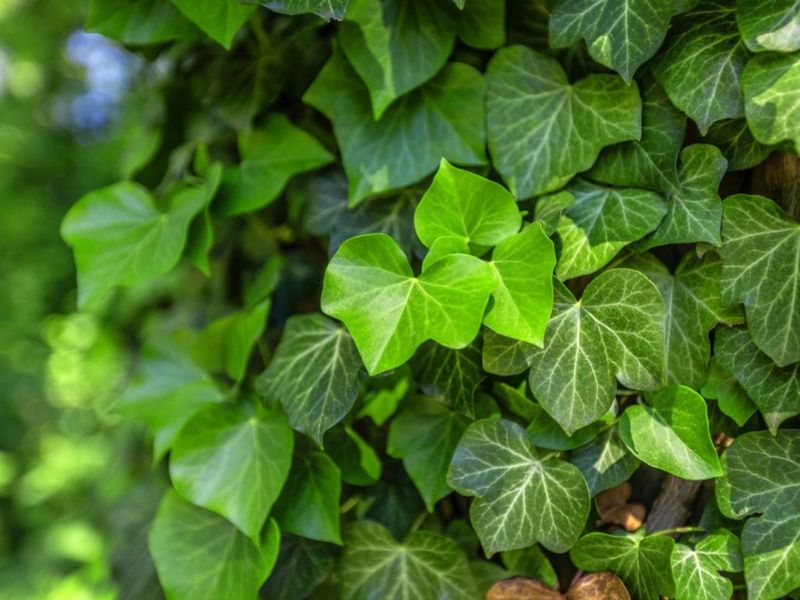
English ivy is the epitome of classic elegance, often seen draping old buildings in lush, dark green foliage. However, its charm masks a destructive nature.
This ivy can climb and cling to almost any surface, potentially damaging walls and roofs. It’s equally aggressive on the ground, running rampant and overshadowing other plants.
Controlling English ivy requires persistent cutting and uprooting, as it’s notorious for its resilience. Left to its own devices, it can turn a quaint garden into a chaotic jungle.
5. Bamboo
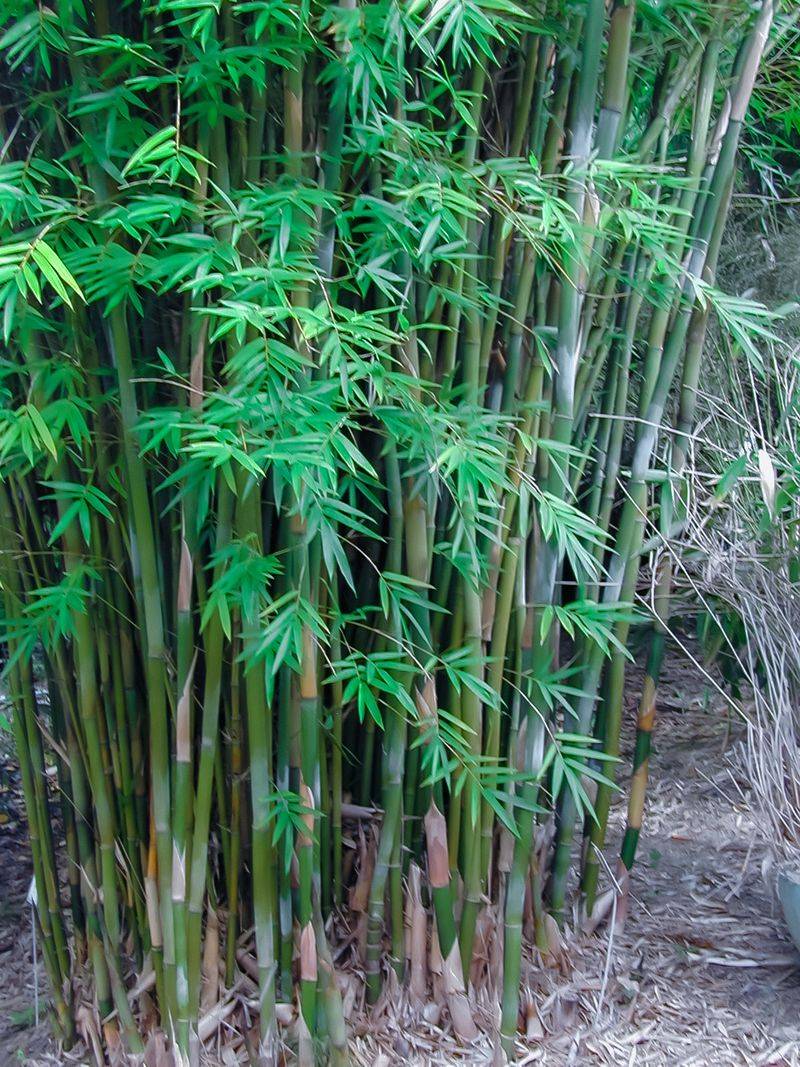
Bamboo is admired for its towering presence and gentle rustle in the wind. Yet, beneath the soil, it harbors a secret weapon: rhizomes.
These underground runners spread quickly and can pop up far from the original planting site, making bamboo notoriously difficult to contain. Once established, it forms dense thickets that can dominate landscapes.
Regularly cutting back and installing root barriers can help manage its spread. Without such measures, bamboo can overrun gardens, its beauty masking an untamed nature.
6. Kudzu
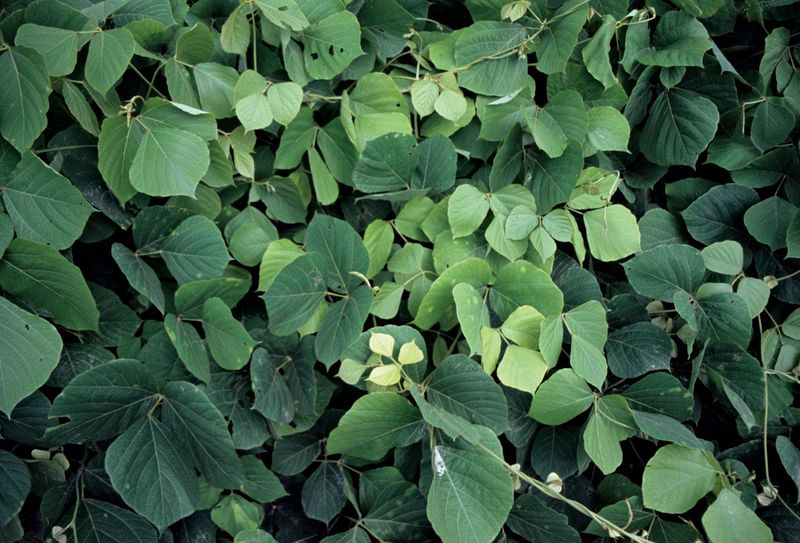
Kudzu is infamous for its rapid growth, earning the nickname “the vine that ate the South.” Its leaves and vines can cover large areas almost overnight.
Originally planted for erosion control, kudzu quickly became an aggressive invader. It smothers trees, shrubs, and structures, preventing sunlight and water from reaching other plants.
Managing kudzu requires persistence. Cutting back and herbicide application can help, but complete eradication is challenging. Despite its lush, green appearance, kudzu is a garden monster lurking in full view.
7. Common Reed
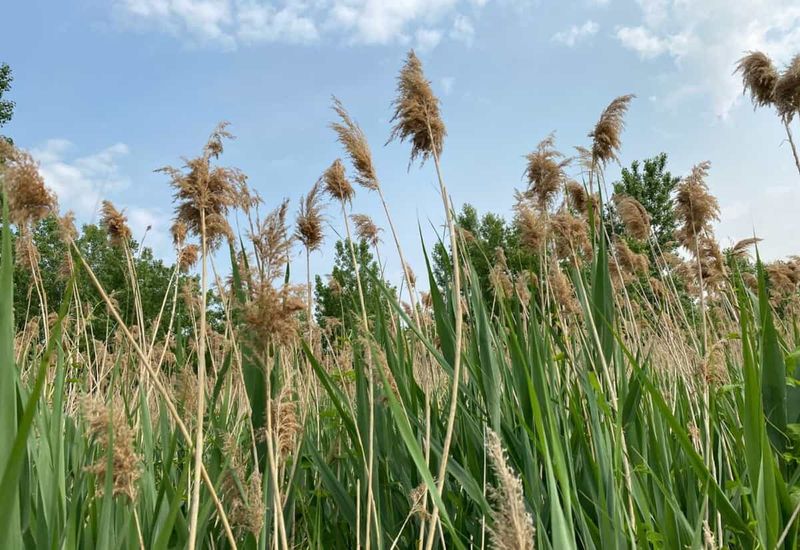
Common reed stands tall and proud, often found swaying gracefully by lakesides. However, its beauty belies its aggressive nature.
These reeds can form dense stands that crowd out native wetland plants, altering ecosystems drastically. Their ability to spread through rhizomes and seeds makes them a formidable adversary for conservationists.
Efforts to control common reeds include cutting, herbicides, and burning. Yet, despite these measures, they often resurge, turning serene landscapes into monocultures.
8. Purple Loosestrife
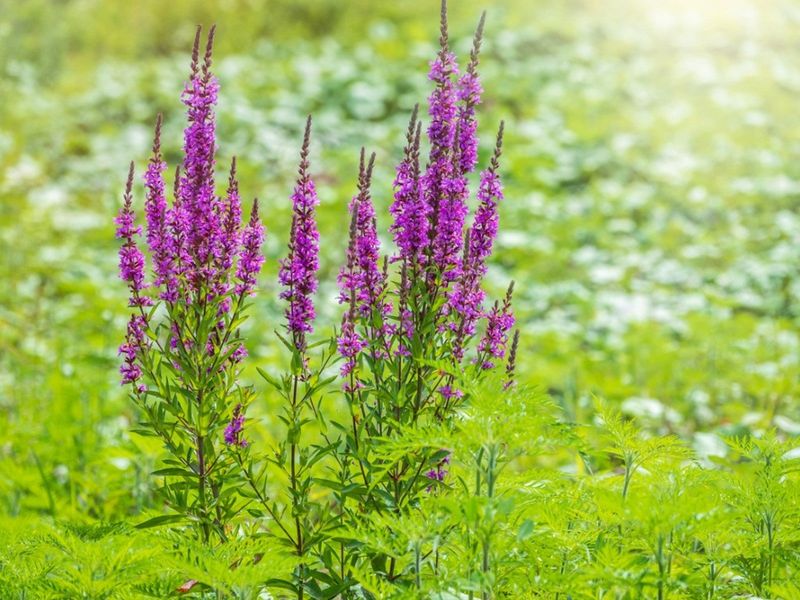
Purple loosestrife is a visual delight with its striking magenta spikes that tower above wetlands. But beneath its beauty lies a destructive force.
This plant invades wetlands, outcompeting native species and reducing biodiversity. Its dense stands hinder water flow and alter habitats vital to wildlife.
Controlling purple loosestrife involves pulling, cutting, and sometimes employing biological controls like beetles. Despite its aesthetic appeal, introducing this plant can lead to ecological disaster, demonstrating its monstrous capabilities.
9. Russian Olive
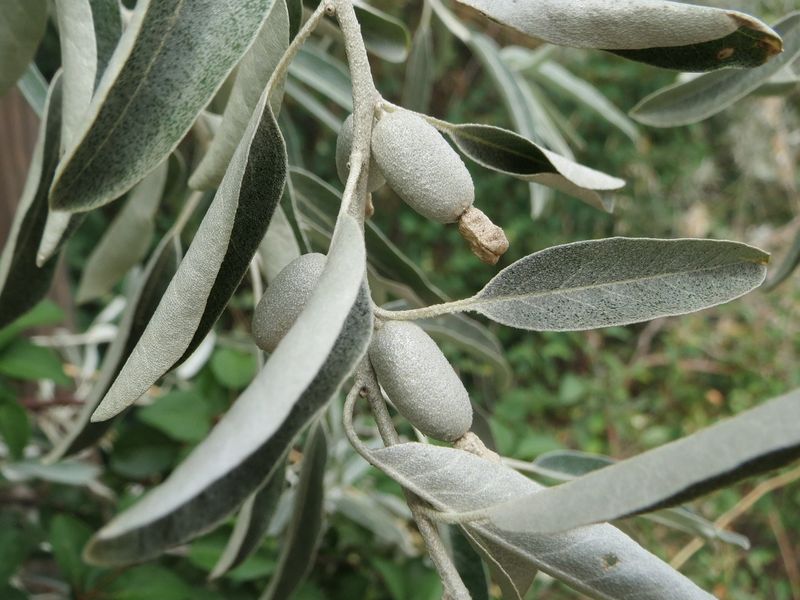
Russian olive trees shimmer with silver leaves, bringing a touch of elegance to arid landscapes. Yet, they are anything but benign.
These trees outcompete native vegetation, altering habitats and displacing wildlife. They also consume precious water resources, exacerbating drought conditions in some areas.
Managing Russian olive requires cutting and chemical treatments, as they are notoriously hard to eradicate once established. Their unassuming appearance disguises their potential to disrupt ecosystems significantly.
10. Yellow Flag Iris
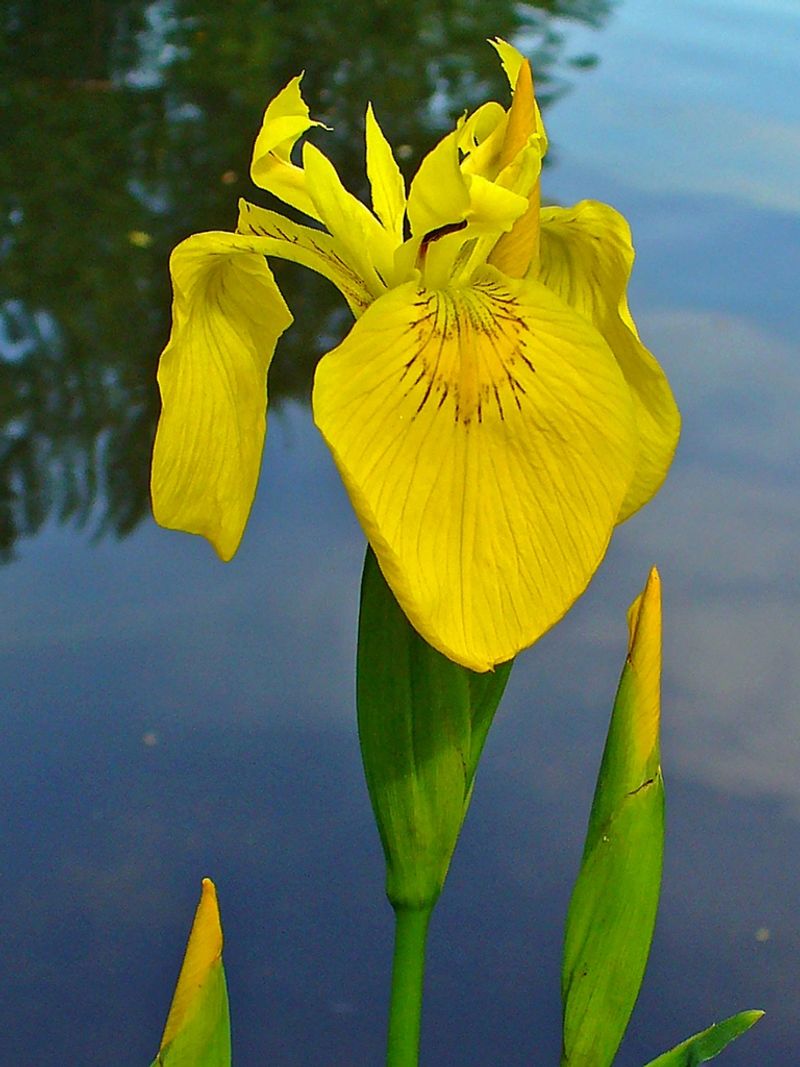
Yellow flag iris graces ponds and waterways with brilliant yellow blooms, adding a splash of color to aquatic environments. However, this beauty comes at a price.
The iris spreads aggressively through rhizomes, forming dense clusters that choke out native plants. Its presence can disrupt water flow and impact wildlife habitats.
Control methods include pulling, cutting, and sometimes herbicides. Despite its sunny disposition, yellow flag iris can dominate wetlands, revealing its true nature as a garden monster.
11. Giant Hogweed

Giant hogweed stands as a colossal beauty, with flower clusters that resemble umbrellas. However, it’s infamous for its dangerous sap.
Contact with the plant can cause severe skin irritation and even blindness if it gets into your eyes. Its size and rapid growth enable it to overshadow native plants, disrupting local ecosystems.
Eradicating giant hogweed requires protective clothing and careful removal. Despite its striking appearance, it poses a significant threat both to humans and garden landscapes.
12. Water Hyacinth
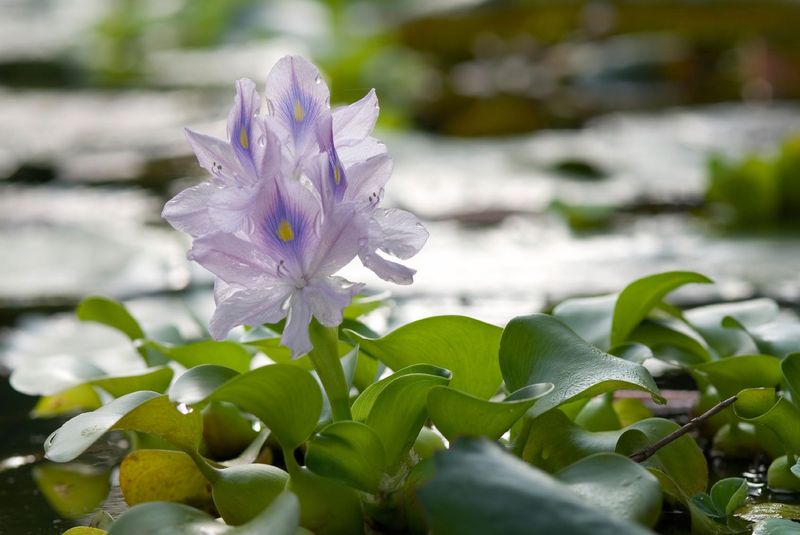
Water hyacinth is a floating beauty with clusters of violet flowers that decorate ponds and lakes. Yet, it’s known as one of the world’s worst aquatic weeds.
Its rapid growth covers water bodies entirely, blocking sunlight and depleting oxygen levels, which can kill fish and other aquatic life. Manual removal and herbicides are common control methods.
Though it looks serene and charming, water hyacinth can transform vibrant ecosystems into lifeless waters, demonstrating its monstrous potential.
13. Tree of Heaven
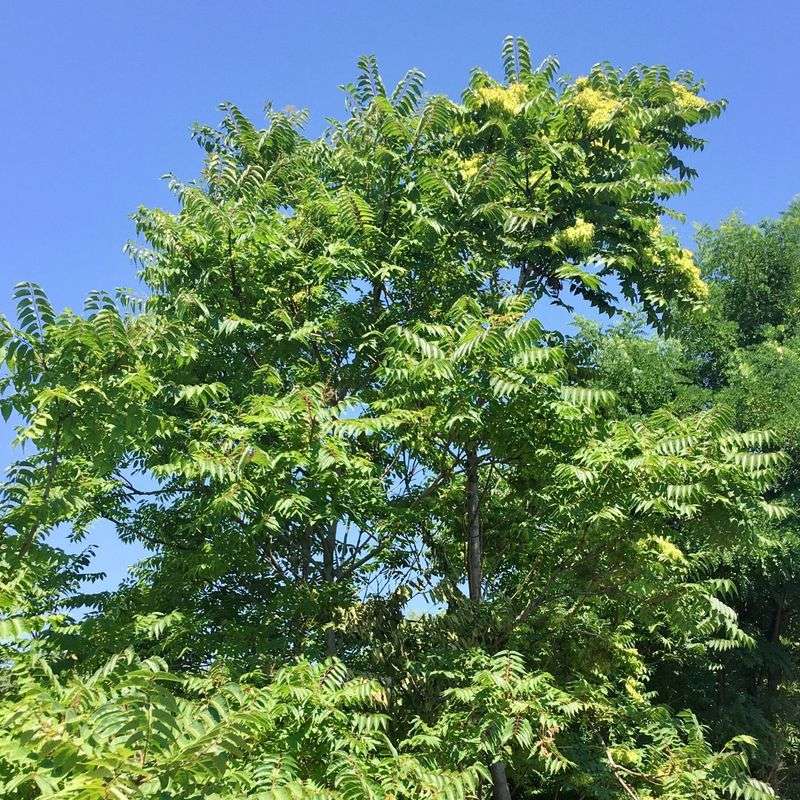
Tree of Heaven is aptly named for its rapid growth and ability to thrive in urban environments. However, this resilience comes with a downside.
It releases chemicals that inhibit the growth of other plants, creating monocultures. Its aggressive spread through root suckers and seeds makes it a persistent invader.
Controlling the Tree of Heaven involves cutting and chemical treatments. Despite its lofty name, this tree can turn diverse landscapes into barren stretches.
14. Garlic Mustard
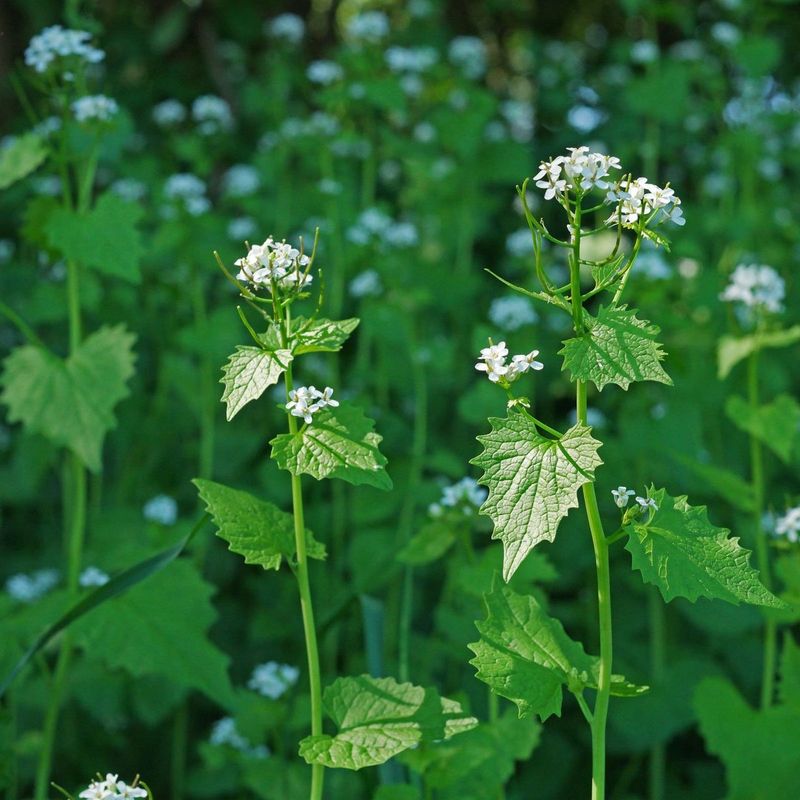
Garlic mustard is a culinary delight with a sinister twist. While its leaves add flavor, its invasive nature poses a serious threat to native woodland plants.
It spreads rapidly, forming dense patches that dominate the forest floor, with few natural predators to keep it in check. Control involves pulling and cutting before it seeds.
Despite its culinary uses, garlic mustard can alter ecosystems by outcompeting native flora, making it a garden monster in disguise.
15. Mile-a-Minute Weed
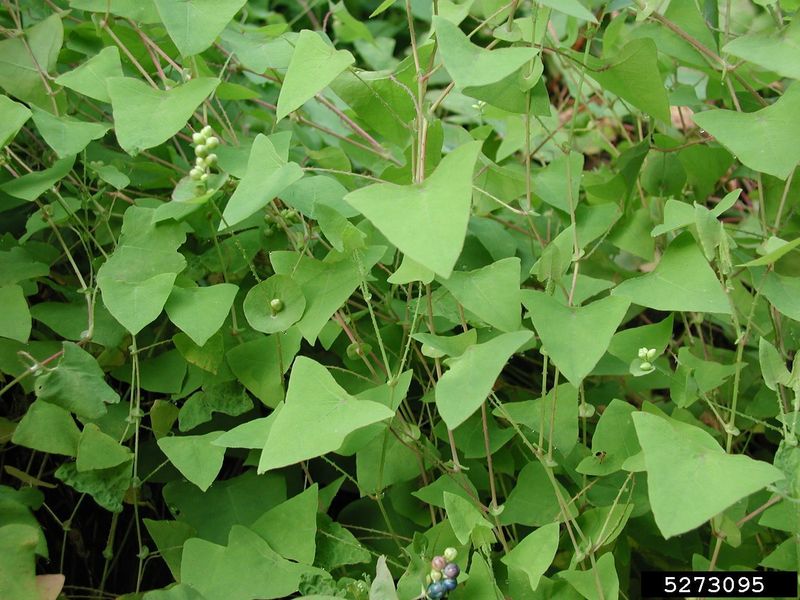
Mile-a-minute weed lives up to its name, growing at an astonishing rate that can overwhelm landscapes quickly. Its triangular leaves and blue berries are deceptively charming.
This vine forms dense mats, shading out other plants and altering habitats. Manual removal and herbicides are often necessary to control it.
Despite its cheerful appearance, mile-a-minute weed can transform vibrant gardens into monotonous green carpets, showcasing its monstrous tendencies.
16. Bittersweet Nightshade
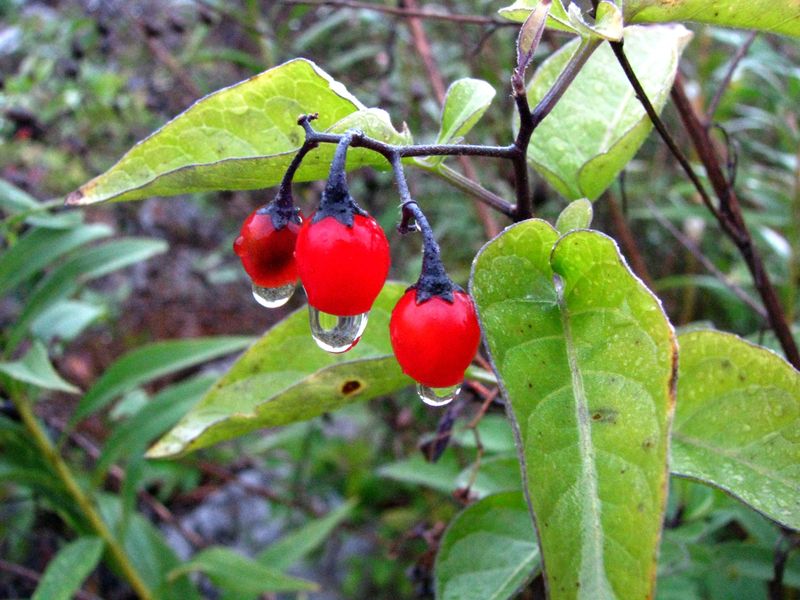
Bittersweet nightshade is a plant of contradictions, adorned with small purple flowers and bright red berries. However, it’s both invasive and toxic.
This vine can spread quickly, climbing fences and shrubs, overtaking garden spaces. Its berries contain solanine, which is poisonous to humans and animals.
Controlling bittersweet nightshade requires cutting and careful removal to prevent re-growth. Despite its ornamental charm, it poses risks to both garden harmony and health.
17. Pampas Grass
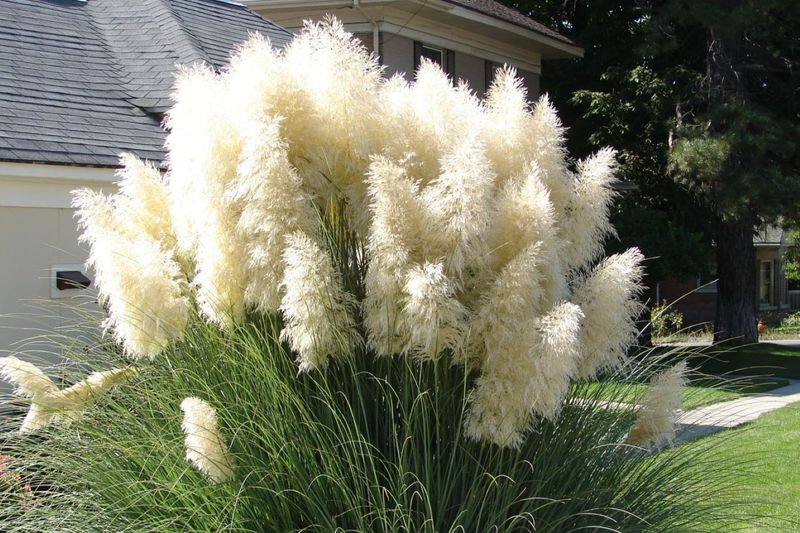
Pampas grass is a sight to behold, with its tall feathery plumes swaying elegantly in the breeze. But don’t be fooled by its graceful appearance.
This grass can spread aggressively, forming dense clumps that are challenging to remove. It thrives in open spaces and can overtake native plants, altering habitats.
Control often involves cutting and digging out the clumps. While pampas grass adds a dramatic flair to landscapes, it can quickly become an overwhelming presence.
18. Yellow Archangel
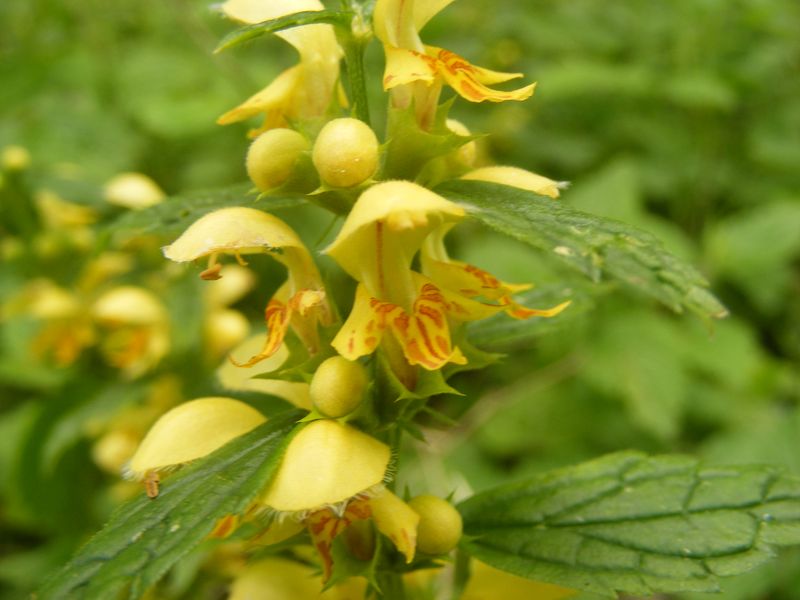
Yellow archangel is a woodland gem, with its bright yellow flowers providing a sunny contrast to shaded areas. Yet, its beauty masks a rapid spread.
This ground cover can swiftly blanket forest floors, outcompeting native plants and reducing biodiversity. Control methods include pulling and cutting back the runners.
Despite its cheerful appearance, yellow archangel can turn diverse woodlands into monotonous golden carpets, highlighting its monstrous potential.
19. Nandina (Heavenly Bamboo)
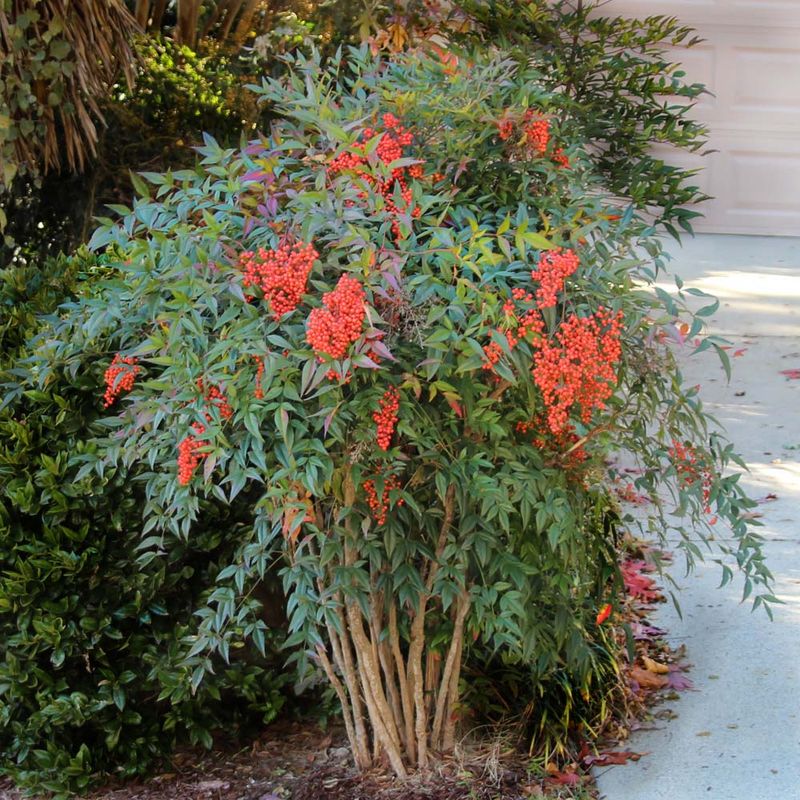
Nandina, often called heavenly bamboo, captivates with its glossy leaves and bright red berries. However, its beauty conceals an invasive side.
In mild climates, nandina can spread aggressively, outcompeting native plants. Its berries are also toxic to birds, adding to its problematic nature.
Managing nandina involves cutting and removing its suckers. While it adds visual interest to gardens, nandina can disrupt local ecosystems, showing its monstrous side.
20. Queen Anne’s Lace
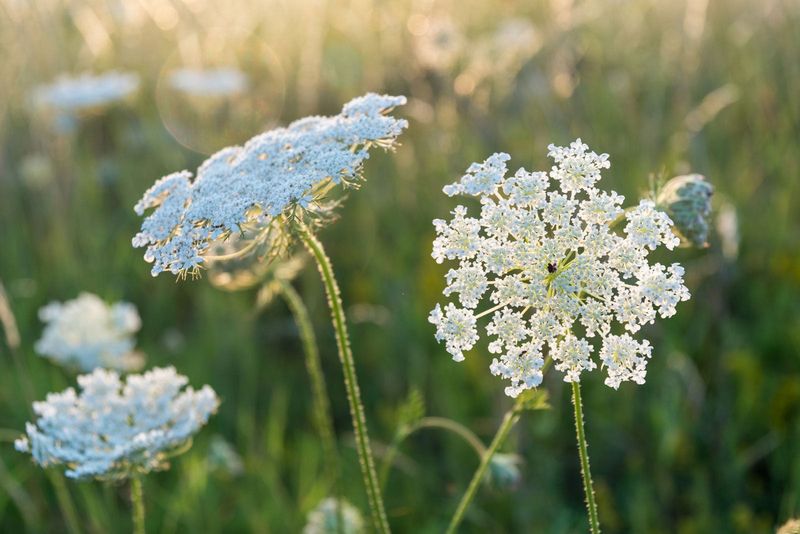
Queen Anne’s lace is an ethereal beauty, its delicate white flowers adding charm to fields and roadsides. Yet, this wild carrot can invade grasslands with ease.
It forms dense stands that suppress native vegetation, altering habitats. Removing it requires pulling before it goes to seed, as seeds spread easily.
Though visually appealing, Queen Anne’s lace can turn vibrant fields into uniform white seas, revealing its monstrous capabilities.
21. Norway Maple
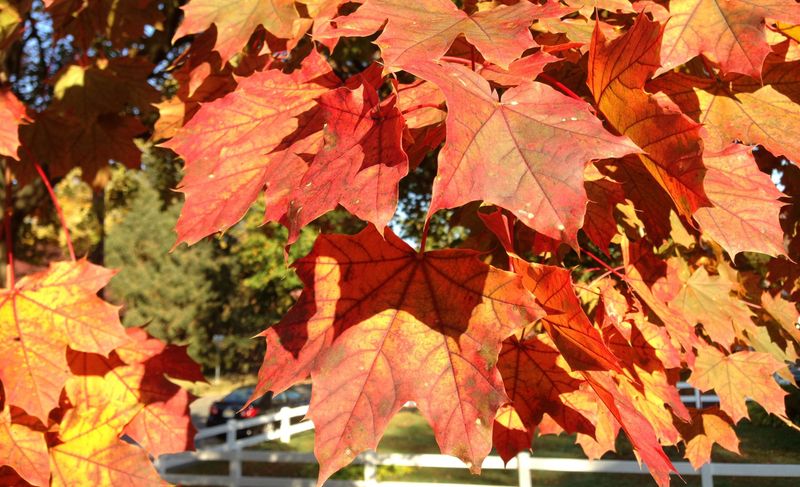
Norway maple is a robust tree, with wide branches providing ample shade in parks and gardens. But this coverage comes at a cost.
Its dense canopy prevents sunlight from reaching the ground, inhibiting the growth of other plants. It also spreads rapidly through seeds, replacing native tree populations.
Controlling Norway maple involves cutting and monitoring seedlings. While it offers shade, this tree can turn diverse landscapes into shadowy monocultures.
22. Mimosa (Silk Tree)
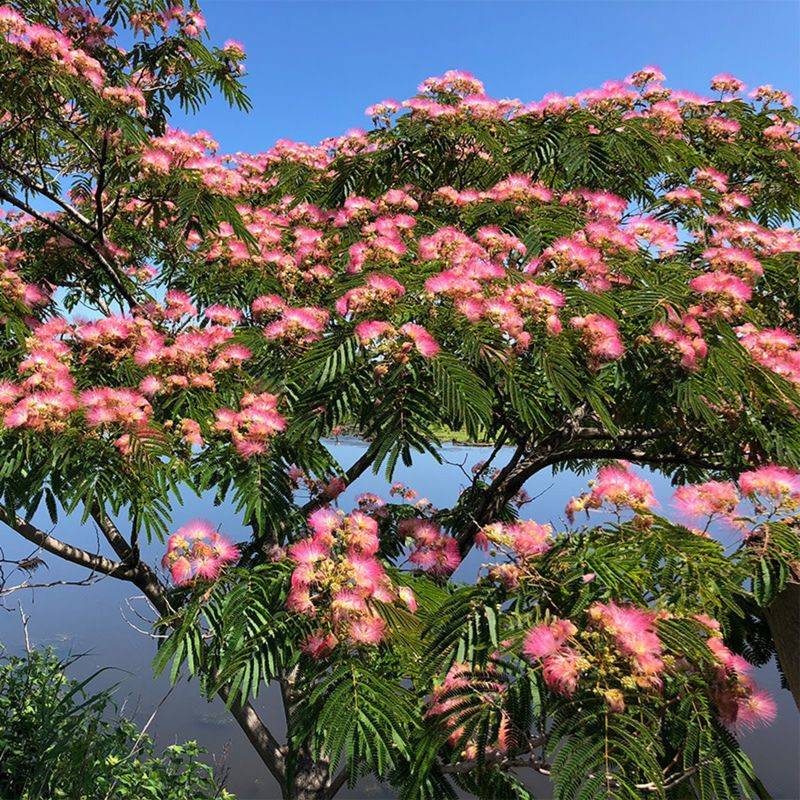
Mimosa, or silk tree, enchants with fluffy pink flowers and delicate, fern-like leaves. Yet, its charm hides a rapid growth rate and invasive tendencies.
This tree can quickly spread through seeds and suckers, outcompeting native species and altering habitats. Managing it requires diligent removal of young plants.
Although it adds a tropical flair, mimosa can transform diverse areas into monotonous forests, showcasing its monstrous side.
23. Creeping Jenny
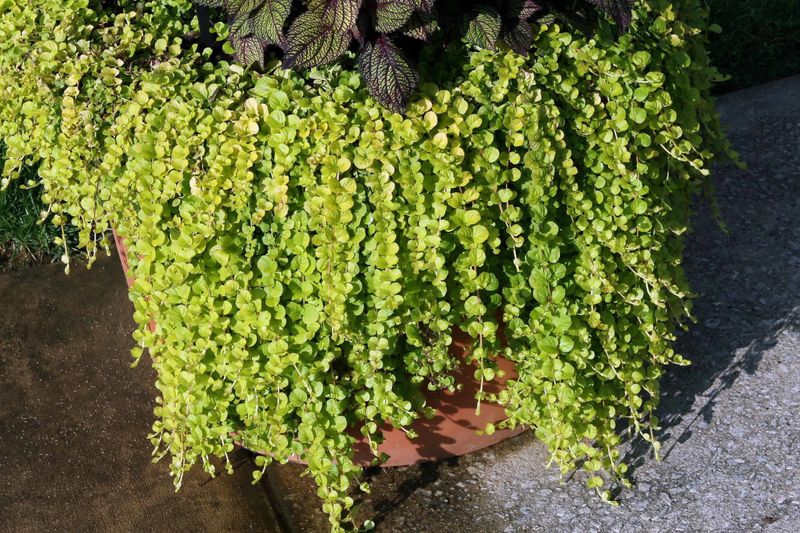
Creeping Jenny is a vivid ground cover, with bright green leaves and yellow flowers that brighten any garden. However, its growth is anything but restrained.
This plant spreads aggressively, forming dense mats that smother other vegetation. Controlling it involves regular trimming and removal.
Despite its cheerful presence, creeping Jenny can turn diverse gardens into uniform green expanses, masking its monstrous nature with its beauty.
24. Hydrilla
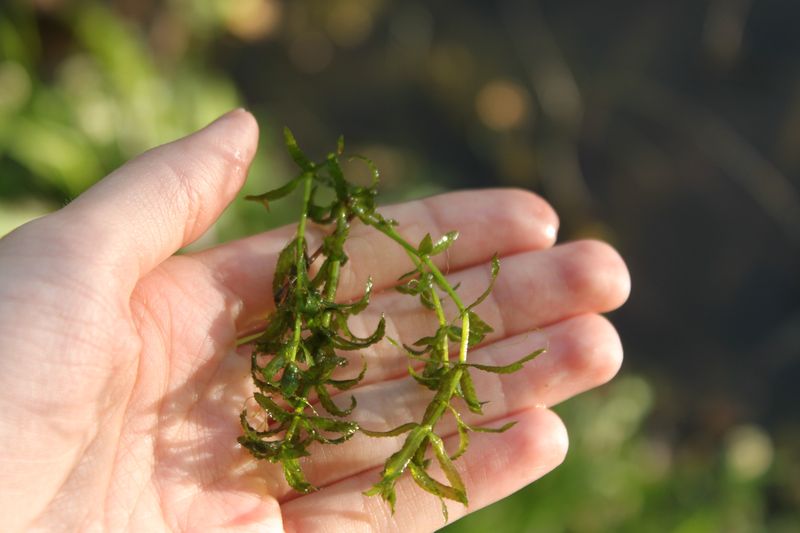
Hydrilla is a freshwater surprise, its long, green strands creating an underwater forest. Yet, it’s known for its invasive spread.
This plant can fill lakes and rivers quickly, blocking sunlight and disrupting aquatic ecosystems. Removal often requires mechanical harvesting and herbicides.
Though unseen from above, hydrilla can transform vibrant water bodies into lifeless depths, highlighting its monstrous potential beneath the surface.
25. Celandine
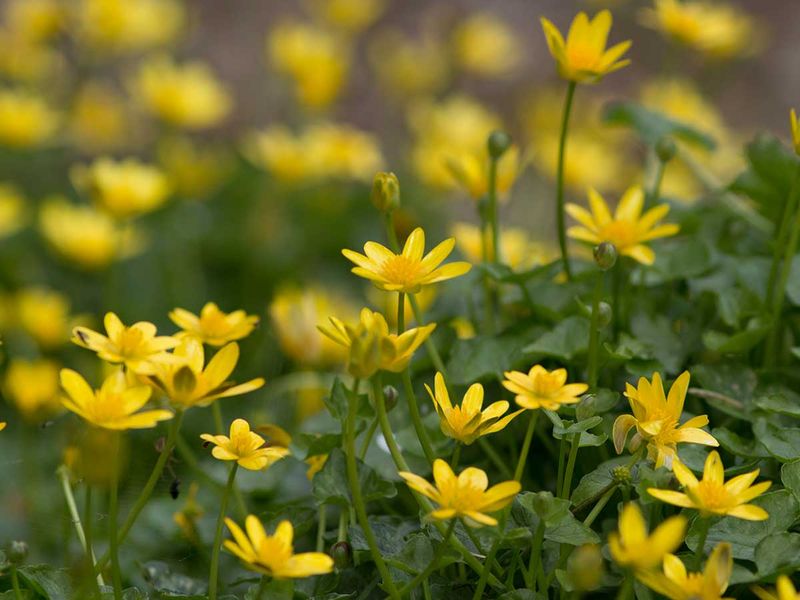
Celandine is a woodland wonder, its sunny yellow flowers bringing a touch of brightness to shaded areas. Yet, its beauty conceals an aggressive nature.
This plant spreads rapidly, creating dense carpets that overshadow native flora. Control methods include pulling before it seeds.
Despite its cheerful appearance, celandine can transform diverse forests into monotonous yellow grounds, revealing its monstrous capabilities.
26. Crown Vetch
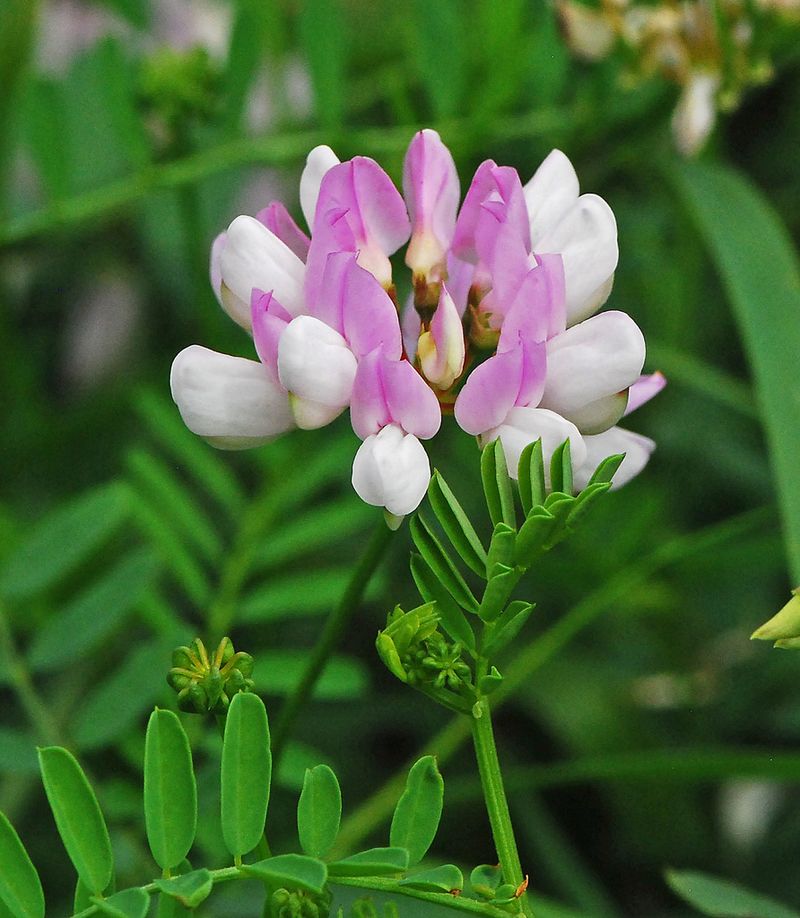
Crown vetch is a hillside hero, often used for erosion control with its pink flower clusters adding color. But it can quickly become a garden foe.
This plant spreads aggressively, forming dense mats that dominate landscapes and outcompete native plants. Controlling it involves cutting and chemical treatments.
Though useful, crown vetch can transform varied terrains into uniform pink blankets, highlighting its potential as a garden monster.
27. Chinese Tallow
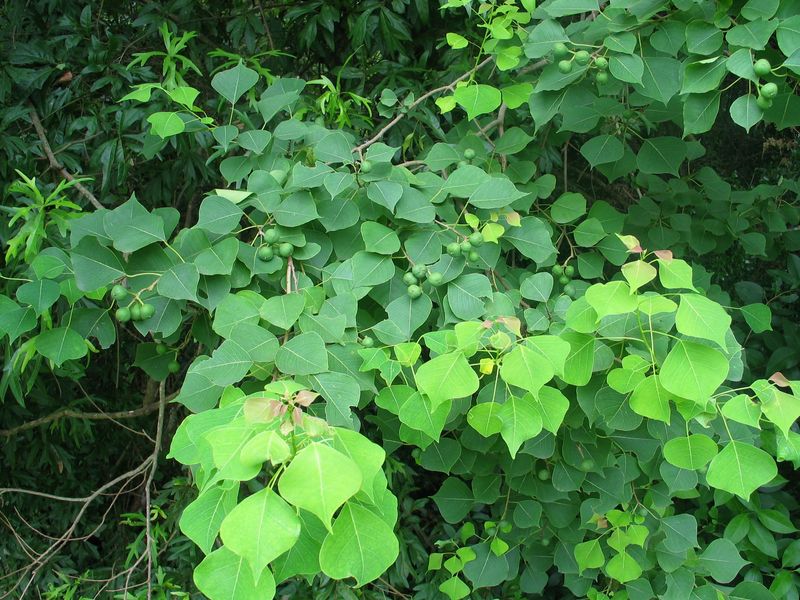
Chinese tallow is a riverbank beauty, its heart-shaped leaves and white berries adding interest to landscapes. Yet, it’s an invader with a serious impact.
This tree spreads rapidly, outcompeting native vegetation and altering habitats. Managing it requires removal and chemical treatments.
Despite its ornamental appeal, Chinese tallow can transform vibrant ecosystems into monocultures, showing its monstrous side.
28. Japanese Knotweed
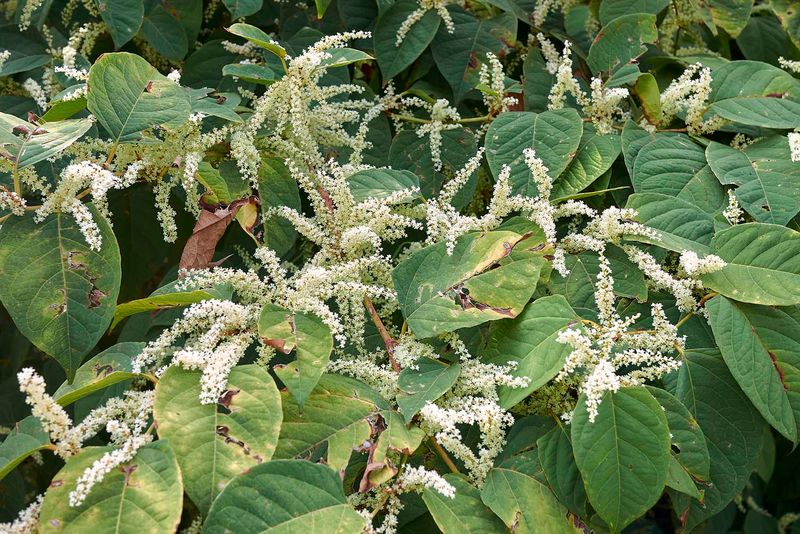
Japanese knotweed is a botanical marvel, with hollow stems and white flower spikes that add drama to gardens. Yet, its aggressive spread is well-documented.
This plant can grow through concrete, damaging structures and outcompeting native flora. Control involves cutting and herbicides, but eradication is difficult.
Though visually striking, Japanese knotweed can turn gardens into unmanageable jungles, showcasing its monstrous potential.
29. Buddleja (Butterfly Bush)
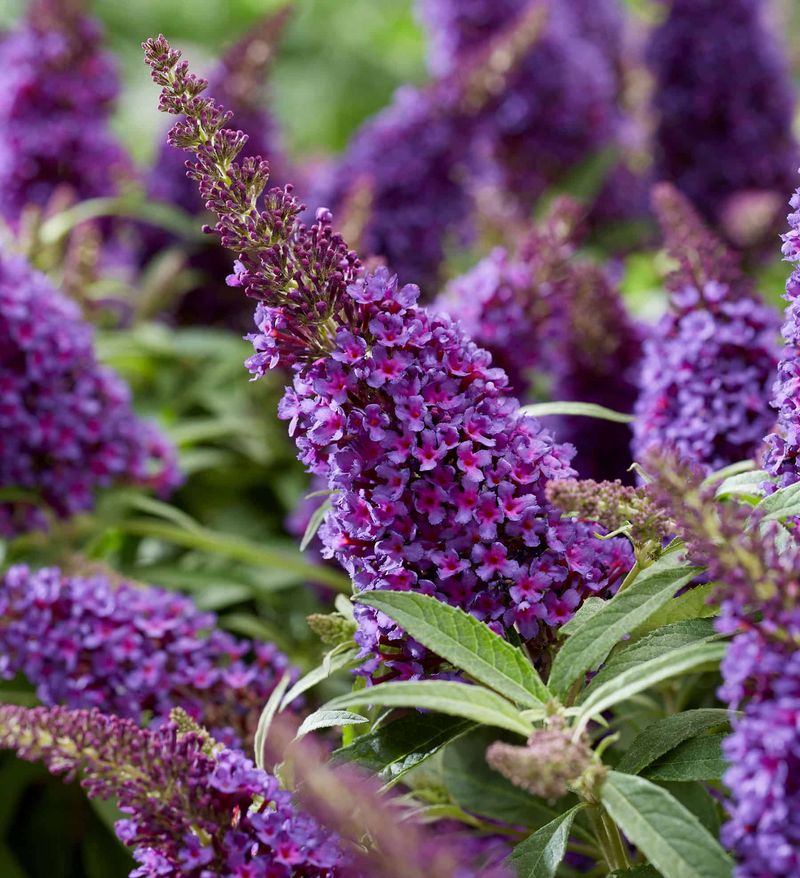
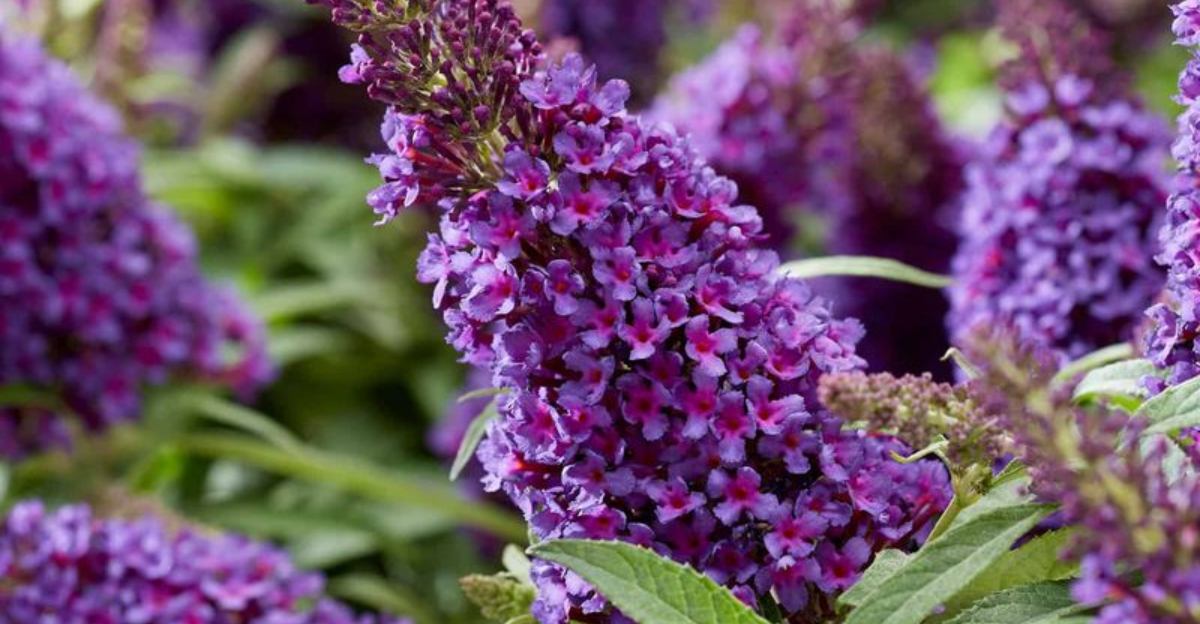
Buddleja, known as butterfly bush, is a gardener’s delight, attracting butterflies with its purple flower clusters. However, its beauty hides invasive tendencies.
This plant can spread rapidly, forming dense stands that overshadow native species. Controlling it requires regular pruning and monitoring.
While it invites wildlife, buddleja can transform diverse gardens into singular purple displays, revealing its monstrous capabilities.
30. Creeping Charlie (Glechoma hederacea)
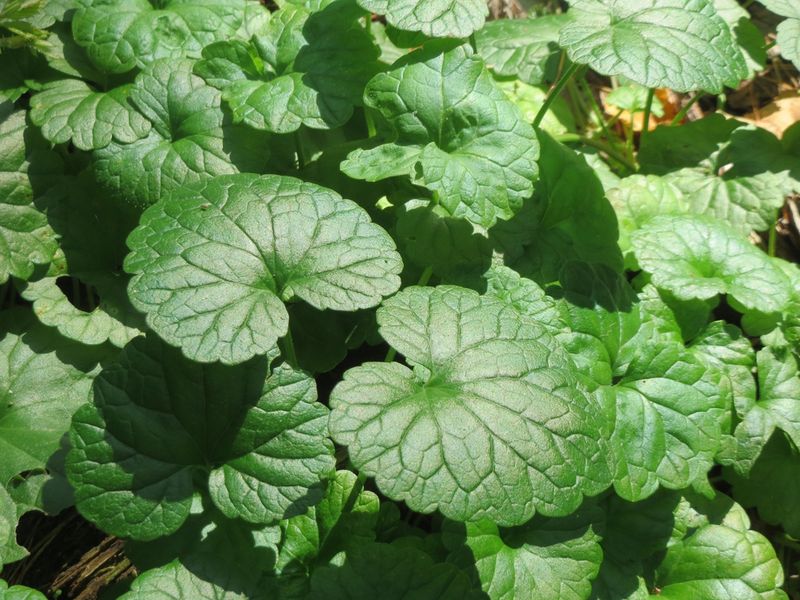
Creeping Charlie, with its cheerful purple flowers and fragrant foliage, can seem like a charming addition to any garden. However, this perennial weed is known for its tenacity and ability to overtake lawns rapidly.
It spreads via runners and seeds, making it difficult to control once established. Creeping Charlie can quickly smother grass and other plants, creating a monoculture that reduces garden diversity.
To manage its spread, consider manual removal combined with proper lawn maintenance. Ensuring your lawn is healthy and thick can help keep this invasive beauty at bay.