 Complete Gardening
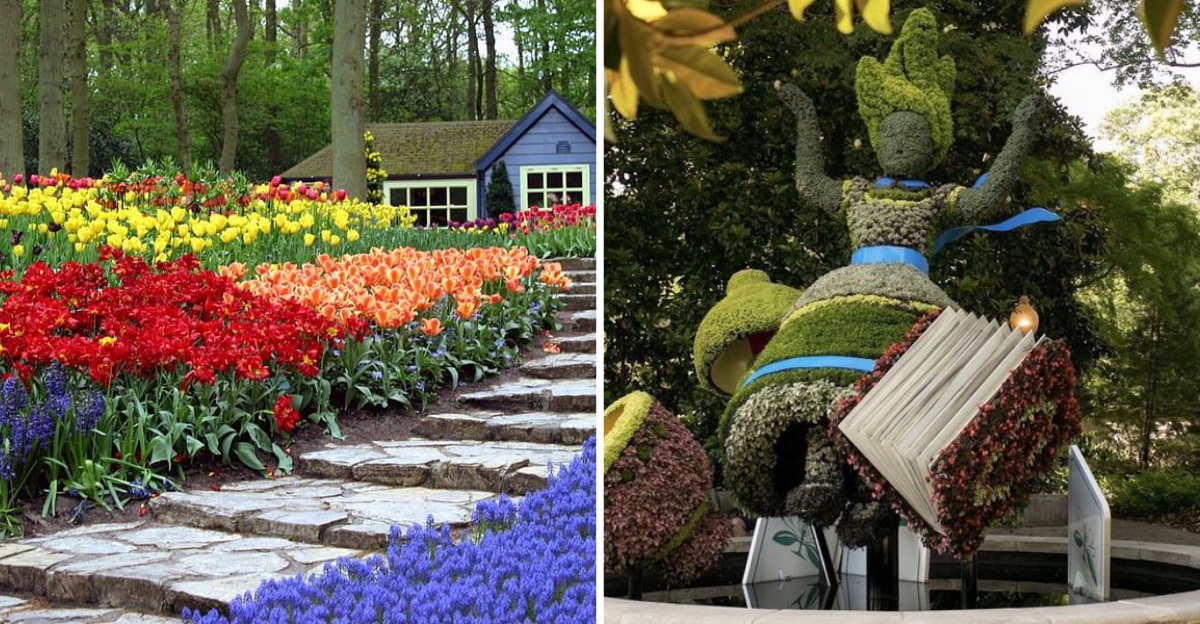
Landscaping is a crucial aspect of luxury home design, often elevating a property from ordinary to extraordinary. Million-dollar home designers understand the importance of creating stunning outdoor spaces that complement the architecture and provide a seamless transition from indoors to outdoors. In this blog post, we will explore 31 landscaping moves revealed by top designers, each one contributing to the art of creating breathtaking and functional outdoor spaces. From plant selection to innovative layouts, these tips will inspire and guide you in transforming your own outdoor environment into a luxurious retreat.
1. Strategic Tree Placement
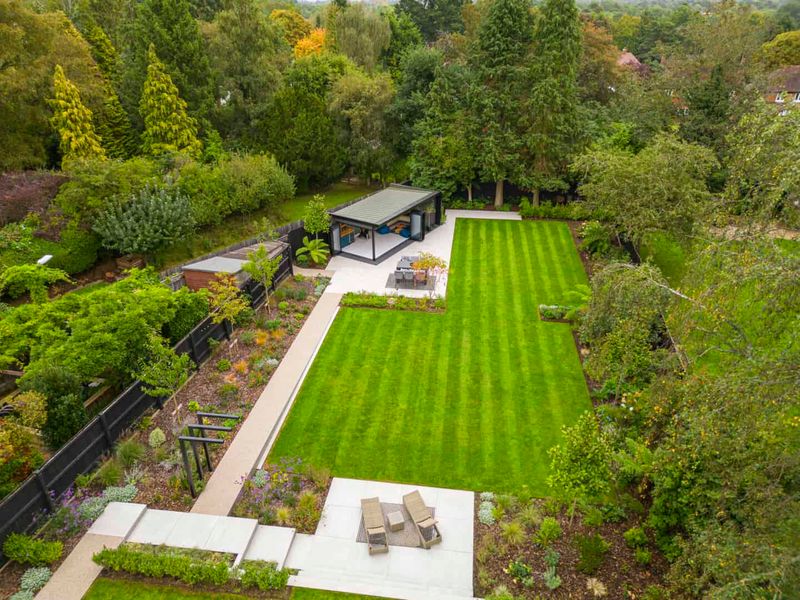
In the realm of luxury landscaping, strategic tree placement is a subtle art. Mature oaks and maples are often chosen for their majestic presence and natural shade. These towering sentinels not only enhance the aesthetic appeal but also serve practical purposes. Planting trees in clusters or aligning them with pathways can create natural corridors that guide visitors through the space. Additionally, well-placed trees can offer privacy, acting as natural screens against prying eyes. Their rustling leaves add a soothing soundscape that transforms any garden into a tranquil retreat. Choose your trees wisely, considering growth patterns and seasonal changes.
2. Water Feature Elegance
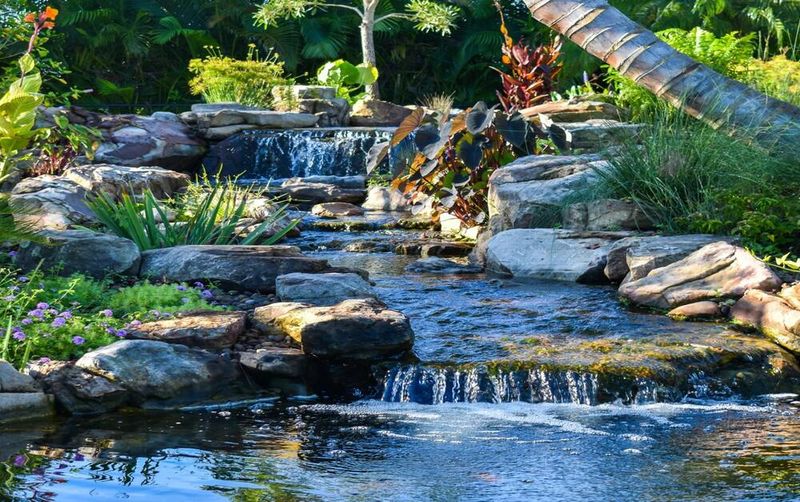
Water features are the crown jewels of luxury landscapes. A cascading waterfall, paired with a koi pond, introduces movement and sound, creating a dynamic focal point. The gentle babble of water can mask unwanted noise, offering a peaceful escape. Designers often integrate these features with natural stone, enhancing their organic beauty. The presence of water also attracts wildlife, adding life and vibrancy. With thoughtful lighting, a water feature becomes a mesmerizing spectacle after sunset. These elements are more than decorative—they embody tranquility and opulence, elevating gardens to dreamlike realms. Invest in quality design to ensure lasting beauty and functionality.
3. Sculptural Plant Arrangements
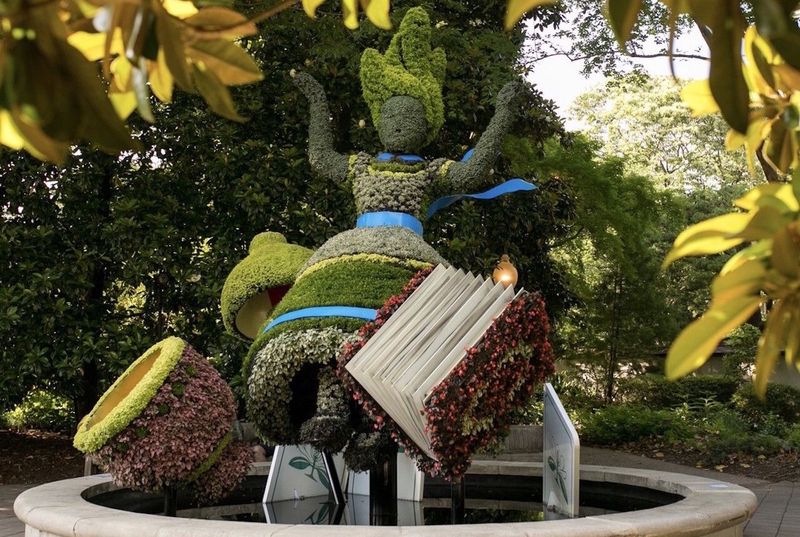
Sculptural plant arrangements transform gardens into living art galleries. Designers often use topiary and sculpted shrubs to create striking forms that draw the eye. This approach can introduce elements of whimsy or elegance, depending on the design intent. Arrangements are carefully planned to complement architectural features, providing a cohesive look. The play of light and shadow across these verdant sculptures adds a dynamic element, changing with the time of day. It’s a method that combines horticultural skill with artistic vision, offering visual interest year-round. Mastering this technique can significantly elevate the sophistication of any landscape.
4. Outdoor Lighting Mastery
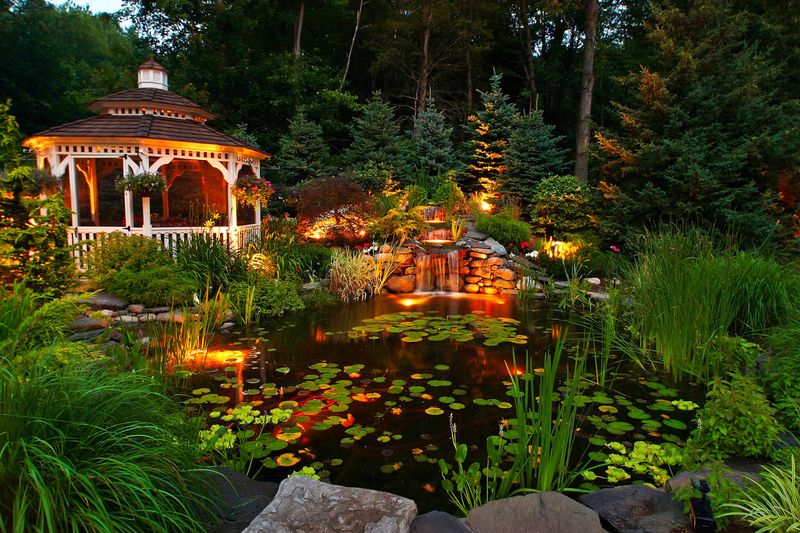
Outdoor lighting is a transformative tool in luxury landscaping. It extends enjoyment of the garden into the night, highlighting key features and creating moods. Designers use a blend of ambient, task, and accent lighting to achieve layered effects. Carefully placed uplights can emphasize the grandeur of trees, while soft path lights guide visitors safely. Subtle lighting in water features can create enchanting reflections. The interplay between light and shadow adds drama and depth, making the garden come alive after dark. Thoughtful lighting design not only enhances aesthetics but also increases security and usability of outdoor spaces.
5. Colorful Pathways
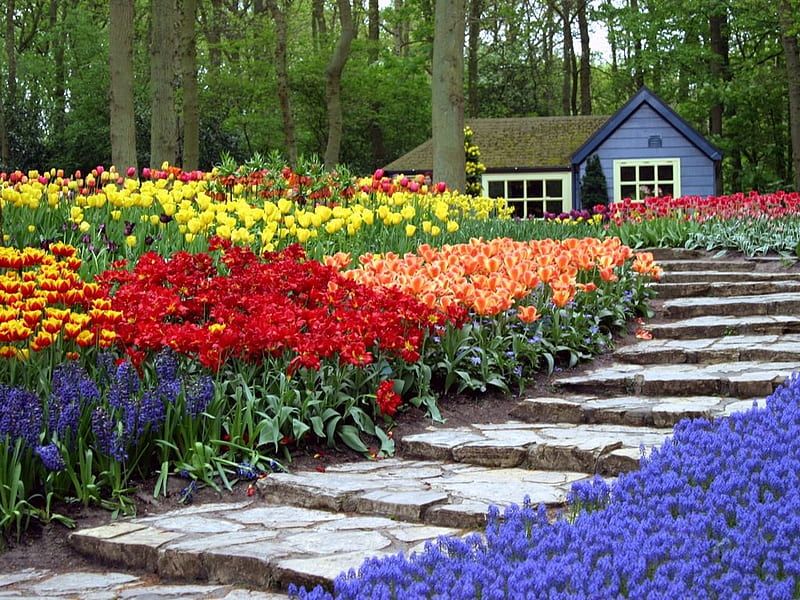
Imagine a pathway that bursts with color at every step. Lining your garden walkways with vibrant flowers creates a lively and inviting atmosphere. The interplay of colors can reflect the seasons, offering a fresh perspective year-round.
Consider blooms like marigolds, petunias, and violets for a dynamic color palette. Not only do these flowers add visual interest, but they also evoke joy and curiosity.
A colorful pathway can transform a simple stroll into an enchanting journey. This landscaping move is perfect for enhancing the beauty and accessibility of your garden space.
6. Stone Mosaic Patios

Stone mosaic patios are a testament to timeless elegance. Crafted with an array of stones, they create intricate patterns that elevate any outdoor space. Each design tells a story, adding character and sophistication.
The choice of stone colors and patterns can reflect personal taste and complement the surrounding landscape. These patios provide a durable and aesthetically pleasing outdoor area for relaxation or entertaining.
By investing in a stone mosaic patio, homeowners can enjoy a unique blend of art and functionality. This move enhances outdoor living spaces with luxury and grace.
7. Vertical Gardens
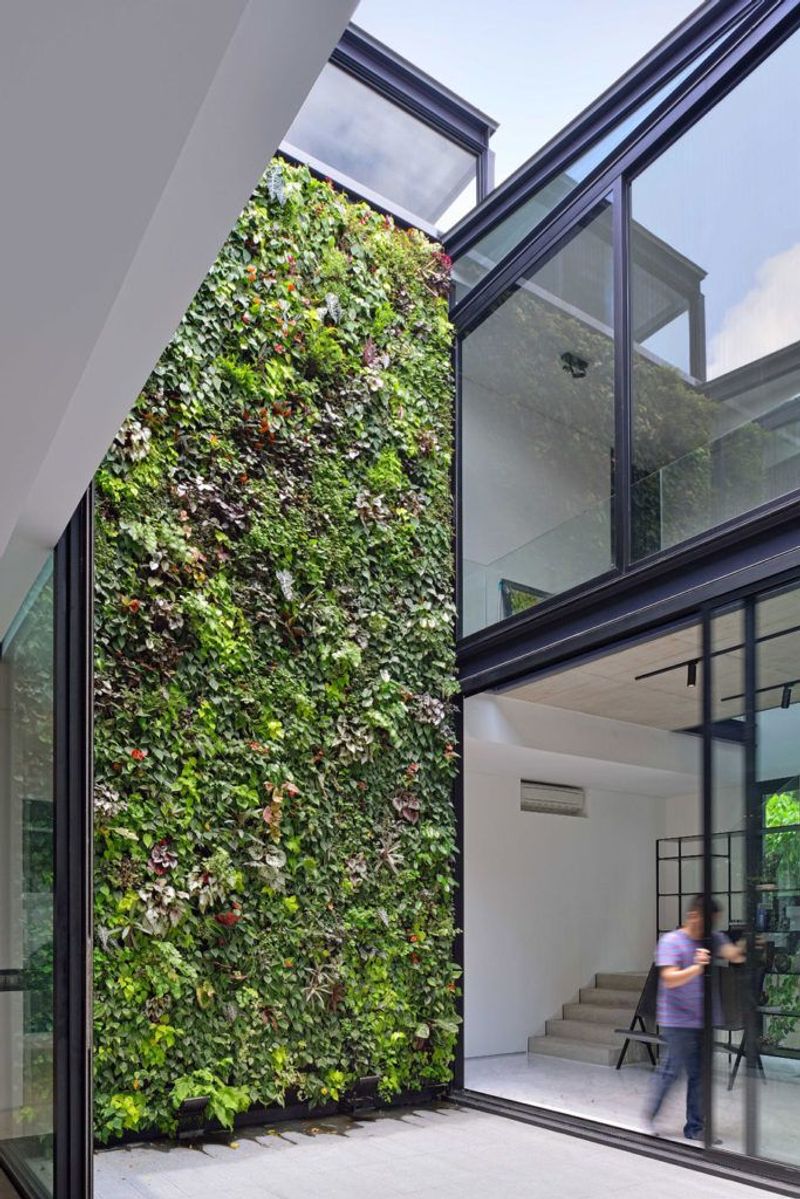
Vertical gardens bring nature to towering heights, making them an ideal solution for urban spaces. They maximize plant diversity without sacrificing precious ground space.
These living walls can be customized with a selection of ferns, succulents, and flowering plants, creating a lush tapestry of textures and colors. Vertical gardens also contribute to improved air quality and insulation.
With the right design, vertical gardens become a focal point, transforming bare walls into vibrant displays of life. They’re a creative way to integrate greenery into any environment.
8. Zen Rock Gardens
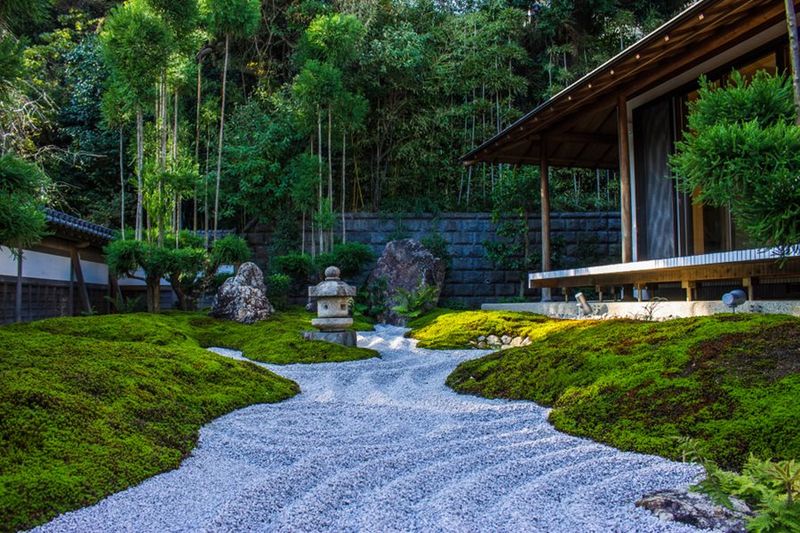
Zen rock gardens embody tranquility and simplicity. These gardens use carefully arranged rocks and raked gravel to represent water and islands.
The minimalist approach focuses on balance and harmony, offering a peaceful retreat from the chaos of modern life. Zen gardens also invite mindfulness, encouraging contemplation and reflection.
Creating a Zen rock garden involves selecting rocks and plants that complement each other, crafting a serene landscape. This move infuses outdoor spaces with calmness and spiritual depth.
9. Edible Landscaping
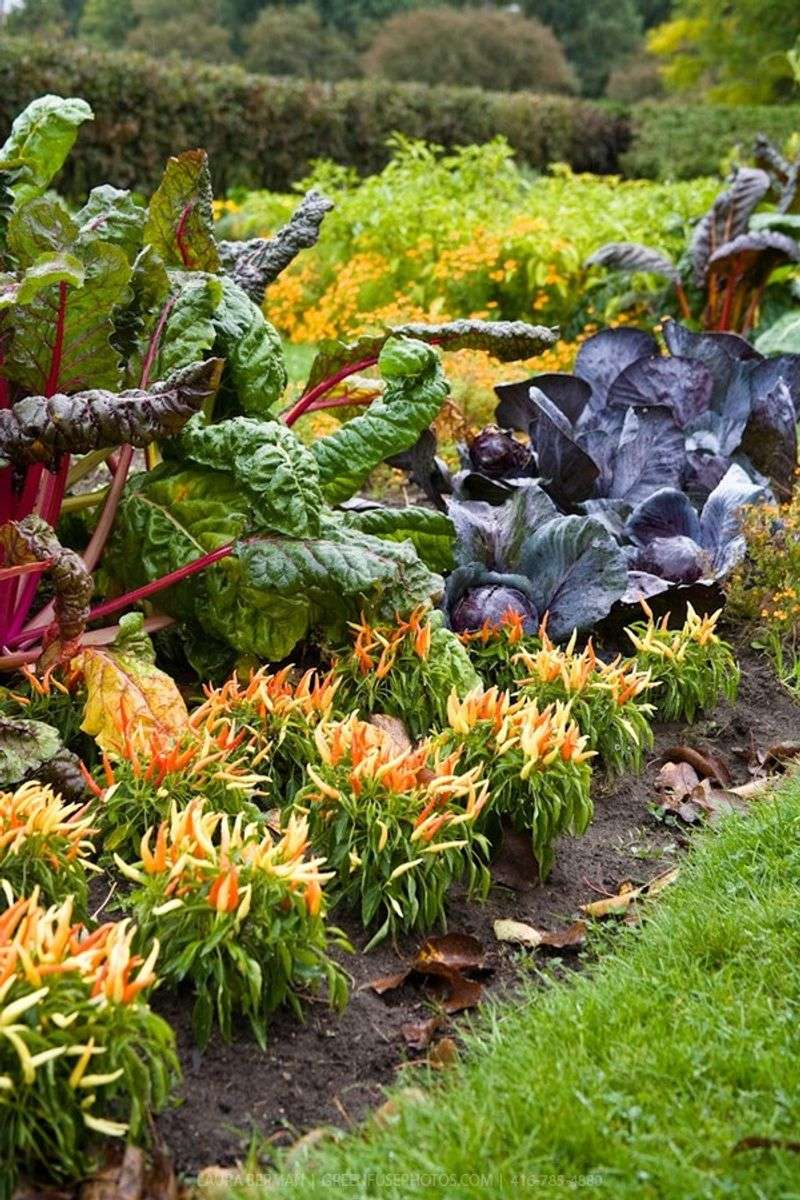
Edible landscaping merges beauty with functionality. By integrating edible plants into the landscape, homeowners can enjoy fresh produce at their fingertips.
Herbs like rosemary and basil offer aromatic delights, while vegetables such as tomatoes and peppers add vibrant colors. This sustainable approach provides food security and reduces the carbon footprint.
Designing an edible landscape involves strategic plant placement to ensure both visual appeal and productivity. It’s a practical and rewarding way to enhance garden aesthetics while promoting healthier living.
10. Wildflower Meadows
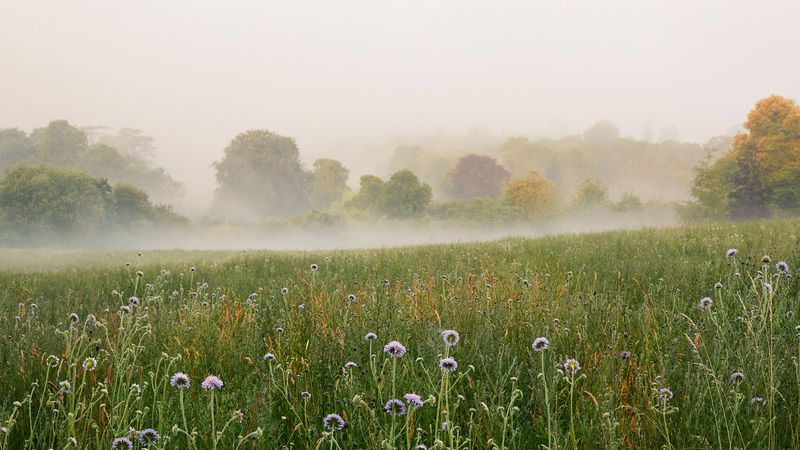
Embrace the allure of wildflower meadows, which offer a burst of natural beauty and ecological benefits. These meadows support biodiversity by attracting pollinators like bees and butterflies.
Planting a mix of native wildflowers ensures a vibrant display that changes with the seasons. The sight of swaying blooms creates a picturesque view, enhancing the landscape’s charm.
Wildflower meadows require minimal maintenance, making them an ideal choice for sustainable gardening. They’re a perfect way to bring a touch of untamed elegance to outdoor spaces.
11. Outdoor Kitchens
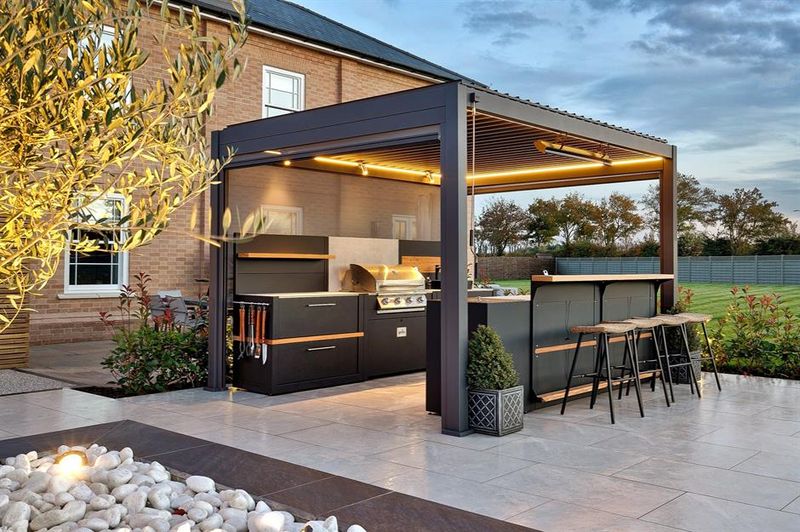
Outdoor kitchens redefine al fresco dining experiences. Equipped with grills, sinks, and countertops, they bring culinary delights to the garden.
These kitchens blend functionality with style, allowing for seamless entertaining in the great outdoors. They can be customized with high-end appliances and weather-resistant materials.
An outdoor kitchen transforms backyard gatherings into memorable occasions, providing a space where food and nature converge. This move adds a touch of luxury to any garden setup.
12. Living Fences

Living fences offer a natural alternative to traditional boundaries. Formed by dense rows of hedges or shrubs, they provide privacy and windbreaks.
These green barriers not only enhance security but also add aesthetic value to the landscape. With the right choice of plants, living fences can be evergreen and low-maintenance.
By selecting species that thrive in the local climate, homeowners can create a sustainable and beautiful boundary. Living fences are a testament to the blend of nature and practicality.
13. Seasonal Plantings
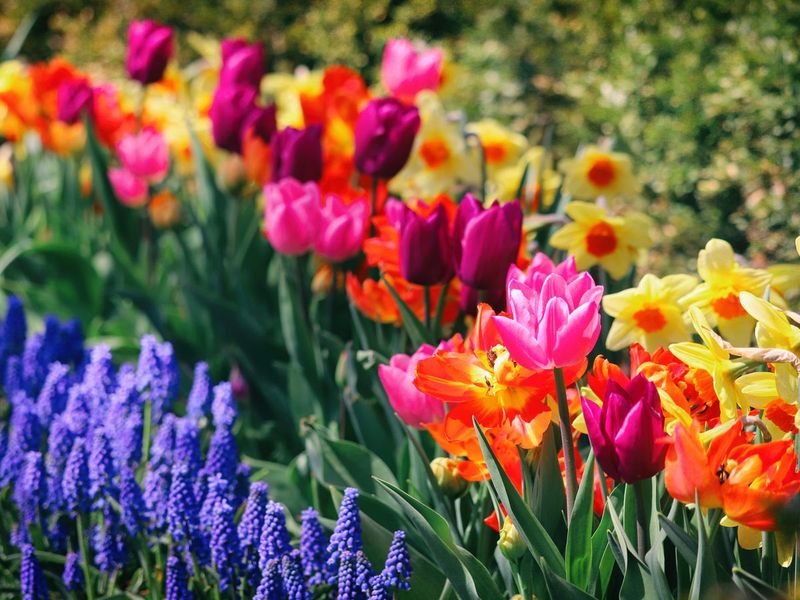
Seasonal plantings celebrate the changing beauty of nature. By selecting plants that bloom at different times, gardens can remain vibrant year-round.
Spring brings tulips and daffodils, while summer showcases roses and sunflowers. This approach ensures continuous color and interest, appealing to all senses.
Designing with seasonal plants requires planning and an understanding of plant lifecycles. It’s a rewarding strategy that keeps gardens forever dynamic and engaging, offering new spectacles with each passing season.
14. Butterfly Gardens
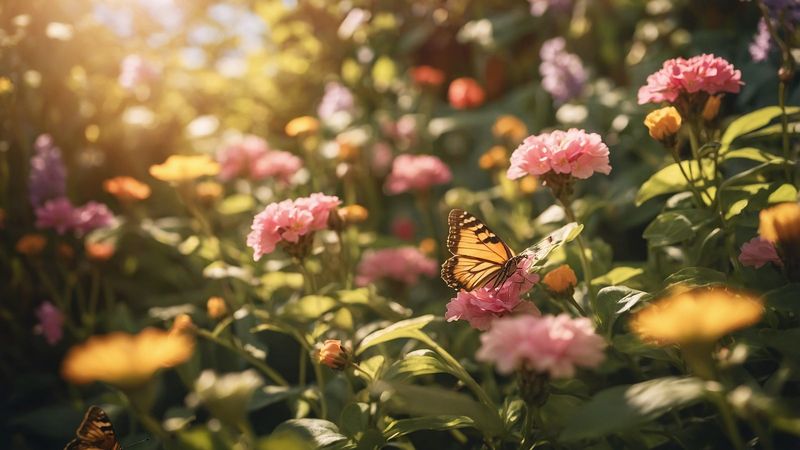
Butterfly gardens are a symphony of life and color. They attract and support butterflies with nectar-rich flowers like milkweed and coneflowers.
These gardens provide a sanctuary for these pollinators, enhancing biodiversity. The sight of fluttering butterflies adds a magical touch to any landscape.
Creating a butterfly garden involves choosing the right plants and a sunny location. It’s a delightful way to contribute to conservation efforts while enjoying the beauty of nature up close.
15. Terraced Garden Bliss
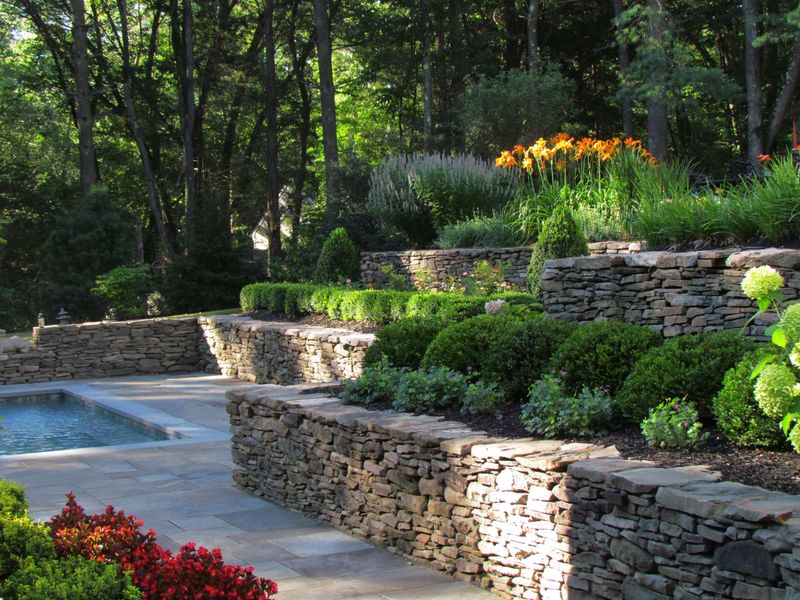
Imagine a garden that cascades down like a natural waterfall. Terraced gardens bring a dynamic element to any landscape, offering depth and texture. Each level provides a unique opportunity for planting different species of flora, creating a vibrant tapestry of colors and scents.
With careful planning, these gardens can help with drainage and prevent soil erosion, making them both beautiful and practical. Imagine sipping tea while gazing over a terraced paradise, where each step reveals a new surprise.
16. Mystic Moonlit Garden
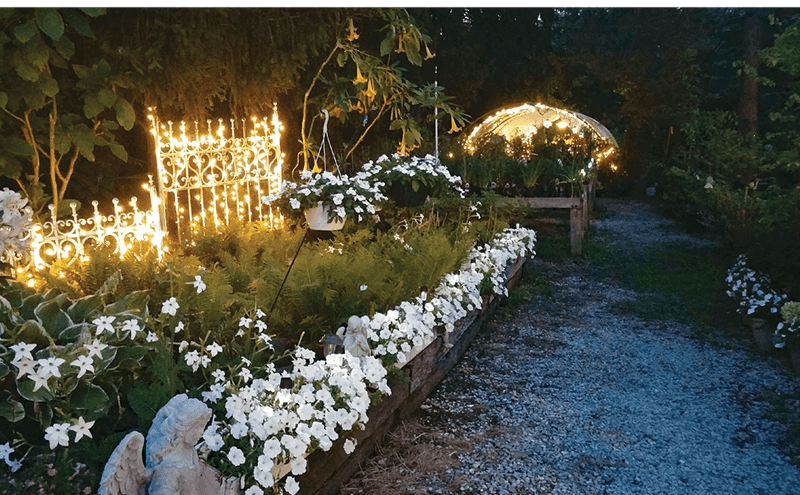
What if your garden could glow under the moon’s embrace? A moonlit garden is crafted to shine in the dark, using pale flowers and silver foliage to reflect moonlight. Subtle lighting enhances this enchanting effect, creating a serene and mystical atmosphere.
Such gardens invite evening strolls and quiet reflection, allowing nature’s nocturnal beauty to unfold. The tranquility of a moonlit garden offers a perfect retreat after a hectic day. Add scented plants to enhance the sensory experience.
17. Whimsical Fairy Wonderland
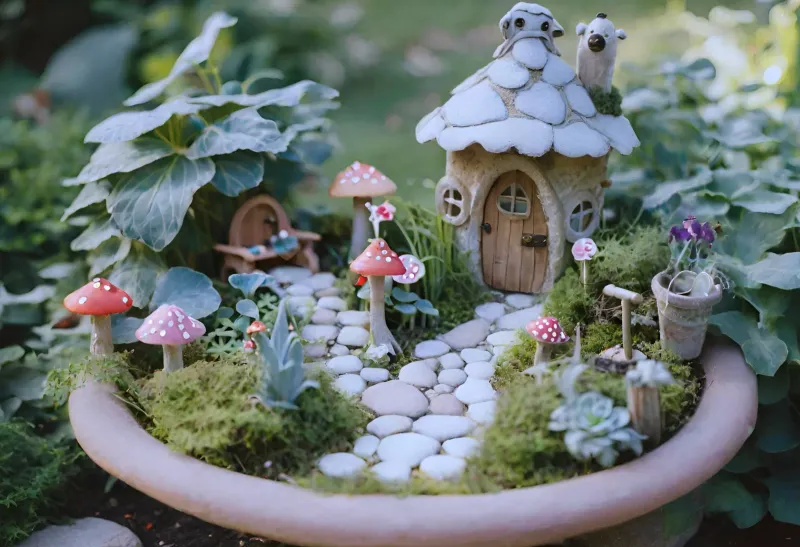
Step into a world where imagination takes root. A fairy garden, dotted with miniature houses and figurines, delights both young and old. These playful landscapes make use of vibrant plants and creative decorations to craft a storybook setting.
Not only do they inspire wonder, but they also encourage creativity as you design your own magical realm. Perfect for small spaces, fairy gardens can be adapted to any style, adding a touch of whimsy to your outdoor space.
18. Timeless Topiary Art
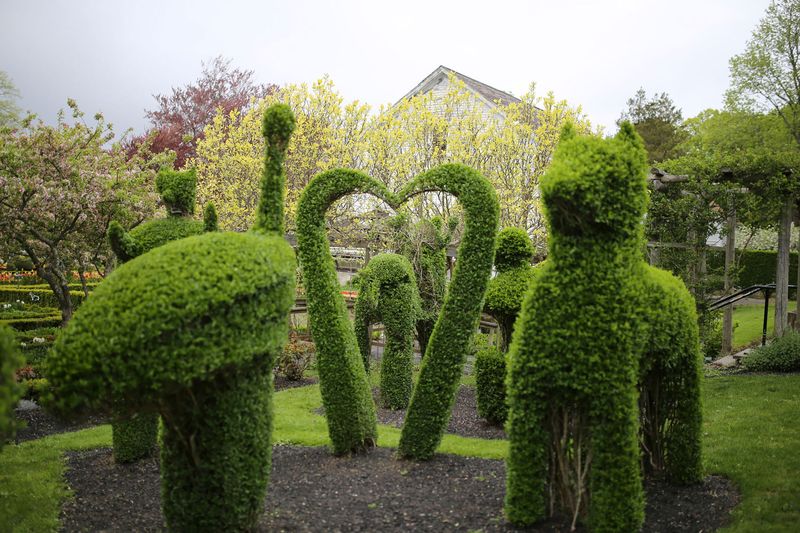
Explore the art of shaping nature. Topiary gardens feature meticulously trimmed shrubs, sculpted into elegant forms. These living sculptures add structure and sophistication to any garden, evoking a sense of timeless elegance.
The practice dates back centuries, with designs ranging from simple geometric shapes to complex animal figures. Topiary art is both a gardener’s challenge and a testament to patience and creativity. Whether grand or subtle, topiaries bring an artistic touch to the landscape.
19. Charming Cottage Escape
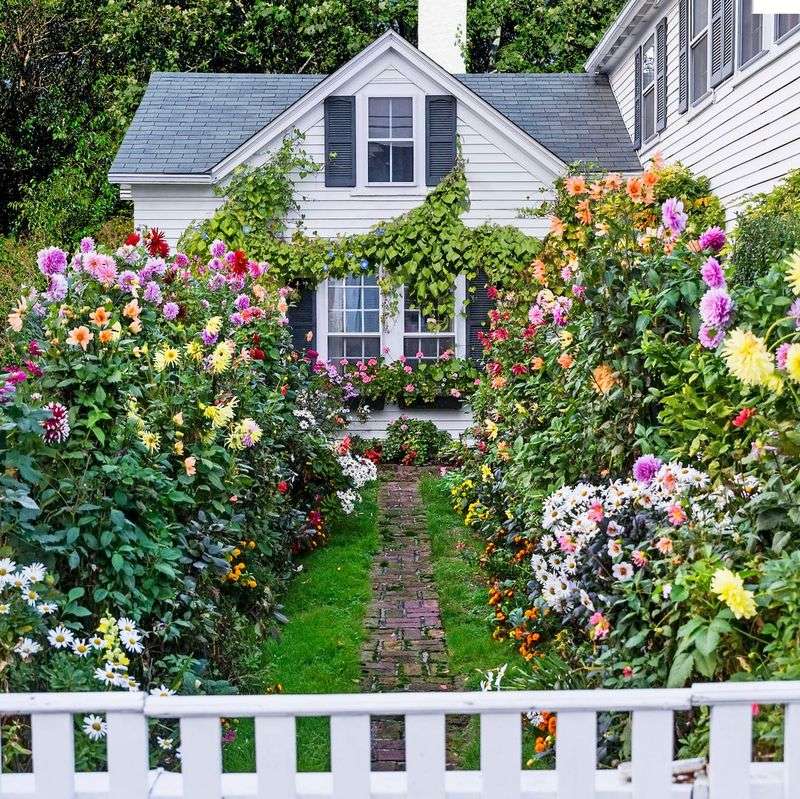
Picture a garden that feels like a scene from a romantic novel. A cottage garden, with its informal layout and profusion of flowers, creates a cozy, inviting atmosphere. The charm lies in its apparent disorder, where poppies mingle with roses and herbs.
These gardens are built for enjoyment, encouraging leisurely strolls and lazy afternoons. Each plant is chosen for its beauty and fragrance, creating a sensory delight. Cottage gardens offer a nostalgic retreat, evoking simpler times and natural beauty.
20. Modern Minimalist Retreat
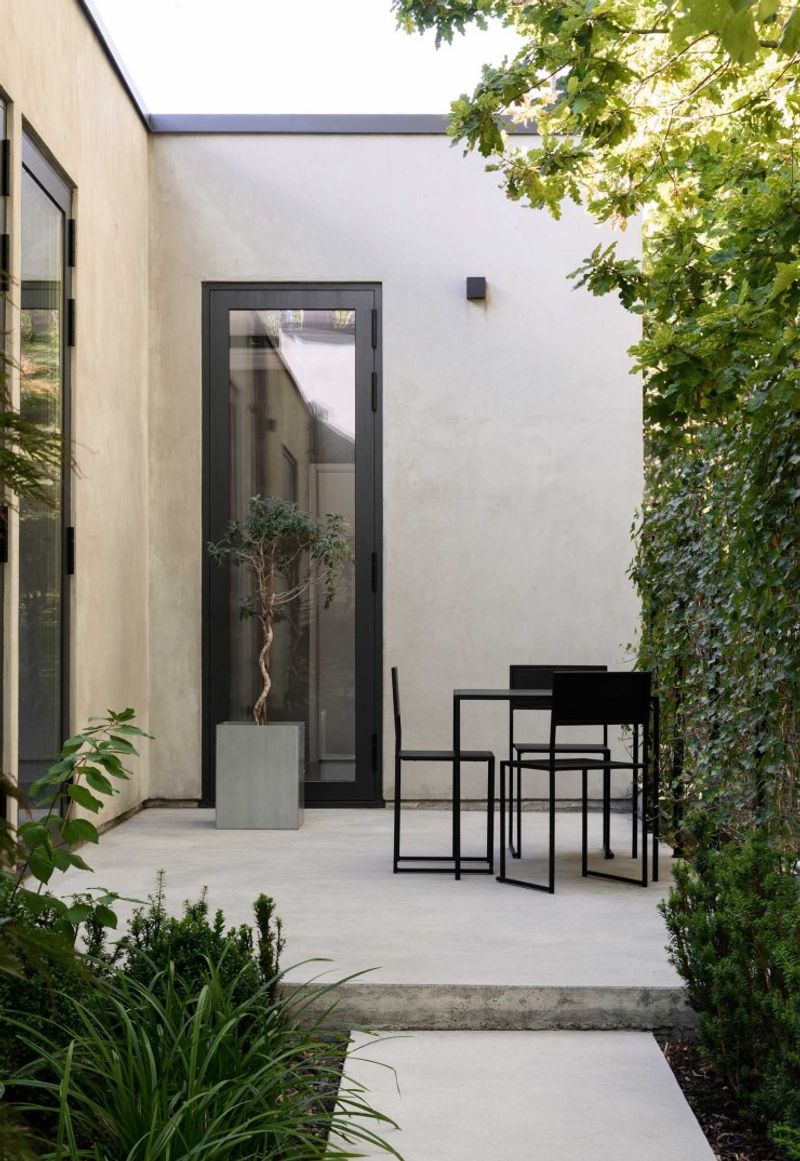
Simplicity is the ultimate sophistication. A minimalist garden focuses on clean lines and uncluttered spaces, offering a modern aesthetic. Plants are chosen for their form and texture, rather than color, creating a serene and orderly environment.
The design often incorporates elements like gravel, concrete, and steel, reflecting an urban vibe. Minimalist gardens are low-maintenance and ideal for those who appreciate elegance without fuss. They provide a peaceful retreat amidst the chaos of daily life.
21. Bountiful Herb Haven
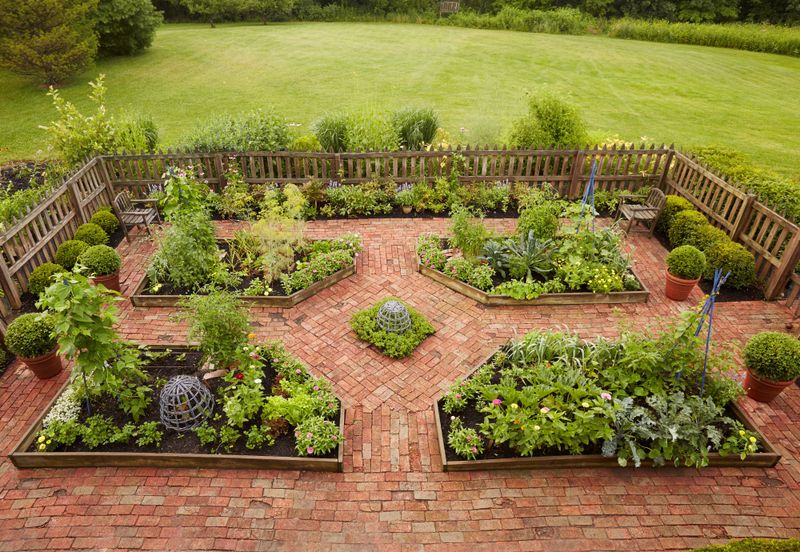
Imagine stepping into a garden where the air is filled with the scent of fresh herbs. An herb garden offers both beauty and utility, providing a bounty of flavors for your culinary adventures. These gardens can be as formal or informal as you like, with herbs planted in pots or raised beds.
The variety of scents, textures, and colors make herb gardens a sensory delight. They attract beneficial insects and can be grown in small spaces, making them versatile and practical for any gardener.
22. Enchanting Woodland Retreat
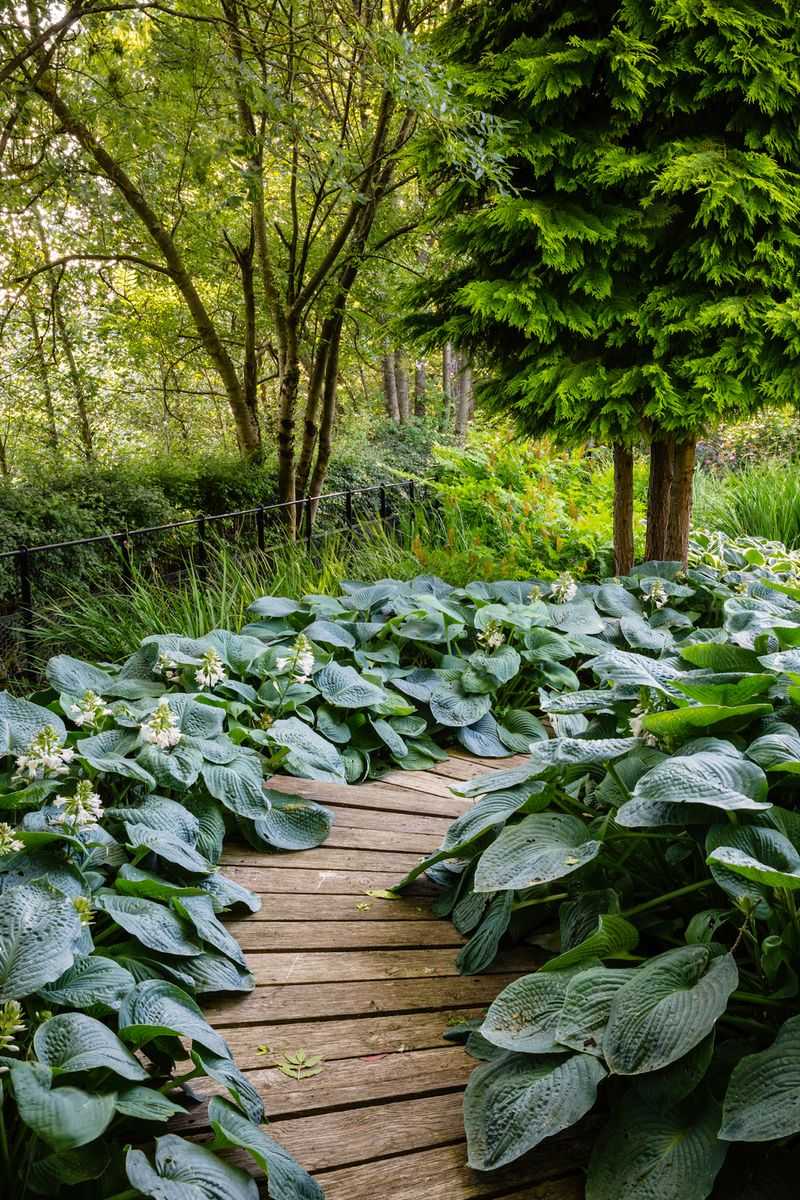
Imagine wandering through a forest, right in your backyard. Woodland gardens mimic the natural environment, using shade-loving plants and tall trees to create a lush, tranquil space. These gardens offer a retreat into nature, attracting wildlife and providing a peaceful haven.
With a focus on native plants and natural materials, woodland gardens are sustainable and require minimal maintenance. They evoke a sense of wilderness and adventure, perfect for those who seek solace in nature’s embrace.
23. Rustic Farmhouse Charm
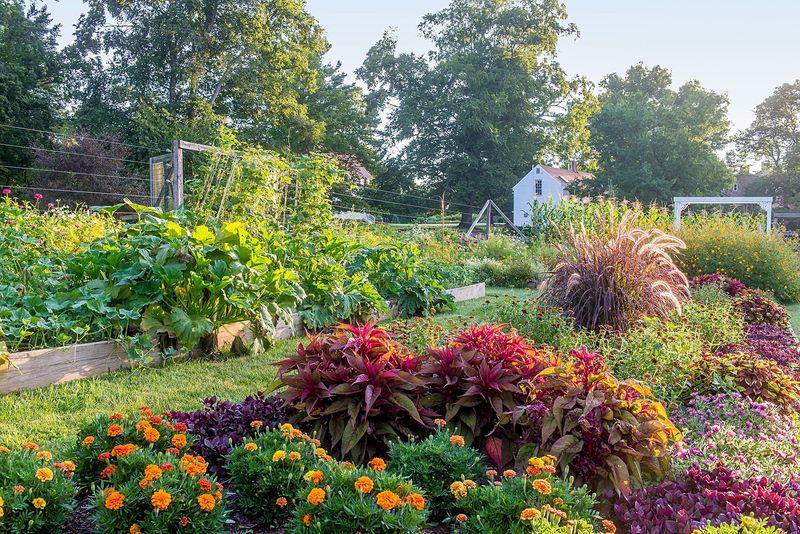
Embrace the charm of rural life with a farmhouse garden. These gardens blend practicality with beauty, featuring vegetable patches, fruit trees, and rustic decor. The focus is on sustainability and self-sufficiency, creating a productive yet picturesque landscape.
Farmhouse gardens are a nod to traditional farming practices, where every plant serves a purpose. They offer a sense of connection to the land and a reminder of simpler times. Whether large or small, these gardens bring a touch of countryside charm to any home.
24. Tranquil Water Garden
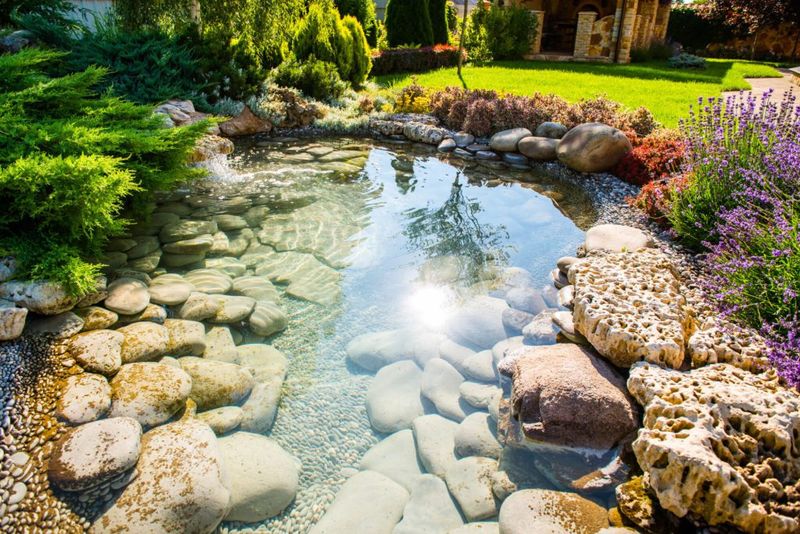
Find peace in the gentle sounds of water. A water garden features ponds, fountains, and aquatic plants, creating a soothing oasis. The movement of water brings life to the garden, attracting birds and providing a habitat for fish.
Such gardens offer a tranquil escape from the busy world, where you can unwind and reflect. Water gardens are versatile, fitting into any size space and adding a unique focal point. They combine the beauty of water with lush greenery, crafting a harmonious landscape.
25. Delightful Children’s Play Garden
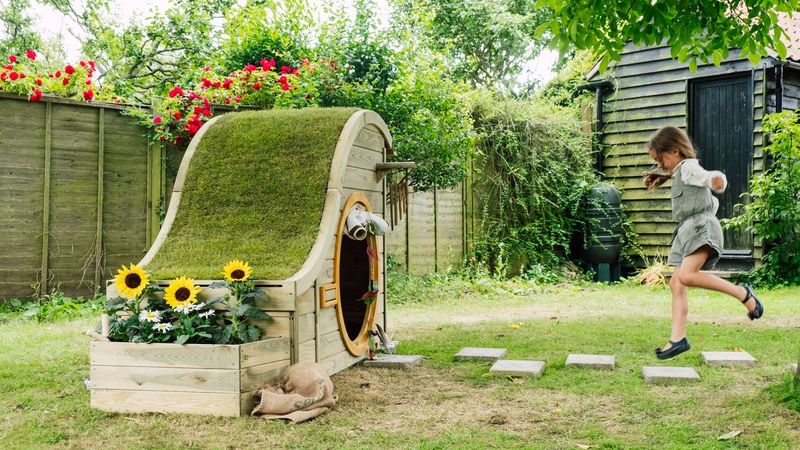
Create a space where children’s imaginations can flourish. A play garden is designed with kids in mind, featuring safe, interactive elements that encourage exploration and creativity. Bright colors and whimsical decorations make it an inviting space for young adventurers.
These gardens often include features like sandpits, water tables, and climbing structures, offering endless possibilities for play. By incorporating child-friendly plants and pathways, play gardens provide a safe environment for children to connect with nature.
26. Elegant Formal Landscape
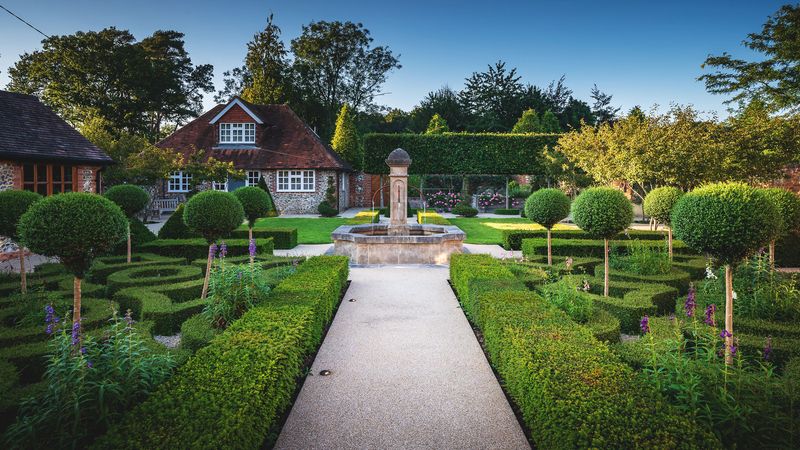
Step into a world of symmetry and balance. Formal gardens are characterized by their structured layout, featuring geometric patterns and neatly trimmed hedges. These gardens exude elegance and precision, often incorporating fountains and statues as focal points.
The art of formal gardening lies in its disciplined approach, creating a sense of order and harmony. Perfect for those who appreciate classical beauty, formal landscapes provide a sophisticated backdrop for outdoor events and gatherings.
27. Exotic Desert Oasis

Transport yourself to a land of sun and sand. A desert garden showcases the beauty of arid landscapes, using succulents, cacti, and drought-resistant plants. These gardens are a testament to resilience, thriving in conditions where few plants dare to grow.
With their unique forms and textures, desert gardens offer a striking visual appeal. They require minimal water and maintenance, making them ideal for those who live in dry climates or seek a sustainable garden solution.
28. Romantic Rose Haven
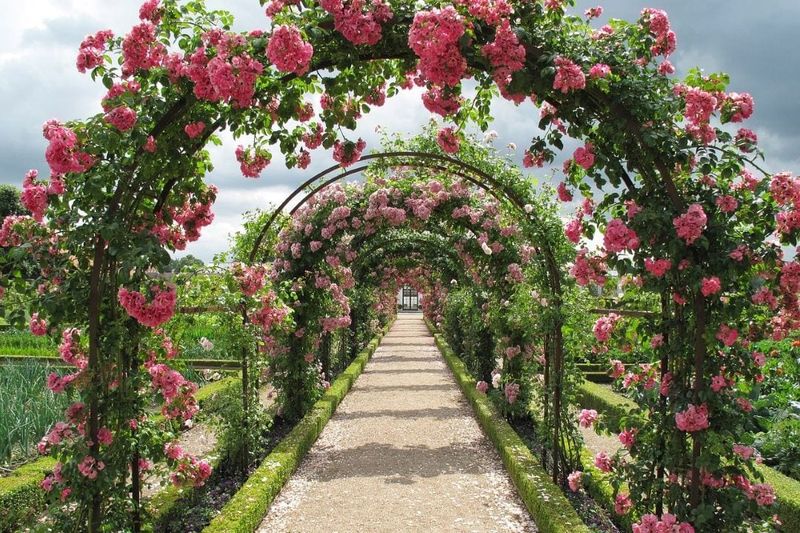
Let the timeless beauty of roses captivate your senses. A rose garden celebrates these classic flowers, offering a feast for the eyes and nose. With thousands of varieties to choose from, each rose adds its own charm and fragrance.
Rose gardens are romantic and enchanting, providing a setting for quiet contemplation or lively social gatherings. They require care and attention but reward gardeners with breathtaking blooms. Roses symbolize love and passion, making them a cherished addition to any landscape.
29. Artistic Sculpture Garden
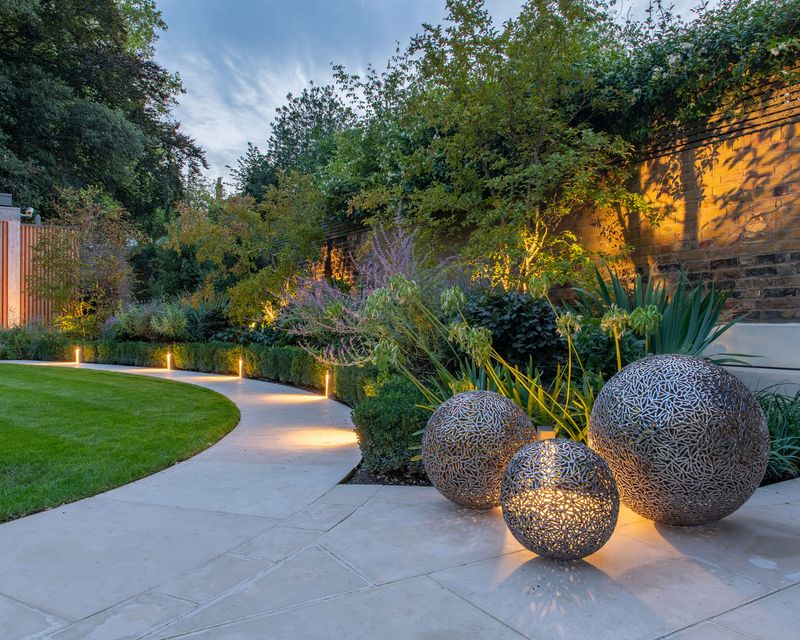
Merge art with nature in a sculpture garden. These spaces showcase outdoor art, from abstract pieces to classical statues, enhancing the landscape’s visual interest. Each sculpture tells a story, inviting visitors to explore and interpret.
Sculpture gardens offer an ever-changing gallery of creativity, where nature and art coexist in harmony. They provide a cultural touch to outdoor spaces, making them ideal for art lovers and those looking to add a unique element to their garden.
30. Eco-Friendly Wildlife Sanctuary
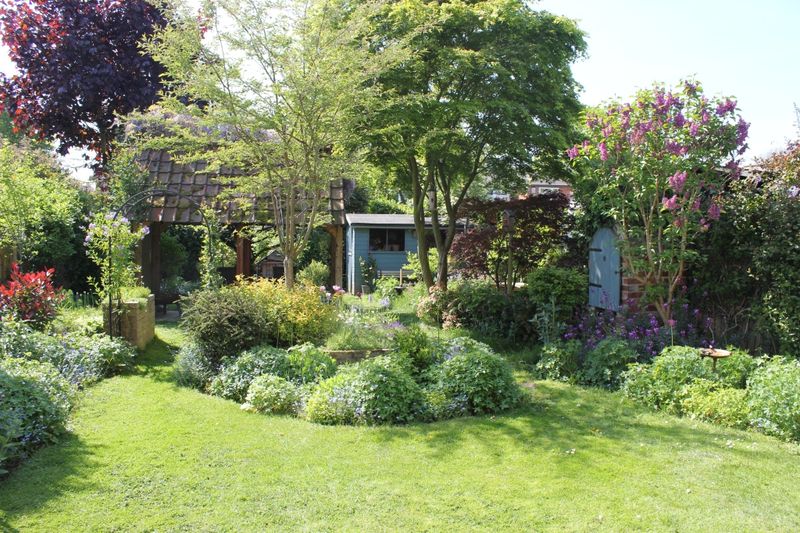
Protect and nurture the environment with a wildlife garden. These gardens focus on sustainability, using native plants that support local ecosystems. By providing food and shelter, they attract an array of wildlife, from birds to butterflies.
Wildlife gardens create a dynamic, ever-changing landscape, offering a glimpse into the wonders of nature. They require thoughtful planning but reward with a lively and vibrant environment. Perfect for eco-conscious gardeners, these sanctuaries promote biodiversity and conservation.
31. Enchanting Meadow Walk
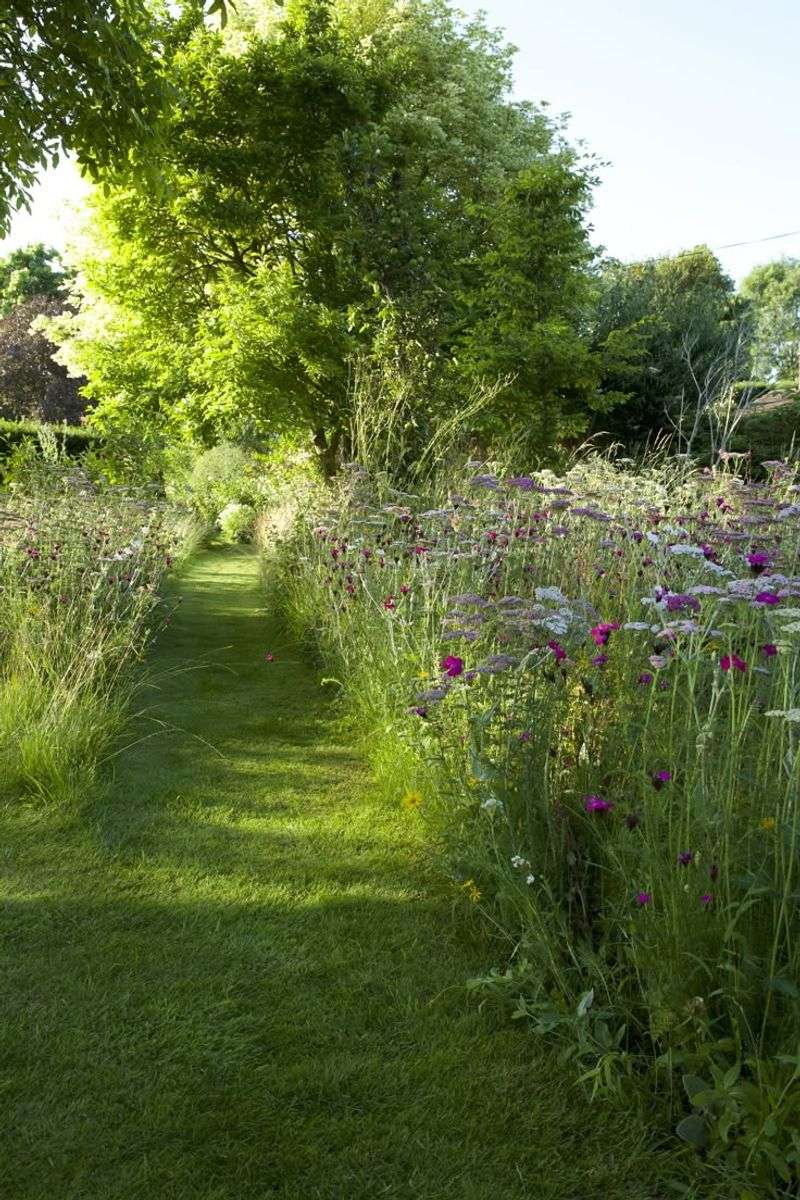
Imagine a gentle walk through a meadow, where each step unveils a new delight. Enchanting Meadow Walks capture the soul of nature, offering a retreat for contemplation. These pathways wind through wildflower fields, inviting visitors to pause and appreciate the simple beauty of the flora around them.
The walkways, bordered by native grasses, create a soft, inviting edge that seamlessly blends with the environment. This landscaping technique not only enhances aesthetic appeal but also supports local ecosystems by attracting pollinators.
A charming addition to any garden, the meadow walk provides a perfect escape into nature’s serenity.