 Complete Gardening
Raised bed gardening offers many advantages for vegetable cultivation, such as improved drainage, better soil conditions, and easier pest control. However, not all vegetables thrive in these environments. This blog post highlights 31 vegetables that are ideal for raised beds and identifies 7 that may struggle, providing guidance for gardeners seeking to optimize their harvests.
1. Carrots
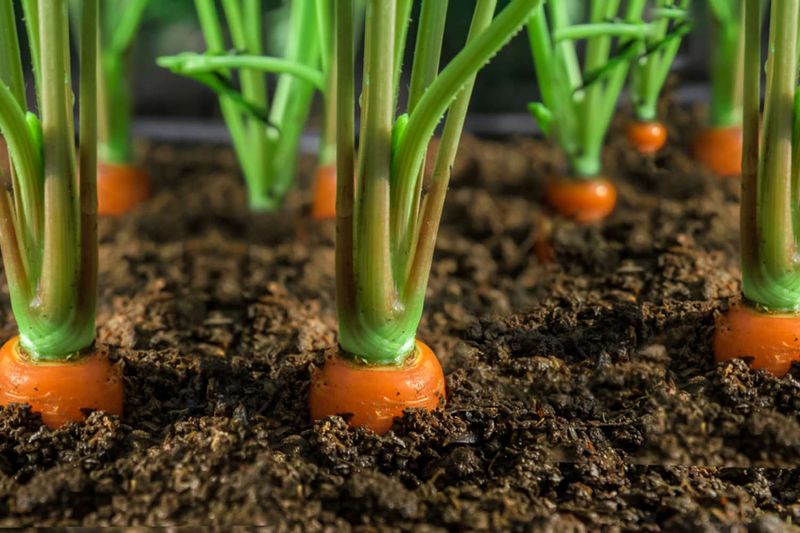
Carrots thrive in the loose, well-drained soil of raised beds, allowing their roots to grow straight and long. The elevated environment minimizes soil compaction, crucial for their development. Plus, the quick-draining conditions prevent rot, a common issue in traditional gardens.
2. Radishes
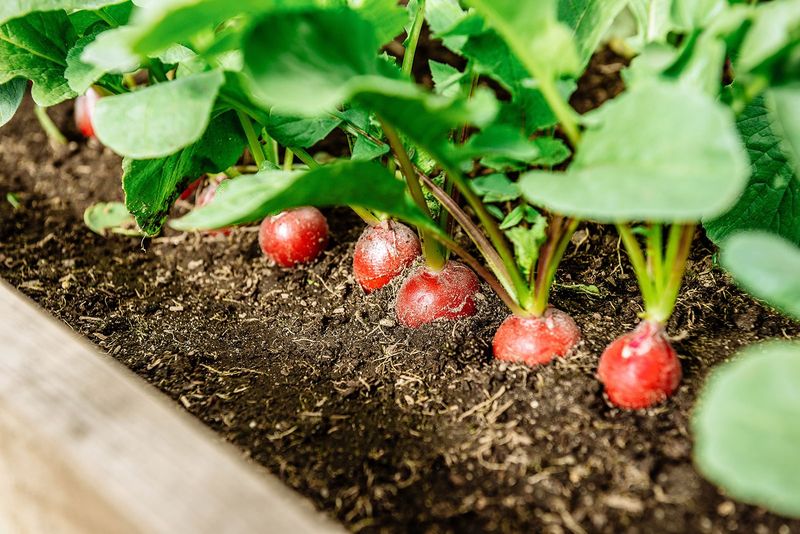
Radishes flourish in raised beds due to rapid growth and easy cultivation. The controlled soil quality ensures even moisture, perfect for these fast-growing veggies. Raised beds are ideal for succession planting, letting radishes be harvested and replanted multiple times each season.
3. Lettuce
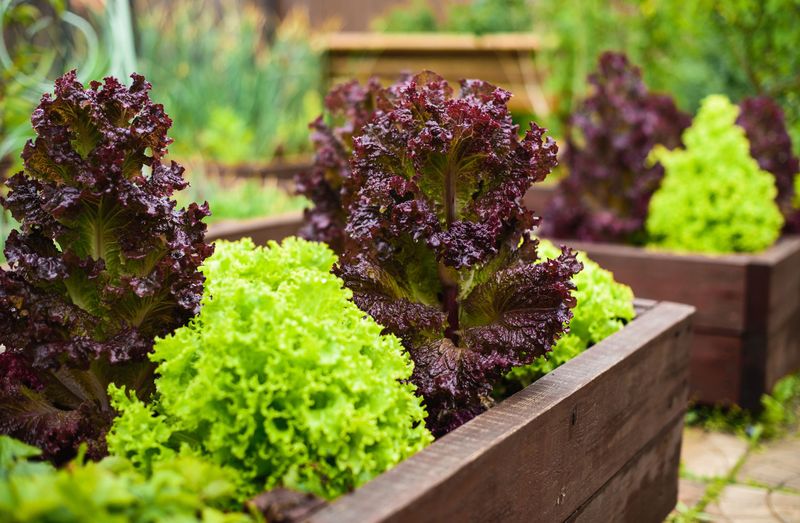
Lettuce grows splendidly in raised beds, benefiting from the airy soil that promotes tender leaves. Different lettuce types can be planted closely together due to the compact growing space. The elevation also helps in reducing pests and diseases, offering healthier produce.
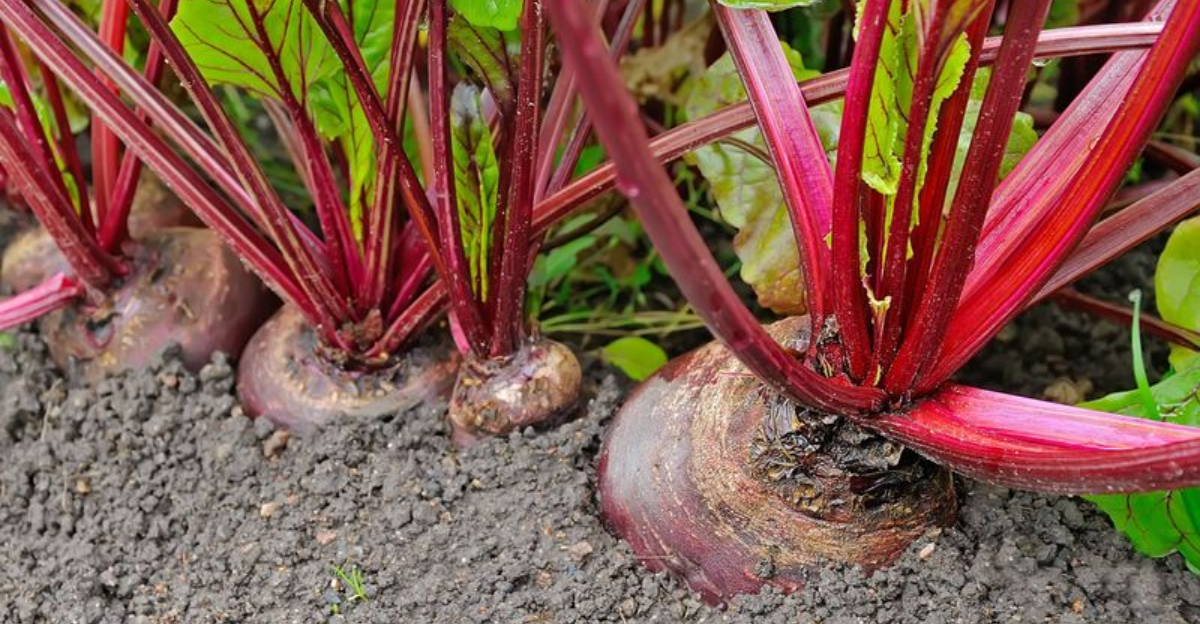
4. Beets
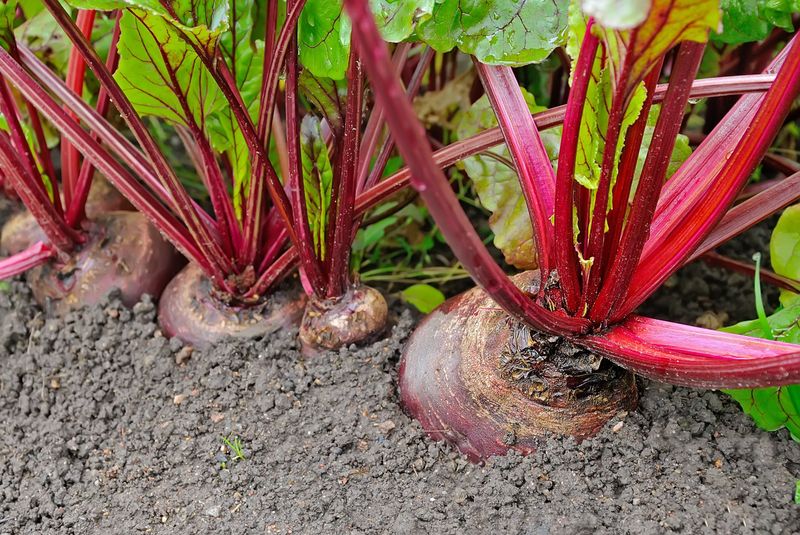
Beets appreciate the fine, rich soil of raised beds, enhancing root development and sweetness. The controlled environment facilitates consistent watering and sunlight exposure, crucial for growing plump and flavorful beetroots. Raised beds also simplify thinning out seedlings for better results.
5. Spinach
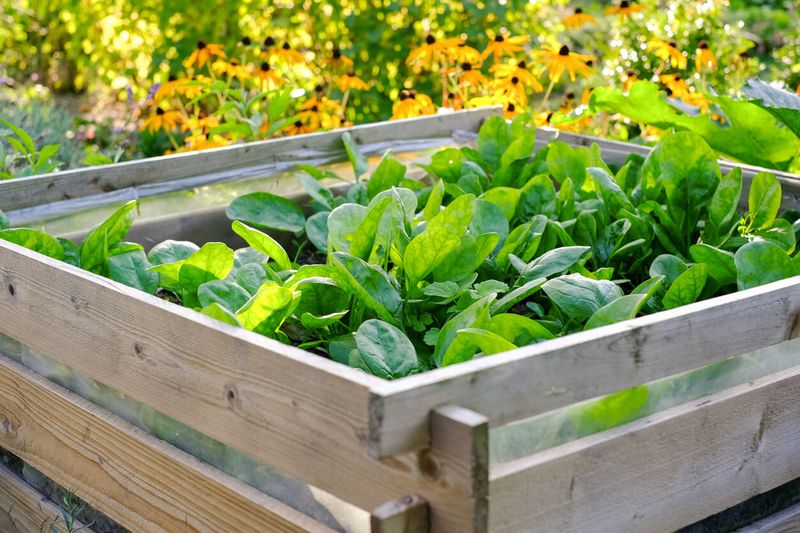
Spinach loves the well-aerated, nutrient-rich conditions of raised beds. These structures allow for excellent drainage, essential for preventing root rot in wet conditions. The flexibility in soil composition ensures spinach gets the nutrients it needs for lush, green growth.
6. Kale
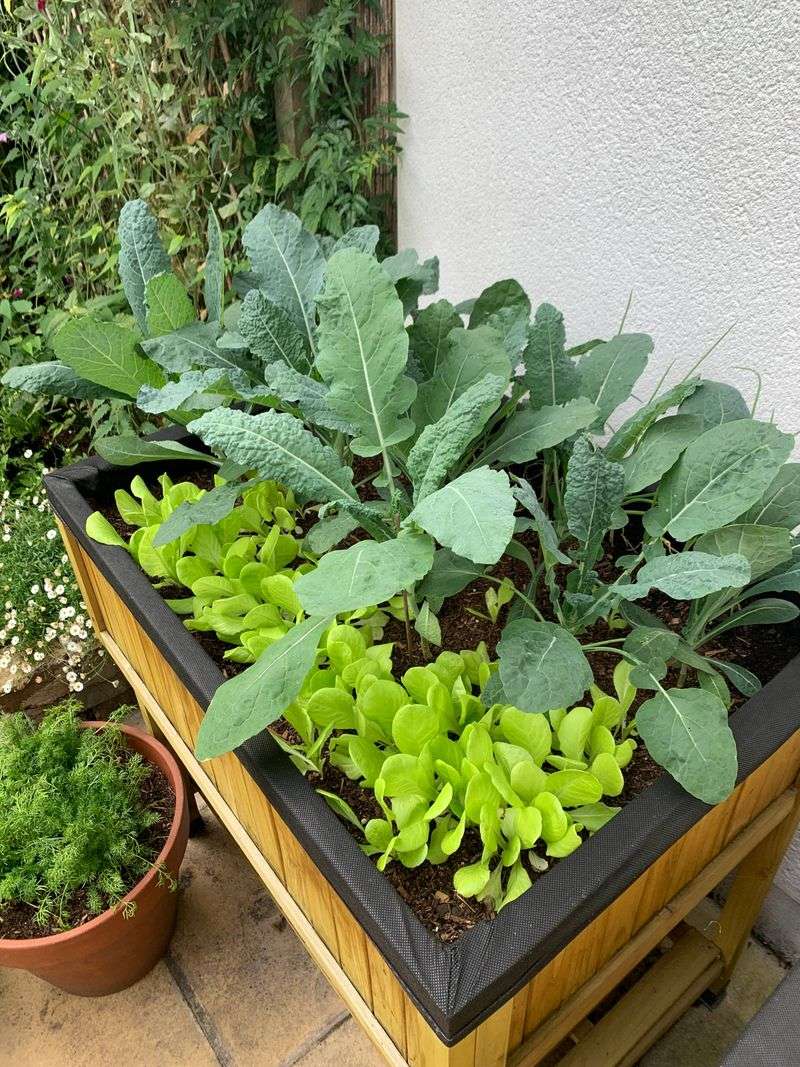
Kale thrives in raised beds because of the superior control over soil nutrients and drainage. The ability to amend soil easily means kale can access the right balance of nutrients for robust leaf production. Raised beds also help keep the foliage clean, reducing pest issues.
7. Swiss Chard
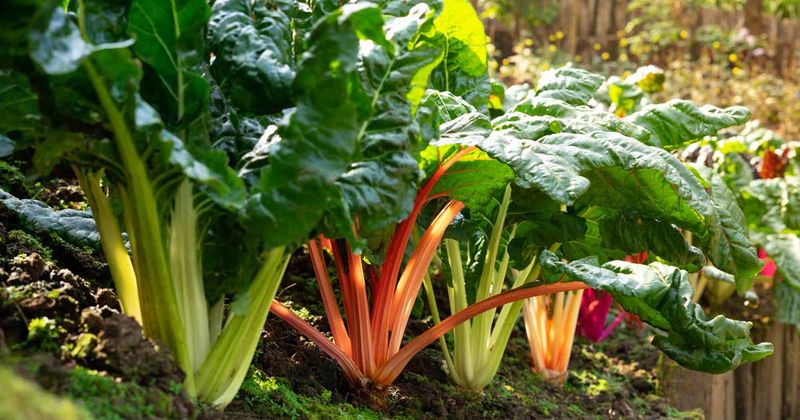
Swiss chard, with its vibrant stems, grows beautifully in raised beds. The loose soil supports healthy root systems and vibrant foliage. Consistent moisture levels, achievable in raised beds, contribute to robust growth, and the elevation helps protect the plant from ground pests.
8. Basil
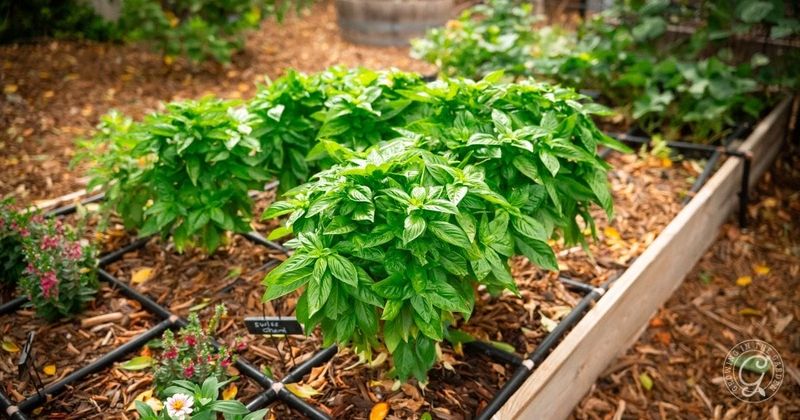
Basil enjoys the warm, well-drained conditions that raised beds provide. The controlled environment aids in preventing fungal diseases often seen in traditional gardens. Close planting is possible, maximizing use of space while producing aromatic leaves ideal for culinary use.
9. Parsley
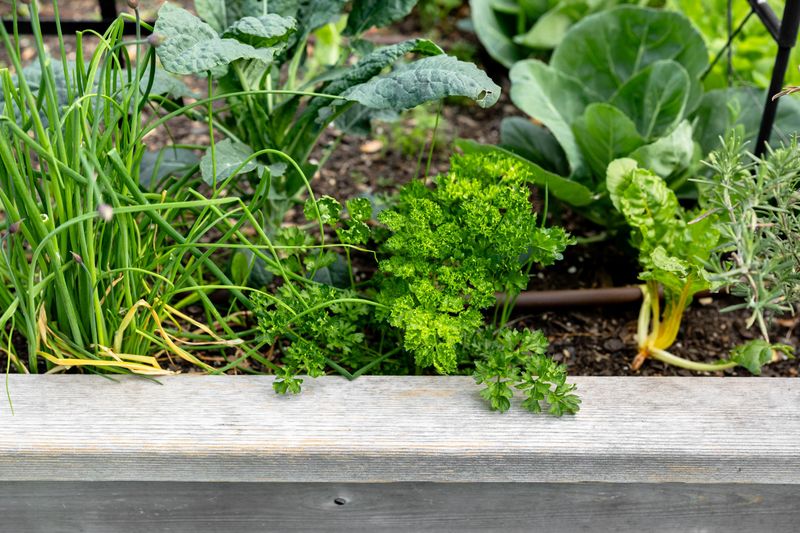
Parsley thrives in the airy, nutrient-rich environment of raised beds, which promotes strong, fragrant growth. The raised structure ensures adequate drainage, preventing root rot. Parsley can be sown closely together, making efficient use of space while providing a constant supply of fresh herbs.
10. Thyme
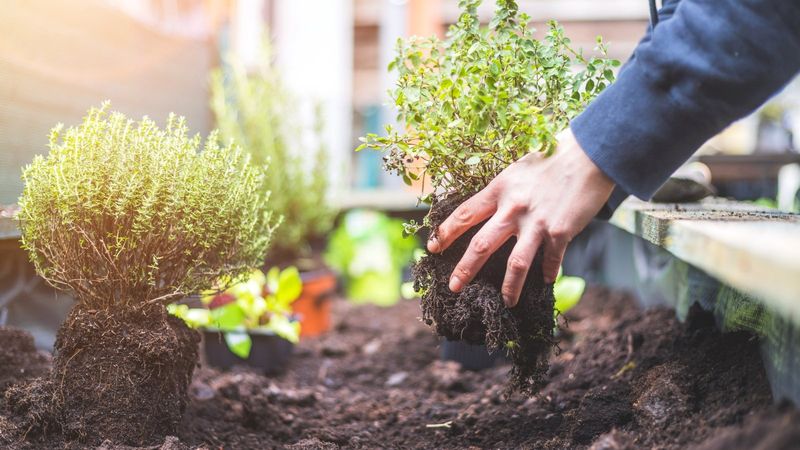
Thyme prefers the excellent drainage and controlled conditions of raised beds. The warm soil temperatures promote vigorous growth, while the structure allows for easy harvesting. Raised beds help thyme avoid the soggy soil conditions that can stunt growth and reduce flavor.
11. Cabbage
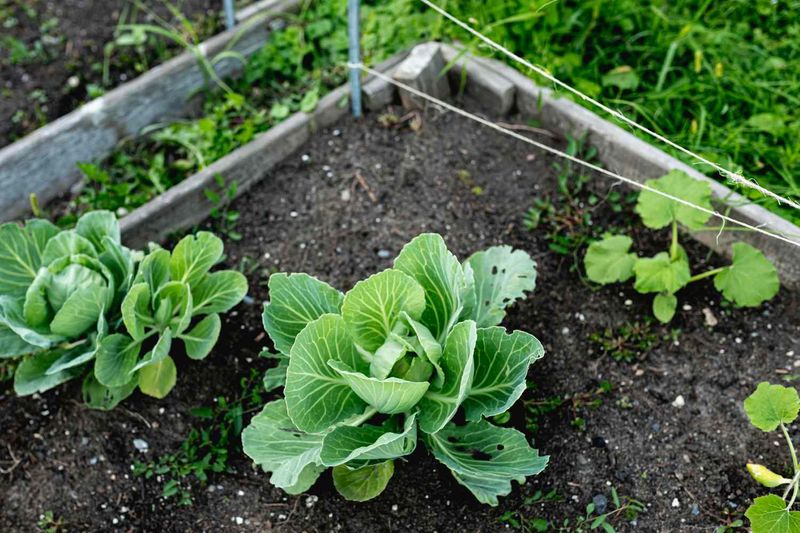
Cabbage benefits from the spacious environment of raised beds, which allows for deep root systems and large, healthy heads. The added soil warmth and controlled moisture levels promote consistent growth, and the elevation assists in keeping pests at bay.
12. Broccoli
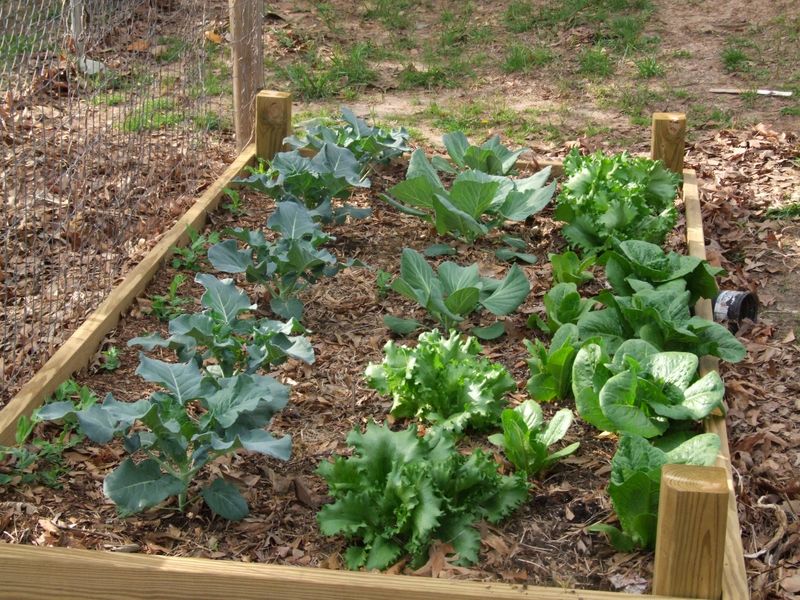
Broccoli thrives in the nutrient-dense, well-drained conditions of raised beds. The elevation allows for consistent air circulation, reducing disease risk. Broccoli requires ample space for its large leaves, which can be easily accommodated in the flexible layout of a raised bed.
13. Cauliflower
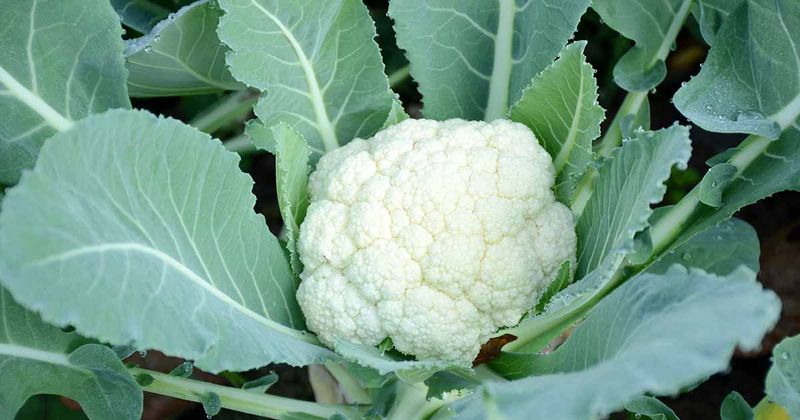
Cauliflower grows best in the controlled environment of raised beds, where soil quality can be managed precisely. The elevated setting supports optimal drainage and aeration, preventing common diseases. Consistent care in raised beds yields firm, white heads ideal for cooking.
14. Peas

Peas benefit from the improved drainage and nutrient control of raised beds. The additional height supports trellising, which helps peas grow vertically and saves space. Raised beds create a warm soil environment, advancing germination and boosting overall yield.
15. Green Beans
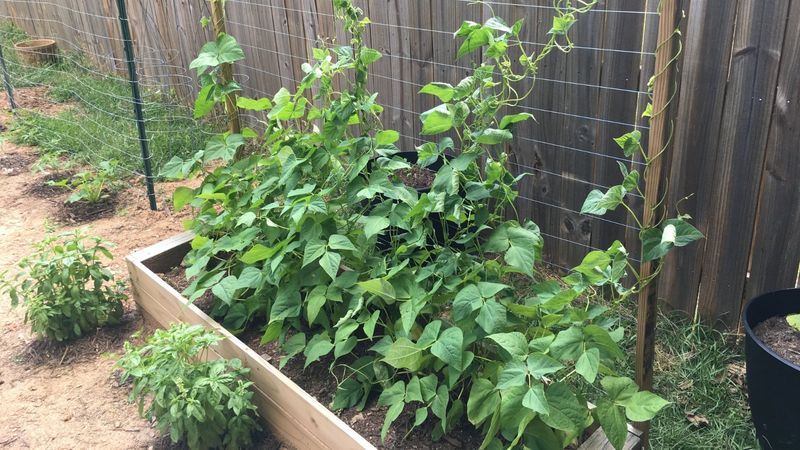
Green beans flourish in raised beds due to their need for warm, well-drained soil. The structure supports vertical growth and efficient use of space with the help of stakes or trellises. Raised beds also make it simple to manage weeds, enhancing bean growth and production.
16. Zucchini
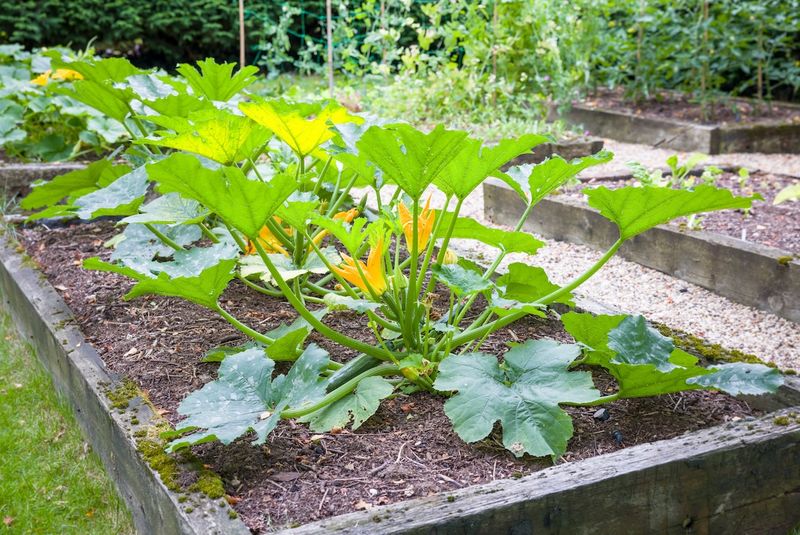
Zucchini thrives in the nutrient-rich, well-drained environment of raised beds. The structure allows for ample air circulation, which helps prevent powdery mildew. Zucchini plants, with their sprawling nature, fit comfortably in raised beds, optimizing space and yield.
17. Cucumbers
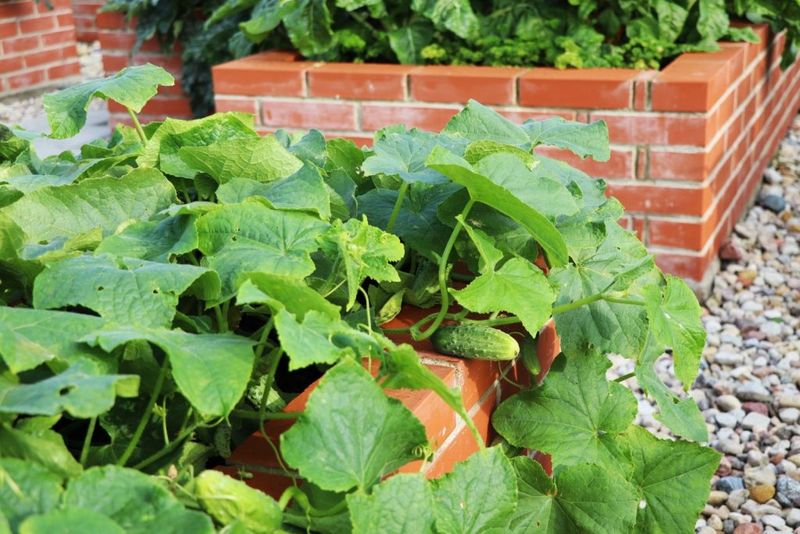
Cucumbers flourish in raised beds, where they benefit from the warm, well-drained soil and support for vertical growth. Trellising cucumbers in raised beds saves space and promotes healthy, straight fruits. The elevation aids in reducing pest problems, common in traditional gardens.
18. Tomatoes
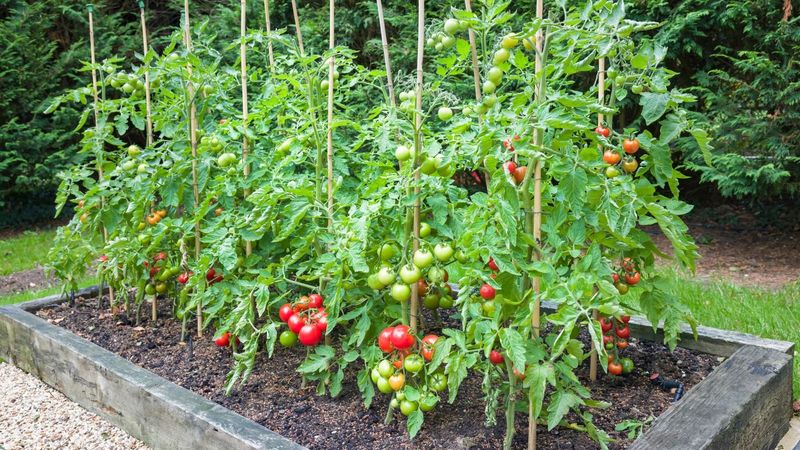
Tomatoes excel in raised beds due to their preference for warm, loose soil and good drainage. The raised structure supports robust root systems and reduces disease risk. With easy access for staking and pruning, raised beds offer an ideal setup for healthy, fruitful tomato plants.
19. Peppers
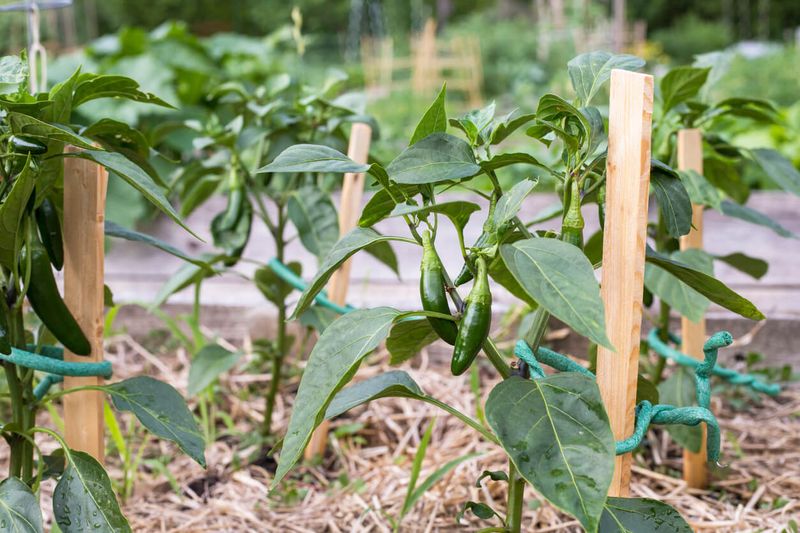
Peppers thrive in the warm, controlled conditions of raised beds. The consistent soil temperature and moisture levels support strong growth and abundant yields. Raised beds allow for efficient use of space, and the easy access simplifies harvesting and maintenance.
20. Eggplant
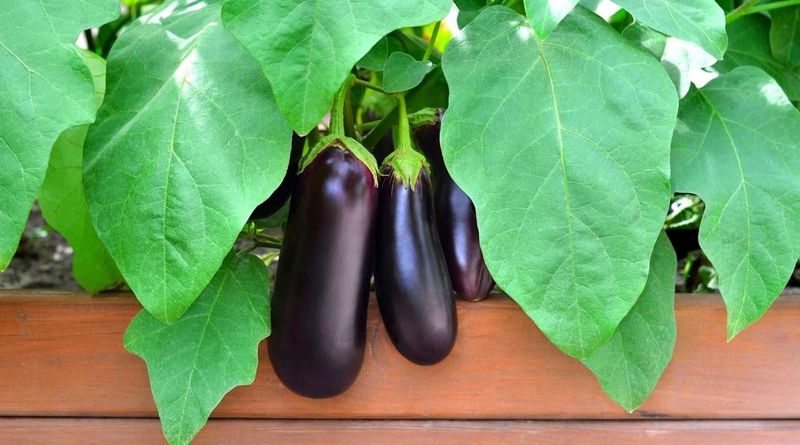
Eggplant thrives in the warm, well-drained environment of raised beds. The structure supports deep root systems and provides consistent sun exposure, essential for fruit development. Elevated beds simplify pest control, ensuring eggplants grow healthy and produce flavorful yields.
21. Onions
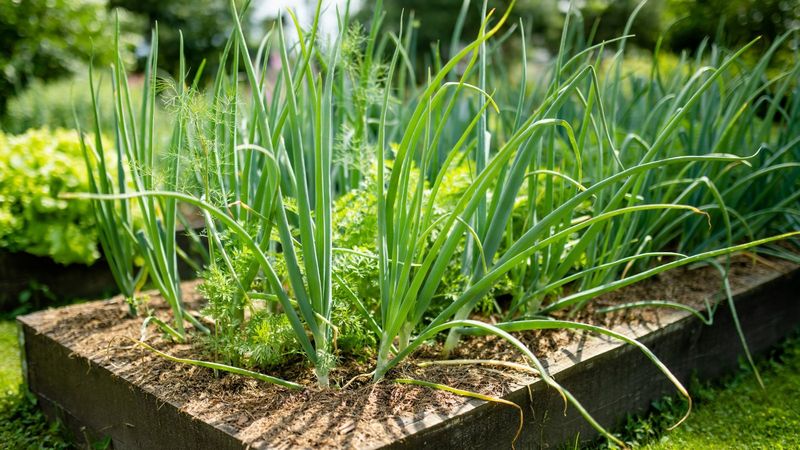
Onions benefit immensely from the loose, nutrient-rich soil of raised beds. This environment supports even bulb development and prevents waterlogging, a common issue in traditional gardens. With controlled spacing and planting depth, raised beds ensure consistent, quality onion harvests.
22. Garlic
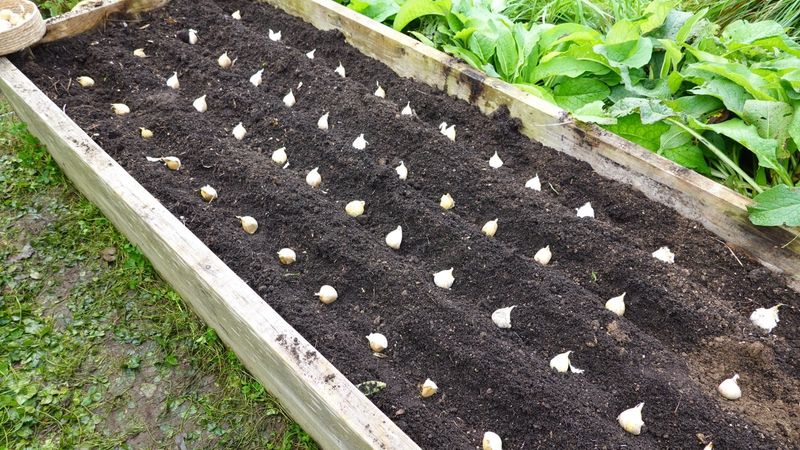
Garlic thrives in the aerated, well-drained soil of raised beds. Elevation prevents rot and fungal issues, allowing garlic to develop robust, flavorful bulbs. The ease of planting and harvesting in raised beds makes garlic cultivation accessible and rewarding.
23. Leeks
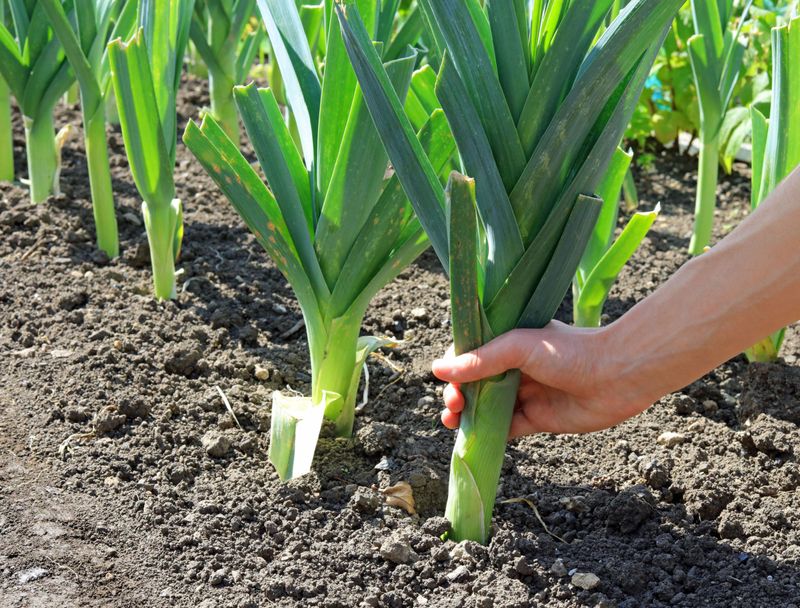
Leeks benefit from the deep, loose soil of raised beds, which facilitates their lengthy root systems. The controlled environment supports even growth and prevents soil compaction. Raised beds offer a perfect setup for blanching, crucial for tender, tasty leeks.
24. Celery
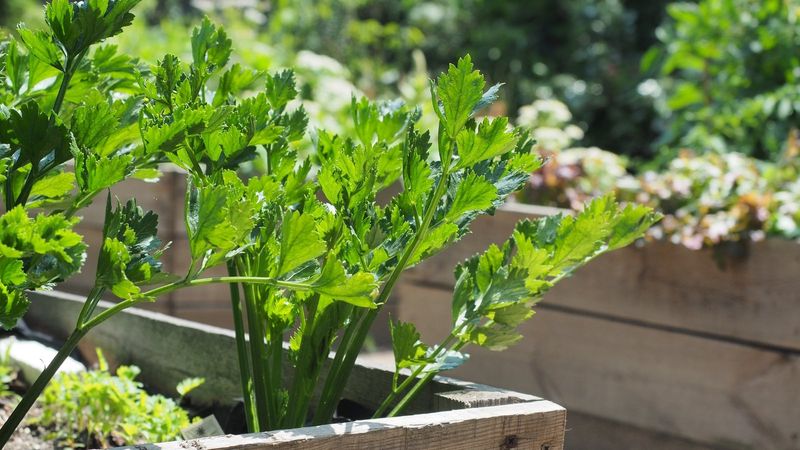
Celery thrives in the moisture-retentive yet well-drained environment of raised beds. The elevated structure allows for consistent watering, vital for celery’s growth. With protection from pests and diseases, raised beds ensure crisp, flavorful celery stalks ideal for harvesting.
25. Rhubarb
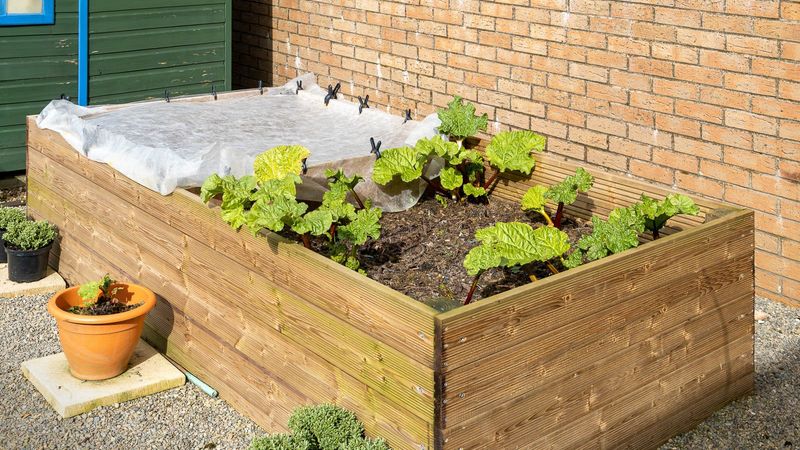
Rhubarb’s robust nature makes it an ideal candidate for raised beds, where the excellent drainage prevents root rot. The elevated structure ensures good sun exposure, essential for its growth. Raised beds simplify maintenance and harvesting, making rhubarb cultivation rewarding.
26. Strawberries
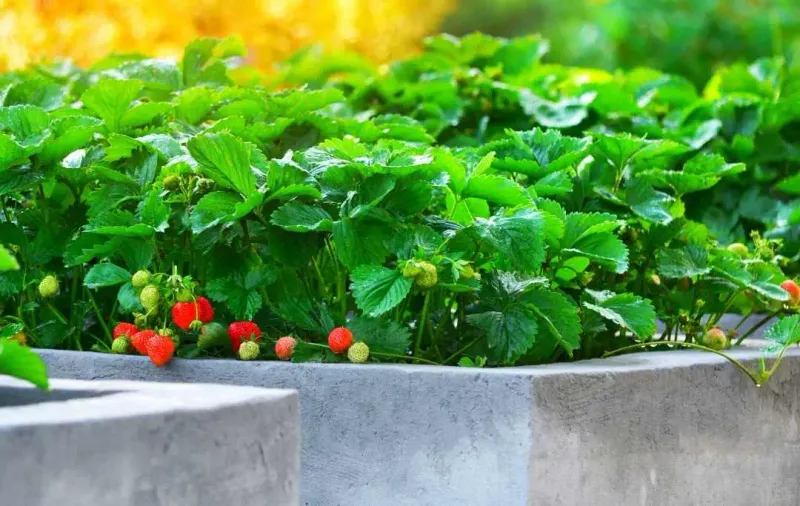
Strawberries flourish in raised beds due to their need for well-drained soil and good sun exposure. The elevation helps keep berries clean and reduces slug infestations. Raised beds allow for easy maintenance and harvesting, producing sweet, juicy strawberries.
27. Corn
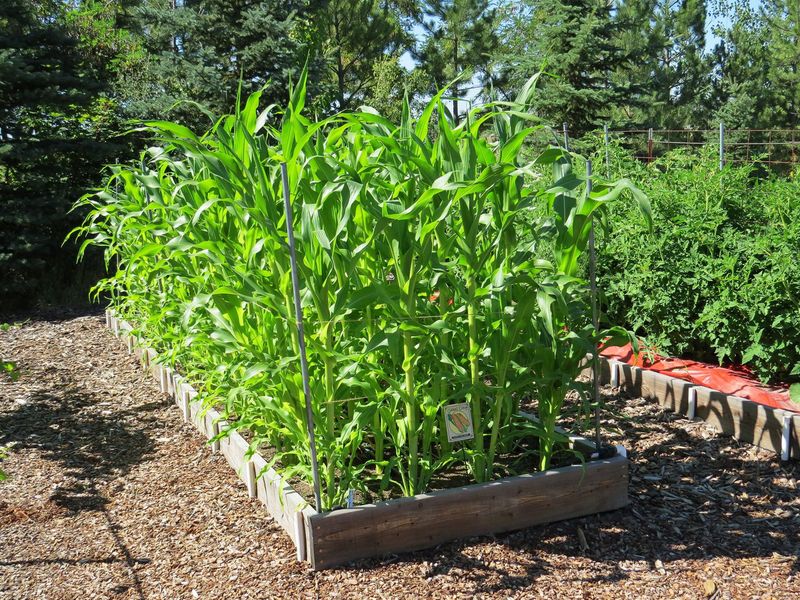
Corn benefits from the deep, enriched soil of raised beds, which supports its extensive root system. The enhanced drainage and sunlight exposure contribute to strong, healthy growth. Raised beds allow for precise planting, ensuring optimal spacing for robust corn plants.
28. Potatoes
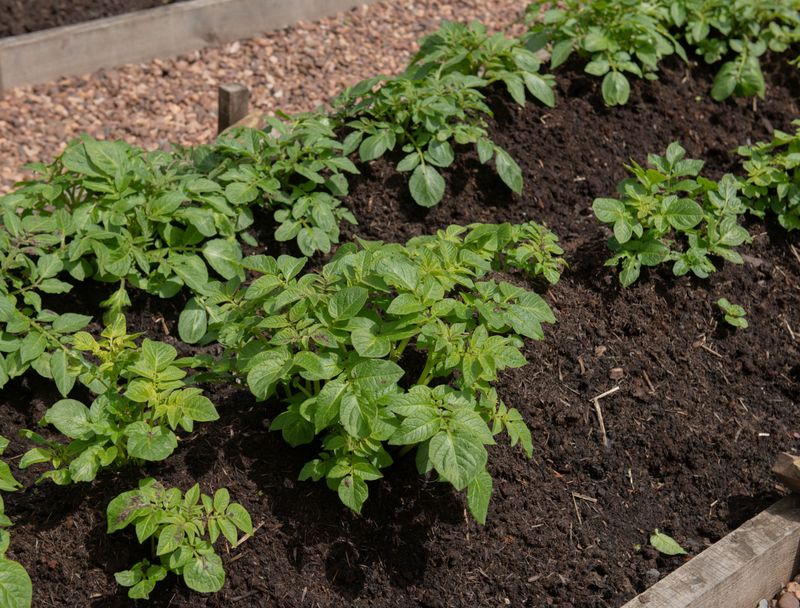
Potatoes thrive in the loose, well-drained soil of raised beds, which promotes tuber development. The structure allows for easy hilling and harvesting, crucial for a good yield. Raised beds make it simple to control soil conditions, ensuring healthy, disease-free potatoes.
29. Sweet Potatoes
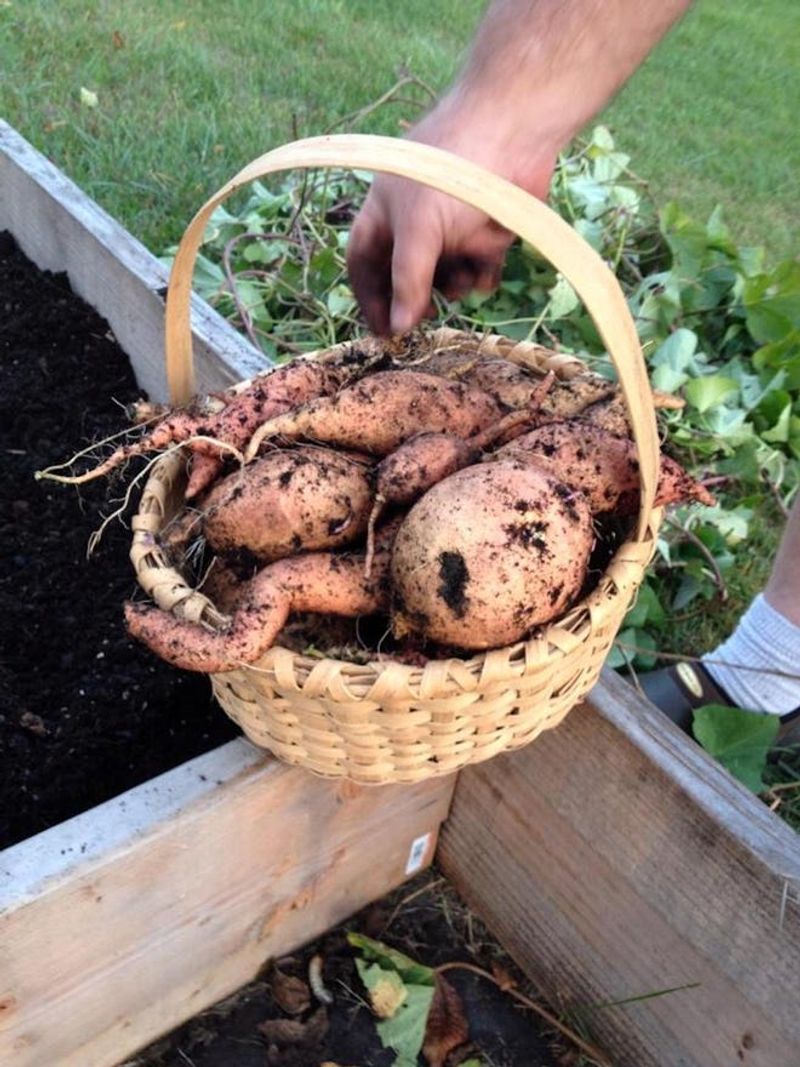
Sweet potatoes flourish in the warm, aerated environment of raised beds. These conditions enhance root development, resulting in sweet, flavorful tubers. The elevation helps with drainage, preventing rot and promoting healthy growth, making harvesting straightforward and rewarding.
30. Herbs (General)
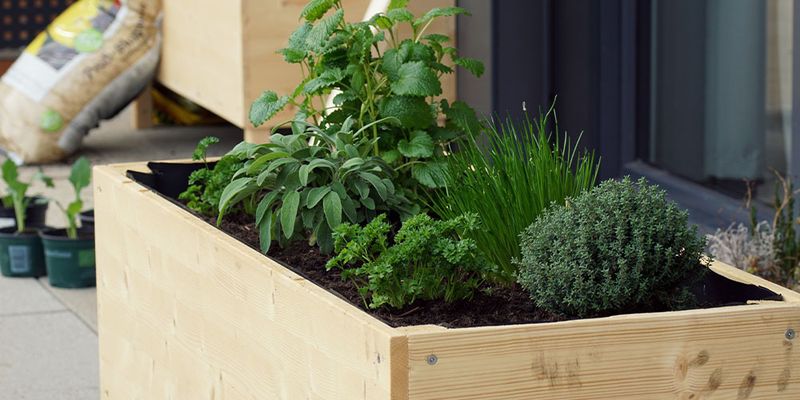
Herbs like rosemary, oregano, and mint thrive in the controlled conditions of raised beds. The excellent drainage and ability to customize soil mixes ensure optimal growth and flavor. With easy access, herbs are simple to cultivate and harvest, enhancing culinary experiences.
31. Asparagus
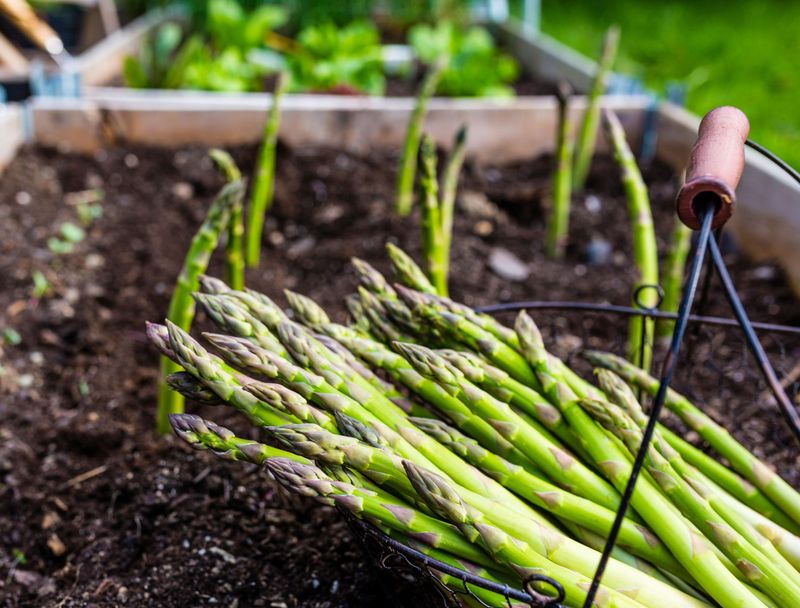
Asparagus benefits from the well-drained environment of raised beds, which supports its perennial nature. The structure provides consistent soil warmth and reduces compaction. Raised beds make harvesting this early spring vegetable a breeze, with quality spears year after year.
32. Brussels Sprouts
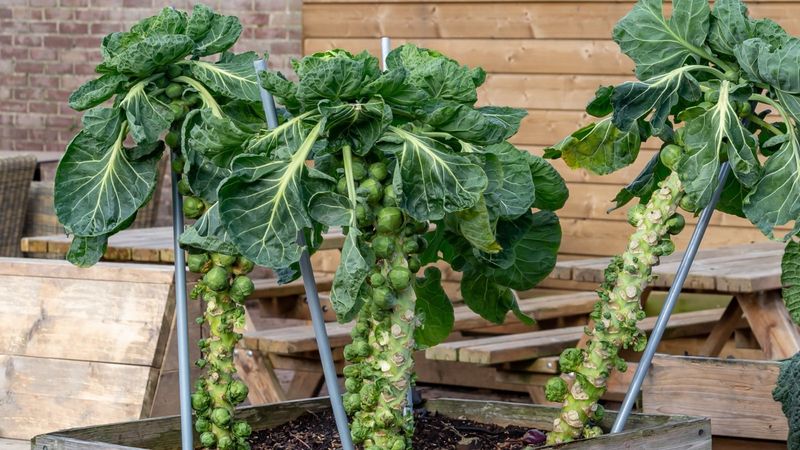
Brussels sprouts thrive in the controlled environment of raised beds, where nutrient levels and drainage can be managed precisely. The improved air circulation reduces disease risk, while consistent care leads to a bountiful harvest of compact, flavorful sprouts.
33. Pumpkins
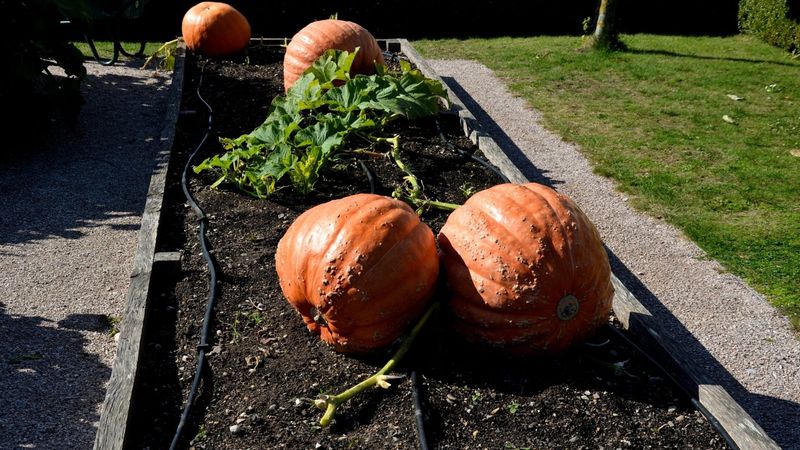
Pumpkins, with their sprawling vines, find ample space and ideal soil conditions in raised beds. The structure supports healthy root systems and reduces moisture-related issues. Raised beds make managing the growth and eventual harvest of large, vibrant pumpkins much easier.
34. Artichokes
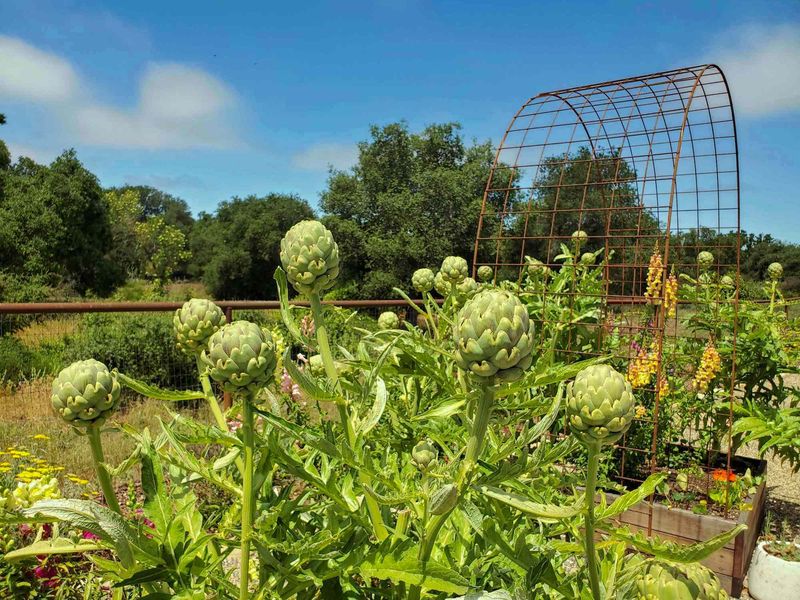
Artichokes flourish in the loose, nutrient-rich soil of raised beds. The environment supports their deep root systems and large foliage. Raised beds offer the space and drainage artichokes need, ensuring healthy plants that produce tender, flavorful buds.
35. Watermelons (Struggler)
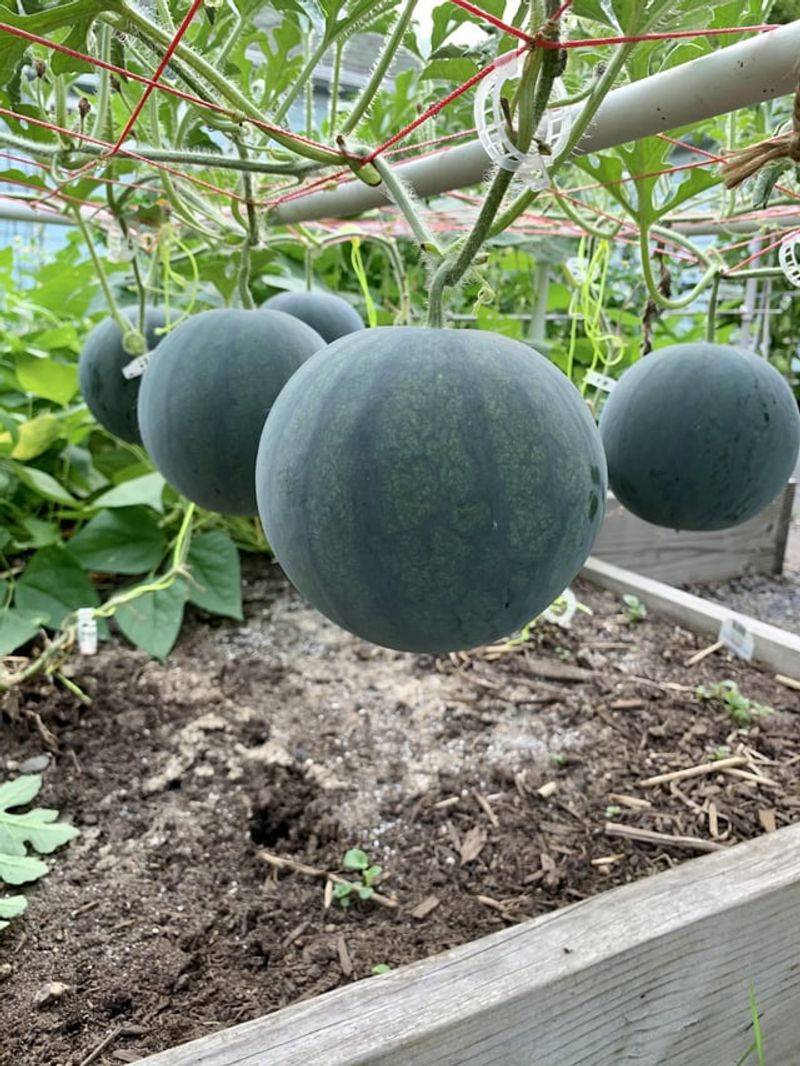
Watermelons can struggle in raised beds due to their extensive space and nutrient needs. The limited area can hinder vine growth and fruit development. Raised beds may not provide the deep root zones and sprawling space watermelons require for optimal growth, often leading to stunted fruit.
36. Squash (Struggler)
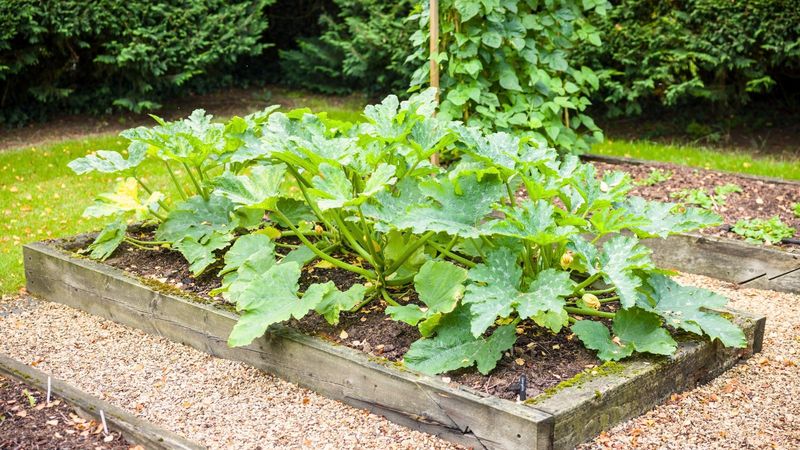
Squash can face challenges in raised beds, where space constraints limit their natural sprawling growth. The restricted area can impede full development, and the plants might not receive the necessary nutrients. Such conditions can lead to reduced yields and smaller fruits.
37. Melons (Struggler)
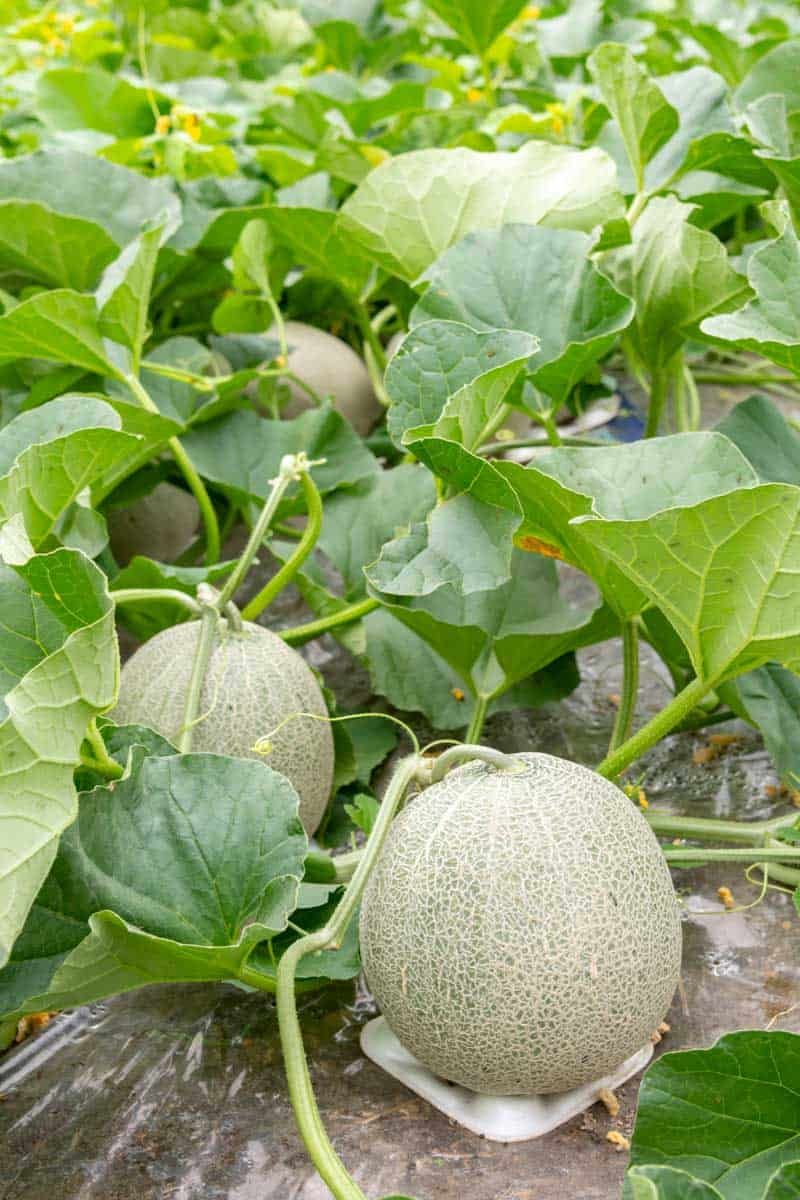
Melons often struggle in raised beds because of their requirement for extensive space and deep nutrients. The limited area can restrict vine expansion and fruit size. Raised beds might not offer the depth and freedom melons need, resulting in smaller, less sweet fruits.
38. Arugula
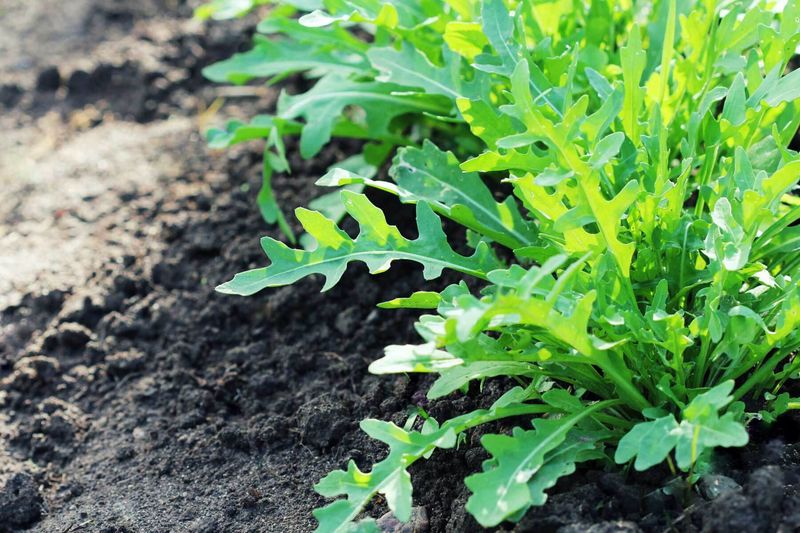
Arugula brings a peppery zest to your garden and plate. Known for its quick growth, this leafy green thrives in the cool temperatures of spring and fall. Its tender leaves add a delightful bite to salads.
Raised beds offer arugula well-drained soil, essential for preventing root rot. With its fast maturity rate, you can enjoy continuous harvests by sowing seeds every few weeks.
Originating from the Mediterranean, arugula is a staple in Italian cuisine. Did you know? It was once considered an aphrodisiac by ancient Romans. Add a touch of history and spice to your garden with arugula!