 Complete Gardening
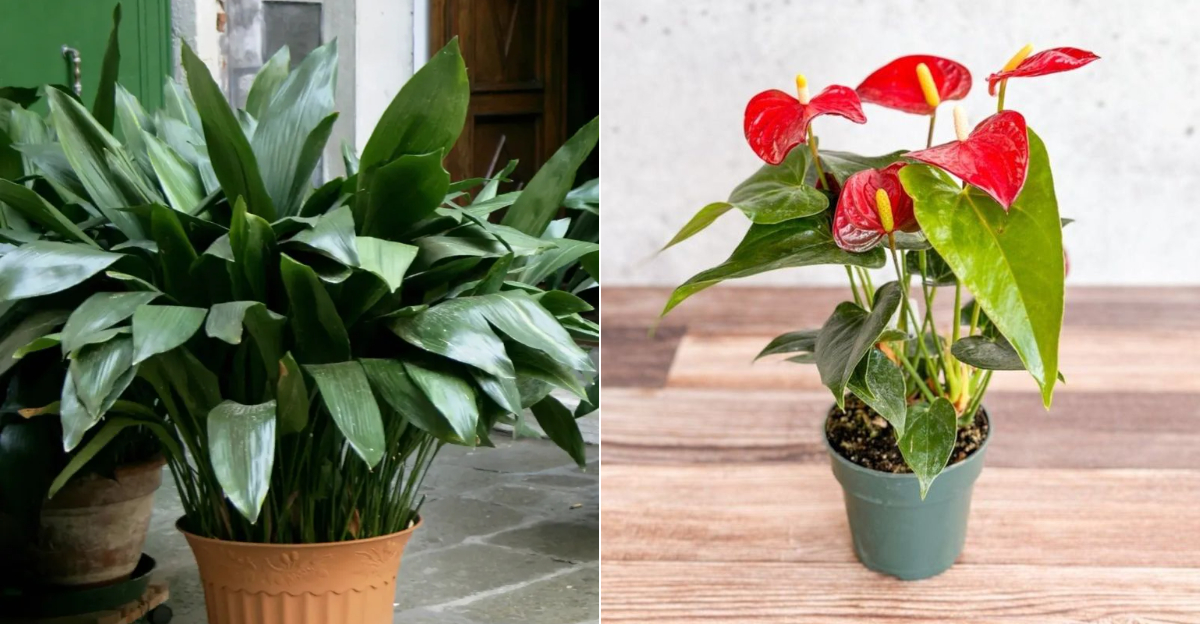
Houseplant enthusiasts often seek ways to expand their leafy collections without breaking the bank. Division, a method of propagation, is an ideal technique for multiplying your favorite plants. This article explores 32 houseplants that thrive when divided, offering tips and insights for each plant.
Dividing plants not only encourages healthier growth but also allows you to share green joy with friends. The process is simple, requiring only basic gardening tools and a bit of patience. Dive into the world of houseplant division and discover the perfect plants to propagate. Let’s explore these green wonders together!
1. Snake Plant (Sansevieria)
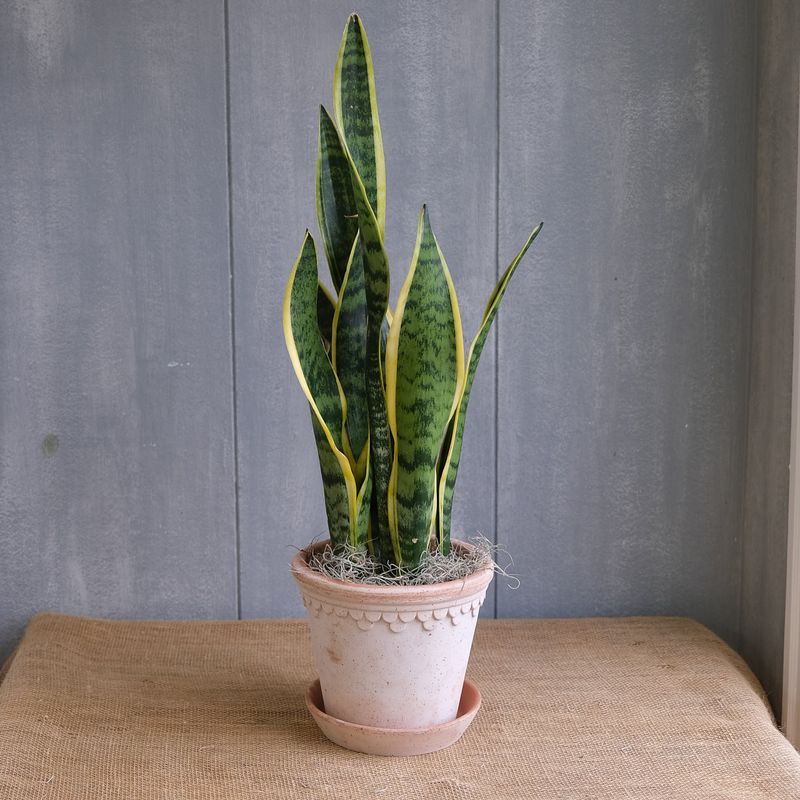
Snake Plants, with their striking vertical leaves and hardy nature, make an excellent choice for propagation by division. Known for their air-purifying qualities, these resilient plants thrive in a variety of conditions. To divide, carefully remove the plant from its pot and separate the rhizomes. Each section should have a few healthy leaves and roots. After division, replant in well-draining soil and water sparingly. These adaptable plants are forgiving, making them perfect for beginners. Their architectural beauty adds elegance to any space, creating a refreshing ambiance. Enjoy watching your divided Snake Plants flourish with ease!
2. Peace Lily (Spathiphyllum)
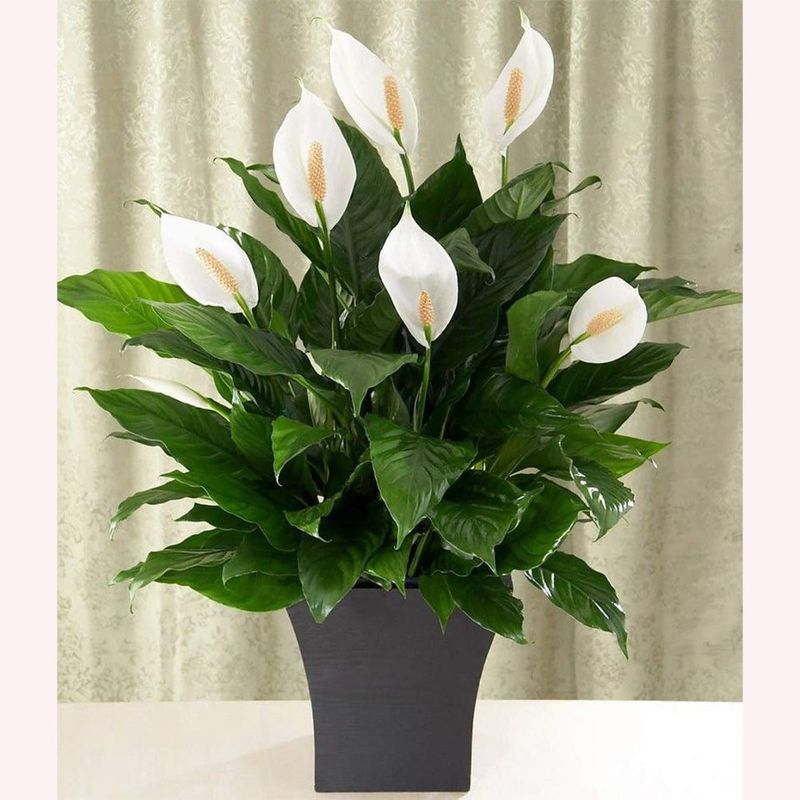
Peace Lilies exude elegance with their glossy leaves and delicate white blooms. Perfect for division, these plants benefit from regular splitting, which rejuvenates their growth. Carefully remove the plant from its pot and gently separate the clumps of roots. Ensure each division has ample roots and leaves to sustain growth. Replant in a suitable pot with nutrient-rich soil and provide indirect light. The Peace Lily’s ability to thrive in low-light conditions makes it a favorite among indoor gardeners. Enjoy its calming presence and watch new flowers emerge from your divided plants.
3. Boston Fern (Nephrolepis exaltata)
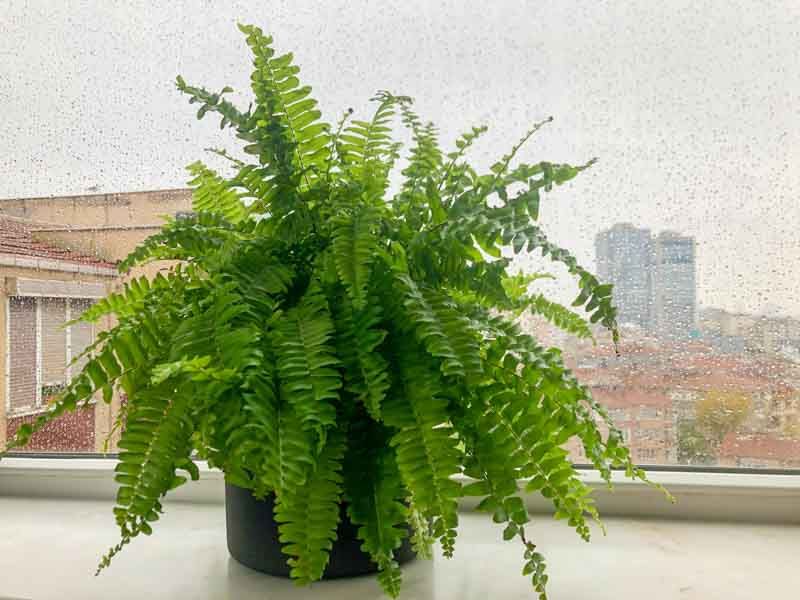
Boston Ferns, with their feathery fronds, are a classic choice for adding greenery to any room. These ferns thrive when divided regularly, as overcrowding can hinder their growth. To divide, remove the plant from its pot and carefully separate into smaller sections, ensuring each has a healthy root system. Replant in well-draining soil and mist regularly to maintain humidity. Boston Ferns prefer bright, indirect light and humid conditions, making them ideal for bathrooms or kitchens. Their lush foliage creates a tropical vibe, enhancing the aesthetic charm of your indoor garden.
4. Spider Plant (Chlorophytum comosum)
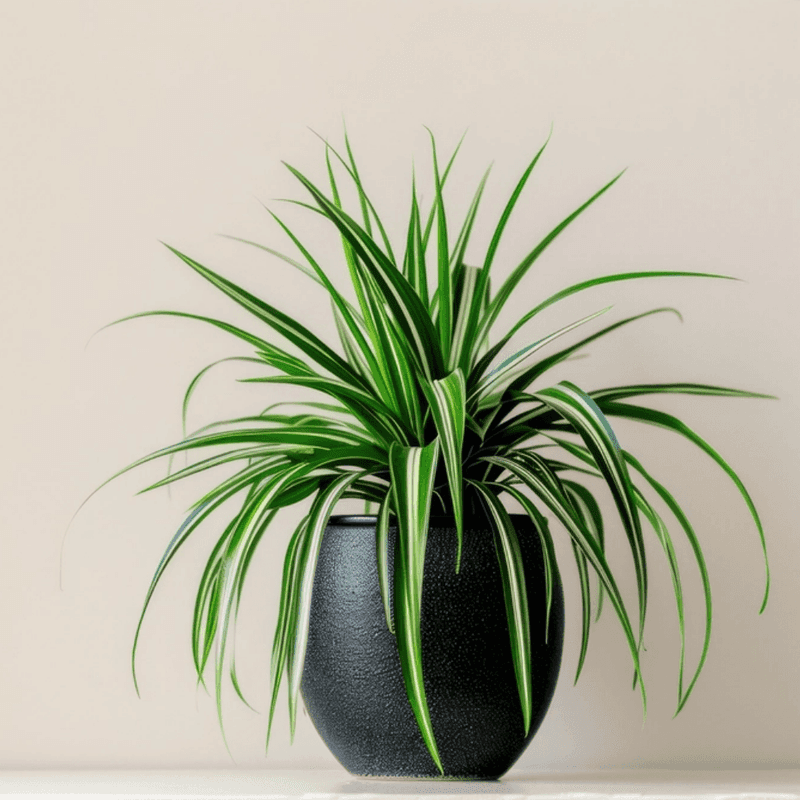
Spider Plants are renowned for their cascading leaves and easy-going nature. Perfect for propagation by division, these plants often produce offshoots that can be separated and replanted. Gently remove the plant from its pot and separate the clumps of roots. Each division should have its own set of roots and foliage. Once divided, plant in well-draining soil and place in bright, indirect light. Known for their air-purifying properties, Spider Plants create a lively atmosphere. Their playful, arching leaves add a touch of whimsy to your home décor.
5. ZZ Plant (Zamioculcas zamiifolia)
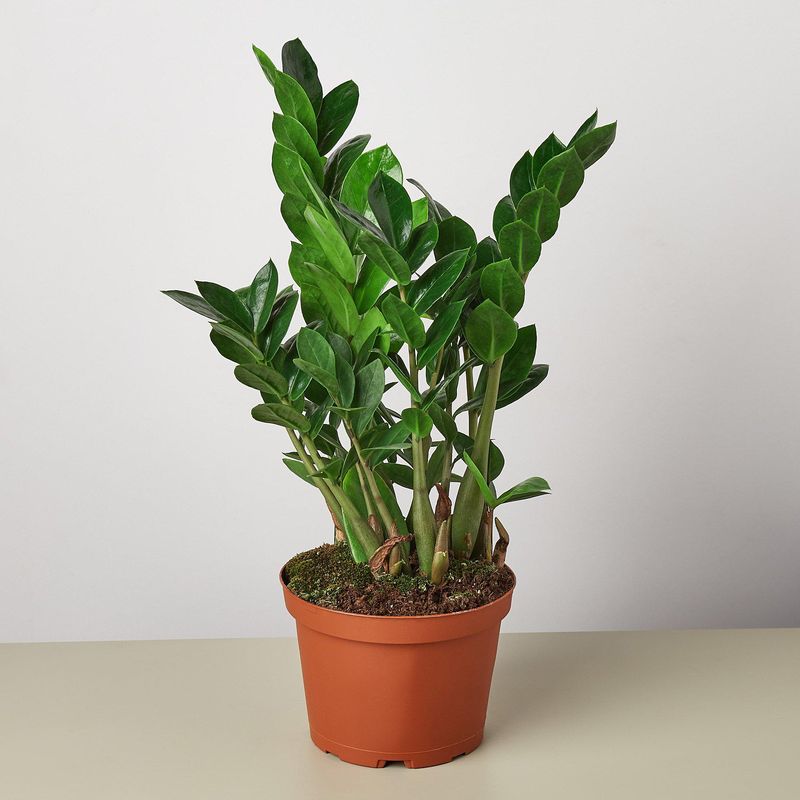
The ZZ Plant boasts glossy leaves and a reputation for being nearly indestructible, making it a favorite among plant enthusiasts. Ideal for propagation by division, this plant can be split into smaller sections, each with its own roots and stems. Carefully extract the plant from its pot, and gently separate the rhizomes. After division, plant each section in well-draining soil and place in indirect light. ZZ Plants are drought-tolerant and low-maintenance, perfect for busy individuals. Their bold, shiny leaves bring a modern touch to any setting, making them a stylish addition.
6. Philodendron (Philodendron spp.)
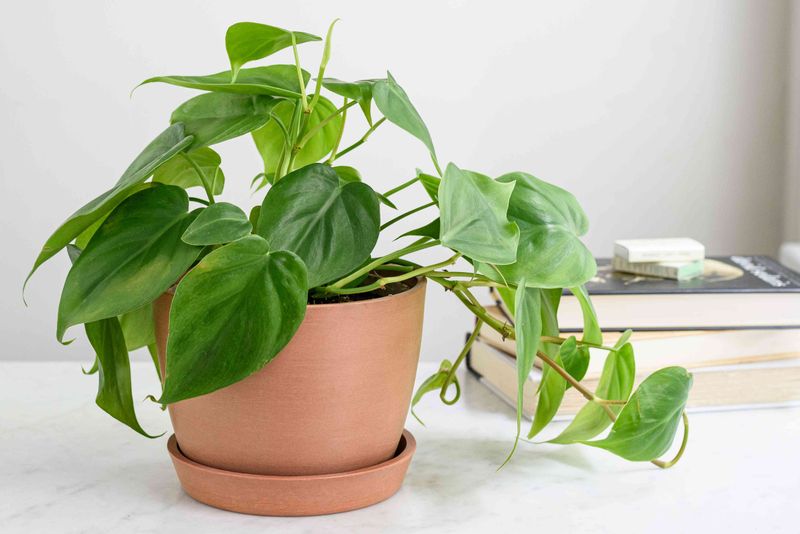
Philodendrons, with their heart-shaped leaves and climbing nature, are a joy to grow and divide. These plants benefit from occasional division to promote healthier growth. To divide, gently remove the plant and separate into smaller sections, ensuring each has adequate roots and leaves. Replant in fresh soil and provide a support structure if needed. Philodendrons thrive in indirect light and appreciate regular watering. Their lush foliage adds a tropical vibe and their easy-care nature makes them a popular choice among plant lovers. Enjoy watching these beauties climb and flourish in your home.
7. Calathea (Calathea spp.)
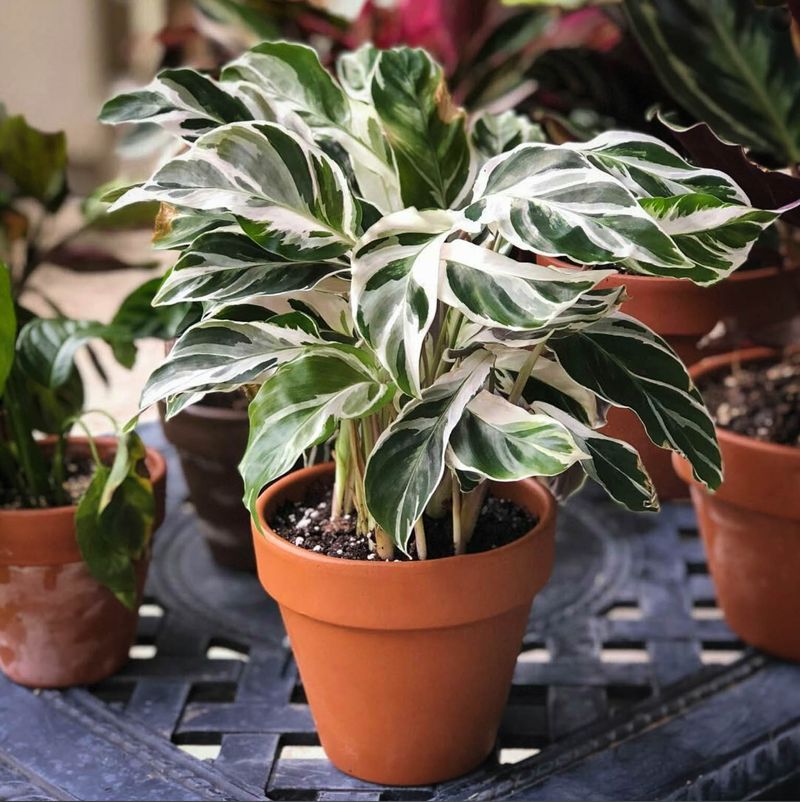
Calatheas are known for their beautiful, intricately patterned leaves that add an exotic touch to any room. These plants respond well to division, especially when they outgrow their pots. Gently remove the plant and separate the root ball into smaller sections, each with a portion of roots and foliage. Replant in well-draining soil and ensure they receive indirect light and consistent moisture. Calatheas prefer high humidity, making them ideal for bathrooms. Their stunning leaf patterns and vibrant colors create a visual spectacle, transforming any space into a lively oasis.
8. Aspidistra (Aspidistra elatior)
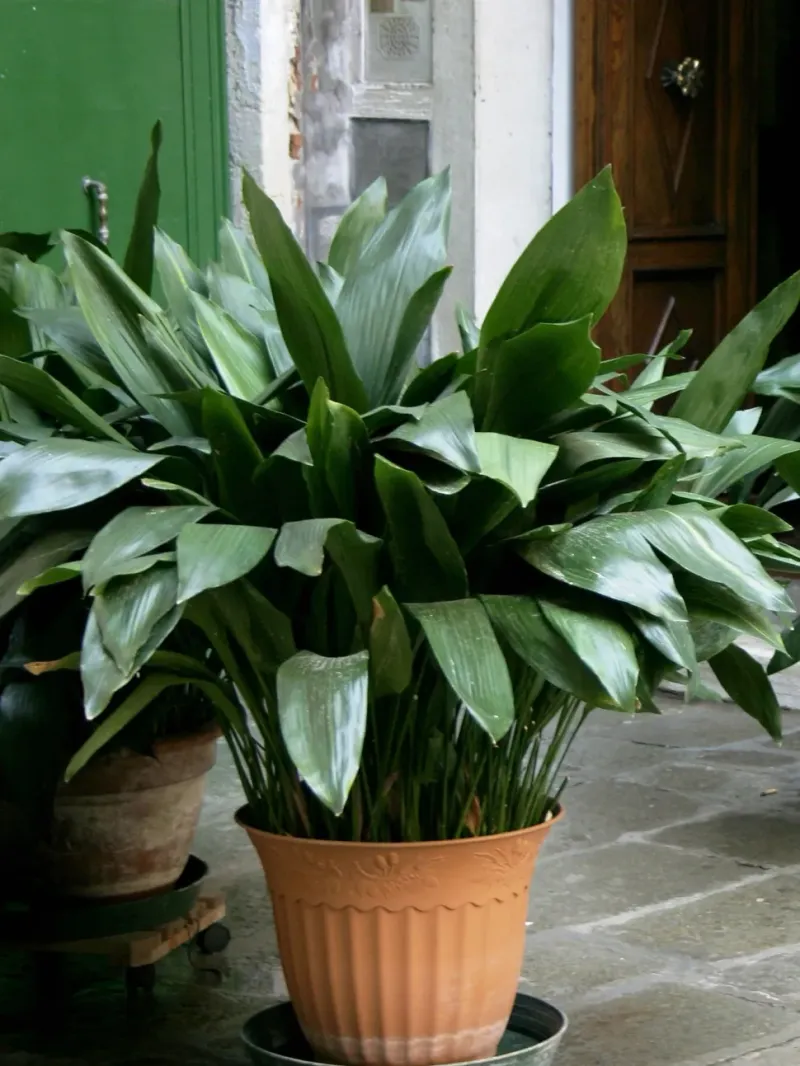
Aspidistras, or Cast Iron Plants, are prized for their ability to thrive in low-light conditions. Their tough nature makes them ideal candidates for division. To divide, remove the plant from its pot and gently separate the rhizomes, ensuring each section has roots and leaves. Replant in a well-draining medium and place in a shaded area. These plants are incredibly hardy and require minimal care, making them perfect for those with busy lifestyles. Aspidistras add a touch of classic elegance with their broad, dark green leaves and robust growth habit.
9. Chinese Evergreen (Aglaonema)
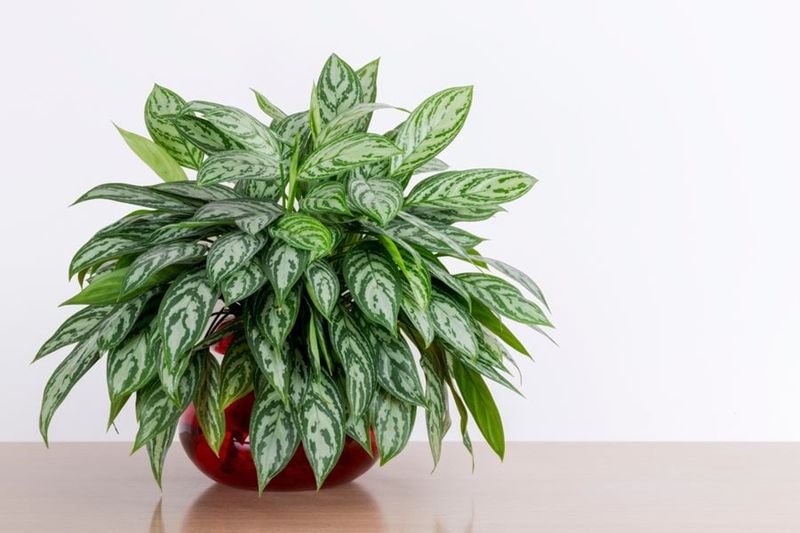
Chinese Evergreens are beloved for their attractive, variegated foliage and ease of care. Perfect for division, these plants benefit from occasional splitting, which encourages vigorous growth. To divide, remove the plant and separate the clumps of roots, ensuring each segment has a good mix of roots and leaves. Replant in a suitable pot with well-draining soil and position in indirect light. Chinese Evergreens are adaptable to various light conditions, making them versatile indoor plants. Their striking leaf patterns and vibrant colors enhance any interior, offering a refreshing splash of greenery.
10. Cast Iron Plant (Aspidistra elatior)
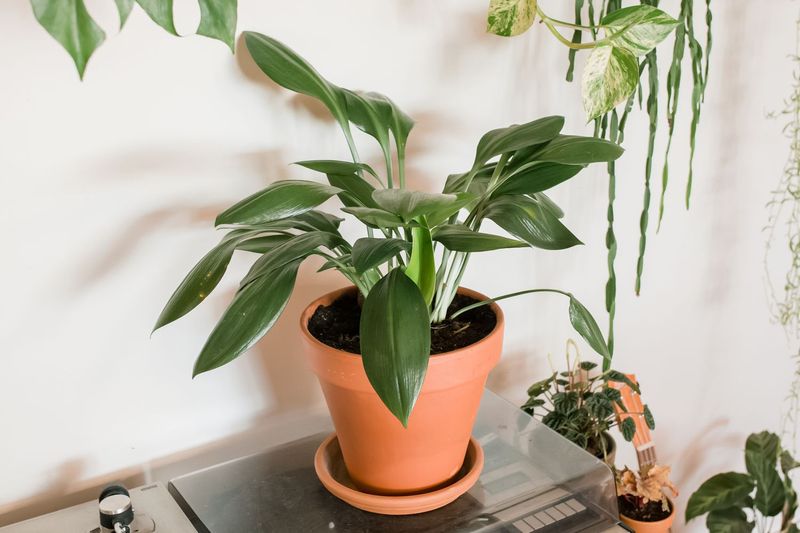
The Cast Iron Plant, famed for its durability, is a wonderful choice for division. These hardy plants can tolerate neglect, low light, and irregular watering, making them perfect for busy households. To divide, remove the plant from its pot and gently separate the rhizomes, ensuring each division has roots and foliage. Replant in well-draining soil and place in a shaded spot. Their robust, arching leaves create a lush, green display, adding a touch of classic beauty to any space. Enjoy the simplicity and charm of these enduring plants in your home.
11. Pothos (Epipremnum aureum)
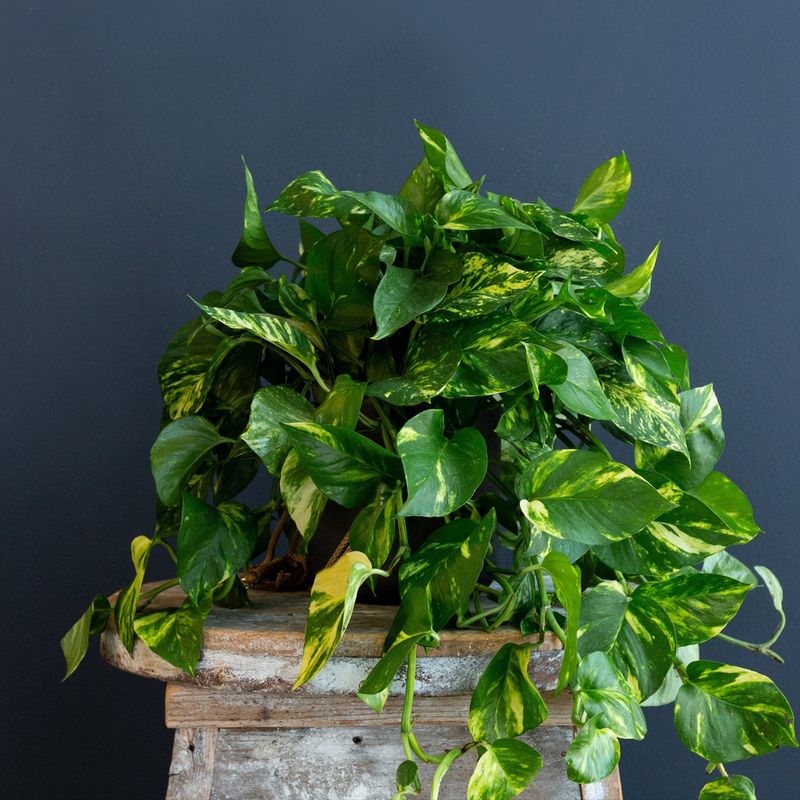
Pothos, with their trailing vines and heart-shaped leaves, are an easy favorite for indoor gardeners. These plants are perfect for propagation by division, especially when they become too large for their containers. Carefully remove the plant and separate into smaller sections, each with its own root system and foliage. Replant in fresh soil and provide bright, indirect light. Pothos are forgiving plants that tolerate a range of conditions, making them ideal for beginners. Their cascading vines create an elegant and lush display, bringing a sense of nature indoors.
12. Alocasia (Alocasia spp.)
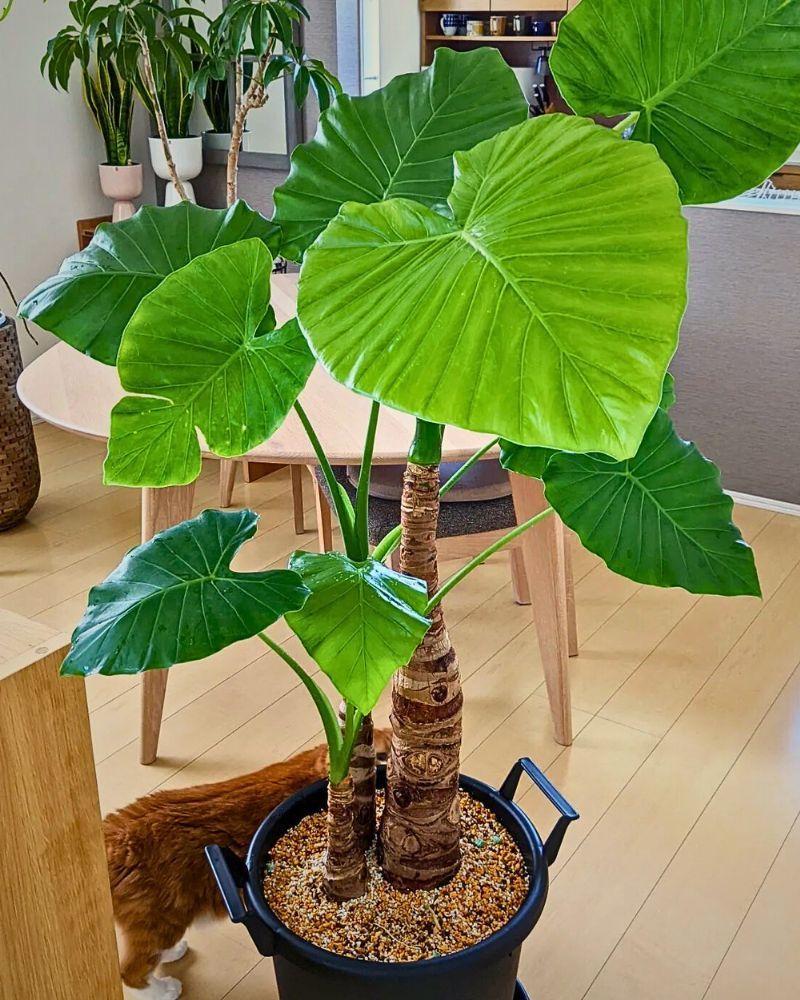
Alocasia, known for their large, dramatic leaves, bring a touch of the exotic to any space. These plants thrive when divided, as overcrowding can limit their growth. Gently remove the plant from its pot and separate the tubers, ensuring each division has roots and at least one leaf. Replant in a well-draining medium and provide plenty of indirect light. Alocasia prefer warm, humid environments, making them ideal for greenhouses or tropical settings. Their bold foliage creates a striking visual impact, transforming any room into a lush paradise.
13. Bird of Paradise (Strelitzia reginae)
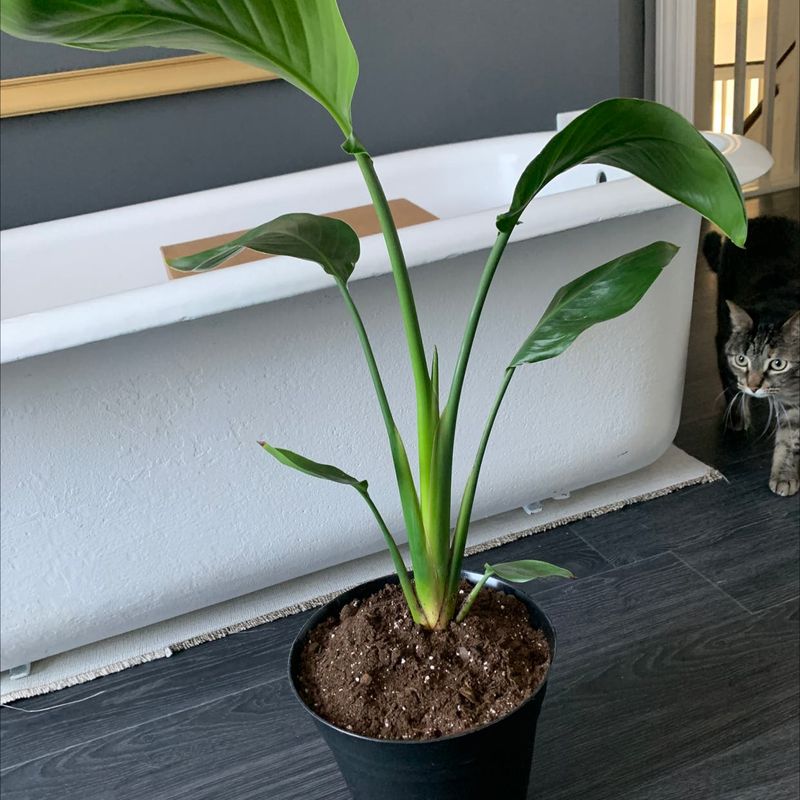
Bird of Paradise, with its vibrant, bird-like flowers, is a stunning addition to any indoor garden. Ideal for division, this plant benefits from occasional splitting, which encourages healthier growth and flowering. Carefully remove the plant and separate the rhizomes, ensuring each section has roots and leaves. Replant in a large pot with well-draining soil and provide bright, direct light. Bird of Paradise thrives in sunny, warm conditions, making it perfect for sunrooms. Its exotic blooms and architectural leaves create a tropical atmosphere, adding a splash of color and drama to your space.
14. Peperomia (Peperomia spp.)
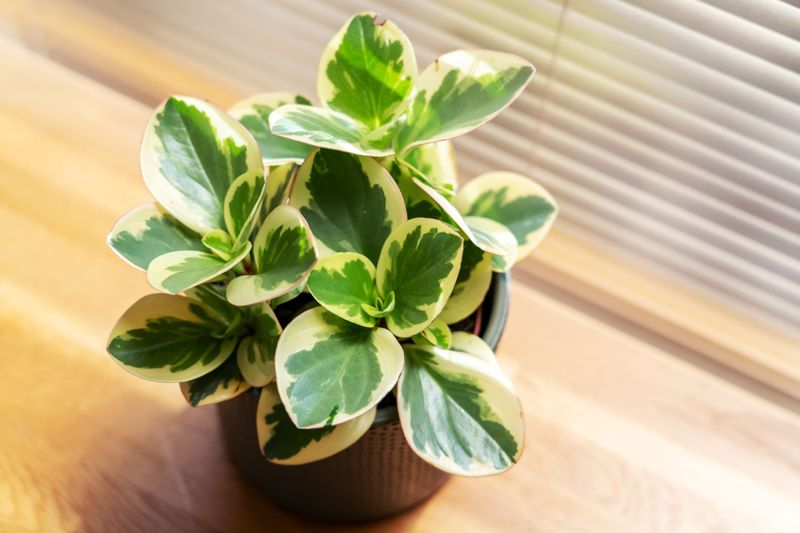
Peperomias, with their diverse foliage and compact growth, are charming plants that thrive when divided. To propagate, gently remove the plant and separate into smaller sections, ensuring each has roots and leaves. Replant in a well-draining medium and place in indirect light. Peperomias are adaptable and thrive in various conditions, making them perfect for beginners. Their unique leaf textures and colors add interest to any collection. These plants require minimal care, making them ideal for those seeking low-maintenance greenery. Enjoy the diverse beauty and ease of growing Peperomias.
15. Dieffenbachia (Dieffenbachia spp.)
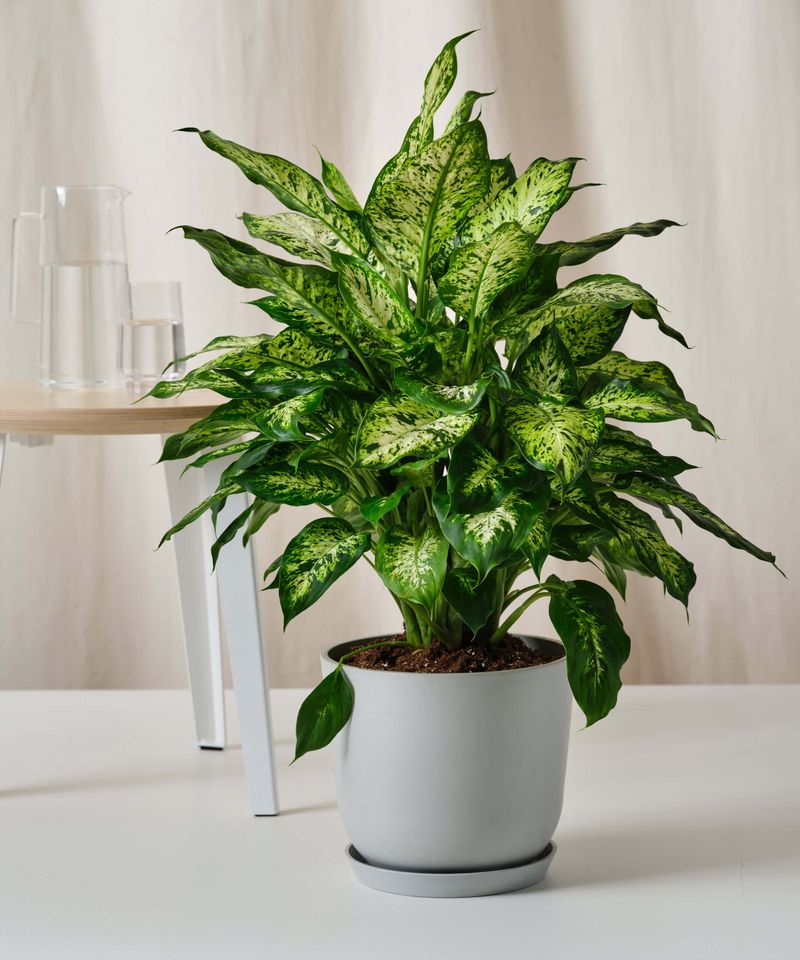
Dieffenbachias, known for their large, variegated leaves, bring a bold touch to any room. Perfect for division, these plants benefit from occasional splitting, which revitalizes their growth. Carefully remove the plant from its pot and separate the clumps, ensuring each has roots and leaves. Replant in a suitable pot with well-draining soil and provide indirect light. Dieffenbachias prefer warm, humid conditions, making them ideal for indoor environments. Their striking foliage creates a dramatic, tropical display, enhancing the visual appeal of your home décor.
16. Anthurium (Anthurium andraeanum)
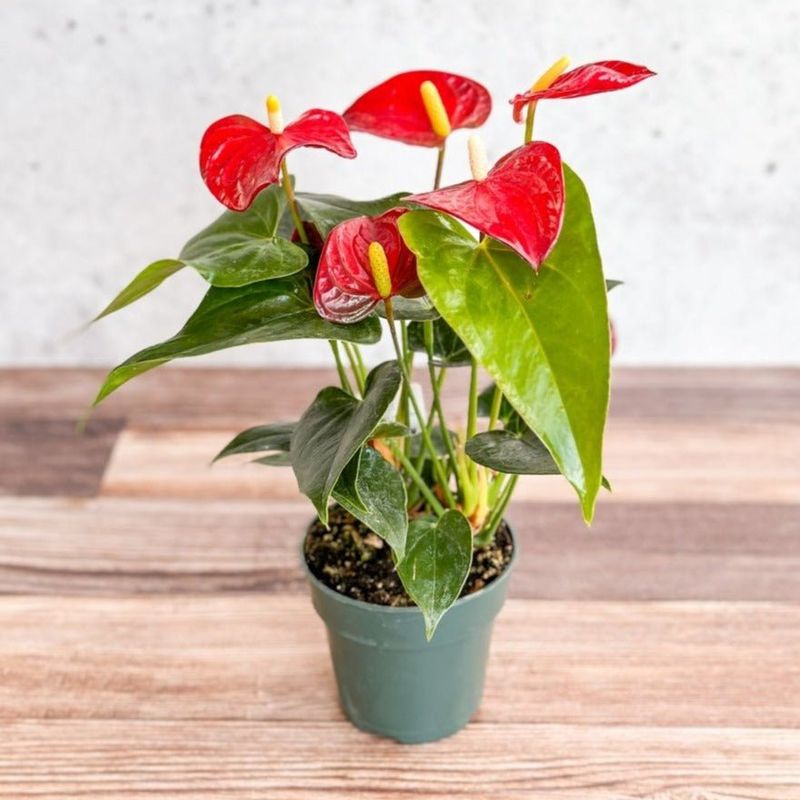
Anthuriums, with their glossy leaves and vibrant flowers, are a splendid choice for propagation by division. To divide, gently remove the plant and separate into smaller sections, each with roots and leaves. Replant in a well-draining mix and place in indirect light. These plants thrive in warm, humid conditions, making them perfect for indoor settings. Anthuriums are known for their long-lasting blooms, which add a touch of elegance and color to any space. Their unique, heart-shaped flowers create a striking focal point, captivating the attention of plant enthusiasts.
17. Arrowhead Plant (Syngonium podophyllum)
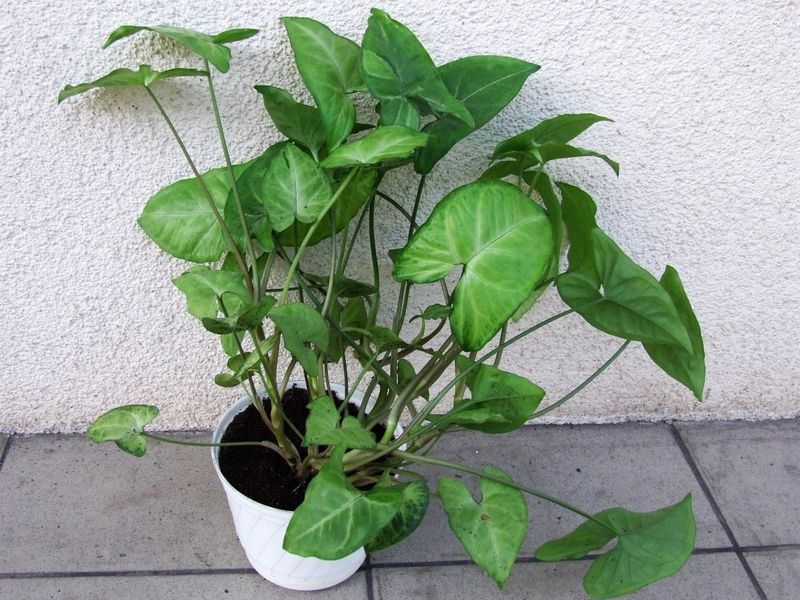
Arrowhead Plants, with their distinctive, arrow-shaped leaves, are an excellent choice for division. To propagate, gently remove the plant and separate into smaller sections, ensuring each has roots and leaves. Replant in a well-draining medium and provide indirect light. These plants adapt well to various conditions and require minimal care, making them perfect for beginner gardeners. Their versatile growth habit allows them to climb or trail, adding a dynamic element to any space. Enjoy the lush greenery and easy maintenance of Arrowhead Plants in your indoor garden.
18. Aglaonema (Aglaonema spp.)
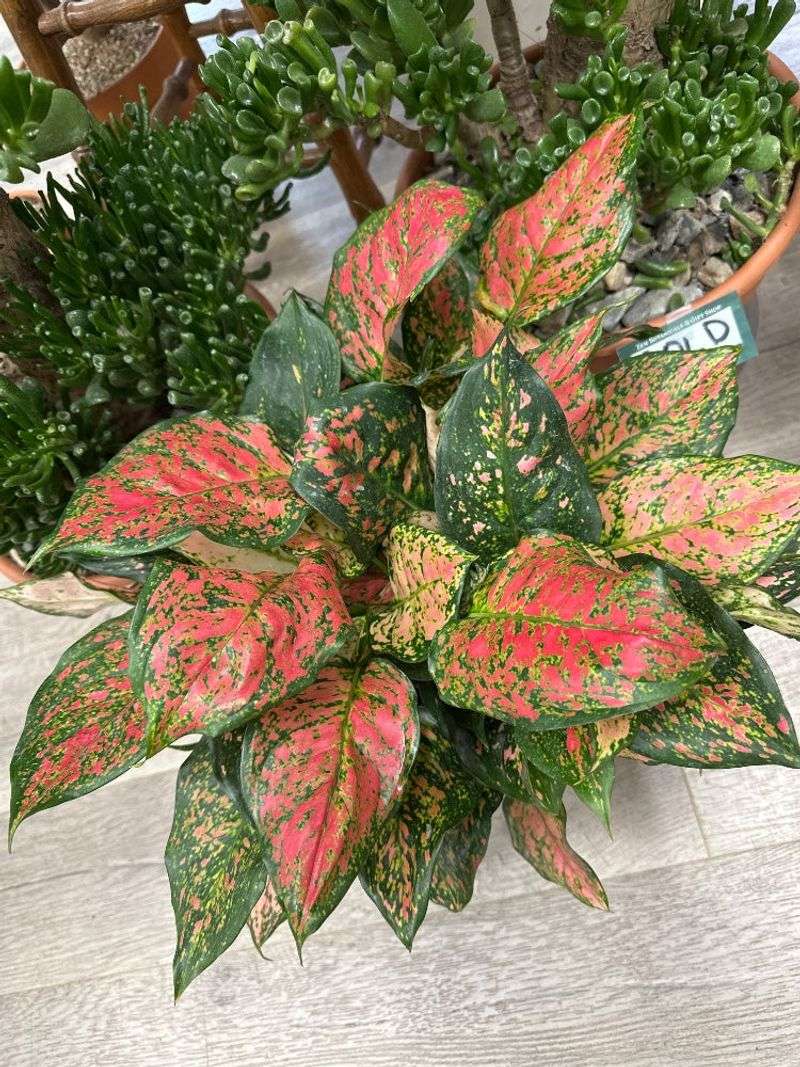
Aglaonemas, known for their vibrant, colorful foliage, are a favorite among indoor gardeners. These plants thrive when divided, especially when they become pot-bound. Carefully remove the plant and separate the clumps, ensuring each has roots and leaves. Replant in a well-draining mix and provide indirect light. Aglaonemas are adaptable and tolerant of low light, making them suitable for various indoor settings. Their striking leaf patterns and hues add a splash of color to any décor, creating a lively and inviting atmosphere in your home.
19. Fiddle Leaf Fig (Ficus lyrata)
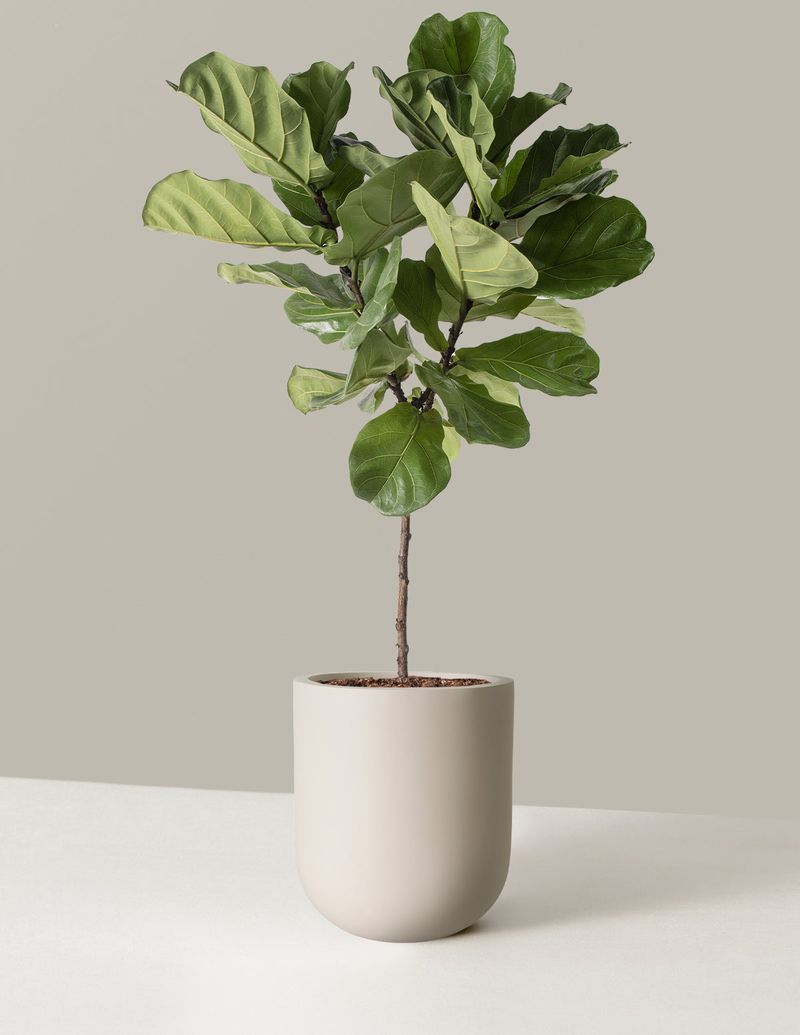
Fiddle Leaf Figs, with their large, glossy leaves, are a statement plant in any room. Perfect for division, these plants benefit from occasional splitting to promote healthy growth. Carefully remove the plant from its pot and separate into smaller sections, each with roots and leaves. Replant in a well-draining medium and position in bright, indirect light. Fiddle Leaf Figs require consistent moisture and prefer warm conditions. Their dramatic foliage and robust growth add a touch of sophistication and elegance, making them a popular choice for modern interiors.
20. Rubber Plant (Ficus elastica)
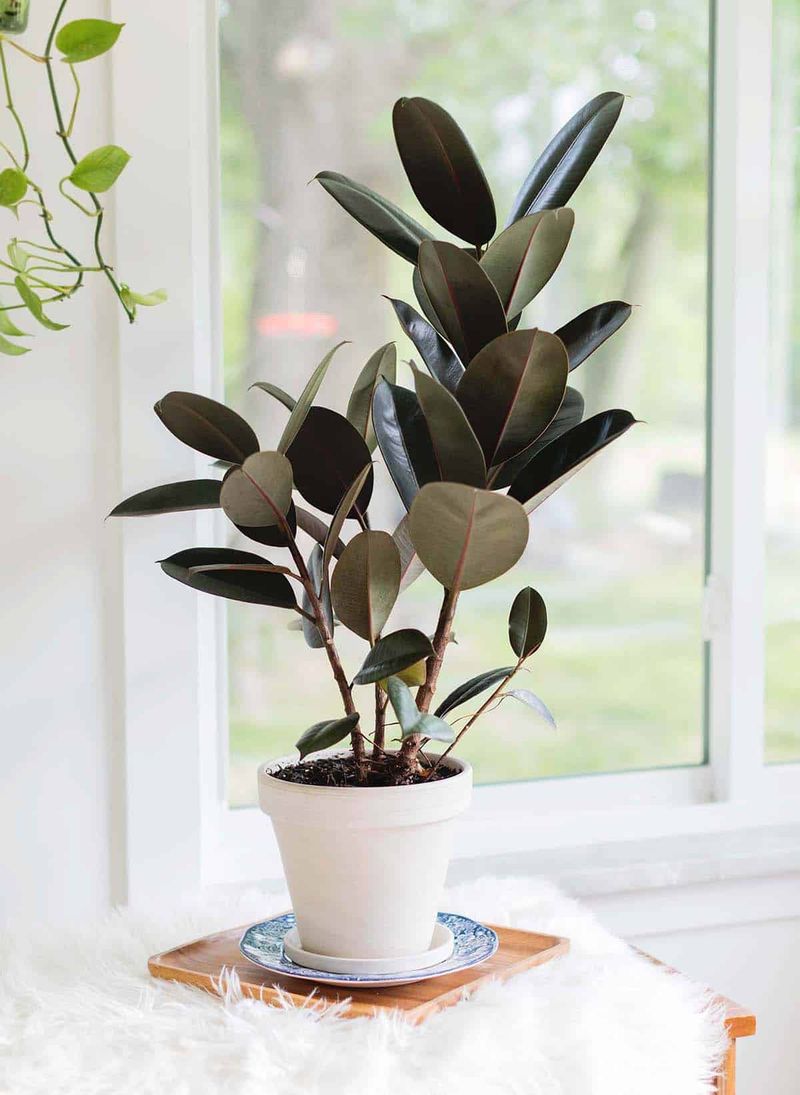
Rubber Plants, known for their thick, glossy leaves, are ideal candidates for division. These plants thrive when separated, allowing for better growth and airflow. To divide, remove the plant and gently separate the clumps, ensuring each has roots and leaves. Replant in a suitable pot with well-draining soil and provide bright, indirect light. Rubber Plants are low-maintenance, making them perfect for busy households. Their bold foliage adds a touch of modern elegance, enhancing any interior space with their vibrant, green presence.
21. Yucca (Yucca spp.)
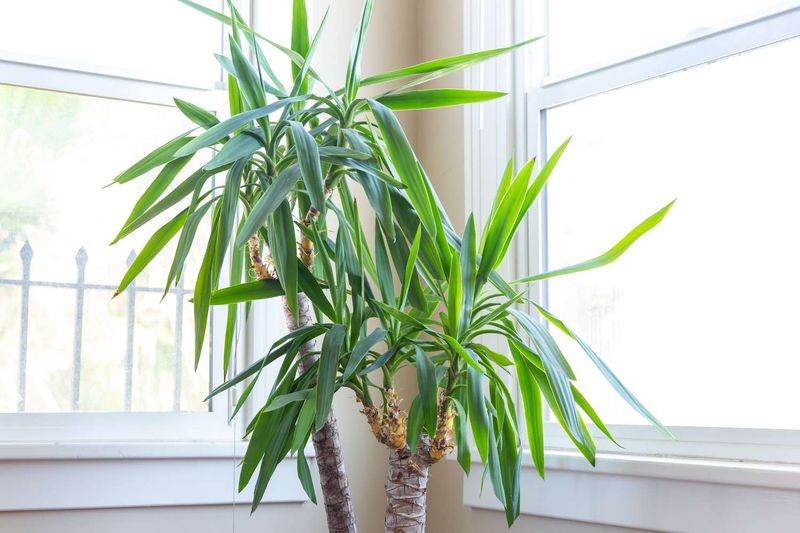
Yucca Plants, with their distinctive, sword-like leaves, bring a touch of desert charm to any space. Ideal for division, these plants benefit from occasional splitting, which encourages new growth. Carefully remove the plant and separate the offsets, ensuring each has roots and leaves. Replant in a well-draining medium and provide plenty of sunlight. Yuccas are drought-tolerant and require minimal care, making them perfect for outdoor settings. Their architectural form and hardy nature add a striking visual element, enhancing the aesthetic appeal of your garden or home.
22. Monstera (Monstera deliciosa)
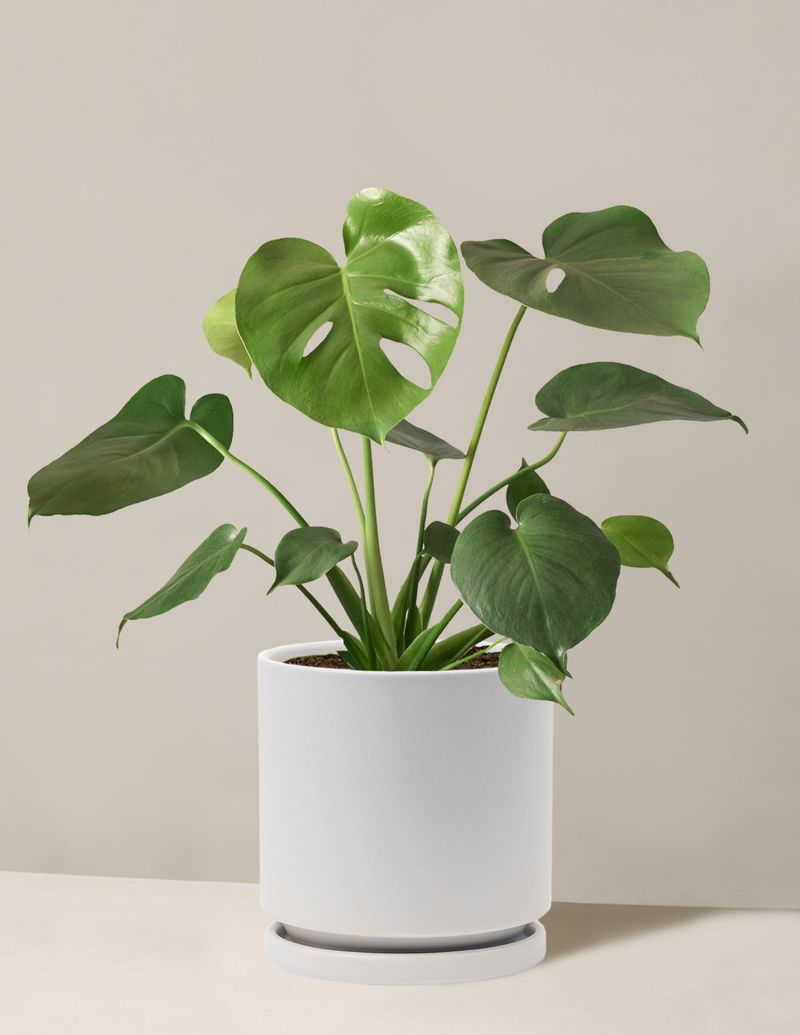
Monsteras, with their iconic, split leaves, are a favorite among plant collectors. These tropical plants thrive when divided, especially when they outgrow their containers. To propagate, carefully remove the plant and separate the clumps, ensuring each has roots and leaves. Replant in a well-draining mix and position in bright, indirect light. Monsteras prefer high humidity and regular watering, making them ideal for indoor environments. Their dramatic foliage creates an eye-catching display, adding a touch of jungle allure to your home décor.
23. Aloe Vera (Aloe barbadensis miller)
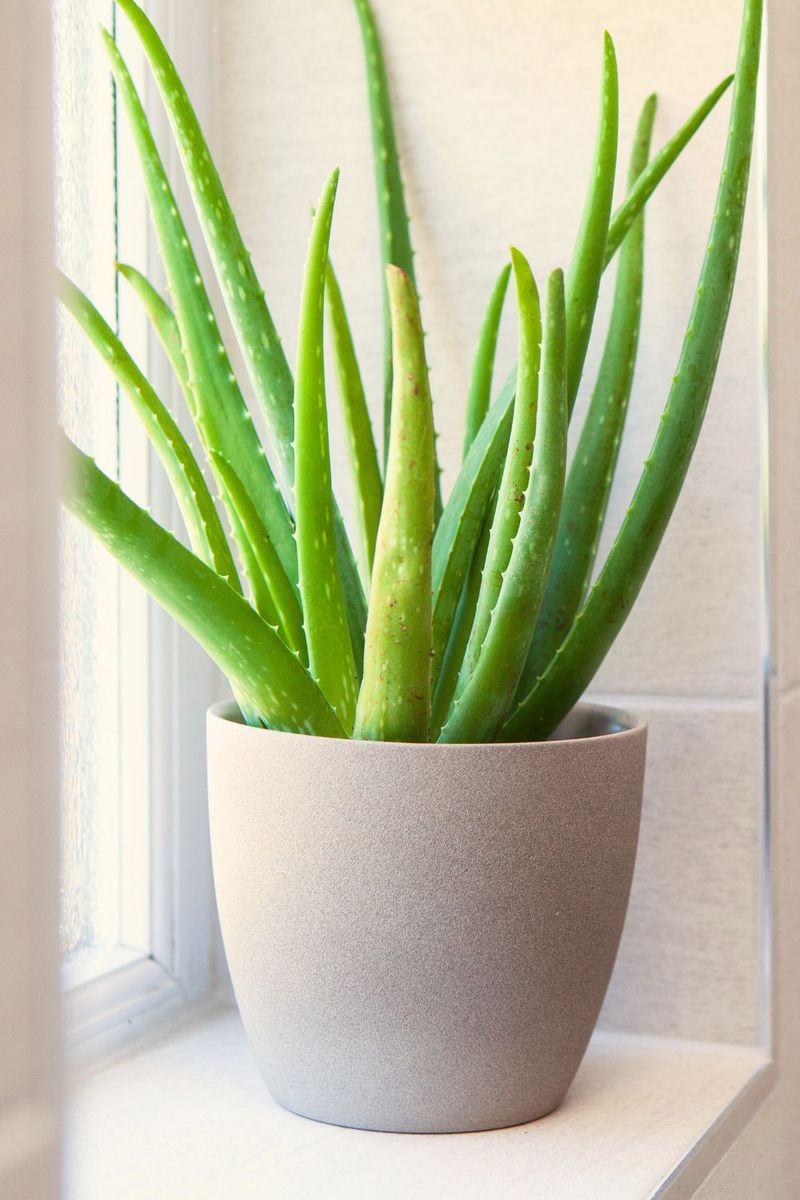
Aloe Vera, known for its medicinal properties, is a practical choice for division. These succulent plants thrive when given space to grow. To divide, remove the plant and separate the offsets, ensuring each has roots and leaves. Replant in a well-draining medium and provide bright, indirect light. Aloe Vera is drought-tolerant and easy to care for, making it perfect for beginners. Its fleshy leaves not only offer healing benefits but also add a touch of greenery to any space. Enjoy the simplicity and usefulness of Aloe Vera in your home.
24. Dracaena (Dracaena spp.)
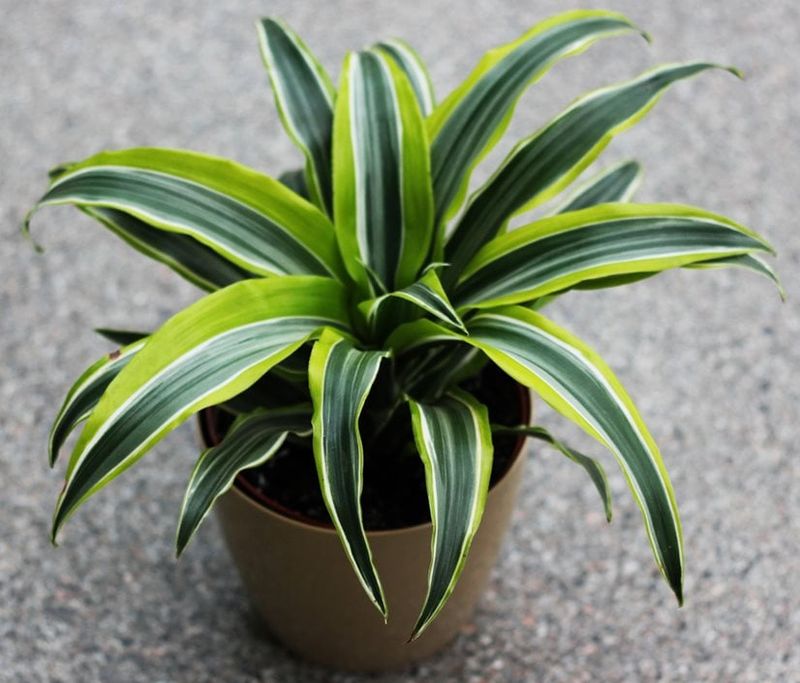
Dracaenas, with their elegant, sword-like leaves, are wonderful plants for division. These resilient plants benefit from occasional splitting to encourage healthier growth. To divide, remove the plant and separate the clumps, ensuring each has roots and leaves. Replant in a well-draining mix and provide bright, indirect light. Dracaenas are low-maintenance and adaptable, making them ideal for busy households or offices. Their sleek, architectural form adds a touch of sophistication and style to any interior, enhancing the ambiance of your space.
25. Ctenanthe (Ctenanthe setosa)
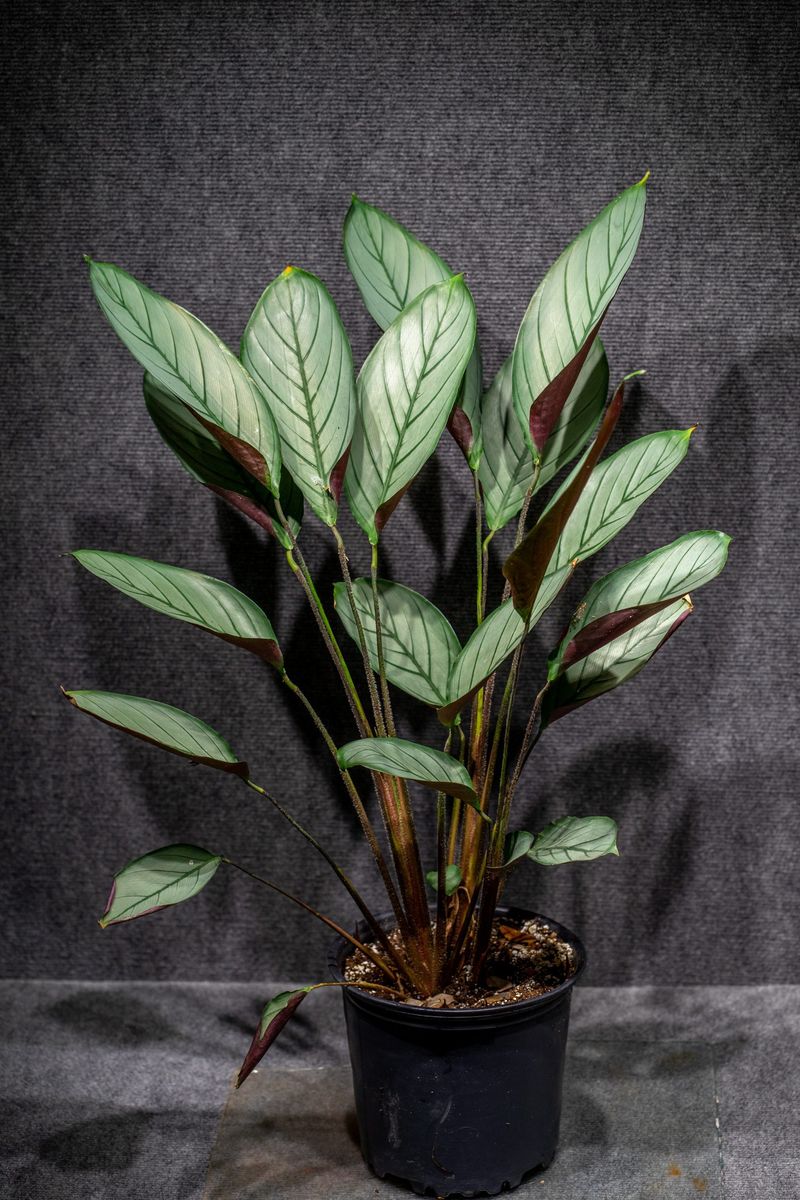
Ctenanthe plants, with their stunning, patterned leaves, are a delightful choice for division. These plants thrive when divided, especially when they become pot-bound. To propagate, gently remove the plant and separate the clumps, ensuring each has roots and leaves. Replant in a well-draining medium and provide indirect light. Ctenanthes prefer high humidity, making them ideal for bathrooms or kitchens. Their intricate leaf designs and vibrant colors add a touch of tropical flair, creating a lively and inviting atmosphere in any room.
26. Parlor Palm (Chamaedorea elegans)
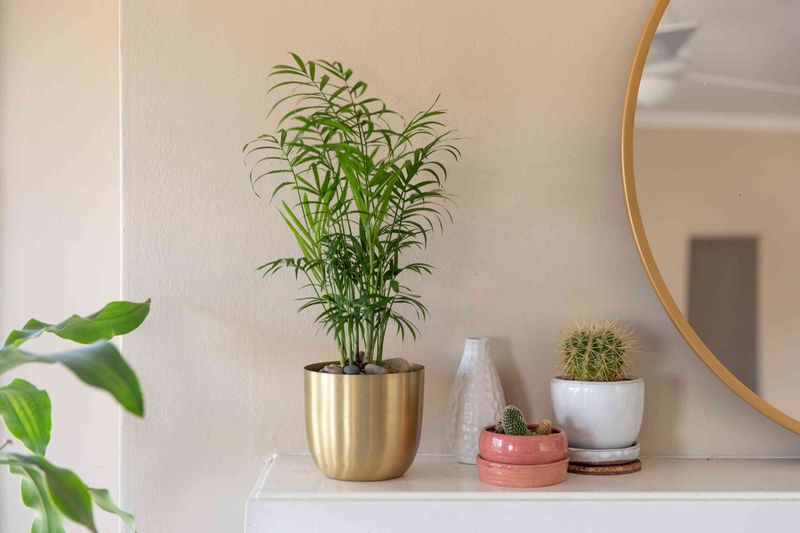
Parlor Palms, with their graceful, feathery fronds, bring a touch of elegance to any indoor space. These plants thrive when divided, allowing for healthier growth and fuller foliage. To propagate, gently remove the plant and separate into smaller sections, ensuring each has roots and leaves. Replant in a well-draining medium and provide bright, indirect light. Parlor Palms are low-maintenance and thrive in various light conditions, making them perfect for indoor settings. Their lush, tropical appearance adds a sense of tranquility and charm to your home.
27. Schefflera (Schefflera arboricola)
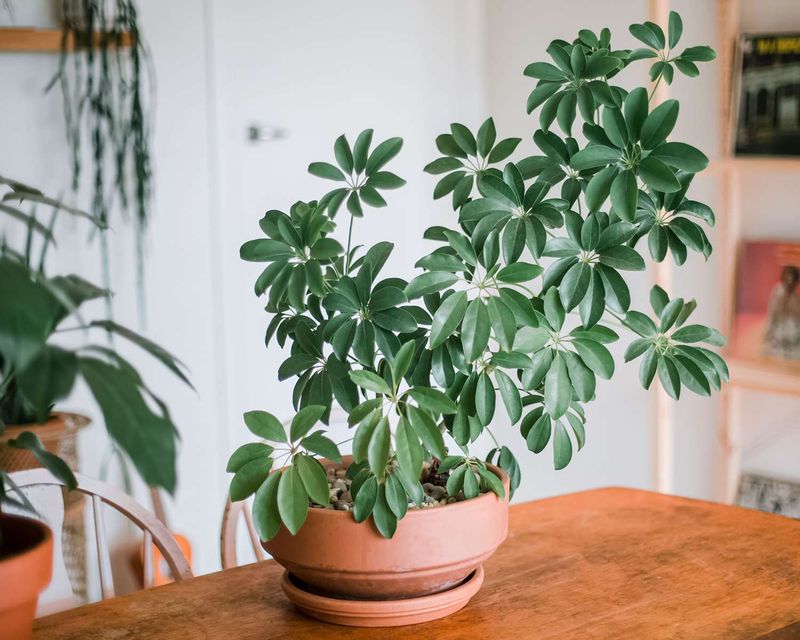
Scheffleras, with their glossy, umbrella-like leaves, are perfect for division. These plants benefit from occasional splitting, which rejuvenates their growth and encourages bushier foliage. To divide, remove the plant and separate the clumps, ensuring each has roots and leaves. Replant in a suitable pot with well-draining soil and provide bright, indirect light. Scheffleras thrive in warm, humid environments, making them ideal for indoor gardens. Their vibrant foliage adds a touch of sophistication and elegance, enhancing the visual appeal of your space.
28. Hoya (Hoya spp.)
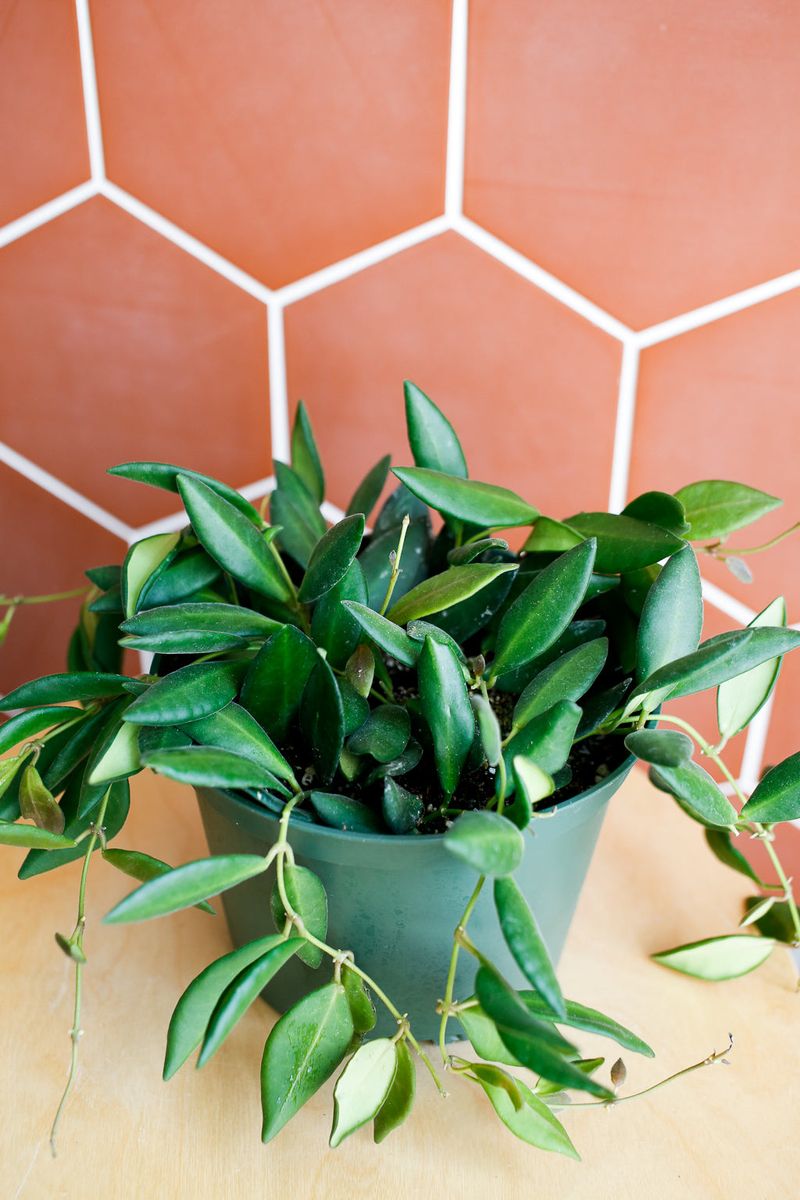
Hoyas, with their waxy leaves and fragrant, star-shaped flowers, are a delightful addition to any collection. Ideal for division, these plants benefit from occasional splitting, which promotes healthier growth. To divide, remove the plant and separate the clumps, ensuring each has roots and leaves. Replant in a well-draining medium and provide bright, indirect light. Hoyas prefer warm, humid environments and are known for their resilience. Their unique blooms and trailing vines add a touch of exotic beauty, creating a stunning visual display in your home.
29. Kentia Palm (Howea forsteriana)
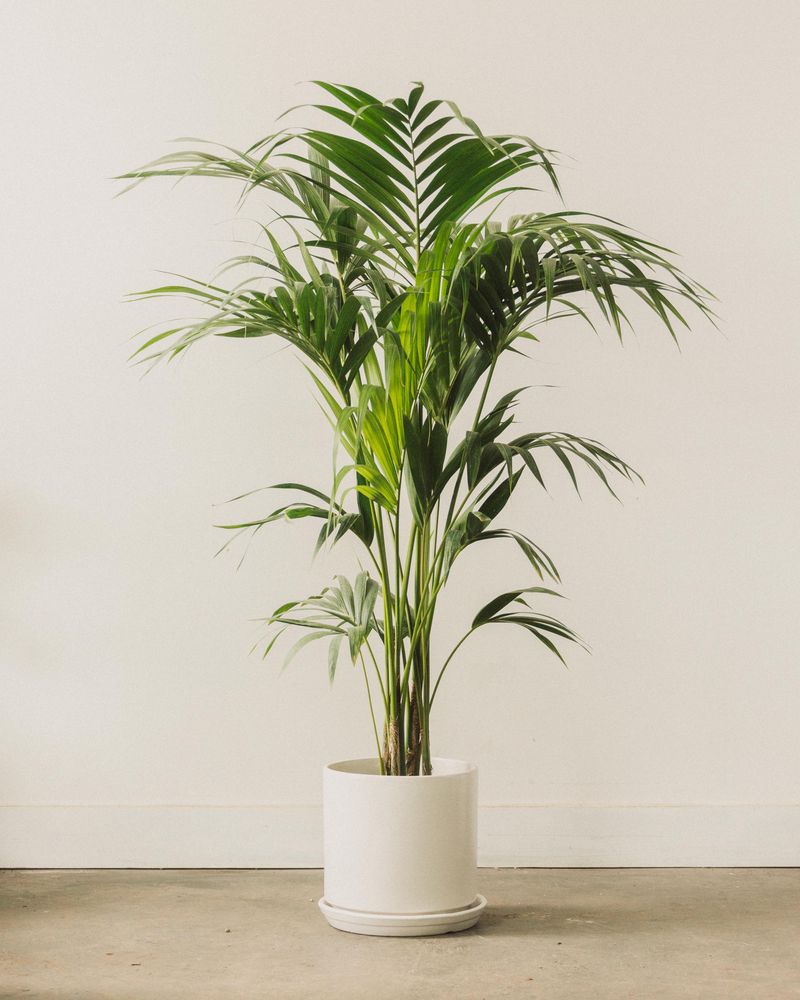
Kentia Palms, with their tall, arching fronds, bring a touch of tropical elegance to any space. These plants thrive when divided, allowing for fuller and healthier growth. To propagate, gently remove the plant and separate into smaller sections, ensuring each has roots and leaves. Replant in a well-draining medium and provide indirect light. Kentia Palms are low-maintenance and adapt well to various indoor conditions, making them perfect for homes and offices. Their graceful foliage adds a sense of serenity and sophistication, enhancing the ambiance of any room.
30. Elephant Ear (Colocasia)
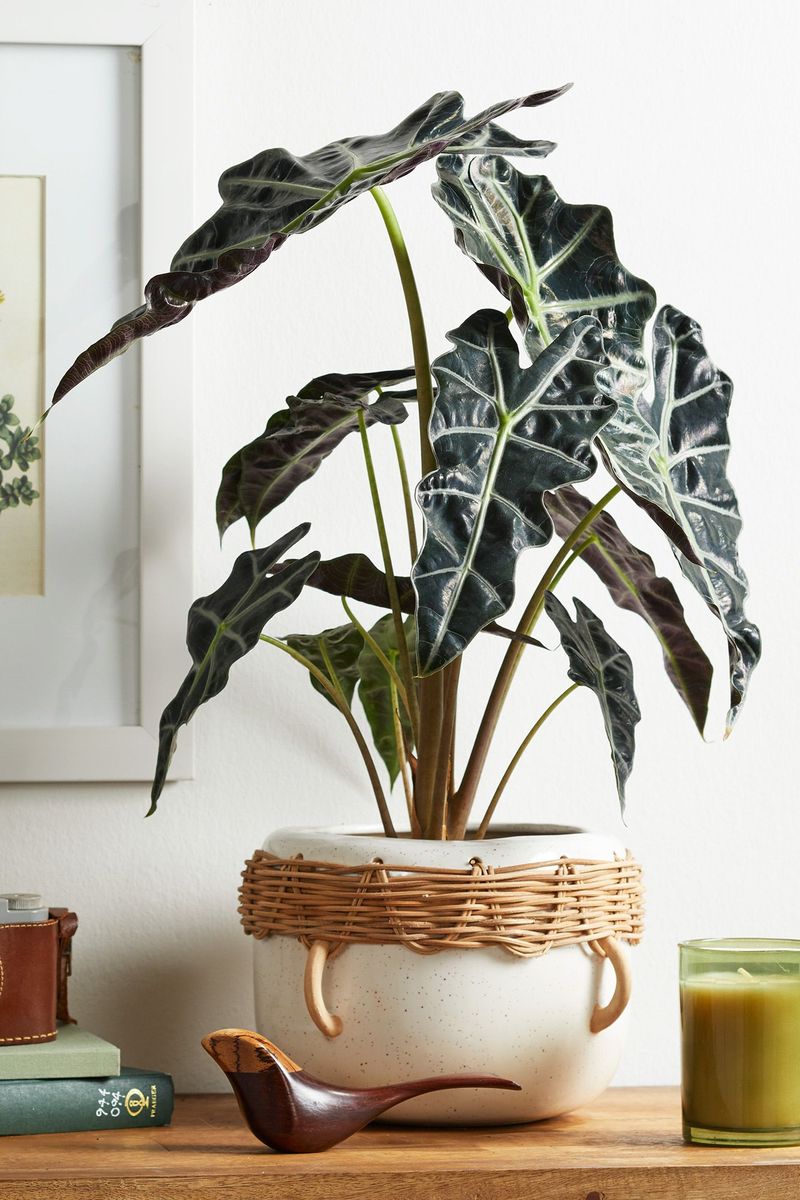
Elephant Ears, with their large, heart-shaped leaves, create a bold statement in any garden. These tropical plants thrive when divided, especially when they become overcrowded. To propagate, carefully remove the plant and separate the tubers, ensuring each has roots and leaves. Replant in a well-draining medium and provide plenty of indirect light. Elephant Ears prefer warm, humid environments and regular watering. Their dramatic foliage creates a striking visual impact, adding a touch of exotic charm to your outdoor space.
31. Palm Lily (Cordyline australis)
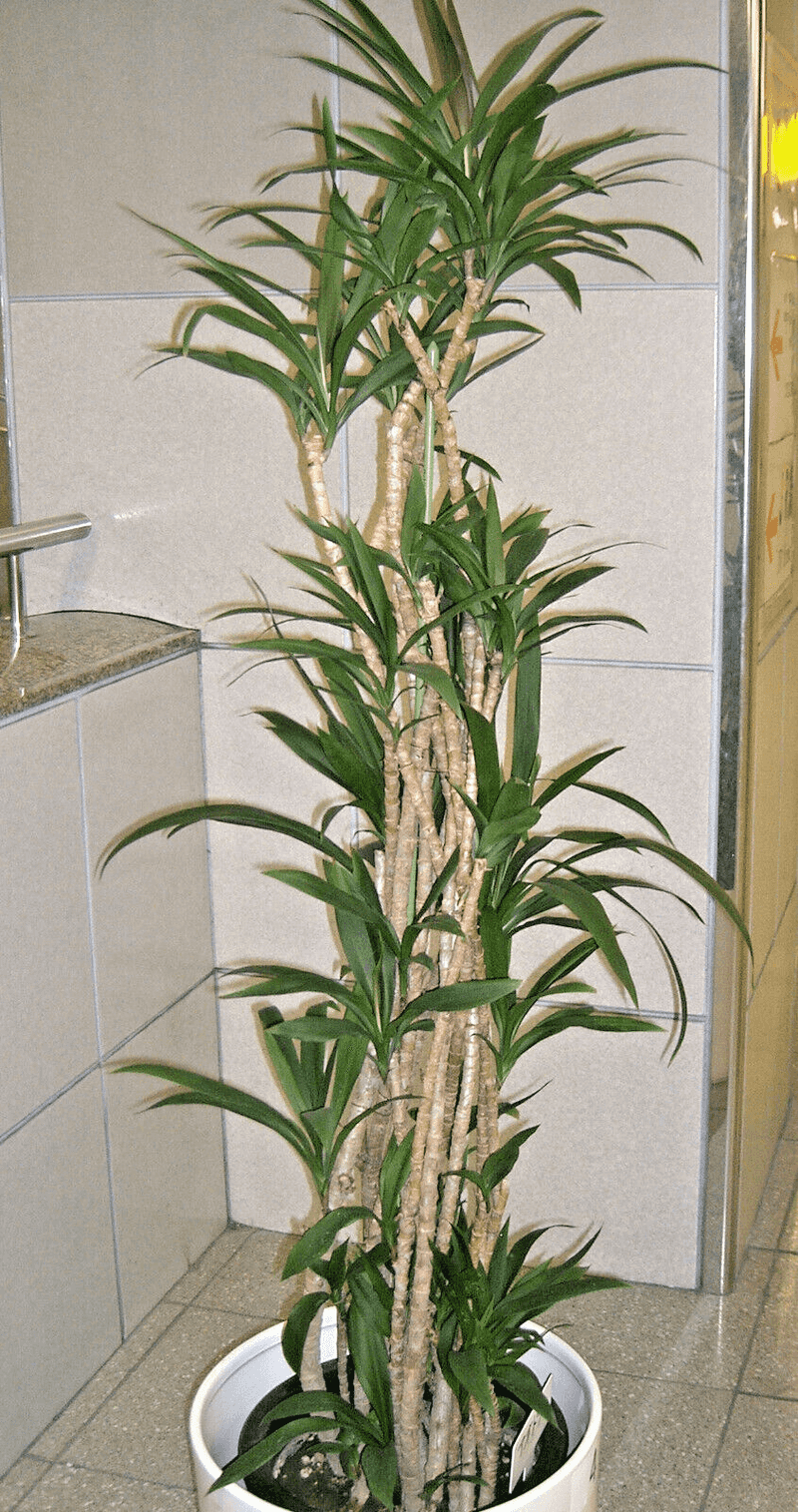
Palm Lilies, with their slender, red-tipped leaves, bring a touch of tropical flair to any space. These plants are perfect for division, especially when they become root-bound. To propagate, remove the plant and separate the offsets, ensuring each has roots and leaves. Replant in a well-draining medium and provide bright, indirect light. Palm Lilies are hardy and adaptable, making them suitable for both indoor and outdoor settings. Their vibrant foliage and striking colors add a splash of drama and excitement to your garden or home décor.
32. Jade Plant (Crassula ovata)
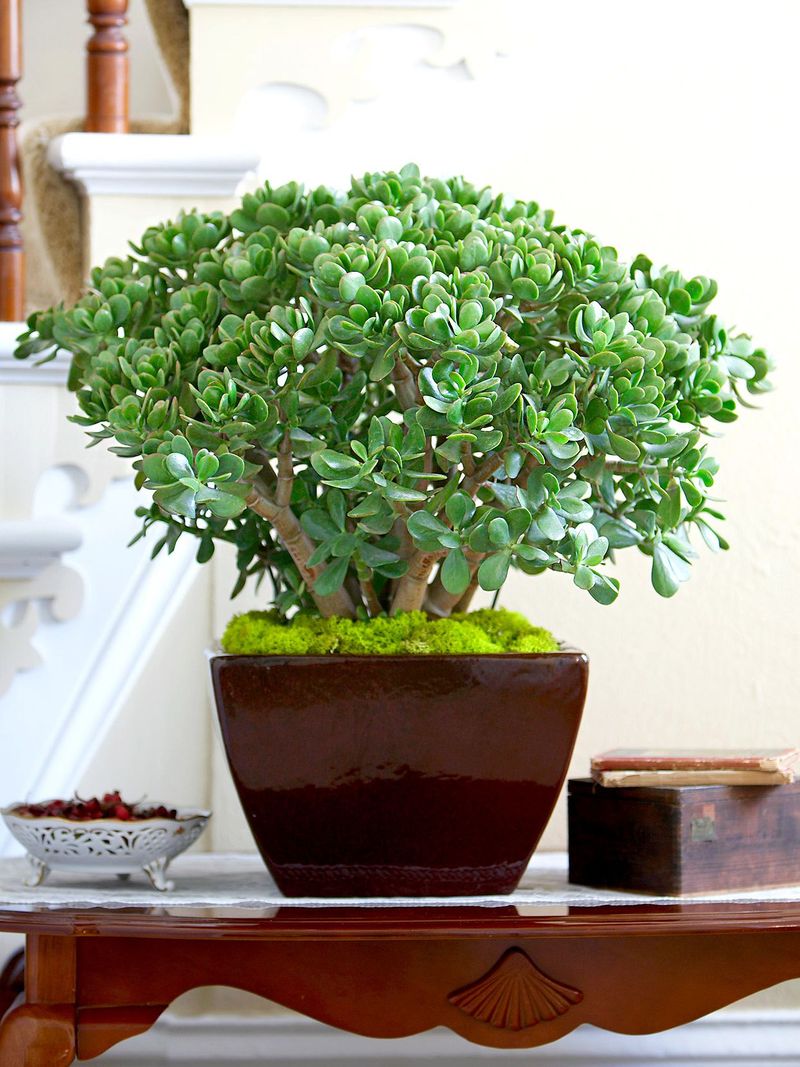
Jade Plants, with their thick, succulent leaves, are a delightful choice for propagation by division. To divide, carefully remove the plant and separate the offsets, ensuring each has roots and leaves. Replant in a well-draining medium and provide plenty of sunlight. Jade Plants are drought-tolerant and require minimal care, making them perfect for beginners. Their fleshy leaves and compact form add a touch of greenery and charm to any space. Enjoy the simplicity and beauty of Jade Plants in your indoor garden.richard appignanesi and oscar zarate