 Complete Gardening
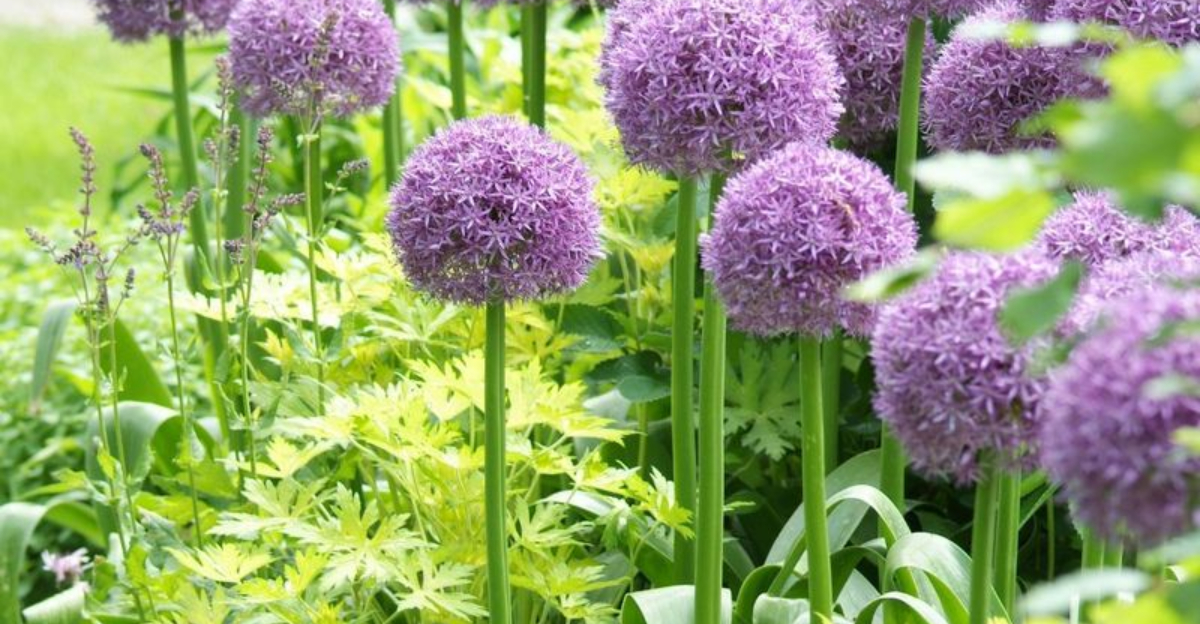
Discover the beauty and practicality of perennial plants that not only enhance your garden but also keep deer at bay. These 33 captivating varieties offer unique textures, colors, and scents, creating a garden that thrives while remaining untouched by deer. Ideal for gardeners seeking a harmonious blend of aesthetics and functionality, these plants ensure your outdoor space remains both vibrant and protected.
1. Lavender
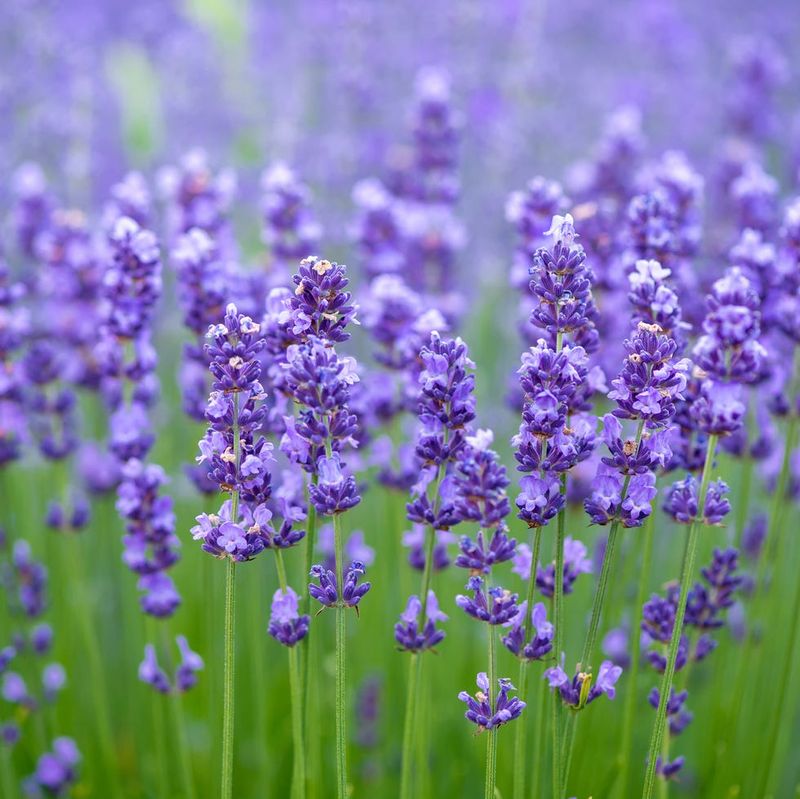
Lavender, with its aromatic scent, is not just a gardener’s delight but also a natural deer deterrent. Its fragrance, loved by humans, is often avoided by deer.
Thriving in sunny locations, lavender offers vibrant purple blooms that enhance any garden aesthetically.
Known for its easy maintenance, it requires minimal watering, making it an eco-friendly choice. Fun fact: Lavender has been used in perfumes and sachets for centuries, symbolizing purity and calm.
2. Russian Sage
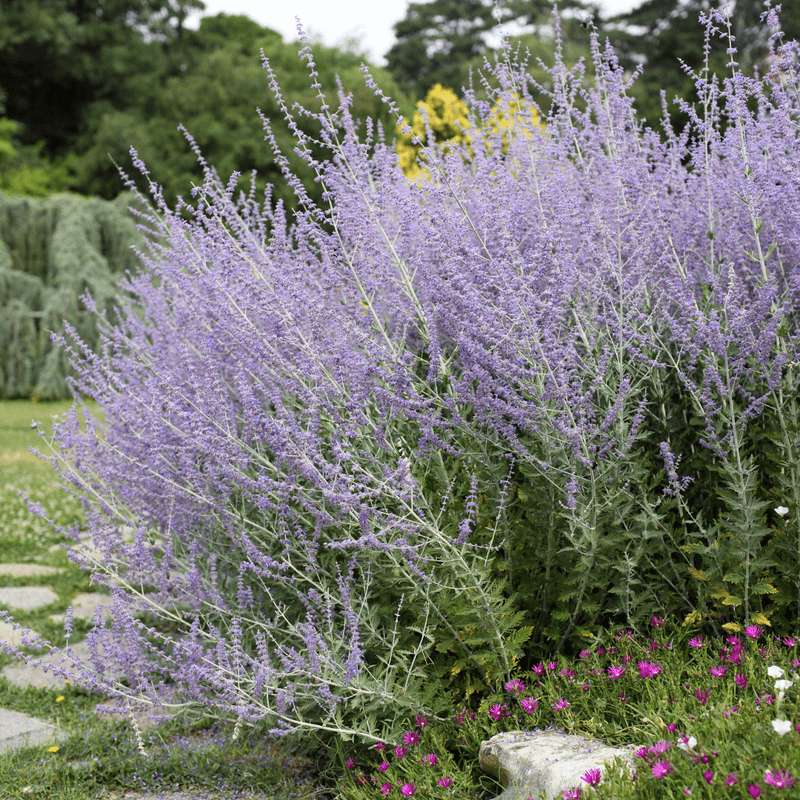
Russian Sage dazzles with its silver-gray foliage and airy, lavender-blue flowers. Its distinct aroma is a known deer repellent.
This hardy plant thrives in sunny, well-drained areas, requiring little water. Its wispy flowers provide a soft backdrop in mixed borders.
Notably, Russian Sage is celebrated for its resilience in drought conditions, adding both color and texture. Historically, it has been used as a traditional remedy in its native regions, celebrated for its robust growth and deer resistance.
3. Catmint
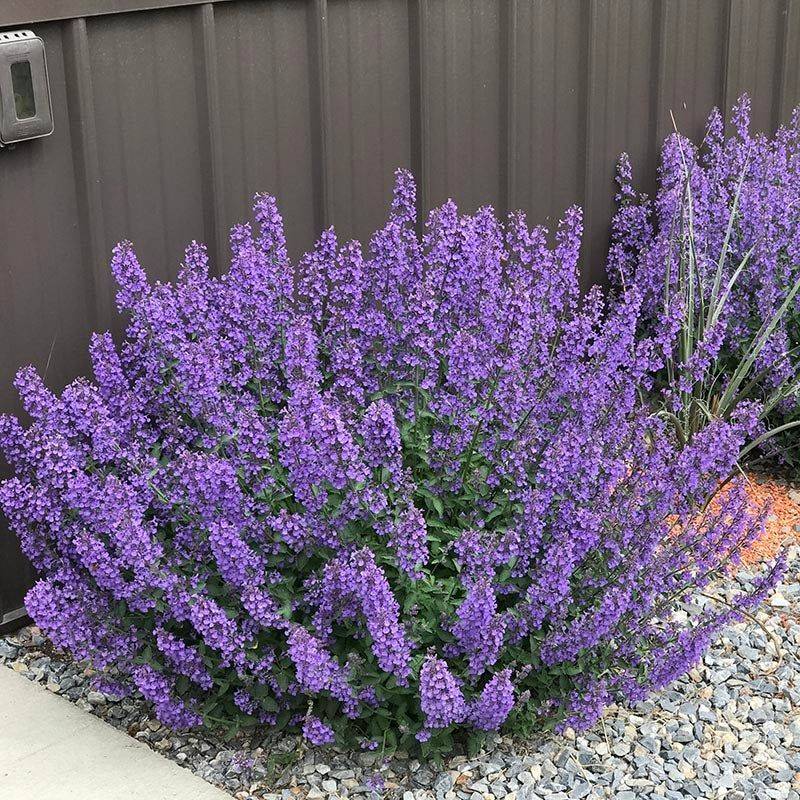
Beloved by cats but avoided by deer, Catmint offers charming clusters of tiny blue flowers. Its fragrance acts as a natural deterrent.
Ideal for borders and pathways, catmint is drought-tolerant once established. Its prolonged blooming period ensures your garden remains lively.
Beyond its deer-repelling properties, Catmint attracts beneficial pollinators like bees. Historically, it was used in teas and herbal remedies, offering a soothing aromatic experience.
4. Yarrow
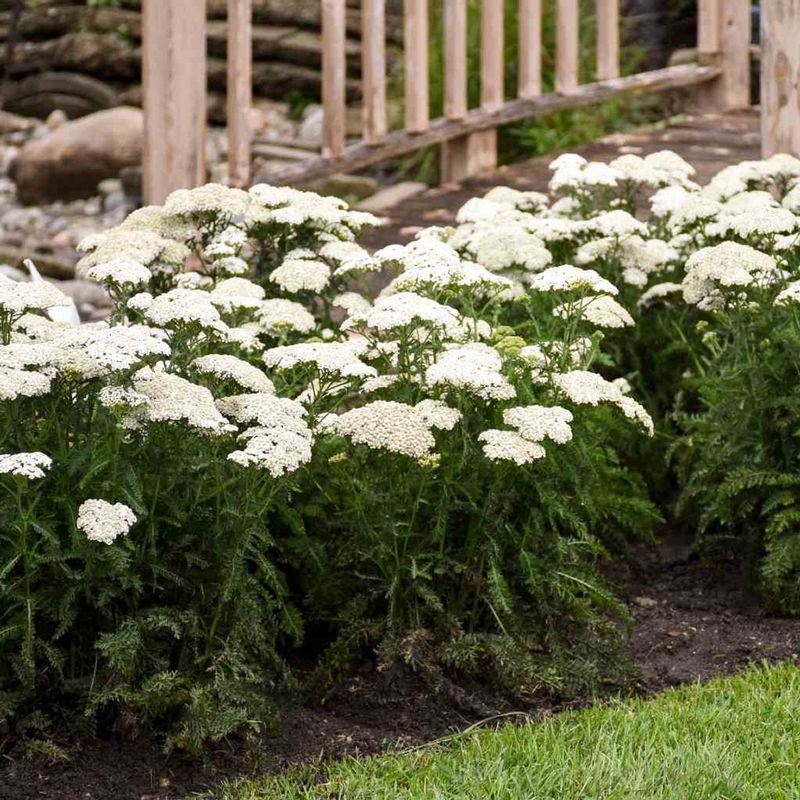
Yarrow is a robust perennial known for its flat-topped clusters of bright flowers. Its aromatic foliage keeps deer at bay.
Growing well in full sun, yarrow is drought-tolerant, making it suitable for xeriscaping. Its vibrant blooms attract butterflies.
Historically, yarrow was used in ancient herbal medicine and is believed to have healing properties. Its resilience and beauty make it a staple in deer-resistant gardens.
5. Bee Balm
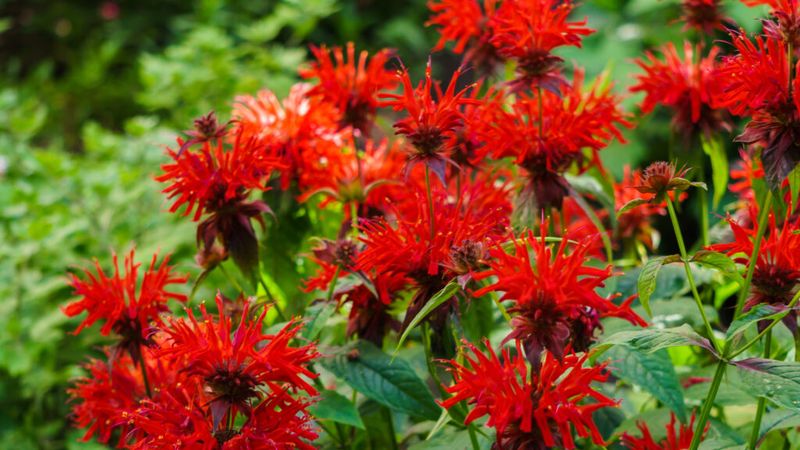
Bee Balm, with its striking red blooms, is a magnet for pollinators but not for deer. Its minty aroma keeps deer at bay.
This plant thrives in sunny to partially shaded areas, offering a splash of color and texture. Its tubular flowers are perfect for attracting hummingbirds.
In addition to its beauty, bee balm has a history of medicinal use by Native Americans, known for its antiseptic properties. Its presence guarantees a lively, deer-free garden.
6. Allium
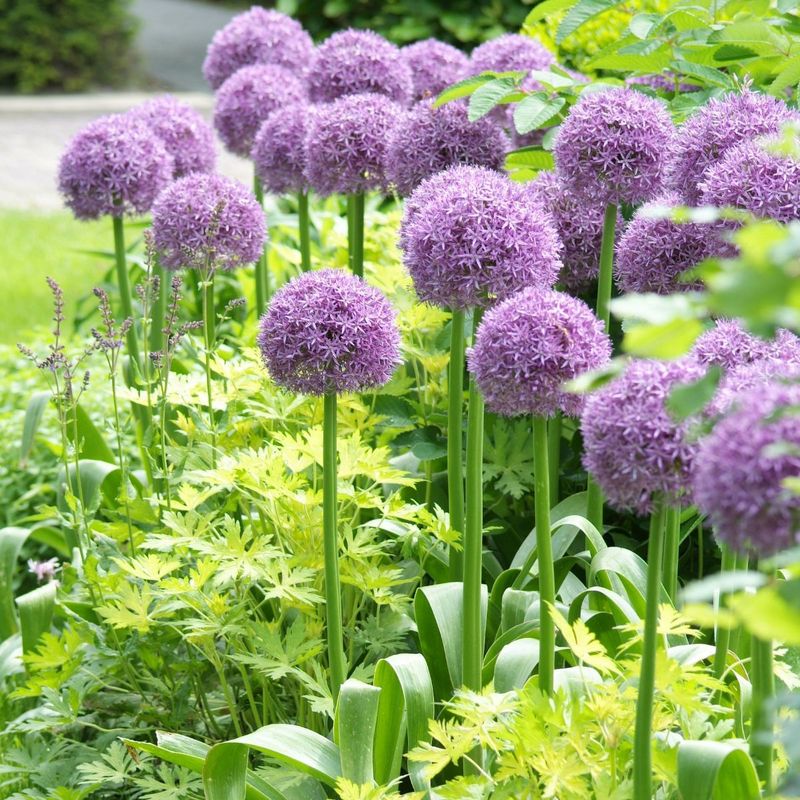
Allium, with its globe-shaped blooms, is not easily overlooked by gardeners but is by deer. Its onion-like scent is a natural deterrent.
These plants are perfect for borders and provide architectural interest with their tall, sturdy stems. They are drought-resistant once established.
Allium’s unique appearance and deer-resistant qualities have made it a favorite among landscape designers. Historically, alliums were used for culinary and medicinal purposes, adding both beauty and function to gardens.
7. Foxglove
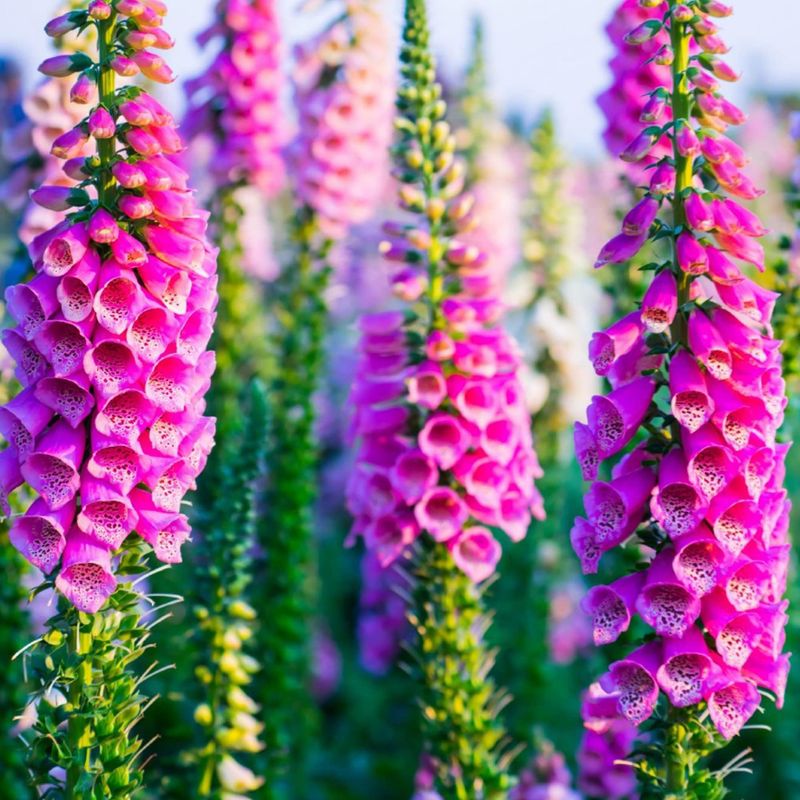
Foxglove stands tall with its elegant, bell-shaped blooms ranging from pink to purple. Known for its digitalis content, it deters deer effectively. In the garden, its towering spikes create a dramatic vertical interest, perfect for borders. With careful handling, as it is toxic, it offers a delightful visual. Hardy and self-seeding, foxglove returns yearly, ensuring consistent beauty. Its biennial nature means planting every year for continuous blooms. A favorite among cottage gardeners, foxglove’s charm is undeniable. It attracts hummingbirds, adding lively movement to your space. Perfect for shaded areas, it thrives with minimal care.
8. Salvia
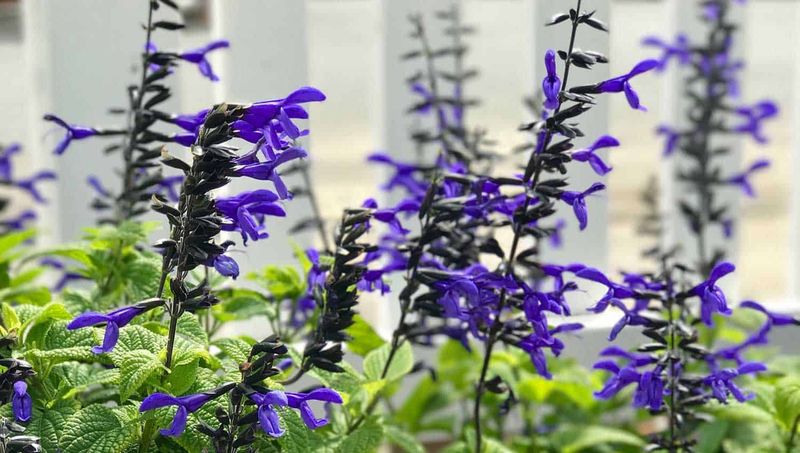
Salvia, with its aromatic foliage and striking blue or purple flowers, is a sensory delight. Its strong scent deters deer while attracting pollinators like bees and butterflies. Perfect for sunny spots, salvia’s drought tolerance makes it a resilient choice. Its long blooming season ensures color throughout the months. As a member of the mint family, salvia is easy to grow and maintain. Its versatility means it fits well in various garden styles, from modern to cottage. Ideal for borders or containers, salvia adds texture and movement. Its vibrant spikes are a garden staple.
9. Peony
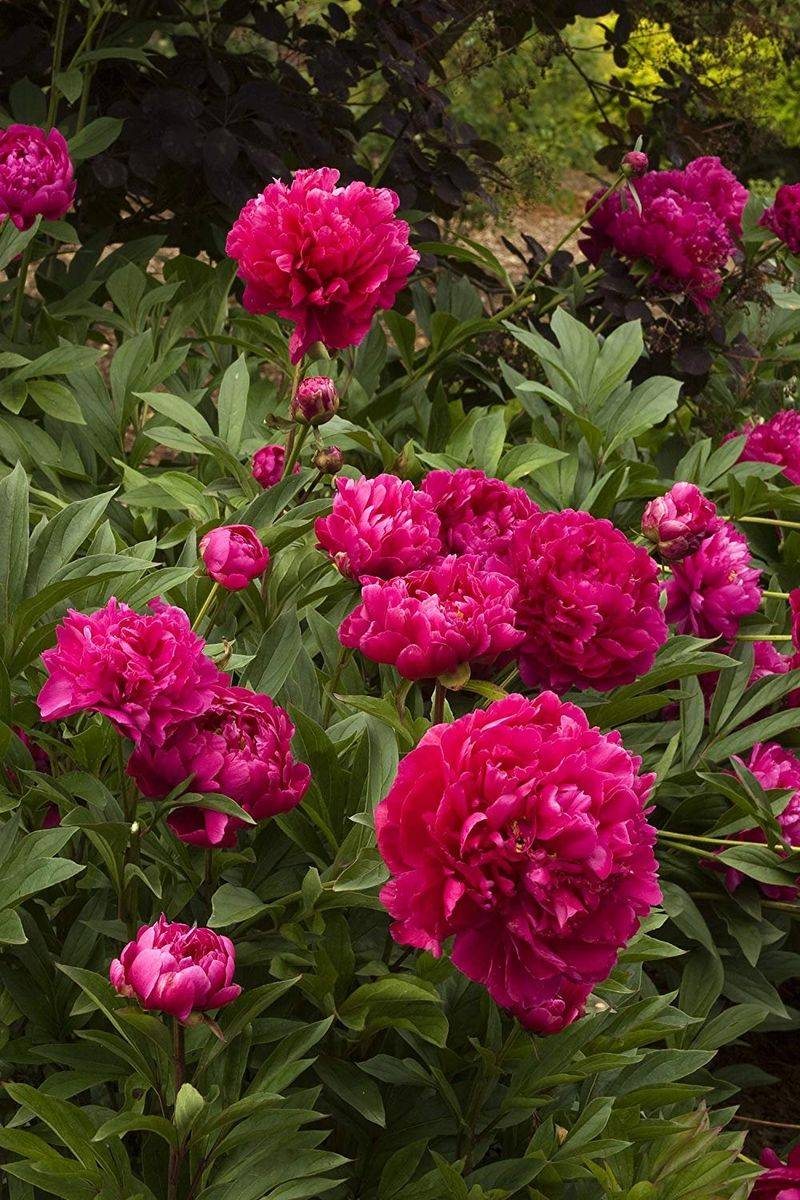
Peonies are a timeless garden classic, beloved for their large, fragrant blooms. Their bushy form and lush foliage deter deer naturally. With a blooming period in late spring, peonies announce the arrival of summer. Available in an array of colors, they offer endless design possibilities. Once established, they require little maintenance and can live for decades. Peonies are perfect for cut flowers, bringing garden beauty indoors. Their historical significance traces back to ancient China, where they symbolized prosperity. Plant in well-drained soil and enjoy a perennial favorite that promises to enchant year after year.
10. Fern
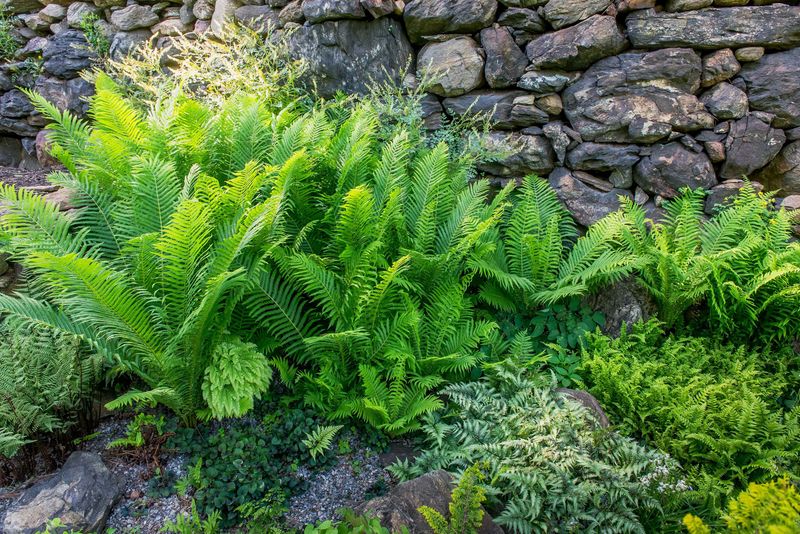
Ferns lend a soft, textured backdrop to shaded gardens, thriving where other plants struggle. Their lush, green fronds create a woodland ambiance, while their bitterness keeps deer away. Ideal for adding depth and contrast, ferns blend well with hostas and astilbes. These ancient plants date back millions of years, showcasing evolution’s beauty. Low-maintenance and pest-resistant, ferns are an excellent choice for any gardener. Their diverse forms, from delicate to bold, offer versatility in design. Whether in a pot or ground, ferns enhance any space with their graceful presence. A shade garden favorite, they never disappoint.
11. Corydalis
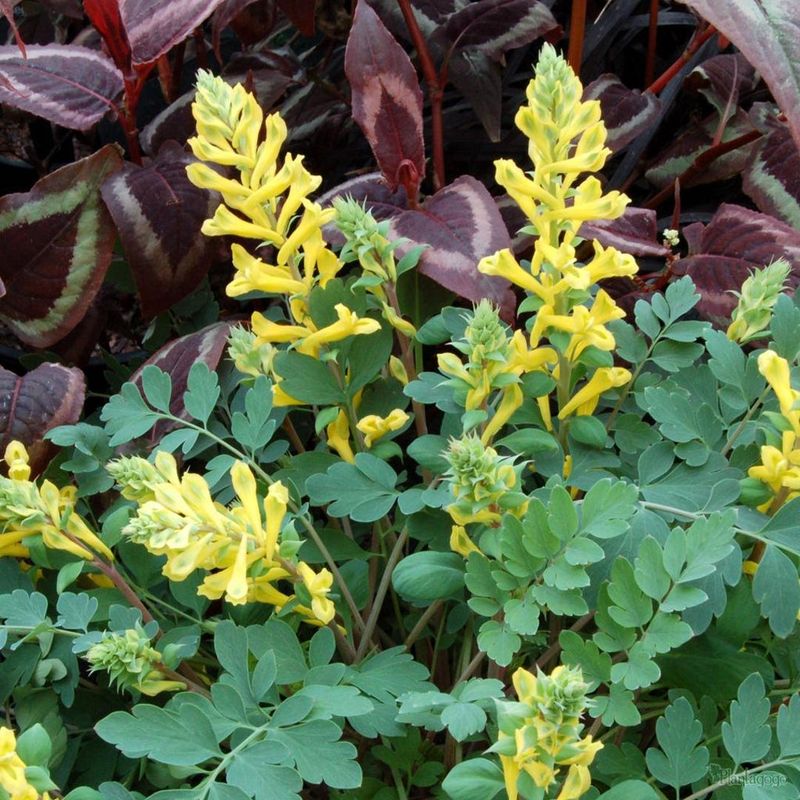
Corydalis, with its fern-like foliage and tubular yellow blooms, is a charming addition to any shaded area. Its delicate appearance belies its robustness; this plant can thrive in challenging conditions. Deer avoid it due to its bitter taste, making it a reliable garden companion. Blooming in spring, corydalis adds a burst of color when few others do. Its ability to spread gently makes it perfect for ground cover. Native to woodlands, it complements naturalistic designs. Low-growing and compact, corydalis fits well in rock gardens or under taller plants. A true garden gem, it’s both beautiful and practical.
12. Bleeding Heart
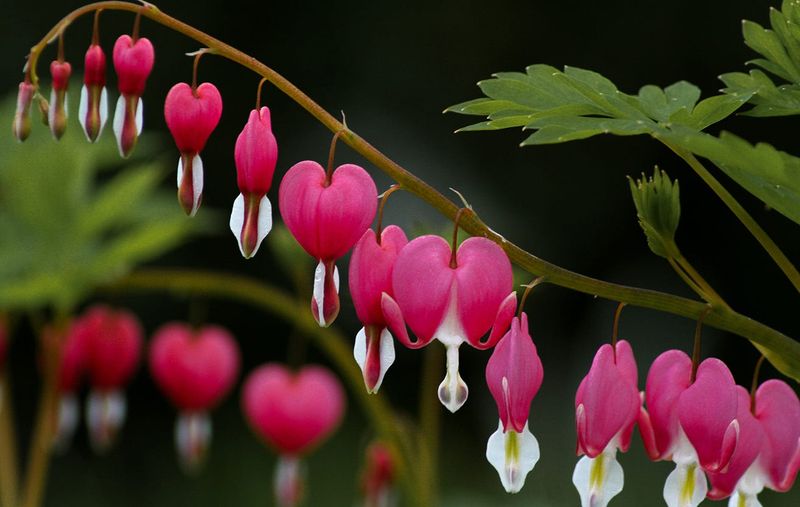
Bleeding heart captivates with its heart-shaped blossoms, appearing to drip from arching stems. These pink and white flowers are a springtime spectacle, enchanting all who pass by. Their delicate form and unique appearance make them a garden favorite. Deer avoid them, allowing their beauty to shine undisturbed. Best in shaded locations, they add a romantic touch to any landscape. Their foliage dies back in summer, making them a perfect companion for summer bloomers. A nod to Victorian gardens, bleeding hearts exude a timeless charm. Easy to grow, they reward with grace and elegance year after year.
13. Hellebore
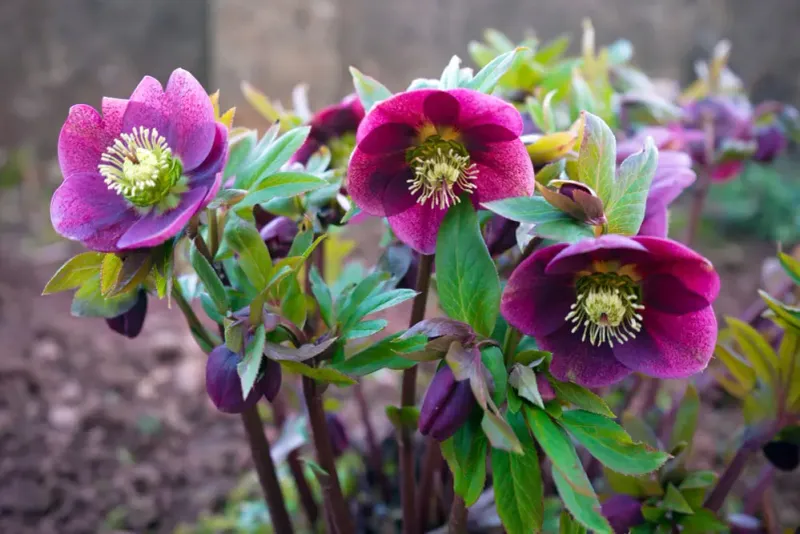
Hellebores, often called the Christmas or Lenten rose, bloom when little else does. Their leathery foliage and nodding flowers withstand harsh winters, adding early interest to the garden. Deer leave them alone due to their toxic nature, ensuring their blooms remain intact. Available in muted tones of green, pink, and burgundy, hellebores fit into any garden palette. They thrive in shady spots, often naturalizing over time. Their long-lasting blooms are a winter garden highlight. Hellebores symbolize serenity and resilience, qualities they bring to any planting scheme. They promise beauty when it’s needed most, bridging the seasons.
14. Foxglove
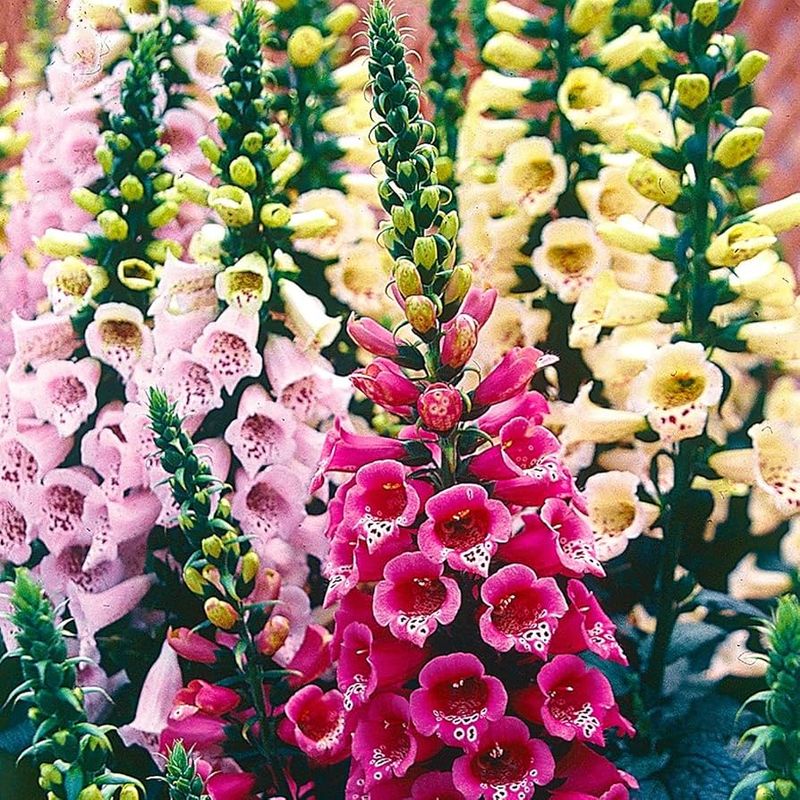
Foxglove stands tall with its elegant, bell-shaped blooms ranging from pink to purple. Known for its digitalis content, it deters deer effectively. In the garden, its towering spikes create a dramatic vertical interest, perfect for borders. With careful handling, as it is toxic, it offers a delightful visual. Hardy and self-seeding, foxglove returns yearly, ensuring consistent beauty. Its biennial nature means planting every year for continuous blooms. A favorite among cottage gardeners, foxglove’s charm is undeniable. It attracts hummingbirds, adding lively movement to your space. Perfect for shaded areas, it thrives with minimal care.
15. Salvia
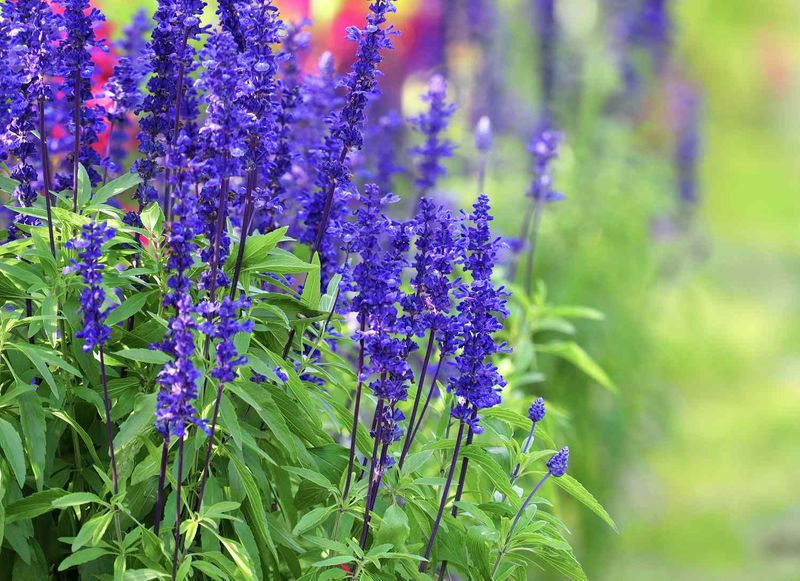
Salvia, with its aromatic foliage and striking blue or purple flowers, is a sensory delight. Its strong scent deters deer while attracting pollinators like bees and butterflies. Perfect for sunny spots, salvia’s drought tolerance makes it a resilient choice. Its long blooming season ensures color throughout the months. As a member of the mint family, salvia is easy to grow and maintain. Its versatility means it fits well in various garden styles, from modern to cottage. Ideal for borders or containers, salvia adds texture and movement. Its vibrant spikes are a garden staple.
16. Peony
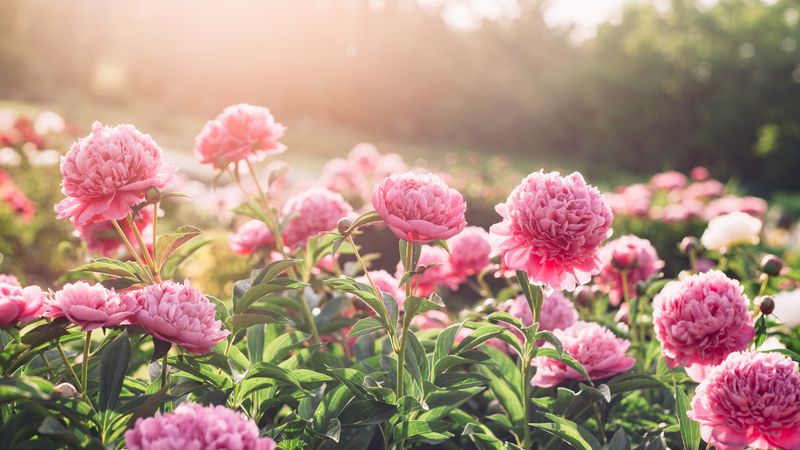
Peonies are a timeless garden classic, beloved for their large, fragrant blooms. Their bushy form and lush foliage deter deer naturally. With a blooming period in late spring, peonies announce the arrival of summer. Available in an array of colors, they offer endless design possibilities. Once established, they require little maintenance and can live for decades. Peonies are perfect for cut flowers, bringing garden beauty indoors. Their historical significance traces back to ancient China, where they symbolized prosperity. Plant in well-drained soil and enjoy a perennial favorite that promises to enchant year after year.
17. Fern
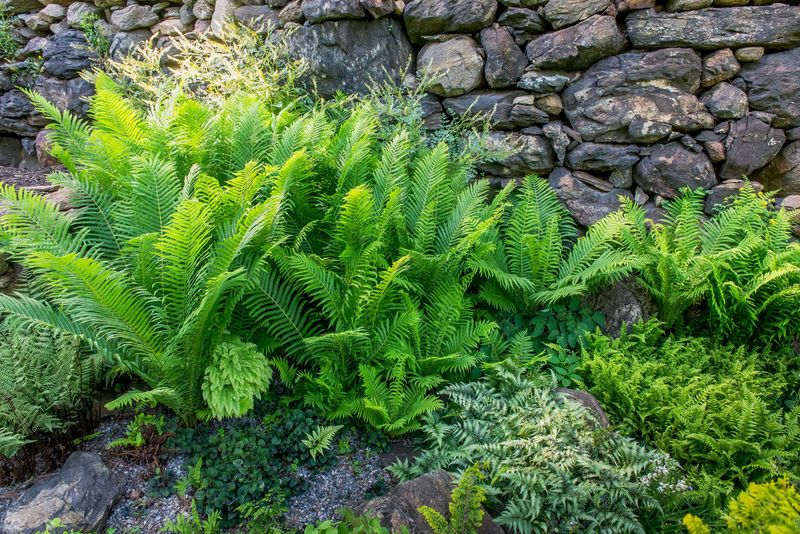
Ferns lend a soft, textured backdrop to shaded gardens, thriving where other plants struggle. Their lush, green fronds create a woodland ambiance, while their bitterness keeps deer away. Ideal for adding depth and contrast, ferns blend well with hostas and astilbes. These ancient plants date back millions of years, showcasing evolution’s beauty. Low-maintenance and pest-resistant, ferns are an excellent choice for any gardener. Their diverse forms, from delicate to bold, offer versatility in design. Whether in a pot or ground, ferns enhance any space with their graceful presence. A shade garden favorite, they never disappoint.
18. Corydalis
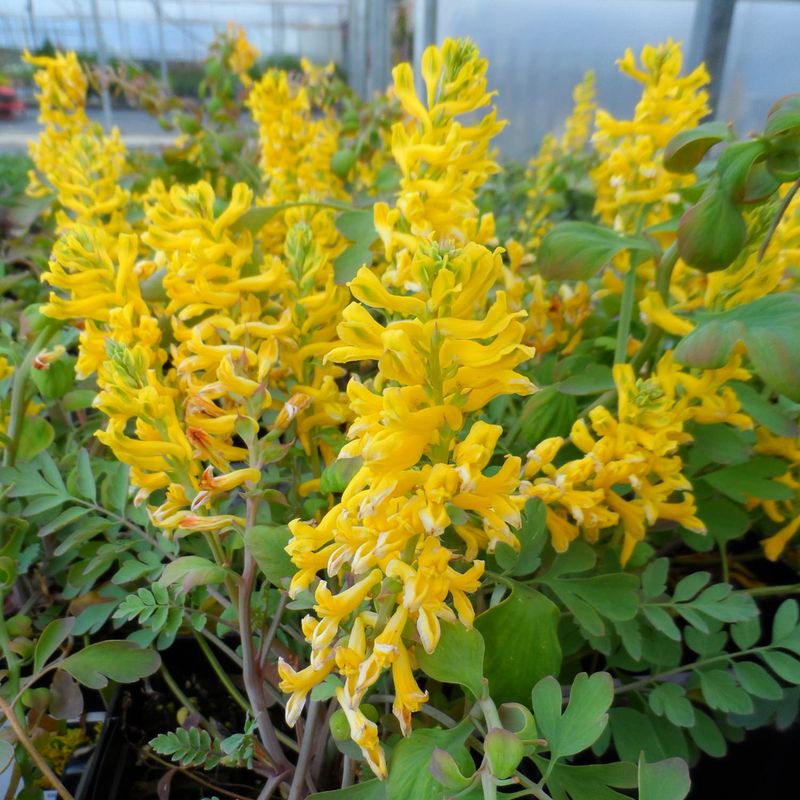
Corydalis, with its fern-like foliage and tubular yellow blooms, is a charming addition to any shaded area. Its delicate appearance belies its robustness; this plant can thrive in challenging conditions. Deer avoid it due to its bitter taste, making it a reliable garden companion. Blooming in spring, corydalis adds a burst of color when few others do. Its ability to spread gently makes it perfect for ground cover. Native to woodlands, it complements naturalistic designs. Low-growing and compact, corydalis fits well in rock gardens or under taller plants. A true garden gem, it’s both beautiful and practical.
19. Bleeding Heart
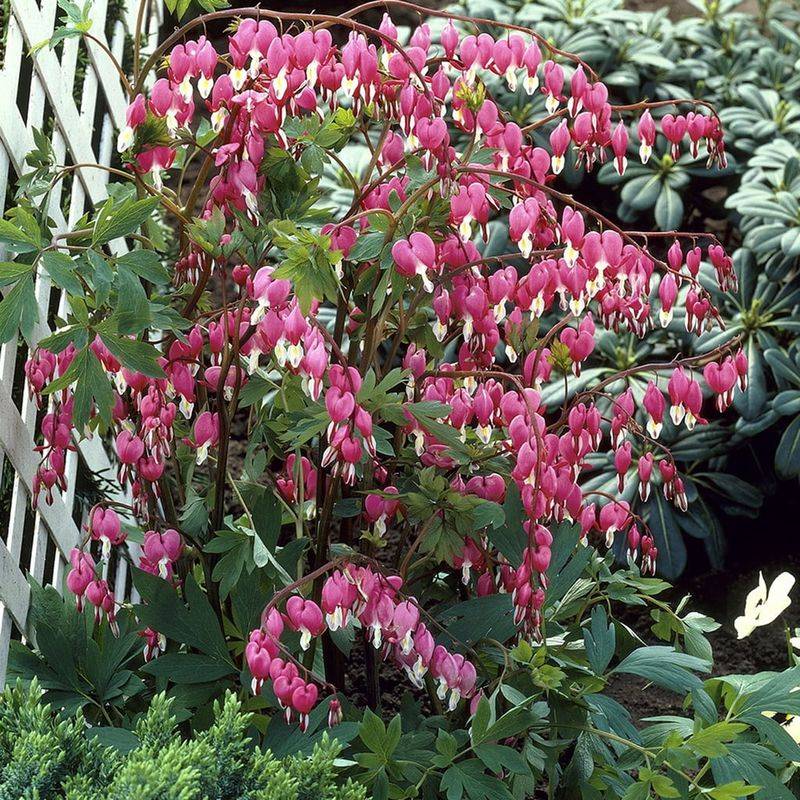
Bleeding heart captivates with its heart-shaped blossoms, appearing to drip from arching stems. These pink and white flowers are a springtime spectacle, enchanting all who pass by. Their delicate form and unique appearance make them a garden favorite. Deer avoid them, allowing their beauty to shine undisturbed. Best in shaded locations, they add a romantic touch to any landscape. Their foliage dies back in summer, making them a perfect companion for summer bloomers. A nod to Victorian gardens, bleeding hearts exude a timeless charm. Easy to grow, they reward with grace and elegance year after year.
20. Hellebore
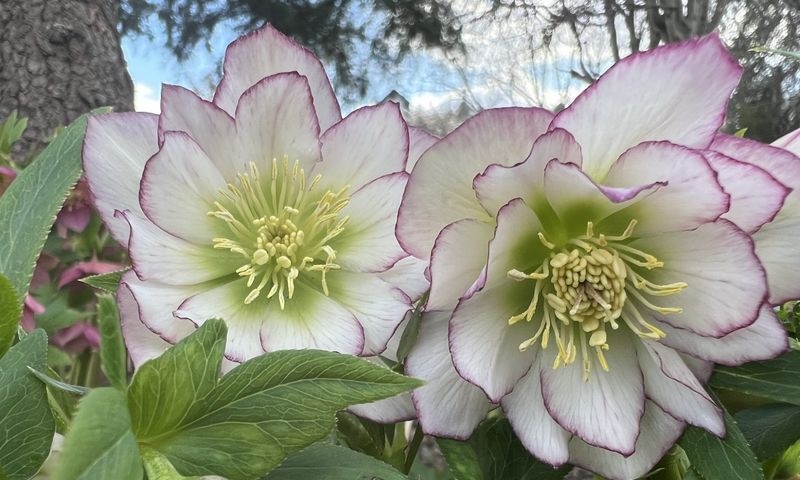
Hellebores, often called the Christmas or Lenten rose, bloom when little else does. Their leathery foliage and nodding flowers withstand harsh winters, adding early interest to the garden. Deer leave them alone due to their toxic nature, ensuring their blooms remain intact. Available in muted tones of green, pink, and burgundy, hellebores fit into any garden palette. They thrive in shady spots, often naturalizing over time. Their long-lasting blooms are a winter garden highlight. Hellebores symbolize serenity and resilience, qualities they bring to any planting scheme. They promise beauty when it’s needed most, bridging the seasons.
21. Astilbe
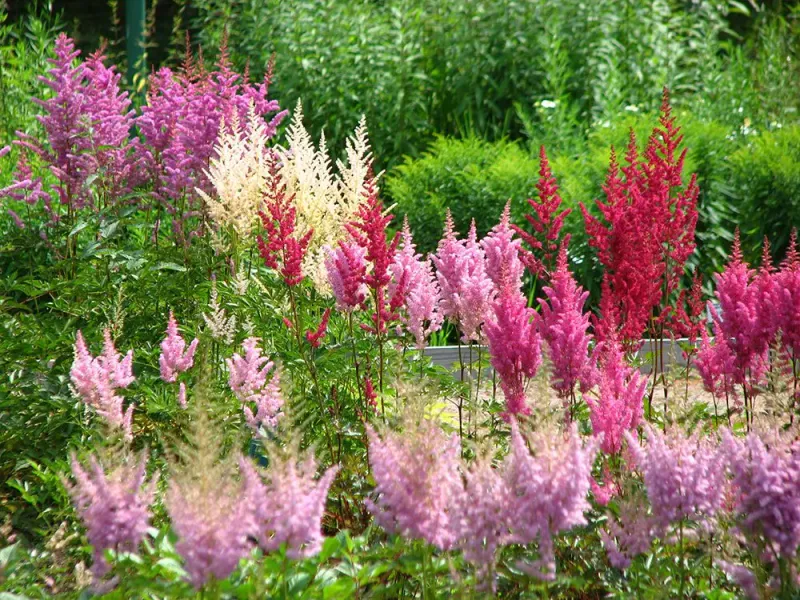
Astilbes bring a touch of softness with their feathery plumes and striking colors. Their blooms, in shades of pink, red, and white, rise above fern-like foliage, creating beautiful contrasts. Deer tend to avoid them, making them a staple for shaded areas. They thrive in moist, rich soils and are perfect companions for hostas. Whether in mass plantings or as accents, astilbes provide continuous interest through their texture and form. Their ability to naturalize over time enhances their appeal. Astilbes add grace to any garden, with their airy plumes dancing in the breeze.
22. Coral Bells
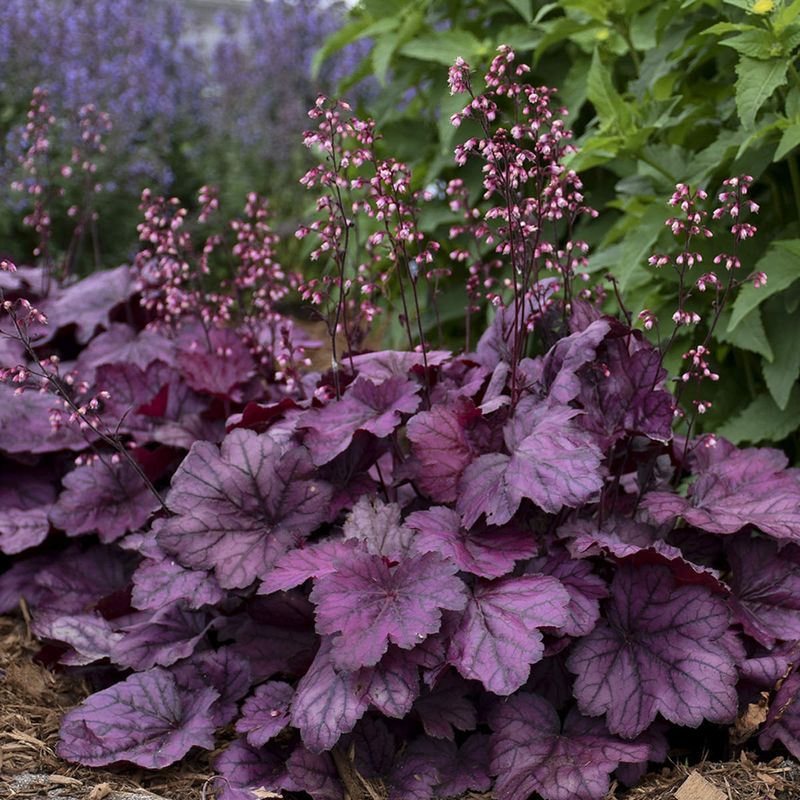
Coral bells are known for their stunning foliage, ranging from burgundy to silver. Their delicate bell-shaped flowers attract pollinators, while deer tend to steer clear. These versatile plants are excellent for adding color to shaded areas. With their low-growing habit, they make fantastic ground covers or edging plants. Coral bells thrive in well-drained soils and are easy to care for, making them popular among gardeners. Their ability to withstand various conditions adds to their desirability. Plant them alongside ferns and hostas for a lush, layered look. A perennial favorite, they offer year-round interest and texture.
23. Daffodil
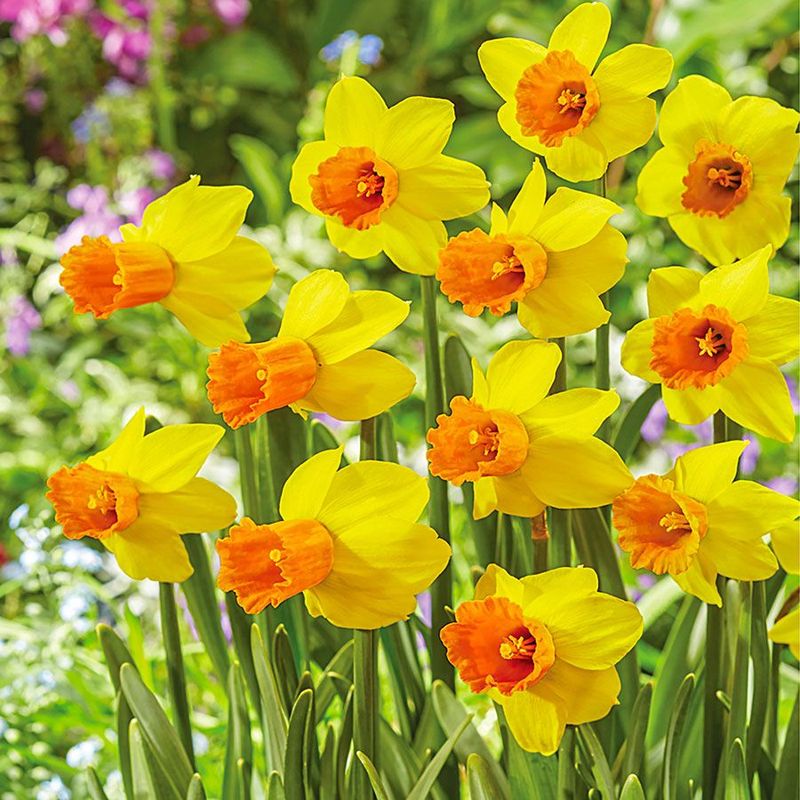
Daffodils herald the arrival of spring with their cheerful yellow blooms. Their toxicity deters deer, allowing their beauty to remain untouched. Perfect for mass plantings or naturalizing, daffodils bring a burst of color early in the season. Their versatility means they fit well in various garden styles, from formal to wildflower meadows. Easy to grow and maintain, they return year after year with minimal effort. Daffodils symbolize rebirth and new beginnings, making them a hopeful garden presence. Their ability to thrive in different conditions makes them a resilient choice for any gardener.
24. Iris
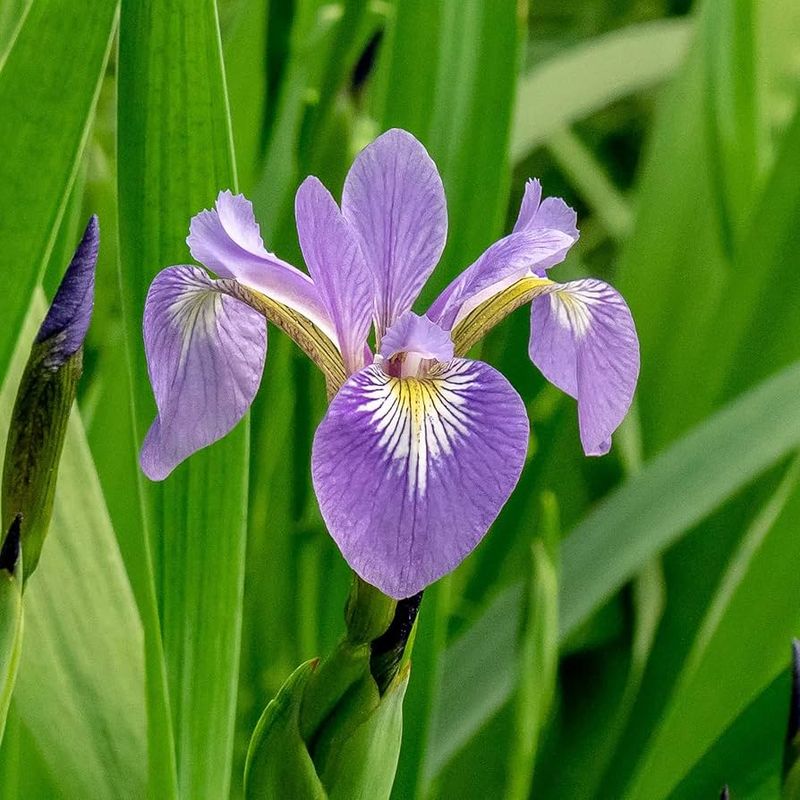
Iris plants offer a striking display with their sword-like foliage and vibrant flowers. Available in a range of colors, from purple to yellow, irises are a visual delight. Their rhizomes contain compounds that deter deer, ensuring their blooms are protected. Ideal for borders or water gardens, they thrive in moist, well-drained soils. Their historical significance as a symbol of royalty adds to their allure. Easy to divide and propagate, irises can quickly fill a space with elegance. Their unique structure and beauty make them a standout choice for any garden design.
25. Lamb’s Ear
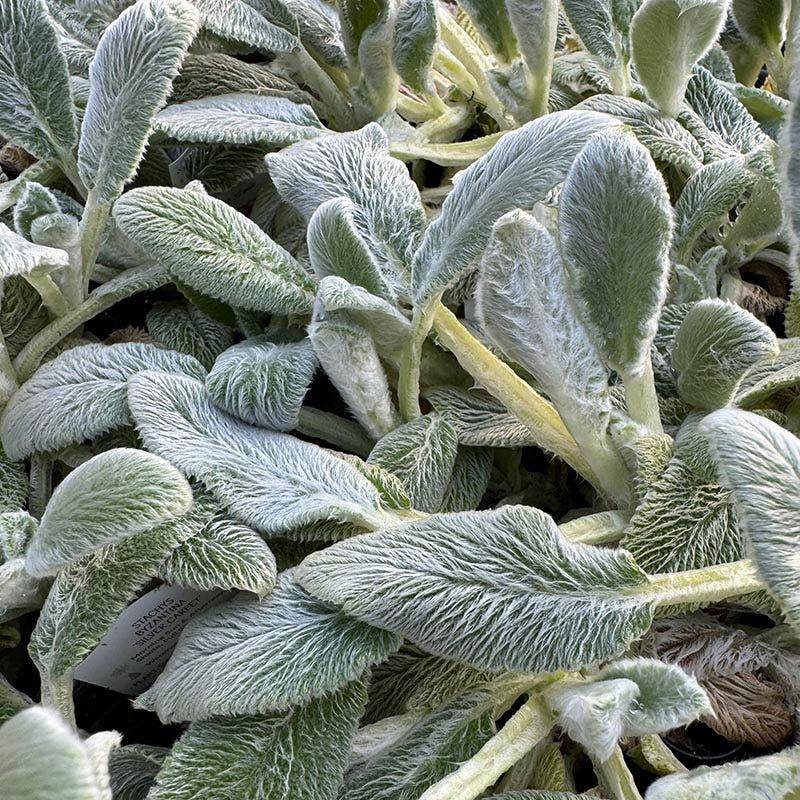
Lamb’s ear, with its velvety, silver leaves, offers a unique tactile experience in the garden. Deer dislike its fuzzy texture, leaving it undisturbed. This resilient perennial thrives in sunny locations and is drought-tolerant once established. Perfect as a ground cover or accent plant, it adds a soft touch to any landscape. Lamb’s ear complements other sun-loving perennials and is often used in sensory gardens. Its unique foliage provides contrast and interest throughout the seasons. Easy to grow, it requires minimal maintenance, making it a gardener’s favorite. Its calming presence is a joy to behold.
26. Japanese Painted Fern
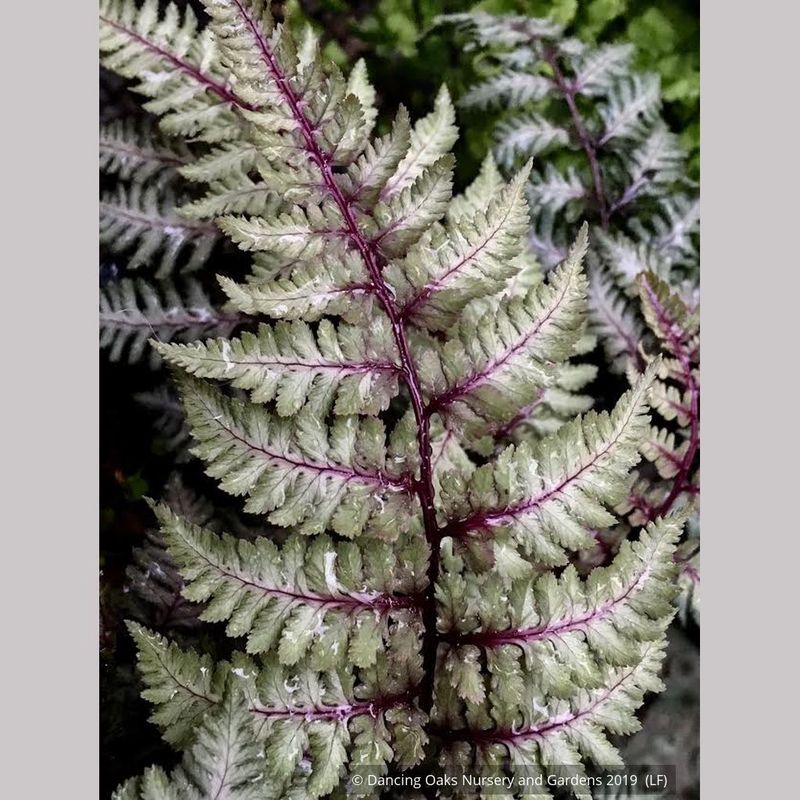
The Japanese painted fern stands out with its exquisite silver and burgundy fronds. These elegant plants thrive in shady, moist conditions and are perfect for adding texture. Deer tend to avoid them, allowing their beauty to remain untouched. Their unique coloring makes them a standout choice for woodland gardens. Easy to grow and maintain, they pair well with hostas and other shade lovers. Their delicate appearance belies their hardiness, making them a reliable choice for any garden. Their graceful form and vibrant colors add depth and interest to shaded areas.
27. Brunnera
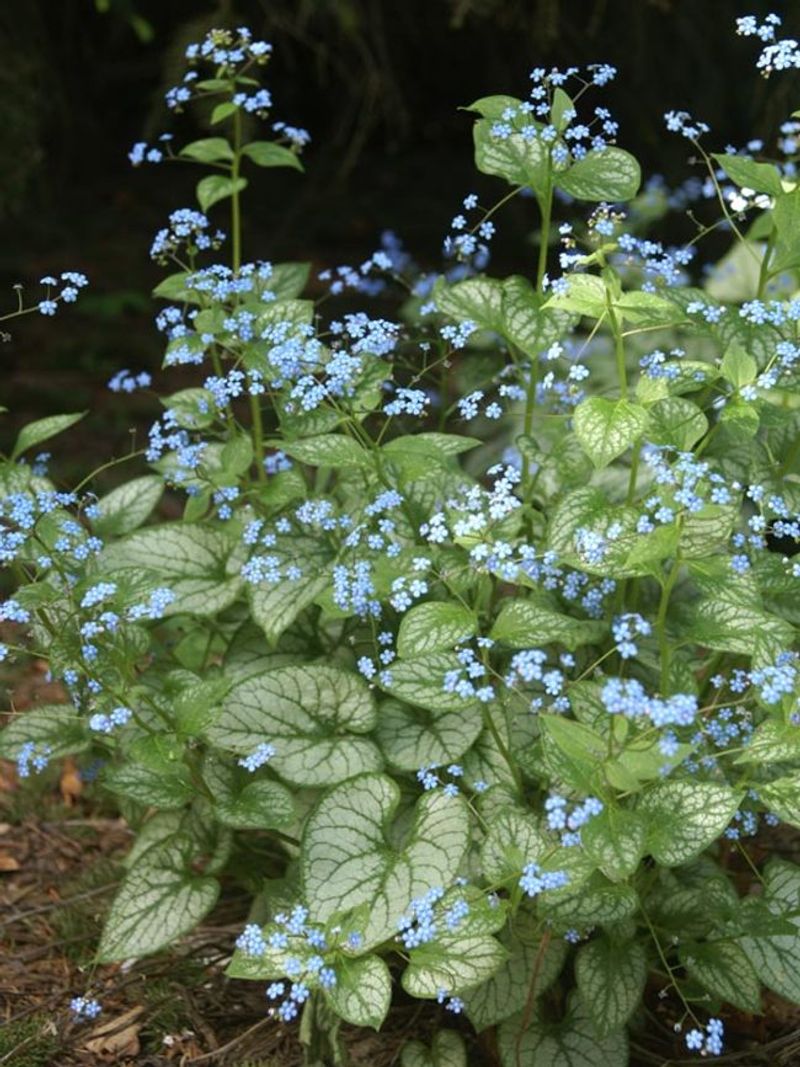
Brunnera, with its heart-shaped leaves and delicate blue flowers, is a charming woodland plant. Known as false forget-me-nots, they add a touch of nostalgia to any garden. Deer avoid them, making them ideal for shaded areas. Their variegated leaves provide interest year-round, contrasting beautifully with their blooms. Brunnera thrives in moist, well-drained soils and is perfect for borders or ground cover. Their ability to naturalize over time enhances their appeal. Easy to care for, they are a staple in shade gardens. Their enchanting presence is a joy for any gardener seeking elegance and charm.
28. Periwinkle
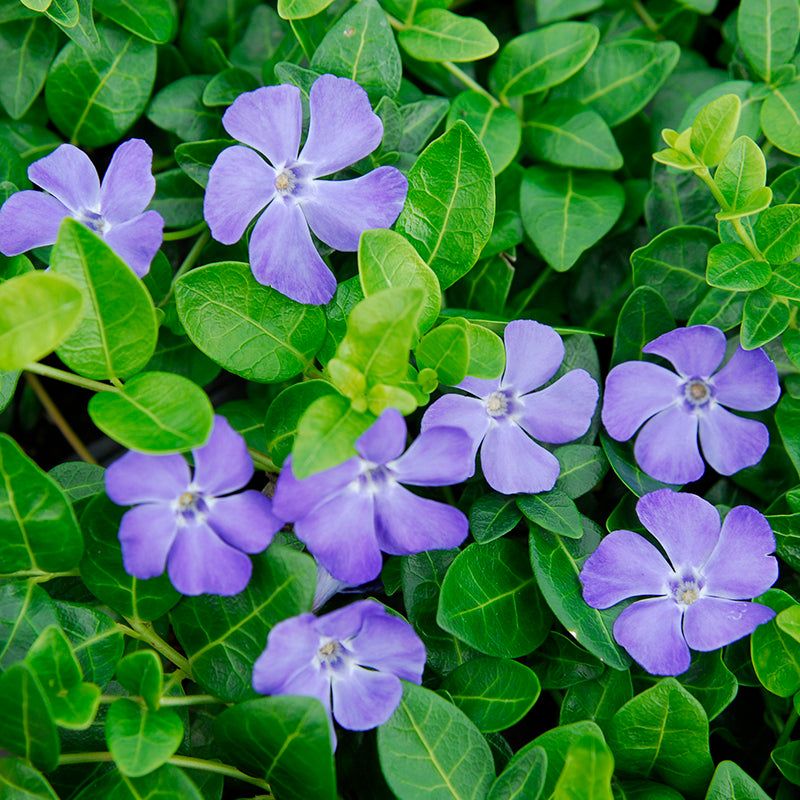
Periwinkle, also known as Vinca, is a robust ground cover that offers glossy green leaves and small purple-blue flowers. Its ability to thrive in shaded areas makes it an asset in challenging spots. Deer generally avoid it due to its tough foliage and bitter taste. Perfect for controlling erosion or covering bare ground, periwinkle spreads quickly and easily. Its year-round green leaves provide a lush backdrop for seasonal blooms. Often used in woodland or shaded gardens, it pairs well with other shade-loving perennials. Its enduring presence ensures consistent beauty and ground coverage.
29. Tansy
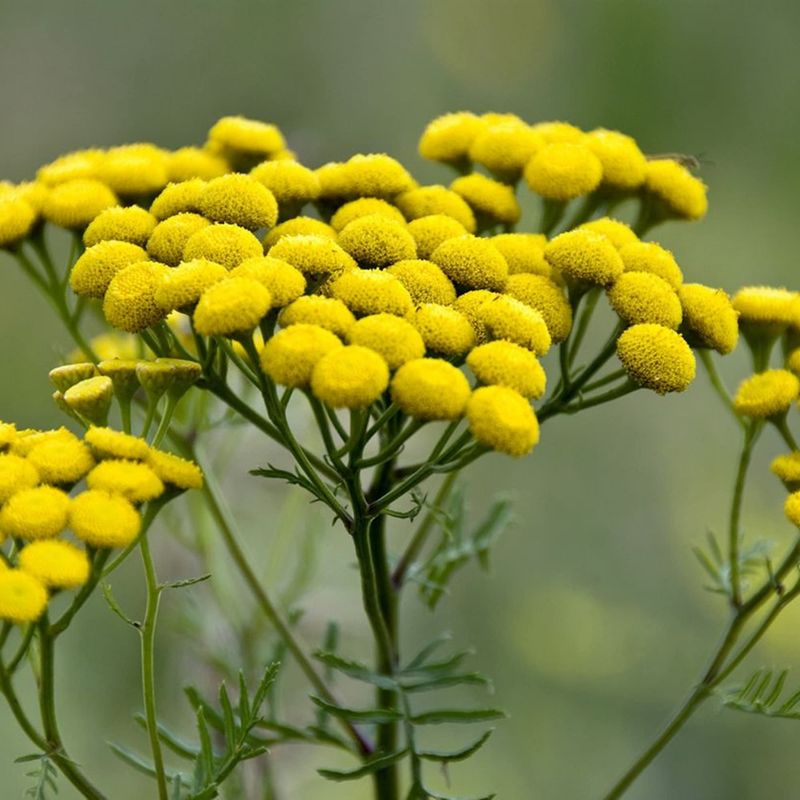
Tansy, with its bright yellow button-like flowers, adds a splash of sunshine to any garden. Known for its aromatic foliage, it deters deer naturally. Tansy’s feathery leaves are both visually appealing and practical, repelling unwanted pests. Thriving in well-drained soils, it is drought-tolerant once established. Often used in companion planting, tansy benefits neighboring plants by repelling pests. Its historical use in natural remedies adds a layer of intrigue. Perfect for borders or naturalistic designs, tansy is a versatile addition to any garden. Its cheerful blooms and tough nature make it a gardener’s ally.
30. Euphorbia
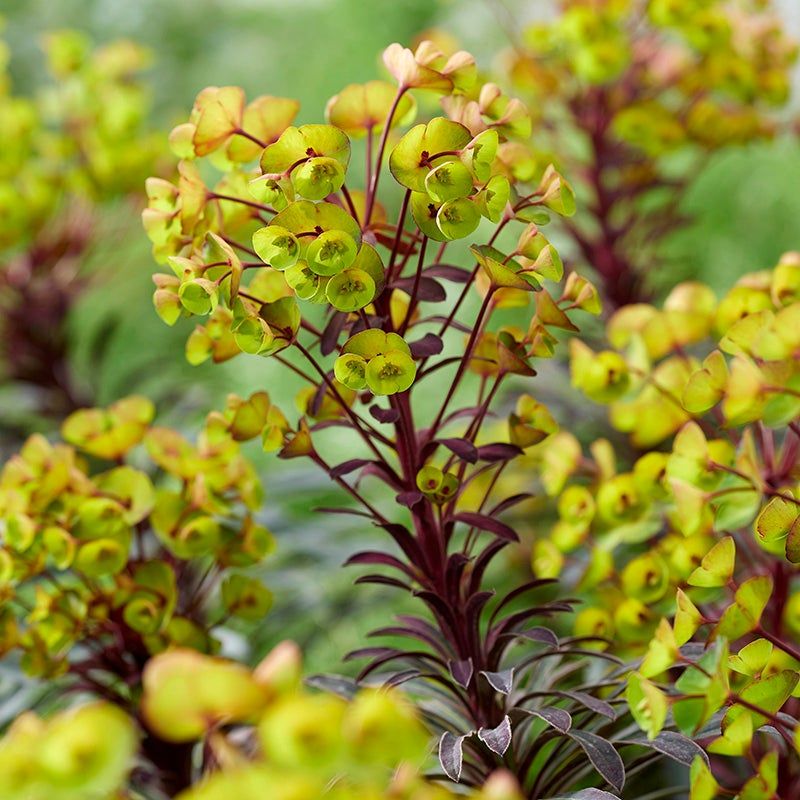
Euphorbia, with its distinctive spiky forms and chartreuse flowers, offers architectural interest in the garden. Its milky sap deters deer and other pests, ensuring its safety. Perfect for sunny borders or rock gardens, euphorbia thrives in well-drained soils. Its drought tolerance and low maintenance make it a popular choice. Available in various forms, from ground covers to shrubs, euphorbia fits multiple design styles. Its unique appearance adds a modern touch to any landscape. Known for its longevity, euphorbia provides consistent beauty year after year. Its bold presence is both striking and reassuring.
31. Fritillaria
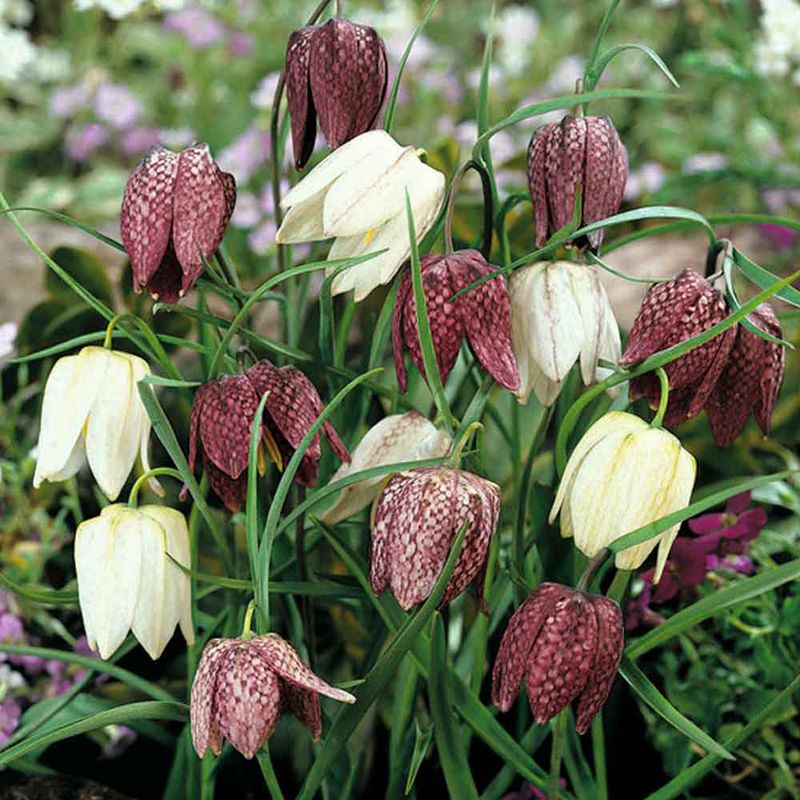
Fritillaria captivates with its unique bell-shaped, checkered flowers. These spring bloomers add a touch of whimsy and intrigue to the garden. Deer and rodents avoid them due to their distinct odor, providing safe blooms. Perfect for borders or naturalizing in wildflower meadows, fritillaria thrives in well-drained soils. Their historical significance as symbols of melancholy adds depth to their beauty. Easy to grow and care for, they offer a delightful spectacle each spring. Their unusual appearance and protective nature make them a valued addition to any garden. Embrace their charm and enjoy their unique allure.
32. Bugbane (Cimicifuga)
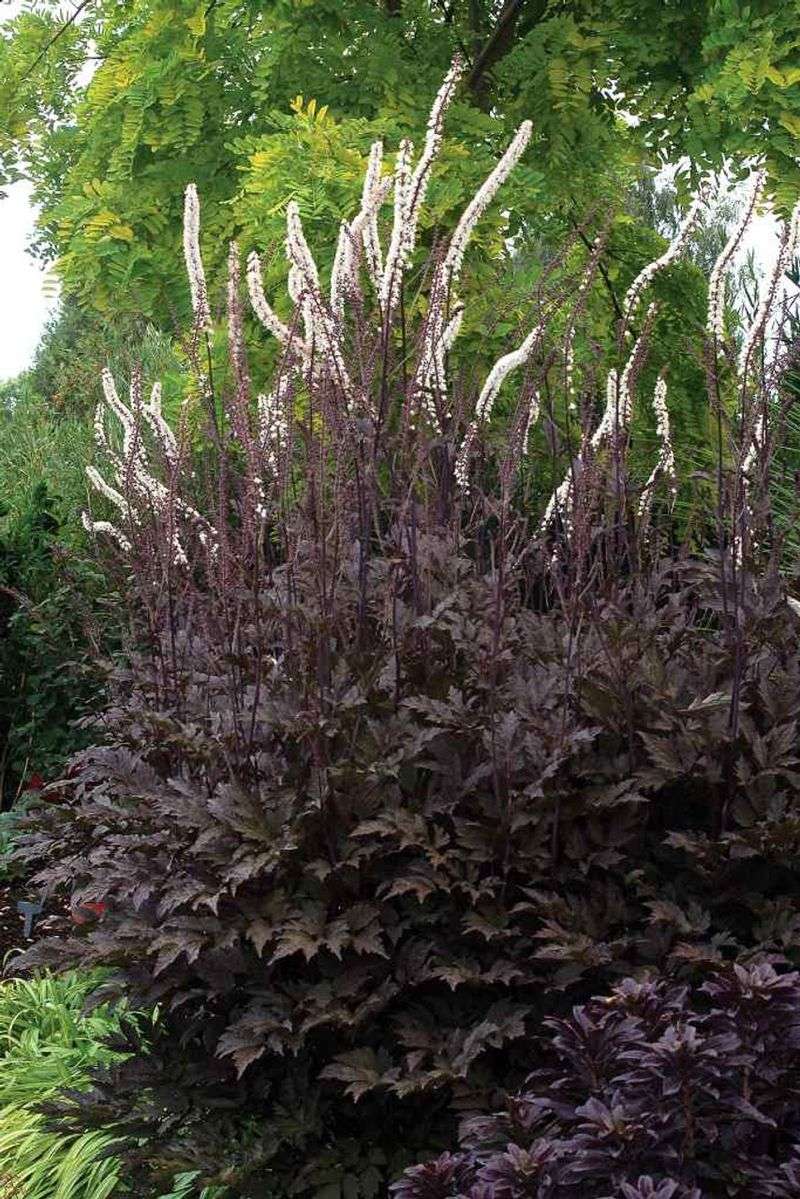
Bugbane, known for its striking, tall white flower spikes, thrives in shaded gardens. Its alluring fragrance might attract humans, but deer find it less appealing.
The plant’s dramatic presence and lush, serrated leaves make it a standout in any garden setting.
Reaching heights of up to six feet, Bugbane prefers moist, well-drained soil and partial to full shade, making it perfect for woodland gardens.
Interestingly, Bugbane was historically used by indigenous peoples for medicinal purposes. This elegant perennial ensures your garden remains a deer-free sanctuary.
33. Jacob’s Ladder (Polemonium)
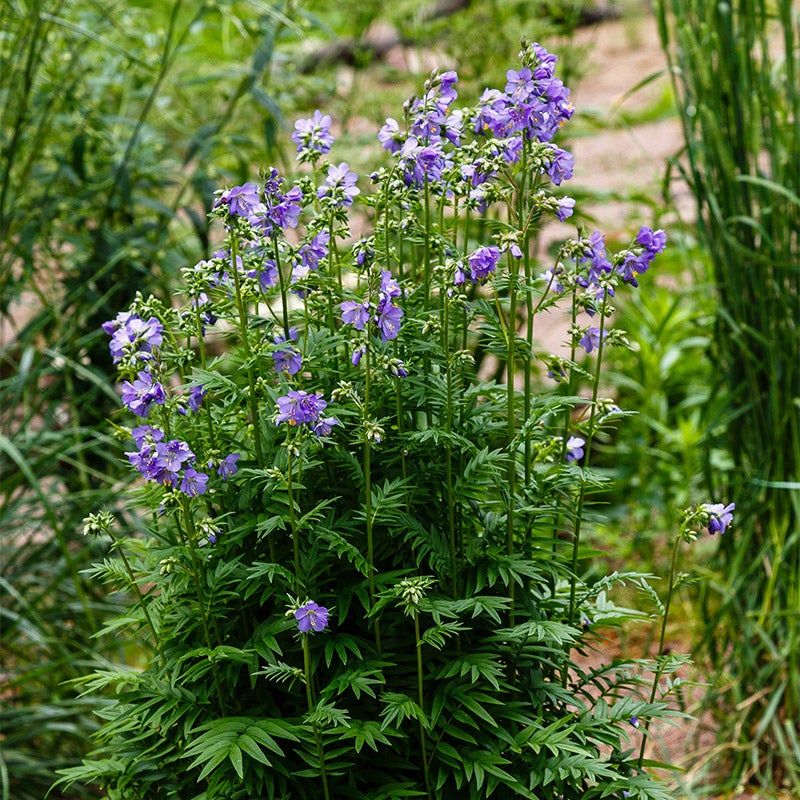
Jacob’s Ladder enchants with its dainty blue flowers and uniquely arranged leaves resembling a ladder. This perennial is not only beautiful but also unpalatable to deer.
Its compact growth habit and ability to thrive in both sun and partial shade make it versatile for various garden settings.
The plant’s history is rooted in religious symbolism, often associated with the biblical Jacob’s ladder dream.
Requiring minimal maintenance, Jacob’s Ladder is well-suited for borders and rock gardens, offering both aesthetic charm and functionality as a deer deterrent.