 Complete Gardening

Enhance your front yard with a curated selection of 35 small trees that promise beauty, color, and unique charm. From flowering marvels to textured foliage, each tree offers a distinctive feature, perfect for complementing any landscape. Discover the compelling variety and visual appeal these trees can bring to your home.
1. Crape Myrtle (Lagerstroemia)
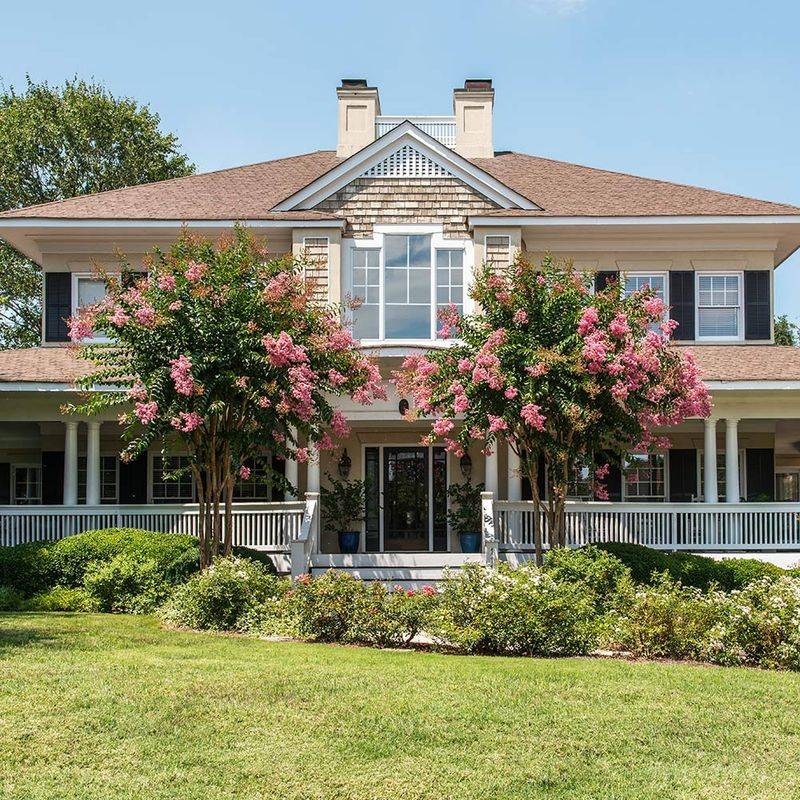
The Crape Myrtle is a long-blooming, drought-tolerant tree that thrives in various climates. Its flowers, ranging from pinks to purples and whites, create a stunning display in any front yard. Known for its resilience, this tree requires minimal care, making it a favorite among gardeners. Its bark, which exfoliates to reveal a smooth surface, adds winter interest. A staple in Southern landscapes, the Crape Myrtle provides year-round beauty and attracts pollinators, enhancing the local ecosystem. Ideal for adding a splash of color, it transforms ordinary spaces into vibrant landscapes.
2. Eastern Redbud (Cercis canadensis)
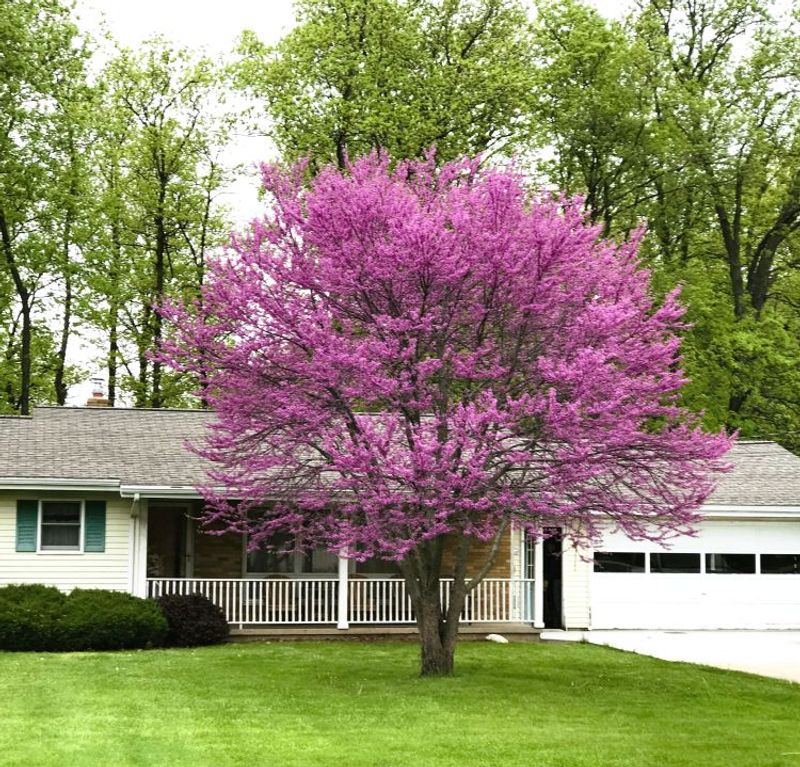
With its pink or purple spring blooms, the Eastern Redbud is a herald of new beginnings. Its heart-shaped leaves provide a charming touch, creating an inviting atmosphere. This tree is perfect for those who appreciate the changing seasons, as it offers vibrant autumn hues. Native to North America, the Eastern Redbud is both ornamental and ecologically beneficial, supporting local wildlife. Its graceful branches form an elegant silhouette, making it a standout feature in any front yard. Whether in a formal garden or a casual setting, it never fails to impress.
3. Japanese Snowbell (Styrax japonicus)
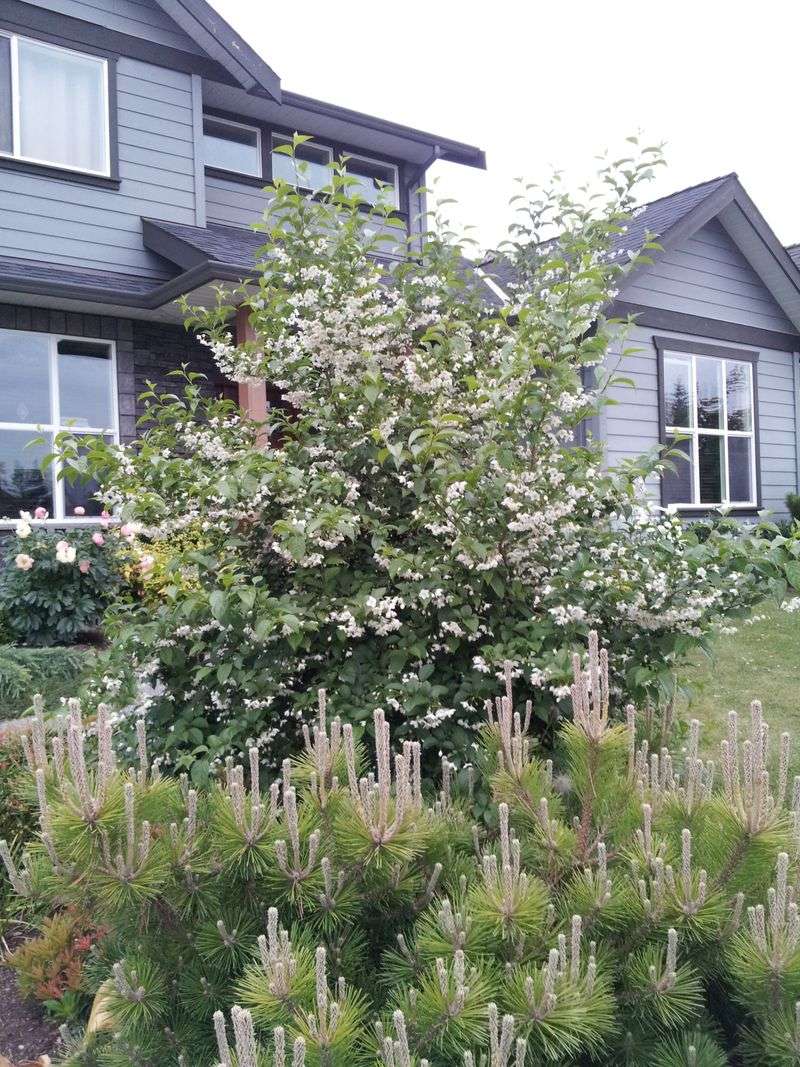
The Japanese Snowbell captivates with its graceful white bell-shaped flowers that dangle delicately in late spring. This understated elegance makes it a favorite for tranquil garden spaces. Its glossy green leaves provide a lush backdrop, while the gentle fragrance of the flowers adds a sensory delight. Originating from East Asia, the Japanese Snowbell is cherished for its ornamental value and ability to thrive in various climates. Its subtle beauty complements both modern and traditional landscapes, offering a peaceful retreat right in your front yard.
4. Dogwood (Cornus florida)
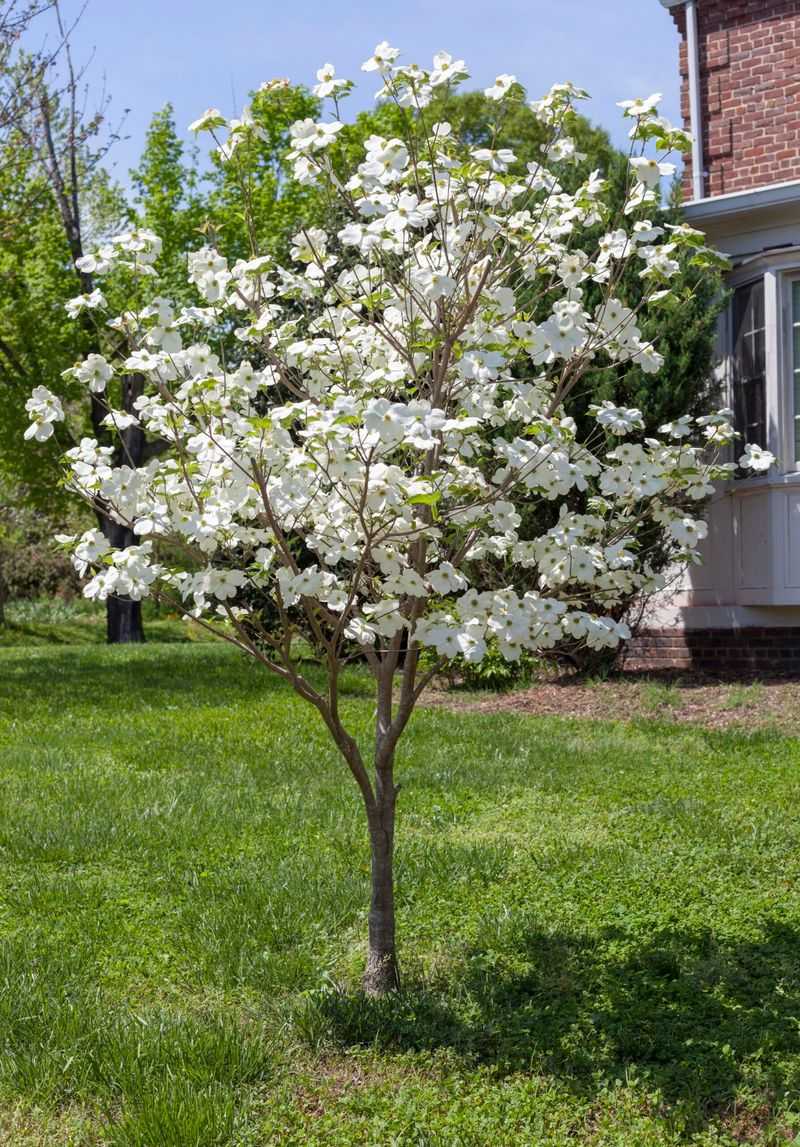
Dogwoods are synonymous with spring, thanks to their classic white or pink blooms that grace many landscapes. As autumn arrives, their leaves turn a rich red, adding a fiery touch to the scenery. Valued for their multi-season appeal, Dogwoods are both hardy and versatile. Native to eastern North America, they play a crucial role in supporting wildlife, offering food and shelter. The textured bark and unique branching pattern provide visual interest even in winter. In every season, the Dogwood stands as a testament to the beauty and resilience of nature.
5. Chaste Tree (Vitex agnus-castus)
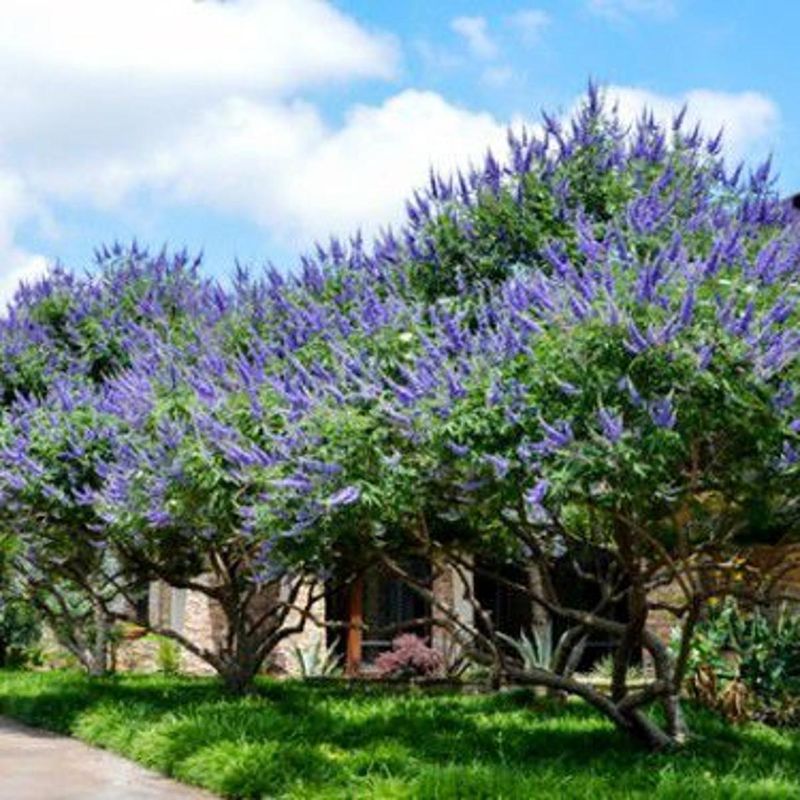
The Chaste Tree is a summer spectacle, boasting vibrant purple blooms that attract a variety of pollinators. Known for its aromatic foliage and robust structure, this tree is a resilient choice for sunny locales. Historically used for medicinal purposes, it carries a rich heritage. The Chaste Tree’s airy and open form adds a light touch to landscapes, making it perfect for informal garden settings. Its adaptability to various soil types and climates ensures it thrives with minimal fuss, offering beauty and ecological benefits with its pollinator-friendly flowers.
6. Golden Chain Tree (Laburnum)
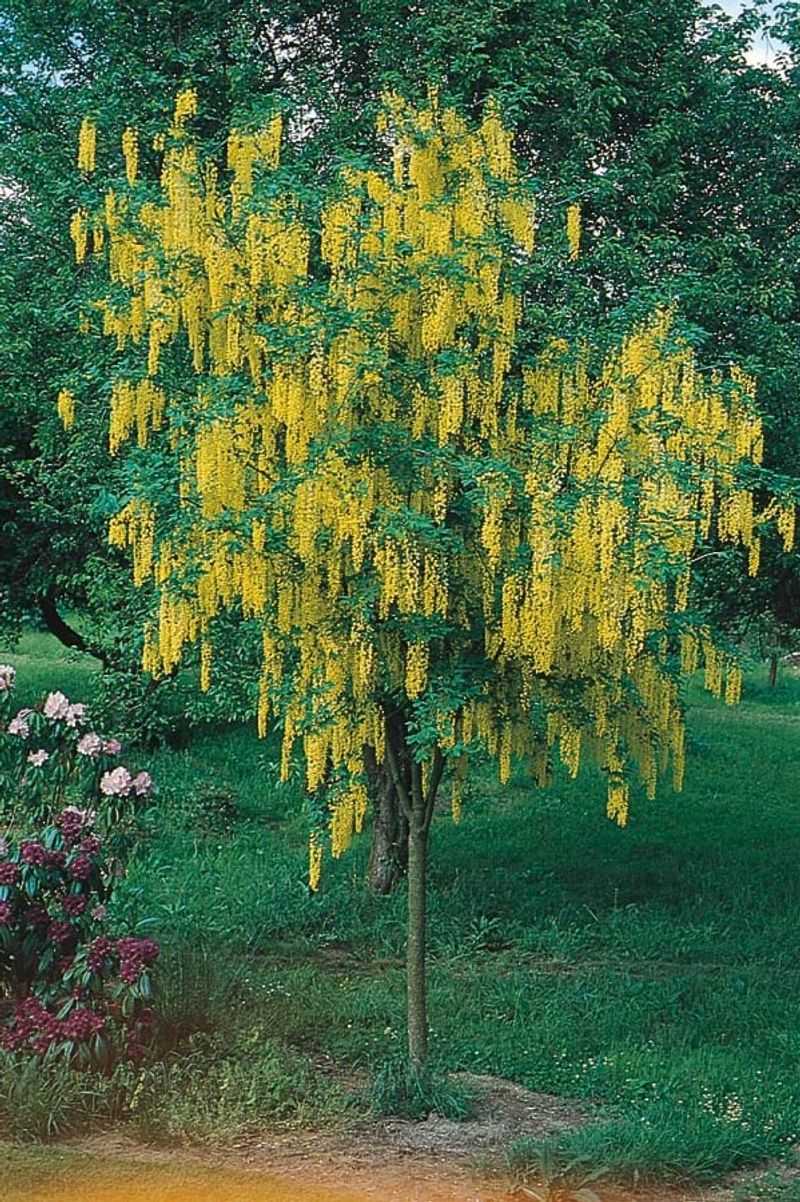
With its cascading yellow flowers, the Golden Chain Tree is an eye-catching addition to any garden. Blooming in late spring, its vibrant display is a highlight for any landscape enthusiast. Though its beauty is undeniable, caution is advised as all parts of the tree are toxic if ingested. This European native is prized for its ornamental appeal and adaptability to various garden styles. The dappled shade it provides creates a serene environment, making it a popular choice for park-like settings. Its graceful blooms offer an ethereal quality to outdoor spaces.
7. Smoke Tree (Cotinus coggygria)
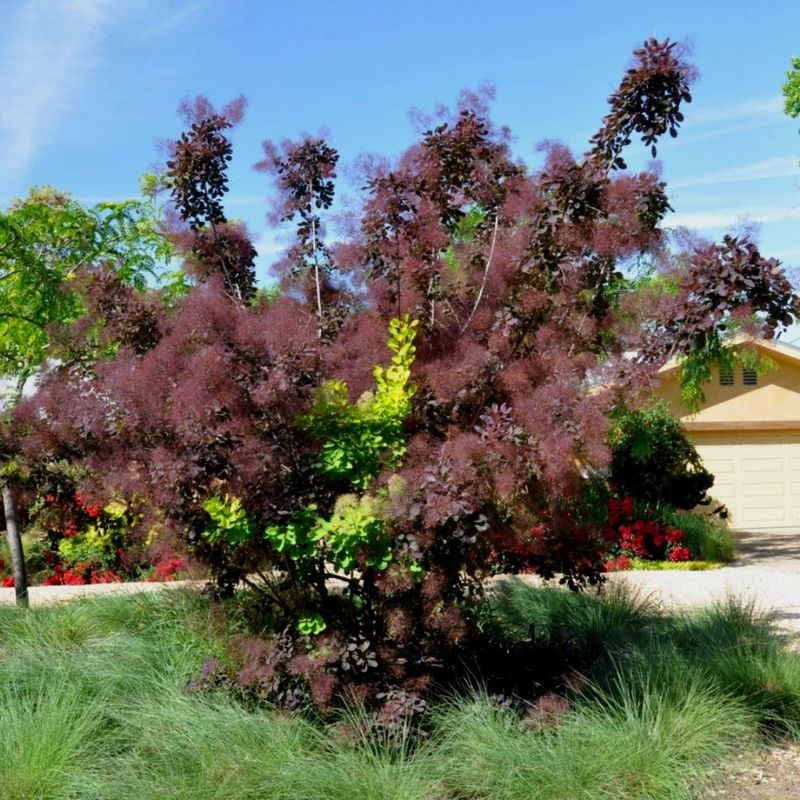
The Smoke Tree lives up to its name with its wispy blooms that resemble smoke puffs, creating a whimsical landscape feature. These pink or purple plumes appear in summer, adding an ethereal quality to gardens. Beyond its blooms, this tree is celebrated for its striking foliage, which can range from deep purple to vibrant orange in the fall. Native to Southern Europe, the Smoke Tree is both drought-tolerant and resilient, making it suitable for a range of climates. Its unique appearance makes it a conversation starter and a visual delight.
8. Serviceberry (Amelanchier)
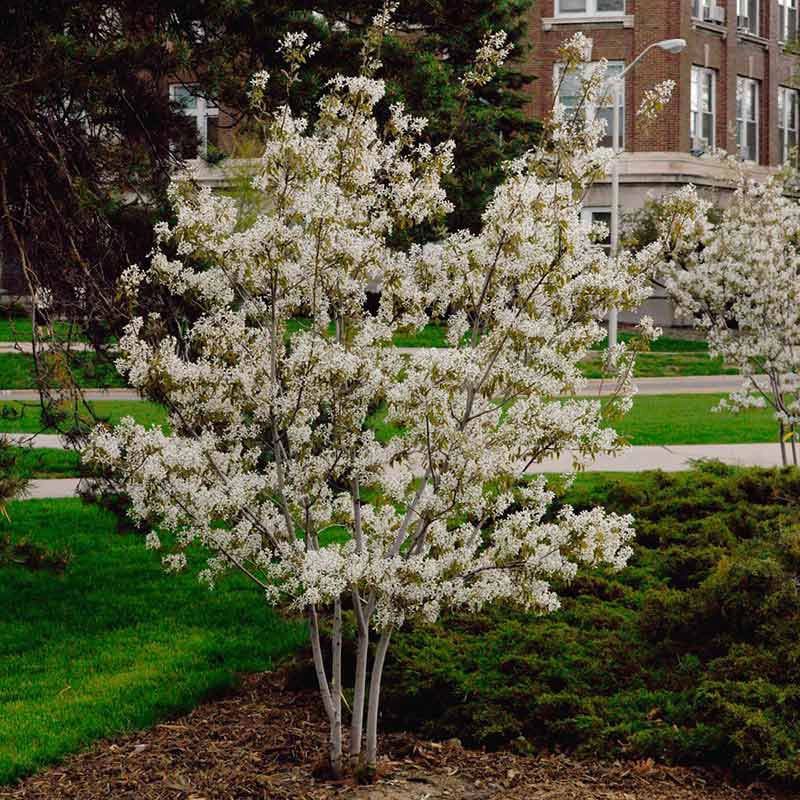
Serviceberry trees are a delight throughout the seasons. Their white spring flowers signal the start of warmer days, while the edible berries they produce are a treat for both humans and wildlife. In the fall, its leaves turn a vibrant red, providing a striking contrast to the landscape. Known for its adaptability, the Serviceberry can thrive in various soil conditions, making it a versatile choice for gardeners. This North American native supports local fauna, contributing to ecological balance. It stands as a beautiful and functional addition to any yard.
9. Paperbark Maple (Acer griseum)
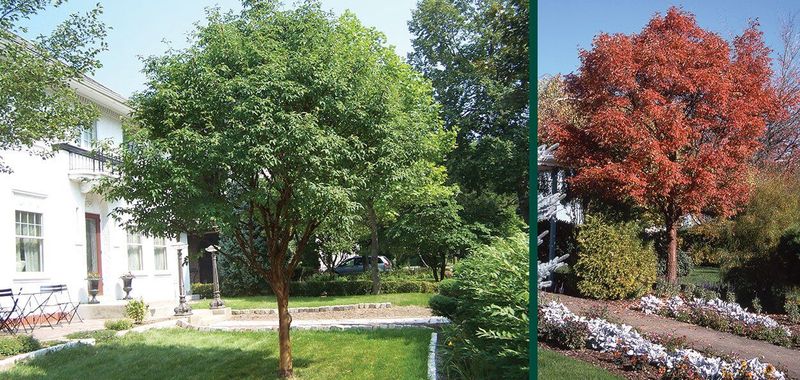
The Paperbark Maple is a tree with year-round appeal, thanks to its distinctive peeling cinnamon bark. This feature adds visual interest even in winter when the tree is bare. In autumn, its foliage transforms into a blaze of red and orange, creating a stunning display. Originating from China, this slow-growing tree is valued for its compact size and unique appearance. It thrives in well-drained soils and can adapt to various garden settings. Whether as a focal point or part of a larger landscape, the Paperbark Maple never fails to impress.
10. Stewartia (Stewartia pseudocamellia)
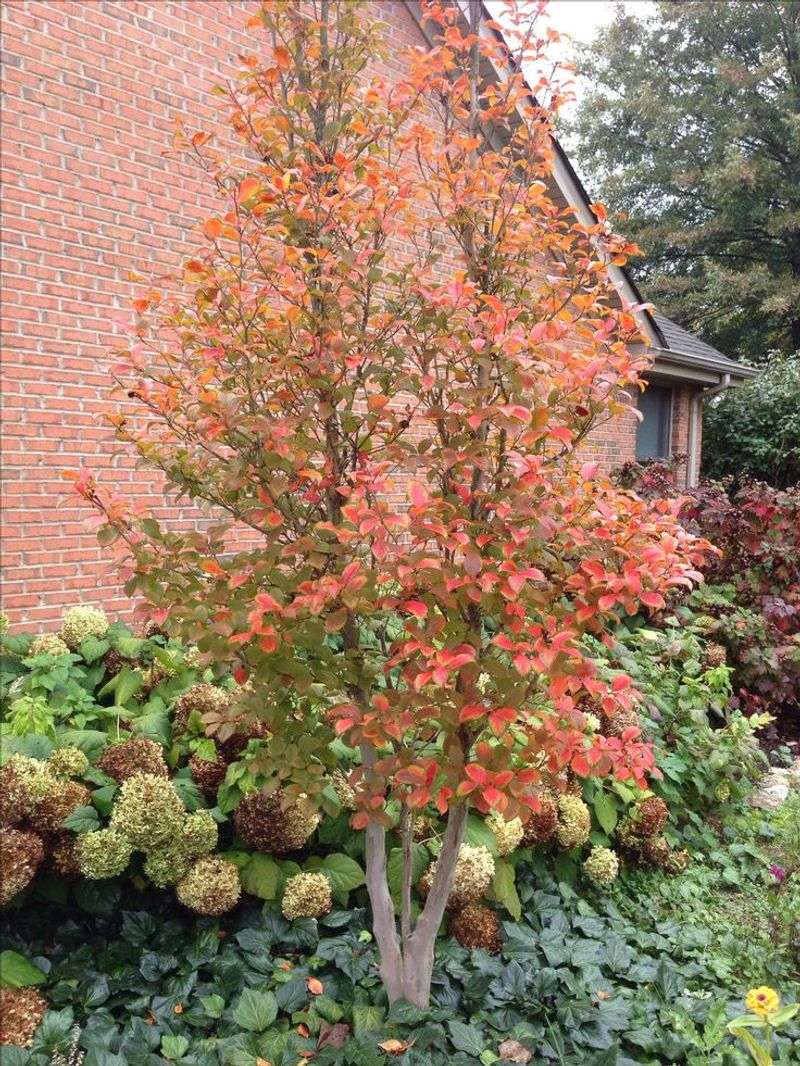
Stewartia trees captivate with their camellia-like flowers and striking exfoliating bark. These delicate blooms appear in midsummer, offering a subtle elegance that complements any garden. As seasons change, the tree’s leaves transition to shades of red and orange, enhancing its visual appeal. Native to East Asia, Stewartia is cherished for its ornamental value and ability to thrive in various climates. Its multi-season interest makes it a versatile addition to both formal and informal landscapes. A true garden gem, it provides beauty from every angle.
11. Kousa Dogwood (Cornus kousa)
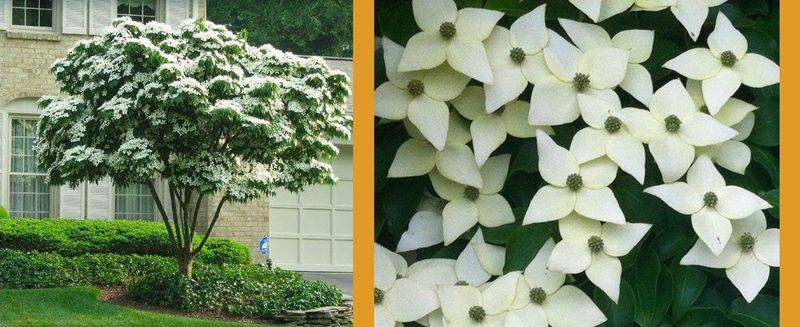
Kousa Dogwood stands out with its later blooms, arriving after native dogwoods have faded. These elegant white flowers are followed by unique raspberry-like fruit, adding visual and edible interest. In fall, its leaves turn a rich burgundy, offering a seasonal spectacle. This Asian native is appreciated for its adaptability and disease resistance, making it a reliable choice for gardeners. Its distinctive beauty and practical benefits, such as supporting local wildlife, make it an excellent addition to any front yard. A timeless classic with a modern twist.
12. Witch Hazel (Hamamelis)
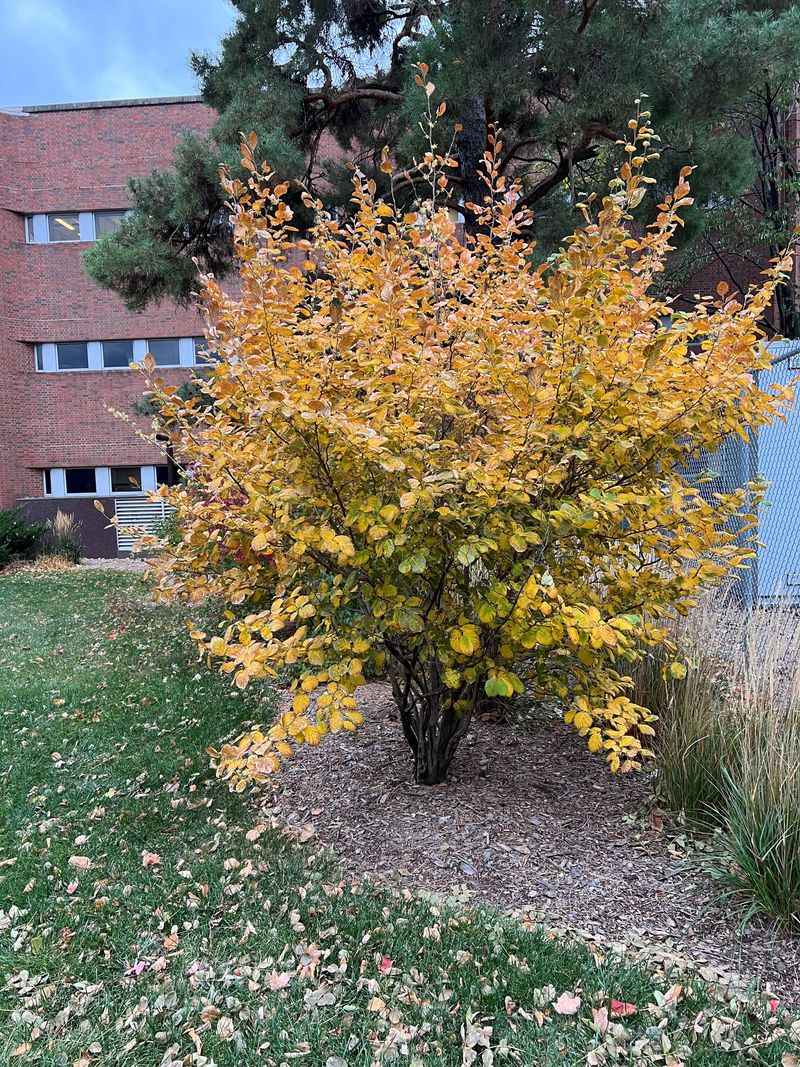
Witch Hazel is renowned for its spidery blooms that appear in the dead of winter, offering a splash of color when most other plants are dormant. These flowers often emit a pleasant fragrance, adding to their charm. In autumn, the tree’s leaves turn vibrant shades of yellow and orange, ensuring year-round appeal. Historically used for medicinal purposes, Witch Hazel carries a rich cultural significance. Its unique flowering time and eye-catching foliage make it a standout choice for gardeners seeking something different. Perfect for adding intrigue to any landscape.
13. Dwarf Alberta Spruce (Picea glauca ‘Conica’)
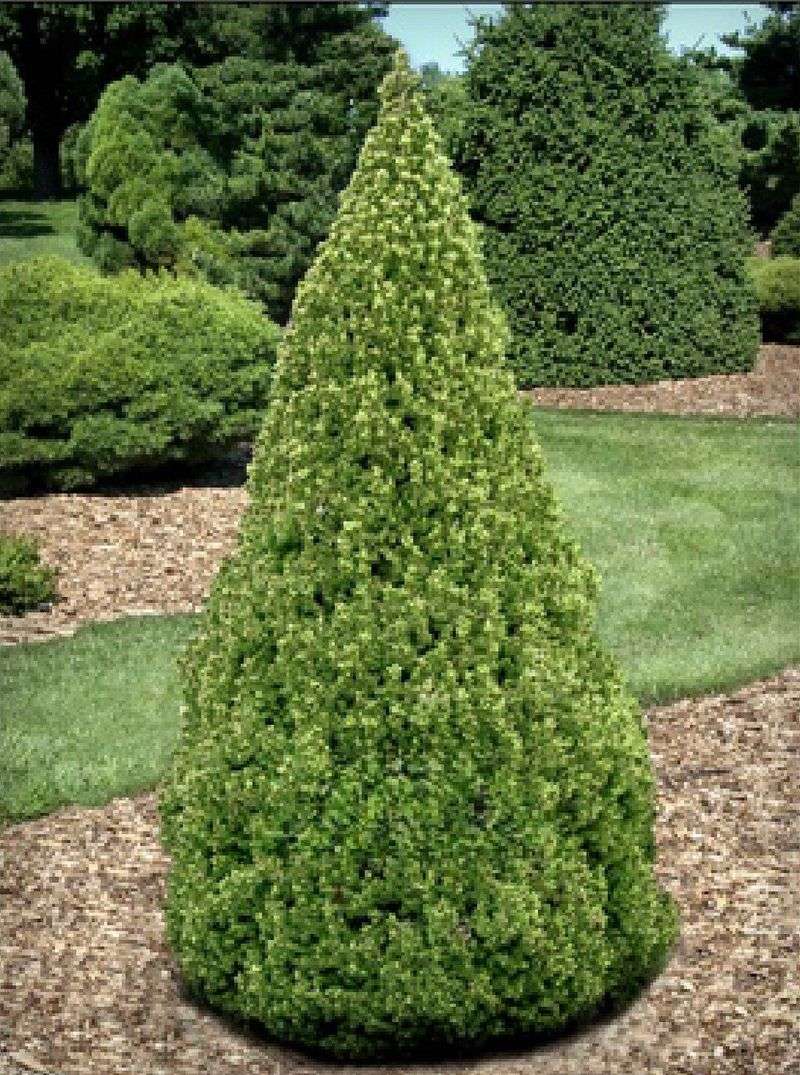
The Dwarf Alberta Spruce is a compact evergreen known for its conical shape and dense foliage. Ideal for small spaces, this tree requires minimal maintenance and provides year-round greenery. Its soft needles create a fine texture, adding depth to garden designs. Native to North America, this spruce is hardy and versatile, adapting well to different climates. Its orderly form makes it a popular choice for foundation plantings or as a standalone feature. Whether in a formal or informal setting, the Dwarf Alberta Spruce offers timeless elegance and easy care.
14. Holly ‘Sky Pencil’ (Ilex crenata)
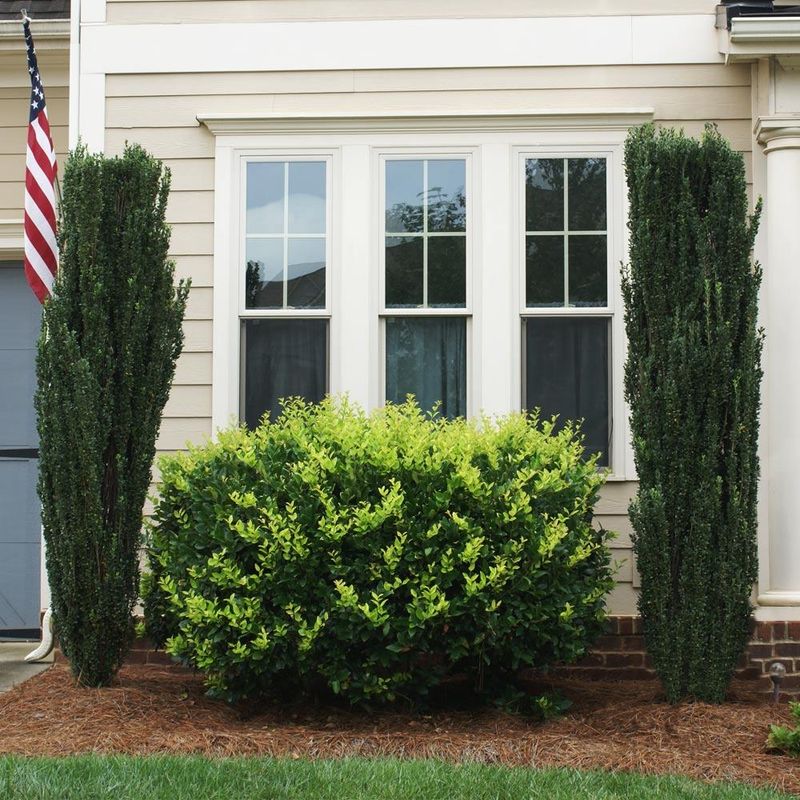
Holly ‘Sky Pencil’ is famous for its ultra-slim, columnar shape, making it an excellent choice for tight spaces. This evergreen maintains its structure year-round, providing a vertical accent in garden designs. Its dark green leaves create a striking contrast against lighter backgrounds, enhancing visual appeal. Originating from Japan, it’s adaptable to various soil types and climates, thriving with minimal care. Often used in contemporary landscapes, Holly ‘Sky Pencil’ is perfect for adding height without taking up too much room. Its unique form and easy maintenance make it a favorite.
15. Olive Tree (Olea europaea)
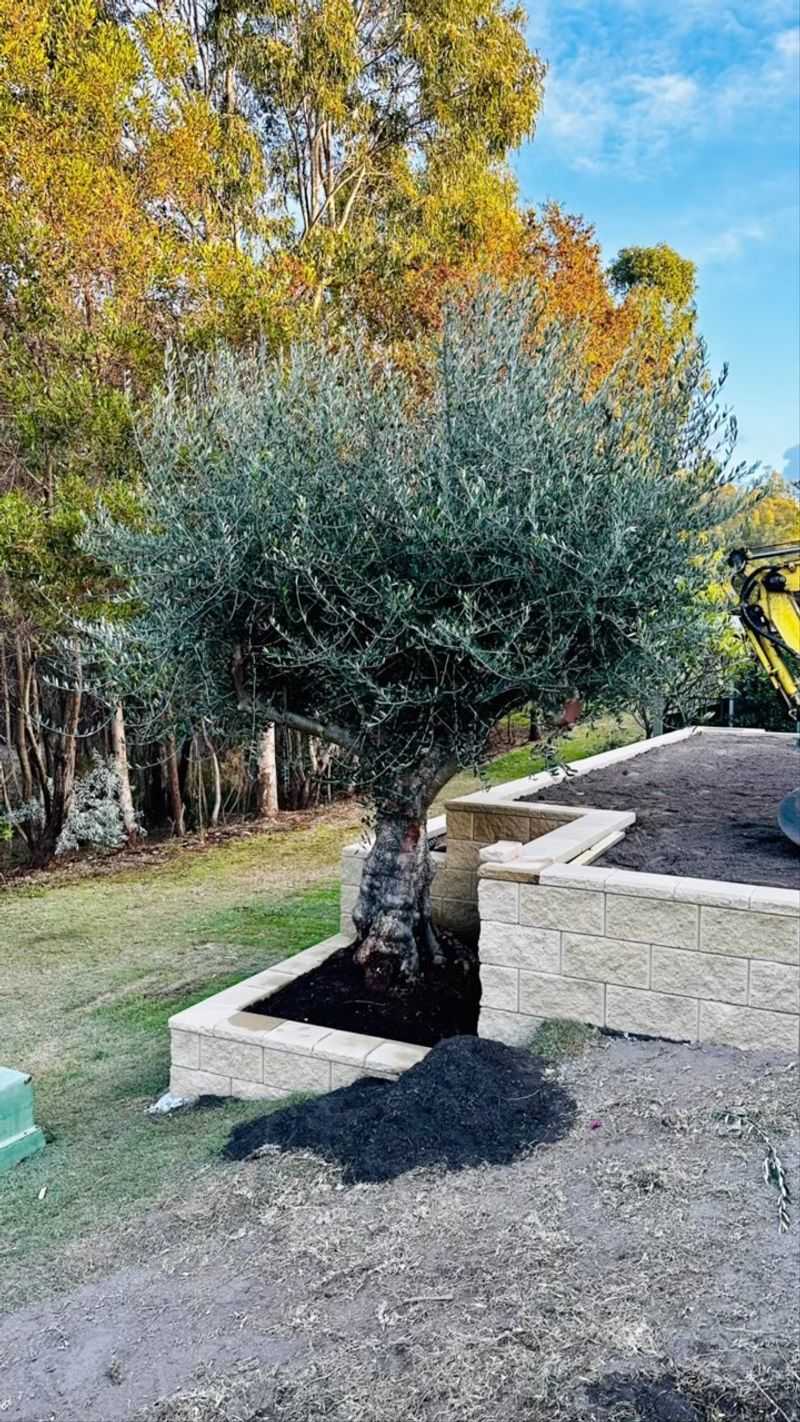
The Olive Tree is celebrated for its silver foliage, which adds a touch of Mediterranean charm to any landscape. Known for its drought tolerance, it’s ideal for warm zones where water conservation is a priority. Its gnarled trunk and graceful branches offer a rustic elegance, reminiscent of ancient groves. Beyond its beauty, the Olive Tree provides fruit that has been a dietary staple for centuries. This tree requires minimal maintenance and thrives in poor soils, making it a practical and aesthetic choice for modern gardens. A timeless symbol of peace and prosperity.
16. Southern Magnolia ‘Little Gem’

Southern Magnolia ‘Little Gem’ is a smaller version of the classic magnolia, perfect for compact spaces. Its large, fragrant blooms appear from spring through summer, offering a sensory delight. The evergreen leaves, glossy and dark green, provide a lush backdrop year-round. Native to the southeastern United States, this tree is beloved for both its beauty and resilience. It thrives in warm climates, making it a staple in Southern gardens. Whether as a focal point or as part of a mixed planting, ‘Little Gem’ adds elegance and charm to any landscape.
17. Japanese Cedar (Cryptomeria japonica ‘Globosa Nana’)
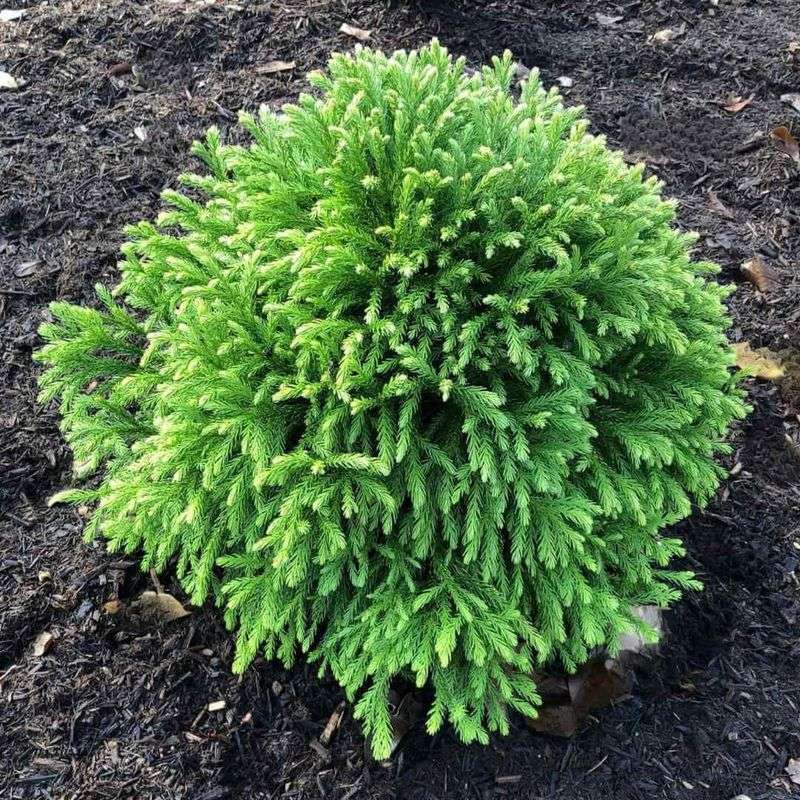
The Japanese Cedar ‘Globosa Nana’ is prized for its soft, feathery evergreen foliage that creates a lush, textured appearance. Its compact, rounded shape makes it ideal for small gardens or as a foundation planting. Originating from Japan, this tree is both hardy and adaptable, thriving in a range of conditions. Its deep green needles maintain their color throughout the year, offering continuous visual interest. Perfect for adding a touch of the exotic to any landscape, the Japanese Cedar provides both beauty and resilience, making it a valuable addition to any garden.
18. Japanese Maple (Acer palmatum)
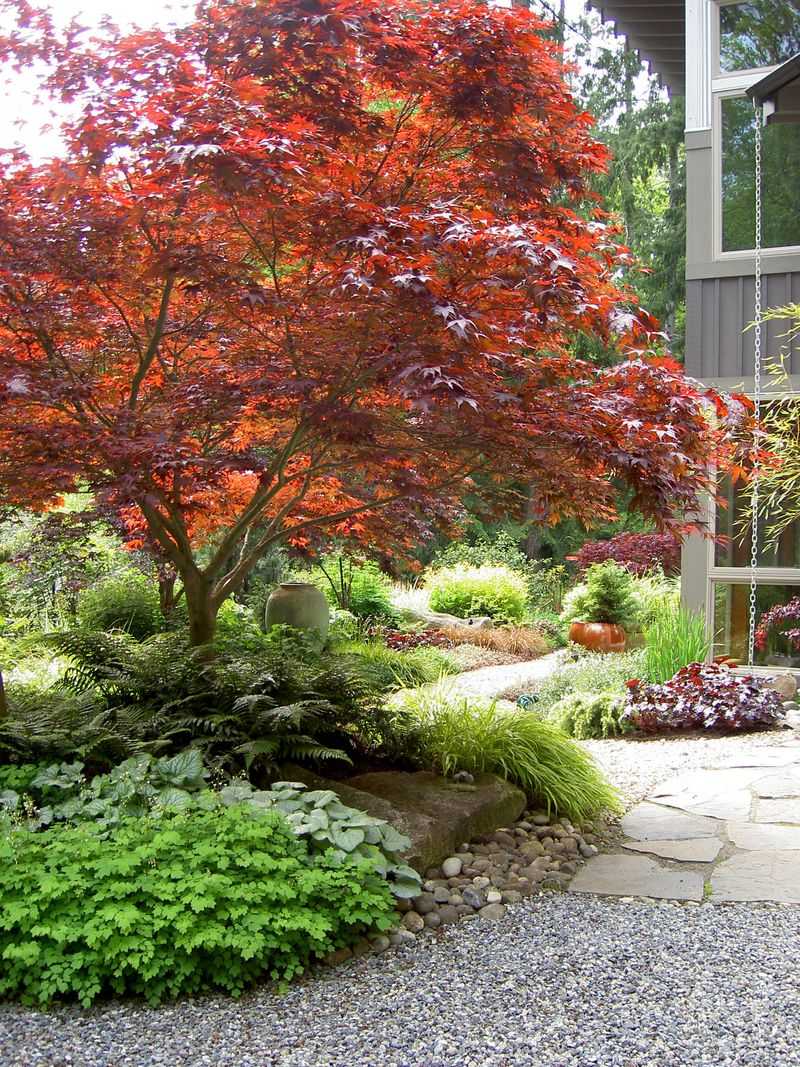
Japanese Maple is celebrated for its delicate, lacy leaves that transform into a kaleidoscope of red, orange, or purple hues. This tree is a favorite for adding a touch of the exotic to gardens, offering a serene and contemplative atmosphere. Its graceful branches and intriguing leaf shapes make it a focal point in any landscape. Native to Japan, it thrives in well-drained soils and partial shade, adapting well to various garden styles. Whether in a traditional or modern setting, the Japanese Maple captivates with its stunning seasonal changes and elegant form.
19. Harry Lauder’s Walking Stick (Corylus avellana ‘Contorta’)
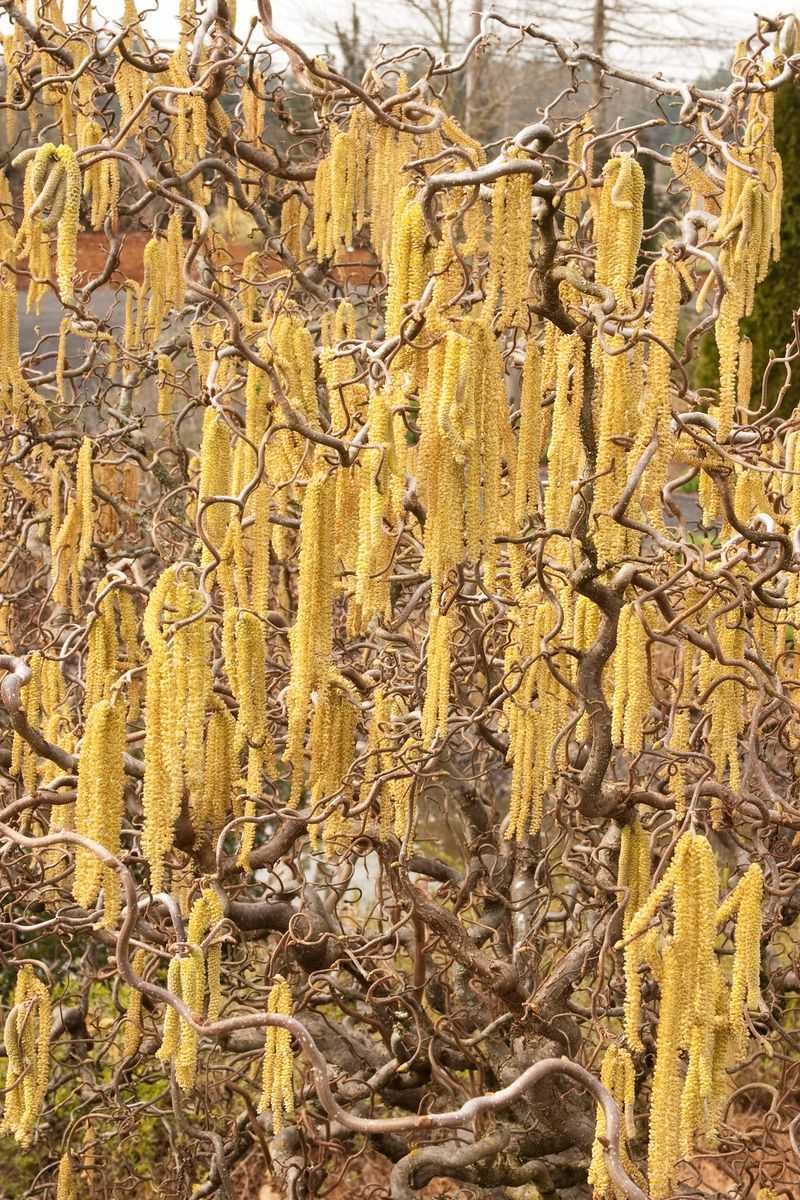
Harry Lauder’s Walking Stick is renowned for its twisted, contorted branches that create a unique visual interest, especially in winter when its bare silhouette stands out against the stark landscape. This tree’s curious form and textured bark add character to gardens, making it a focal point in any season. In spring, catkins appear, enhancing its ornamental appeal. Named after a famous Scottish entertainer, this tree has a whimsical charm that delights gardeners and visitors alike. Perfect for adding a touch of the extraordinary to any landscape, it’s truly one of a kind.
20. Purple Leaf Sand Cherry (Prunus × cistena)
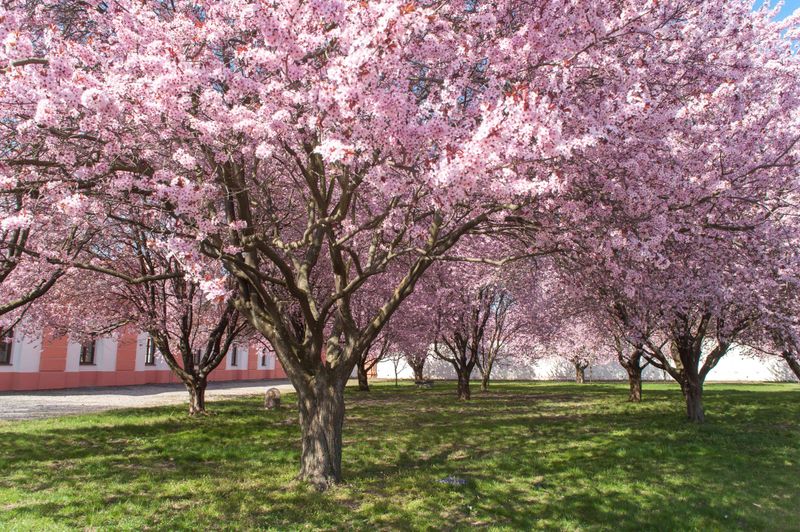
The Purple Leaf Sand Cherry stands out with its striking burgundy foliage, providing a bold contrast in any garden setting. In spring, it delights with delicate pink flowers, adding to its ornamental charm. This tree is perfect for those seeking a splash of color and texture throughout the growing season. Hardy and adaptable, it thrives in a variety of soils and climates. Beyond its beauty, the Purple Leaf Sand Cherry offers habitat and food for wildlife, supporting local ecosystems. Its vibrant presence and ecological benefits make it a popular choice for gardeners.
21. Tiger Eyes Sumac (Rhus typhina ‘Tigereye’)
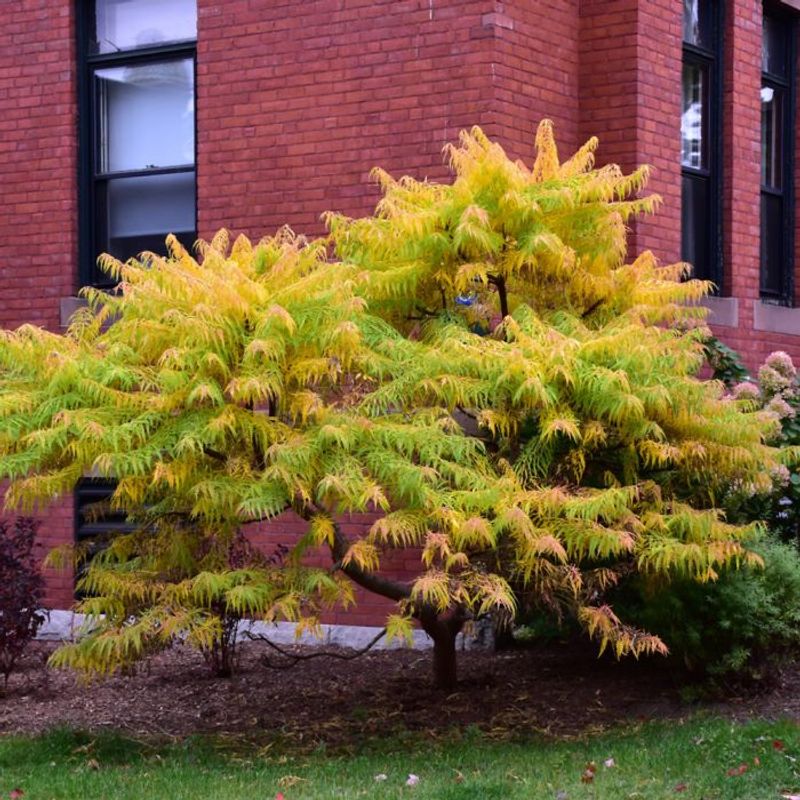
Tiger Eyes Sumac dazzles with its golden-cutleaf foliage that turns a fiery red in fall, creating a seasonal spectacle. This tree offers a unique texture with its finely dissected leaves, adding depth and interest to garden designs. Hardy and adaptable, it can thrive in various conditions, making it a versatile addition to any landscape. Native to North America, the Tiger Eyes Sumac supports local wildlife, enhancing biodiversity. Its vibrant presence and distinctive appearance make it a cherished choice for gardeners seeking to create a dynamic and engaging outdoor space.
22. Dwarf Apple (Malus)
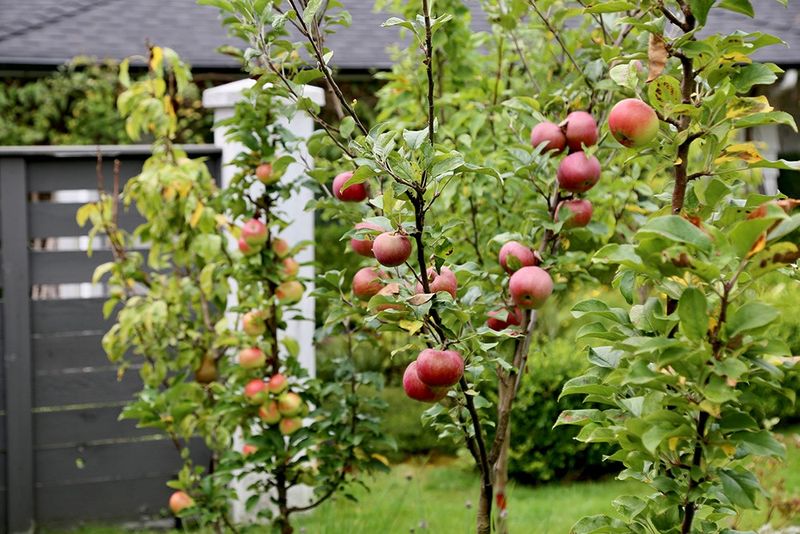
Dwarf Apple trees are perfect for small spaces, offering the beauty and bounty of apples without the need for extensive room. Varieties like ‘Urban Apple’ are designed to be compact, making them ideal for modern gardens or patio settings. These trees produce full-sized fruit, providing both ornamental value and delicious harvests. Their blossoms in spring add a touch of romance, while the fall fruiting season offers a practical benefit. Easy to care for and adaptable to various climates, Dwarf Apple trees are a charming and productive addition to any garden.
23. Pomegranate ‘Nana’
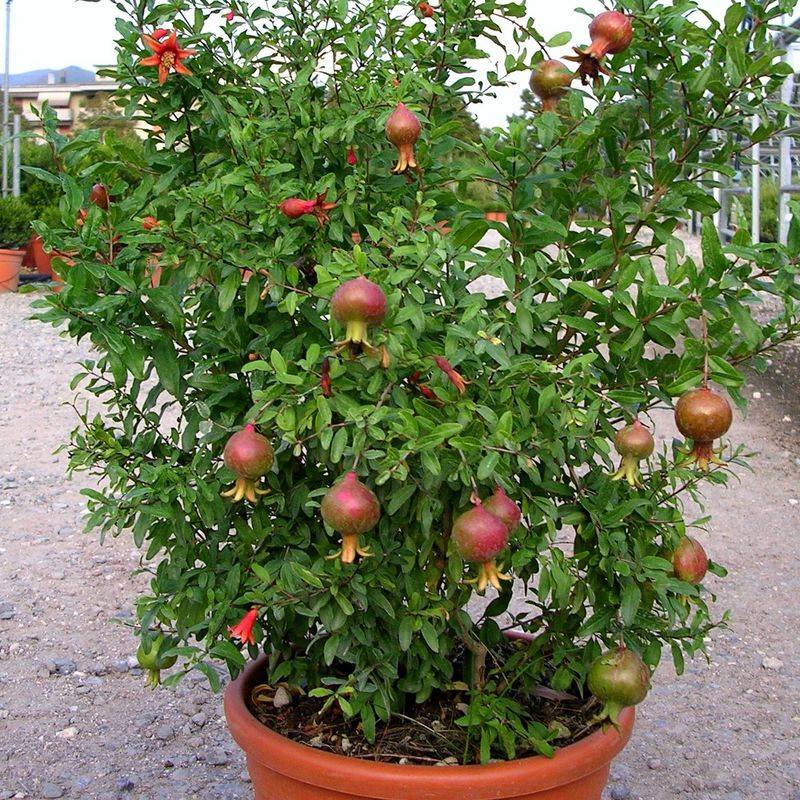
Pomegranate ‘Nana’ is a miniature version of the classic pomegranate, perfect for adding a touch of the exotic to small spaces. Its orange-red blooms are a striking feature, followed by charming little fruits. This tree is well-suited for containers or small gardens, offering ornamental beauty and a hint of Mediterranean flair. Known for its drought tolerance, it thrives in sunny locations with minimal water needs. Beyond aesthetics, it provides a conversation piece with its unique size and vibrant color. A delightful choice for those wanting a taste of the extraordinary.
24. Fig ‘Little Miss Figgy’
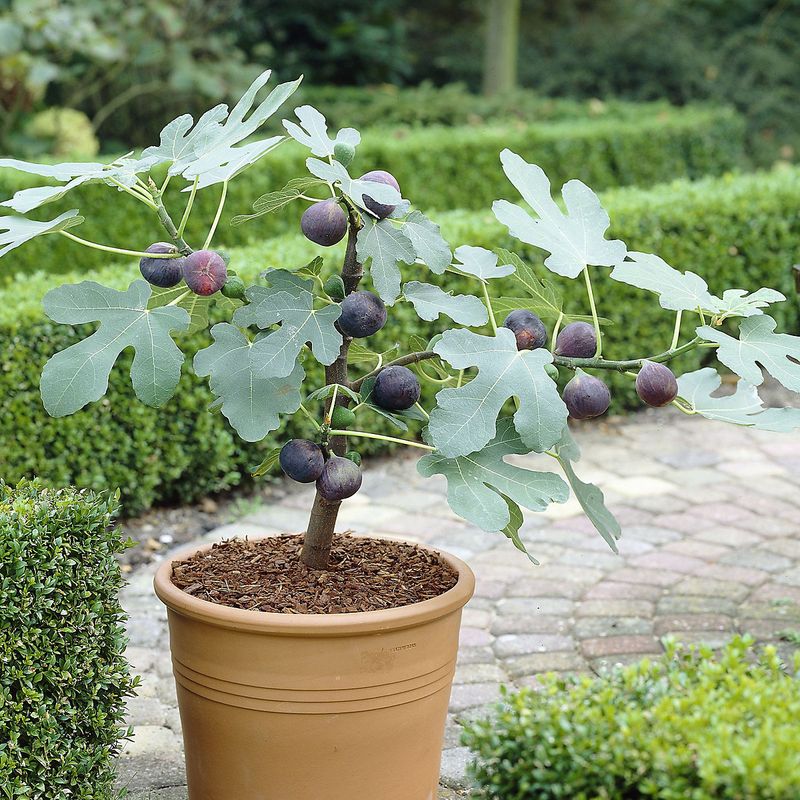
Fig ‘Little Miss Figgy’ is a compact variety that packs a punch with its sweet fruit and tropical-looking leaves. Perfect for small spaces, this tree offers a taste of the exotic without overwhelming your garden. Its lush foliage provides a verdant backdrop, while the figs offer a delicious treat. Adaptable to various climates, it thrives in sunny spots and requires minimal care. Whether grown in a pot or planted in the ground, ‘Little Miss Figgy’ is an excellent choice for those seeking both beauty and bounty in their outdoor spaces.
25. Peach ‘Bonanza’
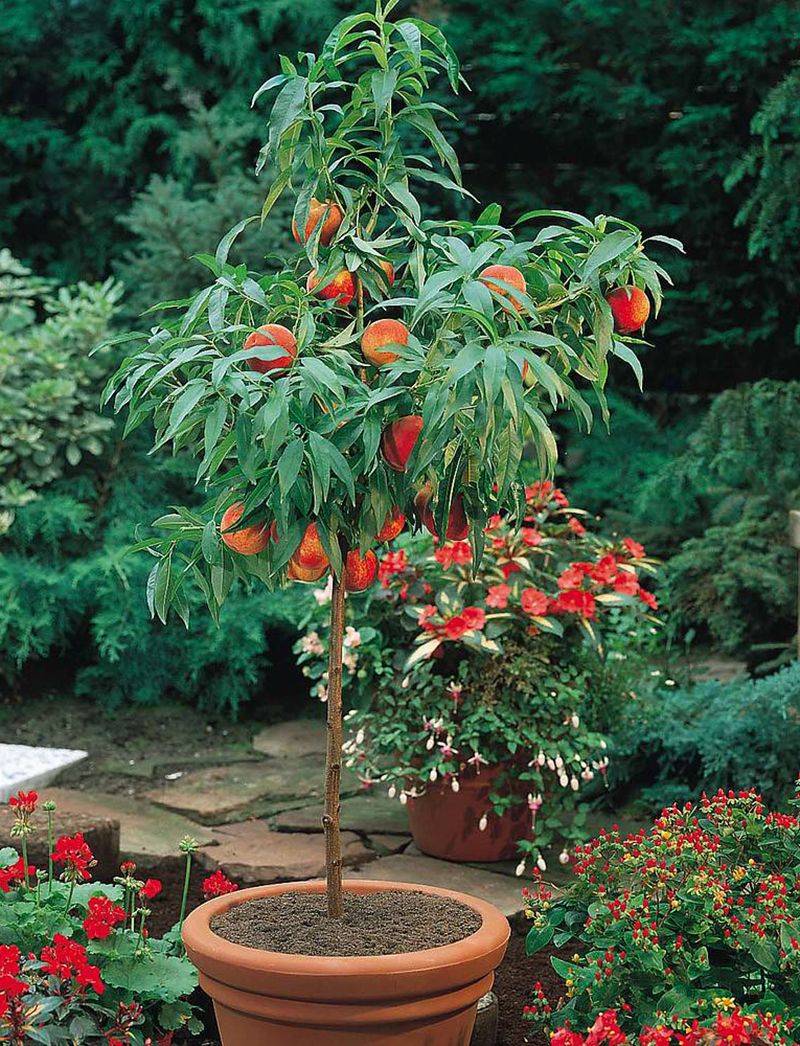
Peach ‘Bonanza’ is a dwarf patio peach that delights with its fragrant pink flowers and juicy fruit. This tree is ideal for small gardens or container planting, offering both ornamental and practical benefits. Its compact size ensures it fits snugly into various landscapes, while the sweet scent of its blooms enhances outdoor spaces. Known for its ease of care, Peach ‘Bonanza’ thrives in sunny locations with well-drained soil. It brings a touch of whimsy and flavor to any garden, making it a favorite for those who value both beauty and productivity.
26. Mimosa (Albizia julibrissin)
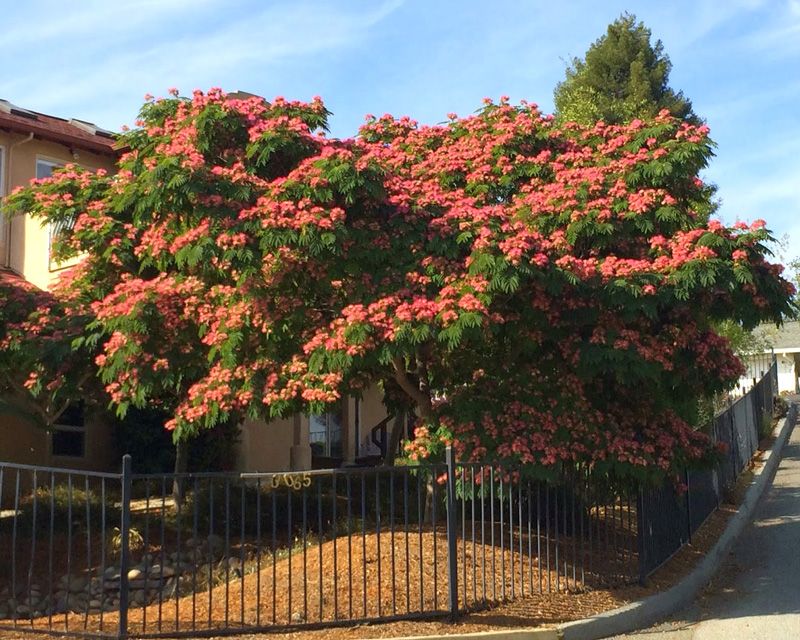
The Mimosa tree, with its fern-like leaves, enchants any garden. Imagine delicate pink puffball flowers swaying gently in the breeze, creating a whimsical scene. This tree’s graceful silhouette adds a touch of exotic elegance to your front yard.
However, be mindful of its vigorous growth, as it can become invasive in certain areas. Despite this, its captivating appearance is hard to resist. Once established, it requires minimal maintenance, making it an ideal choice for busy gardeners.
27. Royal Empress (Paulownia tomentosa)
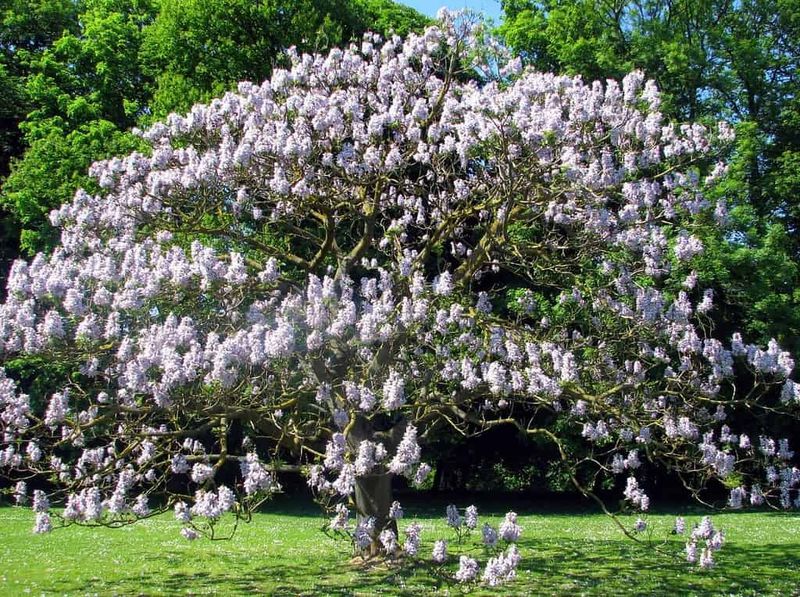
Majestic and fast-growing, the Royal Empress is perfect for those seeking rapid shade. Its enormous leaves create a lush canopy, ideal for summer relaxation. In spring, its lavender blossoms make a stunning display.
Yet, its aggressive nature requires caution, particularly in warmer climates. When managed properly, it transforms any landscape with its grandeur. This tree’s ability to thrive in varied conditions makes it a versatile choice for diverse gardening needs.
28. Willow ‘Flamingo’ (Salix integra)
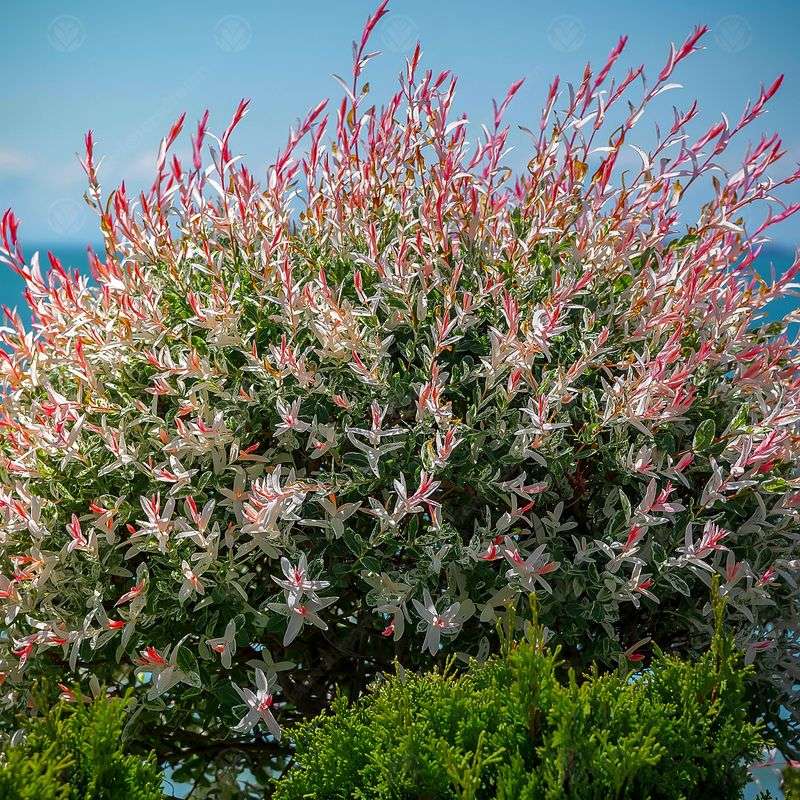
The Willow ‘Flamingo’ charms with its variegated pink-and-green foliage. Each leaf is a miniature masterpiece, blending colors in perfect harmony. This tree thrives in moist soil, making it a lovely addition to water features.
Its graceful branches dance with the wind, offering a dynamic visual experience. Though petite, it holds a significant presence, adding texture and color to your yard. Easy to maintain, it’s a delightful choice for those seeking beauty with minimal effort.
29. Desert Willow (Chilopsis linearis) – Trumpet-shaped blooms; thrives in heat.
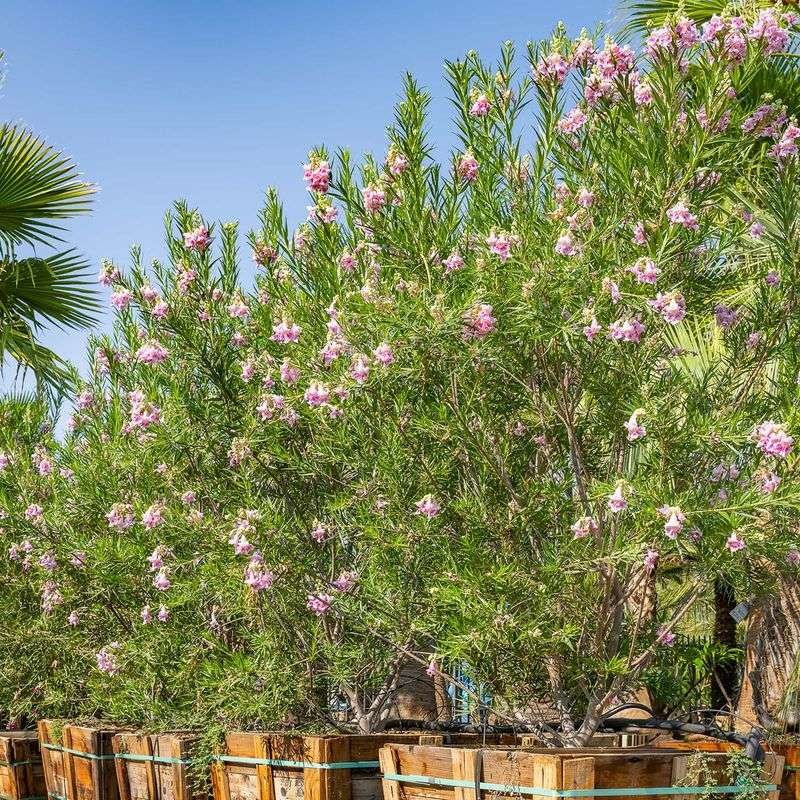
The Desert Willow enchants with its graceful, trumpet-shaped flowers. Flourishing in intense heat, this resilient beauty is a staple in arid landscapes. Its delicate, pink-to-lavender blossoms sway gently in the breeze, adding a touch of elegance.
This tree doesn’t just survive; it thrives. With minimal water needs, it’s perfect for eco-conscious gardeners. Its slender, willow-like leaves provide light shade, casting intricate patterns on the ground.
Native to the southwestern United States, it’s a favorite among hummingbirds and butterflies. The Desert Willow is more than a tree; it’s a seasonal spectacle.
30. Texas Mountain Laurel (Sophora secundiflora) – Purple grape-scented flowers.
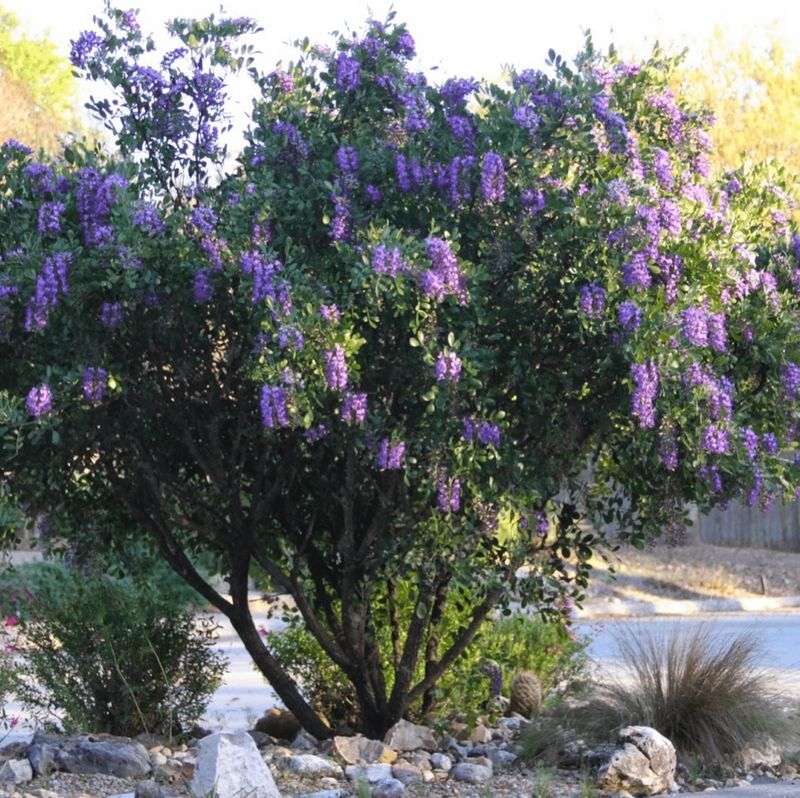
The Texas Mountain Laurel captivates with its clusters of fragrant, purple blossoms. Known for its sweet, grape-like scent, it’s a sensory delight in any garden. Its shiny, evergreen leaves add year-round interest.
This resilient tree thrives in the heat, making it ideal for southern landscapes. Its robust nature means it’s as tough as it is beautiful, handling drought with ease.
Beloved by native wildlife, the Texas Mountain Laurel is a magnet for bees and butterflies. Its striking presence and aroma make it a standout choice for your front yard.
31. Bottle Tree (Brachychiton) – Unique swollen trunk; low-water needs.
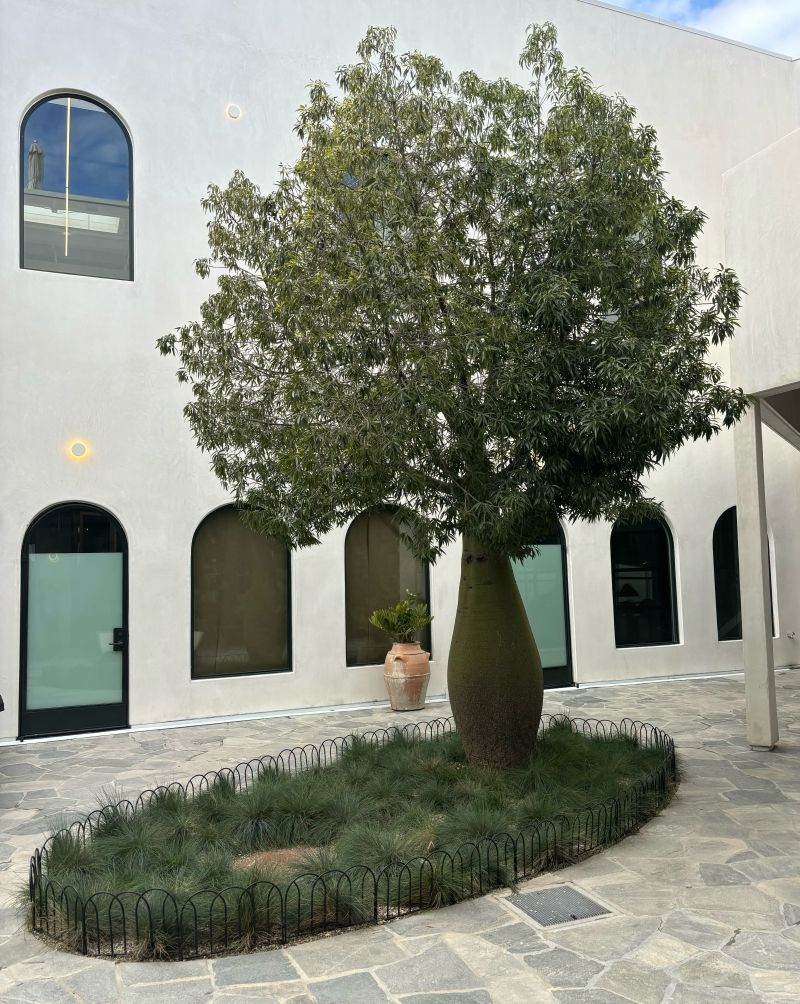
The Bottle Tree stands as a testament to nature’s creativity with its remarkable swollen trunk. This distinctive feature not only stores water but also adds a sculptural touch to landscapes.
Adaptable and hardy, it thrives in low-water conditions, making it a popular choice for xeriscaping. Its glossy leaves form an attractive canopy, offering light shade and visual appeal.
Native to Australia, the Bottle Tree is a conversation starter. It’s not just a tree; it’s a work of art, adding character and charm to any front yard environment.
32. Crabapple (Malus)
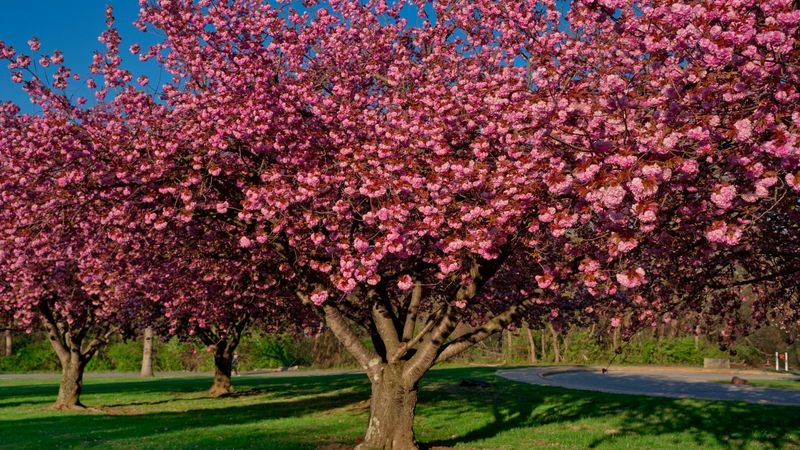
Crabapple trees are a delightful addition to any front yard. In spring, they burst into a profusion of pink and white blooms, creating a breathtaking floral display. These blossoms eventually give way to small red fruits, which persist into the winter, providing a valuable food source for birds.
These trees not only offer visual appeal but also support local wildlife, making them environmentally friendly choices. Their manageable size ensures they fit well into small spaces, adding charm and color throughout the year. With their vibrant presence, Crabapple trees are a favorite among gardeners.
33. Elderberry (Sambucus)
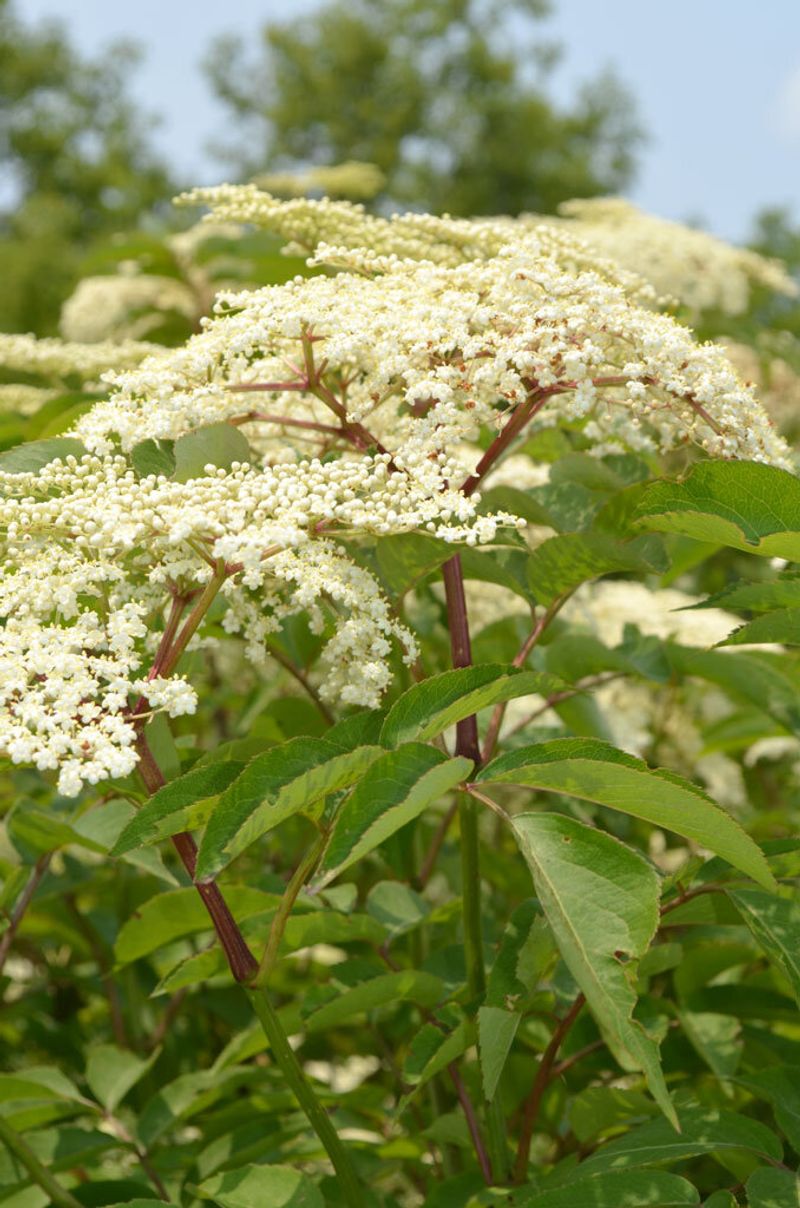
Elderberry trees are known for their lacy, delicate flowers that appear in clusters during the warmer months. These flowers are not only visually appealing but also attract a host of pollinators, including bees and butterflies. As the season progresses, these blooms transform into dark purple berries, a favorite among birds.
Elderberries are versatile and can be used to make jams, wines, and syrups. Their multi-season interest and benefits to local fauna make them a popular choice for eco-conscious gardeners. With a touch of elegance, Elderberry trees enhance any garden setting.
34. Hawthorn (Crataegus)
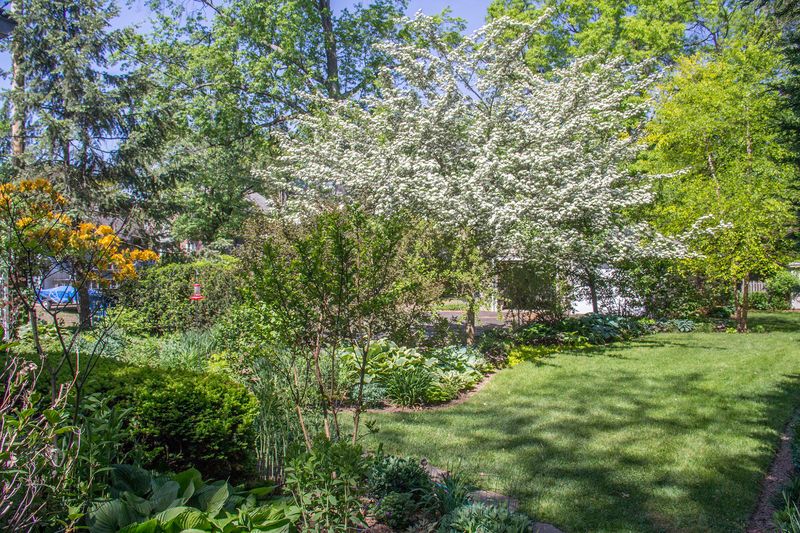
Hawthorn trees bring both beauty and practicality to the front yard. In spring, they are adorned with dense clusters of white blossoms, creating a stunning display. These flowers gradually develop into bright red berries, cherished by birds during the colder months.
Despite their thorny branches, Hawthorns are valued for their hardiness and adaptability. They serve as excellent natural fences and provide shelter for wildlife. The combination of ornamental charm and ecological benefits makes Hawthorn trees a smart, multifunctional addition to any garden.
35. Chokecherry (Prunus virginiana)
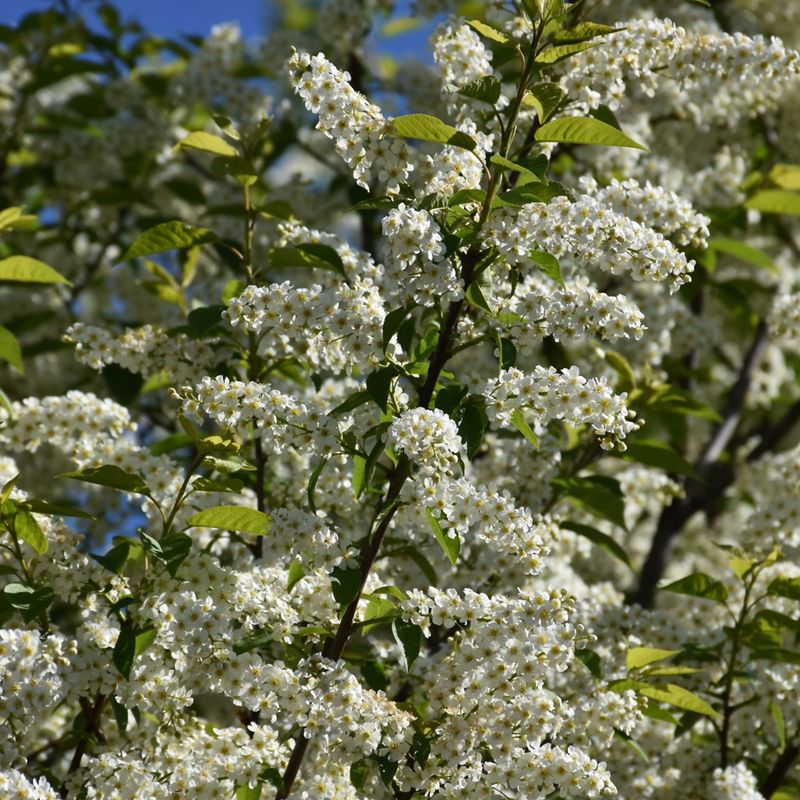
Chokecherry trees are treasured for their fragrant white flowers that appear in spring, filling the air with a sweet scent. These native trees are well-suited to various climates and are often found growing naturally in woodlands and open areas.
The flowers mature into reddish-black berries, which are a favorite among birds and other wildlife. Chokecherries are appreciated for their hardiness and ability to thrive in diverse environments. Their delightful aroma and wildlife-friendly nature make them a valuable addition to any yard seeking a touch of the wild.