 Complete Gardening
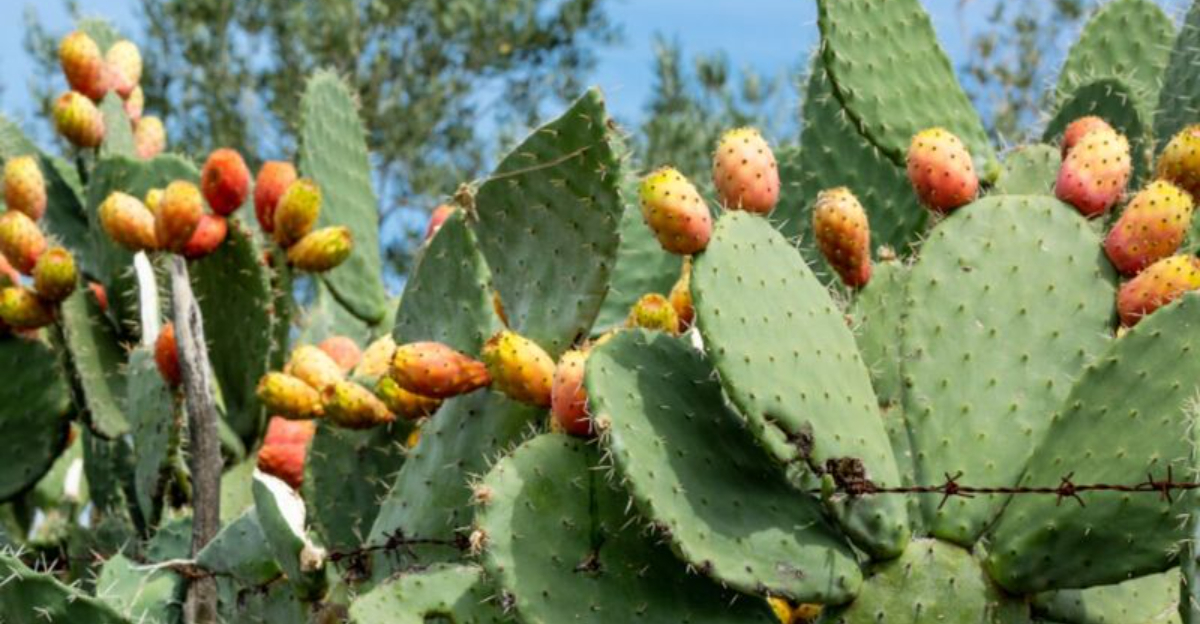
Discover the truth behind so-called ‘drought-tolerant’ plants and explore those that genuinely thrive on neglect. With detailed insights and vivid imagery, this post uncovers the myths and realities of drought survival in the plant world.
1. Lavender (Lavandula) – The Lie: “Thrives in dry conditions!”
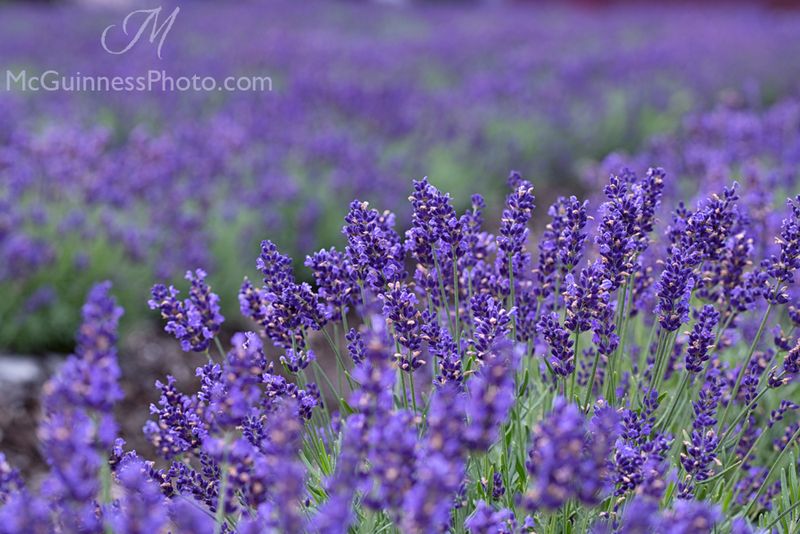
Lavender often promises resilience in dryness, yet its needs are quite specific when young. This enchanting herb requires well-draining soil and consistent watering to flourish. Particularly sensitive to humidity, lavender struggles in soggy environments.
Despite its reputation, neglecting lavender can lead to disappointing results, as it demands attention to thrive. This Mediterranean native is finicky, thriving best in specific conditions that mimic its natural habitat. With proper care, it rewards with aromatic beauty, but left to its devices, it may falter.
2. Succulents (Echeveria, Sedum) – The Lie: “Never needs water!”
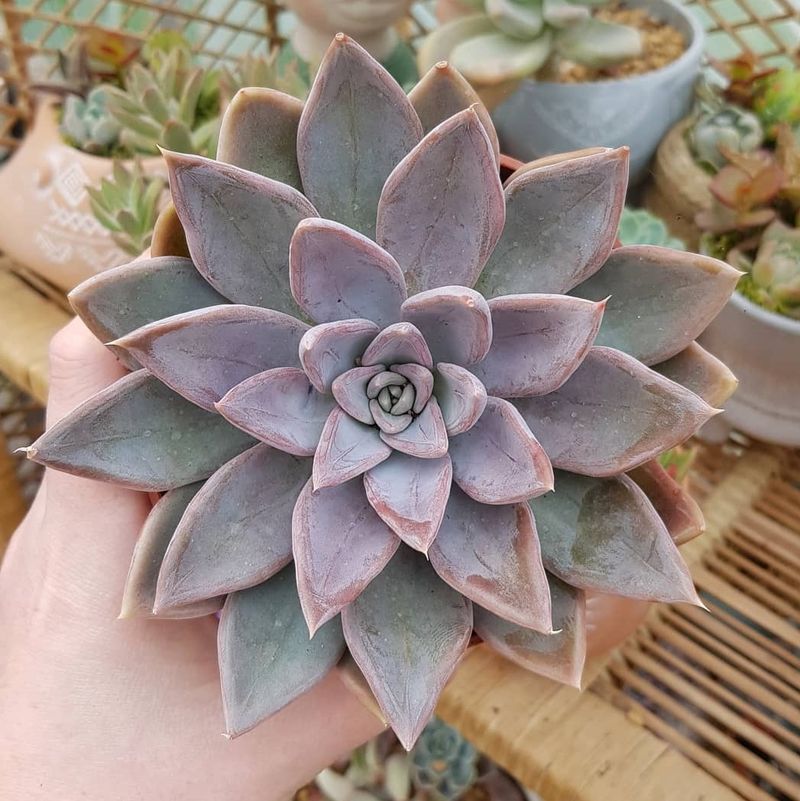
Succulents are adored for their sculptural beauty and supposed minimal water needs. However, they can rot if overwatered and shrivel if ignored too long. These fascinating plants benefit from occasional deep soaks rather than complete neglect.
Their thick leaves store water, allowing survival in arid environments. Yet, a balance must be struck to prevent decay or dehydration. With the right touch, succulents enhance any space, but they aren’t as carefree as advertised. Understanding their unique watering needs ensures their charming allure endures.
3. Rosemary (Rosmarinus officinalis) – The Lie: “Loves drought!”
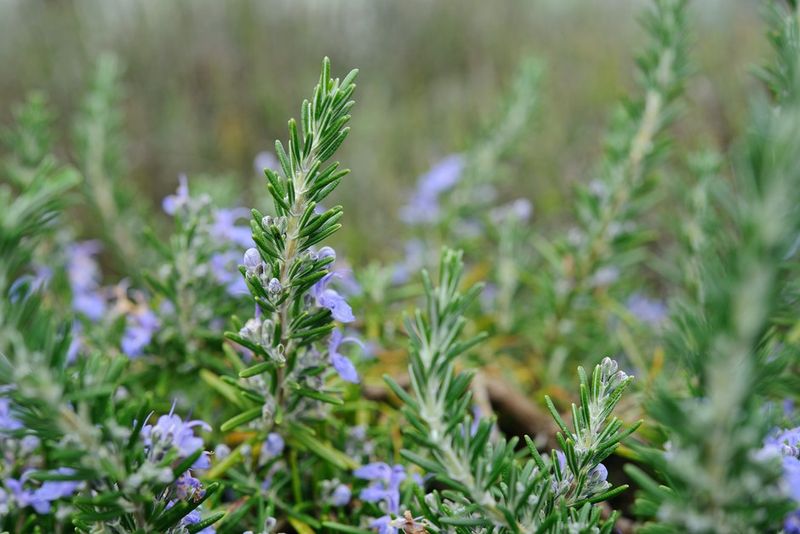
Rosemary’s robust aroma belies its youthful vulnerability. While mature plants can withstand dry spells, young rosemary requires diligent watering to thrive. This culinary favorite is often misunderstood, leading to premature demise in neglected conditions.
With time, rosemary becomes hardier, capable of enduring less frequent waterings. When nurtured properly, it grows into a fragrant, resilient bush. Its journey from delicate sprout to sturdy herb is one of patience, rewarding the attentive gardener with both culinary and aromatic delights.
4. Bougainvillea – The Lie: “Perfect for dry climates!”
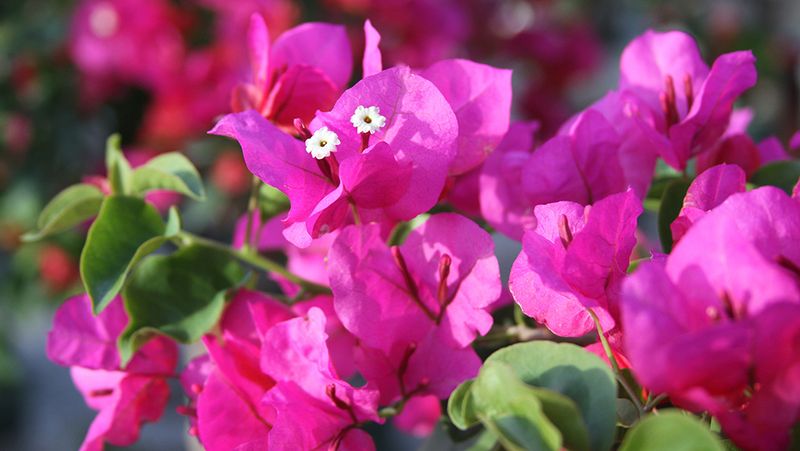
Bougainvillea dazzles with its colorful bracts, but its dry climate reputation is misleading. Known for thriving in warm regions, this plant requires regular watering to bloom profusely. Without adequate moisture, it may shed leaves and lose its vibrant charm.
Though tolerant of heat, bougainvillea isn’t as drought-proof as often claimed. It’s a thirsty beauty, rewarding with breathtaking displays when properly cared for. This plant’s vibrant facade hides its hidden thirst, making it a surprise for those expecting a low-maintenance garden addition.
5. Ornamental Grasses (Pampas Grass, Fountain Grass) – The Lie: “Survives on no water!”
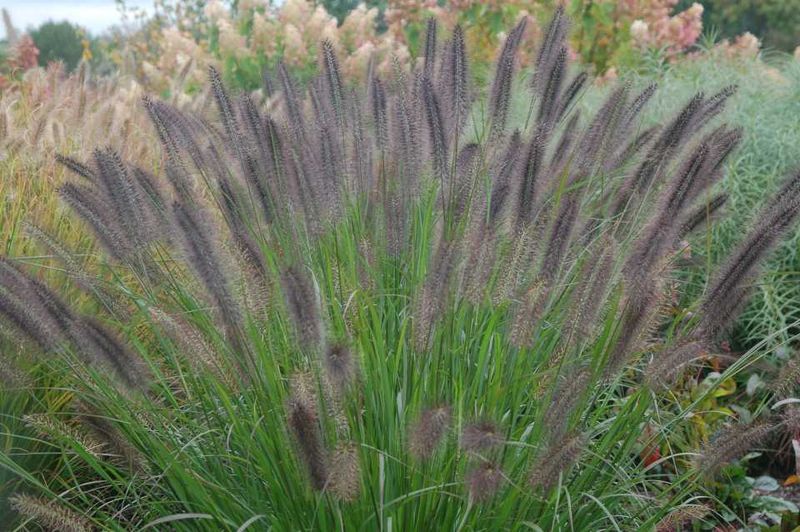
Ornamental grasses add texture and movement to gardens, promising easy care. However, the claim of surviving without water is misleading. While they can endure short dry spells, extended neglect turns them brown and brittle.
These grasses provide visual interest in landscapes but need occasional watering to maintain their lush appearance. Their resilience in varied climates is admirable, yet not absolute. Skipping care might result in a disappointing display, contradicting their carefree reputation. Proper attention keeps them thriving, enhancing any garden with their graceful presence.
1. Agave (Agave americana, Agave parryi) – Why it survives: Stores water in thick leaves.
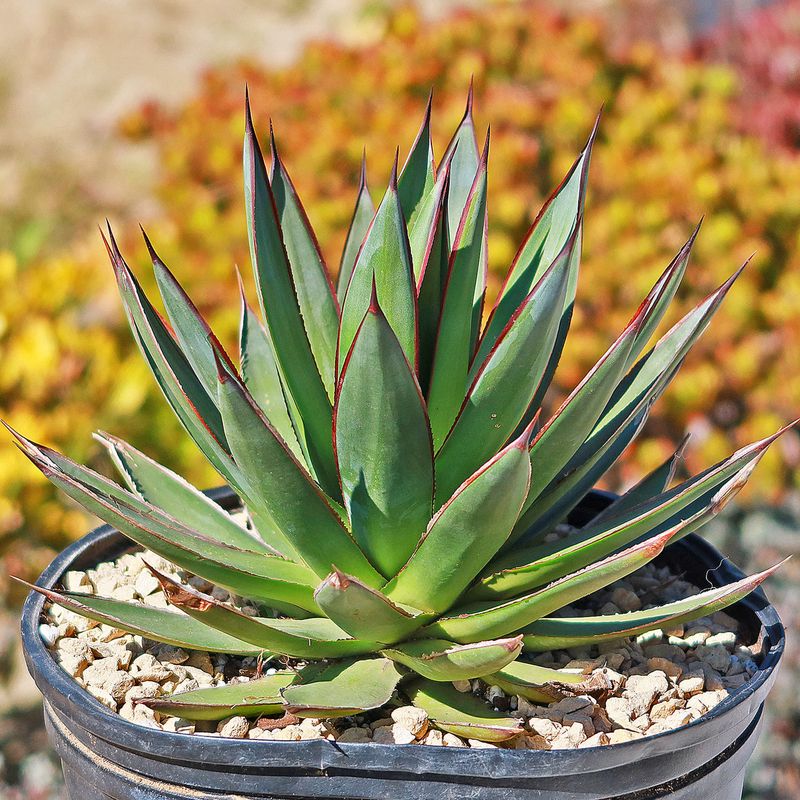
Agave stands as a symbol of endurance, conquering harsh conditions with ease. Its thick, fleshy leaves expertly store water, allowing it to thrive in arid environments. This remarkable plant can go months without care, embodying resilience in neglect.
Native to the Americas, agave thrives in desert landscapes, needing minimal intervention. It’s a testament to nature’s adaptability, surviving where others fail. Agave’s striking form adds architectural interest, making it a favorite among gardeners seeking beauty with little effort.
2. Yucca (Yucca filamentosa, Yucca rostrata) – Why it survives: Deep roots tap into groundwater.
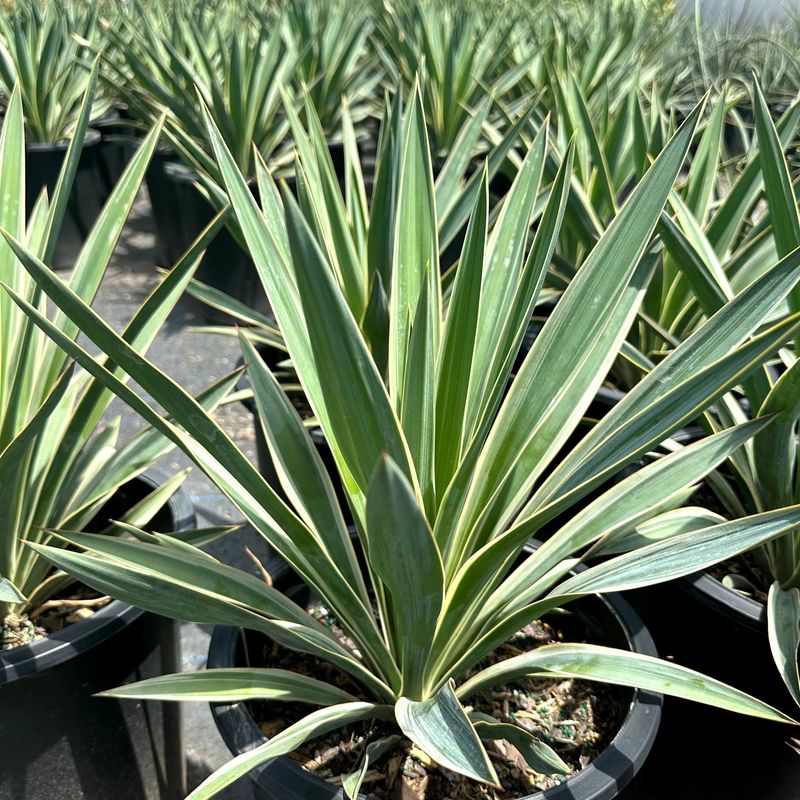
Yucca’s ability to withstand diverse climates owes much to its deep-root system. These roots reach far below the surface, tapping into precious groundwater resources. This rugged plant endures both desert heat and frigid temperatures with ease.
Often found in rocky terrains, yucca is a testament to nature’s ingenuity, thriving where others wither. Its dramatic foliage and striking presence make it a standout in any garden. Whether enduring scorching sun or winter chill, yucca’s resilience ensures its survival and beauty.
3. Lantana (Lantana camara) – Why it survives: Blooms nonstop in heat.
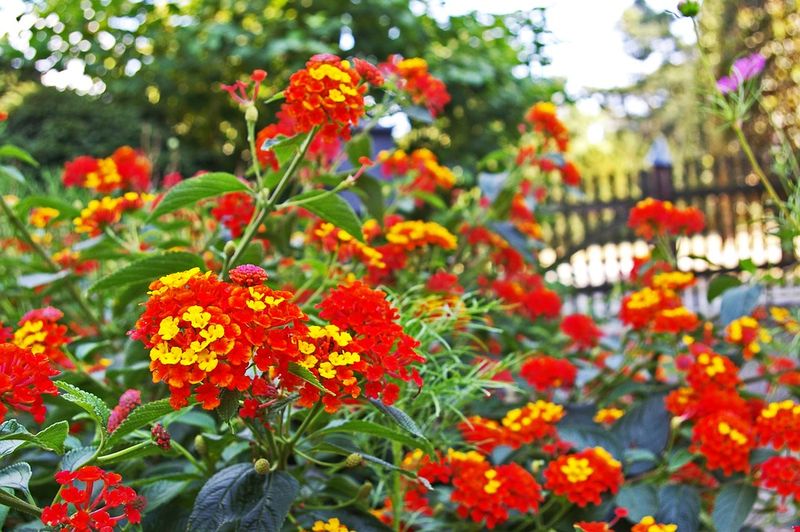
Lantana’s cheerful blossoms defy the toughest conditions, thriving in heat and rocky soil. This plant not only survives neglect but flourishes, providing nonstop blooms throughout the hottest months. Resistant to pests, lantana is a gardener’s delight.
Its vibrant colors attract pollinators, adding life to gardens even in drought. Lantana’s resilience is unmatched, requiring little more than sunlight to shine. With its strong constitution, it becomes a vibrant focal point, demonstrating survival against the odds and rewarding with spectacular displays.
4. Texas Sage (Leucophyllum frutescens) – Why it survives: Silver leaves reflect heat.
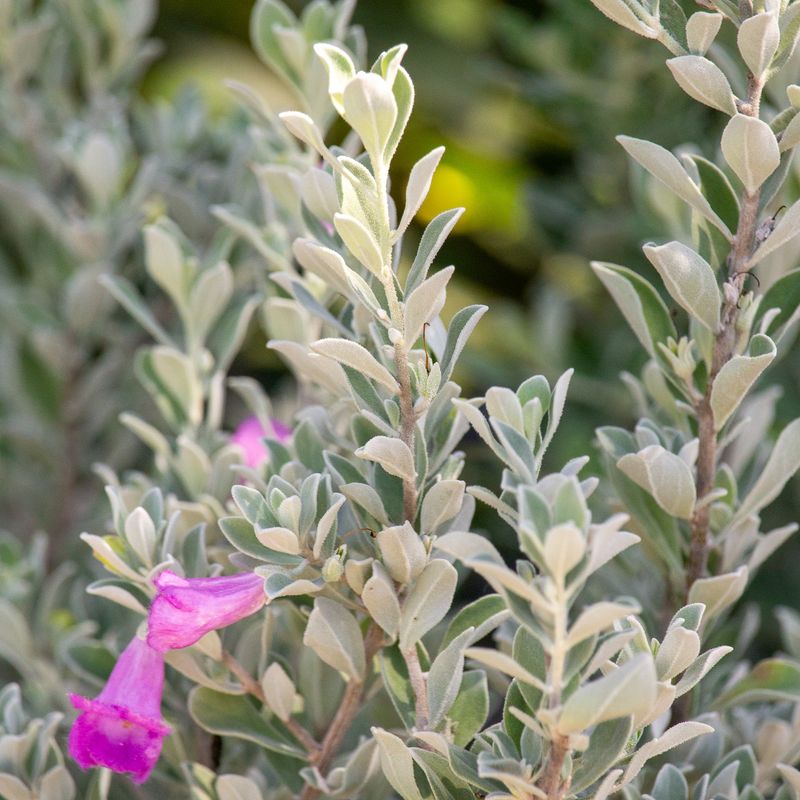
Texas Sage’s defining feature is its silvery foliage, reflecting harsh sunlight and reducing water loss. Once established, this hardy plant requires no additional watering, thriving in the sun’s intense rays.
Native to the arid regions of Texas, it blooms with vibrant purple flowers, even during prolonged dry spells. Texas Sage is a testament to adaptability, flourishing where less robust plants might fail. Its striking appearance and low maintenance needs make it a prized addition to drought-prone landscapes, offering beauty with minimal effort.
5. Prickly Pear Cactus (Opuntia) – Why it survives: Eats neglect for breakfast.
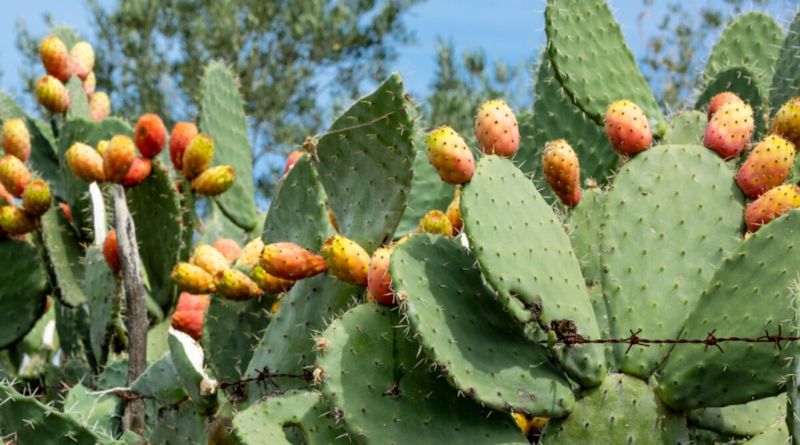
Prickly Pear Cactus embodies resilience, enduring extreme temperatures without blinking. This cactus survives a wide range of conditions, from freezing cold to blistering heat, requiring nearly no care.
Its paddle-like pads store moisture, supporting life even in barren landscapes. Prickly Pear is not just a survivor; it’s a thriver, adapting to various environments with remarkable ease. Its ability to withstand neglect and harsh conditions makes it a staple in drought-resistant gardening, offering both beauty and utility with little to no intervention.