 Complete Gardening
Gardening can be both a rewarding and challenging endeavor. The plants you choose can greatly influence the success or failure of your garden. In this post, we’ll explore five plants that can enhance your garden’s health and productivity, as well as five plants that might wreak havoc if not managed properly.
1. Marigolds – The Pest-Repelling Powerhouse
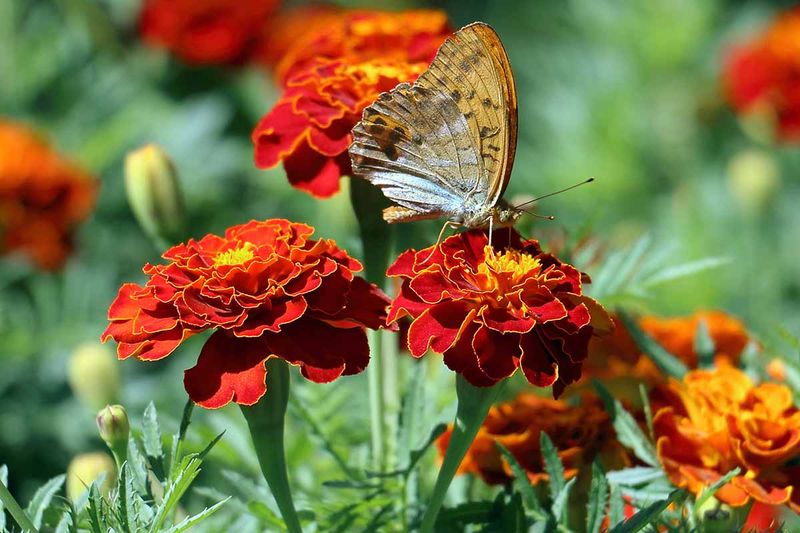
Marigolds, with their cheerful blooms, are more than just a pretty face in your garden. These vibrant flowers are champions at deterring common pests like aphids, nematodes, and whiteflies. Their natural compounds repel these invaders, making them an excellent companion for tomatoes, peppers, and cucumbers. Beyond pest control, marigolds attract pollinators such as bees and butterflies, adding biodiversity to your garden. Easy to grow, they thrive in various conditions, bringing color and life wherever they’re planted. With marigolds, your garden becomes a vibrant, pest-free sanctuary.
2. Lavender – The Fragrant Protector

Lavender, known for its soothing aroma, doubles as a fragrant guardian in the garden. This hardy plant repels mosquitoes, moths, and fleas, offering protection to nearby plants. Lavender’s drought-resistant nature and low-maintenance requirements make it an ideal choice for borders, herb gardens, and pathways. As you walk through your garden, the calming scent creates a peaceful oasis. While pests find it repelling, you and your garden will find lavender to be a delightful and beneficial addition.
3. Basil – The Flavorful Defender
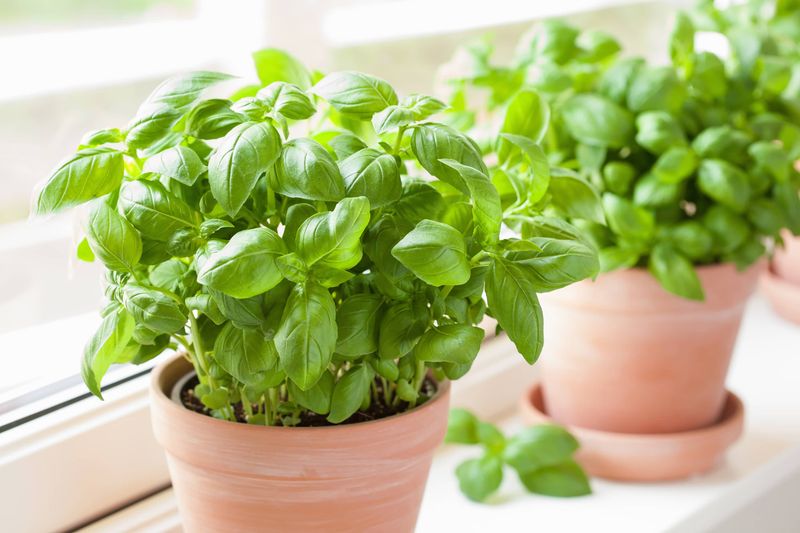
With its aromatic leaves, basil doesn’t just enhance your culinary dishes; it also defends your garden. Known to ward off flies and mosquitoes, basil supports the growth of nearby tomatoes and peppers. Its dual purpose as a kitchen herb and garden protector makes it a valuable plant for any gardener. Planting basil in your garden means fresh flavors at your fingertips and fewer pests bothering your plants. Its unique properties make basil an indispensable ally in the garden.
4. Nasturtiums – The Trap Crop Hero
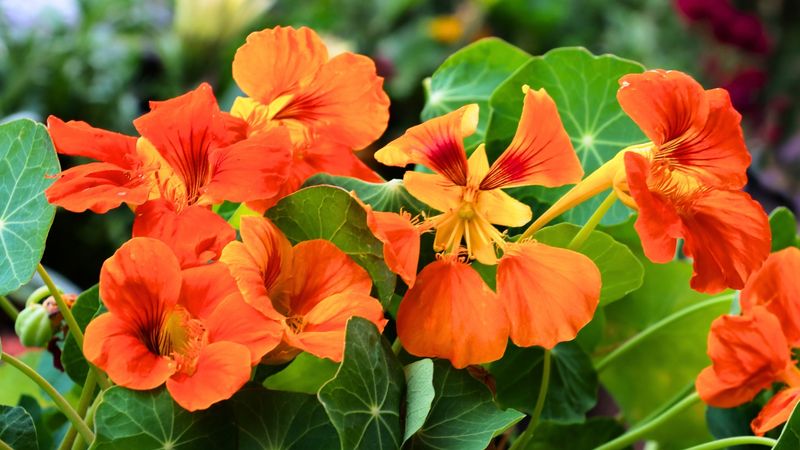
Nasturtiums, with their peppery-tasting flowers, are garden heroes. These plants attract aphids, drawing them away from more vulnerable crops like squash, cabbage, and fruit trees. Their bright blooms add color and intrigue to any garden, thriving in poor soil with minimal care. Besides their pest-control role, nasturtiums are edible, adding flavor and excitement to dishes. Planting nasturtiums means a healthier garden and a delightful splash of color and taste on your plate.
5. Comfrey – The Soil Supercharger
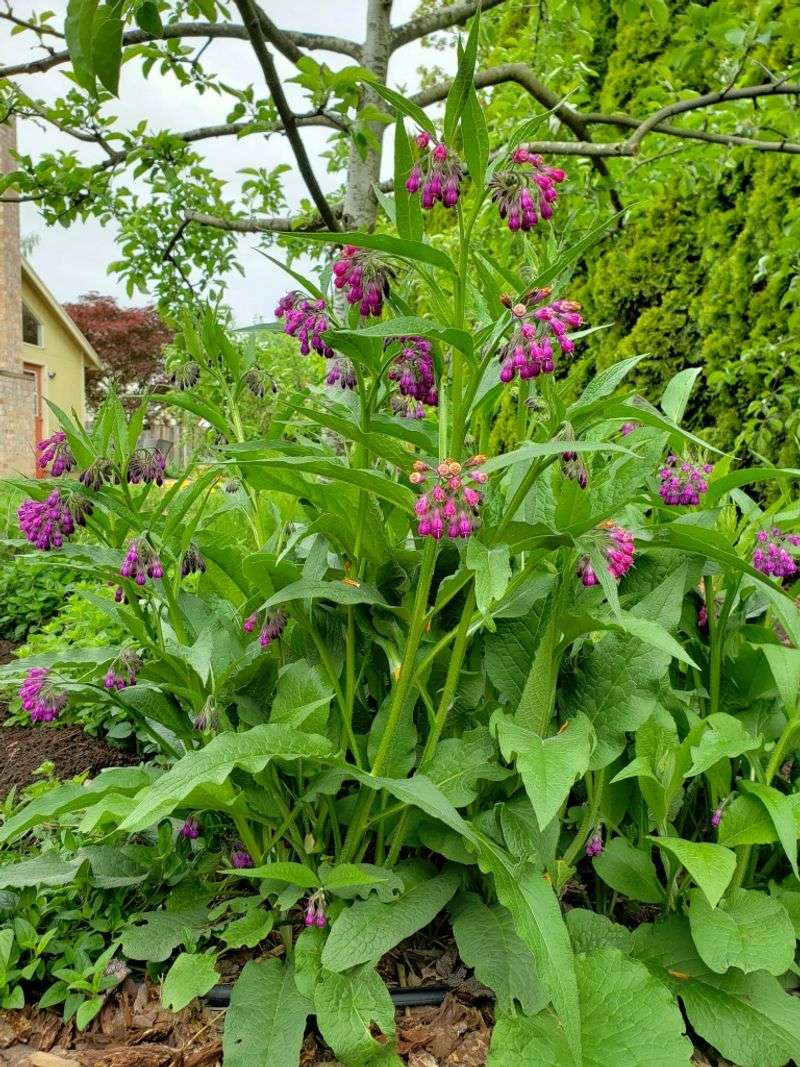
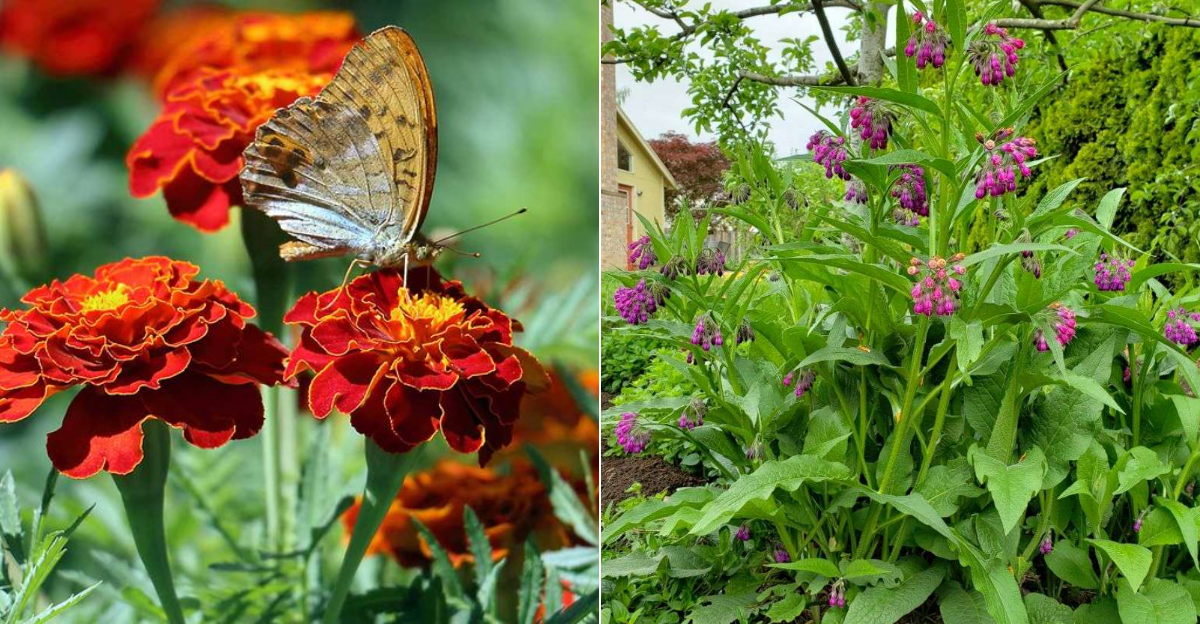
Comfrey, with its deep roots, is a powerhouse for soil enrichment. This plant pulls nutrients from deep within the soil, making them available to other plants. The leaves, rich in nutrients, can be used to create comfrey tea, a natural fertilizer. Comfrey attracts pollinators, enhancing your garden’s ecological balance. Ideal for compost piles or planting near fruit trees, comfrey is an asset for any garden enthusiast. Its ability to improve soil health while supporting plant growth makes it invaluable.
1. Mint – The Invasive Takeover Artist
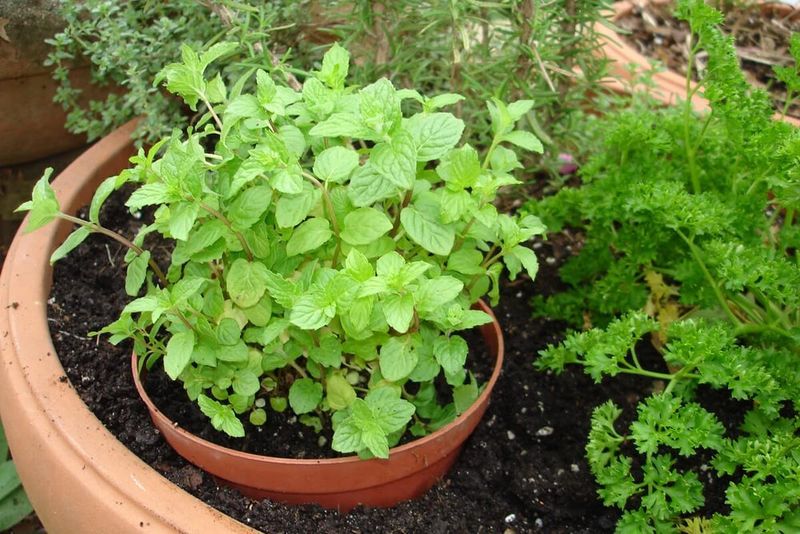
Mint, with its refreshing scent, can be a gardener’s nightmare if not contained. This plant spreads voraciously through its root system, choking nearby plants and taking over garden beds. Once established, mint is nearly impossible to eradicate. To enjoy its benefits without the headache, grow mint in pots or containers. This simple measure keeps its invasive nature in check, allowing you to enjoy mint’s fresh leaves while protecting your garden from being overrun.
2. Bamboo – The Silent Garden Killer
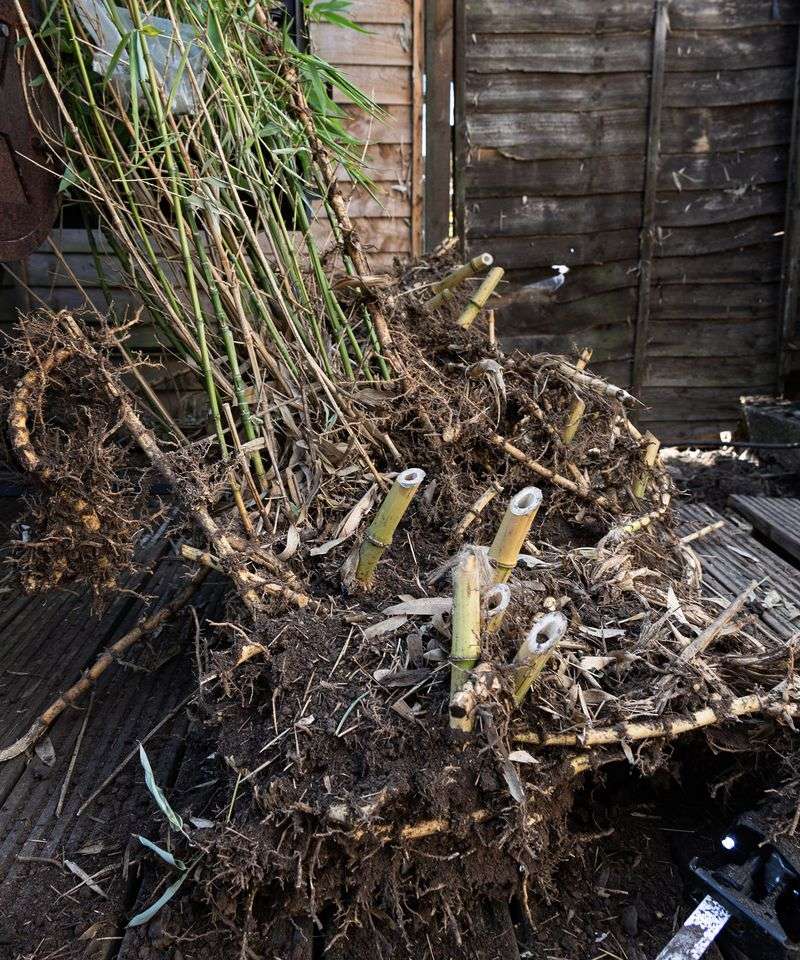
Bamboo can evoke visions of serene, exotic landscapes, yet it poses a silent threat to gardens. Its roots spread rapidly, damaging pavements and foundations, creating havoc for unprepared gardeners. Removing established bamboo requires professional intervention, making it a risky choice for casual planting. If bamboo is desired, choose clumping varieties which grow more predictably. Stay vigilant, and your garden can remain a tranquil oasis without the threat of bamboo’s silent encroachment.
3. Kudzu – The Vine That Ate the South

Kudzu’s rapid growth rate is legendary, earning it the nickname “the vine that ate the South.” Able to grow a foot per day, kudzu smothers trees, plants, and even structures, blocking sunlight and nutrients. As an invasive species, it poses significant challenges and is best avoided altogether. Its rampant growth makes it extremely difficult to control, requiring constant management. Opt for native alternatives to keep your garden safe and preserve the surrounding environment.
4. Bindweed – The Strangler of Crops
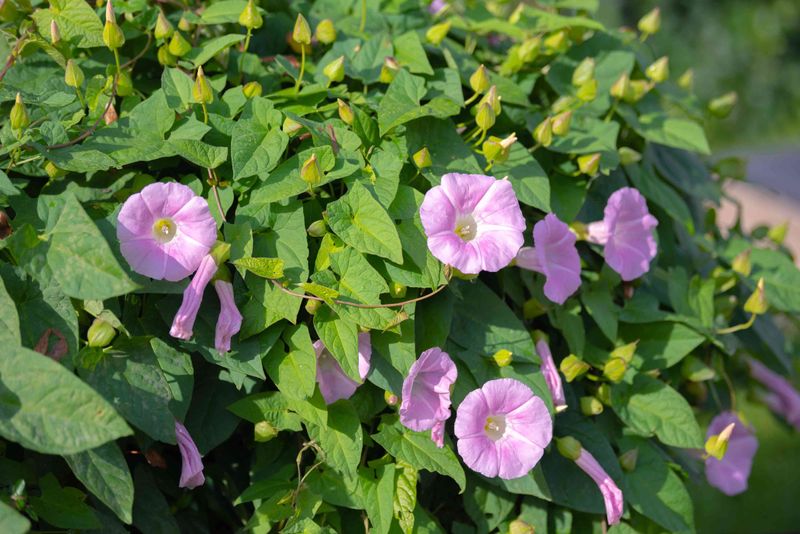
Bindweed is deceptive in its beauty, with delicate flowers masking a destructive nature. It winds around plants, strangling them by blocking sunlight and nutrients. The deep roots regrow from even the smallest fragment, making it a persistent problem. Early and frequent pulling, combined with thick mulch, can help control its spread. For those who underestimate its capacity to choke crops, bindweed can quickly transform a garden into a battleground.
5. Japanese Knotweed – The Concrete-Cracking Menace
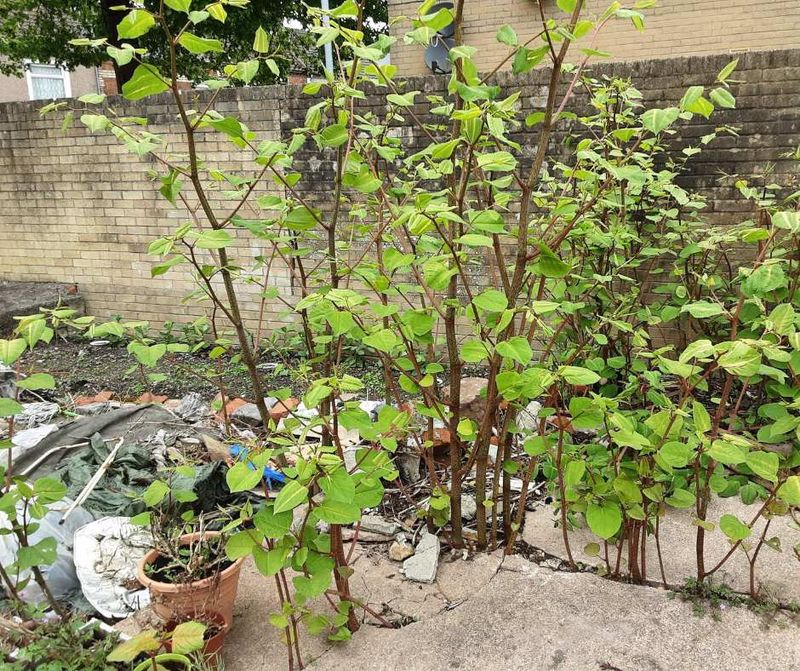
Japanese Knotweed, with its bamboo-like appearance, hides a destructive power beneath the surface. Its roots can crack through concrete, damaging foundations and pipes. This resilient plant spreads aggressively, resisting most herbicides. Professional removal is often necessary to manage its growth. Understanding its potential for destruction is crucial for any gardener or property owner. Choose wisely and avoid planting knotweed unless you’re prepared for an ongoing battle to contain it.