 Complete Gardening

Milkweed, a native perennial, is a crucial plant in North American gardens. It provides essential support to the wildlife, especially the Monarch butterflies, while offering striking aesthetics.
However, it comes with challenges that gardeners must navigate. This list explores the top reasons to both embrace and be cautious of milkweed in your yard.
1. Essential for Monarch Butterflies
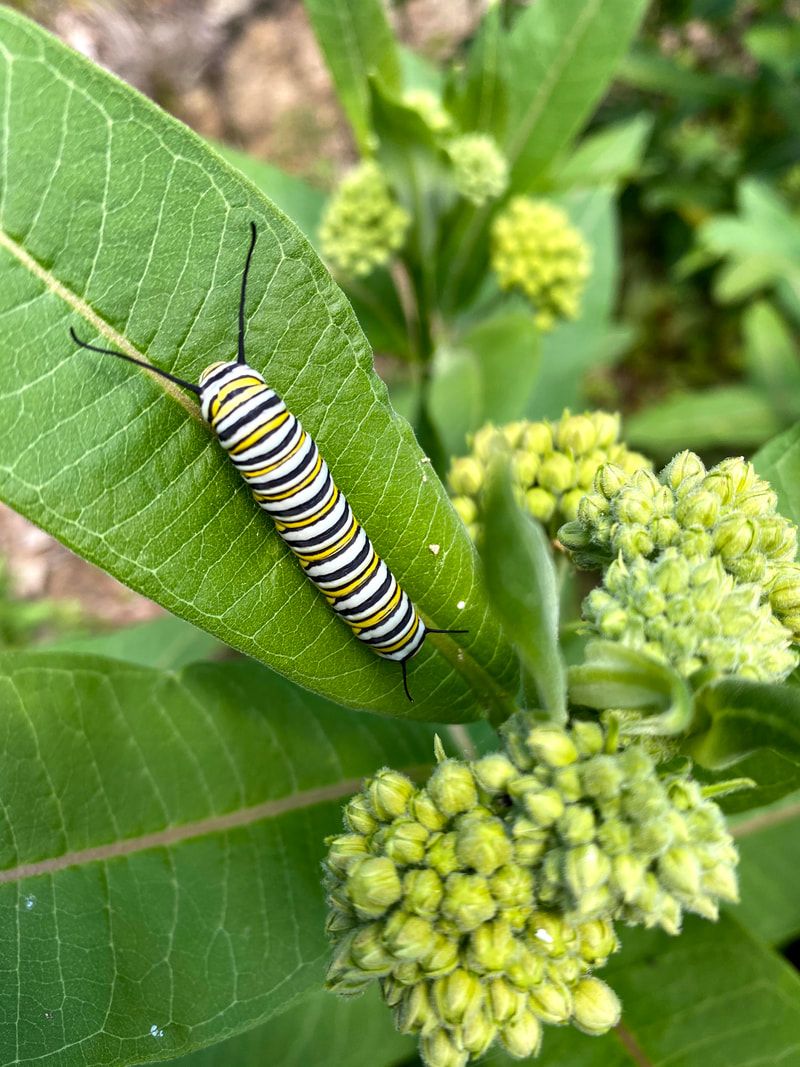
Monarch butterflies depend heavily on milkweed, as it is the only food source for their caterpillars. Without it, these iconic creatures struggle to survive. Planting milkweed in your garden is not just an act of conservation but a tribute to these majestic insects. By providing nourishment, you play a critical role in their life cycle.
Imagine your garden buzzing with life as monarchs flutter gracefully, adding a touch of elegance. Each plant becomes a cornerstone for sustaining this endangered species, ensuring future generations witness their beauty. Support monarchs by planting milkweed today and make a difference.
2. A Pollinator Paradise
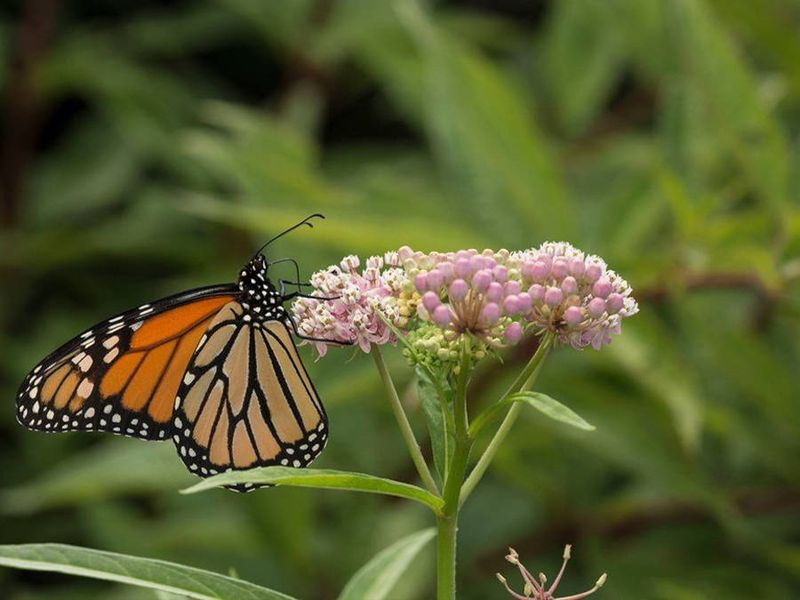
Milkweed is a magnet for pollinators. Its nectar-rich blooms attract bees, butterflies, and even hummingbirds, turning your garden into a lively ecosystem. This boost in biodiversity benefits the entire plant community, promoting healthier growth and stunning blooms.
Envision a space where nature thrives, each creature playing its part in the web of life. The continuous hum of wings and the vibrant colors of pollinators enrich your garden’s atmosphere. By planting milkweed, you’re creating a haven for these crucial species, enhancing ecological balance and visual splendor in your backyard sanctuary.
3. Low Maintenance

Gardening can be demanding, but milkweed offers a respite. Once established, it requires minimal care. Drought-tolerant and resilient, milkweed thrives with little attention, making it ideal for busy gardeners.
Visualize a flourishing garden that doesn’t demand constant watering or pampering. With milkweed, you enjoy lush greenery without the labor. It’s a plant that gives back, allowing you to savor your garden’s beauty without the toil. This low-maintenance wonder is perfect for beginners and seasoned gardeners alike, offering a carefree gardening experience with maximum rewards.
4. Beautiful Blooms
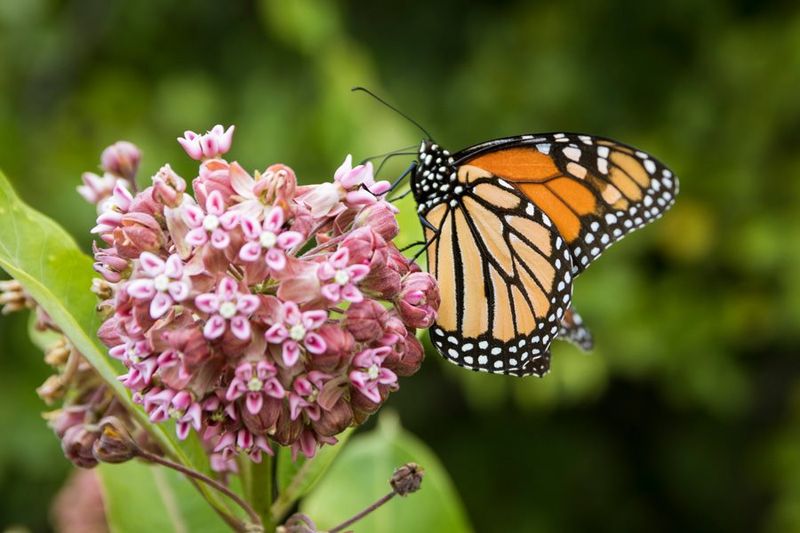
The aesthetic appeal of milkweed is undeniable. Its flowers range from soft pinks to vibrant oranges, creating a visual feast in your garden. These stunning blooms are not only eye-catching but also serve as a vital resource for pollinators.
Picture a garden where color bursts forth in every corner, each blossom a testament to nature’s artistry. Milkweed’s flowers uplift your garden’s appearance, offering both beauty and functionality. They stand out as focal points or blend seamlessly with other plants, enhancing your landscape’s overall charm. Discover the joy of vibrant blooms with milkweed.
5. Native Plant Benefits
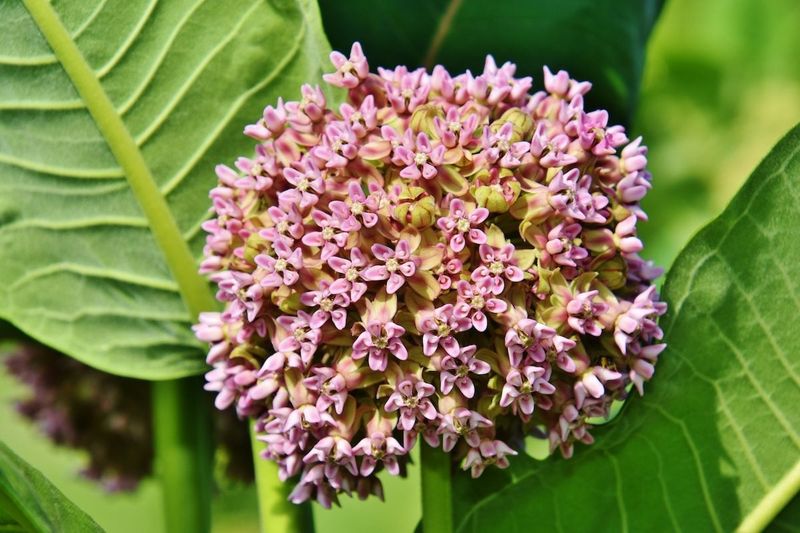
As a native plant, milkweed is perfectly adapted to thrive in local climates and soils. This adaptability means it requires fewer resources, reducing the need for artificial interventions like fertilizers or excessive watering.
Imagine a garden where plants flourish naturally, harmonizing with the environment. Milkweed’s presence supports local wildlife, contributing to ecological balance and sustainability. By choosing native plants like milkweed, you’re fostering a garden that’s resilient and resource-efficient. Embrace the benefits of native flora and cultivate a yard that thrives symbiotically with the surrounding ecosystem.
6. Can Spread Aggressively

While milkweed is a boon for pollinators, it can become a garden challenge. Certain species, like Common Milkweed, spread aggressively through underground rhizomes. This can lead to them taking over garden beds if left unchecked.
Visualize a once orderly garden now overrun with milkweed. While beautiful, its unchecked growth can crowd out other plants. Gardeners need to stay vigilant, managing its spread to maintain balance. Despite its benefits, milkweed’s invasive nature requires careful control. Balancing its growth ensures a harmonious and diverse garden space, where all plants coexist peacefully.
7. Toxic to Pets and Livestock

Milkweed contains toxic compounds that pose risks to pets and livestock if ingested. Its sap, while beneficial to monarchs, can be harmful to curious animals.
Envision a garden where safety is paramount, each plant selected with care. Knowing milkweed’s risks informs better gardening choices, protecting beloved pets from harm. Awareness is key; consider placement and fencing to prevent accidental ingestion. While milkweed supports wildlife, safeguarding domestic animals is equally important. By understanding its toxic nature, gardeners can enjoy milkweed’s beauty while ensuring a safe environment for all inhabitants.
8. Unsightly in Late Season
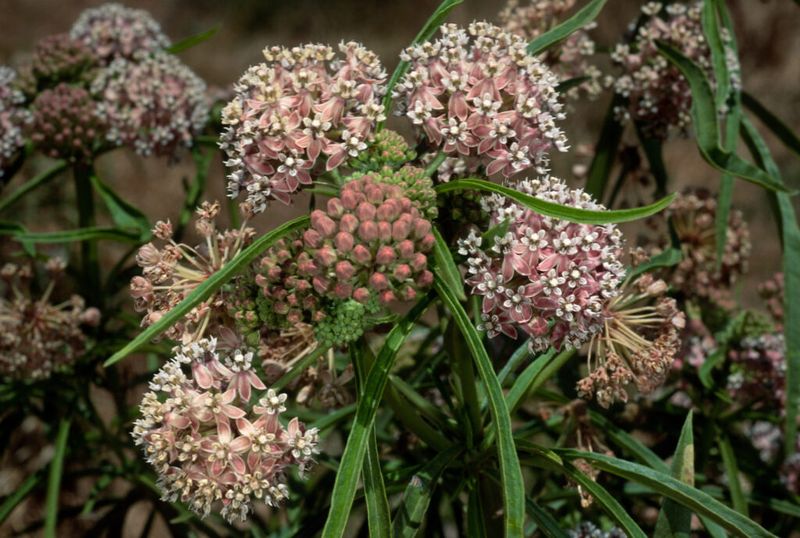
As seasons change, milkweed’s appearance shifts. In late fall, it can become unsightly, with ragged leaves and stems. This aesthetic decline may not suit those who prefer neat gardens.
Picture a garden in autumn, where milkweed’s once vibrant presence now looks worn. This seasonal transformation requires gardeners to decide whether to embrace its natural cycle or manage its appearance. While it plays a vital ecological role, its late-season look might conflict with manicured aesthetics. Balancing natural beauty with garden design is key to enjoying milkweed year-round.
9. Sap Irritation

Handling milkweed requires caution due to its milky sap, which can irritate the skin. Gardeners should wear gloves when pruning or planting to avoid discomfort.
Imagine tending to your garden with care, each plant handled thoughtfully. Milkweed’s sap, while a minor inconvenience, highlights the importance of preparation. Proper gear ensures a pleasant gardening experience, free from irritation. By taking simple precautions, you can enjoy working with milkweed without the risk of skin issues. This small step enhances your gardening routine and keeps your focus on nurturing your plants.
10. Not All Species Are Beneficial

While milkweed supports monarchs, not all species are equally beneficial. Tropical Milkweed, for instance, may contribute to disease spread in monarch populations if not managed properly.
Consider a garden where plant choices impact more than just aesthetics. The presence of Tropical Milkweed requires careful thought and regular maintenance to mitigate risks. By understanding the nuances of different species, gardeners can make informed decisions that protect wildlife. Balancing beauty with ecological responsibility ensures a garden that nurtures monarchs safely and sustainably.