 Complete Gardening
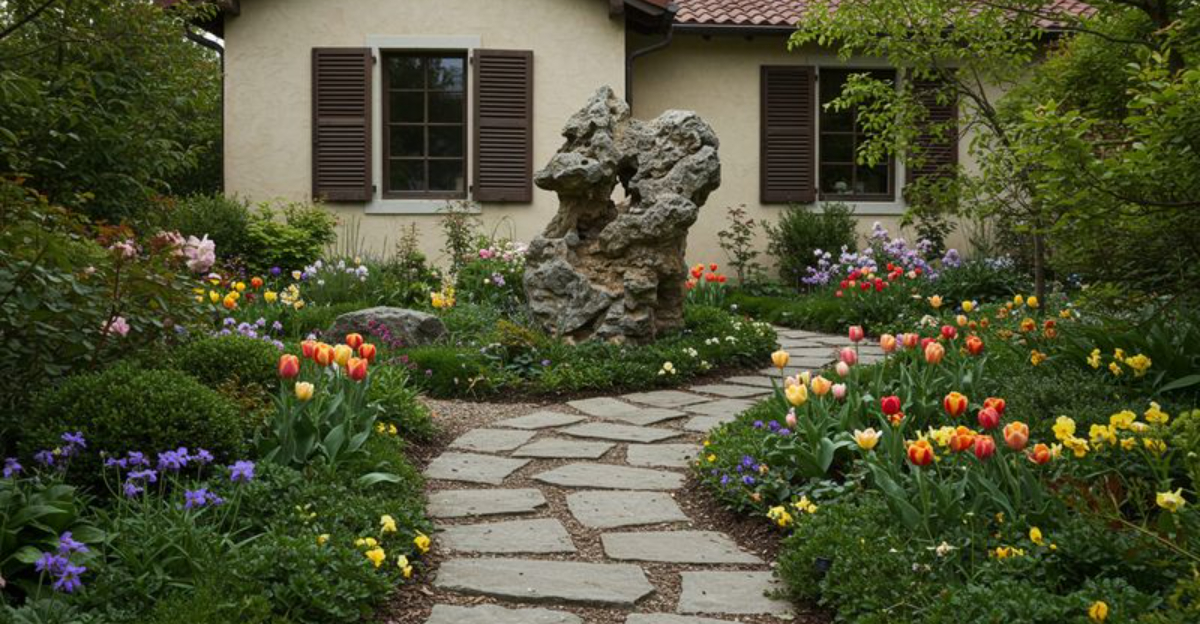
Creating an elegant garden doesn’t require a fortune, but some landscaping choices can unintentionally cheapen your outdoor space. This guide will help you distinguish between options that detract from your garden’s beauty and those that enhance it. Whether you’re planning a complete overhaul or just a few tweaks, knowing what to avoid and what to embrace can make all the difference. Let’s explore six common missteps and six sophisticated choices that can transform your garden into a breathtaking sanctuary.
1. Plastic Lawn Ornaments (Flamingos, Gnomes, etc.)
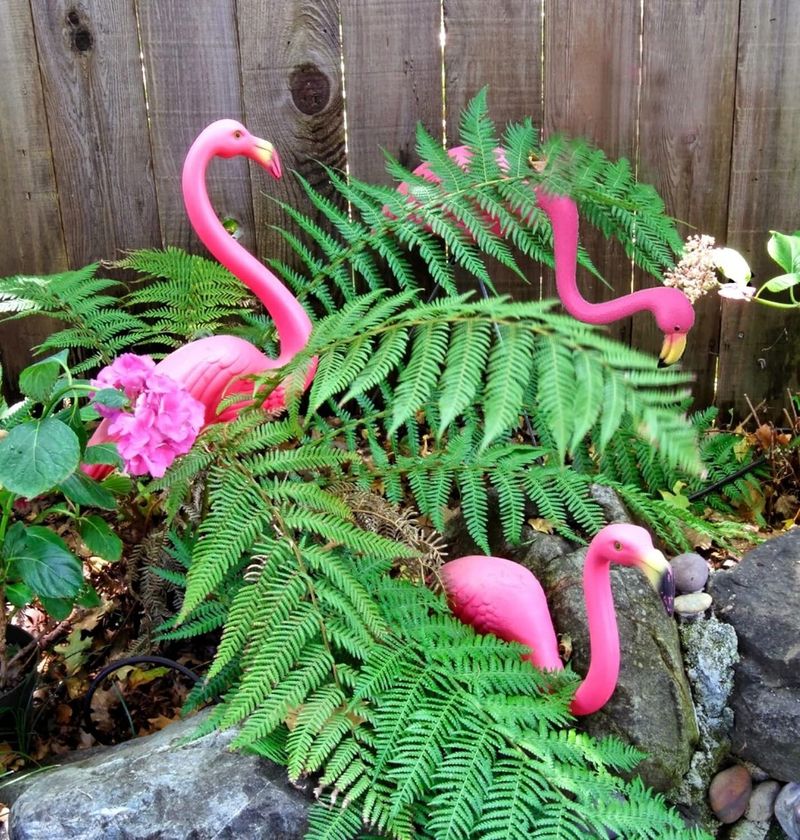
Bright pink flamingos dot the garden, each one slightly more faded and cracked than the last. While some might find charm in their kitschy appeal, these plastic lawn ornaments often lend a cluttered look. The irony of their presence is lost if overused, turning whimsy into eyesore. It’s not just flamingos; gnomes and other plastic figures suffer the same fate. As they age, these ornaments show wear, their colors dulling and details eroding. Instead of adding character, they can make your garden feel neglected and haphazardly decorated.
2. Overuse of Dyed Mulch (Bright Red or Black)
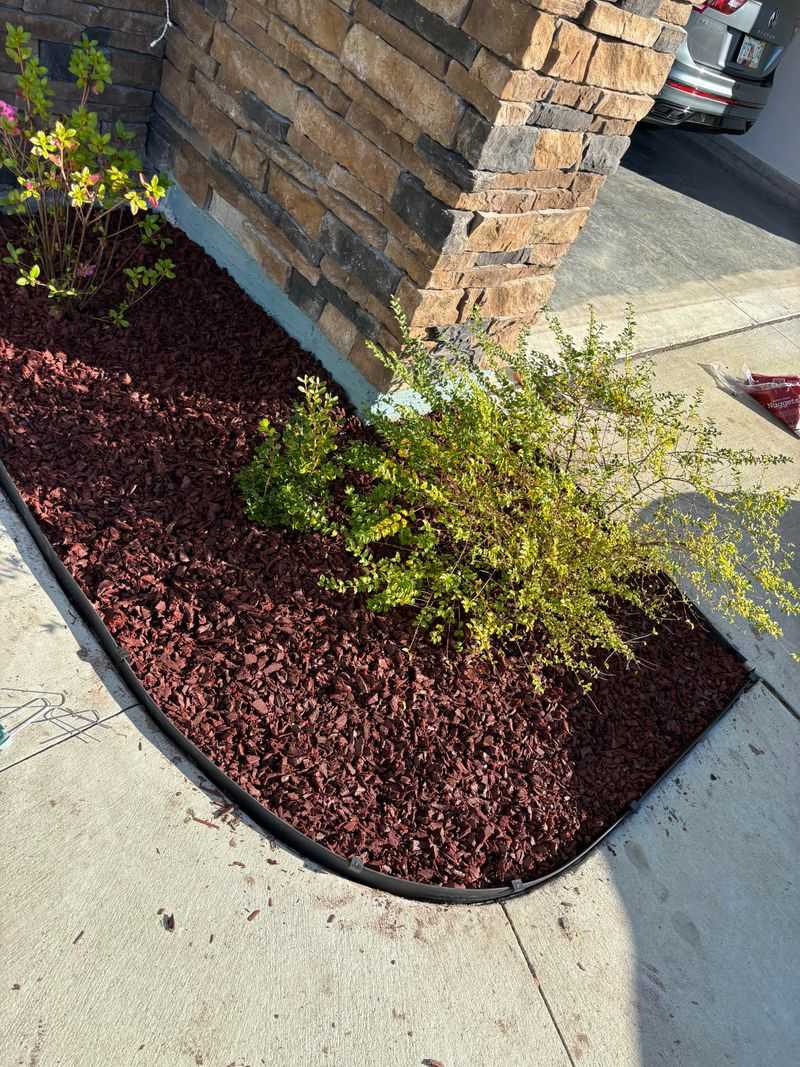
A walk through your neighborhood garden might reveal a bed of vibrant red mulch—eye-catching, perhaps, but not always in a pleasant way. The unnatural color can draw attention away from the plants themselves, creating a discordant look. Worse, cheap dyed mulch often leaves stains, marking pathways and driving away the natural beauty of your garden. Over time, the color fades unevenly, adding to a sense of neglect. In seeking to enhance the landscape, too much dyed mulch can instead suggest a forced and artificial aesthetic.
3. Too Many Small, Uncoordinated Flower Pots
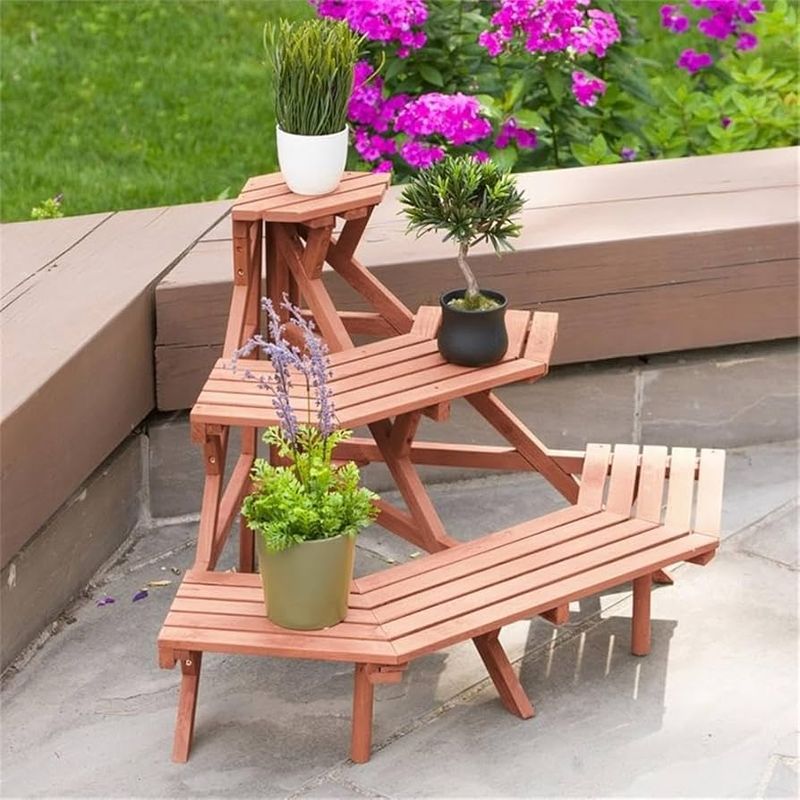
Imagine a patio overwhelmed by a scatter of tiny flower pots, each one a different shape and color. The intention to create a vibrant display is there, but the execution falls short. When pots are too small and uncoordinated, they lack impact and coherence. Instead of a curated look, the space feels chaotic and disordered, drowning out individual plant beauty. This cluttered appearance can confuse rather than charm, making your garden feel more like a forgotten collection than a thoughtful composition. Less can indeed be more.
4. Artificial Grass (Unless High-End)

Beneath the scorching sun, a patch of artificial grass glistens, but not in a good way. The plasticky sheen of low-quality turf fails to mimic the lush feel of real grass, instead trapping heat and creating an uninviting atmosphere. Discoloration and flattening manifest over time, demanding more maintenance than one might expect. Without careful investment, artificial grass can become an eyesore rather than a convenience. The promise of a forever-green lawn fades quickly as reality reveals the need for upkeep to avoid a worn-out appearance.
5. Overgrown, Unkempt Hedges
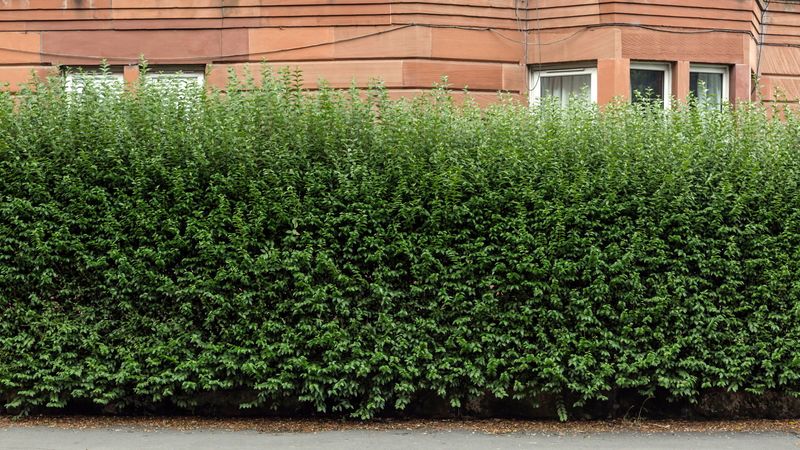
A hedge, once a symbol of order, now spills over its bounds, unruly and unkempt. What might have been a charming, natural look instead suggests neglect. Overgrown hedges block paths and obscure the light, creating more of a barrier than a feature. Without regular trimming, they lose shape and purpose, casting unwanted shadows over your garden. The lack of care becomes apparent as the hedge becomes more of an obstacle than a carefully curated part of the landscape. Proper attention can turn chaos into charm.
6. Cheap, Wobbly Outdoor Furniture
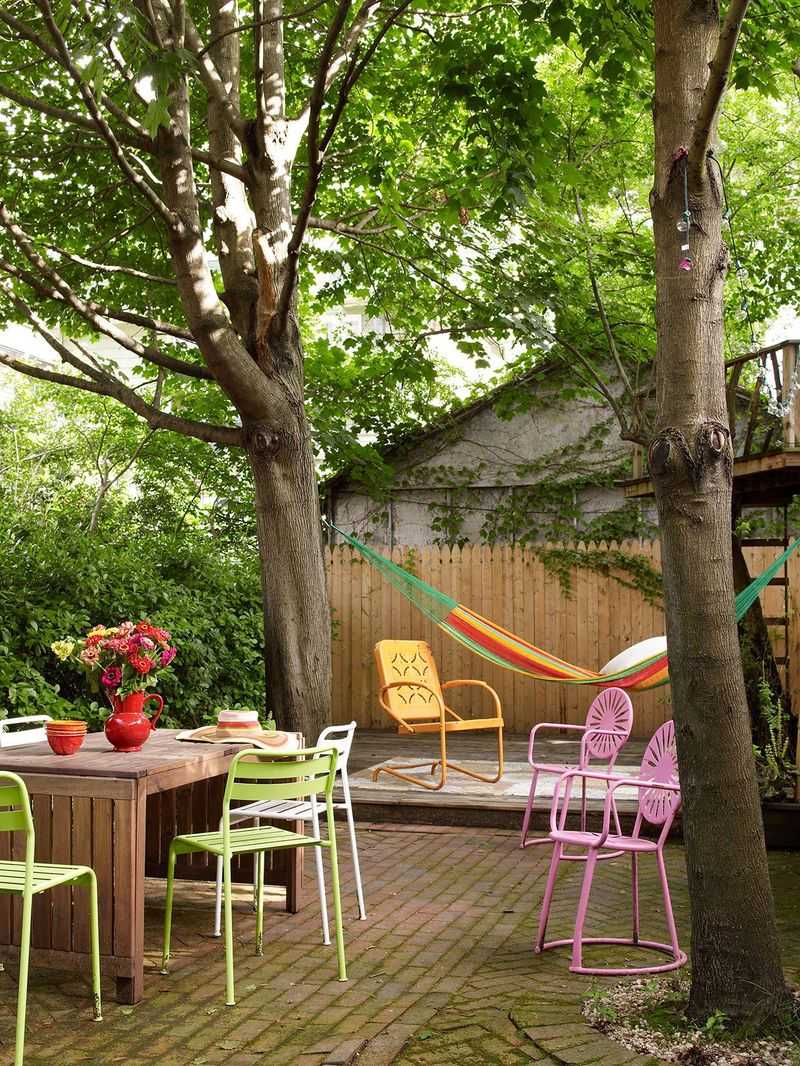
In a corner of the garden, faded plastic chairs circle a table, slightly rusted and uneven. This outdoor furniture, far from inviting, suggests temporariness rather than a comforting extension of home. Wobbling on cracked pavement, these pieces lack the durability and charm of quality options. Instead of enhancing the space, they weigh it down with a sense of impermanence. Investing in better materials can transform this neglected nook into an inviting retreat, where time seems to slow and moments are savored.
1. Natural Stone Pathways & Edging
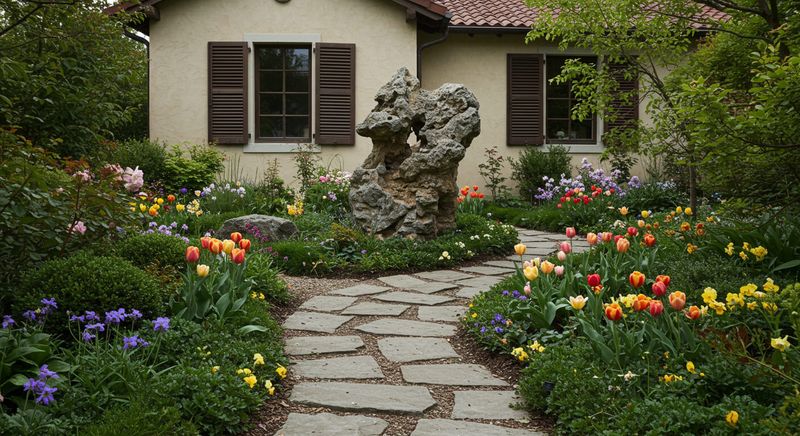
Imagine walking a path of flagstone, each step a connection to nature’s elegance. Natural stone pathways weave through gardens with understated charm, their organic texture and weathered appearance adding timeless appeal. Unlike pavers that fade, these stones age gracefully, enhancing the landscape with every passing season. The versatility of stone allows for creativity in design, blending seamlessly with the environment. With each curve and edge, these pathways guide you gently through a garden, inviting exploration and contemplation amid serene surroundings.
2. Layered Planting (Tall Trees, Mid-Height Shrubs, Ground Cover)
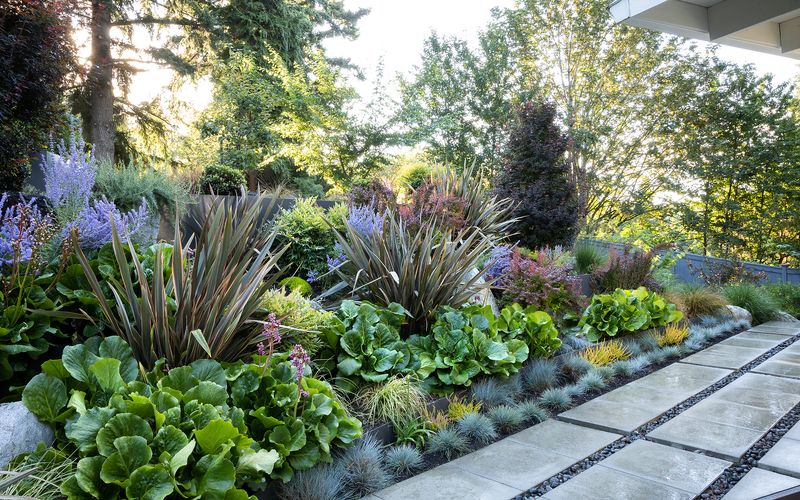
In a garden where variety reigns, layered planting creates a rich tapestry of life. Tall trees stand sentinel, offering shade and a sense of scale. Below, mid-height shrubs add texture and intrigue, drawing the eye with their varied forms. At ground level, lush covers weave a carpet of green, embracing the earth. This tiered approach mimics nature’s own designs, replacing flat, uniform spaces with depth and sophistication. Each plant finds its place in this harmonious hierarchy, contributing to a landscape that feels alive and thoughtfully curated.
3. Large, Statement Planters (Stone, Concrete, or Metal)
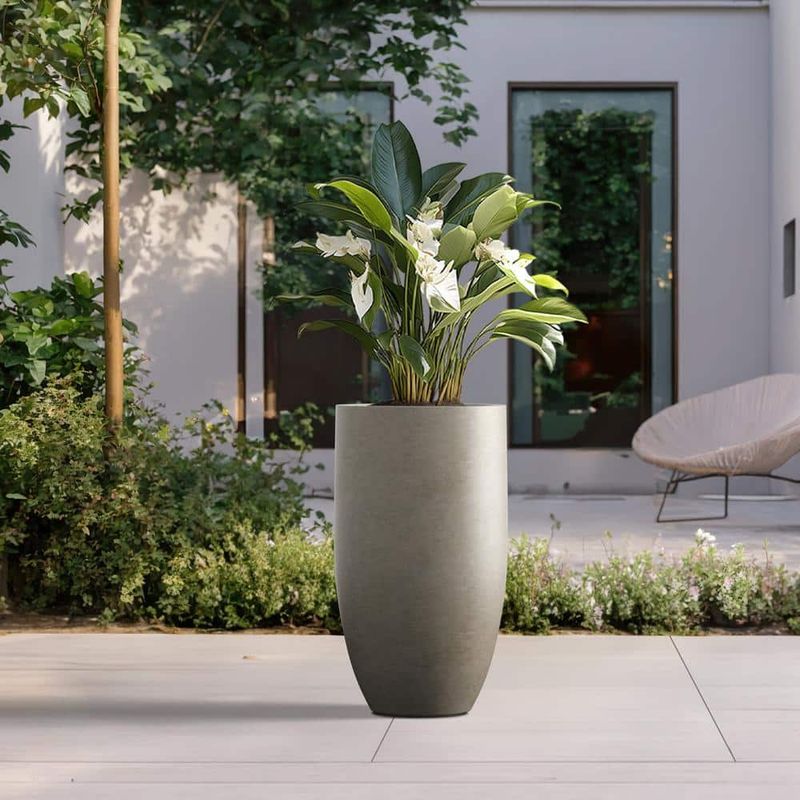
In the quiet corner of a garden, a large stone planter stands, commanding attention with its elegant presence. Filled with tall, graceful plants, it transforms the space into a sanctuary. Unlike a clutter of small pots, this statement piece exudes luxury and cohesion. Its neutral tones blend seamlessly with surroundings, creating an anchor for the landscape. The planter’s substantial form suggests permanence, its materials—stone, concrete, or metal—enhancing the garden’s overall sophistication. Here, simplicity becomes the ultimate elegance, offering a focal point that draws admiration.
4. Outdoor Lighting (Path Lights, Uplighting Trees)
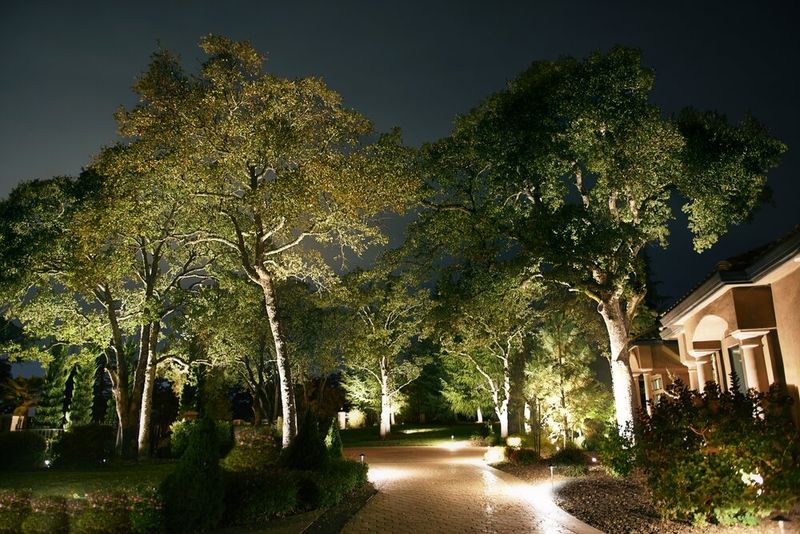
As dusk settles, a garden transforms under the gentle glow of outdoor lighting. Path lights guide the way, casting soft pools of illumination that invite exploration. Trees become sculptures, their forms revealed by subtle uplighting. This dance of light and shadow adds drama to the night, enhancing safety without overpowering the serenity. Energy-efficient solutions like solar and LED offer sustainability along with beauty, ensuring your garden remains a beacon of elegance even after darkness falls. The lighting elevates the entire space, creating moments of magic after sunset.
5. A Defined Focal Point (Water Feature, Sculpture, Bench)
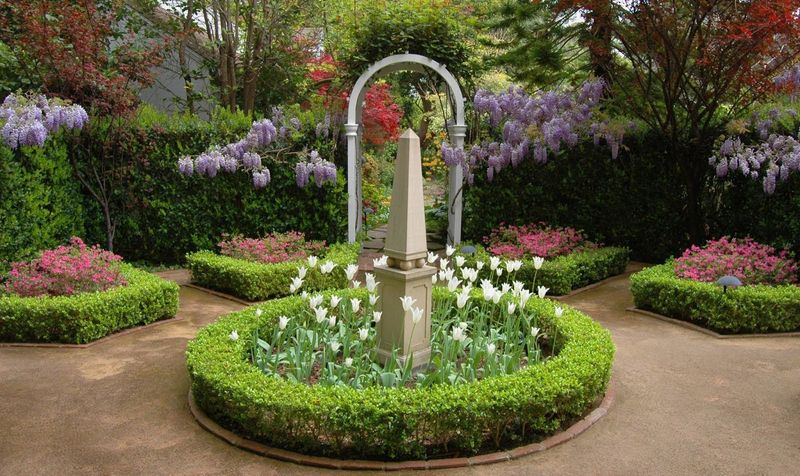
A garden finds its soul in a central focal point, whether a trickling fountain, an artful sculpture, or a gracefully placed bench. This singular element anchors the landscape, drawing the eye and enhancing the surroundings. A water feature brings movement and soothing sound, sculpting serenity into the air. Avoiding clutter ensures this focal point remains a highlight rather than a distraction. The addition of such a piece elevates the garden, turning ordinary into extraordinary, and offering a place for contemplation and appreciation amidst natural beauty.
6. Quality Seating (Wicker, Teak, or Powder-Coated Metal)
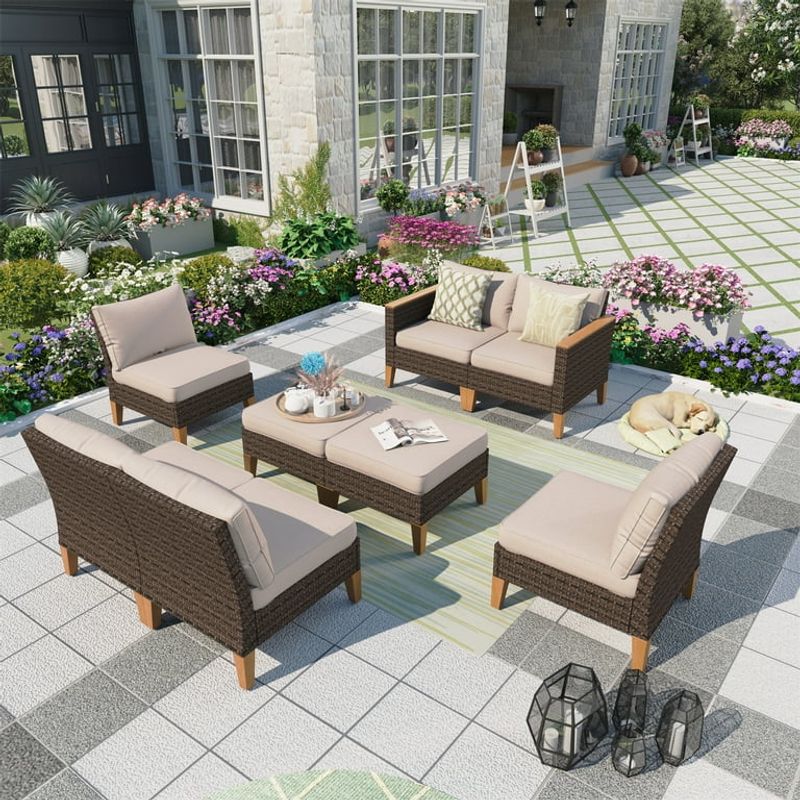
Nestled amid the greenery, a set of high-quality teak chairs invites you to linger. Unlike their wobbly counterparts, these pieces are robust and elegant, an investment in relaxation. Weather-resistant materials like wicker or powder-coated metal ensure durability, blending seamlessly with the garden’s natural beauty. This furniture set turns patio space into an outdoor living room, offering both comfort and style. As seasons change, this quality seating remains a steadfast part of the garden, inviting gatherings and quiet moments of reflection alike.