 Complete Gardening
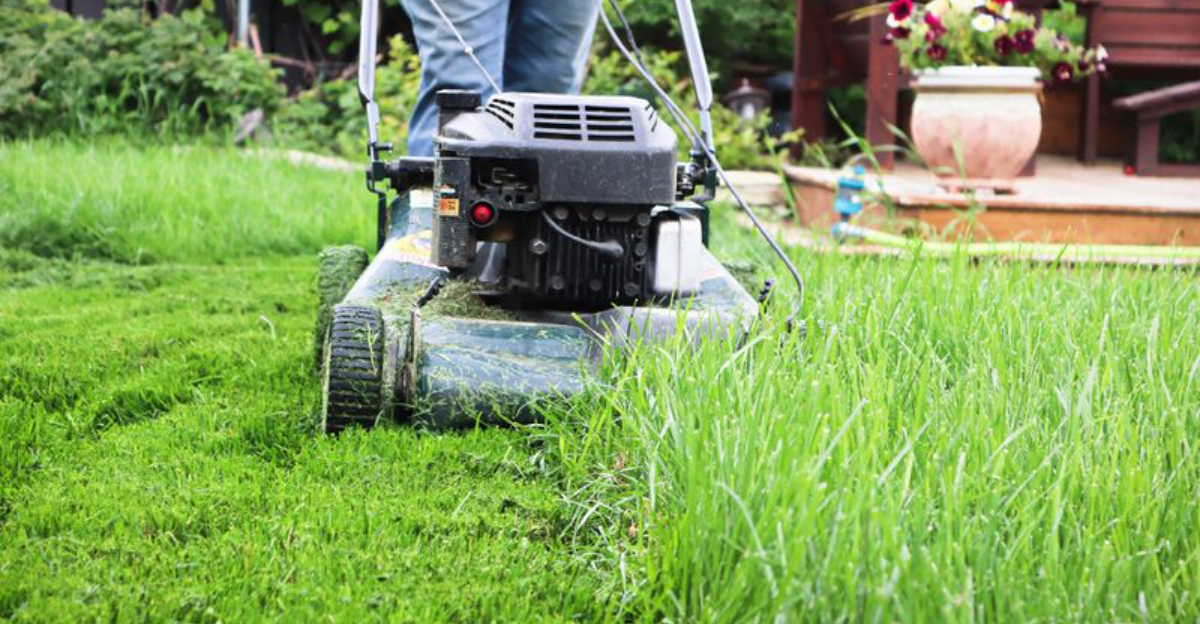
Achieving a lush, green lawn requires understanding some essential habits and avoiding common mistakes. This blog post covers seven proven practices for maintaining a vibrant yard, as well as three mowing blunders to steer clear of. By implementing these strategies, homeowners can enjoy a healthier, more attractive outdoor space.
1. Water Deeply & Infrequently 💦
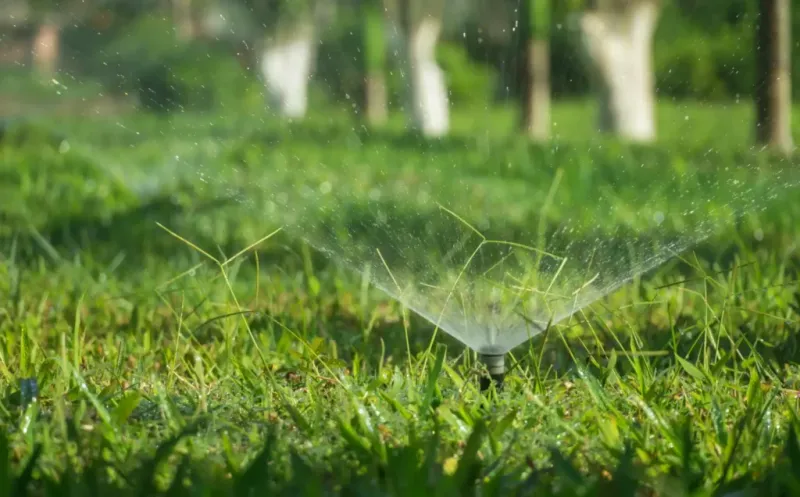
Watering deeply and infrequently is key for a robust lawn. Unlike light, daily sprinklings that encourage shallow roots, this method promotes deep root growth. The goal is to apply 1-1.5 inches of water per week. Early morning is the best time to water, reducing evaporation and allowing grass to absorb moisture efficiently. This habit helps grass withstand drought and remain verdantly lush. It’s an investment in your yard’s long-term health. Start this practice, and watch your grass thrive.
2. Mow High for Stronger Grass ✂️

Mowing high is like giving your lawn a sunhat, protecting it from harsh conditions. Cutting grass too short can scalp it, leaving it vulnerable to weeds and sunburn. By keeping it 3-4 inches tall, the longer blades shade the soil, retain moisture, and block weeds. This practice creates a natural barrier against unwanted growth and helps maintain soil health. For a lawn that exudes vigor and resilience, keep those blades tall.
3. Fertilize Strategically (Not Too Much!) 🌿
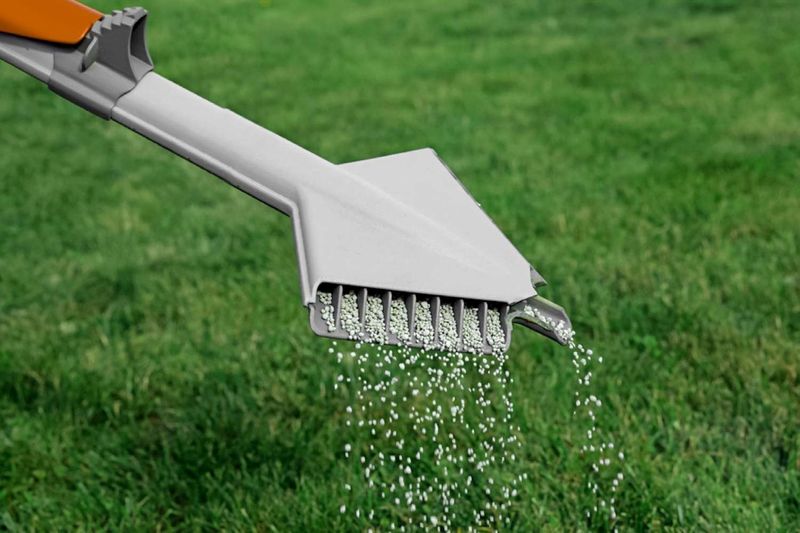
Fertilizing your lawn is similar; too much or too little can spoil the picture. Over-fertilizing may burn the grass, while under-fertilizing leaves it starved. Slow-release fertilizers, applied in spring and fall, ensure balanced nutrition. The key is testing your soil to determine specific needs. This approach nurtures a lawn that’s resilient, vibrant, and rich in color. It’s an art form—knowing when and how much to feed creates a masterpiece of green.
4. Aerate to Relieve Compacted Soil 🔄
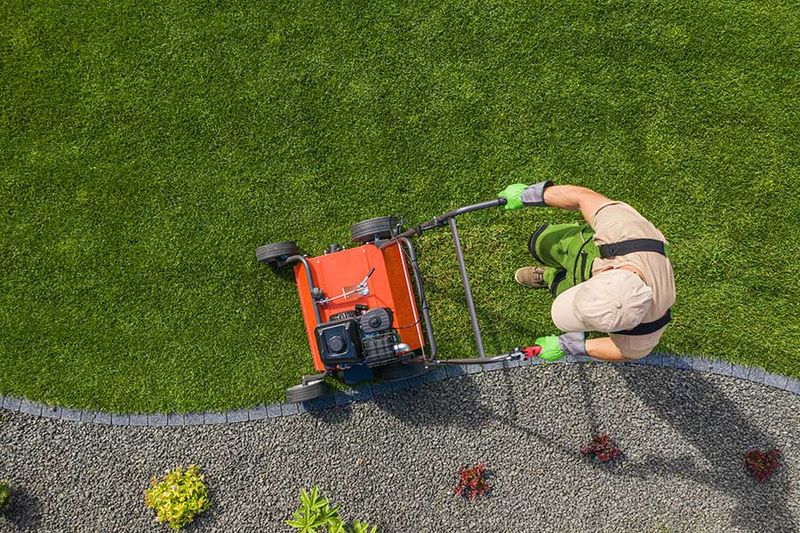
Compact soil suffocates roots, hindering growth. Aerating once a year, in fall or spring, breaks up compacted ground, improving air, water, and nutrient flow. The process involves creating small holes, allowing the lawn to breathe and absorb essential elements. This habit revitalizes the yard, fostering healthier and more robust growth. It’s like rejuvenating a tired body with fresh oxygen. With aeration, your lawn feels lighter, greener, and more energetic.
5. Overseed Thin or Bare Spots 🌾
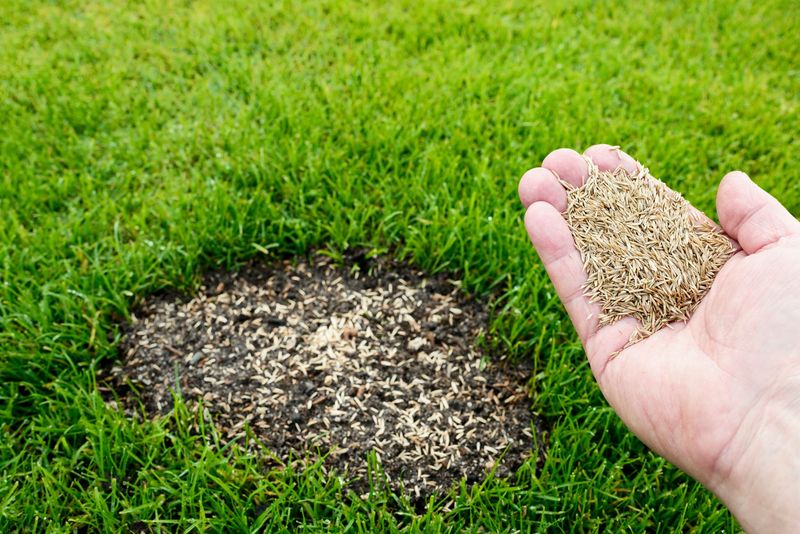
That’s how bare spots look on a lawn. Overseeding fills those gaps, preventing weed invasion and encouraging lush growth. Early fall is the prime time to spread grass seed. Lightly rake afterward to ensure seed-to-soil contact, and keep the area moist. This practice thickens turf, enhancing the lawn’s aesthetic appeal. With overseeding, patchy areas transform into smooth, continuous green. It’s a simple yet vital step toward a full, luxuriant lawn.
6. Leave Grass Clippings (Free Fertilizer!) 🍃
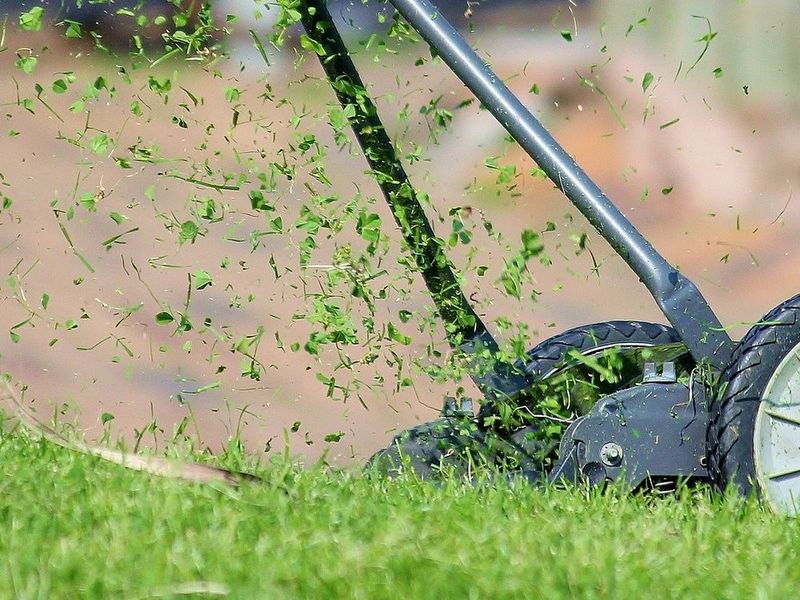
That’s what leaving grass clippings on your lawn provides. These clippings decompose quickly, returning valuable nitrogen and other nutrients to the soil. Mulch mowing is key here—unless clumps form, which could smother the grass. This natural process enriches the lawn, reducing the need for additional fertilizers. It’s an eco-friendly approach to maintaining soil health and vigor. Let those clippings work their magic, and enjoy a greener, healthier yard.
7. Control Weeds Naturally 🌱
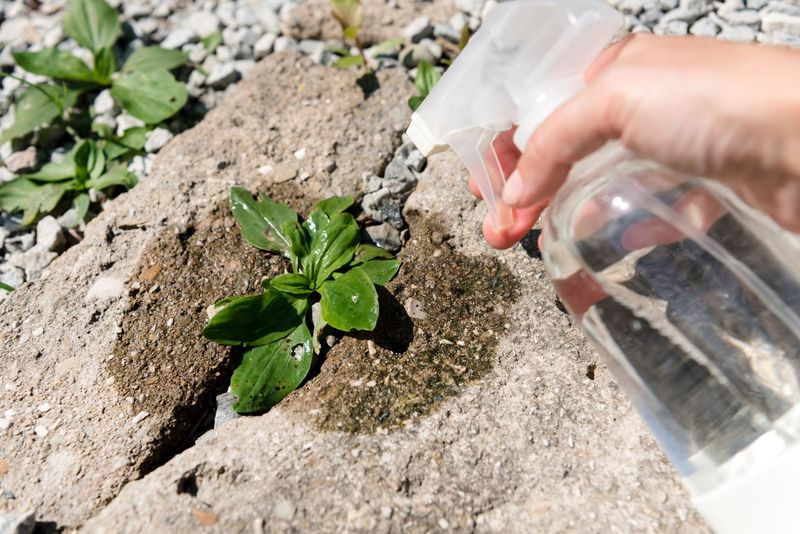
Controlling weeds naturally involves clever tactics. Letting weeds go to seed can spread the problem, so early intervention is crucial. Use a vinegar and dish soap mix to spot-treat them. Alternatively, corn gluten meal acts as a natural pre-emergent. These methods keep chemicals at bay, preserving the environment and your lawn’s health. By adopting these strategies, your grass becomes the victor, thriving without the competition of weeds.
1. Cutting Wet Grass 🌧️
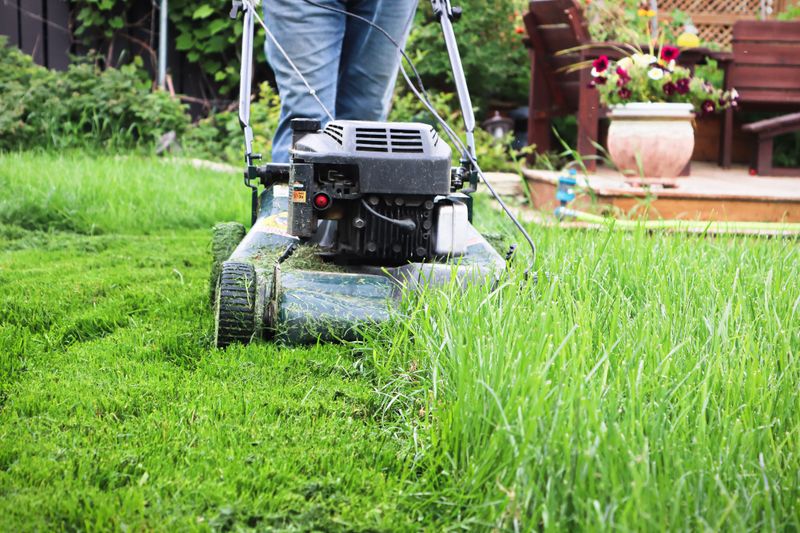
Ever tried running in the rain? It’s a slippery mess. Mowing wet grass can have similar effects. Clumps may clog the mower, spreading disease and tearing the grass. Waiting for the lawn to dry ensures a clean cut, reducing damage. This simple adjustment protects your grass’s integrity, maintaining its appearance and health. It’s a small change, but it makes a big difference in preserving a pristine, lush lawn.
2. Dull Mower Blades 🔪

It’s frustrating and damaging. The same goes for mower blades. Dull blades tear grass instead of cutting it, leading to brown tips and disease vulnerability. Sharpening blades every 20-25 hours of use ensures a precise cut. This simple maintenance step protects your lawn’s health and keeps it looking its best. Sharp blades are like sharp tools in a skilled artisan’s hand, crafting a beautifully manicured lawn.
3. Mowing the Same Direction Every Time 🔄

Routine can be comforting, but not for your lawn. Consistently mowing in the same direction creates ruts and leans grass in one way. Alternating patterns (north-south, then east-west) prevents this, promoting upright growth and uniformity. It keeps the lawn level and visually appealing. By changing directions, you enhance your yard’s overall health and appearance, much like a fresh perspective enriches life. Embrace variety for a more vibrant, stable lawn.