 Complete Gardening

Roses, the quintessential garden beauties, thrive not just on love and sunshine but on a healthy diet of nutrients. Fertilizing your roses is an unmissable step in ensuring they bloom gloriously and stand strong against various challenges. Here are 7 compelling reasons why you should never skip fertilizing your roses.
1. Poor Blooms and Fewer Flowers
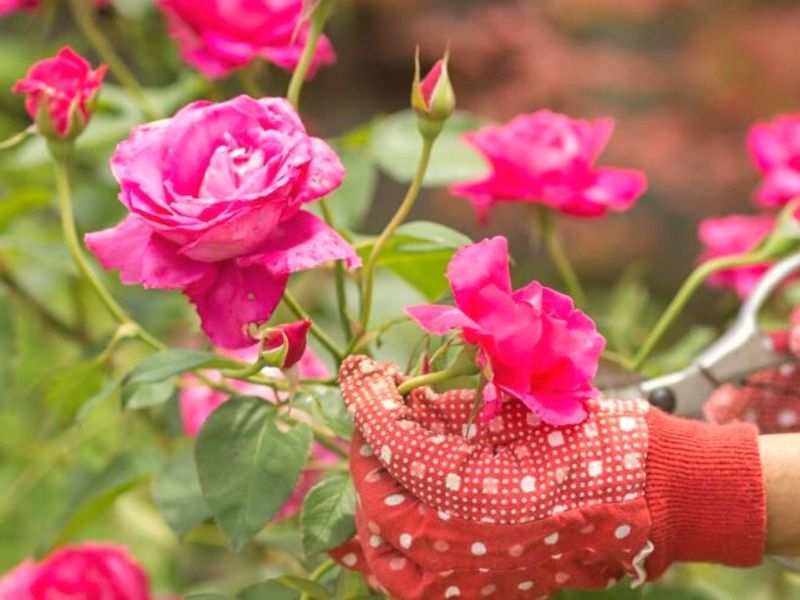
Roses are adored for their dramatic blooms, but without the right nutrients, those blossoms may fall short of their potential. Imagine a garden with sparse, underwhelming roses—devoid of their usual vibrancy. Nutrients in fertilizers play a key role in bud formation.
When roses are deprived of essential nutrients, their blooming suffers. By regularly fertilizing, you ensure that each rose bush reaches its full blooming potential.
Incorporate a balanced fertilizer to support a burst of color and life in your garden. From early spring to late summer, fertilizers help maintain the floral spectacle.
2. Weak Growth and Spindly Stems

Fertilizer provides roses with the strength they need to grow robustly. Without it, roses may become weak and leggy. Picture a rose bush struggling to stand tall, its stems thin and frail. This is often the result of skipping fertilization.
Nutrients are crucial for developing strong, resilient plants. Fertilizers supply the essential elements required for sturdy growth and healthy foliage.
By feeding your roses consistently, you encourage them to develop firm, upright stems. This not only improves their appearance but also supports a more resilient structure, ready to face garden challenges.
3. Increased Risk of Disease
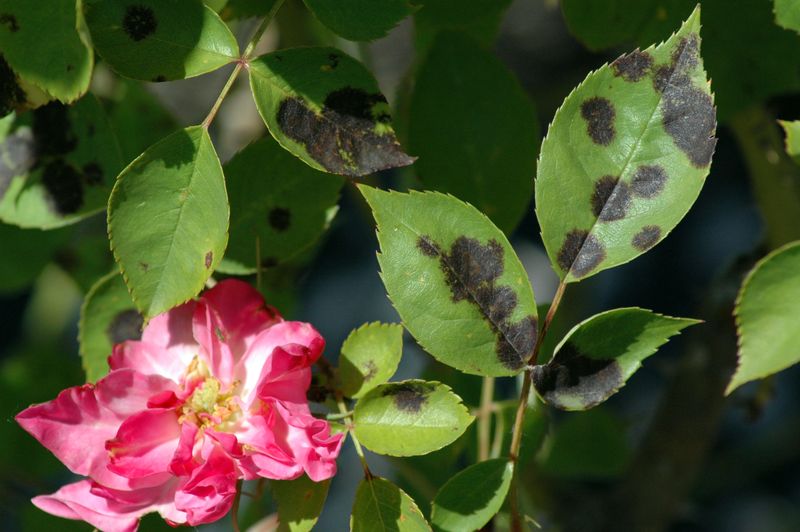
Roses that lack proper nutrition are more susceptible to diseases. Imagine roses plagued by black spots or covered in powdery mildew—a gardener’s nightmare. This vulnerability often stems from nutrient deficiencies.
Fertilizing strengthens a rose’s natural defenses, much like vitamins boost our immune systems. Nutrients fortify the plant, helping it ward off common afflictions.
To keep your roses healthy and disease-free, a regular feeding schedule is essential. Investing in a good fertilizer not only enhances beauty but also ensures resilience against disease.
4. Faded or Pale Leaves
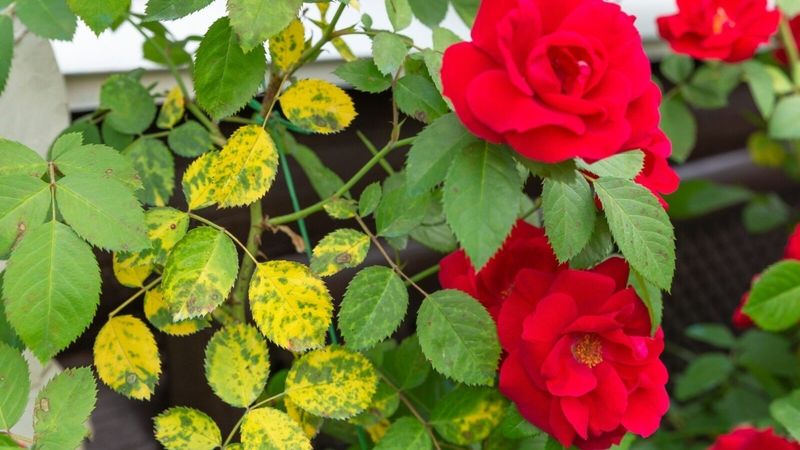
Nutrient deficiencies in roses first become evident in their leaves, often turning yellow or pale green. Imagine the disappointment of seeing your once-vibrant roses looking faded and sickly.
This lack of color isn’t just an aesthetic issue—it’s a cry for more nutrients. Fertilizers replenish vital elements, restoring lushness to the foliage.
By feeding your roses regularly, you maintain their vibrant green leaves, crucial for photosynthesis and overall health. Happy leaves lead to happy plants, ensuring your garden remains a lively palette of colors.
5. Slower Recovery After Pruning
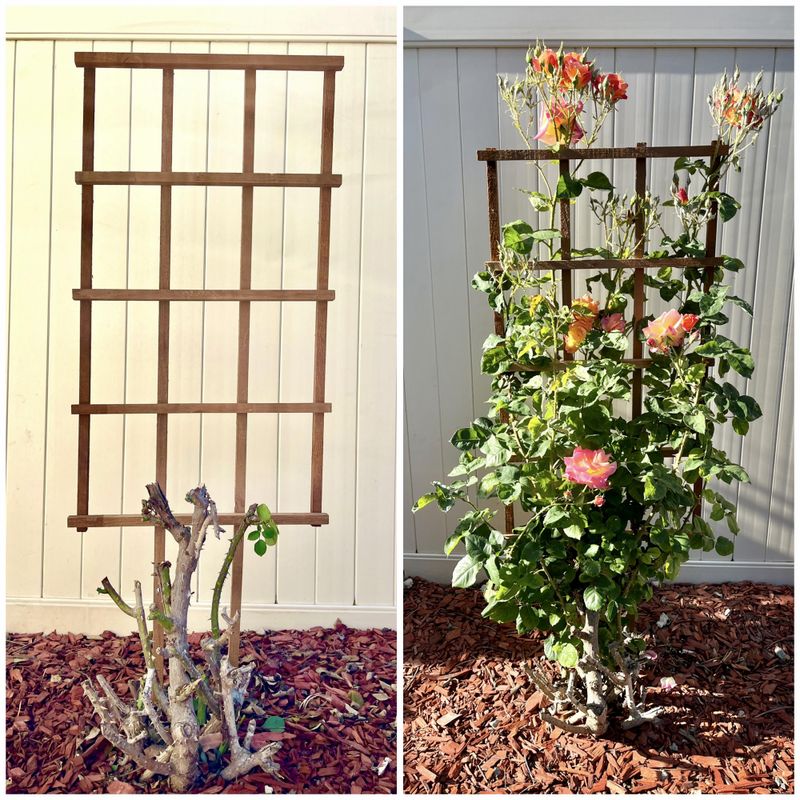
After pruning, roses need extra energy to bounce back and regrow. Fertilizers provide the necessary boost. Picture a rose bush that’s been trimmed, yet struggles to sprout new growth. This scenario is common when fertilization is skipped.
Providing a nutrient-rich diet helps roses recover swiftly, encouraging new, healthy growth. Without it, the plants may struggle, prolonging the regrowth period.
To promote vigorous growth after pruning, consistent fertilizing is a must. This ensures roses are well-equipped to thrive after every trim, maintaining their lush appearance.
6. Shorter Blooming Season

Fertilizing extends the blooming season for roses, allowing them to showcase their beauty longer. Visualize a garden where the blooming ends abruptly—a disheartening sight for any rose enthusiast.
When roses are well-fed, they produce blooms more prolifically and for an extended period. Skipping fertilization can curtail this floral show significantly.
Ensuring a regular feeding schedule helps roses maintain a full, dynamic display throughout the season. This practice not only enhances their beauty but also maximizes your garden enjoyment.
7. Stunted Root Development
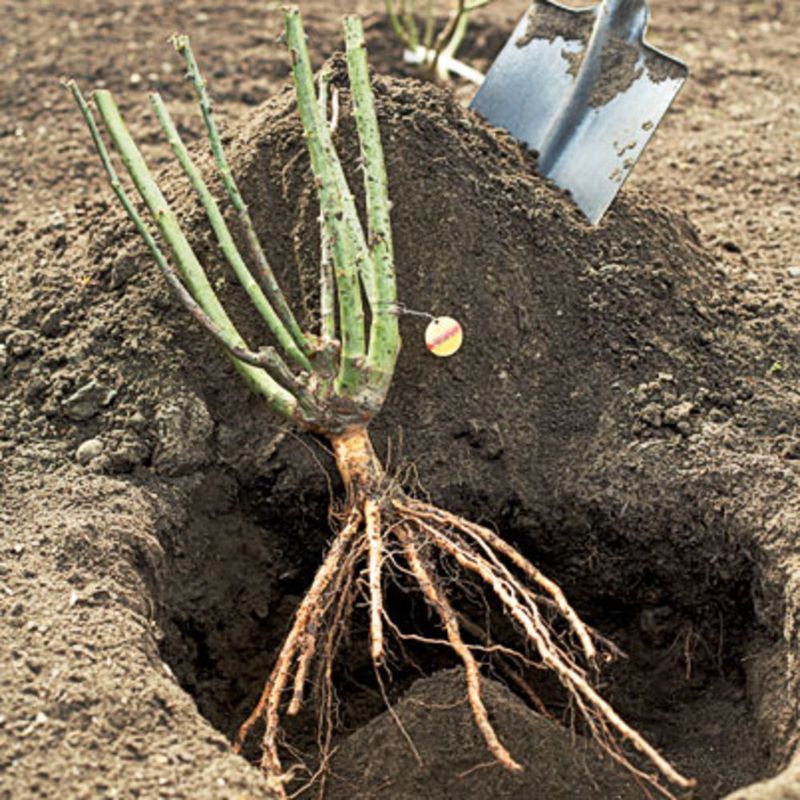
Strong roots are fundamental for healthy roses. Fertilizers promote root development, enhancing nutrient and water absorption. Imagine inspecting rose roots only to find them underdeveloped and frail—a sign of neglected feeding.
Thriving roots support vigorous top growth and robust blooms. Fertilizing ensures optimal root health, critical for the plant’s overall vitality.
By prioritizing root nutrition, you lay the groundwork for a flourishing rose bush. Regular feeding equips the roots to better support the plant, leading to stronger and more beautiful roses.