
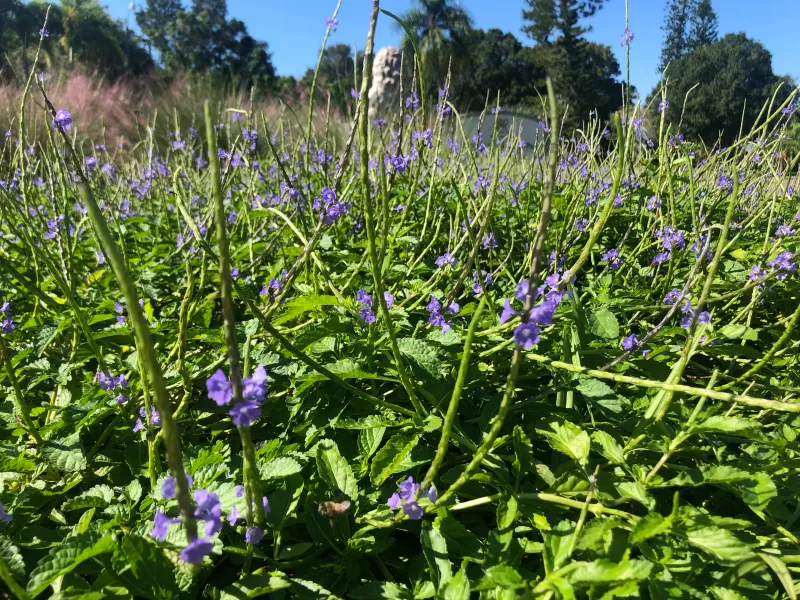
A tired flower bed does not have to stay dull until spring. Florida has native plants that can keep flowers coming through winter, especially in the warmer central and southern parts of the state.
These eight choices bring color, feed visiting pollinators, and can mean less replanting once they settle in. Match each plant to your location, because even a dependable winter bloomer may pause after frost.
1. Tropical Sage
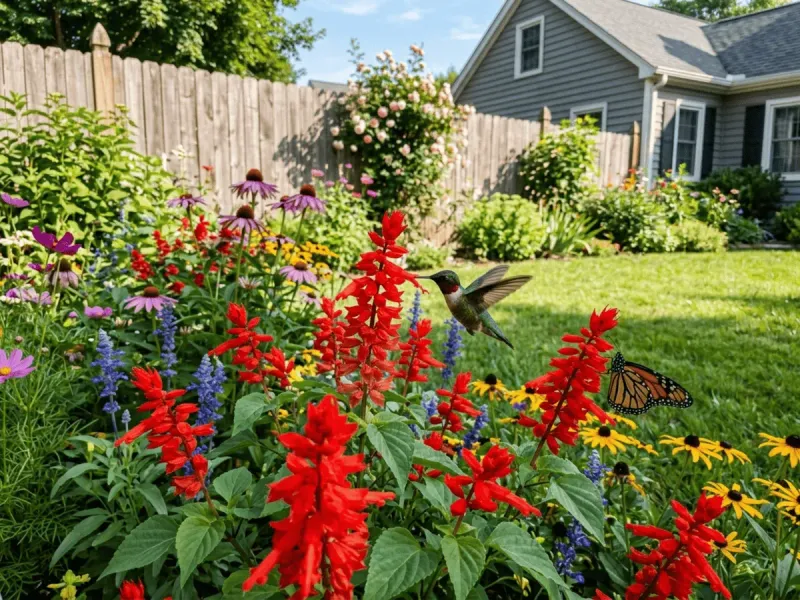
A few red flower spikes beside the front steps can make a winter yard feel alive again. Tropical sage, Salvia coccinea, delivers that light, airy color without forming a heavy wall of foliage.
In frost-free parts of Central and South Florida, it can flower through much of the winter. North Florida gardeners should expect cold snaps to interrupt the show, although plants often reseed when conditions suit them.
Choose sun or partial shade and well-drained soil. Plants commonly reach about 2 to 3 feet tall, making them useful behind a low border or along a porch where their flowers remain easy to see.
Water new plants regularly while roots develop, then adjust watering to rainfall and soil moisture. Snipping back spent flower spikes encourages branching and helps prevent a thin, scraggly look.
The tubular blooms attract hummingbirds and other flower visitors during mild weather. Leave a few seed heads if you welcome volunteer seedlings, but pull extras early if you want a tidy bed rather than a loose cottage-style planting.
2. Dune Sunflower
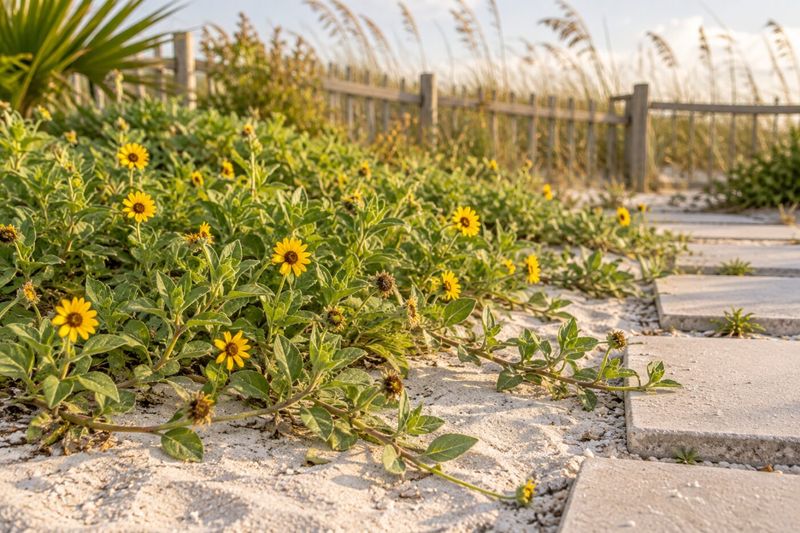
Bare sand beside a sunny walkway is an invitation for dune sunflower. Its cheerful yellow daisies sit above spreading foliage, turning an awkward open patch into a flowering groundcover.
Helianthus debilis can bloom year-round in frost-free Florida locations. Freezes may damage it farther north, so winter flowers are a warm-location benefit rather than a statewide promise.
Give it full sun, sharp drainage, and room to wander. Plants often stand around 1 to 2 feet tall but spread several feet wide, which makes them better for broad edges than narrow spaces between small ornamentals.
Once established, dune sunflower handles dry sandy conditions and coastal exposure well. A low, soggy spot or frequent lawn irrigation is a much poorer match, especially during cooler weather.
Trim wandering stems when they cross a path, and leave some flower heads to mature for seed-eating birds. Ask a native nursery for the locally appropriate subspecies, since Florida has several forms with different natural ranges.
For homeowners replacing a thirsty strip of turf, that spreading habit is its biggest advantage. Start with a manageable patch and keep its edges defined.
3. Blue Porterweed
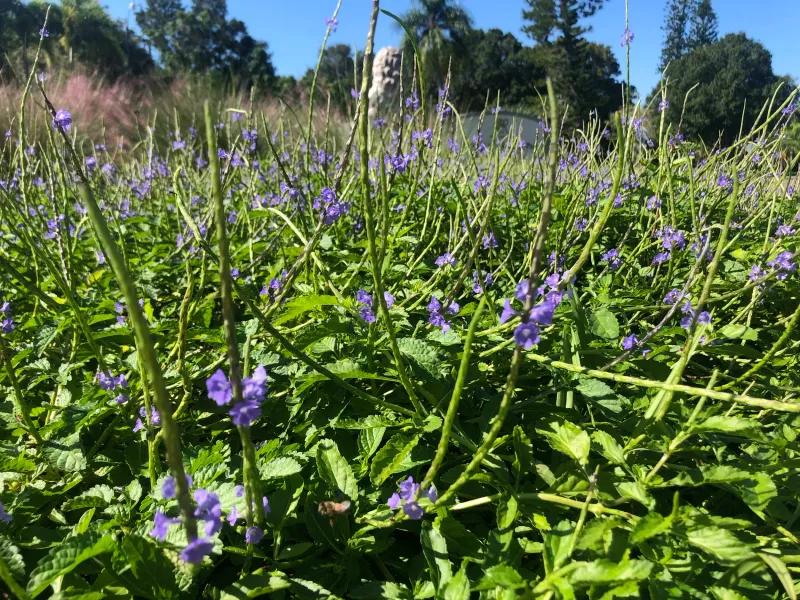
Butterflies do not need a giant flower display to notice a good feeding stop. Blue porterweed offers small blue-purple blossoms along slender spikes, with fresh flowers opening a few at a time.
The Florida native is Stachytarpheta jamaicensis, a low, spreading plant suited to warm coastal and southern gardens. In frost-free conditions, its flowering can continue through winter, giving mild-day pollinators another place to feed.
Check the botanical name before buying. Taller nonnative porterweeds and hybrids are also sold, and a label that simply says blue porterweed does not confirm that you have the native species.
Plant it in sun with well-drained soil, leaving space for its broad shape. Established plants tolerate dry spells, though a newly planted specimen still needs careful watering while its roots settle in.
Use it near the front of a wildlife bed where the low flowers will not disappear behind shrubs. Light pruning can control stray growth without turning it into a formal mound.
Its appeal is movement and close-up detail, not solid blocks of color. Place it where you can watch butterflies from a chair or window.
4. Scorpion-Tail
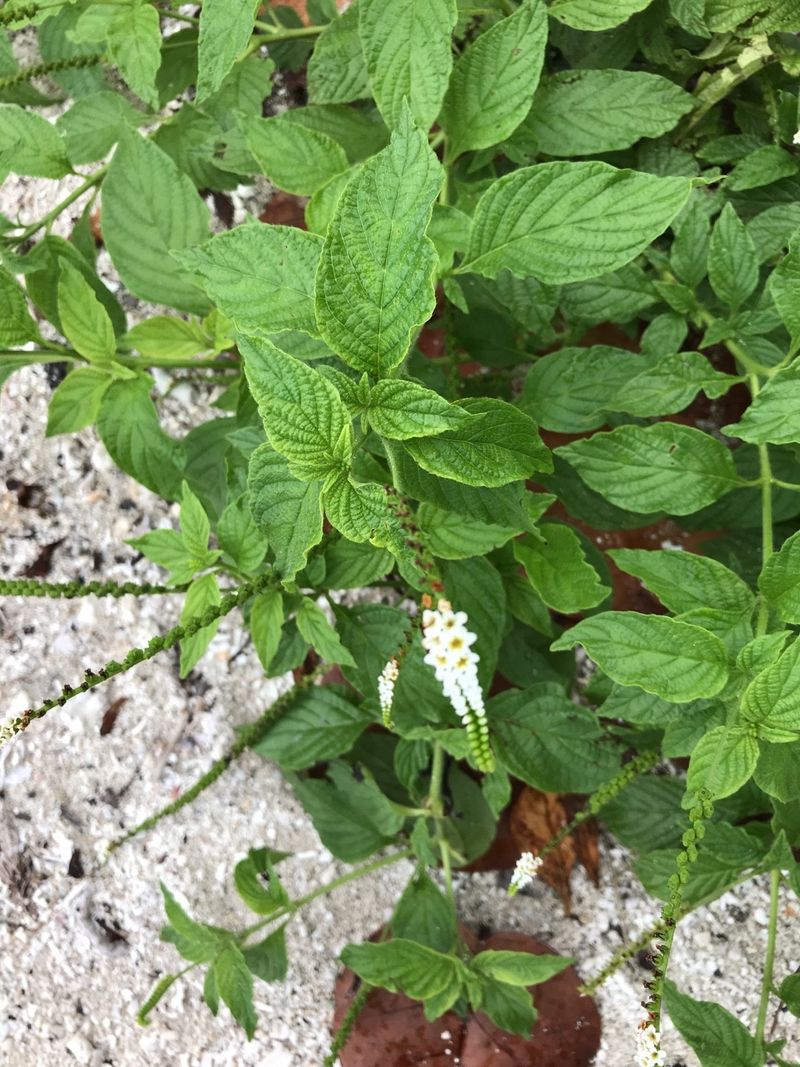
Look closely at a curved flower stalk and the name suddenly makes sense. Scorpion-tail carries tiny white blossoms along curled stems that slowly unfurl, adding an unusual shape to a winter planting.
Known botanically as Heliotropium angiospermum, this Florida native is especially useful in warm southern gardens. Flowers may appear throughout the year where frost does not stop growth.
Its pale blooms are modest from across the yard, but they bring detail to the edge of a path or a mixed butterfly garden. Small butterflies and other insects visit the flowers during suitable weather.
Allow roughly 2 to 3 feet of growing space, with room for a loose, branching form. Sun to partial shade and well-drained soil are suitable, making it helpful where a nearby tree casts some afternoon shade.
Prune lightly if stems begin leaning into neighboring plants. It can reseed, so remove unwanted seedlings while they are small rather than waiting for a crowded bed.
Choose scorpion-tail when your garden already has bold colors and needs a quieter supporting plant. The white flowers soften stronger reds and yellows without competing for attention.
5. Firebush
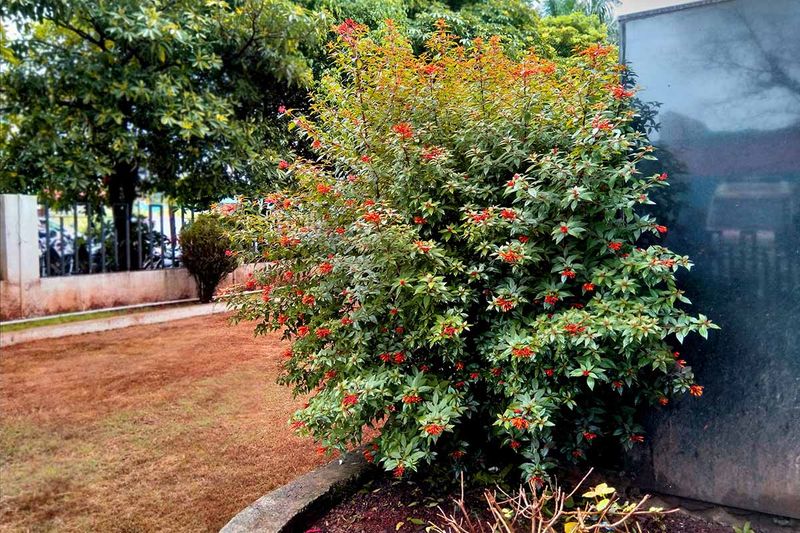
When a flower bed needs height rather than another small edging plant, firebush earns its space. Clusters of orange-red tubes glow against green leaves and draw hummingbirds and butterflies on warm winter days.
Hamelia patens is a Florida native shrub that can keep blooming through winter in frost-free South Florida. In colder areas, frost may end flowering and kill stems back, so treat it as a seasonal performer there.
Plan for a substantial plant, often 6 to 12 feet tall in warm gardens and sometimes larger. Place it behind lower flowers, near a property edge, or where its loose branches can grow without blocking a window.
Full sun usually produces the strongest flowering, although partial shade is tolerated. Well-drained soil and regular establishment watering give it a sound start; mature plants generally need less attention.
Avoid shearing it every few weeks into a tight ball, which removes flowering growth. Selective pruning preserves a more natural form and leaves more blooms available to wildlife.
Buy from a knowledgeable native nursery and ask for the Florida-native form. Plants sold under the firebush name may include nonnative forms or hybrids.
6. Beach Verbena
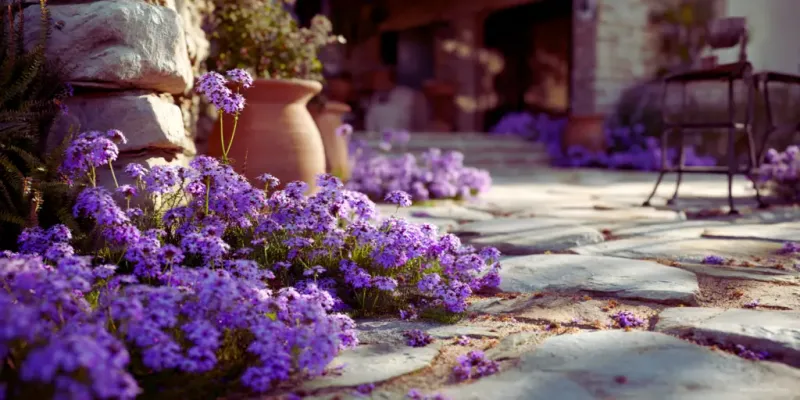
Lavender flowers look especially fresh against pale Florida sand. Beach verbena brings that cool color to sunny beds, with rounded flower clusters that stand out without needing a tall plant behind them.
Glandularia maritima is native to Florida and can flower throughout the year in warm coastal locations. Winter performance depends on local temperatures, and exposed inland sites may lose blooms during a cold spell.
Its low, spreading habit fits the front of a border or the edge of a raised, sandy bed. Give each plant breathing room instead of squeezing it between aggressive groundcovers that could bury the foliage.
The essential ingredient is drainage. Full sun and sandy soil suit it far better than a rich, wet pocket beside frequently watered annuals.
Water during establishment, then avoid keeping the root zone constantly damp. Light trimming after a flowering flush can help maintain a fuller shape, but severe cutting is unnecessary for routine care.
Because beach verbena is listed as endangered in Florida, purchase nursery-propagated plants and never collect them from the wild. A native nursery can also help confirm that you are buying this species rather than a common garden verbena hybrid.
7. Leavenworth’s Tickseed
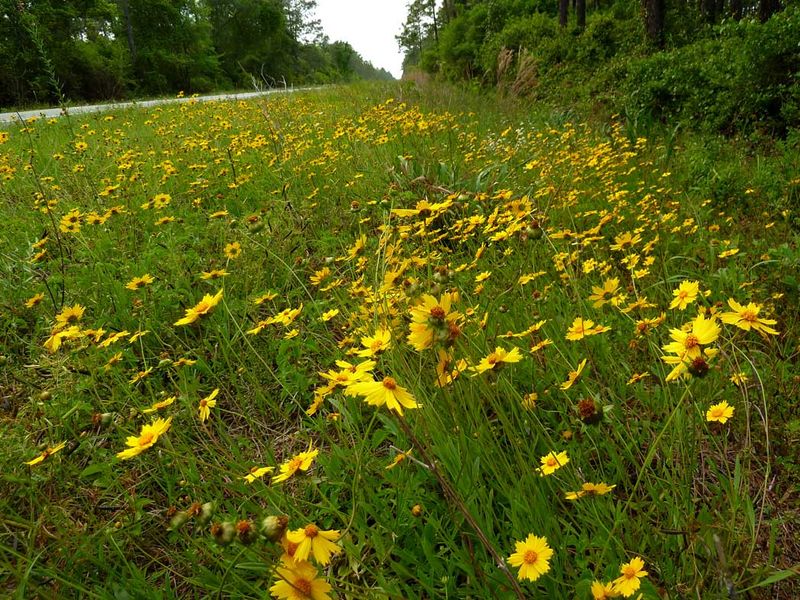
A loose cloud of yellow daisies can brighten a bed more naturally than a row of matching bedding plants. Leavenworth’s tickseed provides that airy effect, with slender stems that let neighboring flowers show through.
Coreopsis leavenworthii has its main flowering season from spring into fall across much of Florida. In South Florida, however, flowers can appear year-round, making it a useful winter choice where temperatures remain mild.
Unlike several drought-loving plants on this list, it appreciates moisture. Choose a sunny bed with moist, well-drained soil or the upper edge of a rain garden rather than the driest mound of sand in the yard.
Plants commonly reach about 1 to 3 feet tall. Set them among lower growers so the thin stems have visual support without being shaded out.
Individual plants may be short-lived, but allowing some flowers to set seed can help the planting renew itself. Watch for seedlings before spreading a thick layer of mulch over the entire bed.
Use this species for a relaxed meadow look, not a rigid border. In northern Florida, enjoy its longer warm-season display rather than counting on uninterrupted January color.
8. Wild Plumbago
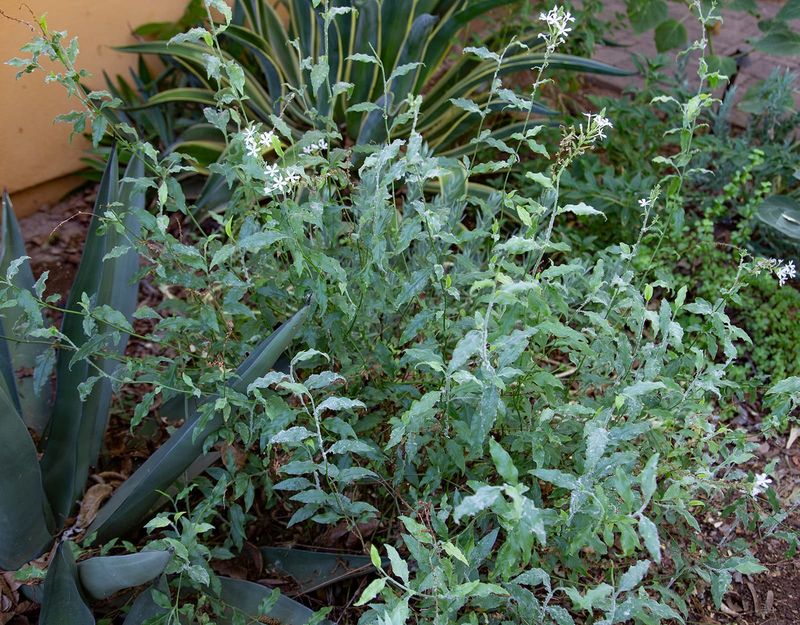
Not every winter flower has to sit in blazing sun. Wild plumbago offers small white blooms in warm gardens with partial shade, helping brighten spots where sun-loving daisies struggle.
Plumbago zeylanica is a Florida native, distinct from the familiar blue-flowered ornamental plumbago. In frost-free southern areas, it can flower through the year, including the cooler months.
Expect a loose, sprawling plant rather than a neat cushion. It generally grows a few feet tall and can spread outward, so give it a place where nearby shrubs or an informal border can accommodate its shape.
Well-drained soil is a good starting point, with watering adjusted as roots establish. A lightly shaded side yard or the edge of an open shrub planting can be more suitable than a narrow, heavily groomed entrance bed.
The sticky flower structures can catch on clothing, so avoid placing stems directly against a busy walkway. Wear gloves when pruning because the sap can irritate skin.
White flowers are easy to overlook at the nursery, but they show well against dark foliage. Pair wild plumbago with a brighter native nearby for a winter bed that has both color and contrast.