
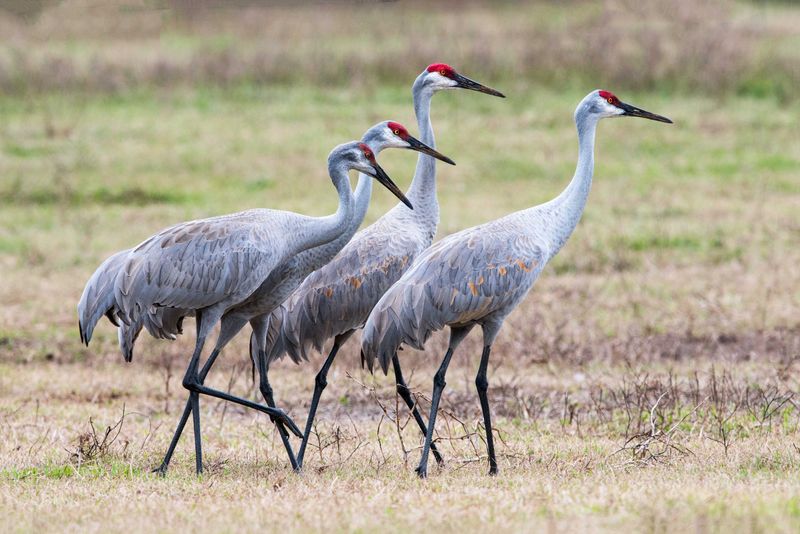
Sandhill cranes are those tall, gray birds with red foreheads that stroll through Florida yards like they own the place, and honestly, a lot of homeowners love watching them. The secret to getting these gentle giants to visit is planting the right stuff, because cranes come looking for seeds, roots, and the tasty insects those plants attract. Even better, many of these Florida-friendly plants pull double duty by drawing in bugs that cranes gobble up, which naturally trims your yard’s pest problem. Below are eight plants that thrive in sandy soil and summer heat while turning your yard into a crane cafeteria.
1. Muhly Grass
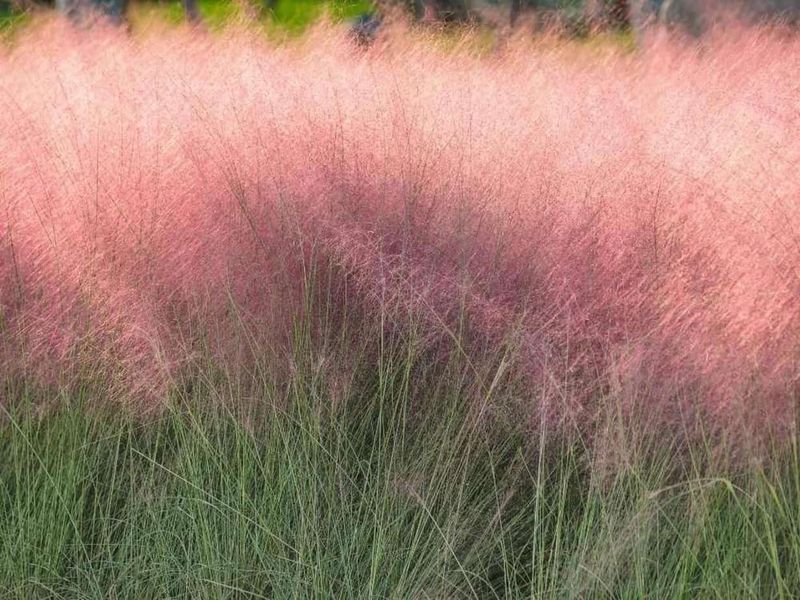
Come fall, muhly grass explodes into clouds of pink-purple plumes that look like cotton candy floating over your lawn, and it does this without a single drop of babying from you. Native to Florida and blessed by UF-IFAS as a low-maintenance star, it laughs at sandy soil and shrugs off drought once it settles in.
What makes it a crane magnet is the buffet hiding inside those airy clumps. Grasshoppers, beetles, and small spiders shelter in the base, and sandhill cranes love probing through ornamental grasses to snap up hidden insects and fallen seeds.
Plant it in a sunny spot with room to spread, and you get a self-sufficient anchor plant that survives hurricane winds and flooding better than most flowers. Fun bit: a single mature clump can host dozens of tiny critters, which means fewer pests wandering toward your patio and more reasons for cranes to linger.
2. Sunflower (Helianthus)
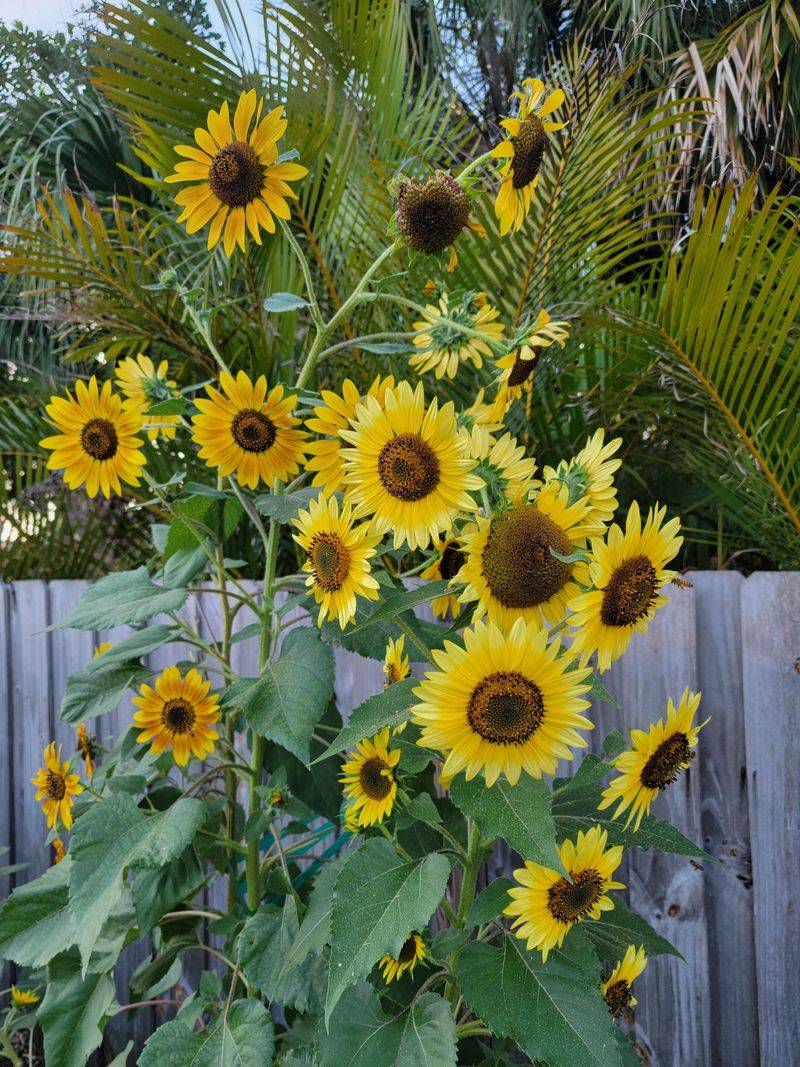
Few plants shout “come eat here” as loudly as a row of sunflowers, and sandhill cranes hear the invitation clear as day. The heavy seed heads are basically a snack bar, and cranes will wander in to peck at seeds that drop to the ground below.
Florida’s native swamp sunflower and beach sunflower handle the state’s brutal July heat and sandy ground with ease, blooming bright yellow while asking for almost nothing in return. Beyond the seeds, these tall bloomers are insect hotels.
Bees, beetles, and caterpillars swarm the flowers, and those bugs become an easy protein grab for visiting cranes. The result is a yard where the pest balance tips in your favor because so many insects get eaten before they multiply.
Space your sunflowers along a fence or garden edge where cranes have open sightlines, since these cautious birds like to see what’s around them. Leave the spent heads standing into fall and you’ll keep the free food flowing.
3. Saw Palmetto
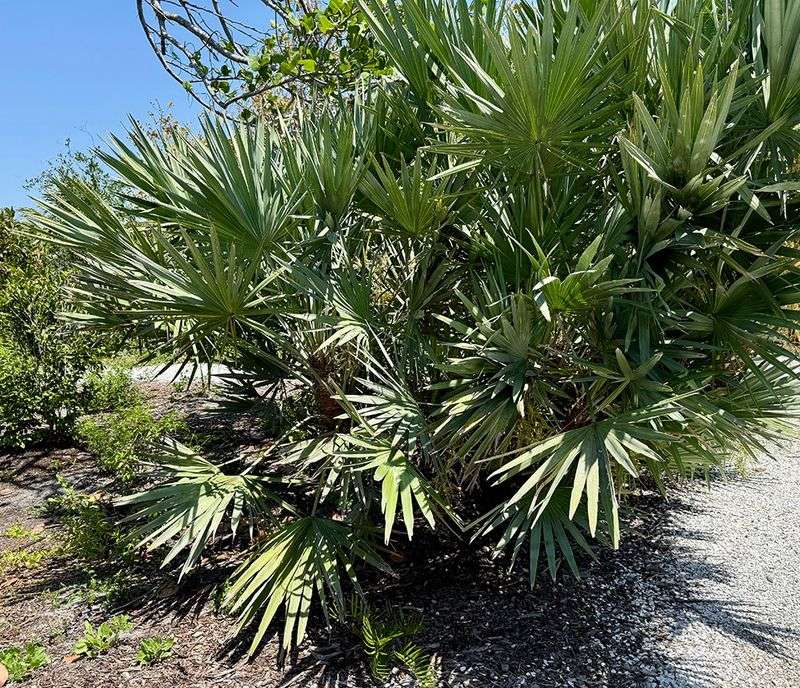
Tough as old boots, saw palmetto has been surviving Florida’s fires, floods, and hurricanes for thousands of years, so your sandy backyard barely registers as a challenge. Its low, fanning fronds create a dense ground layer that cranes patrol for the beetles and grubs living underneath.
The plant’s berries ripen in late summer and become a favorite snack for all kinds of Florida wildlife, cranes included. Because it needs zero irrigation and no fertilizer once established, this native shrub is about as close to set-and-forget as landscaping gets.
Sandhill cranes appreciate the cover it provides between feeding trips, giving them a safe pocket to retreat to if a hawk cruises overhead. Meanwhile, the thick foliage traps moisture and insects, quietly cutting down the bug population that would otherwise drift toward your home.
Give it a sunny corner and space to widen, then walk away. It will reward you with decades of low-effort structure and steady crane traffic.
4. Coontie
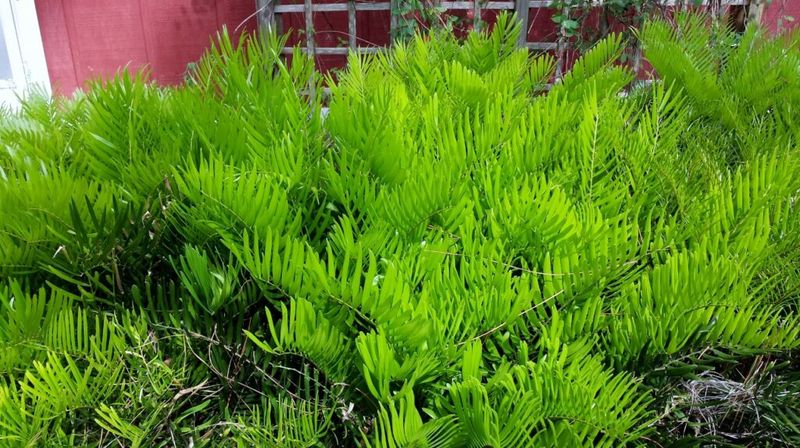
Meet the plant that fed Florida’s earliest residents and now feeds its wildlife: coontie, the state’s only native cycad. Its stiff, fern-like fronds stay green year-round and hide starchy underground roots that cranes will dig and probe for when they’re hunting.
What sets coontie apart is its partnership with the rare atala butterfly, whose caterpillars feed on its leaves. More caterpillars and insects around the plant mean more protein snacks for cranes stopping by your yard.
It handles sandy soil beautifully, tolerates shade or sun, and barely flinches during a drought, which makes it a favorite in UF-IFAS Florida-friendly plantings. Once it’s rooted in, you can basically forget it exists until you notice the wildlife it pulls in.
Tuck a few near a garden bed border, and you’ll have a slow-growing, storm-hardy plant that keeps the local food web humming and brings cranes closer than you’d expect.
5. Beautyberry
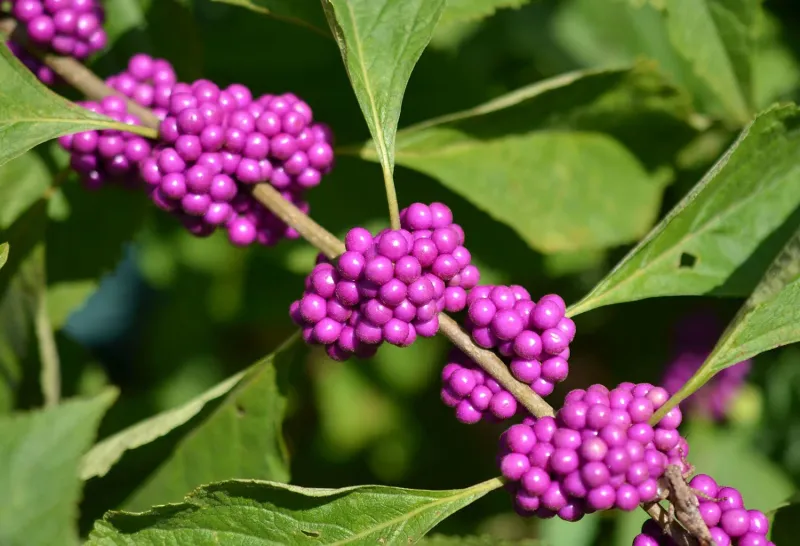
By late summer, beautyberry lights up shady spots with clusters of shockingly bright purple berries wrapped around its stems, and it’s hard to walk past without staring. Sandhill cranes and dozens of other birds treat those berries as a seasonal feast.
Here’s a neat trick: crushed beautyberry leaves have long been used as a folk insect repellent, and research suggests the leaves may help deter mosquitoes and biting bugs. So while the berries pull in cranes, the foliage can quietly push some pests away from your gathering spots.
Native and remarkably tough, it thrives in Florida’s sandy soil and bounces back fast after storms or a hard prune. It grows in part shade where a lot of showy plants sulk, filling awkward corners with color and life.
Plant it near a seating area and you’ll get purple fireworks, fewer bug bites, and cranes wandering close for the fruit. Not a bad trade for a plant that asks so little.
6. Wiregrass
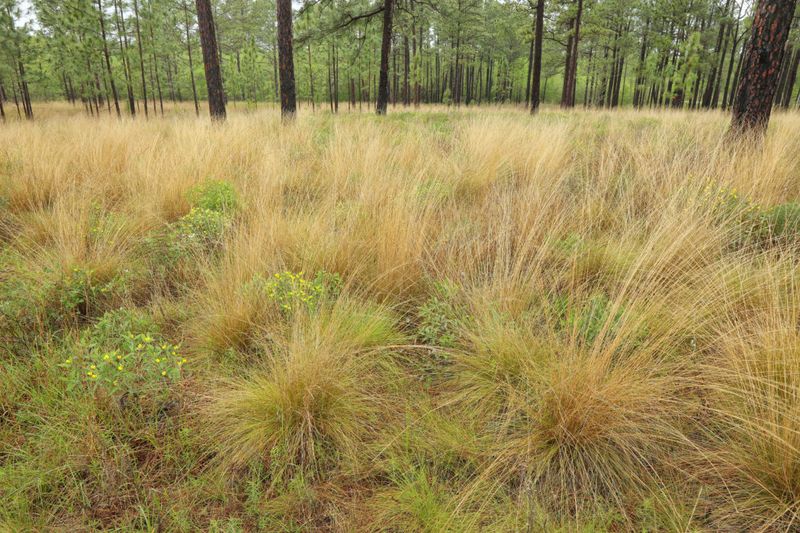
Underrated and almost invisible until you know what you’re looking at, wiregrass is the backbone of Florida’s old pine flatwoods and a quiet powerhouse for wildlife. Its thin, wiry blades form loose tufts that shelter grasshoppers, crickets, and ground beetles.
Cranes stalk slowly through grassy patches like this, using their long bills to snatch up the insects hiding in the clumps. Every bug they eat is one less pest chewing on your other plants.
Drought is no problem for wiregrass, and it’s actually adapted to fire, which tells you how tough this native really is. It handles sandy, nutrient-poor ground where fussier grasses give up entirely.
Use it as a naturalistic filler across a sunny stretch of yard, and you’ll create the open, grassy feeding zone cranes are drawn to. Bonus: it needs mowing about as often as you feel like it, which is to say rarely.
7. Blanket Flower (Gaillardia)
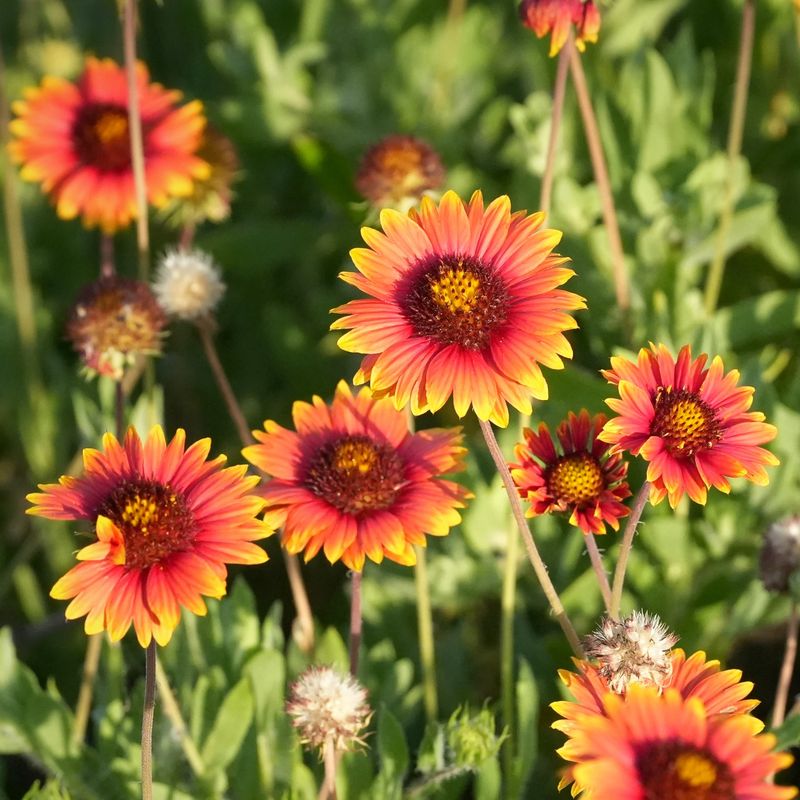
If you want cheerful and unkillable in one package, blanket flower delivers with fiery red-and-yellow blooms that look like little sunsets scattered across your yard. It grows wild on Florida’s beaches, so sandy soil and blazing heat are exactly its comfort zone.
The daisy-like flowers are insect magnets, drawing bees, butterflies, and beetles that cranes are happy to pick off during a stroll. As the blooms fade, they leave seed heads that add another layer to the crane menu.
Because it reseeds itself readily, one planting can carpet a bare patch season after season with no replanting on your part. That self-sowing habit makes it a genuine set-and-forget choice for busy Florida gardeners.
Line a walkway or fill a hot, dry bed where nothing else wants to grow, and watch the bugs arrive first and the cranes follow. It’s proof that low effort and high wildlife value can absolutely go together.
8. Fakahatchee Grass
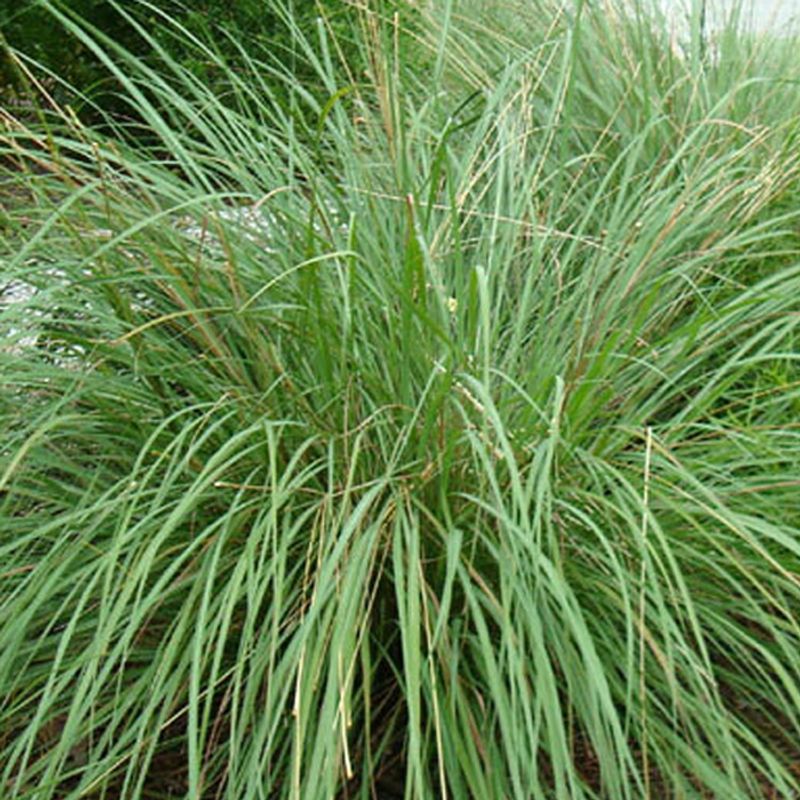
Often mistaken for its invasive lookalike pampas grass, Fakahatchee grass is the well-behaved Florida native you actually want, forming graceful arching mounds up to five feet tall. Cranes love working the edges of tall grass clumps, probing for the insects and small creatures that nest in the dense base.
Flooding? No issue. This grass tolerates wet feet and standing water, which makes it a hero in Florida yards prone to soggy spots after summer downpours. It handles drought just as calmly once established, so it fits both extremes of the state’s wild weather.
The tall structure also gives cranes a sense of security while they feed nearby, since they like open ground with cover close at hand. Insects that would otherwise spread across your lawn get trapped in the foliage and picked off by hungry birds.
Plant it as a living privacy screen or a rain-garden anchor, and enjoy a hurricane-hardy grass that keeps both the cranes and the pest control on your side.