
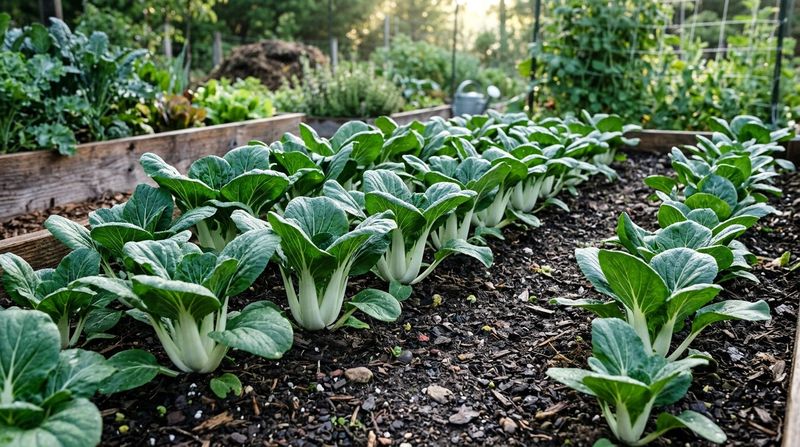
November might feel like the end of the garden year, but in the South it is really a fresh start. Cooler days, fewer bugs, and softer sun make this one of the easiest times to grow food in Florida, Texas, and nearby states.
A handful of fast, cold-tolerant crops can go in the ground right now and fill your plate long before spring shows up. Here are eight worth sowing this month, plus tips to keep them healthy if a cold snap or pest comes calling.
1. Radishes
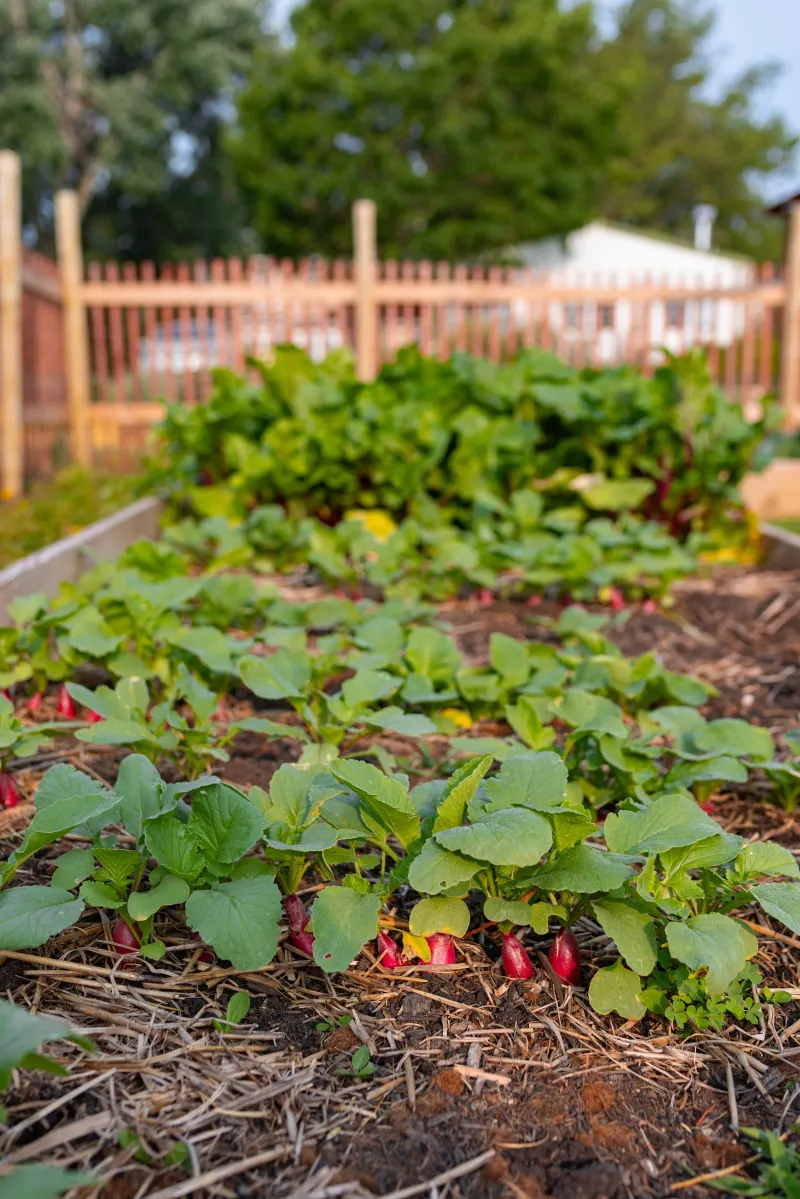
Few seeds reward impatience like a radish. Sow a row now, and in about 25 to 30 days you could be slicing crisp, peppery roots into a salad.
That speed makes them a great pick for anyone who wants proof that fall gardening works.
Sprinkle seeds half an inch deep and about an inch apart in loose, well-drained soil. Thin seedlings to two inches once they sprout, because crowded radishes tend to grow all leaf and no root.
Cool November air in the South often keeps them sweeter and milder than spring crops.
Watch for two common problems. Woody or split roots usually mean uneven watering, so try to keep the soil steadily moist rather than soaking and drying it.
Tiny holes in the leaves often point to flea beetles, and a light row cover may help keep them off.
For a steady supply, sow a short row every two weeks through winter. Varieties like Cherry Belle and French Breakfast are reliable choices in Florida and Texas gardens.
Did you know? Radishes were so prized in ancient Egypt that they were reportedly used to help pay pyramid workers.
2. Spinach
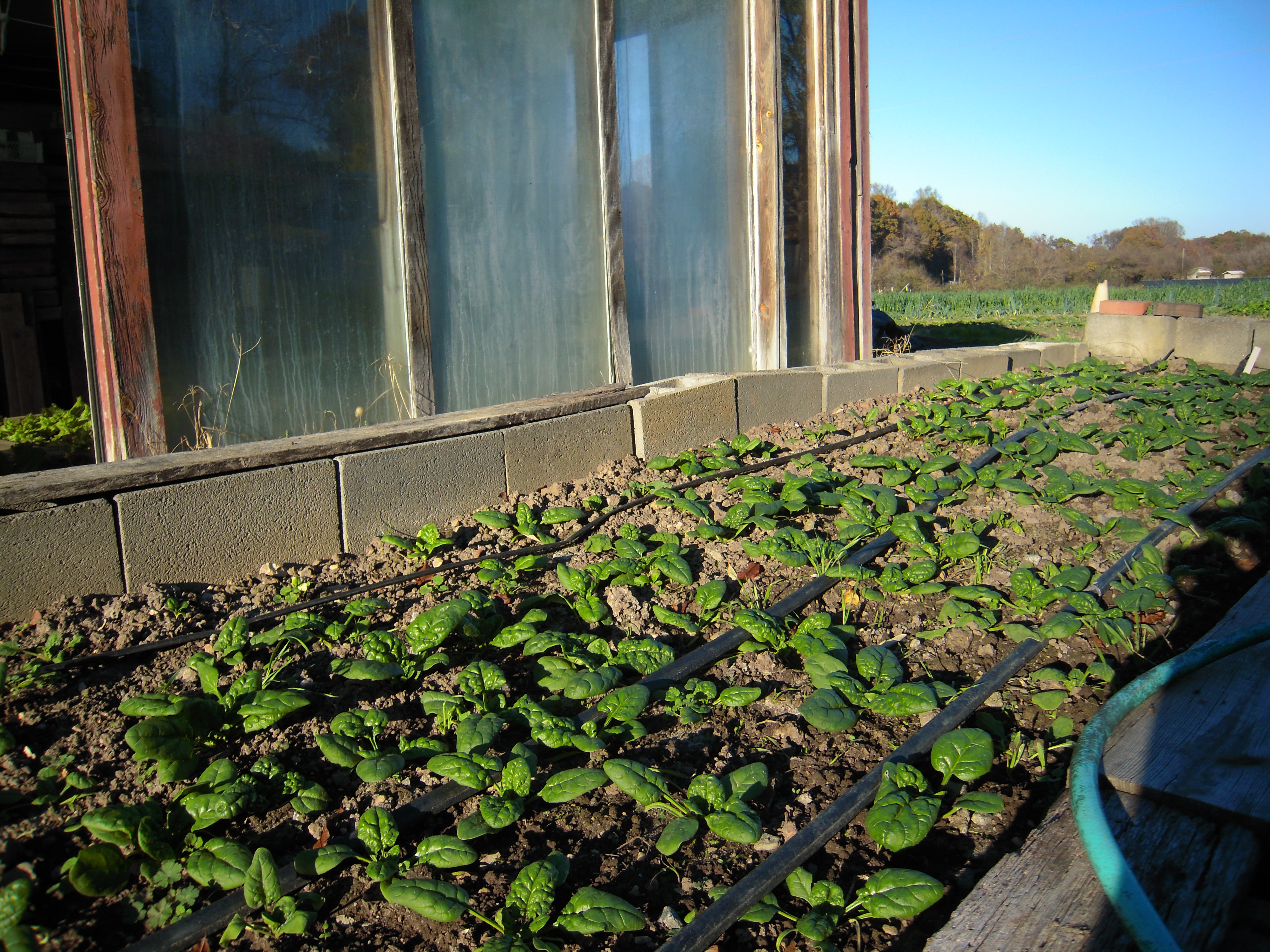
Spinach is the friend who actually likes chilly weather. Summer heat makes it bolt fast, but November in the South gives it the long, cool days it loves.
Expect baby leaves in about 30 days and full heads in roughly six weeks.
Plant seeds half an inch deep in rich soil with plenty of compost. Germination can be slow if soil is still warm, so some gardeners chill seeds in the fridge for a few days first.
Keep the bed moist until sprouts appear.
Yellowing leaves are the worry most growers write in about. Often it signals a nitrogen shortage, and a light feeding of fish emulsion or compost tea may green plants back up.
Poor drainage can also cause yellowing, so raised beds tend to help in heavy Texas clay.
Harvest outer leaves first and let the center keep growing. Done this way, one planting can feed you for months.
If your area runs warm, try heat-tolerant types like Bloomsdale or consider Malabar spinach later in the year. Hard freezes are rarely a problem, since spinach can often handle temperatures into the low 20s with a light cover.
3. Leaf lettuce
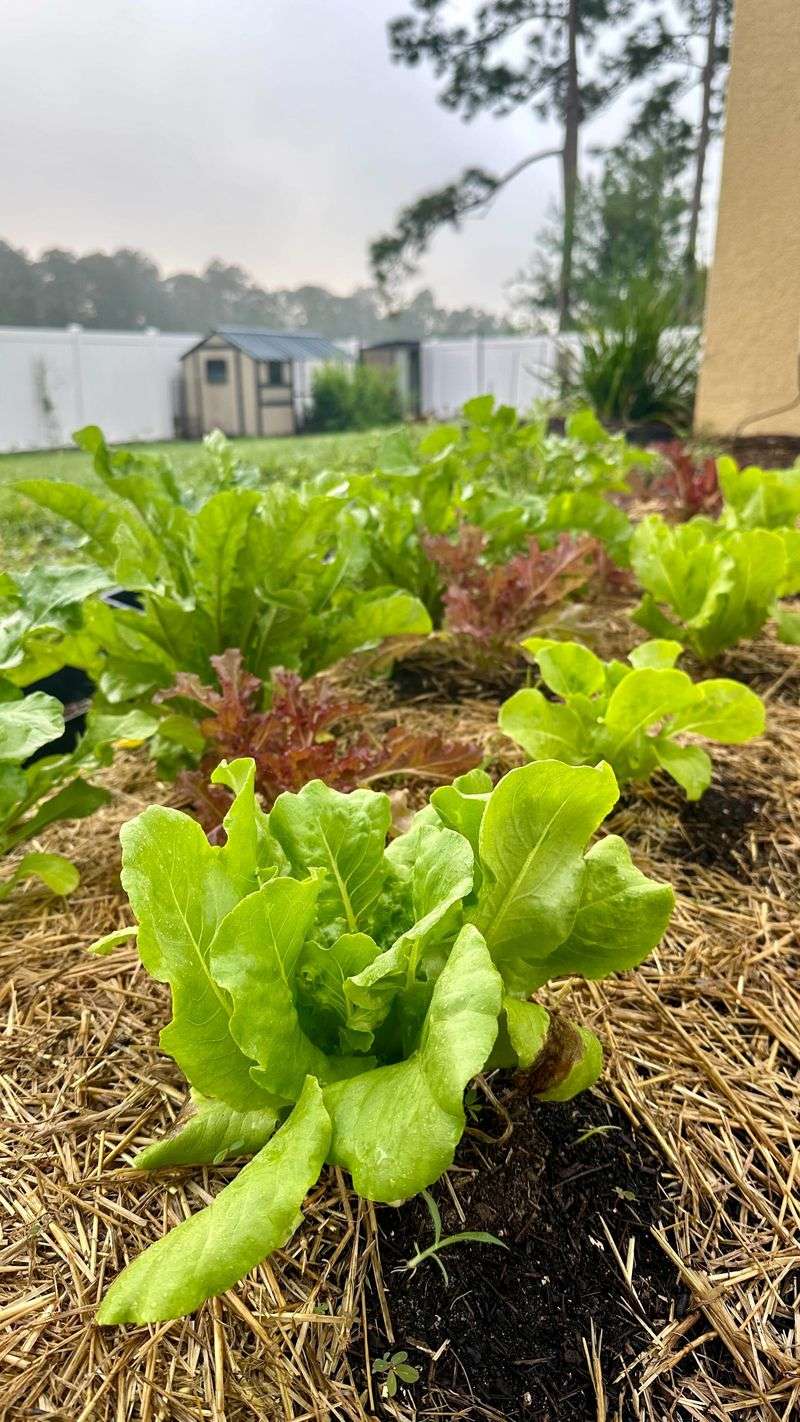
Picture walking out the back door in January and snipping a whole salad in two minutes. Leaf lettuce makes that possible across most of Florida and Texas, where winter is lettuce season rather than summer.
Skip heading types for now and choose loose-leaf mixes like Black Seeded Simpson, Red Sails, or Salad Bowl. Seeds need light to sprout, so just press them into the surface and barely cover them.
You can start cutting baby greens in about four weeks.
Lettuce has shallow roots and dries out quickly on sunny, breezy days. A thin layer of straw mulch can hold moisture and keep leaves cleaner.
If leaves turn bitter or plants stretch tall, a warm spell may be pushing them to bolt, and afternoon shade can slow that down.
Slugs and snails love tender lettuce on damp winter nights. Hand-picking after dark or setting shallow beer traps may reduce the damage.
Use the cut-and-come-again method by trimming leaves an inch above the crown. Plants usually regrow two or three times, giving you far more food from a single packet than you might expect.
4. Turnips
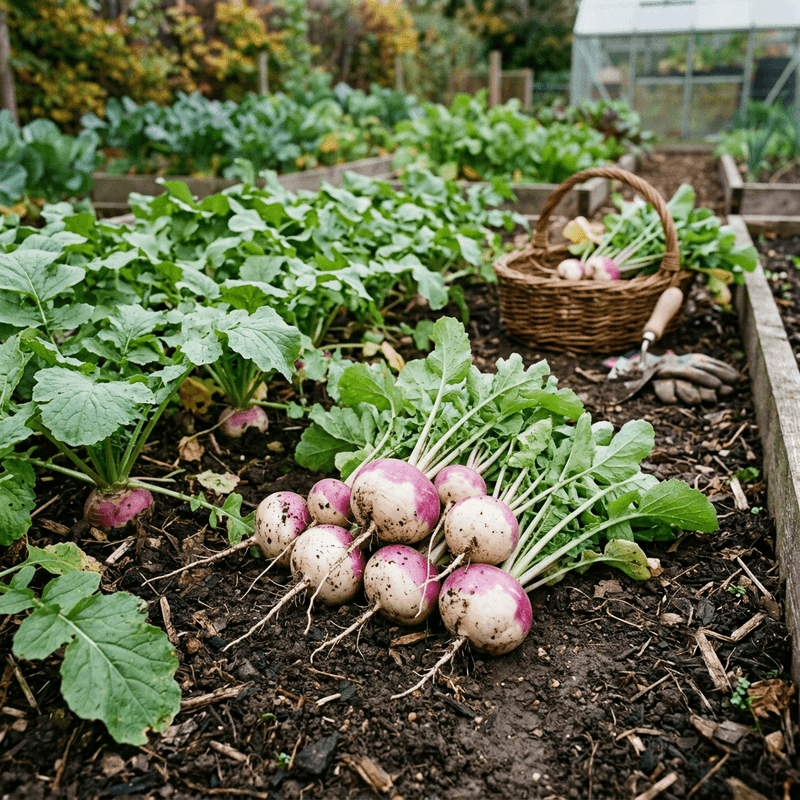
Grandma knew something when she planted turnips every fall. You get two crops from one seed: tender greens for the skillet and sweet roots for roasting.
That double payoff earns turnips a solid spot on this list.
Sow seeds a quarter to half inch deep in full sun. Greens are ready to pick in about 30 days, while roots size up in 40 to 55 days depending on variety.
Hakurei, a Japanese salad turnip, stays small and sweet enough to eat raw like an apple.
Cool weather helps convert starches to sugars, so a light frost can actually make roots taste better. Hot spells, on the other hand, often turn them sharp and pithy.
Pull roots when they reach two to three inches for the best texture.
Aphids sometimes cluster under turnip leaves in mild Southern winters. A hard spray of water or insecticidal soap may knock them back.
Leaves with holes and slime trails point to slugs instead. If you only pick a few greens from each plant at a time, the roots keep growing underneath.
Purple Top White Globe remains a dependable Southern classic worth trying.
5. Kale
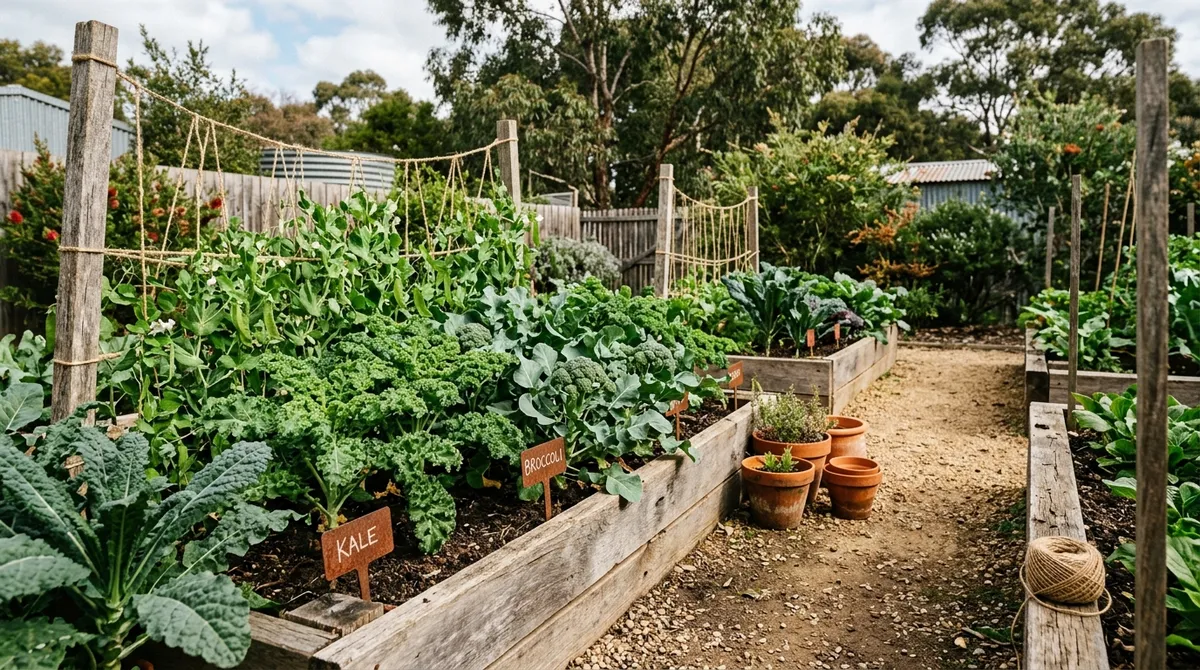
Tough as old boots and tastier after a cold night, kale is the workhorse of the winter bed. Once established, a few plants can keep producing leaves straight through to April in much of the South.
Direct sow seeds a half inch deep, or tuck in transplants for a faster start. Thin plants to about 12 inches apart so air can move between them.
Baby leaves come in around 30 days, and mature bunches in about 50 to 60.
Green caterpillars chewing ragged holes are the most common complaint. These are usually cabbage worms, and lightweight row cover often keeps the moths from laying eggs.
Hand-picking or a Bt spray may help if they get a head start. Yellow lower leaves are normal aging, so simply remove them.
Harvest from the bottom up, leaving the top crown intact. Plants will grow taller and look a little like small palm trees by spring.
Lacinato, also called dinosaur kale, holds up well in Texas wind, while Red Russian handles Florida humidity nicely. Fun fact: frost may trigger kale to produce more sugars, which is why winter leaves often taste milder.
6. Bok choy
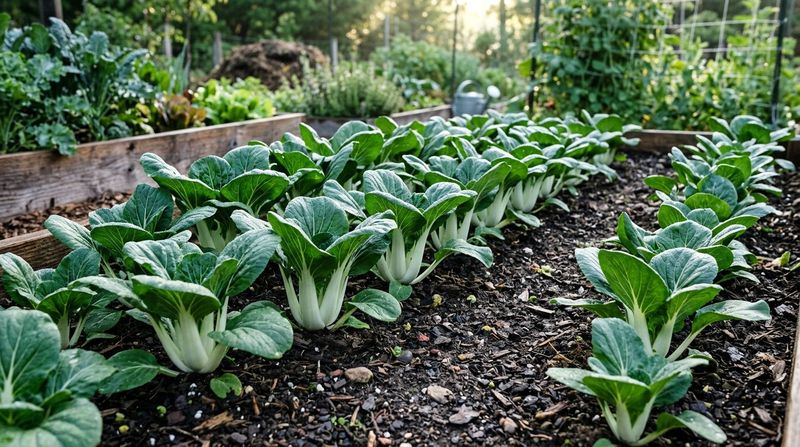
Stir-fry fans, here is your shortcut. Baby bok choy can be ready in as little as 30 to 45 days, giving you crunchy stems and mild greens before most other winter crops have hit their stride.
Sow seeds a quarter inch deep and thin to six inches apart for baby heads, or about ten inches for full-size plants. Rich soil and steady moisture keep stems juicy.
Bok choy grows especially well in Florida and South Texas, where winter stays mild.
The biggest trouble is bolting. A sudden warm week or a hard chill can both trigger flower stalks.
Harvesting promptly once heads look full is the best defense, and varieties like Toy Choy or Joi Choi are known to resist bolting better than many.
Flea beetles and cabbage worms enjoy bok choy as much as people do. Covering plants from day one may spare you a lot of nibbled leaves.
You can harvest the whole head at once or pick outer leaves over several weeks. Either way, rinse well, since soil tends to collect at the base of the stems.
7. Green onions
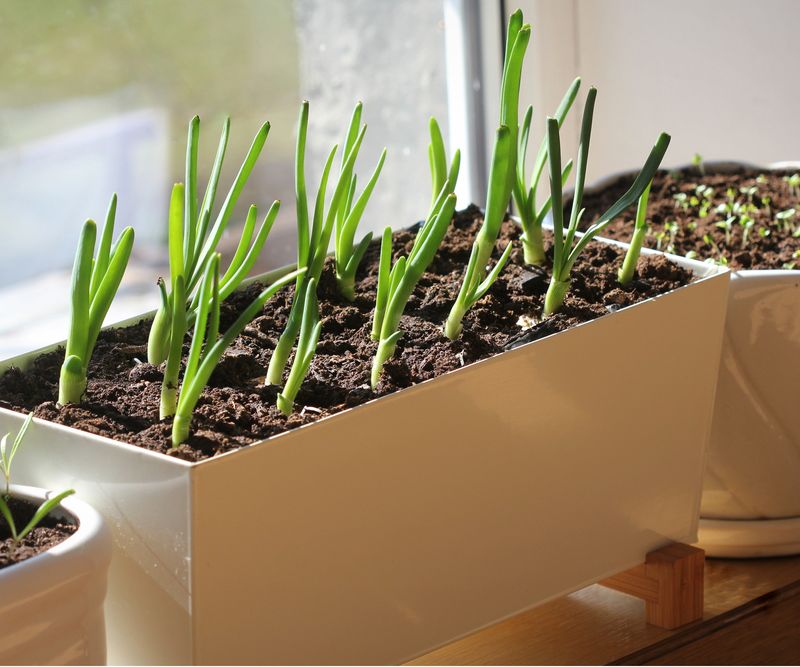
Ever bought a bunch of scallions for one recipe and watched the rest wilt in the fridge? Growing your own fixes that, and November is a great month to start them in Southern gardens.
Scatter seeds a quarter inch deep in a sunny bed or a wide pot by the kitchen door. Thin to about an inch apart, and you can start snipping tops in roughly 60 days.
Want them even faster? Replant the white root ends from store-bought onions, and new green shoots often appear within a week.
Green onions take up little room, so tuck them between slower crops like kale. Their strong scent may help confuse some pests looking for nearby greens, though results vary.
Keep soil evenly moist and weeded, since young onions struggle against competition.
Thin, floppy or yellowing tops usually mean too little sun or tired soil. A side dressing of compost generally perks them up.
Cut leaves an inch above the soil and plants regrow repeatedly through winter. Evergreen Hardy White is a dependable bunching type that keeps producing for months without forming large bulbs.
8. Snow peas
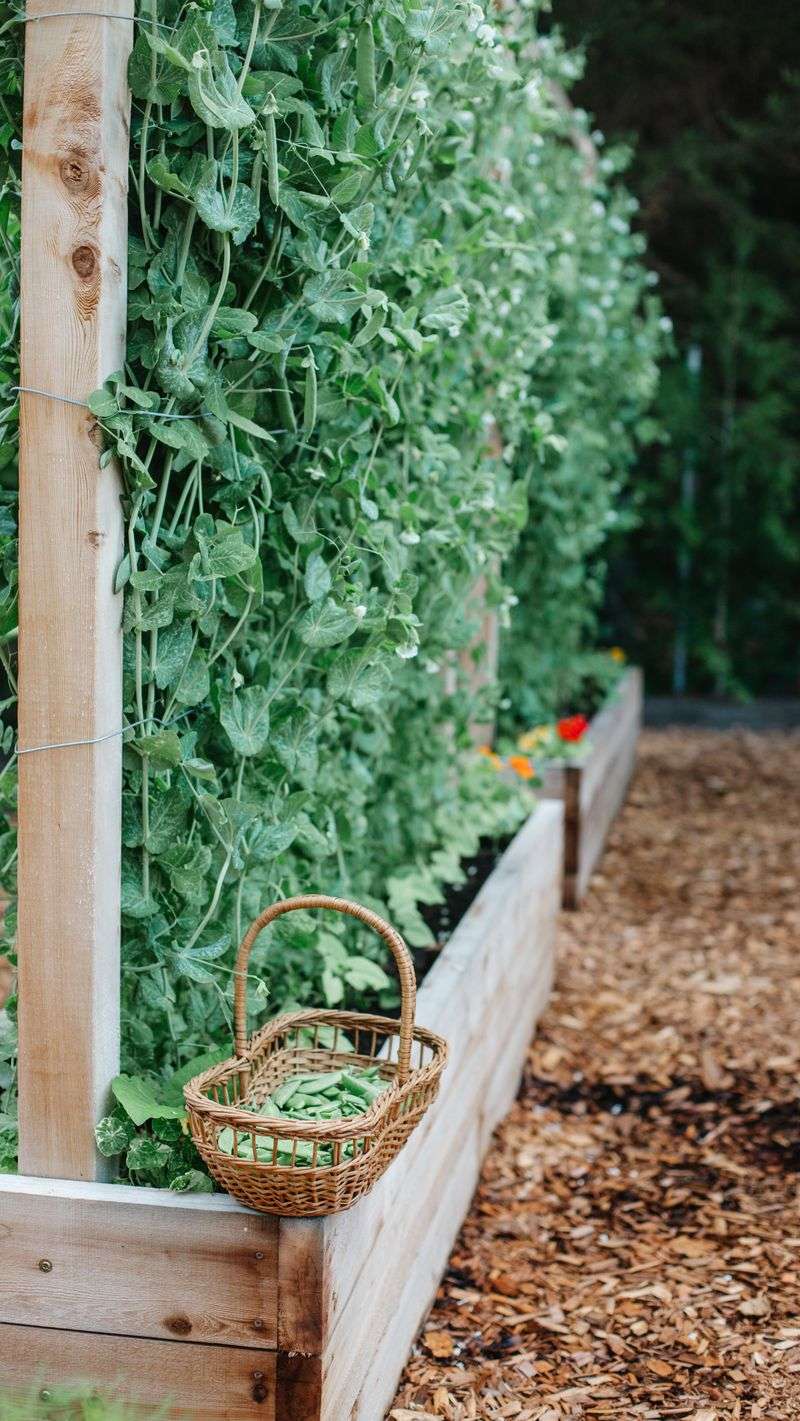
Sweet pods snapped straight off the vine are one of winter gardening’s best treats. Snow peas planted in November across Florida, the Gulf Coast, and South Texas often start producing by late January or February.
Soak seeds overnight to speed germination, then plant them an inch deep along a trellis or fence. Even dwarf varieties like Oregon Sugar Pod II appreciate something to grab.
Expect flat, tender pods in about 60 to 70 days.
Peas fix their own nitrogen, so skip heavy fertilizer, which can cause lush vines with few pods. In North Texas, a hard freeze may damage flowers, so keep frost cloth handy for very cold nights.
Seedlings can usually handle a light frost just fine.
Powdery mildew sometimes shows up as white dust on leaves when days warm. Good airflow and watering at the base may slow it down.
Birds also love young sprouts, and a bit of netting early on can protect them. Pick pods often while seeds inside are still tiny, because regular picking tends to keep the vines flowering.
A bowl of fresh peas before spring is a fine reward for a little November effort.