 Complete Gardening
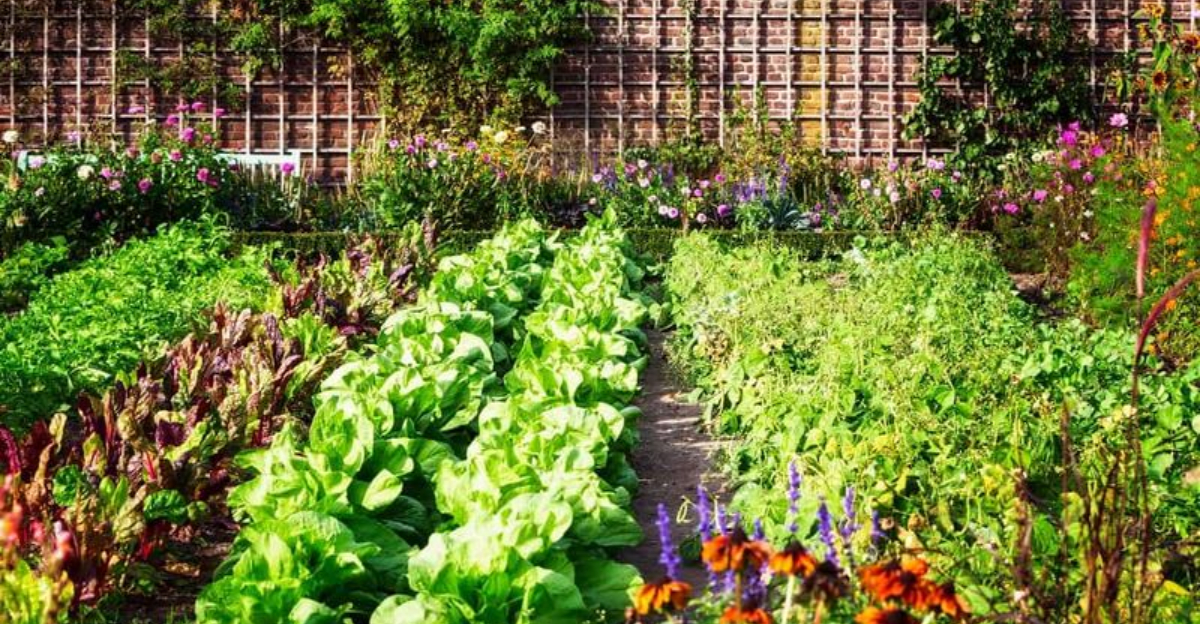
Gardening is a rewarding hobby that brings joy and beauty to our lives. However, even seasoned gardeners can fall victim to certain common mistakes that gradually harm their plants. Whether you’re a novice or a pro, avoiding these pitfalls is key to maintaining a thriving garden. Here, we explore nine frequent errors and how to prevent them, ensuring your plants remain healthy and vibrant.
1. Overwatering
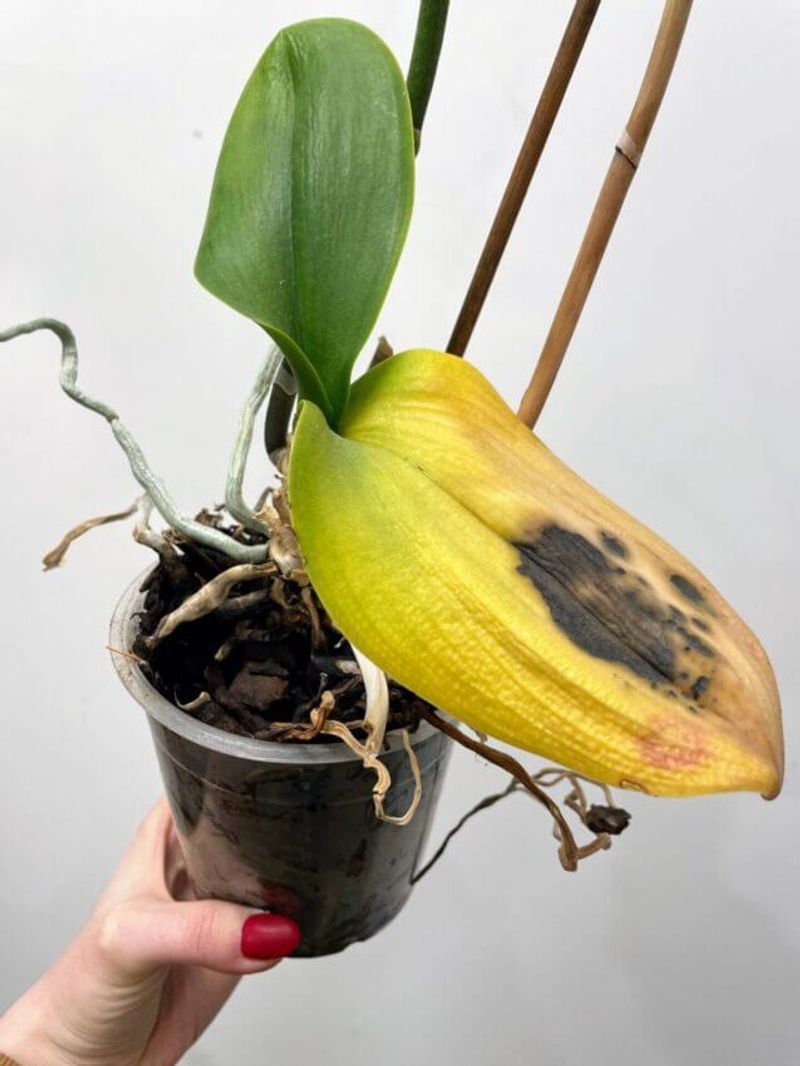
Many gardeners equate care with watering often. Yet, excessive watering is a silent plant killer. When roots are constantly soaked, they suffocate, unable to access oxygen. This leads to root rot, a common ailment that can be hard to detect until it’s too late.
The foliage may yellow, and growth may stunt, but the true damage lies beneath. Different plants have varying water needs, and understanding these can prevent overwatering. It’s essential to let the soil dry out between watering sessions. Use well-draining soil and pots with holes to assist healthy water flow.
2. Poor Soil Conditions
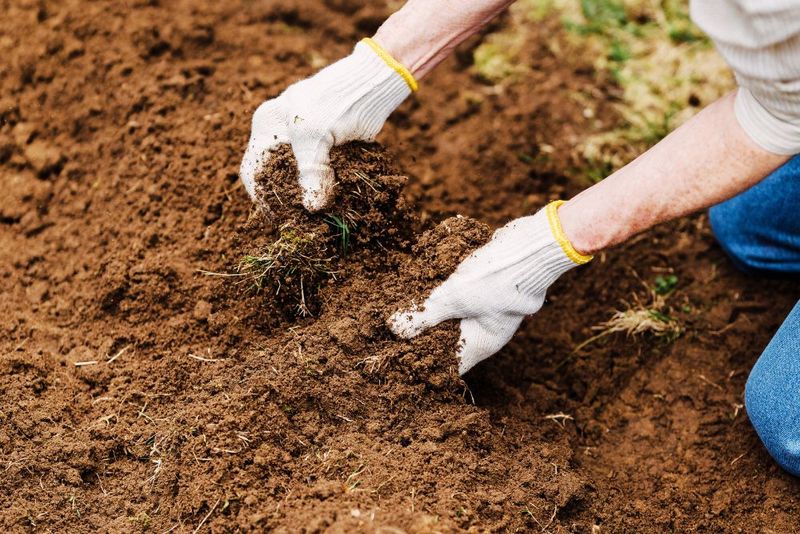
Soil is the lifeline of any plant. Poor soil quality can stunt growth and lead to nutrient deficiencies. Many gardeners overlook the importance of good soil. It’s not just dirt—it’s a complex ecosystem crucial for plant health.
Plants may appear weak and pale when soil lacks essential nutrients like nitrogen or potassium. Regular soil testing can reveal its condition, informing how to amend it. Adding organic matter can improve soil structure and fertility. Mulching can also help retain moisture and suppress weeds, enhancing the overall soil environment.
3. Ignoring Sunlight Needs
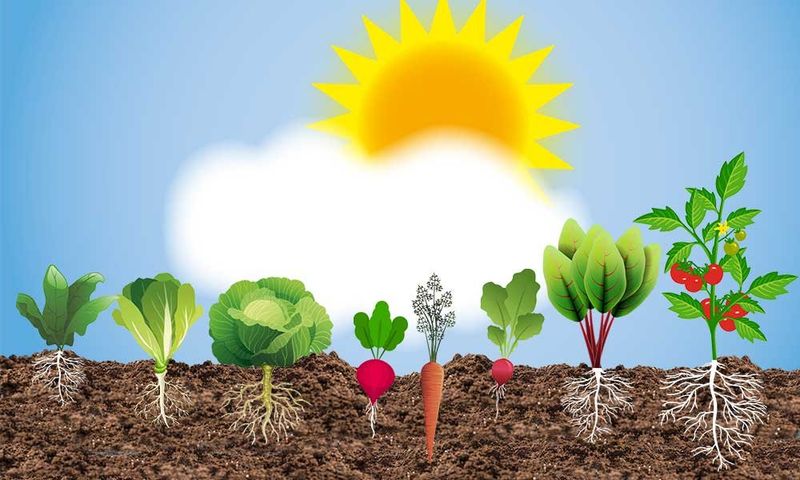
Not all plants bask in the sun’s glory. Some thrive in shade, while others demand full sun. Ignoring these needs can slowly weaken plants. A sun-loving plant in shade may become leggy and pale, striving to reach light. Meanwhile, shade-loving varieties can scorched by too much sun.
Understanding specific sunlight requirements can vastly improve plant health. Observe your garden’s light patterns throughout the day. This knowledge helps in placing each plant where it can thrive best, leading to a more vibrant garden.
4. Overcrowding Plants
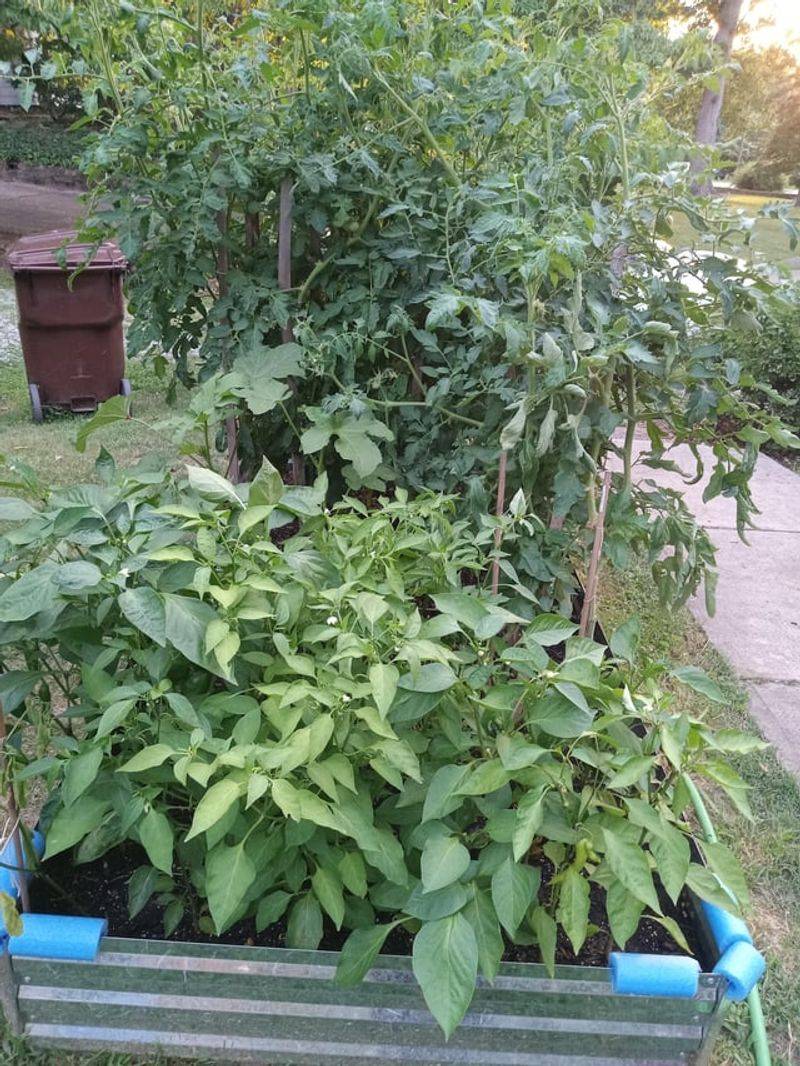
A crowded garden can be a chaotic mess. Overcrowding stifles growth as plants compete for resources like sunlight, water, and nutrients. This competition stresses plants, making them more susceptible to diseases and pests.
Giving each plant sufficient space ensures they can grow to their full potential. It’s essential to follow spacing recommendations according to species. Regular pruning and thinning help maintain optimal plant health and vitality. A well-spaced garden not only thrives but also looks aesthetically pleasing and organized.
5. Neglecting Pest Control
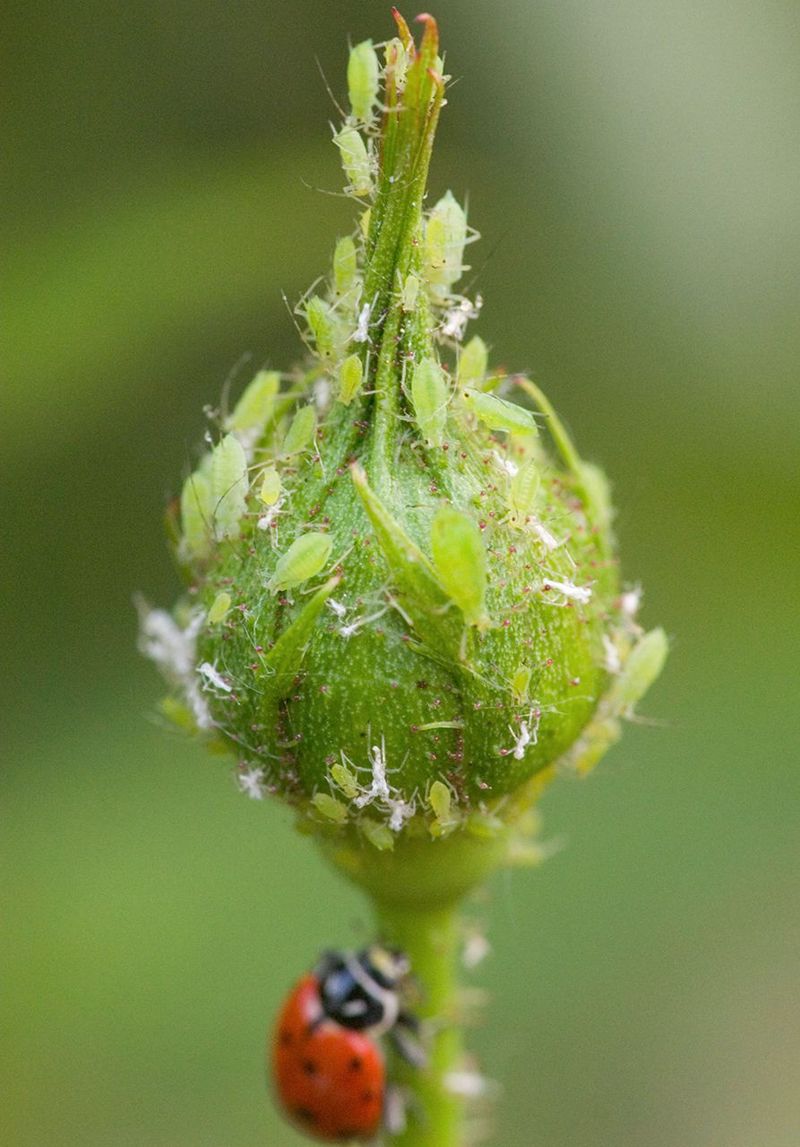
Pests are the tiny marauders of the garden world, often going unnoticed until significant damage is done. Aphids, slugs, and beetles can wreak havoc on healthy plants. Ignoring early signs of infestation allows these pests to multiply, eventually overwhelming plants.
Vigilance is key. Regularly inspect plants for signs of pest activity. Employ natural pest control methods like introducing beneficial insects or using organic sprays. Being proactive about pest management can save your plants from untimely demise and keep your garden thriving.
6. Improper Pruning Techniques
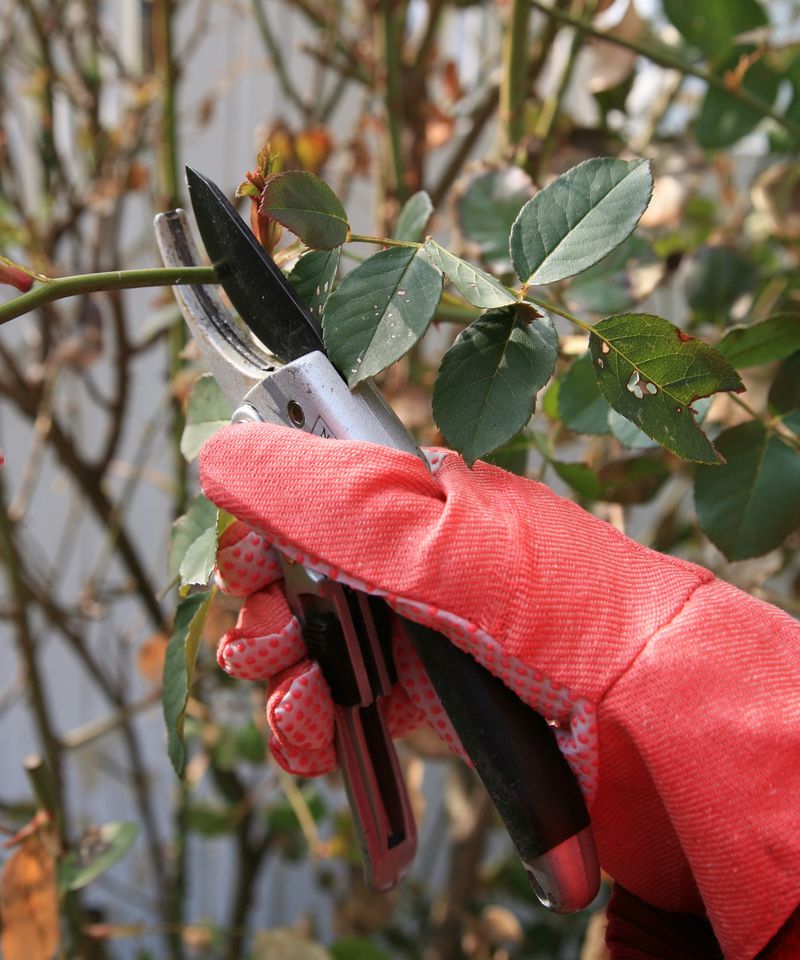
Pruning is an art that requires precision and timing. Incorrect techniques can damage plants, inviting disease and decay. Over-pruning or cutting too close to the main stem can injure plants, delaying flowering and fruiting.
Understanding each plant’s specific pruning needs is crucial. Use sharp, sanitized tools to prevent disease spread. Timing matters too; some plants are best pruned in dormant seasons. Proper pruning encourages healthy growth and helps maintain plant shape and productivity.
7. Improper Fertilization
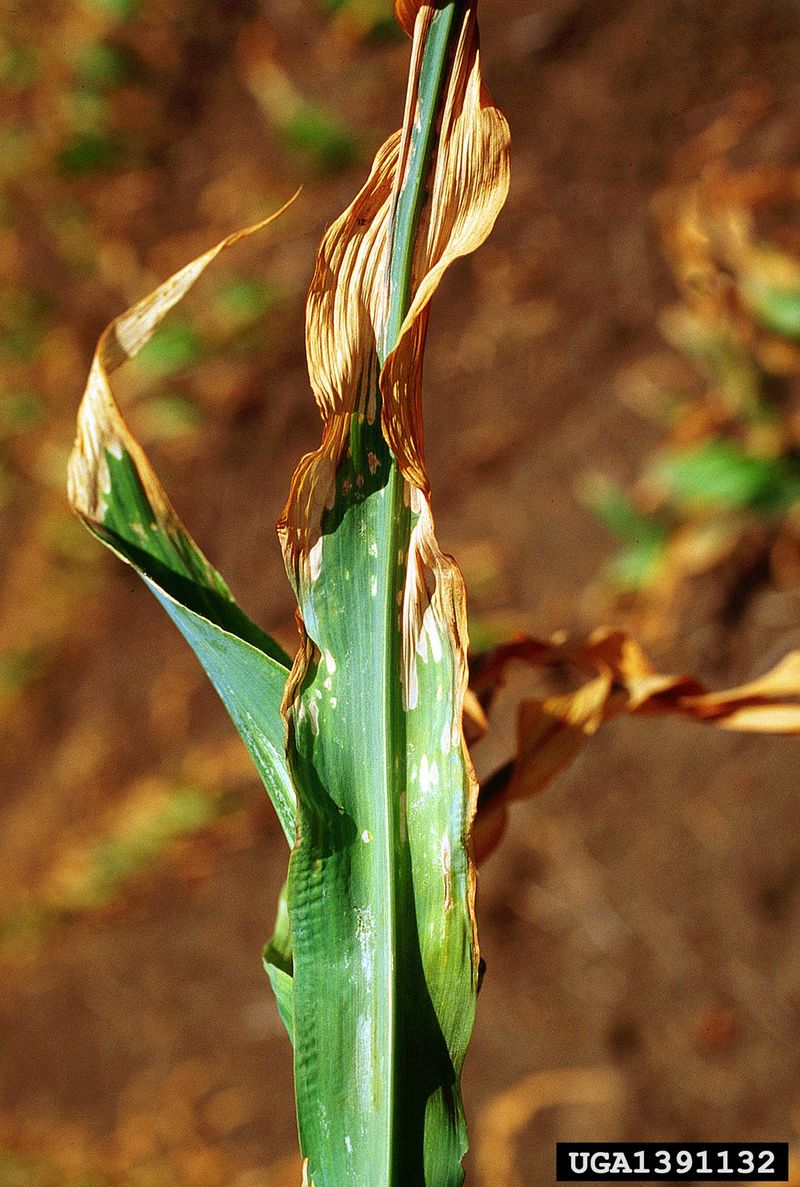
Fertilizers are plant food, but too much can overwhelm them. Over-fertilization burns roots and leads to salt build-up in the soil. Signs include browning leaf edges and stunted growth.
Plants require balanced nutrition tailored to their needs. It’s essential to follow recommended application rates and timings. A soil test can guide appropriate fertilizer use. Organic options, like compost, provide a gentler approach to feeding plants. Monitoring and adjusting fertilization practices can promote robust plant health.
8. Ignoring Seasonal Changes
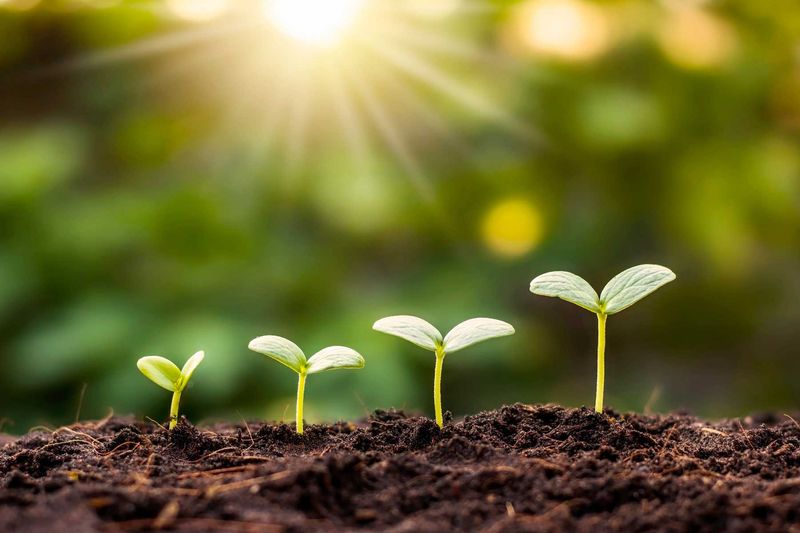
Each season brings new challenges and needs for plants. Ignoring these changes can lead to stress and poor health. Seasonal neglect might mean missed fertilizing windows or unprotected plants during frosts.
Understanding your plant’s seasonal needs is crucial. Some require cutting back in fall, while others need protective mulching. Adjusting care routines according to the season can nurture year-round plant vitality. Staying attuned to these natural cycles results in a resilient and flourishing garden.
9. Using the Wrong Plant Varieties

Plant variety selection is foundational. Choosing the wrong types for your climate can spell disaster. Tropical plants may not thrive in colder zones, while others might suffer in excessive heat.
Researching plants suitable for your region’s conditions ensures better growth. Local nurseries can offer advice on what thrives in your area. Adapting your plant selection to your environment circumvents many common gardening woes, allowing a garden to flourish naturally without undue stress.
10. Incorrect Plant Spacing
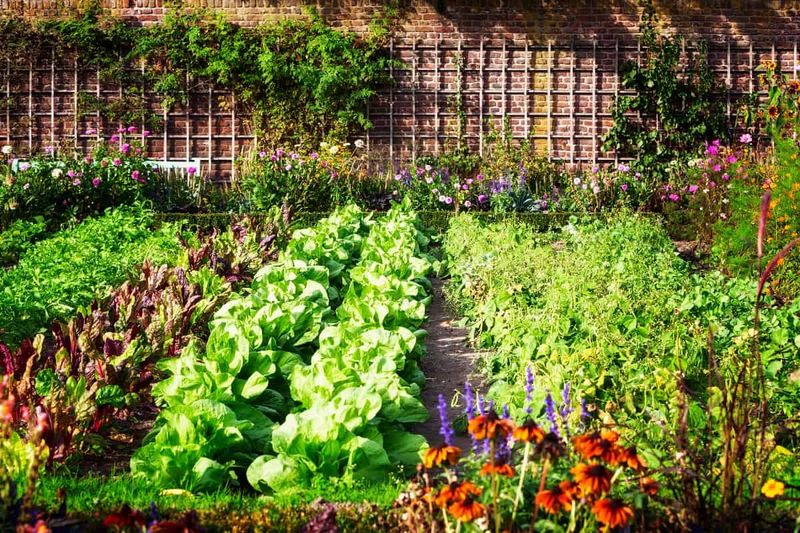
Ever noticed how some gardens feel like a crowded party? Plants, much like us, need space to breathe and grow. Cramming them together can lead to poor air circulation, fostering disease and stunted growth.
Different plants have unique spacing needs. Not respecting these requirements can result in a tangled mess more prone to pests.
It’s essential to research the specific spatial demands of your plants. By doing so, you’ll give each its own breathing room, leading to healthier, more robust growth.
11. Hasty Transplanting
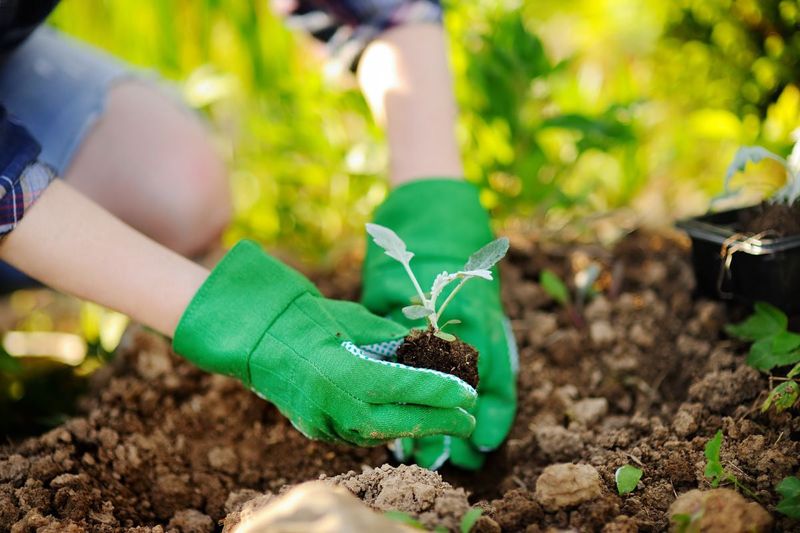
Impatience can be a gardener’s downfall. When transplanting seedlings or young plants too hastily, it can shock their delicate root systems.
This shock often leads to wilting or even death. Allow plants to establish roots in their starter pots before moving.
Pay attention to weather conditions too. Transplanting during extreme heat or cold can exacerbate stress. A gentle, planned approach ensures successful transitions and healthy plants.
12. Improper Watering Tools
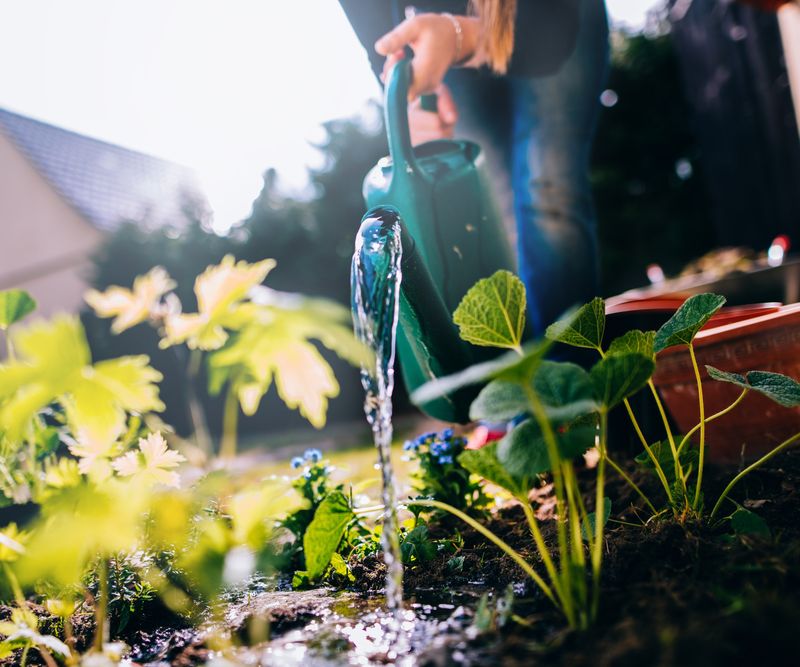
Not all watering methods suit every garden. Using the wrong tools can lead to uneven moisture levels, leaving some plants thirsty while drowning others.
Sprinklers may miss vital spots, and hoses can deliver too much pressure. Opt for soaker hoses or drip irrigation for more controlled watering.
By understanding the needs of your particular garden, you’ll provide consistent and adequate hydration, promoting lush growth.
13. Failure to Rotate Crops
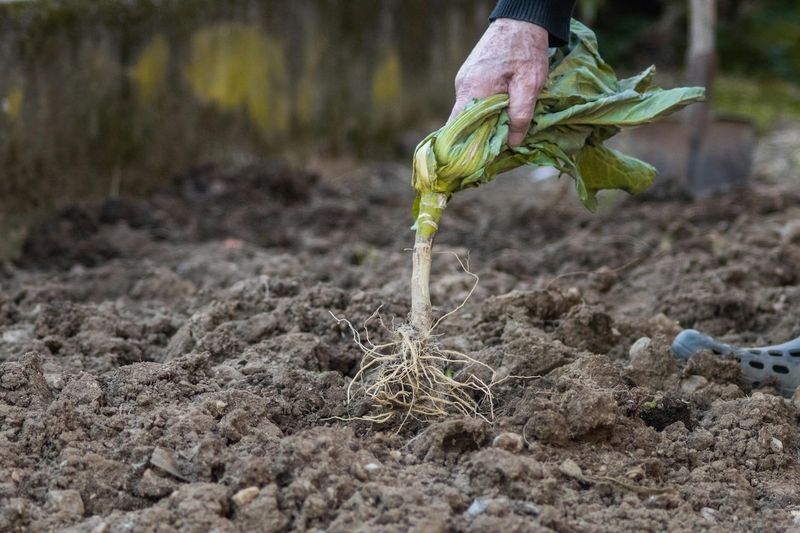
Repetition may be comforting, but not in gardening. Planting the same crops in the same location can deplete soil nutrients and encourage pests.
Rotating crops yearly can rejuvenate soil health and deter pests. This practice also improves yield and reduces the need for chemical fertilizers.
Consider rotating crops within families for best results, ensuring a bountiful and sustainable harvest.
14. Ignoring Soil pH
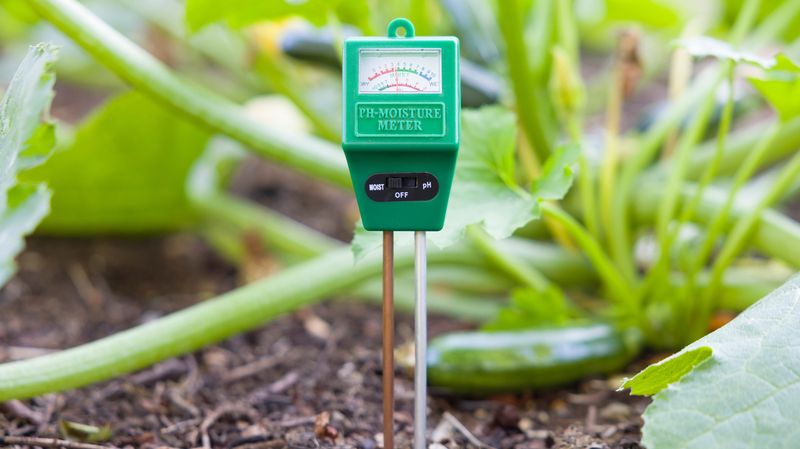
Soil pH is a silent dictator of plant health. Ignoring it can lead to nutrient lockout, where plants fail to absorb essential minerals.
Testing soil pH helps tailor amendments to meet plant needs. Some plants prefer acidic soils, while others thrive in alkaline conditions.
Regular testing and adjustment create an ideal environment, ensuring vibrant, healthy plants.
15. Not Mulching Properly
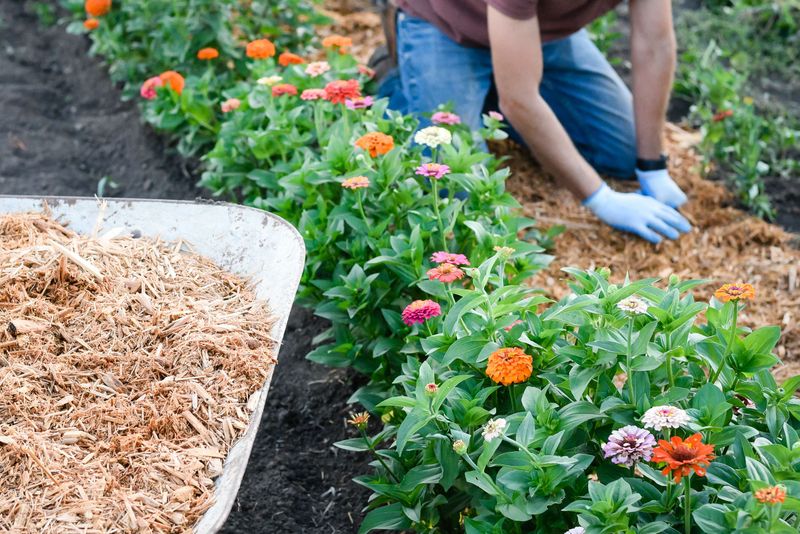
Mulching is an art, not just a chore. When done improperly, it can cause more harm than good. Uneven coverage can lead to soil erosion and expose roots.
Proper mulching conserves moisture, suppresses weeds, and enhances soil quality. Choose materials wisely and apply evenly around plants.
By mastering mulching, you’ll foster a more resilient garden ecosystem, promoting growth and sustainability.