 Complete Gardening
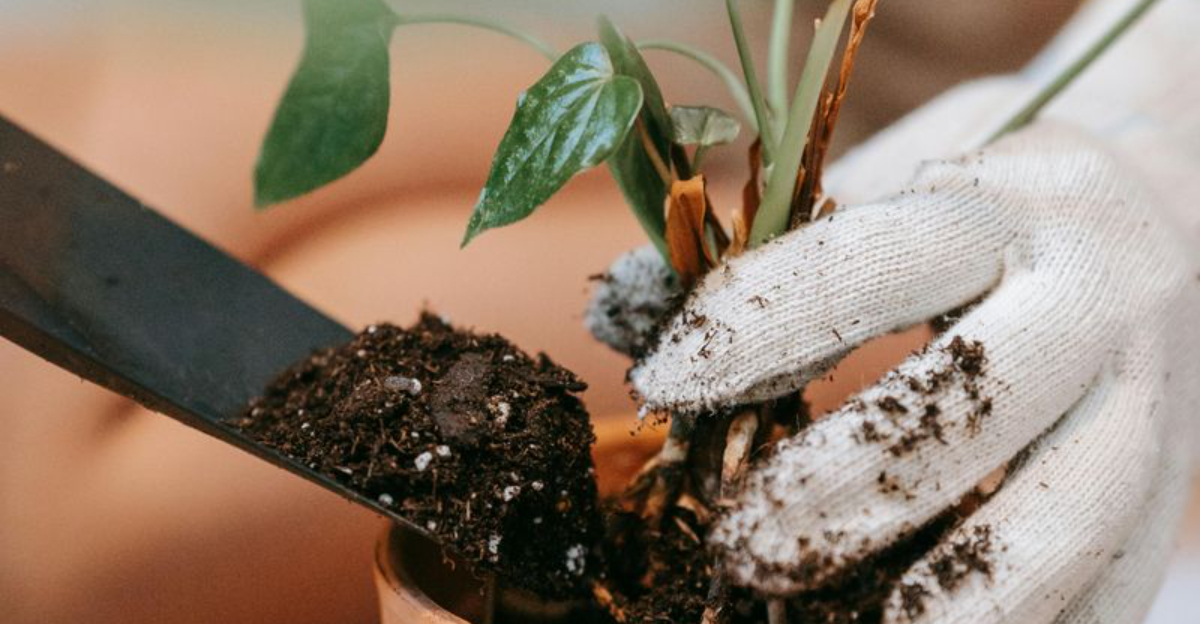
Houseplants can brighten up any room and even help clean the air, but keeping them alive is trickier than it looks. Many plant owners accidentally harm their green friends without even realizing it.
From watering habits to where you place them in your home, small mistakes can add up fast. Read on to find out what you might be doing wrong and how to fix it before it’s too late.
Overwatering Your Plants
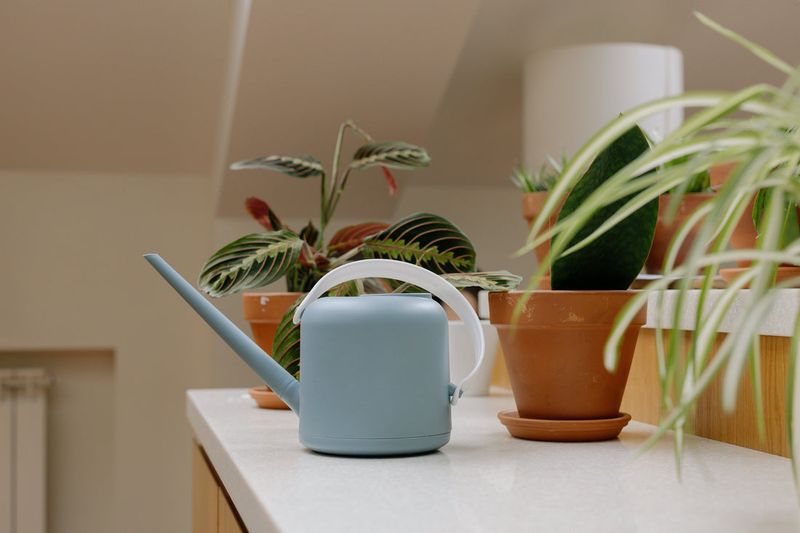
Soggy roots are a silent killer. More houseplants die from too much water than from too little, yet overwatering is one of the most common mistakes plant owners make.
When soil stays wet for too long, roots can’t breathe and begin to rot.
Before you water again, stick your finger about an inch into the soil. If it still feels damp, wait a few more days.
Your plant will thank you for the patience.
Ignoring Drainage Holes
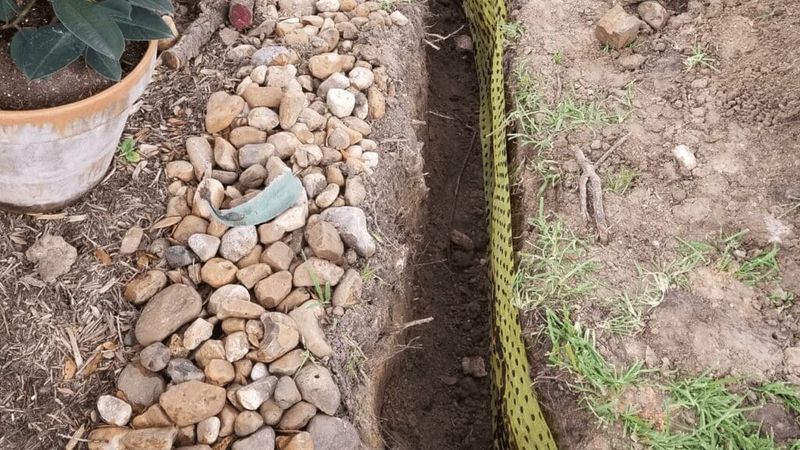
That cute pot with no holes at the bottom might be hurting your plant more than helping it look pretty. Without drainage, excess water has nowhere to go and just sits at the roots, causing them to rot over time.
Always choose pots with at least one drainage hole, or use a plastic nursery pot inside your decorative one. A small layer of gravel at the bottom does not replace proper drainage, despite what you may have heard.
Placing Plants in the Wrong Light
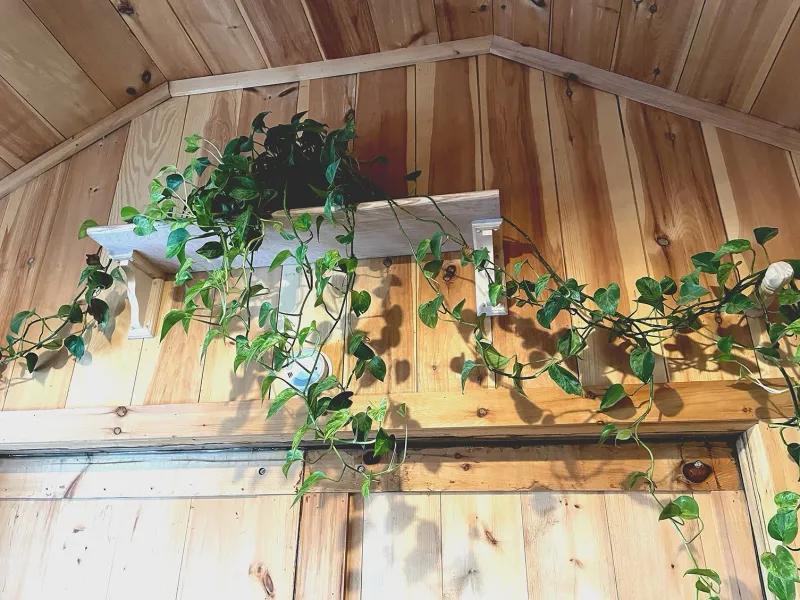
Sunlight is food for plants, but the wrong kind of light can do real damage. A shade-loving fern placed on a south-facing windowsill will burn, while a sun-hungry cactus tucked in a dark corner will slowly starve.
Check the care tag that came with your plant or look it up online to find its ideal light conditions. Moving a plant just a few feet can make a huge difference in how well it grows.
Using the Wrong Soil Mix
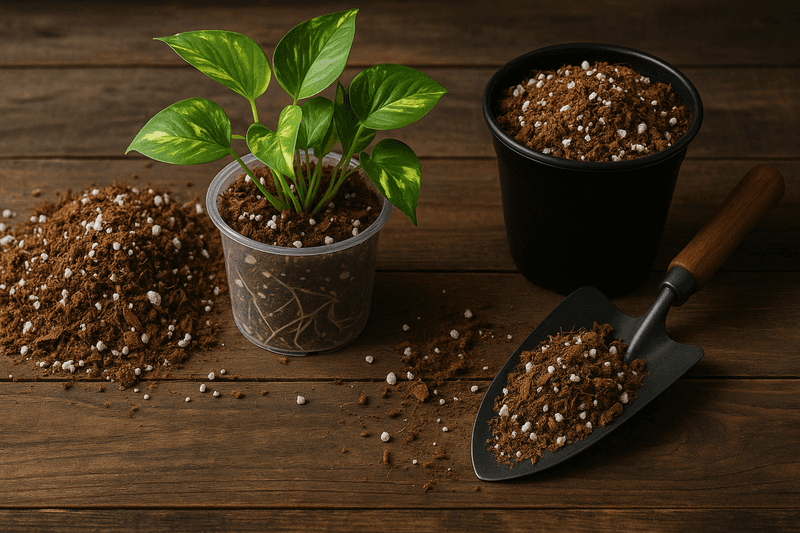
Not all dirt is created equal. Grabbing a bag of outdoor garden soil for your indoor plants is a surprisingly common mistake that can lead to compaction, poor drainage, and even pest problems.
Houseplants need a lightweight potting mix designed for containers, and some specialty plants like succulents or orchids need their own specific blends. Spending a couple of extra dollars on the right soil can literally save your plant’s life and keep it thriving for years.
Forgetting to Feed Your Plants
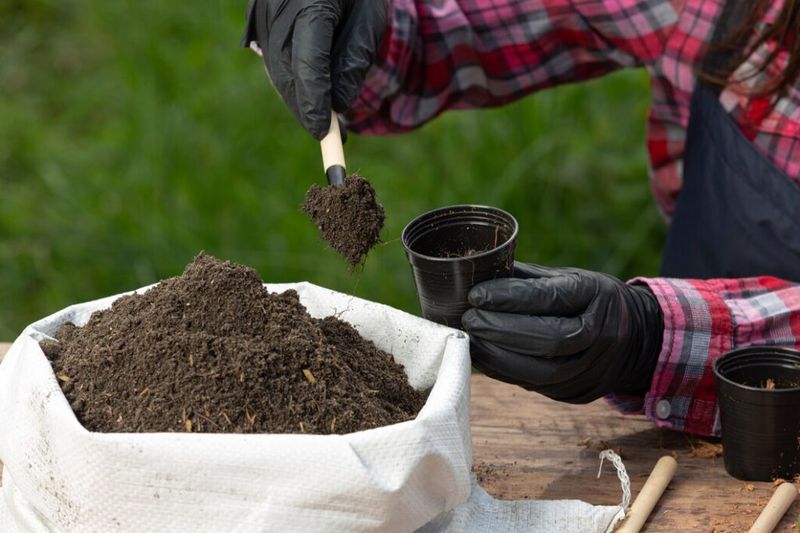
Soil nutrients run out faster than most people expect, especially in pots where roots can’t reach new ground. A plant that never gets fertilized will slowly become pale, weak, and stop growing altogether.
During spring and summer, most houseplants benefit from a balanced liquid fertilizer every two to four weeks. Hold off during fall and winter when growth naturally slows down.
Think of fertilizer as a multivitamin for your plant, not a luxury.
Keeping Plants in Drafty Spots
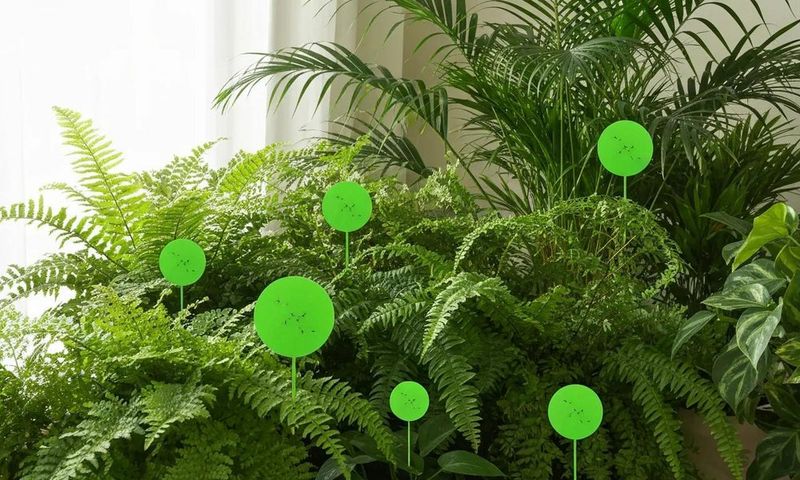
Cold drafts from windows, doors, or air conditioning vents can shock a plant’s system and cause leaves to drop almost overnight. Most tropical houseplants absolutely hate sudden temperature changes and will protest loudly with yellowing or falling leaves.
Walk around your home and feel for air movement near where your plants sit. Keeping plants at least a few feet away from vents, drafty windows, or exterior doors gives them a much more stable and comfortable environment to grow in.
Never Cleaning the Leaves
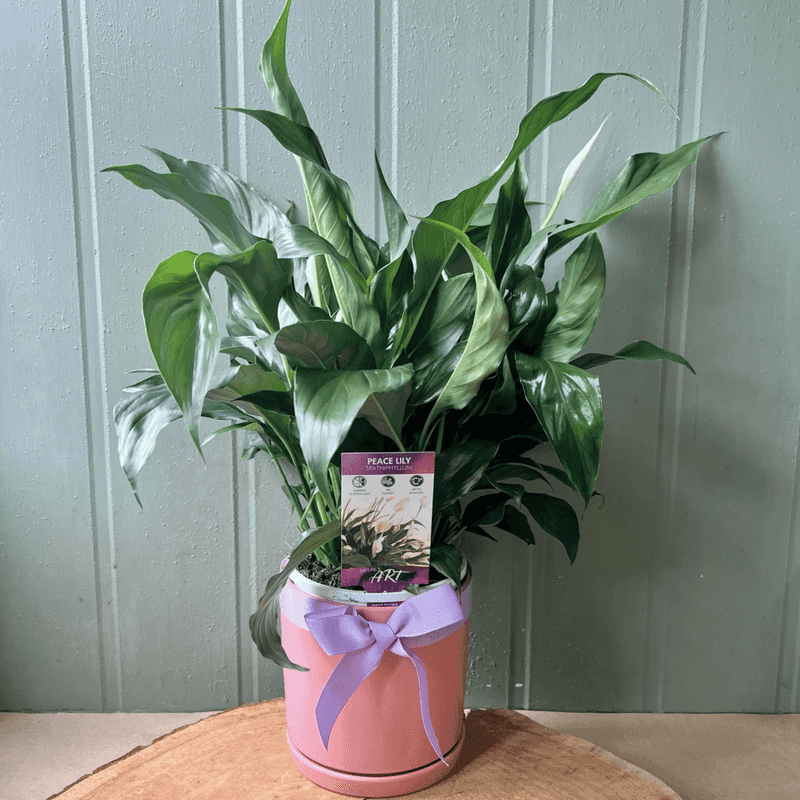
Dusty leaves aren’t just an eyesore. A thick coat of dust actually blocks sunlight from reaching the leaf surface, which slows down photosynthesis and weakens the plant over time.
Wiping leaves down with a damp cloth every few weeks keeps them clean and helps the plant absorb light more efficiently. For smaller-leafed plants, a gentle shower in the sink or bathtub works perfectly.
Bonus: it also helps remove spider mites and other pests before they get out of hand.
Repotting Too Often or Too Late
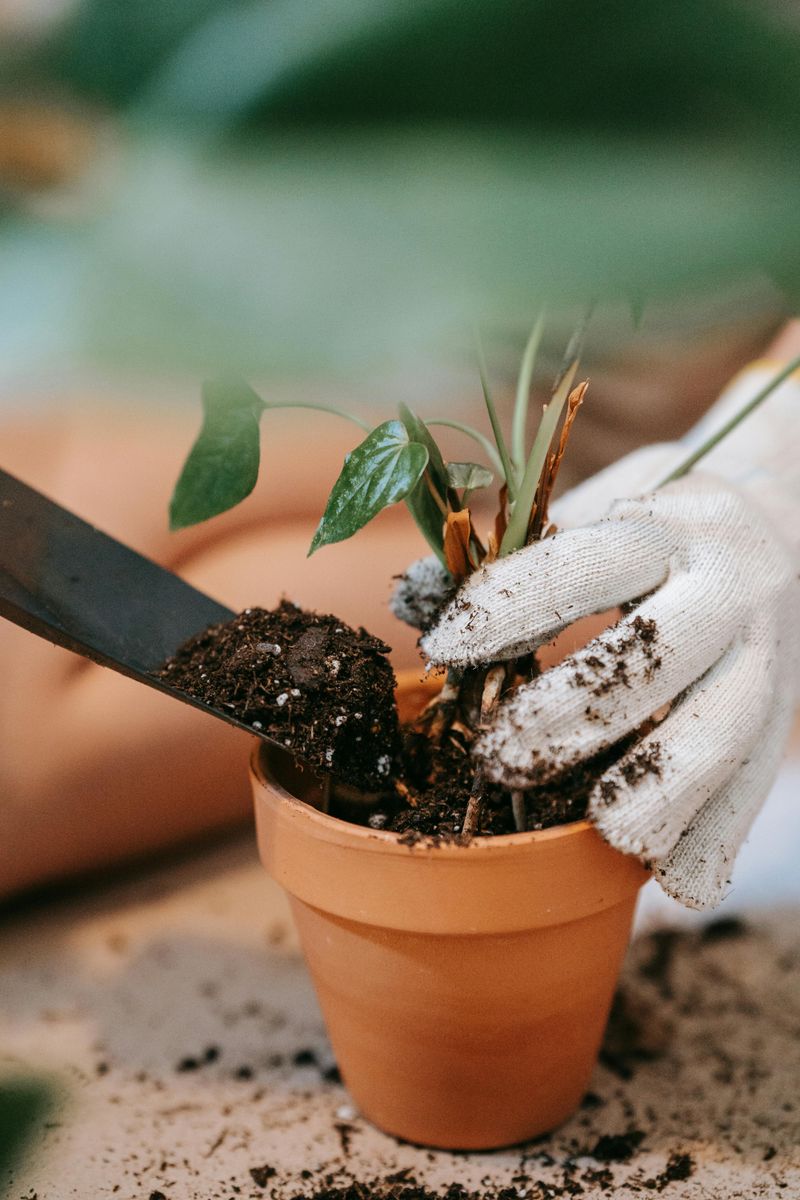
Roots bursting out of the drainage holes are a clear sign your plant is begging for more space. Staying root-bound for too long stresses the plant and limits its growth potential significantly.
On the flip side, repotting too frequently or jumping to a pot that is way too large can also cause problems by leaving too much wet soil around small roots. Aim to move up just one pot size at a time, and repot during spring when plants are actively growing.
Skipping Humidity for Tropical Plants
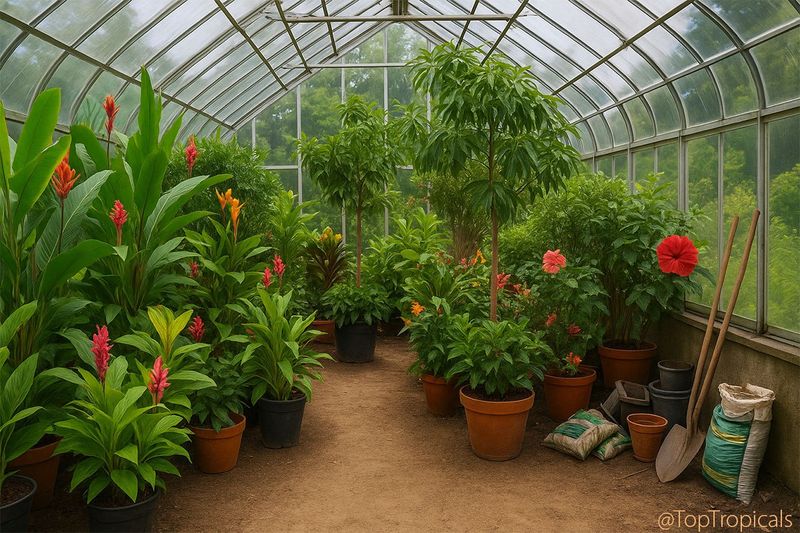
Tropical plants evolved in steamy jungles, so the dry air inside most homes during winter can cause real damage. Brown, crispy leaf edges on plants like calatheas or monsteras are often a humidity cry for help.
Grouping plants together, placing a tray of water with pebbles beneath the pot, or running a small humidifier nearby can all boost moisture levels. Misting leaves is popular but less effective and can encourage mold if done too often in low-light spaces.