 Complete Gardening
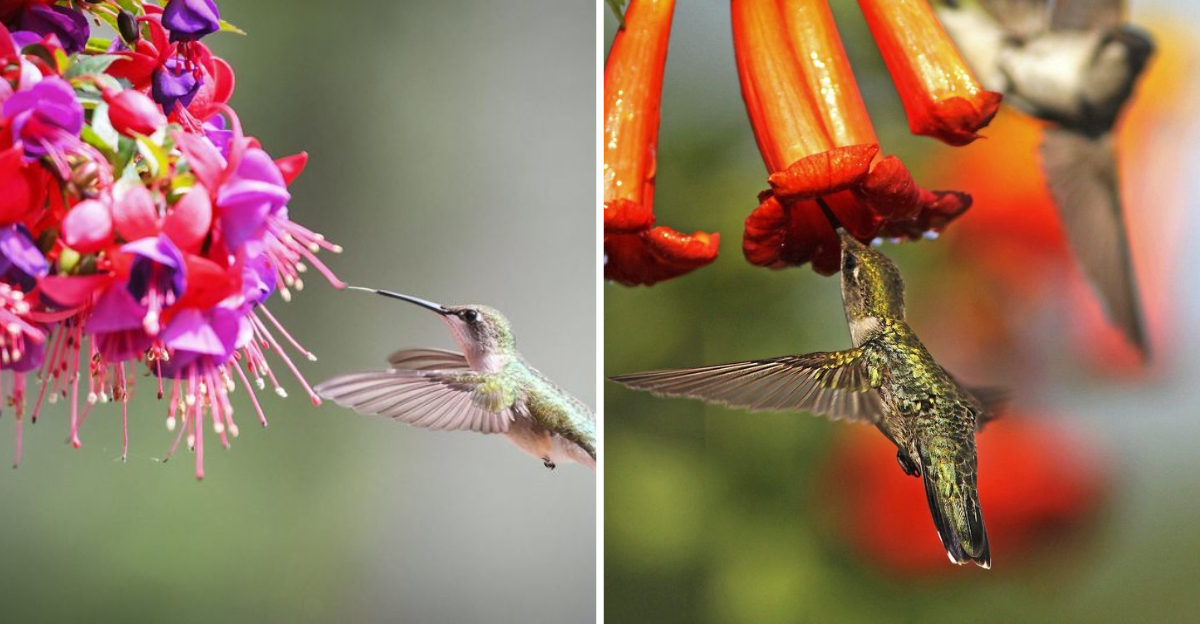
Exploring the perfect plants to attract hummingbirds is an intriguing journey into nature’s colorful palette. These tiny, vibrant birds bring joy and energy to gardens, and choosing the right flora can enhance their presence. By testing various plants, I discovered which ones hummingbirds favored the most. Here are the top ten contenders that stood out in my garden experiments, each offering unique characteristics and vibrant blooms. Each plant description is crafted to delight gardeners and bird enthusiasts alike, showcasing their beauty, appeal to hummingbirds, and unique traits that make them garden favorites.
1. Bee Balm
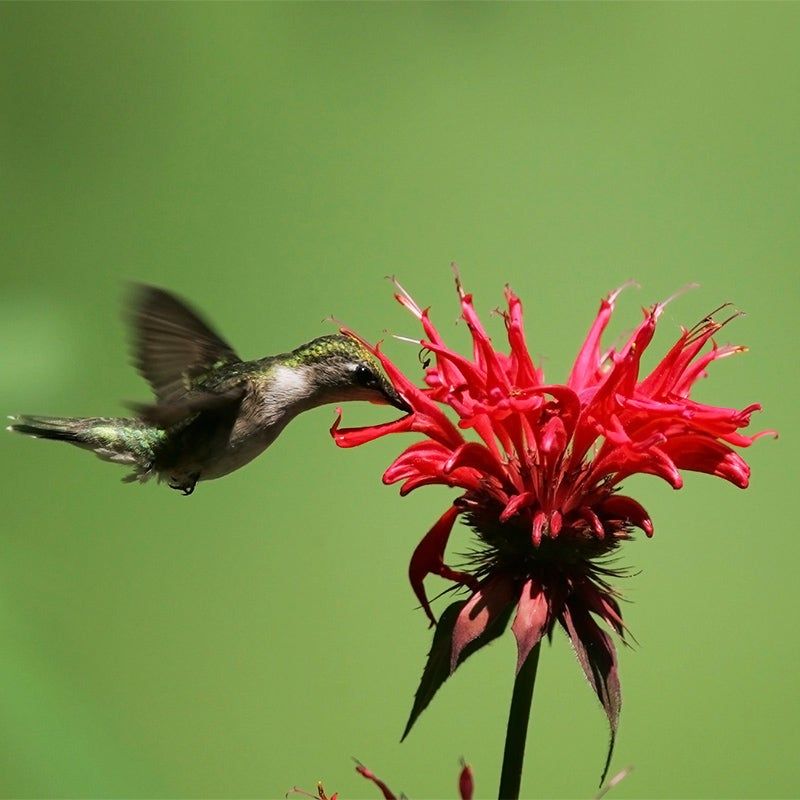
Bee Balm captivates with its vibrant red blooms and spicy fragrance. A favorite among hummingbirds, this plant brings life to any garden. Its tubular flowers are perfectly suited for the hummingbird’s long beak, providing easy access to nectar. Bee Balm isn’t just about looks; it’s a resilient perennial, thriving in zones 4 to 9.
Did you know? It’s also known as Monarda or Oswego Tea, historically used by Native Americans for its medicinal properties. Whether you’re a gardener or a history buff, Bee Balm adds both beauty and lore to your landscape.
2. Trumpet Vine
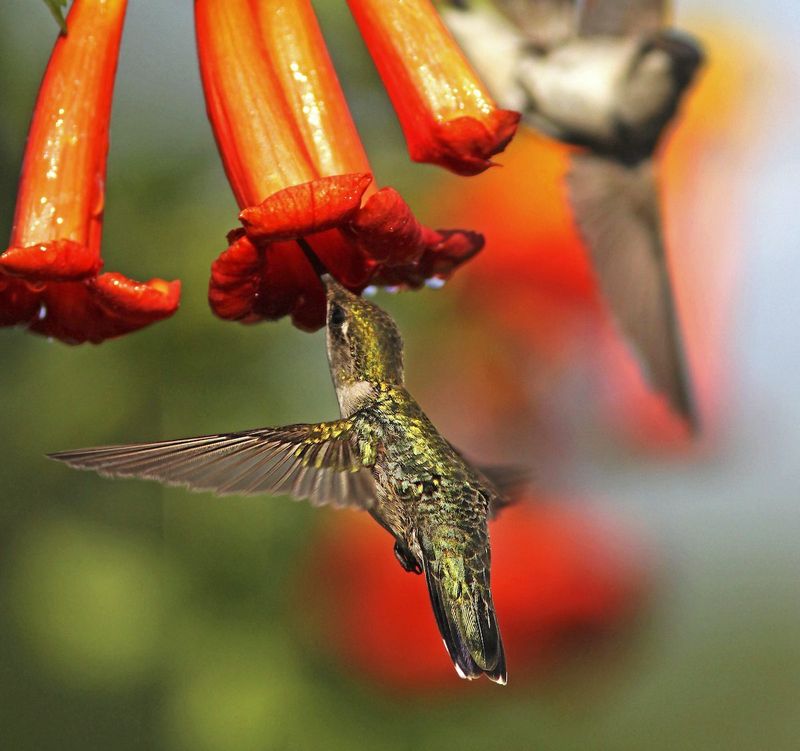
The Trumpet Vine is a showstopper with its large, trumpet-shaped orange flowers. Known for its vigorous growth, it easily climbs trellises and walls, providing a spectacular vertical display. Hummingbirds adore the ample nectar these flowers provide.
Despite its beauty, be mindful of its invasive nature in some regions. It’s a plant that not only attracts hummingbirds but also demands a gardener’s attention and control. Perfect for creating a vibrant, lively garden scene, the Trumpet Vine is a visual and functional delight for both birds and gardeners.
3. Cardinal Flower
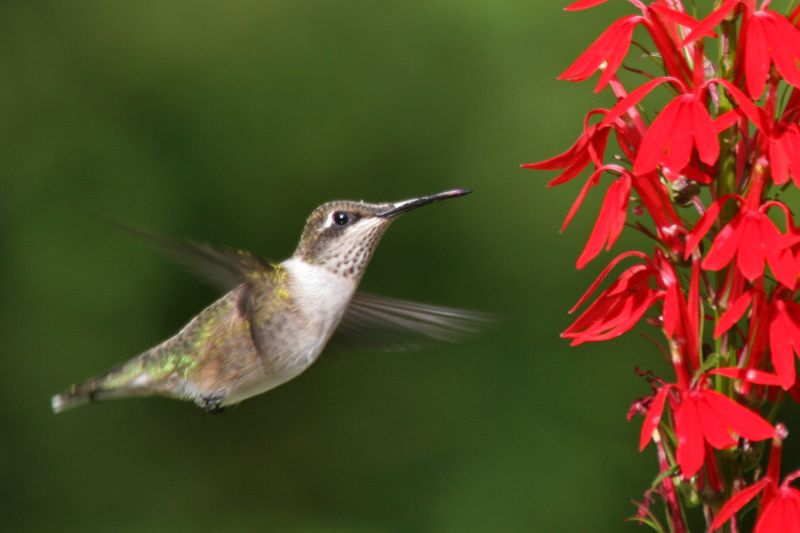
The Cardinal Flower is a bright red beacon in any garden, known for its stunning spikes of scarlet flowers. These blooms are a magnet for hummingbirds, offering nectar-rich rewards within their tubular flowers.
Thriving in moist conditions, it’s perfect for planting near water features or in rain gardens. Its striking color and unique form make it a centerpiece in naturalistic landscapes. This North American native not only supports local wildlife but also adds a splash of wild beauty to any outdoor space.
4. Salvia
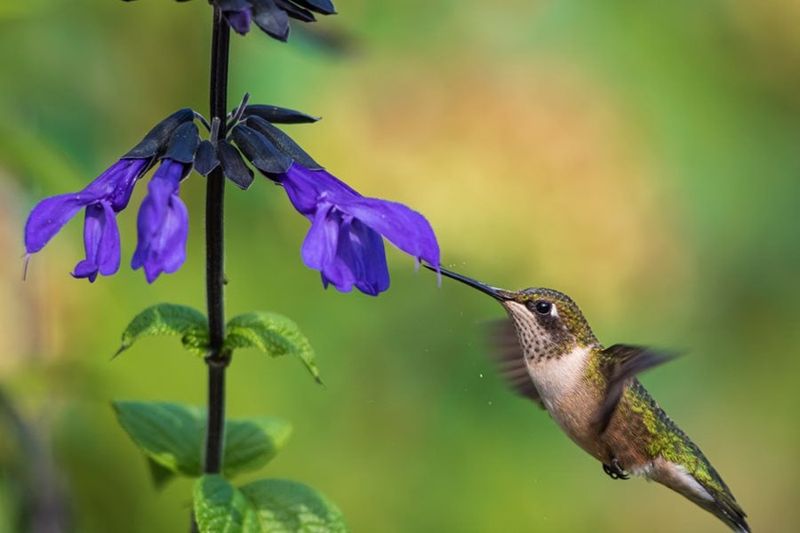
Salvia, with its diverse species and prolific blooms, is a hummingbird haven. From deep blues to purples, these flowers offer a rich tapestry of colors in the garden. Known for their long blooming period, salvias provide a continuous source of nectar.
Their low maintenance and drought tolerance make them a favorite for gardeners seeking beauty with ease. Salvia’s resilient nature and colorful display create a harmonious environment for hummingbirds, ensuring your garden is alive with activity throughout the growing season.
5. Fuchsia
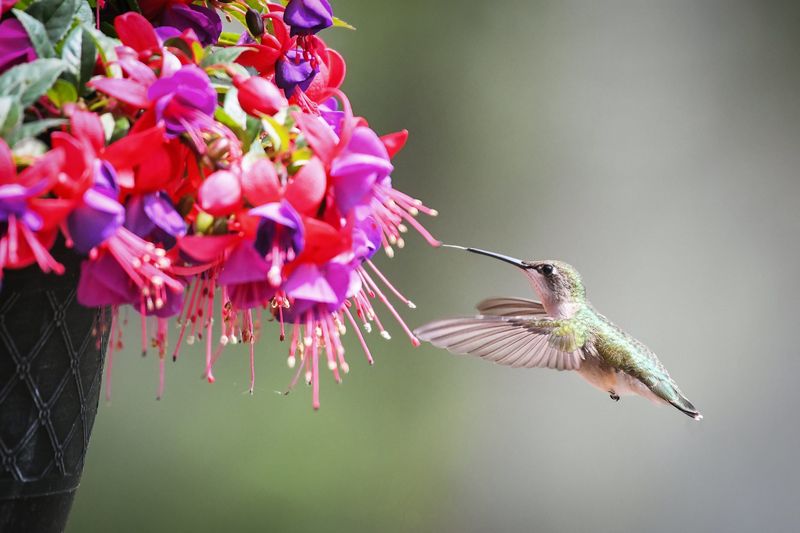
Fuchsia’s pendulous blossoms are nothing short of mesmerizing. With vibrant pink and purple hues, they attract hummingbirds with their unique, drooping form. Suspended in hanging baskets, these flowers create a lively dance of color and movement.
The appeal of Fuchsia extends beyond its beauty. It requires shady spots, adding color to less sunny areas of your garden. The playful nature of Fuchsia, combined with its attractiveness to hummingbirds, ensures that your garden remains a dynamic and enchanting space.
6. Honeysuckle
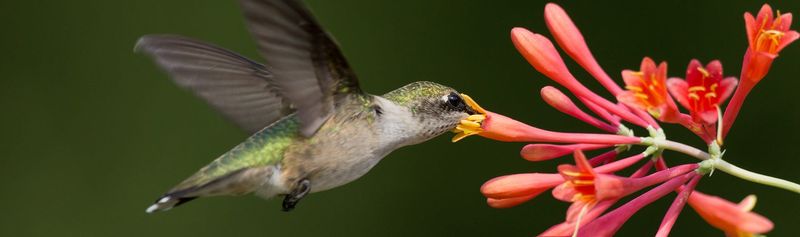
Honeysuckle exudes a nostalgic charm with its sweet fragrance and tubular blooms. Known for its vigorous growth and adaptability, it can cover trellises, arbors, and fences with ease, creating a fragrant haven for hummingbirds.
The flowers’ rich nectar is irresistible, drawing these birds in for a feast. Honeysuckle’s vibrant orange and yellow blossoms brighten any garden, making it a favorite for those desiring both scent and color. Its ability to attract hummingbirds and its beautiful display make it a cherished addition to any outdoor space.
7. Zinnia
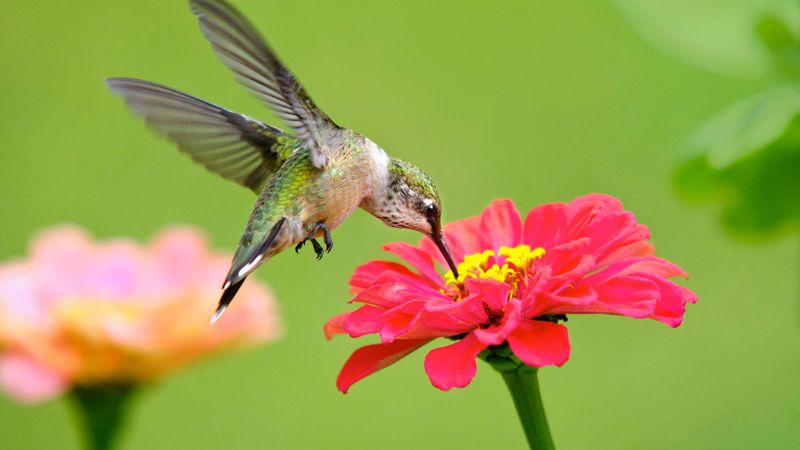
Zinnias bring a burst of color with their large, bold blooms in a range of hues from red to yellow. Easy to grow and maintain, these flowers are a summertime favorite for both gardeners and hummingbirds.
Their open, daisy-like shape provides easy access to nectar, making them a preferred choice for feeding. Beyond their beauty, zinnias are hardy annuals, ideal for sunny spots and great for cutting gardens. They offer both aesthetic appeal and a reliable food source, keeping your garden lively and vibrant.
8. Petunia
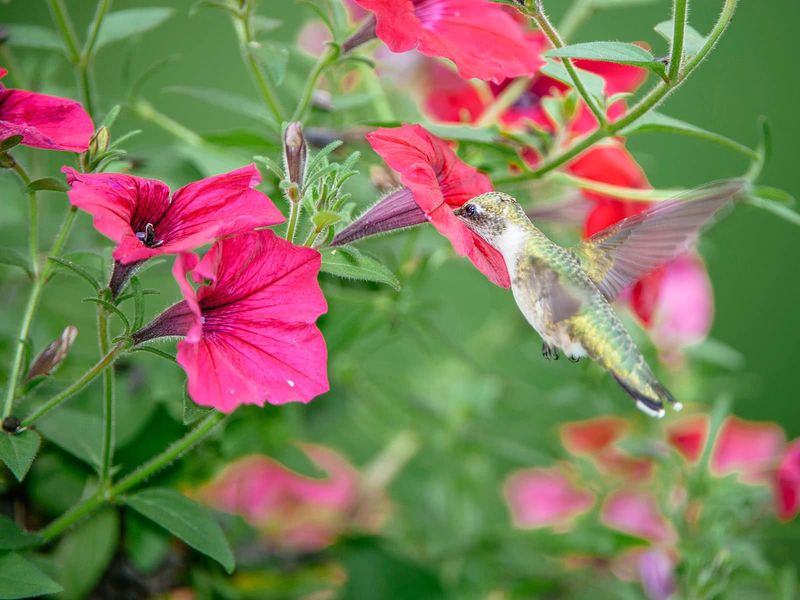
Petunias, with their vibrant, trumpet-shaped flowers, provide a captivating display. Available in many colors, they effortlessly brighten gardens and attract hummingbirds with their sweet nectar.
Ideal for containers or hanging baskets, petunias add a splash of color to patios and balconies. Their long blooming season ensures a constant attraction for hummingbirds. Known for their low maintenance, they are perfect for gardeners seeking beauty and ease. Petunias’ cheerful presence and appeal to hummingbirds make them a garden staple.
9. Butterfly Bush
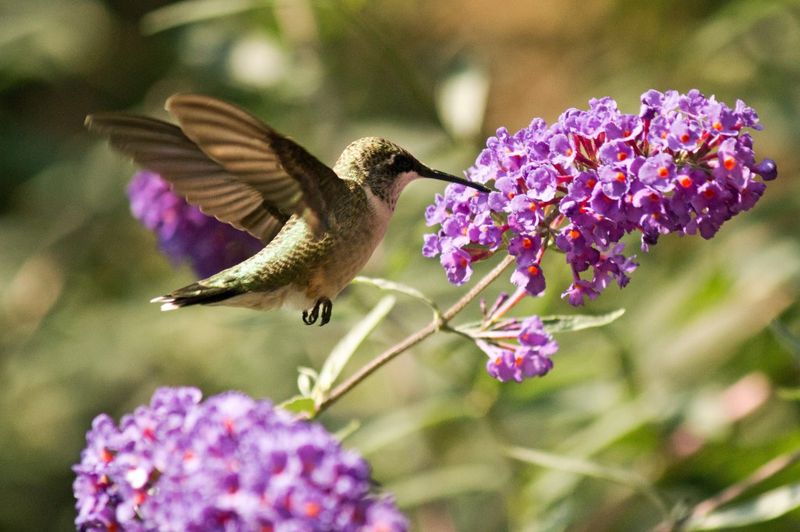
The Butterfly Bush is aptly named for its ability to draw both butterflies and hummingbirds. Its elegant spikes of purple flowers add vertical interest and a sweet fragrance to gardens.
A fast grower, it’s ideal for creating a visual focal point. While not native, its attractiveness lies in its ability to support pollinators. It’s a versatile choice for gardeners looking to attract wildlife and add color to their landscape. The Butterfly Bush’s charm lies in its dual appeal, making it a worthwhile addition.
10. Columbine
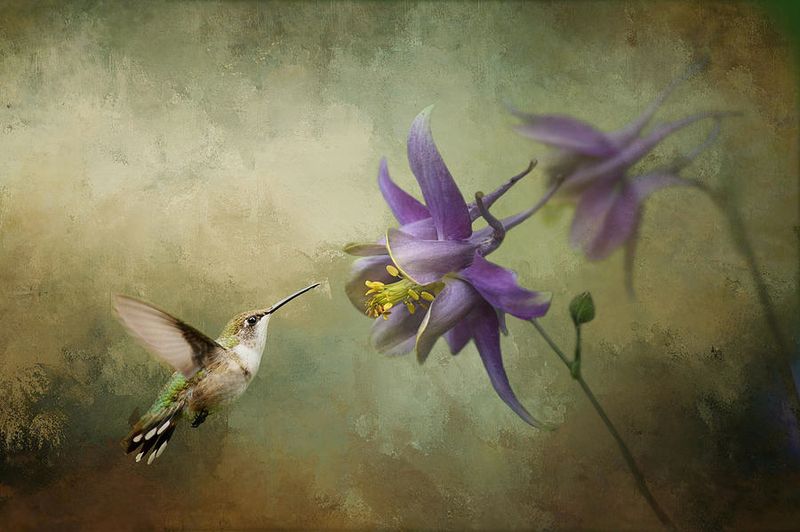
Columbine’s delicate, nodding flowers are a sight to behold. Their pastel shades and unique shape capture the attention of hummingbirds, offering nectar hidden within their spurred petals.
Thriving in partial shade, they add a touch of whimsy to woodland gardens. Columbine is a perennial favorite, not just for its beauty but also for its resilience and adaptability. Its enchanting form and allure to hummingbirds make it a delightful choice for those seeking elegance and wildlife in their gardens.
11. Coral Bells (Heuchera)
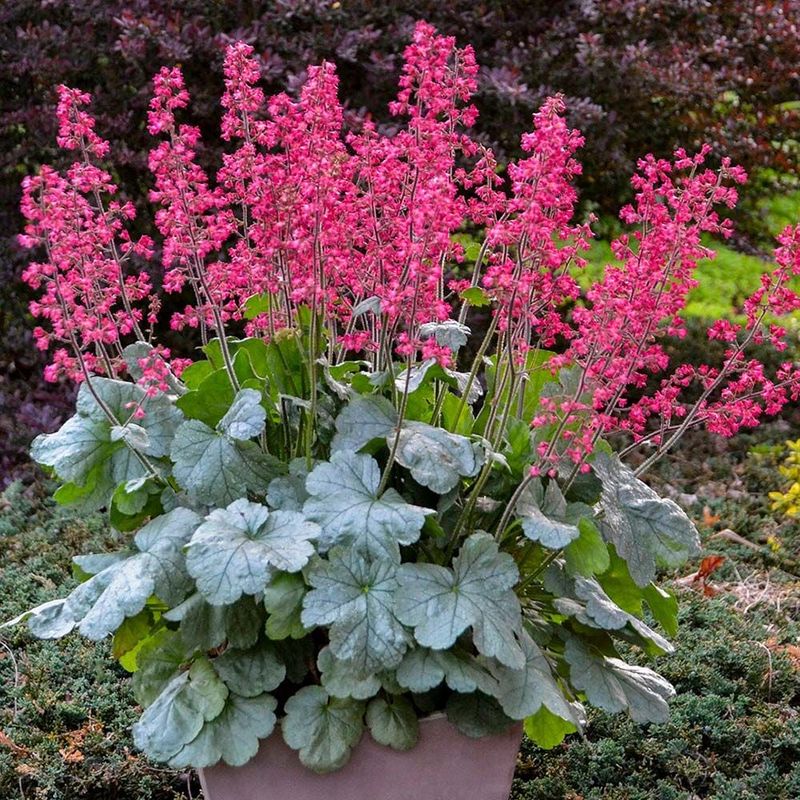
Coral Bells, with their exquisite foliage and delicate flowers, offer a visual feast for hummingbirds. They are not just ornamental plants; they’re a source of nectar that attracts these charming birds. Native to North America, Coral Bells thrive in shaded areas, adding color and texture. Each leaf is uniquely patterned, offering a delightful contrast.
Their blooms are subtle yet impactful, making them a favorite for those who love understated elegance. Coral Bells’ ability to adapt to different environments makes them a versatile choice for gardeners. Their quiet beauty underscores a garden’s natural appeal.
12. Red Hot Poker (Kniphofia)
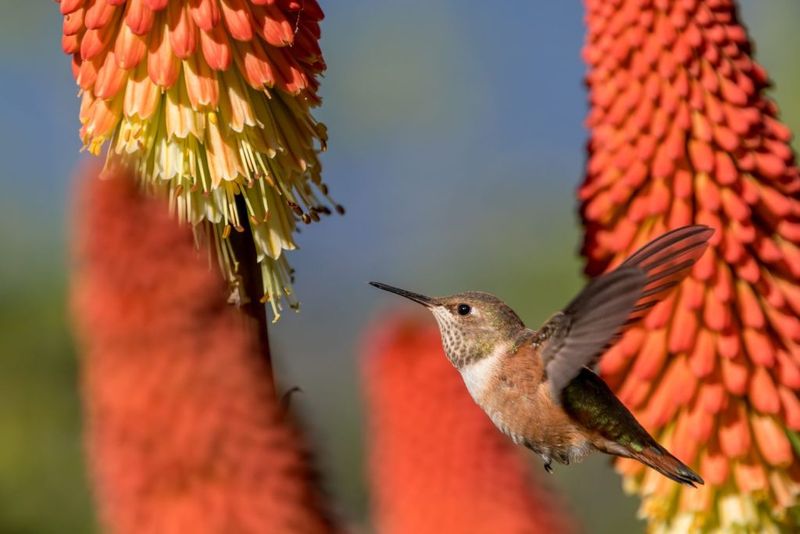
Red Hot Poker plants, known for their fiery blooms, create a bold statement in any garden. Their tall spikes and vibrant colors are not only visually stunning but also irresistible to hummingbirds seeking nectar. Originating from Africa, they adapt well to various climates and are drought-tolerant.
The unique flower shape is reminiscent of a torch, lighting up the garden with its warm hues. These plants provide a dynamic focal point, drawing both the eyes of gardeners and the beaks of hummingbirds. Their resilience and striking appearance make them a fantastic addition to any landscape.
13. Canna Lily
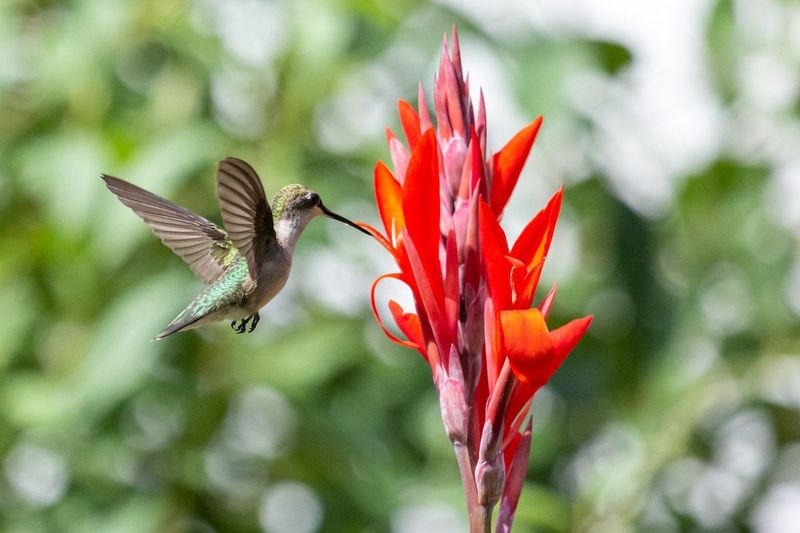
Canna Lilies, with their tropical flair, transform gardens into exotic paradises that attract hummingbirds in droves. Known for their large, lush leaves and vivid flowers, they offer an abundance of nectar. These plants thrive in sunny areas and bring a touch of the tropics to temperate zones.
Their bold presence and bright colors make them a dramatic addition to gardens, captivating both humans and birds alike. Cannas’ easy maintenance and striking blooms ensure they remain a favorite for those wanting to make a statement. They embody the spirit of an adventurous garden.
14. Agastache (Hummingbird Mint)
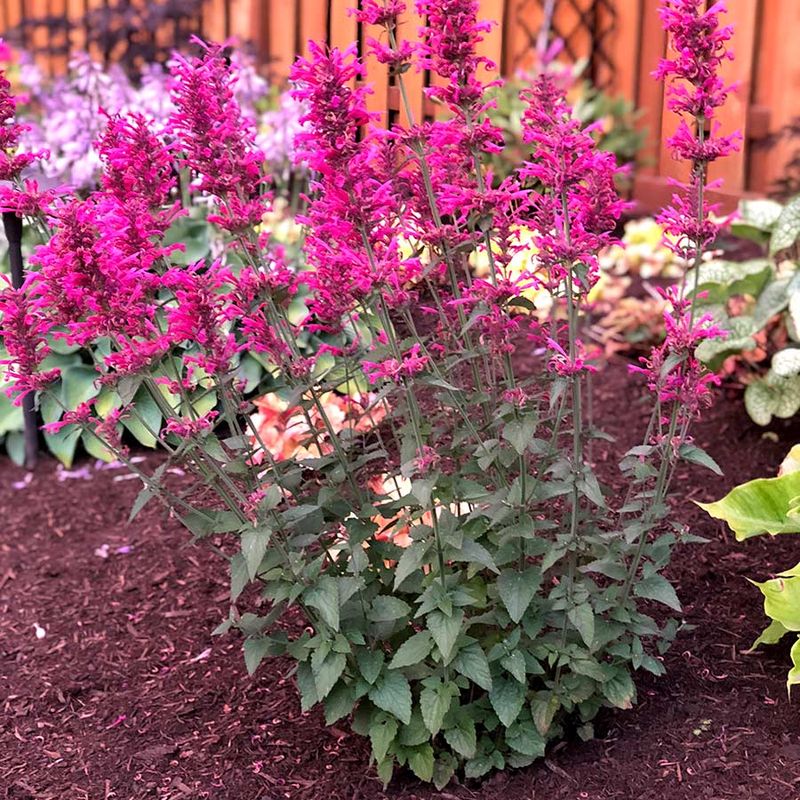
Agastache, often called Hummingbird Mint, is a magnet for hummingbirds with its fragrant flowers and aromatic leaves. These plants bloom in a variety of colors, from purples to pinks, adding both beauty and fragrance. Their long-lasting flowers provide a continuous source of nectar throughout the growing season.
Agastache’s ability to thrive in dry, sunny conditions makes it an excellent choice for those seeking low-maintenance options. Their aromatic foliage also deters pests, ensuring a thriving garden oasis. The combination of visual appeal and practical benefits make them an essential plant for hummingbird enthusiasts.
15. Lantana
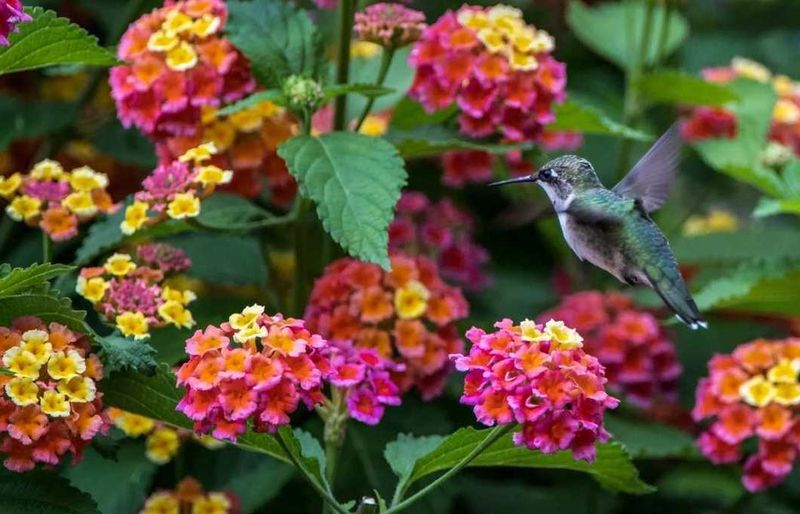
Lantana, with its cheerful clusters of multicolored flowers, offers a feast for both the eyes and hummingbirds. Known for its vibrant hues, Lantana thrives in sunny gardens, providing ample nectar. These hardy plants are drought-resistant and continue to bloom throughout the season.
Their resilience and ability to attract a variety of pollinators make them a garden favorite. Lantana’s adaptability to different soils ensures they can be grown almost anywhere. The burst of colors and continuous blooms provide a lively and inviting scene, turning any garden into a hummingbird haven.
16. Crocosmia
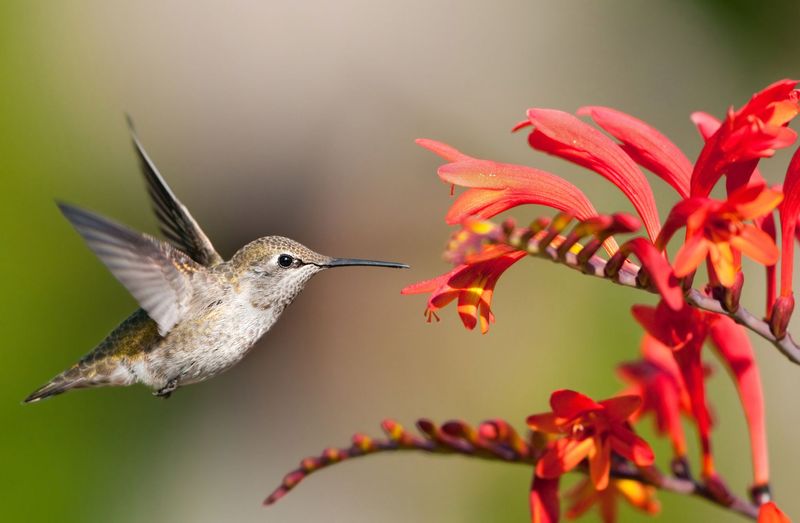
Crocosmia, known for their striking orange flowers, create a vibrant spectacle that hummingbirds can’t resist. Their elegant arching stems and brilliant blooms bring dynamic movement to gardens. Originating from South Africa, Crocosmia thrives in sunny spots, adding a touch of the exotic.
The flowers’ tubular shape is perfect for hummingbirds, providing easy access to nectar. These plants not only attract birds but also add vertical interest, enhancing garden design. Their fiery colors and graceful form make Crocosmia a standout choice for creating a lively, bird-friendly environment.