 Complete Gardening
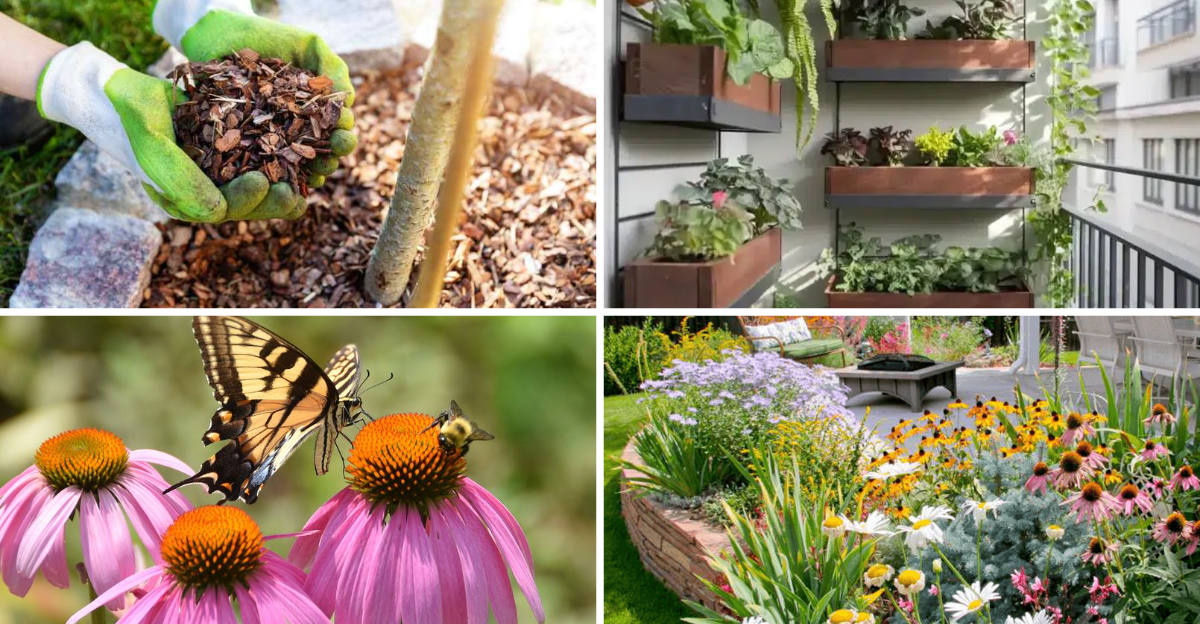
Celebrate Earth Day with these 23 incredible garden secrets that all share a common thread. Each one will transform your gardening experience, inspiring a deeper connection with nature and promoting sustainable practices. Discover how simple changes and thoughtful approaches can cultivate a thriving garden that’s both beautiful and environmentally friendly.
1. Compost Tea
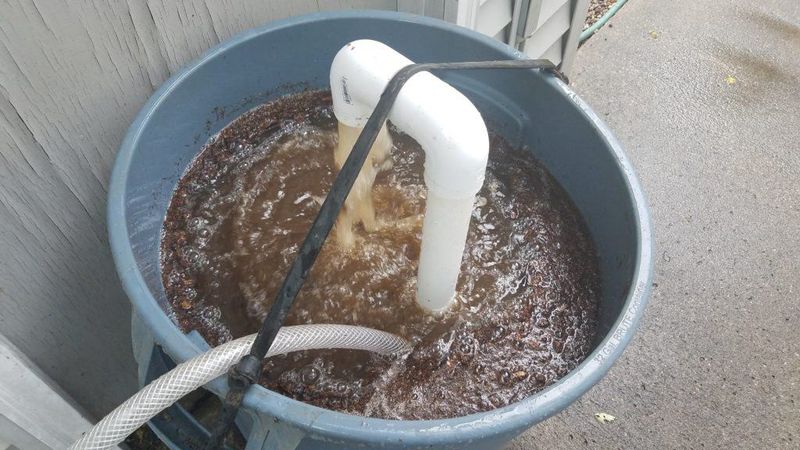
Brew a nutrient-rich compost tea to nourish your plants naturally. Imagine steeping compost in water like a tea, extracting all those beneficial microbes and nutrients. Your garden will thank you with lush growth.
The process is simple: submerge a bag of mature compost into water, let it steep, and apply it to the soil or as a foliar spray.
This age-old practice not only boosts plant health but also enhances soil structure. Compost tea is your garden’s secret elixir, brewed right at home. Start steeping today for a garden that thrives.
2. Rain Gardens
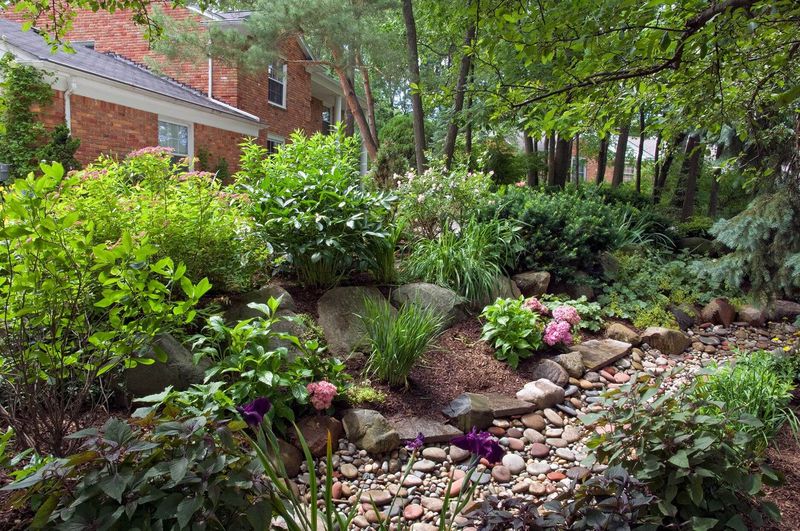
Harness rainwater with a purpose-built rain garden. Strategically positioned, it absorbs runoff, prevents erosion, and replenishes groundwater.
These gardens feature native plants adept at soaking up moisture. They are not only functional but visually stunning, creating habitats for birds and insects.
By managing water wisely, rain gardens reduce the need for irrigation, making them an eco-friendly choice. Embrace this sustainable technique to transform your landscape into a vibrant oasis, while contributing to water conservation efforts. A rain garden is a beautiful solution to a common problem.
3. Companion Planting
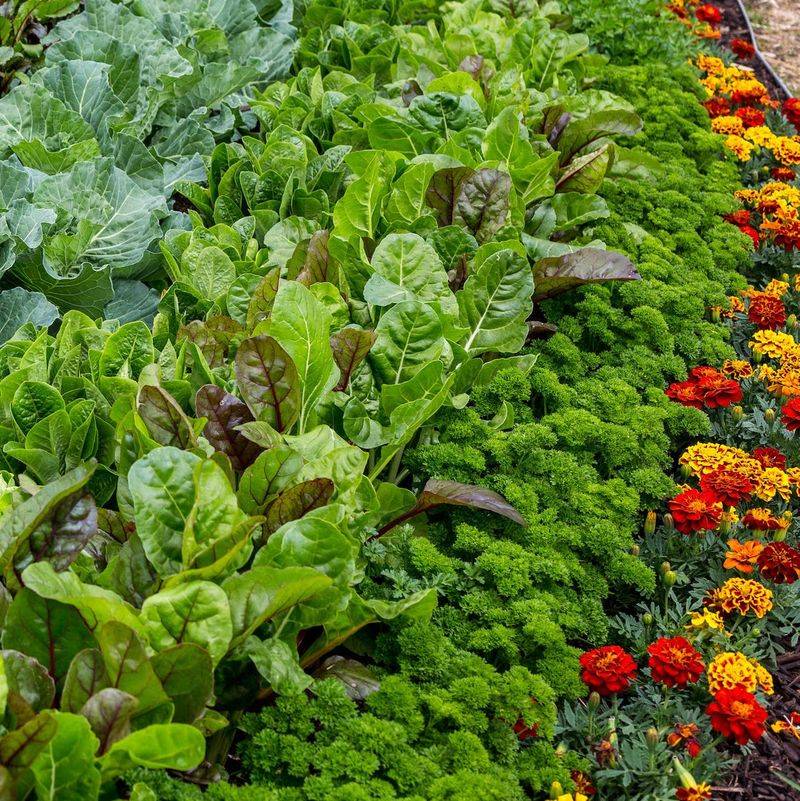
Companion planting brings harmony to your garden. Planting compatible species together can deter pests, enhance growth, and improve flavors.
Consider classic combinations like tomatoes with basil or carrots with onions. These partnerships create a flourishing ecosystem where plants support each other naturally.
Besides practical benefits, companion planting also adds diversity and beauty to your garden. Explore this ancient wisdom to cultivate a lush, productive space that thrives on cooperation and balance. Your garden will flourish when plants work together in unity.
4. Native Plants
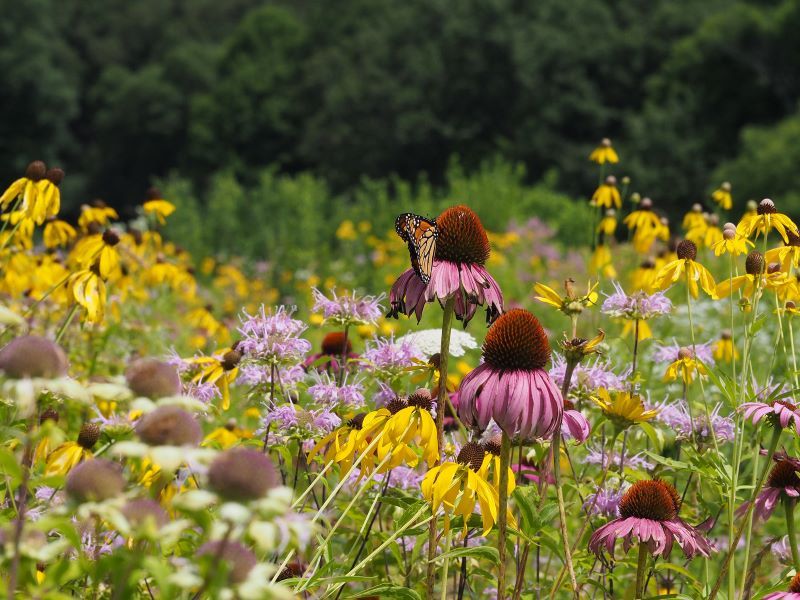
Native plants are nature’s gift to gardens. They’ve evolved to thrive in local conditions, requiring less water and care.
Choosing native species supports local wildlife, from pollinators to birds, fostering biodiversity right in your backyard.
These plants also boast resilience against pests and diseases. By incorporating native flora, you create a sustainable ecosystem that’s easy to maintain and beautiful to behold. Celebrate Earth Day by embracing the plants that naturally belong in your area, making your garden a haven of harmony and life.
5. Vertical Gardening
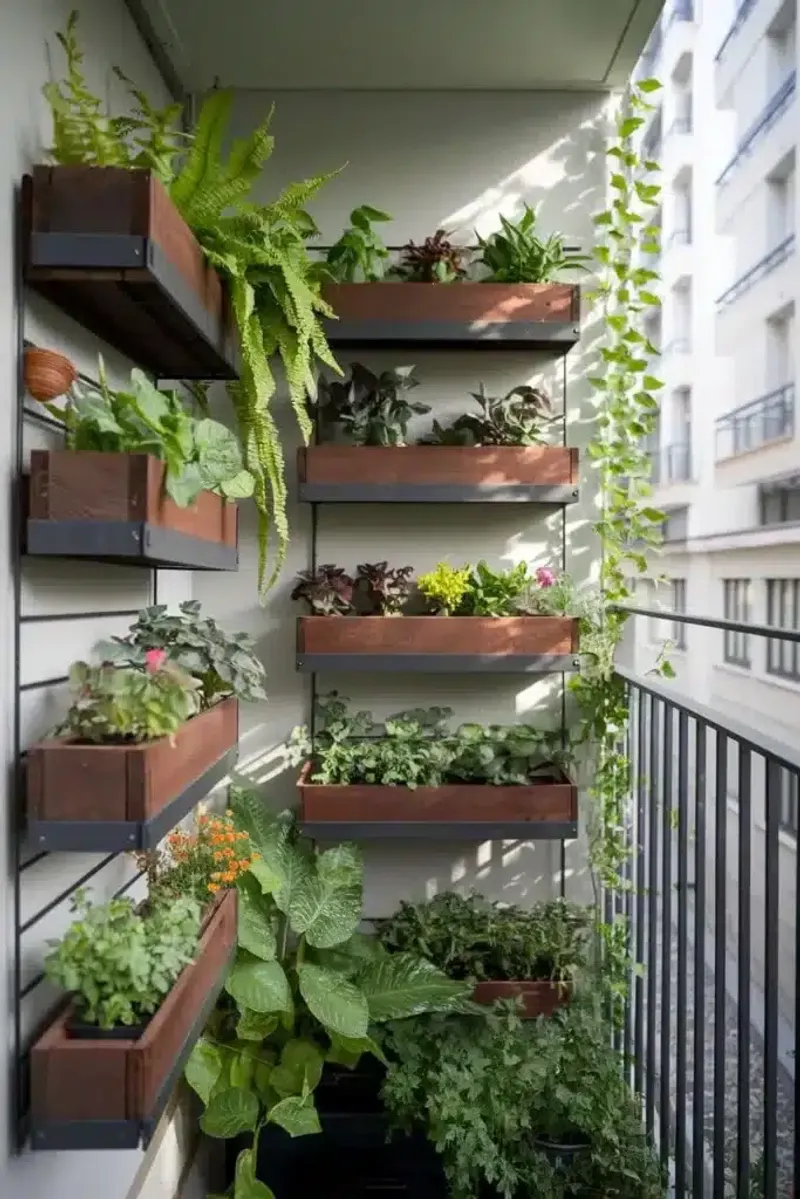
Vertical gardening offers space-saving solutions for small areas. Utilize walls or stacked structures to grow up, not out.
This method maximizes your gardening potential, ideal for urban dwellers. It’s a wonderful way to grow herbs, flowers, or even vegetables, transforming bare spaces into lush green sanctuaries.
Vertical gardens not only enhance aesthetics but also improve air quality. With creativity and a little effort, you can bring nature into your living space in a unique and engaging way. Elevate your garden game with vertical gardening.
6. Mulching Magic
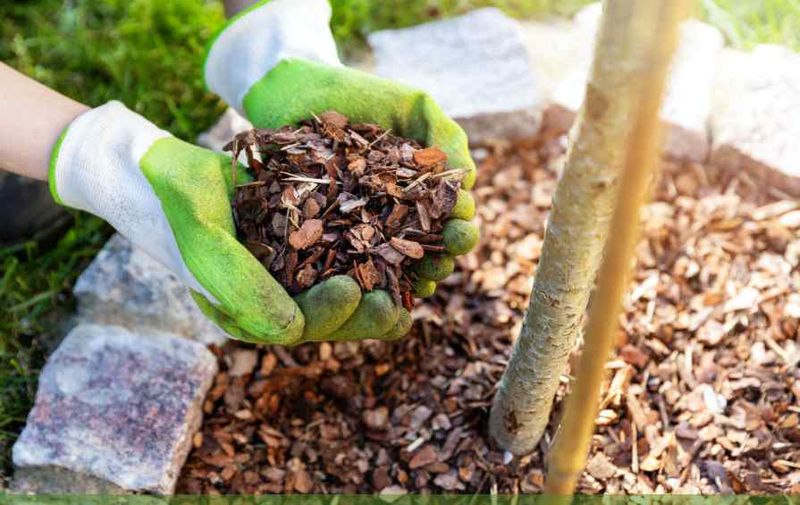
Mulching is your garden’s protective blanket, keeping soil moist and temperature stable. By covering the ground with organic materials like straw, leaves, or wood chips, you suppress weeds and add nutrients.
Mulch breaks down over time, enriching the soil and benefiting plant growth. It also prevents erosion and conserves water, making it an essential technique for sustainable gardening.
Embrace the magic of mulching to enhance your garden’s health and vitality. With minimal effort, you’ll see maximum results as your garden thrives under this natural cover.
7. Perennial Power
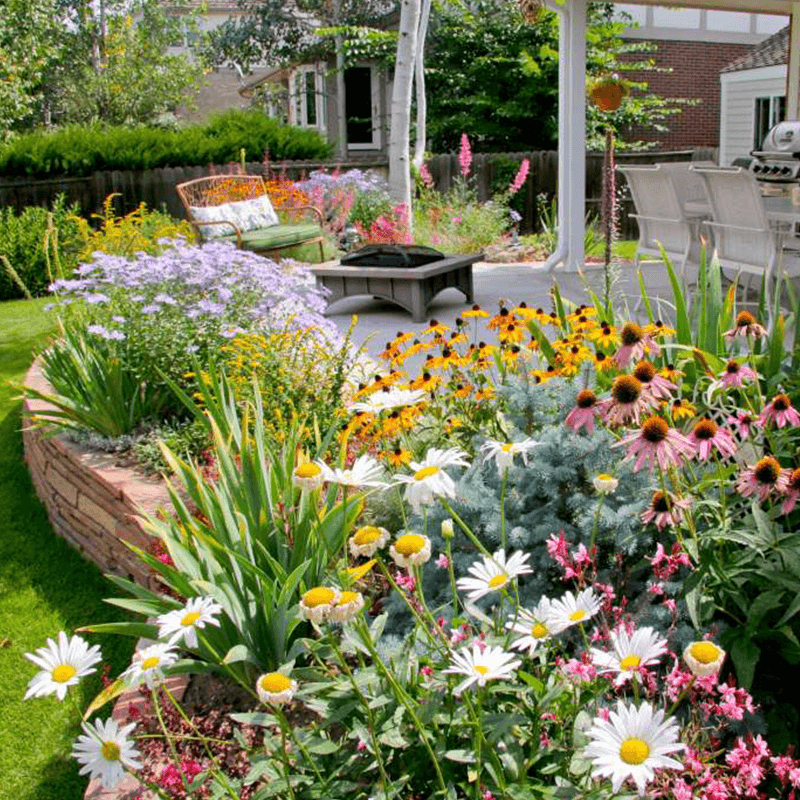
Perennials are the steadfast companions in any garden. Once established, they return each year with renewed vigor, offering beauty and structure.
These plants require less attention than annuals, making them a sustainable choice for long-term gardening.
With diverse shapes, sizes, and colors, perennials provide endless design possibilities. Celebrate Earth Day by investing in perennials that bloom year after year, bringing consistency and charm to your outdoor space. Their enduring presence makes them a true asset to any garden.
8. Pollinator Paradise
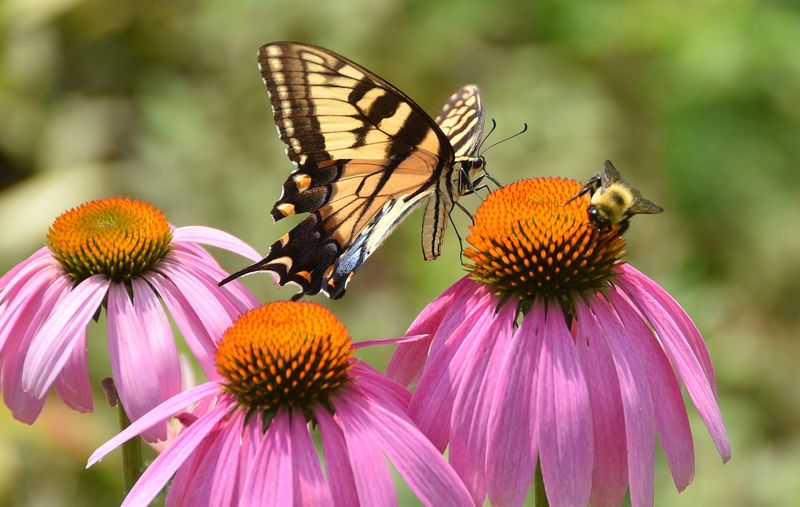
Create a pollinator paradise to support essential creatures in your garden. By selecting flowers that attract bees, butterflies, and hummingbirds, you contribute to the ecosystem’s balance.
These pollinators play a crucial role in plant reproduction, ensuring bountiful harvests and vibrant blooms. Choose a variety of shapes, colors, and heights to cater to different pollinators.
Your garden will become a lively, buzzing haven, filled with life and movement. Embracing this approach not only enhances beauty but also supports biodiversity, making your garden a vital part of Earth’s intricate web.
9. Water-Wise Irrigation
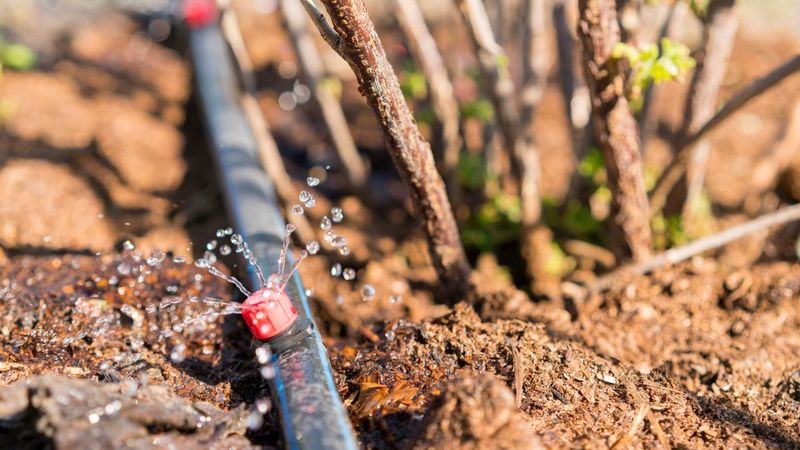
Water-wise irrigation is key to sustainable gardening. By using drip or soaker hoses, you deliver water directly to the roots.
This minimizes evaporation and waste, making it an efficient choice. Additionally, consider installing a timer or smart controller to optimize watering schedules based on weather conditions.
Embrace this approach to reduce water usage while maintaining a thriving garden. It’s a smart investment that pays off with healthier plants and a lighter ecological footprint. Your garden will flourish as you conserve one of our most precious resources: water.
10. Green Manure
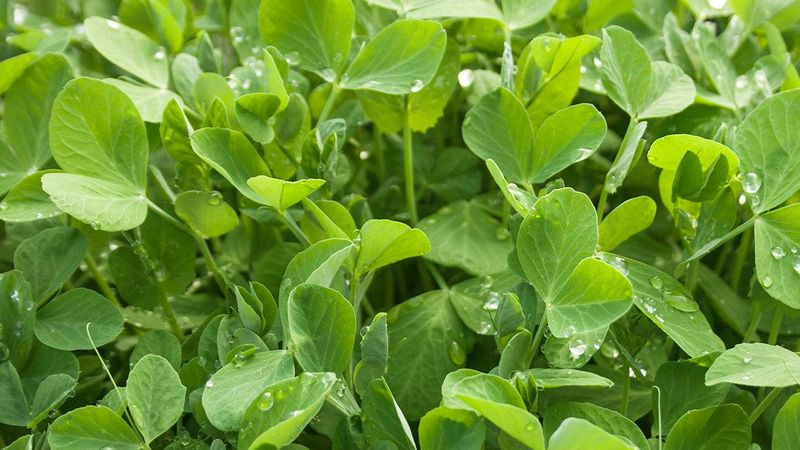
Green manure is nature’s way of enriching soil. By planting cover crops like clover or vetch, you add nitrogen and organic matter.
These crops protect the soil from erosion and improve its structure, paving the way for future plantings. When tilled into the soil, green manure acts as a natural fertilizer, boosting fertility and microbial activity.
Incorporating this technique into your gardening practice promotes sustainability and reduces the need for chemical fertilizers. Celebrate Earth Day by letting green manure lay the groundwork for a thriving, healthy garden.
11. Succession Planting
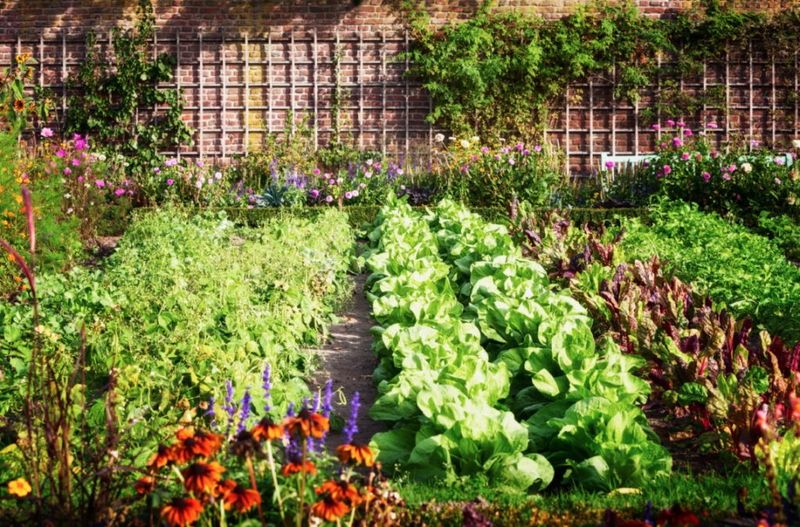
Succession planting keeps your garden productive year-round. By staggering plantings, you ensure a continuous harvest, maximizing your space and efforts.
This method is ideal for vegetables like lettuce, radishes, and beans, allowing for multiple crops in a single season. Planning is key: rotate crops and select varieties with different maturity dates.
Succession planting brings rhythm and abundance to your gardening, with overlapping cycles of growth and renewal. It’s a proactive approach that keeps your garden lively and ever-yielding, making every day feel like Earth Day.
12. Soil Testing
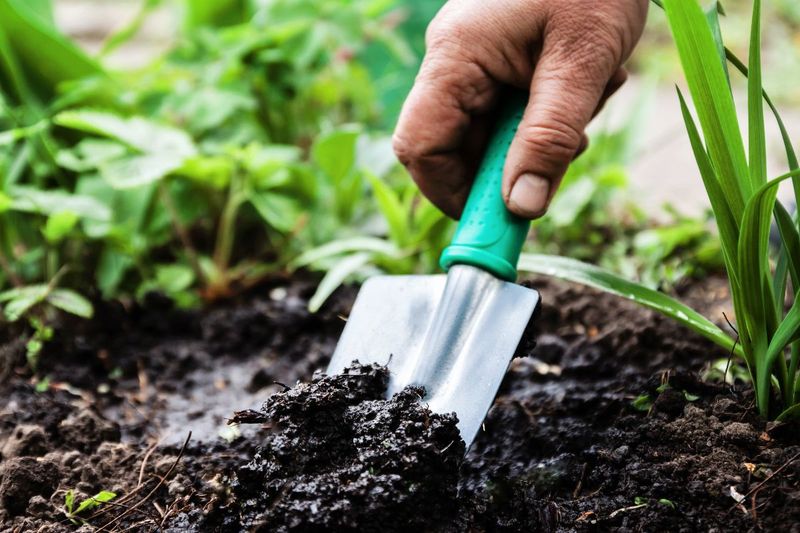
Understanding your soil is the foundation of successful gardening. Conduct regular soil tests to analyze pH, nutrients, and structure.
With this knowledge, you can make informed decisions about amendments and plant choices, optimizing growth conditions. Testing guides you in creating balanced soil that supports lush, healthy plants.
It’s a simple yet powerful tool that empowers gardeners to work in harmony with the earth. Celebrate Earth Day by committing to understanding and nurturing your soil, ensuring a garden that thrives from the ground up.
13. Edible Landscaping
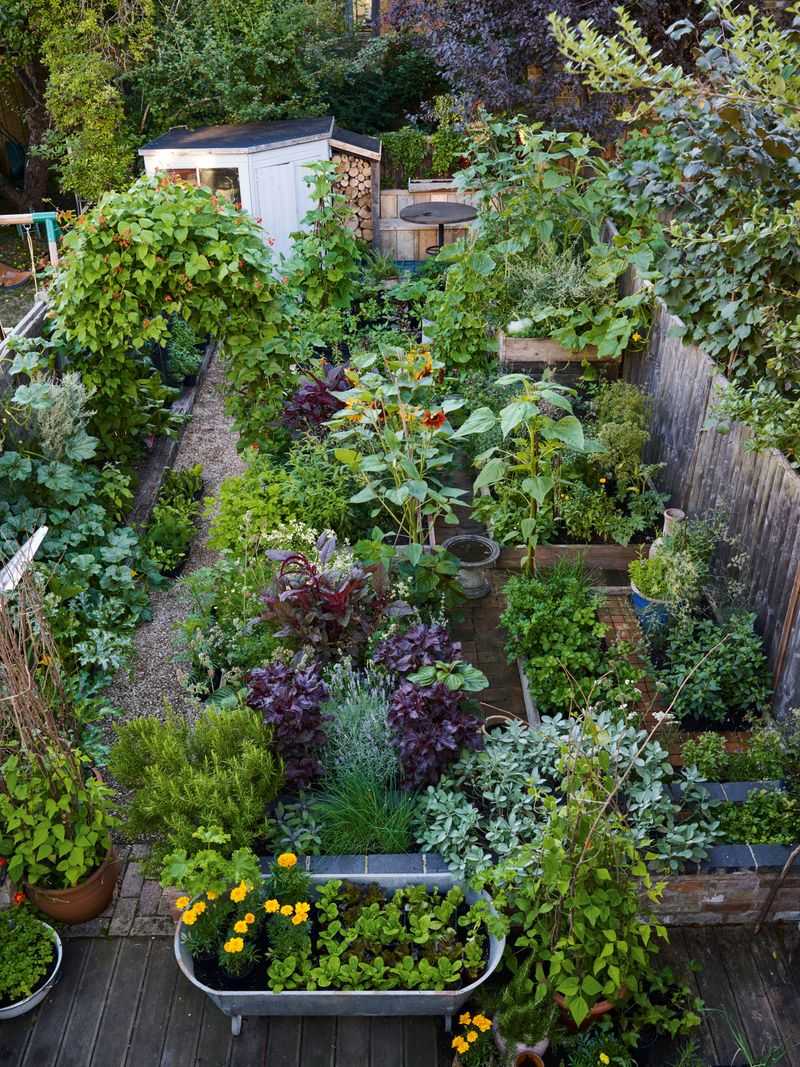
Integrate beauty and utility with edible landscaping. By choosing plants that are both ornamental and edible, you transform your garden into a feast for the eyes and the palate.
Mix fruit trees, herbs, and vegetables with flowers for a balanced, sustainable design. This approach not only enhances aesthetics but also provides fresh produce and reduces grocery bills.
Embrace edible landscaping to celebrate Earth Day every day, cultivating a space that nourishes body and soul. It’s a creative way to enjoy nature’s bounty right in your backyard.
14. Crop Rotation
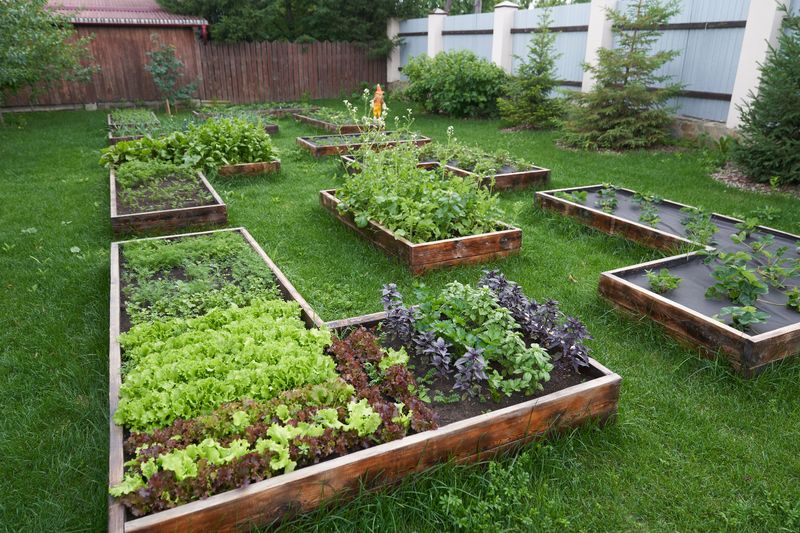
Crop rotation is a time-tested strategy to maintain soil health and prevent pest buildup. By changing plant families in each bed seasonally, you disrupt pest cycles and enhance soil fertility.
This practice reduces the risk of disease and balances nutrient use, promoting robust plant growth. Planning is key: rotate legumes, brassicas, and root vegetables carefully.
Crop rotation is a thoughtful dance with nature, ensuring long-term productivity and vitality. Make it a part of your gardening ritual to celebrate Earth’s cycles and embrace sustainable practices.
15. Herbal Remedies
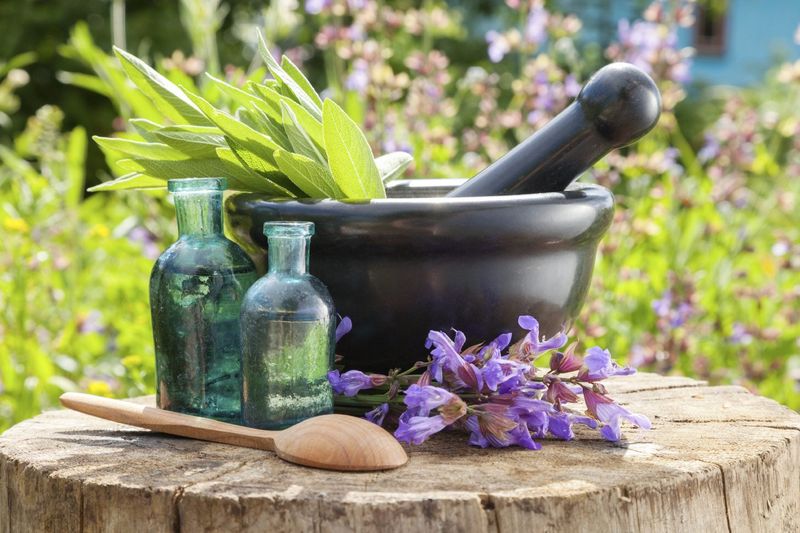
Herbal remedies offer natural solutions for common ailments. Cultivate a garden filled with medicinal plants like chamomile, lavender, and mint.
These herbs provide soothing teas, aromatic oils, and healing balms. They are easy to grow and bring both beauty and utility to your space.
Harness the power of herbs to support well-being and reduce reliance on pharmaceuticals. Celebrate Earth Day by embracing these green allies, nurturing a garden that heals both body and spirit.
16. Aquaponics Adventure
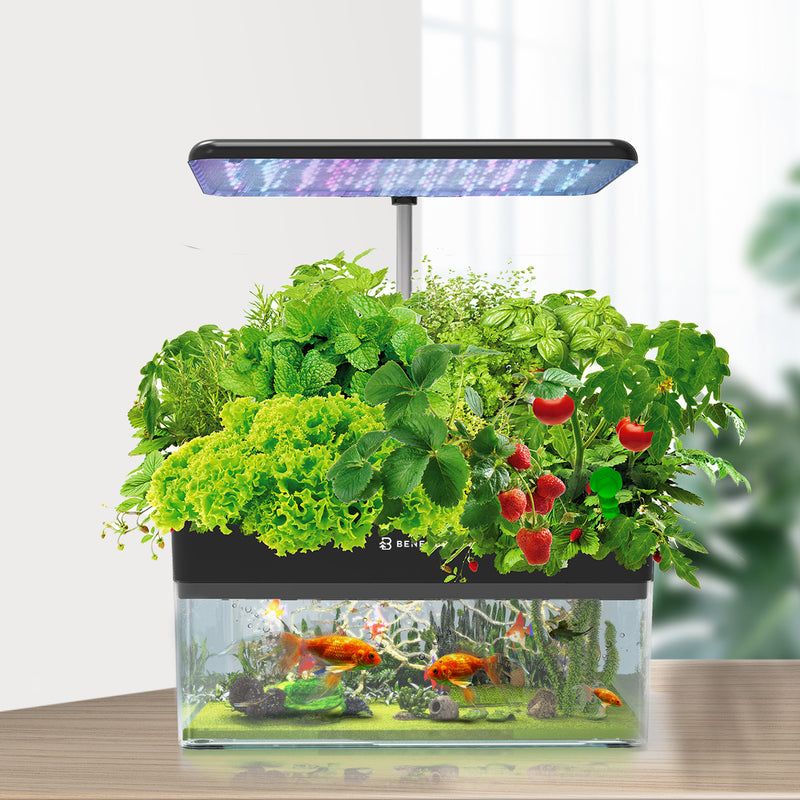
Aquaponics combines aquaculture and hydroponics, creating a symbiotic system where fish and plants thrive together.
The fish waste provides nutrients for the plants, while plants filter the water for the fish. This closed-loop system is efficient and eco-friendly, producing both fresh food and clean water.
It’s a fascinating way to apply science to gardening, offering sustainable solutions for urban and rural areas alike. Dive into aquaponics to explore innovative, earth-friendly practices that feed the world while conserving resources.
17. Biodiversity Boost
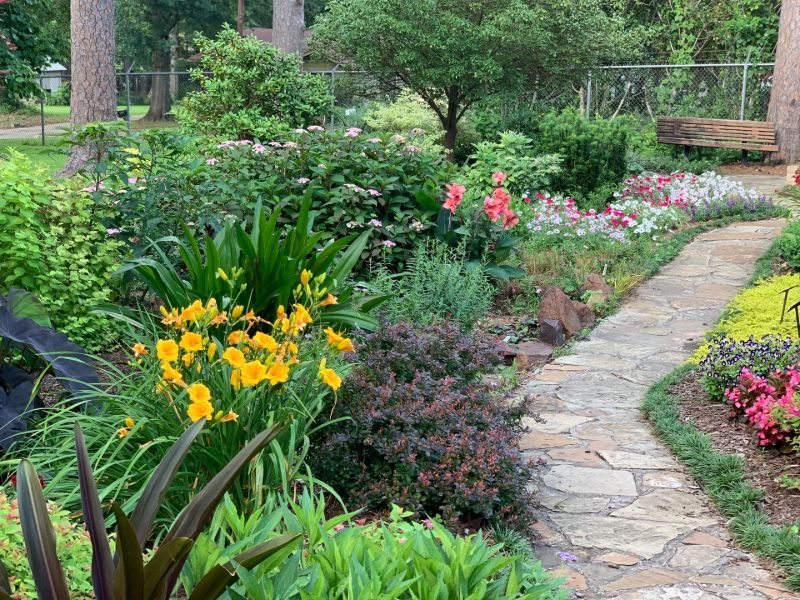
Biodiversity in your garden creates a resilient ecosystem. By planting a mix of species, you attract beneficial insects and discourage pests.
Diversity strengthens ecological balance, reducing the need for chemical interventions. Consider adding layers—trees, shrubs, groundcovers—for a habitat-rich environment.
Celebrate Earth Day by enhancing your garden’s biodiversity, fostering a thriving community of life. Your garden becomes a microcosm of nature’s wonder, resilient and ever-evolving.
18. Peat-Free Gardening
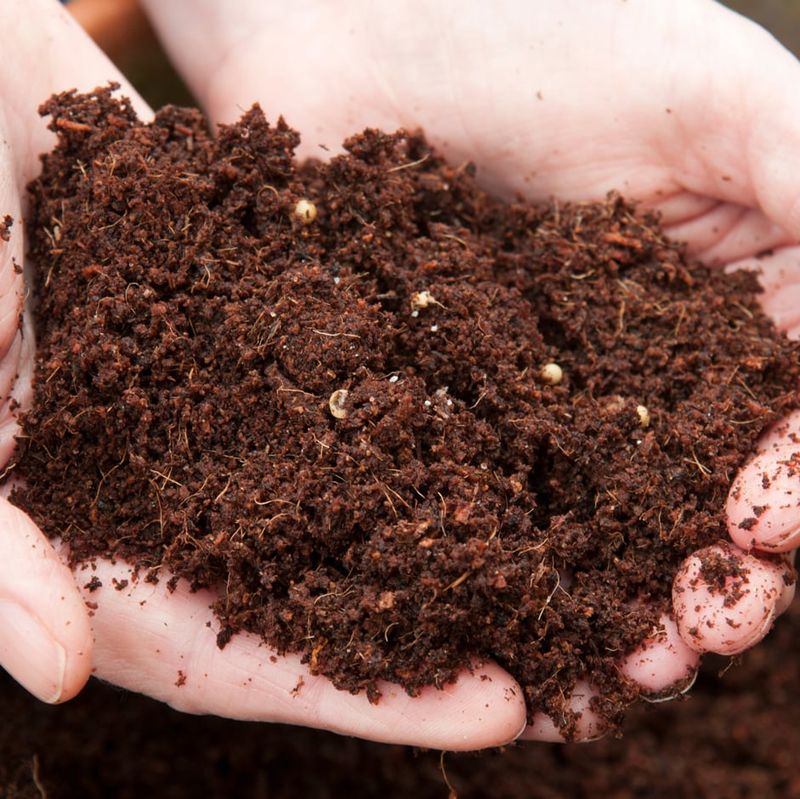
Peat-free gardening respects delicate ecosystems. Peat extraction harms bogs, releasing carbon and destroying habitats.
Opt for alternatives like coir, compost, or bark-based products, reducing environmental impact. These substitutes perform well in gardens, supporting healthy plant growth.
By choosing peat-free options, you contribute to conservation efforts, protecting vital carbon sinks and biodiversity. Embrace Earth Day by adopting peat-free gardening, nurturing the planet as you cultivate your garden.
19. Seed Saving
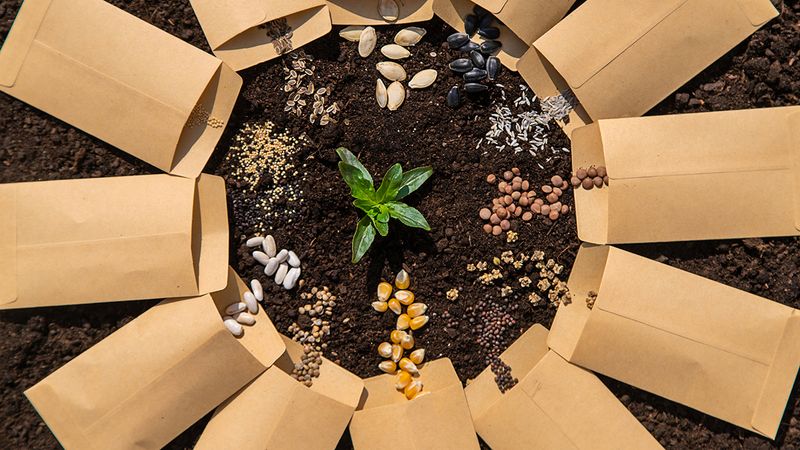
Seed saving is a timeless tradition that preserves plant heritage. By collecting seeds from your garden, you maintain genetic diversity and save resources.
This practice connects you to the seasons, as you witness the full life cycle of plants. Save seeds from heirloom varieties to preserve flavors and traits unique to your region.
Engage in seed saving to celebrate Earth Day, fostering resilience and independence in your gardening. It’s a meaningful way to honor the past and nurture the future.
20. Urban Wildlife Gardens
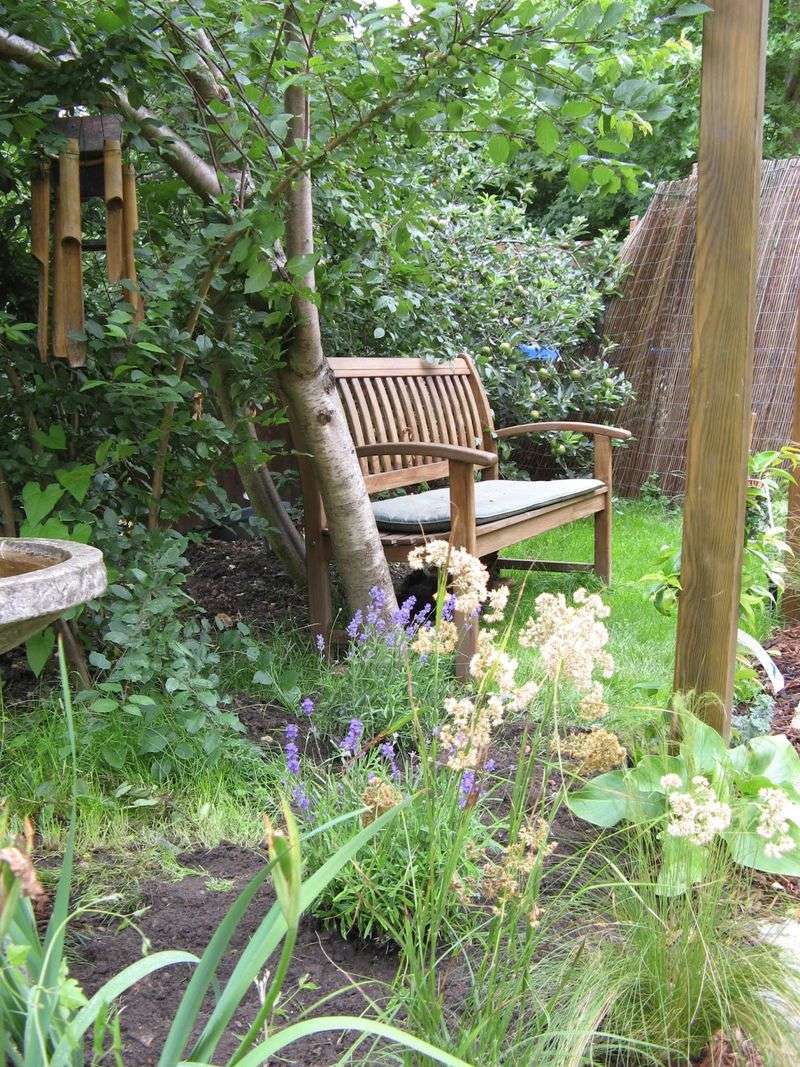
Urban wildlife gardens offer refuge for creatures in concrete jungles. By incorporating birdhouses, feeders, and native plants, you create a welcoming habitat.
These gardens invite birds, insects, and small mammals, promoting biodiversity in urban areas. They transform city spaces into vibrant, living environments, connecting people with nature.
Celebrate Earth Day by fostering urban wildlife gardens, enriching city life with natural beauty and ecological balance. Your garden becomes a sanctuary amid skyscrapers, bridging the urban-nature divide.
21. Sustainable Pest Control
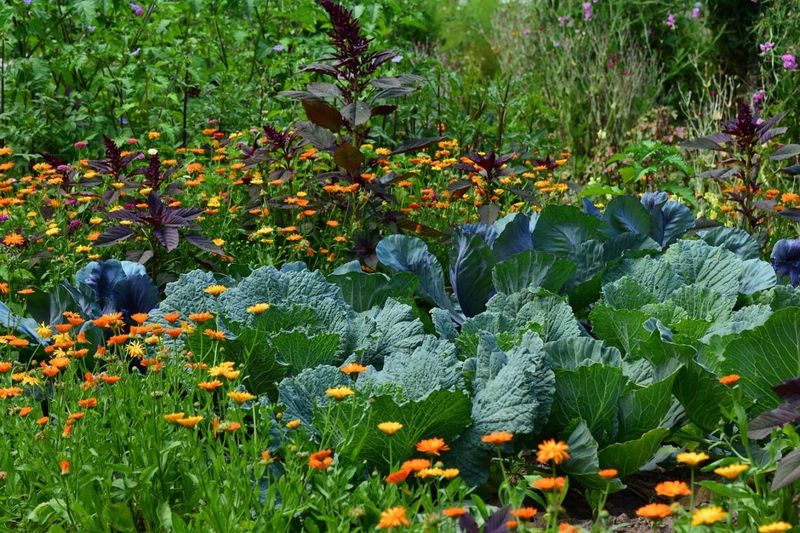
Sustainable pest control keeps your garden healthy without harmful chemicals. By encouraging beneficial insects like ladybugs and lacewings, you manage pests naturally.
Companion planting and neem oil also deter unwanted visitors, promoting balance and resilience. These methods reduce the need for synthetic pesticides, preserving soil health and biodiversity.
Embrace Earth Day by adopting sustainable pest control, creating a garden that thrives in harmony with nature. It’s a responsible approach that protects your plants and the planet.
22. DIY Greenhouses
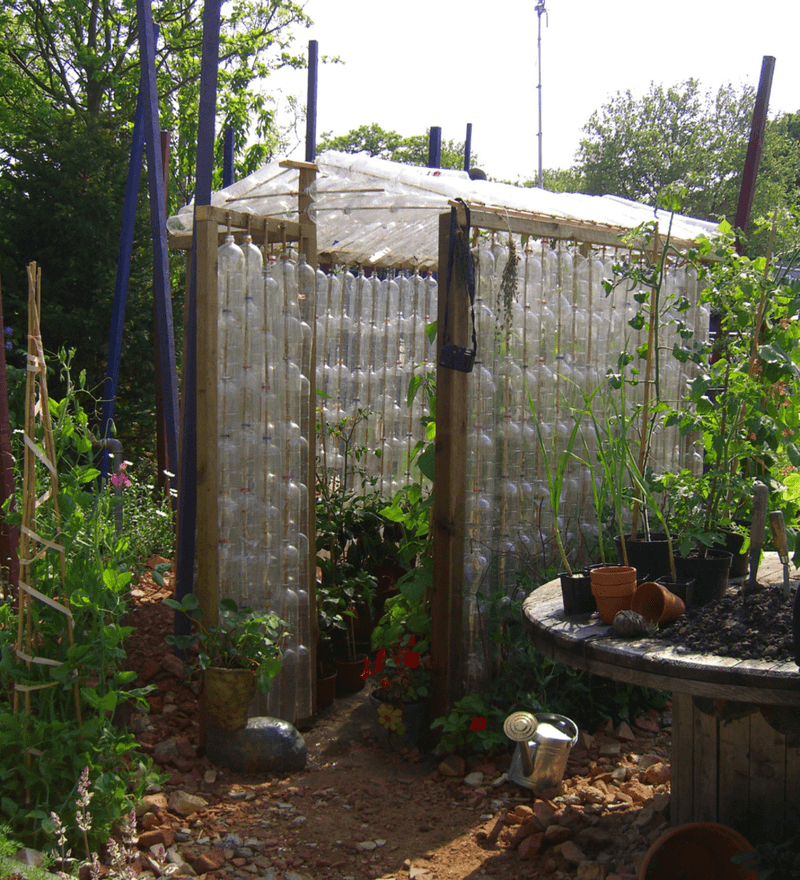
DIY greenhouses extend your growing season and offer protection from the elements. Build one using recycled materials for an eco-friendly solution.
These structures allow you to start seeds early or grow tender plants year-round. They capture solar energy, creating a warm, nurturing environment.
Celebrate Earth Day by constructing a DIY greenhouse, harnessing creativity and sustainability. It’s a rewarding project that enhances your gardening potential, providing fresh produce throughout the year.
23. Living Soil Creation
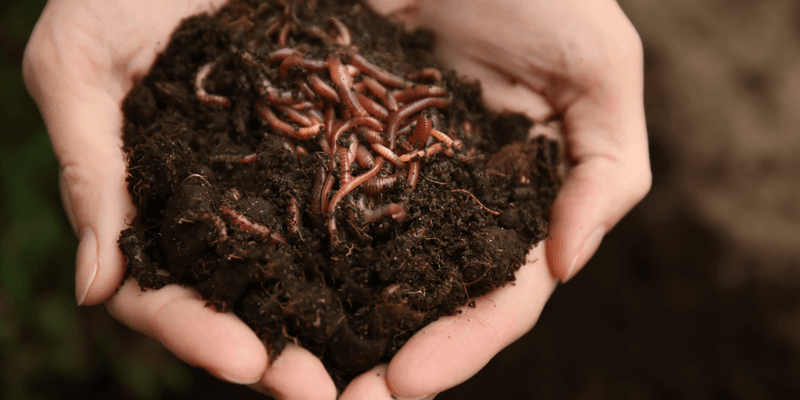
Imagine a garden buzzing with life beneath the surface. Living soil, teeming with microorganisms, is the secret to thriving plants. By fostering a habitat for earthworms and beneficial bacteria, you promote nutrient-rich soil.
These organisms break down organic matter, creating a natural fertilizer for your plants. Start by adding compost and natural mulches to your garden beds.
Over time, the soil’s structure improves, enhancing water retention and root growth. Did you know? Ancient civilizations, like the Romans, understood the power of living soil. This practice sustains not only plants but the environment itself.