 Complete Gardening
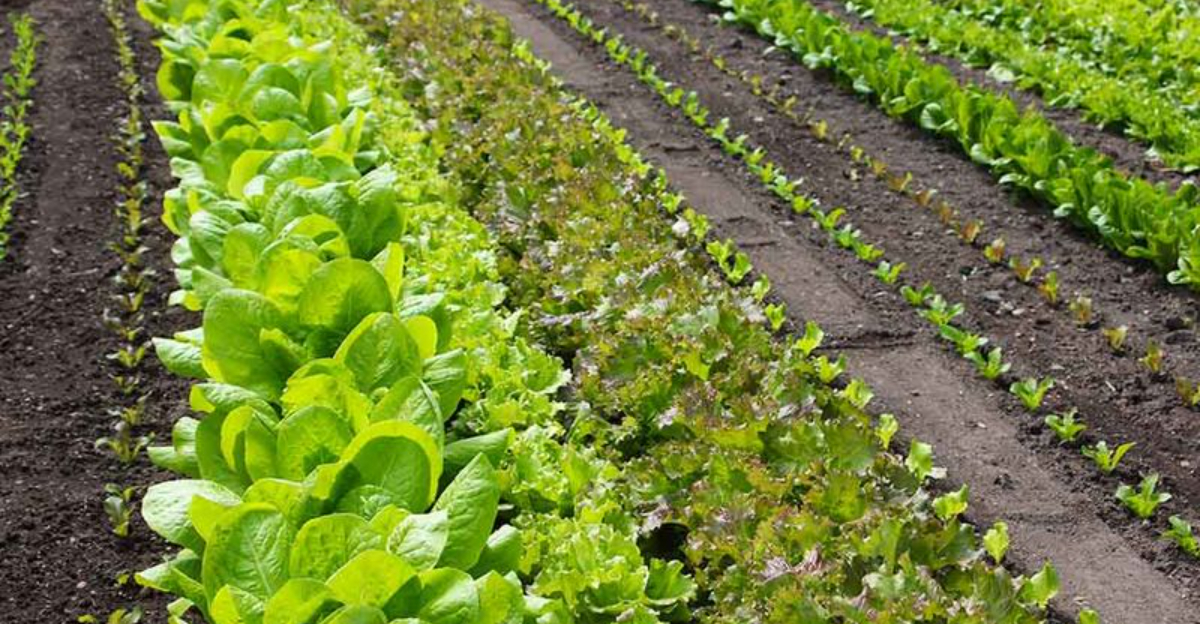
Achieving a bountiful harvest requires a blend of science and art. From preparing your soil to mastering the art of watering, each step plays a crucial role in ensuring a productive season. These 21 expertly curated tips cover everything from soil management to pest control, offering practical advice and innovative strategies for gardeners of all levels. Whether you’re a seasoned grower or a budding enthusiast, these insights are designed to maximize your garden’s potential and make this season your most fruitful yet.
1. Soil & Prep Secrets – Test Your Soil
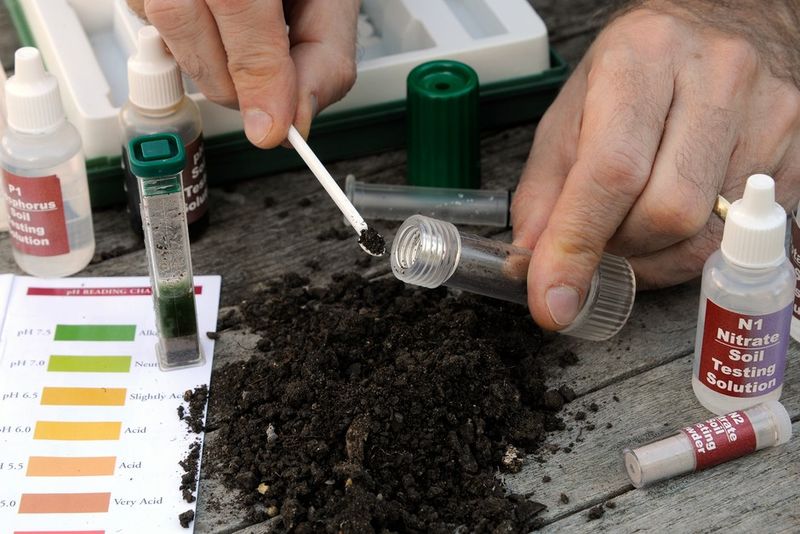
Ever wondered why your crops aren’t thriving as expected? Testing your soil can reveal the hidden secrets of pH and nutrient levels that are crucial for plant health. Ideal pH for most crops hovers between 6.0 and 7.0; anything outside this range may require amendments like compost or lime.
This process is like a health check-up for your garden, ensuring that your plants have the perfect environment to grow. A simple soil test, which is often overlooked, can be the game-changer for your season’s success.
Ensure your plants thrive by understanding the unique needs of your garden’s soil.
2. Soil & Prep Secrets – Boost Organic Matter

A garden’s heart beats strongest with rich organic matter. Incorporating aged manure, compost, or leaf mold into your soil can dramatically improve water retention and fertility. Imagine your garden’s soil as a sponge, eagerly soaking up nutrients and moisture, readily available for plants.
This simple act of boosting organic matter transforms barren soil into a thriving oasis. The process not only enhances the soil’s texture but also enriches its nutrient profile, making it a haven for robust plant growth.
Unlock the full potential of your garden by enriching it with nature’s own fertilizers.
3. Soil & Prep Secrets – Try No-Till Gardening
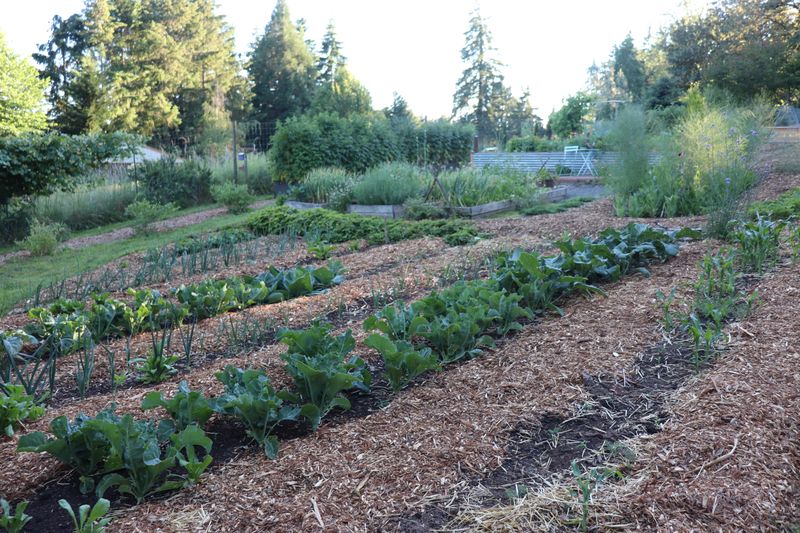
In the world of gardening, sometimes doing less yields more. No-till gardening is a strategy that reduces soil erosion and preserves the beneficial microbes that make your garden thrive. Imagine a garden where each layer of soil remains undisturbed, fostering a micro-ecosystem that benefits your crops.
This technique minimizes disruption and allows nature to work its magic. The result? Healthier plants and fewer weeds.
By leaving the soil untouched, you protect it from erosion and encourage a natural balance of microorganisms, leading to a more productive garden.
4. Soil & Prep Secrets – Pre-Warm Soil
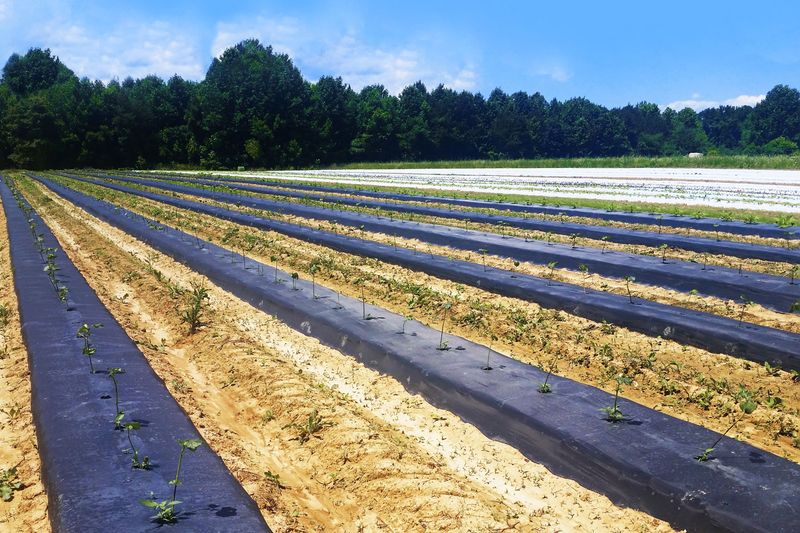
Timing is everything in gardening, and pre-warming your soil can give you a head start with warm-season crops. Using black plastic mulch absorbs heat from the sun, creating a toasty environment for planting tomatoes and peppers.
This technique is akin to rolling out the red carpet for your seeds, offering them a warm welcome to their new home. The additional warmth accelerates germination and growth, leading to an earlier and more abundant harvest.
Harness the power of the sun to create a nurturing environment for your garden’s stars.
5. Planting Like a Pro – Follow the Moon Calendar
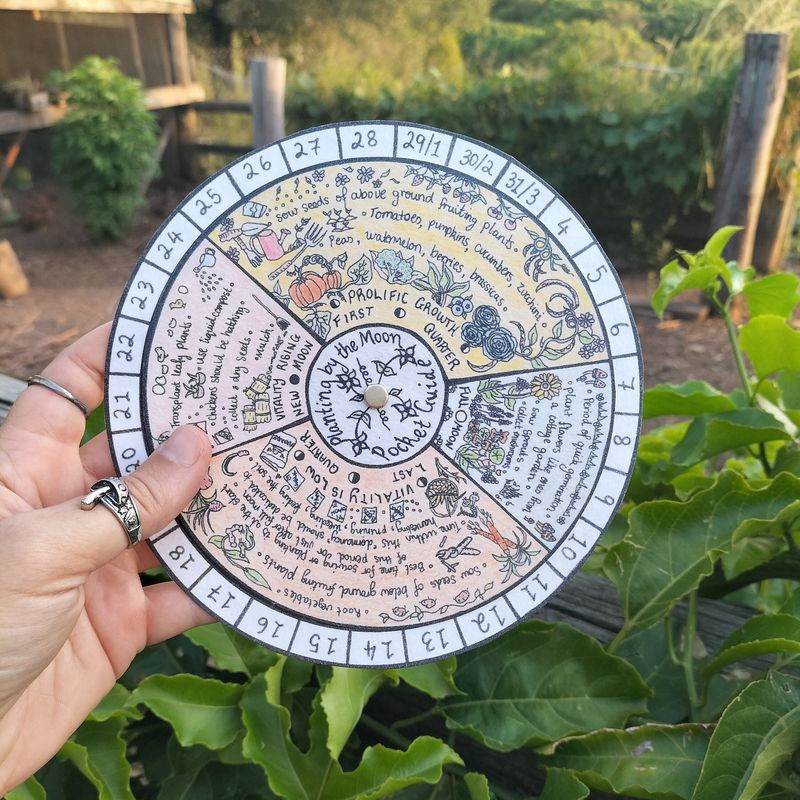
Gardening by the moon might sound mystical, but it has roots in tradition and observation. Many gardeners swear by planting root crops during a waning moon and leafy greens during a waxing moon.
This practice aligns with the moon’s gravitational pull, which can influence water levels in the soil. Whether you’re a skeptic or a believer, aligning your planting calendar with the lunar cycle adds an intriguing layer to your gardening routine.
Embrace this celestial guide and watch how your garden responds to the rhythms of the moon.
6. Planting Like a Pro – Companion Planting
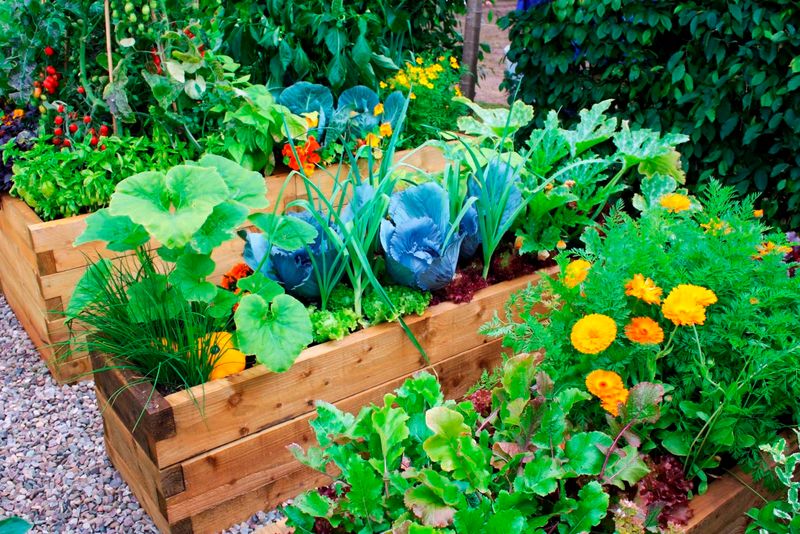
Did you know that some plants thrive when grown together? Companion planting is an age-old strategy that boosts growth and deters pests. Pairing basil with tomatoes can enhance flavors, while marigolds with squash repel nematodes.
This natural synergy transforms your garden into a community of mutually beneficial relationships. Each plant plays a role in deterring pests, attracting beneficial insects, or enhancing growth.
Explore the benefits of companion planting and witness how strategic pairings can lead to a healthier and more productive garden.
7. Planting Like a Pro – Succession Planting
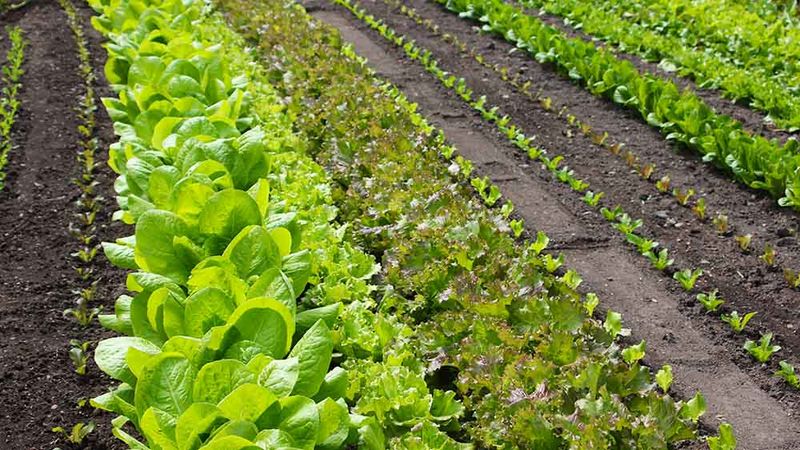
Imagine enjoying a continuous harvest from your garden all season long. Succession planting is the secret to achieving this. By staggering plantings every 2 weeks, you ensure that as one crop finishes, another is ready to take its place.
This method maximizes space and keeps your garden producing. Whether it’s lettuce, radishes, or beans, each planting provides a new wave of fresh produce.
This approach not only extends the growing season but also optimizes the use of your garden space, making it a hub of productivity.
8. Planting Like a Pro – Vertical Gardening
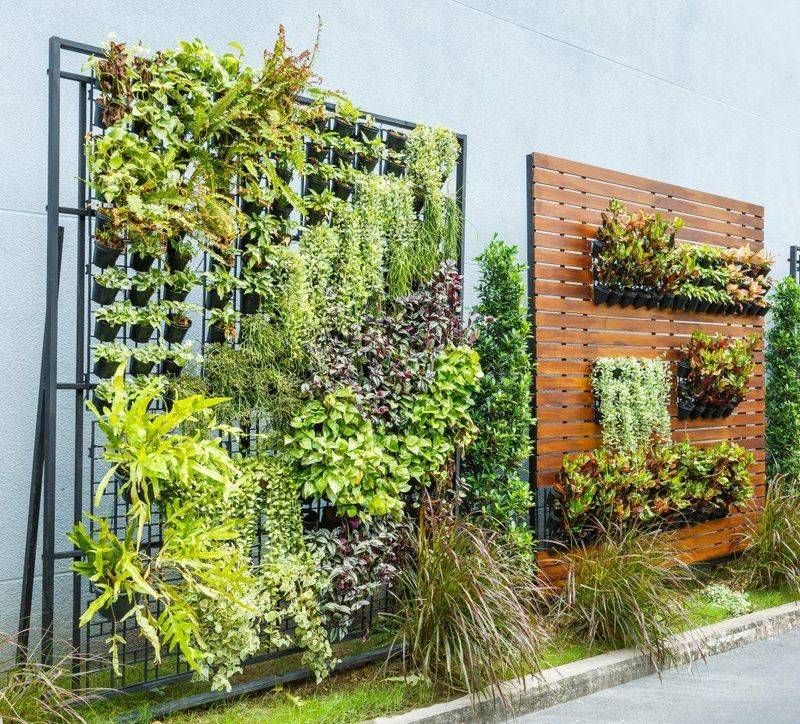
When space is limited, think vertically. Vertical gardening is an innovative solution for small spaces, allowing you to grow upwards with trellises and supports. Imagine a lush green wall of cucumbers, beans, and peas, thriving in harmony.
This method improves air circulation, reduces disease, and makes harvesting a breeze. Perfect for urban gardeners, vertical gardening transforms any space into a productive oasis.
Harness the power of vertical space to create a bountiful and beautiful garden, regardless of your available footprint.
9. Watering Wisdom – Water Deeply, Not Often
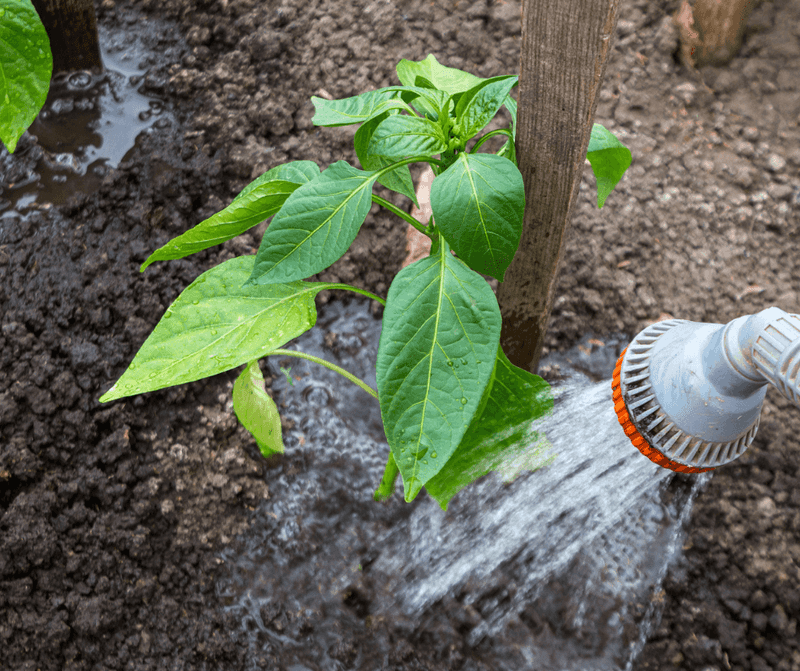
Water wisely to encourage deep root growth. Watering deeply but less frequently is key to fostering strong, resilient plants. By providing 1–2 inches of water per week, you encourage roots to reach deeper into the soil.
This approach not only conserves water but also helps plants withstand drought conditions. It’s a simple yet effective strategy that ensures your crops are well-hydrated and robust.
By focusing on deep watering, you promote a healthy, sustainable garden that’s ready to thrive, even in challenging conditions.
10. Watering Wisdom – Use Drip Irrigation
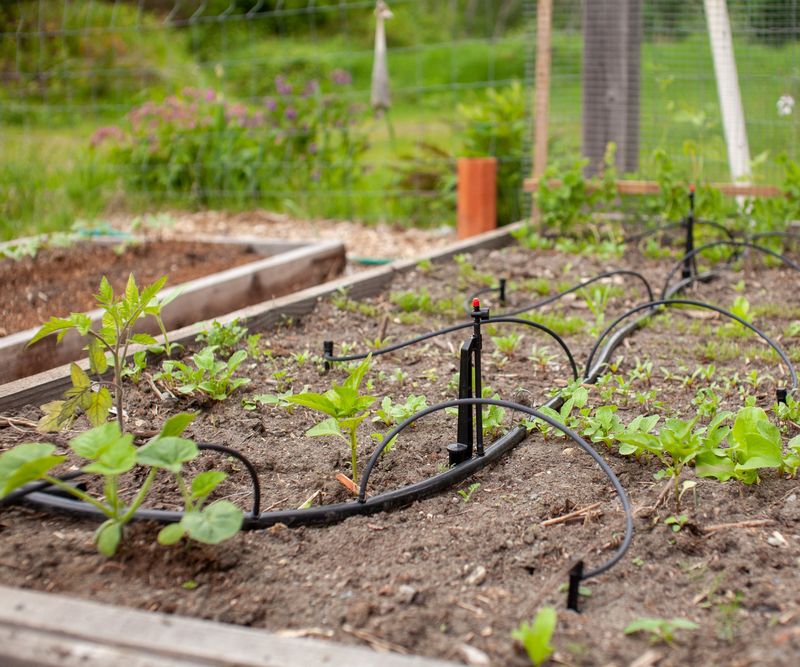
Precision watering at its best. Drip irrigation is a method that delivers water directly to the soil, minimizing evaporation and preventing plant diseases. Imagine a system that waters your garden efficiently, drop by drop.
This technique ensures each plant receives the right amount of moisture, reducing waste and promoting healthy growth. Ideal for busy gardeners, drip irrigation offers a hands-off approach to maintaining a lush, thriving garden.
Embrace technology’s role in gardening and watch your plants flourish with efficiency and ease.
11. Watering Wisdom – Mulch Heavily
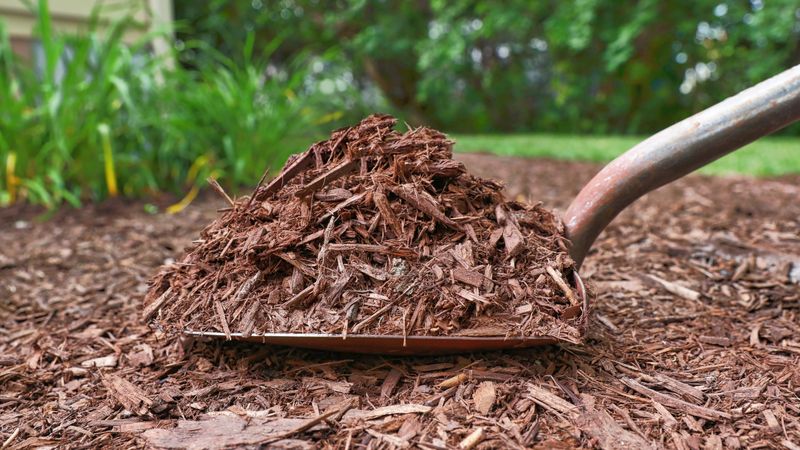
Keep your garden cool and moist with a generous layer of mulch. Whether it’s straw, wood chips, or grass clippings, mulching is essential for moisture retention and weed suppression.
Picture a protective blanket over your garden, shielding it from harsh sun rays and conserving water. Mulch not only maintains soil temperature but also enhances its texture over time.
By investing in a good mulch, you ensure a healthier garden that’s more resilient to environmental stresses, leading to a more fruitful harvest.
12. Watering Wisdom – Water Early in the Day
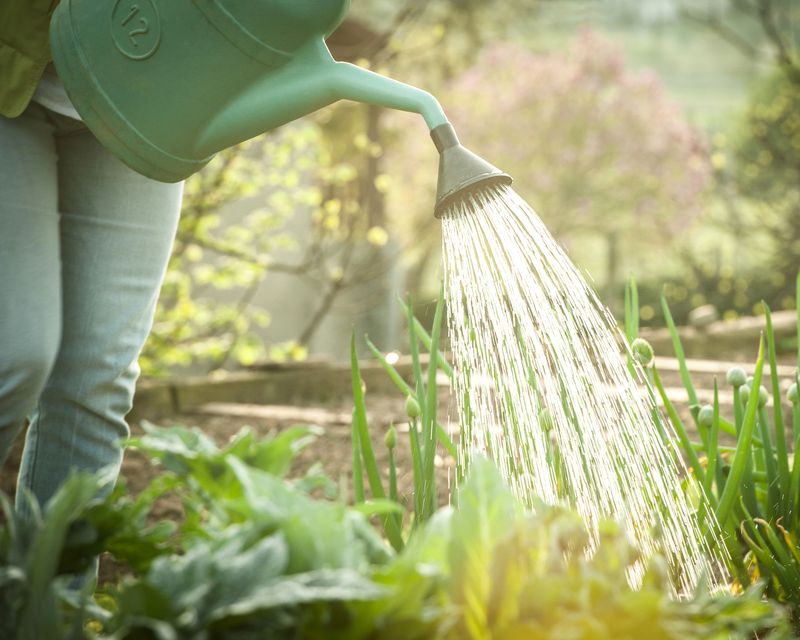
Timing your watering can make all the difference. Watering early in the day allows plants to absorb moisture before the sun’s intensity increases. This prevents mildew and gives plants ample time to dry before nightfall.
Imagine starting your day alongside your garden, nurturing it while the world awakens. This practice not only optimizes water use but also sets a positive tone for your gardening routine.
By watering early, you create an environment that supports healthy, vigorous plant growth all season long.
13. Pest & Disease Control – Handpick Pests
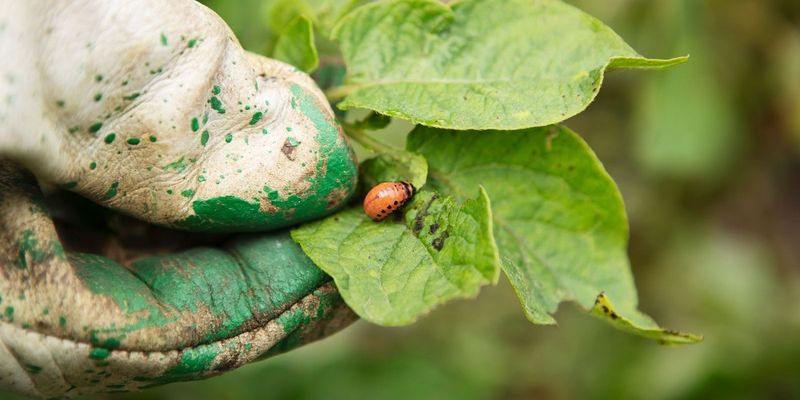
Combat pests the old-fashioned way—by hand! Checking leaves daily for caterpillars, beetles, or aphids allows you to nip potential infestations in the bud.
It’s a hands-on approach that connects you directly with your garden, enabling early detection and intervention. This method is not only eco-friendly but also fosters a deeper understanding of your plants’ needs.
By staying vigilant, you maintain a healthy balance in your garden, ensuring that pests are managed naturally and effectively.
14. Pest & Disease Control – Neem Oil & Soap Sprays
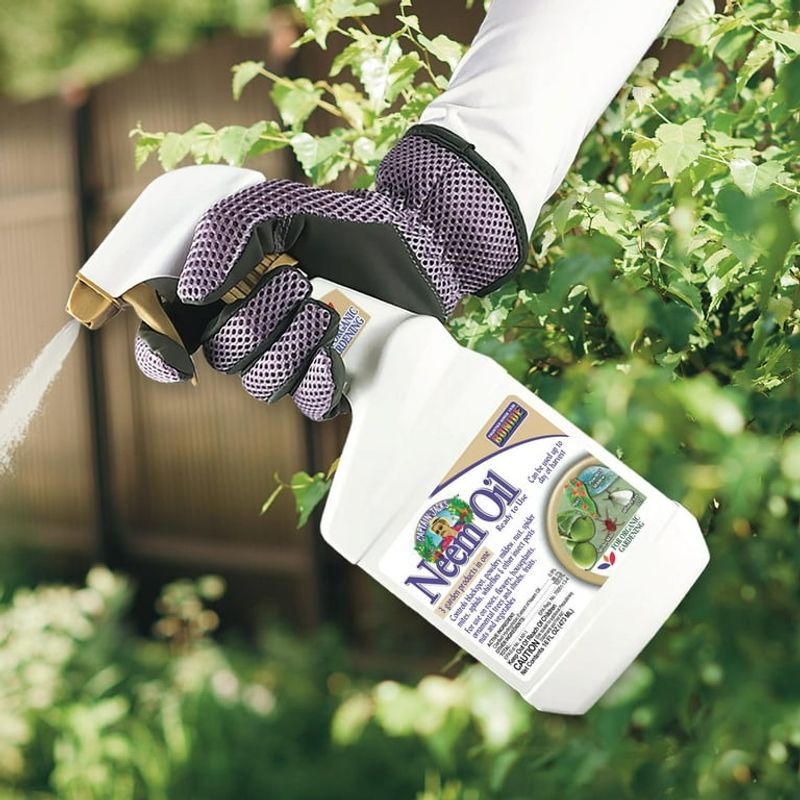
Harness the power of nature with neem oil and soap sprays, perfect for tackling fungal issues and soft-bodied insects. These organic solutions are gentle on your garden but tough on pests.
Imagine a garden shielded from harm by natural defenses, free from harsh chemicals. Neem oil acts as a deterrent, while soap sprays suffocate pests.
Embrace these eco-friendly options to maintain a pest-free environment, supporting the health and productivity of your plants.
15. Pest & Disease Control – Attract Beneficial Insects
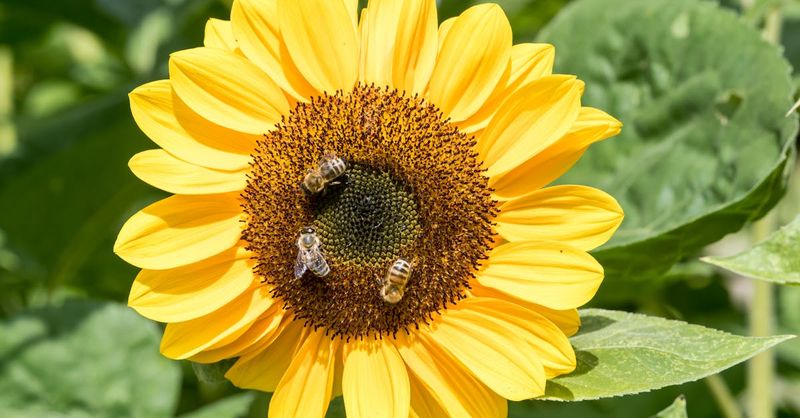
Invite nature’s allies into your garden by planting dill, yarrow, or sunflowers. These plants attract beneficial insects like ladybugs and lacewings, which help control pest populations naturally.
Imagine a garden teeming with life, where every insect plays a role in maintaining balance. This strategy not only reduces the need for chemical interventions but also enriches your garden’s biodiversity.
By fostering an environment that attracts helpful insects, you create a sustainable ecosystem that supports healthy plant growth.
16. Pest & Disease Control – Rotate Crops
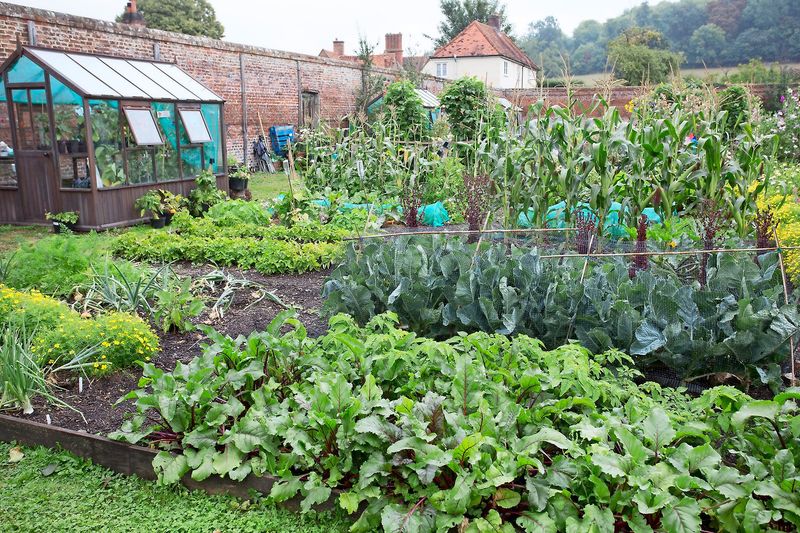
Break the cycle of soil-borne diseases by rotating your crops. Avoid planting the same crop in the same spot two years in a row.
This practice disrupts pest and disease life cycles, reducing the risk of infestations. Imagine a garden that’s ever-changing, each year bringing new growth and vitality.
Crop rotation not only enhances soil health but also increases yields, making it an essential strategy for any gardener seeking a bountiful harvest.
17. Fertilizing for Success – Feed with Fish Emulsion or Compost Tea
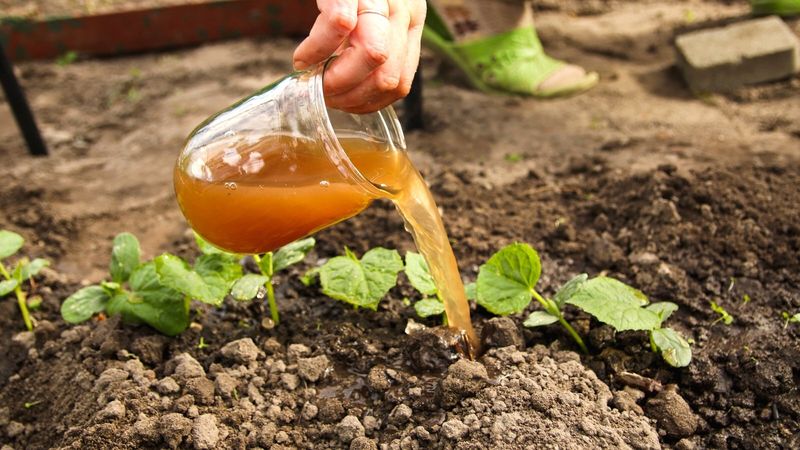
Give your plants a nutrient-rich boost with fish emulsion or compost tea. These gentle fertilizers provide essential nutrients, promoting robust growth every 2–3 weeks.
Picture a garden flourishing with vitality, each plant receiving the nourishment it craves. Fish emulsion offers a rich source of nitrogen, while compost tea enriches the soil with beneficial microbes.
By choosing these natural feeding methods, you support a healthy and thriving garden, free from synthetic fertilizers.
18. Fertilizing for Success – Use Banana Peels for Potassium
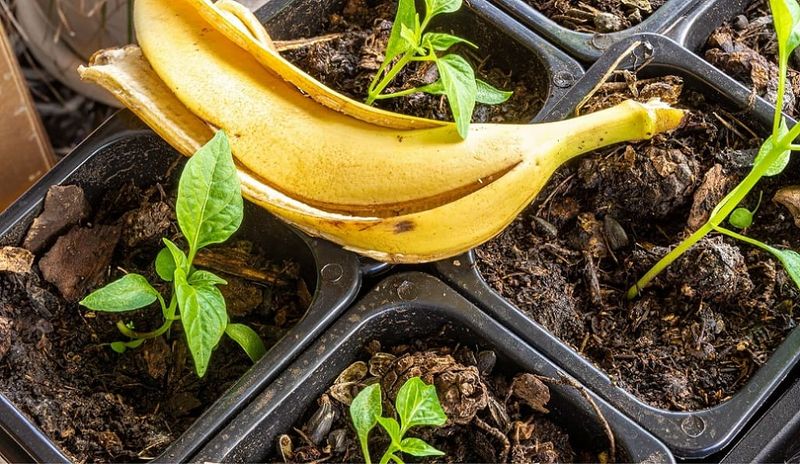
Transform kitchen waste into garden gold with banana peels. Burying chopped peels near flowering or fruiting plants provides a potassium boost that enhances growth and resilience.
Imagine a garden where waste becomes a resource, each peel contributing to the health of your plants. This simple act enriches the soil, supports flowering, and improves fruit development.
By recycling banana peels, you create a sustainable loop that benefits both your garden and the environment.
19. Fertilizing for Success – Avoid Over-Fertilizing
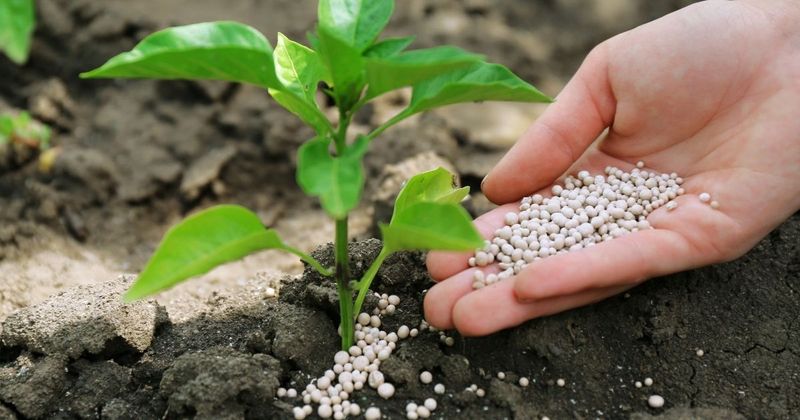
Less is often more when it comes to fertilizing. Over-fertilizing can lead to lush foliage but few fruits, as nitrogen levels soar. Imagine a garden where balance is key, each plant receiving just the right amount of nutrients.
By measuring carefully and applying fertilizers judiciously, you ensure that your plants grow healthily and productively.
This mindful approach not only prevents nutrient runoff but also supports a more sustainable gardening practice, ensuring a bountiful harvest without waste.
20. Bonus Pro Tips – Keep a Garden Journal
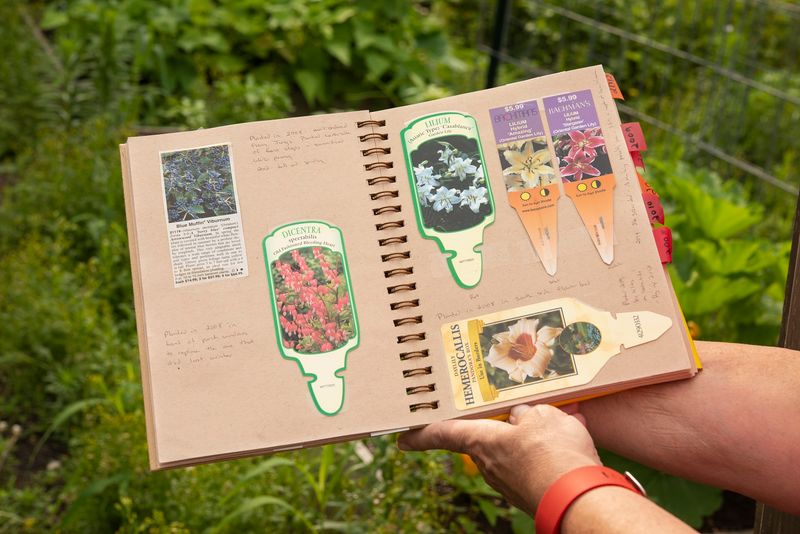
Capture the essence of your gardening journey by keeping a garden journal. Document planting dates, weather conditions, and yields to refine your approach for future seasons.
Imagine flipping through pages filled with insights and observations, each entry a stepping stone to better gardening. This practice not only enhances your understanding but also allows you to track successes and learn from challenges.
A garden journal is a treasure trove of knowledge, guiding you toward more fruitful gardening endeavors.
21. Bonus Pro Tips – Harvest at Peak Time
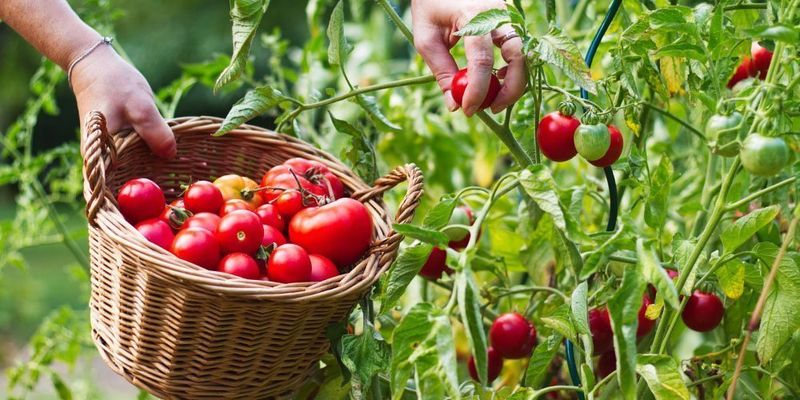
Timing your harvest is as crucial as planting. Picking tomatoes when slightly soft, or herbs before flowering, ensures maximum flavor and nutrition.
Imagine the satisfaction of biting into a tomato at its peak, each flavor note perfectly balanced. This practice not only enhances taste but also extends shelf life.
By understanding the best time to harvest your crops, you unlock the full potential of your garden’s bounty, ensuring every bite is a celebration of your hard work.