
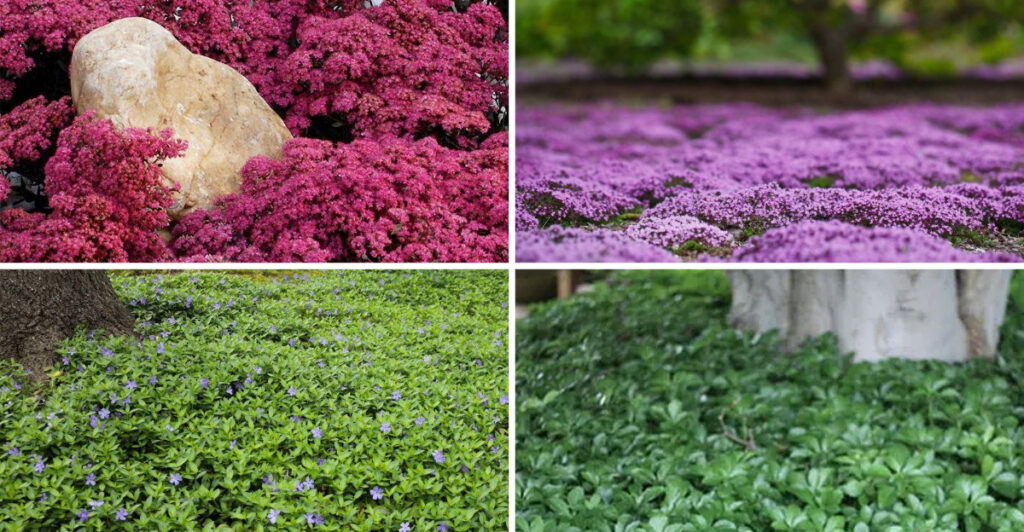
In the battle against relentless weeds, nature provides an elegant solution: ground covers that do the work while you sleep. These plants not only beautify your garden but also act as a natural weed suppressant. By covering the soil, they prevent sunlight from reaching weed seeds, effectively reducing their growth. Their dense mat-like growth habit forms a barrier, ensuring weeds are kept at bay. Ideal for lazy gardeners or those looking for eco-friendly solutions, these ground covers are your best allies in achieving a low-maintenance, weed-free garden. Explore these 19 remarkable options that transform your garden naturally.
1. Creeping Thyme
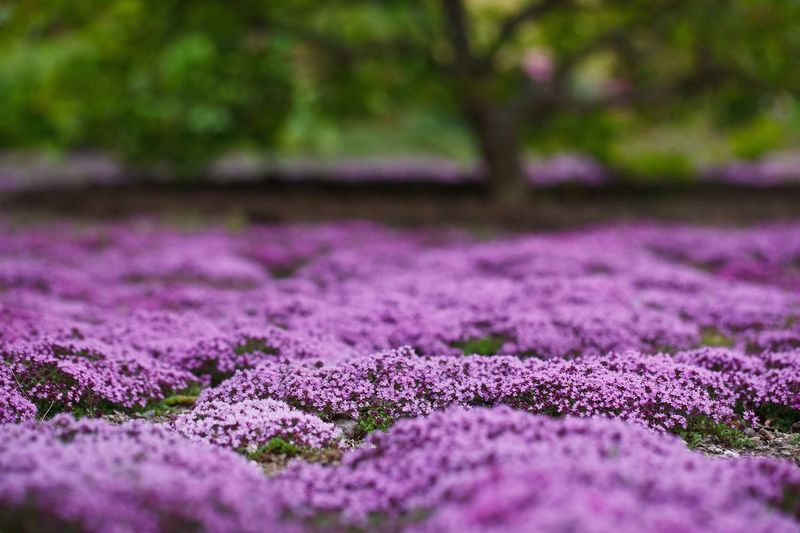
Creeping thyme is like a fragrant blanket for your garden, offering both beauty and practicality. Its tiny, aromatic leaves form a dense mat that chokes out weeds, while its purple blooms attract beneficial insects. This herb not only suppresses weeds but also adds a culinary touch to your landscape. Imagine brushing past it and releasing its pleasant aroma. Ideal for sunny areas, it thrives with minimal care, making it perfect for busy gardeners. Interestingly, its history traces back to ancient Greece, where it symbolized courage. Let creeping thyme infuse your garden with color and fragrance.
2. Vinca Minor
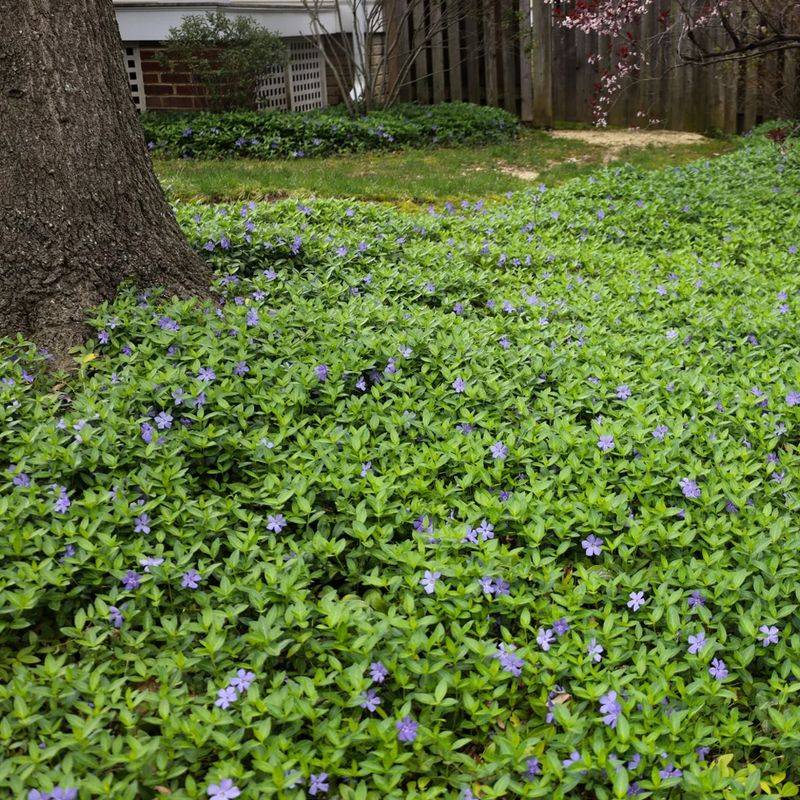
Vinca minor, commonly known as periwinkle, is the unsung hero of shady gardens. With its glossy leaves and delicate blue flowers, it transforms dull patches into vibrant landscapes. This evergreen ground cover thrives in shade, outcompeting weeds and providing year-round interest. Its trailing vines spread effortlessly, rooting as they go, creating a lush green carpet. Perfect for underplanting trees or covering slopes, vinca minor requires little attention once established. Fascinatingly, it’s been used in traditional medicine for centuries, believed to ward off evil spirits. Embrace its charm and practicality in your garden.
3. Lamb’s Ear
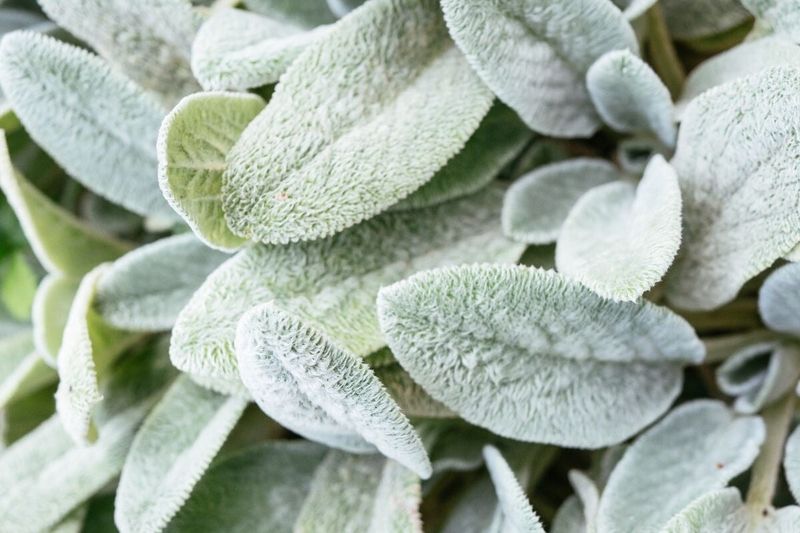
Lamb’s ear captivates with its soft, silvery leaves that invite touch. This ground cover not only feels delightful but also excels in weed suppression. Its dense foliage forms a barrier against intruding weeds, thriving in sunny spots with minimal water. Beyond its beauty, lamb’s ear is a favorite in sensory gardens, offering a tactile experience for children and adults alike. Historically, its leaves were used as natural bandages for their antiseptic properties. Embrace lamb’s ear’s unique texture and practical benefits, creating a garden that’s both functional and enchanting.
4. Irish Moss
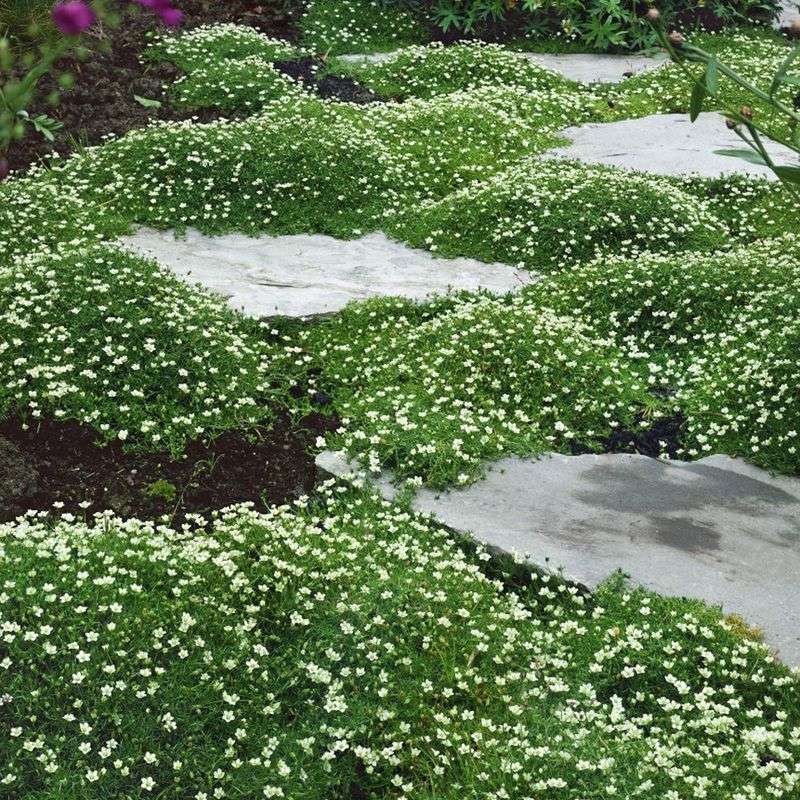
Irish moss, with its lush green hue, creates a living carpet that transforms pathways and garden edges. This ground cover thrives in moist, well-drained soil and is perfect for filling gaps between stepping stones. Its soft texture and delicate white flowers add an elegant touch to any landscape. Irish moss is not just visually appealing; it effectively suppresses weeds by covering the soil densely. Historically, it was used as a food source during famines in Ireland, showcasing its resilience. Introduce Irish moss to your garden for a touch of history and natural beauty.
5. Ajuga Reptans
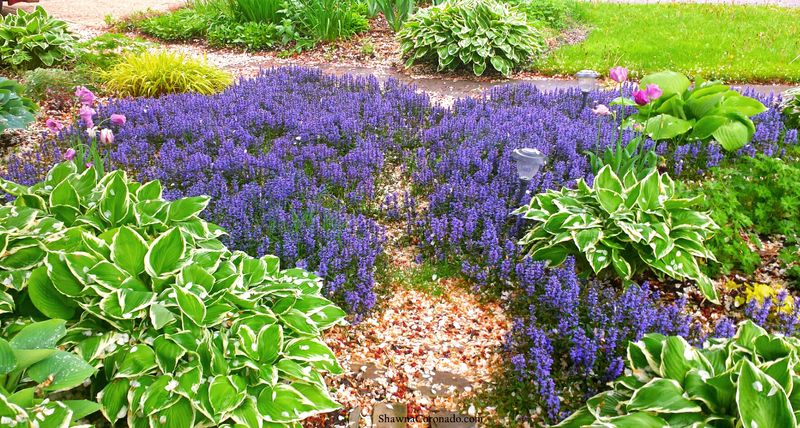
Ajuga reptans, known for its striking blue flower spikes and dark green leaves, is a showstopper in any garden. This hardy ground cover spreads quickly, forming a dense mat that deters weeds effectively. Perfect for shady spots, ajuga brings vibrancy and texture to underutilized areas. Its tolerance to foot traffic makes it ideal for pathways and garden borders. Interestingly, ajuga has medicinal uses, historically used to treat wounds and inflammation. Incorporate this resilient plant into your garden to enjoy its beauty and weed-suppressing abilities year-round.
6. Clover
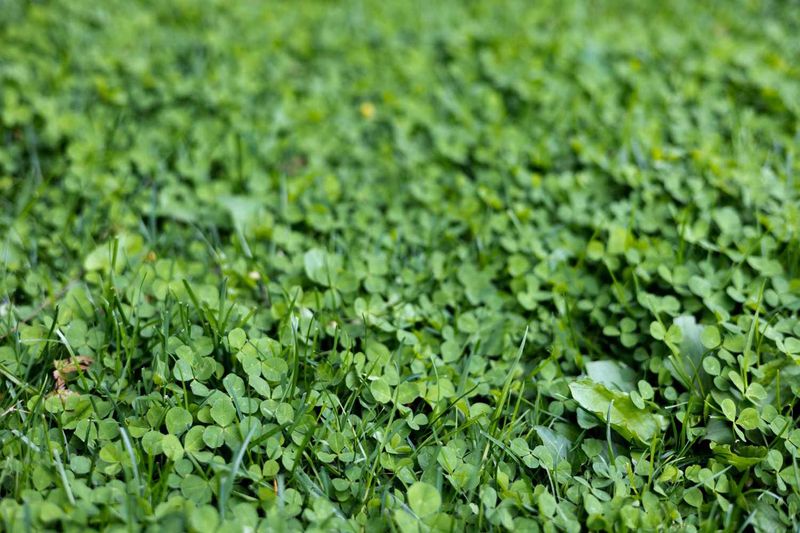
Clover, often seen as a lucky charm, offers more than just folklore. Its trifoliate leaves and white flowers create a charming meadow-like appearance while effectively suppressing weeds. This ground cover enriches soil by fixing nitrogen, promoting healthier plants around it. Clover is drought-tolerant and thrives in various conditions, making it versatile for any garden. Its historical use in crop rotation highlights its agricultural importance. Add clover to your landscape for a natural, low-maintenance ground cover that supports biodiversity and improves soil health.
7. Sedum
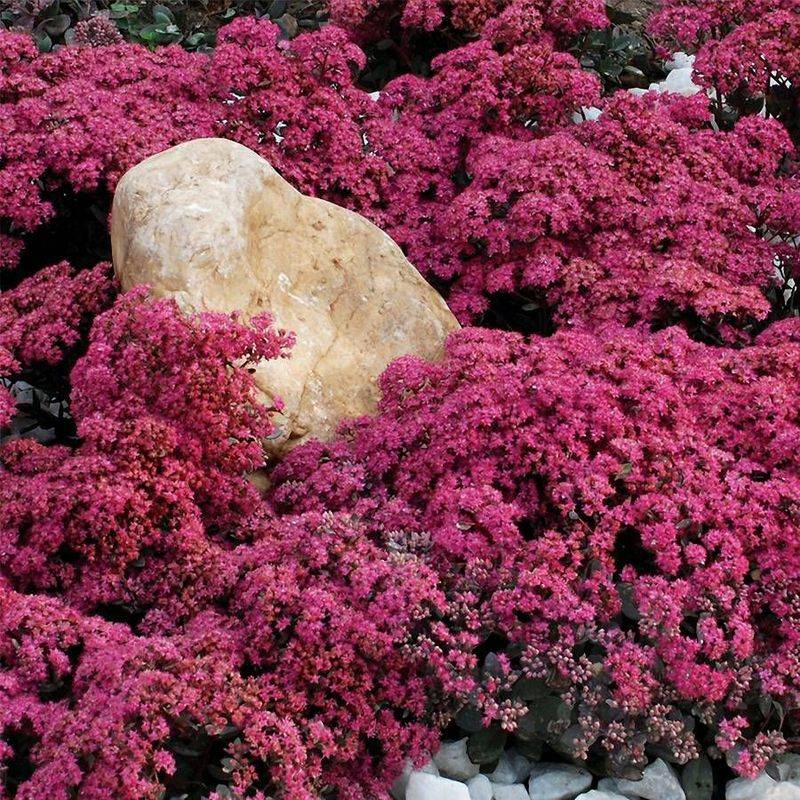
Sedum, with its succulent leaves and vibrant colors, is a drought-resistant marvel. This ground cover thrives in poor soil, providing a splash of color with minimal care. Its low-growing habit and ability to store water make it perfect for rock gardens and dry areas. Sedum’s flowers attract pollinators, supporting garden biodiversity. Historically, certain sedum varieties were used in traditional medicine. Embrace sedum’s resilience and beauty, adding texture and color to your garden while effortlessly keeping weeds at bay.
8. Pachysandra
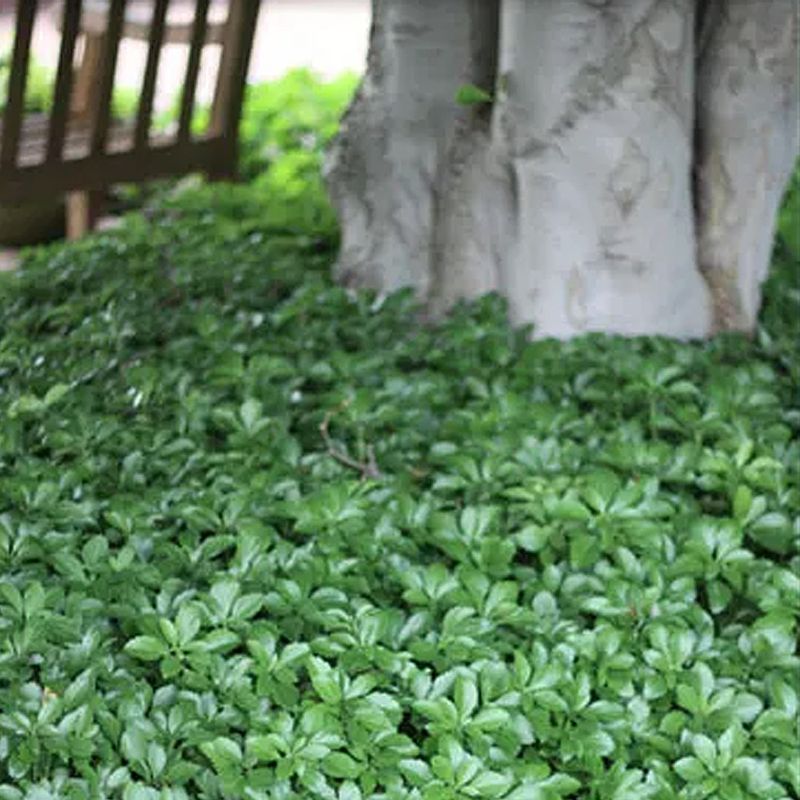
Pachysandra, with its glossy leaves and subtle white blooms, elegantly covers shady ground. This evergreen perennial excels in creating a thick mat that suppresses weeds, thriving under trees and in woodland settings. Its ability to thrive in deep shade makes it invaluable for challenging garden spots. Pachysandra’s low-maintenance nature is perfect for gardeners seeking simplicity and beauty. Historically, it was used in Japanese gardens for its serene appearance. Enhance your landscape with pachysandra, enjoying its lush, weed-suppressing coverage and year-round appeal.
9. Sweet Woodruff
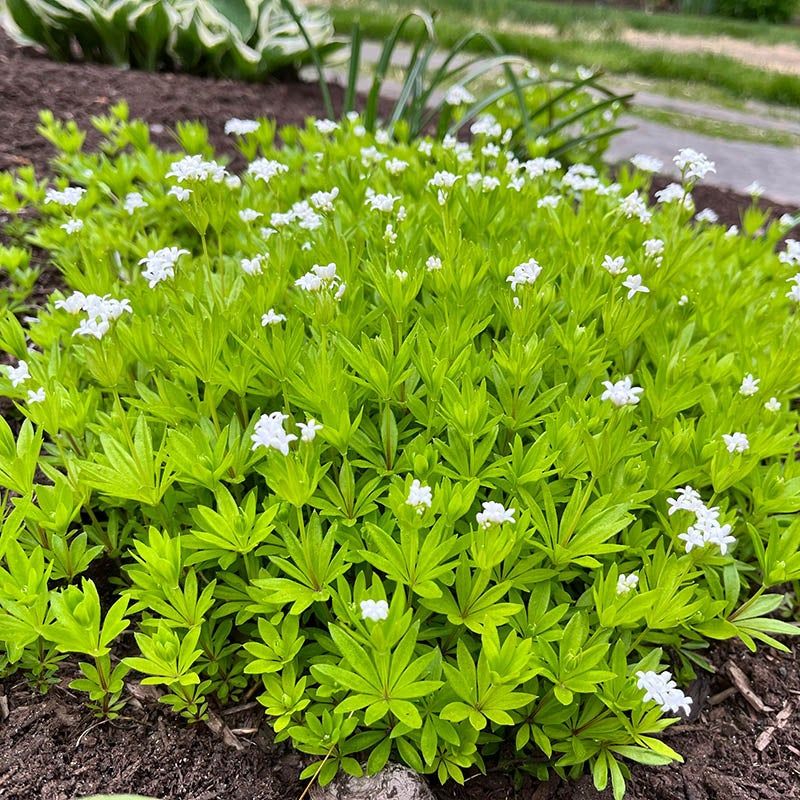
Sweet woodruff enchants with its delicate, star-shaped leaves and tiny white flowers. This ground cover thrives in shade, forming a fragrant carpet that deters weeds. Its sweet scent intensifies when dried, historically used in potpourri and as a natural air freshener. Sweet woodruff’s ability to spread quickly makes it ideal for woodland gardens and shaded borders. Low-maintenance and resilient, it offers both visual and aromatic appeal. Introduce sweet woodruff to your garden for a touch of elegance and a natural solution to weed control.
10. Houttuynia Cordata
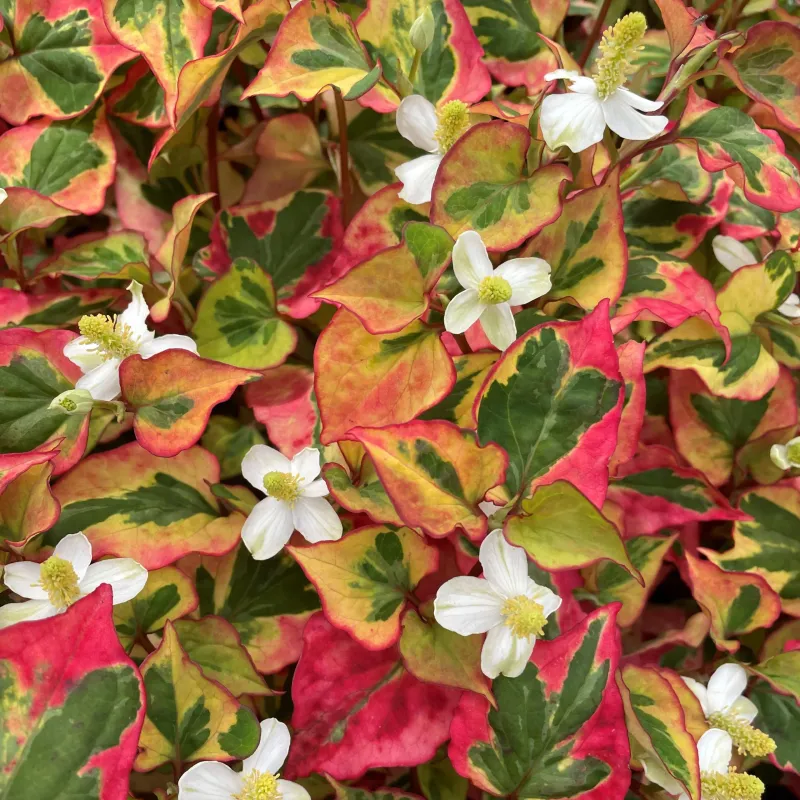
Houttuynia cordata, with its colorful heart-shaped leaves, adds a tropical flair to any garden. This ground cover is known for its ability to thrive in diverse conditions, from sun to shade. Its dense foliage forms a barrier against weeds, while its unique aroma adds intrigue. Houttuynia’s leaves are edible, used in Asian cuisine for their citrusy flavor. Its vibrant colors and adaptability make it a standout choice for creative gardeners. Embrace houttuynia cordata’s versatility and exotic charm, transforming your garden into a vibrant oasis.
11. Creeping Jenny
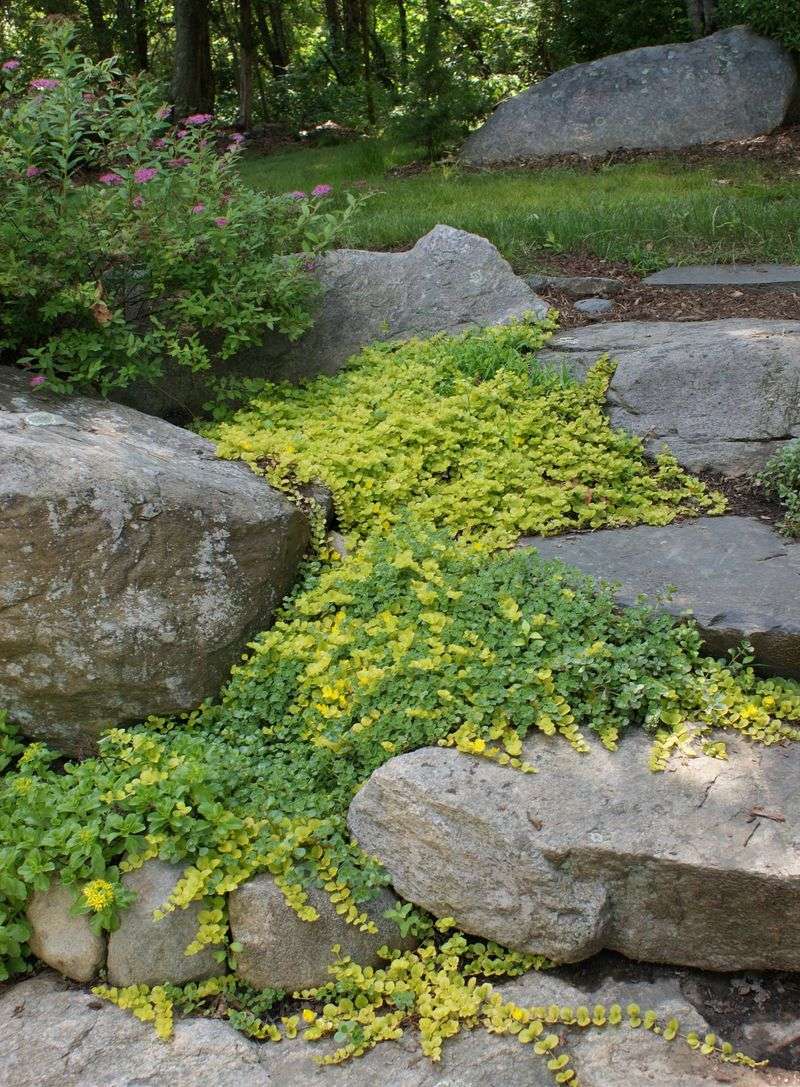
Creeping jenny, with its vibrant golden leaves, brings a touch of sunshine to any garden. This ground cover cascades beautifully over rocks and borders, creating a colorful, weed-suppressing carpet. Thriving in moist conditions, it is perfect for areas near water features. Creeping jenny’s fast-growing nature and resilience make it a favorite for gardeners seeking quick coverage. Interestingly, its bright foliage maintains color throughout the seasons. Add creeping jenny to your garden for an eye-catching, low-maintenance ground cover that naturally deters weeds.
12. Bugleweed
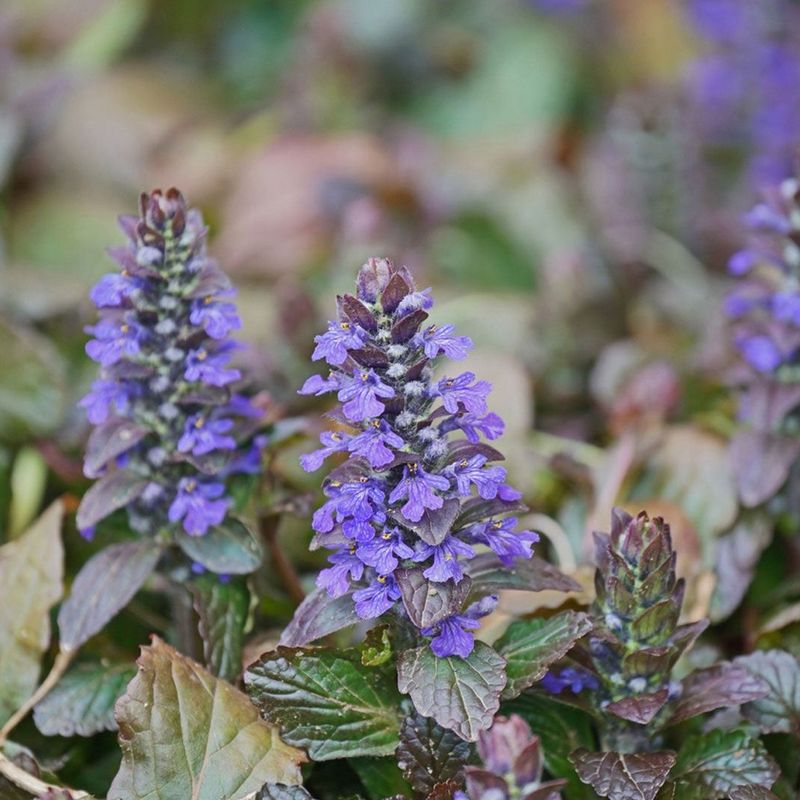
Bugleweed, with its striking purple flower spikes, adds a bold statement to garden paths and borders. This ground cover thrives in partial shade, forming a dense mat that suppresses weeds effectively. Its dark green foliage provides year-round interest, making it a versatile choice for various garden settings. Bugleweed’s historical use in traditional medicine highlights its significance beyond aesthetics. Introduce bugleweed to your landscape for vibrant color and reliable weed control, enhancing your garden’s beauty and functionality.
13. Stonecrop
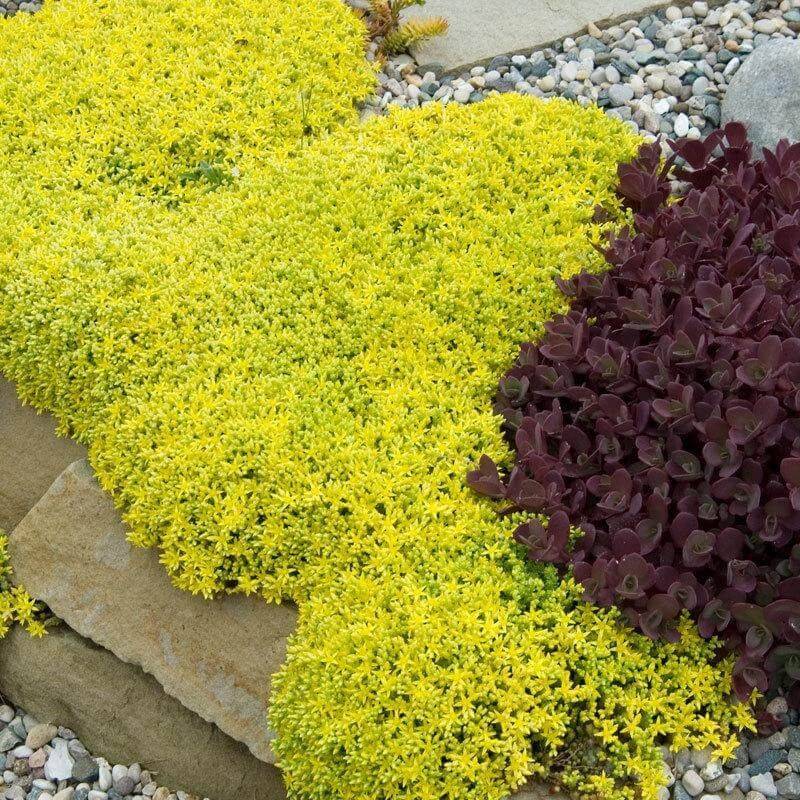
Stonecrop, a resilient succulent, thrives in rocky, sunny areas, adding color and texture to challenging spots. Its ability to store water makes it ideal for drought-prone gardens. Stonecrop’s yellow flowers attract pollinators, supporting local ecosystems. This ground cover’s low-growing habit effectively suppresses weeds, offering a low-maintenance solution for gardeners. Historically, stonecrop was believed to have protective properties, used in charms and rituals. Embrace stonecrop’s hardy nature and vibrant appearance, transforming your garden into a haven of life and color.
14. Mazus Reptans
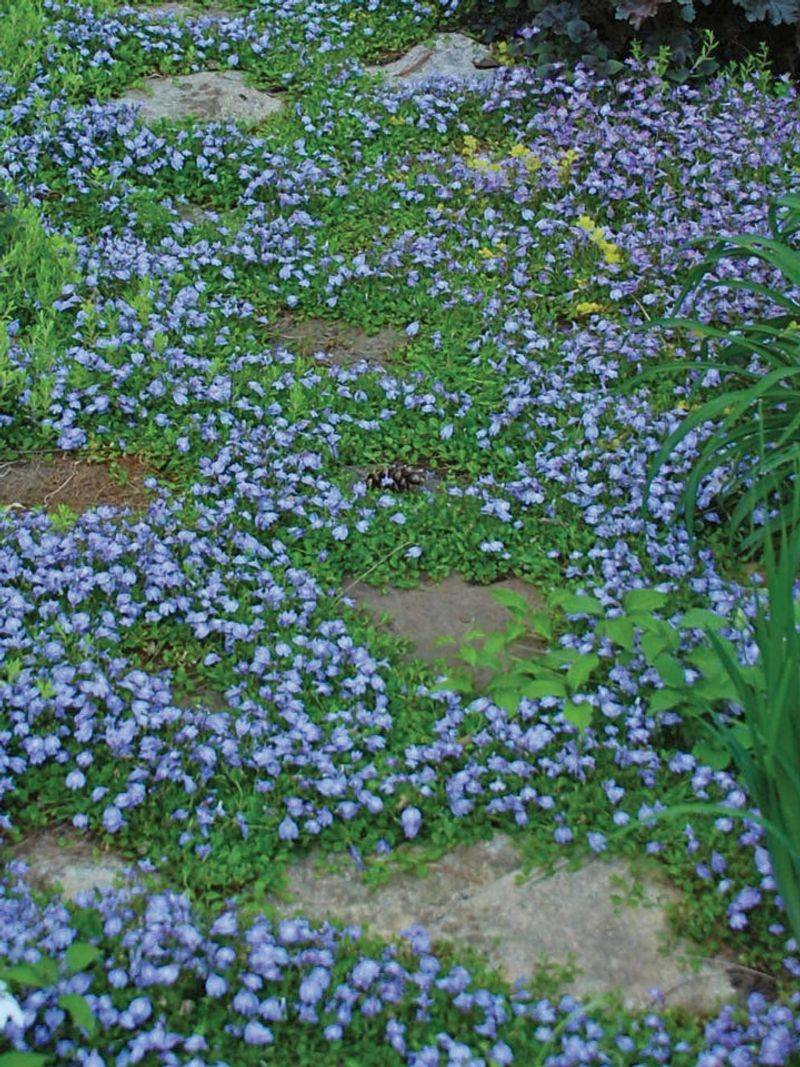
Mazus reptans, with its tiny purple flowers, offers a delightful addition to garden borders and paths. This ground cover thrives in moist soil, spreading quickly to form a mat that naturally suppresses weeds. Its lush green foliage provides a soft backdrop for its vibrant blooms. Mazus reptans is perfect for filling gaps between stepping stones or along pathways, adding charm and functionality. Its ability to withstand foot traffic makes it a practical choice for busy gardens. Introduce mazus reptans for a touch of whimsy and effective weed control.
15. Periwinkle
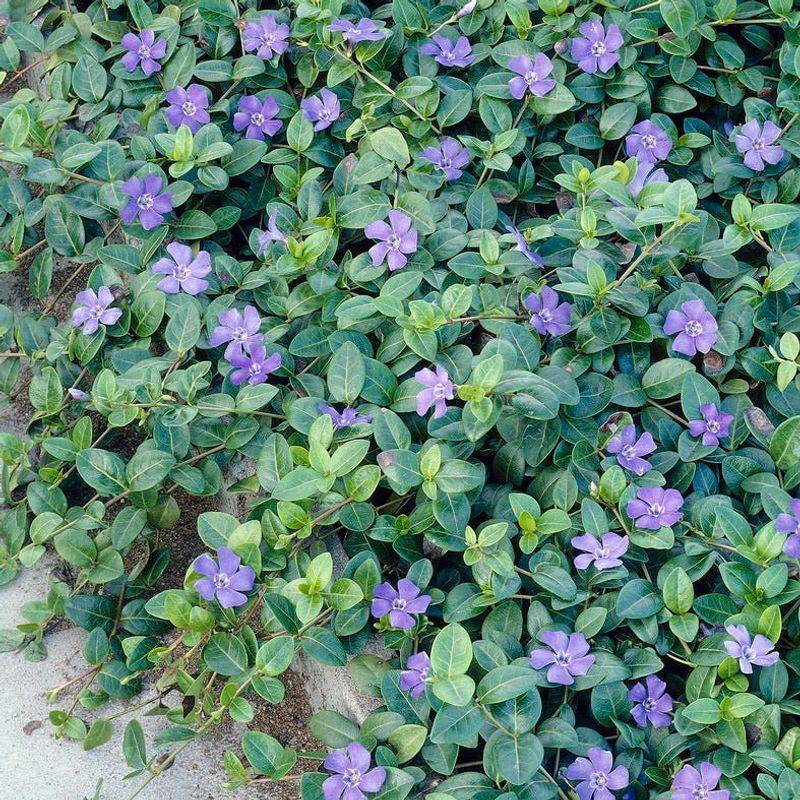
Periwinkle, with its glossy leaves and vibrant blue flowers, is a classic choice for shady gardens. This evergreen ground cover creates a lush carpet that suppresses weeds, thriving in areas where other plants struggle. Periwinkle’s trailing habit makes it perfect for cascading over walls or edging pathways. Its historical use in traditional medicine underscores its enduring significance. Add periwinkle to your garden for a timeless, low-maintenance solution that enhances beauty and controls weeds effectively.
16. Elfin Thyme
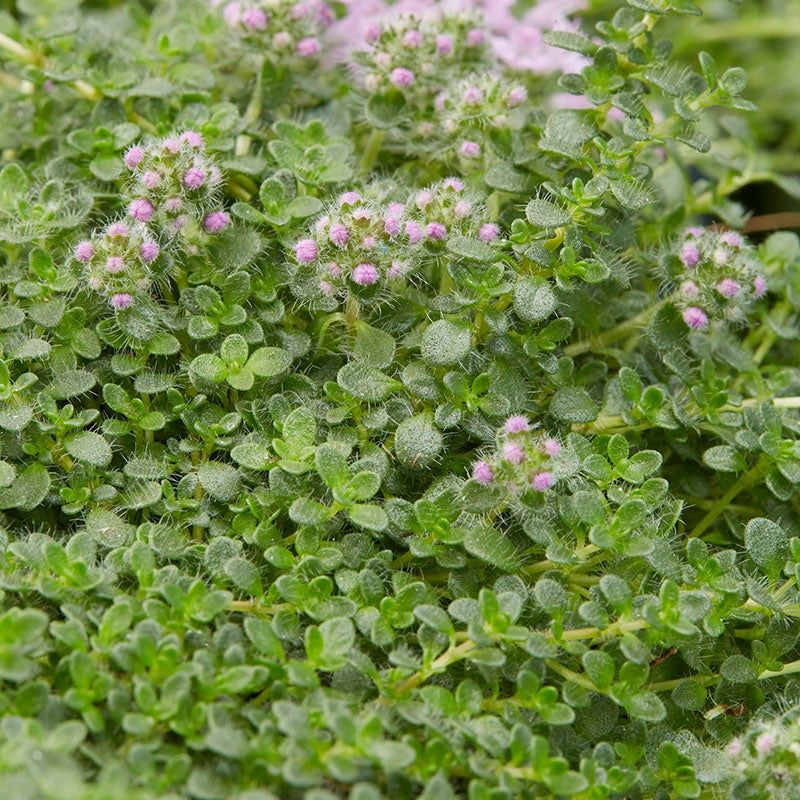
Elfin thyme, with its compact size and aromatic foliage, is a charming addition to small gardens and rockeries. This ground cover forms a dense mat that naturally suppresses weeds, thriving in sunny, well-drained areas. Its tiny purple flowers attract pollinators, supporting garden biodiversity. Elfin thyme’s low maintenance and drought tolerance make it ideal for busy gardeners. Historically, thyme was burned in ancient temples for purification. Embrace elfin thyme’s enchanting presence and practical benefits, enhancing your garden’s beauty and functionality.
17. Creeping Phlox
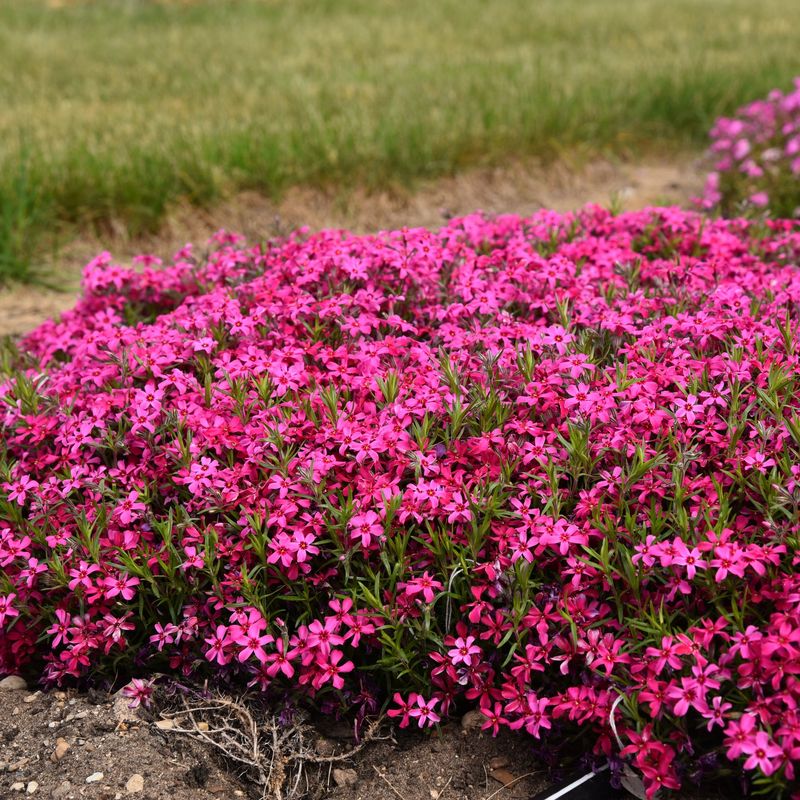
Creeping phlox, with its vibrant blooms, transforms gardens into a sea of color. This ground cover thrives in sunny spots, creating a dense mat that effectively suppresses weeds. Its ability to cascade over rocks and slopes adds visual interest to landscapes. Creeping phlox’s flowers attract bees and butterflies, enhancing garden biodiversity. Historically, this plant was a symbol of harmony and unity. Add creeping phlox to your garden for a low-maintenance, visually stunning ground cover that supports wildlife and deters weeds naturally.
18. Brass Buttons
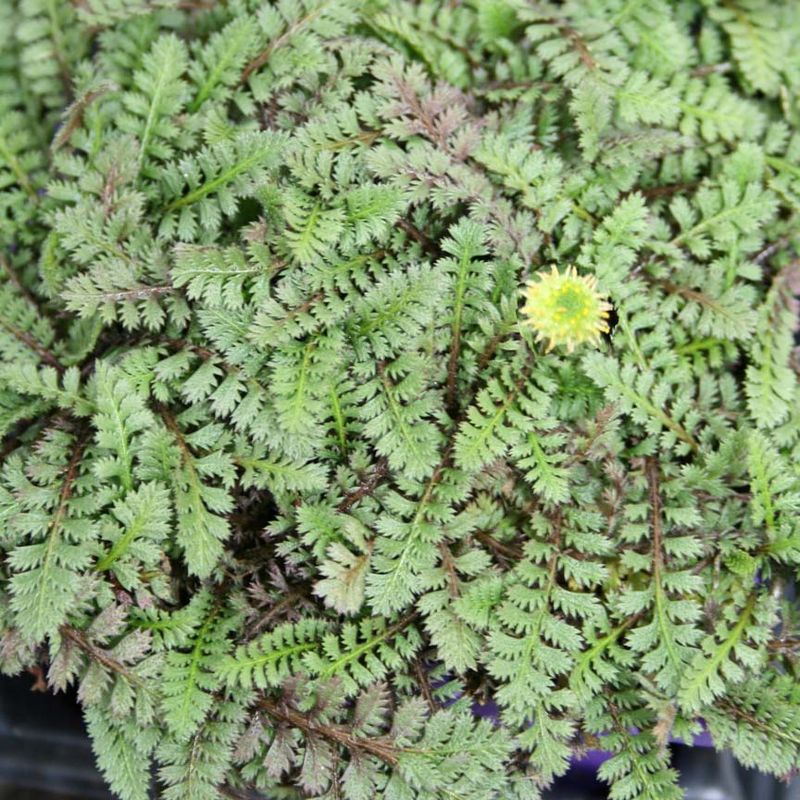
Brass buttons, with their fern-like leaves and unique yellow flowers, add texture and interest to garden borders. This ground cover thrives in damp areas, forming a dense carpet that suppresses weeds naturally. Its tolerance to foot traffic makes it suitable for pathways and garden edges. Brass buttons are easy to care for, requiring minimal maintenance once established. Their distinctive appearance makes them a favorite for creative gardeners seeking something different. Introduce brass buttons to your garden for a touch of whimsy and effective weed control.
19. Blue Star Creeper
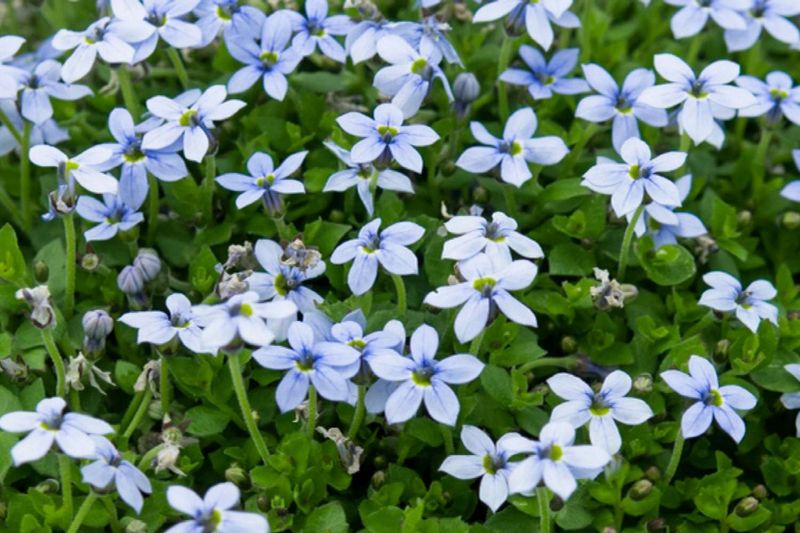
Blue star creeper, with its delicate blue flowers and lush foliage, offers a soft, inviting ground cover for garden paths and borders. This plant thrives in sunny areas, forming a dense mat that suppresses weeds effectively. Its ability to withstand light foot traffic makes it perfect for walkways and patios. Blue star creeper’s low maintenance and charming appearance make it a favorite for gardeners seeking elegance and practicality. Introduce blue star creeper to your garden for a touch of tranquility and natural weed control.