 Complete Gardening
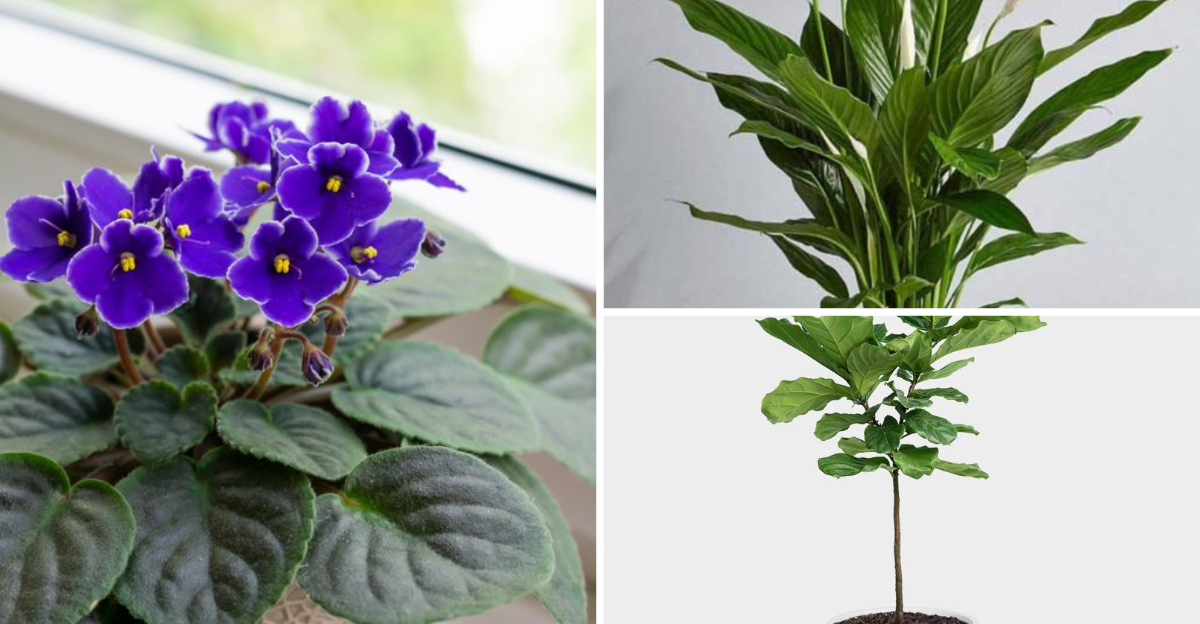
Houseplants bring vibrant life to our homes, but not all of them are meant for the great outdoors. Some plants, when exposed to external conditions, can suffer detrimental effects. Temperature fluctuations, direct sunlight, or unexpected pests can wreak havoc on their delicate systems. This list highlights seventeen houseplants that should remain indoors to thrive. Each has unique needs that are best met within the controlled environment of your home. Understanding these needs helps ensure their health and longevity. Explore these plants and learn why their beauty is best preserved inside.
1. Fiddle Leaf Fig
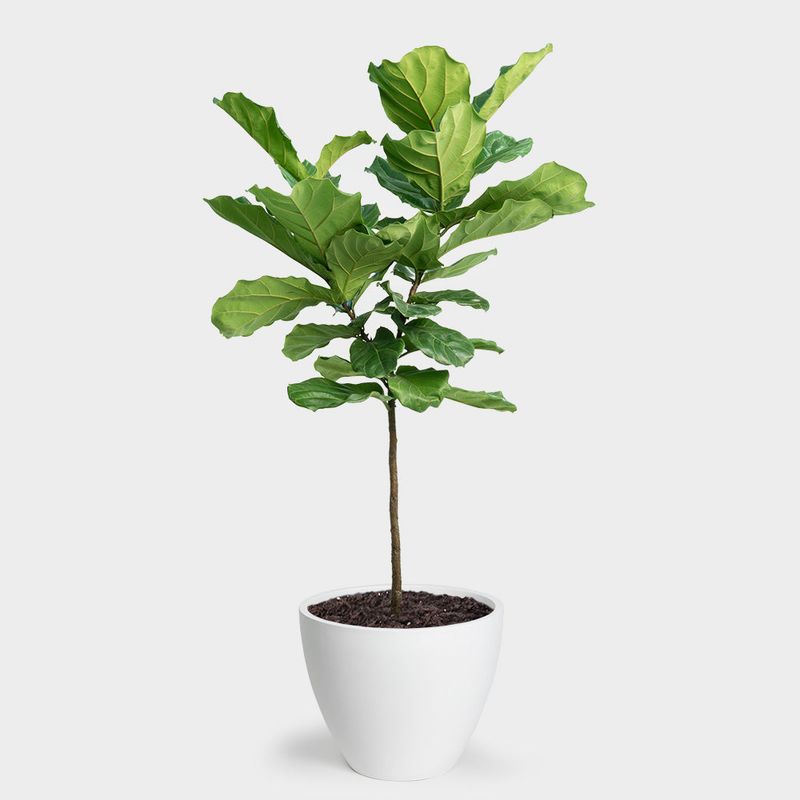
The Fiddle Leaf Fig, known for its striking large leaves, thrives best indoors. Sudden exposure to direct sunlight outdoors can scorch its foliage, leaving unsightly brown patches. Moving it outside may introduce pests, jeopardizing its health.
This tree-like plant enjoys stable temperatures and consistent humidity, which are hard to maintain outside. Its indoor charm is unmatched, where it stands as a living piece of art in modern interiors.
Keep this plant inside to maintain its lush beauty and ensure it continues to grow tall and proud.
2. Snake Plant
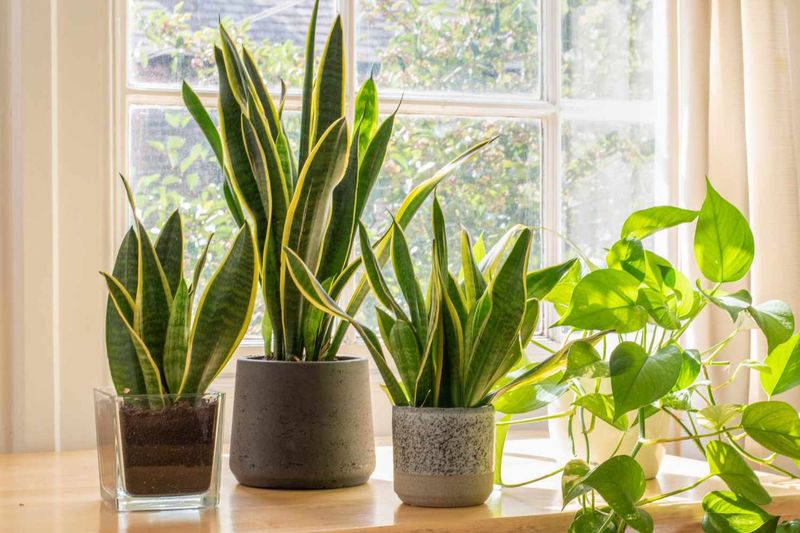
The resilient Snake Plant, also called Mother-in-Law’s Tongue, is a staple of indoor greenery. Its architectural leaves are sensitive to cold snaps and rain, which can cause rot if left outside.
This plant thrives in low-light conditions, making it perfect for indoor spaces. It purifies the air, adding health benefits to its aesthetic appeal.
Snake Plants prefer neglect over too much attention, so leave them in their cozy indoor spot. Their distinct charm and resilience make them a favorite among plant enthusiasts.
3. Peace Lily
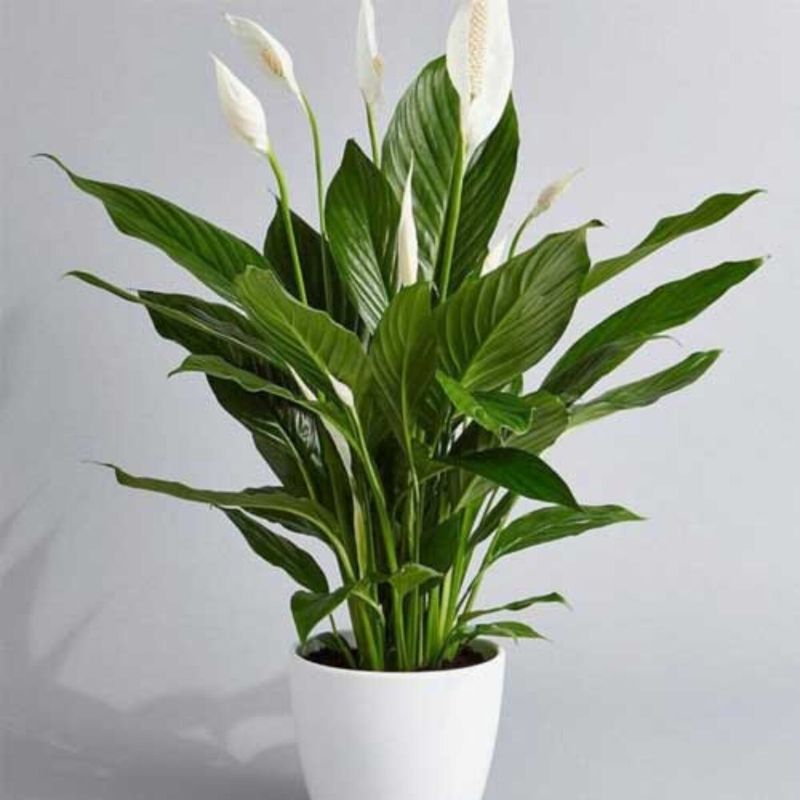
Peace Lilies enchant with their elegant white blooms and lush foliage. However, they dislike the harsh sun and fluctuating temperatures of outdoor environments.
Indoors, they thrive on indirect light and maintain humidity levels easily, which is vital for their delicate flowers. They are also known for filtering toxins from the air, making them a health-conscious choice for homes.
Keep them indoors to witness their graceful blooms and enjoy their calming presence in any room.
4. Boston Fern
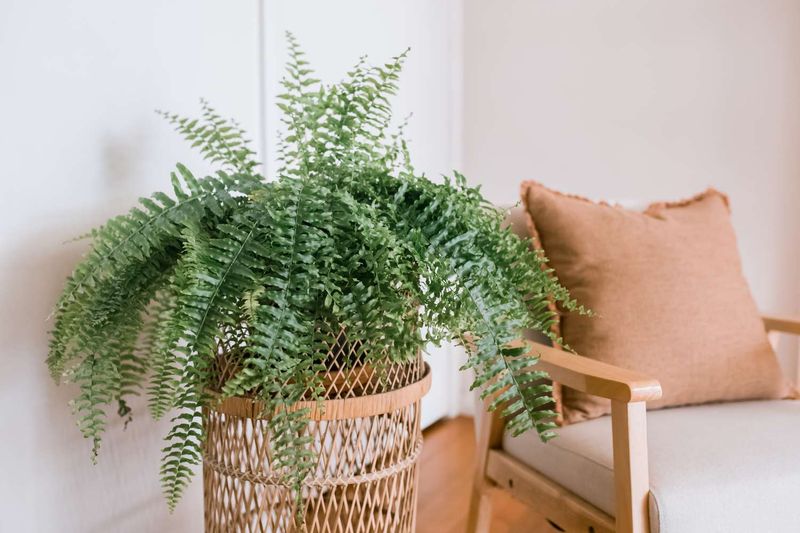
Boston Ferns, with their gracefully arching fronds, are indoor favorites for adding lush greenery. Outdoors, they are prone to drying winds and varying humidity levels that can cause their fronds to brown.
They thrive in consistently humid environments, making bathrooms or kitchens ideal spots. Their delicate nature requires protection from direct sunlight, which can scorch their leaves.
For a thriving Boston Fern, keep it indoors where you can admire its elegant fronds in the perfect microclimate.
5. African Violet
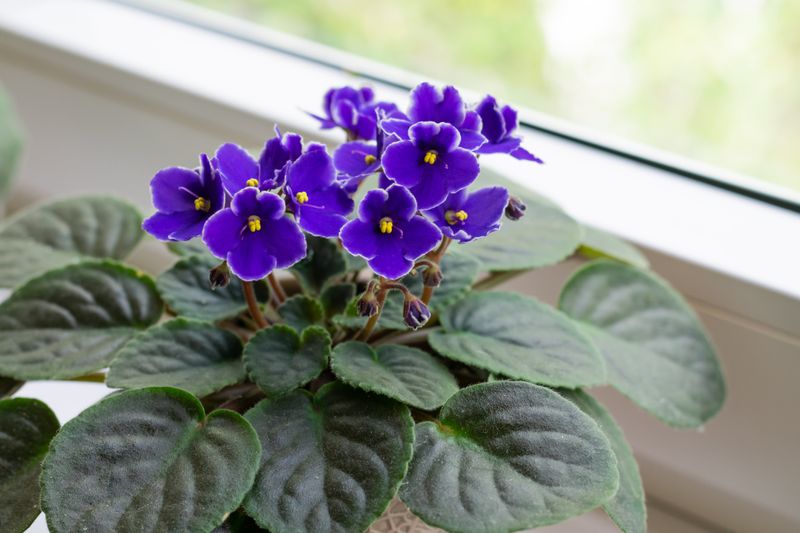
African Violets are beloved for their vibrant blooms and soft, fuzzy leaves. Outdoors, rainwater can damage their sensitive leaves, and temperature fluctuations deter flowering.
Their compact size and love for bright, indirect light make them ideal for windowsills indoors. Regular misting and stable temperatures keep them blooming beautifully all year round.
Cherish their vivid colors and velvety leaves by keeping them inside, where they can flourish without the threat of outdoor hazards.
6. Parlor Palm
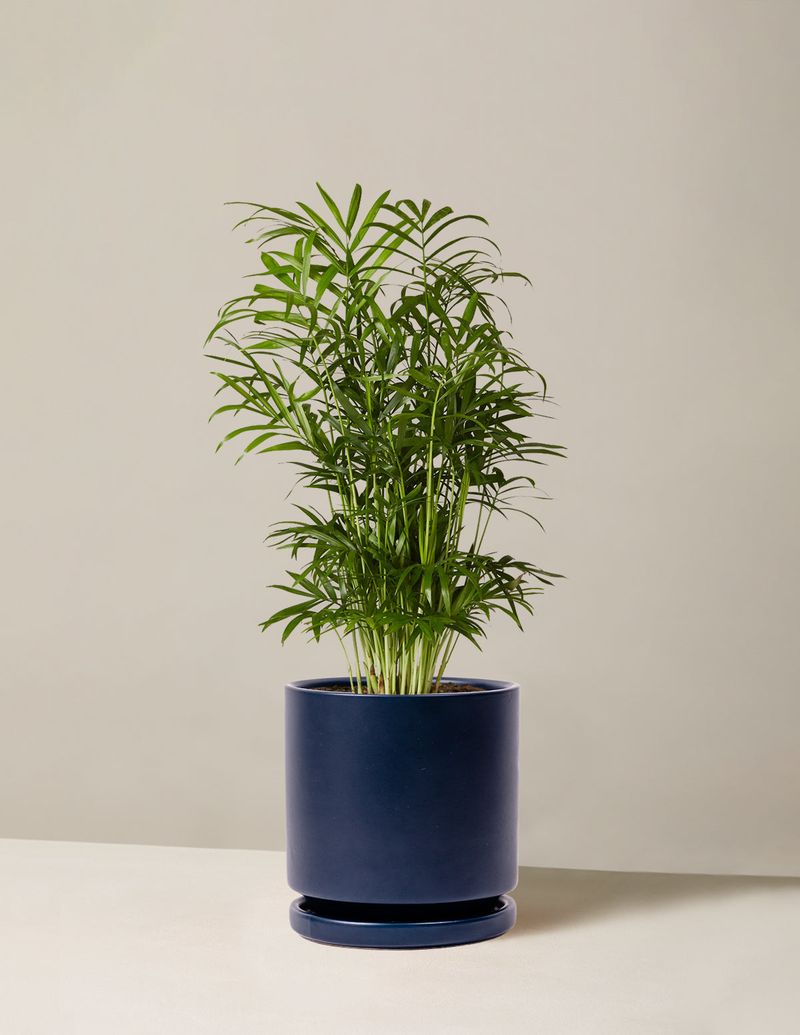
The Parlor Palm is a charming addition to any interior with its feathery foliage. Sensitive to outdoor weather, it prefers the stable environment of homes.
It thrives in low light conditions, a rare trait for palms, and is perfect for adding a touch of the tropics indoors. The Parlor Palm’s ability to adapt to various indoor climates makes it a versatile and low-maintenance choice.
Enjoy its lush, tropical look by keeping it indoors, where it will flourish without stress.
7. Calathea
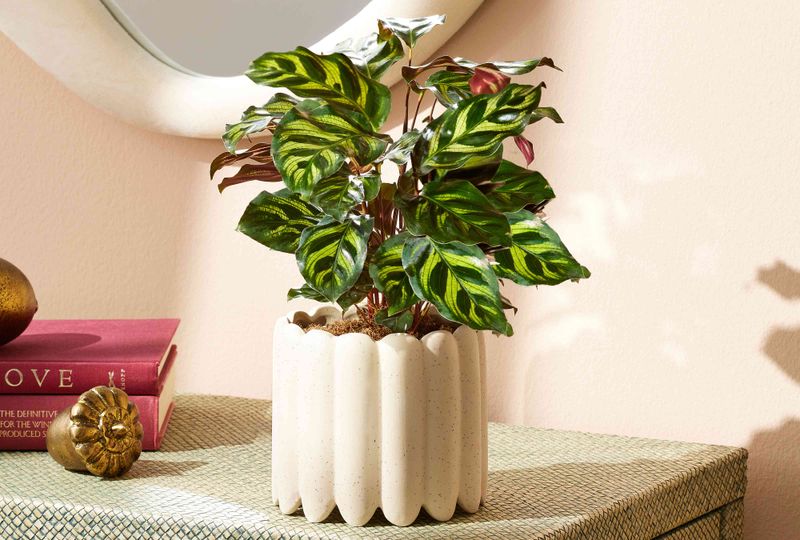
Calatheas are known for their striking patterned leaves and vibrant colors. Outdoors, they struggle with direct sunlight, which bleaches their colors, and inconsistent watering that can lead to root rot.
These plants thrive in high humidity and indirect light, making them perfect for indoor environments. Their dramatic leaf movements, known as nyctinasty, add dynamic interest to your home.
Keep Calathea indoors to maintain their vivid colors and enjoy their rhythmic leaf movements.
8. Spider Plant
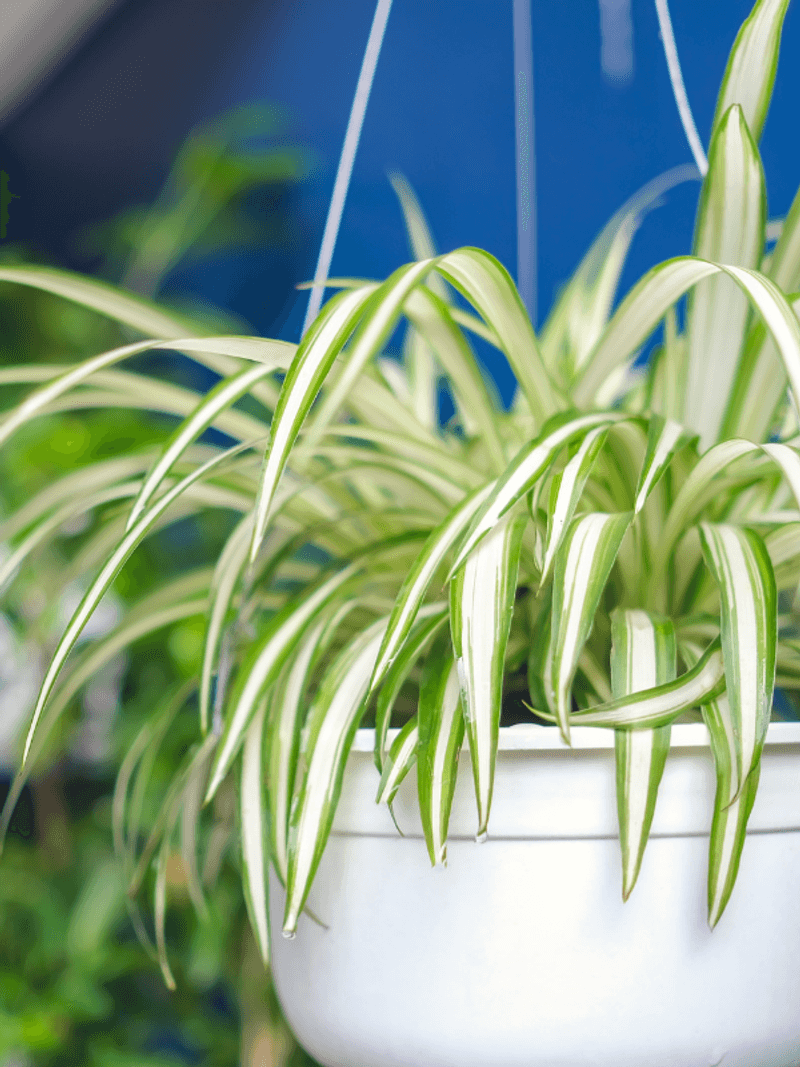
Spider Plants are popular for their easy care and air-purifying abilities. However, outdoor conditions can lead to browning tips and pest infestations.
Indoors, they thrive in well-draining soil with occasional watering and bright, indirect light. They adapt well to various indoor environments, making them perfect for beginners.
For lush growth and a constant supply of “spiderettes,” keep them indoors where they can flourish without the threat of outdoor stressors.
9. ZZ Plant
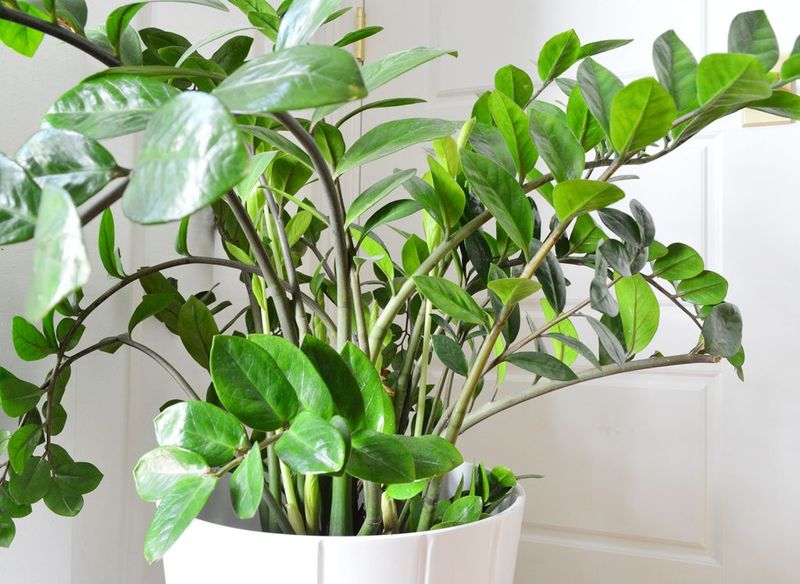
ZZ Plants are renowned for their tolerance to low light and neglect. Outdoors, they risk overwatering from rain, leading to root rot, and frost damage in colder climates.
Indoors, they require minimal attention, thriving in shade and dry conditions. Their waxy, emerald leaves add a touch of sophistication and are known for their air-purifying qualities.
Maintain their glossy allure by keeping ZZ Plants inside, where they can thrive with little care, enhancing your home’s decor.
10. Orchid
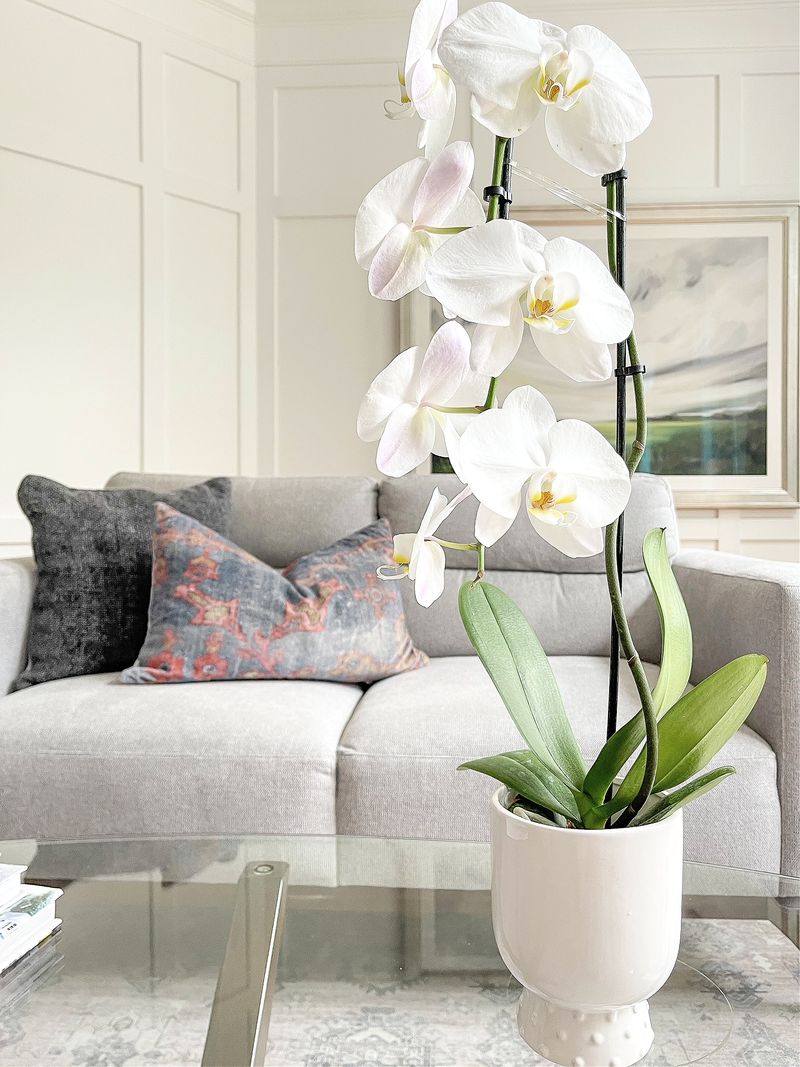
Orchids are prized for their exotic blooms, but outdoor exposure can cause temperature shock and pest issues. Indoors, they flourish in stable environments with bright, indirect light.
Humidity control is key for orchids, and indoor conditions help maintain the moisture levels they crave. Their unique beauty and variety of colors make them a captivating focal point in any room.
To preserve their stunning flowers and ensure ongoing blooms, keep orchids indoors, where they can be admired without stress.
11. Rubber Plant
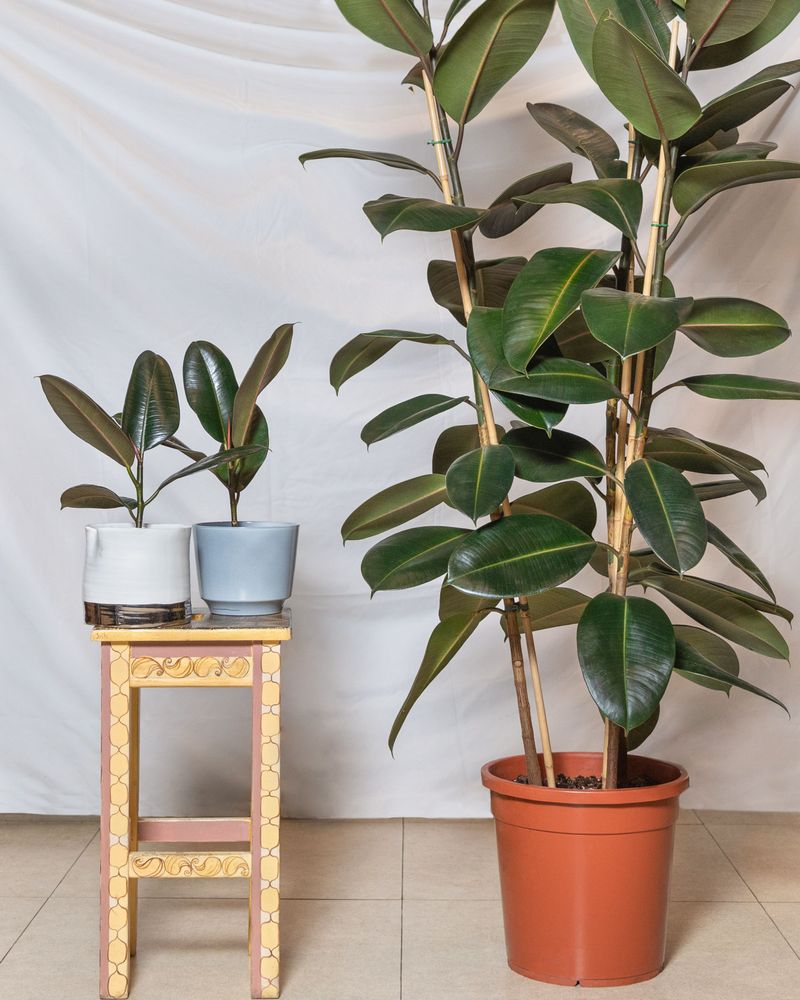
The Rubber Plant, with its bold, glossy leaves, is a striking indoor feature. Outdoor conditions, such as harsh sunlight, can burn its leaves, and cold temperatures can stunt growth.
Indoors, it enjoys bright, indirect light and occasional watering, thriving in stable, warm environments. Its air-purifying qualities add to its appeal as an indoor plant.
Keep this plant inside to enjoy its elegant foliage and contribute to a healthy indoor atmosphere, free from the unpredictable elements outside.
12. Maidenhair Fern
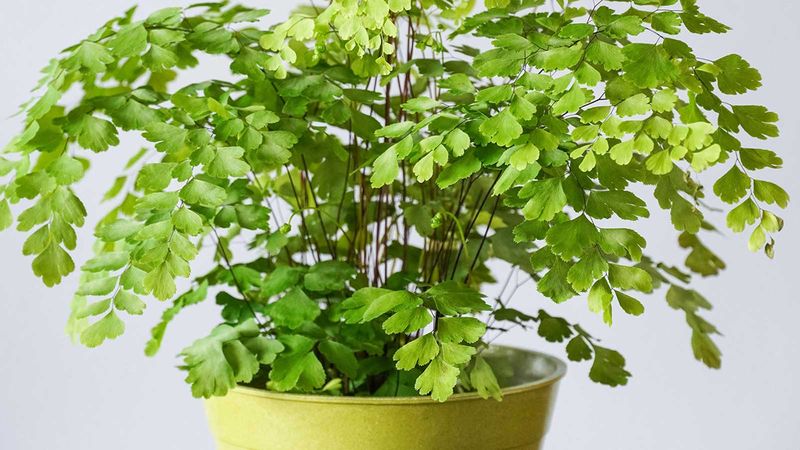
Maidenhair Ferns are adored for their delicate, lacy fronds. Outdoors, they suffer from wind exposure and inconsistent humidity, leading to wilting and browning.
They thrive in moist, humid conditions, often found in terrariums or bathrooms. Their light, airy appearance adds a touch of elegance and tranquility to indoor spaces.
Preserve their graceful fronds by keeping Maidenhair Ferns indoors, where you can control their environment and ensure lush growth.
13. English Ivy
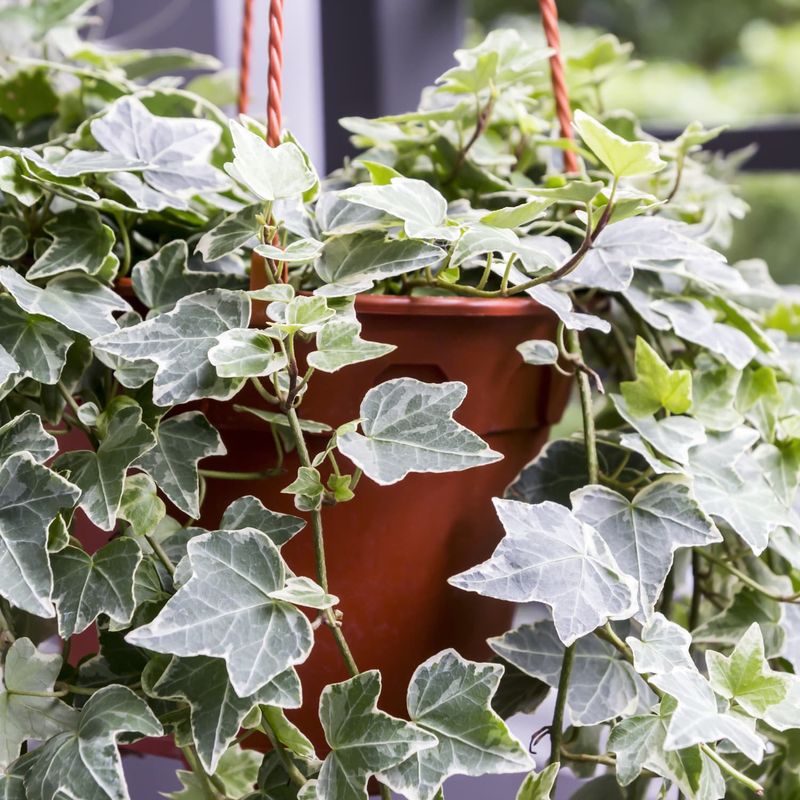
English Ivy’s trailing vines are a classic choice for indoor greenery. Outside, they can become invasive or suffer from pest infestations.
Indoors, they thrive in cool, indirect light and appreciate occasional misting. Their ability to adapt to vertical spaces makes them ideal for creating living walls or adding to shelves.
For a vibrant and controlled growth, keep English Ivy inside, where it can thrive without the challenges of the outdoor environment.
14. Chinese Evergreen
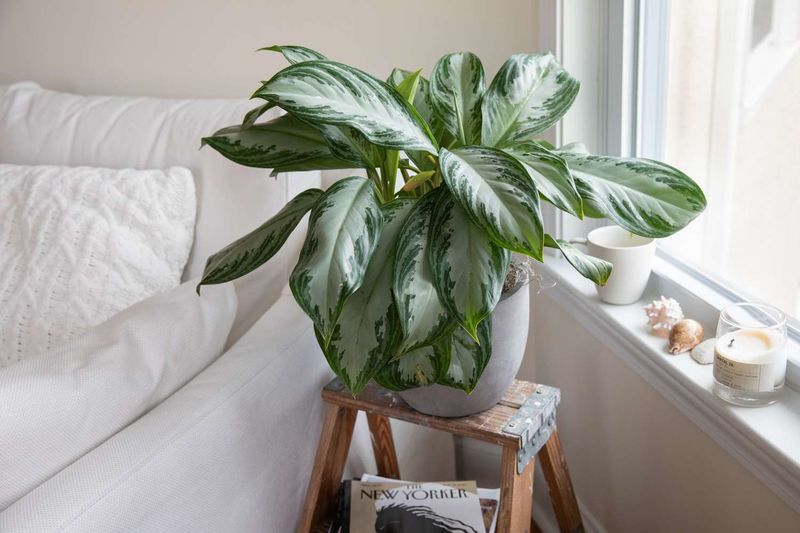
Chinese Evergreens are known for their striking leaves and adaptability. Outdoors, they risk cold damage and pest issues that can stunt growth.
Indoors, they enjoy moderate light and consistent warmth, making them perfect for adding color and texture to any room. Their low maintenance needs make them an attractive option for busy plant lovers.
Keep them inside to enjoy their lush foliage and easy-going nature, ensuring they remain healthy and vibrant.
15. Jade Plant
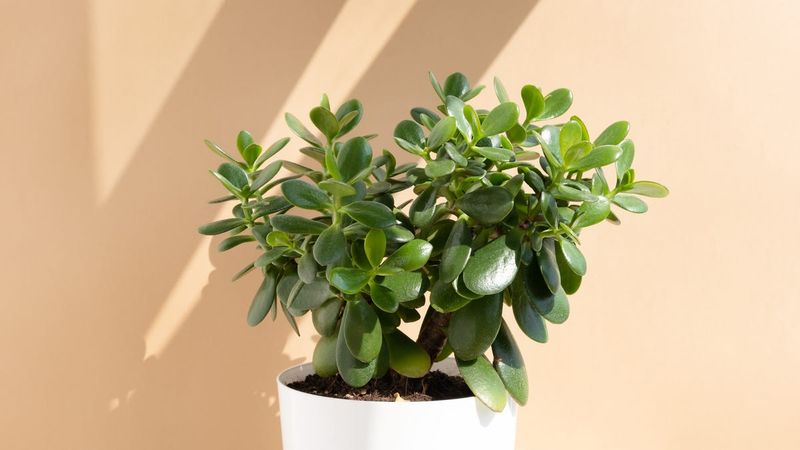
Jade Plants are symbols of prosperity, known for their fleshy leaves and tree-like structure. Outdoors, they are susceptible to frost and overwatering from rain.
Indoors, they prefer bright, indirect light and infrequent watering, thriving in dry conditions. Their unique appearance and resilient nature make them a popular choice for indoor gardens.
To keep your Jade Plant thriving, maintain it indoors to protect it from the elements and enjoy its enduring beauty.
16. Staghorn Fern
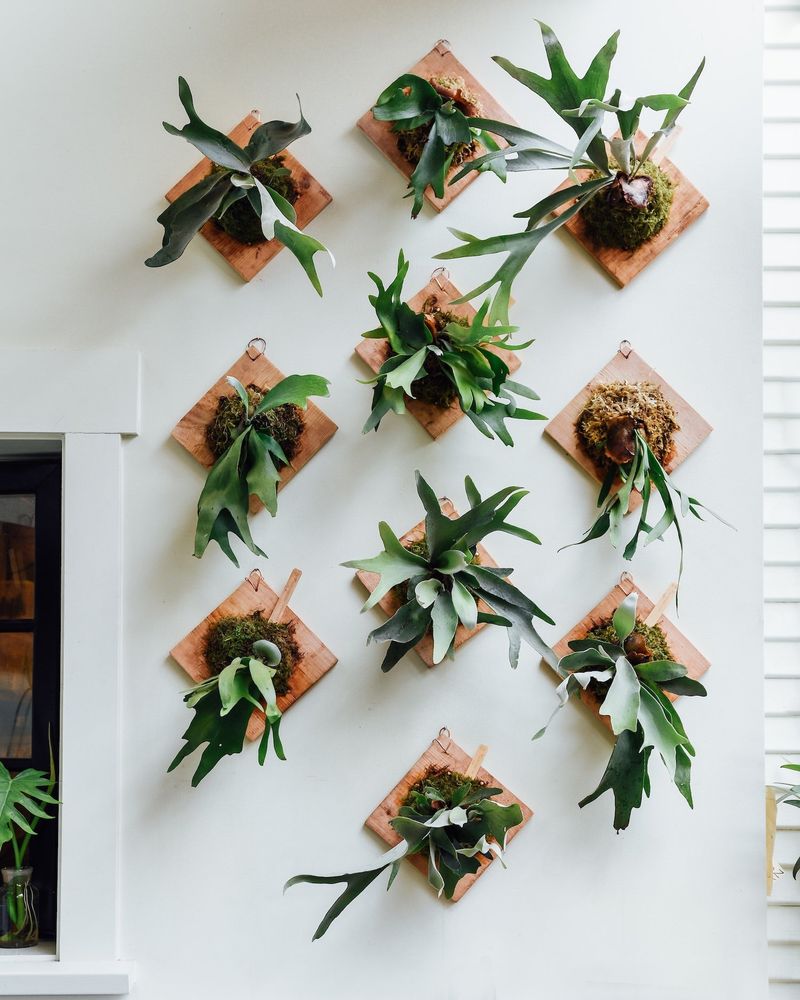
Staghorn Ferns offer a unique visual appeal with their antler-like fronds. Outdoors, they can suffer from inconsistent watering and wind damage.
Indoors, they thrive mounted on boards or in baskets, appreciating indirect light and controlled humidity. Their distinctive appearance makes them a conversation starter in any room.
For a healthy and thriving Staghorn Fern, keep it indoors where you can carefully manage its water and light needs, ensuring it remains a focal point.
17. Philodendron
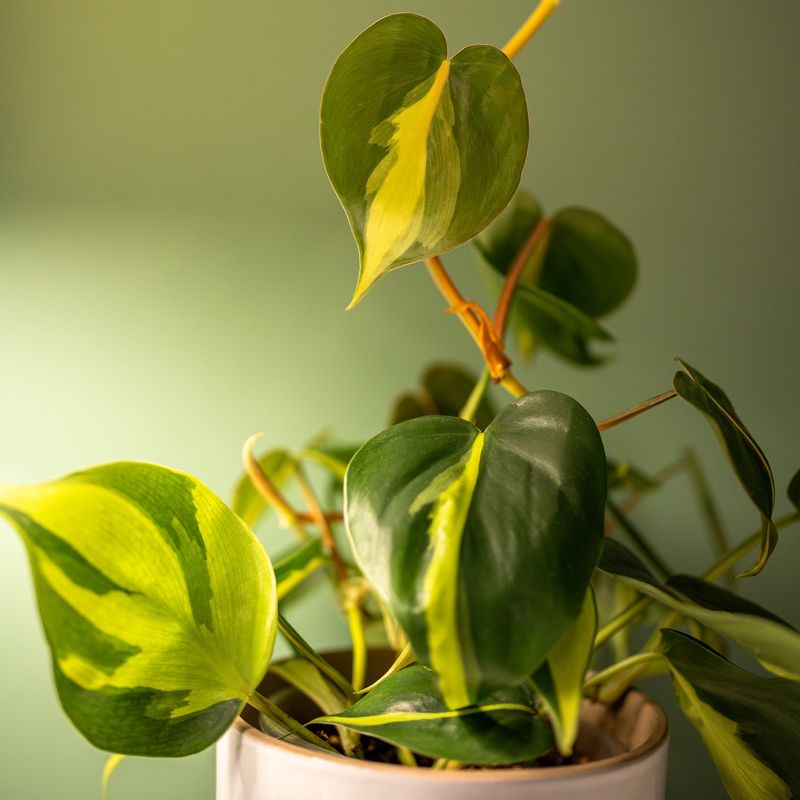
The Philodendron, with its heart-shaped leaves, is an indoor favorite. Its charm lies not just in its appearance but in its adaptability to low-light conditions. Outside, it struggles with direct sun, which can scorch its leaves.
Moreover, fluctuating temperatures and humidity levels cause stress, hampering its growth. Indoors, the Philodendron provides a serene, leafy presence, thriving in stable conditions.
Did you know? This plant’s name means “tree-loving” in Greek, a nod to its natural habitat of climbing trees in tropical forests. Keep it inside, and you’ll enjoy its lush greenery year-round.