 Complete Gardening
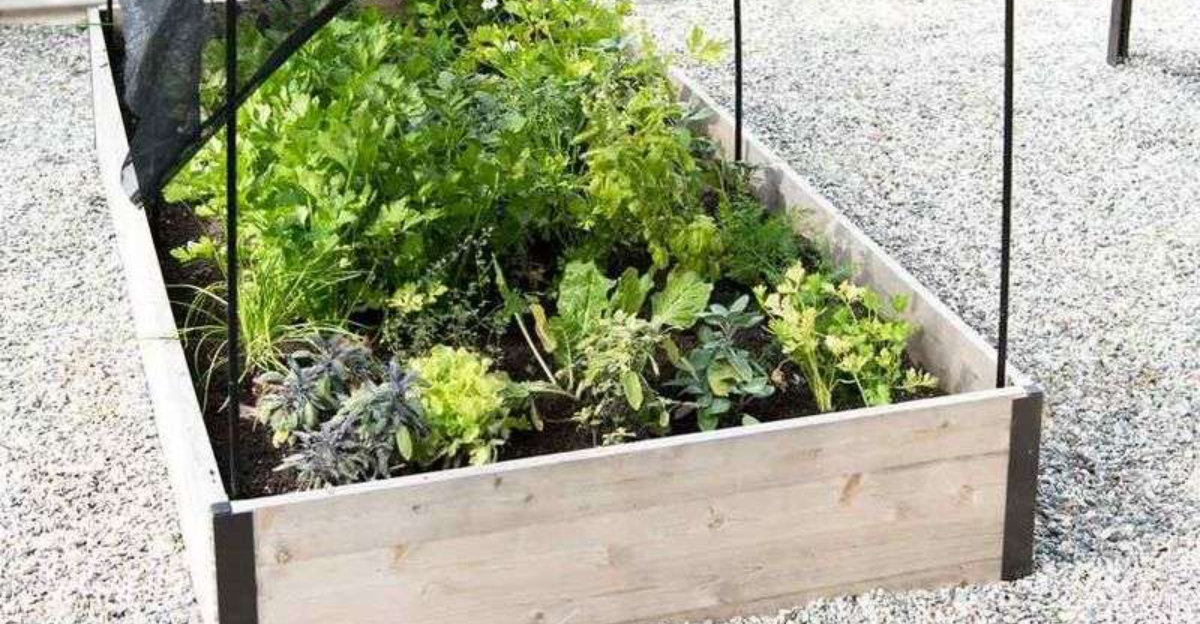
Summer gardening can be a rewarding yet challenging endeavor.
The heat often brings about unique obstacles, which can lead to common mistakes that harm your plants.
Thankfully, there are life-saving tips that can turn your garden into a thriving space.
1. Watering during peak heat
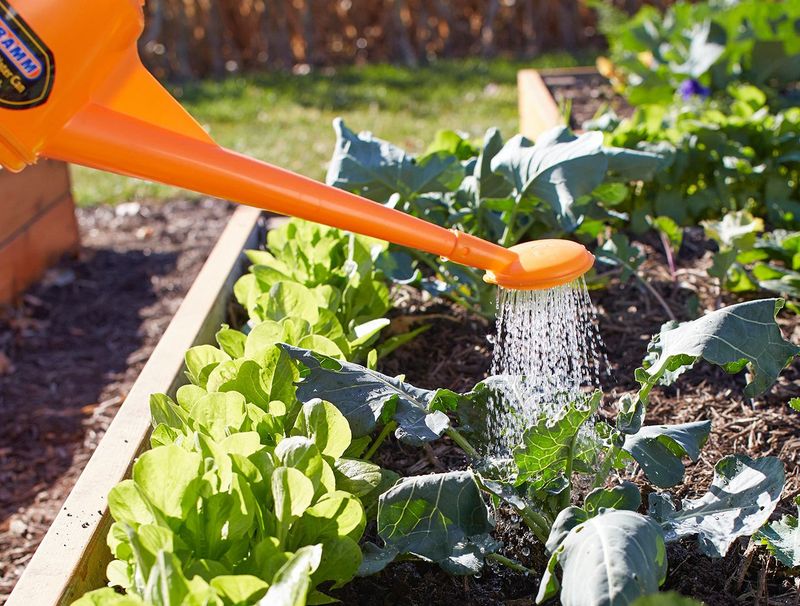
Watering at midday can scorch your plants. The intense sunlight heats the water, causing leaf burn. Ideally, water early morning when temperatures are cooler. This ensures plants have time to absorb moisture before the sun’s rays become too harsh. The roots will thrive, and the foliage remains unharmed. Additionally, cooler morning air reduces water evaporation, making your efforts more efficient. Remember, healthy roots lead to thriving plants, so timing matters. Your garden will thank you with vibrant blooms and lush greenery. Water wisely for a garden that flourishes all summer long.
2. Overwatering containers

Overwatering is a silent killer for container plants. Saturated soil suffocates roots, leading to yellowing leaves and root rot. Use containers with proper drainage and only water when the top inch of soil feels dry. This prevents waterlogging and promotes healthy root systems. A simple touch test can save your plants from drowning. Additionally, choose well-draining soil mixes to support optimal growth. Understanding your plants’ water needs is key. Less is often more when it comes to watering. Your containers will flourish without the risk of overhydration, showcasing vibrant, healthy growth.
3. Neglecting mulch
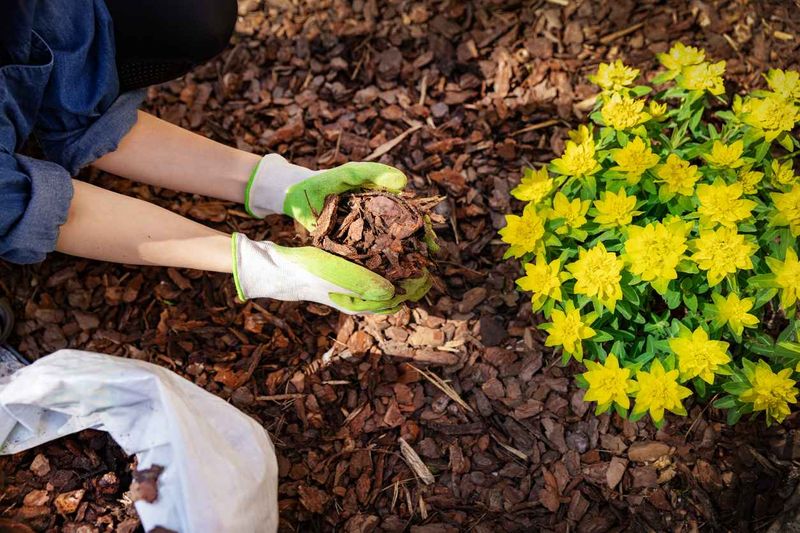
Mulch is a gardener’s best friend, yet often overlooked. It retains soil moisture, suppresses weeds, and regulates soil temperature. Without it, your plants face dehydration and competition from weeds. Spread a 2-3 inch layer of organic mulch around your plants. This simple step conserves water and creates a healthier growing environment. Additionally, mulch enriches the soil as it decomposes, providing essential nutrients. Your garden’s resilience improves, and the maintenance reduces. Embrace mulch to transform your garden into a thriving ecosystem, where plants flourish with minimal intervention.
4. Skipping deadheading
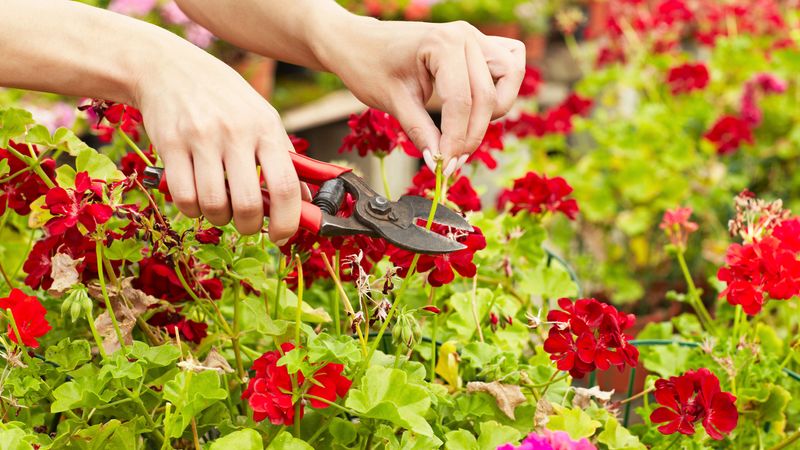
Deadheading is a small task with big rewards. Removing spent blooms encourages more flowers and extends blooming periods. Neglecting this results in plants focusing energy on seed production instead. Snip off faded flowers regularly to direct energy back to growth and new blooms. This practice revitalizes your garden, offering continuous color and vibrancy. Additionally, deadheading helps maintain a tidy appearance. Your plants will reward you with lush, extended displays of flowers. Embrace this simple task for a garden that never ceases to captivate. The effort is minimal, but the rewards are profound.
5. Fertilizing during drought
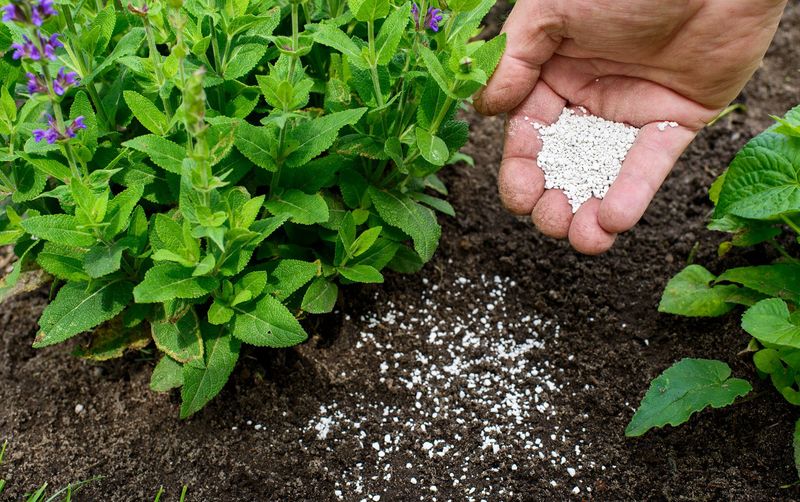
Fertilizing during a drought is counterproductive. Dry conditions stress plants, making them unable to absorb nutrients efficiently. This can lead to nutrient burn and further stress. Wait for a rain spell or water the plants thoroughly before fertilizing. Moist soil allows for better nutrient uptake. Timing is essential for optimal plant health. Additionally, consider using slow-release fertilizers that provide a steady nutrient supply. This approach supports your plants through tough times, ensuring they thrive when conditions improve. Proper fertilization habits build resilience, helping your garden withstand any drought challenges.
6. Ignoring signs of heat stress
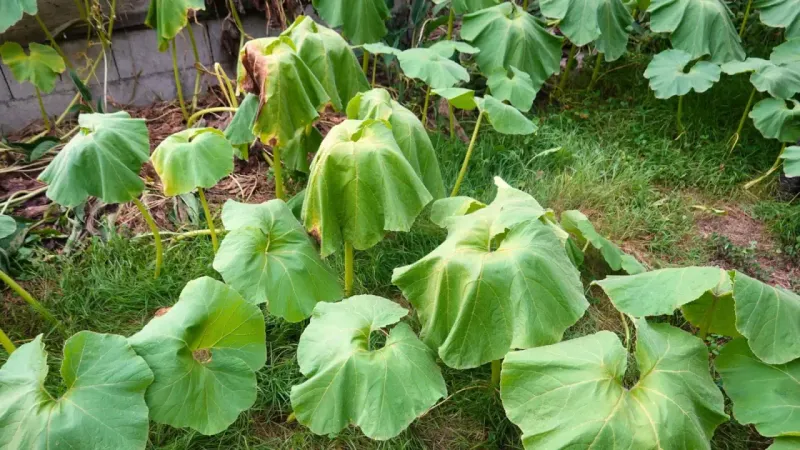
Heat stress manifests through wilting, browning leaves, and stunted growth. Ignore these signs, and plants suffer. Recognize stress symptoms early, providing shade or increasing water supply when needed. Adjust garden routines to mitigate stress, allowing plants to recover. Additionally, mulching and using shade cloth can provide relief. Observant gardeners prevent irreversible damage by acting promptly. Keeping your garden healthy in summer requires vigilance. Your attentive care ensures plants remain vigorous and beautiful. With the right attention, even heat-challenged plants can thrive, displaying resilience and vitality throughout the hot months.
7. Planting at the wrong time
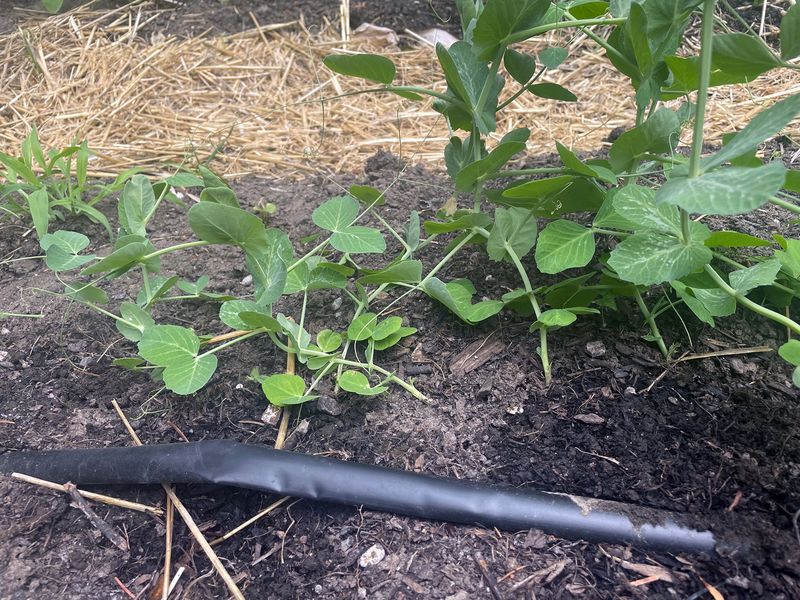
Timing is crucial in planting. Introduce new plants in extreme heat, and they struggle to establish. Early morning or late afternoon is ideal, when the sun is less intense. This gives seedlings a chance to root without heat stress. Additionally, prepare the soil with moisture retention techniques to support growth. Understanding your local climate helps plan effective planting schedules. Proper timing enhances survival rates and plant health. Your garden thrives with carefully timed actions, reducing stress on your plants. Align your planting schedule with nature’s rhythms for a flourishing garden all season long.
8. Using black plastic in full sun
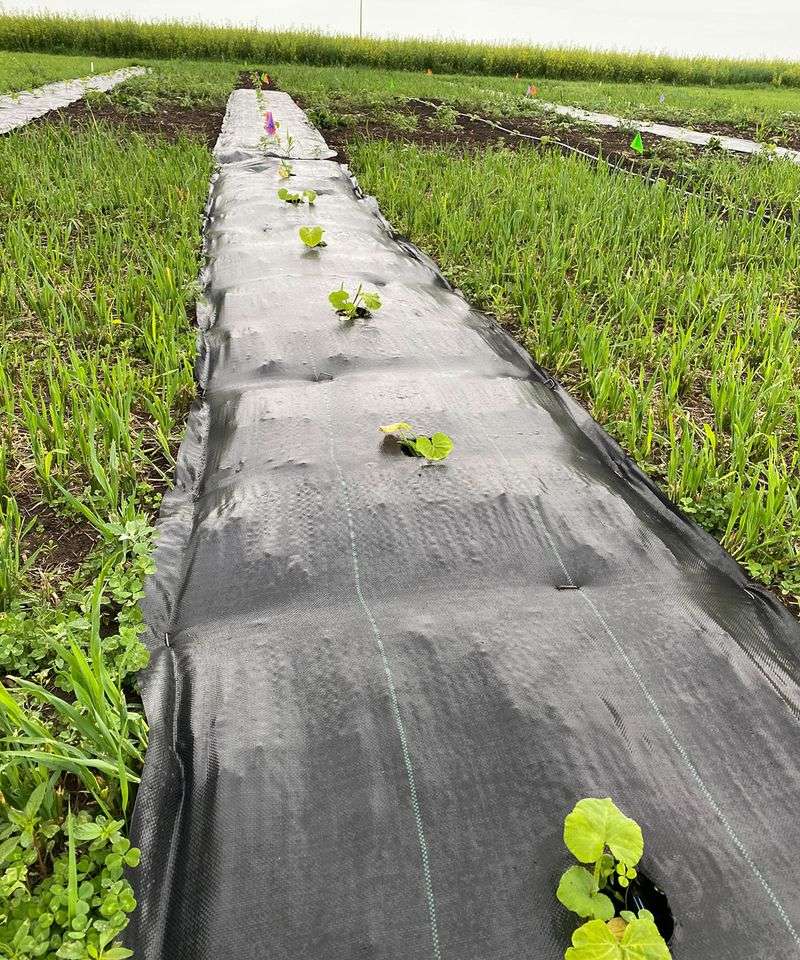
Black plastic can overheat soil, damaging roots and impeding growth. It traps heat, creating a hostile environment for plants. Instead, opt for landscape fabrics or organic mulch that allow air circulation. These alternatives protect plants while aiding moisture retention. Avoid the heat trap effect by choosing materials wisely. Your plants will benefit from a cooler, more supportive environment. Additionally, organic options improve soil health over time. A thoughtful approach to ground cover can transform your garden, providing a nurturing space for plants to thrive. Prioritize plant-friendly materials for lasting garden success.
9. Letting weeds take over
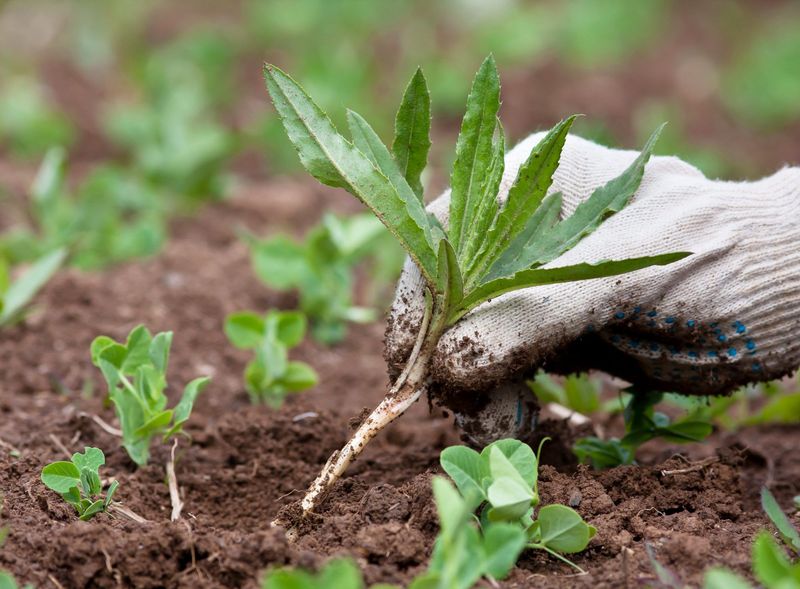
Weeds compete for nutrients, water, and sunlight, stunting plant growth. Regular weeding is essential to maintain a healthy garden. Allow weeds to proliferate, and your plants suffer. Implement consistent weeding practices to give your garden plants the best chance to thrive. Additionally, mulch can suppress weed growth, reducing maintenance time. Your garden becomes a haven for desired plants, free from competition. With diligent care, your plants flourish, showcasing their full potential. An orderly garden not only looks appealing but supports robust plant health. Tame those weeds for a garden that truly shines.
10. Pruning too harshly
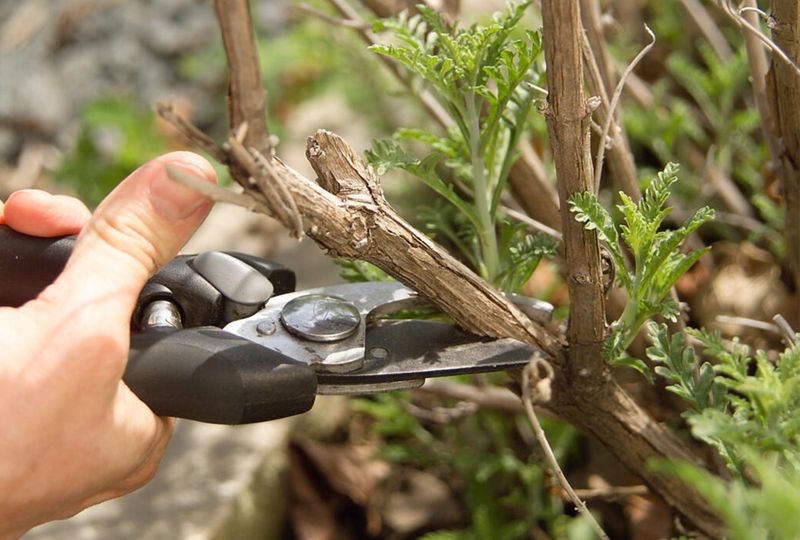
Harsh pruning can shock plants, slowing growth and affecting overall health. Prune thoughtfully, understanding each plant’s needs. Over-pruning leaves plants vulnerable and stressed. Aim for gentle shaping that promotes healthy growth. Timing also matters; avoid pruning during heat waves. Proper techniques encourage robust development, while minimizing stress. Additionally, using the right tools ensures clean cuts, reducing disease risk. Your garden thrives with considerate care, preserving plant health. Thoughtful pruning enhances beauty and vigor, creating a balanced, thriving space. Practice mindful pruning for plants that respond with lush, vibrant growth.
11. Not providing shade for sensitive plants
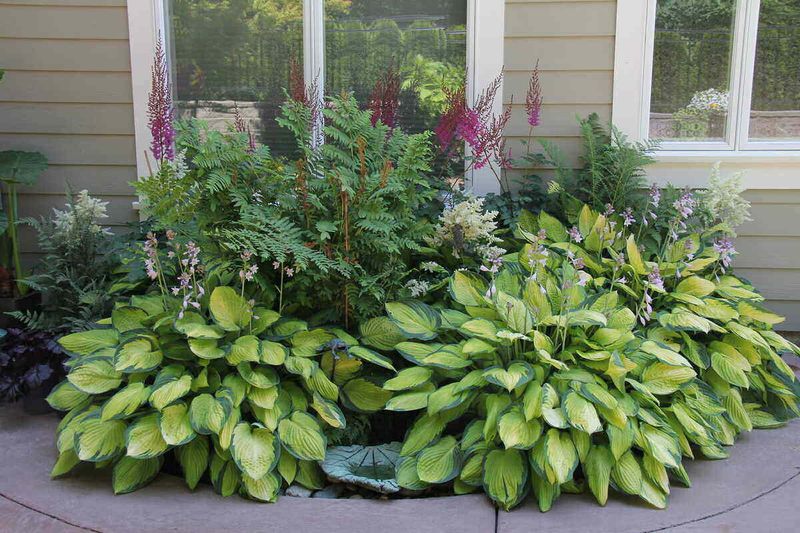
Shade-sensitive plants can suffer under relentless sun. Protect them with shade cloth or temporary structures, especially during peak heat. Providing relief at critical times prevents sunburn and stress. Your garden’s health improves with well-timed shade solutions. Additionally, grouping sensitive plants together simplifies care. This thoughtful approach ensures every plant receives the attention it needs. Your garden thrives, showcasing diverse, flourishing life. An ounce of prevention in providing shade translates into a garden full of vitality. Protect your sensitive plants to keep them vibrant and healthy throughout the summer’s intense heat.
1. Water early in the morning
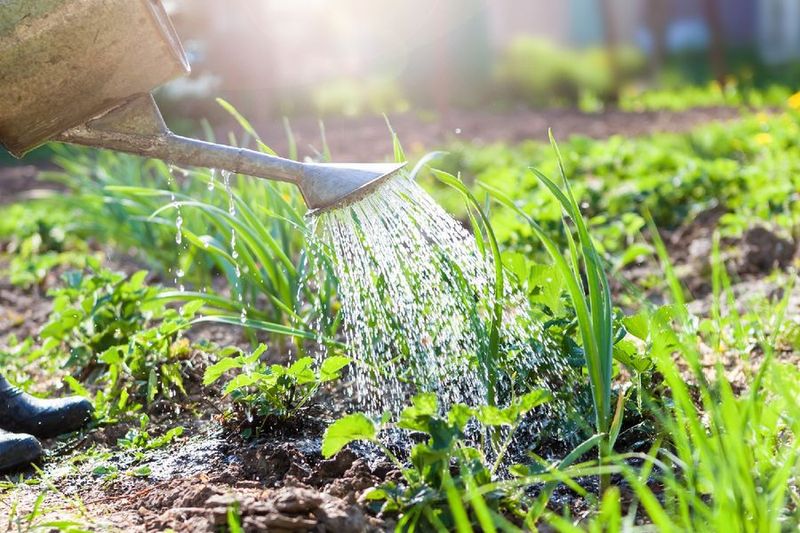
Early morning watering maximizes moisture absorption. As the sun rises, it allows time for water to penetrate roots effectively. This practice helps prevent evaporation loss. Additionally, morning watering reduces disease risk by keeping foliage dry throughout the day. Your plants benefit from optimal hydration and health. Timing your watering routine can transform plant vitality. Morning moisture sets the stage for a day’s growth, enhancing resilience against summer’s challenges. Your garden becomes a lush, thriving haven, showcasing the benefits of well-timed watering. Embrace the morning routine for a garden that flourishes.
2. Use organic mulch to retain moisture
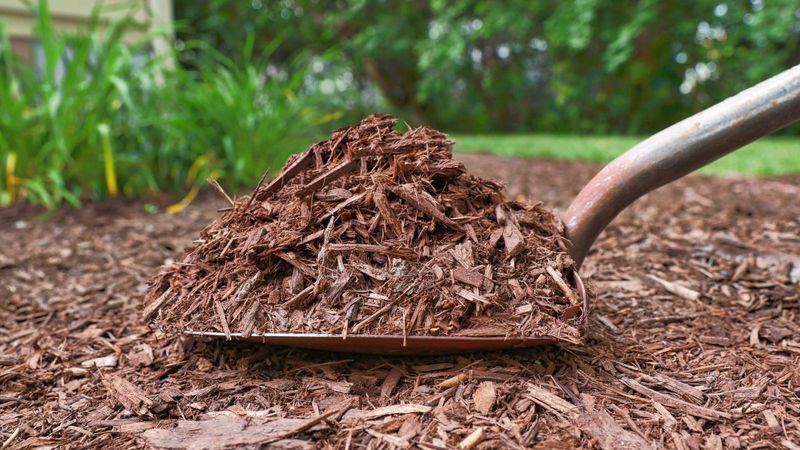
Organic mulch acts as a moisture blanket for your garden. It conserves water, enriches the soil, and suppresses weeds. By keeping the soil cool and moist, it supports robust plant growth. Use materials like straw, wood chips, or leaves for best results. These decompose naturally, enhancing soil structure. Your plants thrive with this additional support, reducing the need for frequent watering. An organic mulch layer is a simple yet effective way to improve garden health. Its benefits extend through the growing season, providing a nurturing environment for your plants. Embrace mulch for lasting garden vitality.
3. Group thirsty plants together
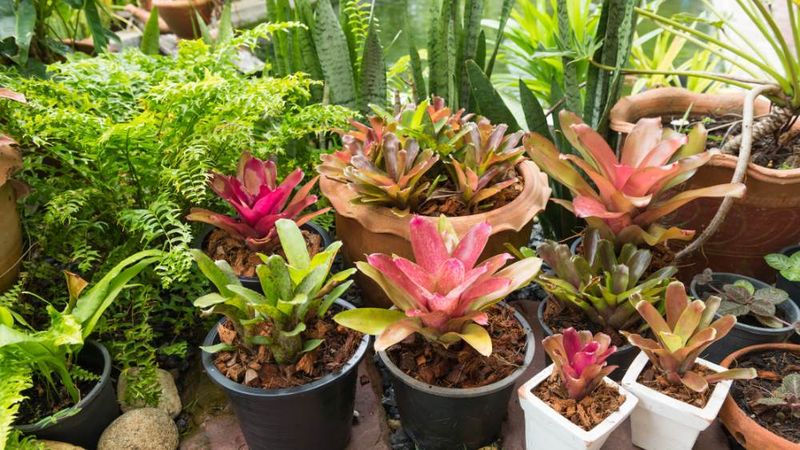
Grouping thirsty plants simplifies watering routines and improves moisture efficiency. By clustering water-needy species, you ensure they receive adequate hydration without wastage. This strategy supports healthy growth and reduces maintenance time. Additionally, it allows for tailored watering based on plant needs. Your garden benefits from this efficient approach, showcasing lush, vibrant life. Thoughtful plant placement enhances your garden’s visual appeal and health. Grouped plants thrive, sharing resources harmoniously. This method fosters a sustainable, flourishing environment, where water is used wisely. Embrace strategic grouping for a garden that grows beautifully.
4. Provide shade cloth or temporary shelter
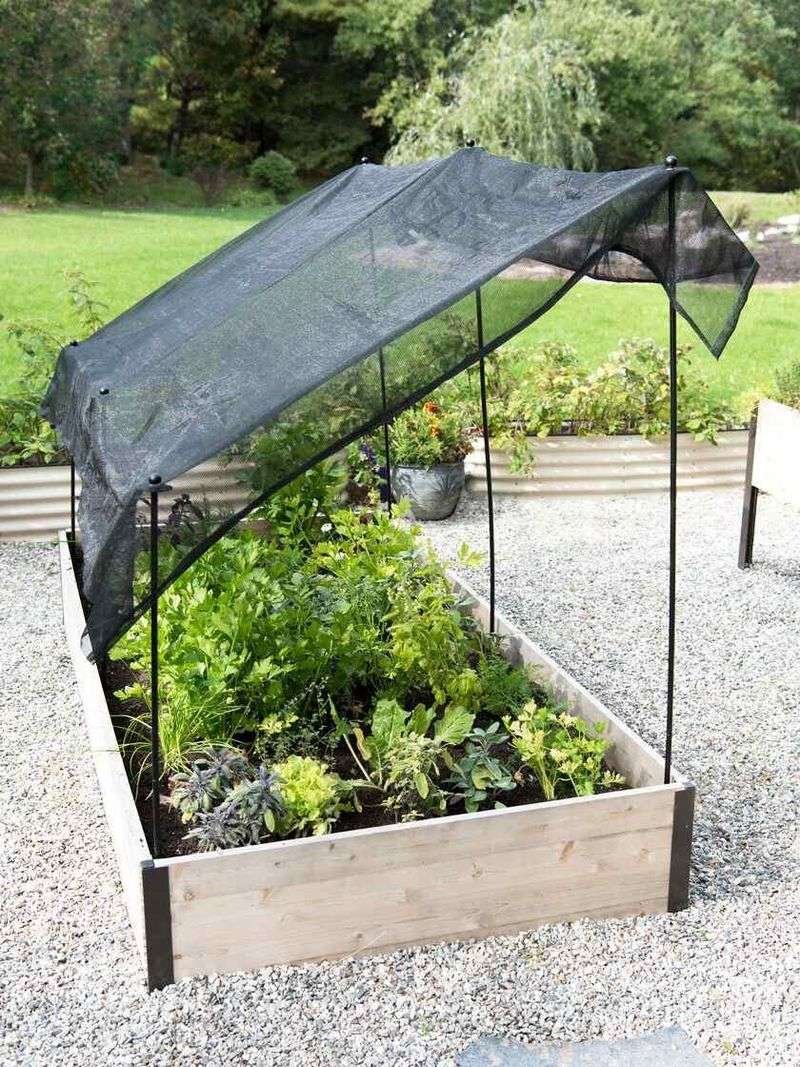
Shade cloth offers relief from harsh sun, protecting plants from excessive heat. Use it during peak hours to prevent sunburn and stress. This simple shelter maintains plant health, supporting growth in challenging conditions. Additionally, temporary structures can be adjusted as needed, providing flexibility. Your garden thrives under this protection, displaying resilience and vigor. Thoughtful shade solutions enhance plant well-being, ensuring they flourish despite summer’s challenges. By actively managing sun exposure, you safeguard your garden’s vitality. Implementing shade techniques transforms your space into a lush, thriving environment, full of vibrant life.
5. Switch to slow-release fertilizer
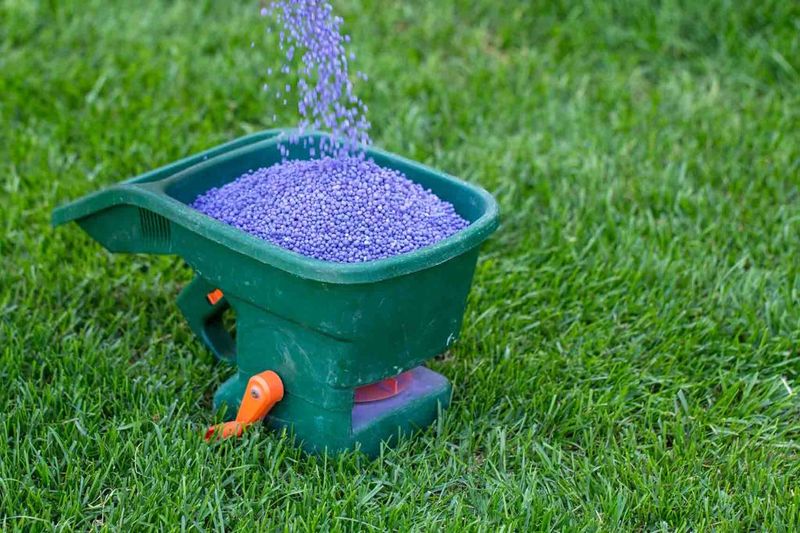
Slow-release fertilizers provide a steady nutrient supply, supporting growth without overwhelming plants. This method reduces nutrient burn risk and improves uptake. It simplifies feeding schedules, promoting consistent plant health. Choose formulations suited to your garden’s needs, ensuring balanced nutrition. Your plants respond with robust growth, thriving under this supportive care. Additionally, slow-release options minimize leaching, benefiting the environment. Incorporate this practice for sustainable, flourishing gardens. The gradual nutrient provision encourages resilience, helping plants withstand seasonal challenges. Embrace slow-release fertilizers for a garden that grows steadily, season after season.
6. Check soil before watering
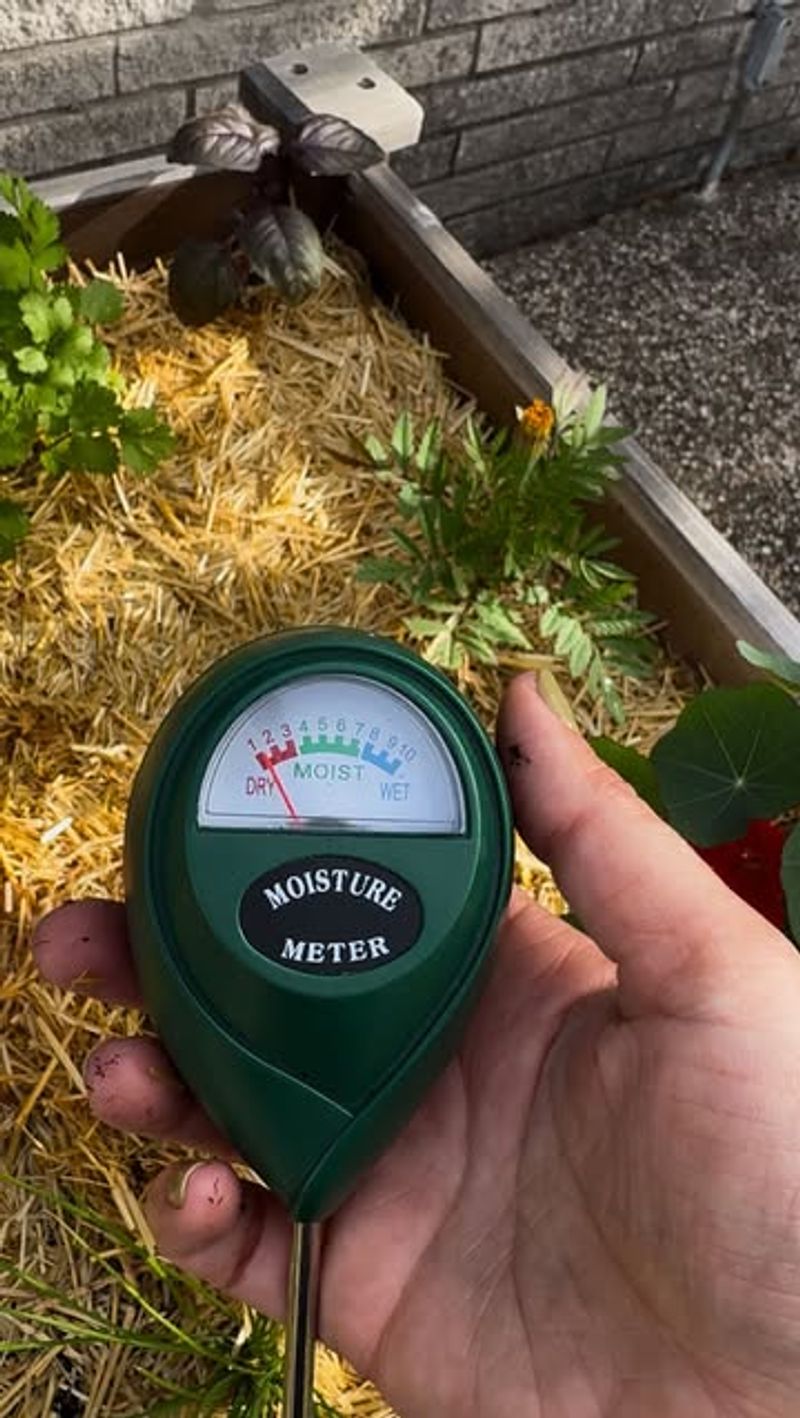
Checking soil moisture prevents overwatering, ensuring plants receive just the right amount of hydration. Insert your finger an inch deep to assess moisture levels. This simple test guides your watering routine, reducing water waste. Your plants benefit from precise care, thriving in the balanced environment you provide. By understanding soil needs, you support plant health and vitality. This mindful practice transforms your garden, optimizing resource use. Plants respond with lush, healthy growth, free from the stress of over or under watering. Embrace soil checks for a garden that flourishes with care and attention.
7. Prioritize heat-tolerant plant varieties
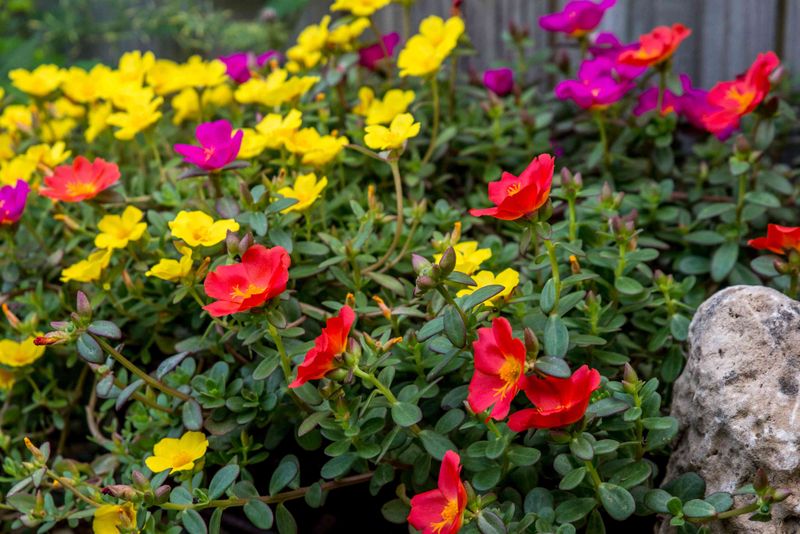
Selecting heat-tolerant plants ensures garden success during hot summers. These varieties withstand high temperatures, thriving where others struggle. Choose species known for resilience in your climate, reducing stress on your garden. Your plants flourish, showcasing vibrant growth despite heat challenges. Additionally, heat-tolerant varieties often require less water, supporting sustainable gardening practices. This thoughtful selection enhances your garden’s beauty and health. Embrace plant choices that align with your climate for a thriving, low-maintenance garden. By prioritizing heat tolerance, you create a resilient space, full of life and color, even under the summer sun.