
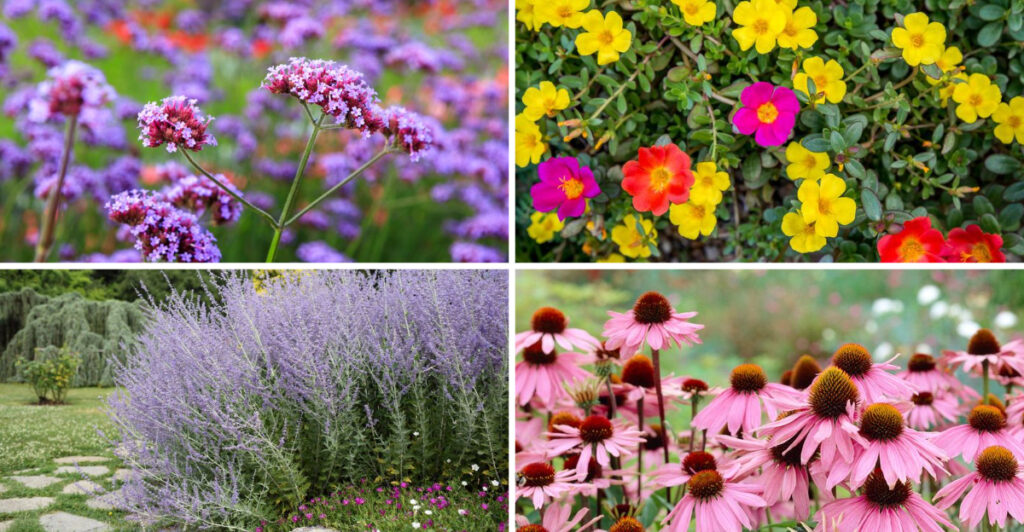
Explore the world of flowers that defy drought and neglect. Discover 23 remarkable blooms that flourish even when forgotten, bringing color and life to your garden with minimal care. Whether you’re a seasoned gardener or a novice, these flowers offer beauty and resilience without demanding constant attention.
1. Lavender
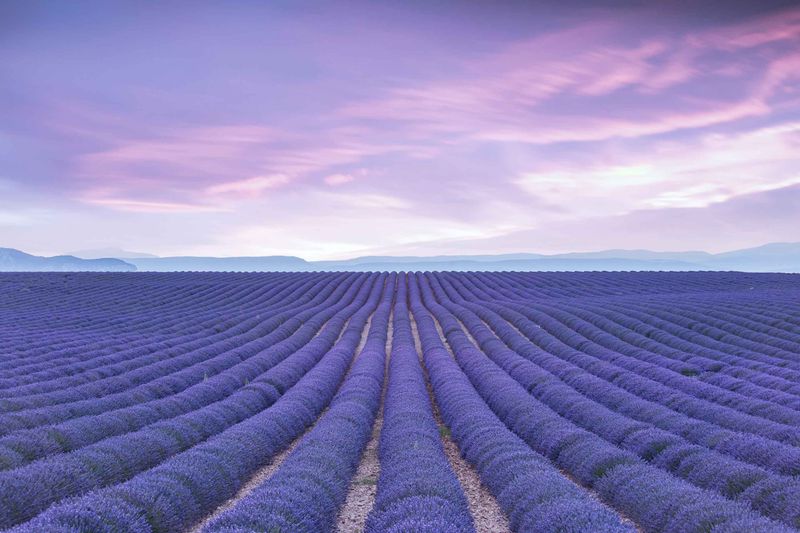
Lavender is the beloved flower that thrives in neglect. Picture a sun-drenched field painted in soothing violet hues. Its aromatic fragrance invites serenity, even as it withstands drought with grace.
Originating from the Mediterranean, this resilient beauty offers more than just visual allure. Its essential oils are cherished for relaxation and promoting good sleep. Surprisingly hardy, lavender is perfect for those with little time for gardening but a love for elegance.
Did you know? Lavender has been used since ancient times for its calming properties, making it a staple in stress relief.
2. Sedum
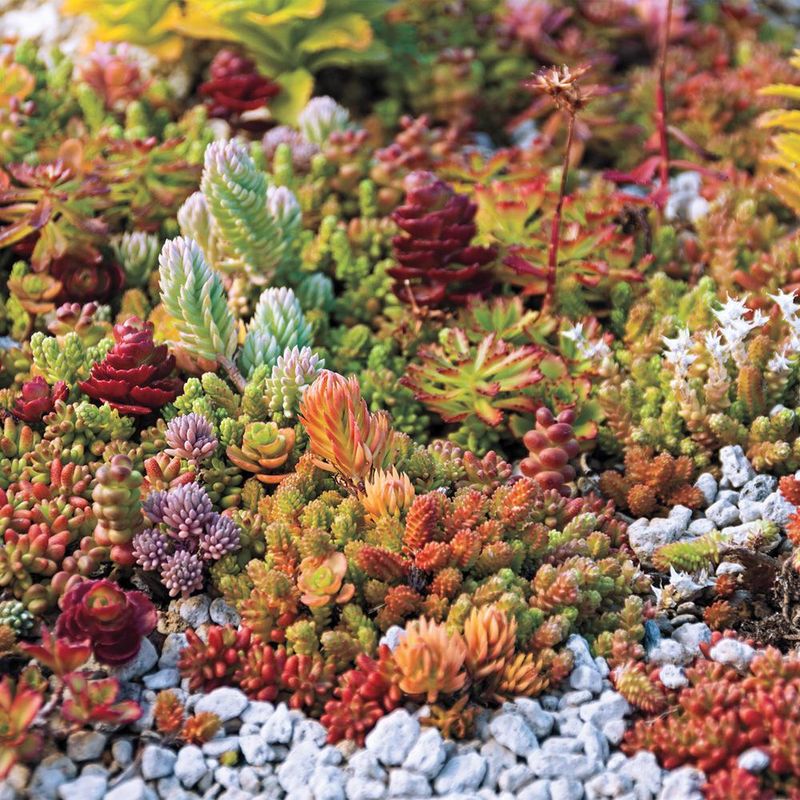
Sedum, often known as stonecrop, is a perennial that laughs in the face of drought. Its thick, fleshy leaves store water, and its star-shaped flowers add a touch of whimsy to any setting.
This robust plant is perfect for rock gardens and requires minimal attention. Its varied colors and shapes make it a versatile choice for garden beds and borders.
Fun Fact: Sedums are not just drought tolerant; they are also pollinator magnets, drawing bees and butterflies with their nectar-rich blooms. Their resilience makes them a gardener’s delight.
3. Echinacea
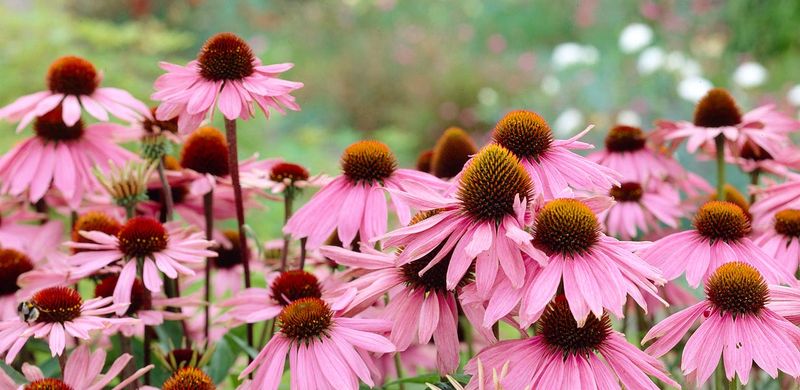
Echinacea, or coneflower, is celebrated for its hardiness and medicinal properties. Its bold pink petals and spiky centers make a stunning display, even in dry conditions.
These flowers are not only beautiful but beneficial, commonly used in herbal remedies to boost the immune system. They stand tall in gardens, attracting butterflies and adding vertical interest.
Did you know? Native to North America, echinacea was traditionally used by Native Americans for healing. Its resilience and beauty continue to make it a garden favorite today.
4. Russian Sage
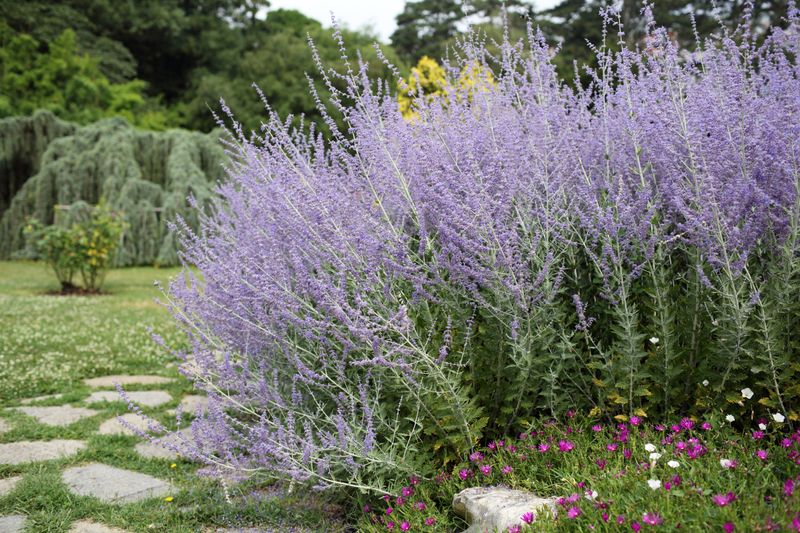
From the steppes of Asia, Russian Sage brings an exotic touch to gardens with its wispy stems and lavender-blue flowers. Its silvery foliage adds contrast and texture.
This drought-tolerant shrub is a showstopper, requiring little water and maintenance. Its aromatic leaves release a refreshing scent, providing sensory delight.
Fun Fact: Russian Sage is not a true sage but is named for its sage-like aroma. It’s a magnet for pollinators, ensuring your garden buzzes with life even during dry spells.
5. Blanket Flower
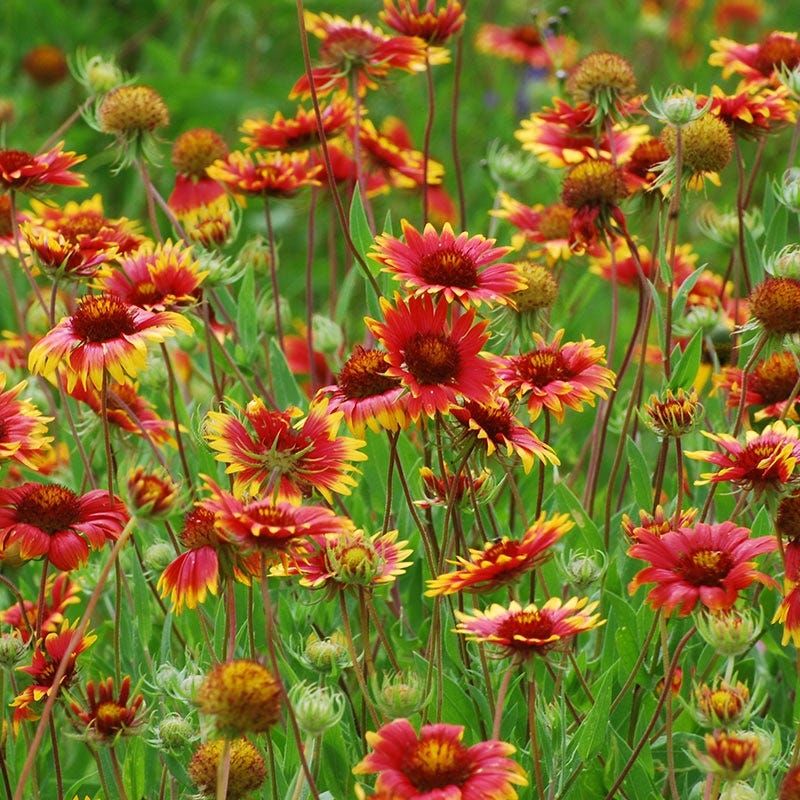
With colors as warm as the sun, Blanket Flower, or Gaillardia, lights up any garden. Its red and yellow blooms form a striking contrast, thriving in sandy soils.
This flower’s tenacity makes it ideal for arid climates, where it blooms prolifically with little care. It’s a magnet for pollinators, adding life and movement to your garden.
Originating from the prairies of North America, Blanket Flowers are celebrated for their long blooming season and ability to withstand heat, making them a favorite among gardeners seeking bursts of color.
6. Yarrow
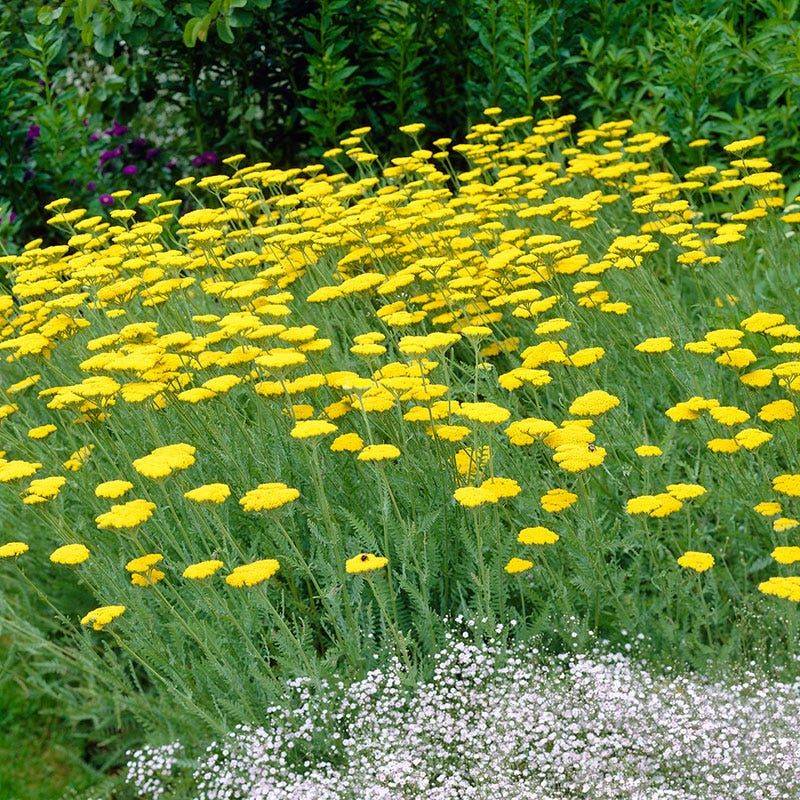
Yarrow is a classic that stands the test of time, offering clusters of tiny flowers in shades of yellow, pink, and white. Its fern-like leaves add a delicate touch.
This hardy perennial is perfect for dry, poor soils, making it a staple in low-maintenance gardens. Yarrow is not only beautiful but also medicinal, used to treat wounds and ailments.
Fun Fact: Yarrow was named after Achilles, who reportedly used it to treat soldiers’ wounds. Its resilience and history make it a fascinating addition to any garden.
7. Portulaca
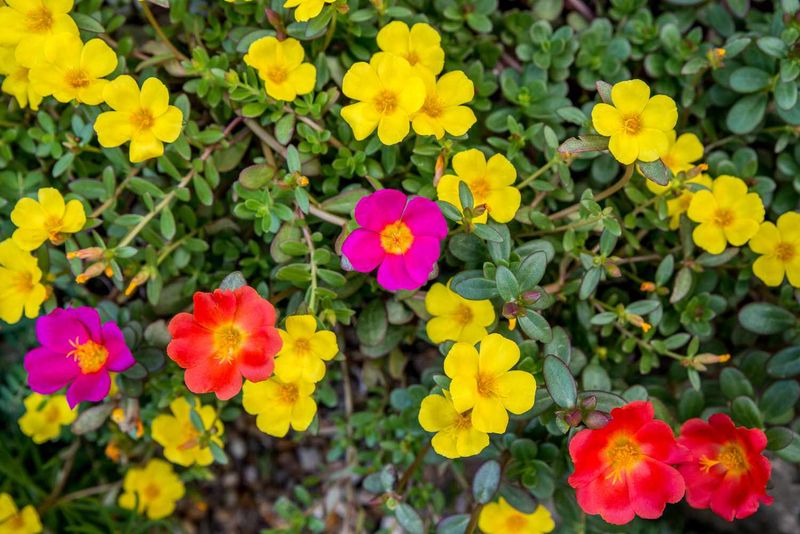
Portulaca, or moss rose, is a sun-loving succulent that bursts into colorful blooms each day. Its fleshy leaves and trailing habit make it ideal for ground cover.
This resilient plant thrives in hot, dry conditions, offering an explosion of color with minimal watering. Its cheerful flowers open with the sun and close at night.
Did you know? Portulaca is not only beautiful but edible, with leaves that are rich in omega-3 fatty acids. Its easygoing nature makes it a charming addition to any garden.
8. Lantana
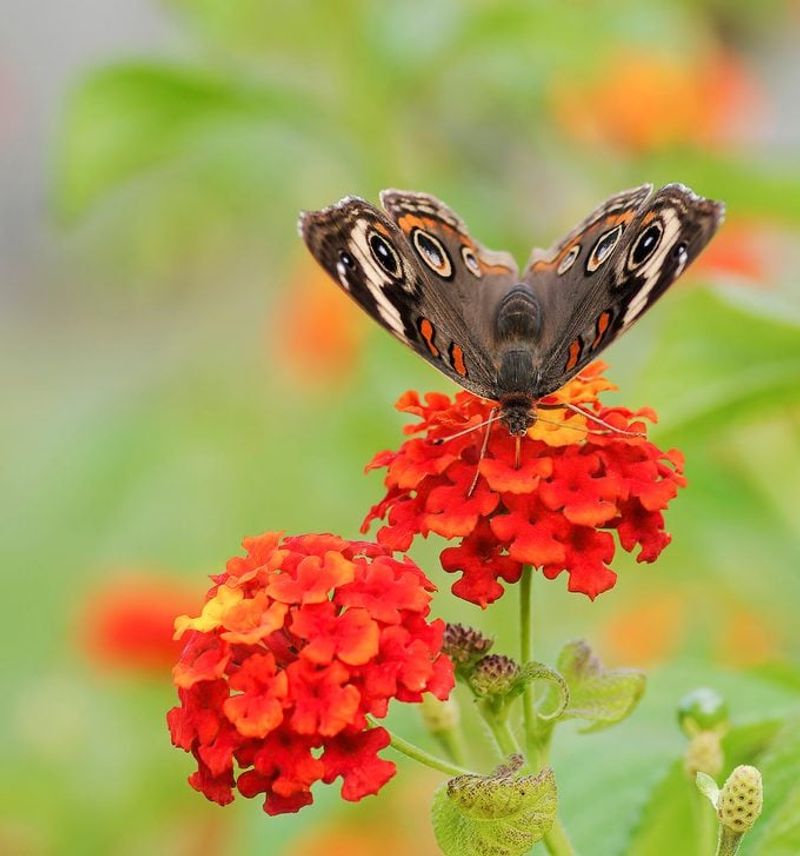
Lantana is a vibrant addition to any garden, known for its multicolored blooms that change hues as they mature. This hardy shrub thrives in heat and drought.
With its ability to attract butterflies, lantana brings both color and life to gardens. Its sprawling nature makes it perfect for borders and containers.
Fun Fact: Lantana can change flower colors as they age, providing a dynamic floral display. Its resilience and beauty make it a popular choice for gardeners seeking low-maintenance elegance.
9. Verbena
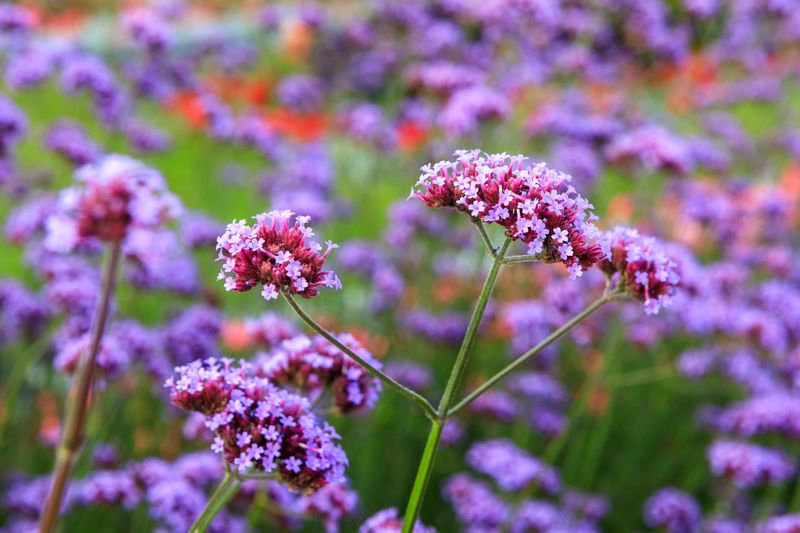
Verbena, with its delicate clusters of tiny flowers, is a sun seeker that thrives in dry conditions. Its long blooming season ensures color from spring to fall.
This low-growing perennial is versatile, perfect for borders, hanging baskets, and rock gardens. Its vibrant presence is a treat for both the eyes and pollinators.
Did you know? Verbena has a long history of medicinal use, once believed to have magical properties. Its easy care and delightful blooms make it a garden favorite.
10. Bougainvillea
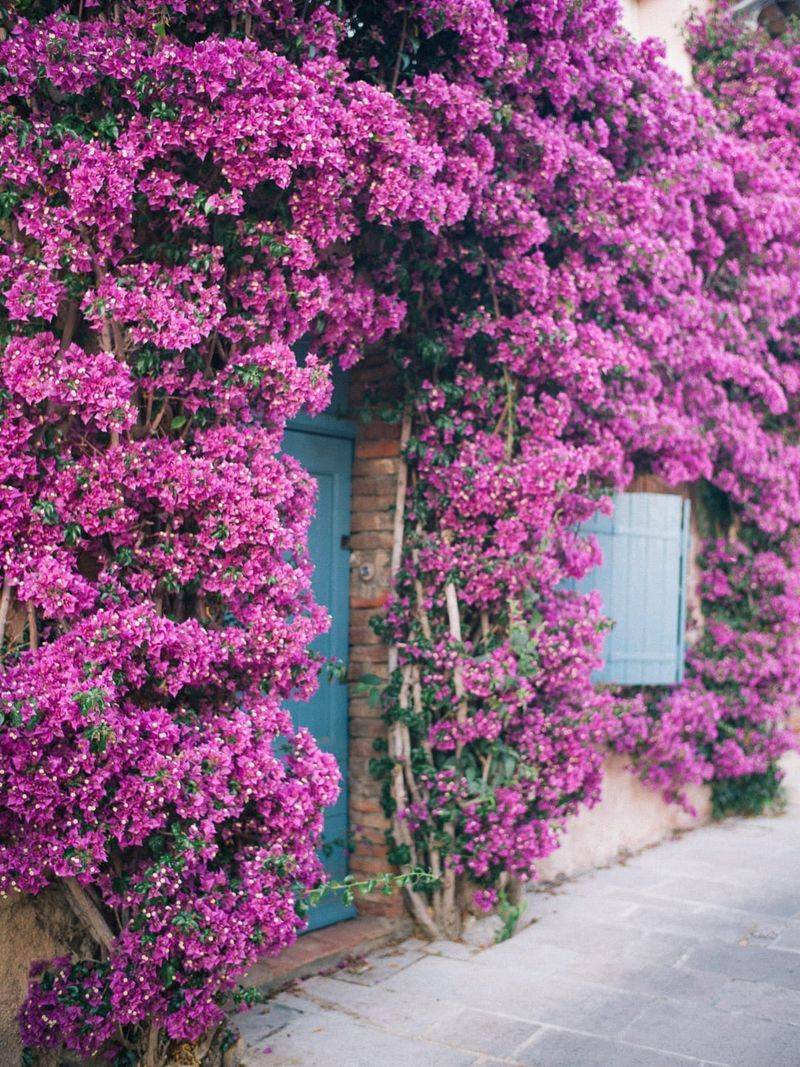
Bougainvillea is the epitome of tropical brilliance, with its cascading flowers in vibrant pinks, purples, and reds. This hardy vine thrives in dry, sunny conditions.
Its spectacular blooms provide eye-catching color and are perfect for covering trellises or walls. Bougainvillea’s resilience and low water needs make it ideal for those who want luxuriant foliage without constant care.
Fun Fact: Despite their vivid appearance, the actual flowers of bougainvillea are small and white, surrounded by colorful bracts. This unique feature adds to its exotic charm.
11. Gazania
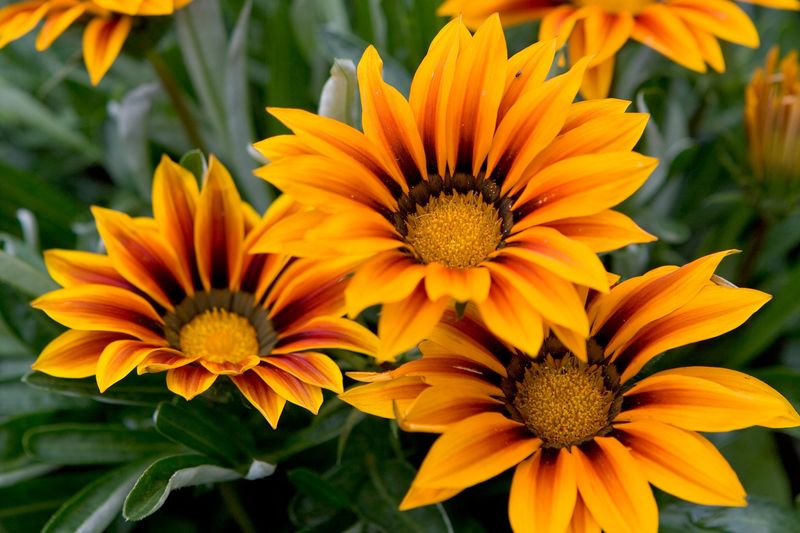
Gazania, often called treasure flower, lives up to its name with its dazzling blooms in fiery oranges and yellows. This sun-loving plant thrives in poor soils.
Its flowers open in daylight and close at night, providing a dynamic display. Gazania is perfect for borders, rock gardens, and containers, adding a burst of color.
Did you know? Gazania hails from South Africa and is known for its ability to withstand harsh coastal conditions. Its vibrant flowers and low-maintenance nature make it a garden gem.
12. Coreopsis
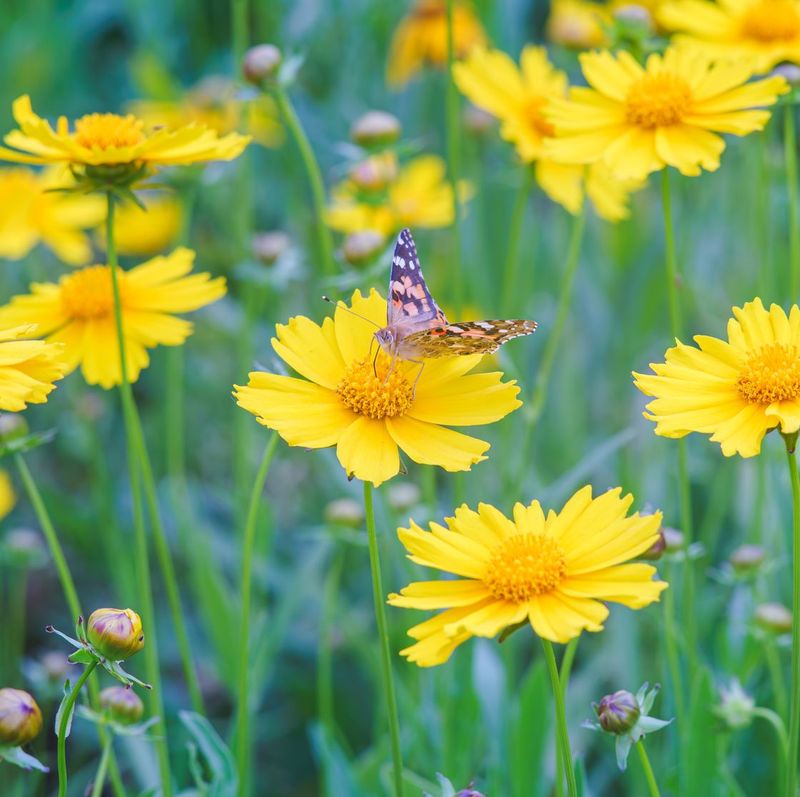
Coreopsis, known for its sunny disposition, dazzles with bright yellow flowers that dance in the breeze. This cheerful perennial is a low-maintenance delight.
Perfect for borders and wildflower gardens, coreopsis thrives in dry, challenging conditions. Its long blooming season ensures a garden full of life and color.
Fun Fact: Coreopsis is the state wildflower of Florida, symbolizing its resilience and beauty. It attracts pollinators, supporting biodiversity in gardens with its sunny charm.
13. Agave
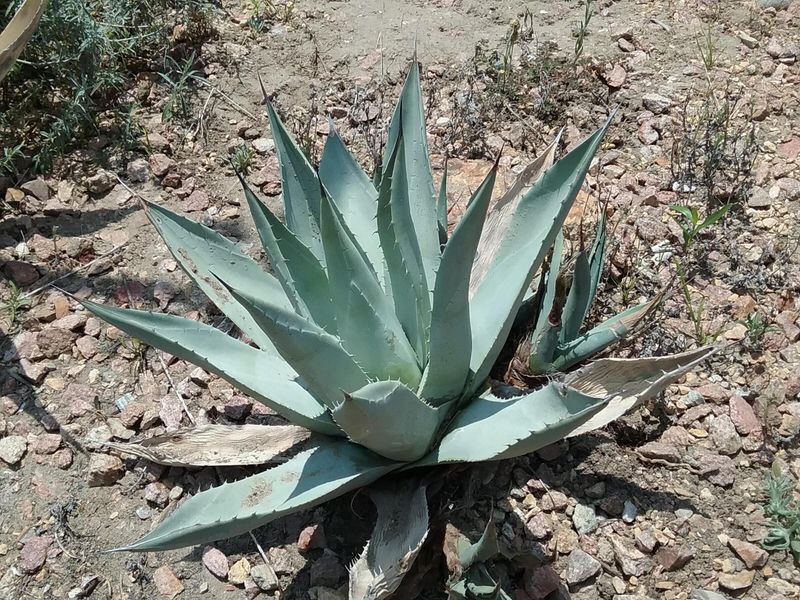
Agave is a desert marvel, known for its striking form and low water needs. Its thick leaves store water, allowing it to thrive in arid conditions.
This sculptural plant adds architectural interest to gardens, making it a focal point in xeriscaping. Agave is slow-growing but rewards patience with its bold presence.
Did you know? Agave is used to make tequila. Its unique ability to survive with little water makes it an intriguing and practical addition to drought-tolerant landscapes.
14. Daylily
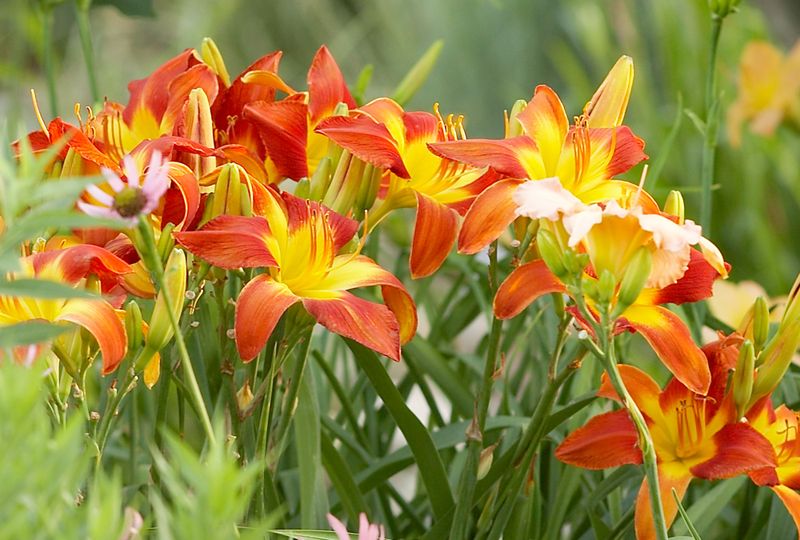
Daylilies are the epitome of carefree beauty, with blooms that last just a day but are quickly replaced by new ones. This resilient perennial thrives in poor soil and drought.
With a variety of colors, daylilies add vibrant hues to gardens without demanding attention. They’re perfect for borders, mass plantings, and naturalized areas.
Fun Fact: Despite their name, daylilies are not true lilies. Their ability to thrive in challenging conditions makes them a favorite among gardeners seeking effortless beauty.
15. Oleander
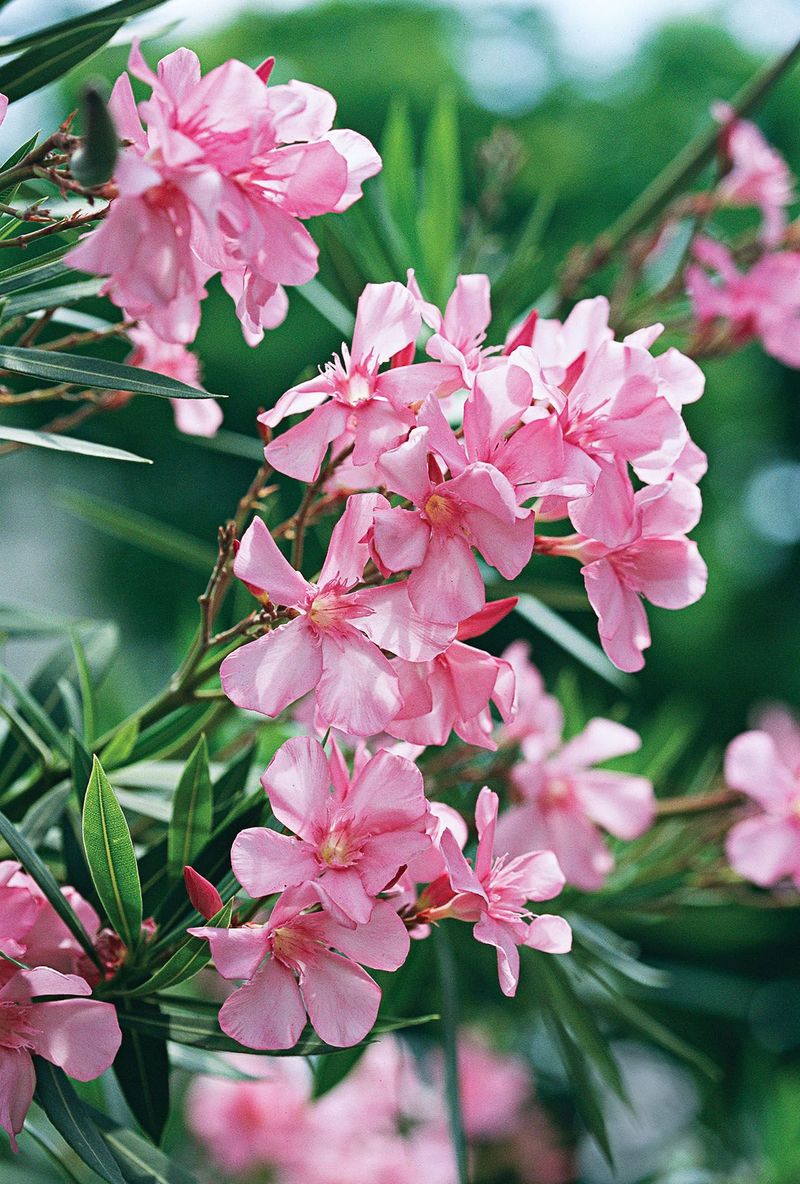
Oleander is a classic Mediterranean shrub known for its clusters of fragrant flowers. Its evergreen leaves and vibrant blooms thrive in heat and drought.
This hardy plant is perfect for hedges, providing privacy and beauty. Its tolerance for challenging conditions makes it a popular choice in coastal areas.
Did you know? Despite its beauty, oleander is toxic if ingested. Its resilience and stunning appearance make it a captivating yet cautious choice for gardeners.
16. Marigold
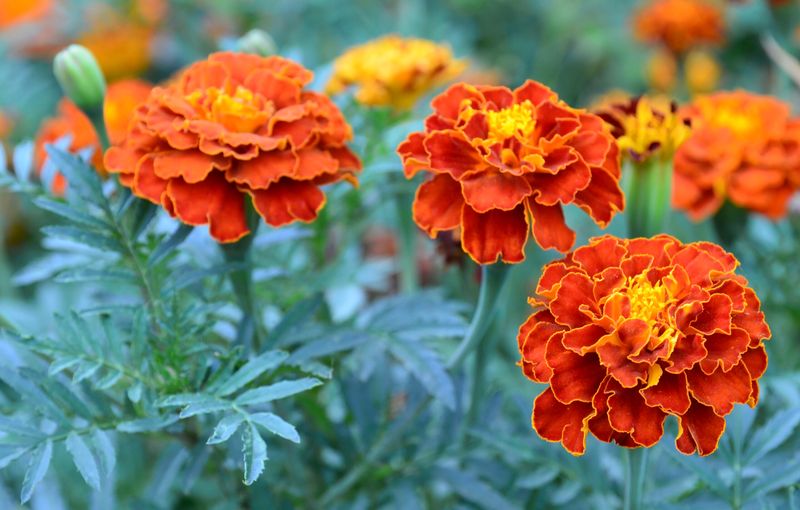
Marigolds are the quintessential garden companions, known for their bright, cheerful blooms and pest-repelling properties. They flourish in sunny, dry conditions.
These easy-to-grow annuals bring warmth and vibrancy, ideal for borders and vegetable gardens. Their hardy nature and long-lasting blooms make them a gardener’s favorite.
Fun Fact: Marigolds were sacred to the Aztecs, used in religious ceremonies and medicinal practices. Their resilience and colorful presence continue to make them a staple in gardens worldwide.
17. Zinnia
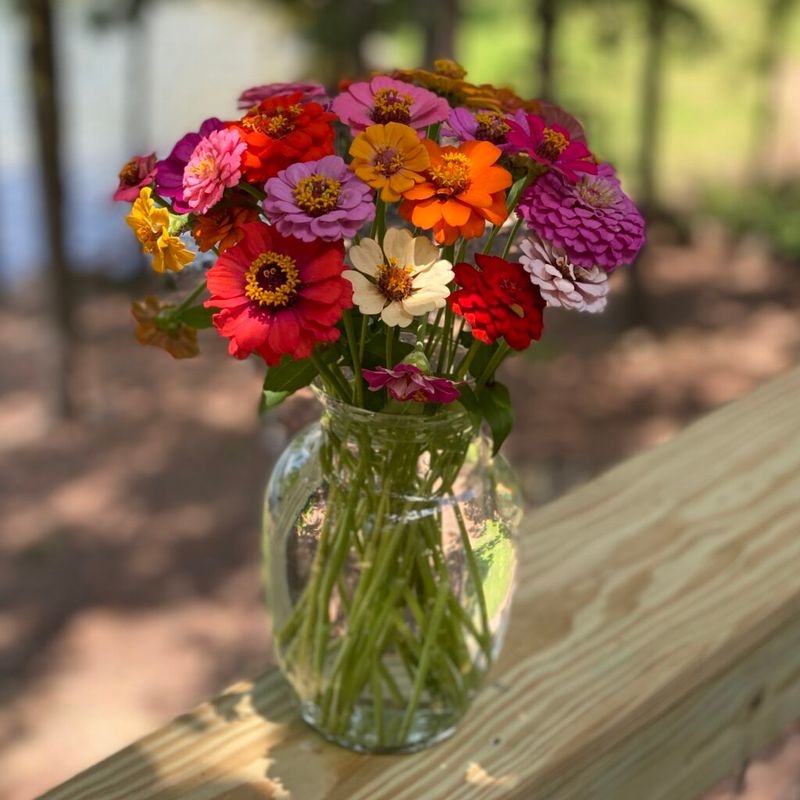
Zinnias are the joyful bursts of color that signal summer’s arrival. With vibrant blooms in red, pink, and orange, these annuals thrive in hot, dry climates.
Easy to grow from seeds, zinnias are perfect for cutting gardens, borders, and containers. Their cheerful presence is a delight for gardeners seeking color without fuss.
Did you know? Zinnias are native to Mexico and symbolize lasting friendship. Their ability to thrive with minimal water makes them a delightful addition to any garden.
18. Salvia
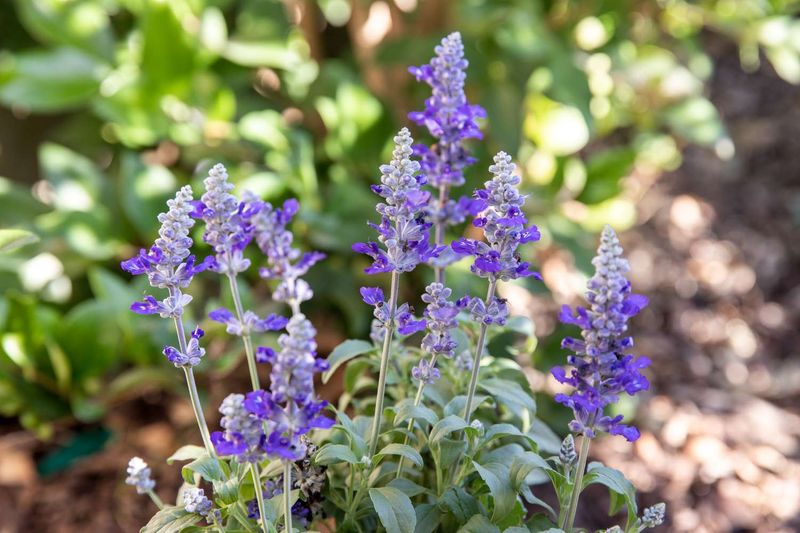
Salvia, or sage, brings a touch of elegance with its spiky flowers and aromatic leaves. This drought-tolerant perennial thrives in sunny, dry conditions.
With its long blooming period, salvia is ideal for borders and attracts pollinators, supporting garden ecosystems. Its striking presence adds vertical interest to landscapes.
Fun Fact: Salvia has over 900 species, offering a variety of colors and forms. Its resilience and beauty make it a beloved choice for gardeners seeking a touch of sophistication.
19. Cactus
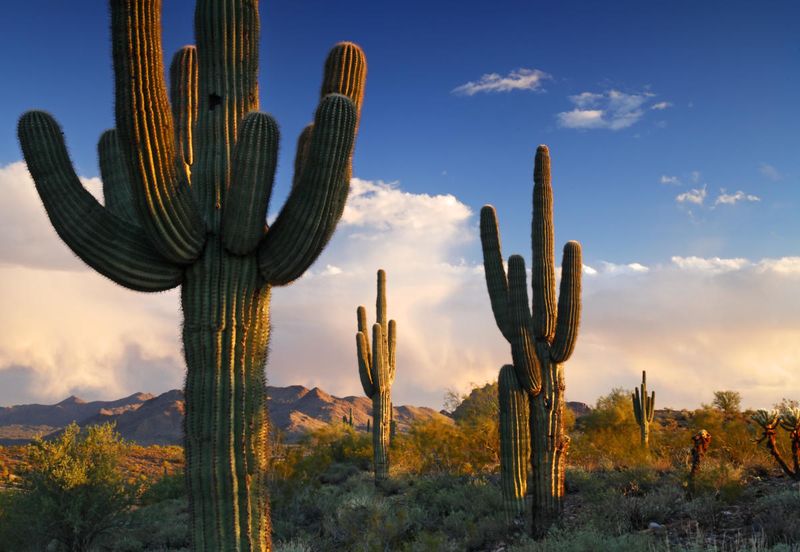
Cacti are the quintessential symbols of the desert, known for their striking forms and ability to thrive with minimal water. Their thick, spiny surfaces store moisture, ensuring survival.
Perfect for xeriscaping, cacti add architectural interest and require little maintenance. Their blooms, though rare, are a spectacular sight.
Did you know? The saguaro cactus can live up to 200 years. Its iconic shape and resilience make it a fascinating addition to drought-tolerant gardens.
20. Rosemary
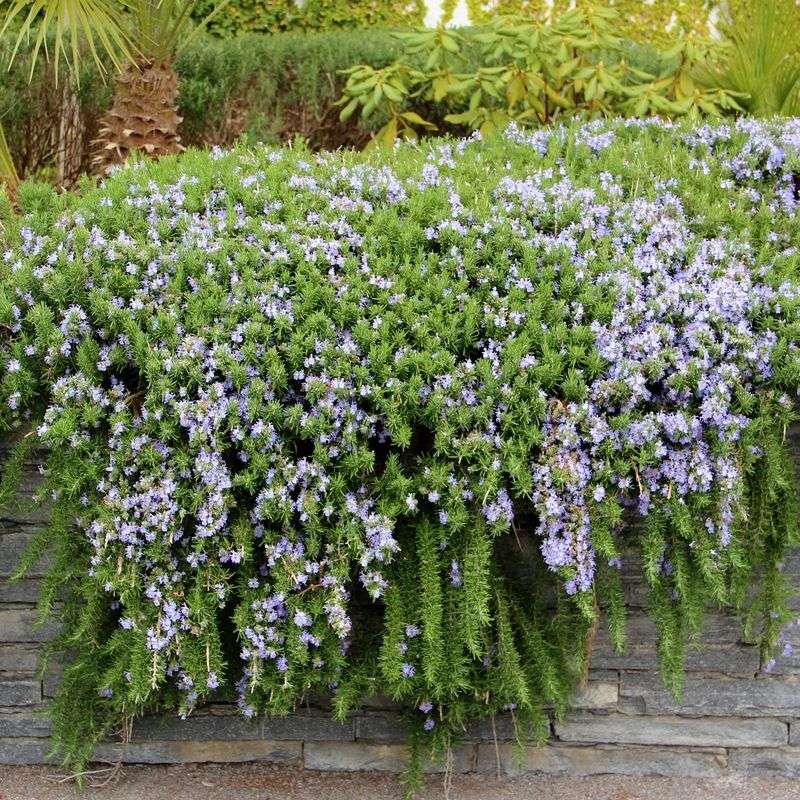
Rosemary is an aromatic herb that doubles as a drought-tolerant shrub. Its needle-like leaves and fragrant scent make it a kitchen garden favorite.
This hardy plant thrives in poor, dry soils, offering culinary delights and ornamental beauty. Rosemary’s resilience and evergreen nature make it a versatile garden choice.
Fun Fact: Rosemary has been associated with memory enhancement since ancient times. Its robust nature ensures it remains a staple in herb gardens and landscapes alike.
21. Butterfly Bush
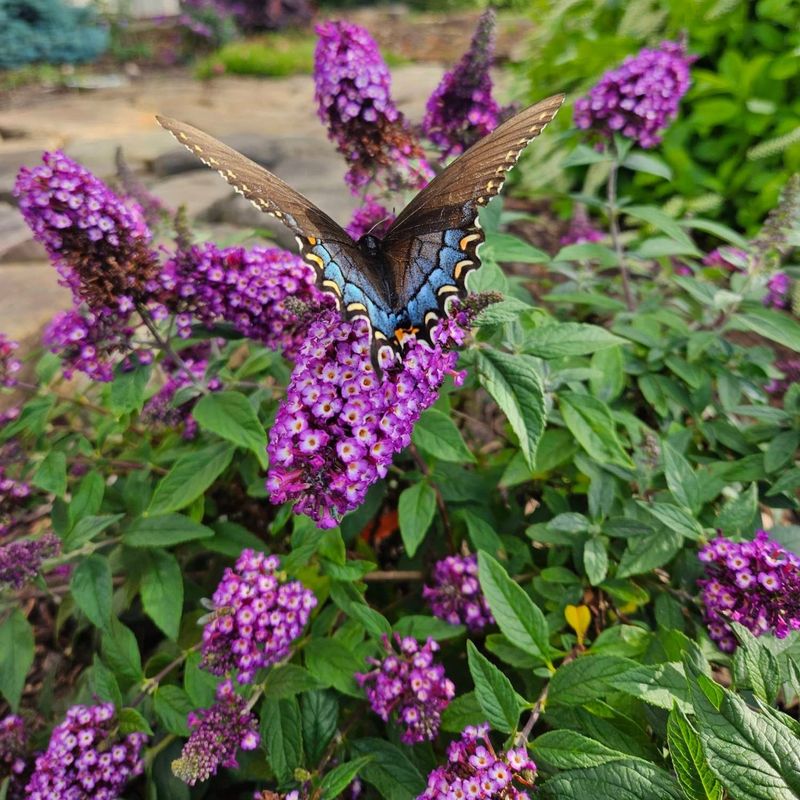
Butterfly Bush, or Buddleia, is a magnet for pollinators, with its fragrant clusters of flowers in purple, pink, and white. This resilient shrub thrives in dry conditions.
Ideal for borders and wildlife gardens, it brings color and movement, attracting butterflies and bees. Its long blooming season ensures continuous beauty.
Did you know? The Butterfly Bush gets its name from its ability to attract numerous butterflies. Its drought tolerance and vibrant blooms make it a favorite among gardeners seeking a lively garden.
22. Dusty Miller
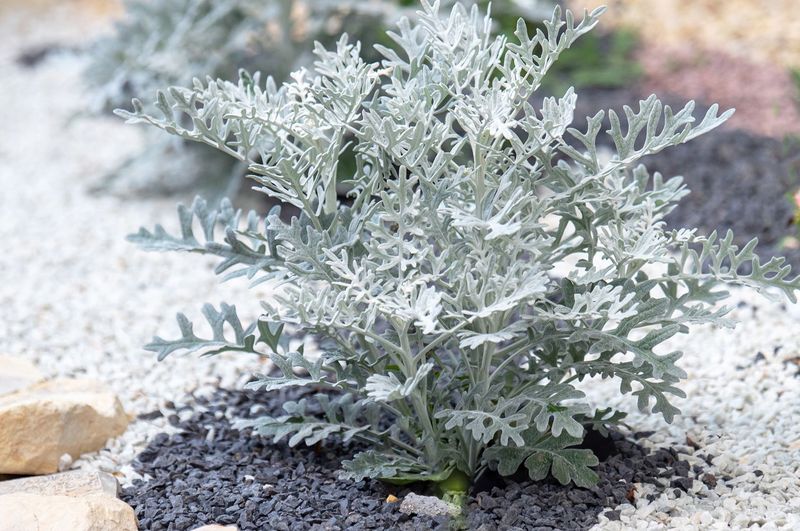
Dusty Miller is the silent star of gardens, offering silvery foliage that contrasts beautifully with colorful blooms. Its velvety texture adds a soft touch.
This drought-resistant plant thrives in poor soils, providing a backdrop that highlights more vibrant flowers. Its low-maintenance nature makes it a staple in landscape design.
Fun Fact: Dusty Miller’s unique coloration is due to fine hairs on its leaves, reflecting sunlight to conserve moisture. Its elegant presence and resilience make it a valued addition to any garden.
23. Dusty Miller
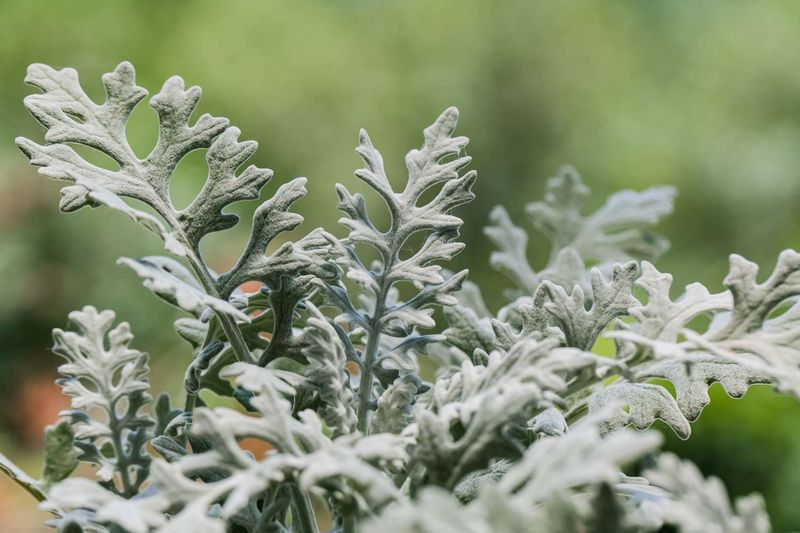
Imagine a garden filled with shimmering silver foliage that seems to glow under moonlight. Dusty Miller, with its soft, velvety leaves, offers a perfect contrast to colorful blooms. Its resilience is unmatched, requiring minimal water to thrive. Native to the Mediterranean, this plant adapts effortlessly to various environments, making it a favorite among gardeners seeking elegance and simplicity. Its unique ability to withstand drought adds to its charm, providing a reliable option for those who may forget to water regularly. Dusty Miller’s beauty and hardiness make it a standout choice in any garden.