 Complete Gardening
In recent years, master gardeners are shifting away from traditional soil tips in favor of innovative and effective practices. These new techniques promise greater yields, healthier plants, and more sustainable gardening. Explore the 16 groundbreaking soil tips that are revolutionizing the gardening world and making old methods obsolete.
1. Compost Tea Revival
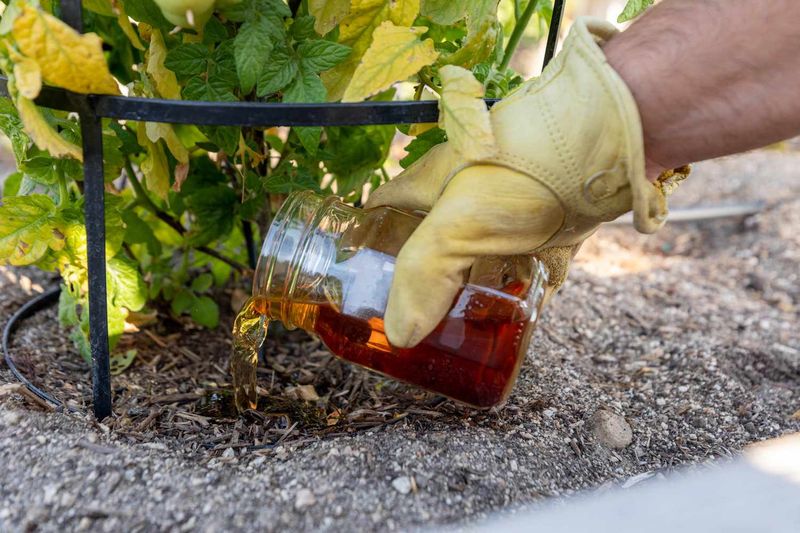
Brewing compost tea is like creating a magical elixir for your plants. Imagine feeding them a potion that boosts their growth and resilience. This liquid gold is rich in beneficial microorganisms that enhance soil health.
Forget old methods of chemical fertilizers; it’s time to embrace nature’s brew. Besides enhancing plant growth, compost tea is eco-friendly. Its organic nature means you’re not harming the environment.
Fun fact: Compost tea has been around for centuries, but modern gardeners are rediscovering its mystical benefits. Turn your garden into a haven of vitality!
2. Biochar Boost
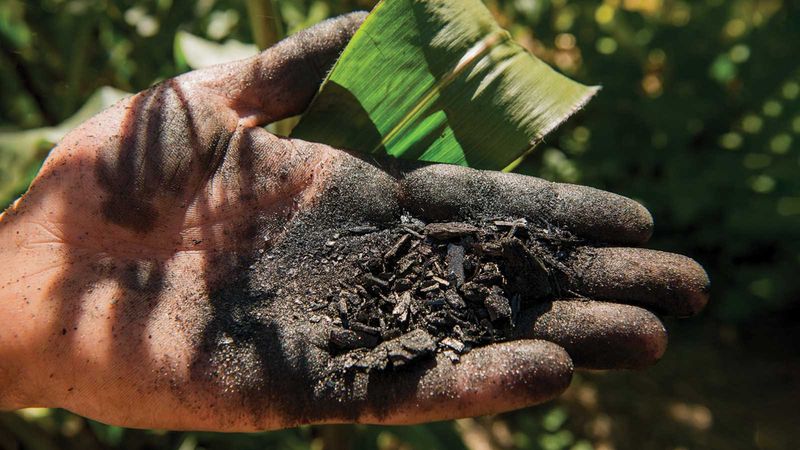
Back in the day, gardeners relied on basic amendments, but the secret of biochar is making waves. This charcoal-like substance enriches the soil by improving nutrient retention and water holding capacity.
What makes biochar exceptional is its longevity—it remains effective for decades. Imagine a single addition benefiting generations of plants. Biochar supports beneficial soil microbes, creating a thriving underground ecosystem.
Did you know ancient Amazonian cultures used a form of biochar, called terra preta, to cultivate lush gardens? Today, it’s a top choice for sustainable gardening, offering a timeless boost.
3. No-Till Gardening
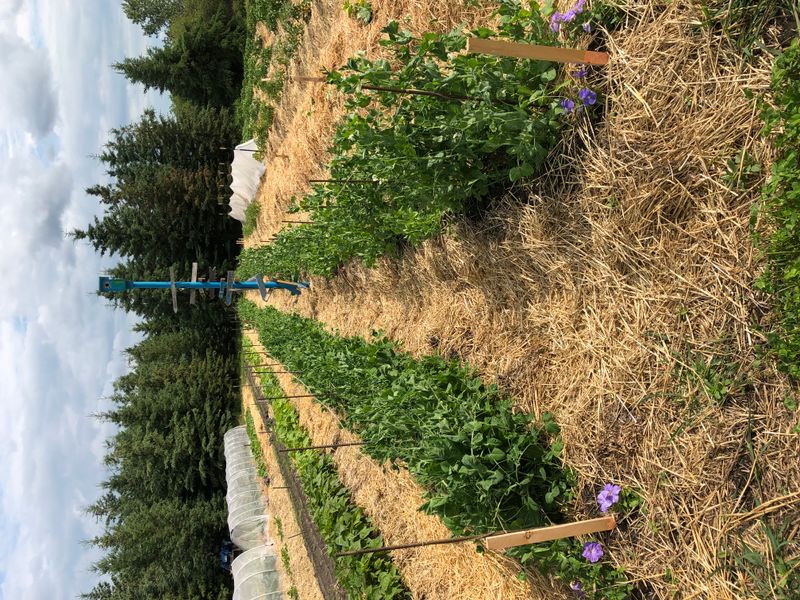
Tilling used to be gospel, but more gardeners are seeing the benefits of a no-till approach. By leaving the soil undisturbed, you’re protecting its natural structure and preventing erosion.
This gentle method conserves moisture and supports earthworm activity, enhancing soil fertility. Plus, it reduces labor, allowing nature to do the hard work.
Did you know? No-till gardening is a favorite among permaculture enthusiasts. By mimicking natural ecosystems, this technique supports biodiversity and soil health, making it a modern gardener’s dream.
4. Cover Crop Care

Once an overlooked strategy, cover crops are gaining popularity among gardening aficionados. These plants are grown primarily to benefit the soil rather than for harvest.
They prevent erosion, suppress weeds, and improve soil structure. Imagine clover and vetch transforming your garden into a lush green paradise.
Fun fact: Cover crops can also fix nitrogen in the soil, reducing the need for synthetic fertilizers. Embrace this holistic approach and watch your garden flourish beyond expectations! A new season of growth awaits with these unsung heroes.
5. Worm Castings Wonder
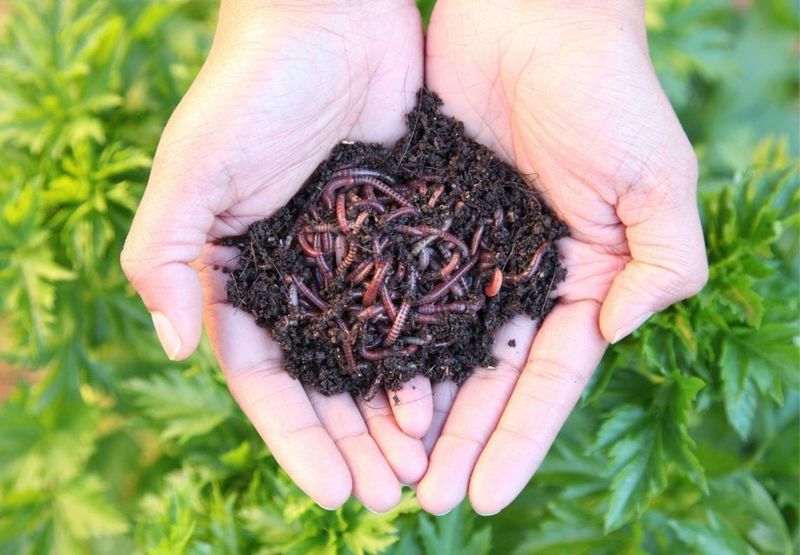
Who knew worms could be your best friends? Their castings, often called ‘black gold,’ are a powerhouse of nutrients for your soil. Gardeners rave about their ability to improve plant health and soil structure.
Unlike synthetic fertilizers, worm castings release nutrients slowly, providing a steady supply. They also boost beneficial microbe activity, enhancing soil vitality.
Did you know Thomas Jefferson was an early advocate of using worms to enrich soil? Embrace this timeless wisdom for a garden that thrives naturally. Let the worms lead the way!
6. Mycorrhizal Magic
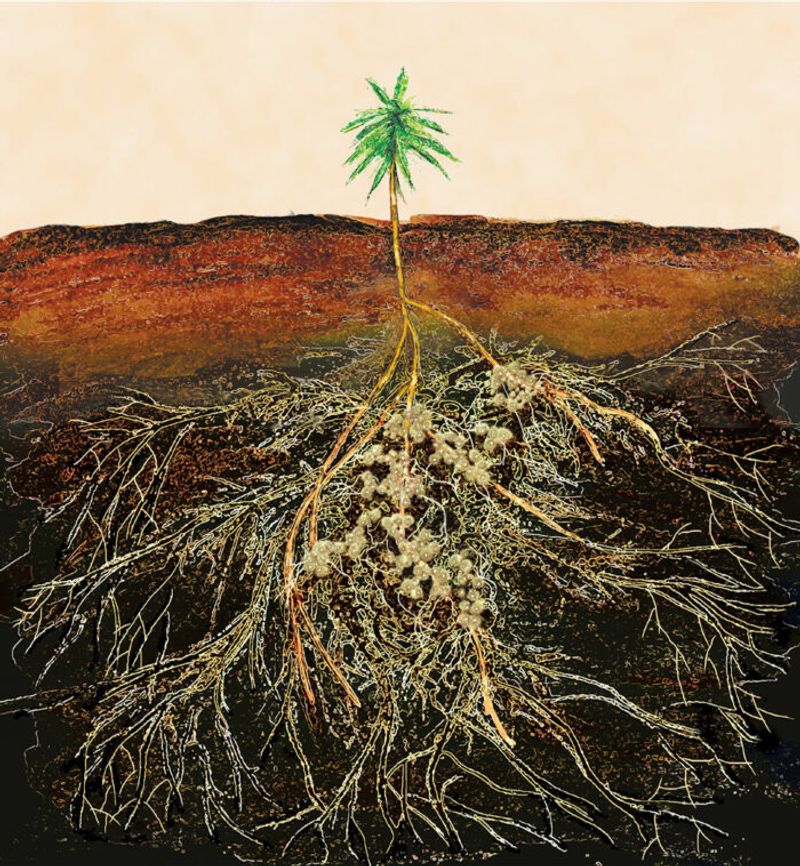
Hidden beneath the soil surface lies a network of mycorrhizal fungi, working in harmony with plant roots. This symbiotic relationship boosts nutrient uptake and plant resilience.
Gardeners are moving away from over-fertilization, opting for natural enhancements. Mycorrhizal fungi form a vast underground network, expanding root systems and accessing nutrients otherwise out of reach.
Fun fact: These fungi have been around for millions of years, aiding plant life since prehistoric times. By integrating them into modern gardens, you’re tapping into ancient wisdom for contemporary success.
7. pH Balancing Act
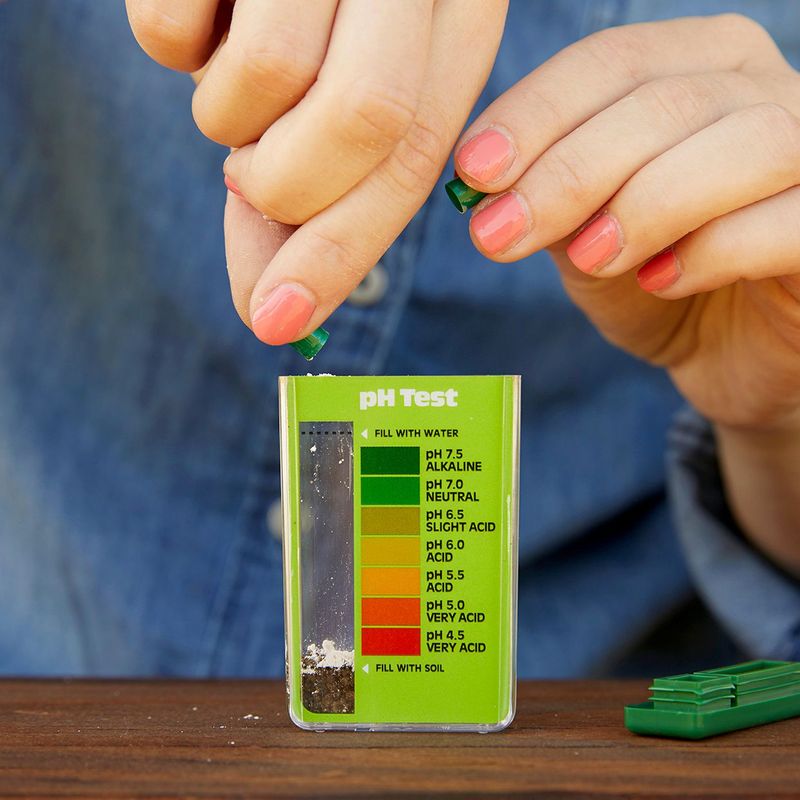
Getting the soil pH right is like setting the stage for a perfect performance. Gone are the days of guesswork; modern gardeners use precise tools to adjust and balance soil pH.
Understanding your soil’s pH can dramatically impact plant health. Acidic or alkaline, each soil type requires specific amendments for optimal growth.
Did you know that certain plants thrive in specific pH ranges? By mastering this balancing act, you’re customizing your garden’s growth conditions for spectacular results. Say goodbye to one-size-fits-all and hello to garden harmony!
8. Hugelkultur Heights
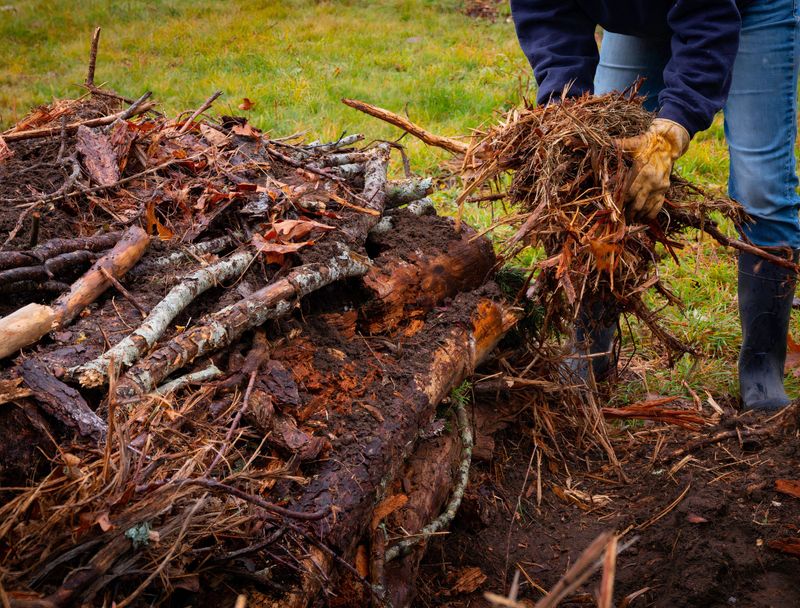
Hugelkultur turns garden beds into self-sustaining systems. By using decaying wood and organic matter, these mounds store moisture and nutrients, creating a thriving ecosystem.
Originating from Eastern Europe, this age-old technique is gaining popularity for its efficiency and sustainability. It’s like having a natural compost pile feeding your plants continuously.
The beauty of hugelkultur lies in its ability to support diverse plant species without frequent watering or fertilization. Imagine a garden that practically takes care of itself. Dive into this world of effortless abundance!
9. Lasagna Gardening Layers

Layer by layer, lasagna gardening builds a nutrient-rich, no-dig garden bed. This method is perfect for transforming poor soil into a fertile plot without heavy labor.
By alternating layers of green and brown organic material, you create a self-composting garden bed. Old tips of endless digging are fading away, replaced by this hassle-free approach.
Fun fact: Lasagna gardening not only enriches the soil but also suppresses weeds naturally. It’s a win-win for any gardener seeking productivity without the backache. Embrace this layered wonder for effortless bounty.
10. Mulch Mastery

Mulch is more than just a covering; it’s a protective blanket for your garden. It conserves moisture, suppresses weeds, and enriches the soil as it decomposes.
Modern gardeners are ditching bare soil for a well-mulched garden, reaping the benefits of less maintenance and healthier plants. Mulch keeps the soil temperature stable, promoting robust growth.
Did you know that mulching can reduce water evaporation by up to 70%? This practice is a game-changer for those seeking an eco-friendly garden solution. Let mulch work its magic.
11. Green Manures Galore
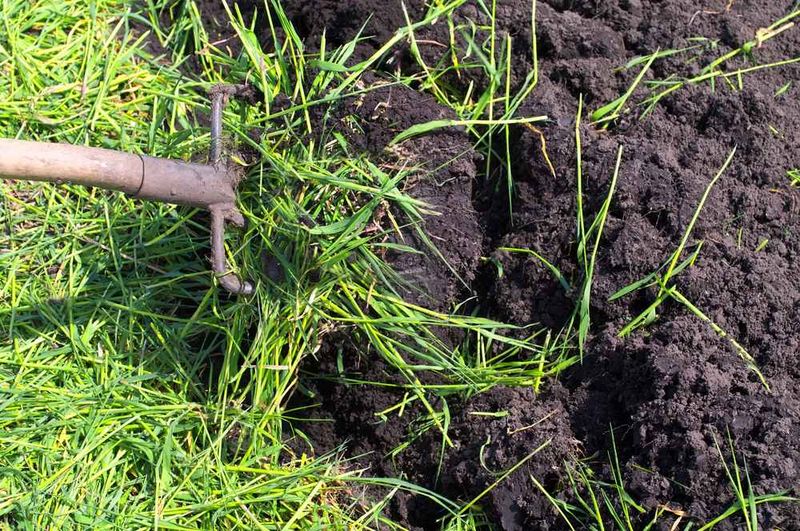
Green manures are nature’s way of replenishing soil fertility. By growing and then tilling these crops back into the soil, you’re adding organic matter and nutrients seamlessly.
This centuries-old technique is making a comeback as gardeners recognize its multifaceted benefits. Green manures not only improve soil health but also suppress weeds and prevent erosion.
Imagine letting your garden rest and rejuvenate naturally. With green manures, you’re harnessing the power of plants to nurture the earth, paving the way for bountiful harvests.
12. Perlite and Vermiculite Versatility
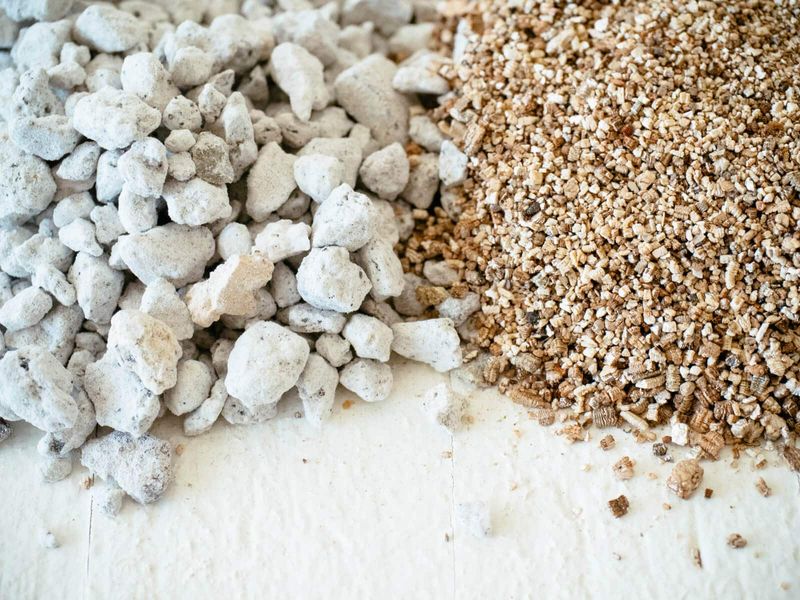
For gardeners seeking improved soil aeration and drainage, perlite and vermiculite are indispensable allies. These minerals enhance soil structure, ensuring roots breathe and grow freely.
Gone are the days of compacted, waterlogged soil. By mixing in these additives, you’re providing a supportive environment for plant roots. Their lightweight nature reduces soil compaction.
Fun fact: These materials are not new; they’ve been used in horticulture for decades. Yet, their versatility remains unmatched, offering gardeners a reliable way to cultivate thriving plants.
13. Chop and Drop Simplicity
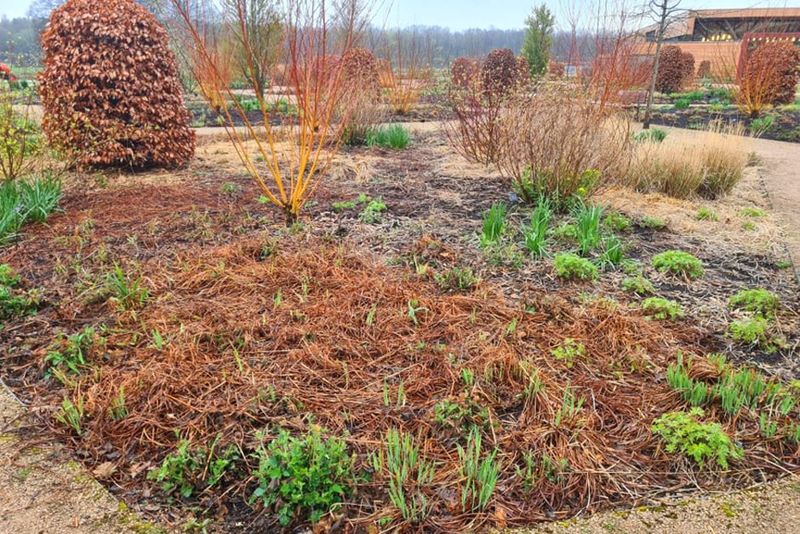
Chop and drop is the epitome of simplicity in sustainable gardening. By cutting down plants and letting them decompose in place, you’re mimicking natural processes.
Old methods of clearing away debris are replaced by this hands-off approach. As plants break down, they enrich the soil and support the ecosystem.
Did you know this method is a staple in permaculture practices? By letting nature do the recycling, you’re reducing waste and promoting a healthy garden. It’s simplicity that yields complex rewards.
14. Rock Dust Revival
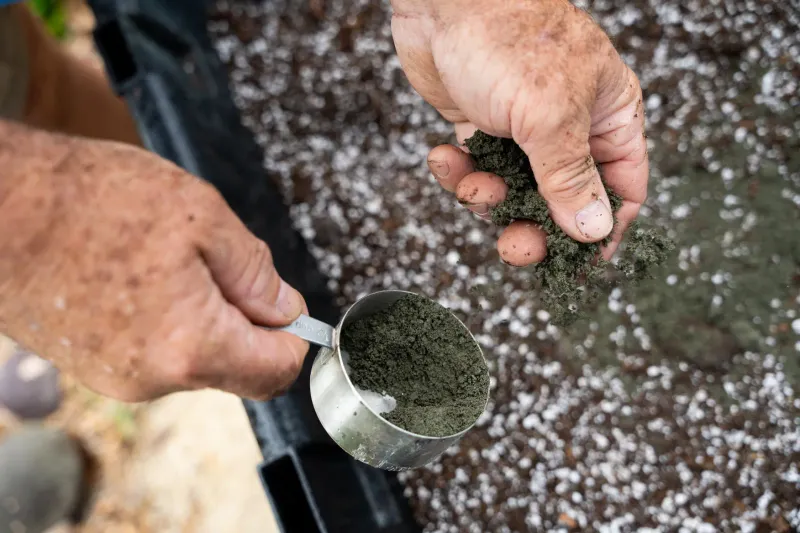
Rock dust brings a mineral boost to your garden that synthetic fertilizers can’t match. It’s like giving your soil a vitamin dose, replenishing essential minerals gradually.
Modern gardeners are rediscovering this ancient technique for its ability to enhance soil fertility and plant health. Rock dust supports microbial life, creating a thriving underground community.
Imagine a garden with vibrant, nutrient-dense produce. By incorporating rock dust, you’re tapping into a natural resource with a rich historical legacy. It’s a revival of what nature intended.
15. Soil Solarization
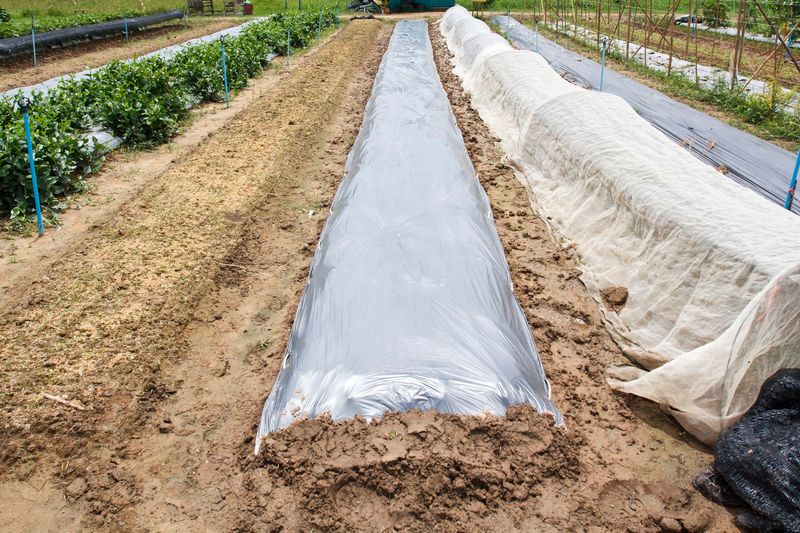
Harness the sun’s power to rejuvenate your soil through solarization. By covering soil with clear plastic, you trap heat, killing pests and pathogens naturally.
This method is a sustainable alternative to chemical treatments, offering a safe way to prepare soil for planting. Solarization also controls weeds and improves soil texture.
Did you know this technique is especially effective in warm climates? Embrace the sun’s energy for a garden that’s both healthy and productive. It’s a natural reset for your soil’s vitality.
16. Living Soil Approach
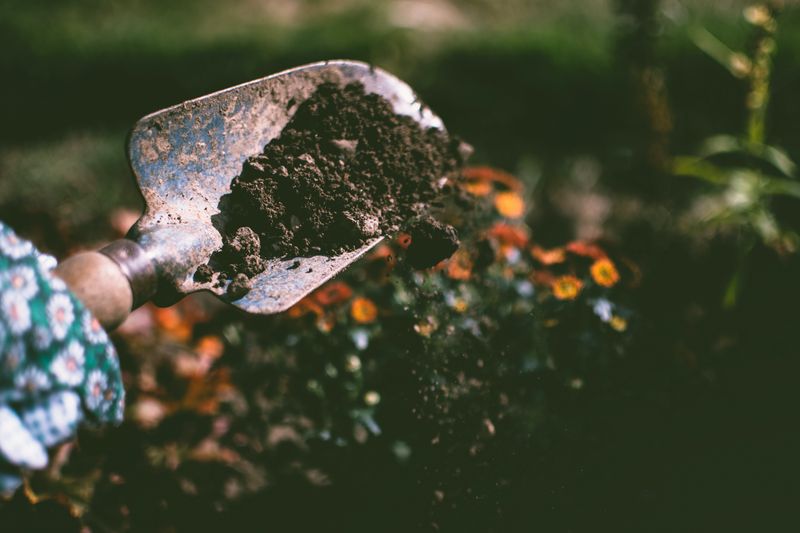
Transform your garden by fostering living soil. This approach emphasizes nurturing the soil ecosystem, moving away from sterile, lifeless dirt.
By incorporating organic matter and supporting beneficial organisms, you’re creating a self-sustaining environment. Living soil enhances nutrient cycling and plant health.
Did you know this approach can reduce the need for fertilizers and pesticides? It’s about harmony between plant and soil life, leading to more resilient gardens. Let your soil teem with vitality and watch your garden flourish.