 Complete Gardening
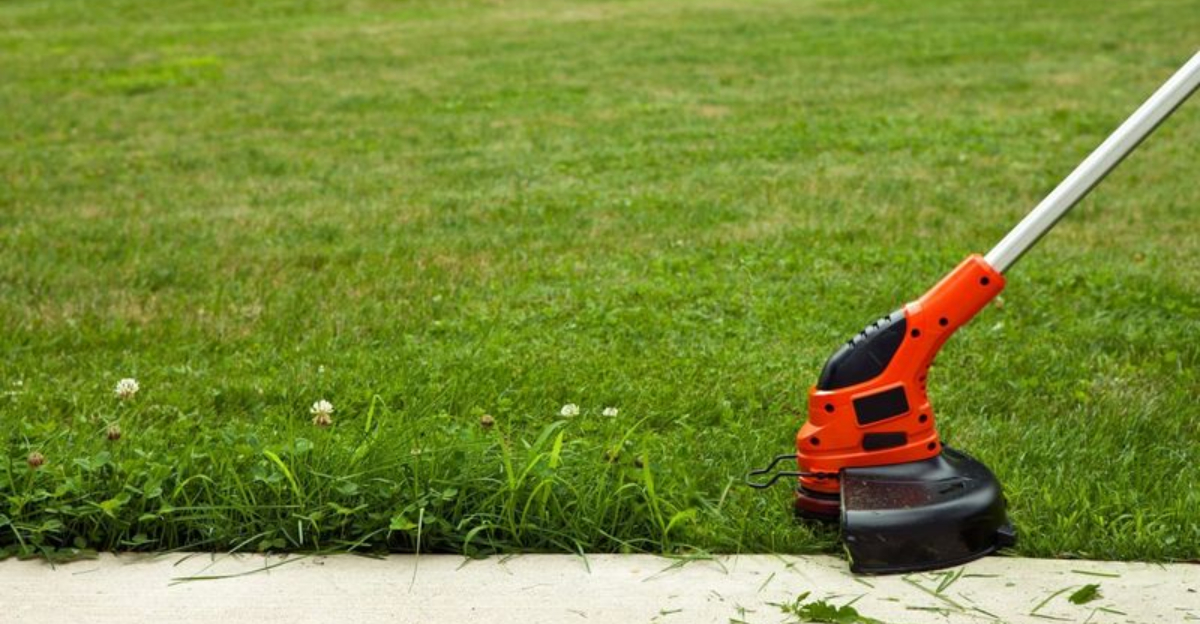
Maintaining a beautiful lawn requires not just dedication but also the right set of tools. For every homeowner, ensuring their outdoor space is pristine and inviting involves investing in quality equipment. Here are 16 indispensable lawn tools that every homeowner should consider owning, each contributing uniquely to lawn care tasks.
1. Lawn Mower
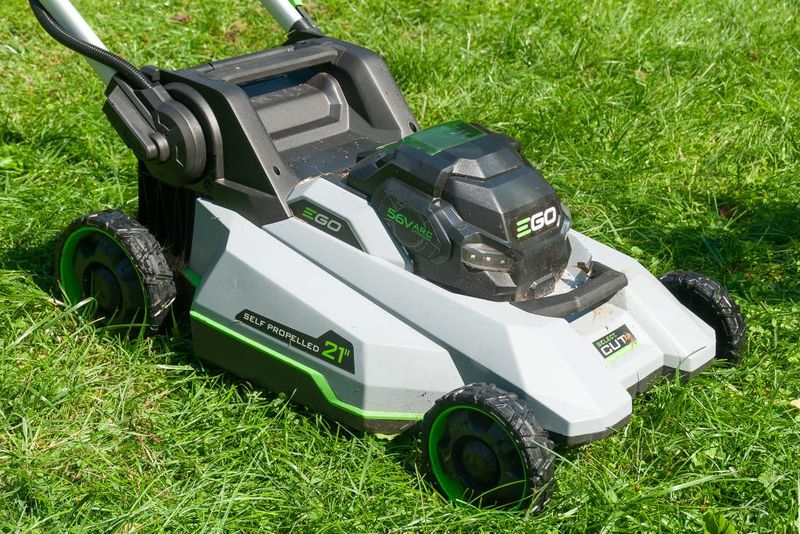
The lawn mower is the cornerstone of any lawn care toolkit. Its primary function is to ensure your grass remains at a manageable height, promoting healthy growth and a neat appearance. Whether you own a small patch or sprawling grounds, choosing the right mower can make all the difference.
Consider the size of your lawn and the mower’s power source. Electric mowers are ideal for smaller spaces, while gas-powered versions cater to larger areas. Remember, a well-maintained mower is key to achieving that perfect cut.
Fun fact: The first lawn mower was invented in 1830 by Edwin Beard Budding in England.
2. String Trimmer
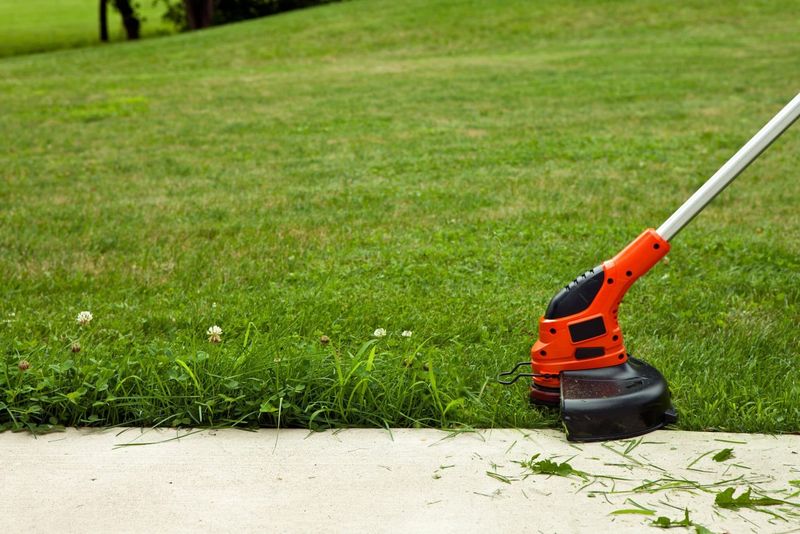
When it comes to tackling those hard-to-reach spots, the string trimmer is indispensable. This versatile tool, often referred to as a weed eater, effortlessly tidies up edges and borders where mowers can’t reach. It’s perfect for trimming around trees, garden beds, and fences.
There are electric, battery-powered, and gas versions, each suited for different needs. Battery-powered trimmers offer mobility without the hassle of cords or fuel.
Did you know? The string trimmer was invented by George Ballas in 1971, inspired by the spinning action of car wash brushes.
3. Leaf Blower
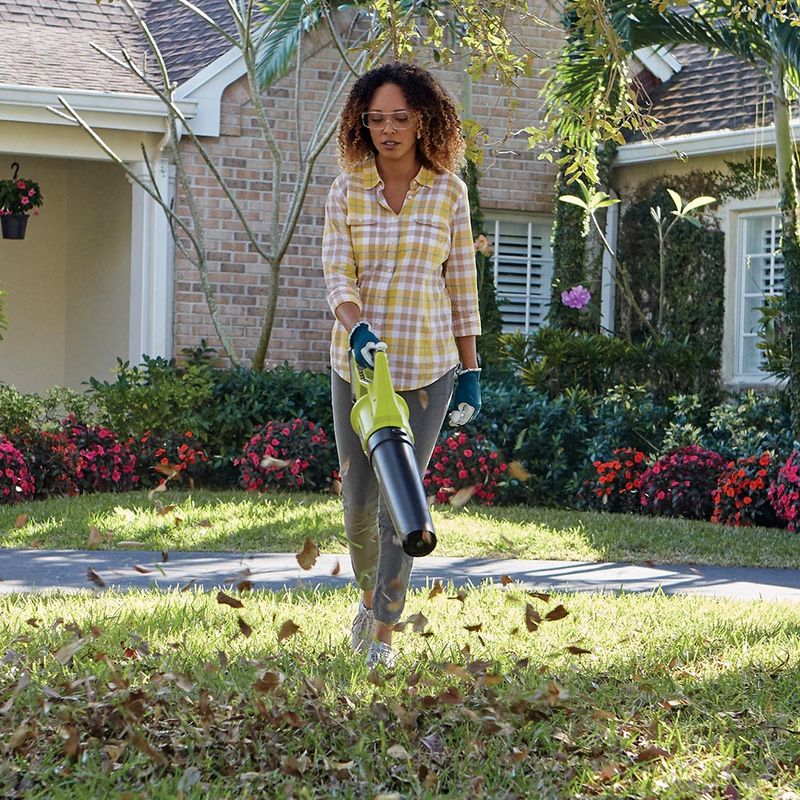
With autumn comes the beauty of falling leaves, but also the challenge of keeping your lawn tidy. A leaf blower makes this task effortless, quickly clearing leaves and debris without the back-breaking work of raking.
Choose between handheld, backpack, or walk-behind models, depending on your yard size. Battery-powered options provide quiet and eco-friendly operation.
Fun fact: The leaf blower was originally invented in Japan as an agricultural sprayer, only later adapted for leaf removal.
4. Garden Rake
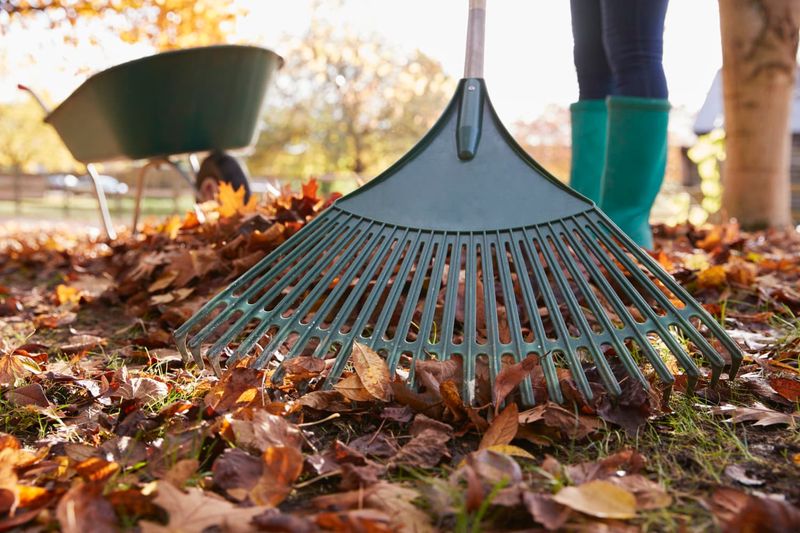
A garden rake is a must-have for collecting leaves, grass clippings, and debris. Its wide head and sturdy tines make it ideal for leveling soil or spreading mulch. It’s also useful for grooming gravel paths or driveways.
Opt for a rake with adjustable tines to handle various tasks effortlessly. While lightweight models suit leaf collection, heavier rakes tackle tougher jobs like soil preparation.
Fun fact: Rakes have been used since medieval times, primarily for haymaking and later adapted for garden use.
5. Pruning Shears
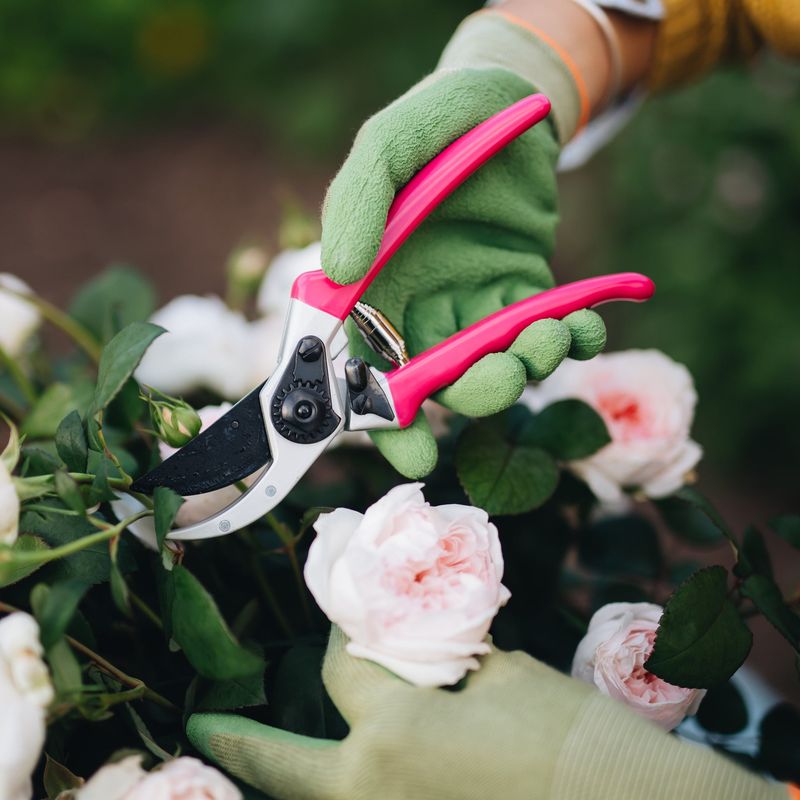
Pruning shears are essential for maintaining the health and aesthetics of your garden plants. These sharp, scissor-like tools make it easy to trim small branches, stems, and flowers, encouraging healthy growth and preventing disease.
Select a pair with ergonomic handles to reduce hand fatigue during extensive pruning sessions. High-quality steel blades ensure clean cuts, minimizing damage to plants.
Did you know? The first design of pruning shears was inspired by sheep shearing tools and has evolved significantly since its invention in the 18th century.
6. Garden Hose
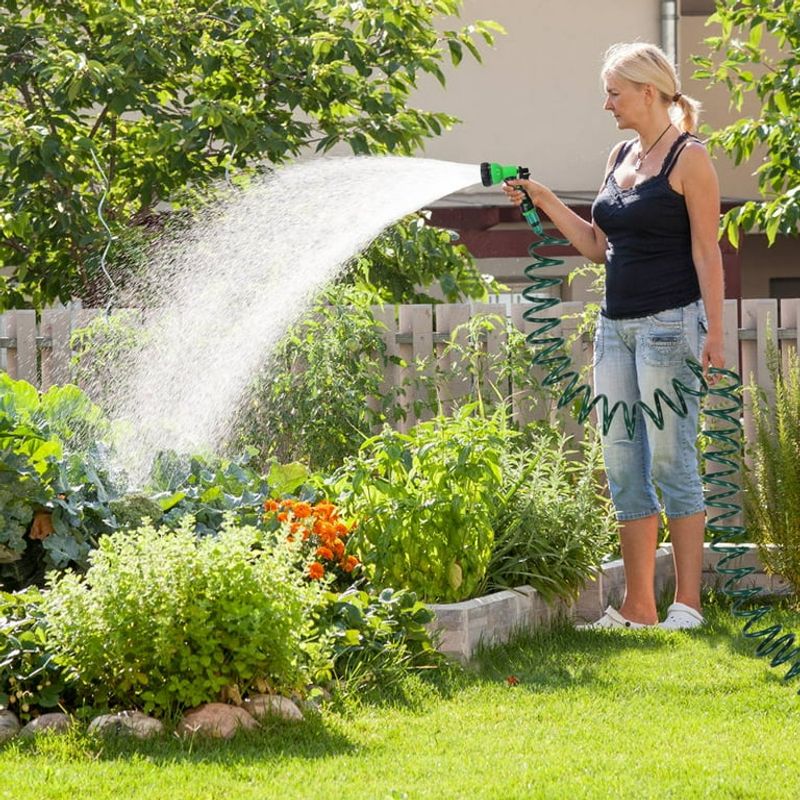
A reliable garden hose is vital for watering your lawn, garden, and outdoor cleaning tasks. Available in various lengths and materials, hoses ensure efficient water delivery.
Look for a hose with a sturdy, kink-resistant design and a durable nozzle to adjust the water flow easily. Proper storage and maintenance extend its lifespan considerably.
Fun fact: The modern garden hose was patented in 1868 by Joseph H. Smith, revolutionizing garden care by providing a flexible alternative to watering cans.
7. Wheelbarrow
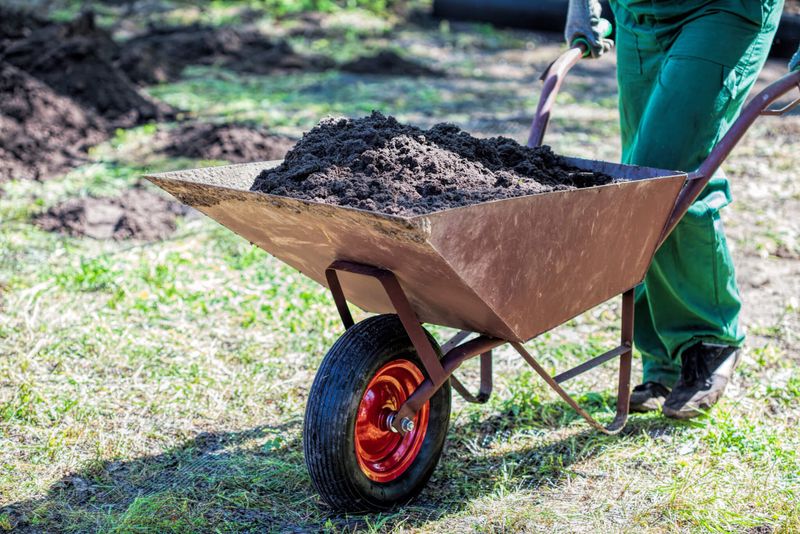
Transporting heavy loads has never been easier, thanks to the wheelbarrow. This indispensable tool is perfect for moving soil, compost, plants, and garden debris around your property. Its design, featuring one or two wheels, offers stability and ease of use.
A wheelbarrow with a steel or poly tray is ideal for durability. Consider a model with pneumatic tires for smoother maneuvering over rough terrain.
Did you know? The wheelbarrow’s invention dates back to ancient Greece, aiding construction and agriculture tasks with its simple yet effective design.
8. Garden Trowel
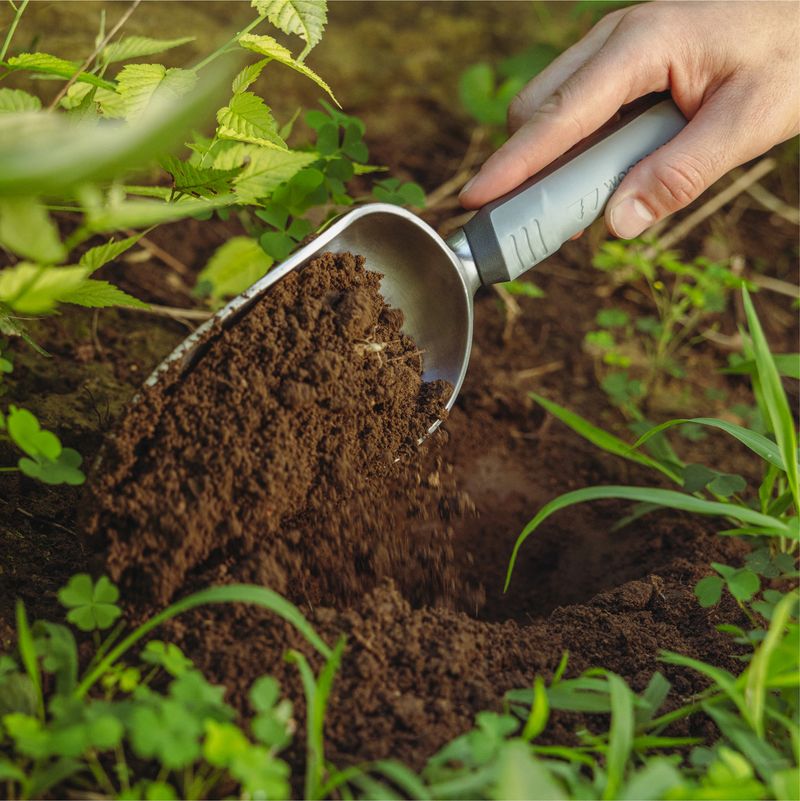
The garden trowel is a compact and versatile hand tool, perfect for digging small holes, transplanting seedlings, and removing weeds. Its ergonomic design makes it a gardener’s favorite for precision work.
Look for a trowel with a comfortable grip and a sturdy, rust-resistant blade. This tool’s durability ensures it withstands the demands of daily gardening tasks.
Fun fact: Trowels have been used since ancient times, with early versions made from wood or bone, evolving to modern metal designs we use today.
9. Hedge Trimmer
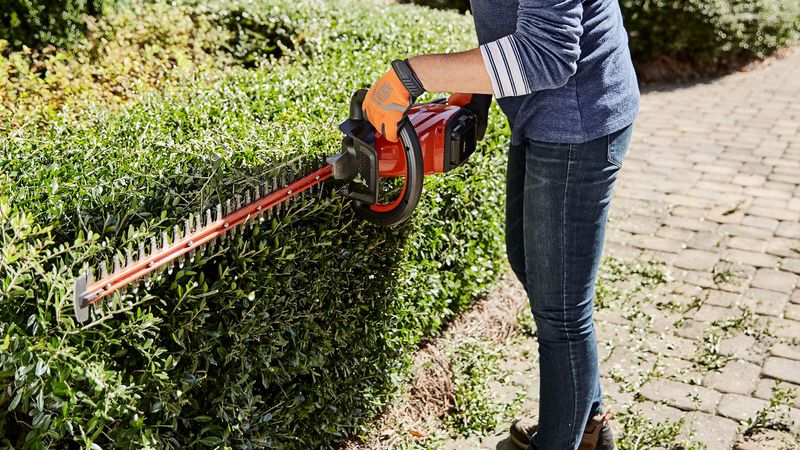
Hedges add beauty and structure to landscapes, and a hedge trimmer keeps them looking their best. This tool allows for precise cutting, shaping shrubs and hedges into tidy forms effortlessly.
Choose between electric, battery, or gas-powered models, each catering to different needs and hedge sizes. Safety features like blade guards enhance user protection.
Did you know? Hedge trimming dates back to Roman gardens, where neatly trimmed hedges symbolized order and control over nature.
10. Spading Fork
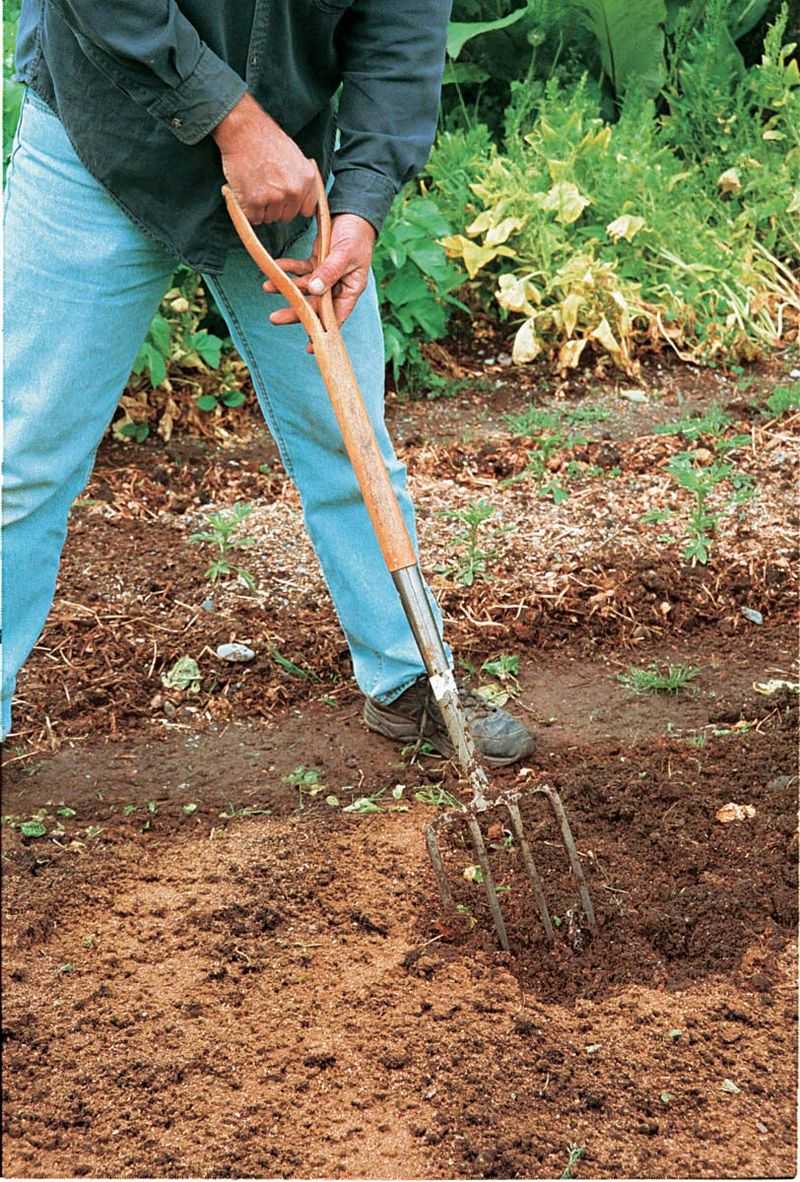
The spading fork, also known as a digging fork, is essential for breaking up soil, turning compost, and aerating lawns. Its strong, flat tines penetrate the soil with ease, making it a must-have for serious gardeners.
Opt for a fork with a comfortable handle and tines made of durable steel for long-lasting performance. This tool’s versatility extends to harvesting root crops as well.
Fun fact: The spading fork originates from medieval agriculture, where it was a primary tool for tilling the land.
11. Garden Gloves
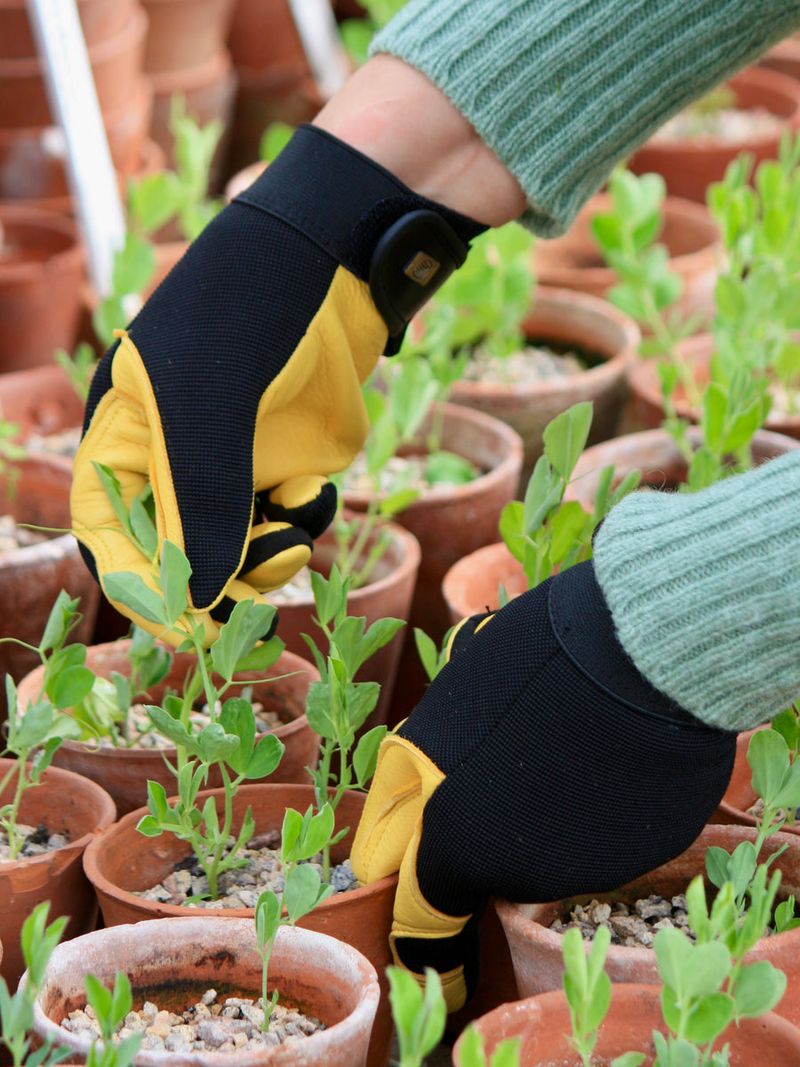
Garden gloves protect hands from blisters, cuts, and dirt, making them an essential accessory for any gardener. They come in a range of materials, from leather to rubber, each offering unique protection and comfort.
Select gloves that fit well and offer the right balance of flexibility and sturdiness for your gardening activities. Some feature reinforced fingertips for added durability.
Did you know? The use of garden gloves dates back to the 18th century, providing gardeners with both protection and a sense of elegance while tending to their plants.
12. Lawn Aerator
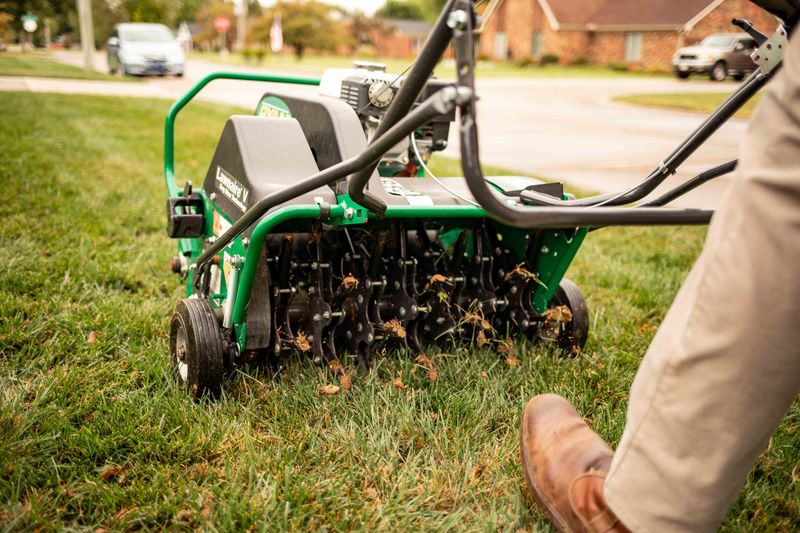
To maintain a healthy lawn, proper aeration is crucial. A lawn aerator helps introduce air, water, and nutrients to the soil, promoting robust grass growth. This tool comes in manual, electric, and gas-powered versions, each suited to different lawn sizes and types.
Regular aeration reduces soil compaction and enhances root development, resulting in a vibrant, resilient lawn. Consider a spike or plug aerator depending on your specific needs.
Fun fact: Lawn aeration mimics natural processes, similar to how earthworms aerate soil through their burrowing activities.
13. Soil Tester
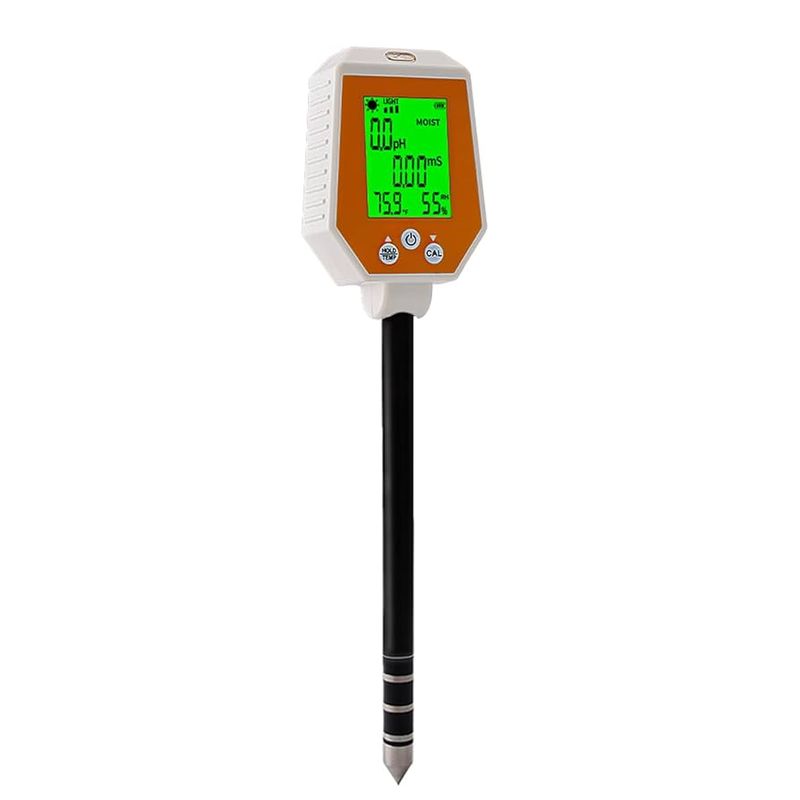
Understanding soil conditions is key to successful gardening, and a soil tester provides valuable insights. This device measures pH levels, moisture, and sunlight exposure, helping gardeners make informed decisions about fertilization and plant selection.
Choose a digital soil tester for accurate and easy-to-read results. This tool empowers you to optimize conditions for your plants’ health and productivity.
Did you know? The concept of soil testing dates back to the early 20th century, evolving with advances in agricultural science and technology.
14. Edging Tool
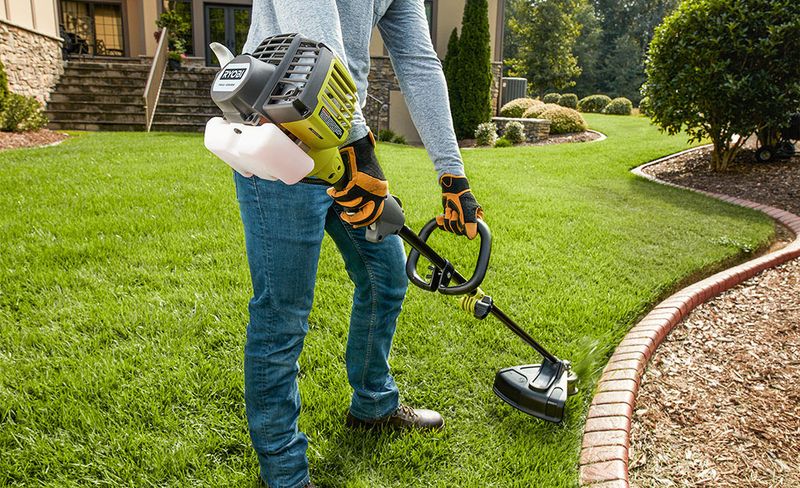
For a polished and professional look, the edging tool is indispensable. This tool creates crisp lines between lawn and flower beds, preventing grass from encroaching into garden areas.
Manual and electric models are available, each offering precise control for various terrains. A well-edged lawn enhances curb appeal and overall landscape aesthetics.
Fun fact: The art of garden edging has its roots in formal European gardens, where symmetry and clean lines were highly prized.
15. Garden Hoe
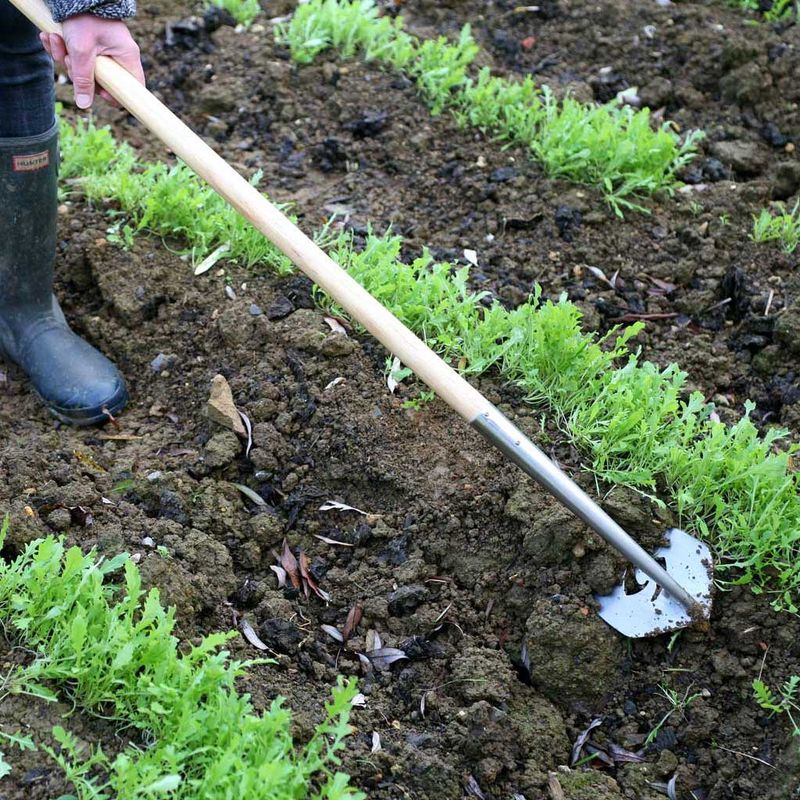
To fight weeds and cultivate soil, the garden hoe is your best friend. Its sharp blade easily cuts through soil and roots, making it invaluable for preparing garden beds and maintaining plant health.
Select a hoe suited to your garden’s needs, whether it’s for vegetable patches or flower beds. A well-balanced hoe minimizes strain and maximizes efficiency.
Did you know? The hoe has been an agricultural staple since antiquity, with designs adapted over centuries to enhance utility and ease of use.
16. Sprinkler System
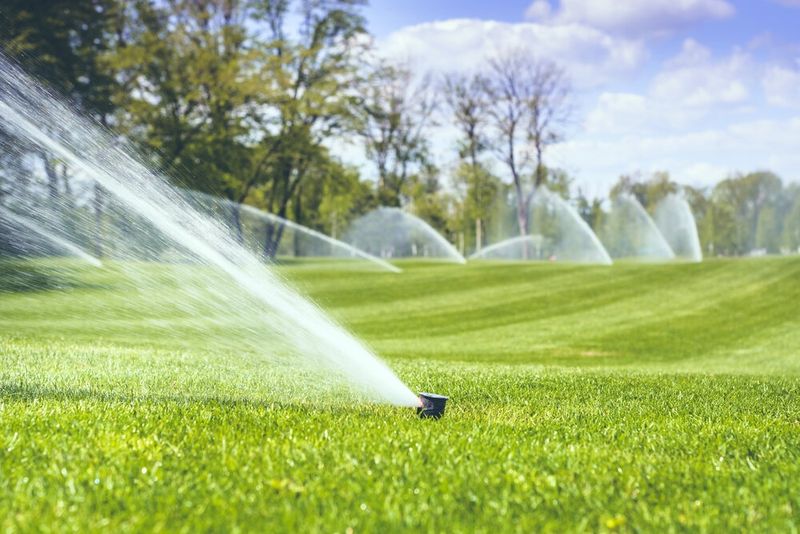
Efficient watering is key to a thriving lawn, and a sprinkler system provides consistent moisture without manual effort. There are fixed, oscillating, and rotary models to suit different lawn sizes and shapes.
Invest in an adjustable system to customize water distribution, ensuring all areas receive adequate hydration. This tool not only saves time but conserves water as well.
Fun fact: The first sprinkler system was invented in the late 19th century, revolutionizing lawn care with its automated watering capabilities.