 Complete Gardening
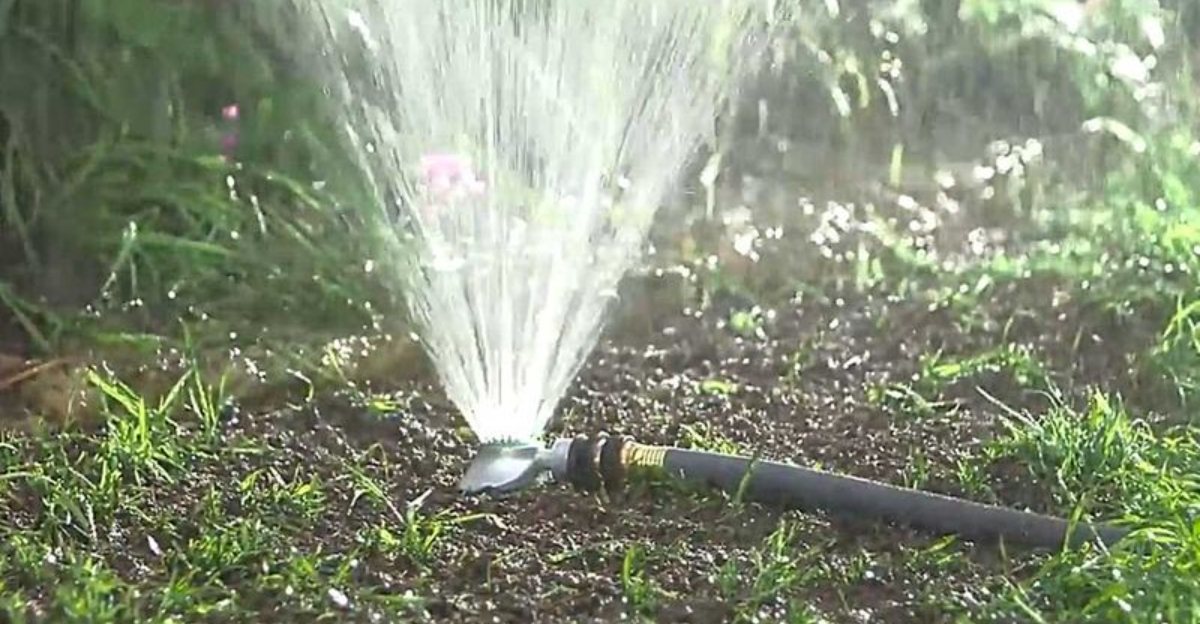
Homeowners in New Jersey often find themselves entangled in a web of lawn care myths that can lead to less than satisfactory results for their yards. These misconceptions, although widespread, can hinder the growth and health of your lawn rather than nurture it. Let’s uncover these myths and get on the right track to a healthy, luscious lawn.
Myth 1: Watering at Night is Best
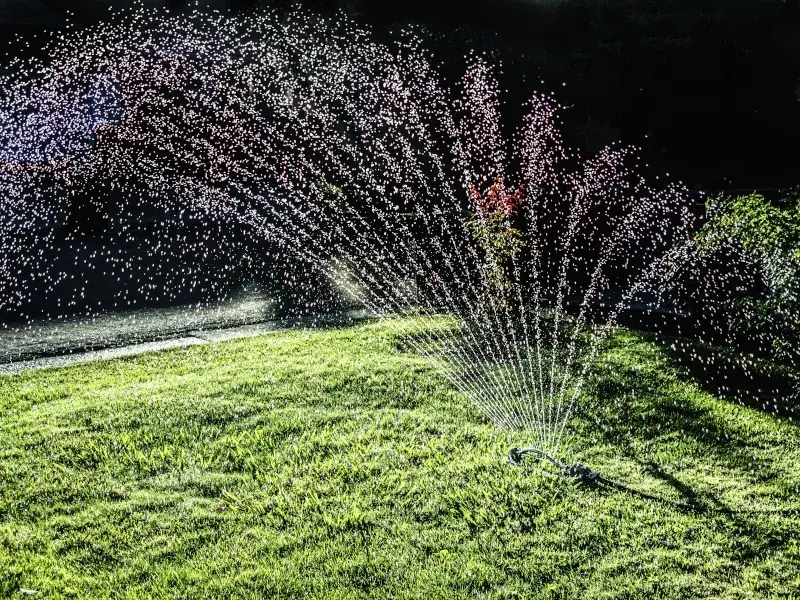
Watering your lawn at night might seem efficient, but it can actually lead to fungal growth. The moisture doesn’t evaporate quickly, creating a perfect environment for fungus.
Morning watering allows the sun to dry the grass, reducing the risk of disease. This practice is especially important in New Jersey’s humid climate.
Switch your routine to early mornings to ensure a healthier, more vibrant lawn.
Myth 2: Shorter Grass Means Less Mowing

Keeping your grass too short might seem like a time-saver, but it stresses the grass, making it vulnerable to weeds and pests.
Longer grass shades the soil, retaining moisture better and reducing weed growth. In New Jersey, letting your lawn grow a bit longer is beneficial.
Adjusting your mower to a higher setting can lead to a healthier, more robust lawn.
Myth 3: Fertilizer Fixes All Problems
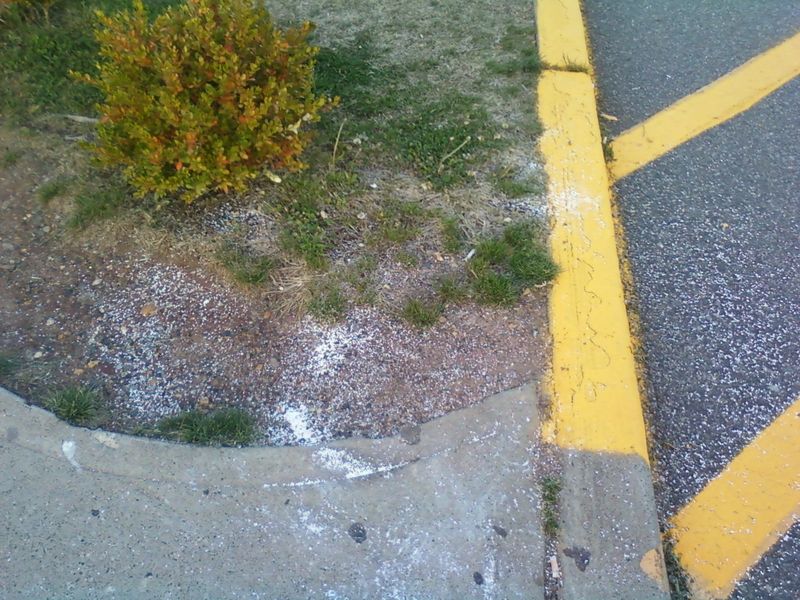
Fertilizer is not a cure-all for lawn woes. Over-reliance can damage your lawn, burning the grass and polluting local waterways.
Balanced soil, proper mowing, and watering routines are key to health. New Jersey’s unique soil composition requires specific care.
Understanding what your lawn truly needs will prevent unnecessary fertilizer use and promote sustainability.
Myth 4: Dethatching Every Spring
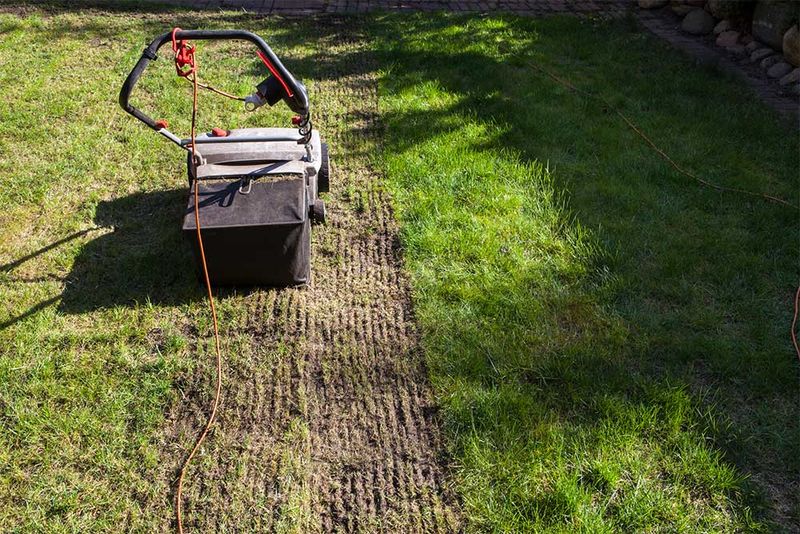
While dethatching can help, doing it annually is not always necessary. Excessive dethatching can harm your lawn’s root system.
Evaluate your lawn’s thatch layer before deciding. In New Jersey, this organic layer can protect roots from temperature extremes.
Consider dethatching only when the layer exceeds half an inch to maintain balance.
Myth 5: Grass Needs Daily Watering
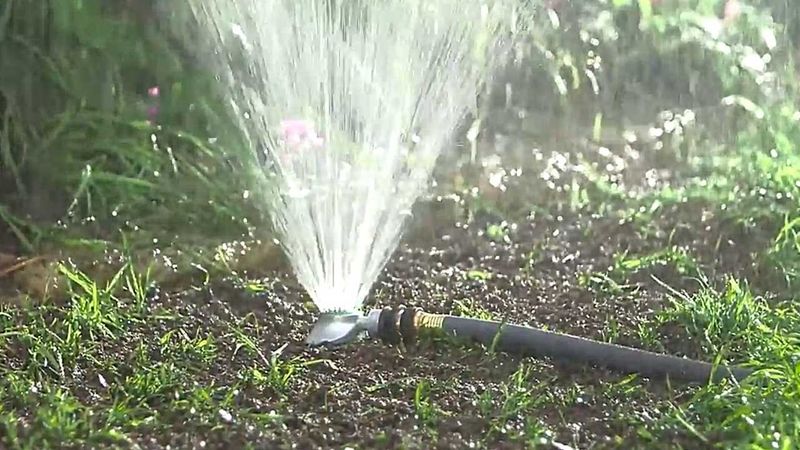
Contrary to popular belief, lawns do not require daily watering. This practice can lead to shallow root systems and water waste.
Lawns in New Jersey benefit from deep, infrequent watering, promoting deep root growth. This approach conserves water and is eco-friendly.
Adjust your watering schedule to twice a week for optimal results.
Myth 6: All Grass Types Thrive Everywhere

Not all grass types are suited for New Jersey’s climate. Choosing the wrong type can lead to a patchy, uneven lawn.
Select grass varieties that are resilient to local conditions, such as fine fescues and Kentucky bluegrass.
Researching and investing in the right grass type will save time and enhance yard appearance.
Myth 7: Pest Control Works Instantly
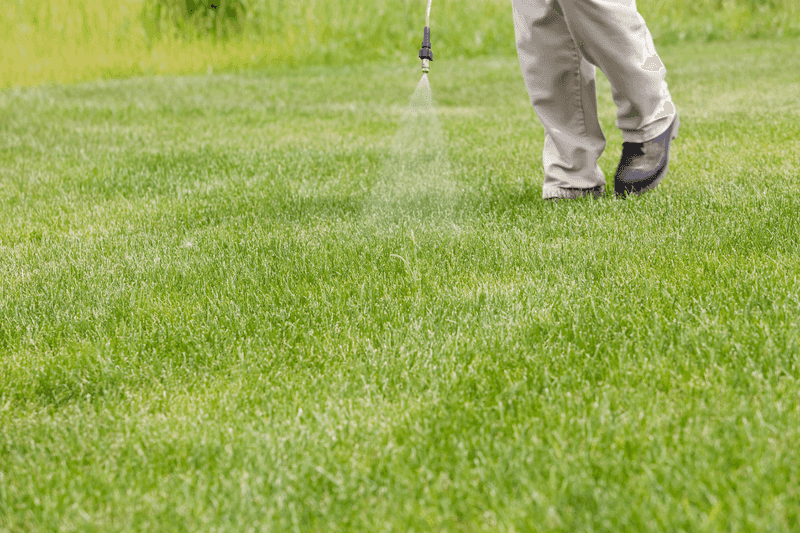
Pest control products require time to work effectively. Immediate results are unrealistic, and impatience can lead to over-application.
In New Jersey, understanding pest life cycles and applying treatments accordingly ensures better outcomes.
Allow time for the products to take effect before reapplying to avoid damaging your lawn.
Myth 8: Lime Is Always Necessary
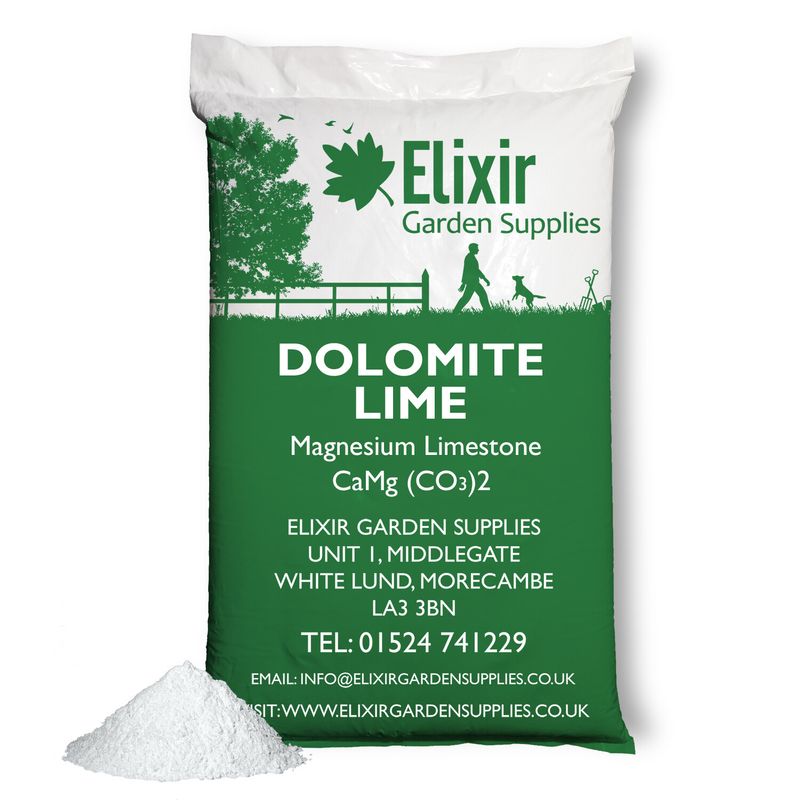
Applying lime without knowing your soil’s pH can do more harm than good. New Jersey soils vary widely and don’t always need lime.
Test your soil before adding lime. Adjusting pH based on real data prevents nutrient lockout and promotes healthy growth.
Lime should only be used when pH levels indicate a need, ensuring balanced soil conditions.
Myth 9: Shade-Tolerant Grass Needs No Sun
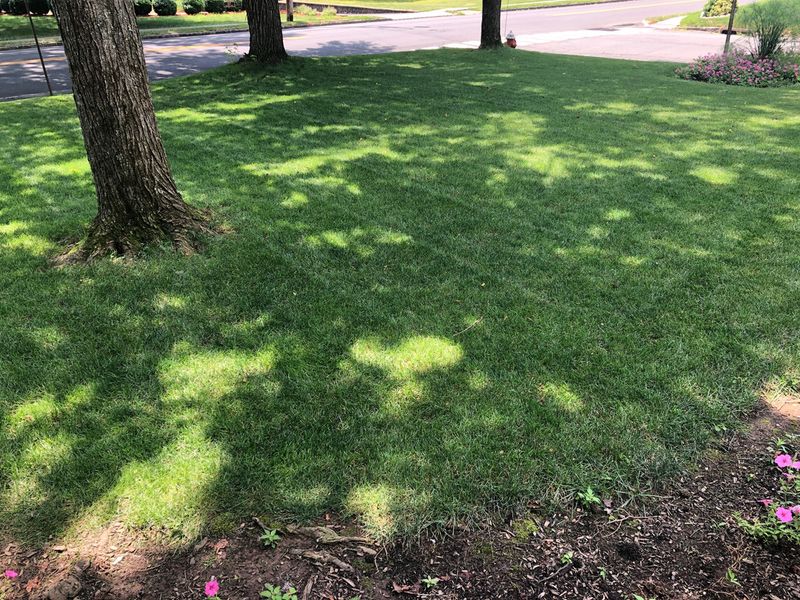
Shade-tolerant doesn’t mean no sunlight. Grass in shady areas still requires some daily sun to grow optimally.
Insufficient sunlight leads to thin, weak grass. In New Jersey, consider pruning trees to allow more light.
Balancing sun exposure with shade helps maintain a vibrant lawn even in less sunny spots.
Myth 10: More Seed Means Thicker Lawn
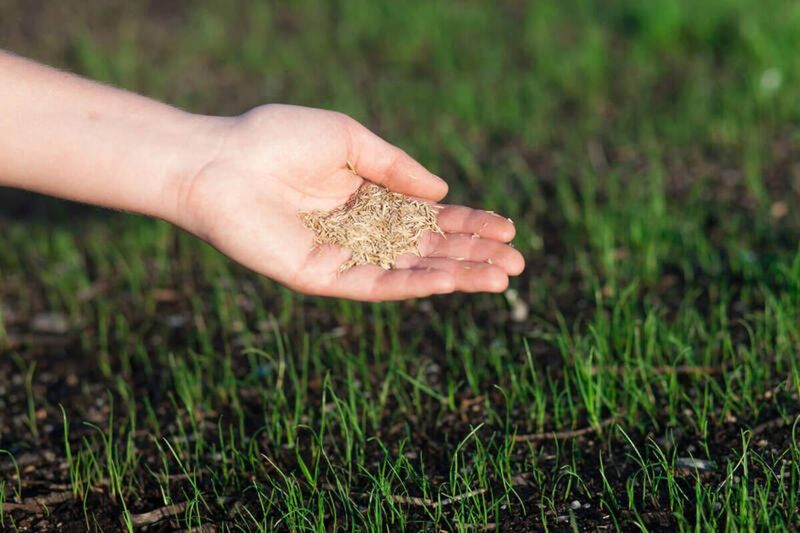
Overseeding may seem effective, but too much seed leads to competition among seedlings, resulting in a weaker lawn.
Proper seeding rates are crucial. New Jersey lawns benefit from precise overseeding tailored to local conditions.
Space out seeding efforts to give each blade the best chance to thrive.