
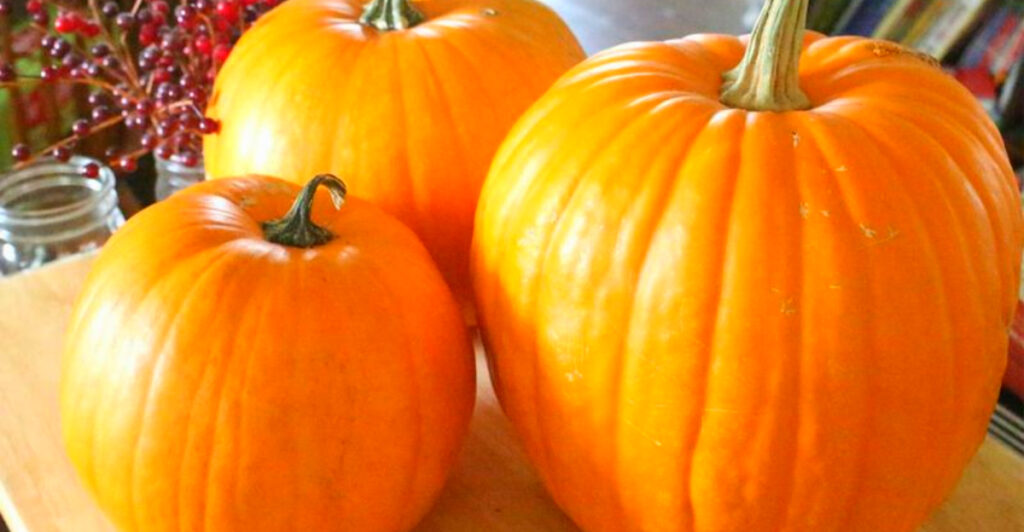
Growing pumpkins in Illinois during the fall presents unique challenges and opportunities. This guide offers tailored advice to help you succeed in cultivating vibrant pumpkins that thrive in the local climate.
1. Choosing the Right Pumpkin Variety
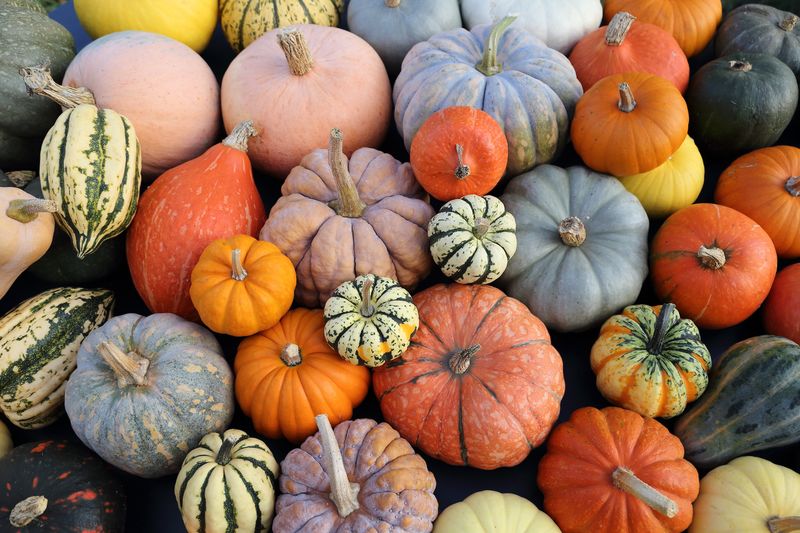
Selecting the ideal pumpkin variety is crucial for success in Illinois. Consider varieties like ‘Autumn Gold’ or ‘Spirit’, which are well-suited to the state’s climate. These types are not only hardy but also yield impressive harvests.
Before planting, research the growth habits and sizes of different varieties. Some pumpkins are better for carving, while others excel in cooking. Knowing your end goal will guide you in making the best choice.
Fun Fact: Pumpkin seeds dating back to 7000 B.C. have been found in Mexico, showcasing their long-standing agricultural significance.
2. Preparing the Soil
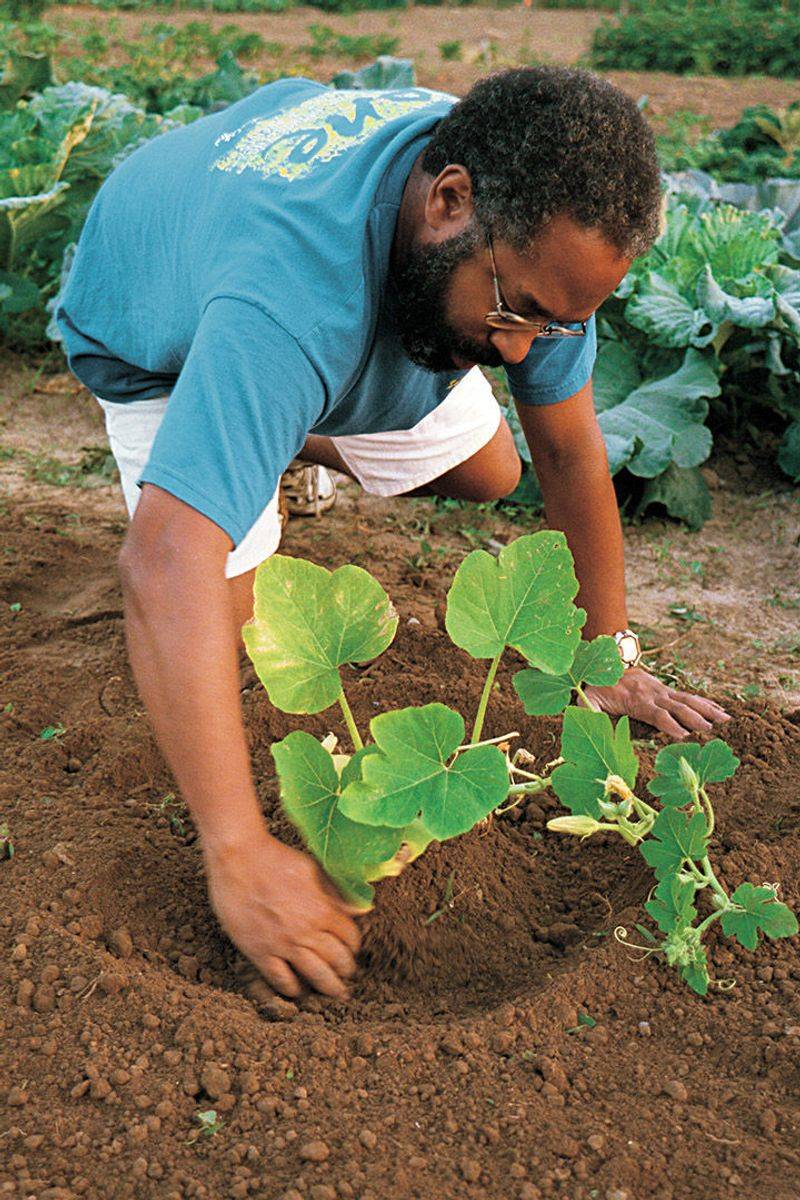
Healthy soil is the foundation of a bountiful pumpkin patch. Start by testing the soil’s pH level, aiming for a slightly acidic to neutral range around 6.0 to 7.0.
Incorporate organic matter such as compost or well-rotted manure to enrich the soil nutrients. This not only boosts growth but also improves soil texture.
Engage in regular soil maintenance to ensure its fertility is sustained throughout the growing season.
3. Optimal Planting Time
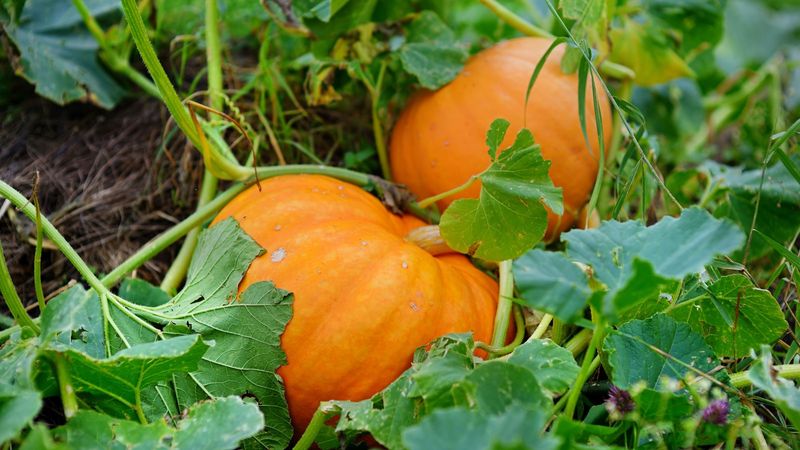
Timing is everything when it comes to planting pumpkins. In Illinois, aim to plant seeds in late May to early June, ensuring they have ample time to mature before the first frost.
Monitor weather forecasts closely to avoid unexpected cold snaps. A well-timed planting season can lead to a successful and bountiful harvest.
Remember, pumpkins need about 100 days to fully mature, so planning is key to avoid missing the prime growing window.
4. Watering Techniques
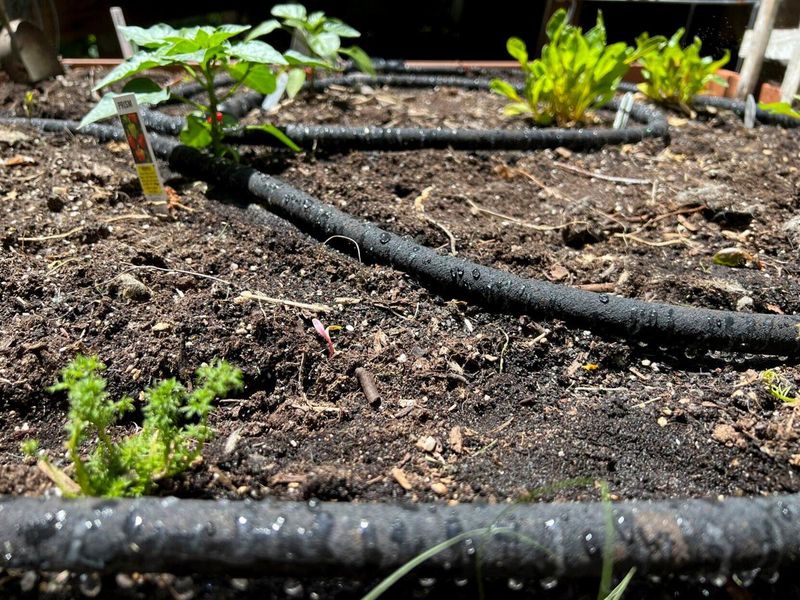
Proper hydration is essential for healthy pumpkin growth. Water the plants deeply once a week, providing one inch of water per session.
Ensure the water reaches the roots by watering at the soil level rather than overhead. This minimizes the risk of fungal diseases.
Consistent watering is crucial, particularly during fruit set and growth stages, to maintain vigorous plant development.
5. Dealing with Pests and Diseases
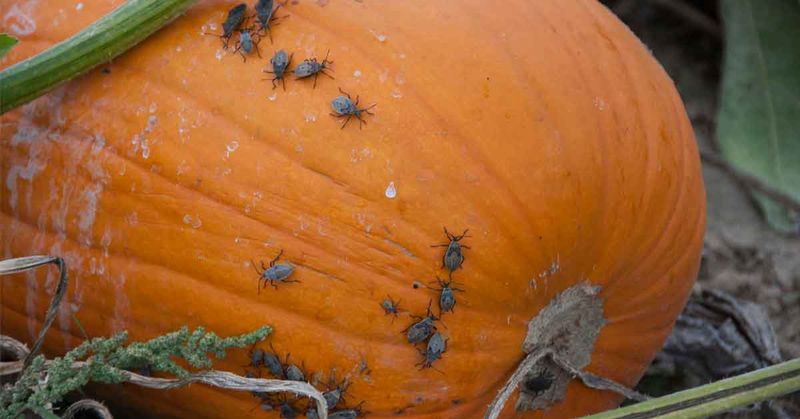
Vigilance is key in managing pests and diseases. Keep an eye out for common threats like squash bugs and powdery mildew.
Regularly inspect your plants and remove any affected leaves to prevent spread. Utilize organic pest control methods such as neem oil or insecticidal soap.
Maintaining plant health through proper spacing and airflow reduces the likelihood of infestations.
6. Harvesting Pumpkins
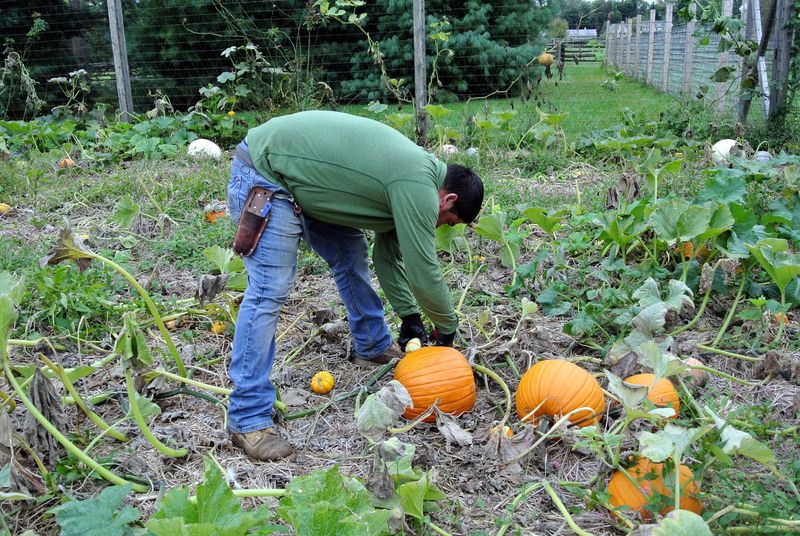
Harvest time is a joyful occasion, marking the culmination of your hard work. Pumpkins are ready to pick when they have a deep, uniform color and a hard rind.
Cut the pumpkin from the vine, leaving a few inches of stem attached to prolong shelf life. Handle pumpkins gently to avoid damage or bruising.
Fun Fact: A pumpkin’s stem is sometimes referred to as its “handle,” making it easier to carry after picking.
7. Storing and Preserving Pumpkins
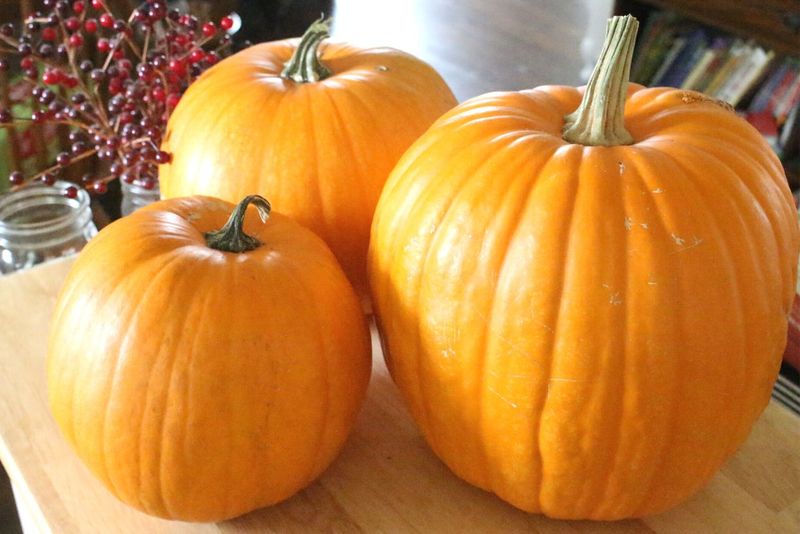
Proper storage extends the life of your pumpkins, allowing you to enjoy them well after harvest. Store pumpkins in a cool, dark, and dry place, such as a basement or cellar.
For long-term preservation, consider freezing pumpkin purée or canning pumpkin pie filling.
Did you know? Pumpkins were once recommended for removing freckles and curing snake bites by early American settlers.