 Complete Gardening
October brings cooler weather and shorter days, but your garden doesn’t have to take a break. This month offers fantastic opportunities to plant bulbs, vegetables, and flowers that will reward you with beautiful blooms and fresh harvests in the coming seasons. Whether you live in a cold northern state or a mild southern climate, there’s plenty you can grow right now to keep your garden thriving through fall and beyond.
1. Spring-Blooming Bulbs
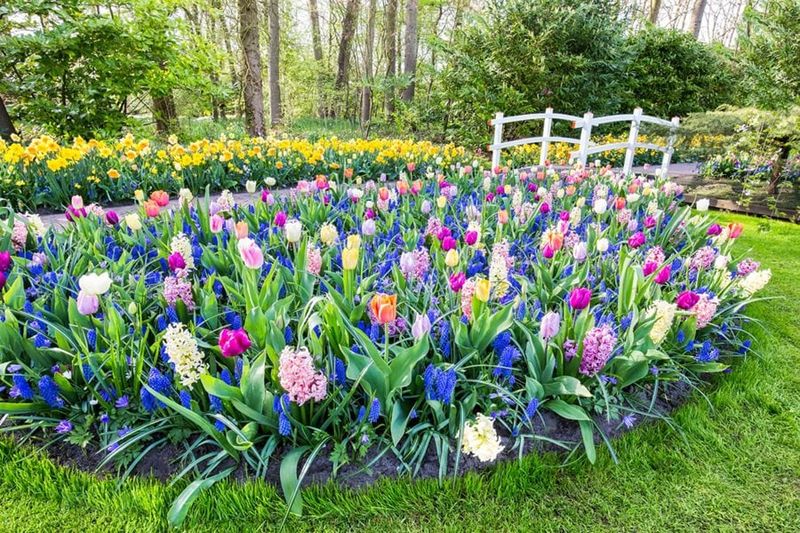
Planting bulbs now means you’re investing in a spectacular spring display months before it happens. Tulips, daffodils, crocuses, and hyacinths all need the cold winter period to develop properly, making October the perfect planting window.
Dig holes about three times deeper than the bulb’s height, drop them in with the pointed end facing up, and cover with soil. The magic happens underground during winter as roots establish themselves.
For continuous color, try planting different varieties that bloom at different times. Daffodils are especially rewarding because they multiply naturally and deer won’t touch them, giving you more flowers year after year.
2. Kale and Broccoli
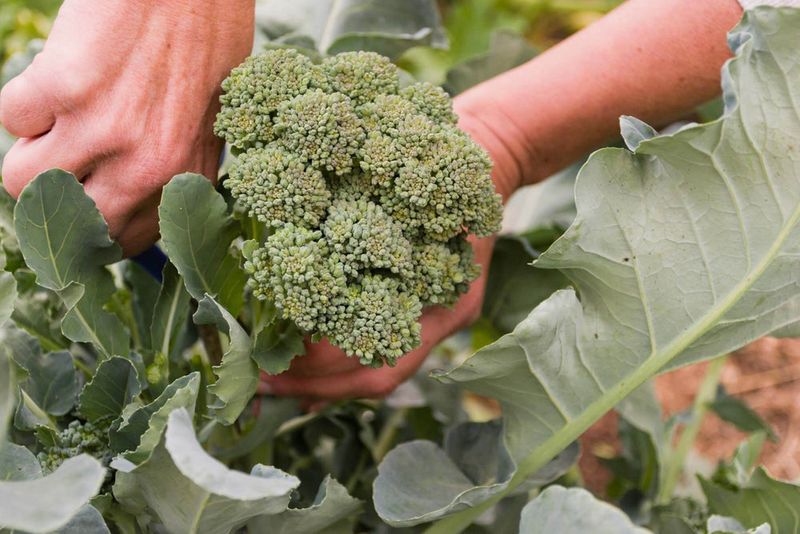
These cold-hardy vegetables actually taste better after a light frost touches their leaves, making October planting a smart choice. Kale and broccoli belong to the brassica family, known for thriving in cooler temperatures that would stress out summer crops.
Plant transplants or start from seed if your region has a longer growing season. Both vegetables mature relatively quickly and can handle temperatures well below freezing with proper mulching.
Harvest kale leaves from the outside of the plant, allowing the center to keep producing. Broccoli will give you a main head first, then smaller side shoots for weeks afterward, extending your harvest considerably.
3. Garlic Cloves
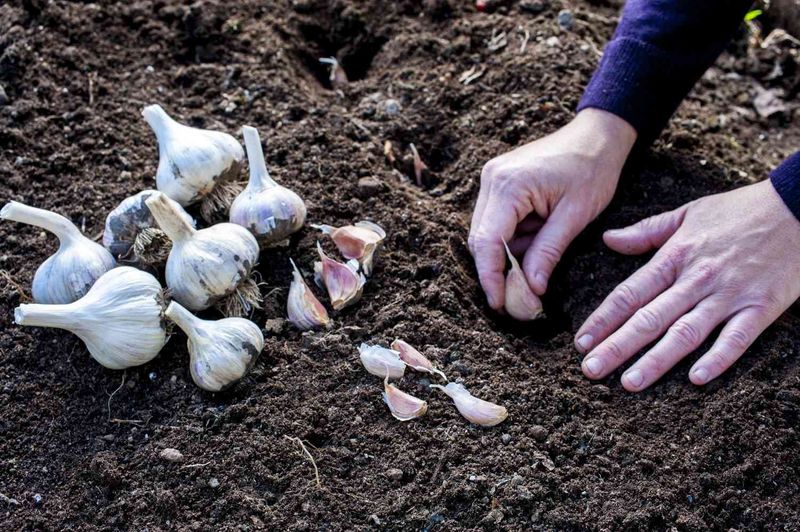
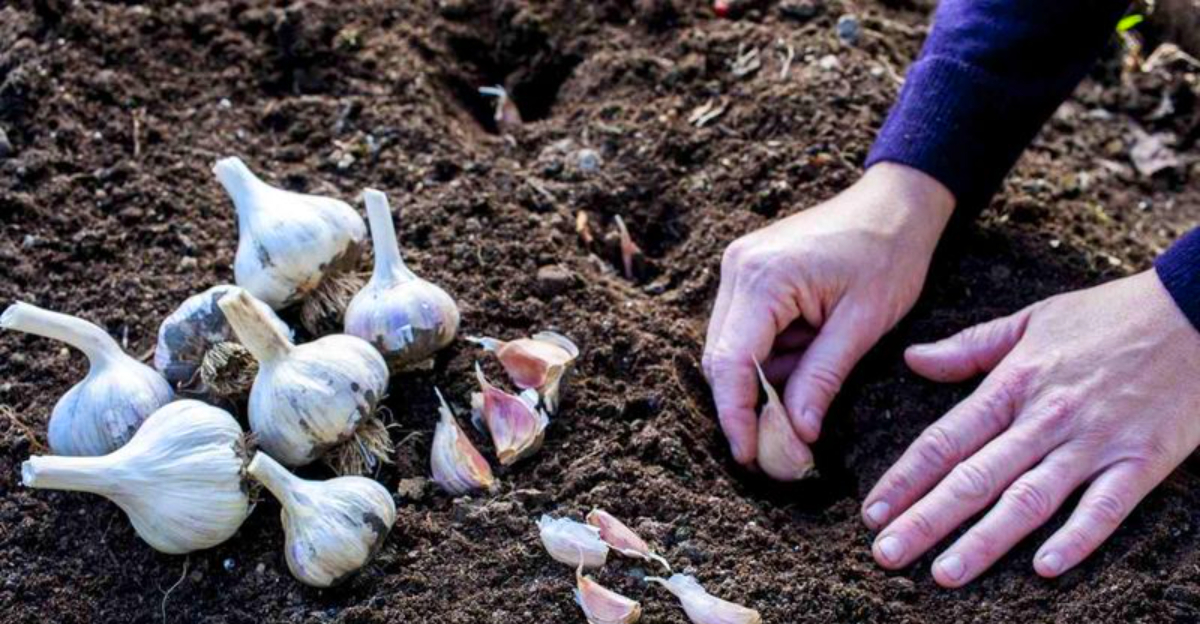
Fall is the best time to plant garlic, and October offers ideal conditions for establishing strong roots before winter arrives. Simply separate a garlic bulb into individual cloves and push them into well-drained soil about two inches deep, pointed side up.
Space them six inches apart to give each clove room to develop into a full bulb. Garlic requires minimal care once planted and will grow through winter, ready for harvest next summer.
Choose between hardneck varieties for cold climates or softneck types for milder regions. Your future self will thank you when you’re enjoying homegrown garlic in your kitchen!
4. Native Wildflower Seeds
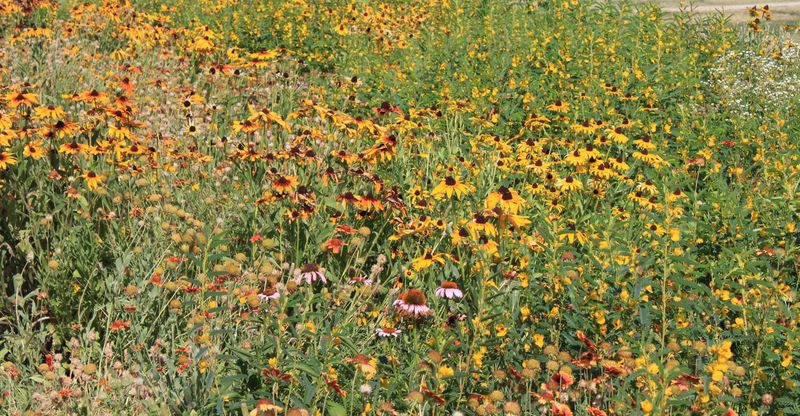
Did you know that many native wildflowers actually need to be planted in fall? Seeds sown in October go through a natural cold stratification process during winter, which breaks their dormancy and triggers germination in spring.
Black-eyed Susans, coneflowers, bee balm, and cardinal flowers all benefit from this fall planting strategy. Simply scatter seeds over prepared soil and lightly rake them in—nature handles the rest.
Native flowers support local pollinators like butterflies, bees, and hummingbirds while requiring far less maintenance than non-native ornamentals. They’re adapted to your region’s rainfall and soil, meaning less watering and fertilizing for you once established.
5. Lettuce and Salad Greens
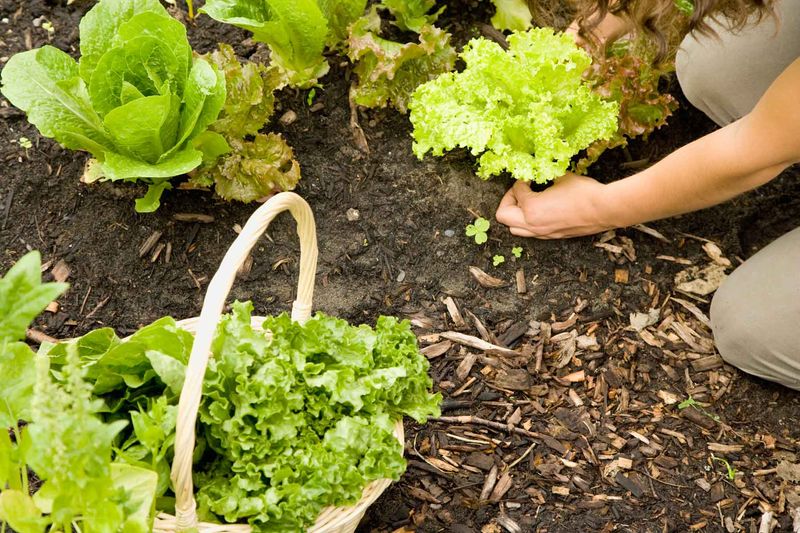
Crisp, fresh salads from your own garden in the middle of fall? Absolutely possible when you plant lettuce and other greens in October. These cool-season crops actually struggle in summer heat but flourish when temperatures drop.
Choose varieties like butterhead, romaine, arugula, and spinach for continuous harvests. Plant seeds directly in the garden or use transplants for quicker results.
In warmer regions, you can harvest through winter. Colder climates can extend the season with row covers or cold frames. Pick outer leaves as needed while letting the center keep growing, and you’ll have fresh greens for weeks without multiple plantings.
6. Raspberry and Blackberry Canes
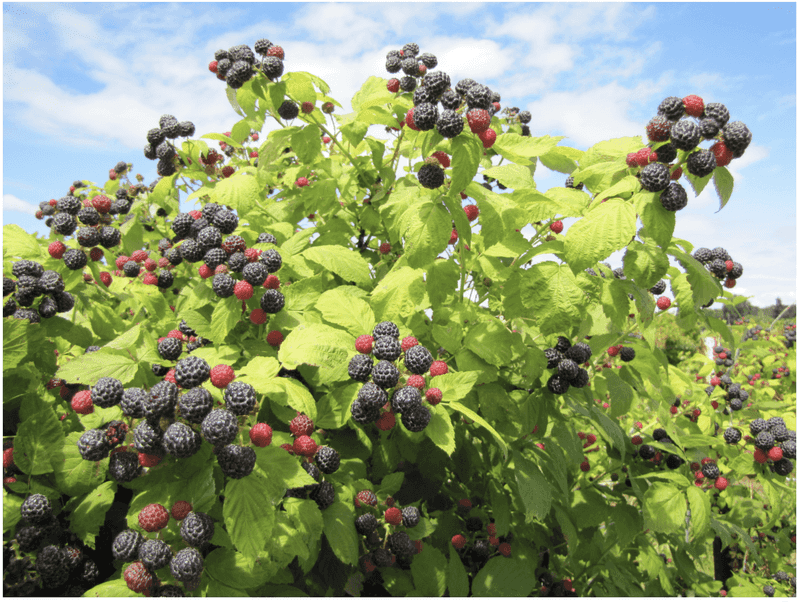
Autumn’s mild temperatures and regular rainfall create perfect conditions for establishing berry canes before winter dormancy sets in. Raspberries and blackberries planted now focus energy on root development rather than fruit production, giving you stronger plants next season.
Prepare a sunny spot with well-drained soil enriched with compost. Plant canes at the same depth they grew in the nursery, spacing them about two feet apart.
Water thoroughly after planting and add mulch to retain moisture and suppress weeds. While you won’t get berries until next year, the wait is worthwhile—homegrown raspberries and blackberries taste infinitely better than store-bought versions and keep producing for years.
7. Allium Bulbs
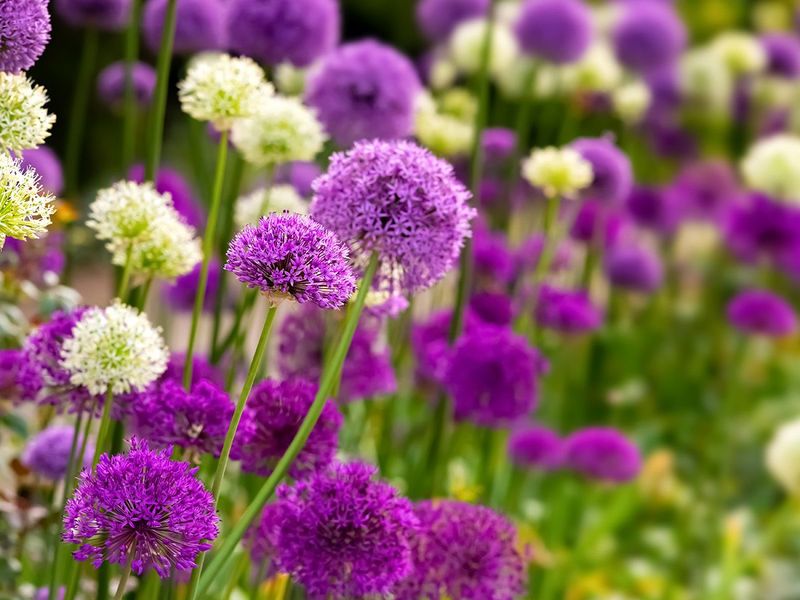
With their dramatic spherical blooms rising on tall stems, alliums add architectural interest that few other flowers can match. These ornamental onion relatives come in various sizes, from softball-sized globes to smaller varieties perfect for borders.
Plant bulbs in October at a depth roughly three times their height, in well-drained soil with full sun exposure. They’re remarkably low-maintenance and deer generally avoid them due to their oniony scent.
Alliums bloom in late spring to early summer, bridging the gap between spring bulbs and summer perennials. Their dried seed heads remain attractive long after flowering, adding texture to your garden through summer and providing visual interest even in winter landscapes.
8. Herbs for Cool Weather
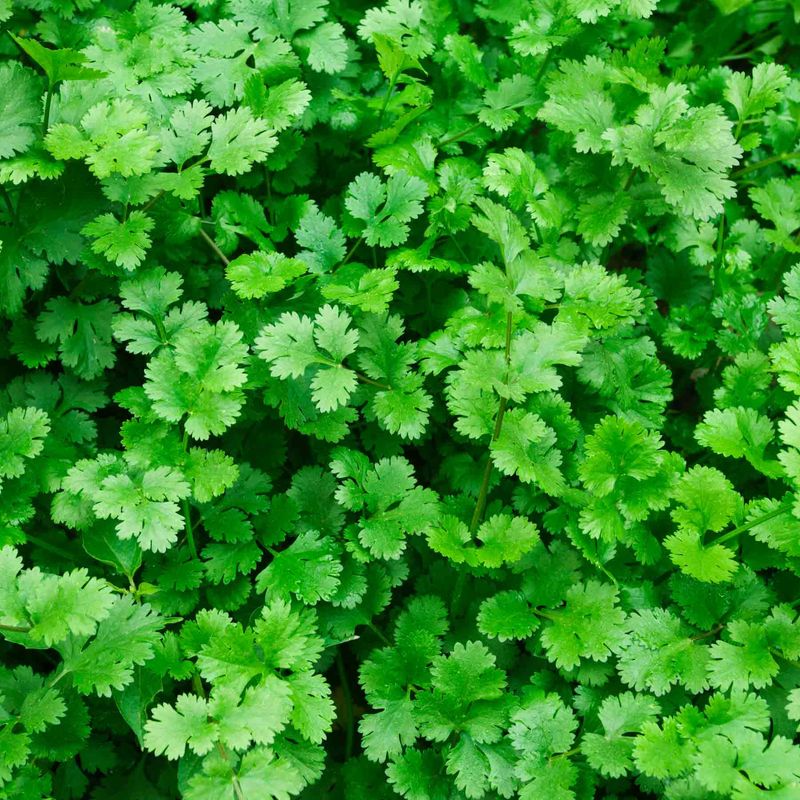
Not all herbs disappear when summer ends—cilantro and parsley actually prefer cooler temperatures and can be planted successfully in October. These herbs bolt quickly in summer heat but thrive when autumn brings relief from scorching temperatures.
Plant seeds directly in garden beds or containers that can be moved indoors before hard freezes arrive. Both herbs germinate readily in cool soil and grow steadily through fall.
Cilantro planted now won’t bolt to seed as quickly, giving you fresh leaves for weeks. Parsley is biennial and extremely cold-hardy, often surviving winter even in northern gardens. Keep a pot near your kitchen door for convenient snipping whenever recipes call for fresh herbs.
9. Peas for Fall Harvest
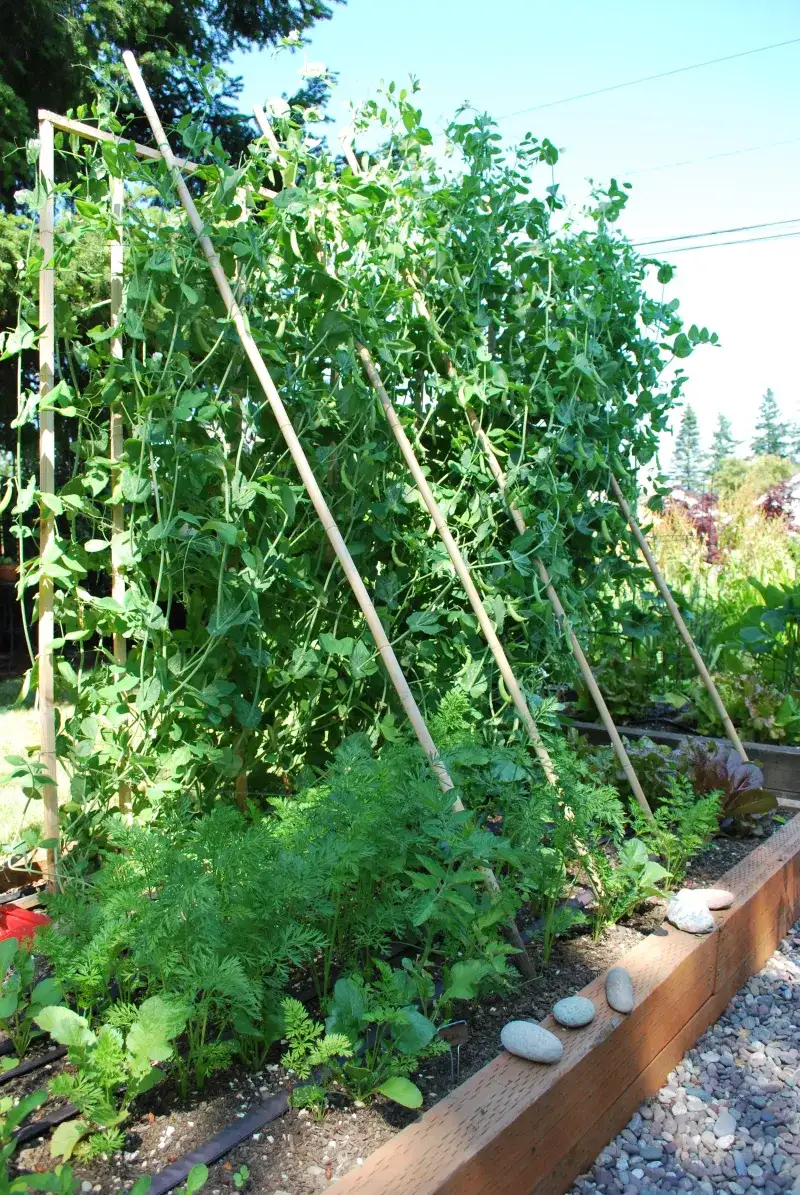
In warmer regions like zones 8 and 9, October is prime time for planting peas that will mature before winter truly settles in. Snow peas and sugar snap varieties handle cool weather beautifully and can even tolerate light frosts.
Sow seeds directly into garden soil about an inch deep and provide a trellis or support for vines to climb. Peas fix nitrogen in the soil, actually improving it for whatever you plant next.
Apply mulch around plants to protect roots if unexpected early frosts threaten your area. You’ll be harvesting sweet, crunchy pods in late fall or early winter, depending on your specific climate and variety chosen, bringing fresh vegetables to your table.
10. Shallots
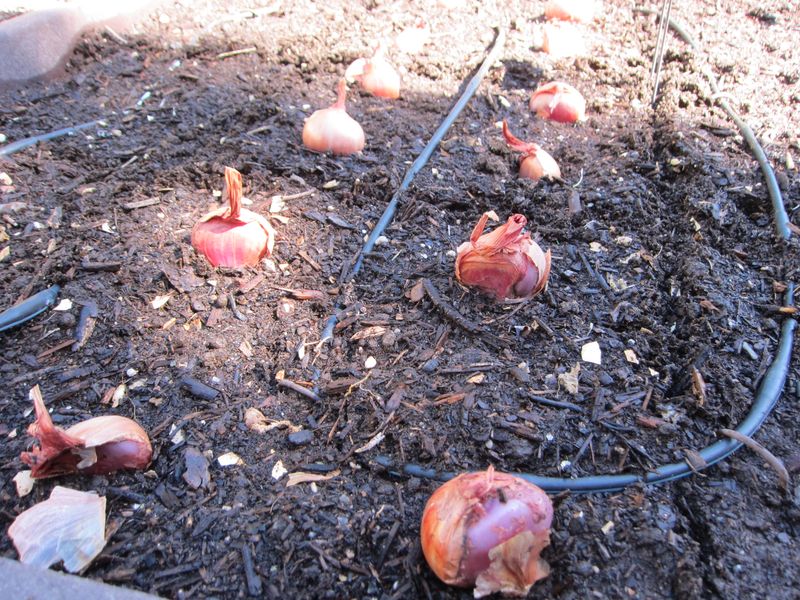
Often overlooked in favor of their garlic cousins, shallots deserve a spot in every fall garden for their mild, sweet flavor and impressive storage qualities. Plant individual shallot sets in October just like garlic, pushing them into loose soil with the pointed end up.
Space them about six inches apart in rows, covering with just enough soil to hide the bulb. Each set will multiply underground, producing a cluster of shallots by next summer.
They require almost no maintenance once planted and rarely suffer from pests or diseases. Come harvest time next year, you’ll pull up multiple shallots from each one planted, giving you high returns on minimal effort and space investment.
11. Root Vegetables
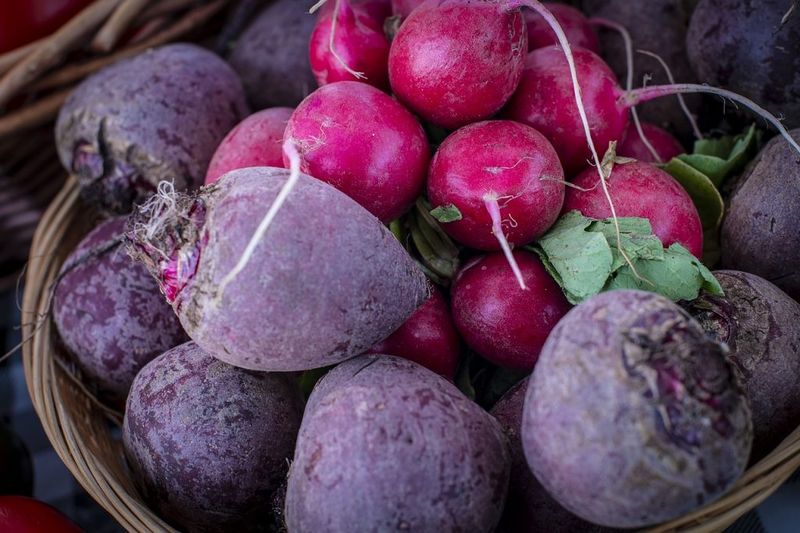
Beets and radishes thrive in the cool conditions October provides, developing sweet, tender roots without the toughness that summer heat can cause. Black radishes and various beet varieties mature quickly enough to harvest before hard freezes in most regions.
Sow seeds directly into garden soil, thinning seedlings once they emerge to give each plant adequate space. These root crops actually prefer cooler weather and can handle light frosts without damage.
Radishes mature incredibly fast—some varieties are ready in just three weeks. Beets take longer but store exceptionally well, providing fresh vegetables through winter. Both add beautiful color to your garden and your dinner plate while requiring minimal care.
12. Blueberry Bushes
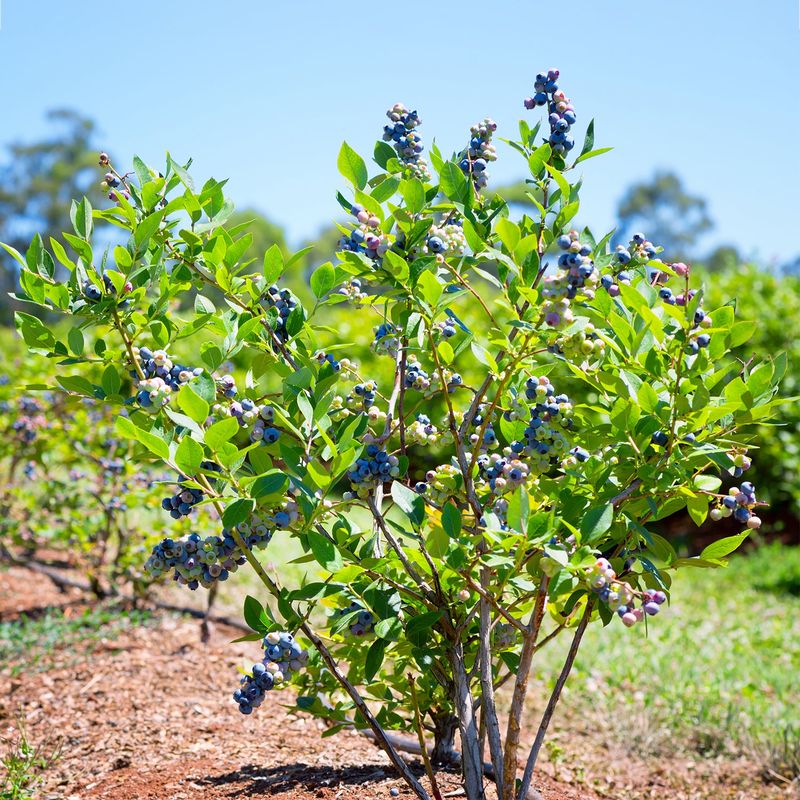
Fall planting gives blueberry bushes a head start on root establishment before they face the stress of next summer’s heat. These fruiting shrubs require acidic soil with a pH between 4 and 5, so test your soil before planting.
Choose varieties suited to your USDA hardiness zone—highbush types for zones 4-7, rabbiteye for zones 7-9, or southern highbush for warmer areas. Plant in well-drained soil enriched with peat moss or sulfur to lower pH.
Space bushes five to six feet apart for adequate air circulation and room to grow. While you won’t get a full harvest the first year, blueberries produce for decades once established, providing antioxidant-rich berries and beautiful fall foliage year after year.