Complete Gardening
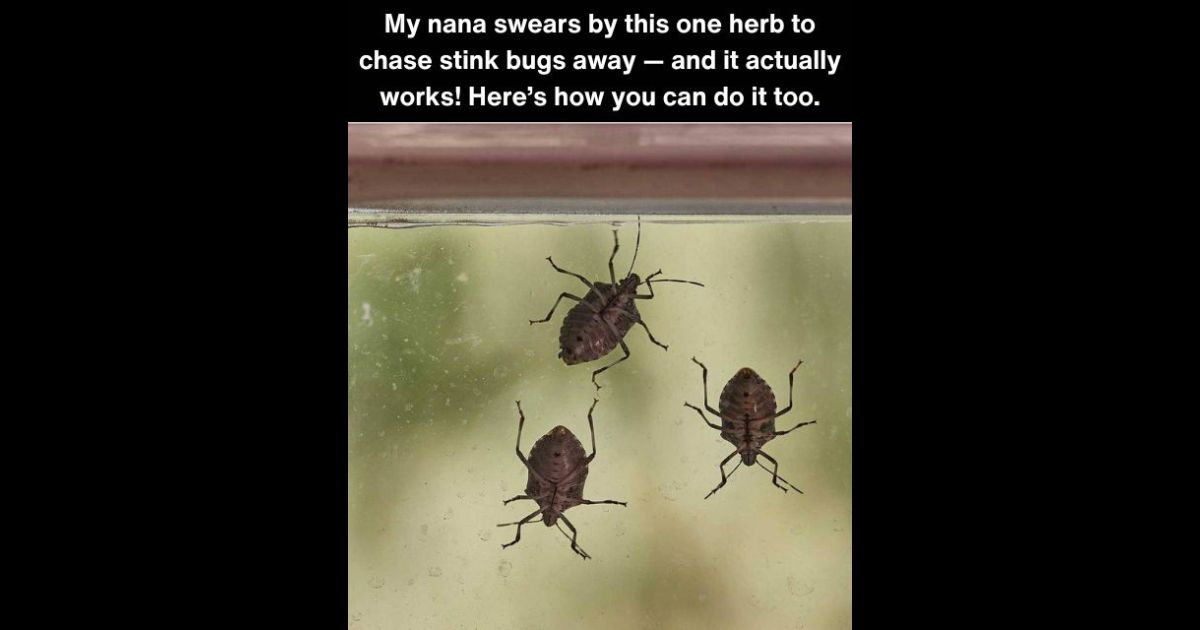
Stink bugs can turn your cozy home into a smelly nightmare, especially when the weather cools down. These brown, shield-shaped insects are infamous for the awful odor they release when threatened, and once they find their way inside, they don’t leave easily. Aside from the smell, they can damage plants and crops — making them a problem both indoors and outdoors. But before you reach for chemical sprays, there’s a natural remedy that works surprisingly well: bay leaves.
Meet the Stink Bug: A Tiny Pest with a Big Stench
The brown marmorated stink bug, originally from Asia, has spread across Europe and North America with few natural enemies to keep it in check. During the late summer and fall, these bugs sneak into homes looking for warmth and protection. You’ll often find them near windows, door frames, or hidden corners, waiting out the cold months inside your walls.
Why You Should Skip the Chemicals
Most people turn to pesticides to keep pests away, but those products often contain toxins that can harm kids, pets, and even beneficial insects in your garden. Luckily, nature already offers powerful pest control alternatives — like herbs, essential oils, and natural deterrents — that are safer and eco-friendly.
The Secret Power of Bay Leaves
Bay leaves, a staple in every kitchen, are far more than just a cooking ingredient. Their distinctive aroma contains natural oils that act as an insect repellent. These compounds are unpleasant to many bugs, including stink bugs, making bay leaves an excellent and affordable choice for keeping your home pest-free.
How Bay Leaves Repel Stink Bugs
What makes bay leaves effective is their powerful scent. Stink bugs rely heavily on their sense of smell to navigate and find shelter, but the strong aroma of bay leaves disrupts that. Simply placing a few leaves near entry points or problem areas can discourage them from settling in. The more concentrated the scent, the better the results — which is why crushed leaves tend to work even faster.
The Science Behind the Smell
Bay leaves contain essential oils rich in eucalyptol, linalool, and terpenes — all known for their ability to confuse and repel insects. These natural compounds interfere with bugs’ pheromone systems, making it difficult for them to communicate or find food. This isn’t just folk wisdom; it’s backed by science.
How to Use Bay Leaves to Keep Stink Bugs Away
Using bay leaves around your home is simple and inexpensive. Place a few leaves along windowsills, baseboards, or any areas where stink bugs tend to appear. Crush some leaves to release more of their aroma for a stronger effect. You can also tuck them into drawers, pantries, and even closets to keep your entire home protected.
DIY Bay Leaf Repellent — Step by Step
- Get some fresh or dried bay leaves — either from your kitchen or a local store.
- Crush a handful of them to intensify their scent.
- Scatter the leaves near entryways, windows, and other hiding spots.
- For a longer-lasting option, make small sachets by placing crushed leaves in a breathable fabric bag and hanging them where needed.
- Replace every few weeks to maintain their potency.
Other Ways to Use Bay Leaves for Pest Control
Bay leaves don’t just work on stink bugs — they also repel ants, silverfish, and pantry moths. Place them inside cupboards or drawers to protect food from unwanted visitors. You can even mix bay leaf essential oil with water to make a natural spray for your garden or storage spaces.
Why Natural Remedies Are the Smarter Choice
By turning to natural solutions like bay leaves, you’re not only protecting your home but also helping the environment. These methods are non-toxic, safe for kids and pets, and promote a more sustainable way to live. Plus, they’re inexpensive and easy to maintain — no need for harsh chemicals or expensive exterminators.
Conclusion — Nature’s Way to a Pest-Free Home
Stink bugs might be stubborn, but bay leaves offer a simple, eco-friendly way to keep them in check. This humble kitchen herb proves that you don’t need chemicals to win the battle against pests. With a few well-placed leaves, you can enjoy a fresh, clean home — without the stink.