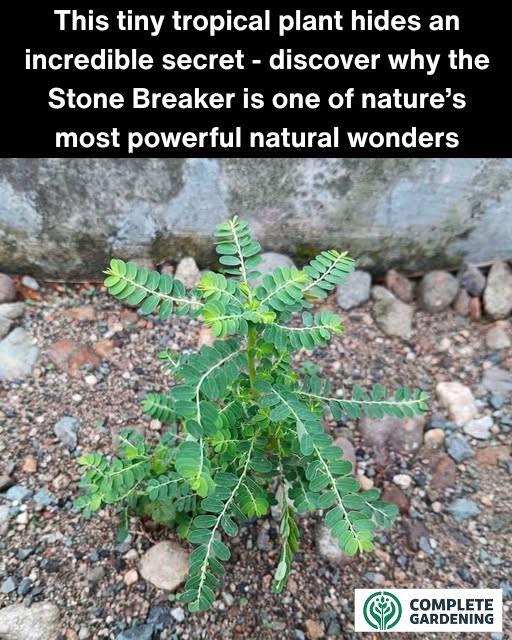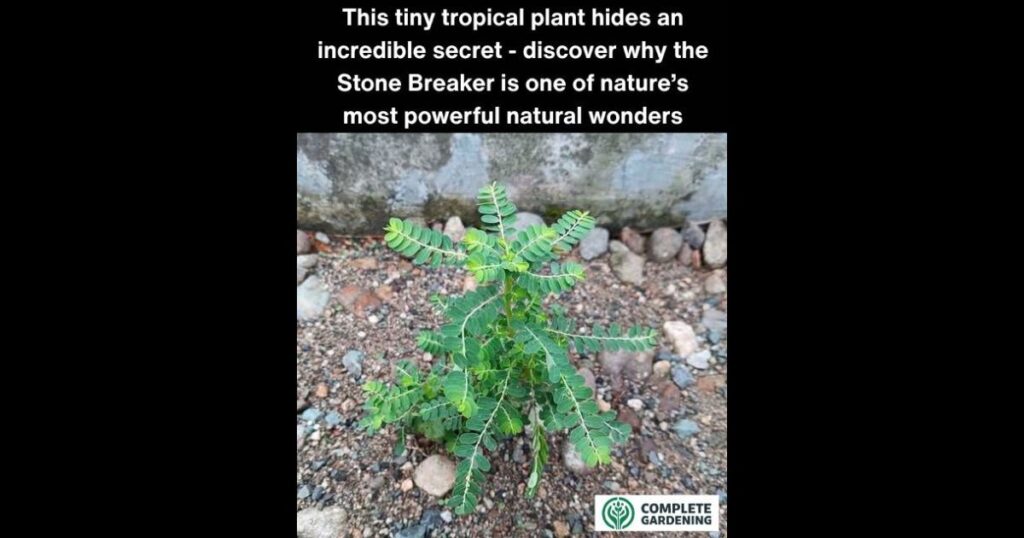
In the world of nature’s hidden miracles, few plants are as fascinating as the Stone Breaker (Phyllanthus niruri) — a small but mighty herb with an extraordinary story. Found mostly in tropical regions, this humble green plant has amazed scientists, healers, and nature lovers alike for centuries. Its adaptability, healing potential, and ecological importance make it a true wonder of the natural world.
The Fascinating World of the Stone Breaker Plant
Known in Spanish as Chanca Piedra, which translates to “stone breaker,” this resilient herb grows in warm, sunny environments and is recognized for its tiny leaves and delicate fruits that hang beneath its stems. Despite its modest appearance, it thrives where many other plants struggle, making it a symbol of endurance and balance in nature.
Researchers have long been intrigued by its ability to adapt to changing environments, which offers valuable insights into plant resilience and sustainability.
A Plant Steeped in History and Culture
For centuries, Indigenous communities in the Amazon rainforest and tropical Asia have revered Chanca Piedra for its powerful healing abilities. Traditionally, it was used to treat kidney stones, gallstones, and liver ailments, earning its iconic name as the “stone breaker.”
Beyond its medicinal uses, the plant holds deep cultural significance. It is often associated with healing, renewal, and strength — qualities that have made it a part of folklore and spiritual practices in many regions.
Unique Leaf Structure and Energy Efficiency
The Stone Breaker’s leaves are small, elliptical, and arranged alternately along its stems. What sets them apart is their efficiency in capturing sunlight, even under shaded conditions. This trait allows the plant to perform photosynthesis effectively and maintain its vitality in varying light environments.
Scientists have discovered that these leaves are rich in phytochemicals — natural compounds responsible for the plant’s therapeutic effects, making them a focal point of modern herbal research.
Medicinal Benefits Backed by Science
Traditional healers have long praised the Stone Breaker’s healing properties, and modern science is now catching up. Studies have found that the plant contains flavonoids, alkaloids, and lignans, which contribute to its many health benefits:
- Supports liver function and detoxification
- Prevents and helps break down kidney stones
- Reduces inflammation and pain
- Protects against oxidative stress
- Promotes healthy digestion
Its powerful natural compounds make it a cornerstone of herbal medicine, bridging ancient traditions with modern scientific validation.
Ecological Role and Environmental Benefits
The Stone Breaker plant does more than heal people — it helps heal the planet. Acting as a natural ground cover, it prevents soil erosion, enriches the earth with organic matter, and promotes biodiversity.
It also supports a variety of insects and small wildlife, contributing to a balanced ecosystem. Its presence often indicates a healthy, thriving environment, underscoring its ecological importance.
Cultivation and Conservation
With growing global interest in natural medicine, the demand for Chanca Piedra has surged. To prevent overharvesting, sustainable cultivation methods have been introduced, ensuring the preservation of wild populations.
Conservationists are working to protect the plant’s natural habitats, promoting eco-friendly harvesting and replanting initiatives to maintain biodiversity for future generations.
Challenges and Threats
Despite its resilience, the Stone Breaker plant faces increasing threats from deforestation, habitat loss, and climate change. Overharvesting for commercial use also endangers its natural growth cycles.
Preserving this plant requires a global commitment to sustainable farming and environmental protection — a reminder that nature’s gifts must be respected, not exploited.
Conclusion – A Living Miracle of Nature
The Stone Breaker plant is much more than a simple herb — it’s a symbol of strength, balance, and healing. From its roots in traditional medicine to its recognition in modern science, this plant embodies the perfect harmony between nature and humanity.
Its story reminds us of the vast potential hidden in the natural world and the importance of protecting it. The next time you see this unassuming little plant, remember — you’re looking at one of nature’s greatest healers.